



In a quiet residential district of Nagoya, away from the city’s busy commercial streets, the Futaba Museum preserves a remarkable chapter in Japan’s transition to modernity.
Located on Nagoya’s Cultural Path, the museum is an amazing example of Meiji-era architecture and displays the things left behind from its once colorful residents. For international visitors interested in Japanese history, the building provides an opportunity to discover the people and ideas that helped shape modern Nagoya.
The Nagoya Culture Path: A Historic Neighborhood

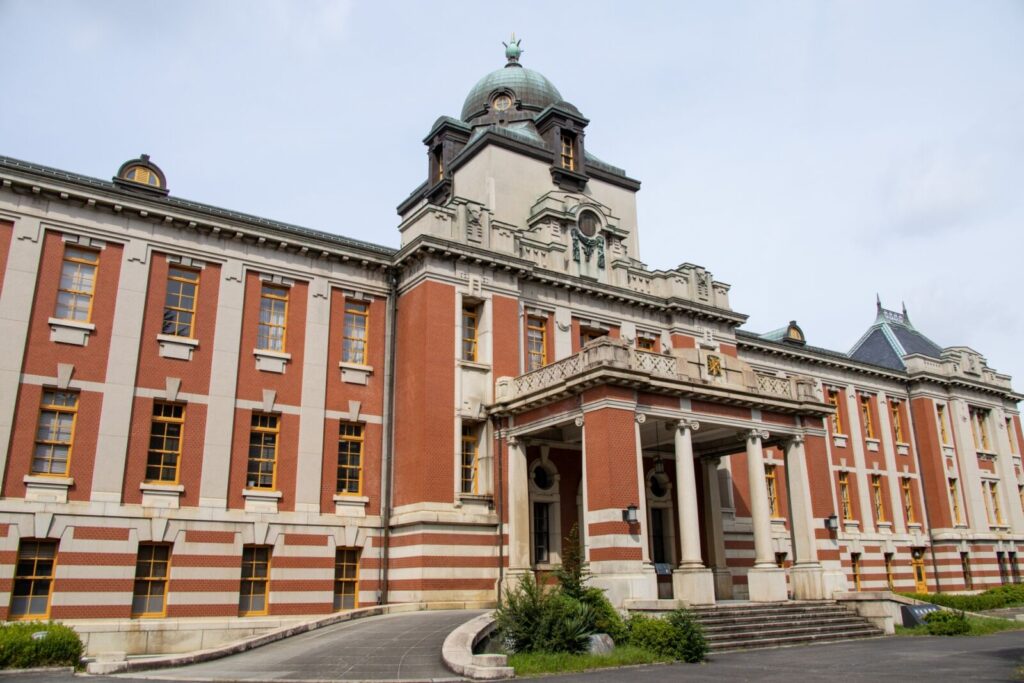
Nagoya’s Cultural Path stretches between Nagoya Castle and Tokugawa Garden, encompassing a collection of historic residences and cultural landmarks. During the Edo period (1603–1867), the area was occupied by middle- and lower-ranking samurai of the Owari domain, whose residences stood on plots of approximately 2,000 square metres.
Following the Meiji Restoration in 1868, the neighbourhood gradually changed character. Entrepreneurs, religious leaders, journalists and other influential figures established themselves in the area, contributing to the development of modern industry, commerce and cultural life.
The Futaba Museum reflects this transformation. Its history is closely connected to the emergence of a new generation of Japanese leaders who embraced modern technology and international ideas while retaining strong connections to traditional culture.
The Futaba House’s Remarkable Residents
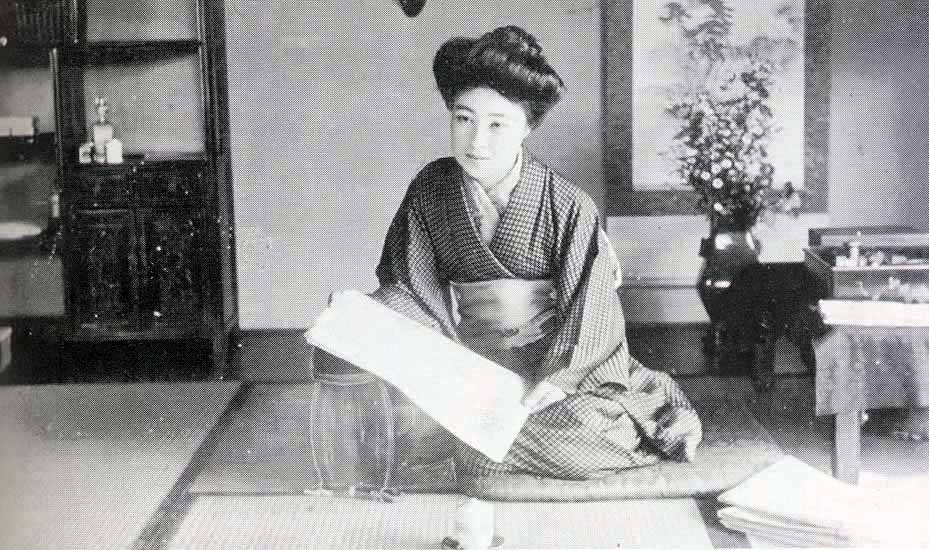
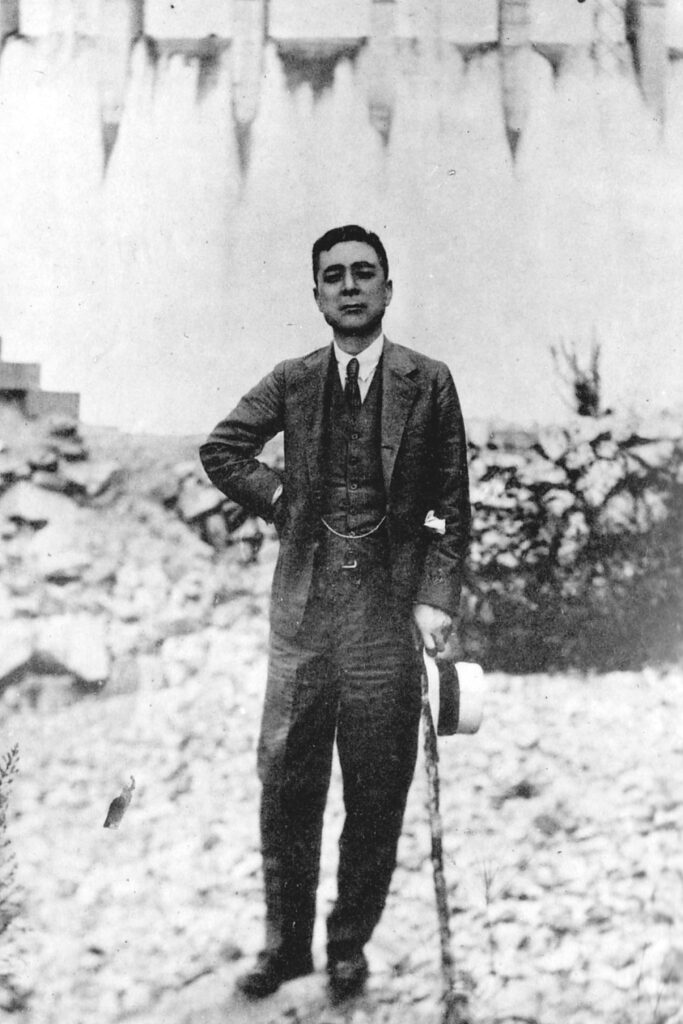
The residence is best known as the former home of Sadayakko Kawakami and Momosuke Fukuzawa, two influential figures whose lives bridged the worlds of culture, business and modern Japan.
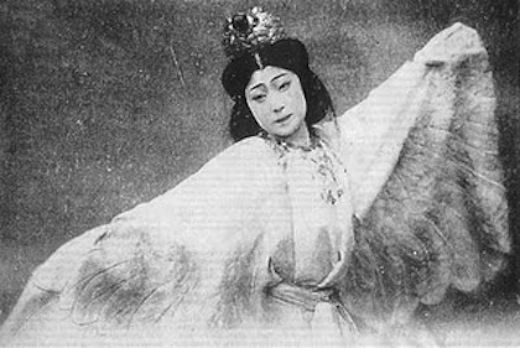
Sadayakko Kawakami (1871–1946) became celebrated as Japan’s first modern actress, gaining international recognition through performances in the United States and Europe. After her husband, actor Kawakami Otojiro, died in 1911, she left the stage and established a textile business in Nagoya.
Momosuke Fukuzawa (1868–1938), known as the “King of Electricity”, pioneered hydroelectric power development along the Kiso River system, helping expand the electricity infrastructure that supported central Japan’s industrial growth. Despite early financial setbacks and illness, he rebuilt his fortunes and became a leading entrepreneur.
The two had known each other since youth and lived together at the residence from 1919 to 1924, although Momosuke was married to Fusa Fukuzawa, daughter of educator Yukichi Fukuzawa.
Their home, sometimes called Futaba Palace, became a gathering place for politicians and business leaders. Sadayakko’s social connections complemented Momosuke’s commercial ambitions, making the residence a meeting point for cultural and industrial life during a transformative period in Japanese history.

An Architectural Meeting of East and West
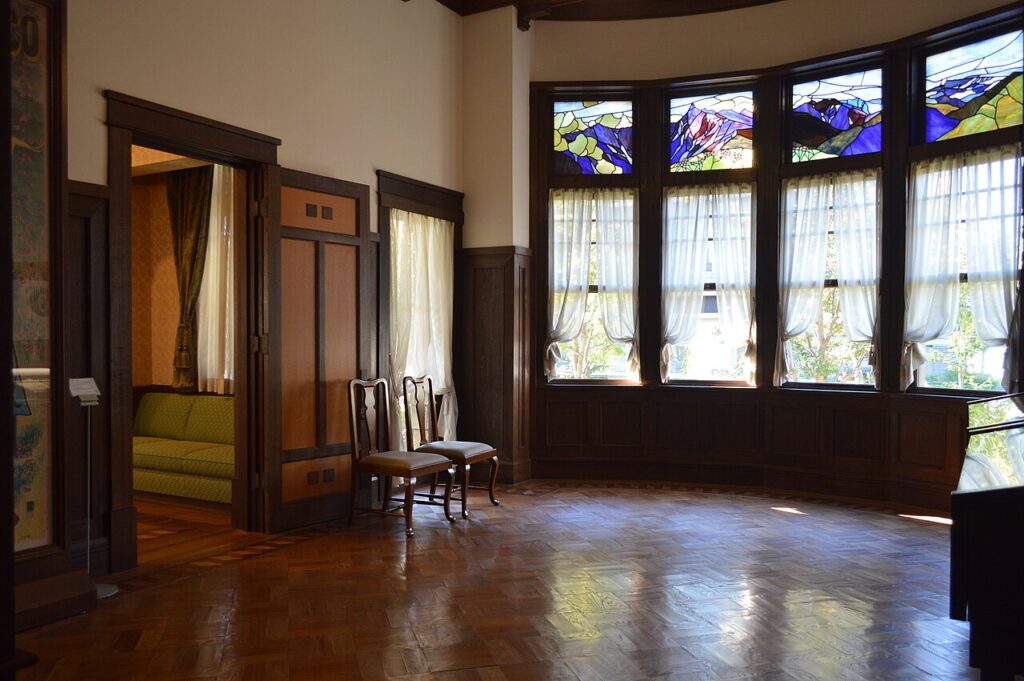
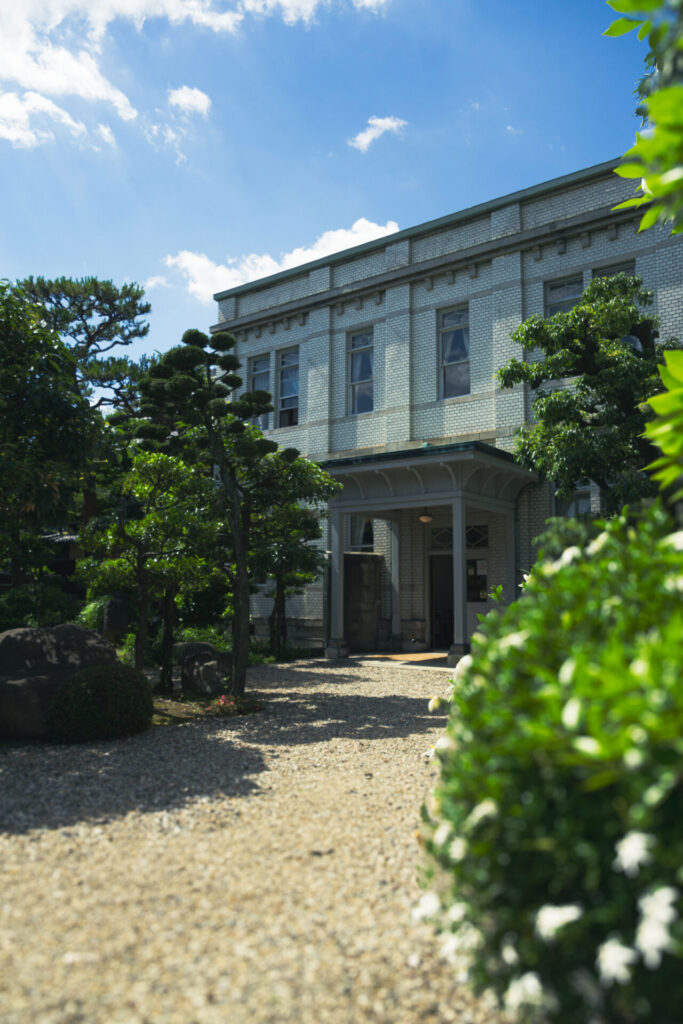
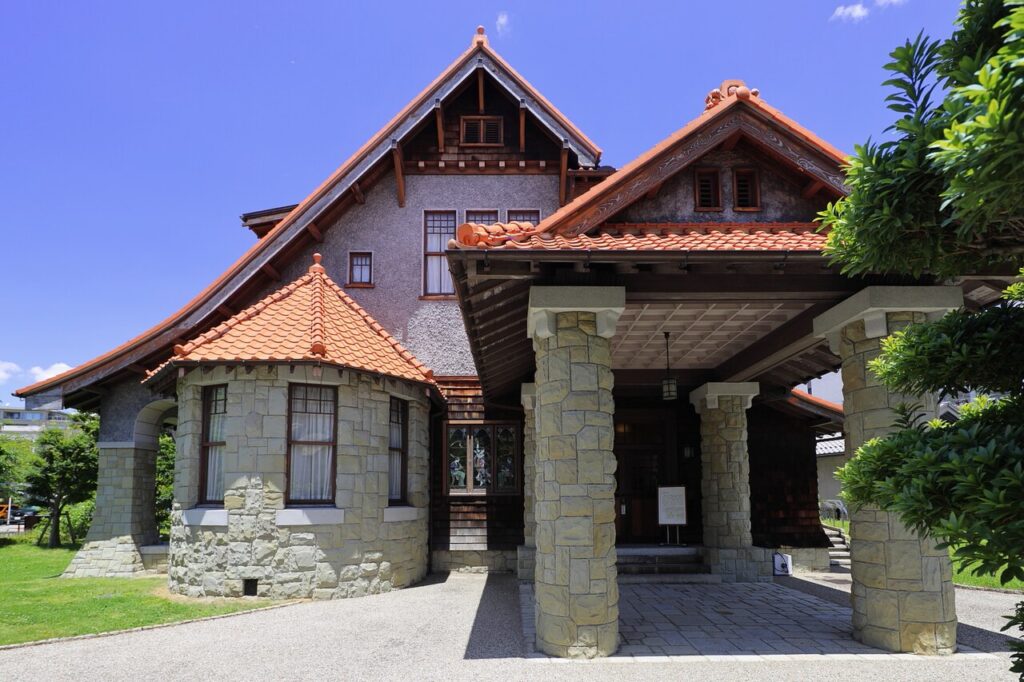
The building itself reflects the aspirations of Japan’s emerging modern elite. Designed by Amerikaya, a specialist company known for innovative Western-style housing, the residence combined Japanese architectural traditions with Western influences.
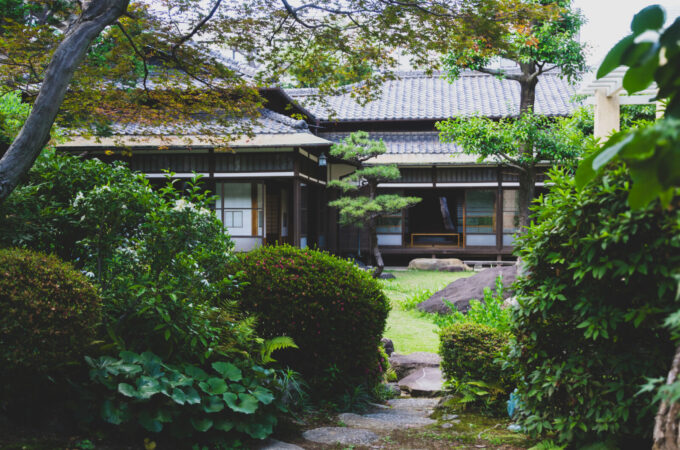
Originally, the eastern side of the long, east–west-oriented building contained Western-style rooms, while the western section consisted of traditional Japanese rooms. This arrangement created a distinctive contrast between two architectural traditions within a single home.
The original residence was designed to impress. Visitors approached along a gravel driveway and passed through a circular carriageway before reaching the entrance porch.
The grounds featured pine trees, weeping cherry trees and firs, alongside a lawn garden illuminated by searchlights and an electrically powered fountain.
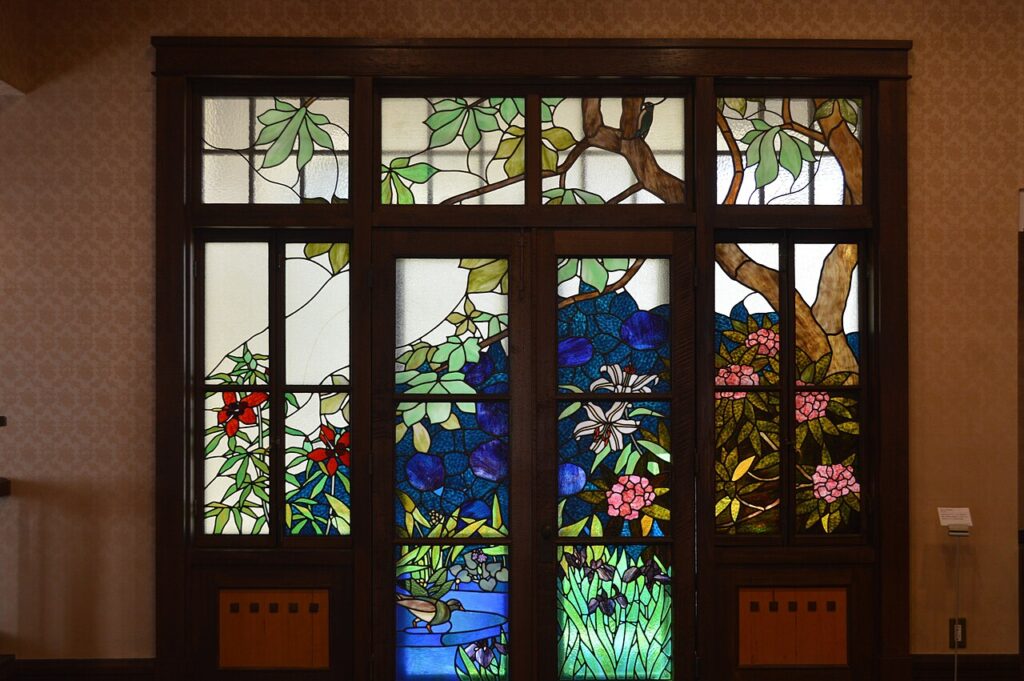
Inside, the grand reception room was particularly striking. Circularly arranged sofas stood beneath stained-glass windows, and electrical fittings brought a sense of modern luxury to the interior.
It's said that Sadayakko asked for the creation of an original doorbell system which allowed staff to identify which room was calling: pressing a bell caused it to ring and display a corresponding number.
At a time when electricity was still a relatively new feature of everyday life in Japan, these unique features demonstrated the possibilities of modern technology.

Preserving the Residence for Future Generations
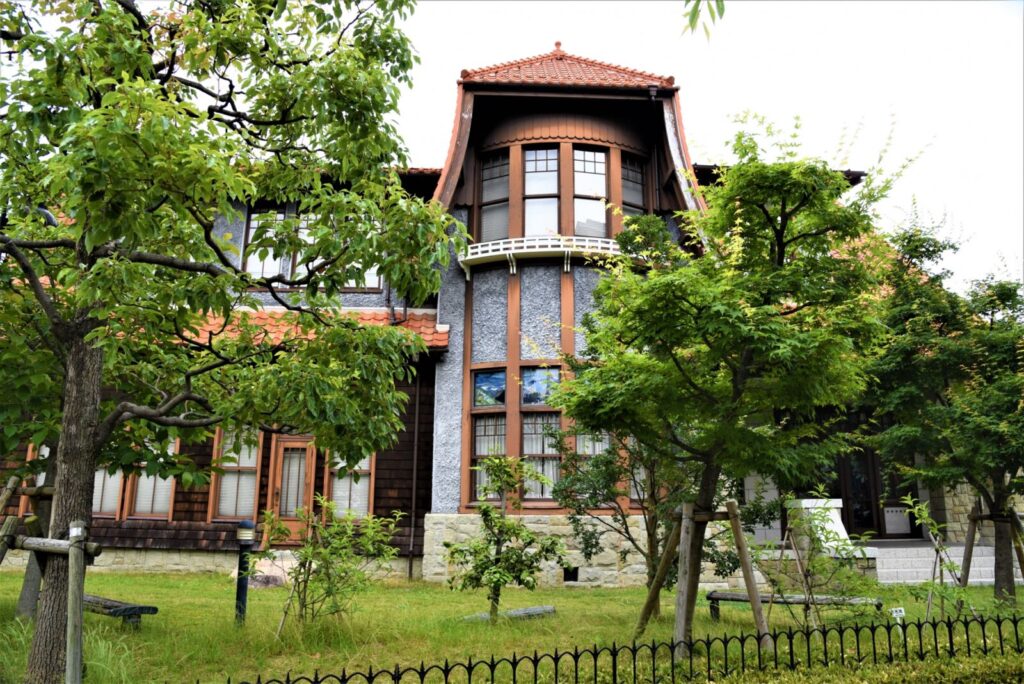
While advanced for its time, the building’s survival was far from straightforward. In 1937, approximately 2,140 square metres of the property, including the residence, were purchased by Kozo Kawasaki, then a director of Daido Steel. The remaining land was divided and sold, and the original Western-style eastern section of the building was removed. The surviving Japanese-style section was renovated and extended, although elements of the earlier structure, including stained glass, were reused.
Further changes followed, including the sale of part of the northern grounds in 1959.
In 2000, the City of Nagoya received the building as a donation. It was subsequently dismantled, with its materials stored for safekeeping, before being relocated and restored at 3-23 Shōmoku-chō, Higashi-ku, where it now serves as the Futaba Museum.
The restoration sought to recover the residence’s original appearance, particularly its distinctive exterior and grand reception hall. As the original site had changed, and modern regulations and practical requirements imposed limitations, the reconstructed building differs in some respects from its former arrangement. Its orientation, for example, was rotated by 90 degrees.
Nevertheless, considerable effort went into preserving its historic character. Original structural materials and stained glass were reused wherever possible, and components that had been repurposed during earlier renovations were returned to their original positions when their former locations could be established. Traditional materials and construction techniques were also employed to recreate the atmosphere of the original building.
Exploring the Museum’s Exhibitions

For anyone interested in Japanese history and architecture, a visit to the Futaba Museum provides a compelling glimpse into a period when tradition and modernity came together under one remarkable roof. The museum’s rooms reveal different aspects of the people and period associated with the house.
On the first floor, the main hall introduces the history of the Cultural Path through interpretive panels, videos and information about related cultural facilities and events. The hall also showcases restored architectural features.
Among its most notable objects is a reconstructed sofa, restored using its original wooden frame and springs, which had survived after being moved to another room. The stained-glass windows were created from original designs by Hisui Sugiura, a prominent designer of the period and Momosuke’s brother-in-law.
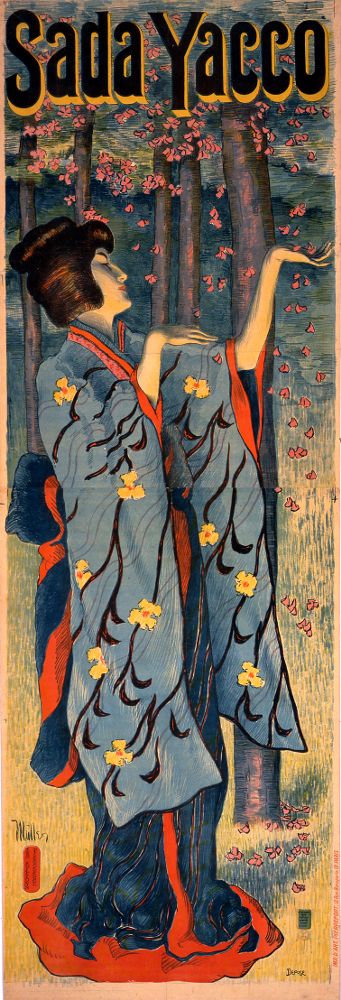
In other rooms, photographs taken in Paris, stage scripts, newspaper clippings and magazine articles trace Sadayakko’s rise to international fame. Visitors can also see a replica of a theatrical costume and a naginata associated with her performance in The Beauty of the Deep Mountains. A poster advertising her appearance at the 1900 Paris Exposition, painted by Swiss artist Alfred Müller, illustrates the international reach of her career. The collection also includes a drawing of Sadayakko by a young Pablo Picasso.
On the second floor, displays introduce writers including Tsubouchi Shōyō, a major figure in modern Japanese literature, alongside other local authors. Documents and publications also illustrate the region’s literary magazine culture, with some books available for visitors to browse.

Planning a Visit to the Futaba Museum
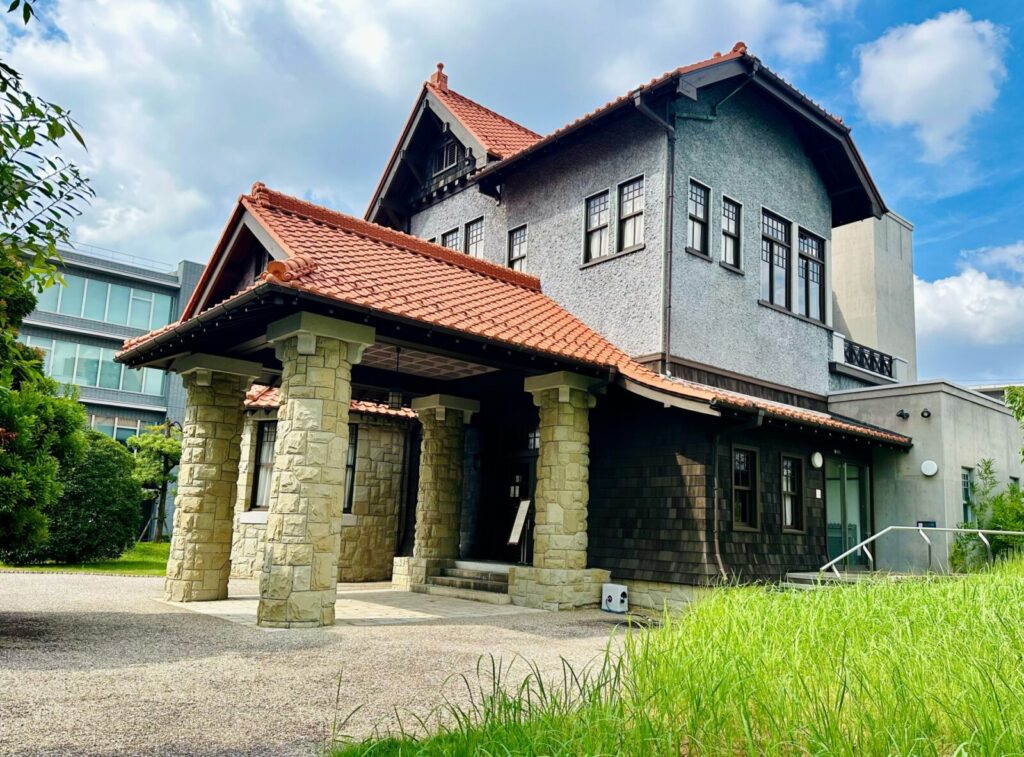
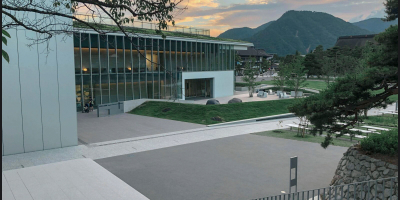
The Futaba House is located at the center of Nagoya’s Culture Path.
Allow around 45–60 minutes to explore the building and its exhibitions at a comfortable pace. Visitors with a particular interest in architecture, Sadayakko’s career or the history of electricity may wish to spend longer.
We at Snow Monkey Resorts and happy to offer a tour of the Futaba Museum as part of our 1-Day Guided Garden Walk through Nagoya Castle & Historic Estates.
1-Day Guided Garden Walk through Nagoya's Castle, Gardens, and Historic Estates / All Year Round
Centrally located and surrounded by fertile plains, mountains, rivers, and the sea, it is easy to understand why Nagoya is known as “the Heart of Japan.” This castle city attracted samurai and craftsmen alike and, later, wealthy merchants and innovative leaders of industry. Today, Nagoya has cemented itself as Japan’s center of industry and is home to manufacturing giants such as Toyota, Brother, Noritake, Ibanez, Buffalo, and Mitsubishi Heavy Industries.
This tour will take you into several historic estates and private gardens of these titans of industry. Marvel at the gilded artwork and golden screens in Honmaru Palace and sip tea while gazing at a garden designed for a daimyo as you are led by an experienced, English-speaking guide through Nagoya on this full-day tour.



Frequently Asked Questions
What is the Futaba Museum?
The Futaba Museum, also known as the Cultural Path Futaba Museum, is a restored historic residence in Nagoya, Japan. It was once home to Sadayakko Kawakami, a pioneering Japanese actress, and Momosuke Fukuzawa, an influential entrepreneur known as the “King of Electricity”. Today, it showcases the building’s architecture, the lives of its former residents and Nagoya’s cultural heritage.
What can visitors see inside the museum?
Exhibitions include stained-glass windows, a restored reception hall, traditional Japanese rooms, historical furnishings, photographs of Sadayakko, theatrical memorabilia and literary displays. Visitors can also learn about the building’s restoration and the architectural techniques used in its original construction.
Are there any English guided tours of the Futaba Museum?
Yes, we at Snow Monkey Resorts and happy to offer a tour of the Futaba Museum as part of our 1-Day Guided Garden Walk through Nagoya Castle & Historic Estates.
Recommended Tour: Snow Monkey Resort's 1-Day Guided Garden Walk through Nagoya's Castle, Gardens, and Historic Estates will take you into several historical estates and private gardens of Nagoya's titans of industry. Marvel at the gilded artwork and golden screens in Honmaru Palace and sip tea while gazing at a garden designed for a daimyo as you are led by an experienced, English-speaking guide through Nagoya on this full-day tour.
How long should I allow for a visit?
Allow approximately 45–60 minutes to explore the exhibitions, restored rooms and architectural details. Visitors with a particular interest in Japanese history, theatre or architecture may wish to spend longer.