






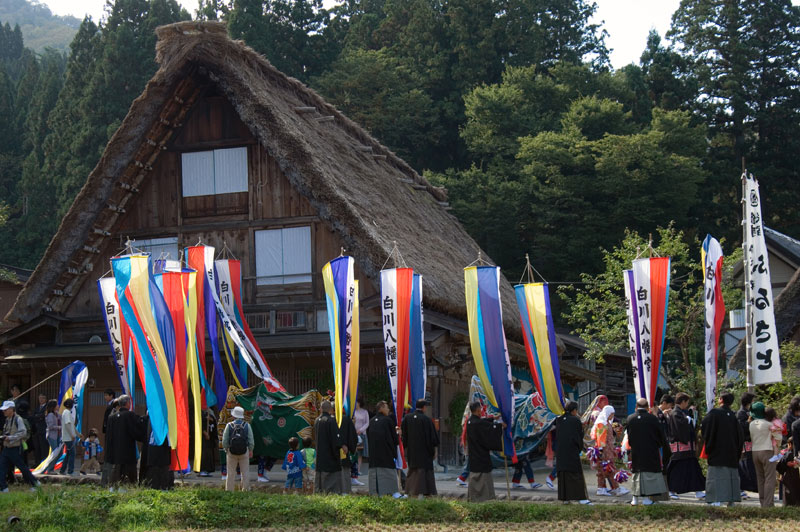
Every autumn, the historic village of Shirakawa-go in Gifu Prefecture comes alive with the sounds of traditional music, the rhythm of lion dances, and the rich aroma of freshly brewed doburoku (sake). Held across several days in October, the Doburoku Festival is one of the region’s most distinctive events, offering visitors a rare opportunity to experience Japan’s living traditions in an extraordinary rural setting.
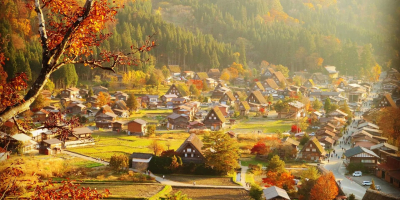
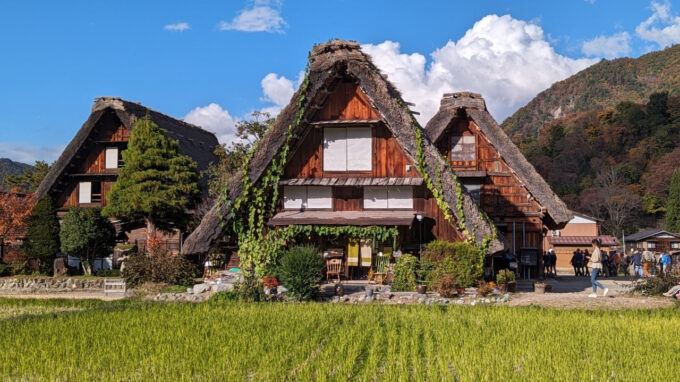
Surrounded by mountains and famous for its steeply thatched gassho-zukuri farmhouses, Shirakawa-go provides a memorable backdrop for this celebration of harvest, community, and gratitude to the gods. For travelers seeking a deeper understanding of Japanese culture beyond the country’s major cities, the festival is an especially rewarding autumn experience.
What Is the Doburoku Festival?
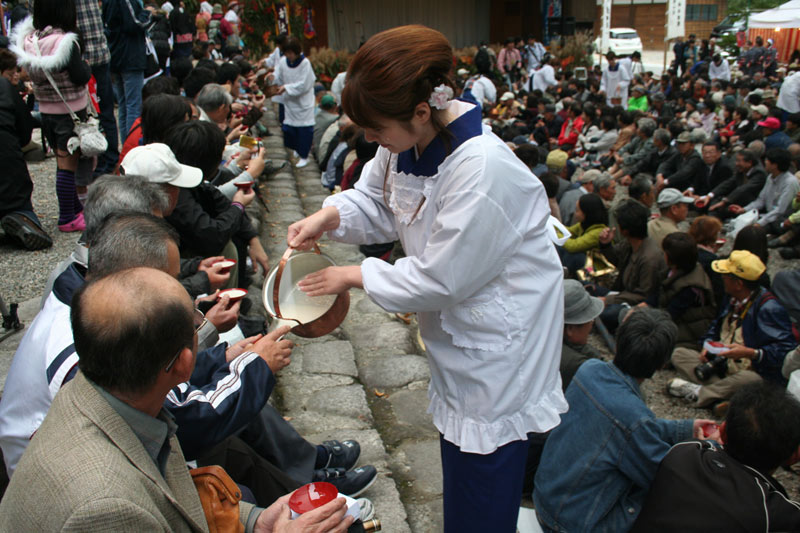
The Doburoku Festival, or Doburoku Matsuri, is a series of traditional harvest celebrations held at three local Shinto shrines in Shirakawa-go from October 14 to 19. The festivities give thanks for an abundant harvest and pray for family safety, peace in the village, and continued prosperity.
Rather than a single event, the festival moves between local communities, with each shrine hosting its own ceremonies and performances. Although the precise program varies by location, the celebrations generally include religious rituals, a procession carrying a portable shrine, traditional music and dance, and the ceremonial serving of doburoku.
The festival reflects the close relationship between agriculture, spiritual beliefs, and community life in rural Japan. For generations, seasonal ceremonies have provided an opportunity for residents to express gratitude for nature’s blessings and preserve customs passed down through their communities.
The History and Significance of Doburoku
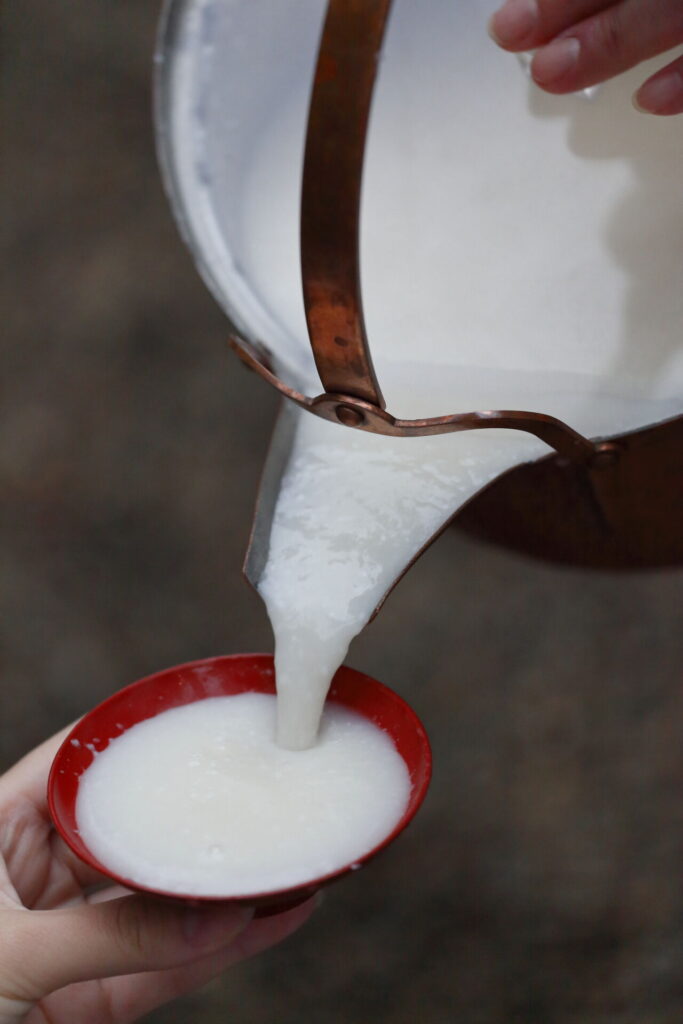
The festival takes its name from doburoku, a traditional Japanese rice-based alcoholic drink. Unlike refined sake, which is typically filtered to remove most of its solid rice particles, doburoku retains its cloudy appearance and a distinctive, textured character.
Its importance at Shirakawa-go extends beyond its role as a dinner beverage. Doburoku is offered as sacred sake during the shrine ceremonies and subsequently shared with visitors, making it a central part of the villages’s community spirit.
According to local tradition, doburoku has been used in religious celebrations for centuries. The shrines maintain a special brewing tradition, with sake produced for religious purposes under licenses granted in 1896, following government restrictions on private alcohol production. These special arrangements allowed the shrines to continue their customary brewing practices under specific conditions.
The preparation of doburoku is itself part of this heritage. Traditionally, the drink is brewed at the shrines during the winter, when snow blankets the surrounding mountains. By autumn, it is ready to drink and takes center stage in the Doboroku Festival.

Three Shrines, Six Days of Celebration
The festival takes place at three shrines in succession, giving visitors several opportunities to experience the festivities.
- October 14–15: Shirakawa Hachimangu Shrine. Located near the southern end of the Ogimachi gassho-zukuri village, this is the best-known celebration and attracts particularly large crowds.
- October 16–17: Hatogaya Hachimangu Shrine. The festivities continue in the Hatogaya district, offering another opportunity to experience the local ceremonies and performances.
- October 18–19: Iijima Hachimangu Shrine. The final celebrations take place in the Iijima district, near the Shirakawa-go roadside station.
Each shrine has its own character, and schedules and performances may differ slightly. Visitors planning their trip around a particular event should check the latest official festival information before traveling.
What to Expect at the Doburoku Festival

Festival days are filled with activity, beginning in the morning and continuing into the evening. While exact times vary, the general schedule offers a useful guide.
8:00 a.m. — Shinto ceremonies
The day begins with religious rituals at the shrine. These ceremonies establish the spiritual foundation of the festival, expressing gratitude and prayers for the well-being of the community.
9:00 a.m. — The divine procession
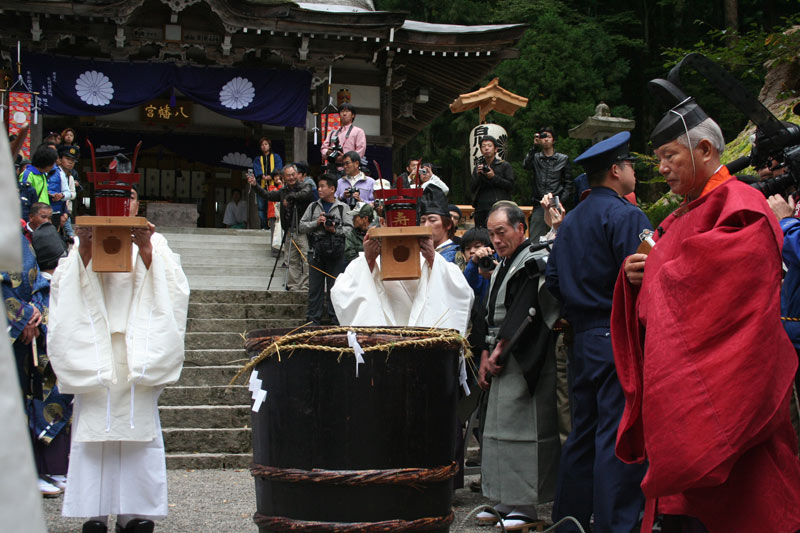
A mikoshi, or portable shrine, is carried through the surrounding neighborhood in a procession known as shinkō. This brings the festival into the streets and residential areas, reflecting the close connection between the shrine and the local community.
3:00 p.m. — The doburoku ceremony
One of the day's central moments is the ritual offering of doburoku at the shrine. After the ceremony, the sacred drink is prepared for distribution to visitors.
3:30–5:00 p.m. — Doburoku and folk performances
Visitors gather in the shrine grounds to receive doburoku, while traditional songs and performances take place nearby. At Shirakawa Hachimangu, the program may include Harukoma, a distinctive folk performance associated with that shrine.
From 7:00 p.m. — Lion dancing and local entertainment
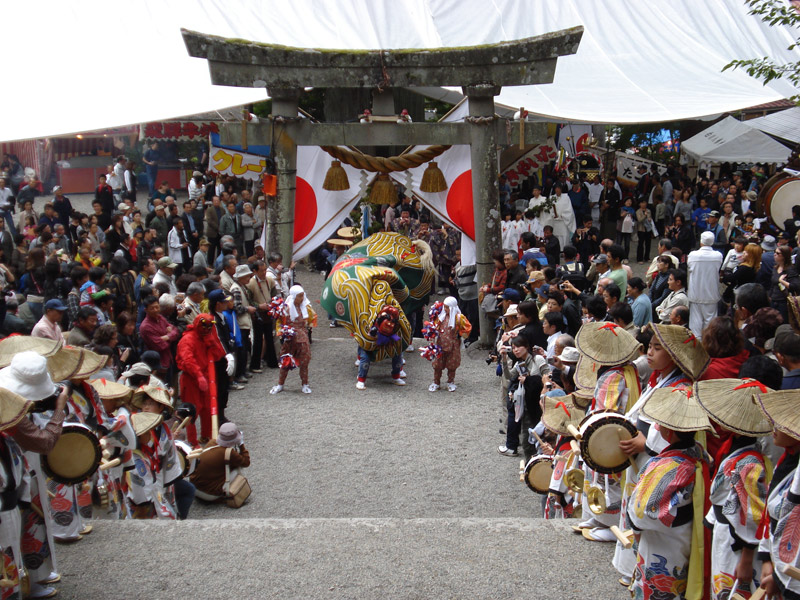
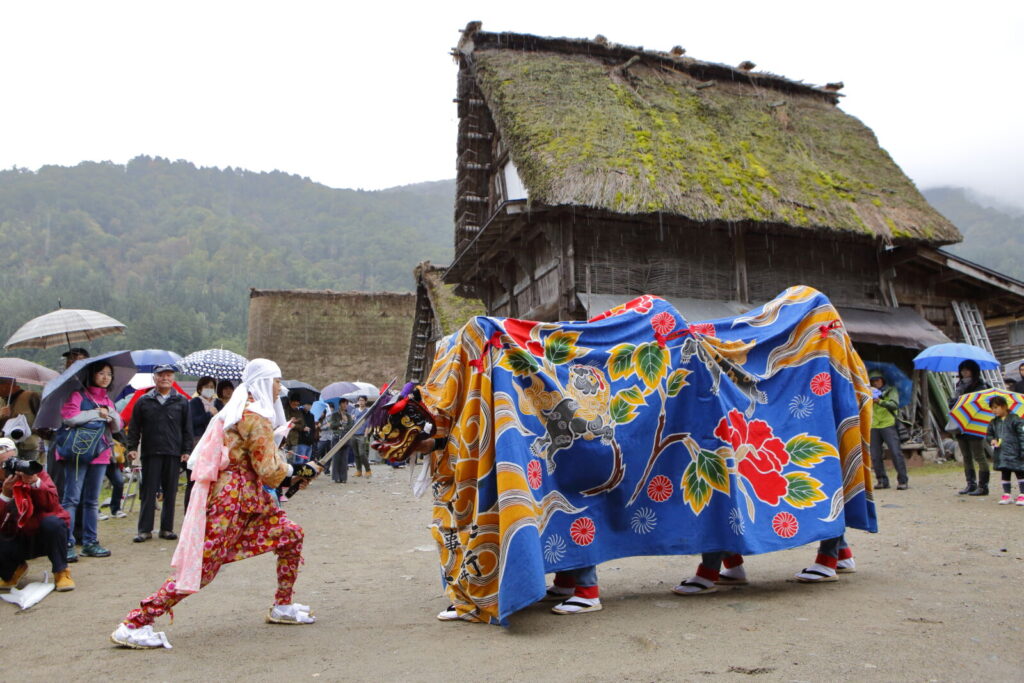
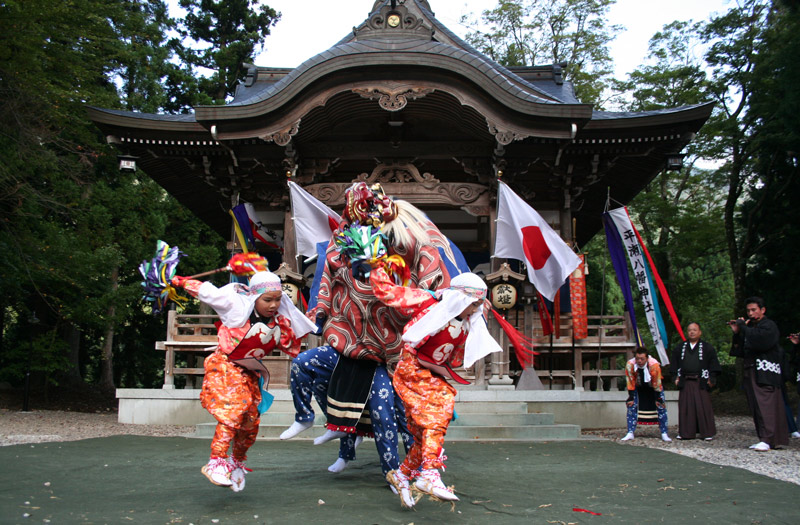
As evening approaches, shishimai, or traditional lion dancing, takes place at the shrine. Local folk entertainment follows, featuring songs and dances that preserve the region’s cultural heritage.
Among the traditional songs performed are Shirakawa Okesa and Shossho-bushi. Although several villages share a repertoire of songs, their dances can differ, giving each community its own distinctive identity.
Enjoying Doburoku: Etiquette and Practical Tips
For many visitors, tasting doburoku is a highlight of the festival. At Shirakawa Hachimangu, a donation of 400 yen has traditionally entitled visitors to a special commemorative sake cup that can be refilled during the designated serving period. As arrangements and donation amounts may change, confirm the current details before attending.
A few practical points will help ensure a smooth and respectful visit:
- Bring the designated sake cup. The shrine distributes doburoku only in its designated cup, available at the shrine's donation counter.
- Drink only in the permitted area. Doburoku is served within the shrine grounds. Do not transfer it into another container or attempt to take it away.
- Follow local instructions. The serving period can become very crowded. Follow guidance from shrine staff and local volunteer fire brigade members.
- Never drink and drive. Visitors traveling by car must not consume alcohol before driving. Arrange alternative transportation if you intend to sample the drink.
- Respect the religious setting. Observe ceremonies quietly, follow any photography restrictions, and avoid obstructing processions or performances.
Because the festival is an important religious event for local residents, approaching it with curiosity and respect will make the experience more meaningful.
Visiting Shirakawa-go in Autumn
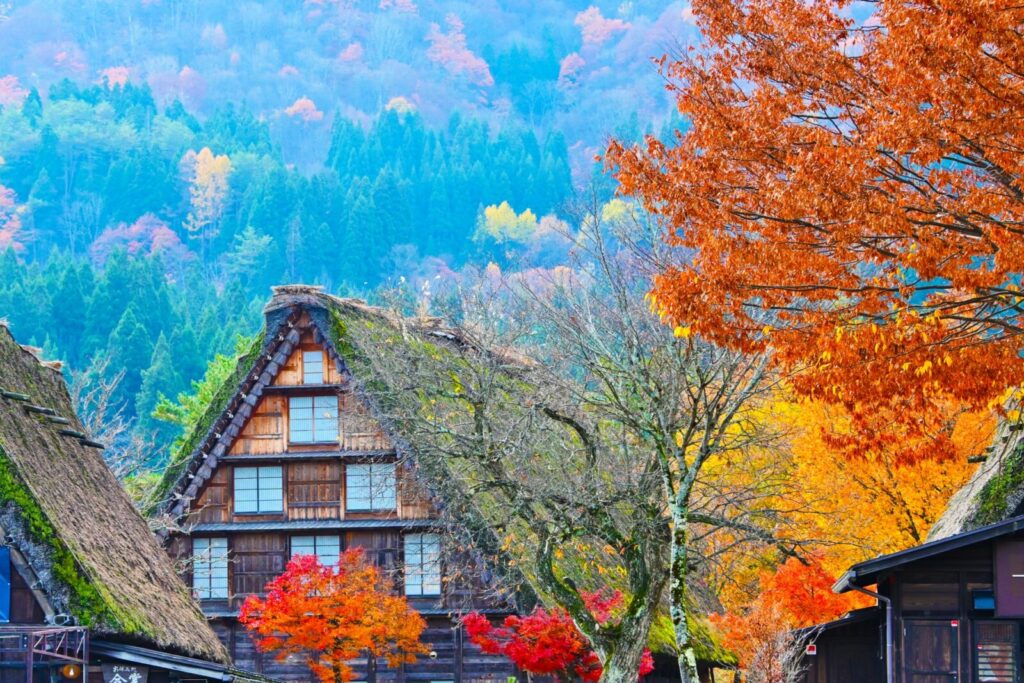
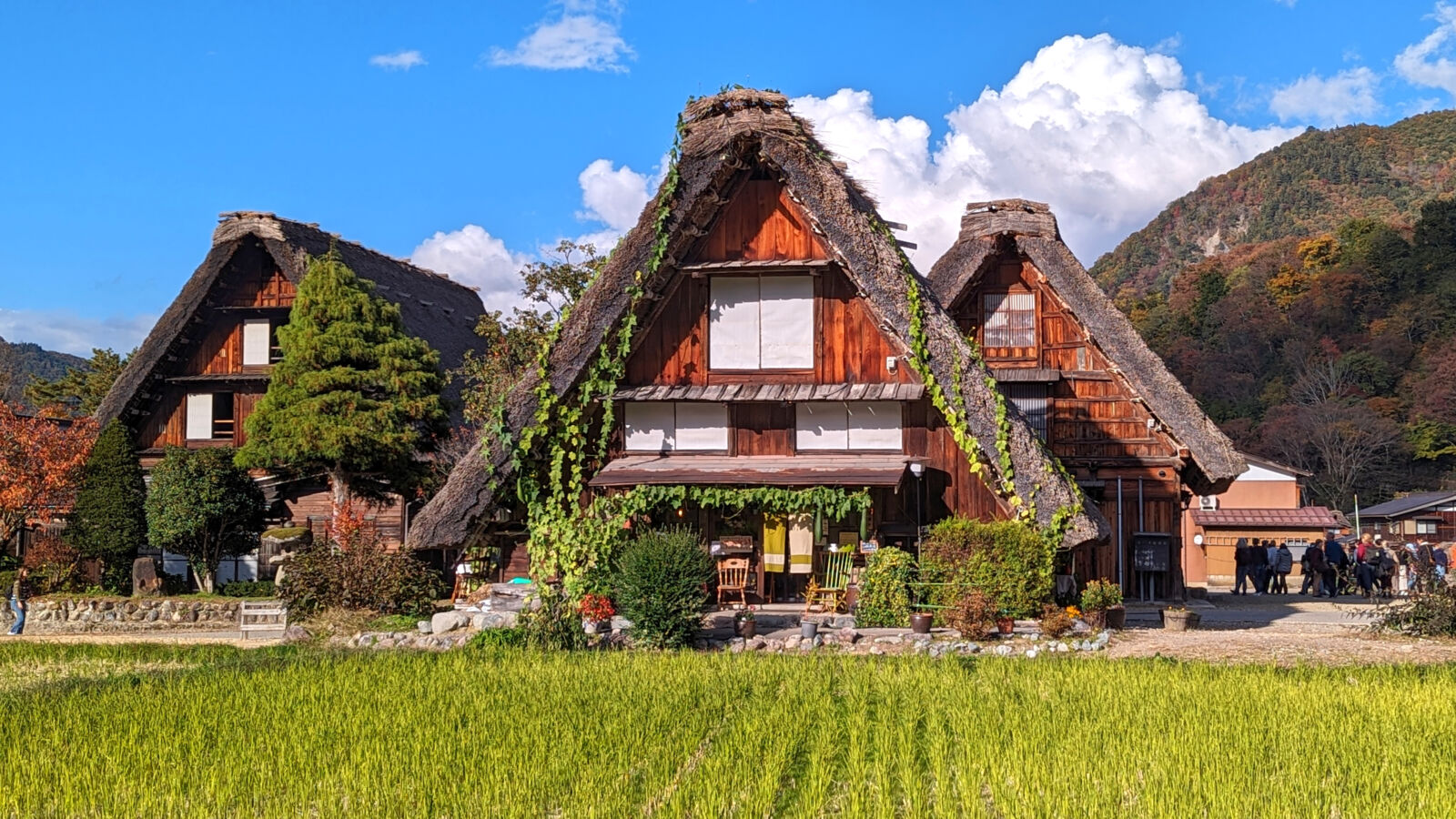
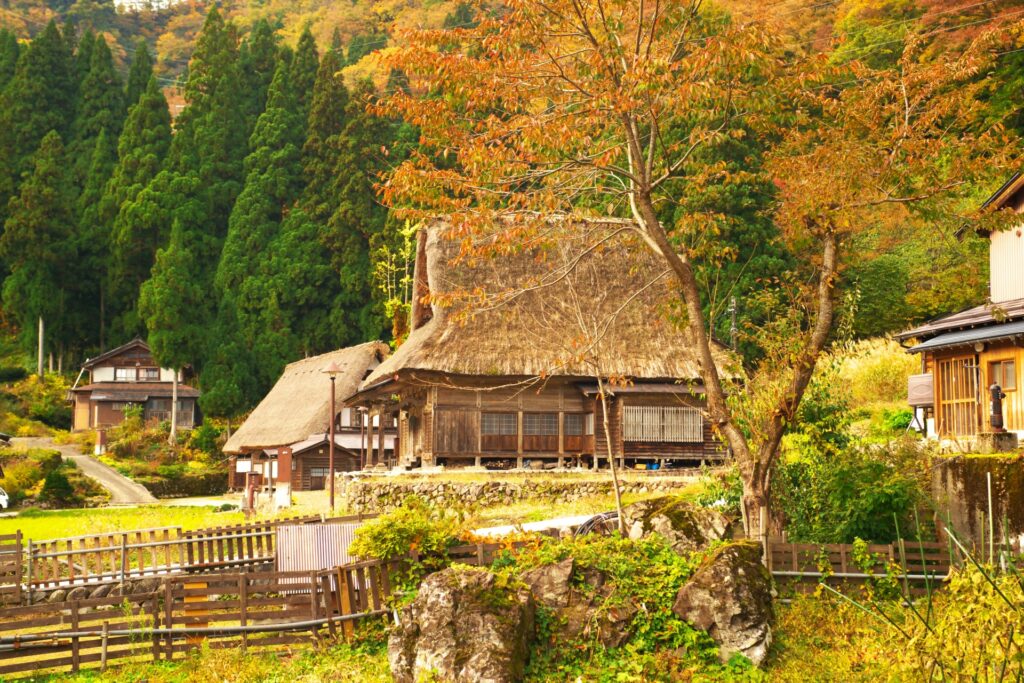
The Doburoku Festival is also an excellent reason to visit Shirakawa-go in autumn. The village’s traditional gassho-zukuri houses, recognizable by their steep, thatched roofs, sit beneath the surrounding mountains, creating a landscape closely associated with Japan’s rural heritage.
Wandering through the village before or after the festivities allows visitors to appreciate the architecture and atmosphere at a more leisurely pace. The contrast between the historic houses, the autumn scenery, and the lively shrine celebrations makes this a particularly memorable time to explore the region.
As the festival draws residents and visitors together through food, music, dance, and shared traditions, it offers more than a glimpse of Japan’s past. It reveals how cultural heritage continues to shape community life today.
Discover a Different Side of Japan
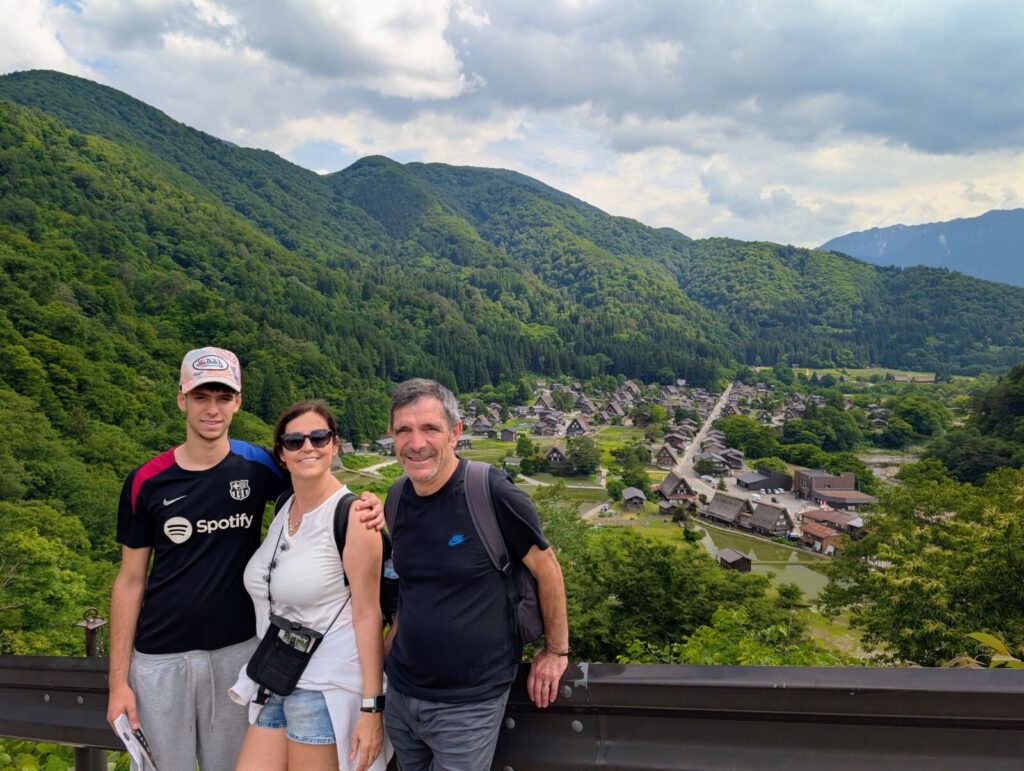
Joining a guided tour with Snow Monkey Resorts makes the journey to Shirakawago easier, combining comfortable transportation with insights from knowledgeable, English-speaking guides who bring the region’s history, culture, and seasonal beauty to life.
With tours departing from Nagoya, Kanazawa, and Takayama, you can choose an itinerary that fits your travel plans. Small-group tours offer a sociable way to explore, while private tours and charter services provide greater flexibility for travelers seeking a more personalized experience. Some itineraries also offer the option of finishing in a different city, making it easier to incorporate Shirakawa-go into a wider journey through central Japan.
- From Nagoya: Hida Takayama and Shirakawa-go
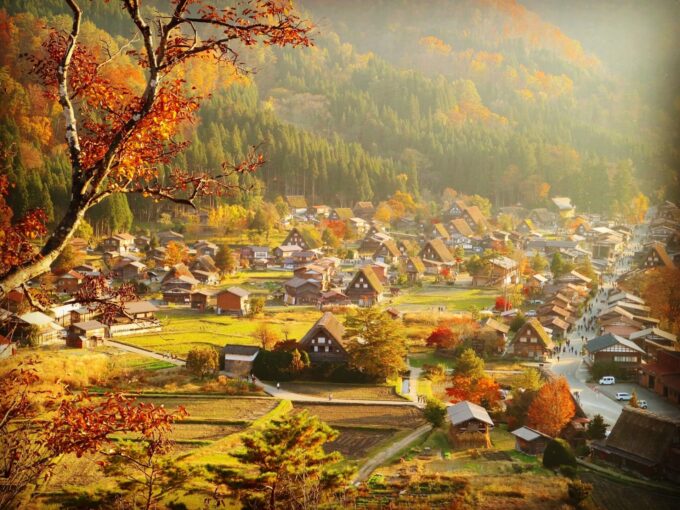
Discover two of central Japan’s most distinctive destinations in a single day. This guided tour combines the historic streets of Takayama with Shirakawa-go’s famous gassho-zukuri farmhouses, making it an excellent option for travelers starting their journey in Nagoya.
Recommended
1-Day Tour from Nagoya: Hida Takayama and World Heritage Site Shirakawa-go
- Spots:
- NagoyaTakayamaShirakawago
- Pick-up:
- Nagoya
- Drop-off:
- Nagoya
- From Kanazawa: Shirakawa-go, Gokayama, and the Wood Carving Village
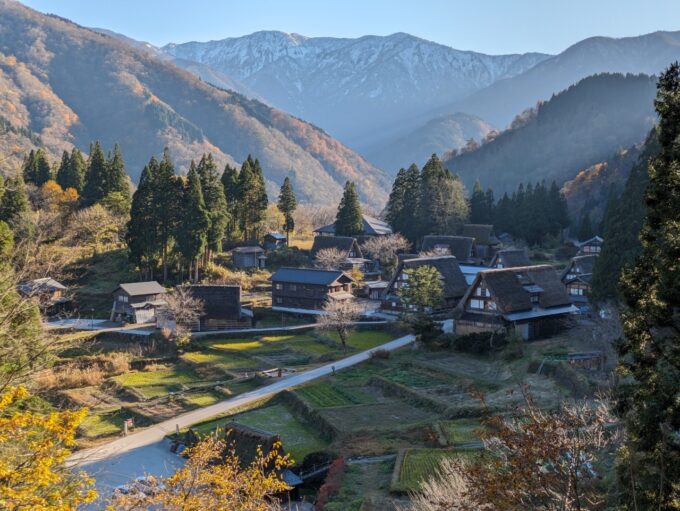
Go beyond Shirakawa-go on a cultural journey through the region’s traditional villages and craftsmanship. The itinerary includes Gokayama, another UNESCO World Heritage-listed area known for its thatched-roof houses, as well as Inami, a town celebrated for its woodcarving heritage. Visitors can also enjoy a traditional Japanese paper-making experience.
Best Selling
1 Day Tour from Kanazawa: Shirakawa-go, Gokayama and Wood Carving Village
- Spots:
- KanazawaShirakawago
- Pick-up:
- Kanazawa
- Drop-off:
- KanazawaTakayama
- From Takayama: Explore Takayama and Shirakawa-go
Ideal for travelers already staying in Takayama, this day tour combines the town’s traditional streets and historic atmosphere with the remarkable rural scenery of Shirakawa-go. Learn more about the area's heritage with an English-speaking guide while enjoying a convenient journey between destinations.
Best Selling
1-Day Tour from Takayama: Explore Scenic Old Japan in Takayama and Shirakawa-go
- Spots:
- TakayamaShirakawago
- Pick-up:
- Takayama
- Drop-off:
- KanazawaTakayama
Frequently Asked Questions
When is the Doburoku Festival in Shirakawa-go?
The Doburoku Festival takes place from October 14 to 19, with celebrations held at three local Shinto shrines over six days. Shirakawa Hachimangu Shrine hosts the festival on October 14 and 15, Hatogaya Hachimangu Shrine on October 16 and 17, and Iijima Hachimangu Shrine on October 18 and 19. Exact schedules and performances vary by location, so check the latest official information before your visit.
What is the Doburoku Festival?
The Doburoku Festival is a traditional Japanese harvest celebration held in Shirakawa-go, Gifu Prefecture. The festival gives thanks for a successful harvest and includes Shinto ceremonies, processions carrying portable shrines, traditional music, lion dancing, and the serving of doburoku, a cloudy, unfiltered rice-based alcoholic drink.
What is doburoku sake?
Doburoku is a traditional Japanese alcoholic drink made from rice, koji, and water. Unlike most commercially produced sake, it is generally unfiltered, giving it a cloudy appearance and a distinctive texture. At the festival, doburoku is offered as sacred sake during religious ceremonies and shared with visitors as part of the celebration.
Can visitors drink doburoku at the festival?
Yes. Visitors can sample doburoku during designated serving periods within the shrine grounds. At Shirakawa Hachimangu Shrine, a donation of 400 yen has traditionally entitled visitors to a commemorative sake cup that can be refilled during the serving period. As arrangements may change, confirm the current donation amount and serving rules before attending.
What time does the Doburoku Festival start?
The festival's activities generally begin at around 8:00 a.m. with Shinto ceremonies, followed by a procession at approximately 9:00 a.m. The doburoku ceremony usually takes place around 3:00 p.m., with serving and folk performances from approximately 3:30 to 5:00 p.m. Lion dancing and other traditional entertainment take place from around 7:00 p.m. Activities and times may differ between shrines.
What can I see at the Doburoku Festival besides sake tasting?
The festival offers much more than the opportunity to sample doburoku. Visitors can watch traditional Shinto rituals and processions, enjoy shishimai (lion dancing), and experience local folk songs and dances. At Shirakawa Hachimangu Shrine, performances may also include Harukoma, a traditional folk performance associated with that shrine.
Is the Doburoku Festival suitable for international visitors?
Absolutely. The festival offers an excellent opportunity to discover Japanese religious traditions, rural community life, and traditional performing arts. Although some ceremonies may be unfamiliar to overseas visitors, observing the festivities respectfully and following local instructions will help make the experience enjoyable and meaningful.
What should I know before attending the Doburoku Festival?
The doburoku serving period can become very crowded, so follow instructions from shrine staff and local volunteers. If you wish to sample the drink, you must use the designated commemorative cup, which is available at the shrine's donation counter. Doburoku must be consumed within the shrine grounds and cannot be transferred to another container for takeaway. Anyone driving must abstain from alcohol.
What is the best way to visit Shirakawa-go during the festival?
You can visit independently or join a guided tour. We at Snow Monkey Resorts are proud to offer day tours to Shirakawa-go from Nagoya, Kanazawa, and Takayama, with itineraries that combine the village with other cultural destinations in the region. If attending the Doburoku Festival is your priority, check the tour itinerary and timing carefully, as not every sightseeing tour will coincide with the festival's ceremonies.
Can I visit Shirakawa-go and the Doburoku Festival on a day trip?
Yes. Shirakawa-go can be visited on a day trip from regional destinations such as Takayama, Kanazawa, and Nagoya, although journey times vary. A guided tour can simplify transportation and help you explore the village efficiently. If you want to experience a particular festival ceremony, allow sufficient time at the relevant shrine and confirm your transport arrangements in advance.

What else can I see in Shirakawa-go in October?
October is a wonderful time to explore Shirakawa-go's historic gassho-zukuri farmhouses, famous for their steep, thatched roofs, and enjoy the surrounding mountain scenery. You can wander through the UNESCO World Heritage-listed Ogimachi village, learn about traditional rural architecture, and experience the area's seasonal atmosphere alongside the festival celebrations.

Is the Doburoku Festival worth visiting?
Absolutely! The festival is a combination of centuries-old religious customs, traditional music and dance, local sake, and the unique landscape of Shirakawa-go. Visiting during the festival provides a chance to experience traditions that remain an important part of community life today.