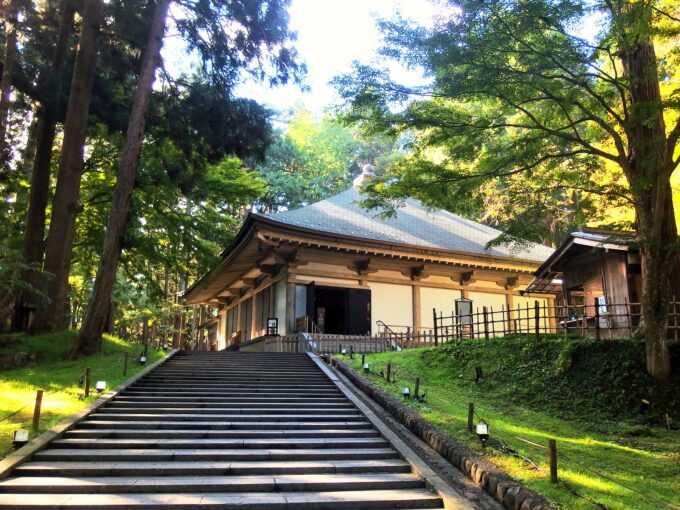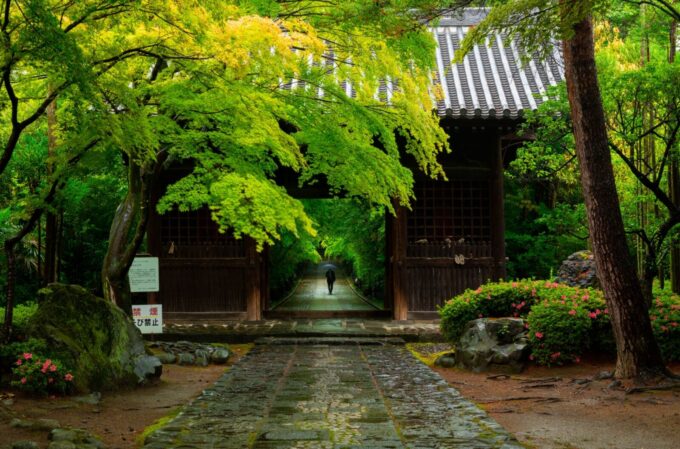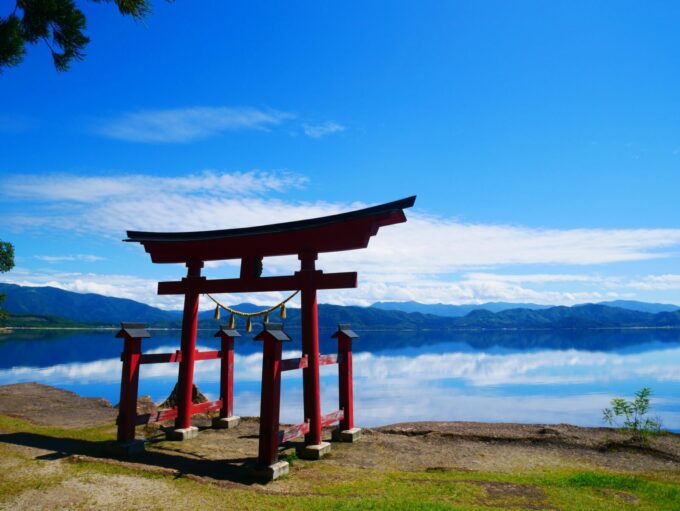


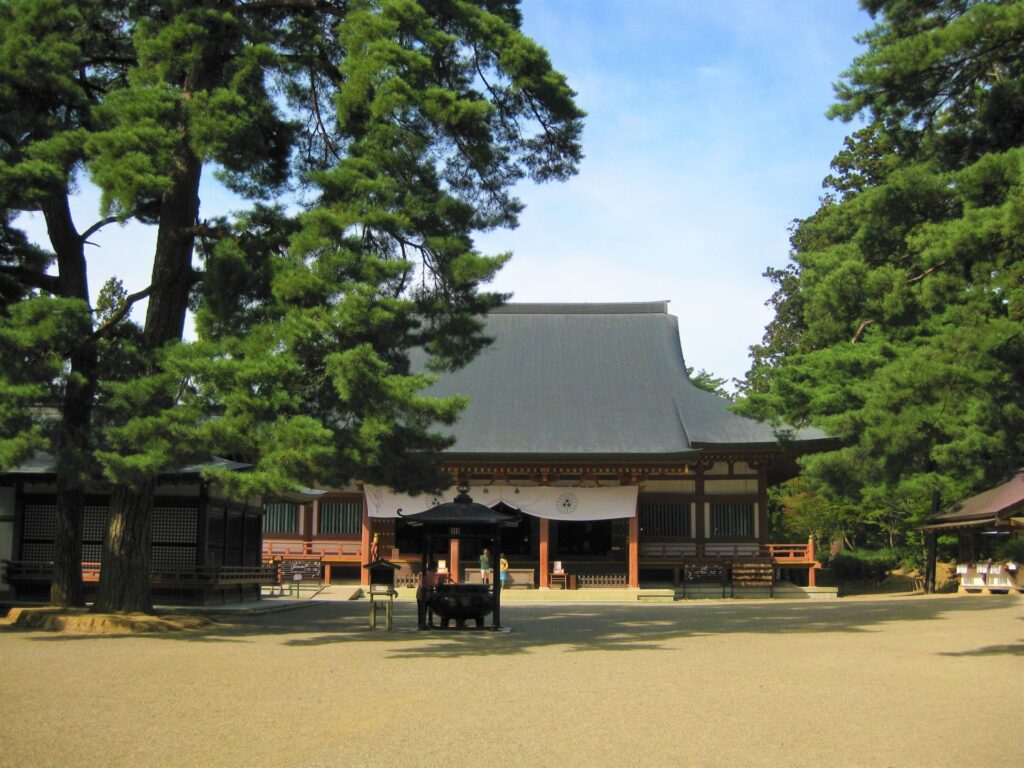
This article will tell you a little bit about the temple, the area, and what you can expect during a visit there.
Where is Motsuji Temple?
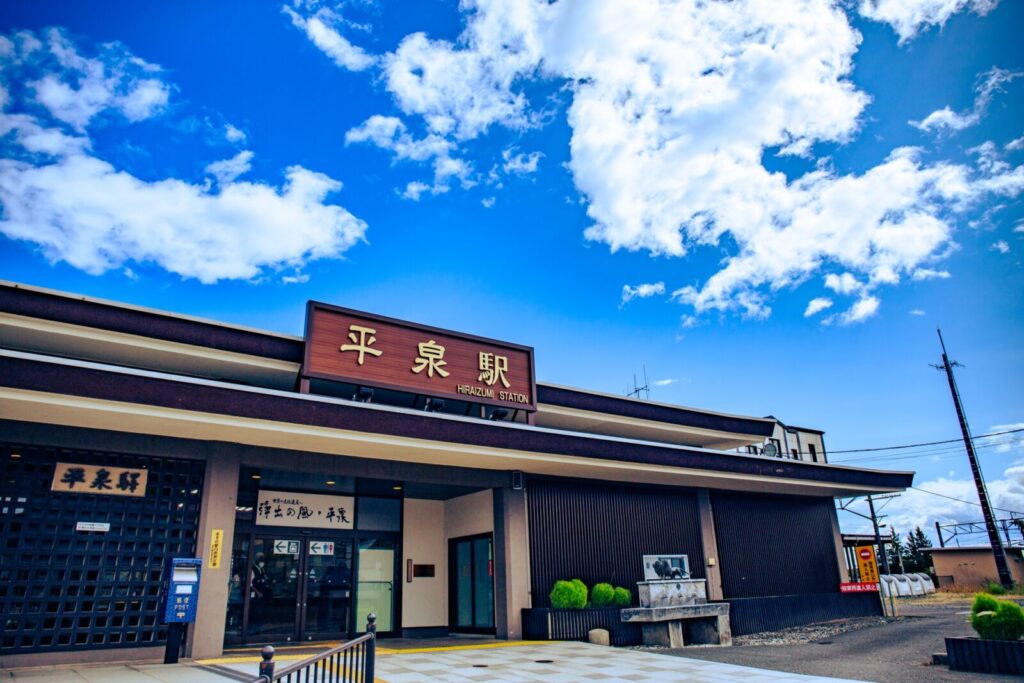
Motsuji Temple is located about an hour north of Sendai in the cozy Iwate Prefecture town of Hiraizumi. It is easily accessible by public transportation if you take the Tohoku Shinkansen to Ichinoseki Station and transfer to the local train and take it to Hiraizumi Station.
A Brief History
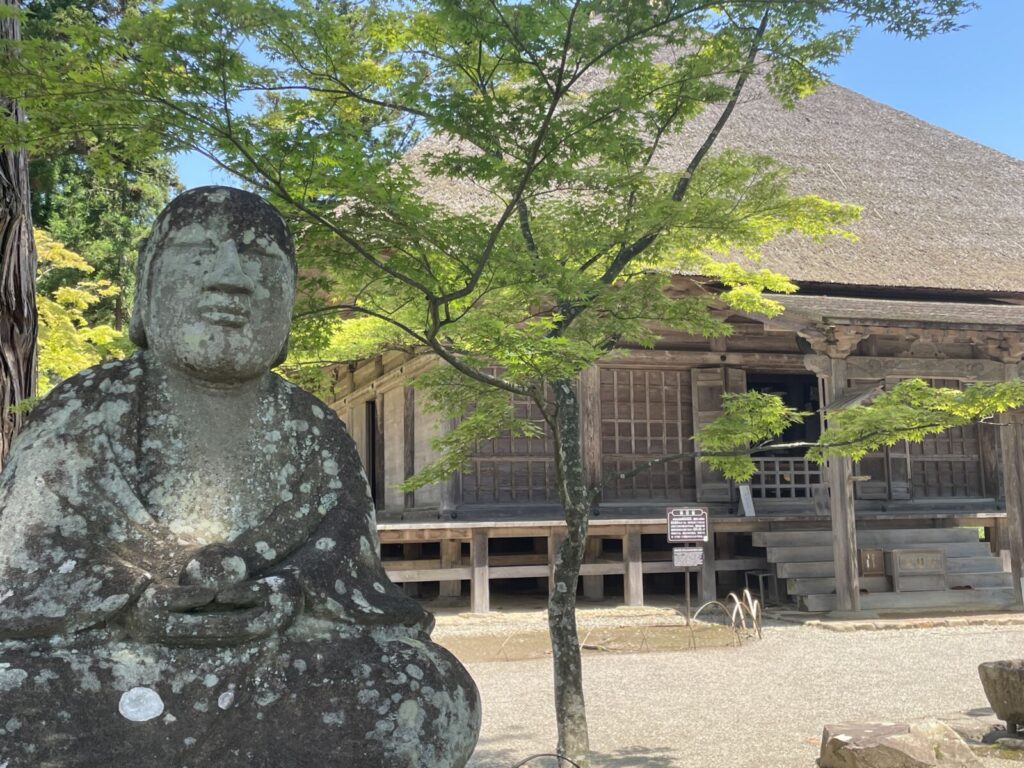
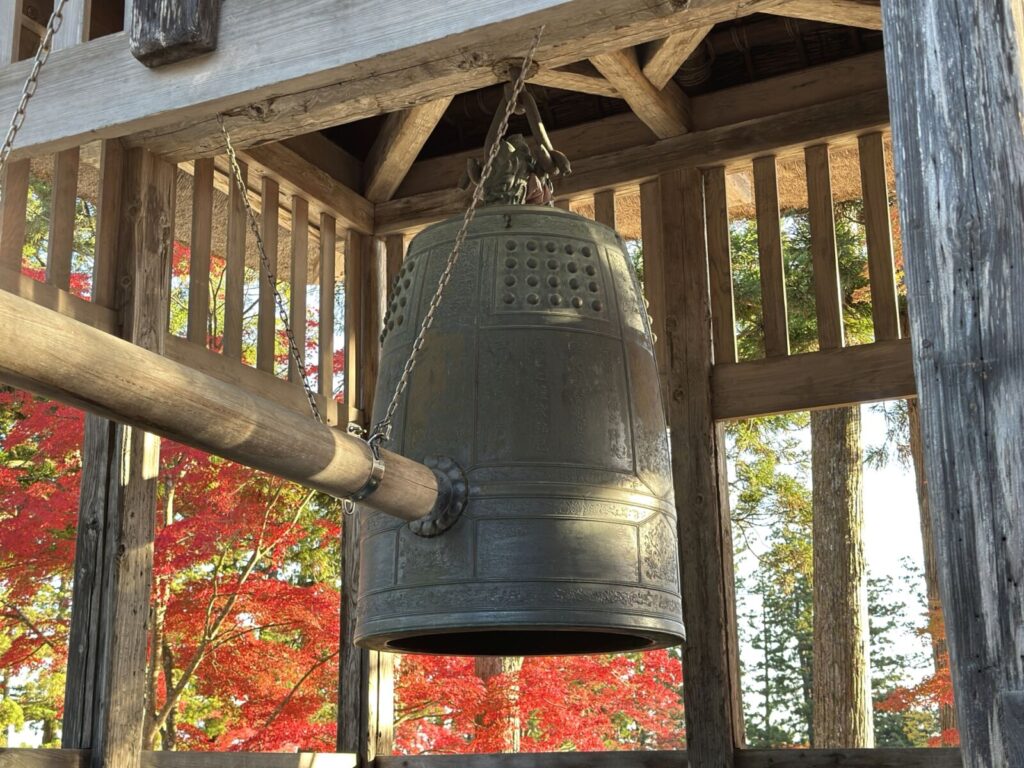
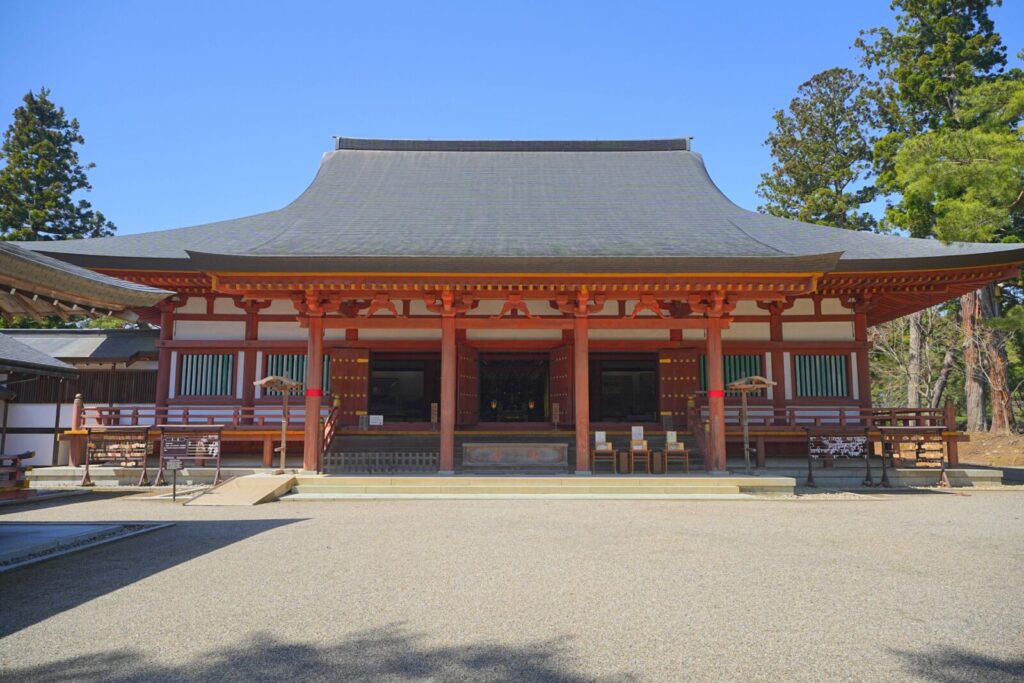
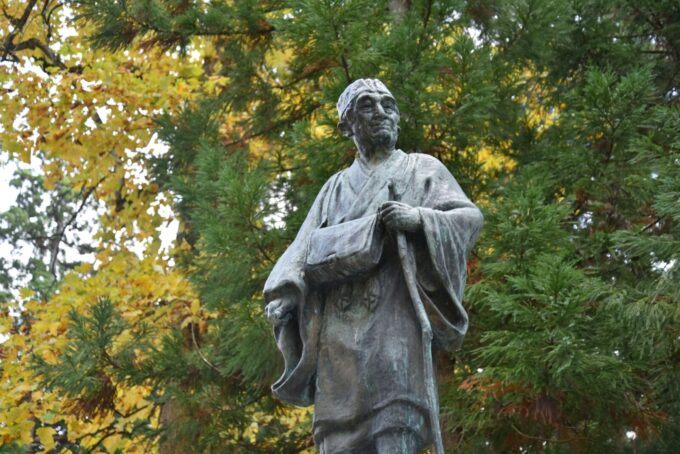
Motsuji was originally founded by the traveling monk Enin, also known as Jikaku Daishi. His name comes up quite a lot when discussing Buddhist history of the north, as he had a hand in establishing some of the most influential temples of Tohoku. Legend has it that when Ennin was traveling, he got lost in a dense fog. Within this fog was a white-tailed deer that he followed desperately only for it to vanish within the thick fog once again. In its place an elderly man appeared and told Ennin the following:
"This is a sacred place. If you build a temple here, the Buddhist law shall surely spread among the people." Ennin believed this wise man was in fact an incarnation of the healing Buddha, and heeded his words to build the first main hall of the temple grounds. This is the legend that began the foundations of Motsuji Temple.
- Motsuji temple is designated as both a Special Historical Site and a Special Place of Scenic Beauty.
- The temple's foundational buildings were mostly built during the second and third Fujiwara Clan Lords' reign.
- There is a cultural repository on the grounds that houses 12th century artifacts salvaged from the site
- The original temple grounds had over 40 buildings and at least 500 monks' living quarters
- The pond in the center of the temple grounds was designed and laid out in accordance with Japan's oldest garden manual called the Sakuteiki ("Records of Garden Making").
- Most of the original structures only have rocky remains left on the grounds, but
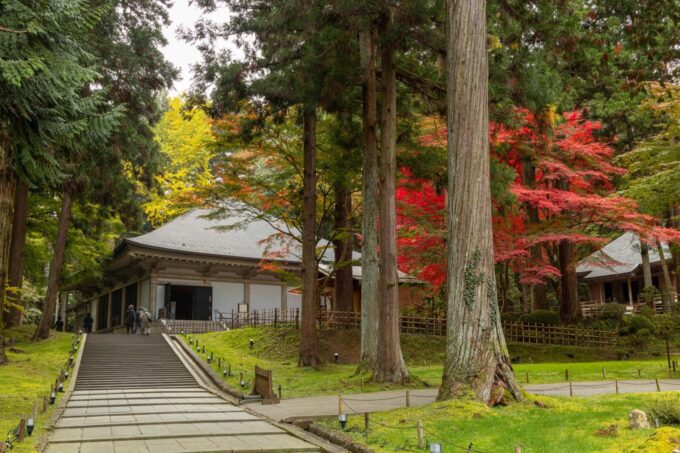
Recommended Tour: Snow Monkey Resort’s 1-Day Tour from Ichinoseki: Temple Highlights of World Heritage Site Hiraizumi offers you a chance to witness the natural beauty of Motsuji Temple while also giving you an opportunity to visit another influential and historic temple located within the UNESCO World Heritage Site. This day tour is a great way to get the most out of your trip as you traverse the northern regions of Japan.
New Tour
1-Day Tour from Ichinoseki: Temple Highlights of World Heritage Site Hiraizumi
- Spots:
- Pick-up:
- Ichinoseki
- Drop-off:
Oizumi Ga Ike Pond
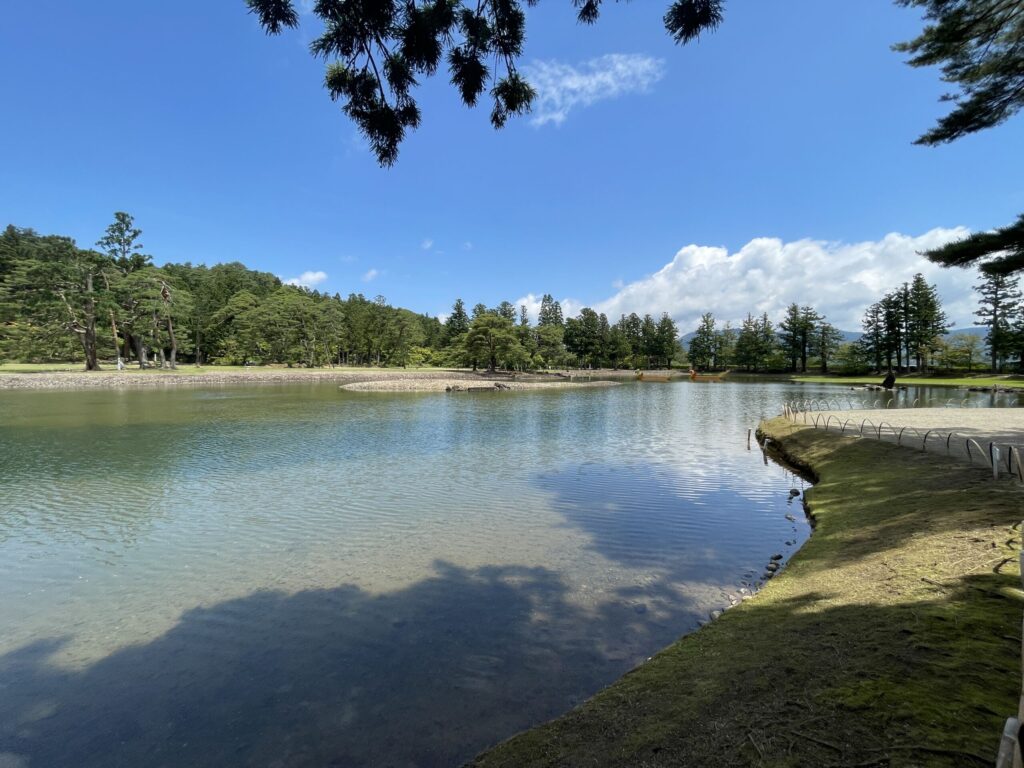
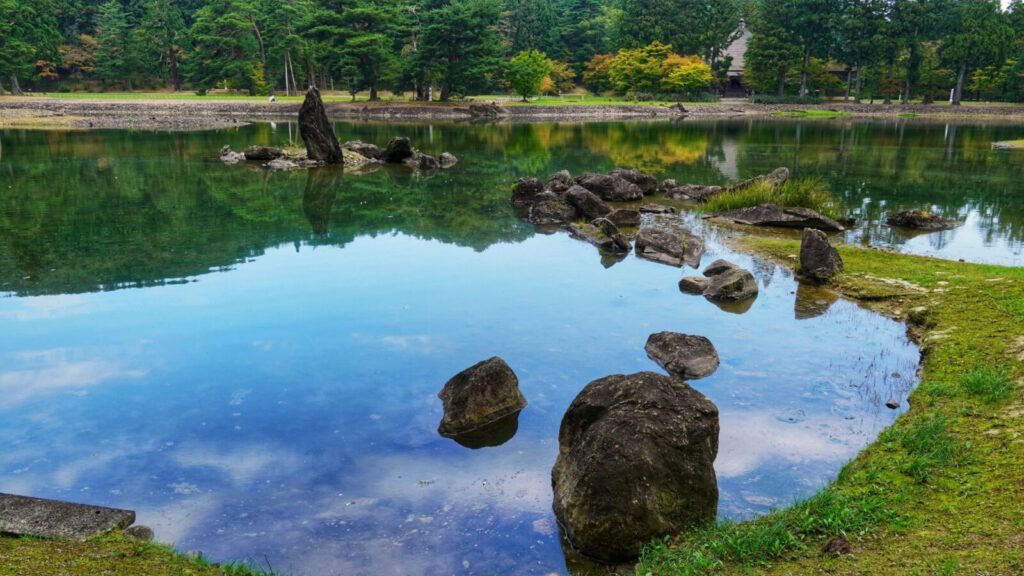
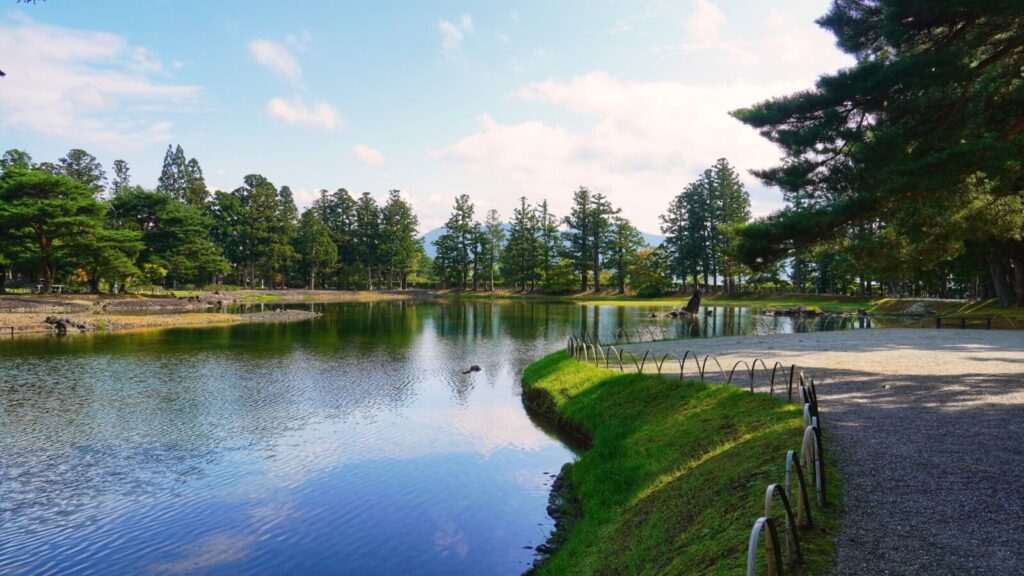
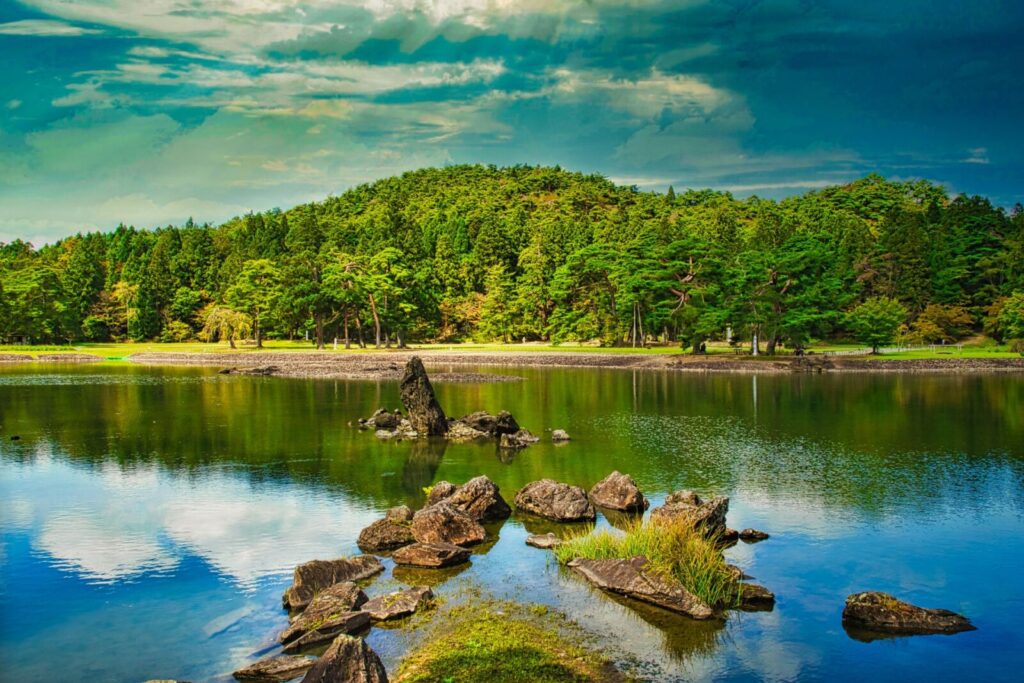
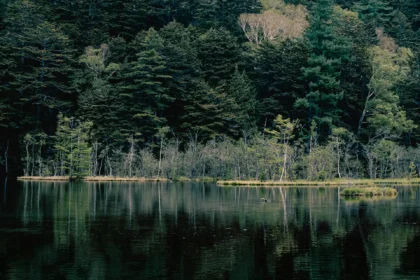
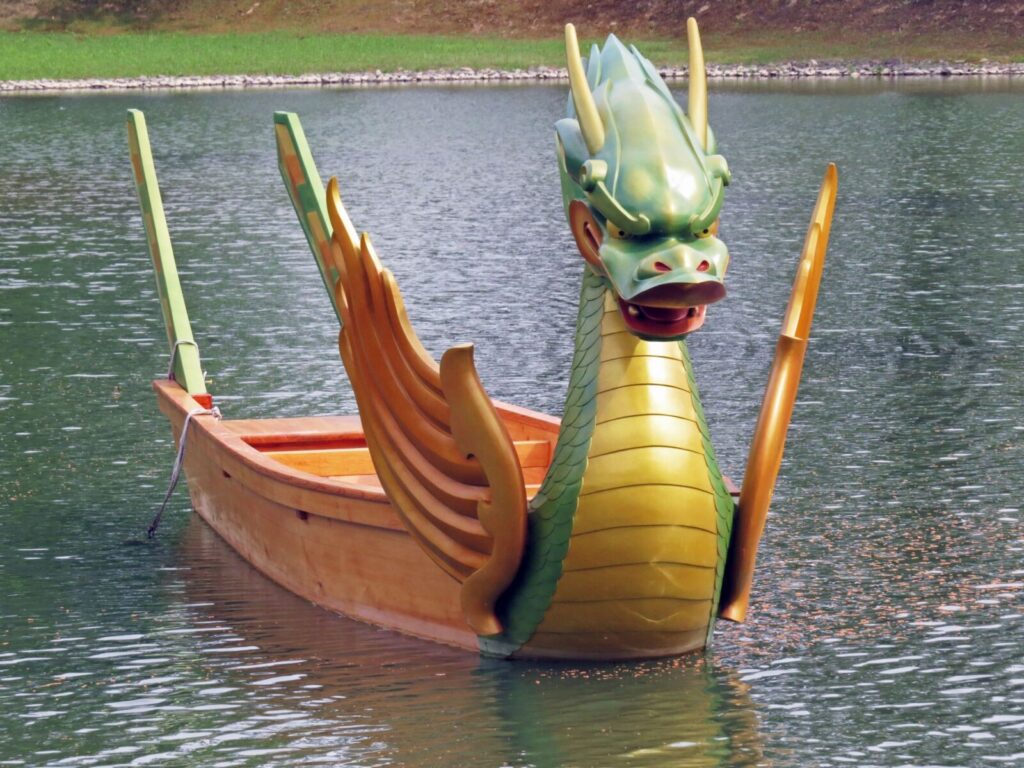
The Pure Land Garden is arranged such that the temple, garden, and pond are unified as one. The garden that is centered around the Oizimu ga Ike Pond gives us a great example of the landscape of such temples during the Heian Period. The pond itself has been left unchanged since the 12th century and on its perimeter lies remnants of bridges that once connected the central island of the pond to the shore. These remnants are actually Japan's oldest bridge remains.
Yarimizu
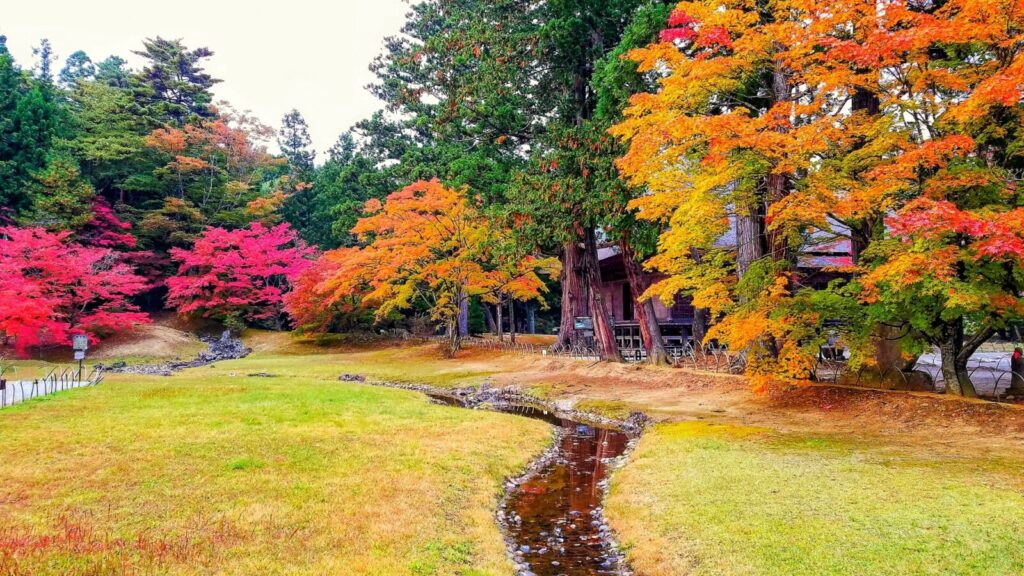
The feeder stream at Motsuji Temple, known in Japanese as yarimizu, was designed to carry water into Oizumi ga Ike. It is located to the northeast of the pond, and its design is based on the principles explained in the classic garden manual Sakuteiki ('Records of Garden Making') which so happens to be the oldest Japanese garden manual. In fact, Motsuji's feeder stream is extremely valuable, as it is the only one remaining from the Heian era (794-1192) in Japan.
Seasonal Highlights:
- April - July: Enjoy the warm weather and gorgeous 30,000 Japanese irises that bloom in one of the gardens at the temple.
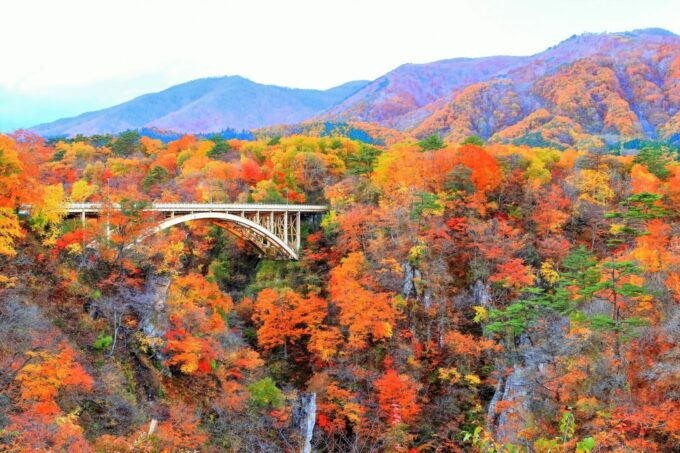
- September - November: Gorgeous fall foliage that reflects into the pond is a photographer's paradise.
Frequently Asked Questions (FAQ)
Is it far from the station?
No. The great thing about the UNESCO World Heritage Site of Hiraizumi is most of the temples and sites are all within reasonable walking distance from Hiraizumi Station. In Motsuji Temple's case, it's about a 13 minute walk from the station, about a 2 minute drive.
How do I get to Motsuji Temple?
From Tokyo:
Take the Tohoku Shinkansen from Tokyo Station and get off at Ichinoseki Station. From Ichinoseki Station, transfer to the local lines. Take the Tohoku Line bound for Morioka and get off at Hiraizumi Station. This trip takes about 7 to 10 minutes and costs 210 yen one way. The total trip one-way from Tokyo takes about 3 and a half hours.
Purchasing a JR Pass or JR East Pass is great for those planning on traveling long distances or using the shinkansen many times throughout their trip.
From Sendai Station:
Similarly, take the Tohoku Shinkansen and get off at Ichinoseki Station. Then follow the above steps to reach Hiraizumi Station. The train from Sendai to Ichinoseki is about 33 minutes on average and costs around 4,290 yen one-way. Tohoku Shinkansen trains are reserved seating only.
From Hokkaido:
Take the Hokkaido Shinkansen down from Shin-Hakodate-Hokuto Station and get off at Ichinoseki Station. The Tohoku and Hokkaido Shinkansen is connected as one train but splits off at Shin-Aomori station, so make sure you are on the correct card according to your train ticket. Once you arrive at Morioka Station take the local Tohoku Line toward Ichinoseki and get off at Hiraizumi Station. This trip is a little more costly and can run up to about 15,000 yen and takes around 4 hours. For those traversing the north, the JR Pass or JR East Pass are great options.
Is there food sold here or nearby?
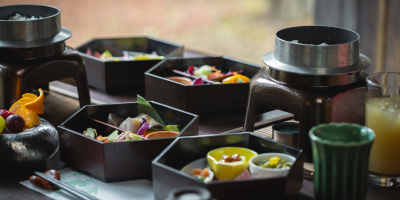
Yes! There are plenty of local shops located within a convenient walking distance between Hiraizumi Station and the temple itself.
Is the temple wheelchair accessible?
Yes. Motsuji Temple contains barrier-free facilities so that it is accessible to everyone. This includes elevators (Cultural Assets Repository) and multipurpose restrooms.
What is Pure Land Buddhism?
Pure Land Buddhism is a form of Buddhism that focuses strongly on achieving rebirth into Buddha's "pure land" after death. It is one of the most popular forms of Buddhism throughout east Asia due to the ease of practice and openness to all compared to the strict practices of Zen Buddhism. The "Pure Land" is similar to the idea of heaven, but also different in many ways. The main difference is that it is not an eternal paradise, but more of a distraction-less environment which makes enlightenment possible.
Additional Tips
- Respect the rituals: Although it is a popular tourist destination, it is first and foremost a place of worship. Please be respectful and mindful of the space.
- Visit one of the local museums: The history of the region is vast and important to Tohoku's past, so your visit will be that much more enriched if you educate yourself about the samurai family connected to the temple!
- Prepare for Inclement weather: The temple is open all year round and winter can be especially cold and windy, come prepared with proper clothing and shoes.
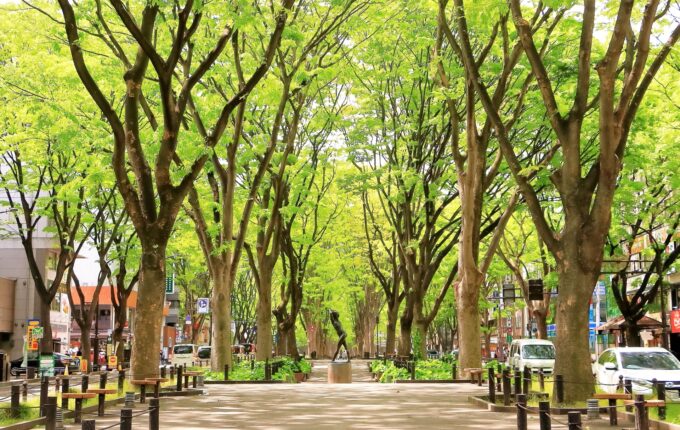
- Combine with a visit to Sendai: With its convenient distance from Sendai, the city of trees is a great companion for your trip to the less-beaten paths of Northern Japan.