



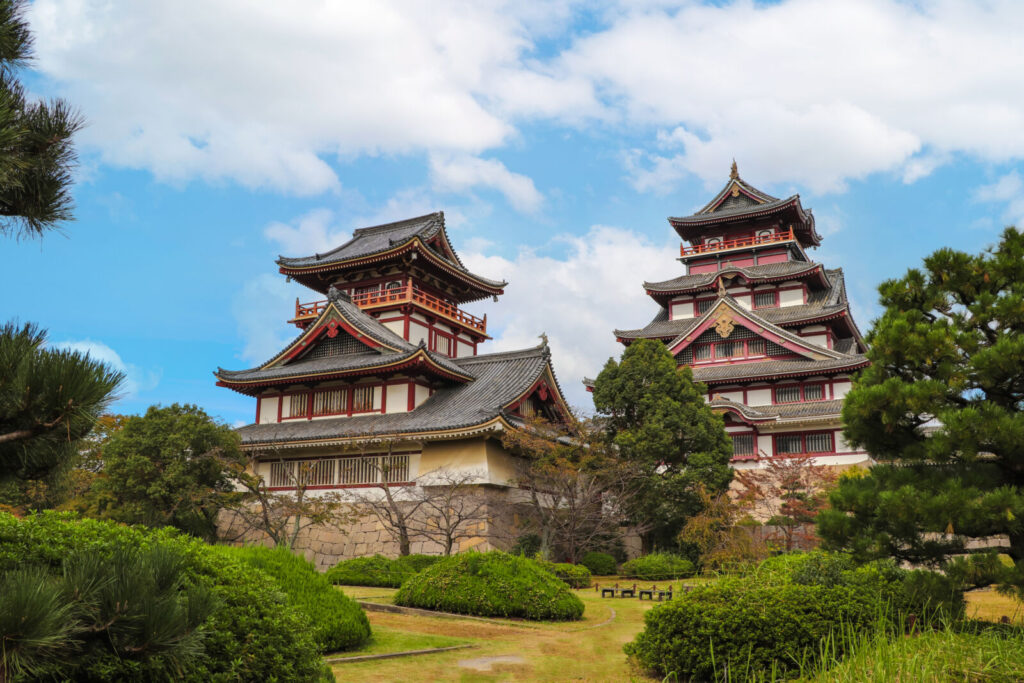
Rising above the trees of southern Kyoto, Fushimi-Momoyama Castle looks like the kind of traditional Japanese castle you might expect to find in a historic city like Kyoto.
But there is a twist: the castle you see today is not the original Fushimi Castle.
Its story reaches back to Toyotomi Hideyoshi, one of the most powerful figures in Japanese history, and to the dramatic final years of the sixteenth century.
Hideyoshi's Fushimi Castle
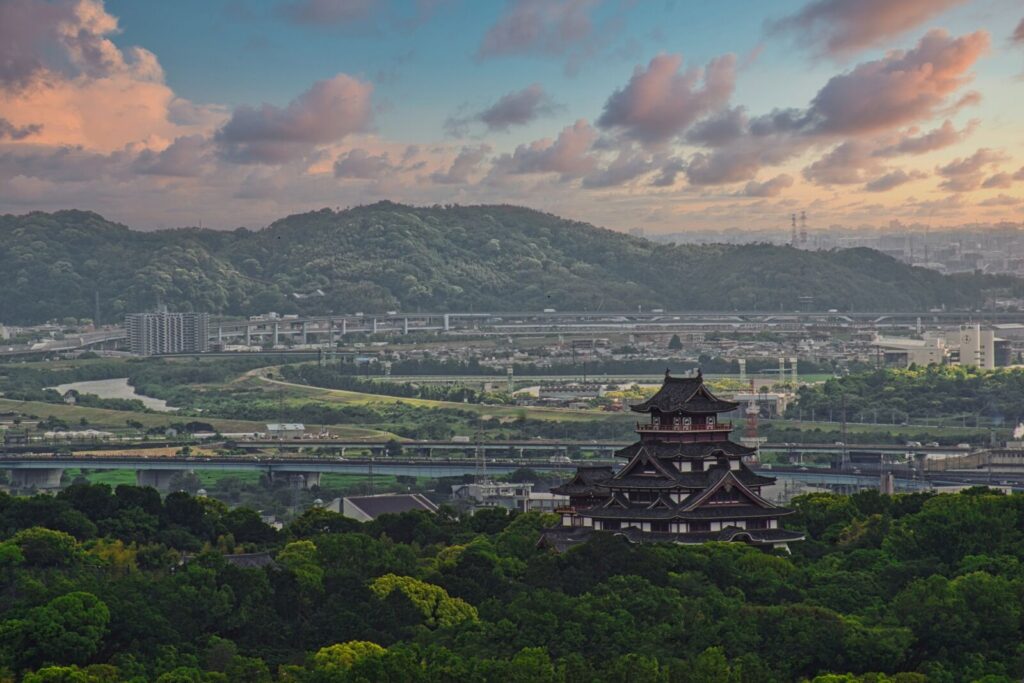
Toyotomi Hideyoshi built his first Fushimi Castle in 1592, initially as a retirement residence before transforming it into a major castle. After an earthquake destroyed the first castle in 1596, Hideyoshi rebuilt it at a nearby location on Momoyama Hill.
Fushimi soon became an important political and commercial center. Hideyoshi's castle town brought powerful samurai families, merchants and craftsmen to the area, helping shape the historic character of Fushimi that remains today.
Hideyoshi died at Fushimi Castle in 1598.
Torii Mototada's Last Stand
Perhaps the most dramatic chapter in the castle's history came in 1600, just before the Battle of Sekigahara.
Tokugawa Ieyasu left his loyal retainer Torii Mototada in charge of Fushimi Castle with a relatively small force. When the forces of Ishida Mitsunari attacked, Mototada and his men held the castle for around two weeks despite being overwhelmingly outnumbered.
Eventually, the castle fell. Rather than surrender, Mototada and his remaining defenders committed seppuku.
Their sacrifice bought Ieyasu valuable time to prepare his forces, and the victory at Sekigahara later that year changed the course of Japanese history.
How Fushimi Castle Survives Today
Although Fushimi Castle itself is gone, parts of its history can still be found around Kyoto. After the castle fell in 1600, some of its floorboards were reportedly reused as ceilings in temples. These became known as chitenjō, or “blood-stained ceilings,” traditionally said to preserve the blood of Torii Mototada and the defenders who died during the siege. Examples can still be found at temples including Yōgen-in, Genkō-an, and Shōden-ji.
Fushimi Castle also lives on closer to the castle site. At nearby Gokonomiya Shrine, Hideyoshi moved the shrine to serve as a guardian for the castle, before Tokugawa Ieyasu returned it to its former location. The shrine's impressive front gate is traditionally identified as a former gate of Fushimi Castle, while a small exhibition on the grounds displays around 100 excavated castle roof tiles, including rare gold-leaf tiles.
Together, these surviving pieces give a sense of how much of Fushimi Castle's story remains woven into southern Kyoto, even though the original castle itself has disappeared.
From Fushimi Castle to Chikubu Island
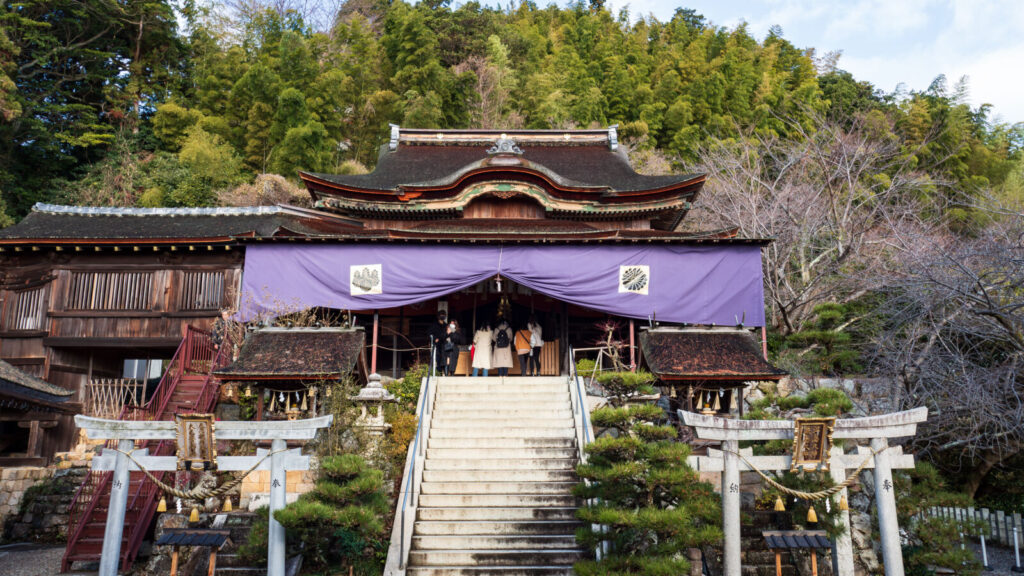
Fushimi Castle also has a surprising connection far beyond Kyoto.
The main hall of Tsukubusuma Shrine on Chikubu Island, located in Lake Biwa, is traditionally believed to have been the former Chokushiden (Imperial Messenger Hall) of Fushimi Castle. Toyotomi Hideyoshi donated the building, which was later moved to the island.
Today, the beautifully decorated Momoyama-period building is designated a National Treasure and is one of the highlights of Chikubu Island.
It is a fascinating reminder that although Fushimi Castle itself disappeared, parts of its architecture survived in unexpected places.
The Castle You See Today
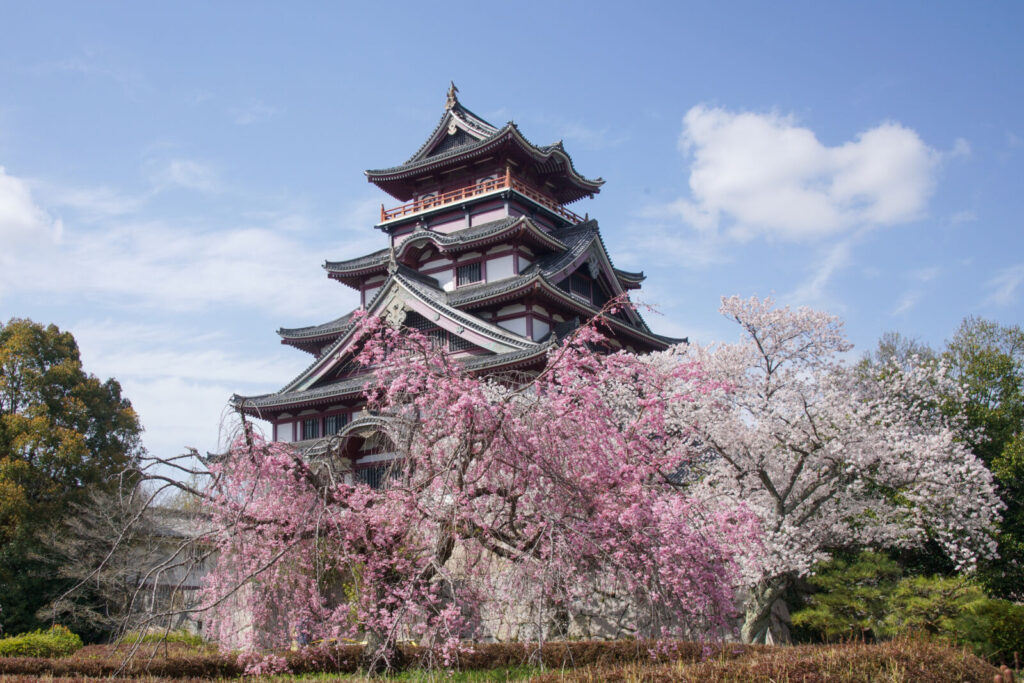
The present Fushimi-Momoyama Castle was constructed in 1964 as part of the Fushimi Momoyama Castle Land theme park. It is therefore a reconstructed castle rather than the original historic castle.
Although the current structure is modern, the castle has become a familiar symbol of Fushimi and a popular local destination.
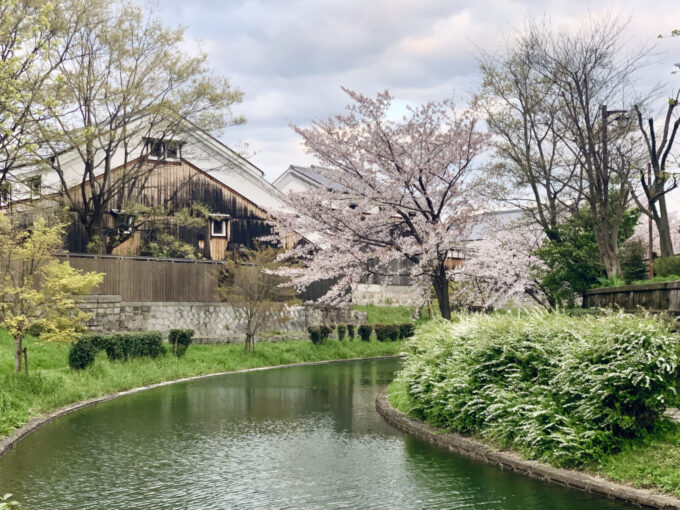
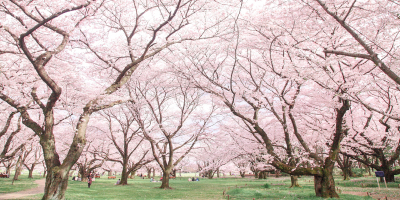
The surrounding park is particularly attractive during cherry blossom season, when local residents come to enjoy the combination of the castle, wooded hills and spring flowers. The grounds can be surprisingly peaceful compared with Kyoto's famous central sightseeing areas.
Visit Fushimi-Momoyama Castle on Our Tour
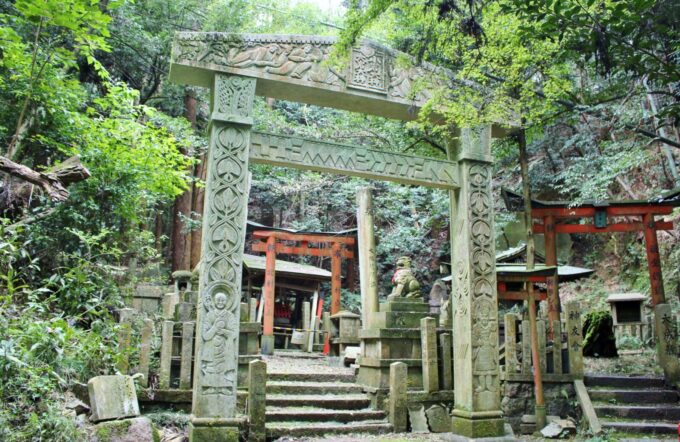
Rather than focusing only on the city's famous landmarks, the tour follows the historic landscapes of southern Kyoto, connecting ancient shrines, sacred mountains, samurai history, imperial history, and the sake culture of Fushimi.
During the tour we visit:
• Fujinomori Shrine – an ancient shrine associated with samurai, victory, and horses
• Ōiwa Shrine – a mysterious mountain shrine known for sacred rocks and healing prayers
• Fushimi-Momoyama Castle – a reconstructed castle connected with the dramatic final years of Toyotomi Hideyoshi
• The grand stairway and mausoleum of Emperor Meiji
• Gokonomiya Shrine – famous for its sacred spring and connection with Fushimi's sake culture
• The lively shopping street of Otesuji Shopping Street
Planning Your Kyoto Trip?
If you’re still shaping your itinerary, start with our 7-Day Kansai Japan Highlights Itinerary, which combines Kyoto, Osaka, and Nara into a balanced first visit. For inspiration and practical tips, see our 40 Things to Do in Kyoto, Nara, and Osaka, including seasonal ideas and neighborhood recommendations.
Looking to go deeper? Our Best Tours in Kyoto page highlights cultural experiences that go beyond the usual sights. If you’re deciding where to base yourself, our guide on staying in Osaka or Kyoto breaks down the pros and cons of each.
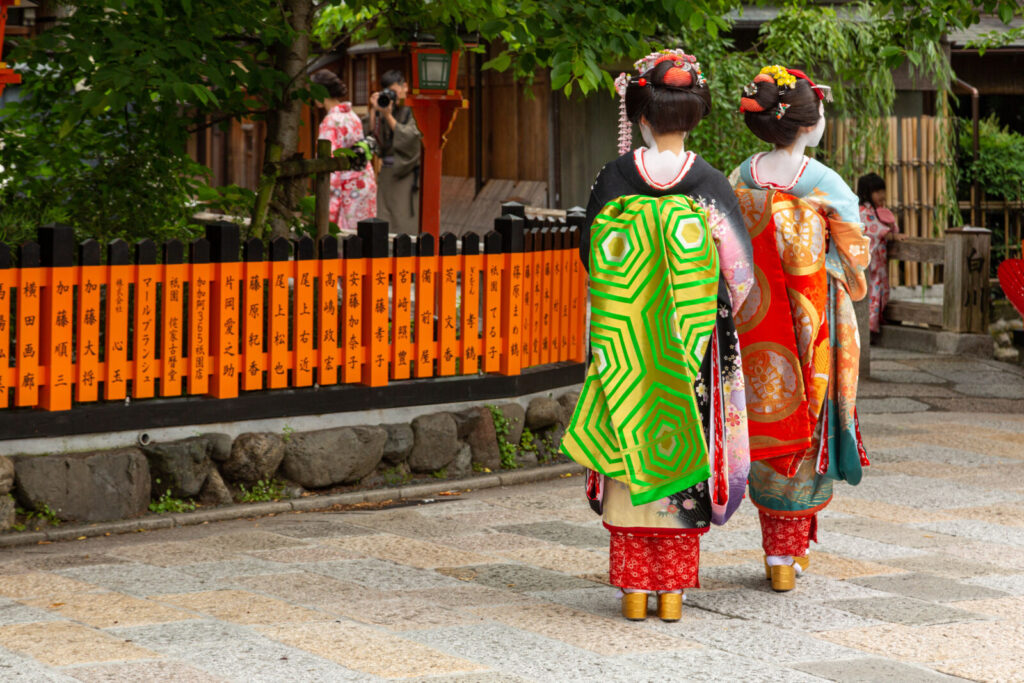
For themed travel, don’t miss our Essential Guide to Geisha in Kyoto, or explore Kansai’s brewing heritage with our Top 10 Sake Breweries to Visit in Kansai. Or the Top 10 Things to Do In Fushimi that aren't the Shrine. Finally, for help making restaurant reservations in Kyoto, check out our Guide on Making Reservations in KyotoExplore more of southern Kyoto and the history of the Fushimi area:
Frequently Asked Questions
Is Fushimi-Momoyama Castle original?
No. The present castle was constructed in 1964 as a reconstruction associated with the former Fushimi Momoyama Castle Land theme park.
Who built the original Fushimi Castle?
Toyotomi Hideyoshi began building Fushimi Castle in 1592 and later rebuilt it after an earthquake destroyed the first castle.
Who was Torii Mototada?
Torii Mototada was a loyal retainer of Tokugawa Ieyasu who defended Fushimi Castle during the 1600 siege. He and his remaining defenders committed seppuku when the castle was about to fall.
What are the blood ceilings of Kyoto?
Several Kyoto temples preserve floorboards traditionally believed to have come from Fushimi Castle and still bear the bloodstains of samurai who died during the siege.
Can you visit Fushimi-Momoyama Castle?
The castle and surrounding park can be viewed as part of the Fushimi-Momoyama area. The reconstructed castle is primarily a landmark rather than an operating historic castle museum.