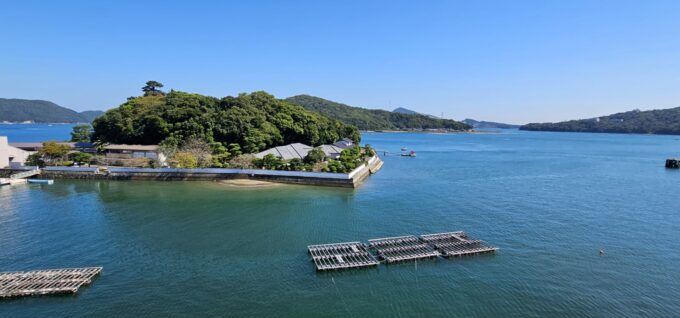

Floating in Mikawa Bay off the coast of Aichi Prefecture, close to Nagoya, Sakushima is a one of Japan's iconic art islands.
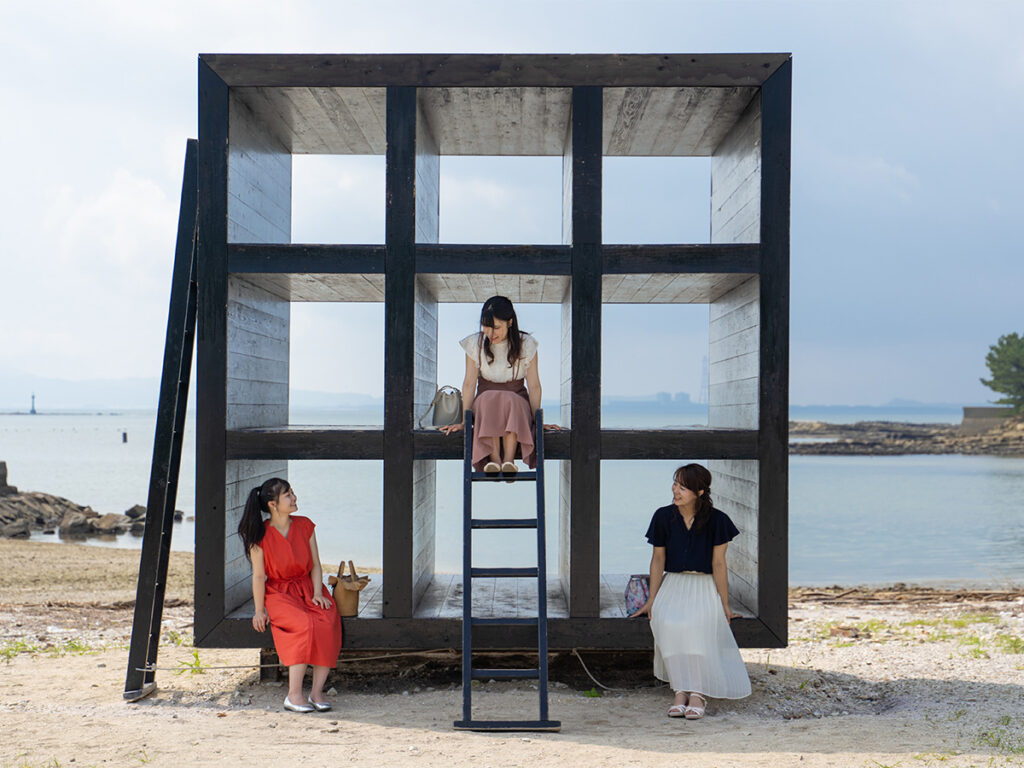
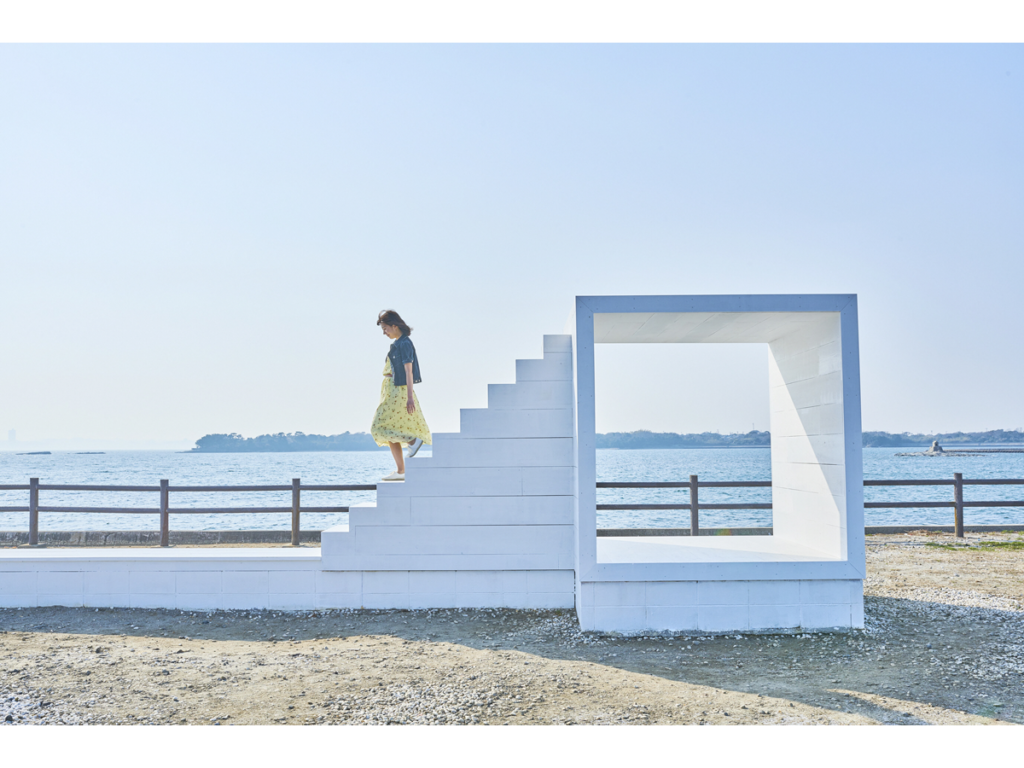
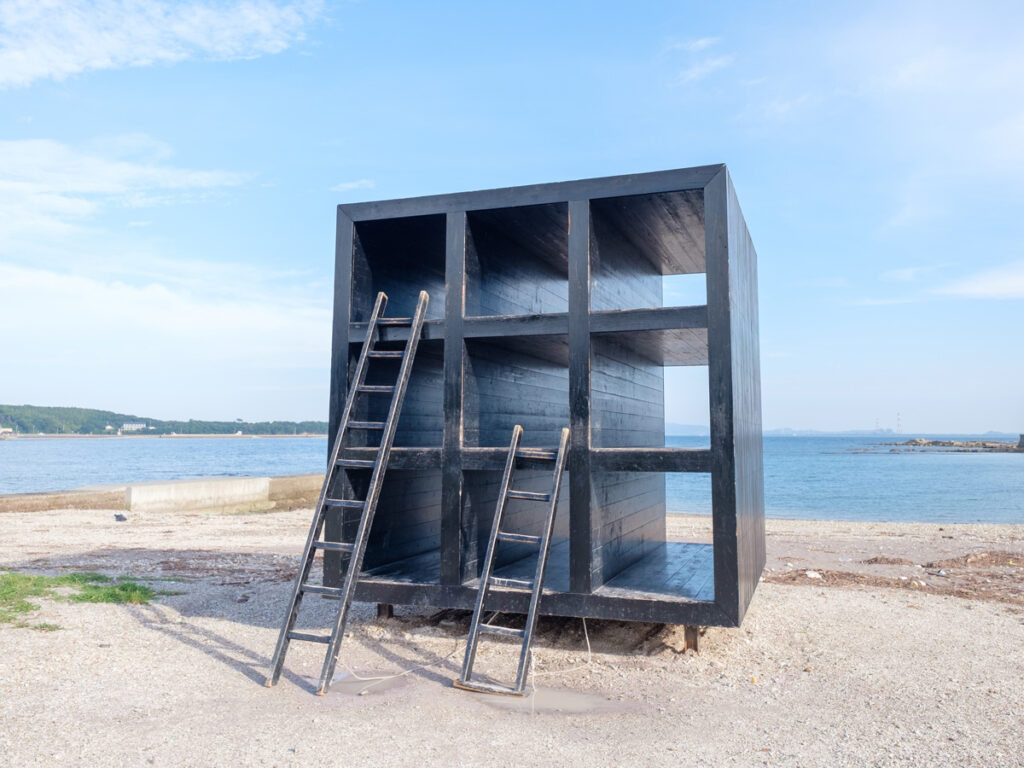
Sakushima is home to a collection of permanent outdoor artworks created as part of the Sakushima Art Project, with installations integrated into the island's streets, beaches, and natural landscape.
The traditional fishing villages on the island also feature black-walled houses, sandy beaches, a slower pace of life, and makes for a relaxing and enjoyable day trip from Nagoya.
A Brief History of Sakushima
- Inhabited since the Jomon and Yayoi periods (potentially dating back to around 3000 B.C.E.)
- Home to numerous ancient burial mounds dating from the Kofun period (around the 7th century)
- Developed as a fishing and maritime community
- Contemporary artworks have been installed across the island since the 1990s
Archaeological discoveries show that the island was inhabited during the Jomon and Yayoi periods, with around 50 kofun burial mounds remaining across the island.
During the Edo period, Sakushima prospered as a fishing community and as a stopping point for vessels travelling through Mikawa Bay. Fishing continues to play an important role in island life today, and many of the island's traditional houses and narrow streets still reflect this long history.
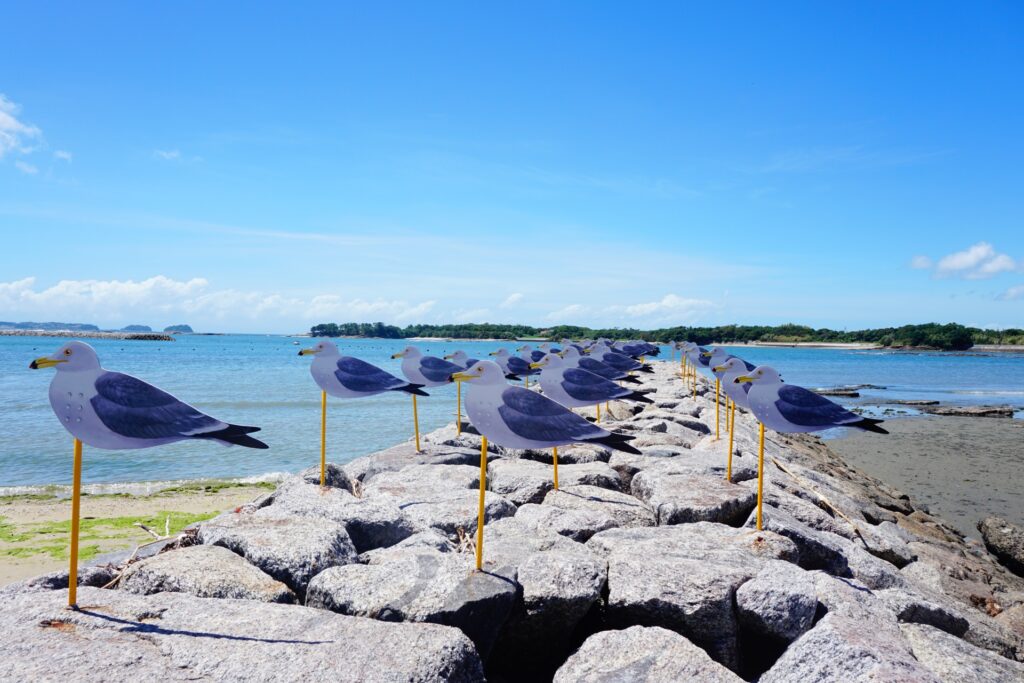
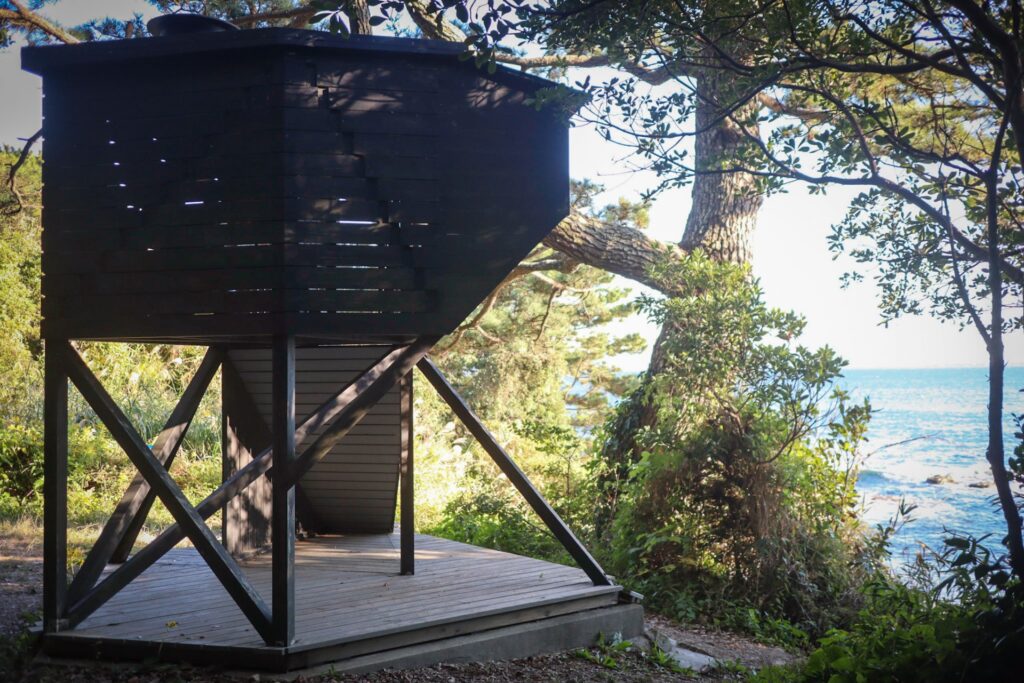
In the late twentieth century, Sakushima began developing the Sakushima Art Project, inviting artists to create permanent installations across the island. The artworks were integrated into the villages and surrounding landscape, creating an open-air gallery that encourages visitors to explore the island on foot or bicycle.
What to See on Nagoya's Island of Art
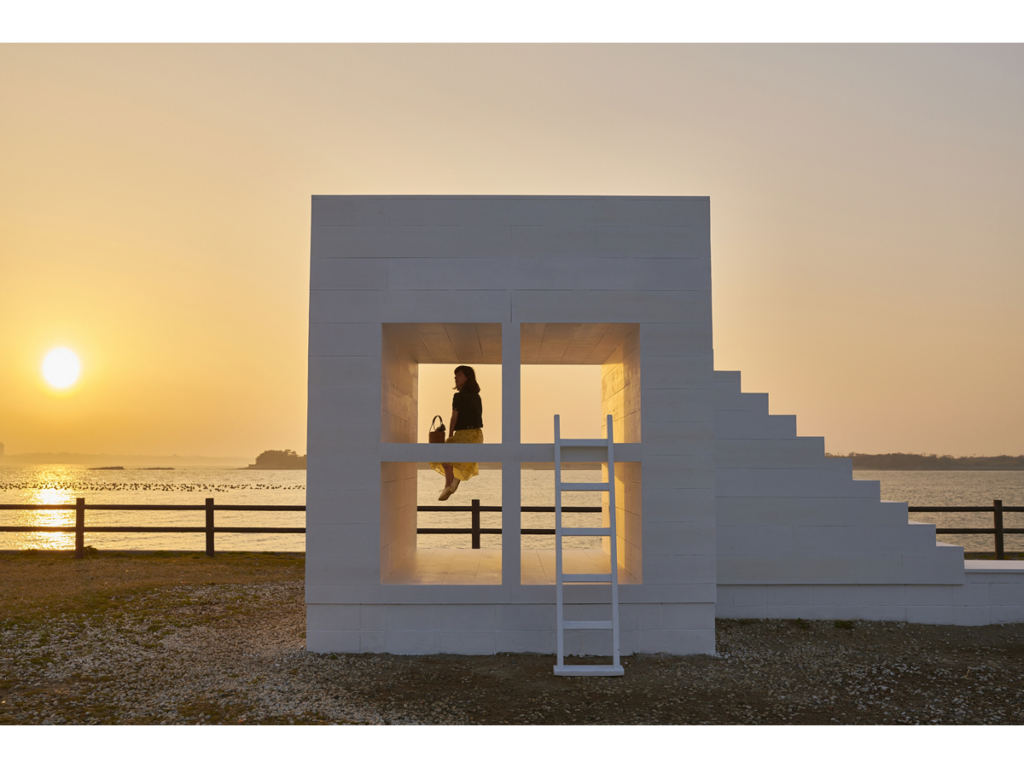
Visitors arrive in Sakushima by ferry disembarking at either the East or West ports. There, they are encouraged to explore the island at their own pace, with maps available on the island identify the locations of the artworks, kofun burial mounds, and other locations.
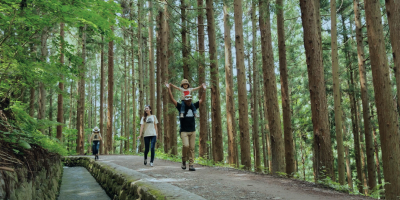
The island has many walking trails which connect both sides of the island, leading visitors past beaches, forests, shrines, and viewpoints overlooking the bay.
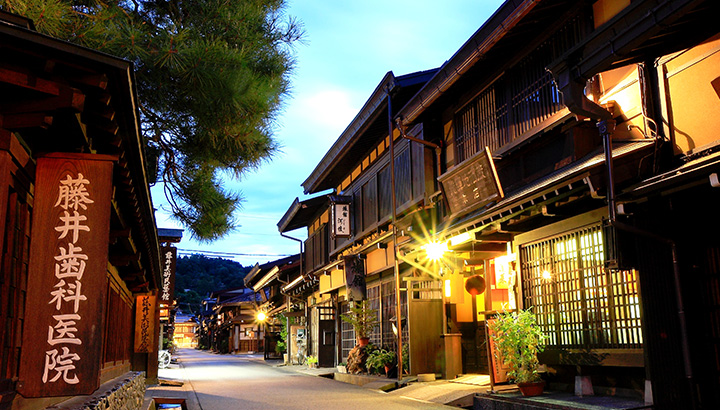
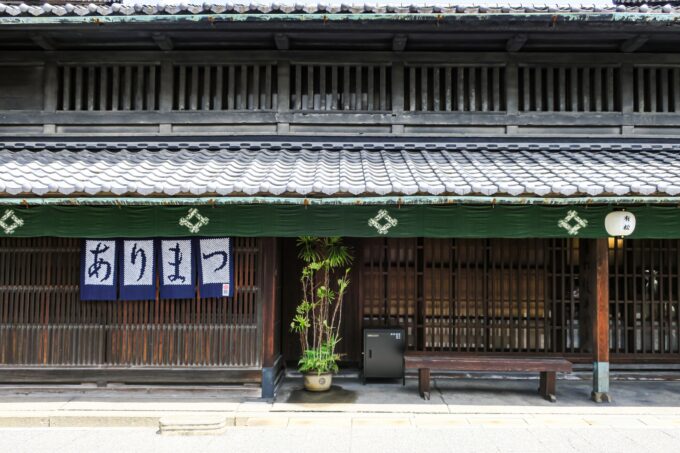
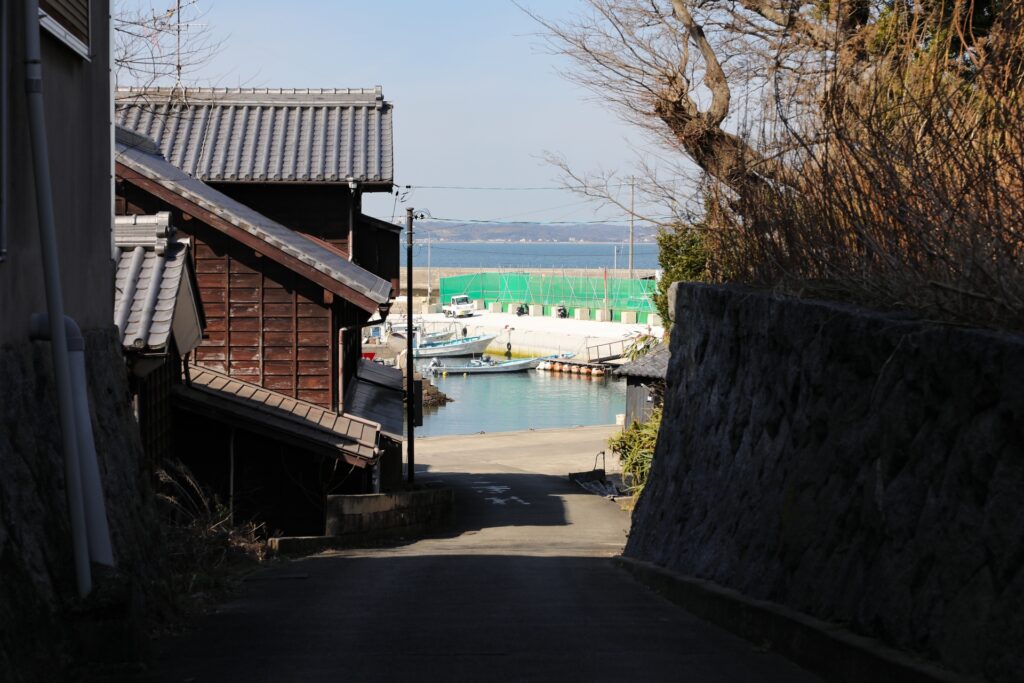
The eastern and western villages retain narrow streets lined with traditional houses, many featuring the distinctive black wooden walls commonly seen in coastal communities. Small fishing boats are often moored in the harbors, and many of the local restaurants serve seafood caught in the surrounding waters of Mikawa Bay.
Sakushima is also home to the Sakushima Kobo Project, a pilgrimage route linking 88 small Buddhist statues positioned around the island.
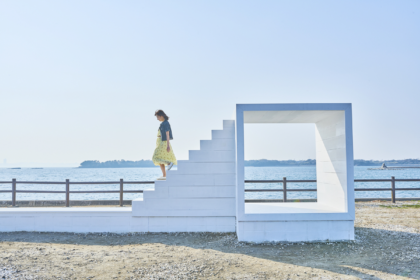
How to Tour Sakushima
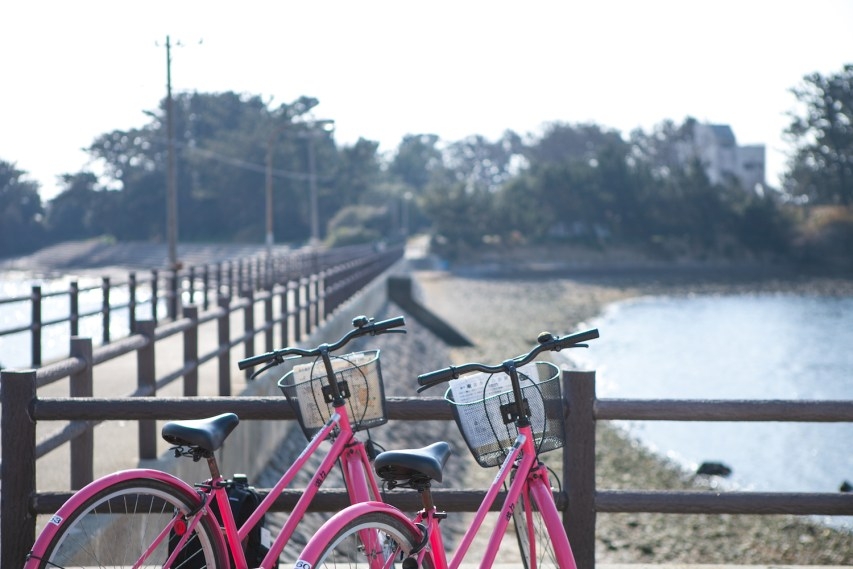
Sakushima is best explored on foot or by bicycle, allowing time to enjoy both the art installations and the island's traditional atmosphere. Most visitors spend at least half a day on the island, although a full day provides more time to visit the artworks, enjoy local seafood, or maybe even go swimming.
Main Attractions
- Permanent artworks of the Sakushima Art Project.
- Ohirune House, one of the island's best-known art installations.
- Traditional fishing villages with narrow streets and black-walled houses.
- Walking trails linking beaches, forests, shrines, and viewpoints.
- Sakushima Kobo Project pilgrimage route.
- Local seafood restaurants overlooking Mikawa Bay.
Visitor Information
- Hours: The island can be visited throughout the year. Individual businesses and facilities operate their own opening hours.
- Closed: The island is always accessible, although some restaurants and attractions close on selected weekdays.
- Admission: Ferry fares apply.
- Visit time: Allow at least half a day, although a full day is recommended to explore both villages and the art installations.
- Important note: Ferry services operate on a timetable that varies by season. Visitors should check the official schedule before travelling.
Access
Sakushima is reached by ferry from Isshiki Port in Nishio City. Visitors travelling from Meitetsu Nagoya Station can take the Meitetsu Line to Nishio Station before continuing by bus to Isshiki Port, where regular ferries operate to both Sakushima East Port and Sakushima West Port. The ferry journey takes approximately 20 to 25 minutes, depending on the service.
Of course, we also offer private tours and transport in and around the Nagoya area, and other regional destinations. We can also arrange for both custom tours with an English-speaking guide or a private charter.
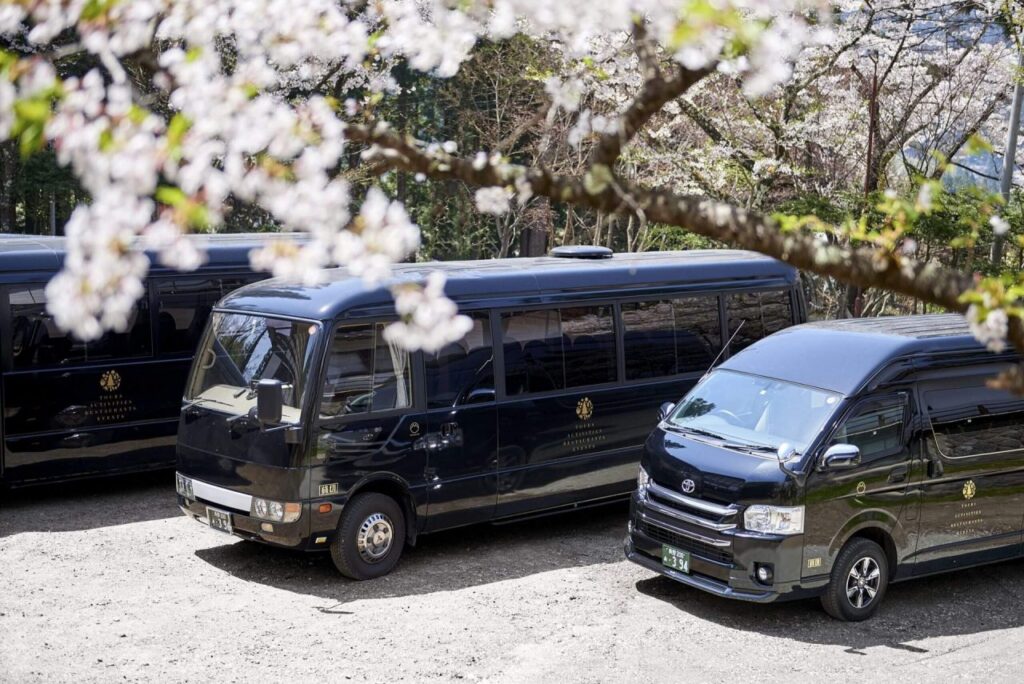
Our drivers and vehicles are fully certified, allowing us to transport you to and from your preferred destinations in combination with any activity that suits your schedule. All vehicles are well-maintained and in good condition, allowing you to relax and enjoy your ride to wherever you are going.
With door-to-door service, we can pick you up from where you are and take you to where you want to go anywhere in Central Japan and the neighboring regions.
For more information, please check our standard charter rates or contact us for a custom trip. We’d love to be part of your adventure in Central Japan and help you discover even more!
Frequently Asked Questions
What is Sakushima known for?
Sakushima is known for the Sakushima Art Project, which has placed contemporary artworks throughout the island, as well as its traditional fishing villages, coastal scenery, and relaxed atmosphere.
How long should I spend on Sakushima?
Most visitors spend at least half a day exploring the island, although a full day allows time to visit more artworks, walk between the villages, and enjoy local seafood.
Do I need to pay to visit the artworks?
Most outdoor artworks can be viewed free of charge. Visitors only need to pay the ferry fare to reach the island, although some facilities may charge separate admission.
When is the best time to visit Sakushima?
Sakushima can be visited throughout the year. Spring and autumn are particularly pleasant for walking, while summer offers opportunities to enjoy the island's beaches and coastal scenery.
Can I explore Sakushima on foot?
Yes. The island's artworks, villages, beaches, and viewpoints are connected by walking routes, making it easy to explore without a car.
Why is Sakushima called Nagoya's 'Art Island'?
The island became known for the Sakushima Art Project, which introduced permanent contemporary artworks throughout the island while preserving its traditional landscape and community.