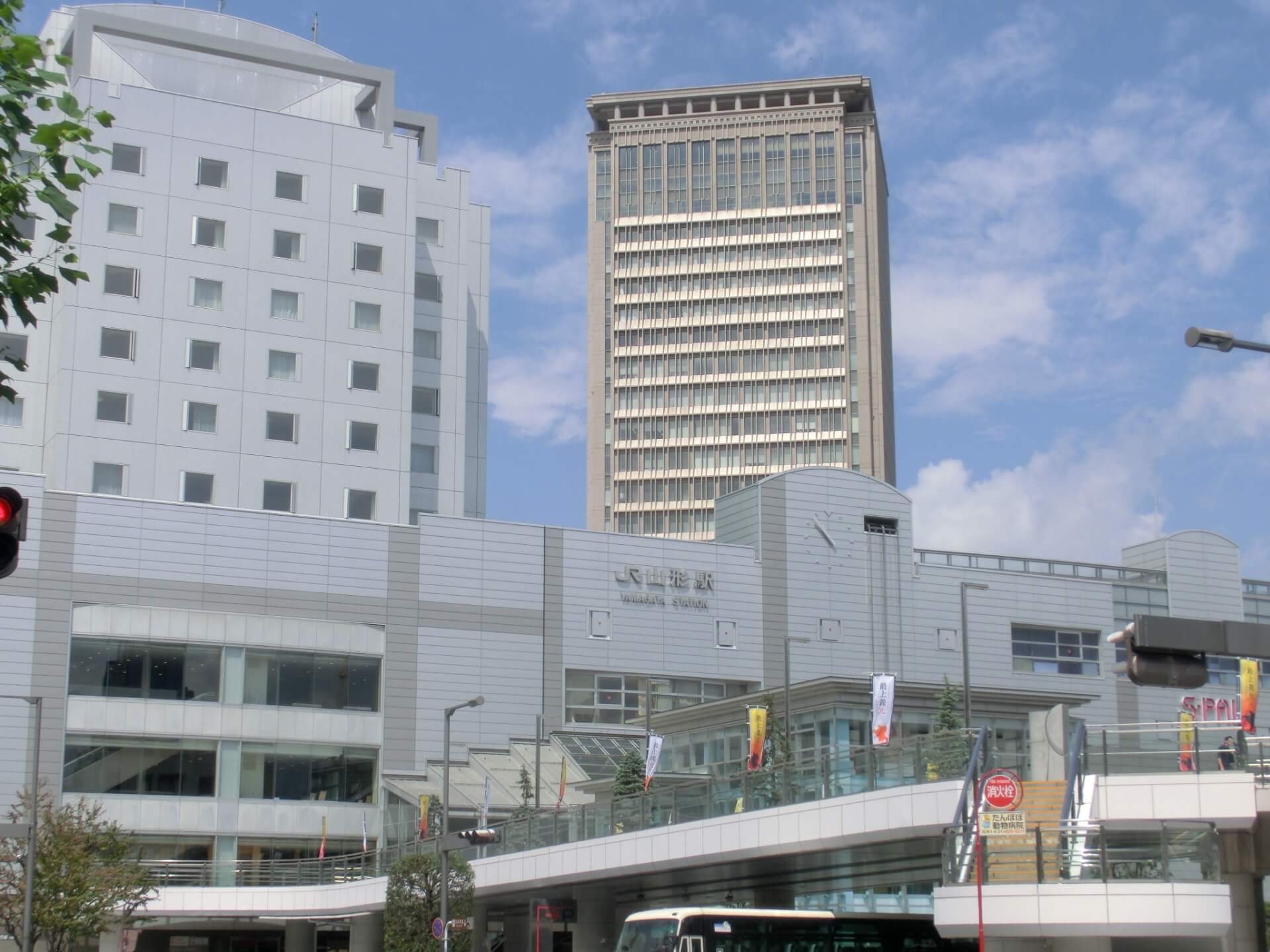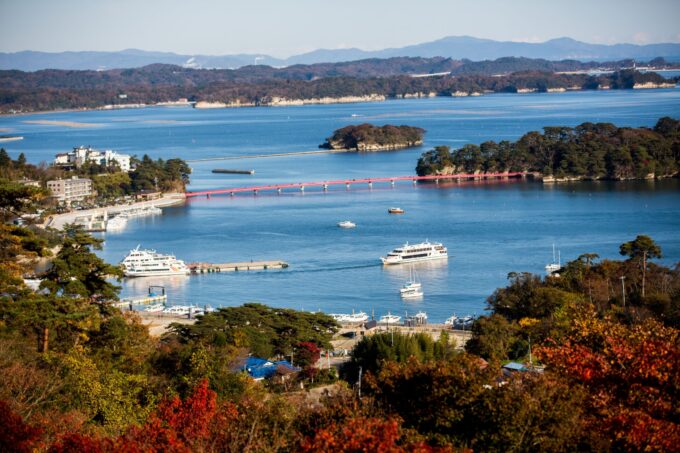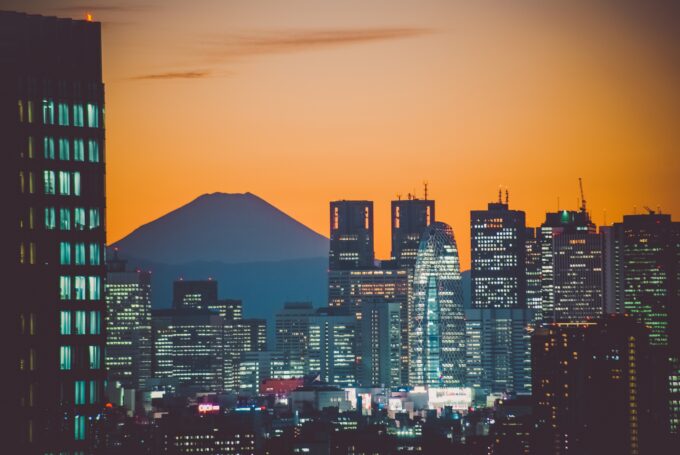


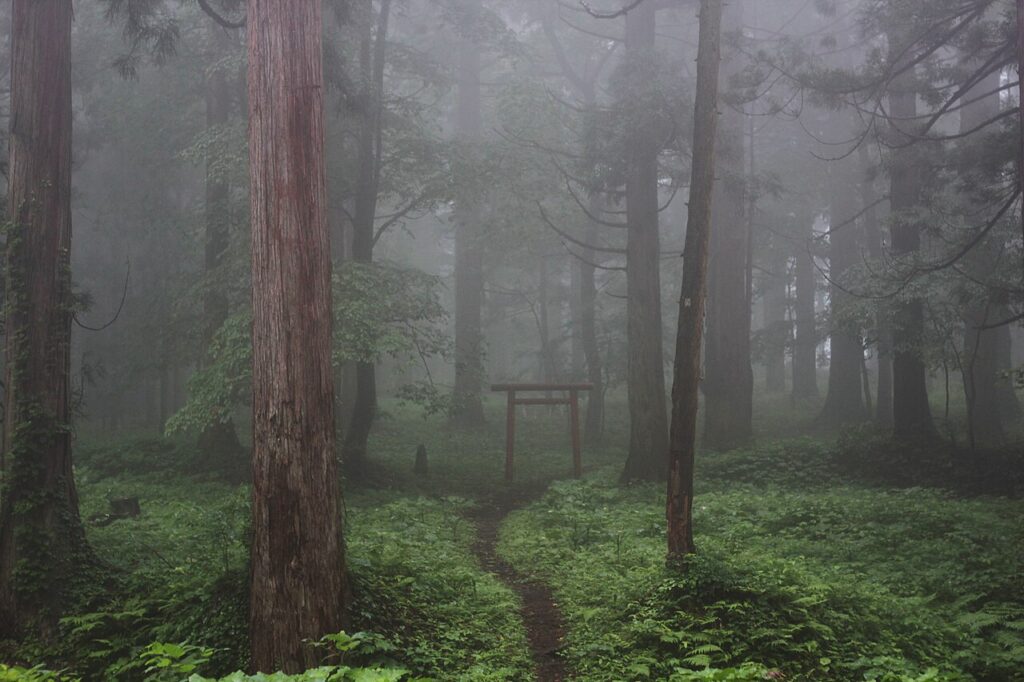
Tohoku is the northeastern region of Japan and although it has been the subject of increased popularity in recent years, many areas still suffer from under-tourism and depopulation. Coincidentally, this gives Tohoku a rather mysterious, untraveled appeal. Embracing that exact fact, let's add to the growing list of why a trip to the Tohoku region of Japan really is worth it!
From aliens, ghosts, and yokai, to simply marvelous or mystical spots, the following information is but the tip of the cryptic iceberg that lies within exploring Japan’s deep north.
UFO no Sato (Fukushima)
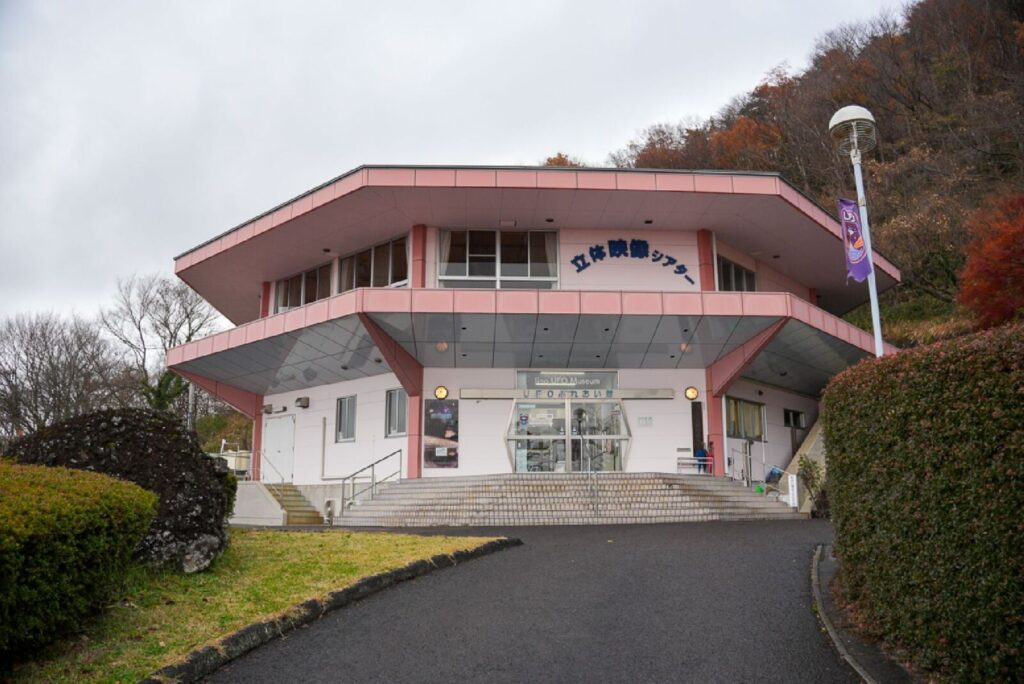
Hidden amongst the tree-lined mountains of Yamagata lies a quiet town called Iino. Iino is known as the UFO no Sato, or the UFO Village, as a result of its illustrious track record of unexplained aerial phenomenon. Thanks to The Iino UFO Museum (also known as the UFO Fureai-Kan) located in town, visitors can learn some of that very history as well as open their eyes to a whole new world of study: ufology. The site also hosts a UFO Festival every year in late October early November where famous ufologists visit and give talks, food stalls sell all sorts of festival snacks, and activities are available for all to enjoy! The current fee for the museum is 400 yen for adults and 200 for children.


The first floor of the museum is fairly straightforward and offers a close look at both local sightings and history as well as more overarching history of UFO related research. Unfortunately there are currently no English translations within the exhibition, but should you have any problems understanding the content, having a translation app on standby is highly recommended! The museum also includes models of ships according to first-hand accounts as well as statues of "creatures" from paranormal infamy! The second floor has a public bath that's included with your ticket inside as well as some Japanese style relaxation rooms with cushions and tables to snack at.
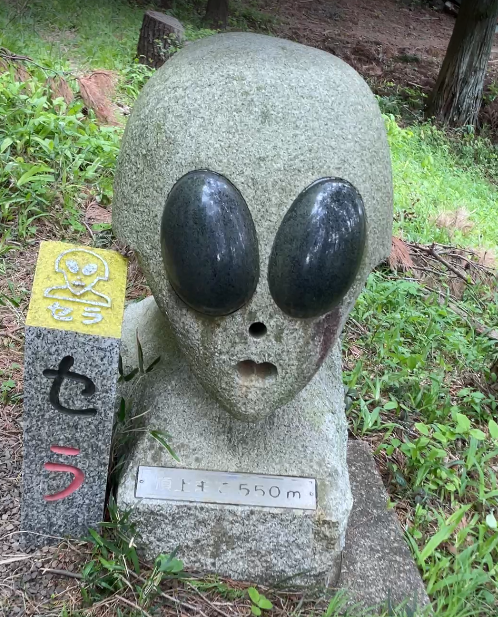
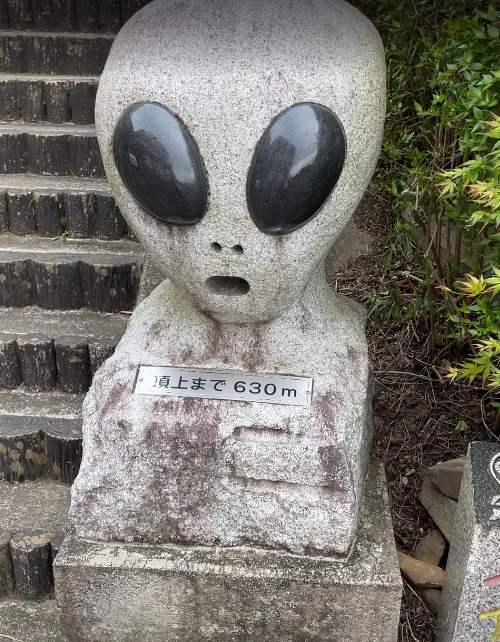
Outside of the UFO Museum building is a hiking trail that is beginner friendly and easy to follow. It'll take you up to the top of Senganmori (千貫森), a nearby mountain filled with lots of "mystery spots." This is their UFO Trail. There are signs along the trail that signify these mystery spots – including areas where compasses don't point north and the ground beneath you sounds metallic! There are even cute stone alien statues along the trek telling you how much farther you have to travel before you reach the lookout at the top.
The Legends of Tono (Iwate)
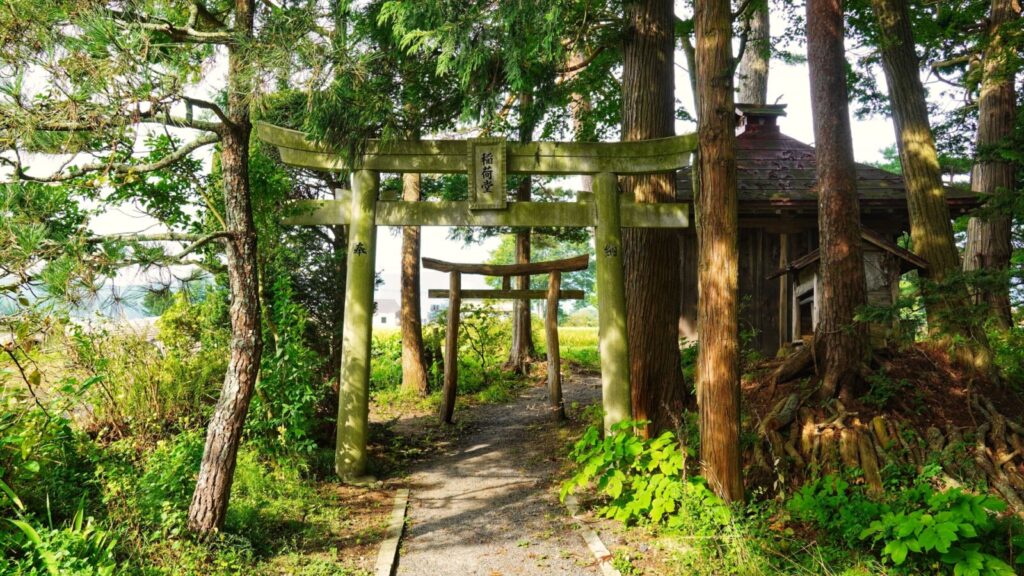
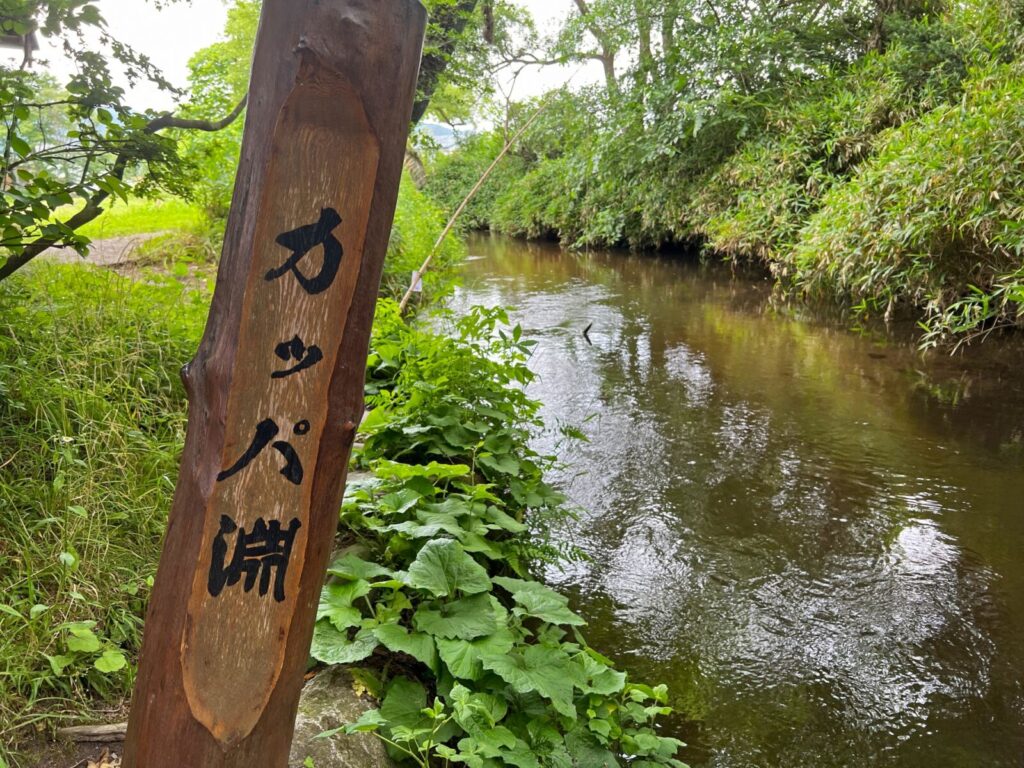
The Legends of Tono (Tōno Monogatari) is the most famous work by Japanese author and folklorist Yanagita Kunio. The tales he gathered are from the city of Tono in the Iwate Prefecture and feature a number of stories from a local hunter. In fact, the town itself is known as "The City of Folklore." The highlights from Yanagita's famous work include that of Japanese yokai (a class of supernatural entities and spirits in Japanese folklore) called kappa and zashiki-warashi.
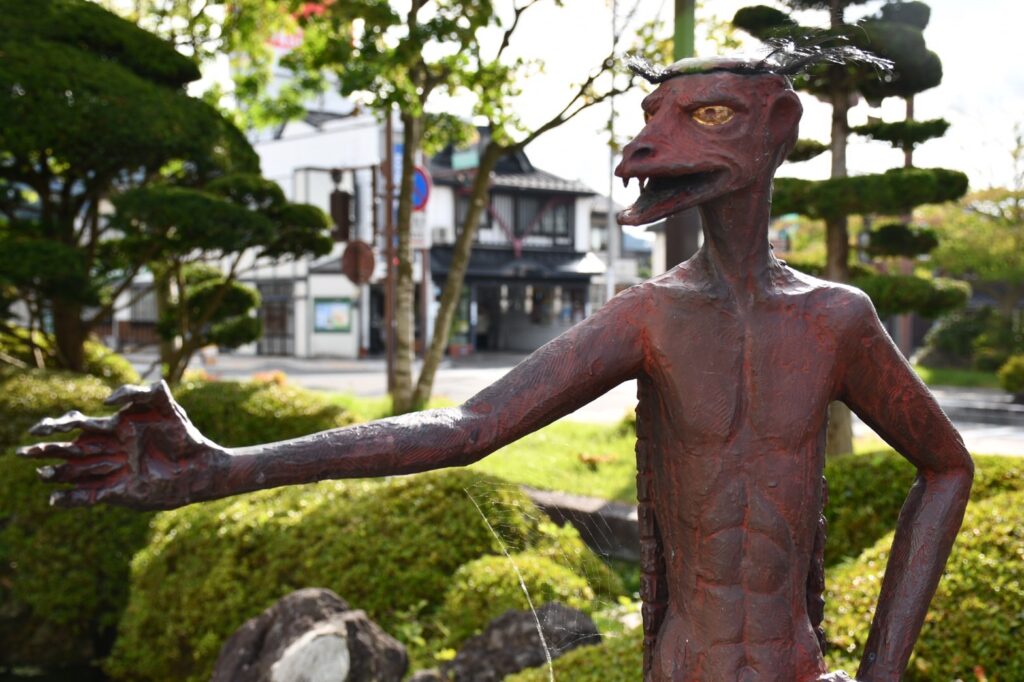
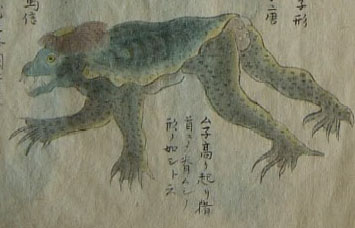
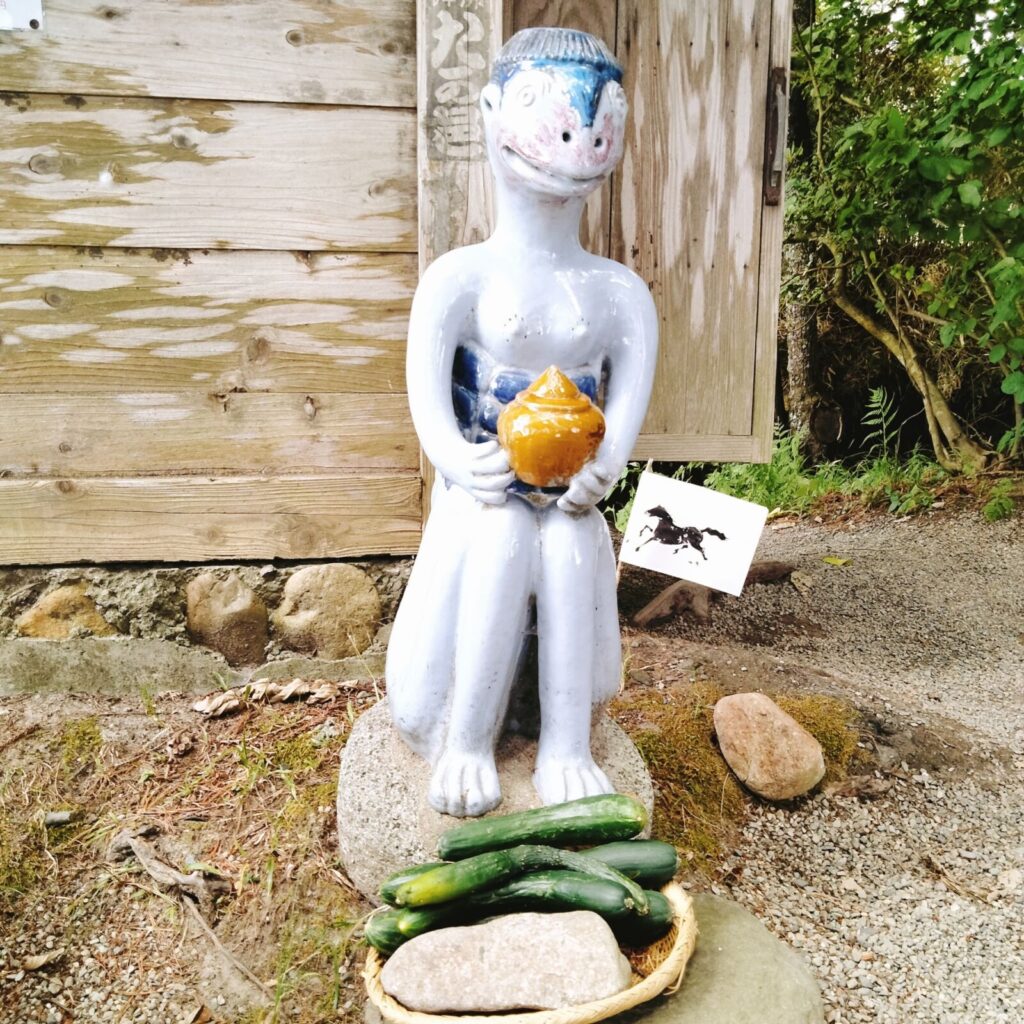
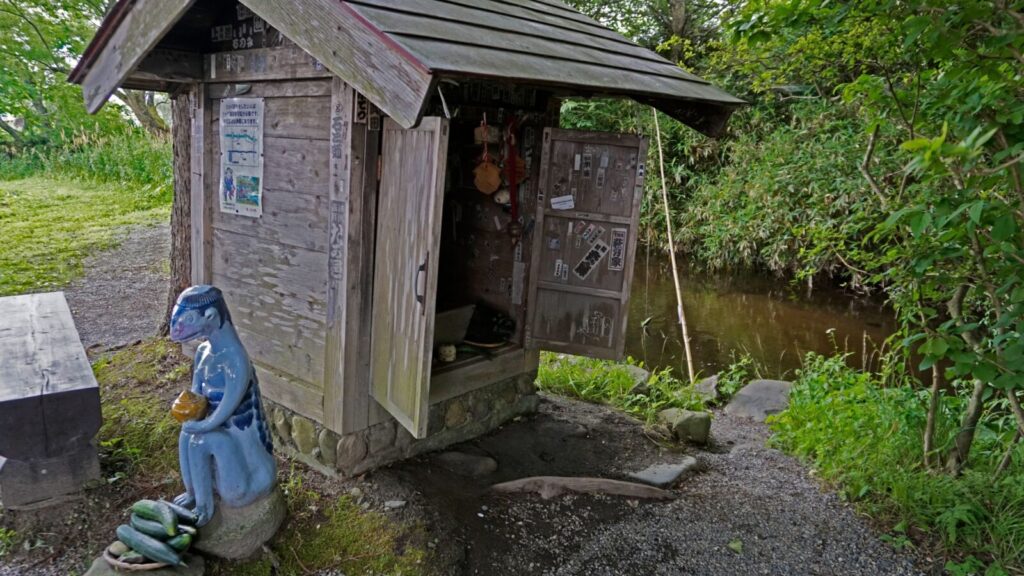
Kappa are one of the three major Japanese yokai and are often depicted as green (but in the town of Tono's case, they are red), turtle like creatures with a shell and a concave bowl shape on the top of their head. They notoriously love cucumbers and are tricksters.
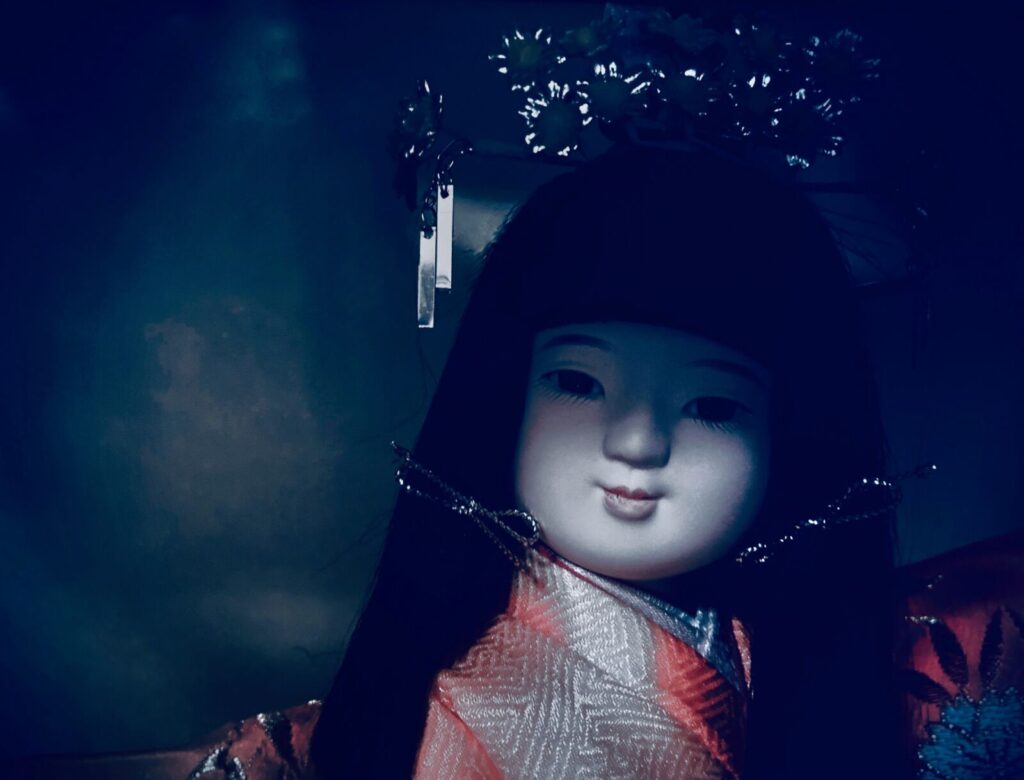
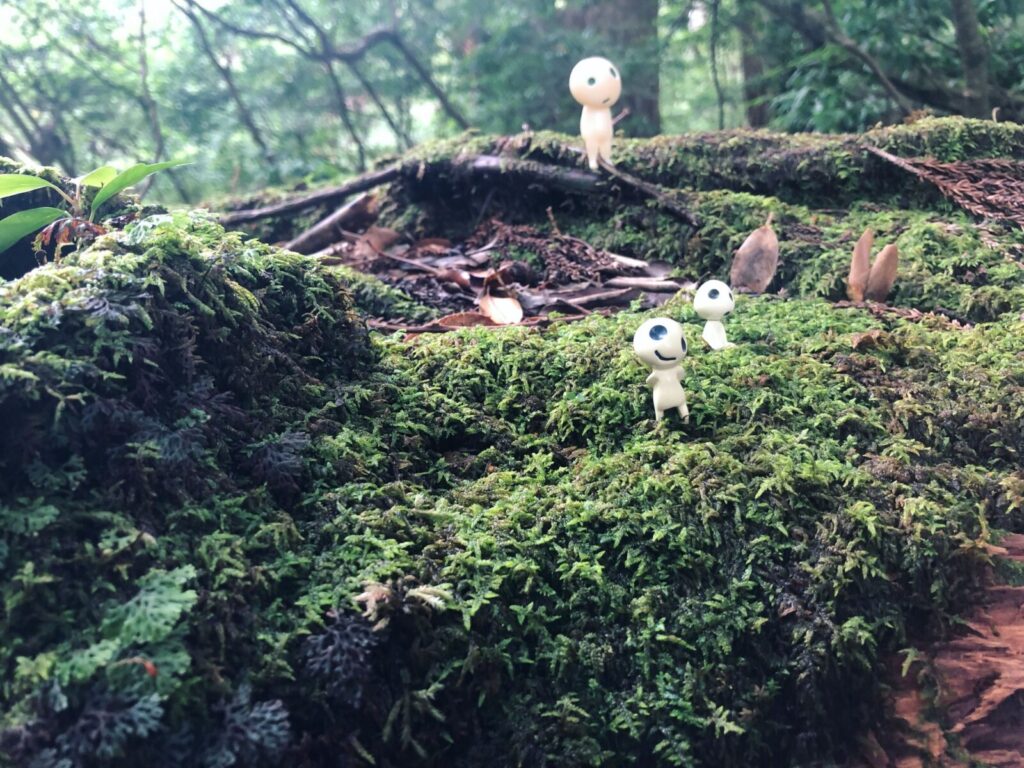
Zashiki-warashi are specific to the Iwate Prefecture. They are playful spirit-like beings that often live in parlors or storage rooms. Some legends even say that houses with an active zashiki-warashi are in luck because it brings about good fortune! These spirits are often depicted as childlike in nature and appearance.
Both of these mysterious creatures have lore and locations within the legendary town of Tono. This includes various kappa statues and local ponds where legend says kappa have been spotted, and buildings with playful zashiki-warashi stories attached to them.
Hachimantai Dragon Eye (Akita)
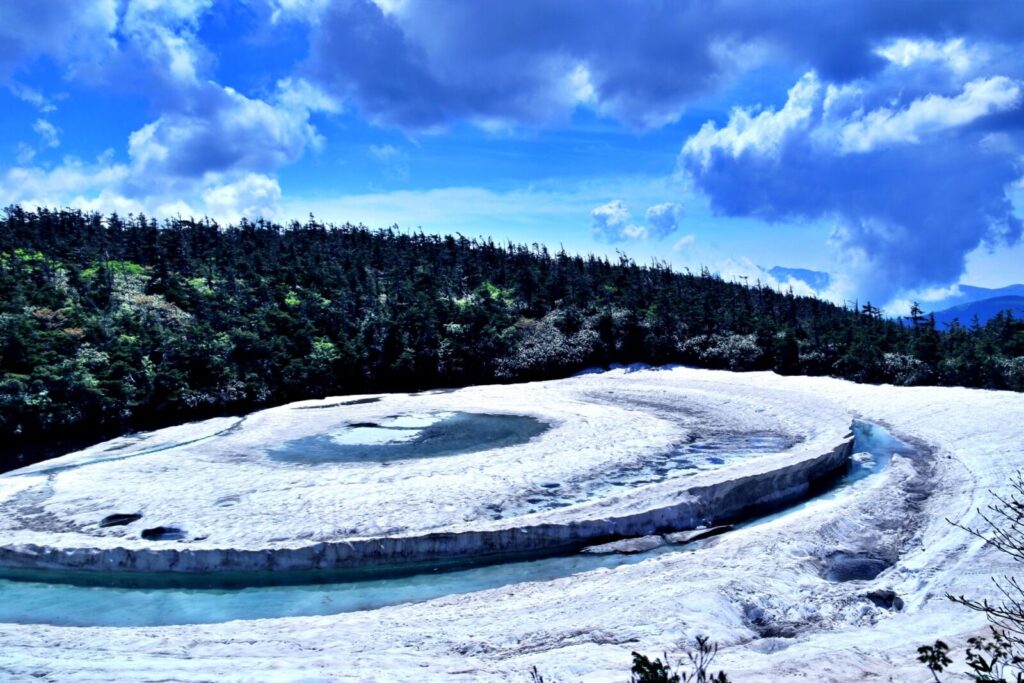
Located near the summit of Mt. Hachimantai from late May to early June, this naturally occurring phenomenon at Kagami-Numa Lake is not only mysterious but a popular tourist destination too. The area is famous for heavy snowfall and when that snow begins to melt, the shape of a ring begins to form. Thanks to the aquamarine blue color and the circular ring shape, the area looks like a giant eye of a dragon peaking out from beneath the mountain. The area is easy to hike to and great for artists to catch some breathtaking photos.
Namahage Demons of Oga (Akita)
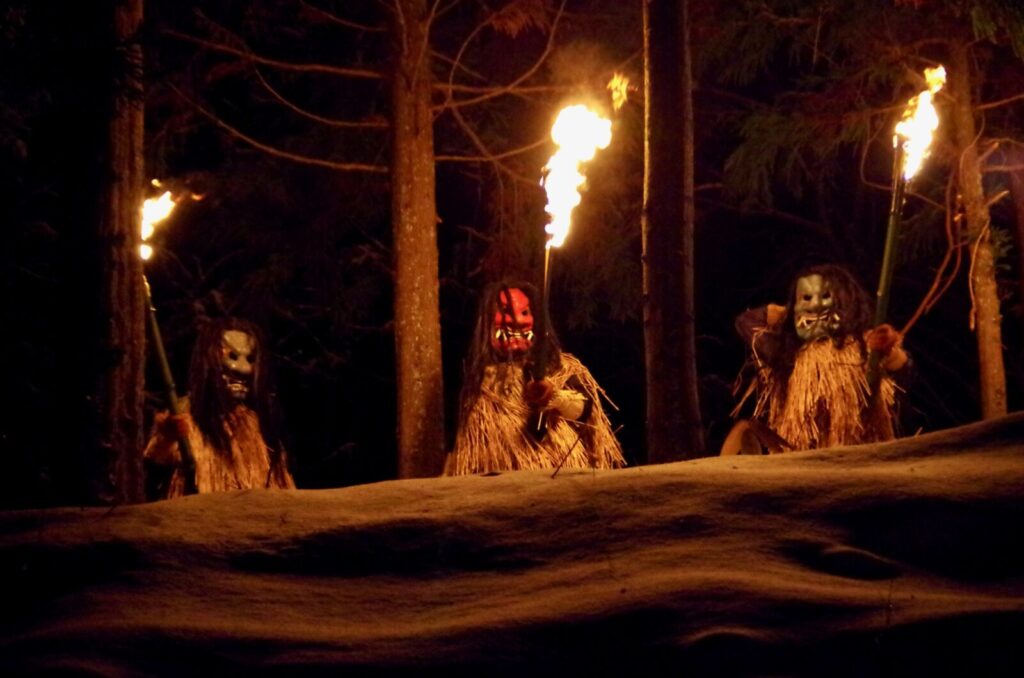
Designated as a UNESCO intangible cultural heritage in 2018, the Namahage of Oga are demon-like figures portrayed by local men dressed in oni (Japanese demon or ogre) masks and wear long straw cloaks. The area itself is famous for this folklore and tradition and has a festival every February. In this festival, the namahage demons roam around and visit houses in search of new community members, especially "bad kids." There are various theories as to the origin of both the folklore and the festival associated with it, but nowadays it is a powerful nighttime celebration including loud, throaty screams, stomping demons, and impressive traditional taiko drum performances.
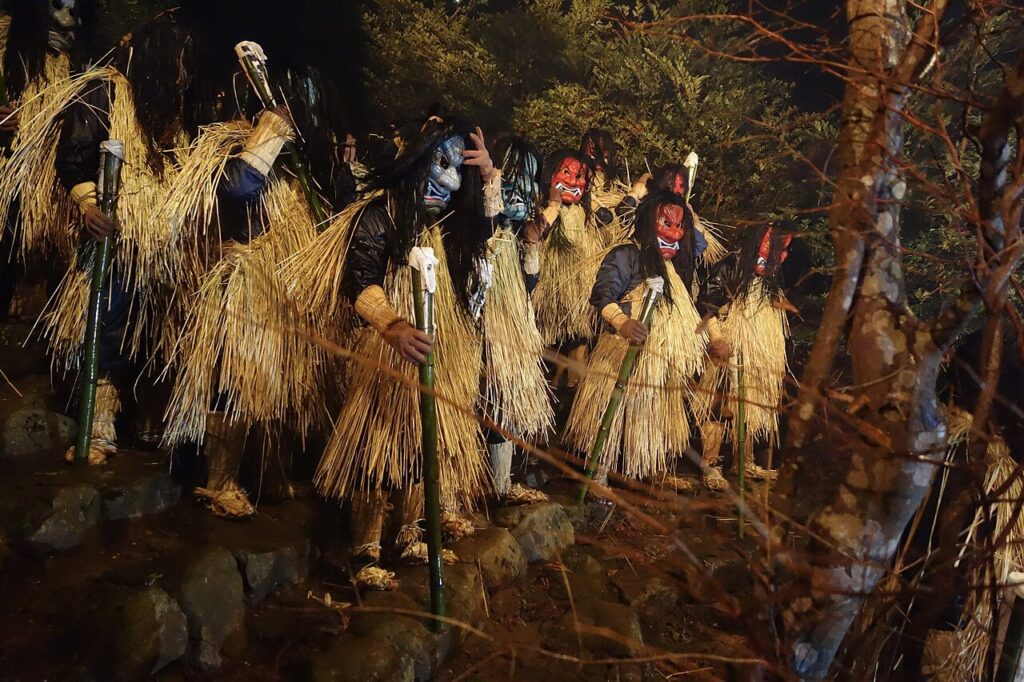
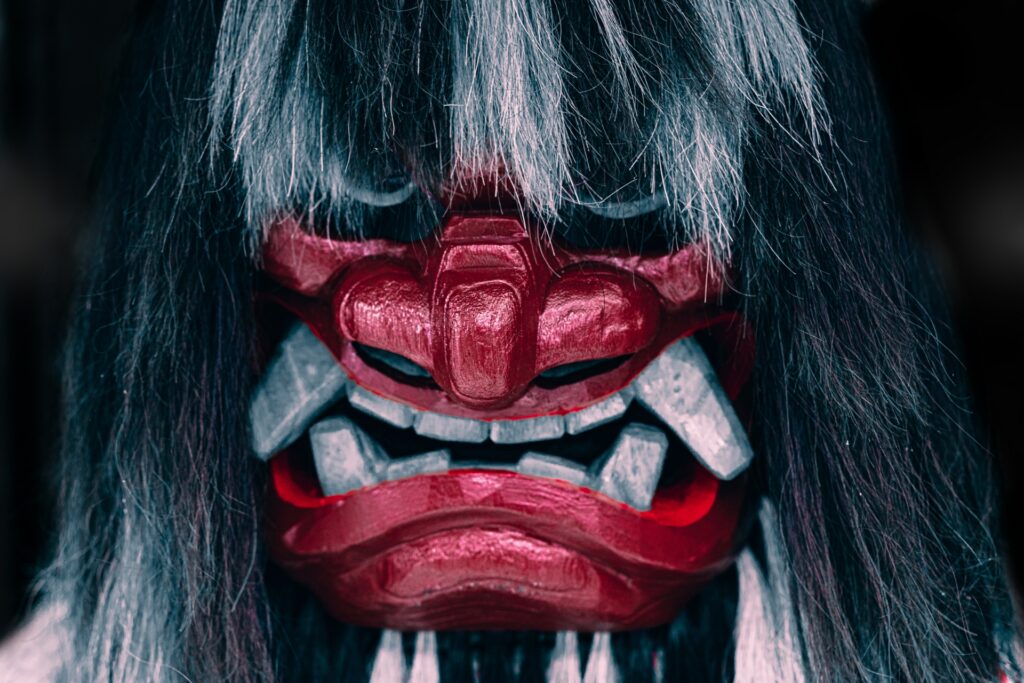
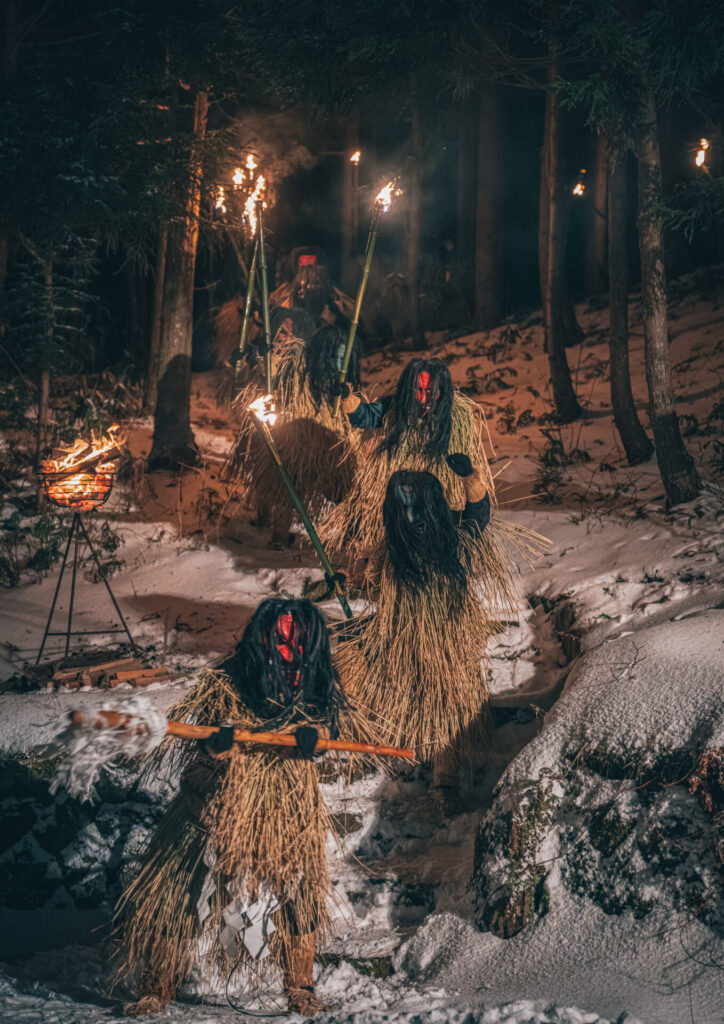
The namahage will stomp about and ask in heavy Akita accented Japanese, "Are there any naughty kids around?" (悪い子はいねえか、Waruiko wa inee ka?) This portion of the festival is used to encourage children to study hard and be on their best behavior, similar to the European anti-Santa Claus called Krampus.
Spiritual Pilgrimage of Yamadera (Yamagata)
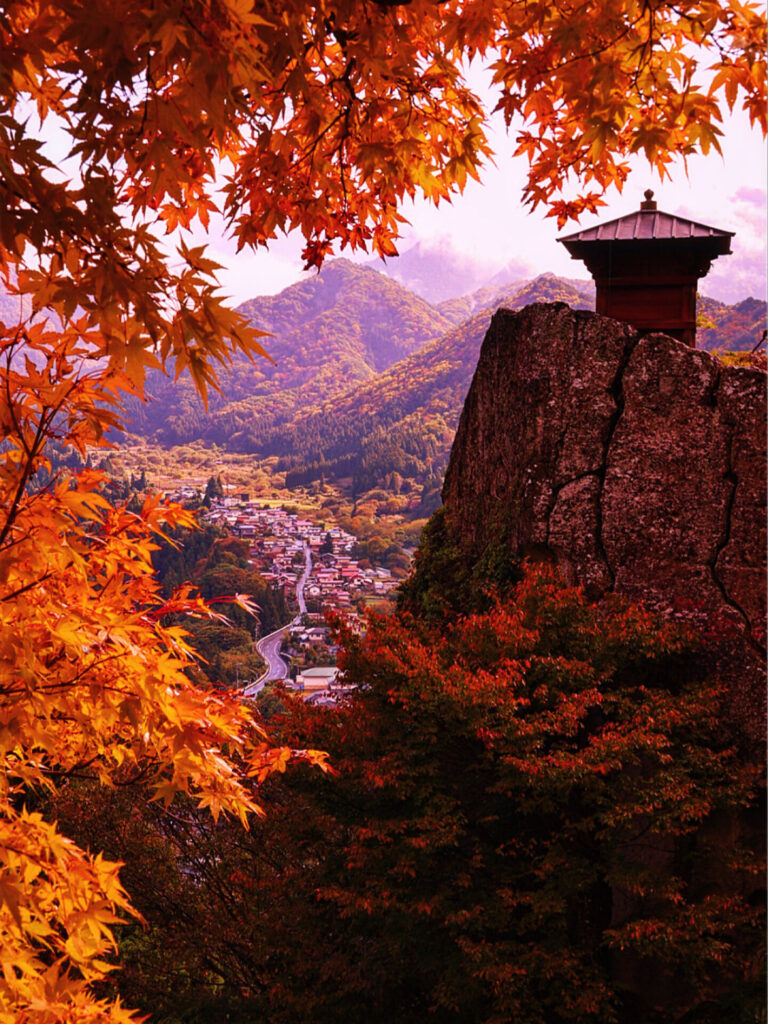
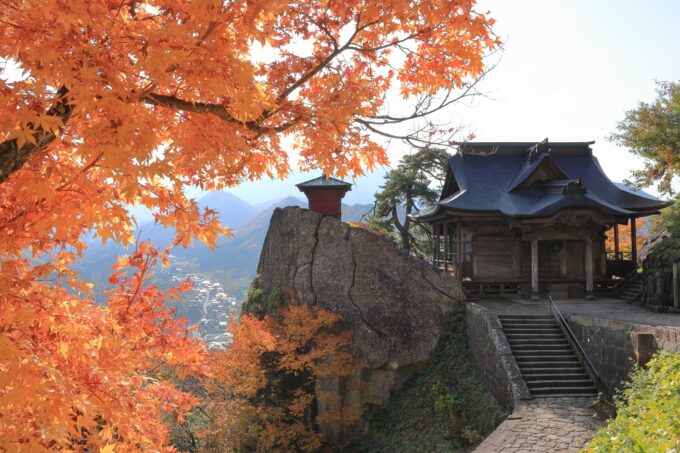
The famous mountain temple Risshaku-ji, also called Yamadera, is well-known for its fall foliage and impressive 1,015 stone step climb. But did you know that there is a spiritual pilgrimage attached to trekking up the mountain? Since the temple is a sacred Buddhist location, entering onto the temple grounds, climbing the stairs, reaching the top, and trekking back down are all symbolic of the death and rebirth cycle within Buddhism.
It is said that once you pass through the main gate, you have passed into the afterlife. As you climb the mountain, you pass by various check points that "test" your worthiness of reaching nirvana. Once you have made it to "heaven" at the top, you can proceed with proper Buddhist practice such as praying, chanting, or calligraphy. As you make your way down and out of the temple gate, you are reborn. Of course, all of this is symbolic for the casual visitor, but for many devout Buddhists, this pilgrimage is both sacred and essential for their practice.
Demon's Hand in the Rock (Iwate)
Iwate Prefecture is known for being a political center during the 11th and 12th centuries as well as being the home for many folktales that exist to this day. For those who have dabbled in a little Japanese language studies will understand that in Iwate Prefecture's name, iwa means rock and te means hand. Put that together and you get rock-hand. Strange, huh? There's a reason for this strange name though and that legend lies in an unassuming shrine within Iwate's very own major city, Morioka.
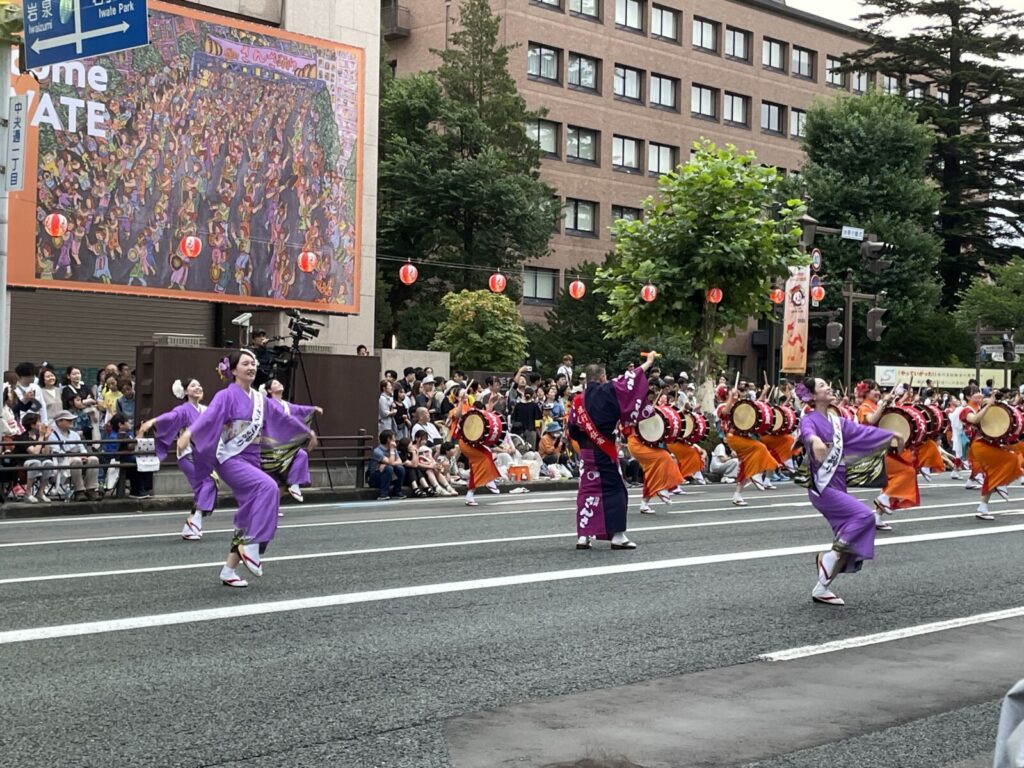
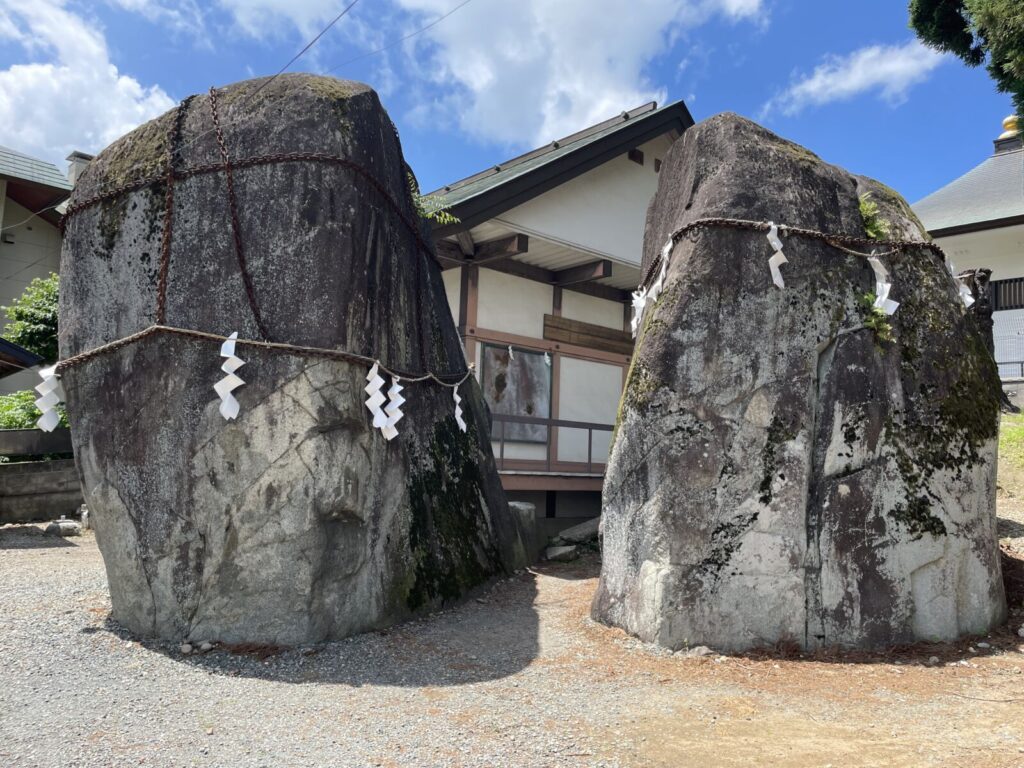
According to legend, a ferocious demon called Rasetsu lived in Morioka and caused mayhem for the locals. The villagers prayed to a local deity named Mitsuishi and asked for Rasetsu to be cast out of the area. Mitsuishi defeated the demon and bound him to the three rocks at the shrine. Before long, the god forced the demon to imprint his hands onto one of the three sacred rocks. This was a promise and a curse that the demon may never harm humans again. In celebration of the demon being defeated, the locals were overjoyed and danced happily.
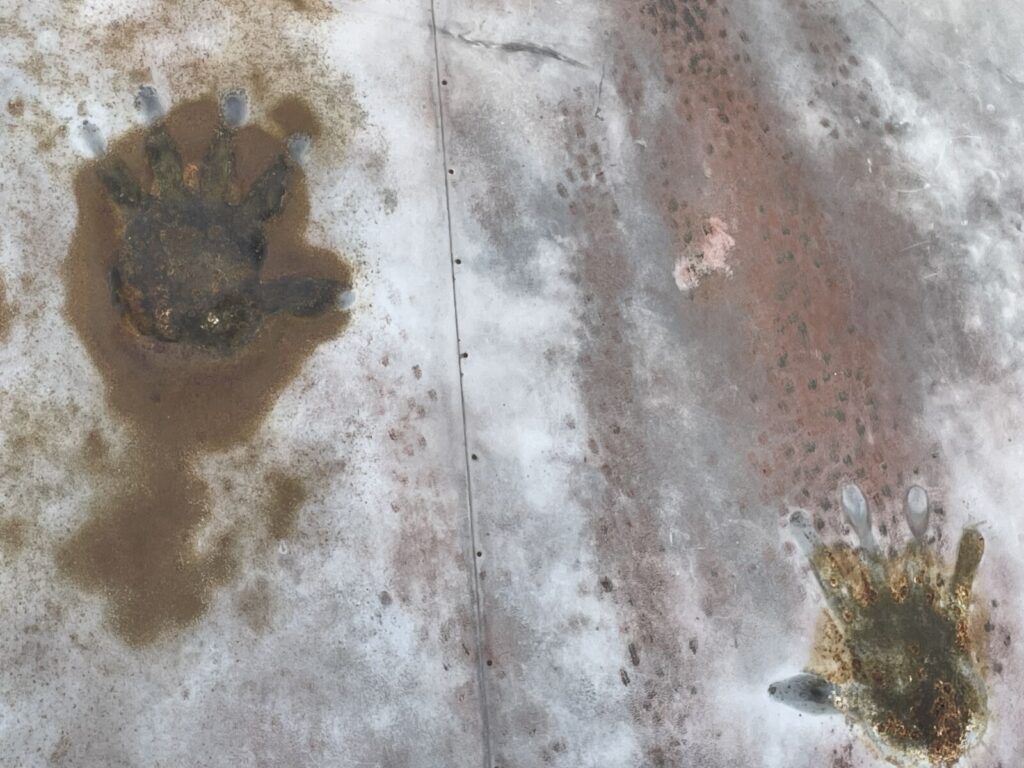
This is actually the folklore origin of Morioka's famous Sansa Odori Dance festival. You can visit the Mitsuishi Shrine today and see the hand imprints on display between two large boulders on the shrine grounds. This is where Iwate gets its name from.
Ice Trolls of Yonezawa (Yamagata)
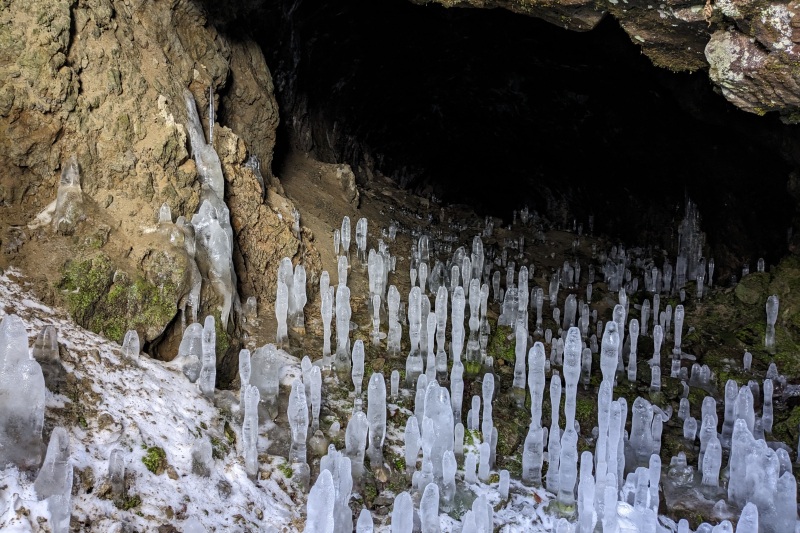
During the Meiji Period a location along the Kuriko Pass was established to connect the Yamagata and Fukushima Prefectures. They called it Bansei Road. Although the road has been mostly abandoned, there lies a tunnel that holds a unique phenomenon within it. During the cold, winter months ice crystals form along the rocky ground due to water dripping steadily from the ceiling. The dripping water slowly freezes and forms ice stalagmites that look as if they are creeping and crawling along the floor of the tunnel. These ice stalagmites are affectionately called "ice trolls."
Now the Kuriko Tunnel and its Ice Trolls are growing in popularity as a delightfully mysterious tourist attraction during the chilly winter months.
"Living Buddhas" of Yamagata
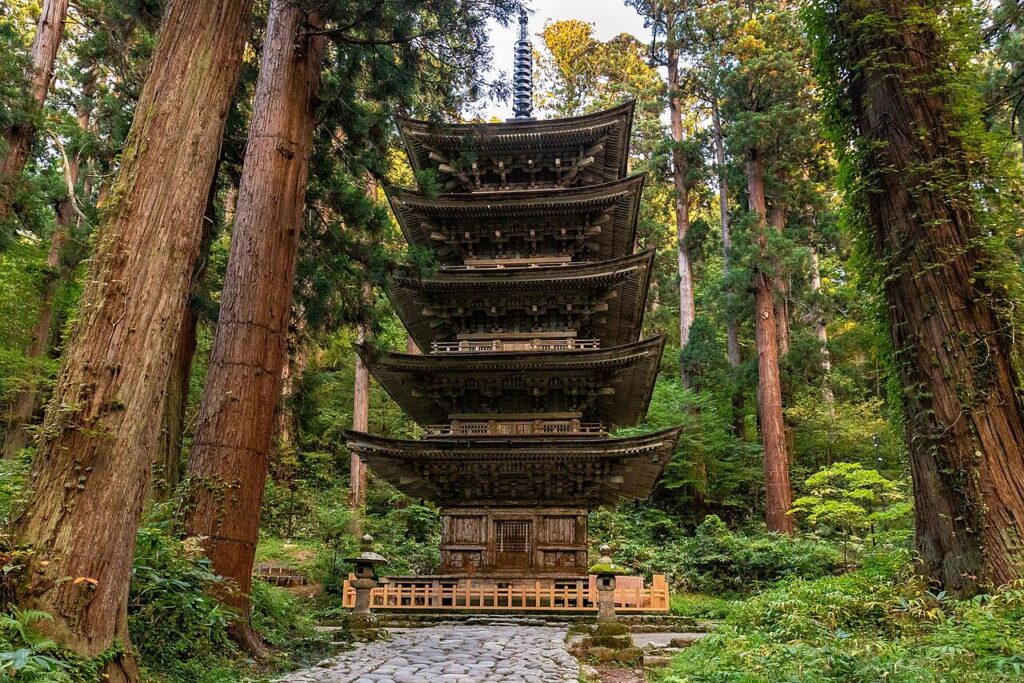
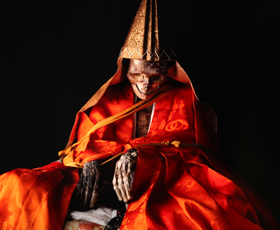
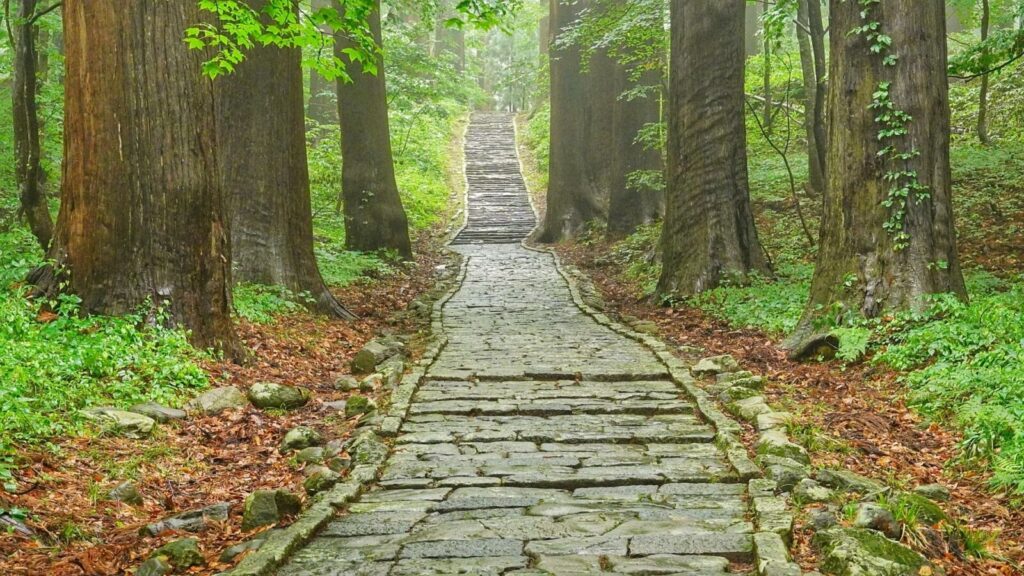
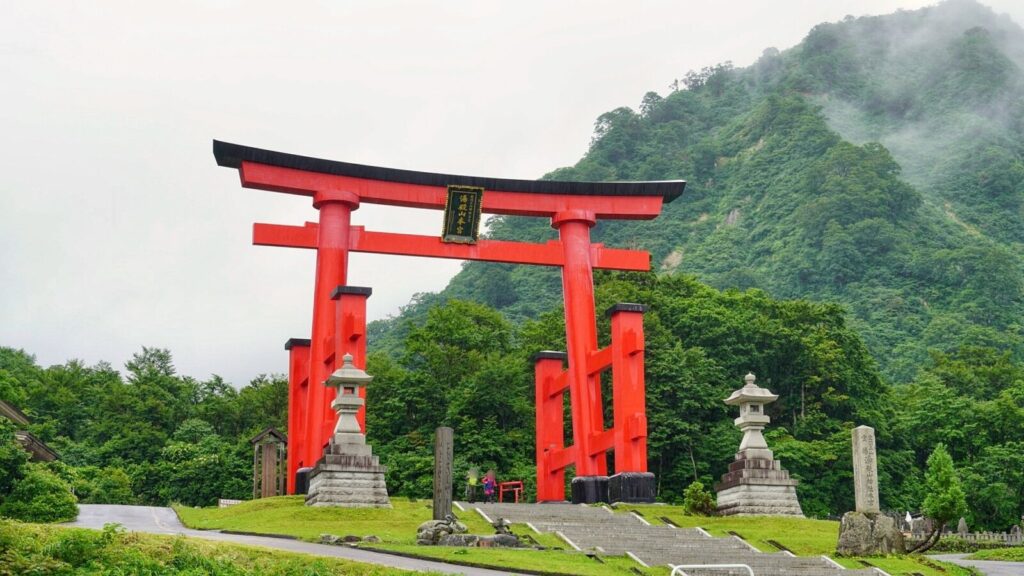
There is a type of grueling ascetic Buddhist practice that at the end the practitioners' remains become mummified and worshipped– essentially living Buddhas. These mummified remains are referred to as sokushinbutsu and date back centuries in Japan. Although modern law forbids the practice of becoming sokushinbutsu, the sacred Dewa mountains in Yamagata are home to numerous mummified remains of these devout ascetics.
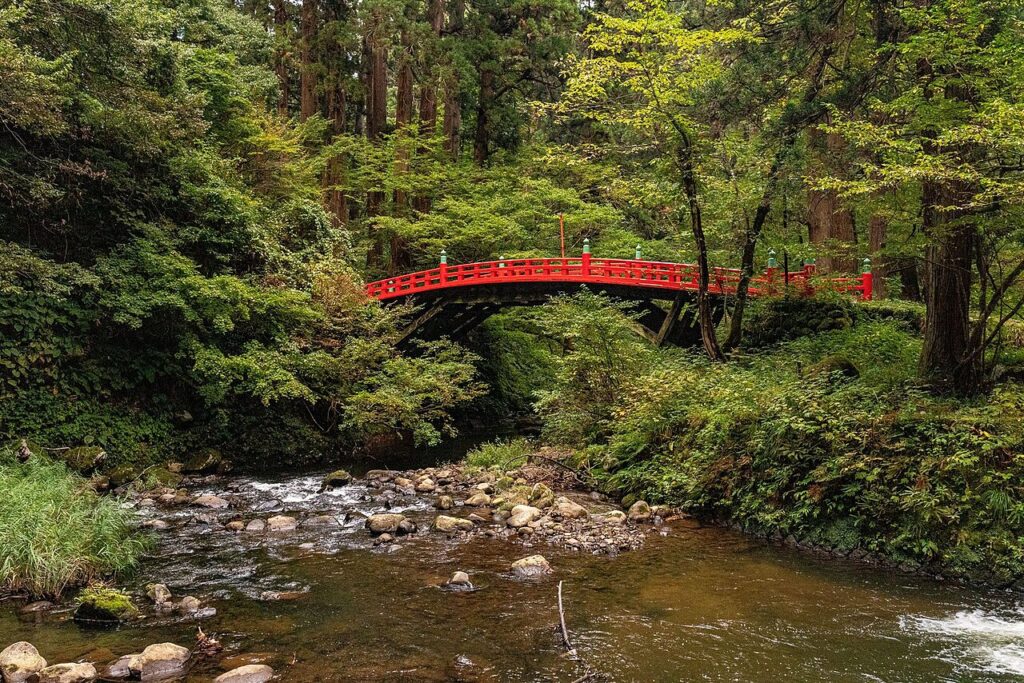
The process is macabre and grueling, consisting of secluding oneself in the mountains and cutting out essentially all dietary nutrition except for those of fruits and plants that grow in the mountain. Some versions of the practice even consisted of "wood eating" which was thought to empower them. There are a total of 17 sokushinbutsu throughout Japan, and 7 of those belong to Mt. Yudono, one of the three sacred Dewa Sanzan Mountains.
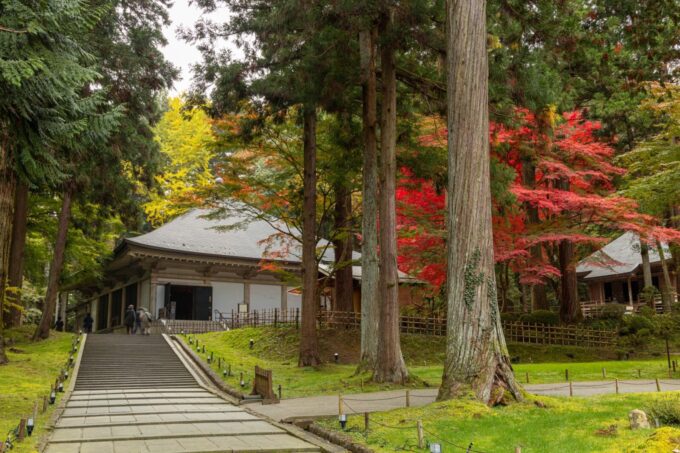
Recommended tour: Chuson-ji holds mummified remains of its own. Although not open to the public, the golden temple hall of Konjikido is both mysterious and awe-inspiring. This tour will take you through the spiritually important temples of the UNESCO World Heritage Site at Hiraizumi.
New Tour
1-Day Tour from Ichinoseki: Temple Highlights of World Heritage Site Hiraizumi
- Spots:
- Pick-up:
- Ichinoseki
- Drop-off:
Edo Prisoners' Curse (Miyagi)
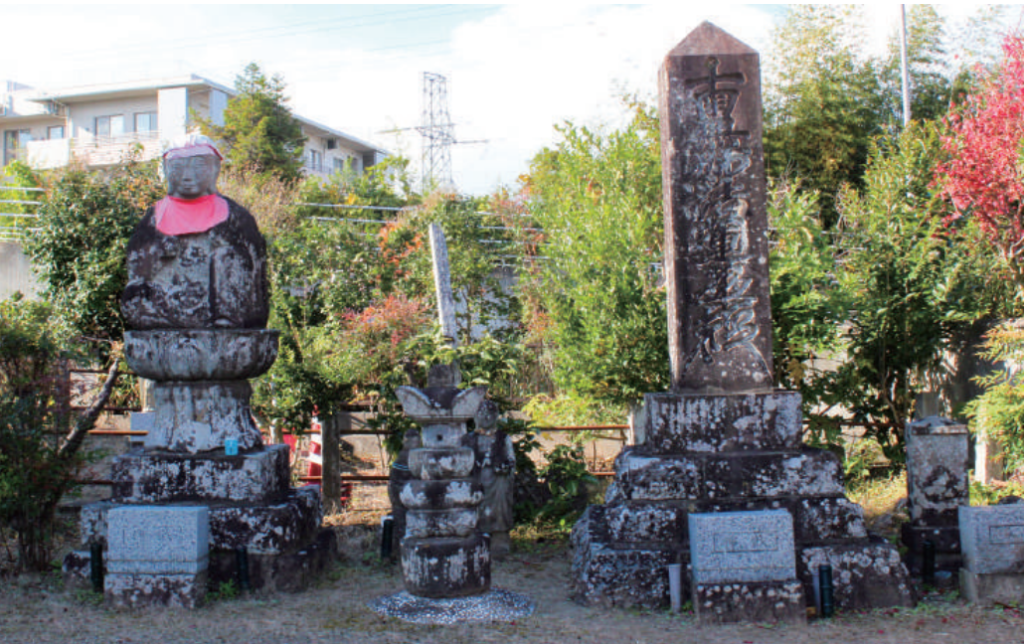
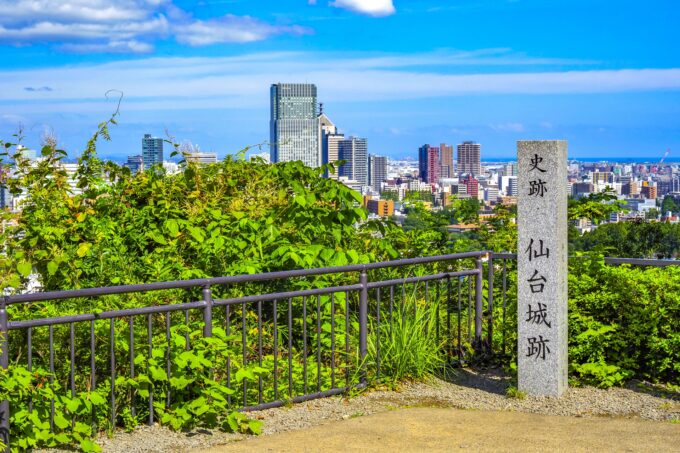
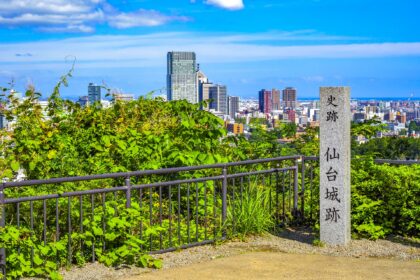
Did you know there is an intersection located just outside a subway station in Sendai that locals believed to be cursed? To understand why this legend came about, we must travel back in time to the 1600s, when Date Masamune established his castle on Mt. Aoba and became one of the most powerful feudal samurai lords in Tohoku.
During the era when Sendai Castle was at its peak of power, there laid a prisoner camp outside of the castle grounds called Nanakitada. Although the Edo period is deemed a peaceful era within Japan's history, there is always a dark side to the story. In this case, the prison camp outside Sendai Castle – which was eventually moved to the current location in 1690 – was a cruel and gruesome execution ground for criminals, peasants that couldn’t pay their taxes, disloyal samurai, among others.
The location of Nanakitada Execution Grounds was moved to is just outside the Yaotome Subway Station in the Izumi Ward of Sendai, and is a designated historical landmark. It is said that up to 7,000 criminals were executed under samurai lord order here, and locals argue that the area is heavy with sad memories and energy. This led to locals placing Buddhism related items, including Buddhist halls erected by the 4th Date Lord's wife, on the site as penance and to pray for peace. Legend has it that the negative energy connected to the morbid history of this area has led to increased car accidents in a nearby intersection. Nowadays locals pass by respectfully, while ghost hunters and paranormal enthusiasts like to visit this area just outside of Yaotome subway station, snapping quick photos of the stone jizo statues and memorial stones placed in the area.
Power Spot at Kudoji Temple (Aomori)
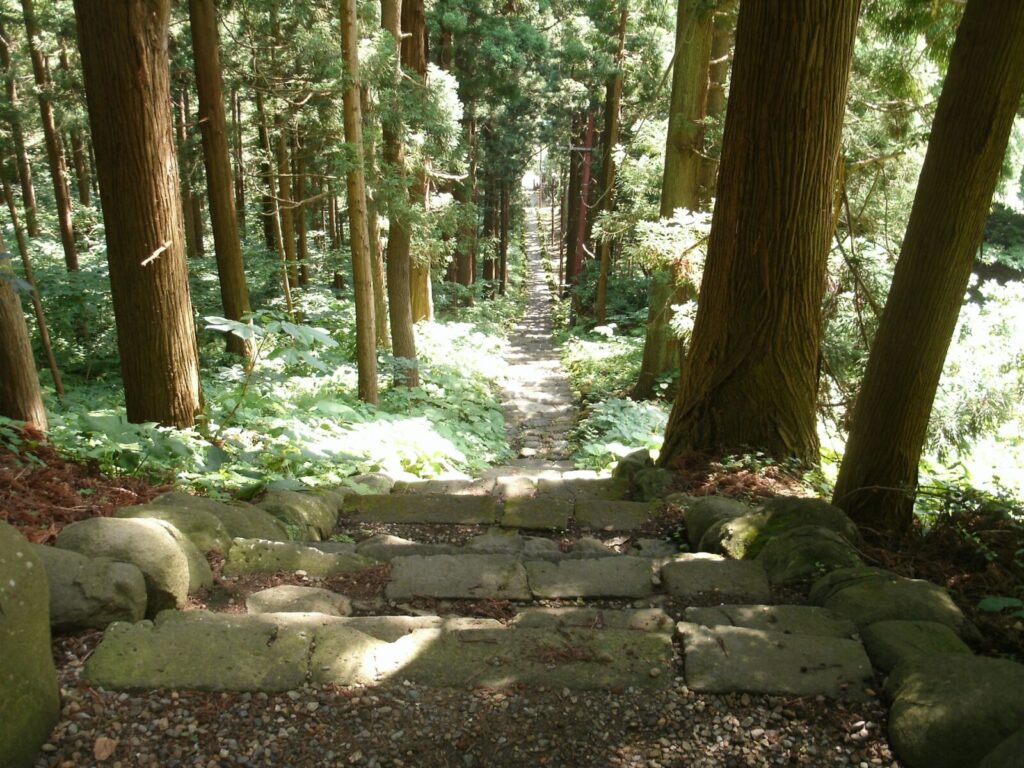
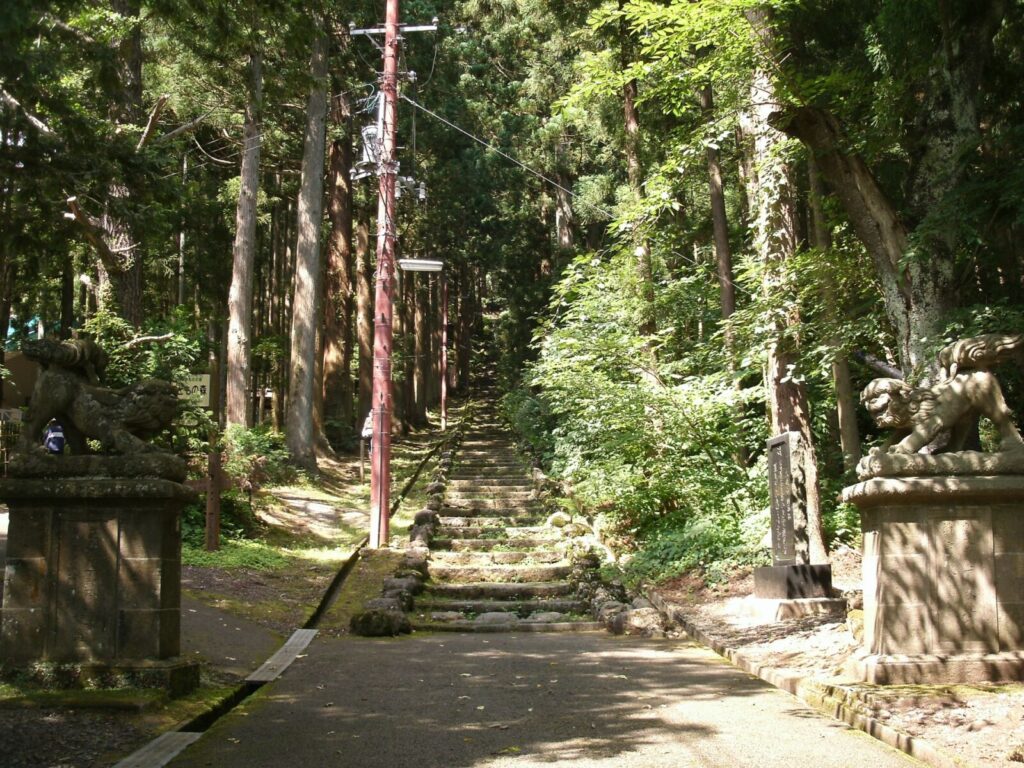
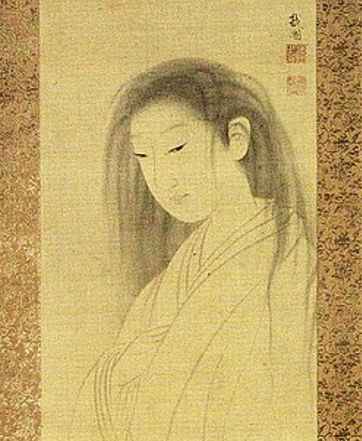
There are countless destinations around Japan known as "power spots," or areas that are often mysterious and endow visitors with a refreshing or healing energy. On the other hand, many power spots also have another name attached to them. That name is shinrei spot, or "ghost spots," i.e.. haunted areas throughout Japan. Kudoji Temple in Hirosaki, Aomori is one such place. Popular for being both a power spot and haunted spot, Kudoji Temple is the first temple on the Tsugaru 33 Kannon Pilgrimage, and is famous for its "ghost with no feet" painting by famous painter Maruyama Ōkyo. The painting has been confirmed as authentic but is rarely shown to the public. Incidentally, it is said that whenever the ghost painting is shown it rains.
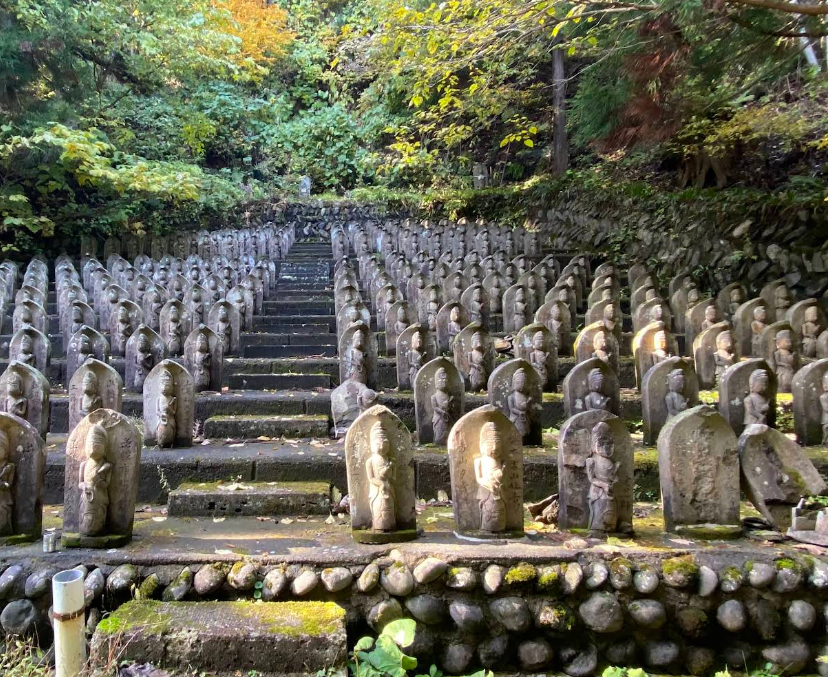
After climbing the stone steps built into the sacred mountain Kudoji Temple was built on, you will see 200 stone kannon or goddess of mercy statues. These statues are said to be dedicated to those who lost their lives in a landslide that happened in the past. There are many legends connected to this temple that inspire its haunted status. Some of these legends include: figures appearing in photos, voices of children being heard during phone calls, bad luck if stepping on handprints hidden within the stone steps, and cursed reflections in a nearby reflecting pool.
New Tour
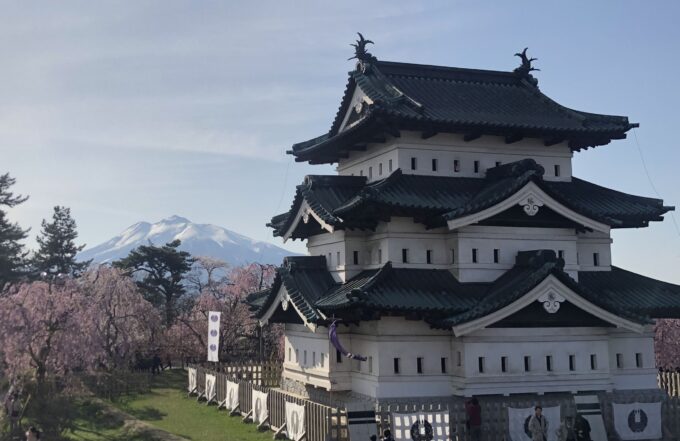
1-Day Tour From Shin-Aomori: Hirosaki Castle & Cultural Highlights
- Spots:
- Pick-up:
- Shin-Aomori
- Drop-off:
Frequently Asked Questions (FAQ)
When is the best time to visit these destinations?
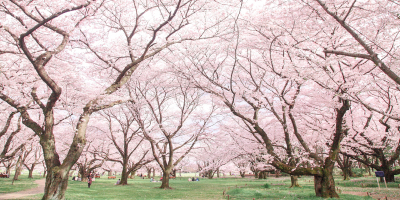
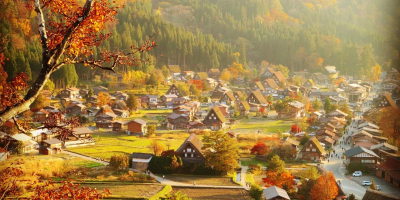
Spring (April–May) and autumn (late October–early November) offer the best weather and colorful scenery.
Are these destinations accessible from Tokyo?
The short answer is yes since the Tohoku Shinkansen makes it easy for travelers to head north. However, some destinations have limited public transportation once you've arrived at the shinkansen station. It's advised to book guided tours or rent a car for ease of travel.
Are there English guides available?
Here at Snow Monkey Resorts are determined to grow our offered tours throughout Tohoku. Check out our list of tours offered throughout Nikko & Tohoku.
Additional Tips for Exploring Northeast Japan
- Use Sendai or Aomori as your base. Using a main shinkansen station area as your base is a great way to explore the rest of Tohoku in day trips and overnight excursions.
- Consider guided tours or rental cars. Due to some rural areas lacking reliable public transportation, it's advised to hire a guide or rental car for ease of travel.
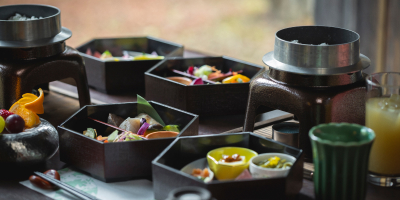
- Try regional cuisine. Tohoku is home to a plethora of unique and curious cuisine from Akita's kiritanpo to Iwate's wanko soba. Each prefecture has its own specialty– how many can you try?