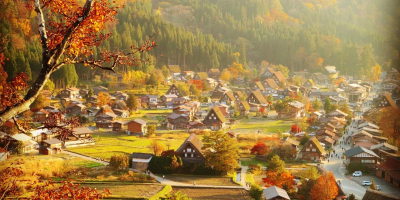


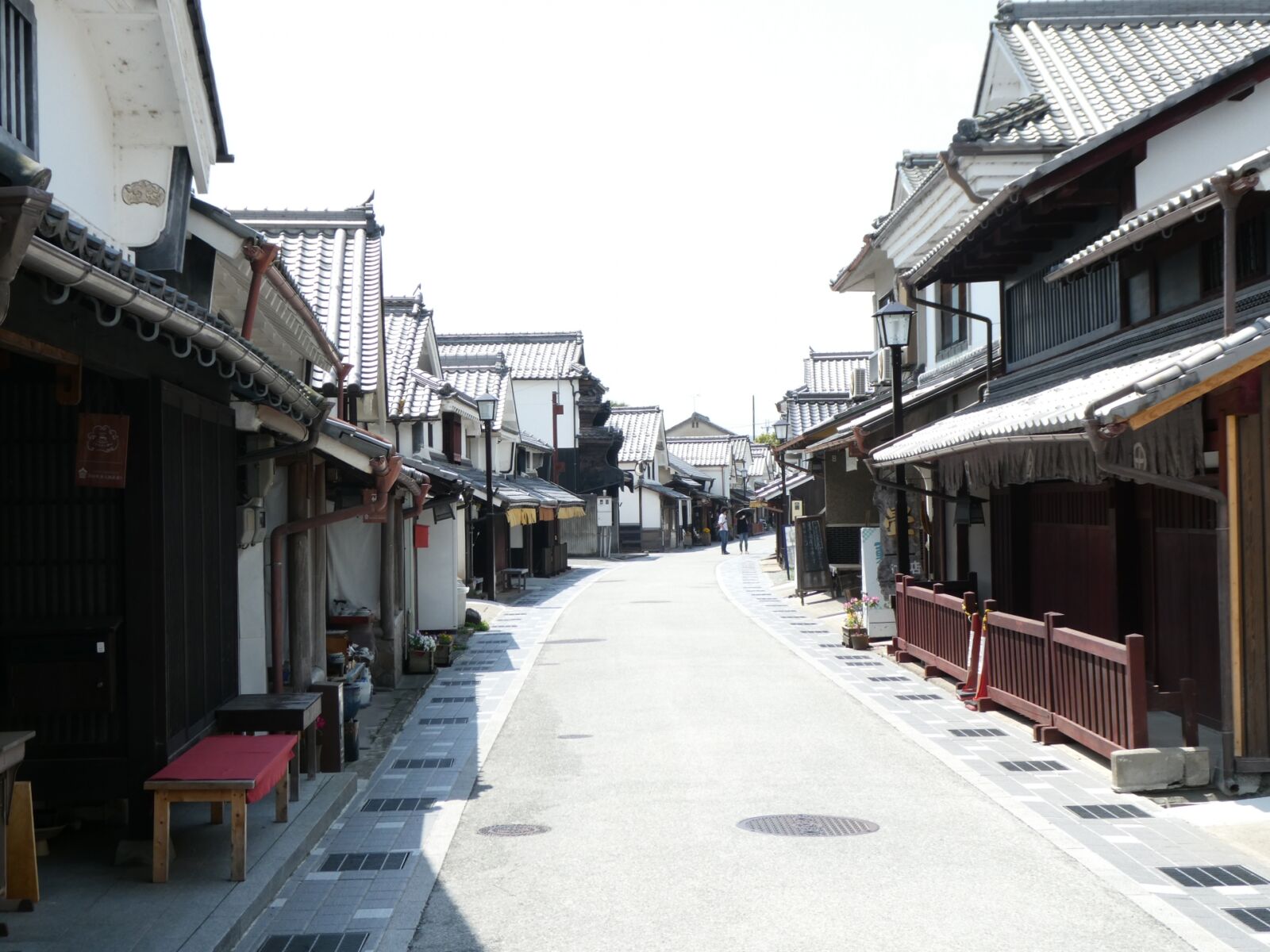
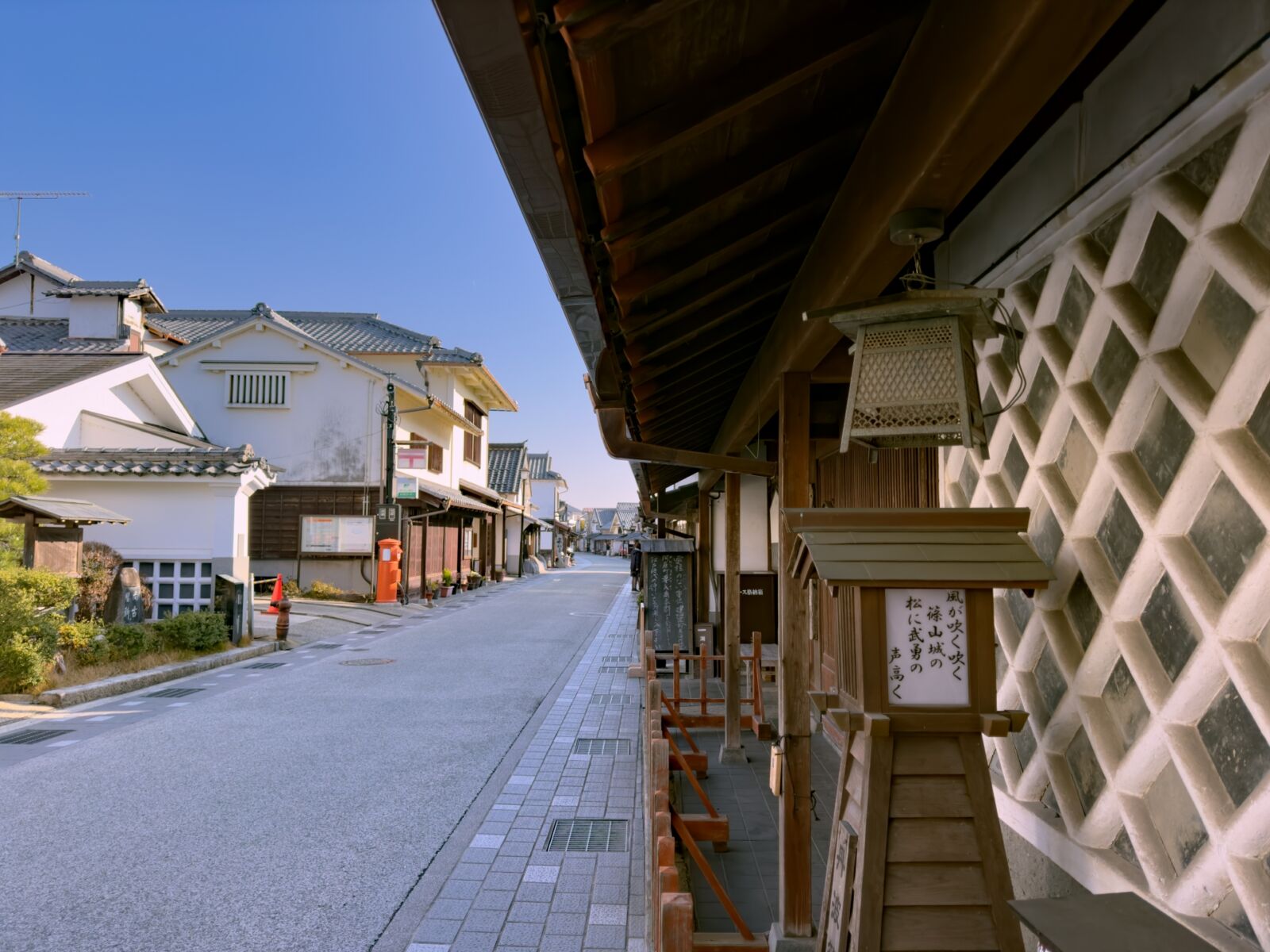
Steeped in Edo-period history, the Tamba-Sasayama Tsumairi Kawaramachi Historic District is a remarkably preserved merchant quarter renowned for its traditional machiya townhouses and earthen-walled storehouses. Stretching along a charming 600-meter avenue, this historic neighborhood offers visitors an authentic glimpse into feudal Japan alongside vibrant craft shops, cozy cafes, and local artisan heritage.
Where is the Tamba Sasayama Tsumairi Kawaramachi Historic District?
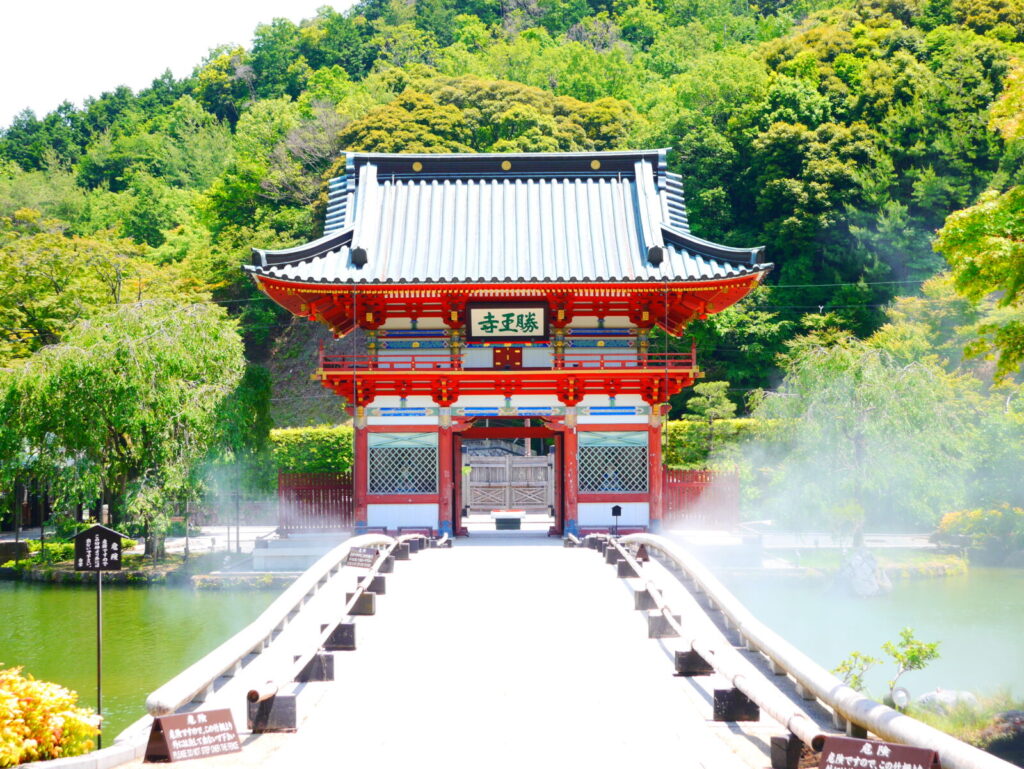
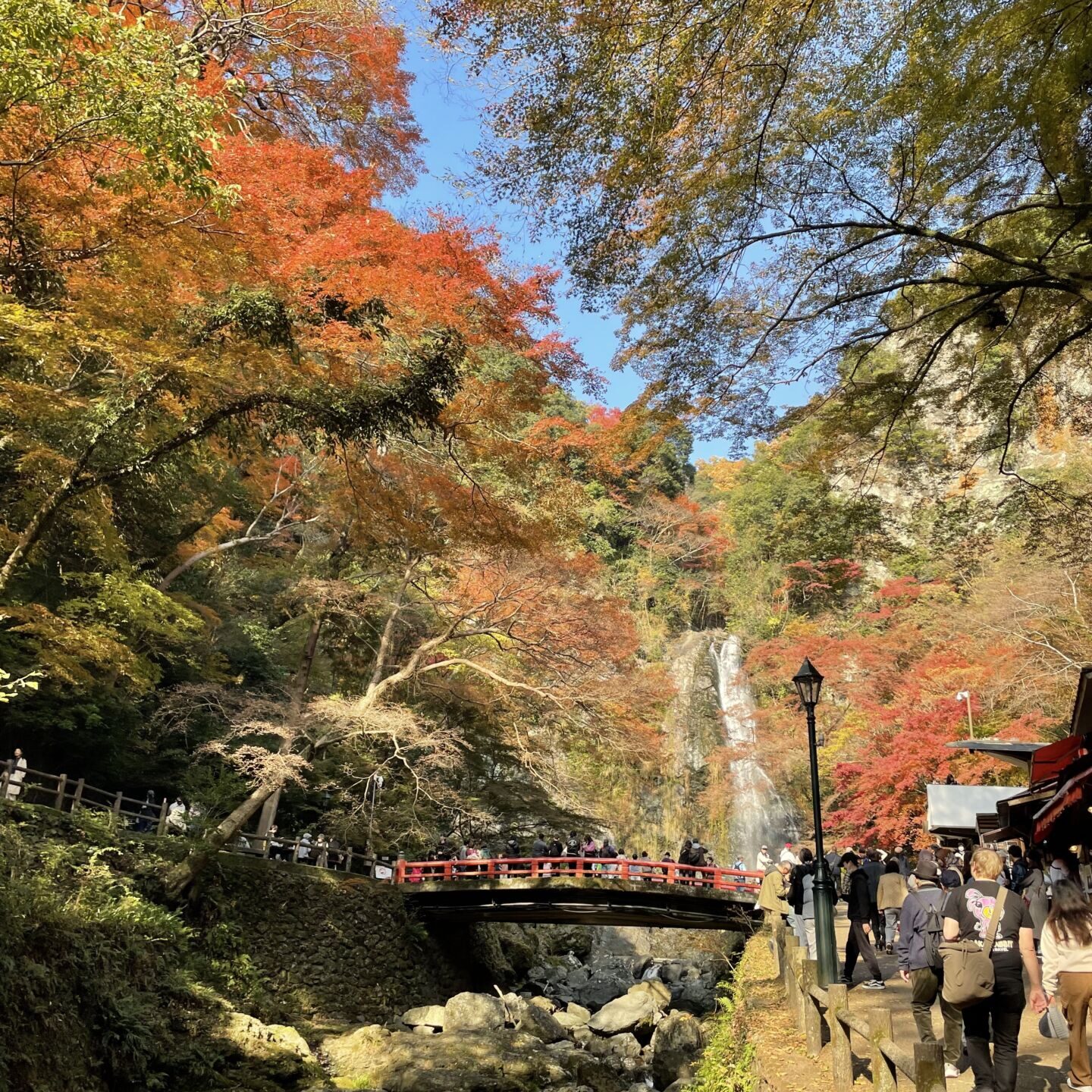
Ryuan-ji is located within Minoh Park in northern Osaka Prefecture, roughly halfway along the paved main walking trail that leads from Hankyu Minoh Station to the famous Minoh Waterfall. Positioned along the Minoh River itserves as a major landmark within the park's scenic valley.
A Brief History
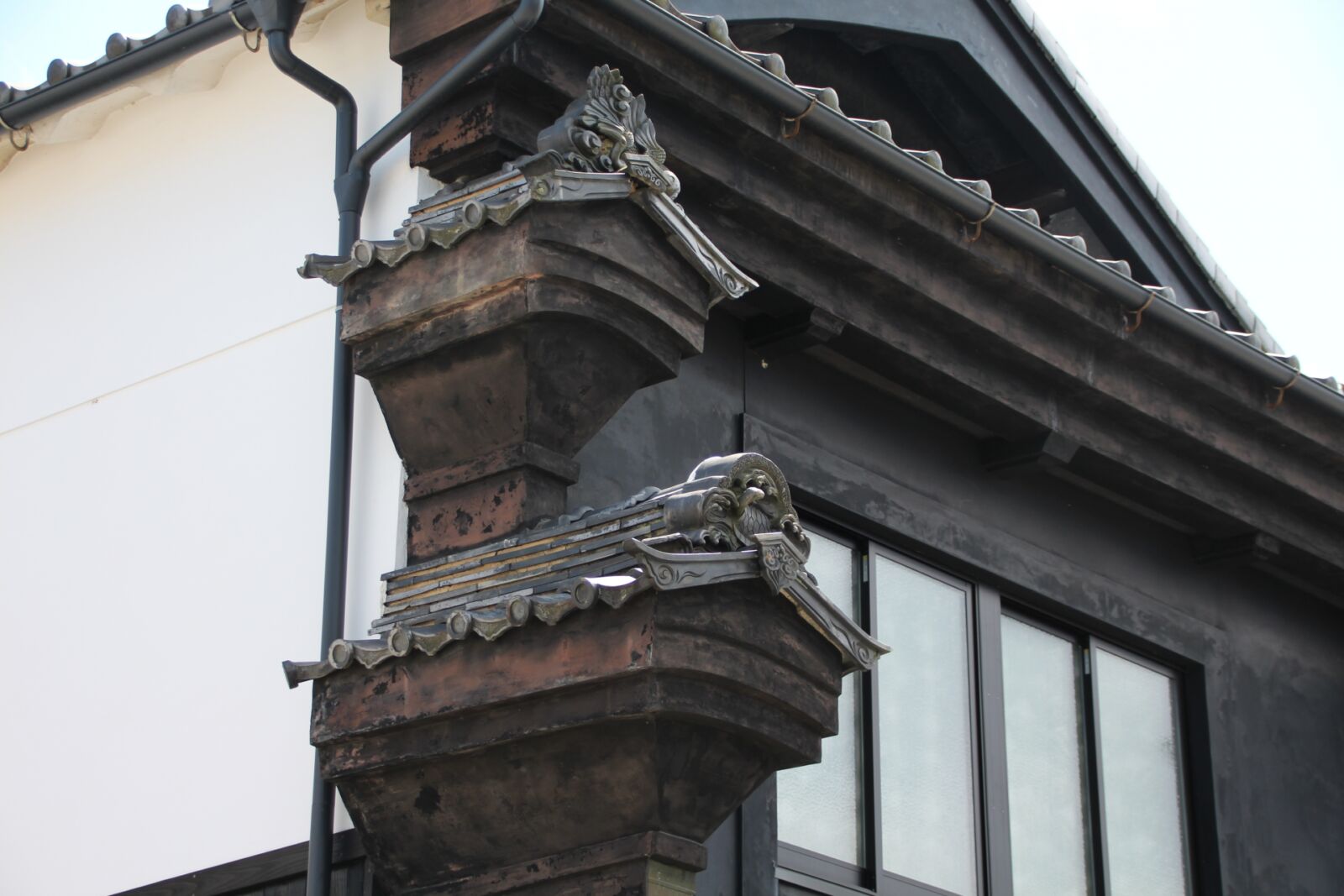
Established around 1612 following the construction of nearby Sasayama Castle, Kawaramachi developed as the primary commercial hub and gateway to Kyoto for the castle town. The district became famous for its distinct tsumairi architectural style, featuring narrow-frontage, deep-set merchant townhouses designed to maximize storefront space along the main thoroughfare. Recognizing its exceptional state of preservation, the Japanese government designated the area as an Important Preservation District for Groups of Traditional Buildings, safeguarding its centuries-old streetscape for future generations.
Visiting the Kawaramachi Historic District
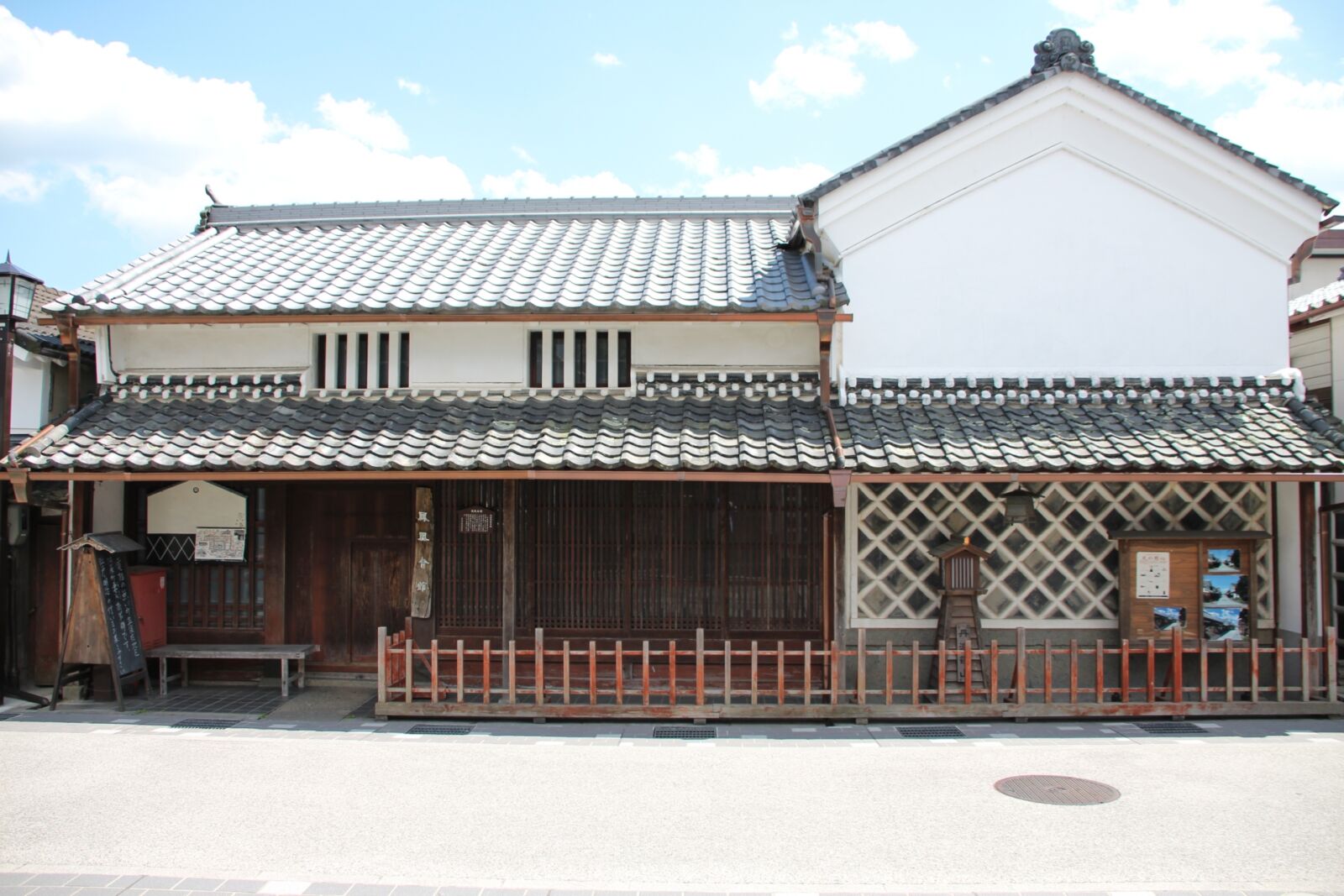
Visitors can browse local artisan workshops and craft boutiques housed inside renovated machiya townhouses, sampling regional delicacies like Tamba black soybeans, chestnuts, and wild boar hot pot along the street. A short walk away, you can explore the stone walls and grand reconstructed wooden hall of Sasayama Castle Oshoin or visit nearby historical museums detailing the area's rich samurai heritage.
See the FAQ below for more information about getting to and navigating to the Kawaramachi Historic District.
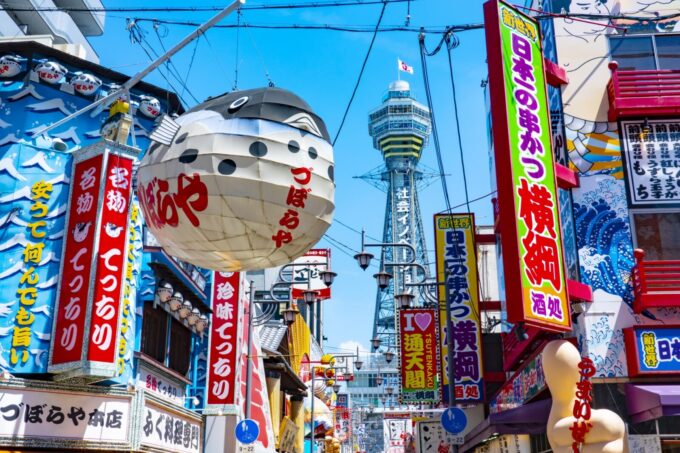
Another great way to travel through Osaka's deep local spots is by joining our full-day walking tour. It seamlessly combines the majestic Sumiyoshi Taisha, the retro paradise of Shinsekai, the historic "temple of bones" at Isshinji, and the interactive "hell" of Senkoji with the bustling markets of Korea Town. Check it out below! (Shimo Akasaka Rice Terraces is not included in this tour)
Top Things to do in/from Osaka
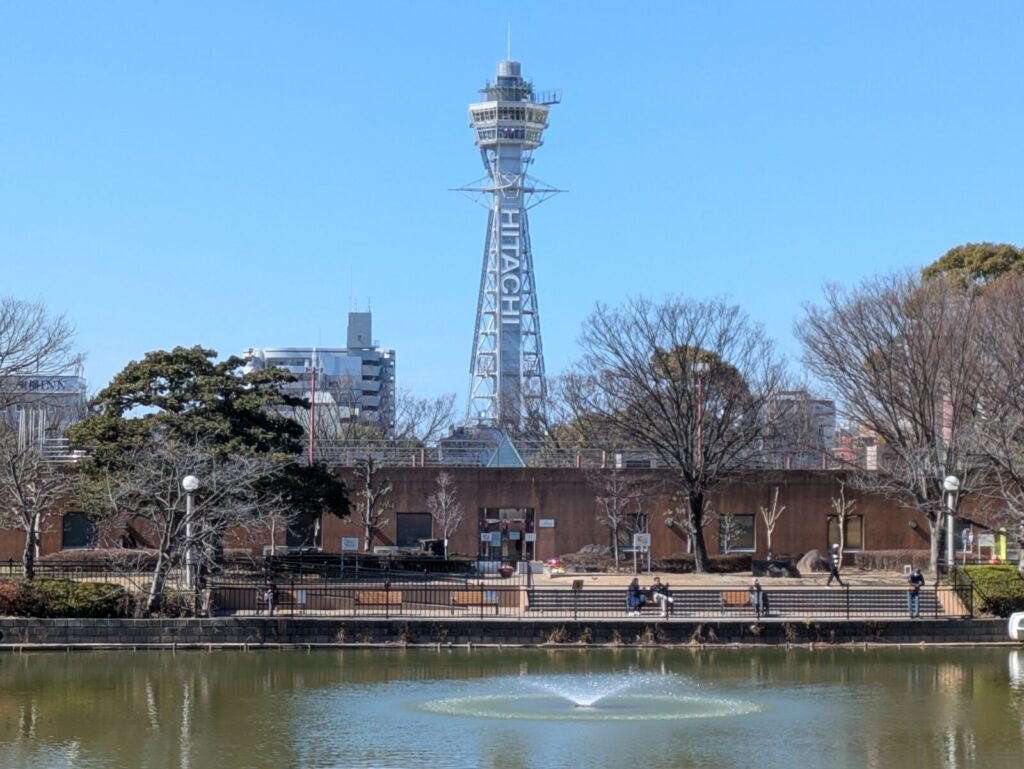
Looking for other things to do around the area? Check out our "40 Things to Do in Kyoto, Nara, Osaka & Where to Stay" for places around the entire region. For those interested in history and culture in Osaka city itself there is Osaka Castle, Sumiyoshi Taisha and Senkoji Temple. The natural beauty of the Yoshino in Nara is also something that can't be missed! The entire region has a many awesome sights such as the Great Buddha of Nara, Kifune Shrine in Kyoto, Arima Onsen in Kobe and Koyasan in Wakayama. So much to do, you could be here for weeks without feeling bored!
Frequently Asked Questions (FAQ)
How do you get there?
To get to the Kawaramachi Tsumairi Merchant Housing District from Osaka, take the JR Fukuchiyama Line (JR Takarazuka Line) Tambaji Rapid Service from Osaka Station directly to Sasayamaguchi Station in about one hour. From Sasayamaguchi Station, take a local Shinki Bus bound for the castle town area and disembark at the Kawaramachi bus stop, just steps from the historic district.
How much does it cost to get in?
Walking down the historic street of the Kawaramachi Tsumairi Merchant Housing District is completely free, though individual craft museums, restored merchant homes, and shops along the avenue may charge small entry fees (typically around ¥300 to ¥500) to view their interior collections.
How long should I spend here?
Plan to spend about 1 to 2 hours strolling the historic street, browsing the local pottery shops, and sampling regional delicacies along the avenue.
Is there food sold here or near here?
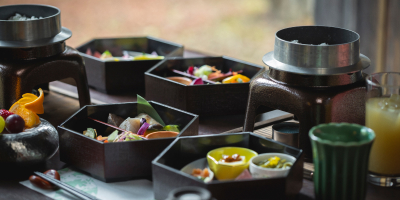
Yes, the district is lined with charming cafes, traditional eateries, and street vendors selling regional specialties like Tamba black soybean sweets, chestnut pastries, and wild boar dishes.