





Although Fukui is usually not the first place people think of when they plan their trips to Japan, its storied history as a region for artists and master craftsmen makes a stop in the area something worth considering for people interested in the arts. Within Fukui Prefecture itself, the Echizen district is synonymous with traditional crafts. Among the several craft villages it houses is the washi village, where traditional Japanese paper has been made fore more than 1300 years.
What is Washi?
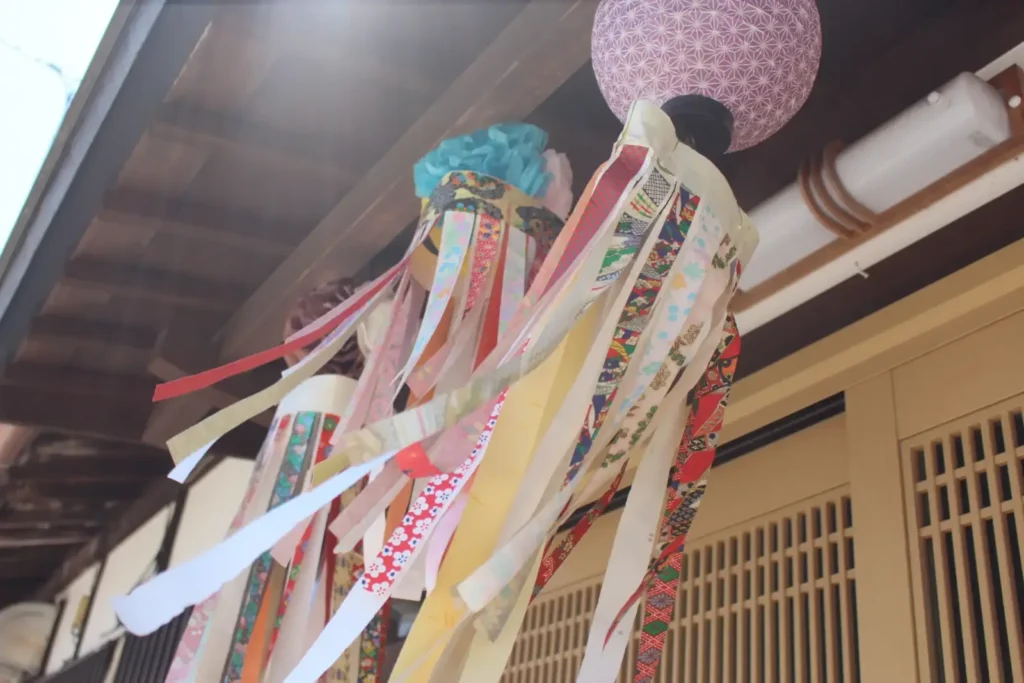
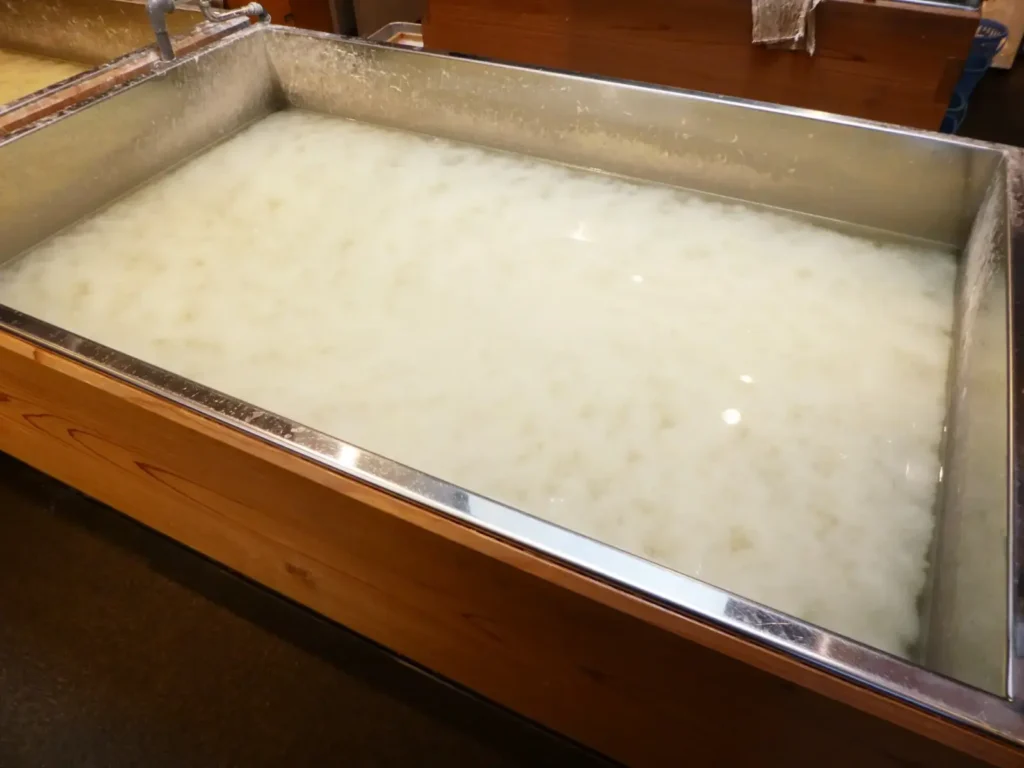
Washi is the Japanese word for paper but has come to be associated very strongly with traditional Japanese paper. This paper is known for its unique texture on one side and its versatility. It is used for a wide variety of products: all but the cheapest calligraphy paper is made of washi, window covers in traditional houses, various art styles incorporate washi and lanterns continue to be wrapped in washi even in the modern age.
Why is Echizen famous for Washi?
Echizen was an important area for washi production from around 500 BCE all the way to the end of the Second World War. Legends say a deity, now believed to be a travelling merchant from China or Korea, came to the area and took pity on the villagers for having no rice fields. She taught them how to make paper and then vanished upriver.
The area around Echizen was once abundant with mulberry trees which are vital in the papermaking process. Mulberry branches would be stripped of their leaves and processed down into a papier-mâché-like mulch which could be spread thinly or shaped.
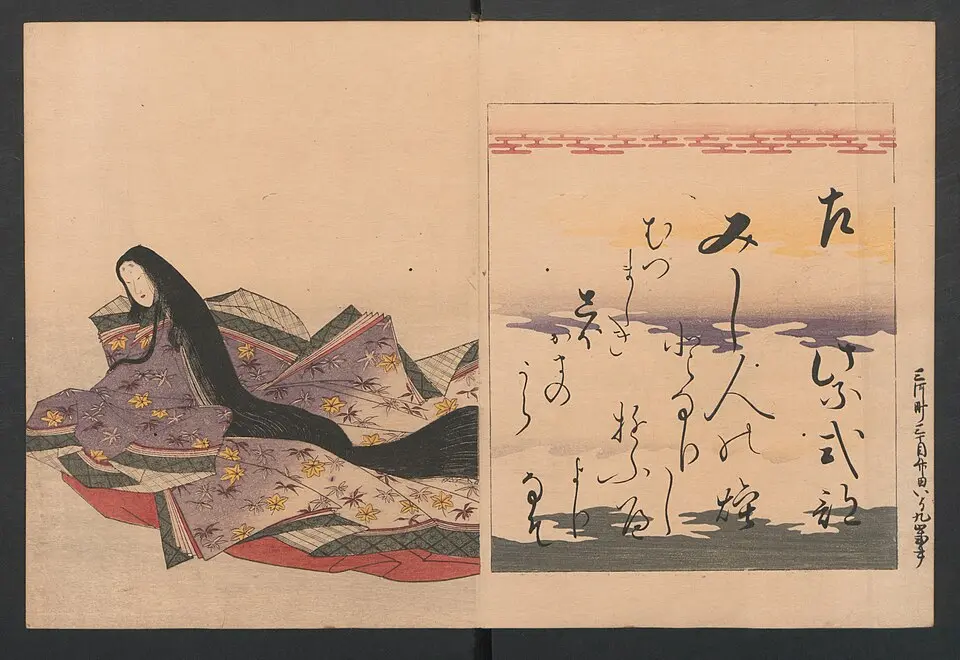
As Japan began Echizen's proximity to the traditional capital Kyoto meant it could constantly funnel paper to the aristocracy, who patronised writers and artists like Murasaki Shikubu - author of the world's first novel, The Tale of Genji, and who lived in Echizen for a time.
Visiting Echizen Washi Village
The Washi Village is just one of several craft areas around Echizen and, depending on how deep you want to dive, you can spend several hours in the washi village alone!
Paper and Culture Museum
The Paper and Culture Museum offers a wonderful amount of insight into the history of the paper industry, detailed information about how paper is made, and shows off various styles that have been practiced around the region.
Udatsu Paper and Craft Museum
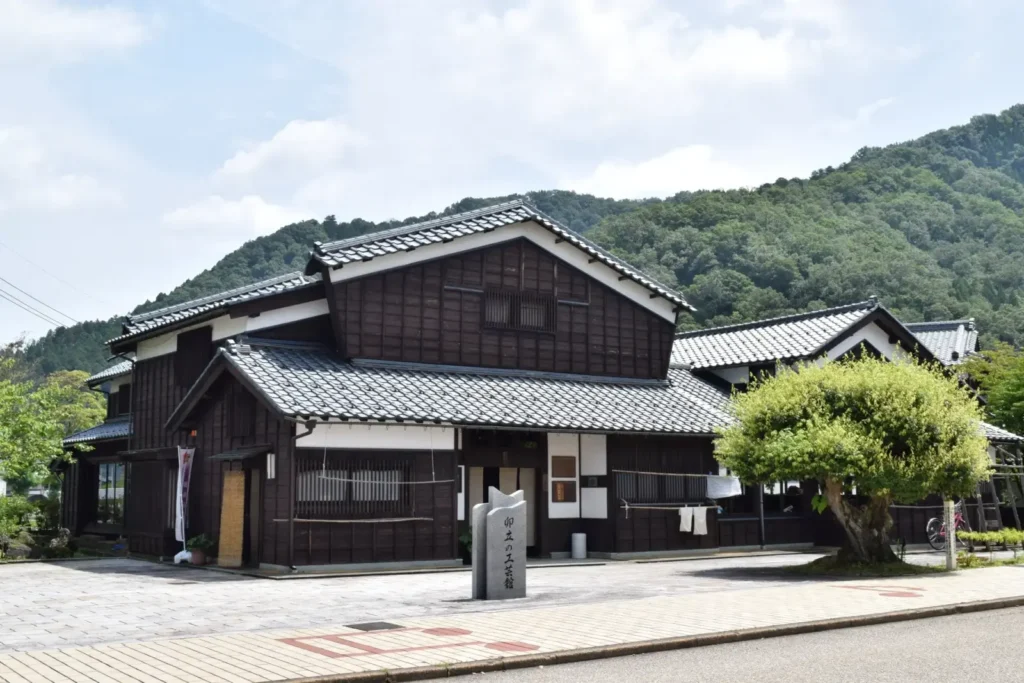
This building is an original papermaker's house which was dismantled, moved and reconstructed. The house was originally built in 1748. Inside, you can see actual paper craftsmen at work. They often sing as they go to keep in rhythm, which sets a lovely atmosphere as you browse the shop where all the products are handmade.
You can also try your hand at making the paper yourself! One of the craftsmen will practice with you a few times before you finally do it own your own. This experience is by reservation only (email udatsu@echizenwashi.jp with the subject "Japanese Papermaking Workshop") and costs 22,000 JPY for a 2-hour experience.
Papyrus House
A more time- and wallet-friendly experience can be done at Papyrus House. Here you can make a much smaller piece of paper, slightly larger than an A4 piece of paper, and you also get to decorate with local dried flowers, leaves and various colours.
The experience costs 700 - 1,300 JPY depending on which and takes around 20 minutes.
Getting to Echizen Washi Village
Getting to Echizen Washi Village is fairly simple and, regardless of whether you're coming from Kyoto, Osaka or Tokyo, the first step is getting to Fukui Station. From the Tokyo side, simply take the Hokuriku Shinkansen line to Fukui Station. From the Kyoto/ Osaka side, take the JR Thunderbird to Tsuruga Station, then transfer to the Shinkansen and get off at Fukui Station.
From there, it takes around 1 hour via public transport to get to the washi village. Take the Hapi Line local train from Fukui Station to Takefu Station. Walk outside and get the Nan-etsu or Ikeda Line bus for 20 minutes to Washinosato, then walk another 2 minutes into the village proper.
Visit Fukui
In 2023, the Hokuriku Shinkansen opened its extension to Tsuruga City in Fukui Prefecture. Since then, Fukui has been more accessible than ever as it now has two stops on the main Hokuriku Shinkansen route, Tsuruga Station and Fukui Station.
Fukui remains a quiet and tranquil region despite that accessibility, though. If you're planning a trip to Japan and are looking to get away from the crowded streets of Tokyo, Kyoto and Osaka, Fukui could be a great place to enjoy some peace, quiet and fresh air!
There is plenty to do in this wonderful region. If you're looking for suggestions, check out our "Things to Do in Fukui" page to get yourself started. This guide has everything that you need to spend a couple of days in the area.
If you're looking for more information about goshuin, be sure to check out our "Best Goshuin Near Fukui" page for more information!