



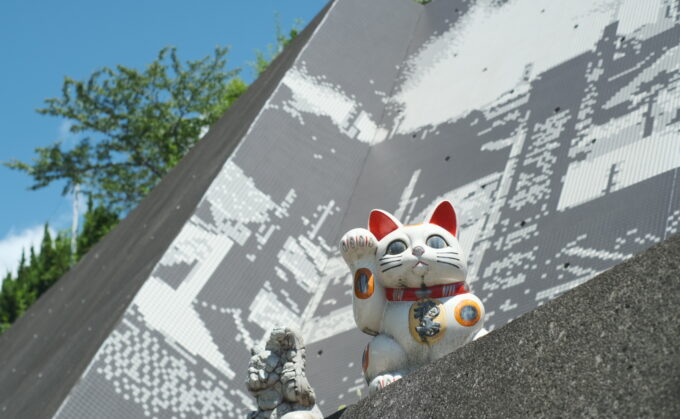
Located in Seto City, the Manekineko Museum is dedicated to one of Japan's most recognizable cultural symbols: the beckoning lucky cat, or maneki-neko.
Through exhibitions of antique and contemporary lucky cats, visitors can explore how these distinctive figurines developed over time and why they continue to be associated with good fortune today.
The museum also highlights Seto's long history of ceramic production and its important role in the manufacturing of maneki-neko, making it an enjoyable destination for anyone interested in Japanese crafts, folklore, and local culture.
About the Manekineko Museum

- Dedicated to the history and culture of the Japanese ‘beckoning cat’ (maneki-neko)
- Home to around 5000 of maneki-neko from different periods and regions
- Highlights Seto's long tradition of ceramic production
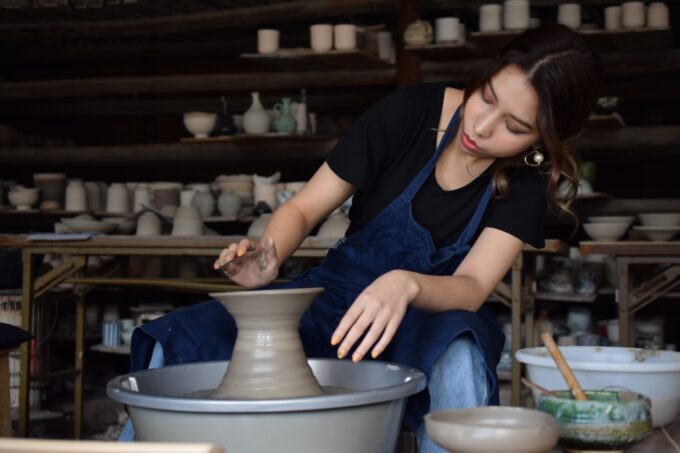
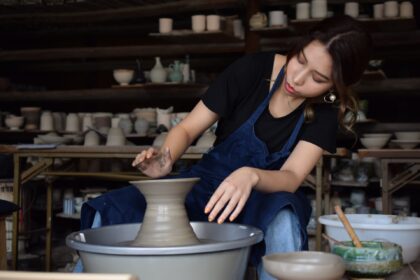
- Offers painting workshops alongside its permanent exhibitions
The Manekineko Museum shares the history of one of Japan's best-known lucky charms. Its collection brings together maneki-neko from across the country, allowing visitors to see how their appearance, materials, and designs have changed over time.
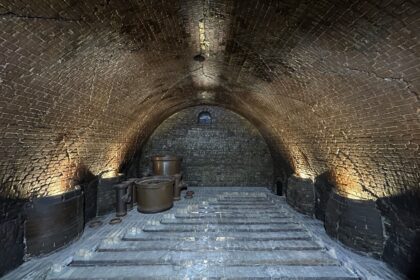
The museum also reflects Seto's importance as one of Japan's leading ceramic-producing regions. For generations, local craftspeople have created ceramic maneki-neko using techniques developed through the city's long pottery tradition. These skills continue today, with many lucky cats still produced by hand in Seto.

Although the maneki-neko is recognised throughout Japan, many visitors are surprised by the variety of designs on display. The museum explains how different styles have developed over time and introduces the symbolism traditionally associated with certain poses, colours, and decorative features.
Touring the Manekineko Museum

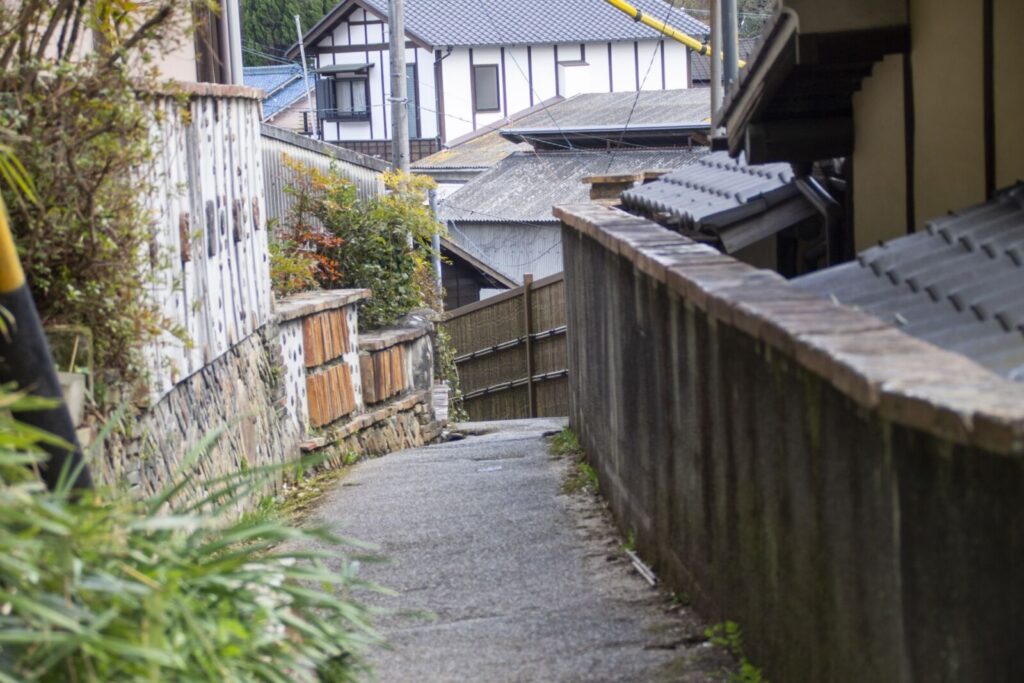
The museum can be explored at a relaxed pace, with most visitors spending around one hour viewing the exhibitions. Those taking part in a painting workshop should allow additional time. Its location also makes it easy to combine with nearby attractions, including Seto Pottery Street and other sites celebrating the city's long ceramic tradition.
Main Attractions
- Permanent exhibitions featuring many antique and modern maneki-neko.
- Displays exploring the history and cultural significance of the beckoning cat.
- Exhibits introducing Seto's ceramic heritage and traditional craftsmanship.
- Museum shop offering locally made lucky cats and ceramic souvenirs.
Visitor Information
- Hours: 10:00 to 17:00 (last admission 16:30)
- Closed: Tuesdays (or the following day if Tuesday is a public holiday), New Year holidays, and selected maintenance days
- Admission: Adults ¥300, High School Students ¥200, Junior High School Students and younger can enter free of charge
- Visit time: Approximately 1 hour (longer if participating in a workshop)
- Important note: Workshop availability varies. Visitors wishing to take part should check the official website before visiting.
Access
The Manekineko Museum is located in Seto City, Aichi Prefecture. Visitors travelling from Nagoya Station can reach Owari-Seto Station by train before continuing to the museum on foot or by local transport. The museum can also be combined with a visit to Seto Pottery Street, allowing visitors to explore both the history of the maneki-neko and the city's wider ceramic heritage.
Recommended Tour: Snow Monkey Resort's 1-Day Tour from Nagoya: Crafting Traditions in Tokoname and Arimatsu offers a unique blend of history, artistry, and local charm, as you are led by an experienced, English speaking guide through two towns famous for their artistic traditions.
Frequently Asked Questions
What is the Manekineko Museum?
The Manekineko Museum is a museum in Seto City dedicated to the history, culture, and craftsmanship of Japan's famous ‘beckoning cat’ (maneki-neko).
Why is the museum located in Seto?
Seto has been one of Japan's leading centres of ceramic production for centuries and remains closely associated with the manufacturing of ceramic maneki-neko.
Can I paint my own maneki-neko?
Yes. The museum offers painting workshops where visitors can decorate a ceramic maneki-neko. Availability varies, so it is recommended to check the official website before visiting.
How long should I spend at the Manekineko Museum?
Most visitors spend around one hour exploring the exhibitions. Those taking part in a painting workshop should allow additional time.
Is the Manekineko Museum worth visiting?
Yes. The museum offers an engaging introduction to one of Japan's most recognisable cultural symbols while also showcasing Seto's long tradition of ceramic craftsmanship. It is particularly well suited to visitors interested in Japanese culture, pottery, and local history.