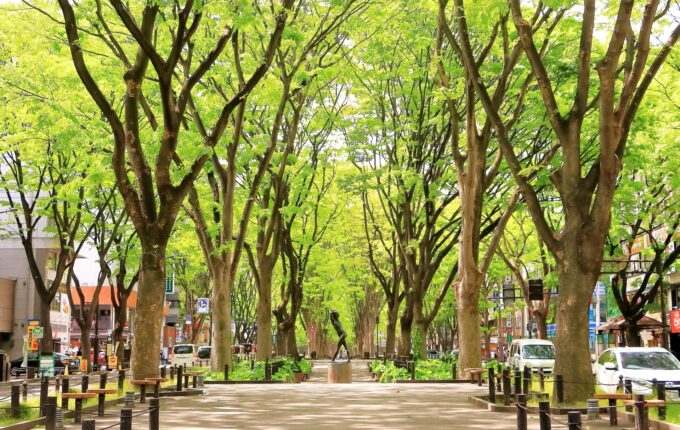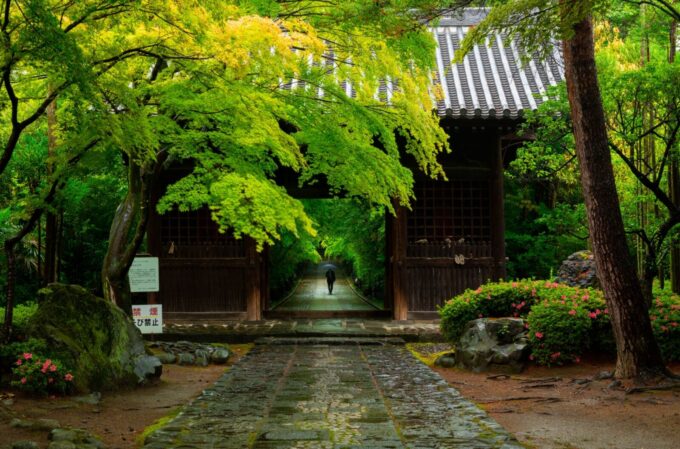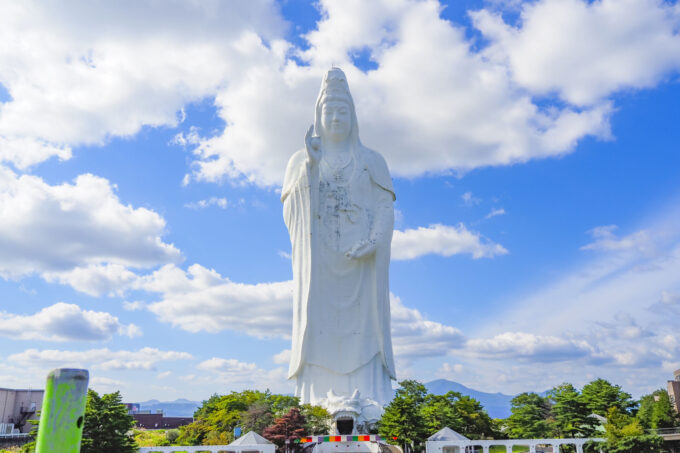
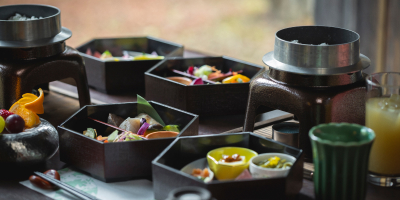
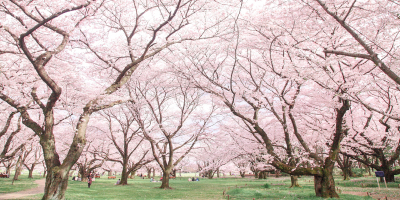
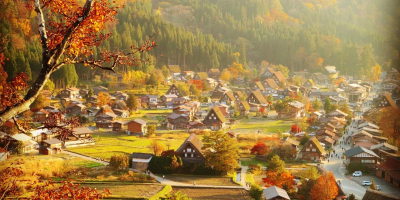


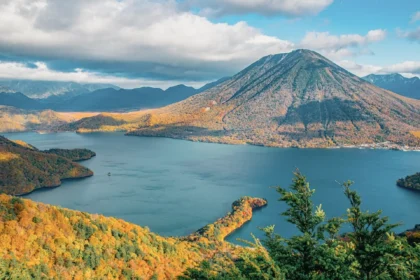

One aesthetic allure of the northeastern region of Japan is the abundance of nature and photogenic scenery alongside bustling cityscapes. Although Tohoku suffers from depopulation and lack of tourism in rural areas, many historic destinations remain dedicated to preserving their beauty and traditions. They are especially motivated since much of Japanese culture is intertwined with spirituality and customs. Thanks to this, many Shinto shrines and Buddhist temples allow travelers to witness living history and experience why Japan has been growing in popularity – especially as a photographer's dream destination. Those looking for sites otherwise unseen, journeying beyond Japan's "Golden Route" is a surefire way to get the most out of your trip.
There are many hidden gems sprinkled across the expanse of Tohoku's 6 prefectures. Here is a list of some of our top recommendations for shrines and temples:
Iwakiyama Shrine / Aomori
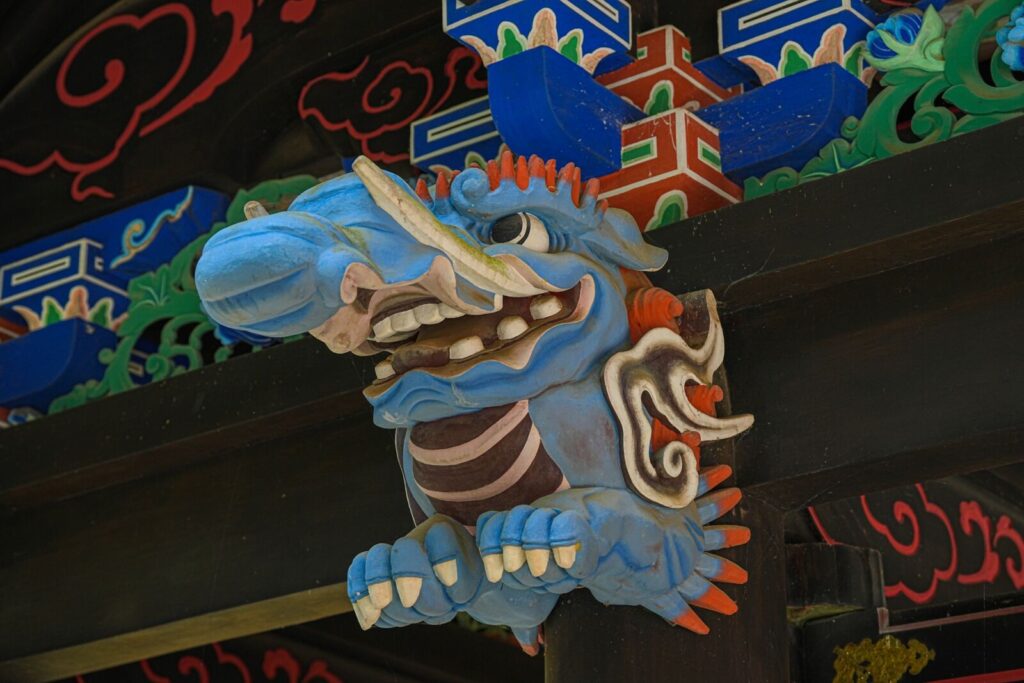
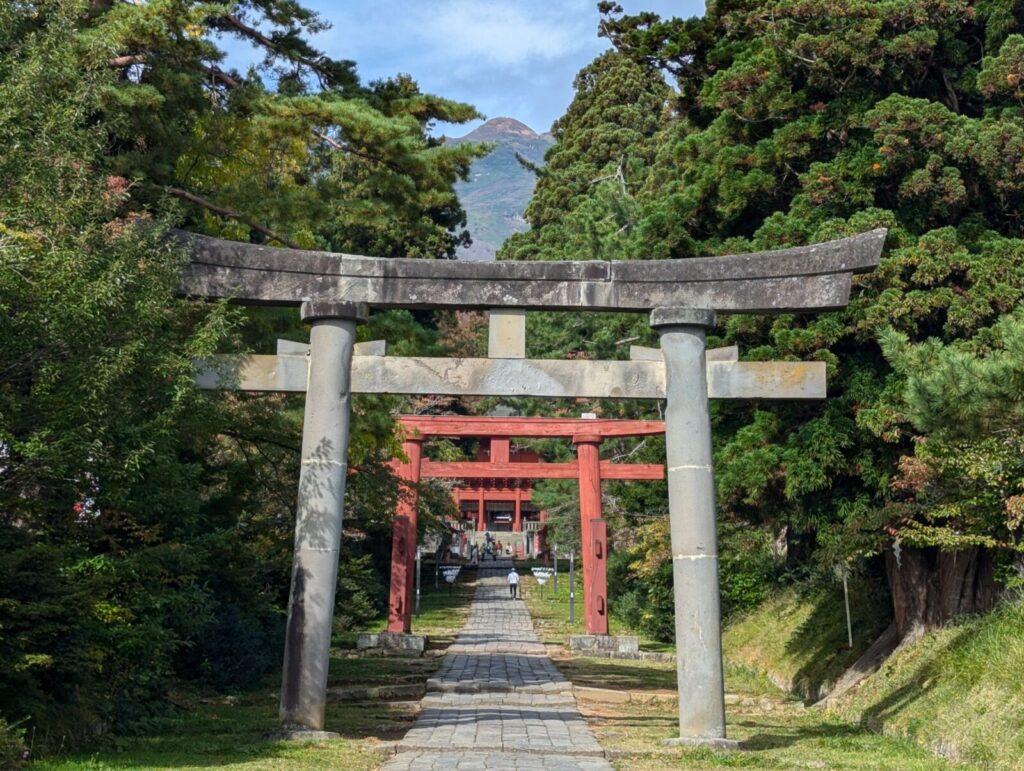
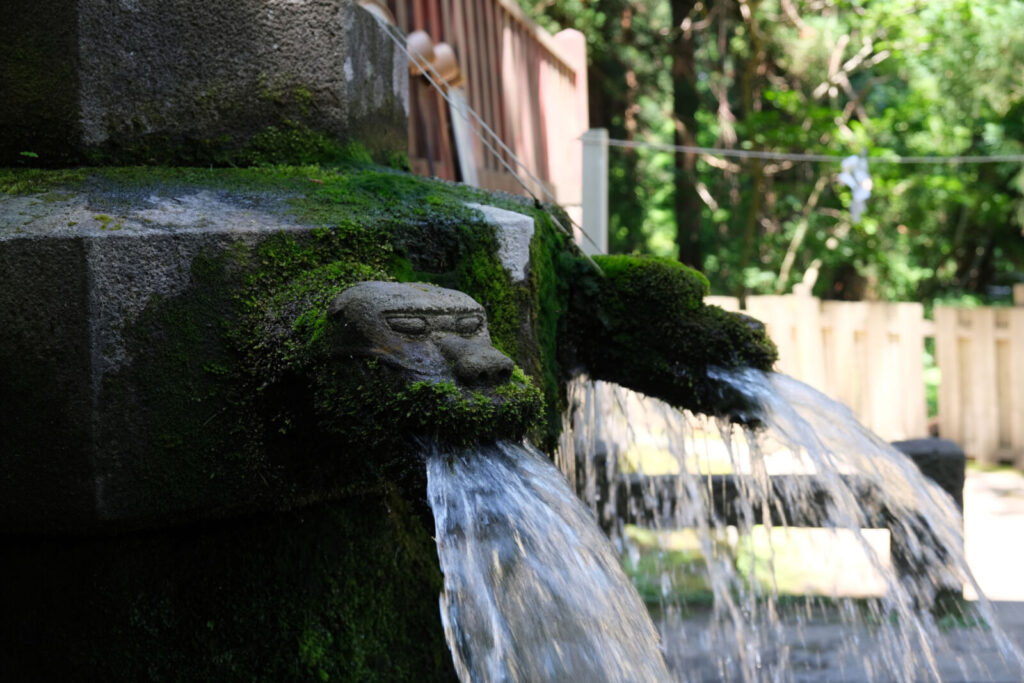
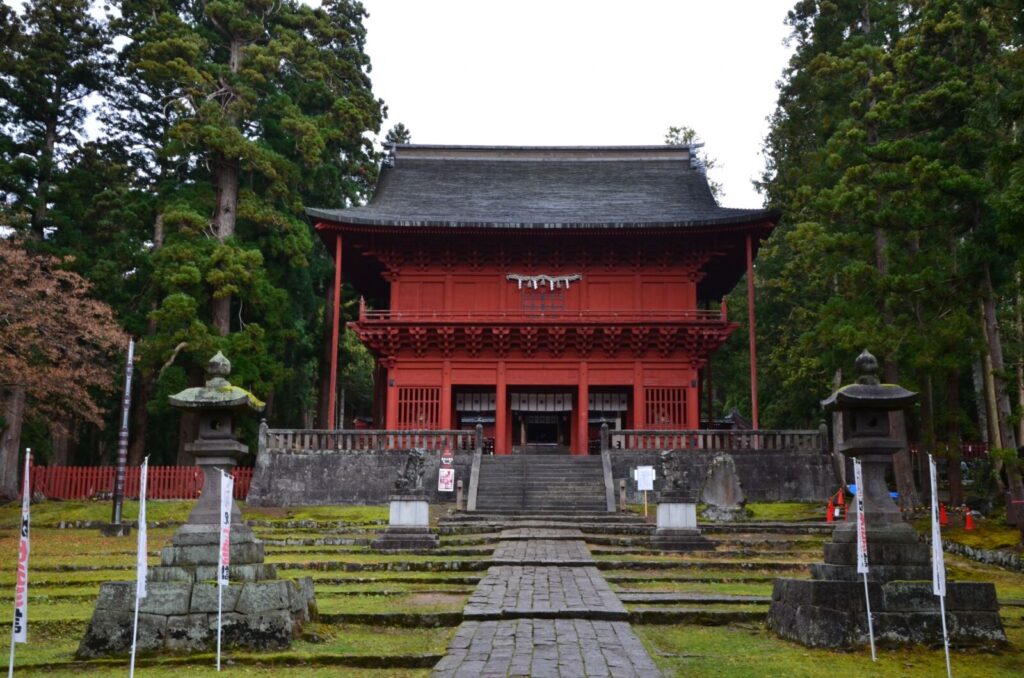
Originally established around 1,200 years ago, this shinto shrine has laid claim over the entirety of Mount Iwaki in Aomori Prefecture. Mount Iwaki, a sacred and divine mountain, is revered throughout Tsugaru (the western region of Aomori Prefecture), bestowing the virtue of compassion upon the people, and is a cornerstone of the lives and spirits of the local people. The mountain holds a strong symbolic connection to the people of Aomori, so much so that it is even called the "Mt. Fuji of Tsugaru."
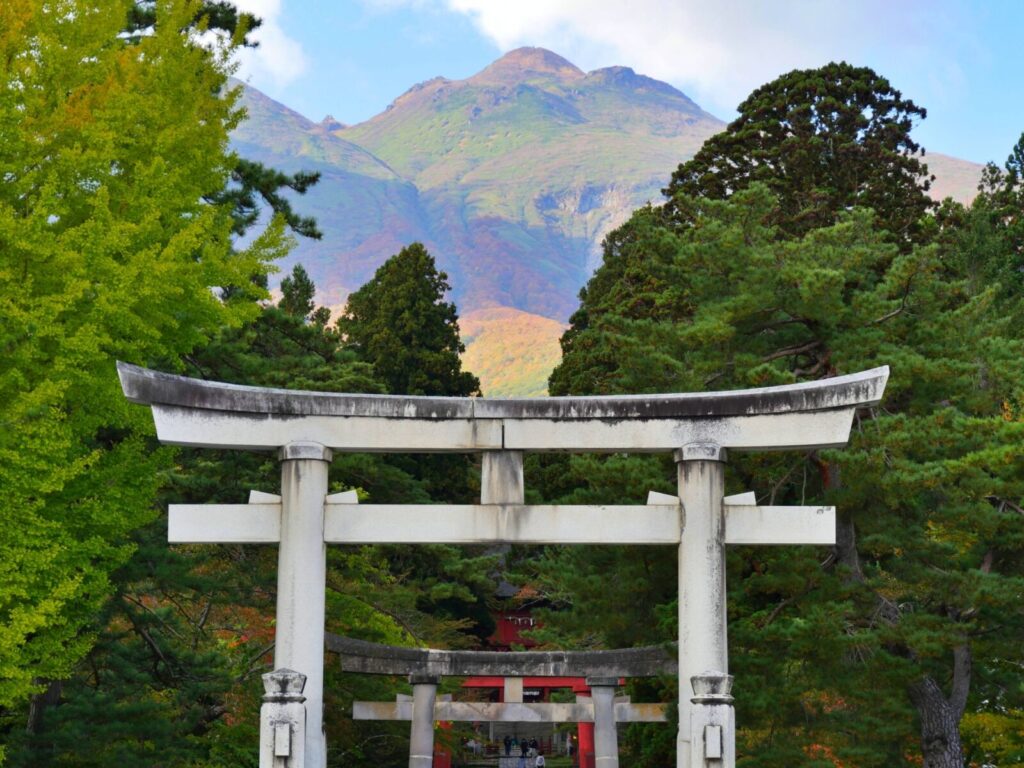
Iwakiyama Shrine is known as one of the most spiritually important locations throughout Aomori Prefecture. Thanks to the sacred nature of the mountain itself, the area on the peak as well as near the foot of the mountain have long been worshiped. Taking the trek up the mountain is actually a tradition and sacred purification event that is still held every year. The pilgrimage is designated as an Important Intangible Folk Cultural Property.
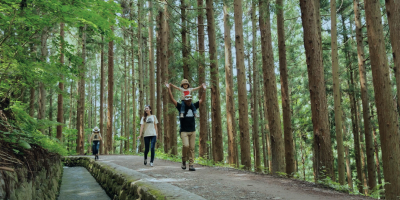
Iwakiyama Shrine complex is massive and as such, visitors will bathe in the forest around them as they make the trek through torii gates up toward the main structures. Those looking for even more adventure can make their way up the trail for a real "one with nature" experience hike – about a four hour hike up the mountain.
Risshaku-ji (Yamadera) Temple / Yamagata
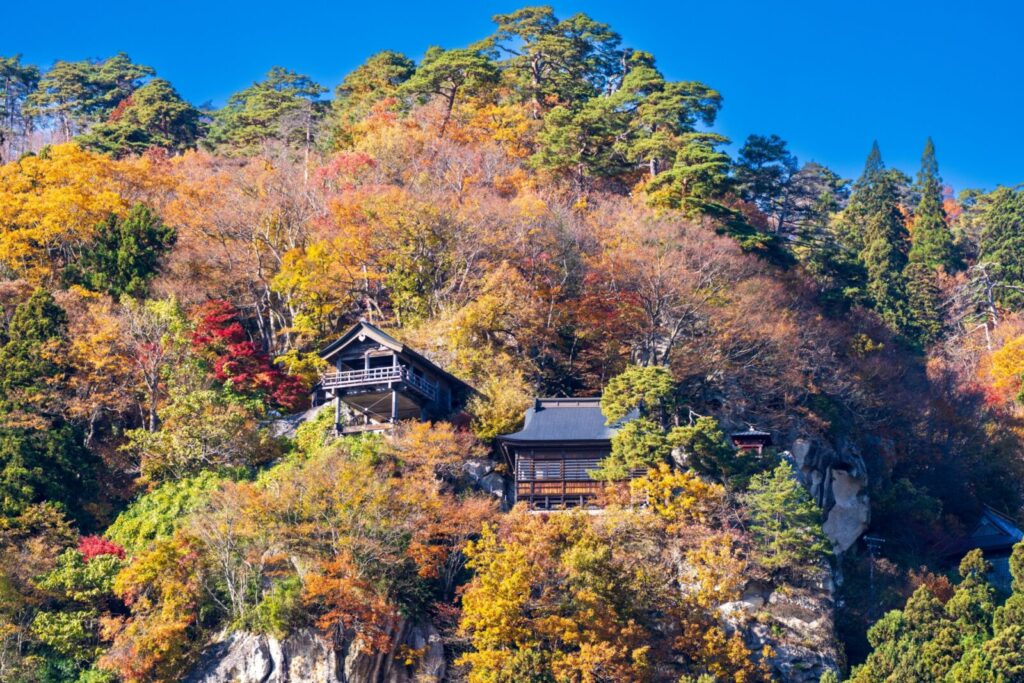
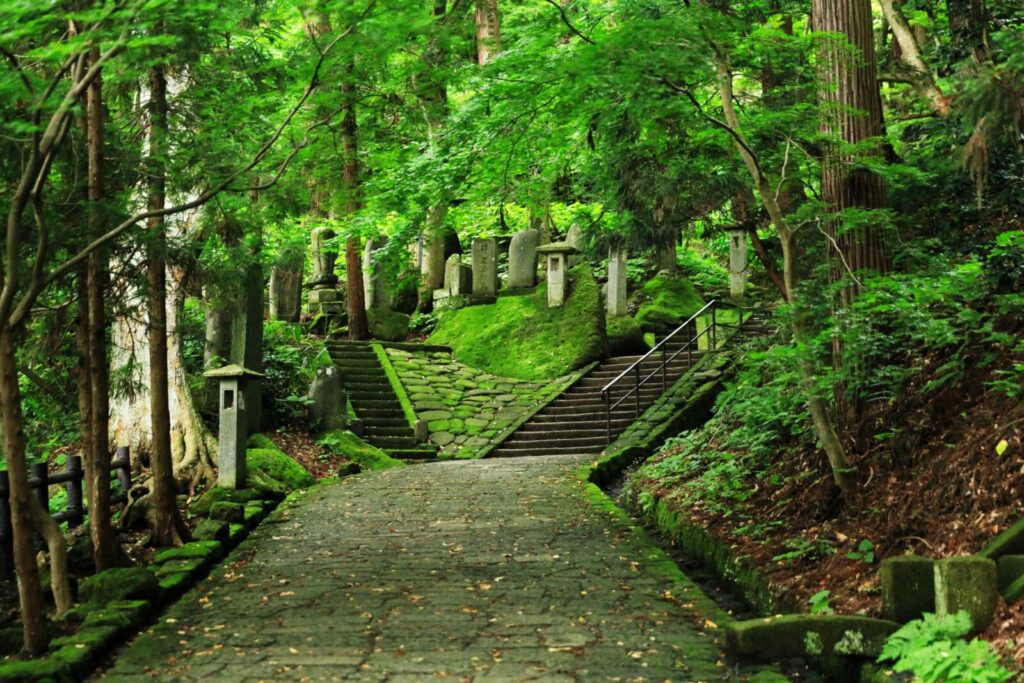
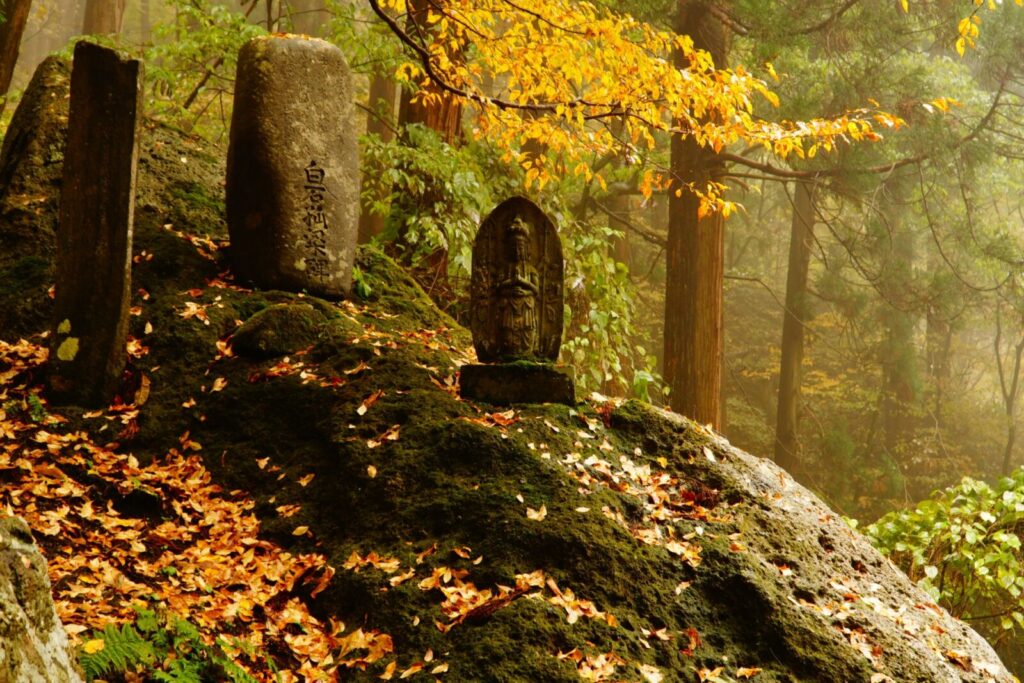
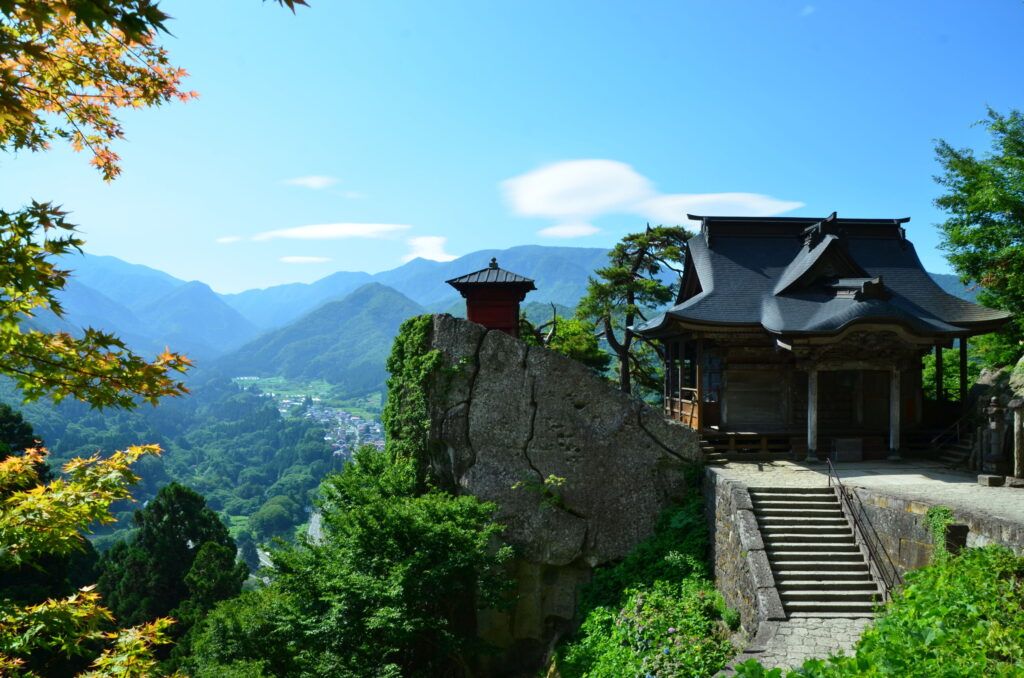
Towering high into the side of Mt. Hoju, Risshaku-ji Temple is known by another name, Yamadera. This name quite literally means mountain temple. This scenic Zen temple was founded in the year 860 by a traveling monk named Ennin. Under the orders of the emperor, Ennin traveled high into the north to spread Buddhism. He is accredited with founding many important temples throughout the Tohoku region.
Yamadera is known for the courageous climb visitors must go through in order to reach the temple's inner sanctuary. Built into the mountainside lay over 1,000 stone steps. Visitors coming to Yamadera pay an entrance fee to pass through the gates to the trail head. After that, you can take your time making the trek up the steps, stopping at various historic monuments and buildings along the way. For goshuin collectors, you can achieve 5 unique goshuin at various locations up the mountain.
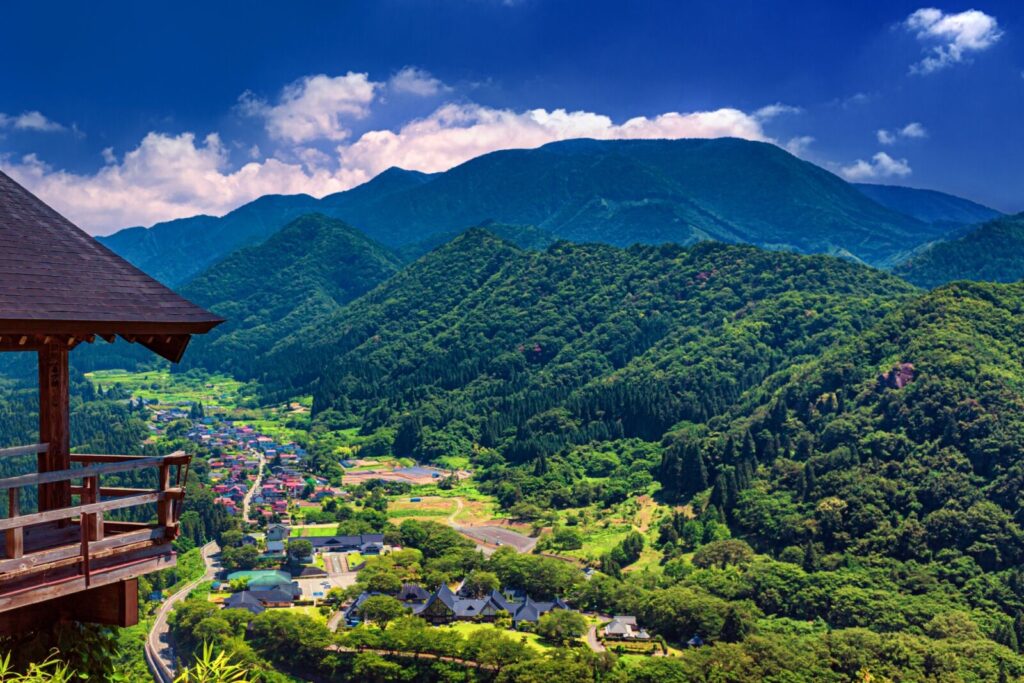
Most famously connected to Yamadera is the workings of traveling haiku poet Matsuo Basho. During his arduous travels to the northern frontier of Japan's honshu, he stopped by Yamadera at the behest of friendly locals. He was astonished by the temple's serene atmosphere and wrote a famous haiku about it – recalling the impressive silence of nature and the cry of cicadas in summer. Thanks to this poem, Yamadera shot to fame and has been a popular destination for travelers all over the world.
Goza-no-Ishi Shrine / Akita
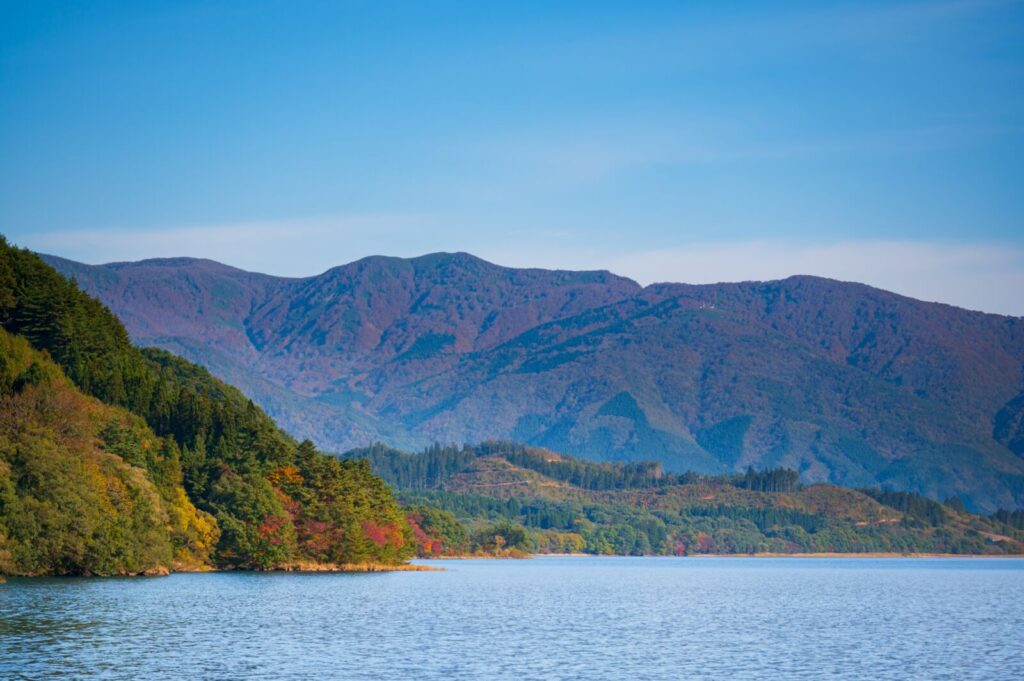
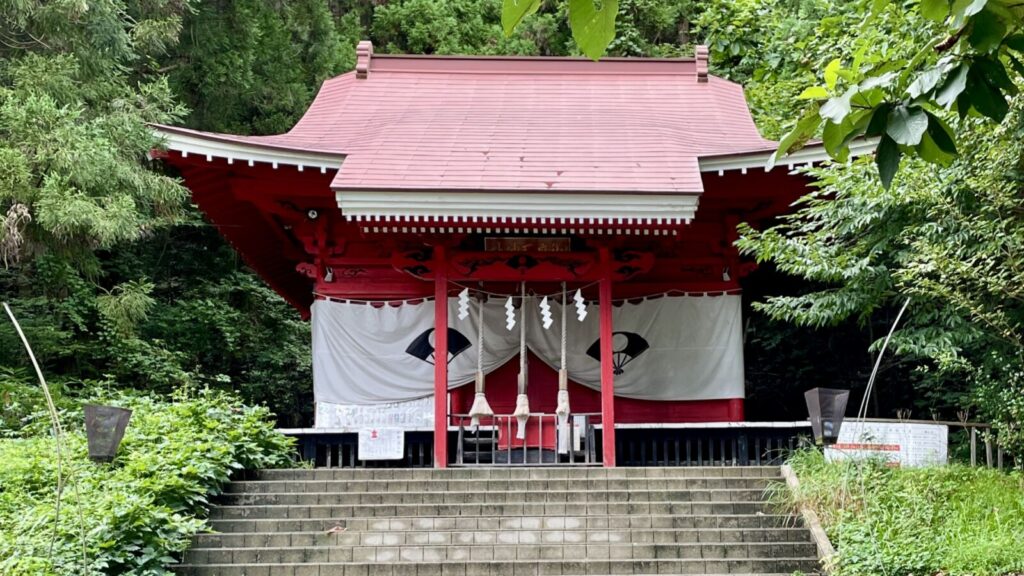
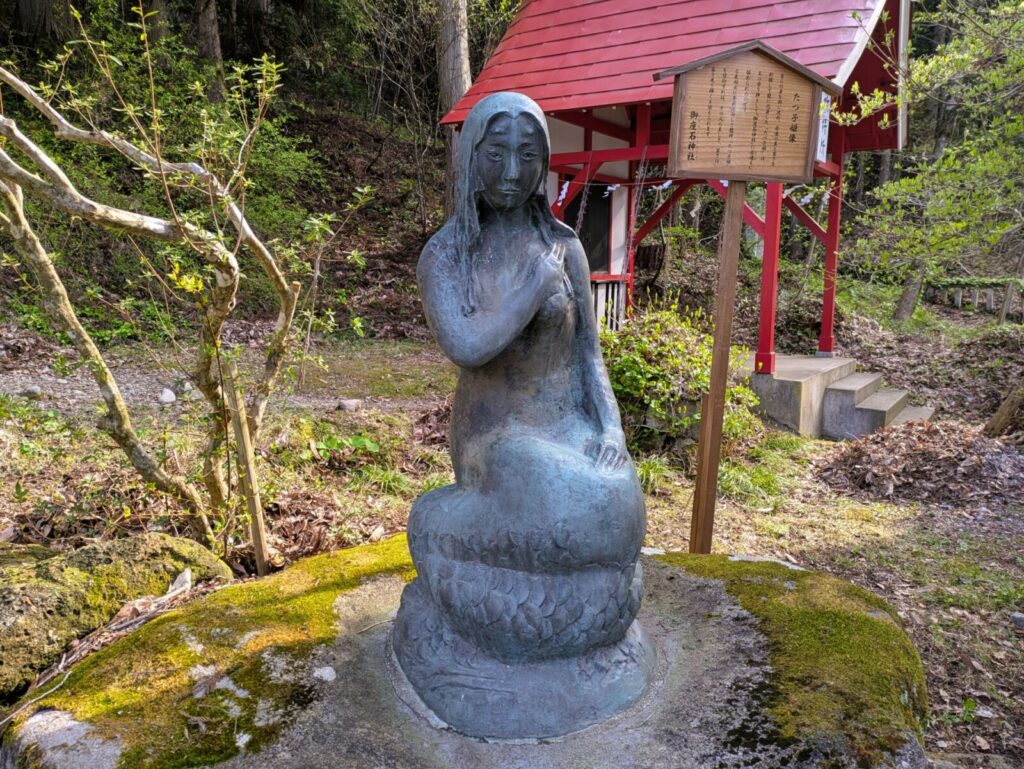
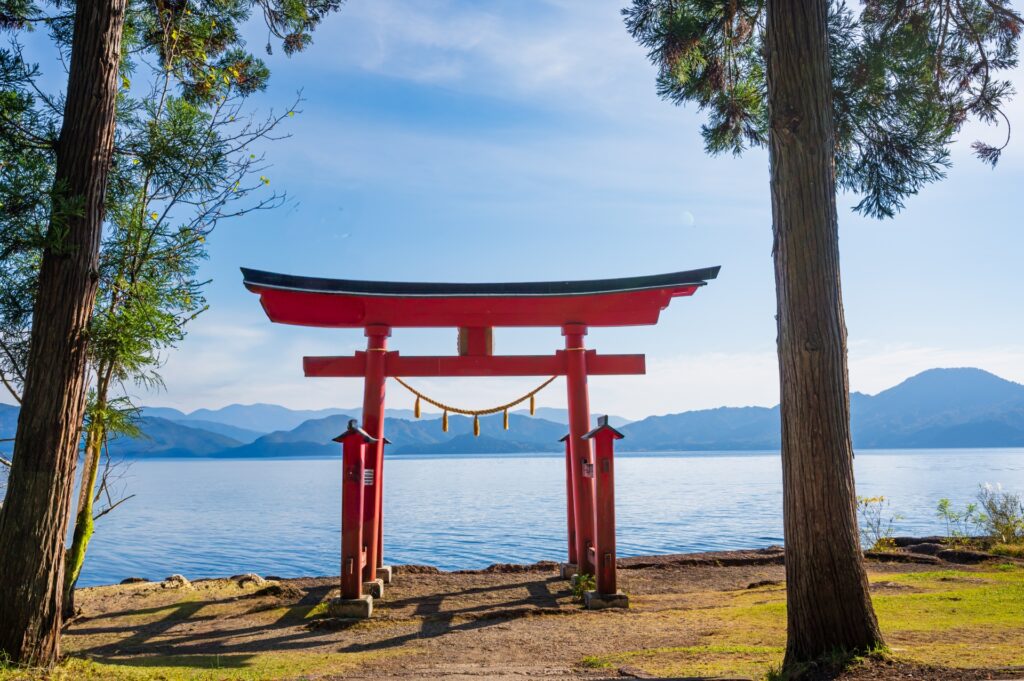
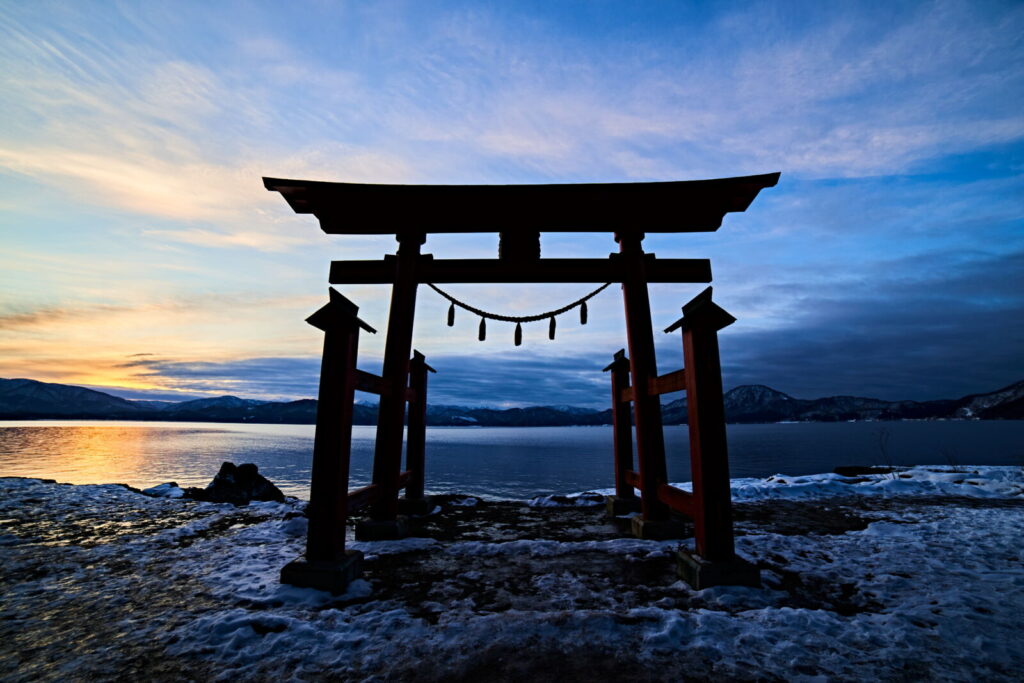
This iconic shrine next to Lake Tazawa in Semboku city, Akita, is dedicated to the dragon guardian of the lake. Legend has it a young woman named Tatsuko-hime was led astray during her pursuit of eternal youth. Drinking greedily from the nearby stream that would grant her eternal beauty and youth, she was ultimately punished. Transformed into a dragon, Lady Tatsuko was doomed to lurk the depths of Lake Tazawa as its eternal protector.
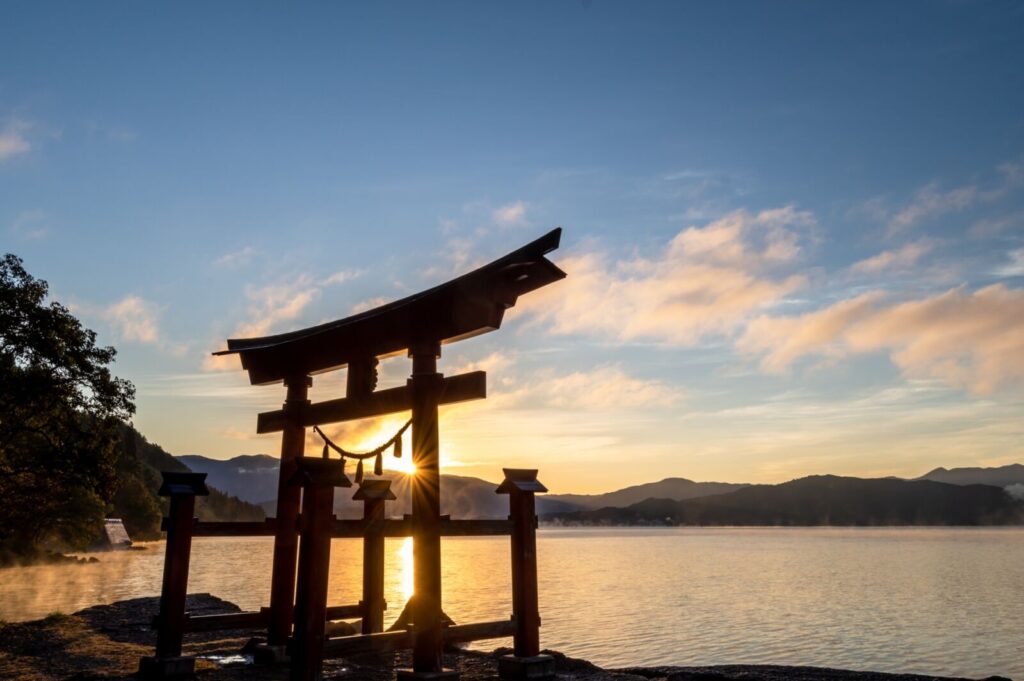
Spooky legends aside, Goza-no-Ishi Shrine offers some really fantastic views thanks to its perfect location next to the expanse of Lake Tazawa. Despite its connection and enshrined deity of Lady Tatsuko, the name of the shrine actually comes from a time back in 1650 when the second lord of the Akita Domain visited the shrine. It is said he took a seat on a rock that looks out toward the lakeshore. The rock (ishi) was large and flat, resembling a mat (goza) traditional woven of natural fibers and grass.
Chuson-ji Temple / Iwate
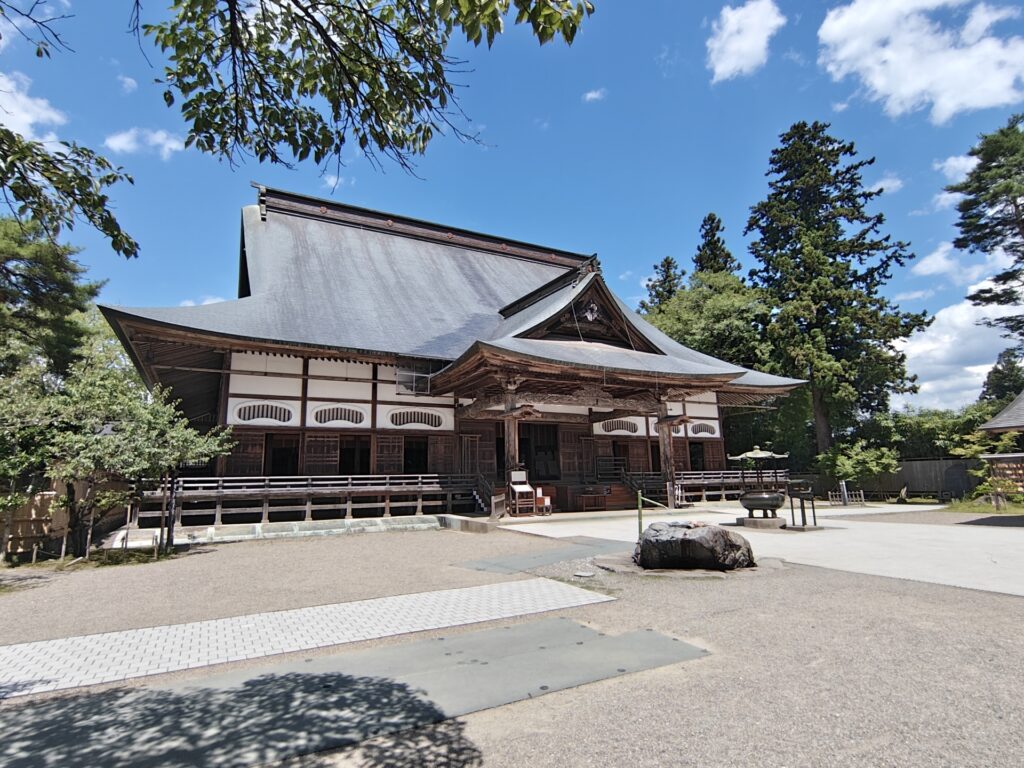
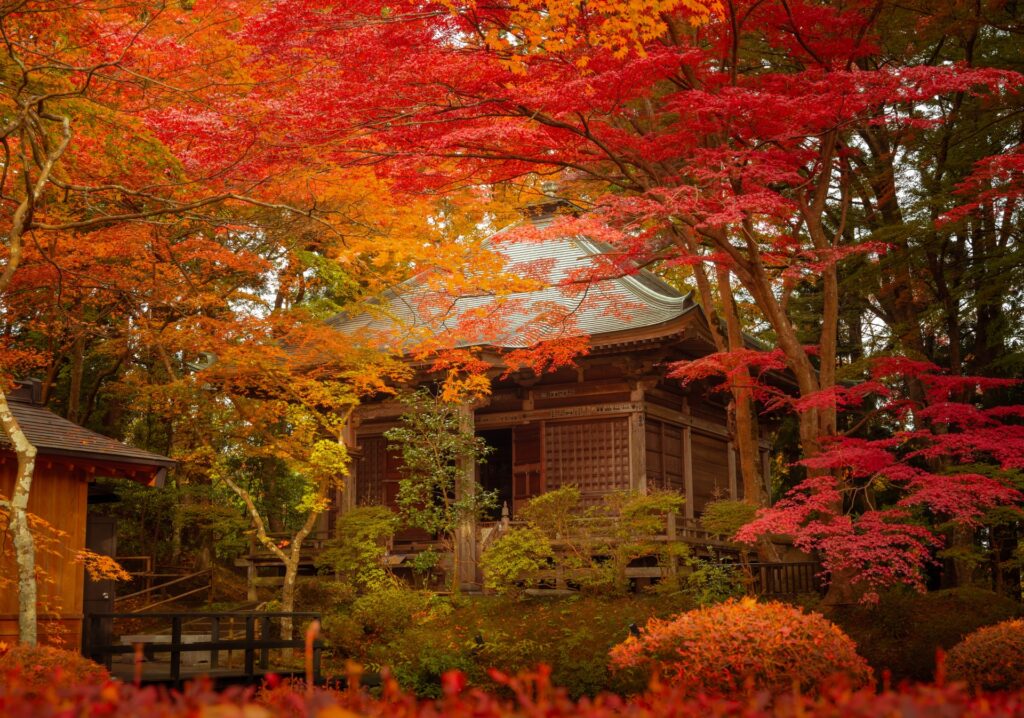
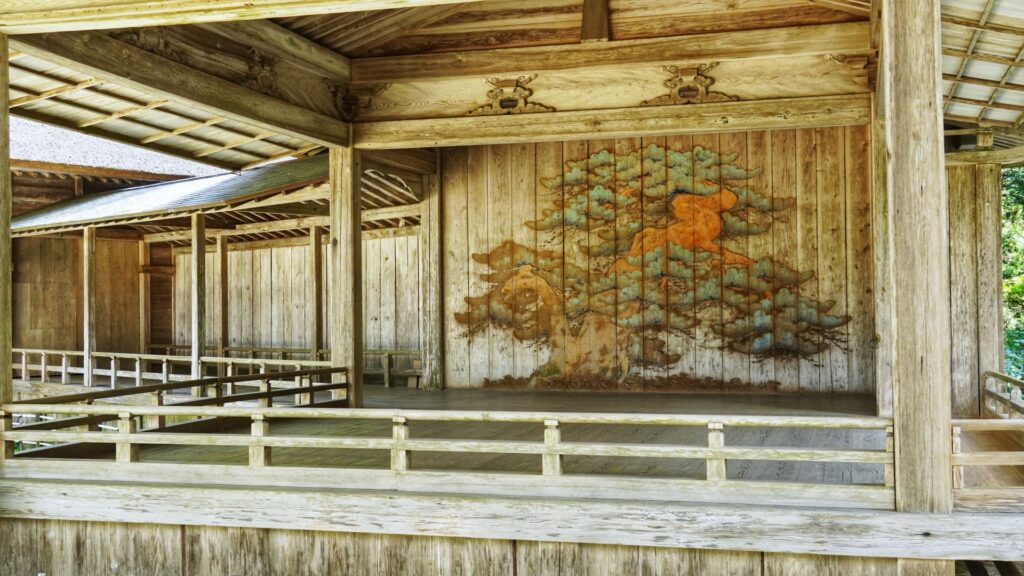
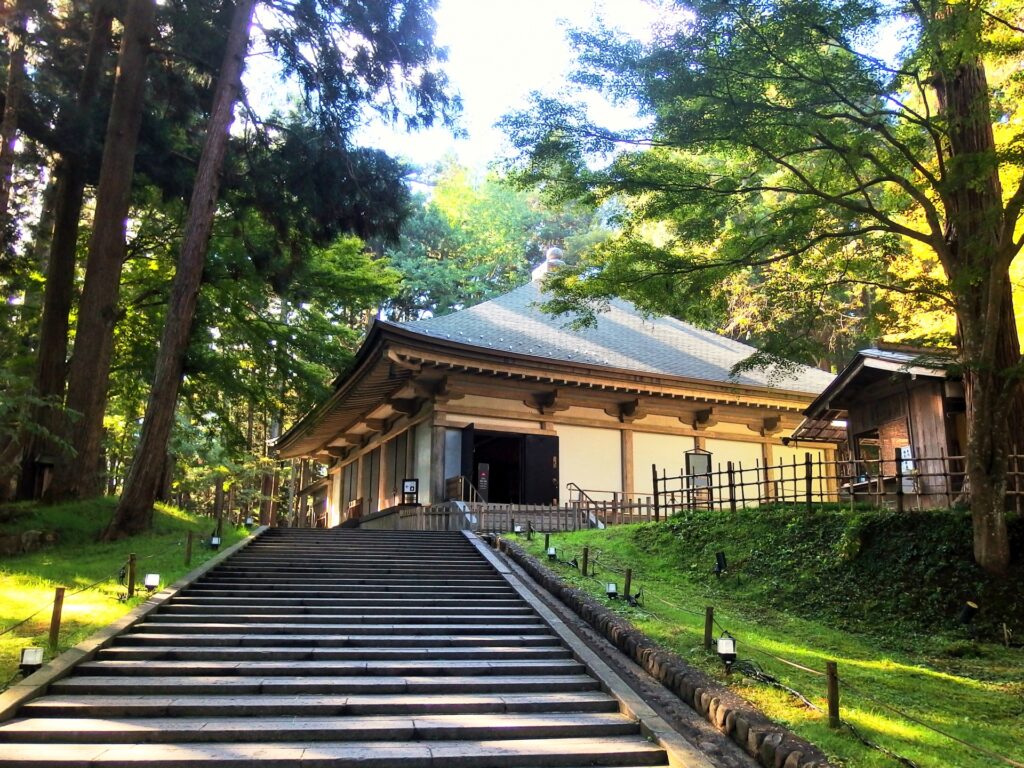
This massive temple complex is part of a series of temples and gardens within the UNESCO World Heritage Site of Hiraizumi. Often referred to as one of the most important temples of Tohoku, citing its intricate connection to the local history of the feudal clans of the area. Nowadays, it is a popular tourist site for history lovers – especially those interested in intricate samurai feuds and dramatic power struggles.
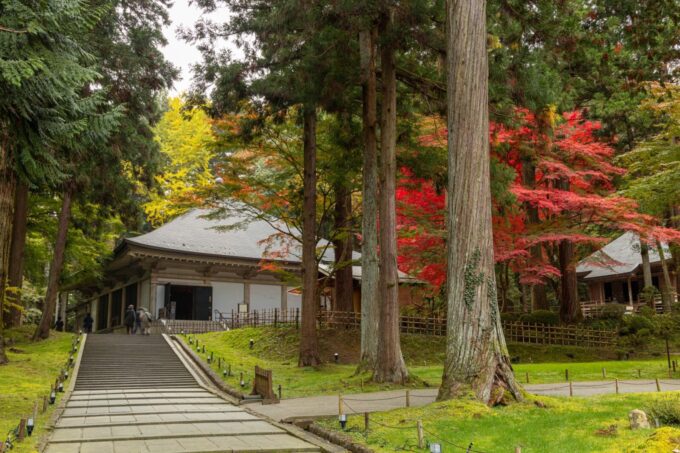
What's unique about this temple complex is the sheer amount of structures within it. As soon as you walk through the main entrance, you climb the Tsukimizuka Slope. This "moon viewing slope" is surrounded by trees planted by the illustrious Date Clan of Sendai and offers an almost dreamlike entrance into these sacred grounds. The main attraction is the gold-covered Konjikido – the only surviving 12th century structure from the original Chusonji Temple. It is known for its gorgeous design covered inside and out with precious gold leaf. Although photos of the Konjikido are not allowed, the entire temple complex is full of gorgeously authentic Buddhist structures surrounded by nature. The temple is especially awe-inspiring in autumn.
New Tour
1-Day Tour from Ichinoseki: Temple Highlights of World Heritage Site Hiraizumi
- Spots:
- Pick-up:
- Ichinoseki
- Drop-off:
Nakano Fudouson Temple / Fukushima
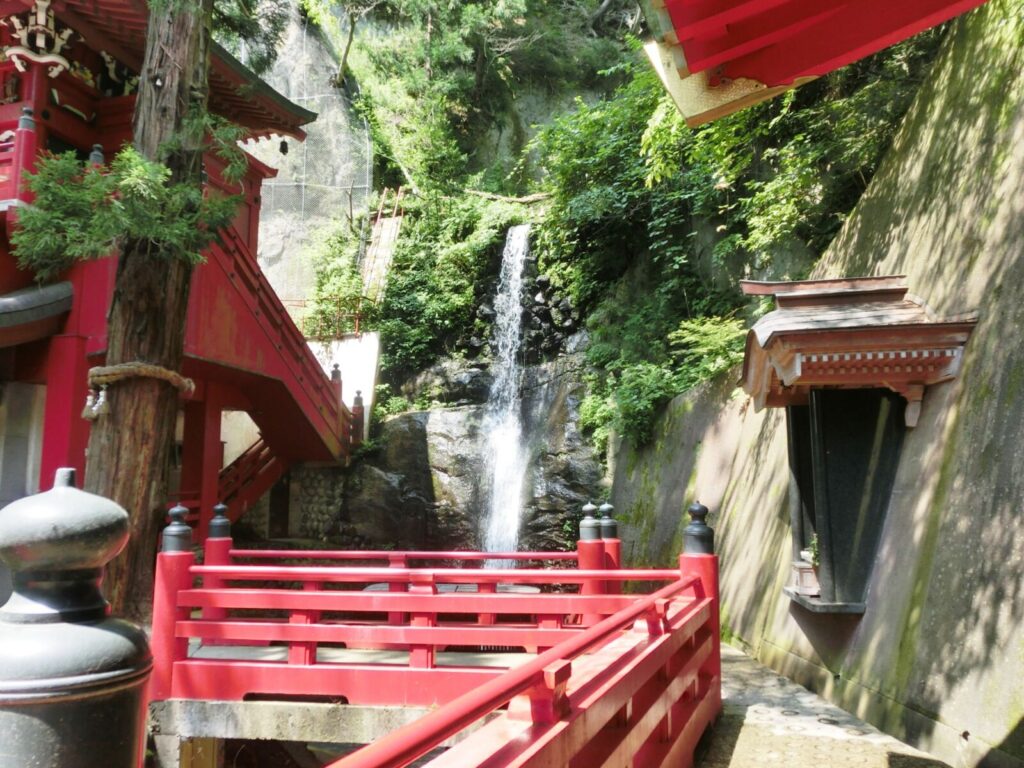
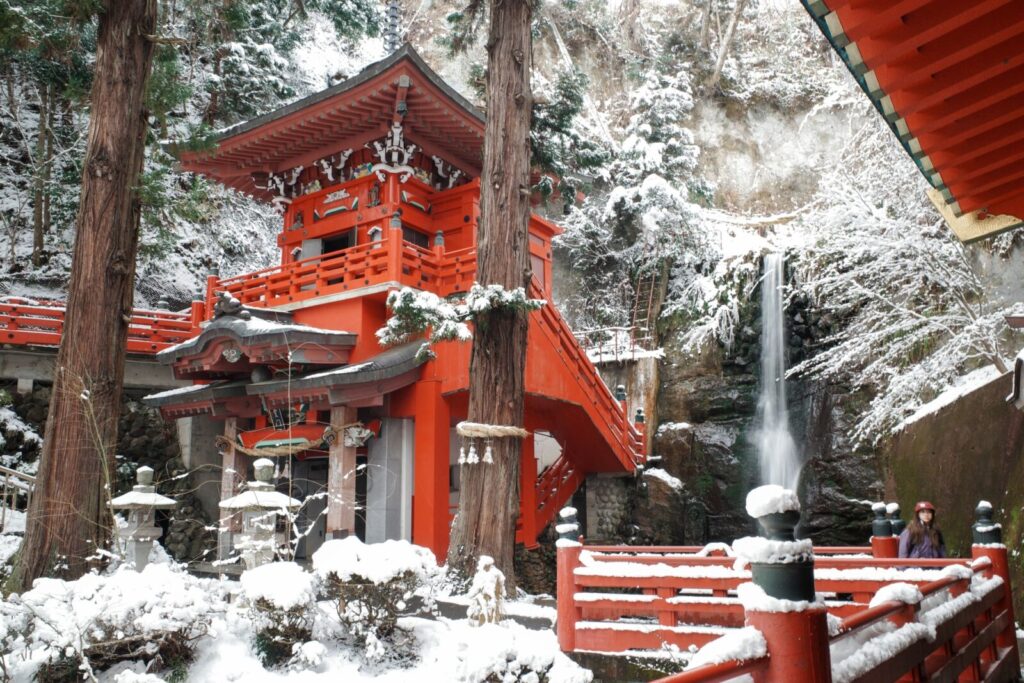
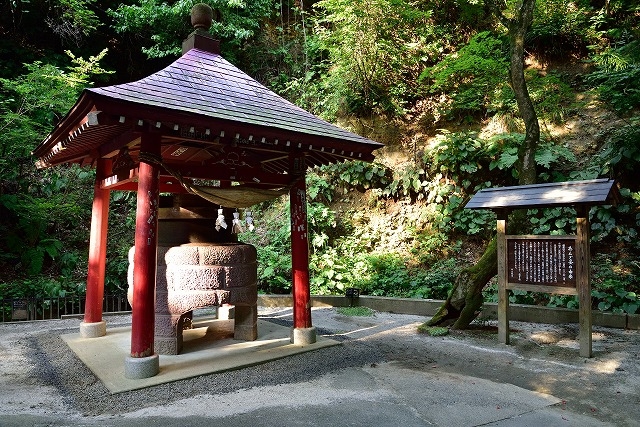
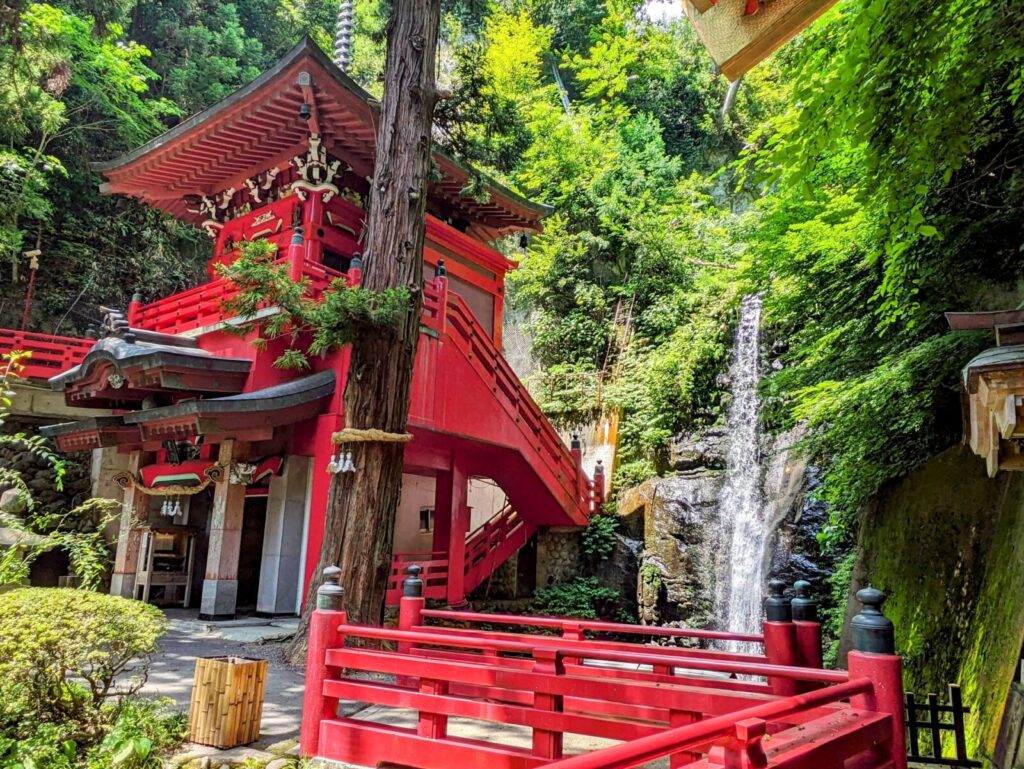
Nakano Fudouson Temple was established in 1179 and has been a sacred place of worship for even longer. It is a temple primarily for the worship of Fudo Myoo, a major wrathful guardian deity in Japanese Esoteric Buddhism. Although the temple complex is not extremely large, the scenery surrounding it is one to remember.
Surrounded by luscious trees and a continuous waterfall from a fresh spring, Nakano Fudouson Temple offers visitors a chance to take a breath and live in the moment. The natural serene feeling the temple invokes is one of its special draws. The waterfall within the temple grounds is also said to be the exact location where the founder was led by a serow. The deity of the mountain instructed him to establish a palace of worship for Fudo Myoo. The founder, Emyo Donin, lit a sacred fire and created the temple. This fire still exists today and is safeguarded as an "eternal flame."
Jogi Nyorai Saihoji Temple / Miyagi
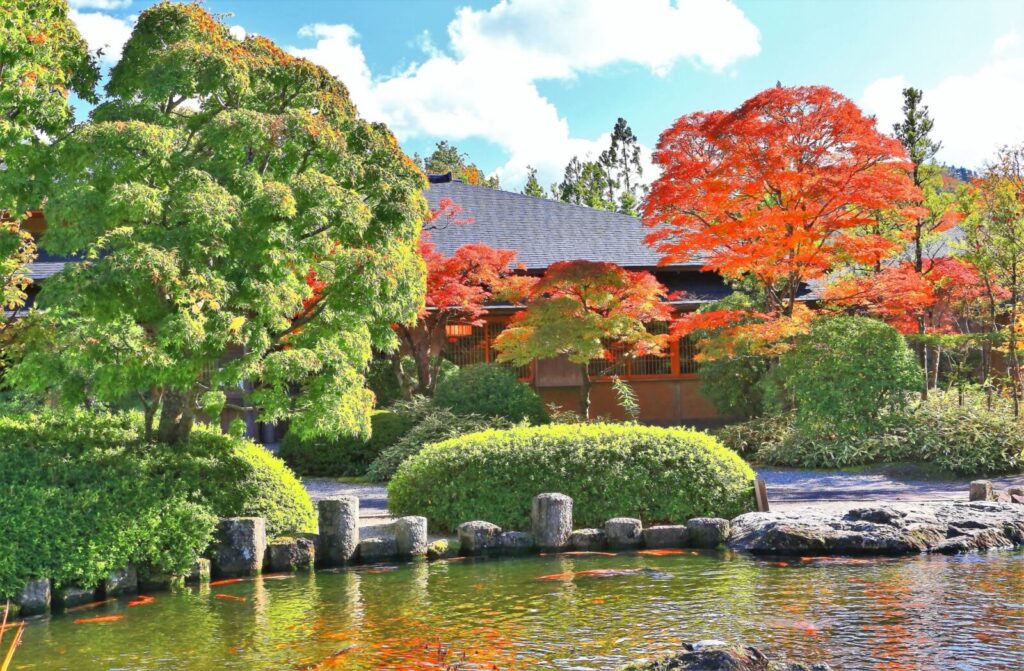
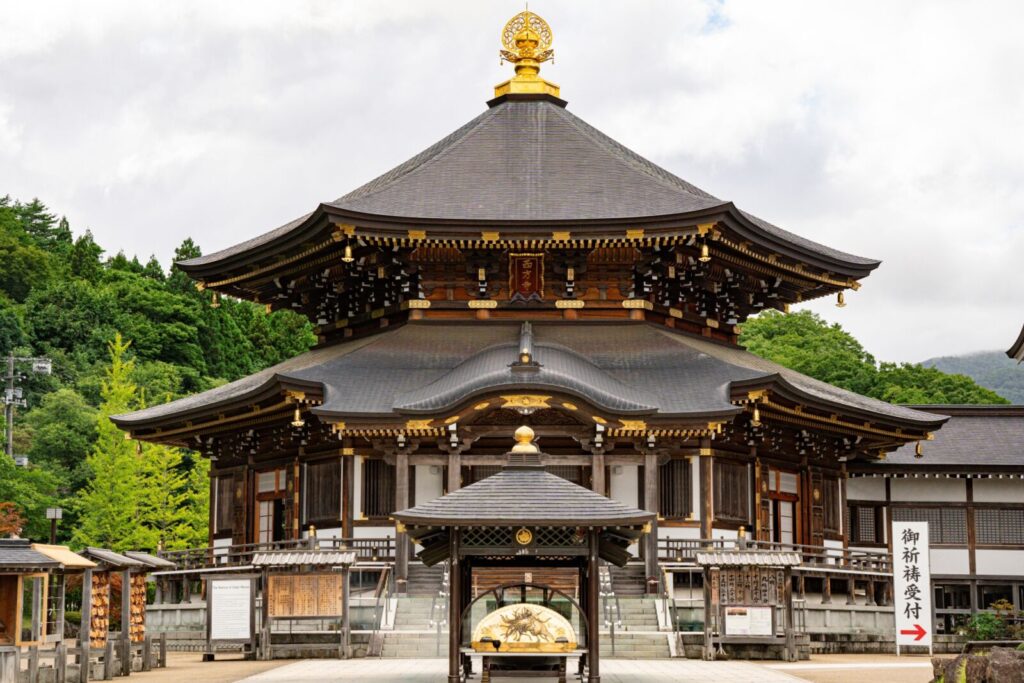
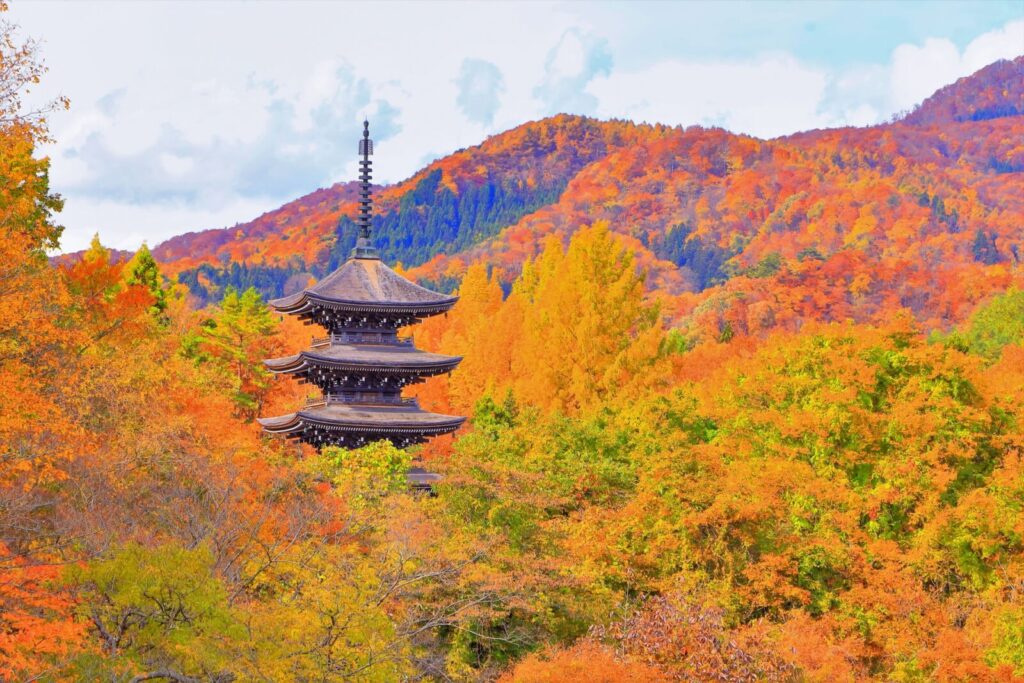
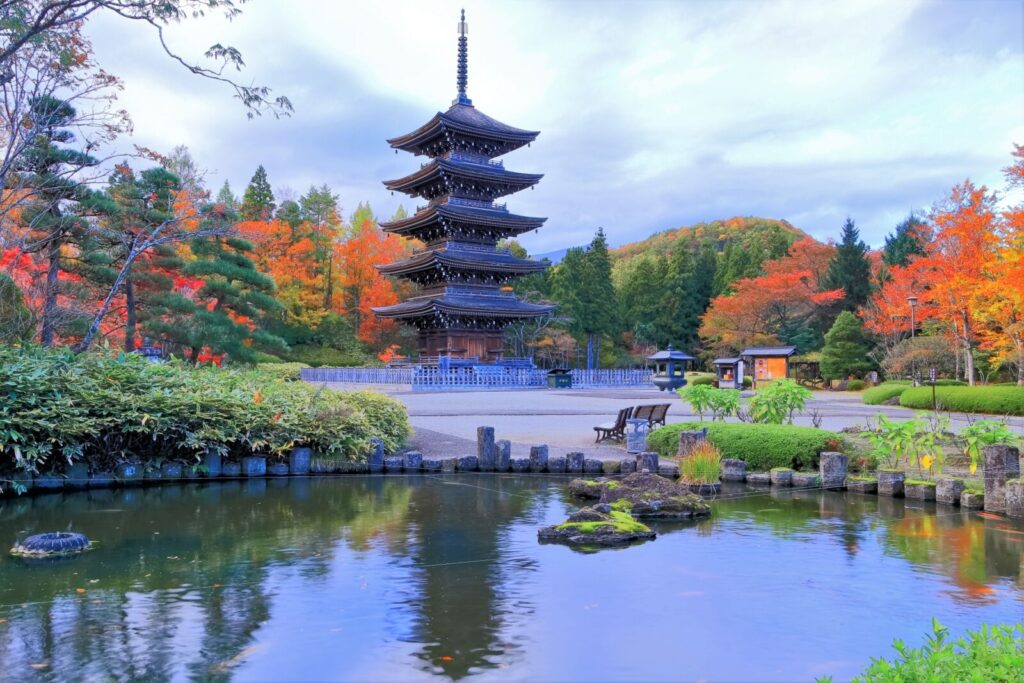
Known as "Jogi-san" by locals of the area, Jogi Nyorai Saihoji Temple was first established in 1706. The name comes from a fleeing vassal of the Heike Clan, Sadayoshi Taira, who settled into the area, changed his name to Jogi to go into hiding, and was a devout worshiper of the Amida Buddha. Although many of the buildings on this temple complex are relatively new, its historic artifacts held within the temple's main hall draw many visitors year round.
Located throughout the temple are various structures including the mausoleum of Sadayoshi Taira, an impressive 5-storied Pagoda, and even a matcha shop that makes fresh green tea straight from the nearby natural spring. The location surrounding the temple is quite mountainous and offers spectacular views no matter what time of year. Many people come to this temple to pray for good luck weddings, easy childbirth, good health, or professional success.
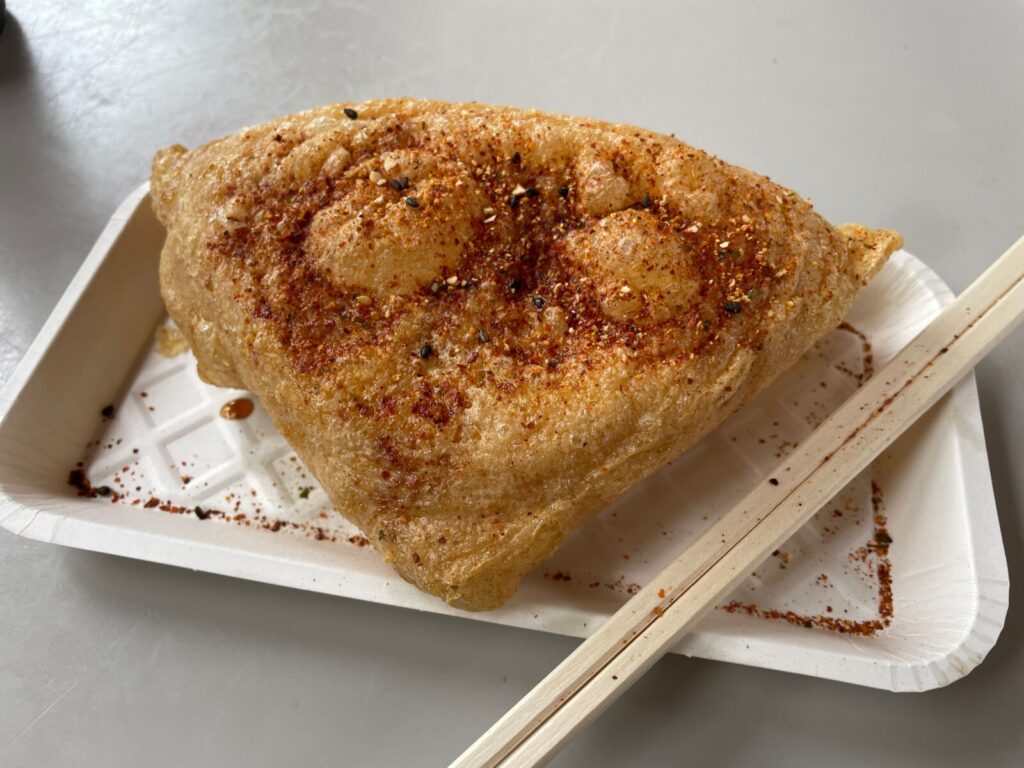
One thing you don't want to miss is the Monzenmachi area leading up to the temple's main gate. Here you can find all sorts of shops and restaurants that serve delicious snacks. A local favorite is the deep fried tofu that has been cut into a triangular shape. You can purchase them fresh and hot, and top with spices or soy sauce and eat it right in the area.
If you're traveling to Miyagi we recommend checking out one of our tours based in Sendai!
Bonus Shrine: Takayama Inari Shrine / Aomori
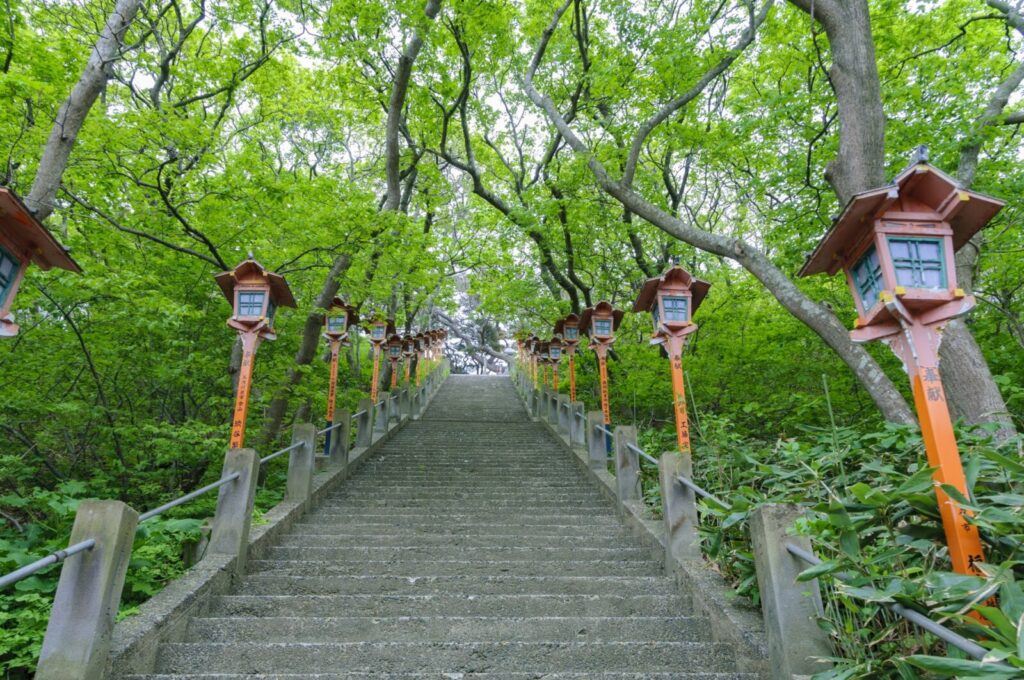
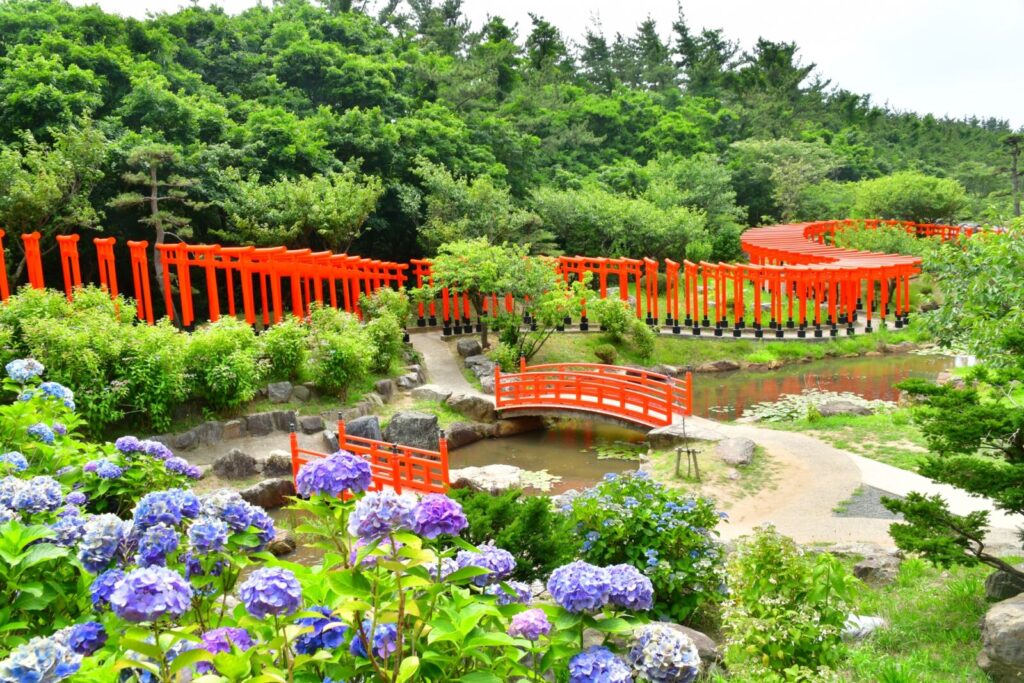
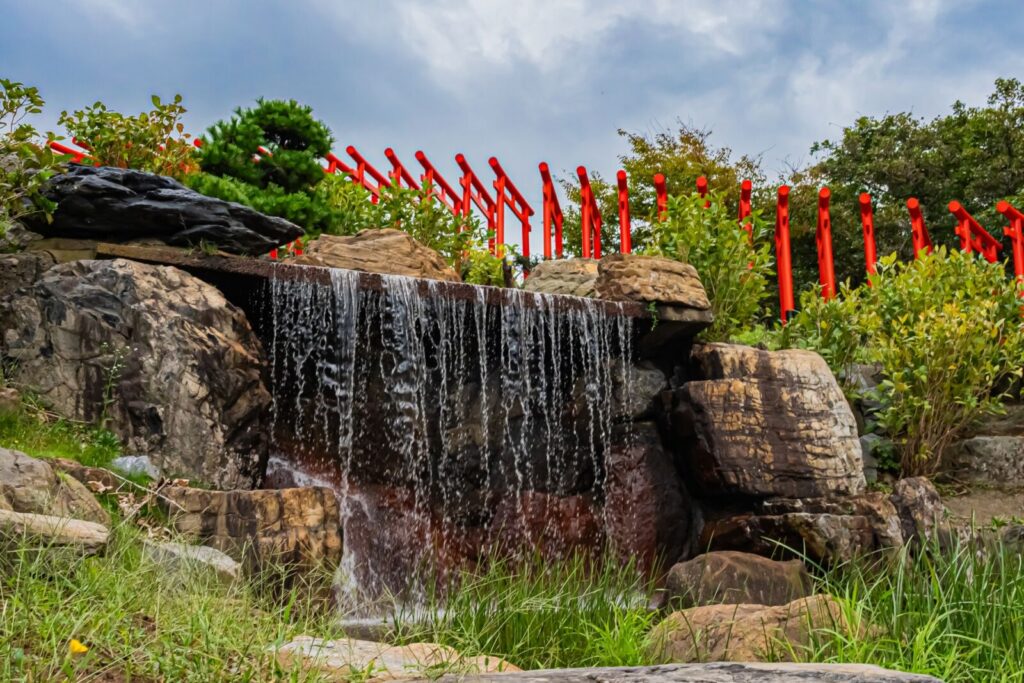
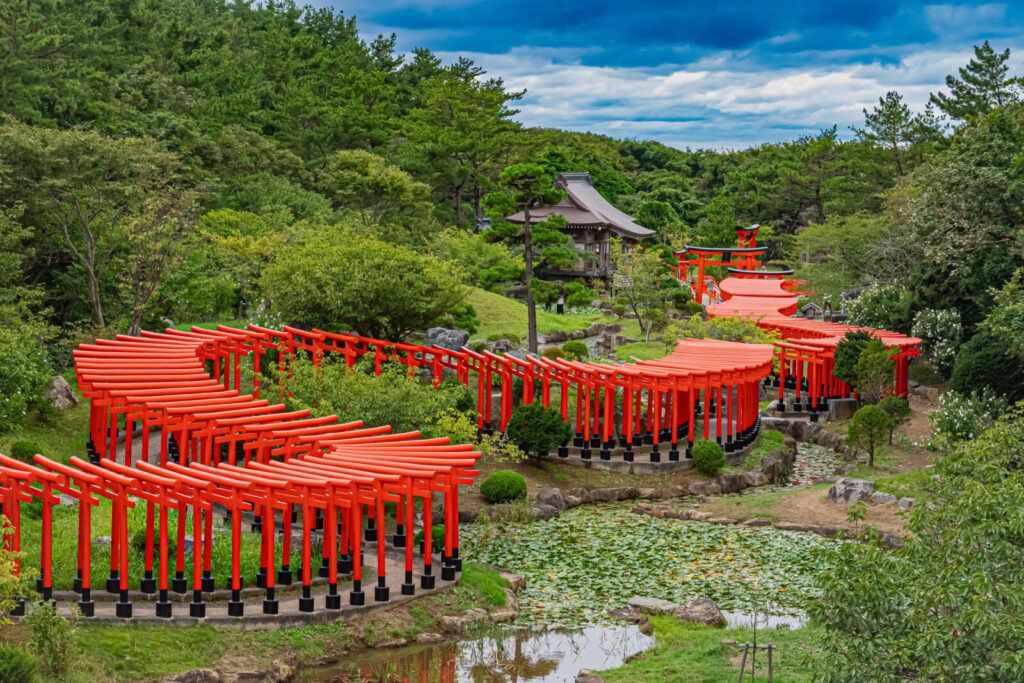
Takayam Inari Shrine is a shrine that often surprises people in their travels north. Thanks to social media, more and more travelers are discovering this hidden gem, but it still is quietly passed by to those unaware. Likened to the Fushimi Inari Shrine of Kyoto, Takayama Inari Shrine is located in the city of Tsugar in Aomori Prefecture. It sits atop a hillside and offers an unforgettable photo-op. The corridor leading up to the shrine is lined with over 200 bright red torii gates. This pathway is called the "Senbon Dori" or thousand torii gate path.
Like other Inari Shrine, the worshipped goddess here is Inari Okami. She is the kami or deity of foxes, rice, fertility, among other things! Thanks to this, the motifs of foxes are everywhere around the shrine.
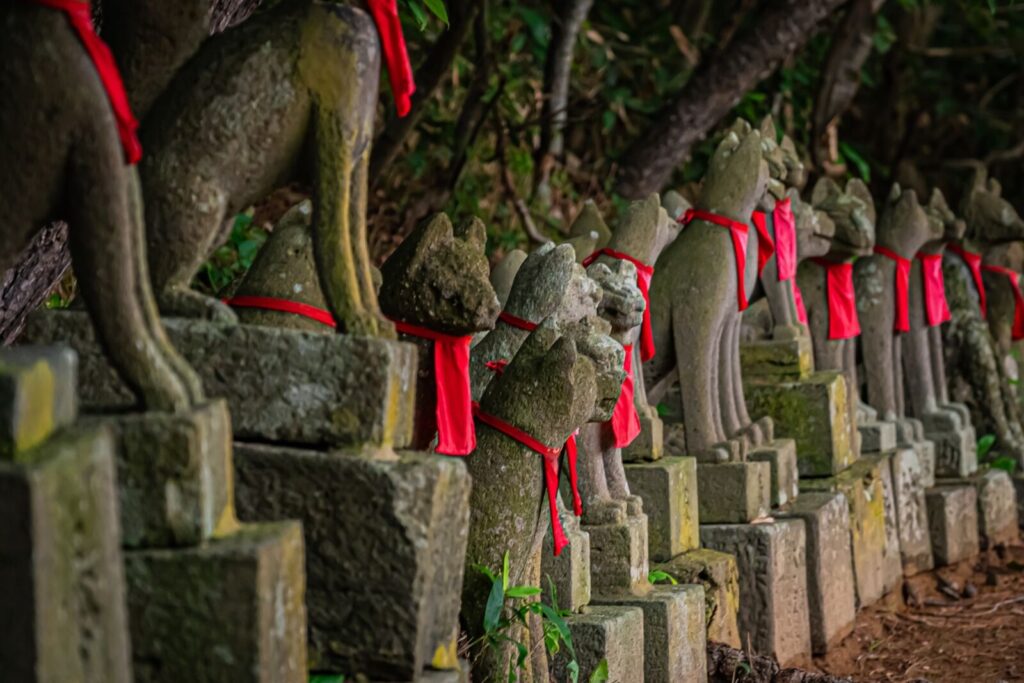
Although significantly less traveled-to than the Fushimi Inari Shrine in Kyoto, Takayama Inari Shrine is also growing in popularity. So for those wanting that perfect photo without the occasional tourist in the shot, it's recommended to arrive early in the day for some of that bright morning sunshine.
Frequently Asked Questions (FAQ)
When is the best time to see these shrines and temples?
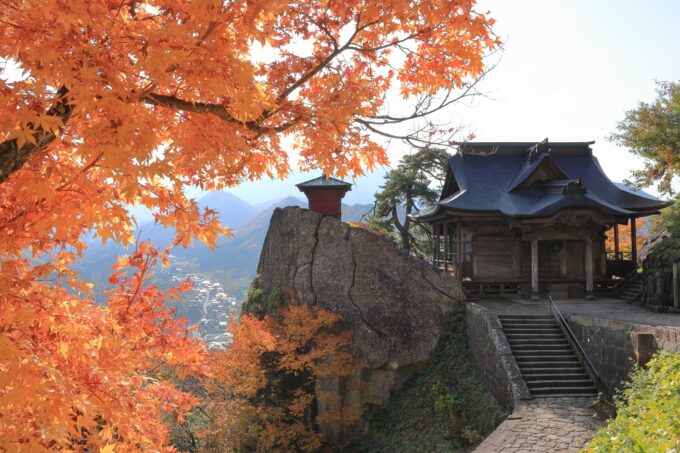
Although every season in Tohoku has something beautiful to offer, many travelers tend to visit these destinations during autumn when the fall colors are at their peak. Places like Yamadera are particularly popular for getting that iconic shot.
Are these destinations accessible from Tokyo?
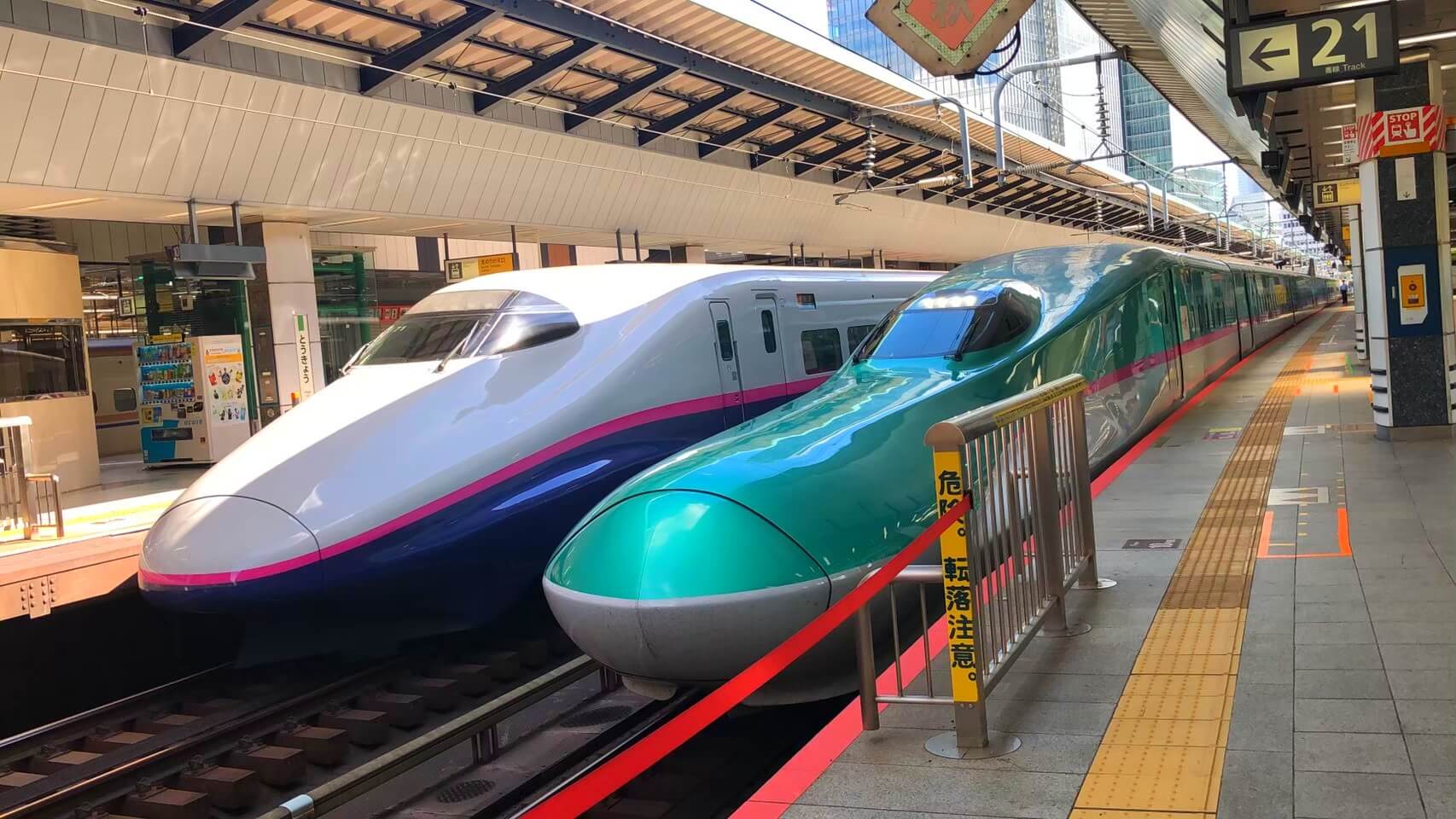
Yes! With some caveats. Most of these shrines and temples can be accessed from major shinkansen stations. Once you are in the prefecture however, you may need to take limited buses or trains to get to the exact location of these shrines and temples. Taxis are also available when public transportation isn't. When exploring off the beaten path of Tohoku, it's recommended to use a guided tour or renting a car for ease of travel.
What are goshuin stamps?
Goshuin (literally meaning "Red Stamp Seal") are unique stamps, often handwritten, that can be bought at most shrines and temples across Japan. Originally, goshuin were used as proof that the owner had been a pious person in their life - travelling to enough shrines or temples to fill the whole book with stamps. Goshuin as a practice largely fell out of favour after the Meiji Restoration in 1868, but regained popularity in the post-war era.
Buying and filling a goshuin book is a wonderful way to memorialise your time in Japan. Each is a representation of a temple you visited. Be advised: however, these seals are not mere souvenirs. Many temples take much pride in their faith and will refuse filling out a goshuin book should it have other, non-religious affiliated stamps within it such as a station stamp.
Are English guides available?
We at Snow Monkey Resorts are proud to offer English-language tours of less-traveled locations of Tohoku such as Yamadera and Chuson-ji. We are currently in the process of growing even more English tours in the Tohoku region, so stay tuned!
Additional Tips for Exploring Northeastern Japan
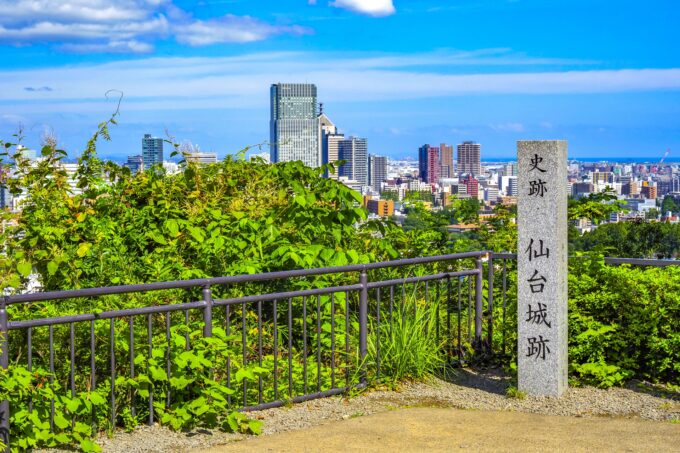
- Use Sendai as your base: Sendai is the biggest city in the Tohoku region and has great access to many of the other prefectures within reason. Setting up a base in Sendai is a perfect way to get access to other destinations throughout Tohoku. Be advised, some of the traveling could take more than a day trip (especially toward more northern areas like Aomori) so plan accordingly!
- Consider guided tours: With many areas in rural Tohoku having a lack of English information, a knowledgeable guide can deepen your experience.
- Try local cuisine: Each region boasts unique local dishes – from Jogi Nyorai Saihoji's deep fried tofu to Yamadera's power konjac.
- Be mindful of bears: Bear sightings have been on the rise throughout all of Japan but particularly the Tohoku region. Travelers looking to explore more rural or mountainous areas, always be up to date with proper bear safety protocols.