





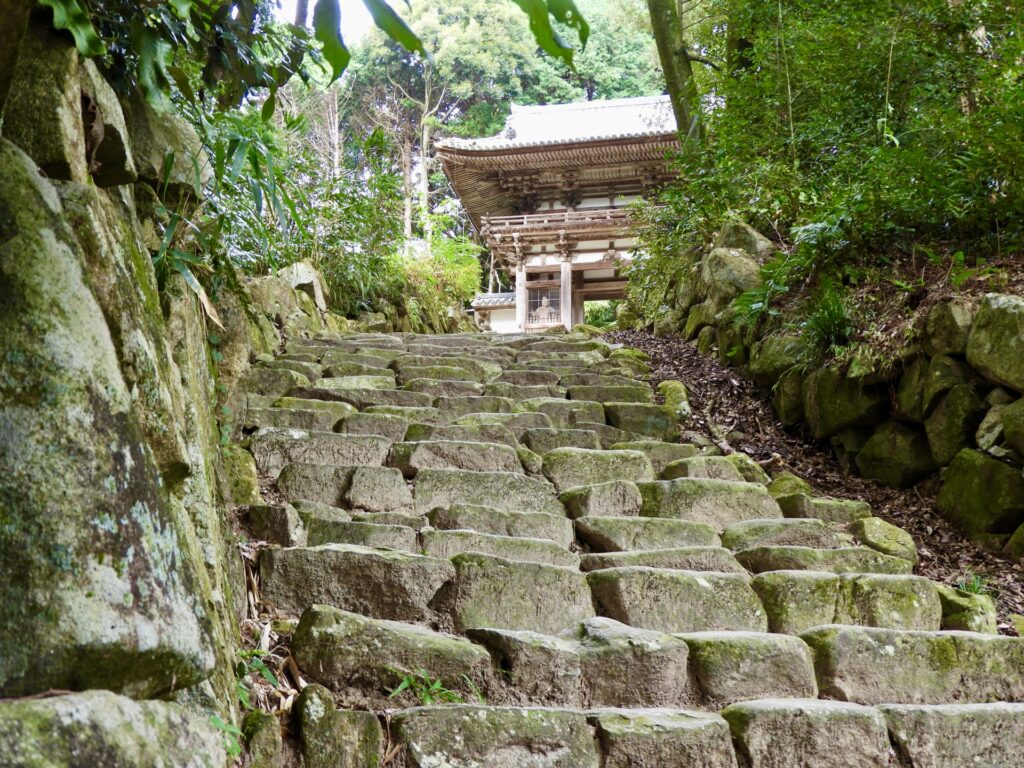
Azuchi Castle is one of Japan’s most fascinating castle sites allowing visitors to imagine the ambitions of Oda Nobunaga and the world of the Sengoku “Warring States” period.
The castle complex consists of Azuchi Castle ruins, Nobunaga no Yakata Museum, and Shiga Prefectural Azuchi Castle Archaeological Museum. Each approaches Azuchi castle from a different perspective, with the ruins preserving the landscape and surviving structures, Nobunaga no Yakata displaying the spectacular castle interior, and the archaeological museum educating visitors on the wider history of Nobunaga, Omi, and Japanese castles.
For travelers interested in Japanese history and the samurai era, Azuchi deserves a spot on your itinerary.
Why Azuchi Castle Matters in Japanese History
Azuchi Castle was built by Oda Nobunaga, one of the most consequential figures of Japan's Sengoku “Warring States” period.
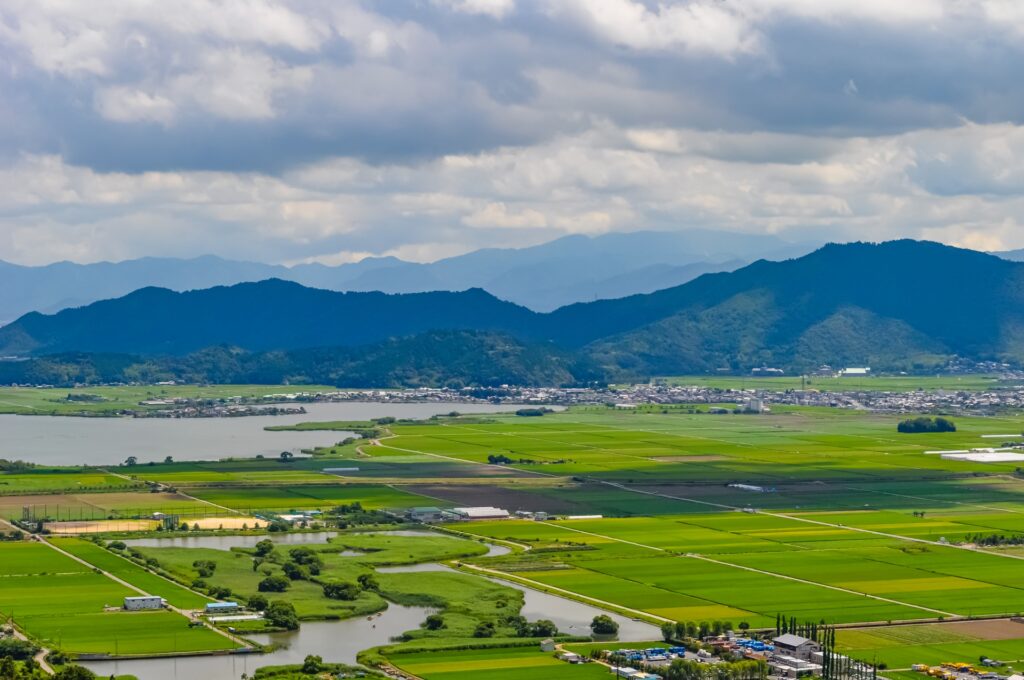
Construction began in 1576, with senior retainer Niwa Nagahide appointed to oversee the project. Nobunaga selected Mount Azuchi partly because of its strategic position. The site was closer to Kyoto than his earlier base at Gifu Castle and offered access toward important routes connecting central Japan via Lake Biwa.
Azuchi castle is often regarded as a turning point in the development of the Japanese castles. Rather than functioning simply as a fortified military position, its ornate design projected political authority, wealth, technology, and cultural sophistication.
Historical descriptions and archaeological evidence indicate that Azuchi featured enormous stone walls, elaborate architecture, richly decorated interiors, and a towering main keep. Its upper levels were associated with brilliant colors, gold decoration, and paintings attributed to Kano Eitoku, one of the great painters of the period. These elements were all novel for that time and represented the power Nobunaga was attempting to consolidate.
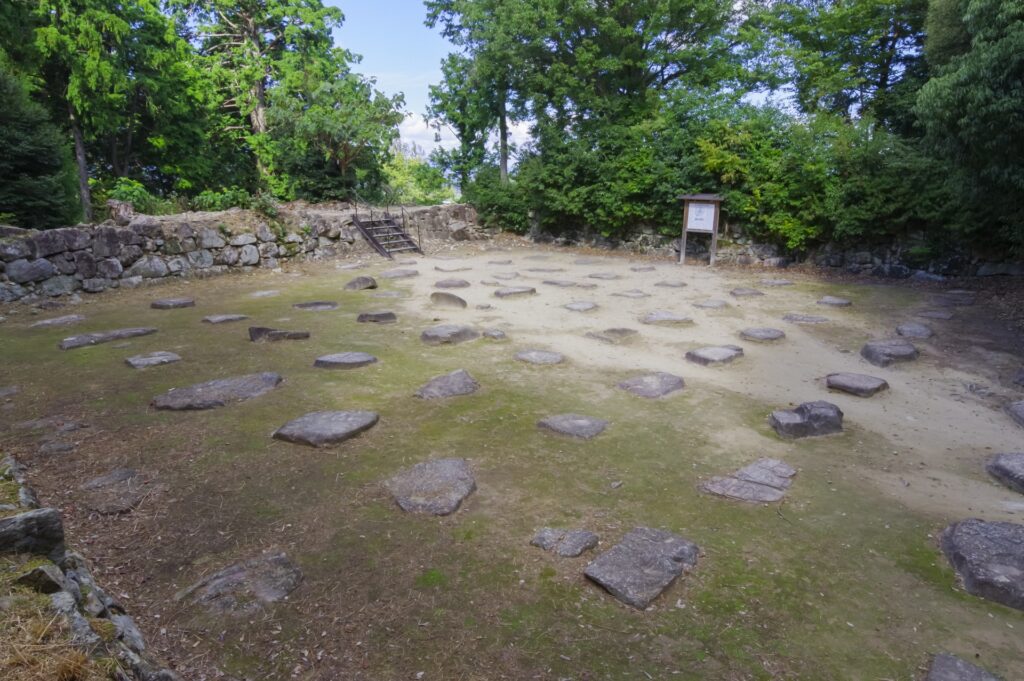
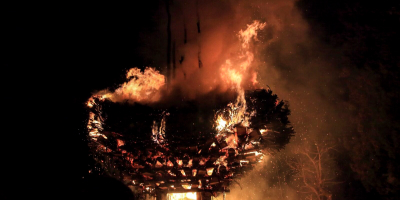
Yet its life was remarkably short. Following the Honnoji Incident in 1582, in which Nobunaga was killed, Azuchi Castle was destroyed by fire. Much of the magnificent structure disappeared, leaving the mountain and its archaeological remains as the principal evidence of what once stood there.
The foundation stones and walls of the ruins may initially seem modest compared with a surviving castle such as Matsumoto or Hikone. But they are all that remain of a structure that fundamentally changed how Japanese castles were designed.
Walking the Azuchi Castle Ruins
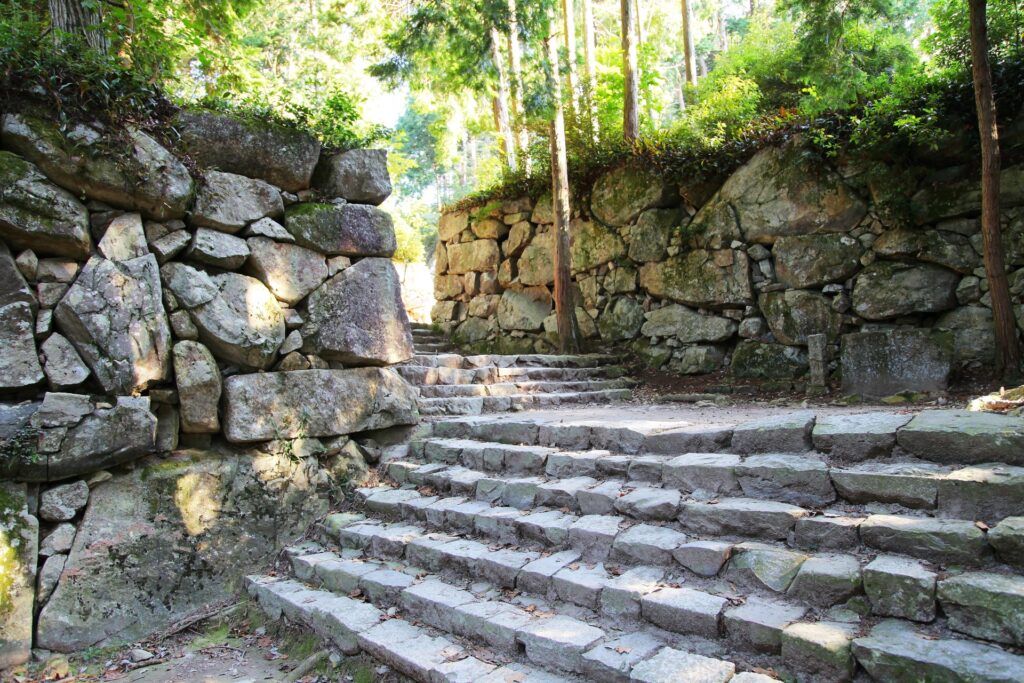
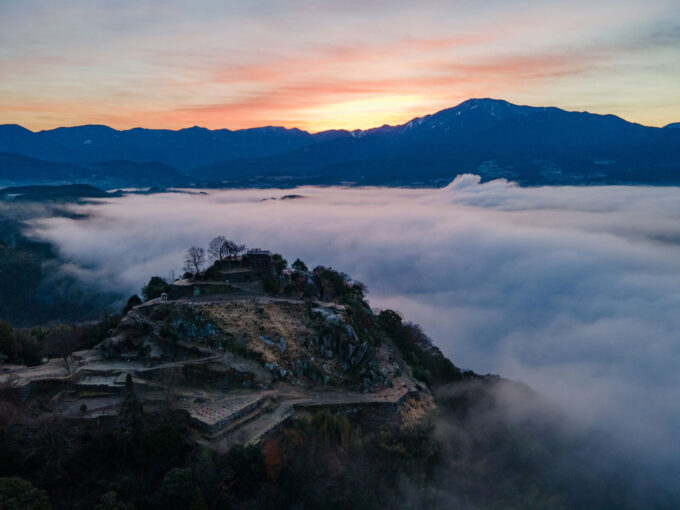
The castle ruins occupy Mount Azuchi at an elevation of approximately 198–199 meters and are designated a National Special Historic Site.
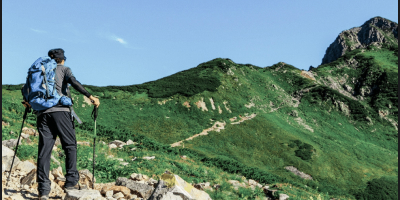
The walk takes roughly 90 minutes, depending on your pace and how much time you spend examining the remains and viewpoints. The approach to the ruins of the main keep is very steep with uneven steps. A moderate degree of fitness is required (and serves as a reminder that castles were built on mountain tops as a form of defense—in making the enemy exhausted by the time they reach the keep).
Among the important points along the route are:
- Nobunaga's Mausoleum
- Main Enclosure ruins
- Main Keep ruins
- Sōkenji Temple ruins
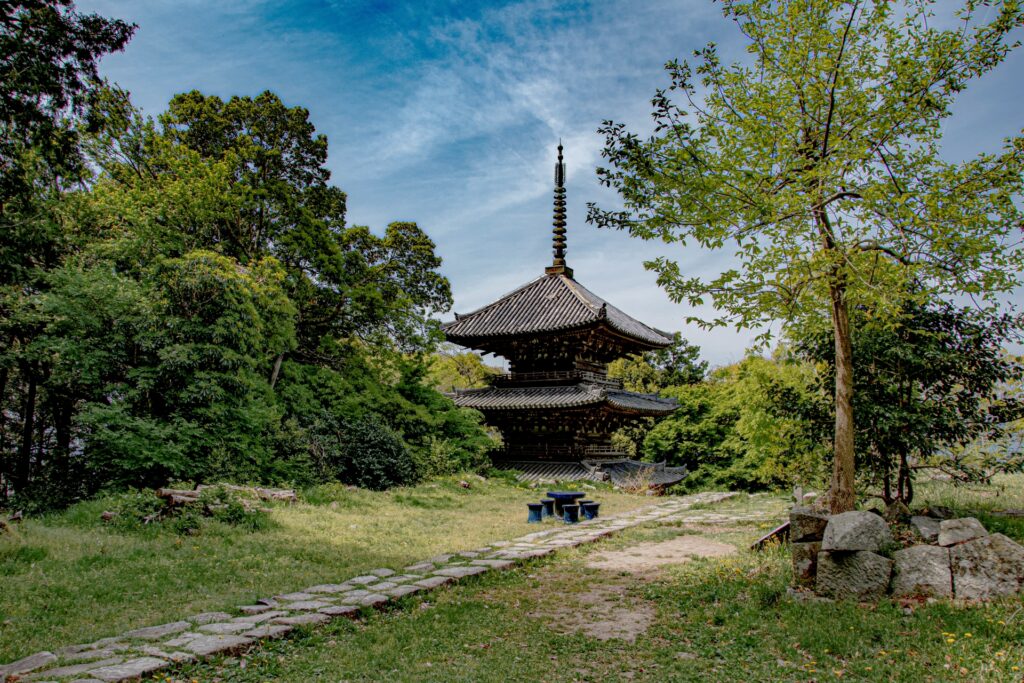
- Three-story Pagoda
- Niomon Gate
- Historic stone walls and foundations
- Views toward Lake Biwa and Lake Nishinoko
- General Admission: Admission to castle ruins (the entire mountain) cost 700yen for adults and 200yen for children.
- Hours: 8:30 AM to 5:00 PM (last admission at 4:00 PM) *Hours may vary depending on the season.
- Special viewing of Sōkenji Temple is available from 8:30 AM to 3:00 PM (only on designated days).
- Closed on: Open year-round / Mountain climbing may be suspended due to bad weather or other unforeseen circumstances.
Recommended Tour: Snow Monkey Resort's 1-Day Tour from Nagoya: Shadows of a Shogun — Sekigahara Battlefield & Historic Castles is designed for travelers who want to understand the history and drama of Japan’s samurai past. You will explore how alliances were formed, how betrayals changed the course of history, and how power was ultimately secured.
Trace the full arc of Japan’s transformation from the warring state period to where the foundations of 260 years of Tokugawa rule were established on this one-day guided tour from Nagoya.
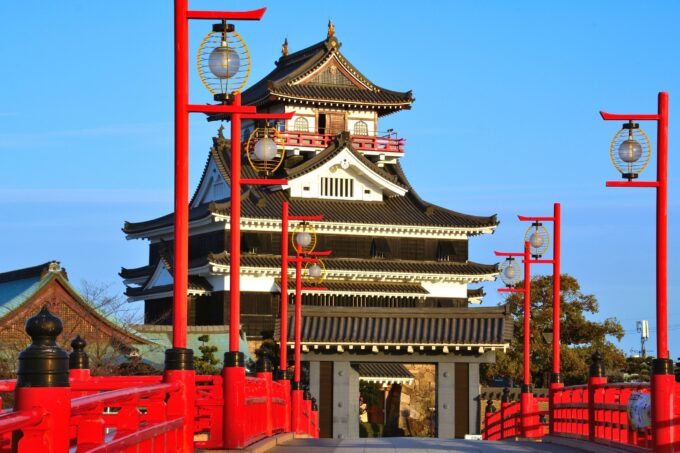
Nobunaga no Yakata: Reconstructing the Lost Castle
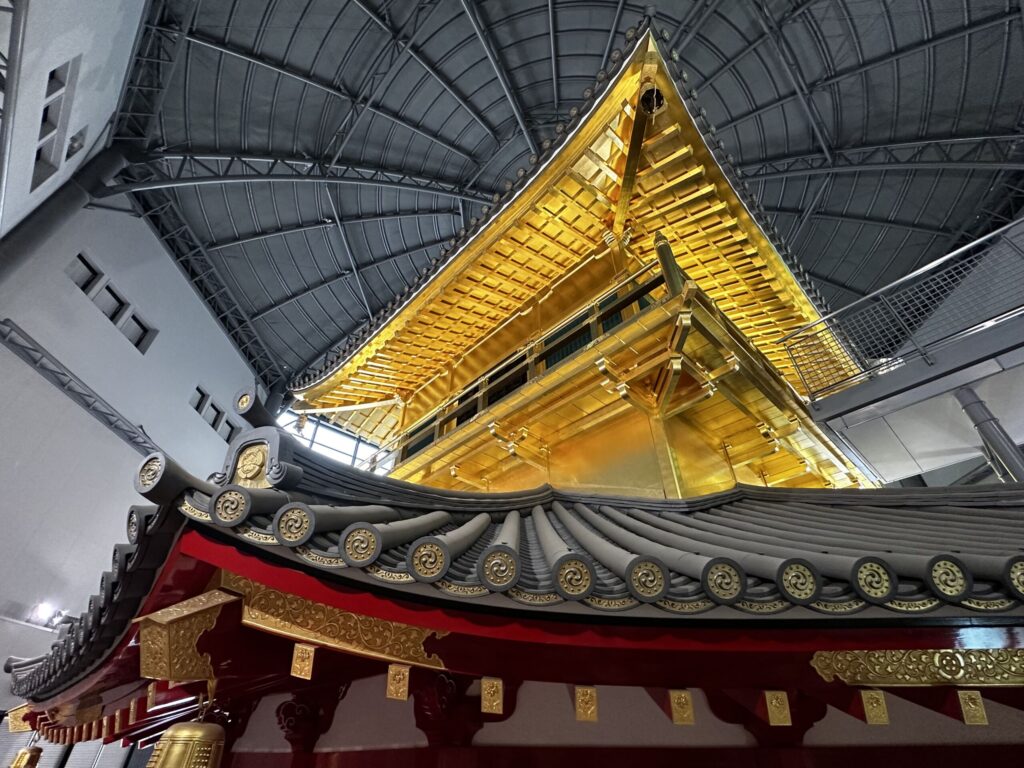
The Nobunaga no Yakata Museum, also known as Nobunaga Hall, allows visitors to see a recreation of Azuchi Castle’s main keep.
In 1992, the fifth and sixth floors of Azuchi Castle's main tower were recreated at full scale for the Seville World Expo in Spain. Following the exhibition, the reconstructed sections were relocated to Azuchi and became the centerpiece of the museum.
The reconstruction includes recreated wall paintings, gold-leaf decoration, architectural details, and a ceiling depicting celestial figures. The sixth-floor exterior incorporates approximately 100,000 sheets of gold leaf, while the roof is topped with golden shachi ornaments.
The museum's VR theater displays a 15-minute film that depicts a reconstructed Azuchi Castle as it might have appeared in 1581, when the castle was newly established. The story is presented from the perspective of Luis Frois, the Portuguese Jesuit missionary who visited Nobunaga's castle.
- General Admission: 610 yen for adults / 170 yen for children
- Hours: 9:00 to 17:00 (Last entry at 16:30)
- Closed: Mondays (except public holidays; if a public holiday falls on a Monday, the museum will be closed the following day), and during the New Year's holiday period (December 28 - January 4).
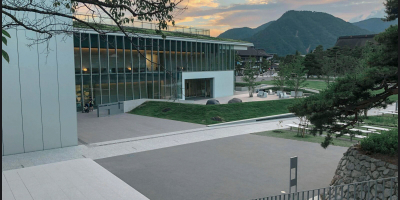
The Azuchi Castle Archaeological Museum
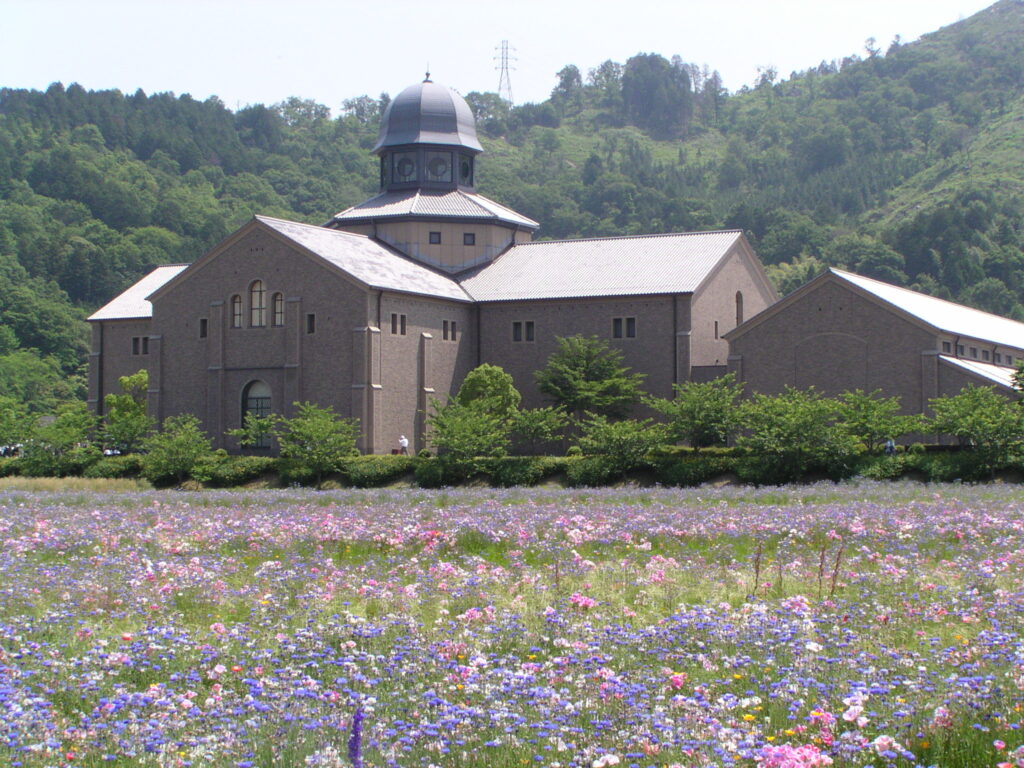
The Shiga Prefectural Azuchi Castle Archaeological Museum includes a high-definition, full-CG reconstruction of Azuchi Castle, allowing visitors to visualize the entire complex rather than just the surviving foundations. It also displays historical materials connected with Nobunaga and Azuchi Castle alongside the broader history of Omi Province during the Sengoku period.
The museum also introduces visitors to the archaeological research of Azuchi castle. Exhibits explain how excavated materials are sorted, studied, and incorporated into archaeological reports. For travelers interested in historical methodology, this provides an unusual opportunity to see not only what researchers know about the past, but how they know it.
- General Admission: 600 yen for adults for the permanent exhibition / free for children under 12
- Hours: 9:00 to 17:00 (Last entry at 16:30)
- Closed: Mondays and December 28–January 4
The archaeological museum's VR theater has a reservation system, so visitors who particularly want to see the reconstruction should check availability and reserve in advance.
Touring Azuchi Castle With A Guide
1-Day Tour from Nagoya: Shadows of a Shogun — Sekigahara Battlefield & Historic Castles / All Year Round
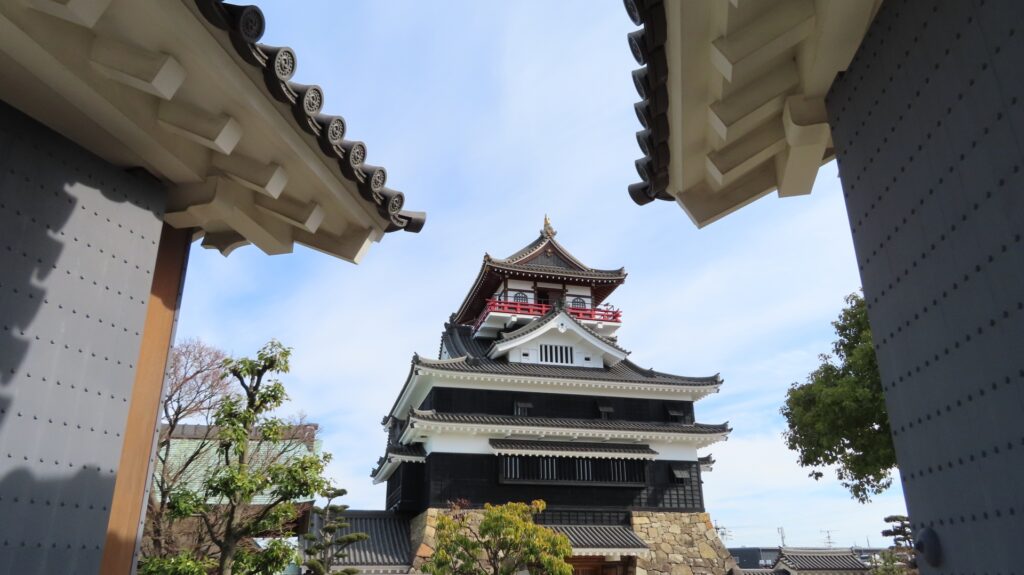
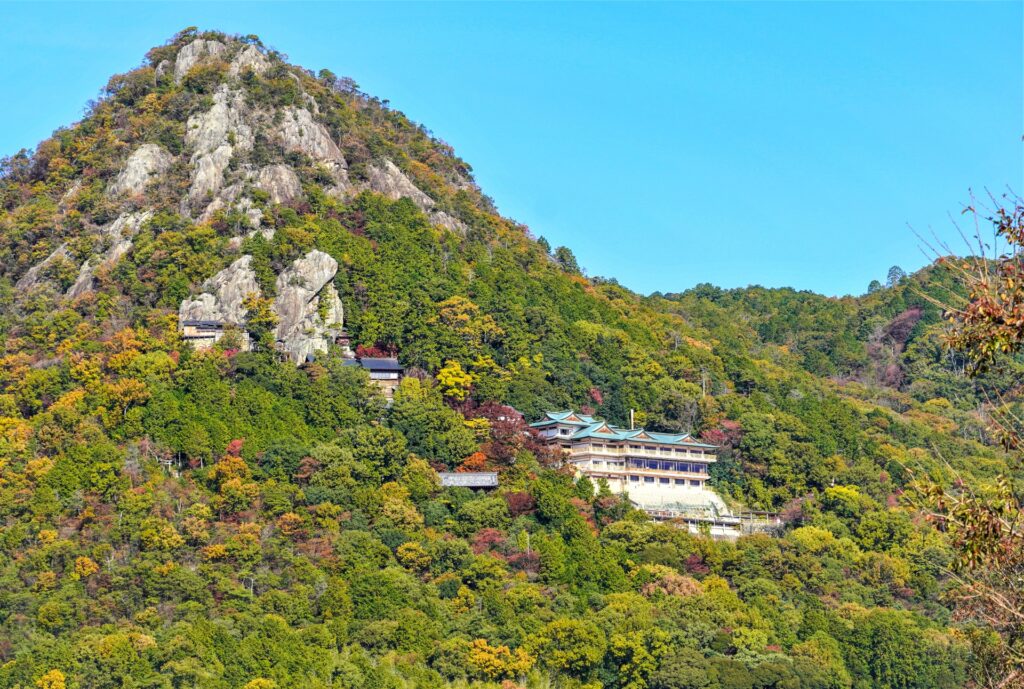
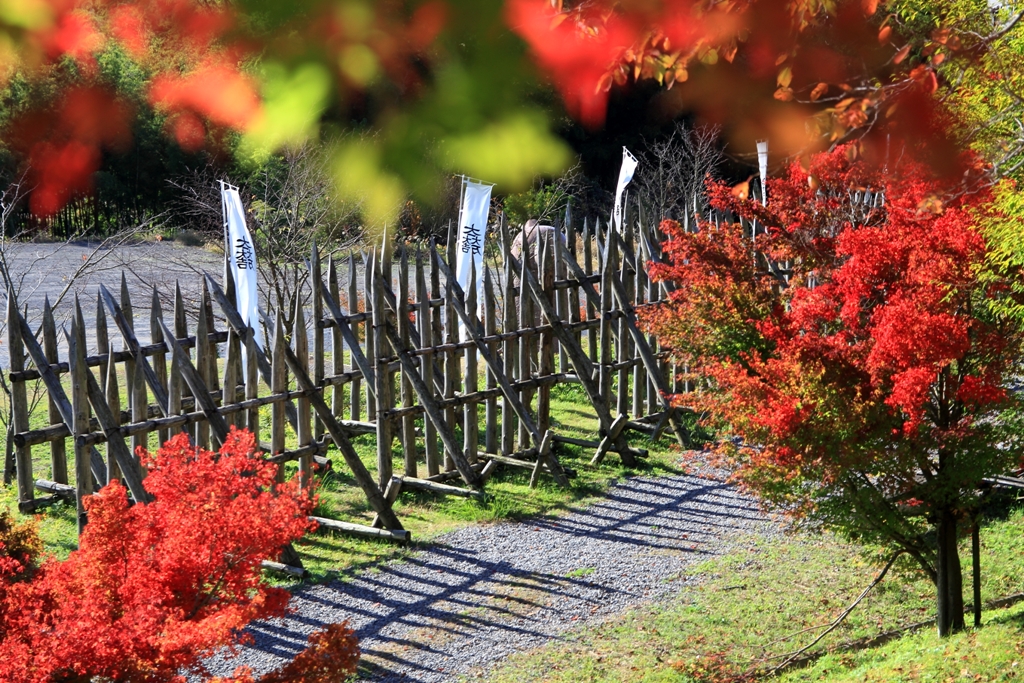
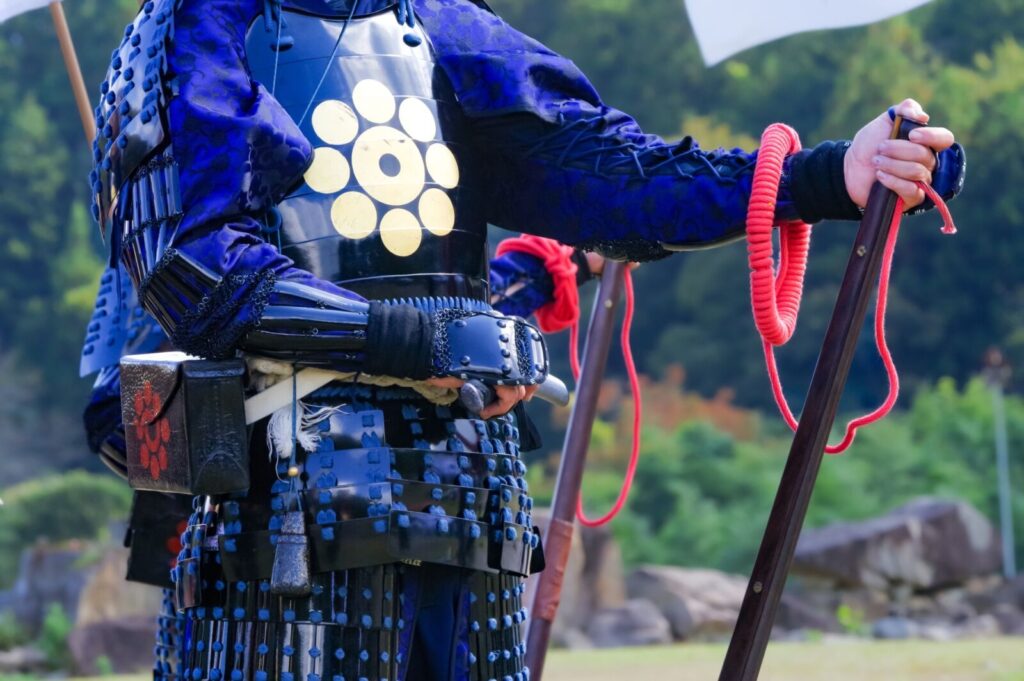
Step beyond fiction and into the real power struggle that inspired stories like Shōgun on our 1-Day Tour from Nagoya: Shadows of a Shogun — Sekigahara Battlefield & Historic Castles.
This tour is designed for travelers who want to understand the history and drama of Japan’s samurai past. You will explore how alliances were formed, how betrayals changed the course of history, and how power was ultimately secured.
Trace the full arc of Japan’s transformation from the warring state period to where the foundations of 260 years of Tokugawa rule were established on this one-day guided tour from Nagoya.
Highlights
- See the real locations of the events that inspired stories like Shōgun.
- View Sekigahara Battlefield, site of Japan’s decisive battle
- Visit Japan's Victory Shrine and make your own lucky charm
- Enjoy insights into samurai-era politics from a professional guide
- Travel comfortably in our company’s tour vehicles
Frequently Asked Questions (FAQ)
Why is Azuchi Castle important?
Azuchi Castle was built by Oda Nobunaga between 1576 and approximately 1579 and is considered a landmark in the development of Japanese castle architecture. It combined military functions with spectacular architecture and decoration designed to demonstrate political power.
Is Azuchi Castle still standing?
No. The castle was destroyed by fire following Nobunaga's death in 1582. Today, the site preserves stone walls, foundations, paths, and other archaeological remains. Museums in the area provide reconstructions of the lost castle.
How long does it take to walk around Azuchi Castle?
A visit to the ruins generally takes around 90 minutes, depending on walking speed and how much time you spend exploring the remains and viewpoints.
Can you see what Azuchi Castle looked like?
Yes, although there is no complete surviving castle. Nobunaga no Yakata contains a full-scale reconstruction of the fifth and sixth floors of the main tower, while the Azuchi Castle Archaeological Museum presents a high-definition CG reconstruction of the castle.
Who built Azuchi Castle?
Azuchi Castle was commissioned by Oda Nobunaga, with construction beginning in 1576 under the supervision of his senior retainer Niwa Nagahide.
What can you see at the Azuchi Castle ruins?
The site includes the remains of the main keep and main enclosure, Nobunaga's mausoleum, stone walls, former residences, Sōkenji Temple ruins, a three-story pagoda, Niomon Gate, and viewpoints overlooking the surrounding landscape.
Is Azuchi Castle suitable for people interested in Japanese history?
Very much so. The site connects architecture, archaeology, the Sengoku period, Oda Nobunaga, Japanese castle development, and the political history of Omi. Visiting both the ruins and museums provides substantially more context than visiting the ruins alone.
Should I visit both Azuchi museums?
The museums and the ruins serve different purposes. Nobunaga no Yakata emphasizes the visual and architectural grandeur of the lost castle, while the Azuchi Castle Archaeological Museum focuses more broadly on archaeological evidence, Nobunaga, Azuchi, and the Sengoku period.