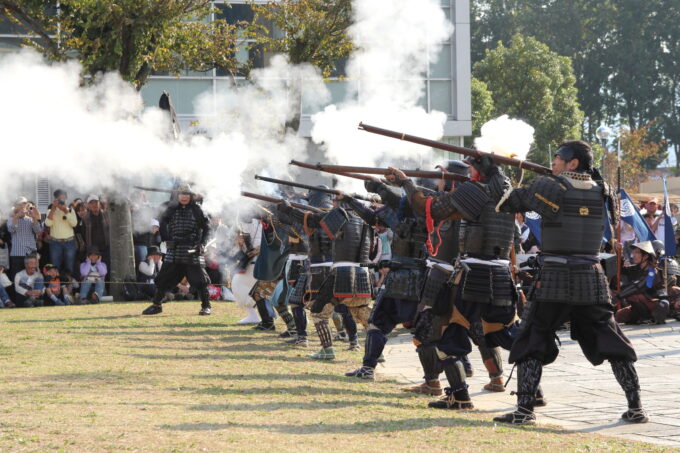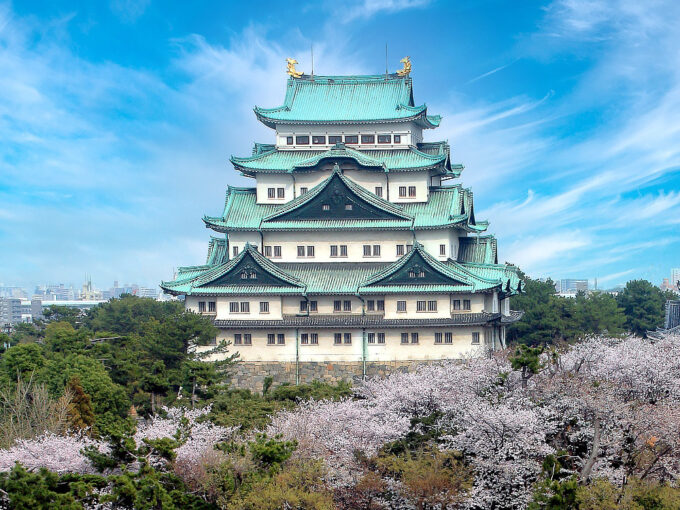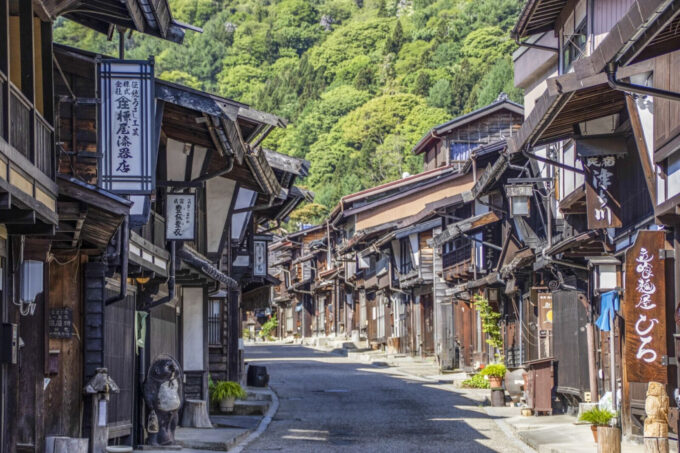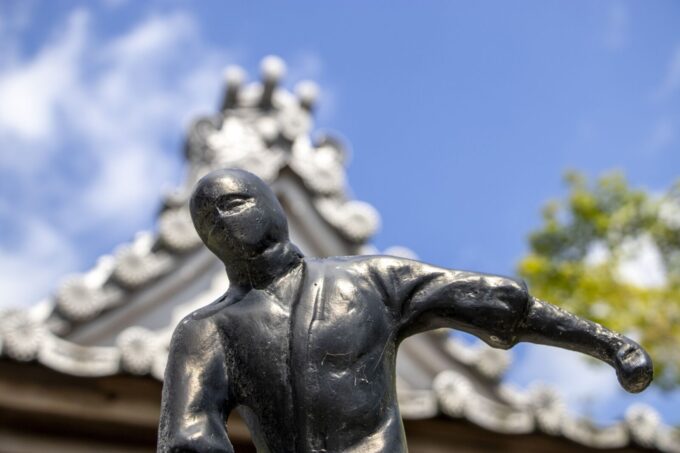



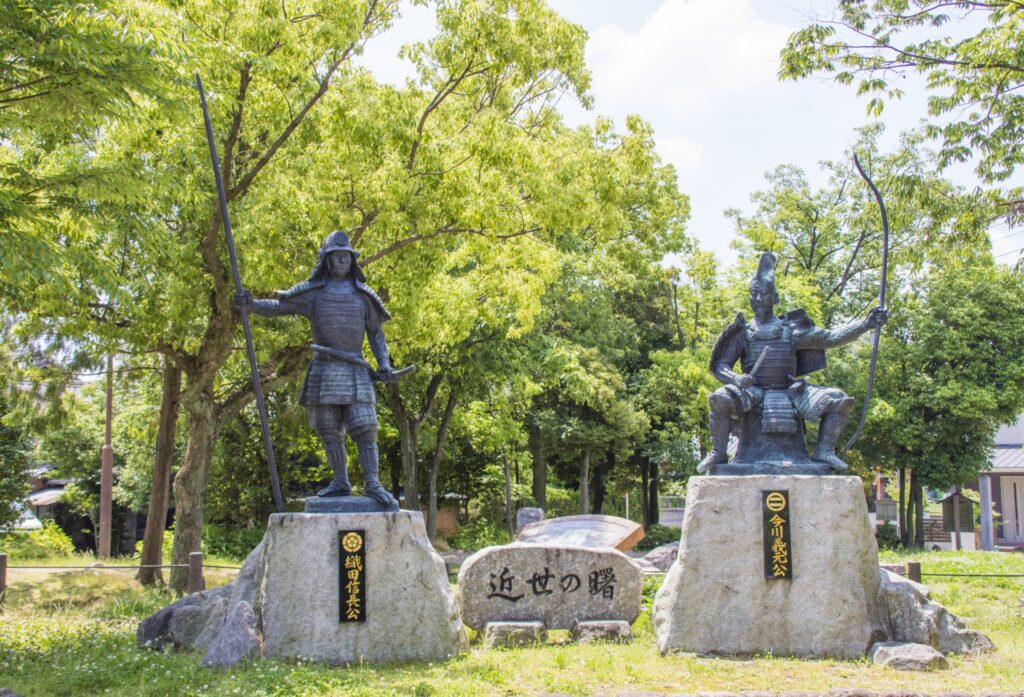
Okehazama Battlefield in Nagoya marks the area associated with one of the most consequential battles of Japan’s Sengoku (‘warring states’) Period. In 1560, Oda Nobunaga led a much smaller force against the army of Imagawa Yoshimoto, securing a decisive victory that brought Nobunaga to national prominence and began his rise towards becoming one of Japan’s three great unifiers.
The battlefield is now preserved through a collection of historic sites in Nagoya’s Midori Ward, centred around Okehazama Battlefield Park. Visitors can discover monuments and explore locations connected with the battle, while the nearby Okehazama Battlefield Tourist Information Center provides background information and a useful starting point for walking through the area. The site is particularly suited to visitors interested in samurai history and those looking to explore an important chapter in Nagoya’s (and Japan's) past.
The Battle of Okehazama
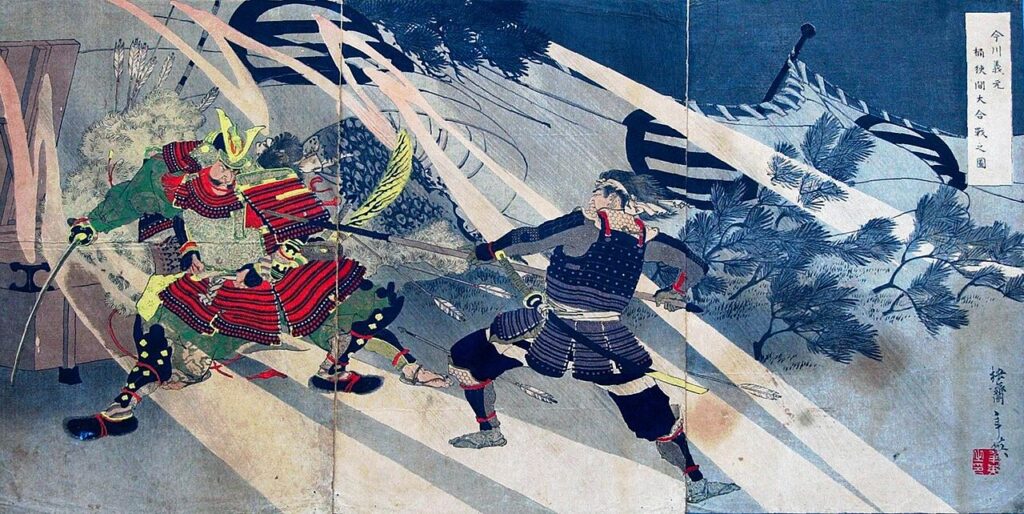
- Fought in 1560 during Japan’s Sengoku Period
- Oda Nobunaga faced the much larger army of Imagawa Yoshimoto
- Nobunaga’s victory brought him national recognition
- The battle is remembered as one of the most consequential turning points in Japanese history
In 1560, on his way to conquer Kyoto, Imagawa Yoshimoto (from modern-day Shizuoka) advanced into Owari Province (the modern-day Nagoya area) with an army of approximately 25,000 soldiers. His forces captured several positions held by the Oda clan before establishing a camp in the Okehazama area. Oda Nobunaga, who had recently consolidated his control over Owari, could only assemble around 2,500 men to oppose the invasion.
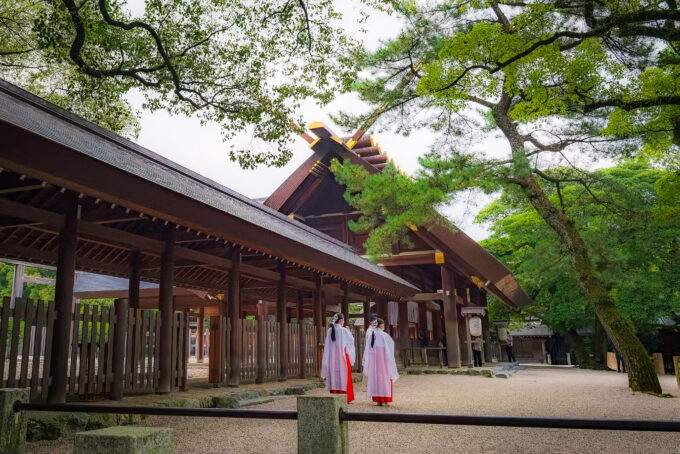
Nobunaga departed from Kiyosu Castle and stopped at Atsuta Shrine to pray for victory before continuing towards the battlefield. His forces gathered near Zenshoji, close to the Imagawa positions, before advancing through the surrounding hills during a storm.
The Oda army then launched a sudden and vicious surprise attack on Yoshimoto’s main force at Okehazama, trying to reach Imagawa Yoshimoto’s barracks as quickly as possible. Nobunaga’s objective was to defeat Yoshimoto before defensive positions could be formed, temporarily taking away the larger force’s numerical advantage.
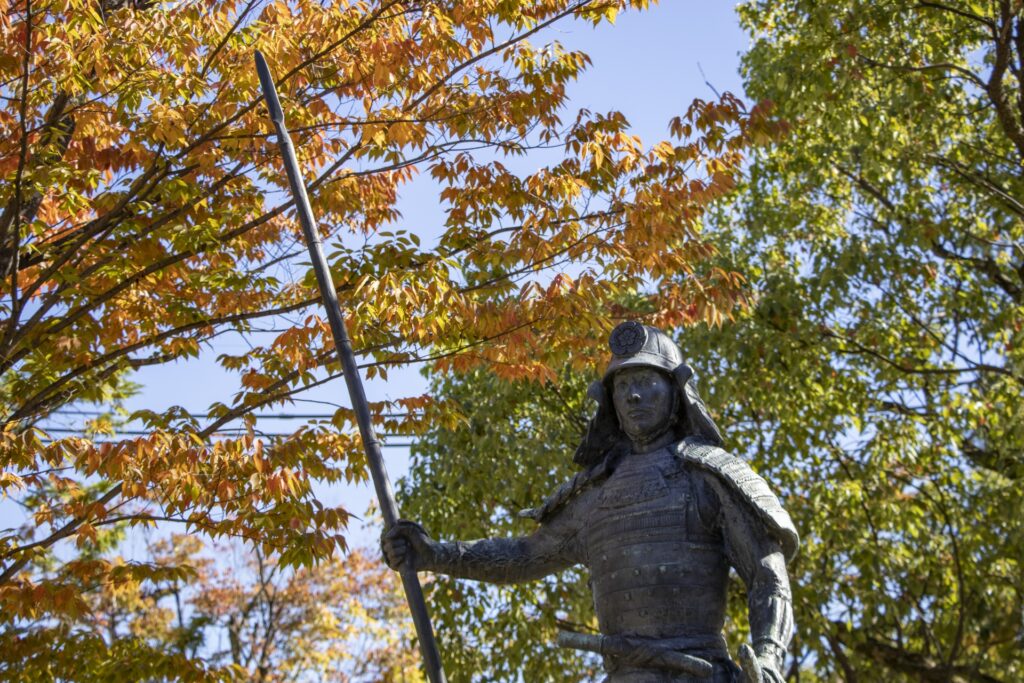
Imagawa Yoshimoto was killed during the fighting, and the loss of their commander caused the Imagawa army to retreat. Nobunaga’s victory over a force around ten times the size of his own changed the balance of power in the region and established his reputation as a formidable military leader. The battle became an important early step in the campaign that would eventually bring much of Japan under unified rule.
The Okehazama area retains numerous places associated with the conflict, including the site traditionally identified with Yoshimoto’s main camp, temples, shrines, memorials, and locations connected with the movements of both armies. Although the surrounding landscape has changed considerably since 1560, these sites help visitors understand the scale of the battlefield and its significance within Japanese history.
Exploring the Battlefield Today
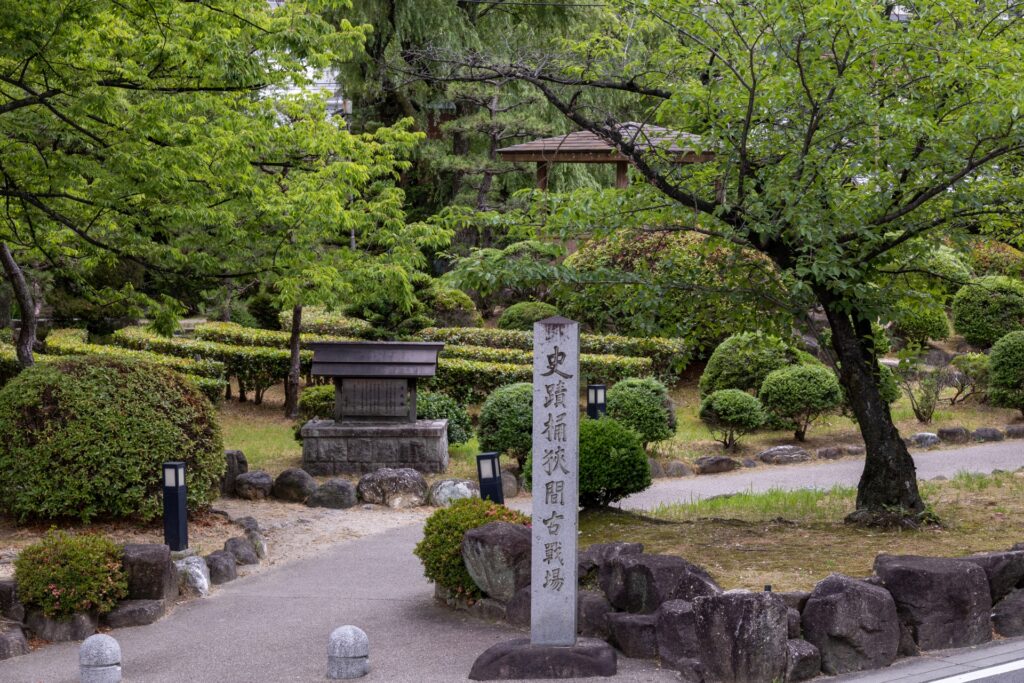
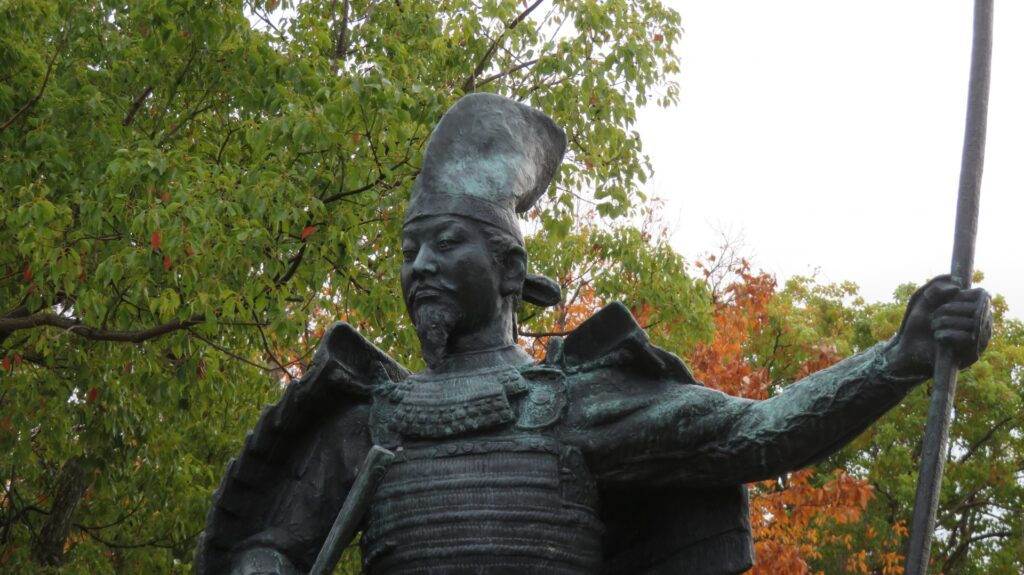
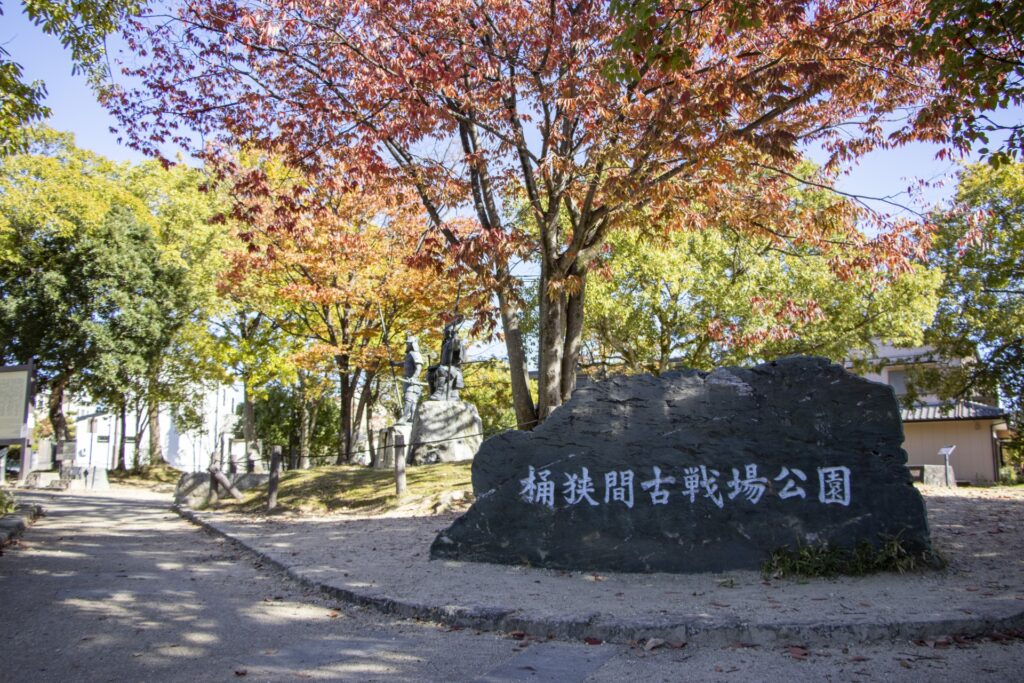
Okehazama Battlefield Park forms the central visitor site within the historic area. Developed as a historical park, it includes bronze statues of Oda Nobunaga and Imagawa Yoshimoto, a stone memorial associated with Yoshimoto, and a landscaped representation of the battlefield’s topography. Markers show the locations of castles, forts, troop positions, and the routes associated with the opposing armies.
The park is located within a modern residential neighbourhood, but information panels help visitors connect the present-day surroundings with the events of 1560. Other sites associated with the battle are spread across the wider Okehazama area, making the visit best approached as a short historical walk rather than a stop at a single monument.
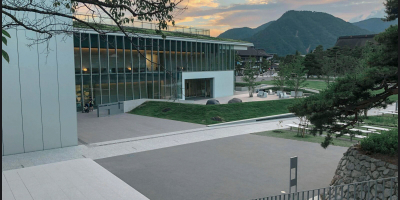
The Okehazama Battlefield Tourist Information Center opened in 2019 and provides a base for exploring these sites. Visitors can find materials about the battle and discover information about the local area. The centre also has parking and restrooms, while no visitor parking is available directly at the battlefield park.
Touring Okehazama Battlefield
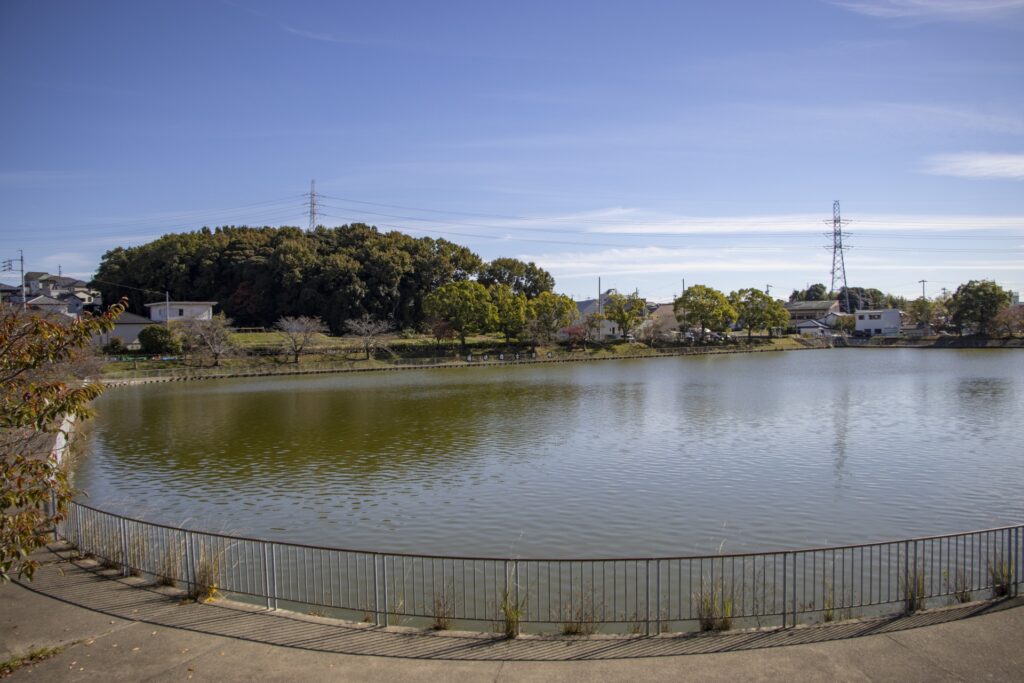
Visitors should begin at the Okehazama Battlefield Tourist Information Center, where the displays and visitor materials provide useful context before exploring the park and surrounding historic sites. The battlefield area is largely outdoors and spread through a residential neighbourhood, so comfortable footwear is recommended.
Main Sites
- Okehazama Battlefield Tourist Information Center, offering information about the battle and the surrounding historic area
- Okehazama Battlefield Park, featuring bronze statues of Oda Nobunaga and Imagawa Yoshimoto
- The battlefield topography display, showing troop positions, fortifications, and routes associated with the battle
- The stone memorial dedicated to Imagawa Yoshimoto
Visitor Information
- Battlefield park hours: Open all day
- Battlefield park admission: Free
- Information centre hours: 10:00 to 16:00
- Information centre closures: Occasional closures during the summer holiday period and the year-end and New Year holidays
- Visit time: Allow approximately one to two hours for the information centre, park, and a walk through nearby historic sites
- Parking: Available at the Okehazama Battlefield Tourist Information Center; no parking is available at the battlefield park
- Important note: The historic sites are distributed across an active residential neighbourhood. Visitors should follow marked routes and respect private property.
Access
Okehazama Battlefield is located in Midori Ward in southern Nagoya. From Meitetsu Nagoya Station, take the Meitetsu Nagoya Main Line to Arimatsu Station. From Arimatsu Station, continue by Nagoya City Bus to Makuyama Bus Stop, which is nearby the Okehazama Battlefield Tourist Information Center.
Recommended Tour: Snow Monkey Resort's 1-Day Tour from Nagoya: Shadows of a Shogun — Sekigahara Battlefield & Historic Castles is designed for travelers who want to understand the history and drama of Japan’s samurai past. You will explore how alliances were formed, how betrayals changed the course of history, and how power was ultimately secured.
Trace the full arc of Japan’s transformation from the warring state period to where the foundations of 260 years of Tokugawa rule were established on this one-day guided tour from Nagoya.
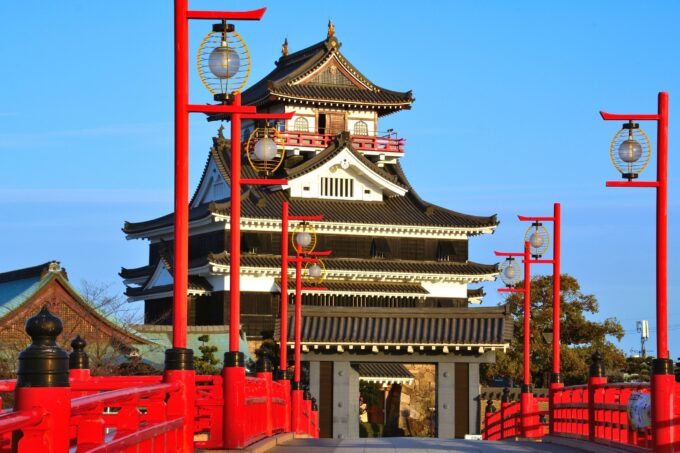
Of course, we also offer private tours and transport in and around the Nagoya area, and other regional destinations. We can also arrange for both custom tours with an English-speaking guide or a private charter.
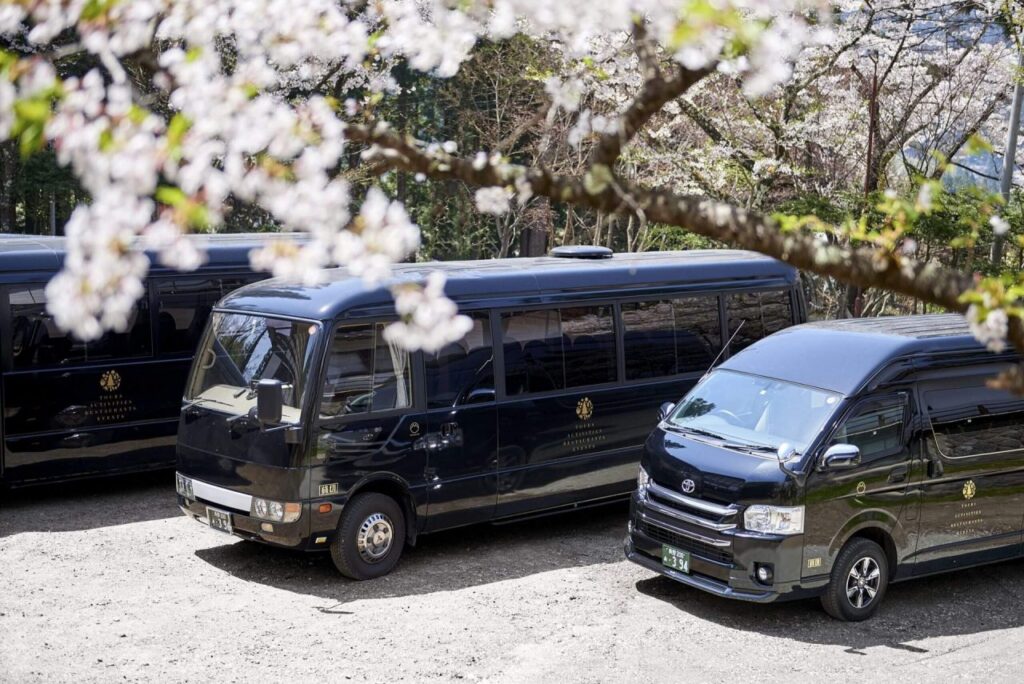
Our drivers and vehicles are fully certified, allowing us to transport you to and from your preferred destinations in combination with any activity that suits your schedule. All vehicles are well-maintained and in good condition, allowing you to relax and enjoy your ride to wherever you are going.
With door-to-door service, we can pick you up from where you are and take you to where you want to go anywhere in Central Japan and the neighboring regions.
For more information, please check our standard charter rates or contact us for a custom trip. We’d love to be part of your adventure in Central Japan and help you discover even more!
Frequently Asked Questions
What happened at the Battle of Okehazama?
In 1560, Oda Nobunaga led approximately 2,500 soldiers against the much larger army of Imagawa Yoshimoto. Yoshimoto was killed during the fighting, and Nobunaga secured a decisive victory that brought him national recognition and marked an important stage in his rise to power.
What can visitors see at Okehazama Battlefield?
Visitors can explore Okehazama Battlefield Park, bronze statues of Oda Nobunaga and Imagawa Yoshimoto, a battlefield topography display, memorial stones, information panels, and several historic sites spread throughout the surrounding area.
Is there a museum at Okehazama Battlefield?
The Okehazama Battlefield Tourist Information Center provides exhibits, historical materials, and visitor information. It serves as a useful starting point for exploring the battlefield area.
How long should I spend at Okehazama Battlefield?
Allow approximately one to two hours to visit the information centre, explore the park, and walk to some of the nearby historic sites. Visitors planning to explore the wider battlefield area may wish to allow additional time.
Is Okehazama Battlefield suitable for visitors without detailed knowledge of Japanese history?
Yes. The information centre, battlefield display, monuments, and interpretive panels provide an introduction to the battle and its importance. Some familiarity with Oda Nobunaga and the Sengoku Period can add further context to the visit.