

The northeastern region of Japan's main island, Honshu, is presently referred to as the Tohoku region. In the past it was known as the Ou Region, or even the Michinoku (which combined the kanji for the historical Dewa and Mutsu provinces). For hundreds of years as the more central and southern regions of Japan developed, the northeast remained much of a "frontier," and therefore traveling northward was considered a dangerous journey to take. By the time the Edo period (1600) came around, the Tohoku region had begun developing fruitfully thanks to efforts of samurai warlords like Date Masamune.
In the late 17th century, a famous hermit poet named Matsuo Basho decided to take on the arduous task of traveling northward. With his pupil Kawai Sora by his side, Matsuo Basho made the trek north and documented his travels through writing a diary in both prose and verse. This famous work is called the Oku no Hosomichi, or The Narrow Road to the Deep North. It is hailed as one of the major texts of Japanese literature of the Edo period. Thanks to the popularity of this publication, many destinations in Tohoku shot to stardom. This includes four major temples that make up the Michinoku Pilgrimage.
This page will go over some of the major temples Matsuo Basho detailed in his writings and how you can trace the famous poet's steps in your very own journey to the north.
Who was Matsuo Basho?
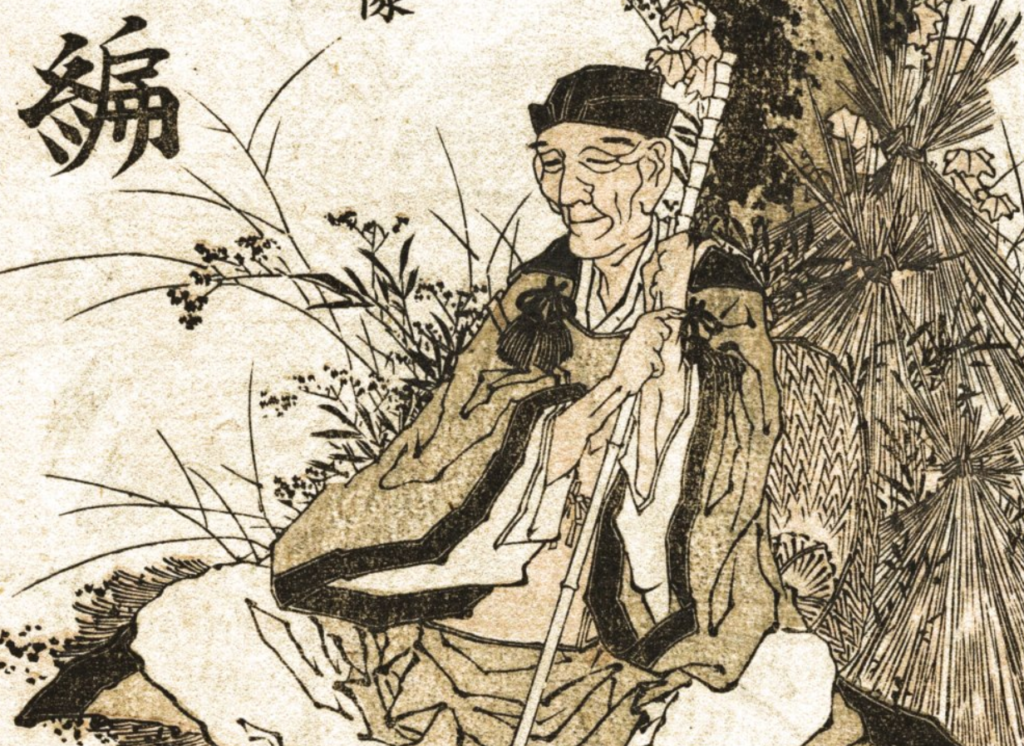
Matsuo Basho was born near Ueno under the name Matsuo Kinsaku. Not much is known about the Matsuo family, but some theories suggest they were a minor samurai family that also excelled in the ninja arts. This rumor would further be spread once Basho began his travels. In his early years, Matsuo Basho had proclivities in the poetry arts. It is said that while Basho's siblings most likely became farmers, the young poet-to-be would serve under a lord until eventually moving toward Kyoto to study Chinese poetry under a locally renowned poetry master.
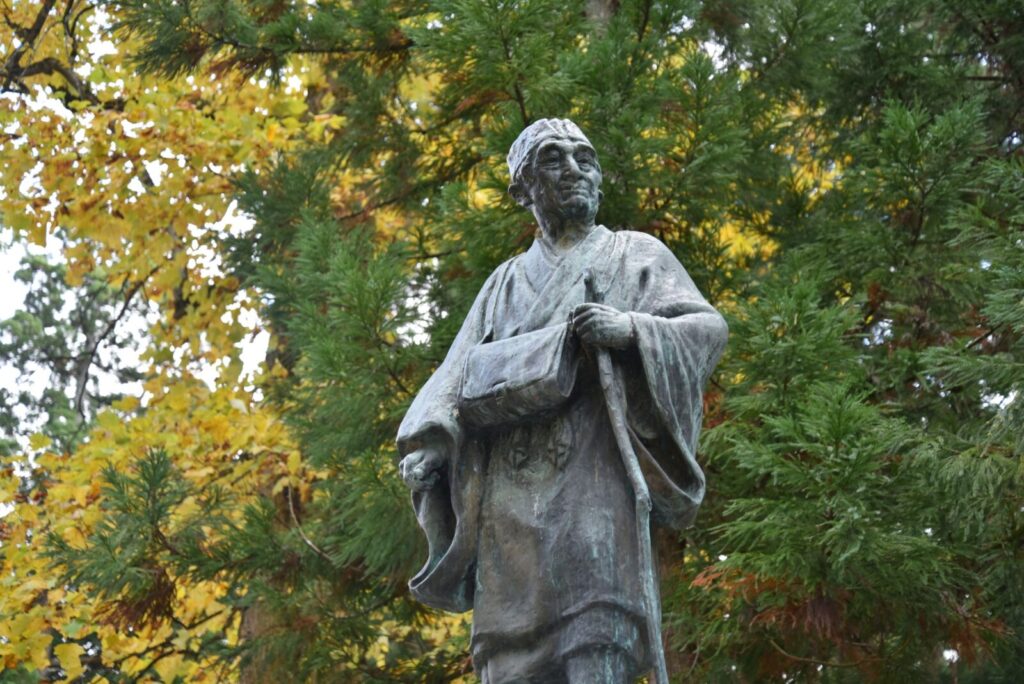
In his late 20s he moved to Edo, then Tokyo, where he joined a rapidly growing literary movement and community. He is most famous for his haiku poems and haibun, a form of prose that combines haiku poems and travel diaries excerpts.
What is a Haiku?

A haiku is a type of short-form poetry that originated in Japan. It consists of 3 lines that capture moments; like a camera snapshot of the scene before you. Very often the contents consist of nature motifs that paint a picture with words. Haiku poems are extremely brief. They have 17 syllables but are said to contain some of the best examples of the essence of Japanese aesthetics, view of nature, and philosophy or thoughts. Although many haiku masters from the Edo period's works are studied in academia worldwide, Matsuo Basho's poems are some of the most commonly known. Below is one of his most famously known, even within English-speaking communities, that he wrote in 1986 that became an instant hit.
古池や蛙飛びこむ水の音 furu ike ya / kawazu tobikomu / mizu no oto
an ancient pond / a frog jumps in / the splash of water
What is Oku no Hosomichi?
The English title of this travel diary is The Narrow Road to the Deep North. During the time Matsuo Basho and his disciple Kawai Sora took off on their journey (1689), much of the north was still seen as undiscovered and very similar to a frontier. Of course during this time many thriving castle towns and cities were peppered throughout the Tohoku region, but the journey in total was about 2,400 kilometers (1,500 miles). This long distance was treacherous due to a variety of reasons regardless of your destination.
Oku no Hoshomichi was written by Basho after living some years as a hermit. This was near the end of his life and was his last written work. In 1989 he became "possessed by the spirits of wanderlust," and proceeded to journey northward. He traveled for about 156 days in total, mostly on foot. Of all of Basho's works, Oku no Hoshomichi was his best known. It was posthumously published and thanks to its popularity, many regions within Tohoku quickly shot to fame. Even now, young students study this literary gem in school. In fact, many areas throughout Tohoku have haiku monuments and dedications to Matsuo Basho and the positive effects his diary-styled entries and poems had.
The Michinoku Pilgrimage
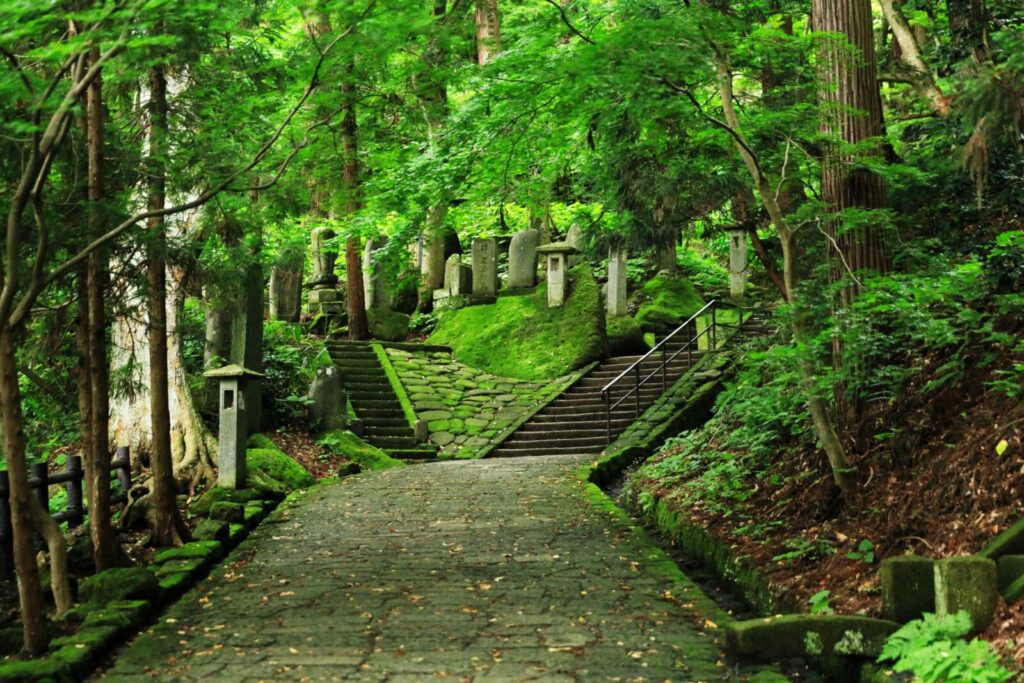
Currently those who want to visit the temples highlighted by Matsuo Basho in Oku no Hosomichi often take their own journey called the Michinoku Pilgrimage. This pilgrimage consists of four temples throughout the Yamagata, Miyagi, and Iwate prefectures. If you collect temple seals called goshuin at all four destinations, the final destination's monk should inscribe your booklet with a special message stating your completion of the pilgrimage.
Motsuji Temple / Iwate
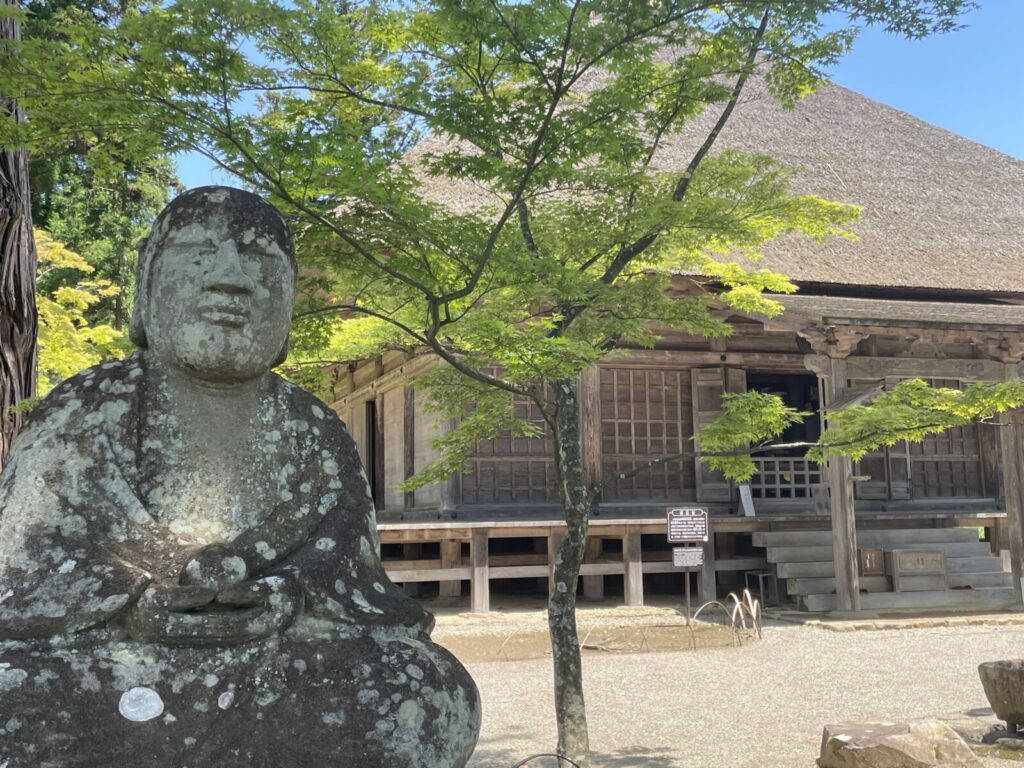
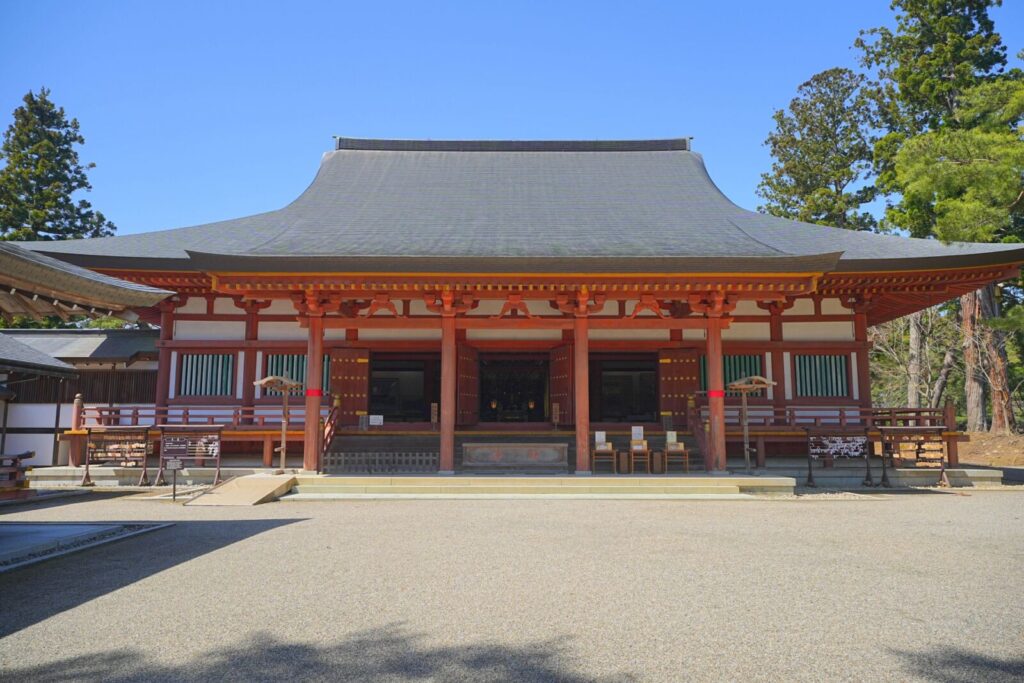
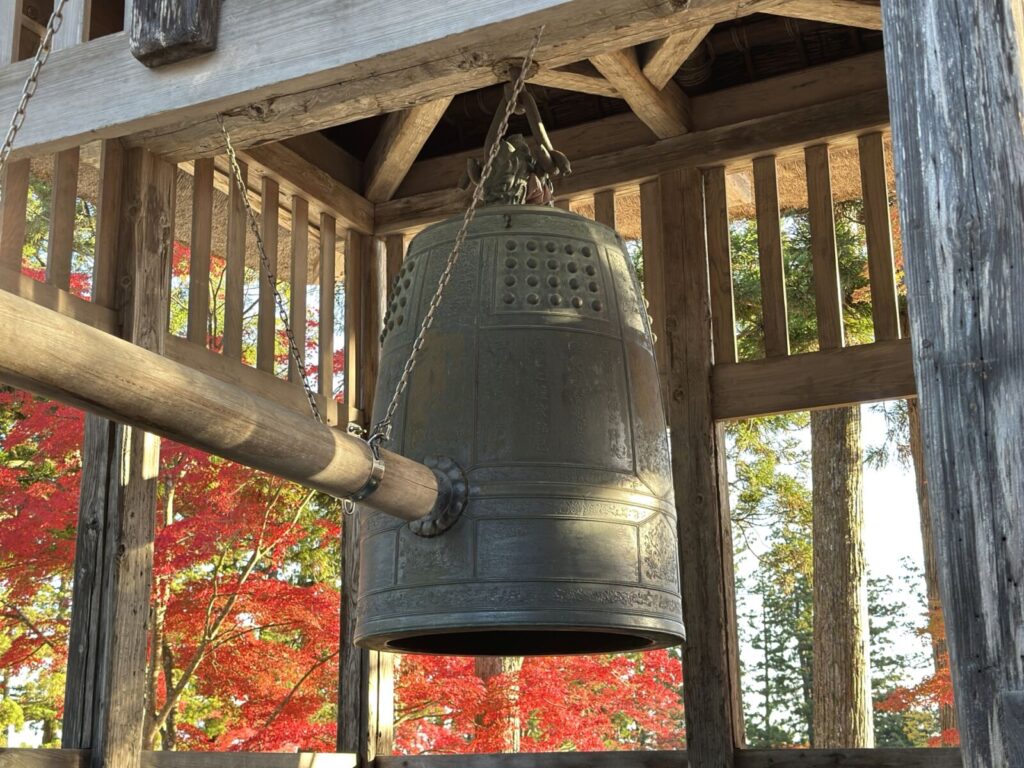
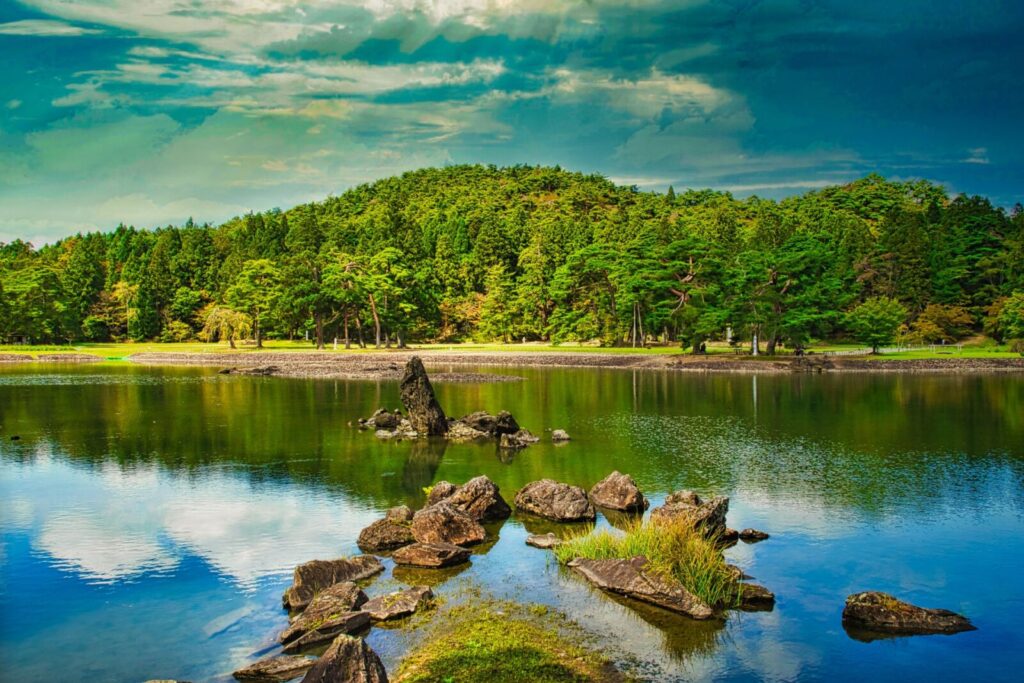
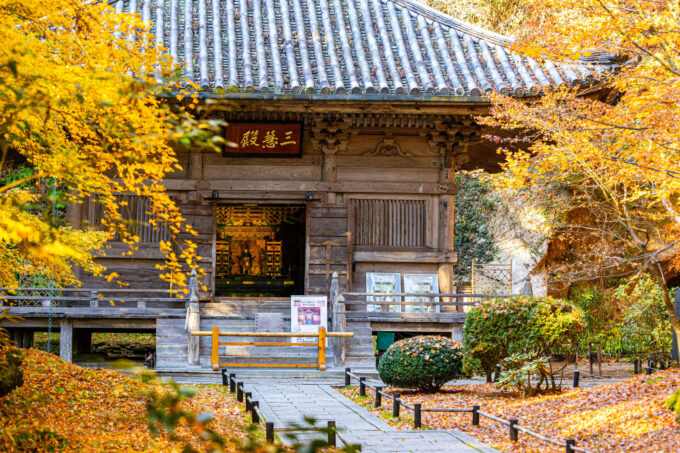
Known for its gorgeous Pure Land Buddhism layout garden and pond, Motsuji Temple is one of two major temples in the Hiraizumi area. Legend has it that the traveling monk Ennin (also known as Jikaku Daishi) got lost in a thick fog during his travels to spread Buddhism. Following a deer through the fog that eventually turned into a wise old man. This old man told him if he made a temple in this area, it would flourish. Ennin believed this old man to be the healing Buddha and did as he was told. Thus the legend of Motsuji Temple's creation was born.
Matsuo Basho visited this temple during his travels throughout Hiraizumi. There is a famous tragic yet beautiful folklore and history attached to the area and the samurai clan that ruled it, and Basho reflected on that history with the following haiku:
The summer's grass / 'Tis all that's left / Of ancient warrior's dreams
A stone monument was erected on the grounds of Motsuji Temple in 1757, said to be in Basho's own handwriting.
Chuson-ji Temple / Iwate
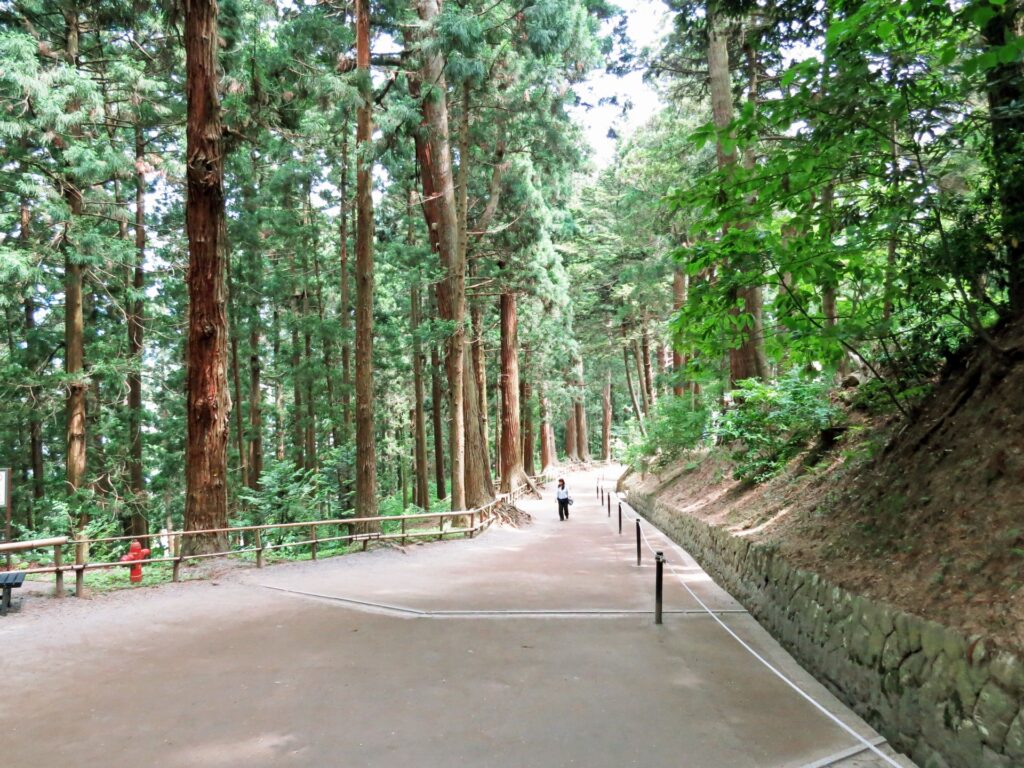
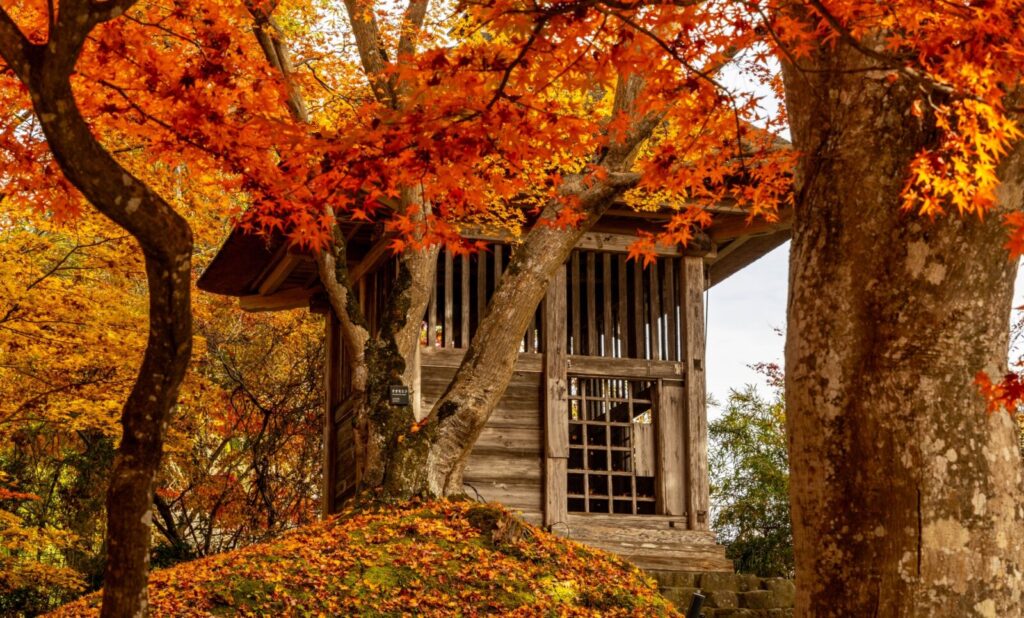
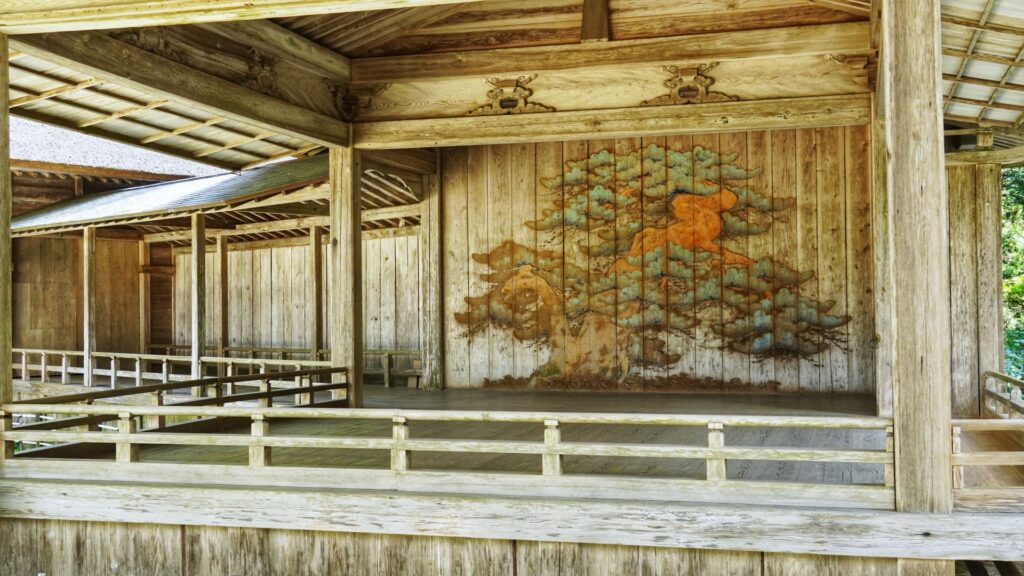
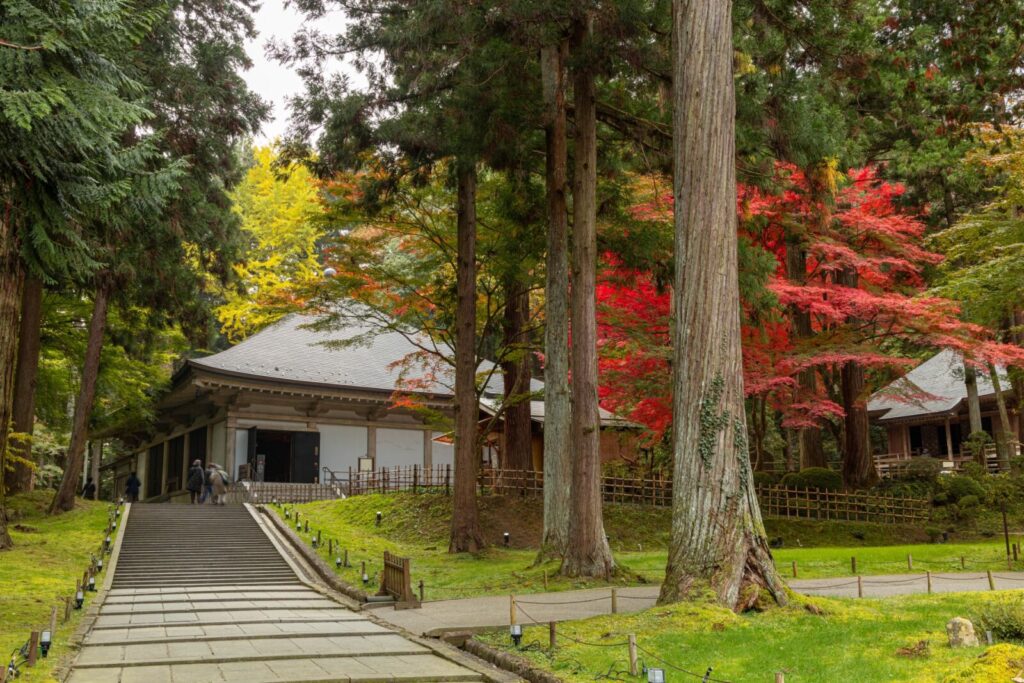
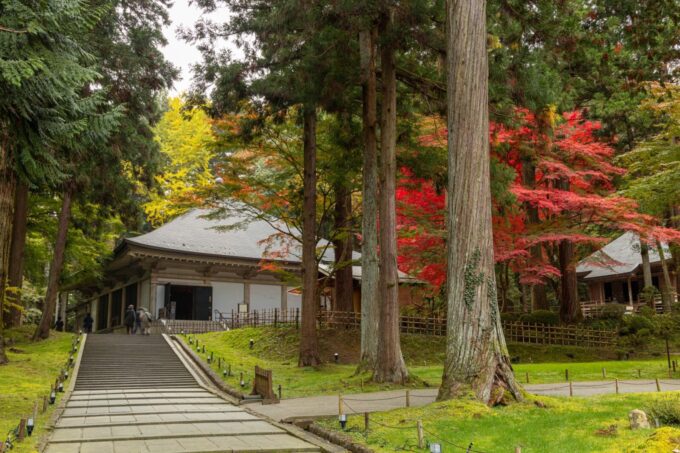
Chuson-ji Temple was established in 850 by the monk Ennin, who also famously established Yamadera Temple in the Yamagata prefecture. Chuson-ji Temple is a popular tourist destination and a UNESCO Designated World Heritage Site located in the town of Hiraizumi in Iwate Prefecture. It takes about an hour and a half to get there by shinkansen and train from Sendai Station.
Some of the major highlights of this temple include the “Moon Viewing Slope” where dabbled light makes for wonderful photos, the Hondo main temple hall with a flame reputed to have been lit since the Tendai Sect of Buddhism's founding, and the Konjikido – a small hall dedicated to Amida Nyorai (the Buddha of Infinite Light) and apart from the roof, is covered with gold leaf both inside and out. Matsuo visited this famous temple and wrote as follows:
Even the long rain of May / Has left it untouched / This Gold Chapel / Aglow in the sombre shade.
New Tour
1-Day Tour from Ichinoseki: Temple Highlights of World Heritage Site Hiraizumi
- Spots:
- Pick-up:
- Ichinoseki
- Drop-off:
Zuiganji Temple / Miyagi
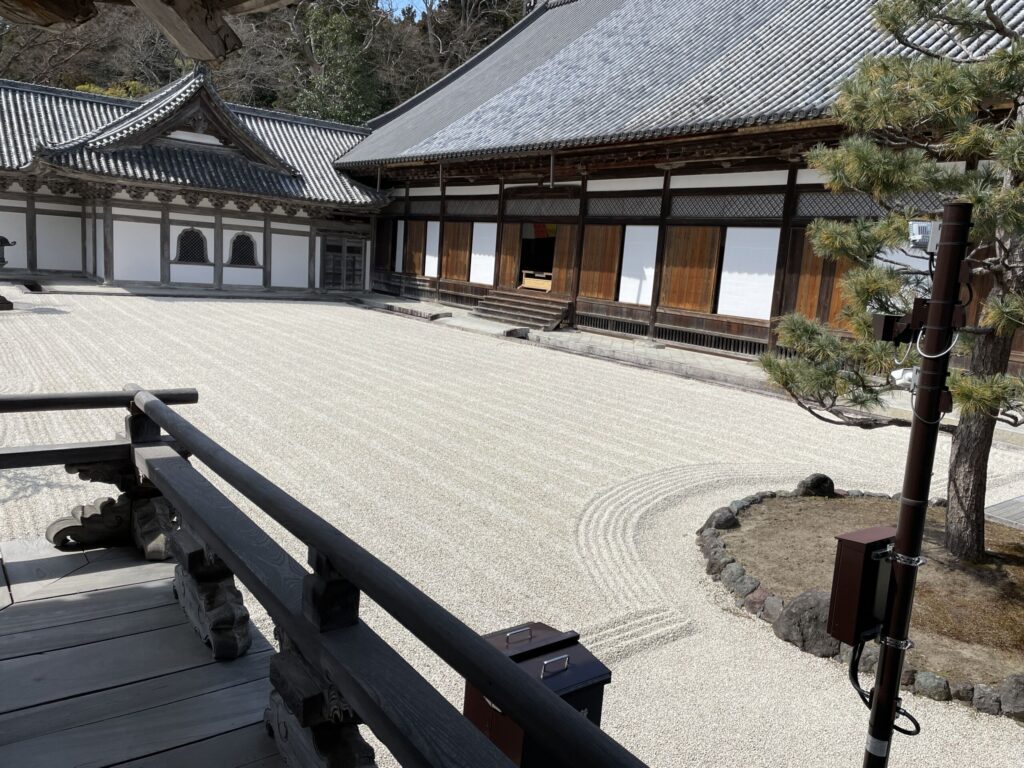
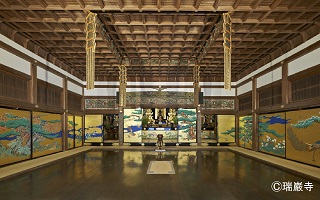
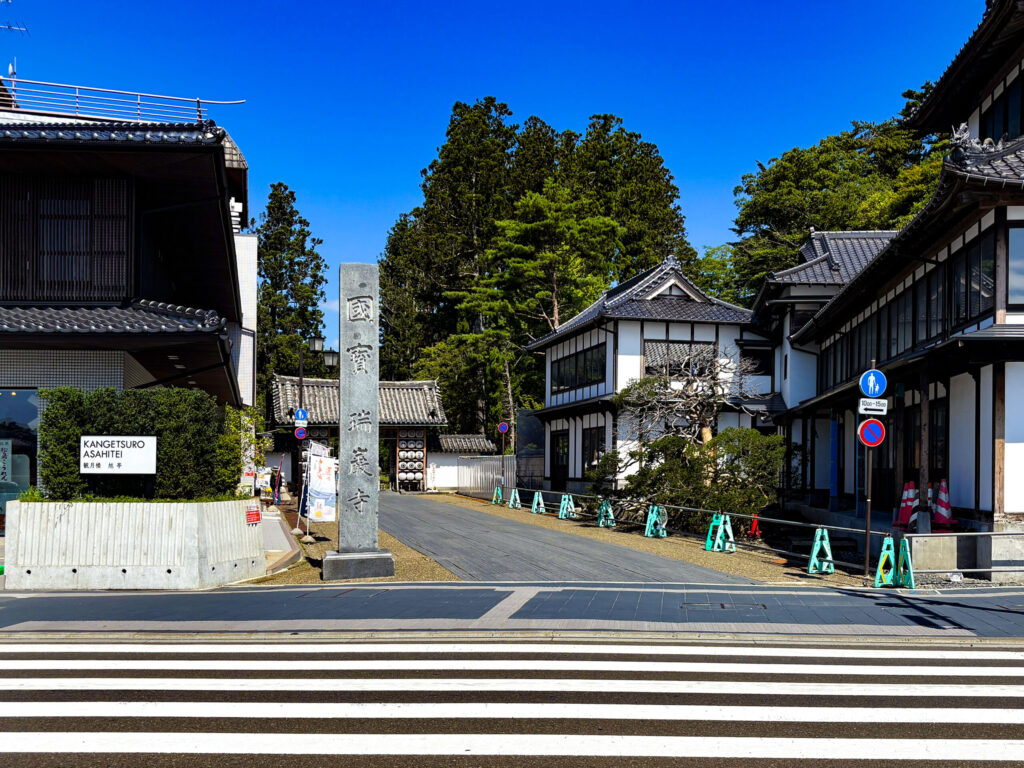
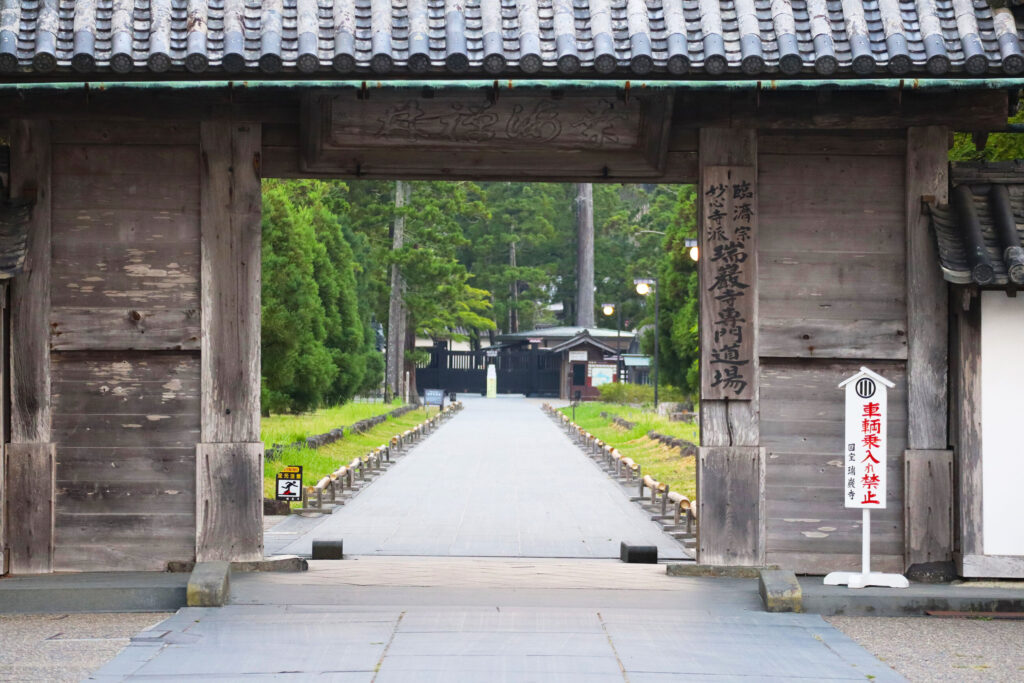
Zuiganji Temple was a Zen Buddhist temple restored by the power feudal lord Date Masamune in 1609 and added gorgeous gold-leaf interiors and ornate exteriors that epitomize the artistic and architectural styles of the Azuchi-Momoyama period (1568–1600). Matsuo Basho visited this temple and applauded it for its ornate design and impressive gold leaf sliding doors.
There are Designated National Treasures as well as important cultural properties on the temple grounds, as well as a museum that houses over 30,000 historical items including but not limited to artifacts directly related to the illustrious Date Clan of Tohoku. The temple is open to the public and the admission fee covers access to the main hall, the grounds, and museum.
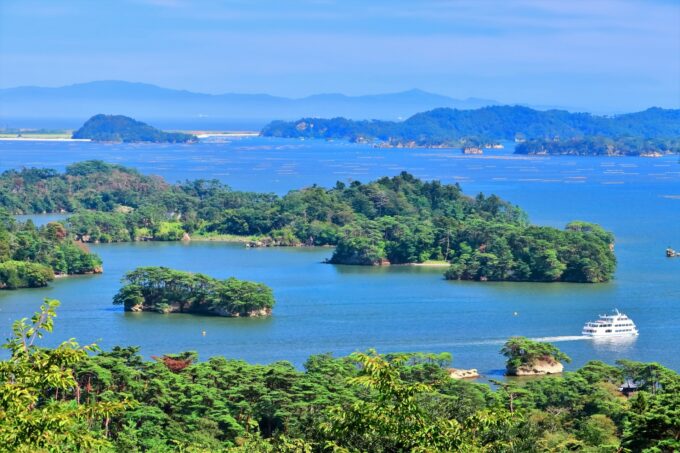
The temple is located in Matsushima, a bayside town known as one of the Top Three Most Scenic Spots of Japan. It is famous for its 260 pine covered islands. Basho himself described Matsushima as such in his travel diary: "The pines are of the freshest green, and their branches arc curved in exquisite lines, bent by the wind constantly blowing through them." Other than these words, however, Matsuo Basho was famously left speechless by the bay's beauty.
Small Group
1-Day Tour from Sendai: Matsushima Bay — Highlights from One of Japan’s Three Most Scenic Views
- Spots:
- Matsushima
- Pick-up:
- Sendai
- Drop-off:
- Sendai
Risshaku-ji (Yamadera) Temple / Yamagata
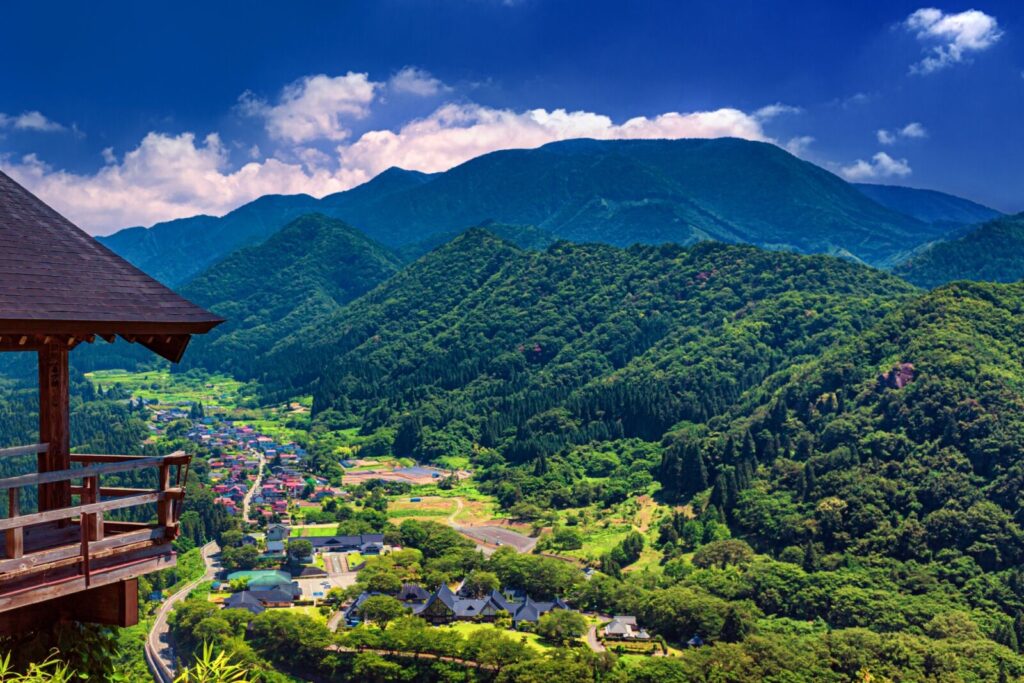
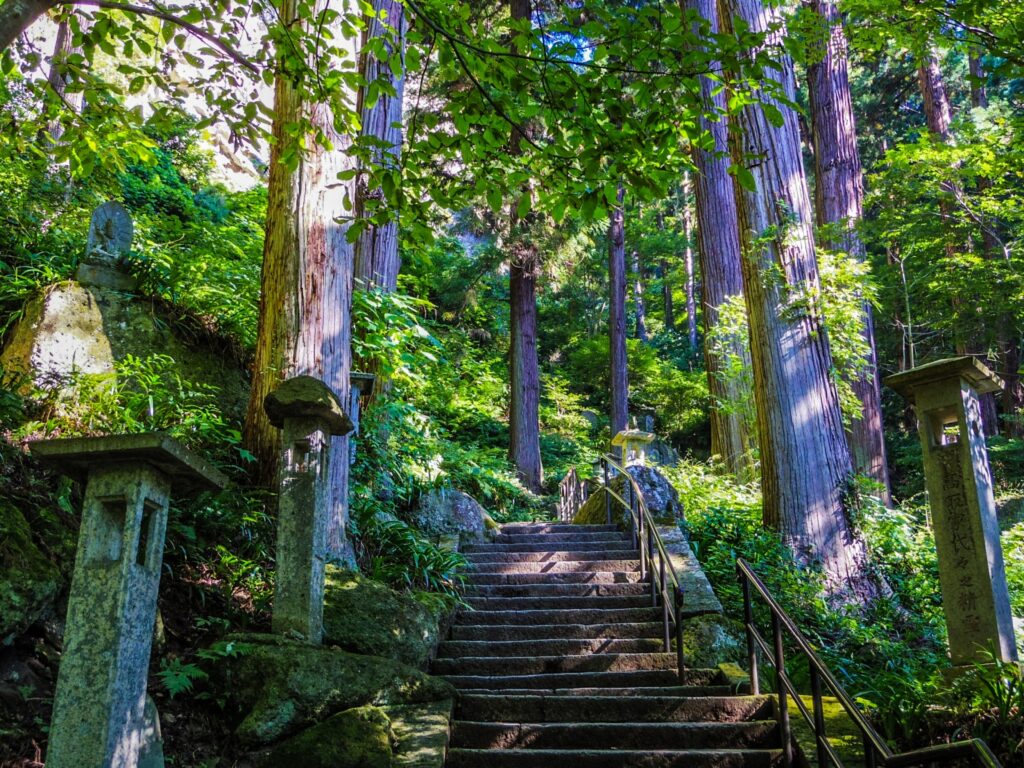
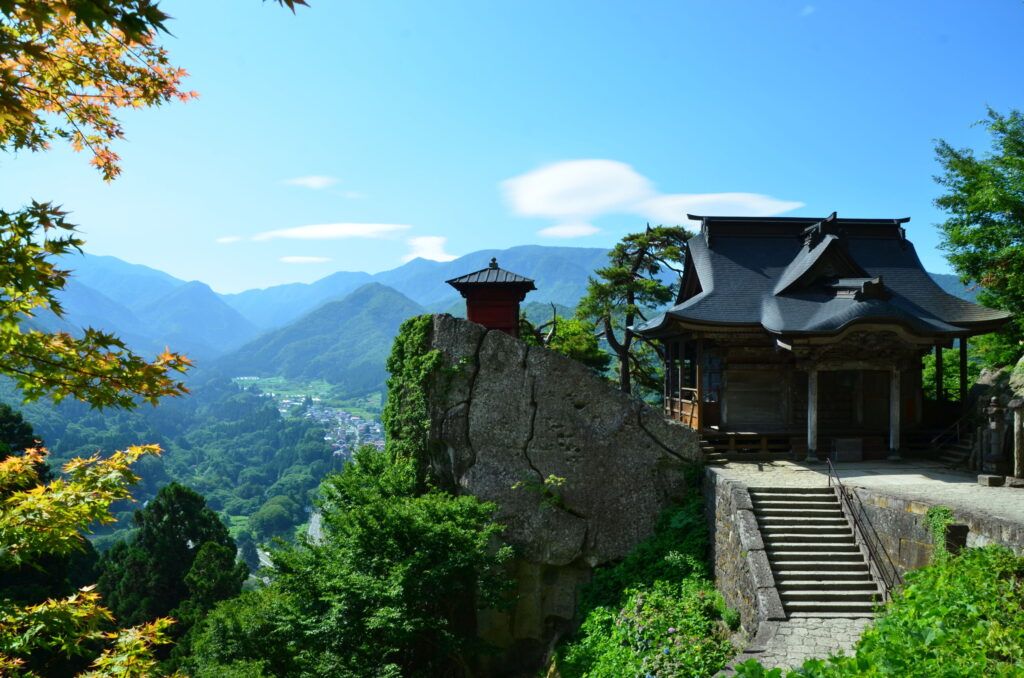
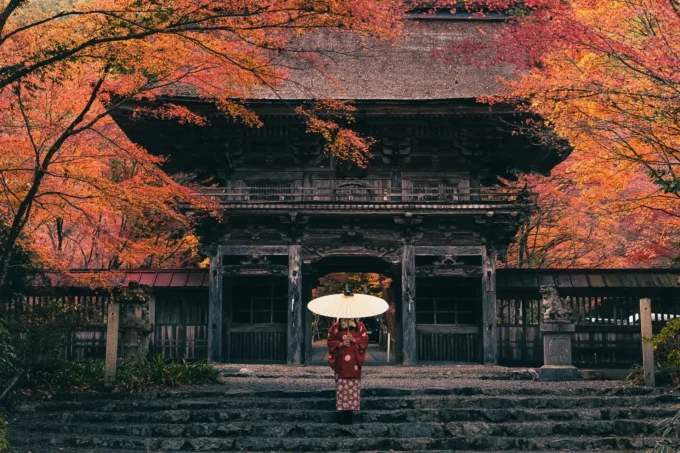
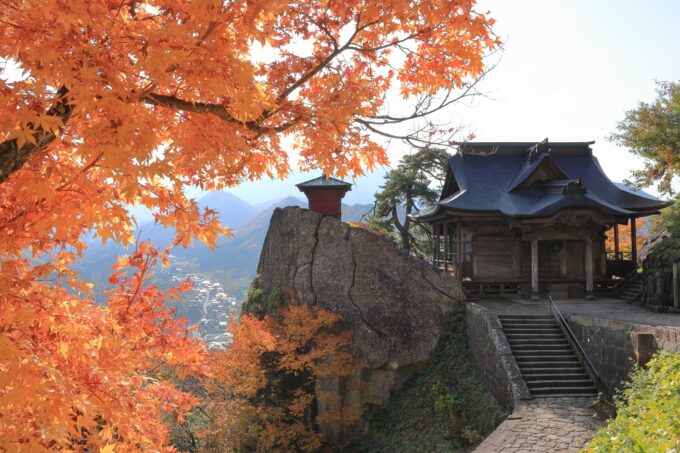
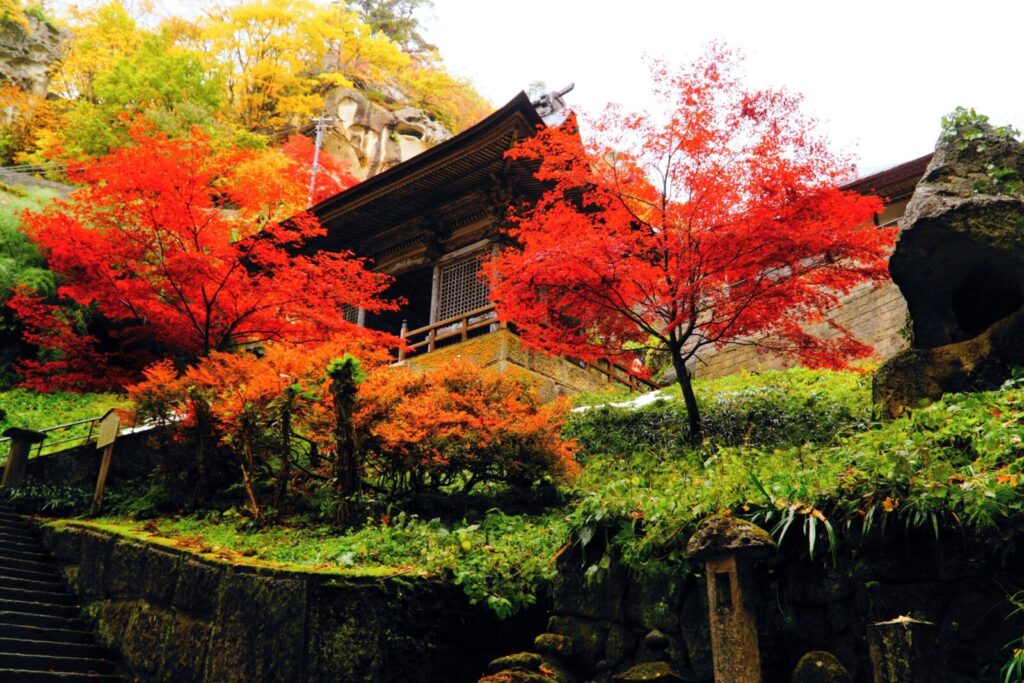
Yamadera is officially named Risshaku-ji, but it is colloquially referred to as Yamadera which literally means “mountain temple” in Japanese. As previously mentioned, this sacred temple was founded in 860 by the traveling monk Ennin. Ennin was wandering northern Japan to spread Tendai Buddhism under the orders of the Emperor and chose the prefecture’s sacred Mount Hoju for the new temple.
Matsuo Basho made his pilgrimage to Yamadera over 350 years ago during his Oku no Hosomichi travels. His remarks of Yamadera Temple were written as such:
shizukasa ya / iwa ni shimiiru / semi no koe (閑さや岩にしみ入る蝉の声).
It roughly translates to: such stillness / the shrill of cicadas / seeps into the rocks.
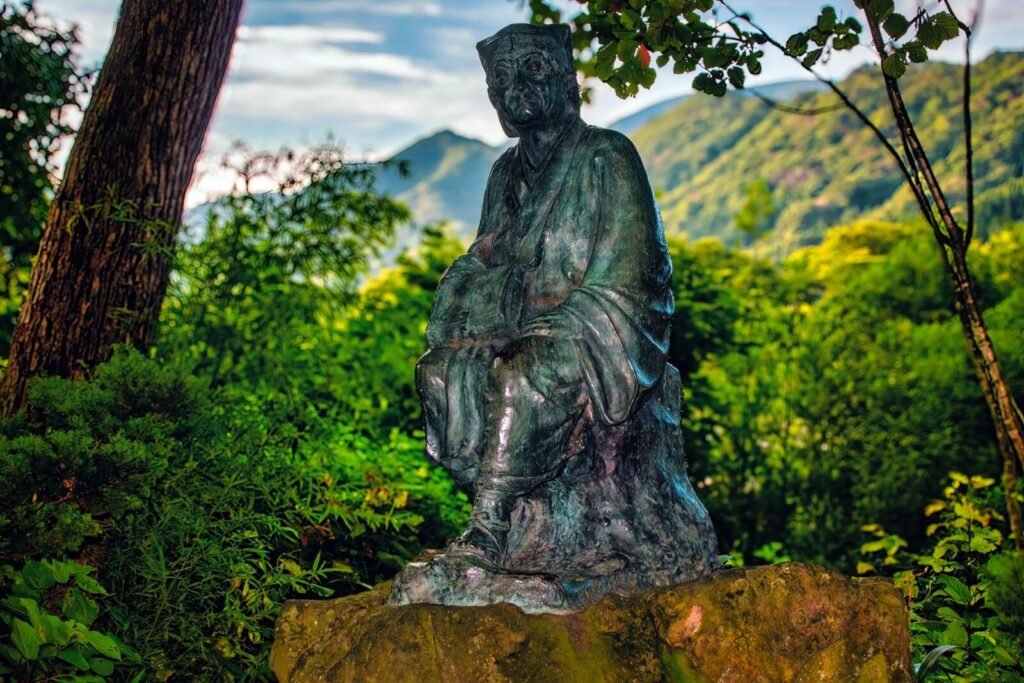
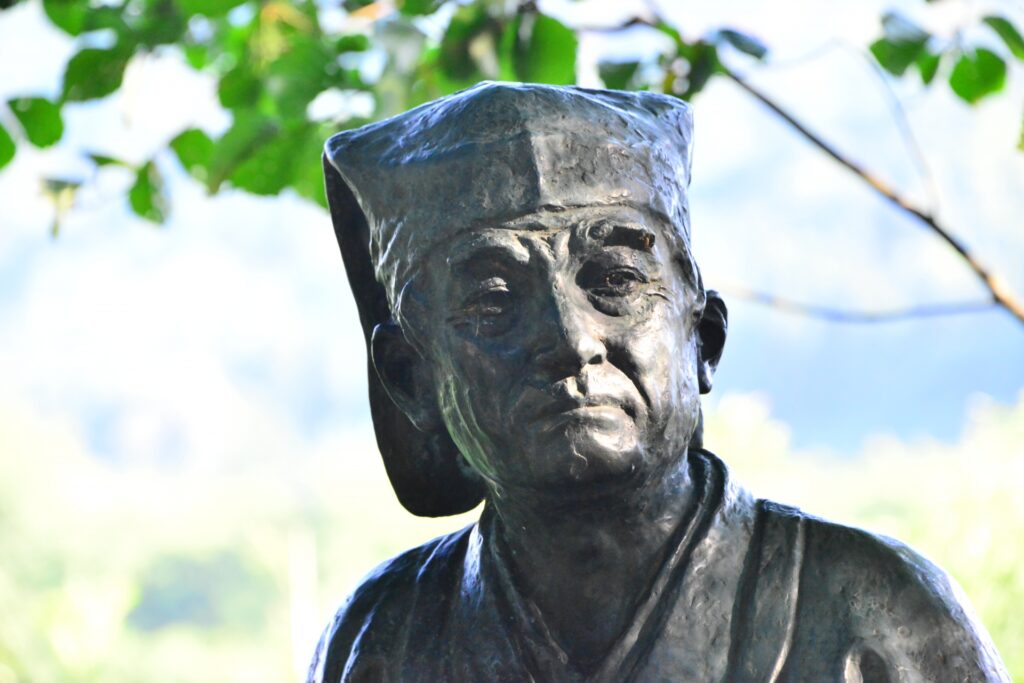
There is a statue of Basho and even a monument dedicated to this exact poem partway up the mountain temple. Basho’s lingering poetic prose still leaves a deep impression on those who visit the temple and bask in its tranquility today. In fact, it's thanks to Matsuo Basho's travel diary that Yamadera became more widely known and is now a beloved place of worship and popular tourist destination for locals and foreign visitors alike.
Bonus Destination: Nikko
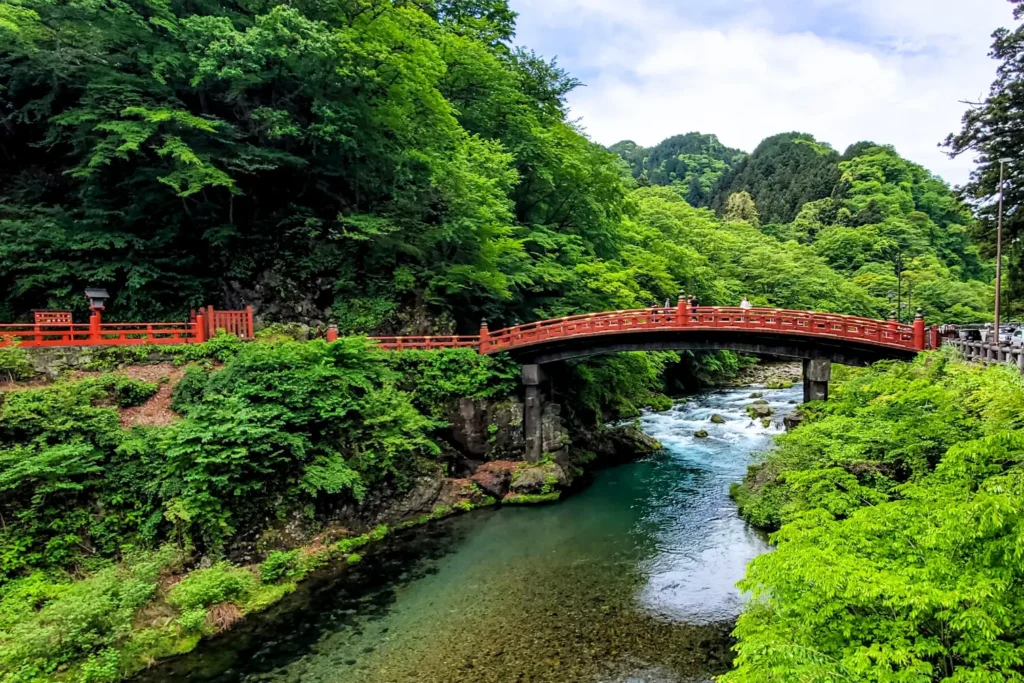
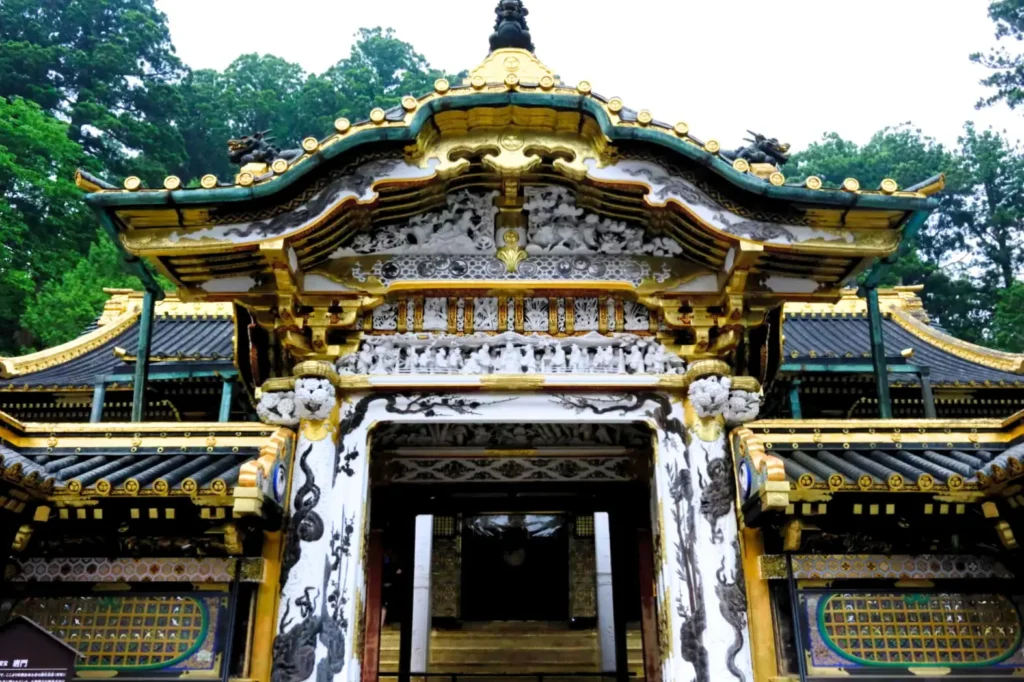
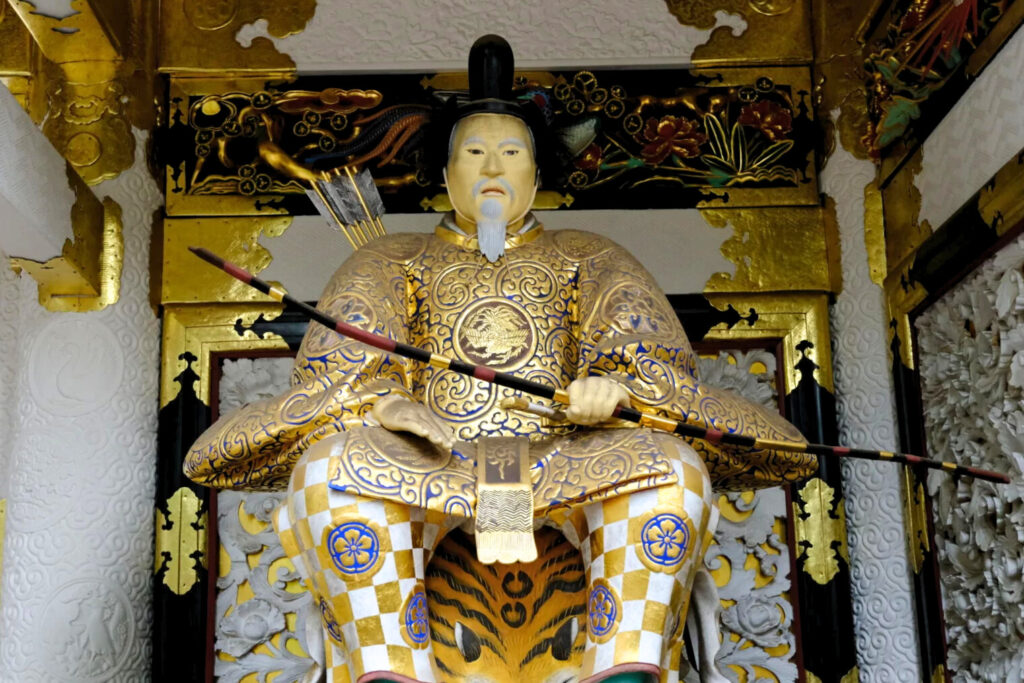
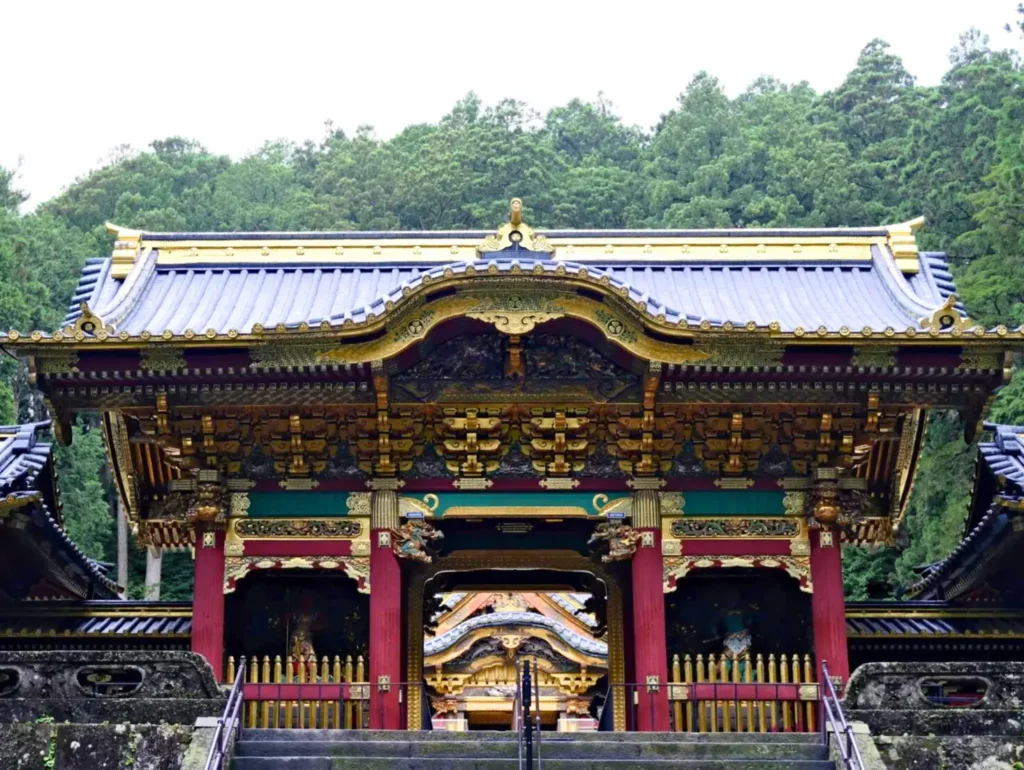
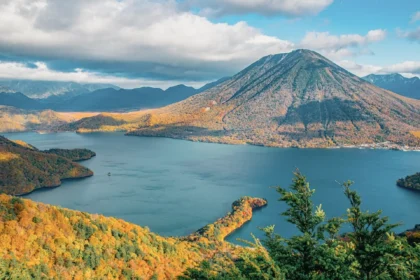
Outside of these four Tohoku temples, Matsuo Basho also famously visited the historic city of Nikko and the surrounding area. He was blown away by its magnificence and the lush greenery of the mountains.
For more information about Nikko, visit our page about it here!
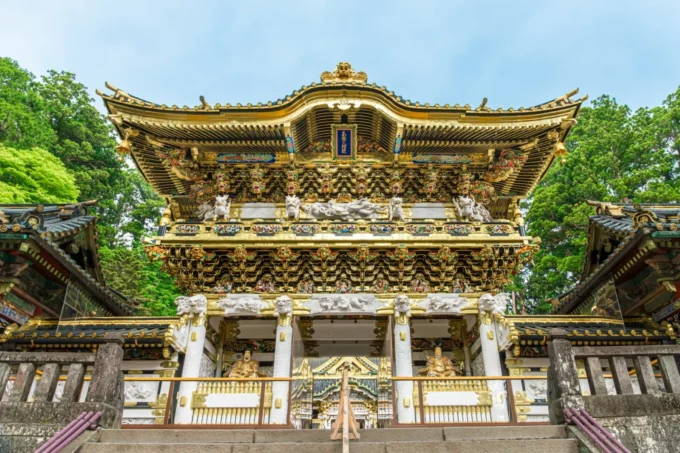
Travel to the "Deep North" Tohoku
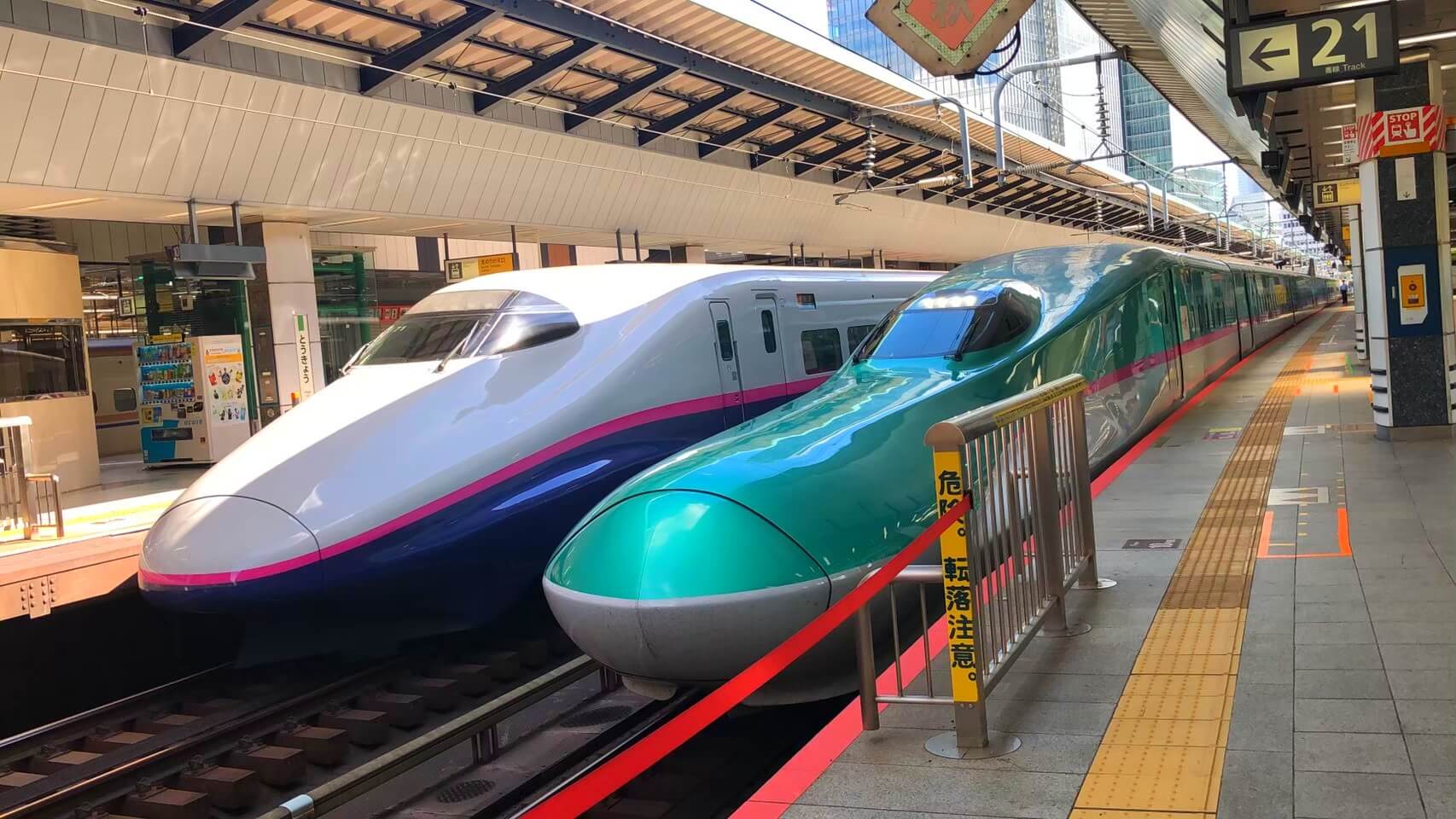
For travelers entering Japan through Tokyo, the journey north toward Tohoku is fairly easy! The Tohoku Shinkansen is a fast and convenient way to travel far distances within Tohoku and is a perfect way to enhance your Japan trip. Covering all 9 shinkansen lines in Japan and many other train services, the Japan Rail (JR) Pass is a great option for visitors planning to use the shinkansen more than a handful of times and/or travel large distances. Travelers have the option of 7, 14 and 21-day passes covering either Ordinary or Ordinary and Green Cars. The JR Pass allows for use on all Tohoku, Yamagata, Akita and Hokkaido Shinkansen services but noting that should the service be reservation-only or you want to book a reserved seat, you will need to do so at a ticket office prior to boarding the train at no additional cost.
Although during the late 17th century, the Michinoku Pilgrimage and the amount of travel it contained was not only time consuming but incredibly dangerous. Basho himself understood the perils he would face. Luckily, nowadays one can retrace Matsuo Basho’s steps fairly easily thanks to public transportation or rental cars. So how about it? Walk the path of history and follow the footsteps of one of Japan's most famous poets.
FAQ (Frequently Asked Questions)
When is the best time to visit these destinations?
Spring (April–May) and autumn (October–early November) offer the best weather and colorful scenery at most of these locations. At Yamadera, many Japanese folk will visit in the summer to hear the same cries of the cicadas as Matsuo Basho once did.
Are these destinations accessible from Tokyo?
Yes! You can easily reach these destinations via the Tohoku shinkansen from Tokyo and further take local trains to each location. Once at each temple, most destinations are within walking distance.
Are English guides available?
We at Snow Monkey Resorts are proud to offer English-language tours of many lesser-known destinations like Matsushima, Yamadera, and the Hiraizumi heritage site.
Is the Michinoku Pilgrimage Walkable?
Technically, yes. But we don't recommend it as many of the roads are not pedestrian safe. Public transportation or rental cars are much more safe and convenient for this pilgrimage. Remember, it took Matsuo Basho 156 days in total to do his travels...
Additional Tips for Exploring Tohoku
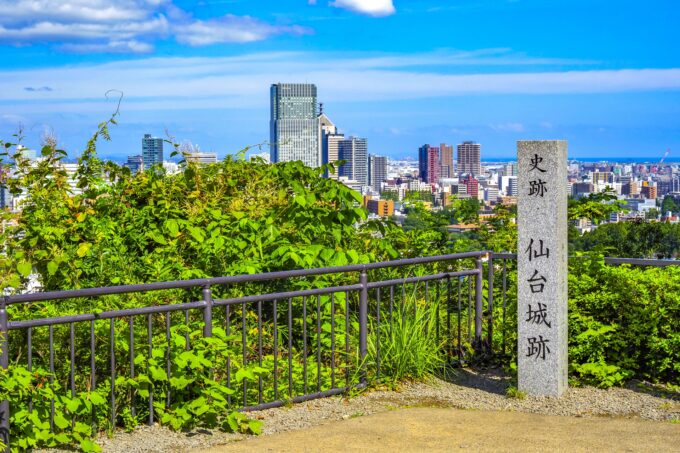
- Use Sendai as your base. Its central location and excellent transport links make it ideal for hub-and-spoke travel around many incredible destinations across northeastern Japan.
- Consider guided tours. Especially for historically rich locations like Hiraizumi or Matsushima, a knowledgeable guide can deepen your experience.
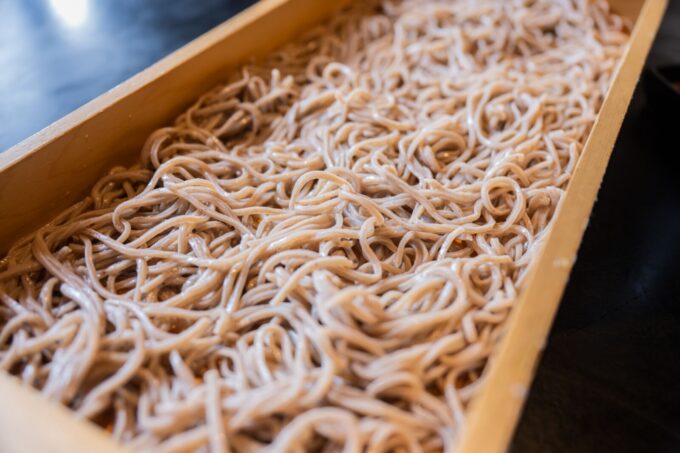
- Try regional cuisine. Each area boasts unique local dishes—from Matsushima's fresh oysters to Yamadera's ita soba noodles.