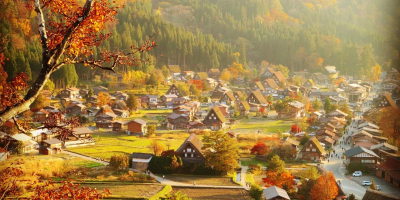

August is one of the most rewarding times to experience Hokkaido. While much of Japan is dealing with intense summer heat and humidity, Hokkaido offers a more comfortable alternative, with warm days, cooler evenings, long hours of daylight, and an incredible variety of seasonal experiences. From colorful flower fields and mountain trails to coastal scenery, lively summer festivals, fireworks, and fresh local produce, the island comes alive during the height of summer.
Whether you are visiting Hokkaido for the first time or returning to explore beyond the major cities, August offers an excellent balance of outdoor adventure, cultural experiences, and relaxed summer sightseeing. Sapporo is at its liveliest, Furano and Biei are filled with seasonal color, and destinations such as Otaru, Shakotan, Lake Toya, Noboribetsu, and Daisetsuzan showcase Hokkaido's diverse landscapes.
The following guide covers what to expect from Hokkaido's August weather, what to pack, the best seasonal highlights, festivals and events, and some of the most enjoyable ways to explore the island during this special time of year.
Weather in August
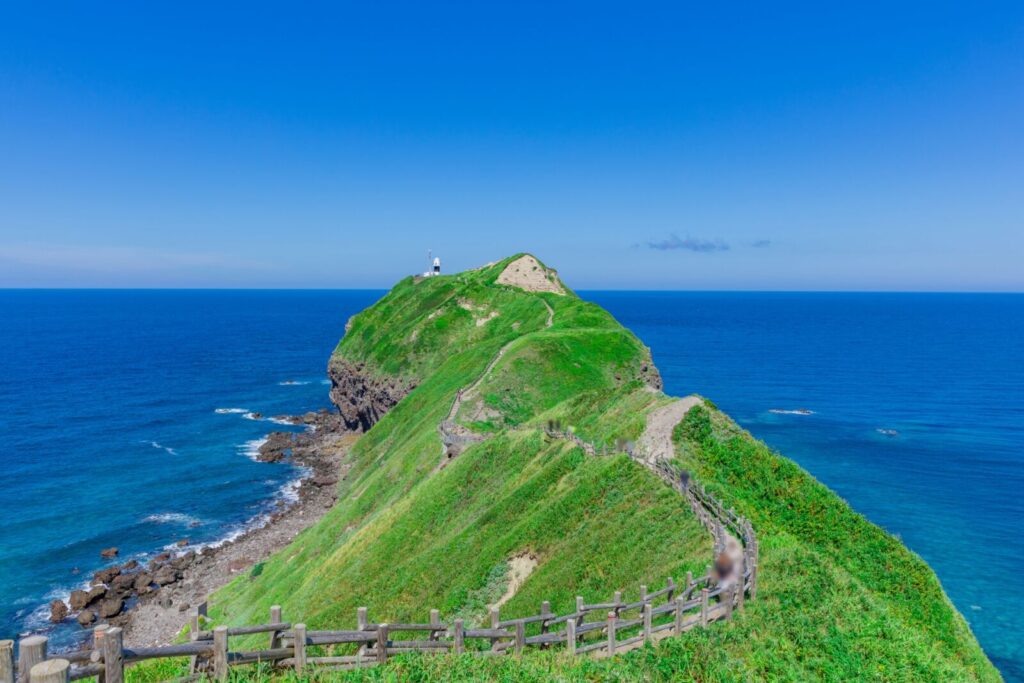
August is one of the warmest months of the year in Hokkaido, but compared with much of Japan, the island generally offers a more comfortable summer climate. While cities such as Tokyo, Kyoto, and Osaka experience intense heat and humidity, Hokkaido's northern location means temperatures are typically milder, particularly during the mornings and evenings. This makes August an excellent month for sightseeing, hiking, flower viewing, festivals, and exploring Hokkaido's national parks and coastal areas.
Daytime highs in Sapporo during August typically range from around 25°C to 29°C (77°F – 84°F), while nighttime temperatures generally fall to around 18°C to 21°C (64°F – 70°F). Temperatures above 30°C (86°F) are certainly possible, especially during periods of settled summer weather, but extended periods of extreme heat are generally less common than in central and southern Japan. Humidity can still be noticeable, particularly during the first half of the month.
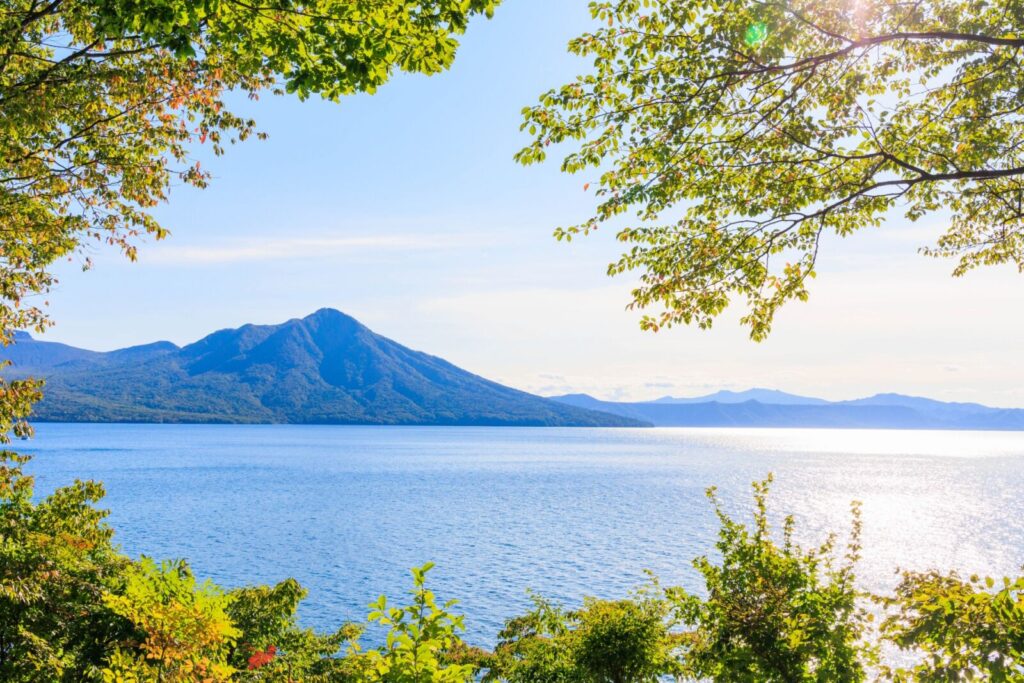
Rain showers and occasional thunderstorms are possible throughout August. Hokkaido does not experience Japan's traditional early-summer rainy season, or (“tsuyu” in Japanese), in the same way as Honshu, Shikoku, and Kyushu do. Nevertheless, summer weather can change quickly, and visitors should be prepared for occasional periods of sudden and unexpected rain.
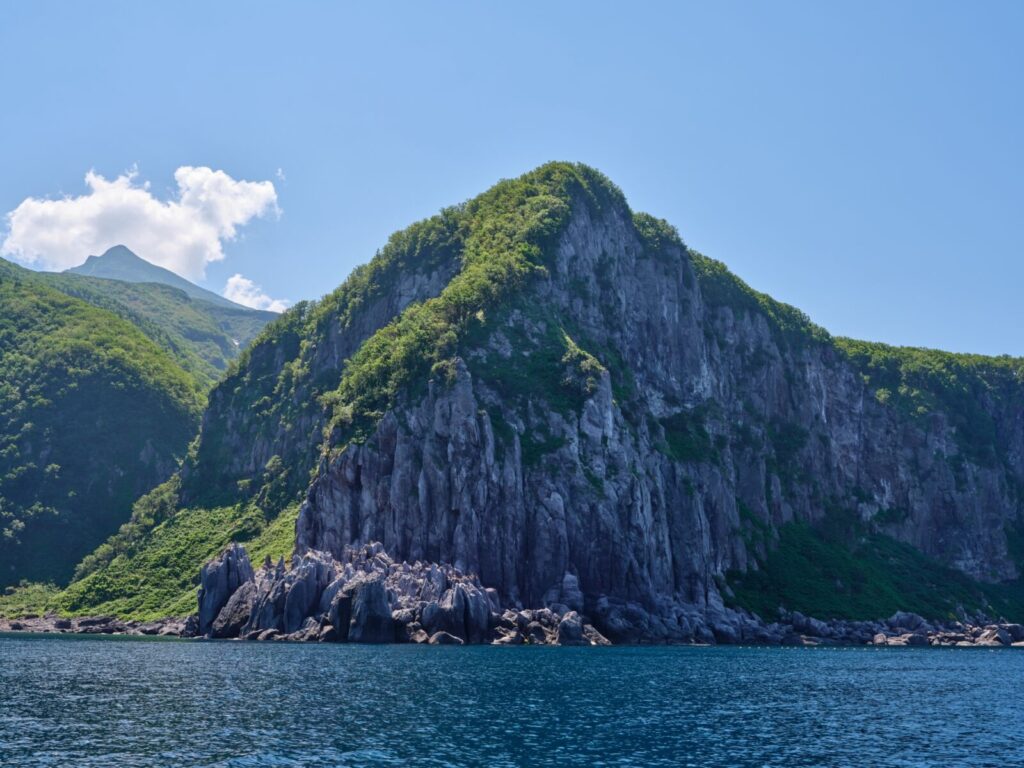
In coastal destinations such as Otaru and the Shakotan Peninsula, August is pleasantly warm and is one of the best times of year to enjoy Hokkaido's dramatic coastline. Daytime temperatures commonly reach the mid-to-upper 20s Celsius, while sea breezes can make conditions feel cooler than in central Sapporo. Clear summer days bring brilliant views of the Sea of Japan, making August particularly suitable for exploring places such as Otaru Canal, Cape Kamui, and the rugged Shakotan coastline.
Central Hokkaido, including Furano and Biei, experiences warm summer days and noticeably cooler mornings and evenings. Daytime temperatures generally range from the mid-20s to around 30°C (77°F – 86°F), while nighttime temperatures can fall into the mid-to-high teens. The region's rolling agricultural landscapes are especially beautiful during August, with colorful flower fields, ripening crops, and expansive rural scenery.
By contrast, Hokkaido's mountainous areas provide some of the coolest summer conditions in Japan. Destinations such as Daisetsuzan National Park are significantly cooler than Sapporo, particularly at higher elevations. Even in August, temperatures can fall quickly on mountain trails, especially early in the morning, late in the afternoon, or when cloud and rain move through the mountains.
Eastern and northern Hokkaido, including destinations such as Shiretoko, Abashiri, and Wakkanai, can also be considerably cooler than Sapporo. Visitors traveling extensively around the island should therefore be prepared for substantial differences in temperature between regions.
What to Wear in Hokkaido in August
Visitors to Hokkaido in August should pack lightweight, breathable summer clothing(cotton recommended) for daytime sightseeing, including short-sleeved shirts, comfortable trousers or shorts, and good walking shoes. A hat, sunglasses, and sunscreen are strongly recommended as well, particularly when spending long periods outdoors in places such as Furano, Biei, Shakotan, or Hokkaido's national parks. Temps much warmer/hotter in Furano & Biei.
A light jacket, cardigan, or fleece is also recommended. Even after a warm day, temperatures can become noticeably cooler in the evening, particularly outside Sapporo and at higher elevations.
Visitors planning to hike in Daisetsuzan National Park or other mountainous areas should bring proper walking or hiking shoes, a light waterproof jacket, and an additional warm layer. Mountain weather can change rapidly even during the height of summer.
A compact umbrella or lightweight rain jacket is also useful throughout Hokkaido in August.
Seasonal Highlights in August
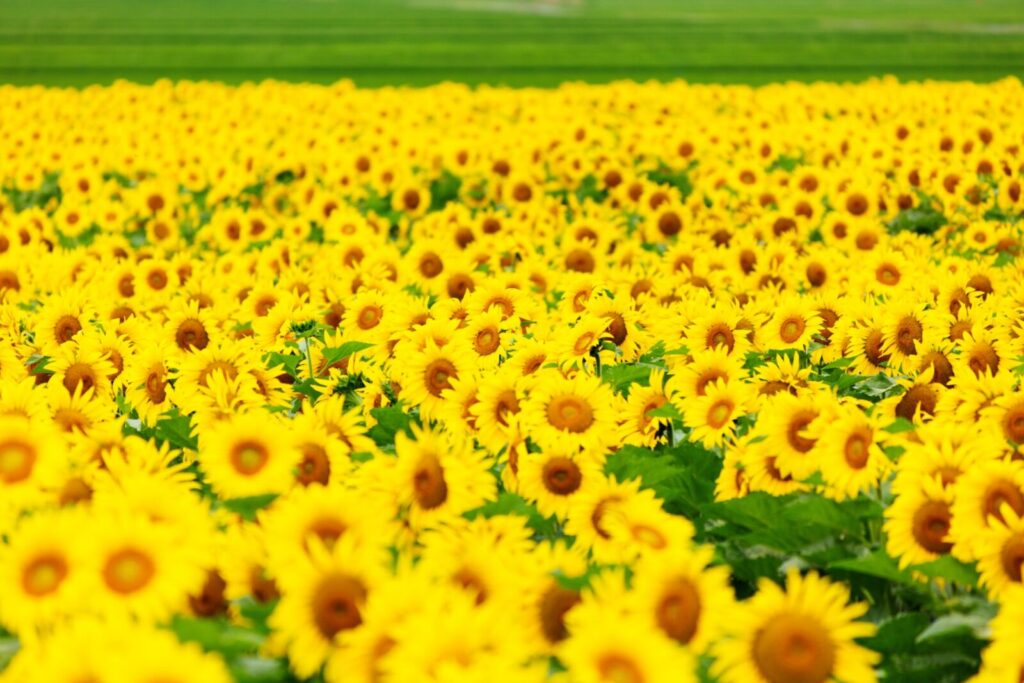
August brings Hokkaido's summer landscapes to their full expression. Flower fields remain vibrant, sunflowers reach their seasonal peak, farmland is lush and productive, and the island's mountains, forests, lakes, and coastline are ideal for outdoor exploration. Although the famous lavender season is beginning to wind down, August offers a much broader range of seasonal scenery and experiences throughout Hokkaido.
From the colorful fields of Furano and Biei to the expansive sunflower fields of northern Hokkaido and the cool alpine landscapes of Daisetsuzan, August is an excellent month to experience the island's natural beauty. It is also a wonderful time to enjoy seasonal fruits and vegetables, explore rural landscapes, and take advantage of Hokkaido's long summer days.
Hokkaido's Summer Flower Fields
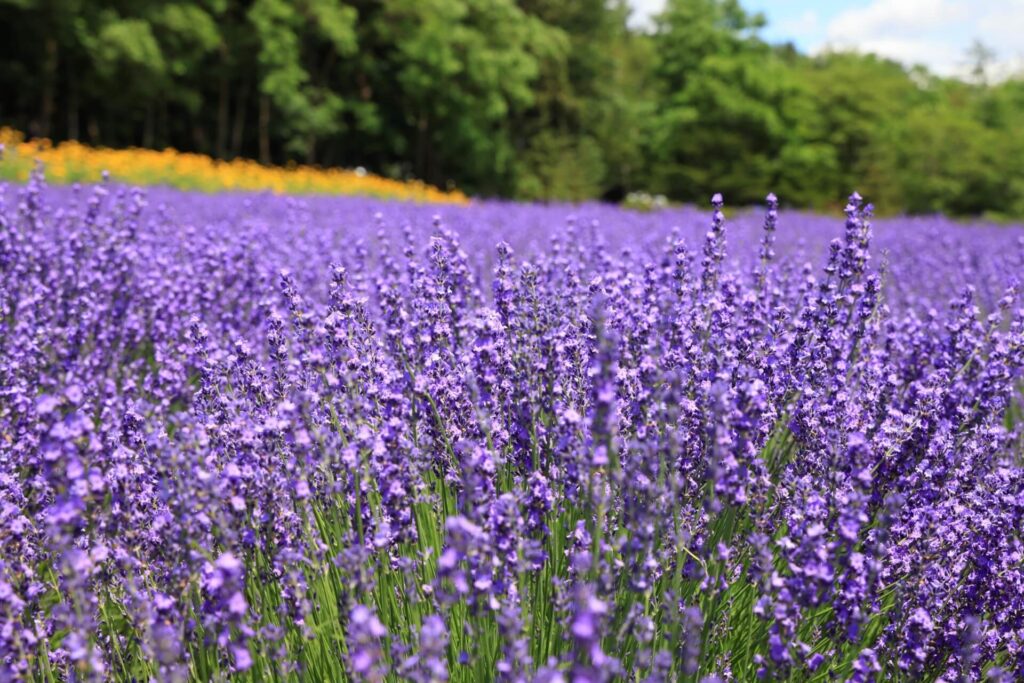
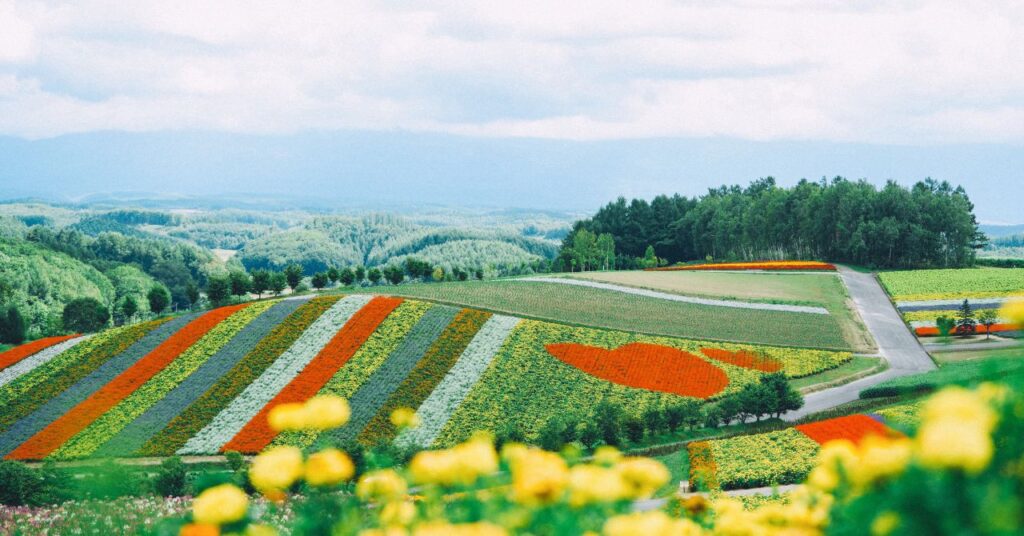
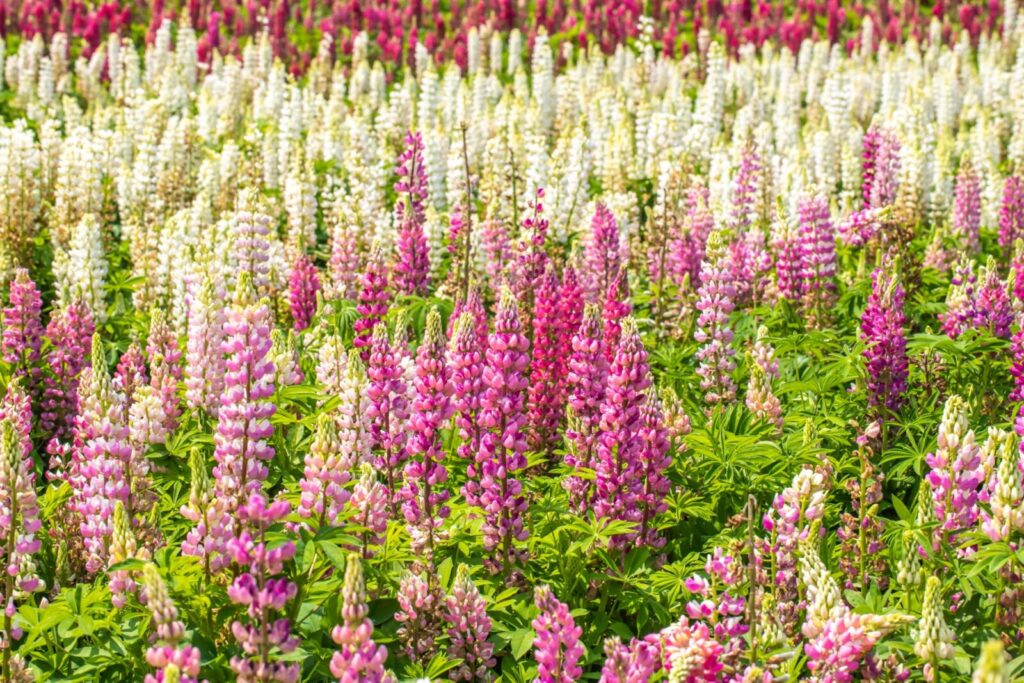
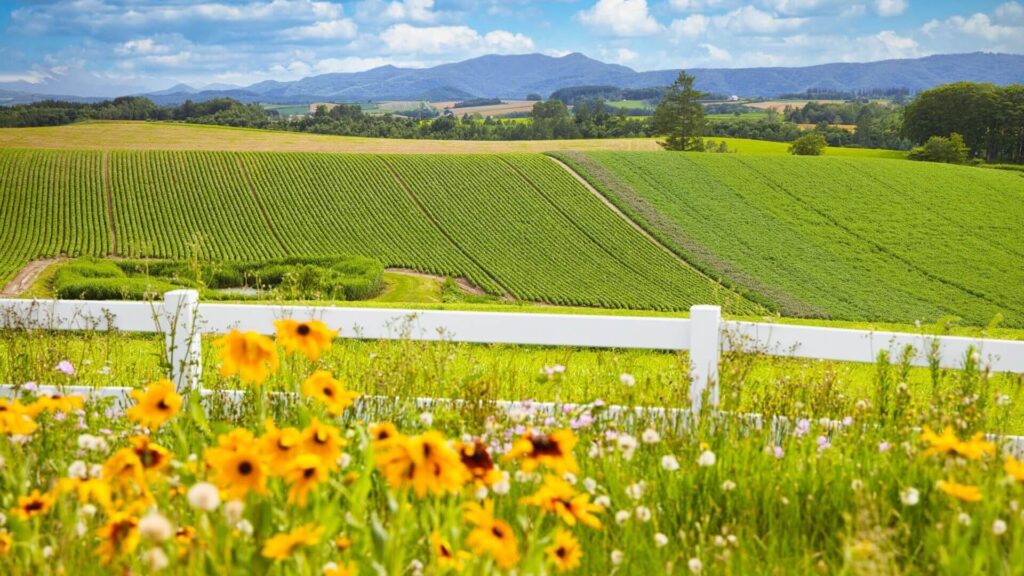
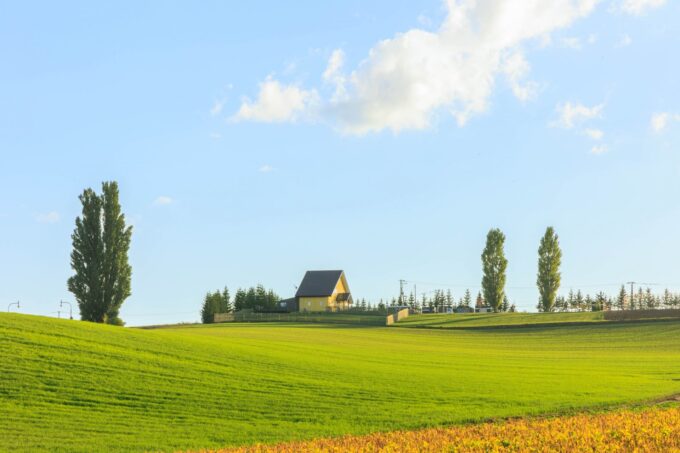
August is one of the most colorful times of year to explore the agricultural landscapes of central Hokkaido. Furano and Biei are internationally known for their flower fields, rolling hills, picturesque farms, and seemingly endless rural scenery.
Although Furano's famous lavender generally reaches its peak in mid-late July, visitors arriving in early August may still find some lavender in bloom depending on the variety, location, and weather conditions. More importantly, lavender is only one part of Hokkaido's summer flower season. Many more flowers to see. This location has seen a tremendous increase in visitors over the past several years.
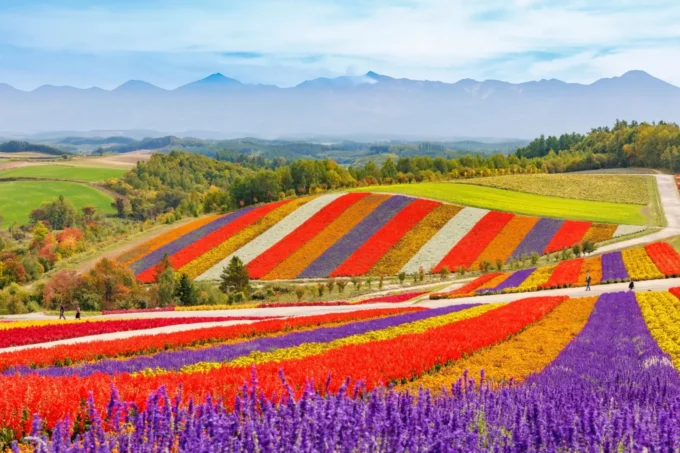
Flower farms around Furano and Biei continue displaying a wide range of colorful blooms during August, including sunflowers, salvia, marigolds, begonias, and other seasonal flowers. The combination of colorful fields, green farmland, distant mountains, and Hokkaido's enormous summer skies creates some of the island's most recognizable scenery.
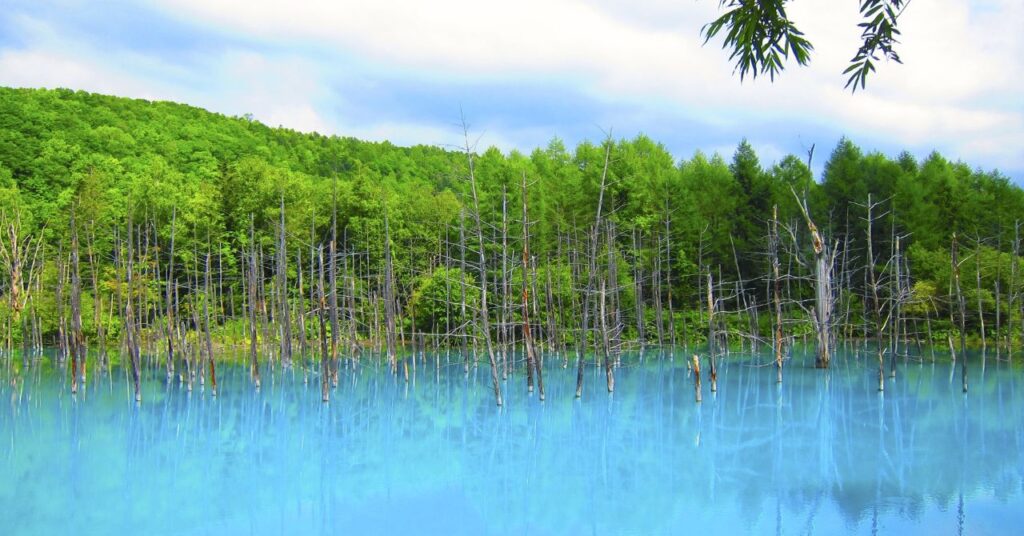
Biei is equally impressive. Rather than being centered around one particular flower, Biei's appeal comes from its patchwork hills, agricultural landscapes, quiet country roads, and scenic locations such as Shikisai no Oka, the Blue Pond, and Shirahige Falls. For the past several years, very popular locations to visit.
NOTE: Shikisai no oka (flower patchwork hills) have various types of flowers that bloom at various times throughout the months of June to early Sept. Highly recommended is a visit during mid July to early September.
August is also an important agricultural month in Hokkaido. Roadside farm stands and markets offer freshly harvested vegetables and fruit, while Furano's famous melons are among the most popular seasonal treats.
Sunflower Season in Hokkaido
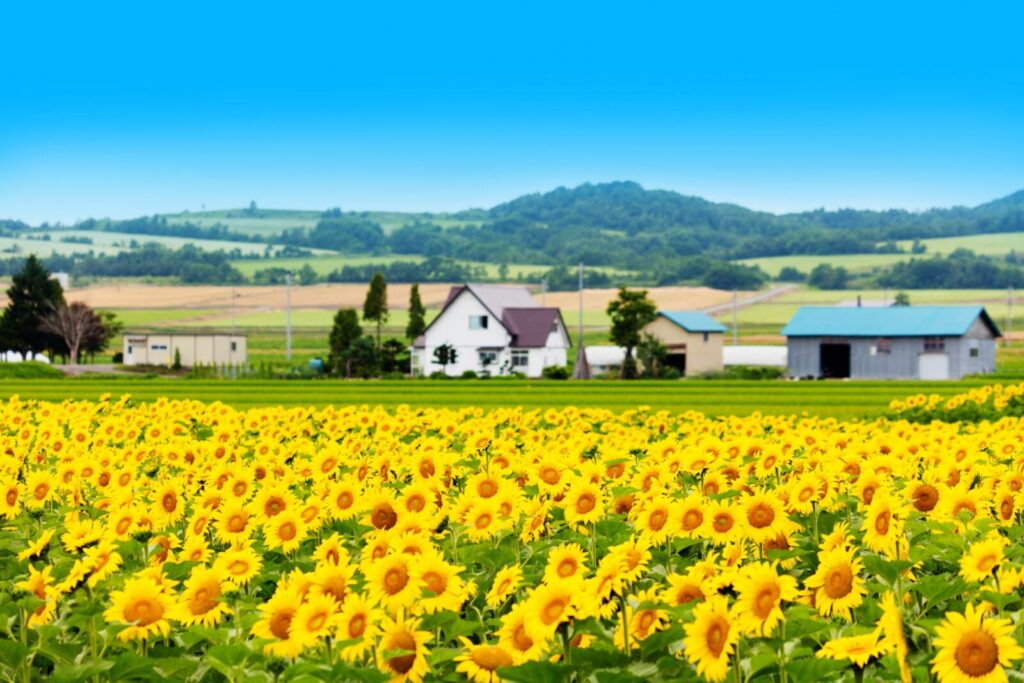
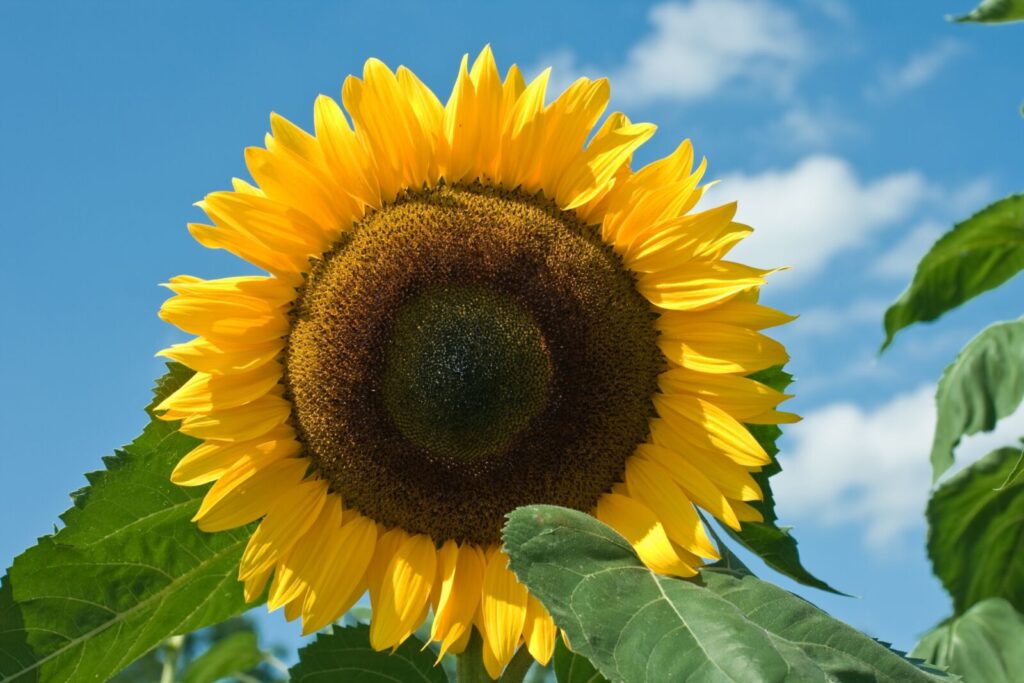
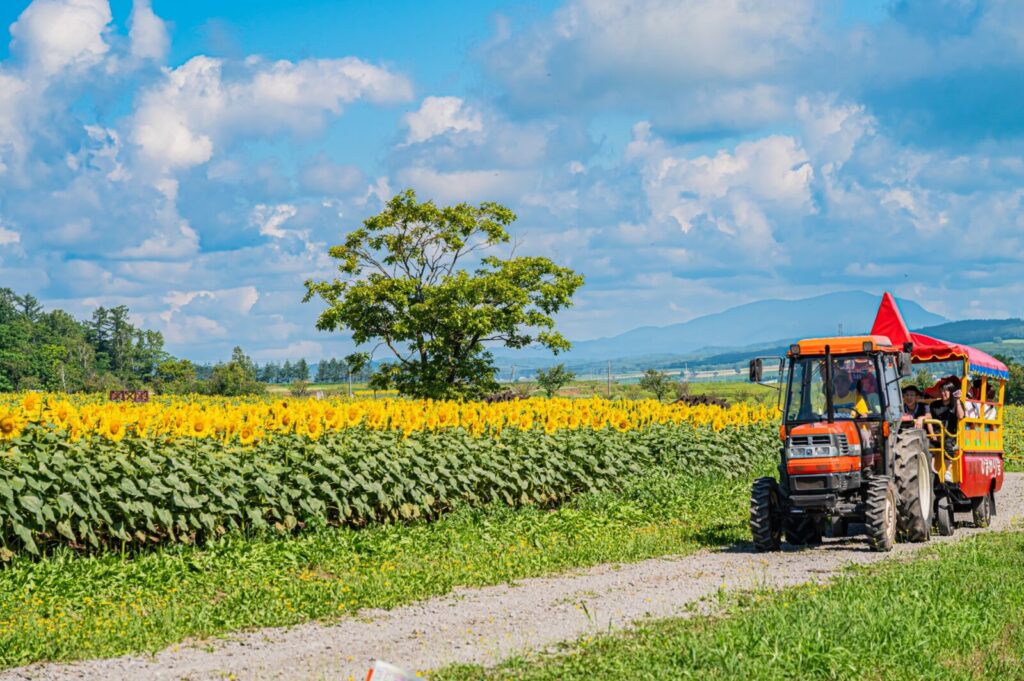
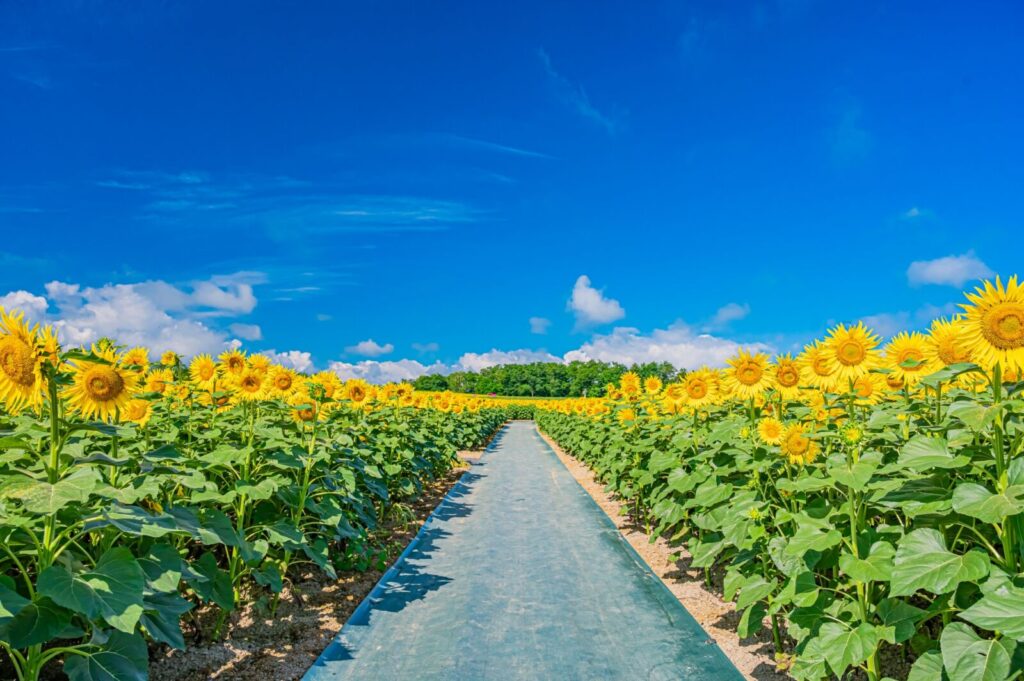
As lavender season begins to wind down, another spectacular Hokkaido flower takes center stage: the sunflower.
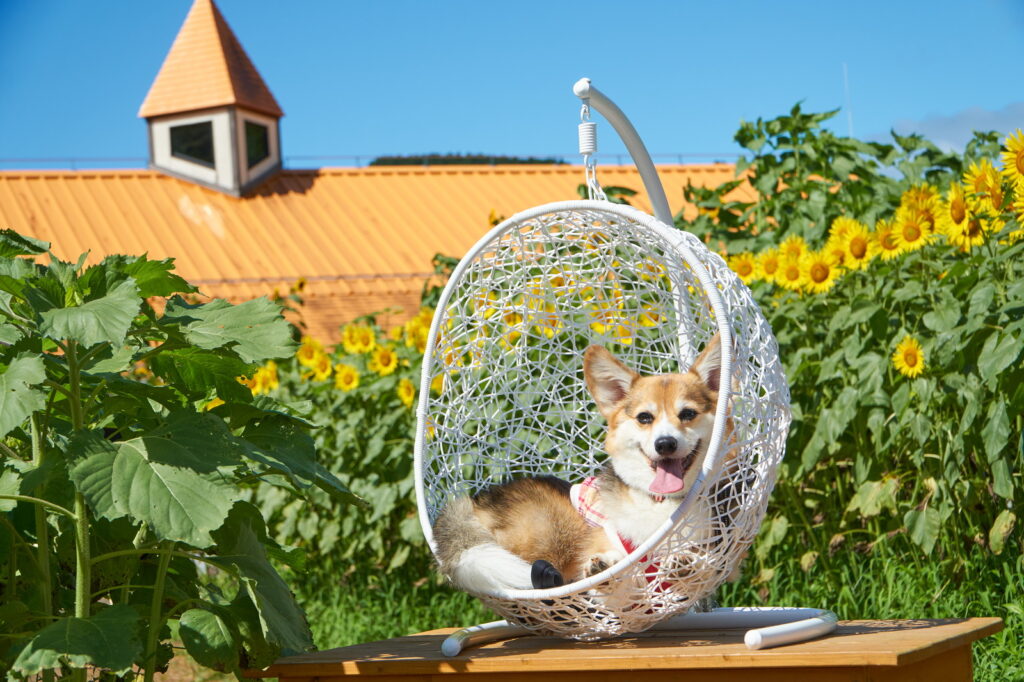
One of the best-known destinations is Hokuryu Sunflower Village, north of Sapporo. Approximately two million sunflowers cover around 23 hectares of rolling countryside, creating one of Japan's largest sunflower displays.
The sunflower season typically extends from late July into August, making it particularly well suited to visitors traveling to Hokkaido during this month. Walking paths allow visitors to enter the fields and experience a seemingly endless landscape of yellow flowers beneath Hokkaido's blue summer sky.
Elsewhere around Hokkaido, smaller sunflower fields can also be found during August, adding another seasonal element to summer travel around the island.
For photographers, families, and travelers interested in Hokkaido's rural scenery, August is one of the most rewarding times of the year.
Peak Hiking and Outdoor Season
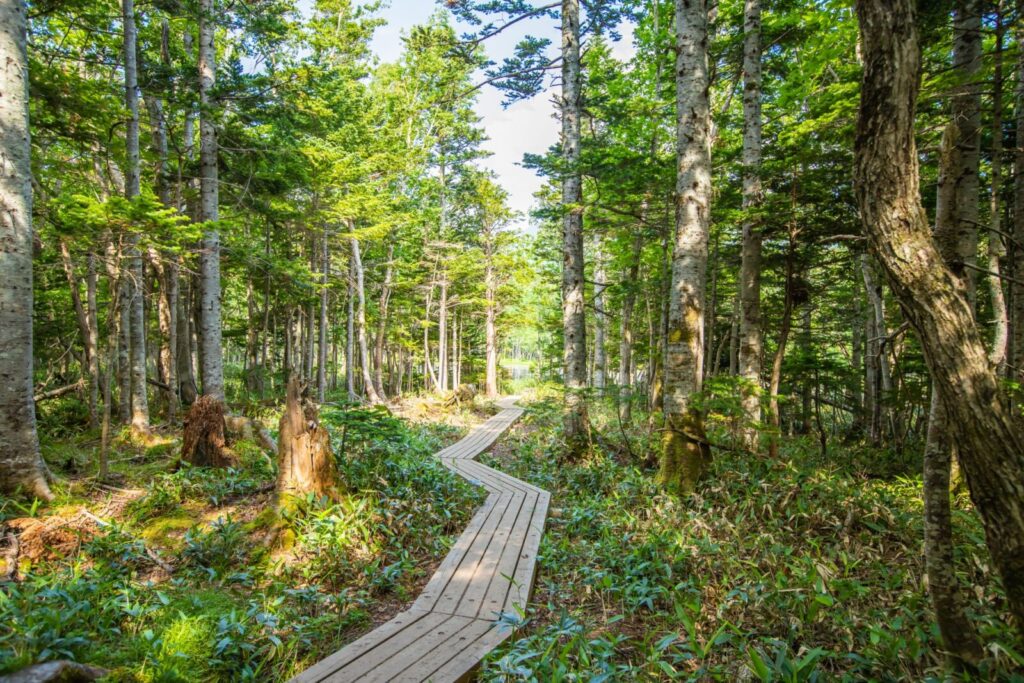
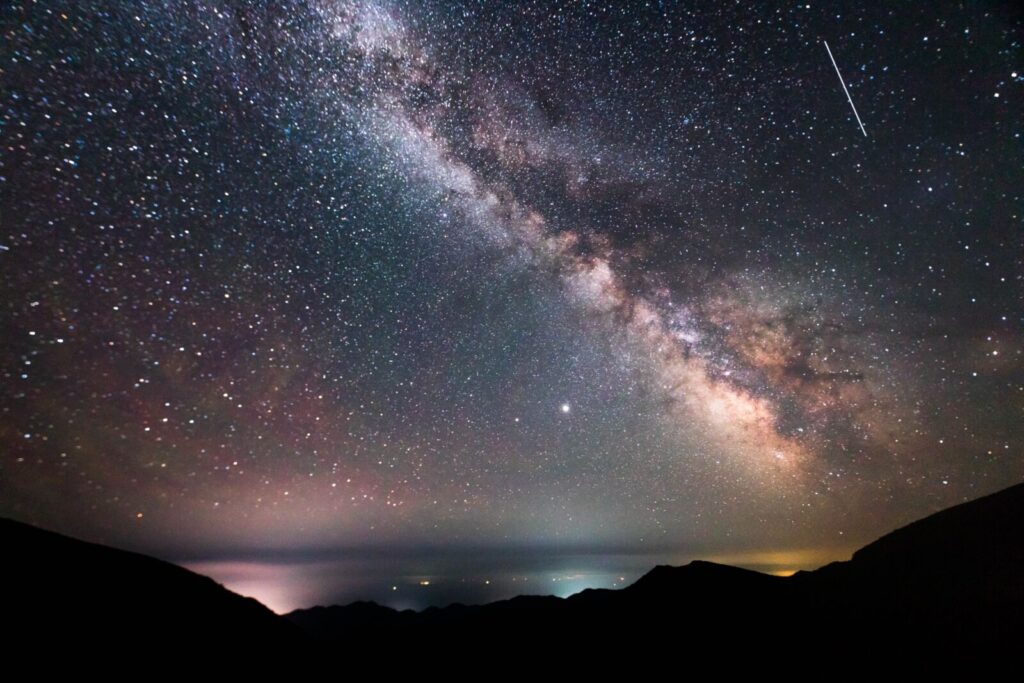
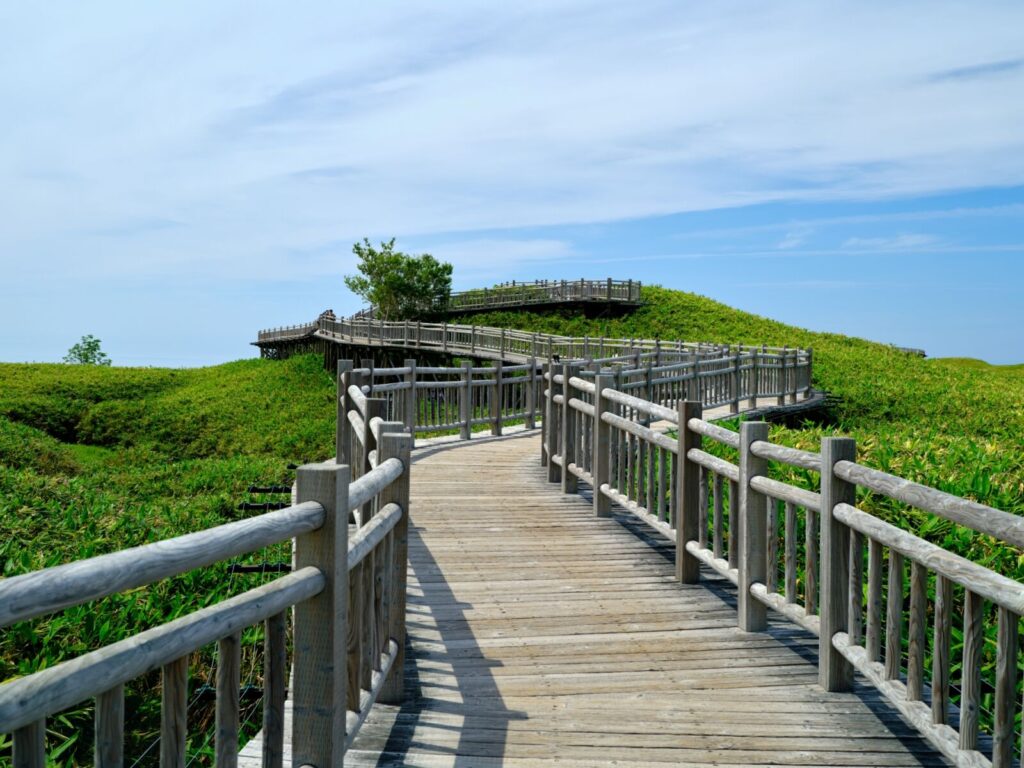
August is also peak outdoor season across Hokkaido.
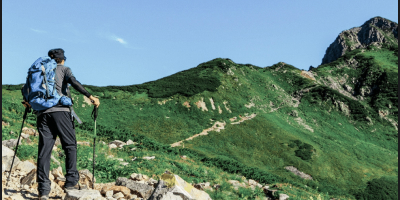
While much of Japan experiences oppressive midsummer heat, Hokkaido's mountains provide comparatively cool conditions for hiking and nature exploration. Daisetsuzan National Park, Japan's largest national park, is one of the premier destinations.
The park encompasses a vast mountainous wilderness in central Hokkaido, including Asahidake, Hokkaido's highest mountain at 2,291 meters. Visitors who do not wish to undertake a demanding climb can use the Asahidake Ropeway to reach the highlands, where walking trails provide access to alpine scenery, ponds, volcanic landscapes, and panoramic mountain views.
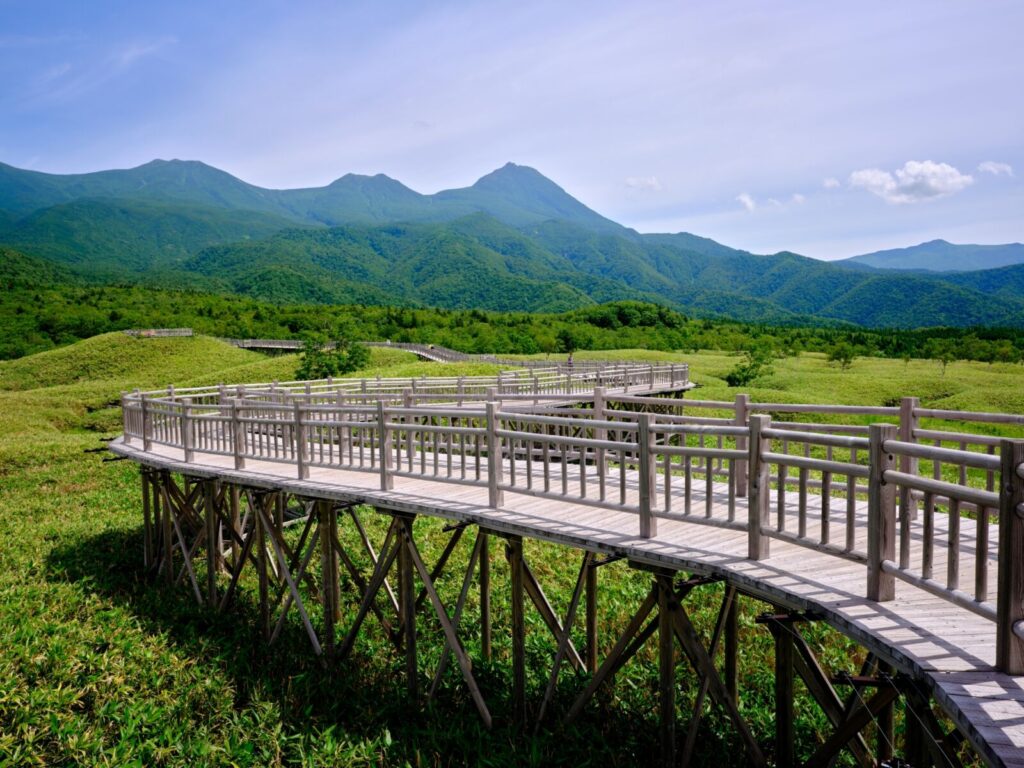
August is also an excellent month for exploring Shiretoko National Park, Lake Shikotsu, Lake Toya, Niseko, Jozankei, and the Shakotan Peninsula.
Long daylight hours allow visitors to spend more time outdoors, while Hokkaido's green forests, mountains, lakes, and coastline are at their most vibrant.
Festivals and Events in August
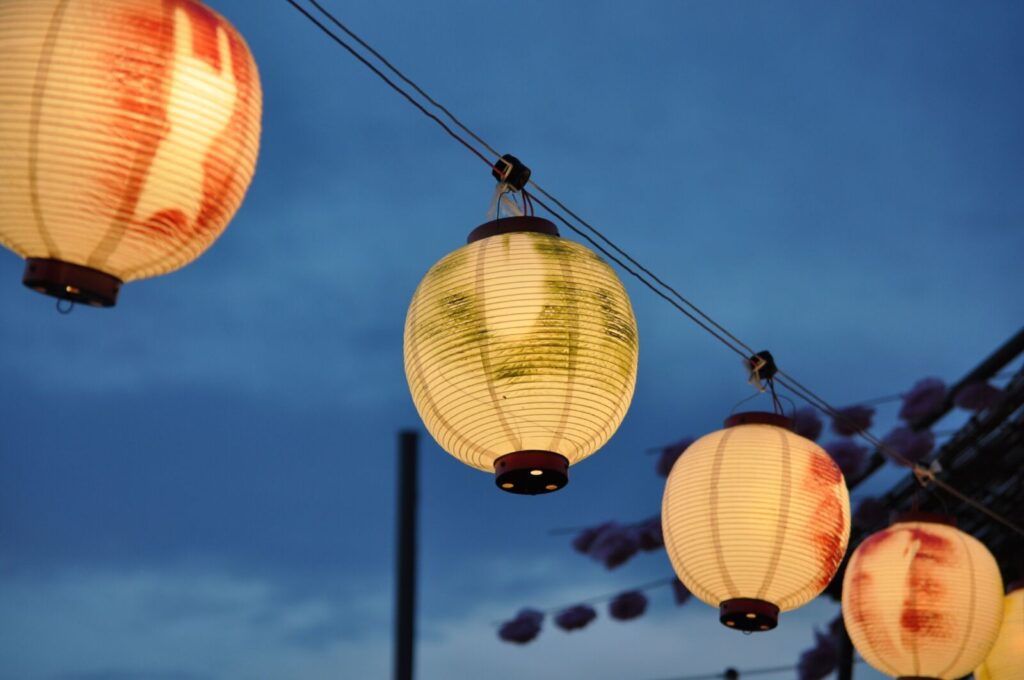
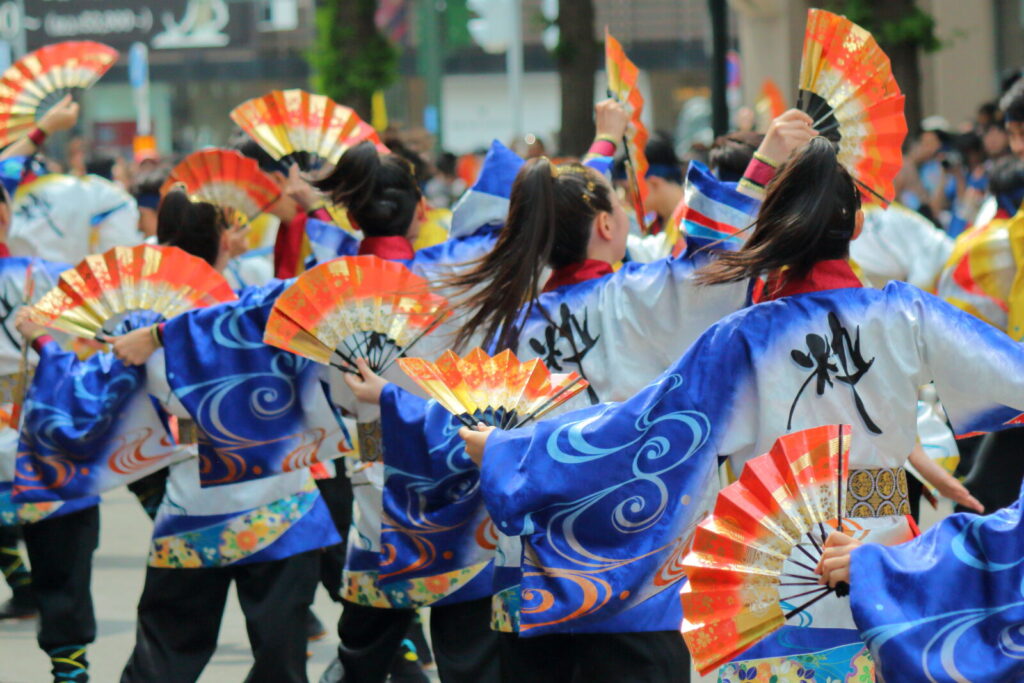
Summer in Hokkaido is not only about beautiful weather and spectacular scenery. August is also one of the island's liveliest months for festivals, outdoor celebrations, traditional performances, and fireworks. Cities and resort destinations across Hokkaido come alive as local communities celebrate the short northern summer.
In Sapporo, major events bring music, food, dancing, and thousands of people into the city center, while destinations such as Lake Toya and Noboribetsu offer memorable evening and traditional festival experiences. Whether you enjoy joining a Bon Odori dance, watching fireworks over a lake, sampling local food at a summer festival, or experiencing a distinctive regional tradition, August provides plenty of opportunities to experience Hokkaido beyond its scenery.
Sapporo Summer Festival
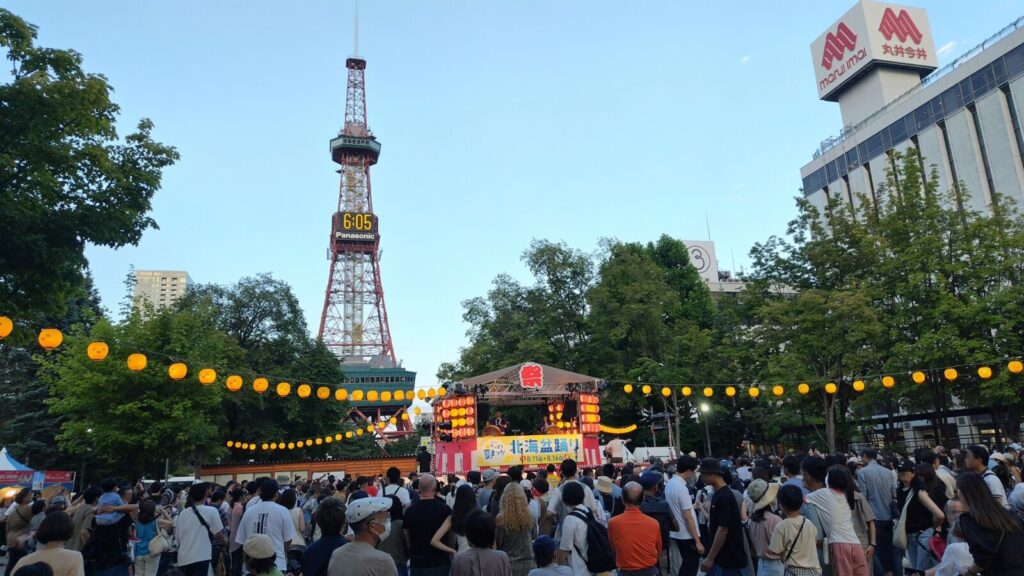
- Odori Park, Tanukikoji Shopping Arcade, Susukino and central Sapporo
- July 23 – August 18, 2026.
The Sapporo Summer Festival is one of the city's largest seasonal celebrations and transforms central Sapporo into a lively summer gathering place for residents and visitors alike.
First held in 1954, the festival has developed into a collection of events taking place throughout the center of the city. The celebrations include the enormous Sapporo Odori Beer Garden, the Tanuki Festival, events in Susukino, and the traditional Hokkai Bon Odori.
At the center of the festivities is Odori Park, the long green space stretching 13 blocks east to west through downtown Sapporo. During the festival, sections of the park become outdoor gathering areas where visitors can enjoy Hokkaido food, drinks, summer evenings, and the relaxed atmosphere of Sapporo's short northern summer.
More than simply a single festival, the Sapporo Summer Festival is a collection of summer traditions taking place across several of the city's best-known districts.
For visitors staying in Sapporo during the first half of August, it is one of the easiest major Hokkaido summer events to experience.
Sapporo Odori Beer Garden
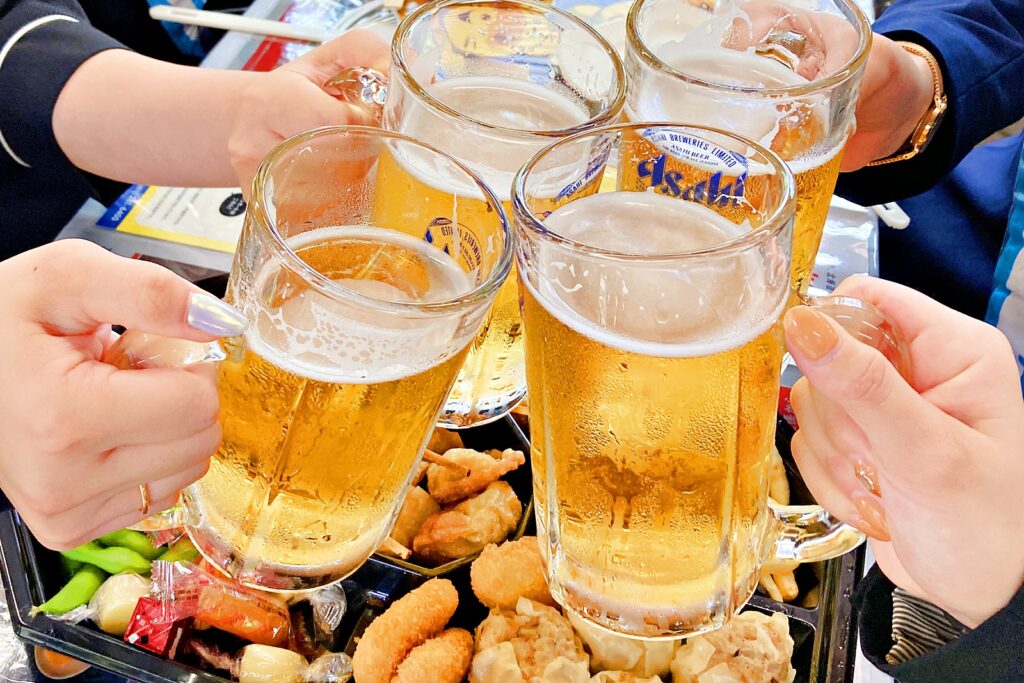
- July 23 – August 18, 2026
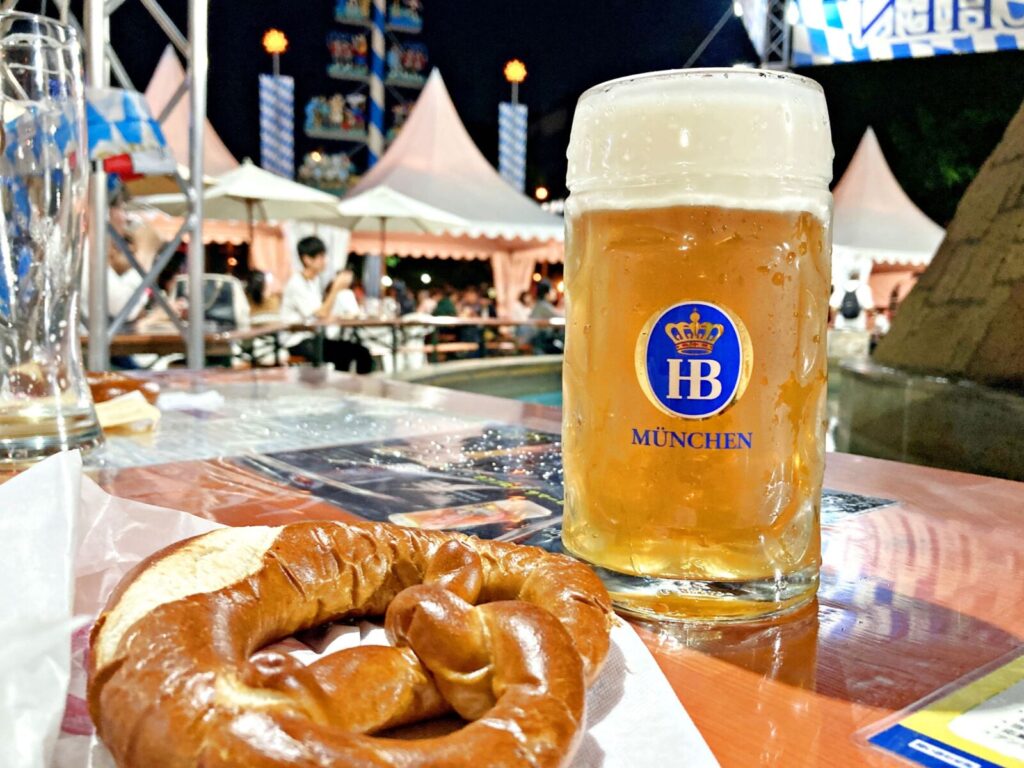
The Sapporo Odori Beer Garden is one of the largest outdoor beer gardens in Japan and one of the signature events of the Sapporo Summer Festival.
Stretching for approximately one kilometer through Odori Park, the beer garden provides seating for around 13,000 people across several different areas. Major Japanese breweries are represented alongside international beers, while visitors can also enjoy a wide range of Hokkaido foods.
The atmosphere becomes particularly lively during the late afternoon and evening as office workers, local residents, families, and travelers gather beneath the summer sky.
The event is particularly enjoyable after a day of sightseeing around Sapporo. Temperatures can become surprisingly cool after sunset, however, so bringing a light jacket is recommended.
Susukino Festival
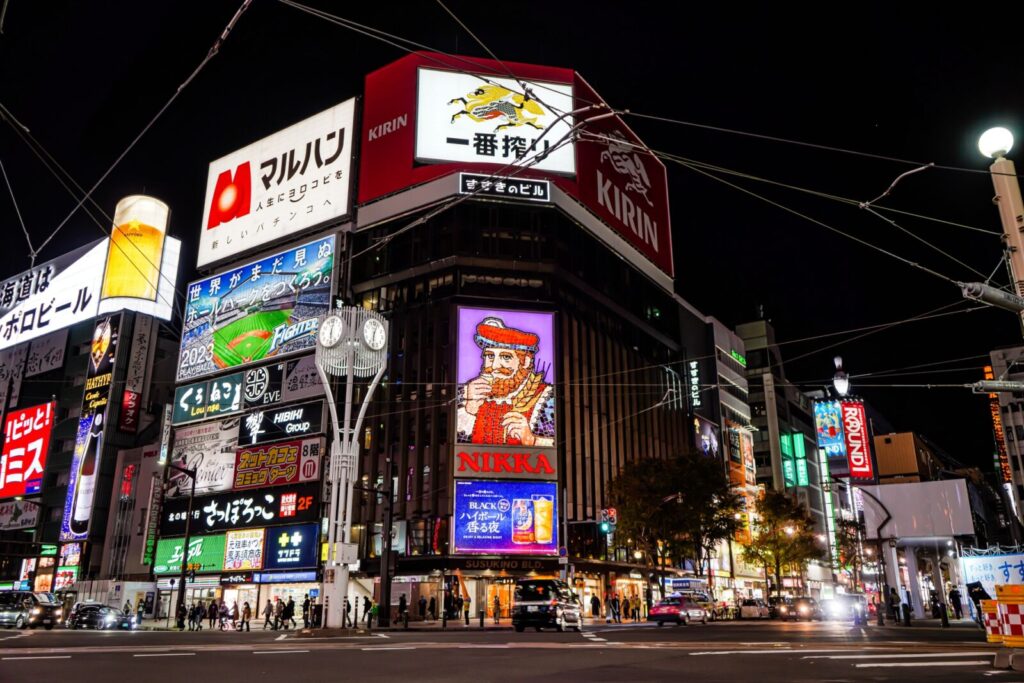
- August 6 – 8, 2026.
- Susukino, Sapporo
The Susukino Festival brings three nights of summer celebrations to Sapporo's famous entertainment district.
Susukino is one of Japan's best-known nightlife districts, but during the festival its streets take on an entirely different character. Sections of the district are transformed into festival areas filled with food stalls, performances, traditional entertainment, and large crowds enjoying the summer evening.
One of the festival's best-known sights is the procession of mikoshi, or portable shrines, carried energetically through the streets.
The festival provides visitors with an opportunity to see another side of Susukino beyond its restaurants and nightlife and is particularly convenient for travelers because it takes place directly in central Sapporo.
Hokkai Bon Odori
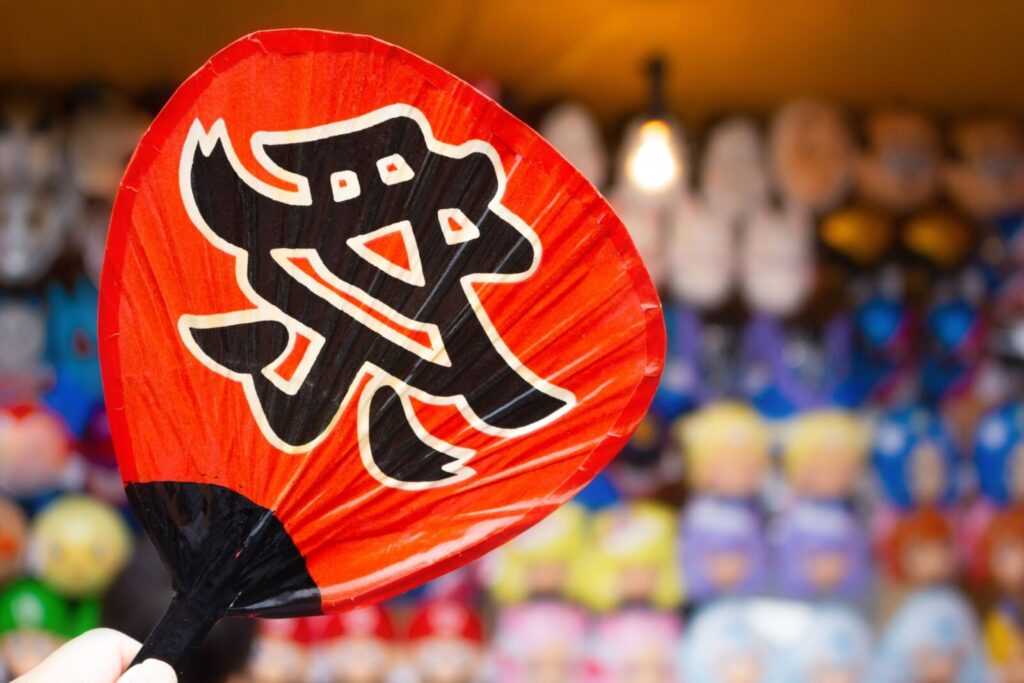
- August 13 – 16, 2026.
- Odori Park, Sapporo
Hokkai Bon Odori is one of the traditional highlights marking the conclusion of the Sapporo Summer Festival.
Bon Odori is a traditional Japanese summer dance associated with the Obon season, when families remember and honor their ancestors. Throughout Japan, communities gather around elevated wooden stages known as yagura to dance to regional songs.
Sapporo's version is performed to the distinctive Hokkai Bon Uta(song).
Visitors do not need to simply stand and watch. One of the attractions of Bon Odori is that everyone is welcome to join the dancers circling the central stage. No special clothing or previous experience is necessary, although wearing a traditional summer yukata can make the evening particularly memorable.
For international visitors, Hokkai Bon Odori provides an accessible opportunity to participate directly in a traditional Japanese summer custom rather than simply observing it.
Lake Toya Long Run Fireworks Display
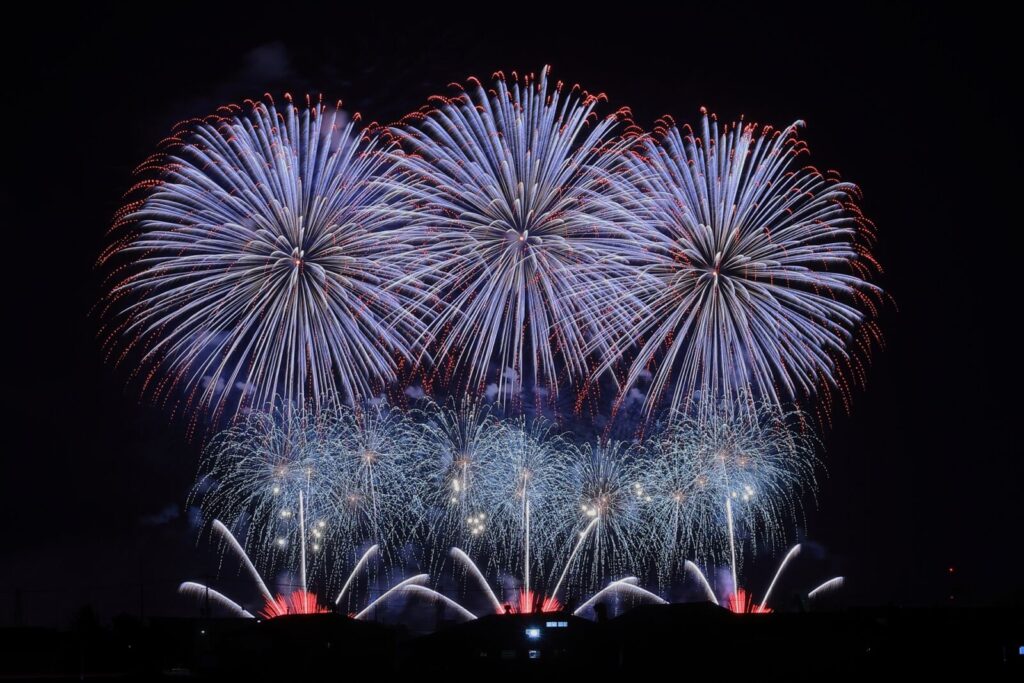
- April 28 – October 31, 2026
- Every evening from approximately 20:45 – 21:05
- Lake Toya Onsen
The Lake Toya Long Run Fireworks Display offers one of Hokkaido's most distinctive summer evening experiences. A real favorite for locals and visitors alike.
Rather than taking place on only one evening, fireworks are launched over Lake Toya every night throughout the extended season, including every night during August. The approximately 20-minute display illuminates the lake and surrounding mountains, creating a dramatic finale to a day of sightseeing.
Because the fireworks are launched from the lake, the display can be viewed from various locations along the Lake Toya Onsen waterfront.
Visitors staying overnight at one of the area's hotels or ryokan can enjoy an onsen bath, dinner, and an evening walk along the lakeside before watching the fireworks.
August's mild evenings make this an especially pleasant time to experience the event.
Noboribetsu Hell Valley Festival
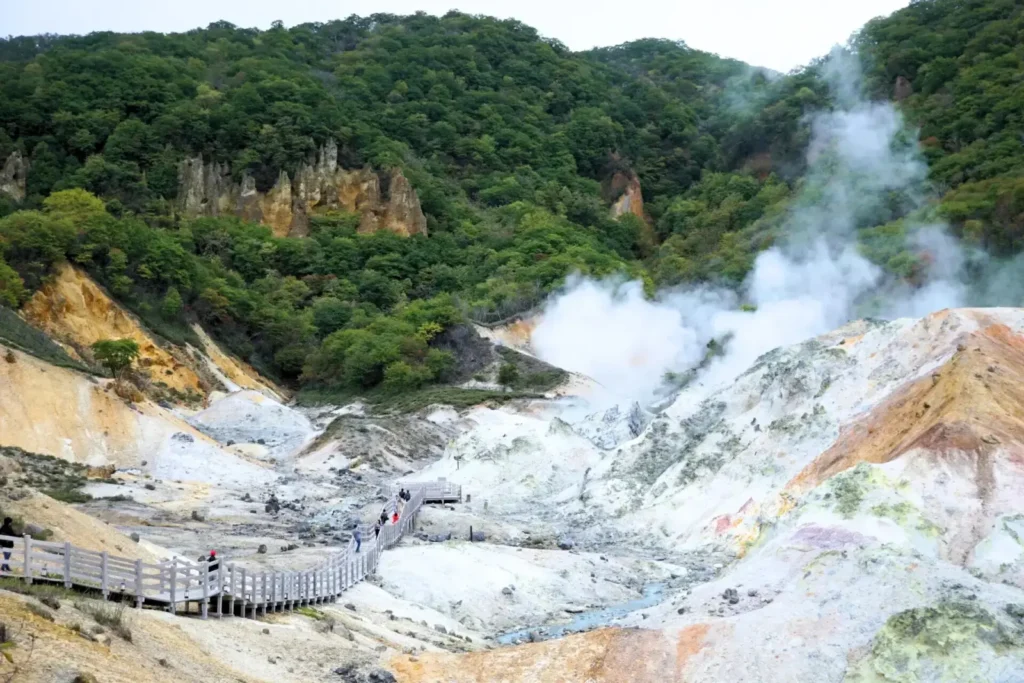
- August 29 – 30, 2026
- Noboribetsu Onsen
The Noboribetsu Hell Festival is one of Hokkaido's most unusual and dramatic traditional summer festivals.
Noboribetsu is famous for Jigokudani, or "Hell Valley," a volcanic landscape of steaming vents, sulfurous pools, and hot springs. According to local legend, the gates of Hell open during the festival and King Enma, ruler of the underworld, emerges accompanied by demons.
The normally peaceful hot spring town is transformed with demon-themed processions, performances, music, dancing, and festival celebrations.
The festival draws heavily upon Noboribetsu's association with oni, the demons or ogres of Japanese folklore, creating an atmosphere unlike that of most other summer festivals in Japan.
Combined with a visit to Jigokudani and an overnight stay at a traditional onsen hotel or ryokan, the festival provides an excellent reason to visit Noboribetsu at the end of August.
Featured Tours in August
August's comfortable summer weather makes it an ideal month for exploring Hokkaido with a knowledgeable local guide. Guided tours can provide more than convenient sightseeing—they offer context and insight into the history, culture, food, landscapes, and people that make each destination distinctive.
From discovering Sapporo's history and hidden corners to exploring Otaru's historic port, learning about Hokkaido's Indigenous Ainu culture, or venturing into the island's spectacular natural landscapes, these experiences offer an opportunity to see more of Hokkaido while gaining a deeper understanding of the places you visit.
Sapporo City Walking Tour Highlights and Hokkaido Culture.
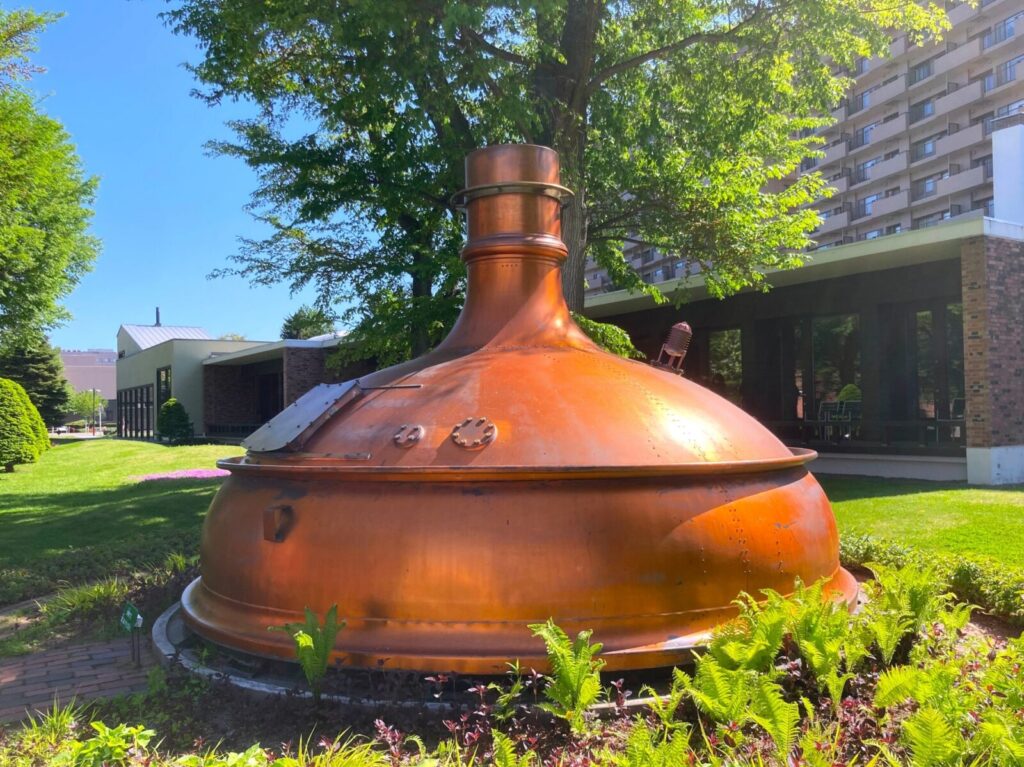
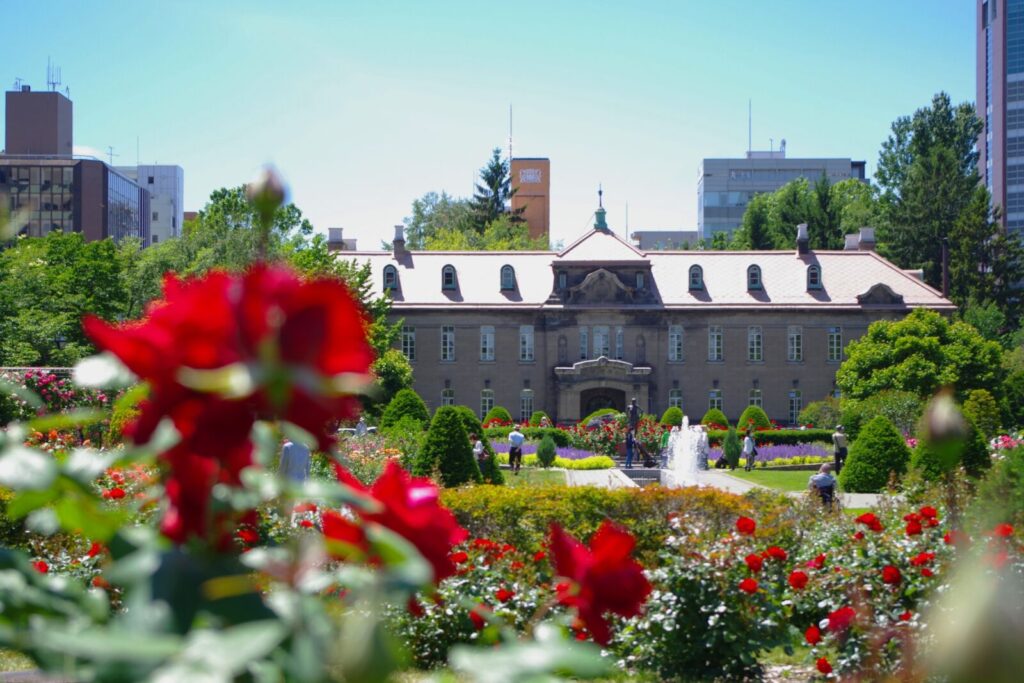
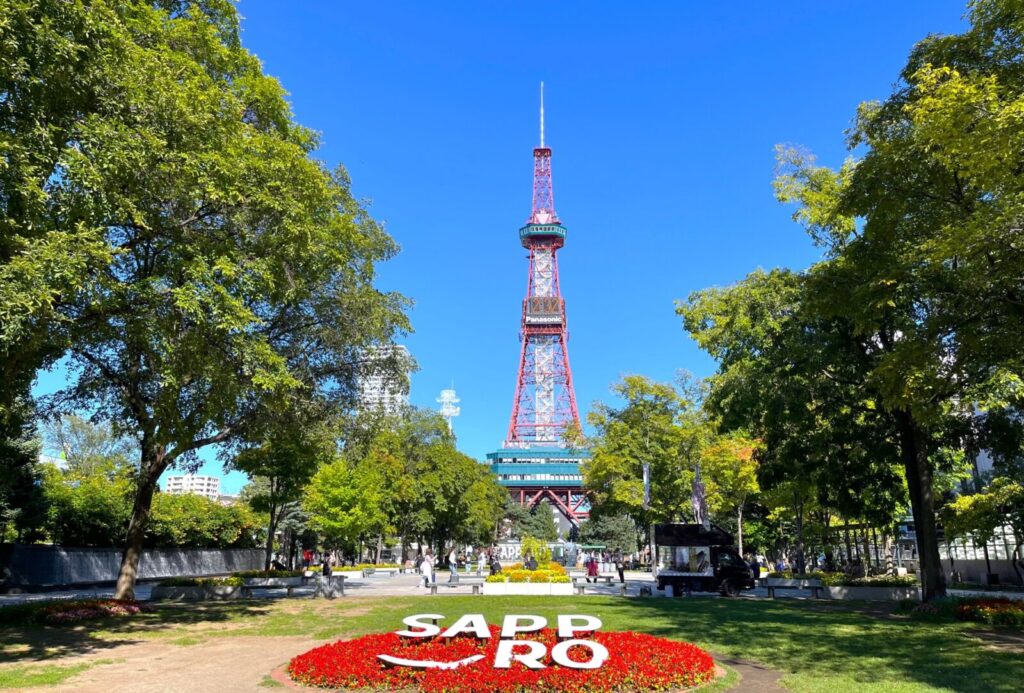
August is one of the best times of year to explore Sapporo on foot and discover the history, culture, food, and landmarks of Hokkaido's capital city.
Beginning around central Sapporo, visitors can discover some of the city's most recognizable attractions while learning how Sapporo developed from a small settlement into the political and cultural center of Hokkaido.
Highlights can include landmarks such as the Sapporo Clock Tower, Odori Park, the Former Hokkaido Government Office Building, Hokkaido Shrine, and so much more. Your guide will take you “off the beaten path” as well, to show you some hidden gems.
August adds another dimension to the experience. Odori Park becomes the center of the Sapporo Summer Festival, while seasonal food, outdoor events, and summer celebrations fill the center of the city.
Whether you're a first-time visitor, history enthusiast, food lover, or simply looking for an introduction to Hokkaido's capital, a guided Sapporo tour is one of the best ways to begin your Hokkaido journey.
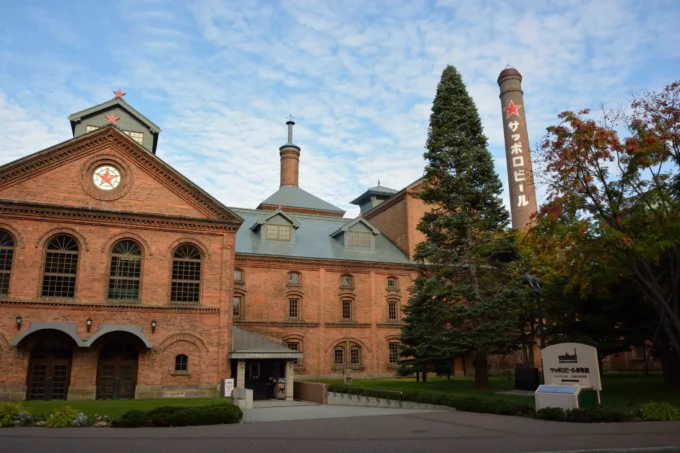
Otaru: History, Canals and Hokkaido's Romantic Port City
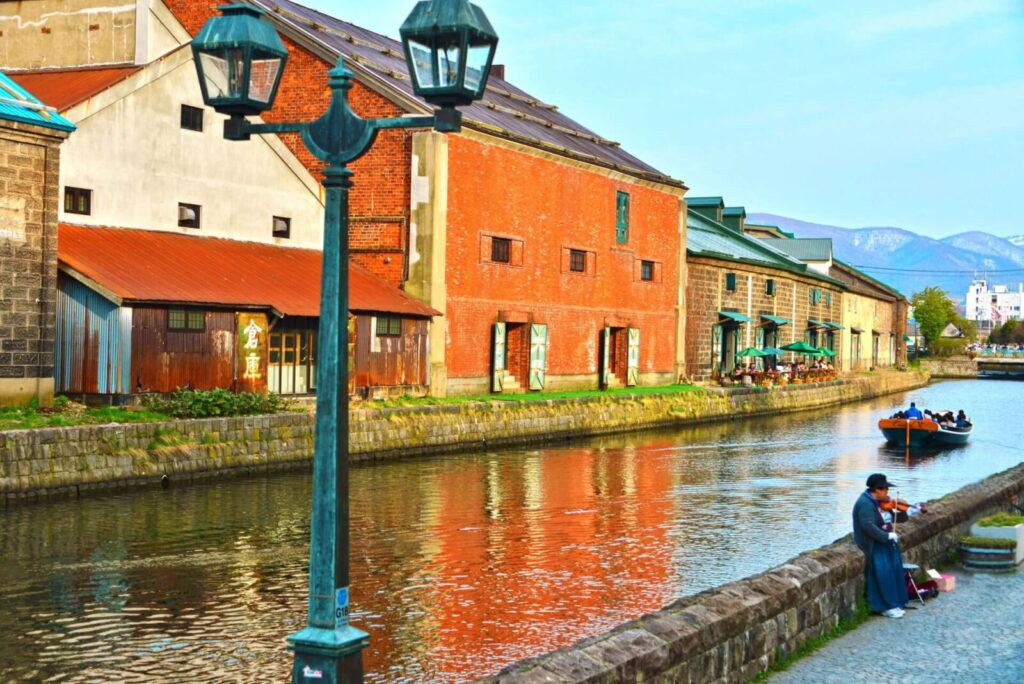
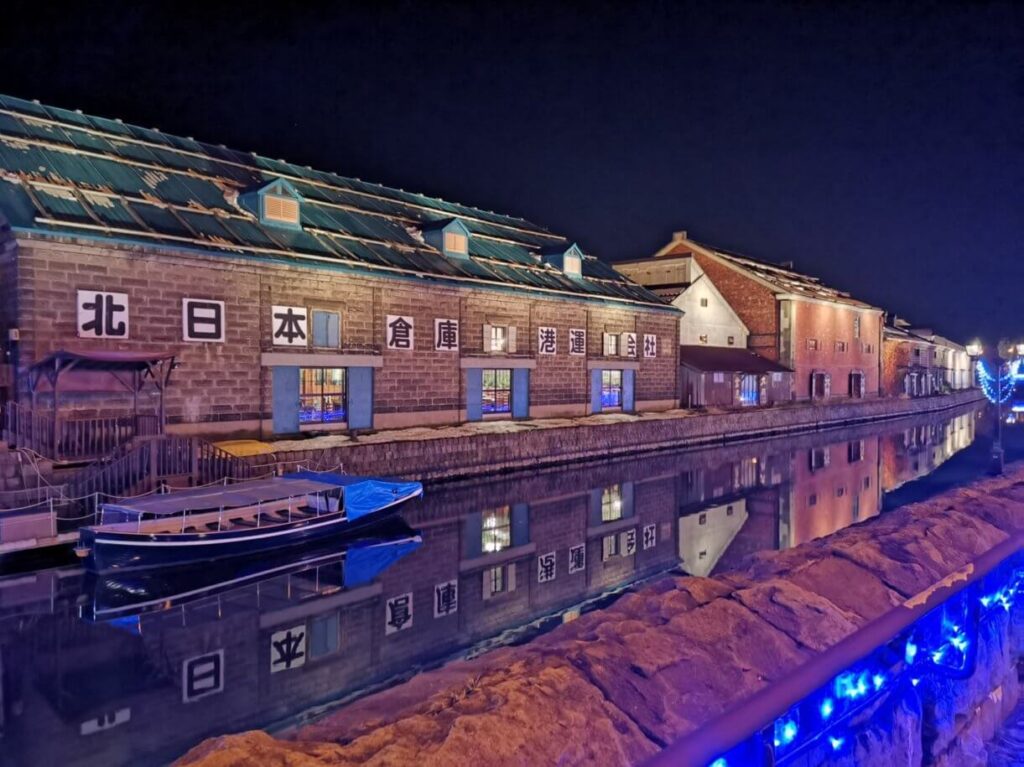
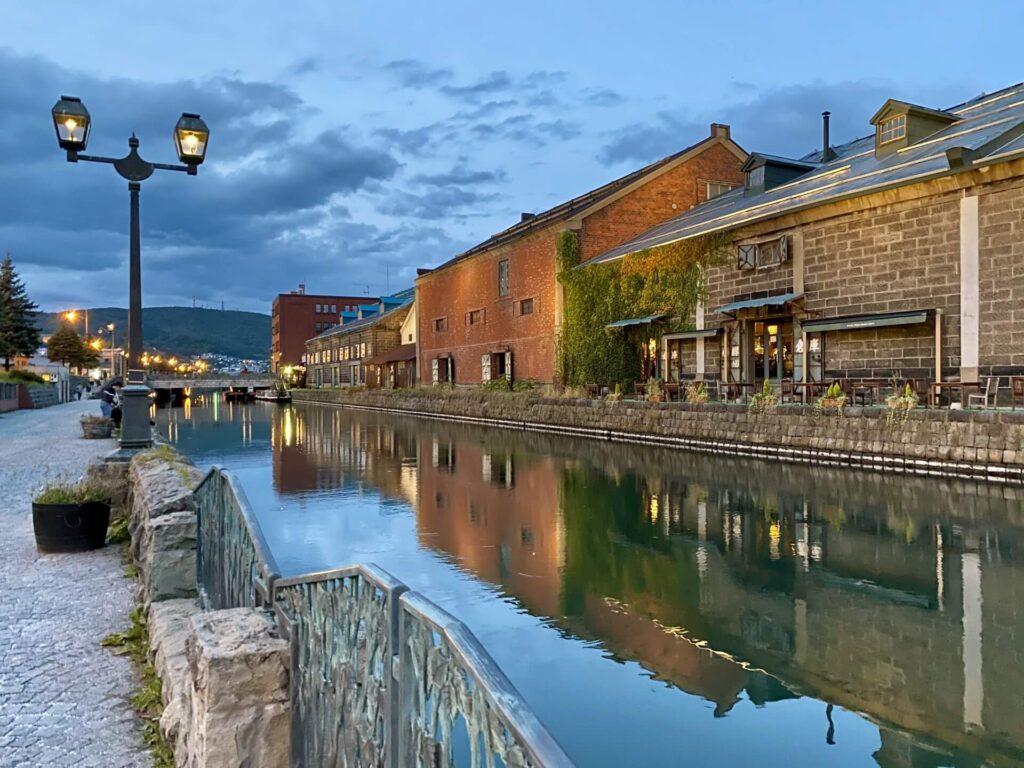
Escape Sapporo for the day and discover Otaru, one of Hokkaido's most atmospheric and historically important port towns.
Located approximately 30–45 minutes from Sapporo by train, Otaru developed rapidly during Hokkaido's settlement period and became an important center for shipping, banking, commerce, and fishing.
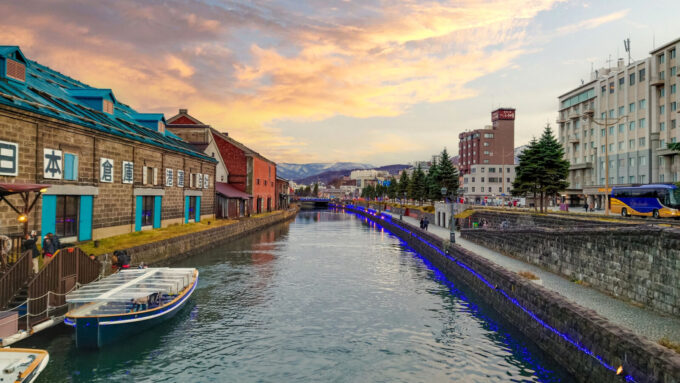
Today, the beautifully preserved warehouses lining Otaru Canal, historic stone buildings, former banks, glass workshops, music-box shops, and narrow streets provide a glimpse into the city's prosperous past.
August is an especially enjoyable time to visit. Warm weather makes walking along the canal and exploring the historic district pleasant, while Otaru's location on the Sea of Japan provides access to some of Hokkaido's freshest seafood.
A guided visit allows travelers to look beyond Otaru's famous canal and understand the people, industries, architecture, and history that shaped one of Hokkaido's most distinctive cities.
Hokkaido's Indigenous Ainu Culture and the Natural Beauty of Southern Hokkaido
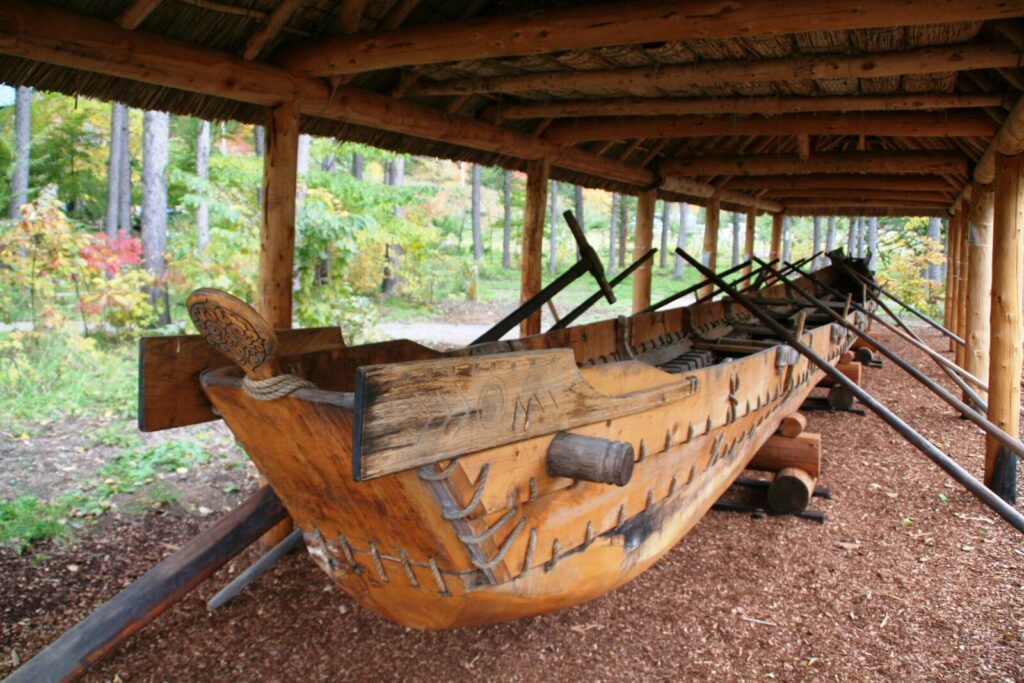
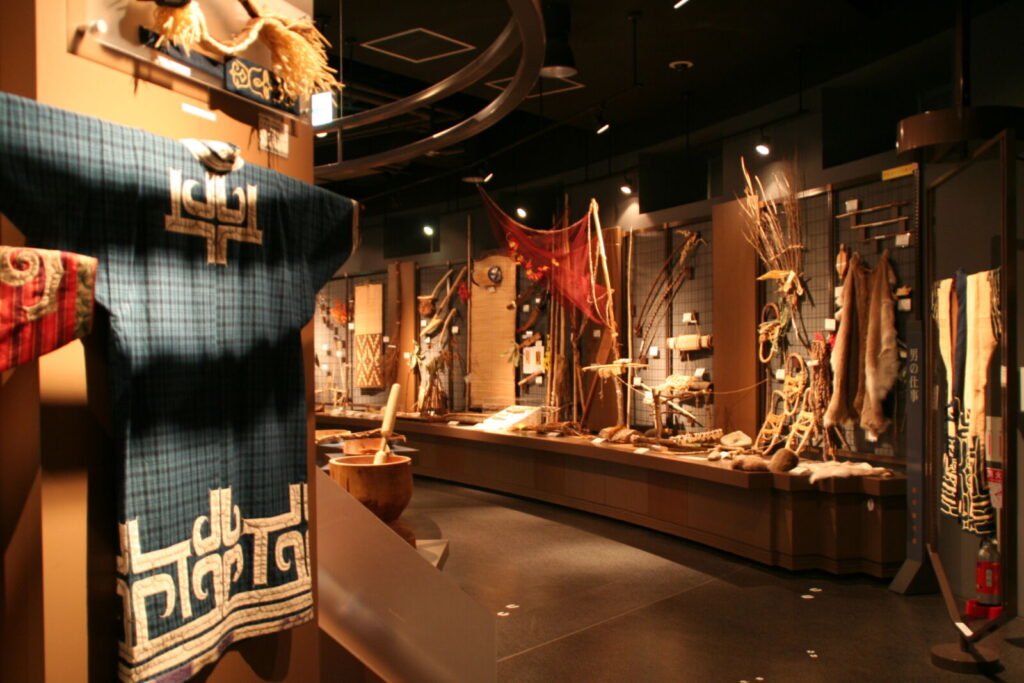
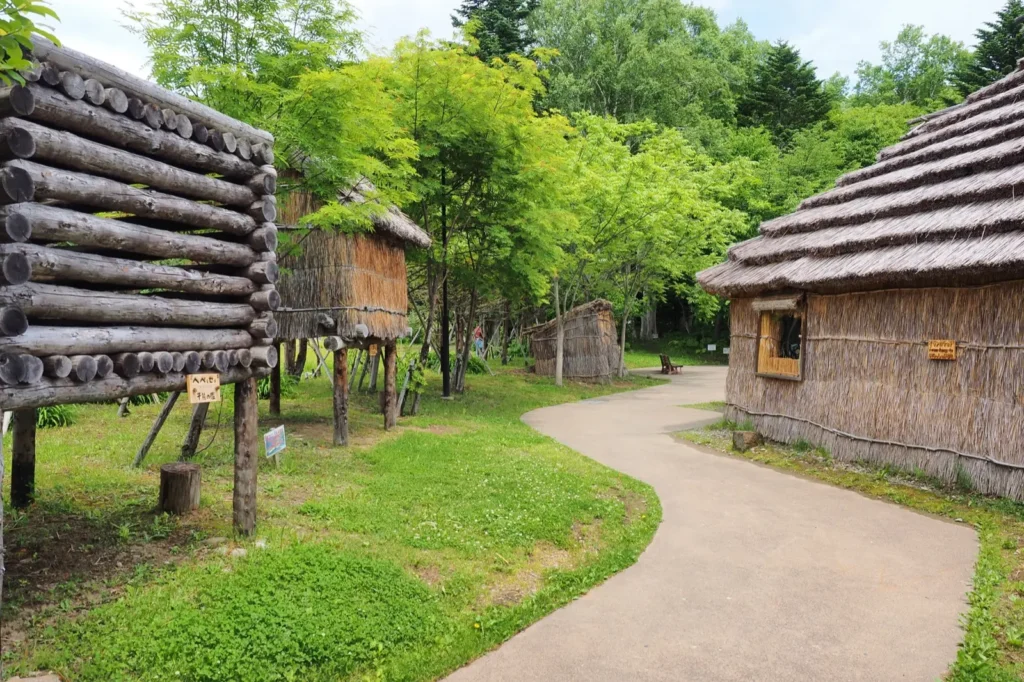
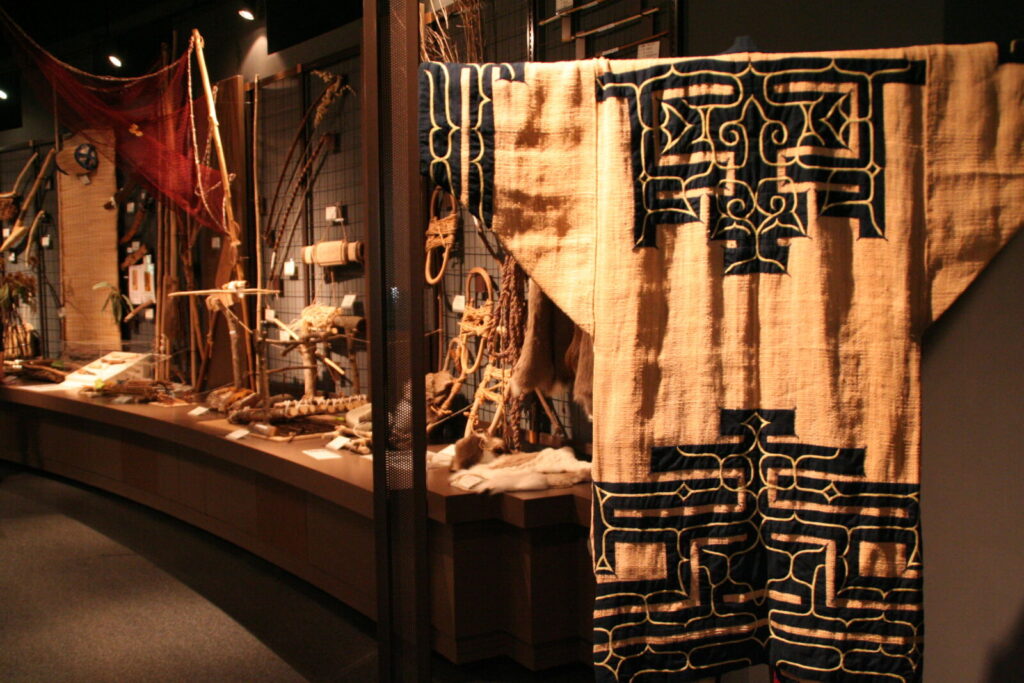
Discover another side of Hokkaido through its indigenous Ainu culture, dramatic volcanic landscapes, forests, lakes, and hot springs.
The Ainu are the indigenous people of northern Japan, with a distinct language, spiritual traditions, crafts, music, and relationship with the natural environment. Understanding Ainu history and culture provides visitors with a much deeper appreciation of Hokkaido and its identity.
A summer journey into southern Hokkaido can combine cultural discovery with some of the region's most impressive natural landscapes. Depending on the itinerary, visitors can also experience areas around Lake Shikotsu, Lake Toya, Shiraoi, or Noboribetsu.
August is an ideal month for exploring this part of Hokkaido. Forests are deep green, lakes reflect the surrounding mountains, and comfortable summer conditions provide excellent opportunities for walking and sightseeing. And the best part, Hokkaido is much cooler than other parts of Japan and Asia during the summer!
For travelers interested in experiencing Hokkaido beyond Sapporo's urban attractions, this combination of indigenous culture, history, and nature provides an excellent introduction to the island.
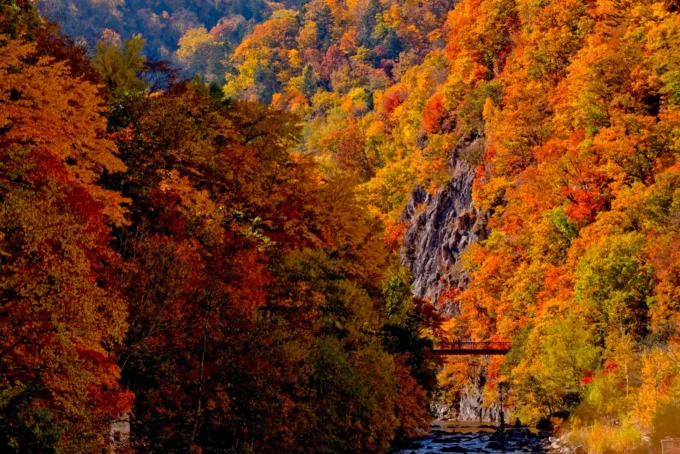
Recommended
1-Day Tour from Sapporo: Learn of The Indigenous Ainu people of Hokkaido & Jozankei walking tour
Plan Your August Visit
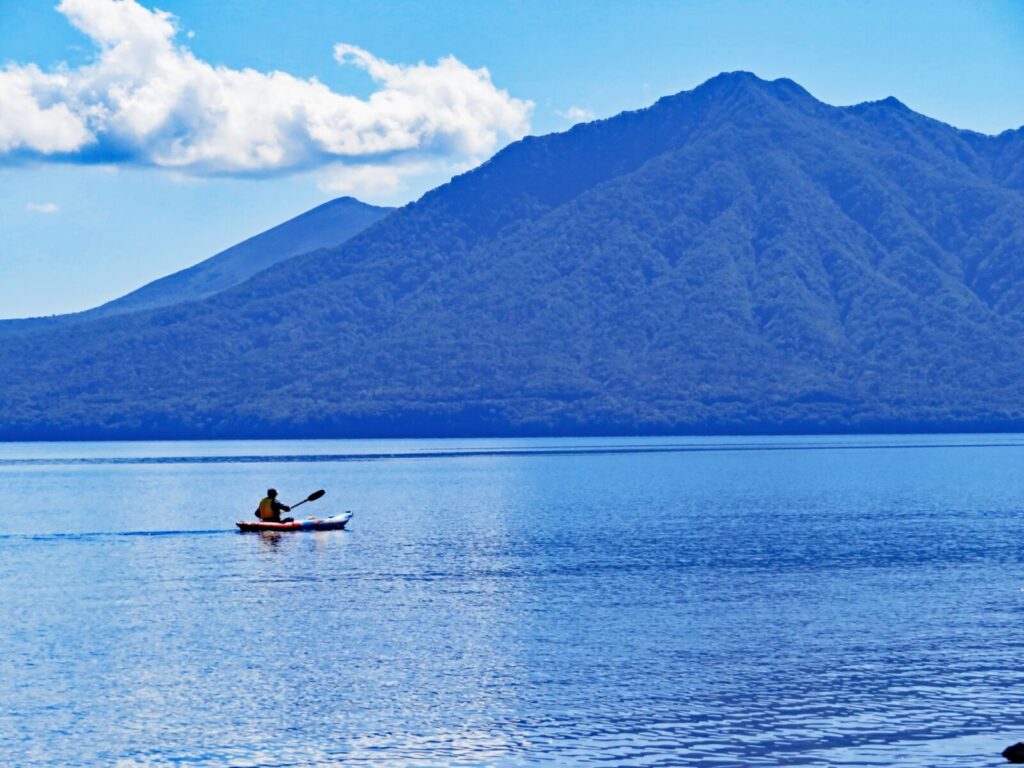
August is one of Hokkaido’s most dynamic and engaging travel seasons warm, festive, colorful, and fully open.
It offers:
- Peak summer conditions
- Festivals and fireworks
- Exceptional seasonal cuisine
- Nature, culture, and outdoor freedom
Whether you’re drawn to alpine scenery, coastal air, onsen relaxation, architecture, or summer festivals, Hokkaido in August delivers an unforgettable balance of energy and comfort.
Snow Monkey Resorts is here to support you every step of the way. From thoughtful itinerary design and expert local guidance to smooth transportation and responsive English-language support, we handle the details, so you can travel with confidence, ease, and enjoyment. We are here at anytime ready to help you plan your visit to Hokkaido.
Special Offer