


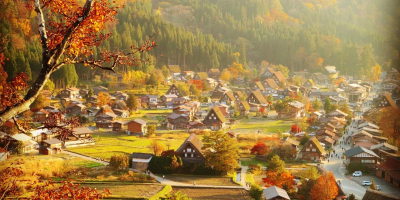



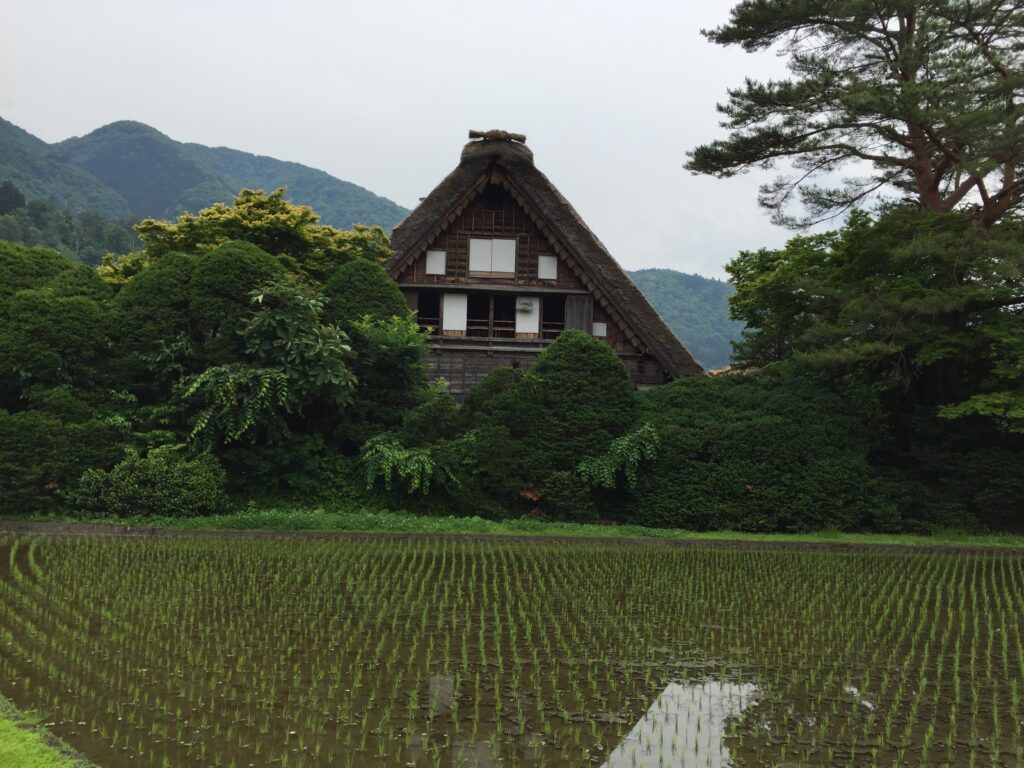
Wada House is one of the largest and best-preserved traditional gassho-zukuri farmhouses in Shirakawa-go’s Ogimachi village. Built during the Edo period and still associated with the Wada family today, the house offers visitors an opportunity to step inside a historic residence and see how a prominent family lived in the village.
The house is recognised by the Japanese government as an Important Cultural Property, reflecting both its architectural value and its importance to the history of Shirakawa-go. Inside, visitors can explore traditional living spaces, see household objects and historical displays, and view the large timber structure supporting the steep thatched roof.
Located within the UNESCO World Heritage village of Shirakawa-go, Wada House provides an accessible introduction to gassho-zukuri architecture and the everyday life that developed around these distinctive buildings. Its location close to the main entrance to Ogimachi also makes it an easy addition to a walk through the village.
The Wada Family and History of the House
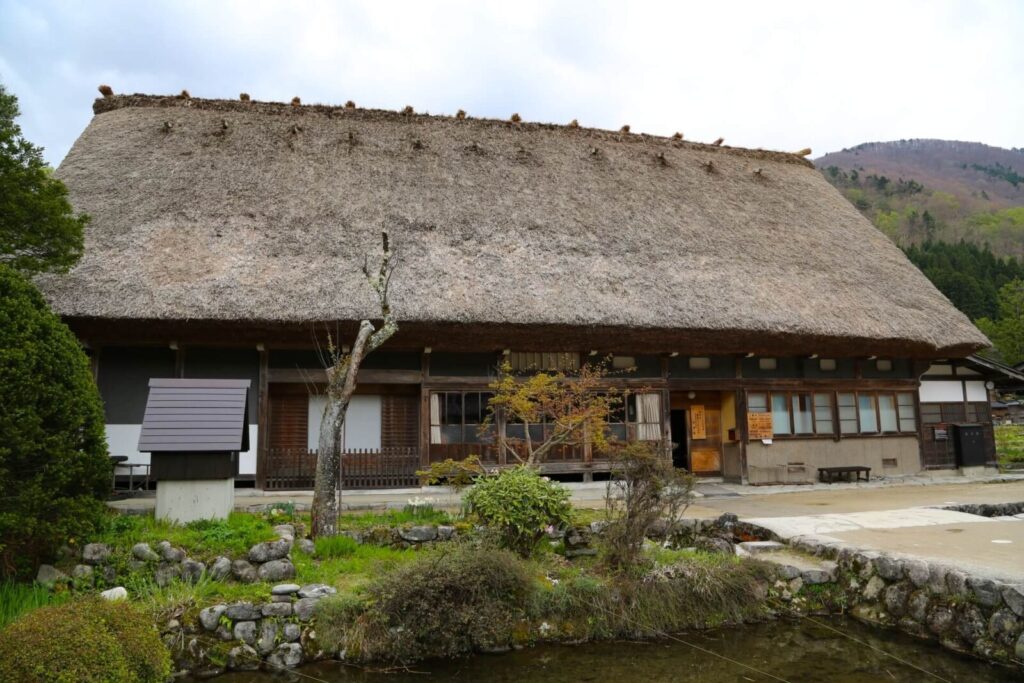
The Wada family was one of the most prominent families in Shirakawa-go, and their large residence reflects the important position they held within the community. Members of the family served as village officials during the Edo period, giving them administrative responsibilities within Ogimachi and the surrounding area.
The family was also involved in the production and trade of ensho, or saltpetre, an important ingredient used in gunpowder. Saltpetre production developed into a significant industry in the isolated mountain communities of Shirakawa-go, providing an important source of income alongside agriculture and sericulture.
Wada House has remained closely connected to the family across generations and preserves objects and spaces associated with their history. Together with the scale and condition of the building, this connection helps provide insight into the lives of a particularly influential household within traditional Shirakawa-go.
Inside Wada House
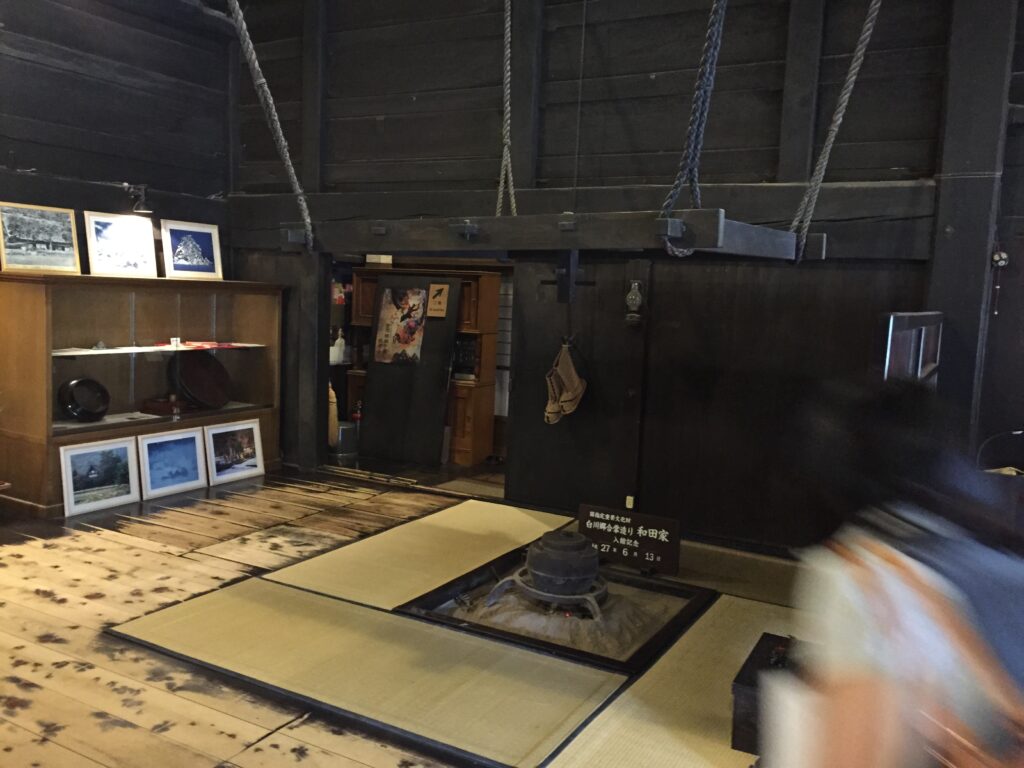
Wada House allows visitors to explore part of the interior of a traditional gassho-zukuri farmhouse while seeing how the building functioned as both a family home and working space. The lower floor contains the main living areas, arranged around a traditional irori sunken hearth that provided heat and was central to everyday household life.
Throughout the accessible areas of the house, visitors can see household objects, tools, documents, and other items connected to the Wada family and life in Shirakawa-go. Tatami rooms and traditional furnishings provide further insight into how the interior of a large and prosperous household was organised.
Visitors can also climb to the upper level beneath the steep thatched roof. Here, the exposed wooden beams and framework provide a closer look at the construction techniques used in gassho-zukuri architecture, while also demonstrating how the large spaces above the living quarters could be used for work and storage.
An Important Cultural Property
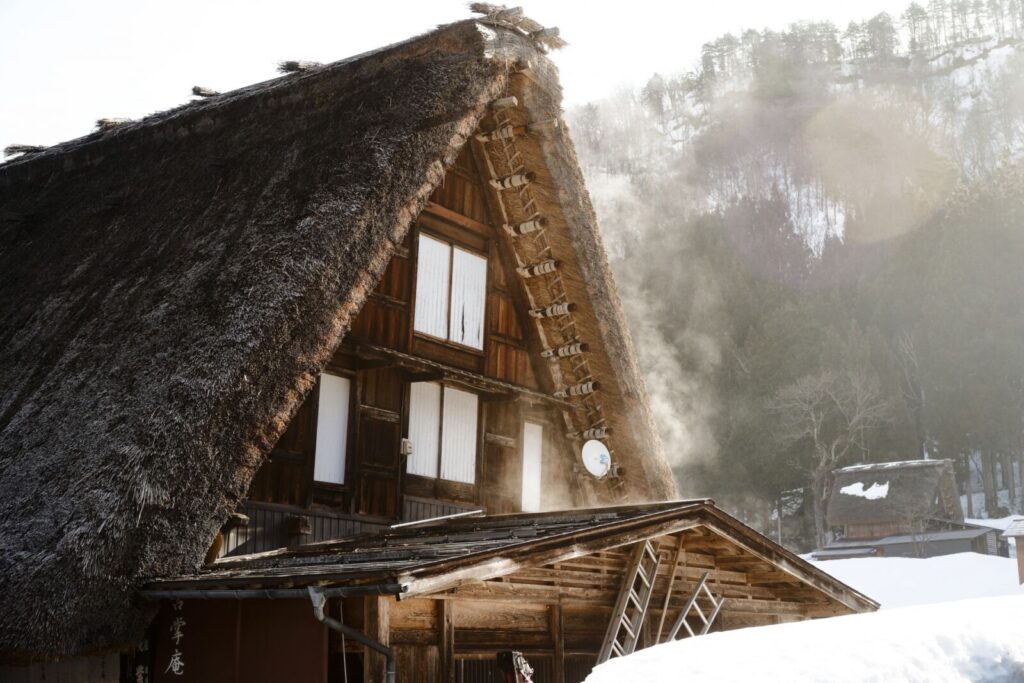
Wada House is designated as an Important Cultural Property of Japan, recognising the historical and architectural value of the building. The designation helps protect significant structures and cultural assets that provide insight into Japan's history and traditional ways of life.
The house is particularly valuable because of its size, state of preservation, and the survival of both the building and objects associated with generations of the Wada family. Together, these elements provide a detailed example of how a prominent household in Shirakawa-go lived and worked.
While many gassho-zukuri houses remain throughout Ogimachi, Wada House provides visitors with an opportunity to enter and examine one of the village's most historically significant examples. Its preservation also contributes to the wider protection of the cultural landscape that led to Shirakawa-go's recognition as a UNESCO World Heritage Site.
Gassho-zukuri Architecture
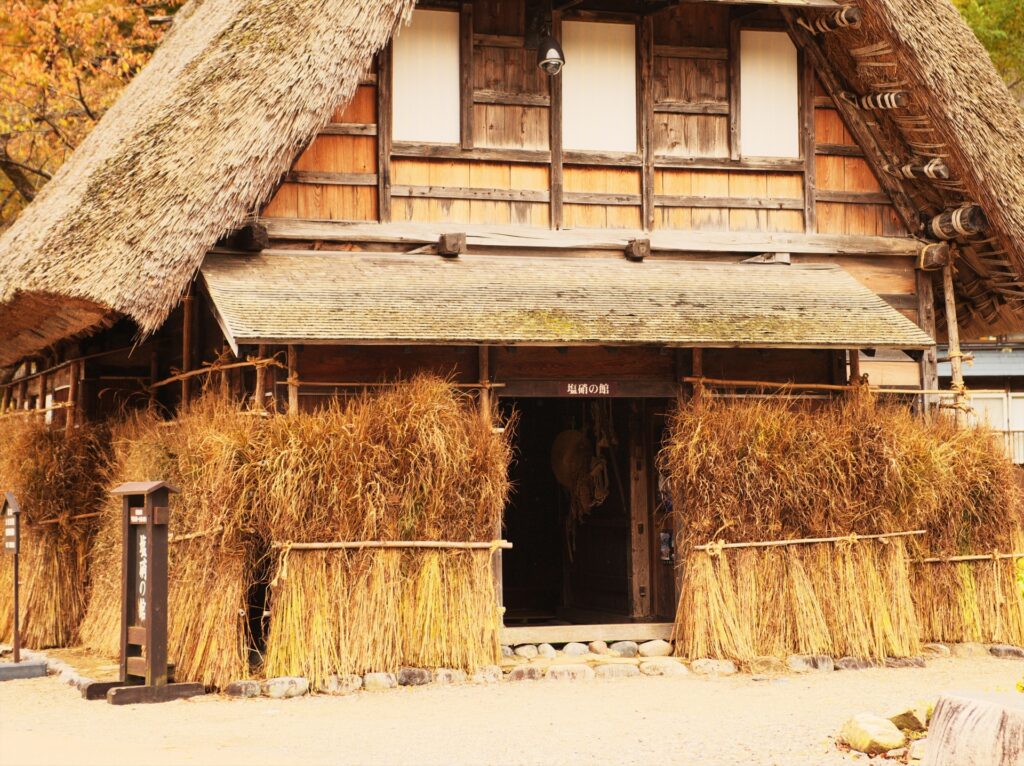
Wada House is an excellent example of the gassho-zukuri architectural style that defines the traditional landscape of Shirakawa-go. The name gassho-zukuri means "constructed like hands in prayer", referring to the steep triangular shape of the farmhouse roofs.
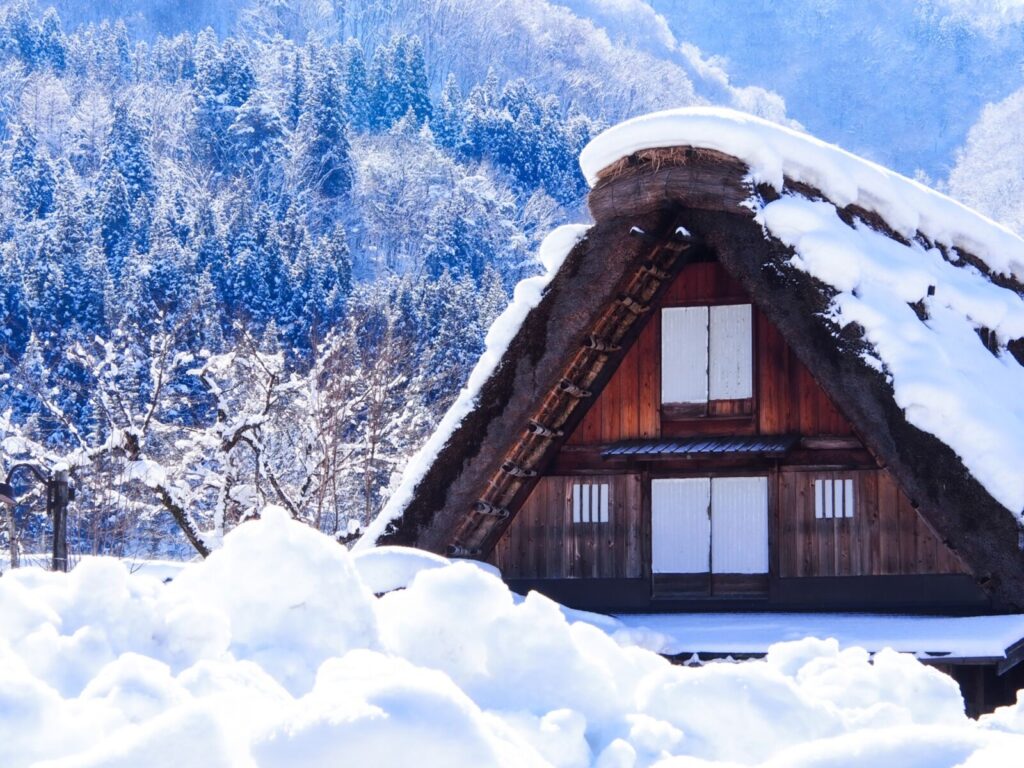
The steep thatched roof was developed in response to the heavy snowfall experienced in Shirakawa-go. Its shape helps manage the accumulation of snow while creating a large internal space beneath the roof, which could be divided into multiple levels and used for work and storage.
Inside Wada House, visitors can see the large wooden beams and traditional construction techniques that support the roof. The structure relies on carefully joined timbers and bindings rather than nails in key parts of the roof framework, demonstrating how local building methods developed in response to the climate, available materials, and practical needs of families living in the region.
Visitor Experience
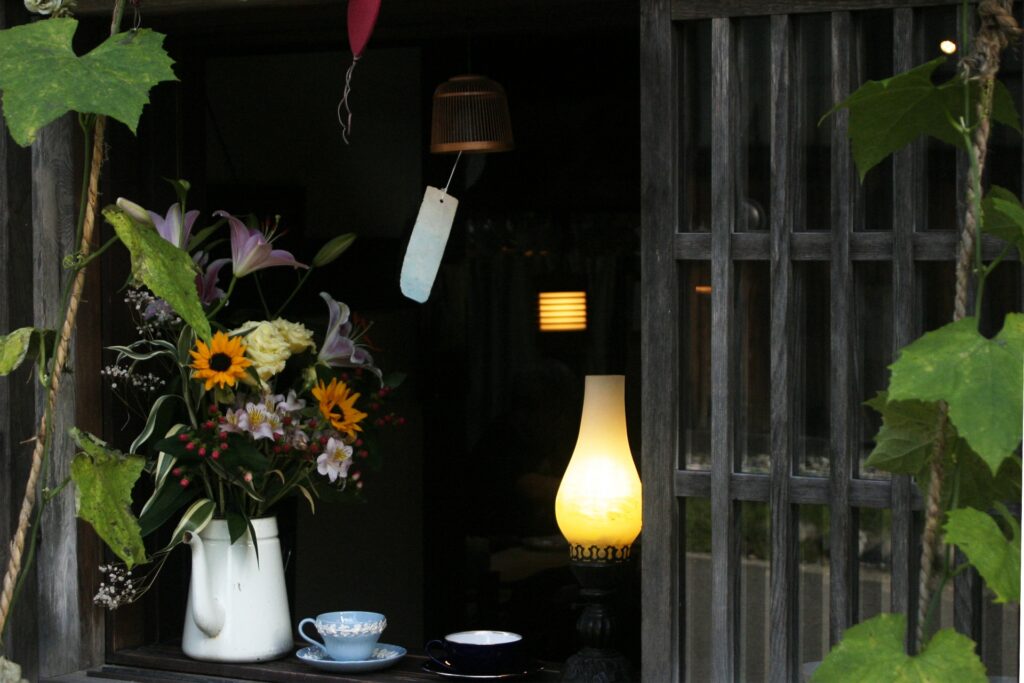
Visiting Wada House gives travellers the opportunity to step inside one of the traditional gassho-zukuri farmhouses that define the landscape of Shirakawa-go. Visitors remove their shoes before entering and can explore the accessible areas of the house at their own pace, moving between traditional living spaces and displays connected to the Wada family.
The contrast between the lower living areas and the open space beneath the thatched roof is one of the most interesting parts of the visit. From the upper level, visitors can see the large timber framework up close and gain a better understanding of the scale and construction of a gassho-zukuri farmhouse.
Wada House can be easily incorporated into a wider walk through Ogimachi. A visit provides useful context before continuing through the village, allowing visitors to better understand the architecture and traditional way of life behind the gassho-zukuri houses they see throughout Shirakawa-go.
Location and Access
Wada House is located in the northern part of Ogimachi, close to the Shirakawa-go Bus Terminal and within the UNESCO World Heritage area. Its convenient position near the main arrival point makes it one of the easiest gassho-zukuri houses to visit when beginning or ending a walk through the village.
Visitors arriving at the Shirakawa-go Bus Terminal can reach Wada House in around five minutes on foot. From the house, visitors can continue further into Ogimachi or towards other major attractions and viewpoints around the village.
Admission is required to enter Wada House, with tickets purchased at the entrance. Opening hours and admission fees may change, so visitors should check the latest information when planning their visit.
Tours Visiting a Traditional Gassho-zukuri House
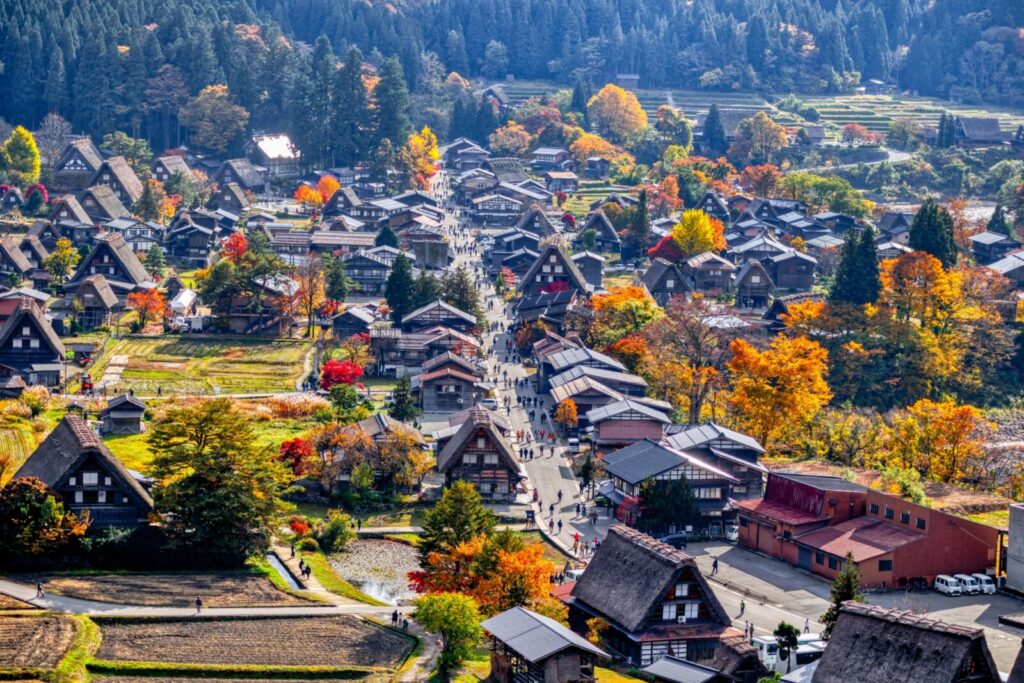
Visiting the interior of a traditional farmhouse adds important context to a trip to Shirakawa-go, allowing visitors to see how the distinctive buildings of Ogimachi functioned beyond their famous exterior appearance.
1-Day Tour from Takayama: Explore Scenic Old Japan in Takayama and Shirakawa-go
This full-day tour combines the historic streets and cultural sites of Takayama with a guided visit to the World Heritage village of Shirakawa-go. In Shirakawa-go, the tour includes entry to a traditional gassho-zukuri farmhouse, providing an opportunity to explore its interior and learn more about the architecture and daily life of the families who lived in these homes.
Highlights:
- Explore the UNESCO World Heritage village of Shirakawa-go with a guide
- Enter a traditional gassho-zukuri farmhouse and discover how these homes were used
- Experience Takayama’s historic old town and important cultural sites as part of the same day
For visitors interested in spending more time in Shirakawa-go, you can view our other Shirakawa-go tours and charters for additional ways to explore the village and surrounding region. Alternatively, contact us to discuss a private or customisable itinerary based around the places you would most like to visit.
Frequently Asked Questions
What is Wada House?
Wada House is a historic gassho-zukuri farmhouse located in Shirakawa-go’s Ogimachi village. It was home to the prominent Wada family and is designated as an Important Cultural Property of Japan.
Can you go inside Wada House?
Yes. Wada House is open to visitors, with parts of the lower and upper floors accessible to the public. Admission is required to enter.
How long should I spend at Wada House?
Most visitors can explore Wada House in around 20 to 30 minutes. Those interested in traditional architecture, the Wada family, or the historical displays may want to allow additional time.
Do I need to remove my shoes inside Wada House?
Yes. Visitors are required to remove their shoes before entering the accessible areas of the house.
What is special about Wada House?
Wada House is one of the largest and best-preserved gassho-zukuri houses in Shirakawa-go. Its historical connection to the influential Wada family and its designation as an Important Cultural Property make it particularly significant.
Is Wada House the same as Nagase House?
No. Wada House and Nagase House are separate historic gassho-zukuri farmhouses in Ogimachi. Both can be visited, but each has its own family history, displays, and characteristics.
How far is Wada House from the Shirakawa-go Bus Terminal?
Wada House is around a five-minute walk from the Shirakawa-go Bus Terminal, making it one of the easiest traditional farmhouses to visit after arriving in the village.
Can I visit a gassho-zukuri farmhouse on a tour?
Yes. Our 1-Day Tour from Takayama: Explore Scenic Old Japan in Takayama and Shirakawa-go includes entry to a traditional gassho-zukuri farmhouse as part of a guided visit to Shirakawa-go.