







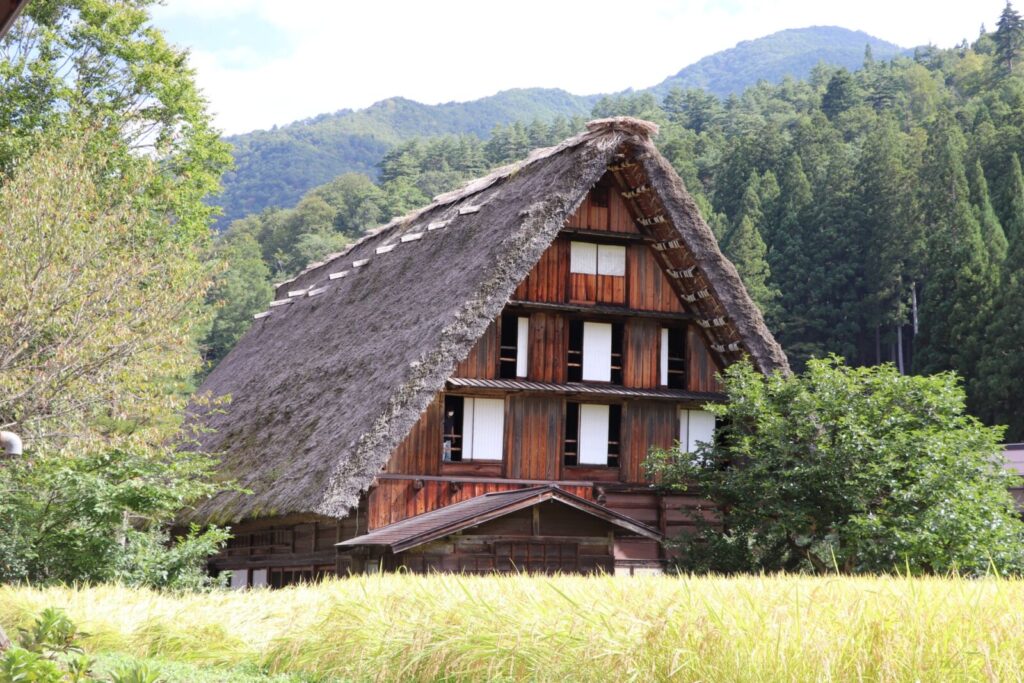
Nagase House is one of the historic gassho-zukuri farmhouses open to visitors in Shirakawa-go’s Ogimachi village. Built in 1890, the five-storey house provides an opportunity to step inside one of the traditional homes that form part of the village’s distinctive landscape and explore how its interior was organised for everyday life.
The house was home to the Nagase family, whose history and possessions remain an important part of the experience today. Inside, visitors can see traditional living spaces alongside household items, tools, and other objects preserved by the family, while the upper floors reveal the large timber framework supporting the steep thatched roof.
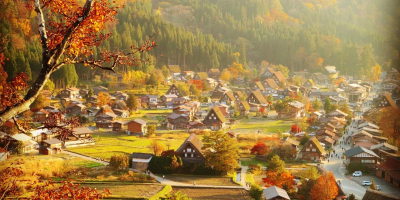
Located within the UNESCO World Heritage village of Shirakawa-go, Nagase House offers visitors the chance to look beyond the exterior of a gassho-zukuri farmhouse and better understand how these remarkable buildings functioned as family homes.
The Nagase Family and History of the House
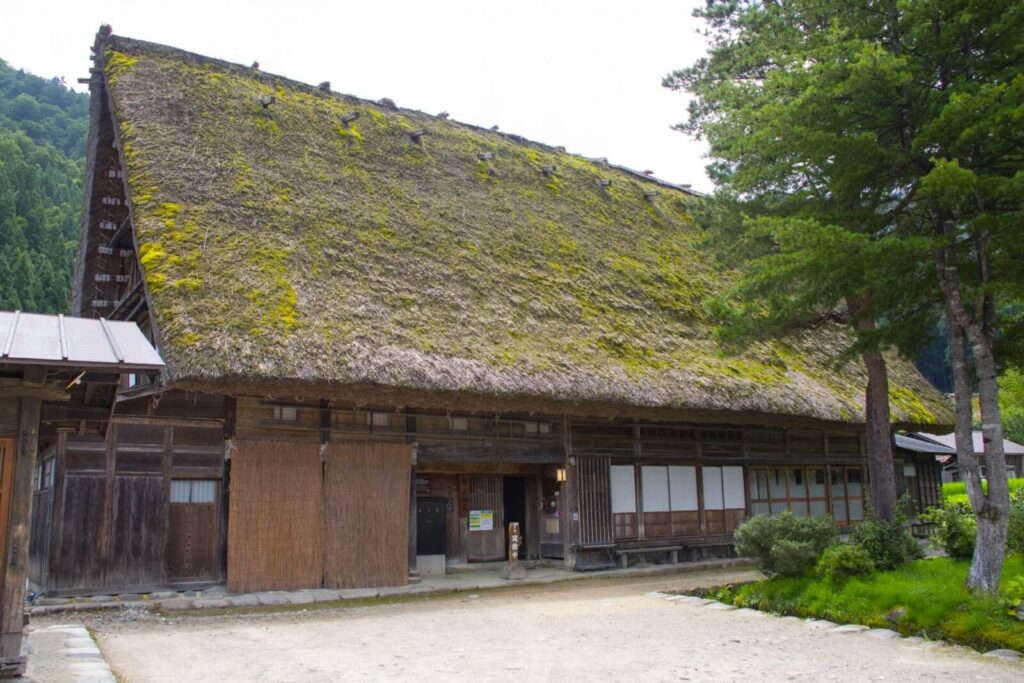
Nagase House was constructed in 1890 and has been home to generations of the Nagase family. The house reflects both the traditional gassho-zukuri architecture of Shirakawa-go and the changing lives of the families who occupied these large farmhouses.
The Nagase family has a particularly interesting connection to medicine. Members of the family worked as doctors, and the house preserves medical instruments, documents, and other objects associated with their work alongside more familiar household items. These collections provide a glimpse into both professional and everyday life in the village.
The scale of the five-storey building also reflects how gassho-zukuri houses served purposes beyond simply providing living space. Different levels were used for domestic life, storage, work, and activities that supported the household, making the entire building part of the family's livelihood.
Inside Nagase House
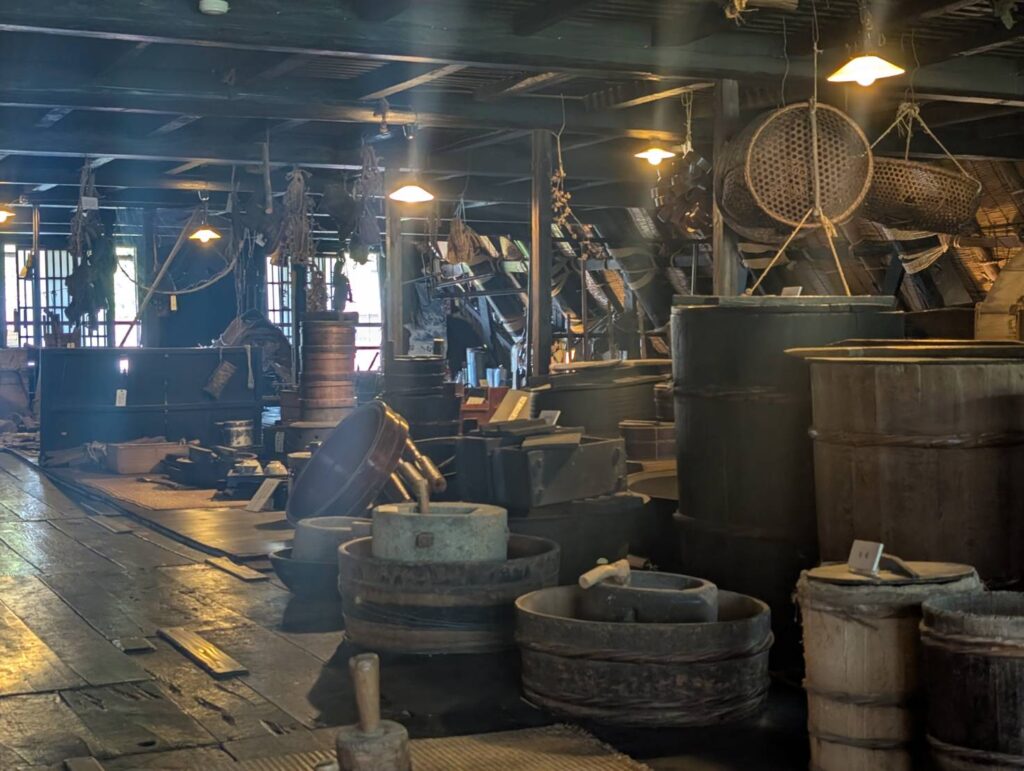
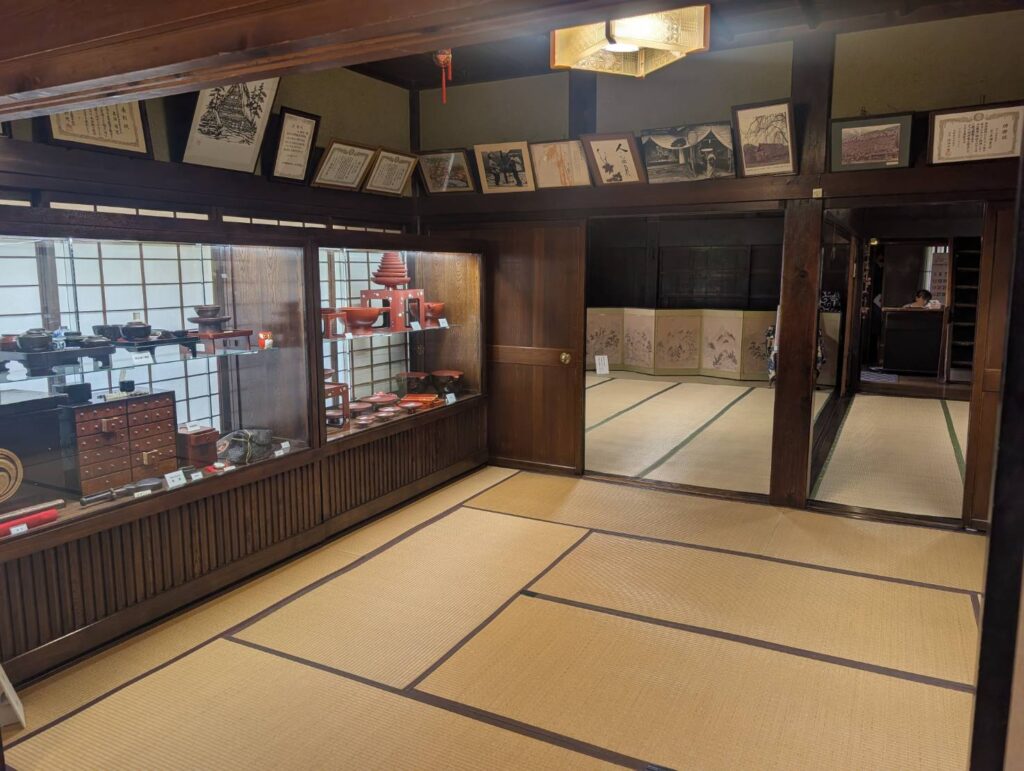
Nagase House extends across five levels, with the lower floors containing the main living spaces and the upper floors traditionally used for work and storage. Visitors can enter the house and move through several of these areas, seeing how different parts of the building were used by the family.
On the lower level, rooms are arranged around a traditional irori sunken hearth, once an important part of daily life for cooking, heating, and gathering. Household items, tools, documents, and possessions belonging to the Nagase family are displayed throughout the house, including objects connected to the family's history in medicine.
The upper levels provide a closer look at the construction of the gassho-zukuri roof. Large wooden beams are joined together without nails, while the open interior reveals the framework supporting the heavy thatch above. These spaces help demonstrate how the distinctive architecture of Shirakawa-go was designed not only to withstand the region's climate, but also to provide practical working space for the families who lived inside.
Gassho-zukuri Architecture
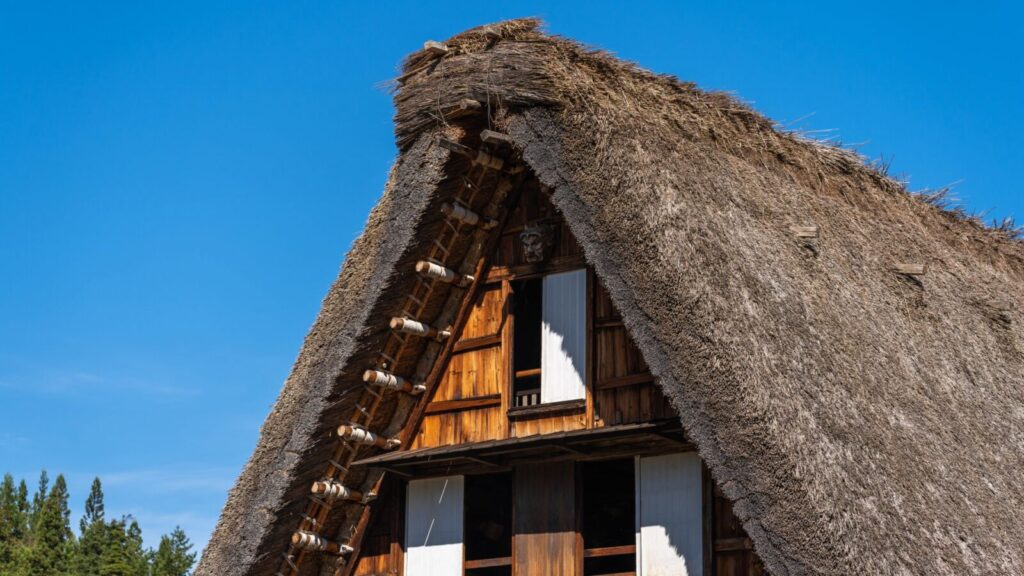
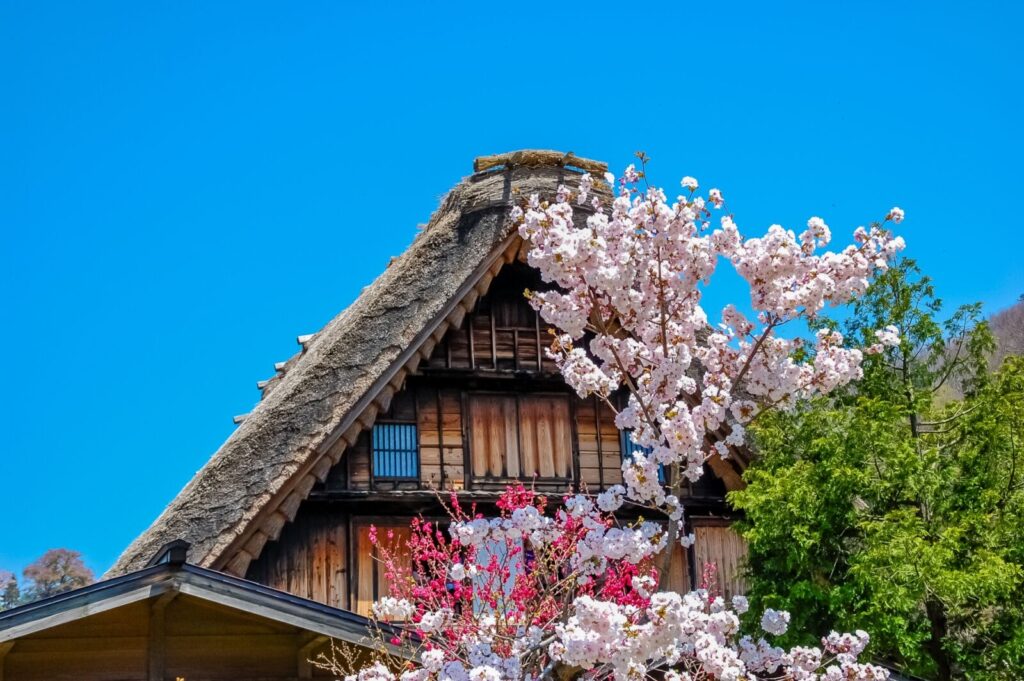
Nagase House is an example of the gassho-zukuri architectural style for which Shirakawa-go is famous. The name gassho-zukuri means "constructed like hands in prayer", referring to the steep triangular shape of the thatched roofs.
The steep roof was particularly important in Shirakawa-go, where heavy snowfall is common during winter. Its shape helps snow slide from the roof while creating a large space beneath it. Rather than leaving this upper area unused, families incorporated multiple levels into the house for storage and work.
The roof structure is also notable for its traditional construction techniques. Large timbers are secured using wooden joints and rope rather than nails, allowing the structure a degree of flexibility. Maintaining the thick thatched roof requires periodic replacement, a practice traditionally carried out with the help of the wider community and closely connected to Shirakawa-go's culture of cooperation.
Visitor Experience
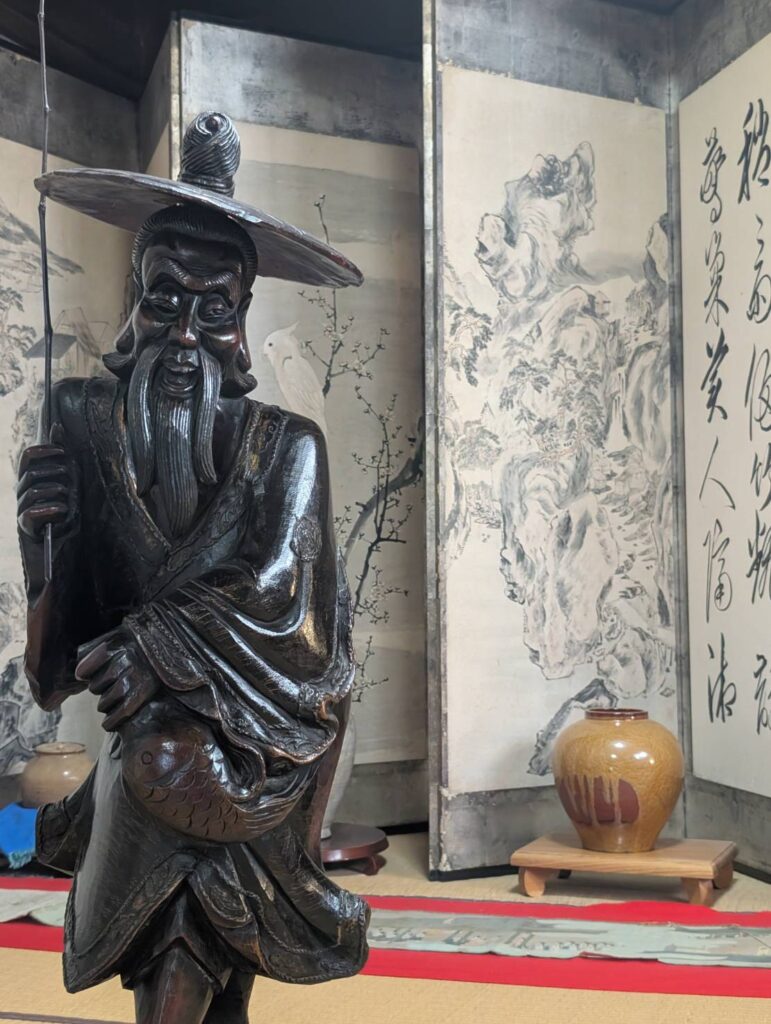
Visiting Nagase House allows travellers to experience a gassho-zukuri farmhouse from the inside rather than simply viewing its distinctive architecture from the village streets. Visitors remove their shoes before entering and can explore the house at their own pace, moving through traditional living areas and viewing the family's collection of household objects and historical items.
As visitors move upwards through the house, the atmosphere changes from furnished living spaces to the more open upper levels beneath the thatched roof. Here, the exposed timber framework provides a particularly clear view of how a large gassho-zukuri house was constructed and how the space above the living quarters was used.
Nagase House can be comfortably included while exploring Ogimachi on foot. The visit provides useful context for the other gassho-zukuri houses seen throughout Shirakawa-go, helping visitors understand that these distinctive buildings were practical homes and working spaces as well as an important part of the landscape visitors see today.
Location and Access
Nagase House is located within Ogimachi, the main village of Shirakawa-go and the area included within the UNESCO World Heritage Site. Its central position makes it easy to visit while exploring the village on foot alongside other gassho-zukuri houses, temples, shops, and viewpoints.
Visitors arriving at the Shirakawa-go Bus Terminal can reach Nagase House on foot while walking through the village. As much of Ogimachi is best explored on foot, the house can be incorporated naturally into a wider walking route without requiring additional transport.
Nagase House charges a small admission fee to enter, with tickets purchased at the house. Opening hours and admission fees can change, so visitors should check the latest information when planning their visit.
Tours Visiting a Traditional Gassho-zukuri House
Visiting the interior of a traditional farmhouse adds important context to a trip to Shirakawa-go, allowing visitors to see how the distinctive buildings of Ogimachi functioned beyond their famous exterior appearance.
1-Day Tour from Takayama: Explore Scenic Old Japan in Takayama and Shirakawa-go
This full-day tour combines the historic streets and cultural sites of Takayama with a guided visit to the World Heritage village of Shirakawa-go. In Shirakawa-go, the tour includes entry to a traditional gassho-zukuri farmhouse, providing an opportunity to explore its interior and learn more about the architecture and daily life of the families who lived in these homes.
Highlights:
- Explore the UNESCO World Heritage village of Shirakawa-go with a guide
- Enter a traditional gassho-zukuri farmhouse and discover how these homes were used
- Experience Takayama’s historic old town and important cultural sites as part of the same day
For visitors interested in spending more time in Shirakawa-go, you can view our other Shirakawa-go tours and charters for additional ways to explore the village and surrounding region. Alternatively, contact us to discuss a private or customisable itinerary based around the places you would most like to visit.
Frequently Asked Questions
What is Nagase House?
Nagase House is a five-storey gassho-zukuri farmhouse in Shirakawa-go's Ogimachi village. Built in 1890, the house is open to visitors and contains traditional living spaces, household objects, tools, and items connected to the history of the Nagase family.
Can you go inside Nagase House?
Yes. Nagase House is open to visitors, allowing you to explore the traditional living areas and upper levels beneath the thatched roof. Admission is required to enter.
How long should I spend at Nagase House?
Most visitors can explore Nagase House in around 20 to 30 minutes. Those particularly interested in traditional architecture, local history, or the displays inside may want to allow additional time.
Do I need to remove my shoes inside Nagase House?
Yes. Visitors are required to remove their shoes before entering the house, as is common when visiting traditional Japanese buildings.
Is Nagase House the same as Wada House?
No. Nagase House and Wada House are separate historic gassho-zukuri farmhouses within Ogimachi. Both are open to visitors and offer different displays and perspectives on traditional life in Shirakawa-go.
Where is Nagase House located?
Nagase House is located within Ogimachi, the main village of Shirakawa-go. It can be reached on foot while exploring the village and is within walking distance of the Shirakawa-go Bus Terminal.
Can I visit Nagase House on a tour?
Tours of Shirakawa-go often include entry to a traditional gassho-zukuri farmhouse. Our 1-Day Tour from Takayama: Explore Scenic Old Japan in Takayama and Shirakawa-go includes a farmhouse visit alongside guided sightseeing in both Takayama and Shirakawa-go.