



Hakui City, just a short train ride to the north of Kanazawa, is considered the gateway to the Noto Peninsula. Keta Taisha is the highest-ranked shrine within the Noto region, having been used as a place for worship since at least 200 BC.
This fascinating shrine sits on a large stretch of land and features several historically significant structures and a large garden. Come with us as we explore this tranquil and spiritual area.
A Short History
While the original date of the shrine's construction is unknown, legends say it was built where the Shinto god Okuninushi landed with a small army to protect the Noto Peninsula some time during 200 BC. In Shinto mythology, Okuninushi served as the head of gods who appeared from the land, rather than descended from the heavens like the sun goddess Amaterasu and storm deity Susanoo.
Local legends say that Okuninushi and his followers travelled the peninsula, slaying demons, driving away evil spirits, and defeated a "monstrous bird and giant snake" to open up sea routes to the region. In reverence, people built Keta Taisha to honour Okuninushi and he remains the main deity enshrined there today.
The first recorded written mention of Keta Taisha comes from 748 in a collection of poetry.
In the Edo Period (1603 - 1868), the shrine was heavily patronised by the wealthy and powerful Maeda clan. Based in nearby Kanazawa, the Maeda ruled what is now Ishikawa and Toyama Prefectures. Many of the buildings at Keta Taisha come from this era of Maeda patronage.
Notable Areas
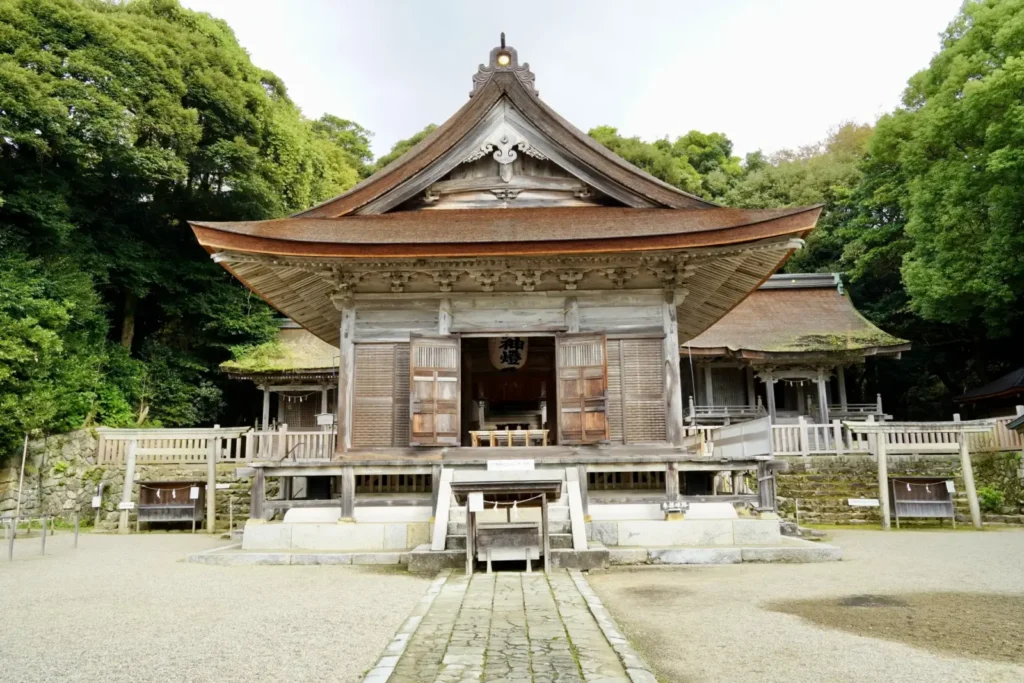
Keta Taisha houses several buildings of significance. Currently, there are six things on the shrine grounds which are recognised as National Important Cultural Properties. They are:
- Haiden - The worship hall built in 1787, is considered a carpentry masterpiece.
- Heiden - The hall for offerings, shown above, was built in 1653 and is built from cypress.
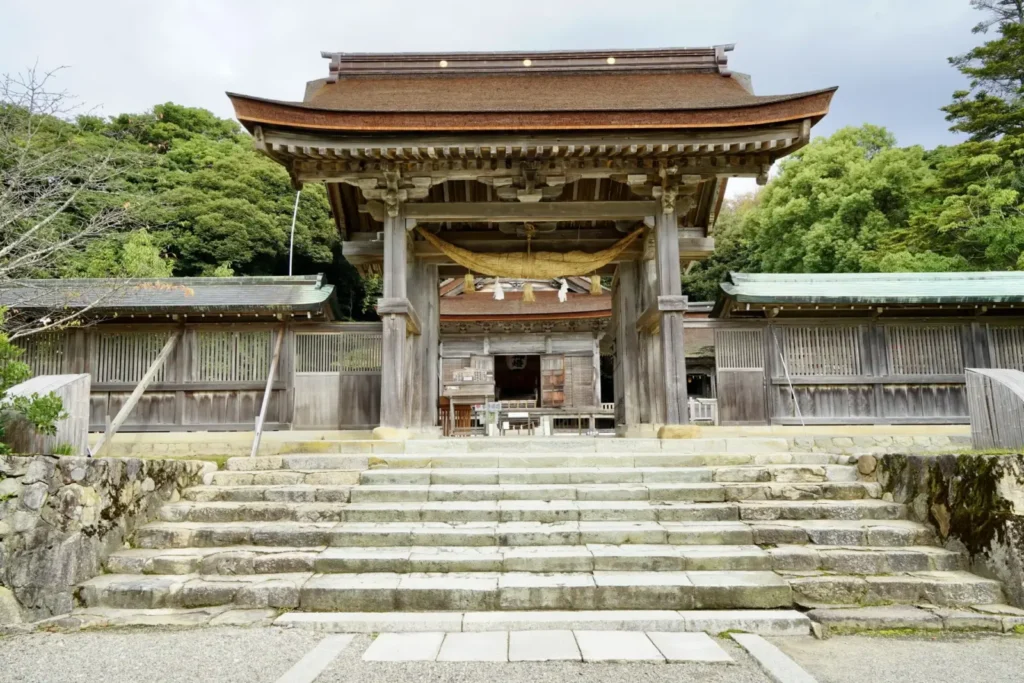
- Shinmon Gate - Built sometime between 1467 and 1572 using techniques that curved the wood.
- Hakusan Shrine - Built in 1787 by the same carpenter that made the Haiden, it enshrines the deity of the sacred mountain Hakusan, this building is shown on the right in the picture above.
- Wakamiya Shrine - This shrine, built in 1569, is one of the last remaining buildings from the Warring States period (1467 - 1600) to remain standing in Ishikawa Prefecture.
- Sacred Grove - Also called the "Forbidden Forest," it is said that only shrine priests are permitted to pass through the 26,300sqm grove once a year in order to perform a ritual at the inner shrine. However, they must make the trip blindfolded.
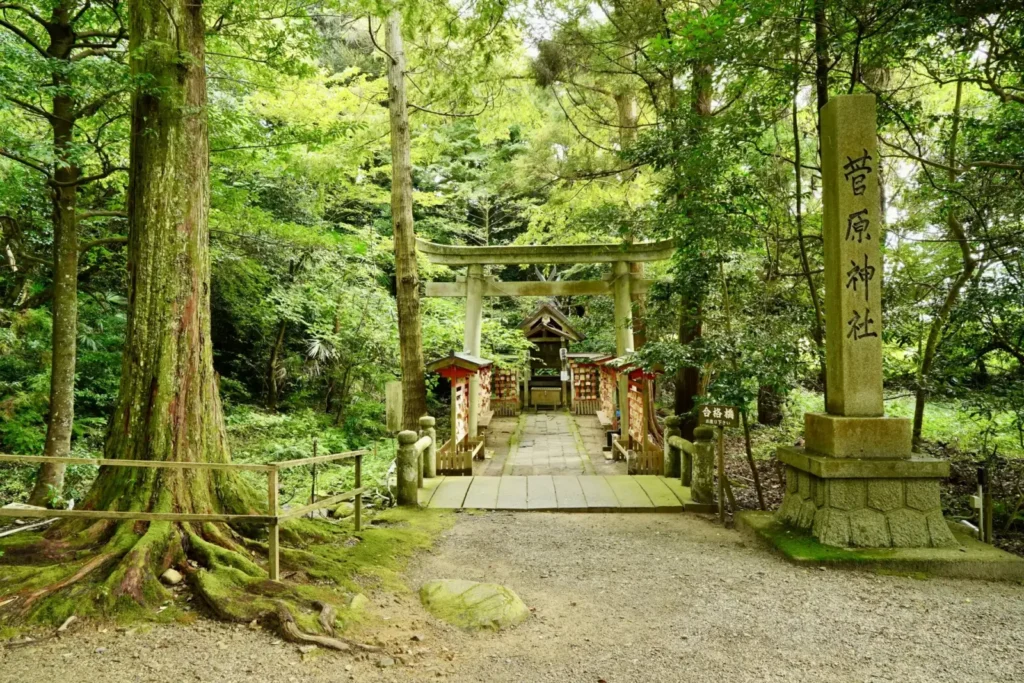
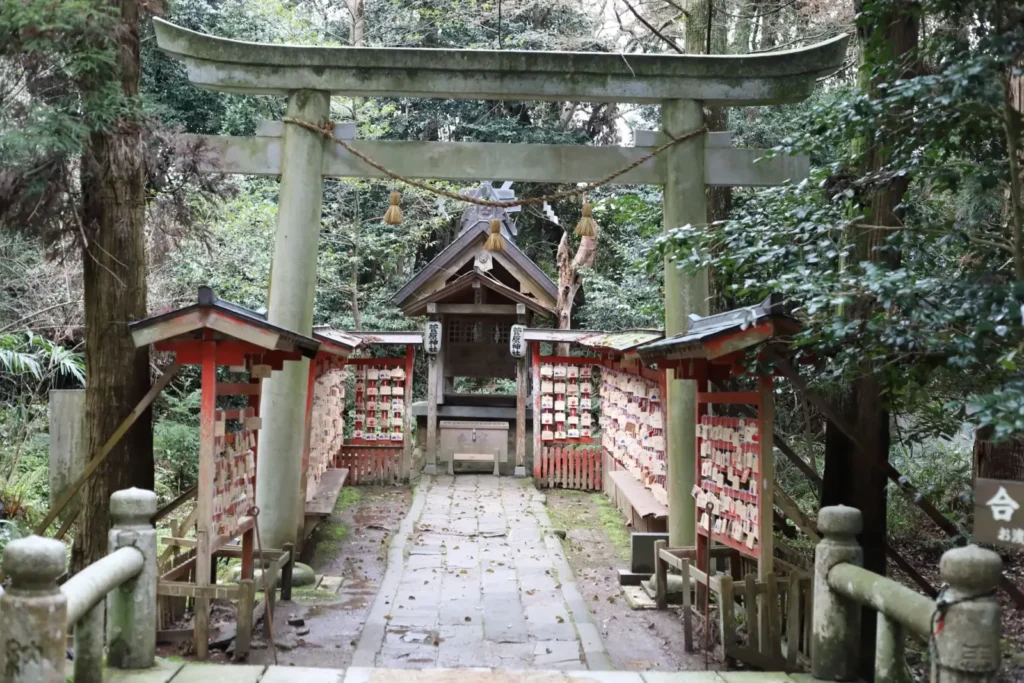
Keta Taisha is a popular attraction to students, learning drivers, or anybody about to sit a test as it also has a small shrine dedicated to the god of knowledge, Tenjin. This deity is particularly interesting as he was once a normal man called Sugawara-no-Michizane. During the late 800s, he soared through the political ranks and became one of the most powerful people in Japan at only 33 years old. It's said that he studied day and night and diligently mastered anything set before him. If you're looking to channel some of that same studious spirit, be sure to stop by and say a quick prayer at his shrine here! It's also said that he was an expert calligrapher, so it can be a good shout to come by if your handwriting needs some work, too.
Goshuin at Keta Taisha
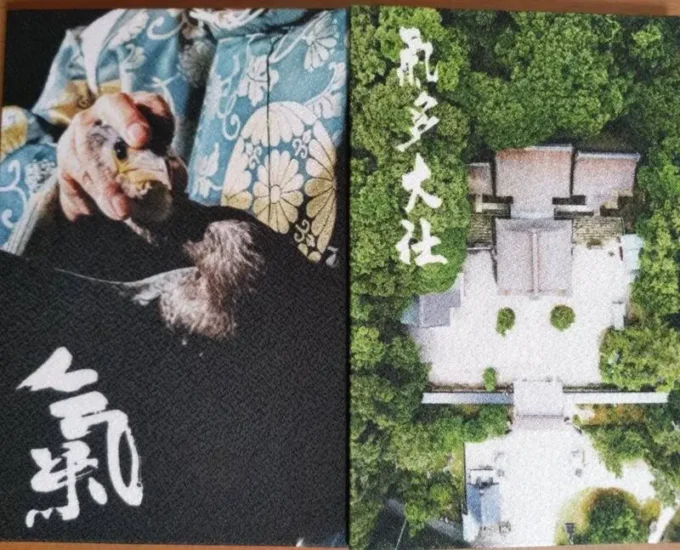
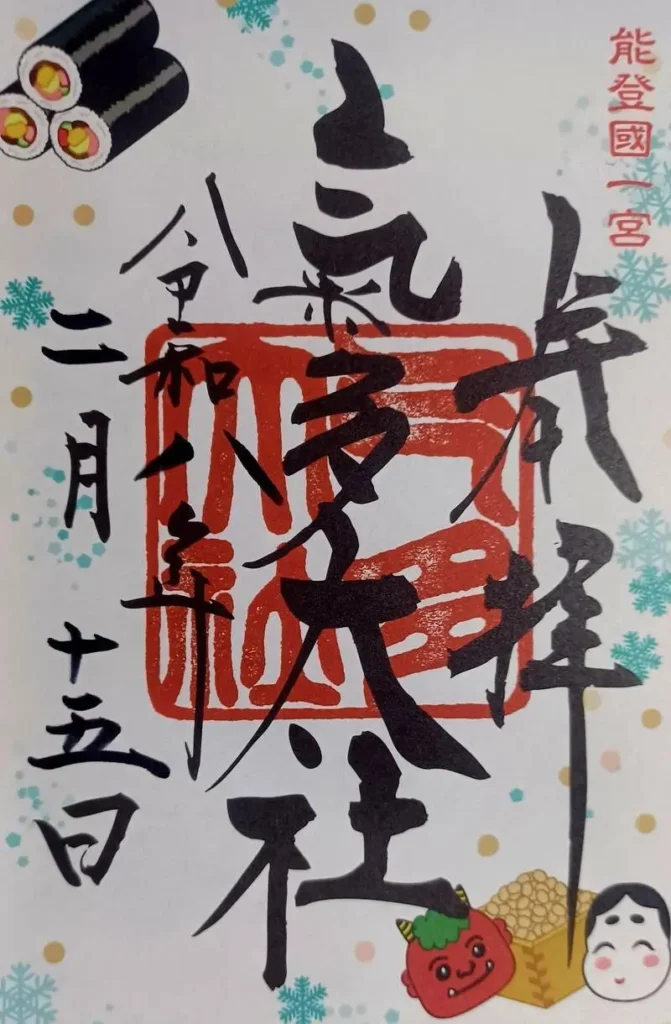
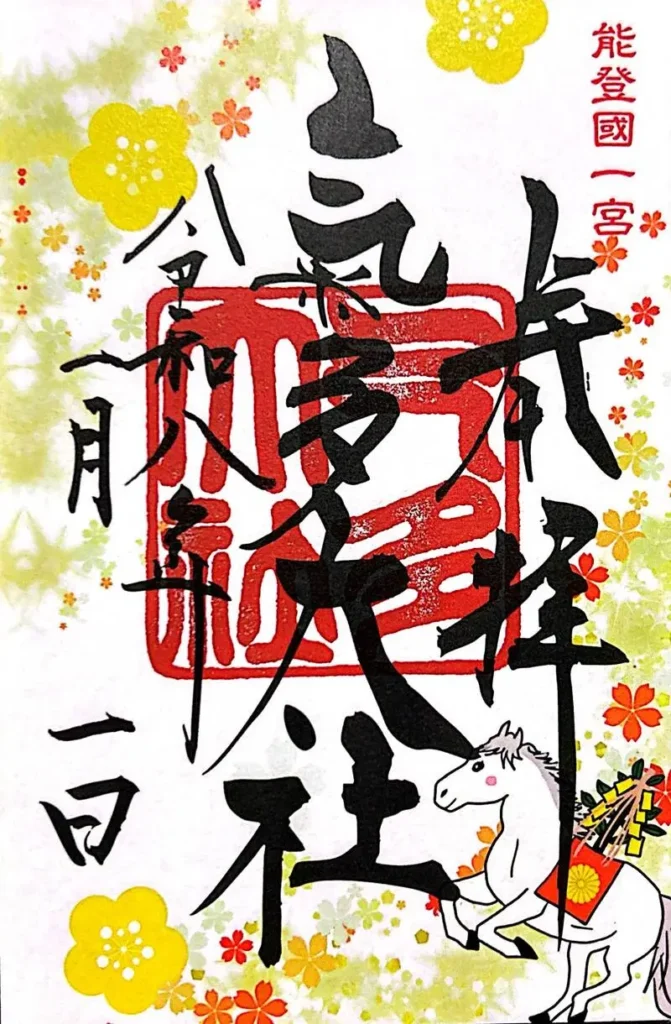
Keta Taisha has both goshuin and goshuin books available on the shrine grounds. The goshuin book, called a goshuin-cho, is quite unique as it shows a printed picture rather than a fabric or wood design. One side shows the six National Important Cultural Properties, while the other side references a festival at the shrine held in mid-December, where a cormorant is caught, brought to the shrine and worshipped as deities, then released back into the wild unharmed.
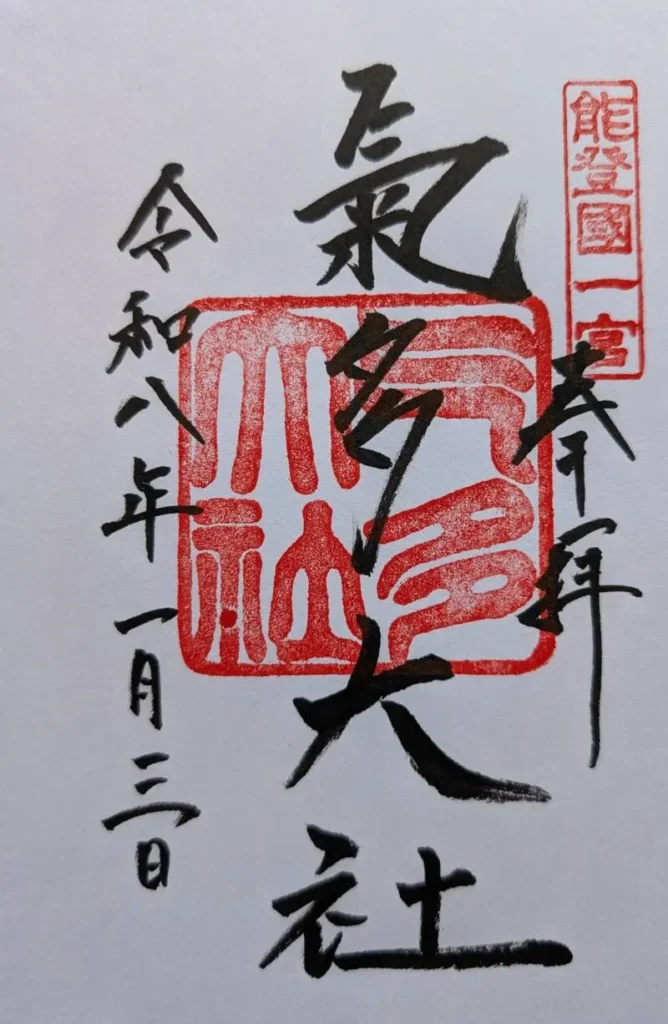
Keta Taisha is known for its variety of stamps, often featuring intricate and distinct seasonal stamps. These are almost always single-page stamps but may, occasionally, be sold as double-page spreads. Only the standard goshuin is sold hand-written into the books; the others need glued in later.
We know it can be overwhelming planning your Japan trip. If you're looking for some more ideas on what to do in Kanazawa, look no further than our guide on Things to Do Around Kanazawa. It has everything you need to make the most of your time in the city and recommendations for other stops along the Hokuriku Arch to make the most of your time in this wonderful region!
Things to Do Around Kanazawa
We know it can be overwhelming planning your Japan trip. If you're looking for some more ideas on what to do in Kanazawa, look no further than our guide on Things to Do Around Kanazawa. It has everything you need to make the most of your time in the city and recommendations for other stops along the Hokuriku Arch to make the most of your time in this wonderful region!
Of course, we have plenty to help you dive deep on some more niche aspects of Kanazawa as well! If you're interested in visiting onsen, we have a handy guide on tattoo-friendly onsen around Kanazawa to help get you started. If you're looking to collect shrine and temple stamps, we have recommendations on the Best Goshuin Near Kanazawa. If you're visiting in summer and fancy a trip to the beach, we've got you covered with our Best Beaches near Kanazawa guide.
If you or your travelling companion is vegetarian, vegan or gluten free, you may want to check out our page on Kanazawa for Vegetarians and Vegans for some food recommendations. Photographers will definitely want to check out our page on the Best Photo Spots in Kanazawa. If you're a fan of Pokémon, be sure to check out our page on the region's Pokémon Manhole Covers! Finally, if you're looking to pick up some souvenirs after your time here, check out our page on the Best Souvenirs to get from Kanazawa!