





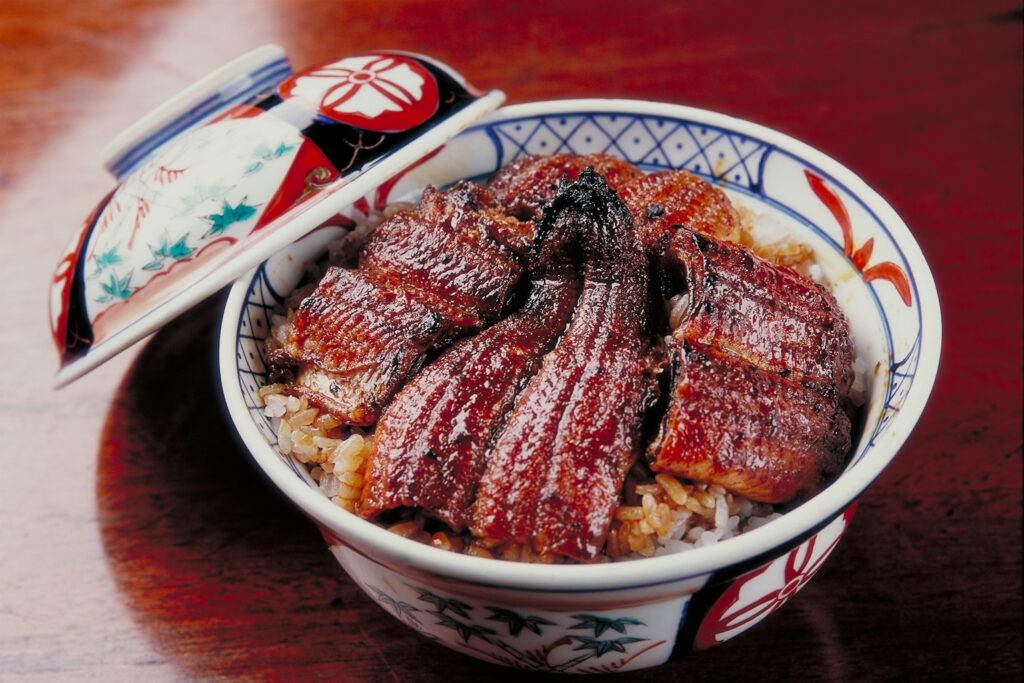
Every summer in Japan, queues begin forming outside unagi (eel) restaurants long before lunchtime. Department stores dedicate entire food halls to beautifully lacquered boxes topped with eel, restaurant reservations fill up weeks in advance, and the aroma of charcoal-grilled eel drifts through shopping streets across Japan's eel capital city, Nagoya.
This annual tradition is known as “Doyo no Ushi no Hi” (土用の丑の日), often translated as Japan's Eel Day. While it is widely associated with eating unagi to build stamina during the hottest days of the year, the tradition is rooted in centuries-old ideas about seasonal living, the traditional calendar, and Japan's enduring belief that food should change with the seasons.
What Is Doyo no Ushi no Hi?

The phrase Doyo no Ushi no Hi combines two concepts from Japan's traditional calendar.
“Doyo” refers to the approximately 18-day period that marks the transition between each season. Although many people associate Doyo exclusively with summer, there are actually four Doyo periods every year—before spring, summer, autumn, and winter.
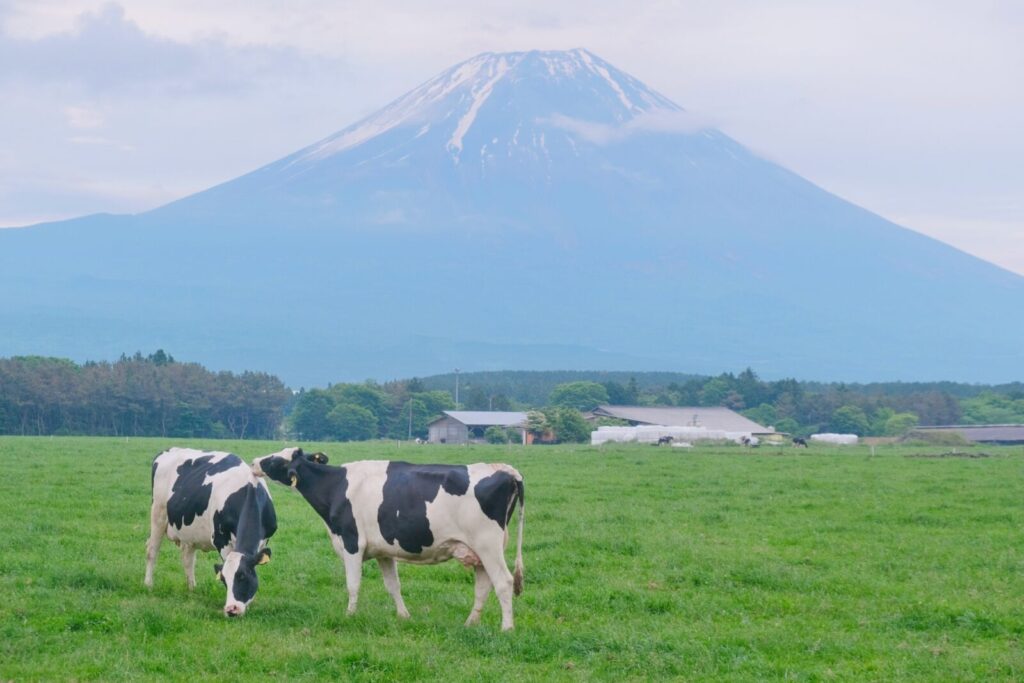
“Ushi no Hi,” or the "Day of the Ox," comes from the ancient Chinese zodiac system, which was traditionally used not only for years but also for months, directions, hours, and individual days.
Since the zodiac repeats every twelve days, an "Ox Day" occurs regularly throughout the year.
When an Ox Day falls within one of the seasonal Doyo periods, it becomes “Doyo no Ushi no Hi.”
Today, however, the phrase almost always refers to the summer Doyo no Ushi no Hi, when eating eel has become one of Japan's most recognizable seasonal food traditions.
Since the Day of the Ox occurs every twelve days while each Doyo period lasts around eighteen days, some years include two Ox Days during the summer Doyo.
These are known as:
- Ichi no Ushi (First Ox Day)
- Ni no Ushi (Second Ox Day)
Traditionally, the first day was seen as a chance to prepare the body for the hottest weeks of summer, while the second offered an opportunity to replenish energy as the season reached its peak.
In 2027, for example, the summer calendar includes:
- July 21 – First Ox Day
- August 2 – Second Ox Day
Many eel restaurants create special menus or promotions for both occasions.
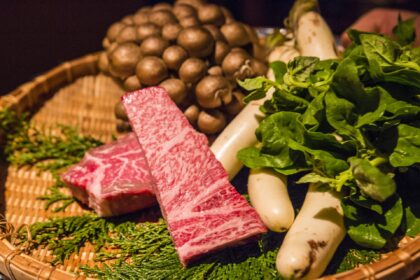
Why Do Japanese People Eat Eel in Summer?
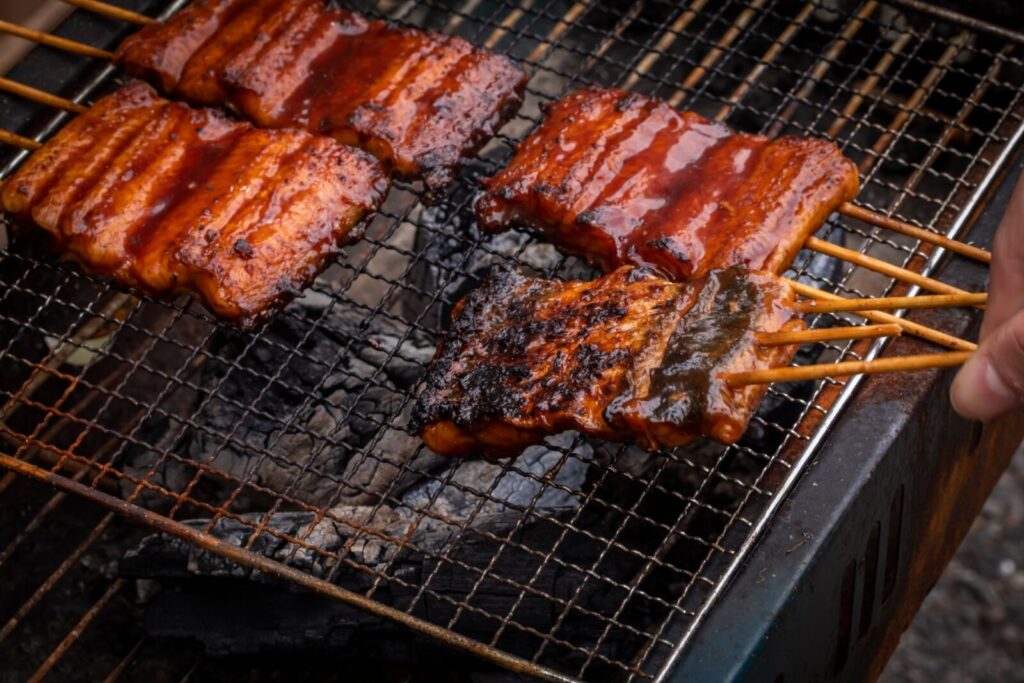
The custom has two intertwined origins, one rooted in traditional health beliefs, and the other in clever Edo-period marketing.
For centuries, Japanese people believed that seasonal transitions placed extra stress on the body. During these periods, a practice known as “Doyo no Yojo” (seasonal nourishment) encouraged eating foods that helped maintain health and energy.
During the summer Doyo period, foods beginning with the Japanese syllable "u" (う) were thought to bring good fortune and help prevent summer fatigue. These included:
- Unagi (eel)
- Udon noodles
- Umeboshi (pickled plums)
- Uri (gourds such as cucumber, melon, and winter melon)
Among these foods, eel became especially prized because it is naturally rich in protein, vitamins A and B, iron, and other nutrients. As far back as the Manyoshu, Japan's oldest poetry anthology compiled in the 8th century, eel was already being praised as a food that restored strength during the summer.

The Legend of Edo-Era Marketing Genius, Hiraga Gennai
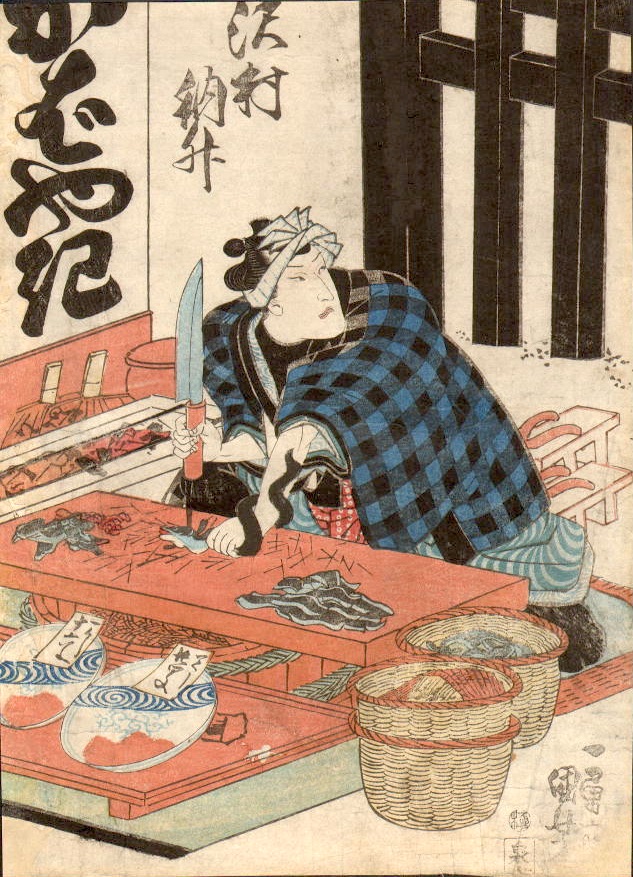
Although eel had long been considered nutritious, historians generally trace the popularity of eating it specifically on Doyo no Ushi no Hi to the Edo period.
According to the most famous story, an eel restaurant struggled with poor summer sales because wild eel was traditionally considered at its best during autumn and winter.
Seeking advice, the owner consulted Hiraga Gennai—a celebrated inventor, physician, scientist, and writer.
Gennai suggested placing a simple sign outside the restaurant reading: "Today is the Day of the Ox."
Because people already associated Ox Days with eating foods beginning with "u," customers flocked to the shop. The campaign proved so successful that other eel restaurants copied the idea, eventually turning it into a nationwide custom.
Whether entirely factual or not, the story perfectly illustrates how one of Japan's oldest culinary traditions may have been helped along by a simple marketing campaign.
Other Foods to Eat On Doyo no Ushi no Hi
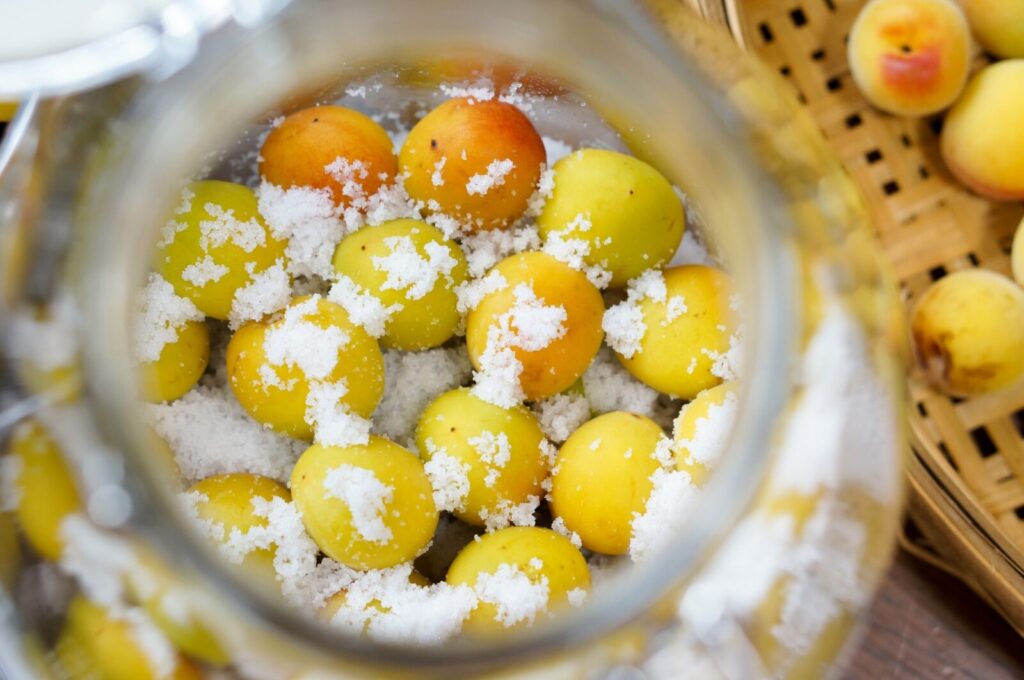
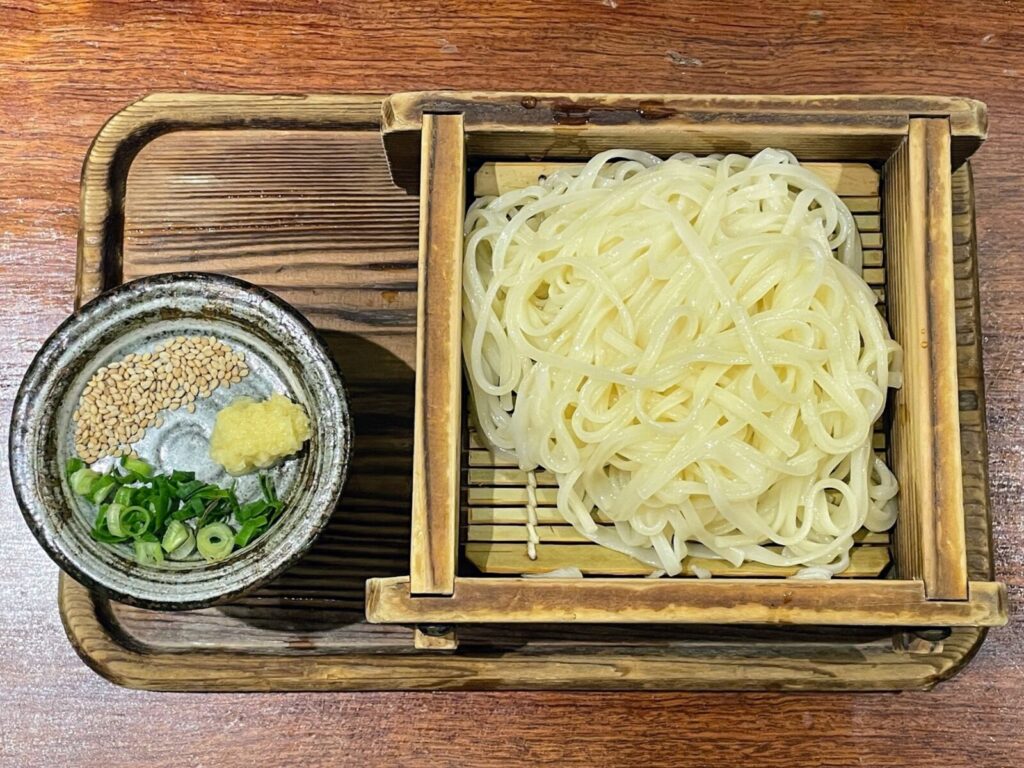
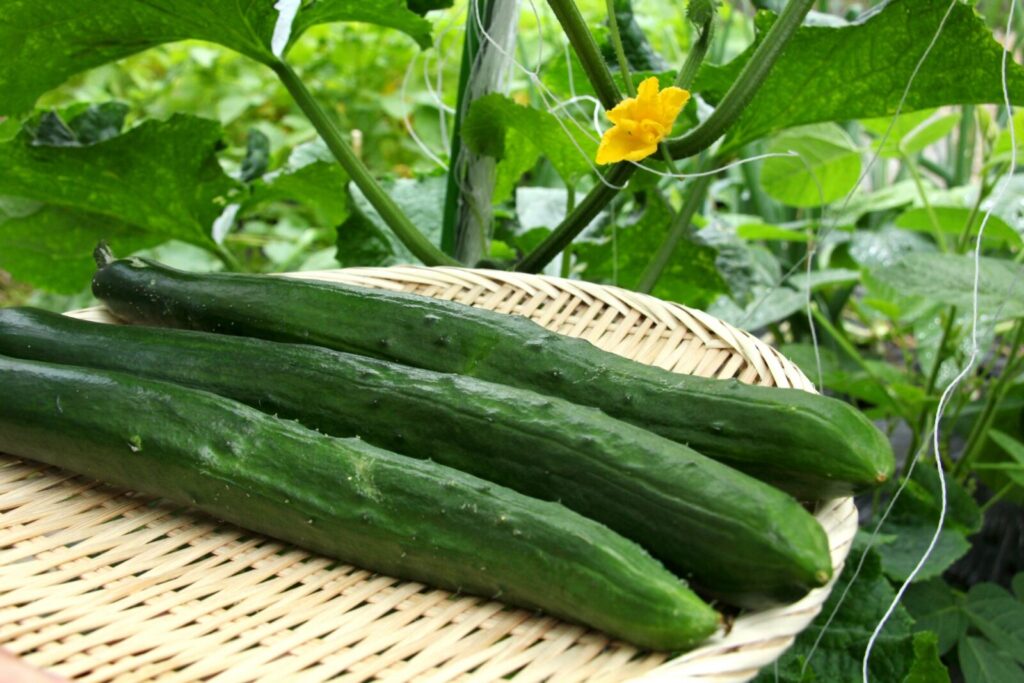
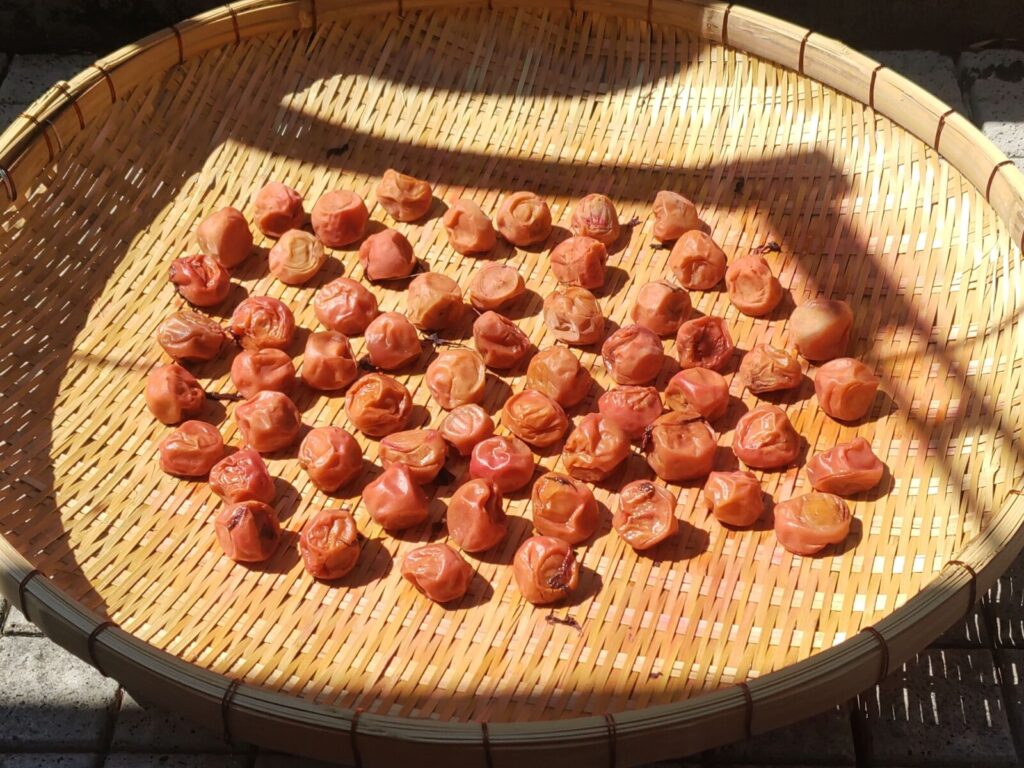
Although unagi dominates today's celebrations, Doyo no Ushi no Hi has always been about seasonal nourishment rather than a single ingredient.
Across Japan, people also enjoy foods traditionally associated with strength and good health, including:
- Udon, an easy-to-digest meal during hot weather
- Umeboshi, valued for its refreshing acidity
- Seasonal gourds such as cucumber and winter melon
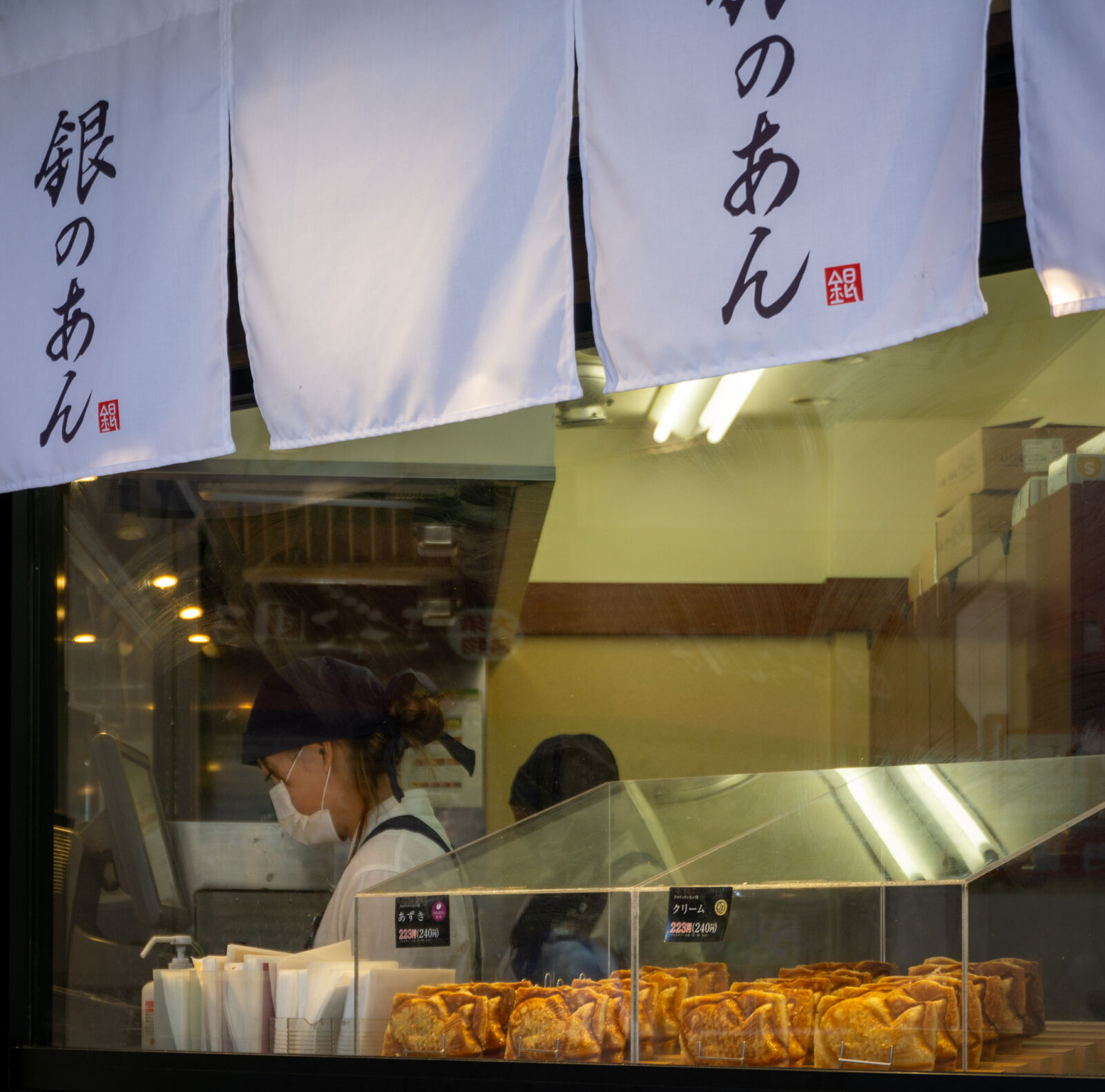
- Doyo mochi, sweet rice cakes filled with red bean paste
- Doyo shijimi, plump freshwater clams enjoyed during summer
- Eggs, long regarded as a luxurious source of nutrition
The emphasis has always been less about superstition and more about eating foods that help the body cope with seasonal change.
Summer Rituals Beyond the Dinner Table
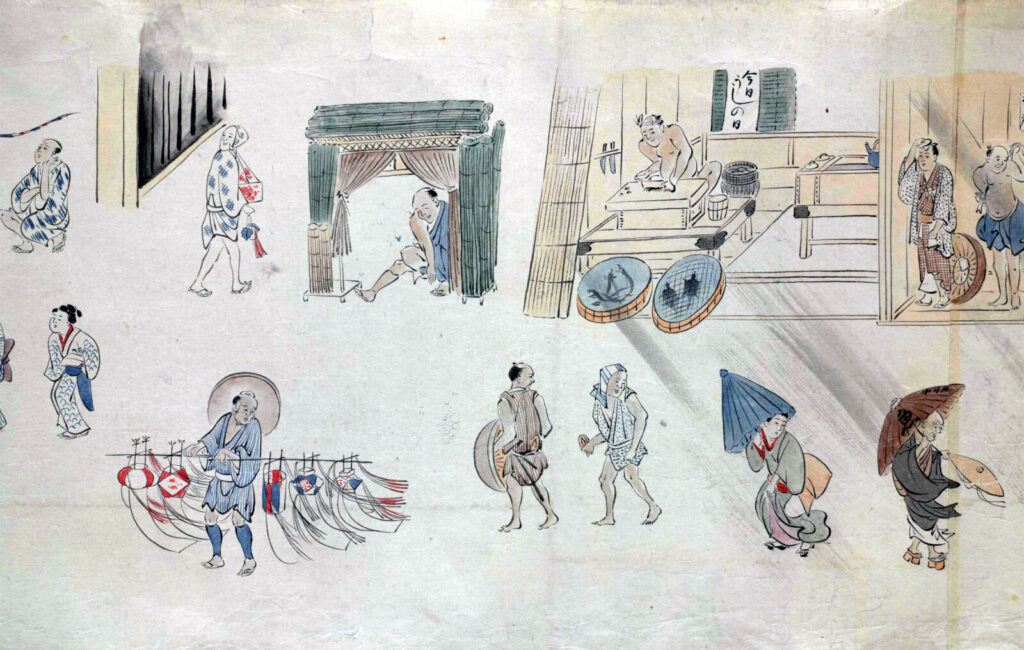
Historically, Doyo no Ushi no Hi was accompanied by a variety of customs designed to promote health and good fortune.
Some temples still perform Kyuuri Kaji, a ritual in which cucumbers symbolically absorb illness before being buried.
Others continue the tradition of Ushiyu, medicinal baths scented with peach leaves or mugwort to soothe the body during the hottest weeks of the year.
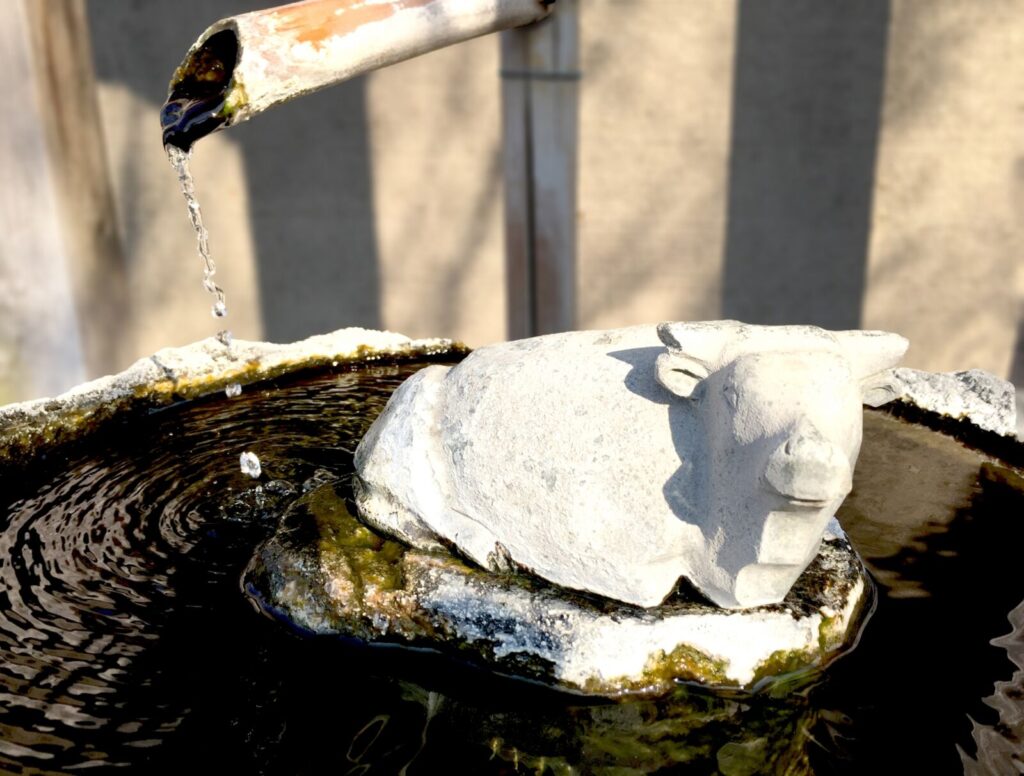
The Doyo period is also associated with Doyo Boshi, the practice of drying ume plums to make umeboshi, airing books and clothing to prevent mold during the humid summer, and drying rice fields to improve the health of the crop before harvest.
Why Nagoya Is One of Japan's Best Places to Celebrate Doyo no Ushi no Hi
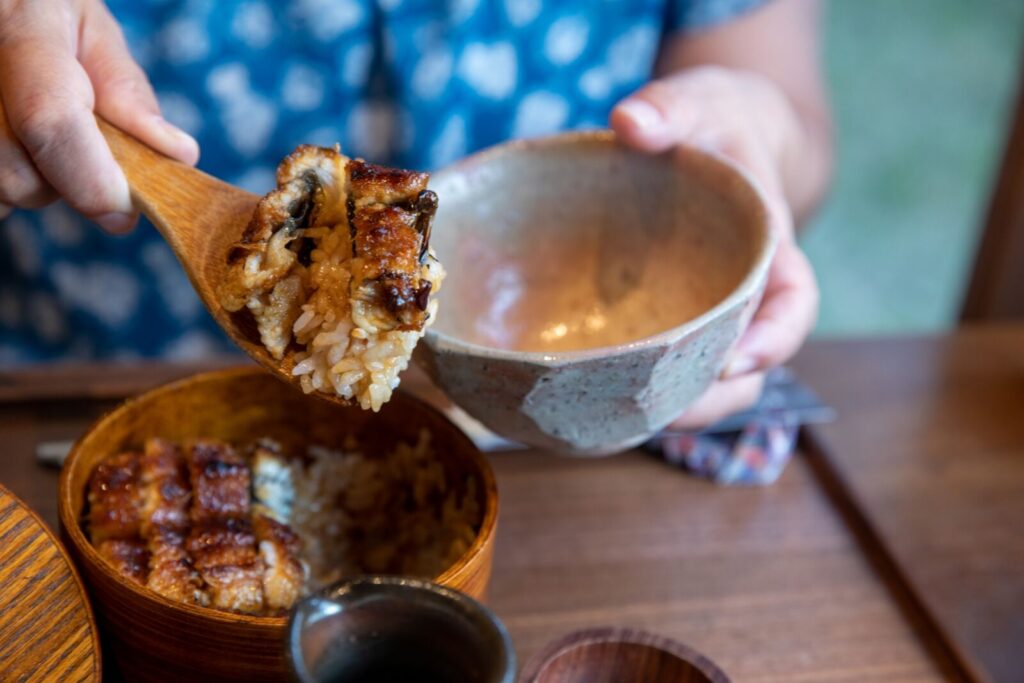
While every region of Japan celebrates Doyo no Ushi no Hi, Nagoya offers one of the country's most rewarding culinary experiences thanks to its deep-rooted eel culture.
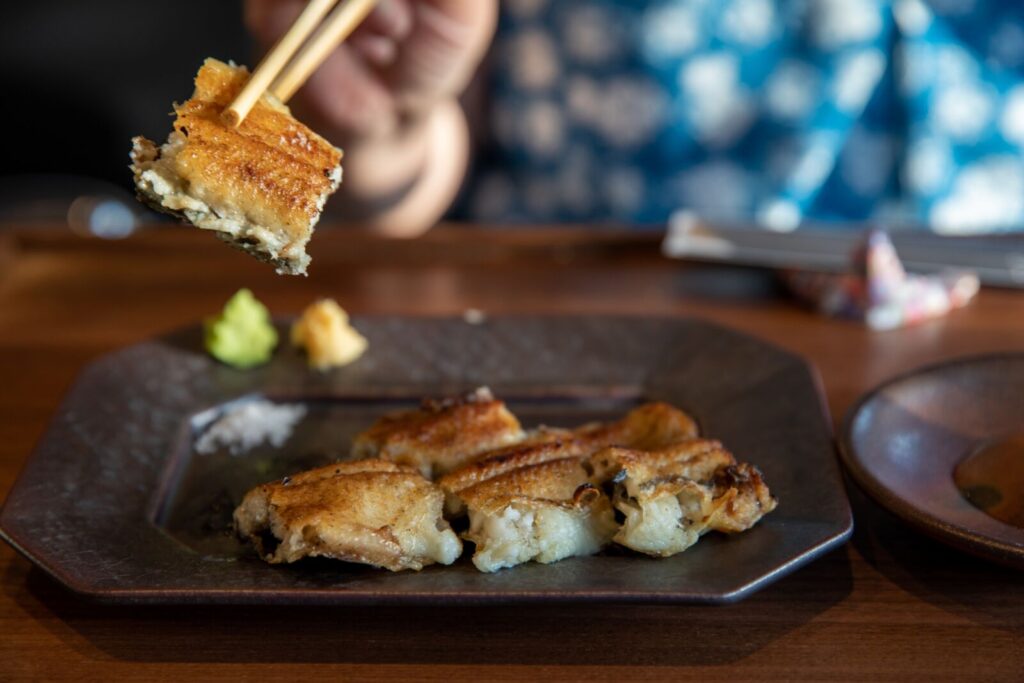
Unlike the soft, steamed style popular in Tokyo, in Nagoya (as well as the Kansai region) eel is grilled directly over charcoal without steaming. This technique produces a crisp, smoky skin while preserving the rich flavor and texture of the fish.
The city's signature specialty, hitsumabushi, elevates unagi into a uniquely Nagoya experience.
Served in a wooden bowl over rice, hitsumabushi is designed to be enjoyed in several stages:
- Taste the eel and rice exactly as served.
- Add fresh condiments such as scallions, wasabi, and nori.
- Finish with fragrant dashi poured over the remaining rice to create a comforting ochazuke-style dish.
Rather than choosing a single favorite, diners are encouraged to discover which preparation they enjoy most.
For food-focused travelers, Doyo no Ushi no Hi is one of the best times of year to experience this local specialty. Restaurants often source premium domestic eel, seasonal menus appear across the city, and the atmosphere inside long-established unagi restaurants becomes part of the experience itself.
Where to Eat Eel in Nagoya
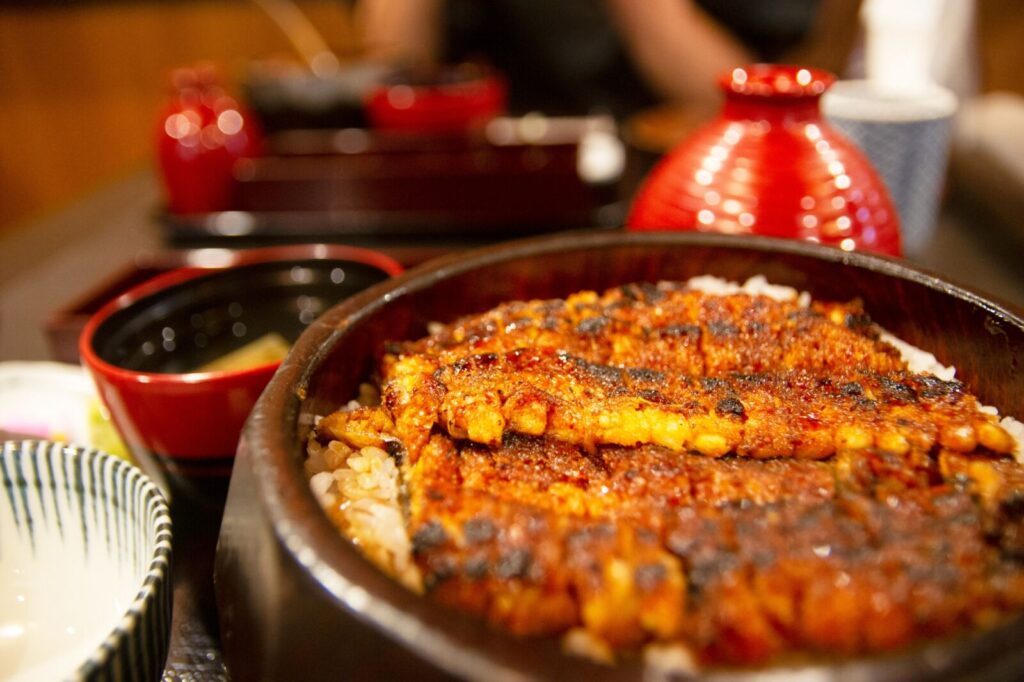
Nagoya is one of Japan's premier destinations for unagi, and Doyo no Ushi no Hi is the perfect excuse to experience the city's famous charcoal-grilled eel. Whether you're looking for the birthplace of hitsumabushi or a hidden neighborhood favorite, these restaurants consistently rank among Nagoya's finest.
Atsuta Hōraiken (The Birthplace of Hitsumabushi)
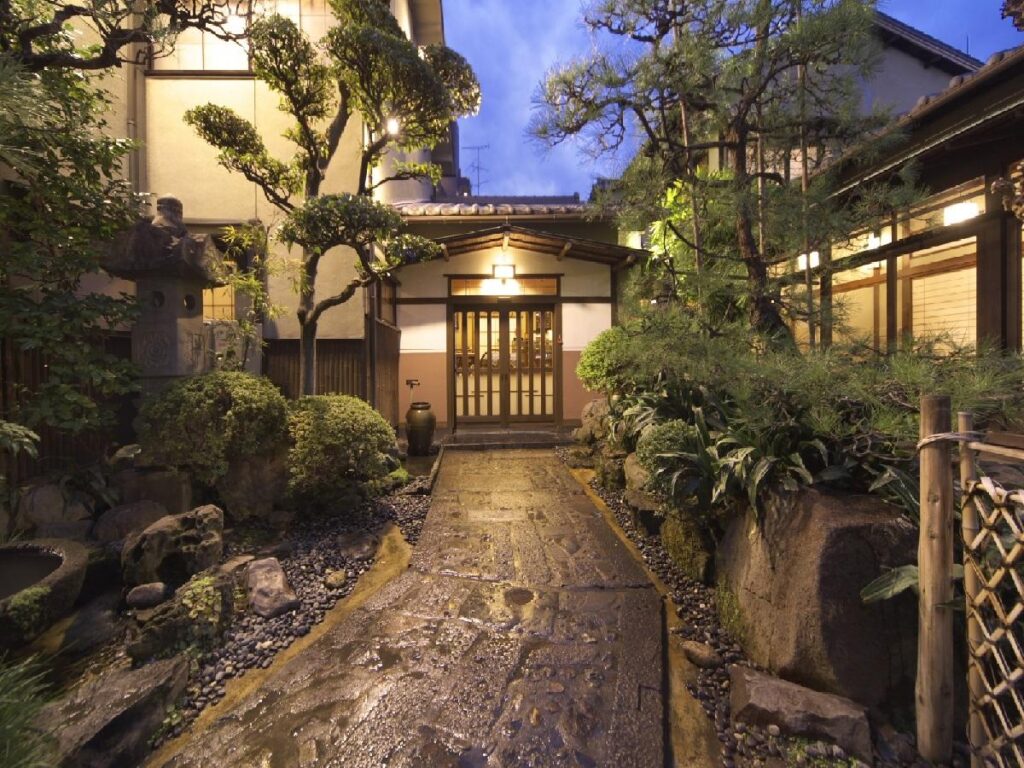
Atsuta, Nagoya
Founded in 1873, Atsuta Hōraiken is widely credited with creating hitsumabushi, making it a pilgrimage site for food lovers visiting Nagoya. The restaurant grills premium eel over binchotan charcoal before serving it over rice in the traditional wooden bowl. Follow the classic four-step method: enjoy it plain, with condiments, with dashi broth, and finally whichever style you liked best.
And located just steps from Atsuta Jingu, the Atsuta Hōraiken’s Jingū Branch offers the restaurant's famous hitsumabushi in a convenient setting that pairs perfectly with a visit to one of Japan's most important Shinto shrines. Like the original Honten, the restaurant serves expertly charcoal-grilled eel over rice using the recipe that has made Atsuta Hōraiken a Nagoya institution since 1873.
Maruya Honten (Best for Travelers)
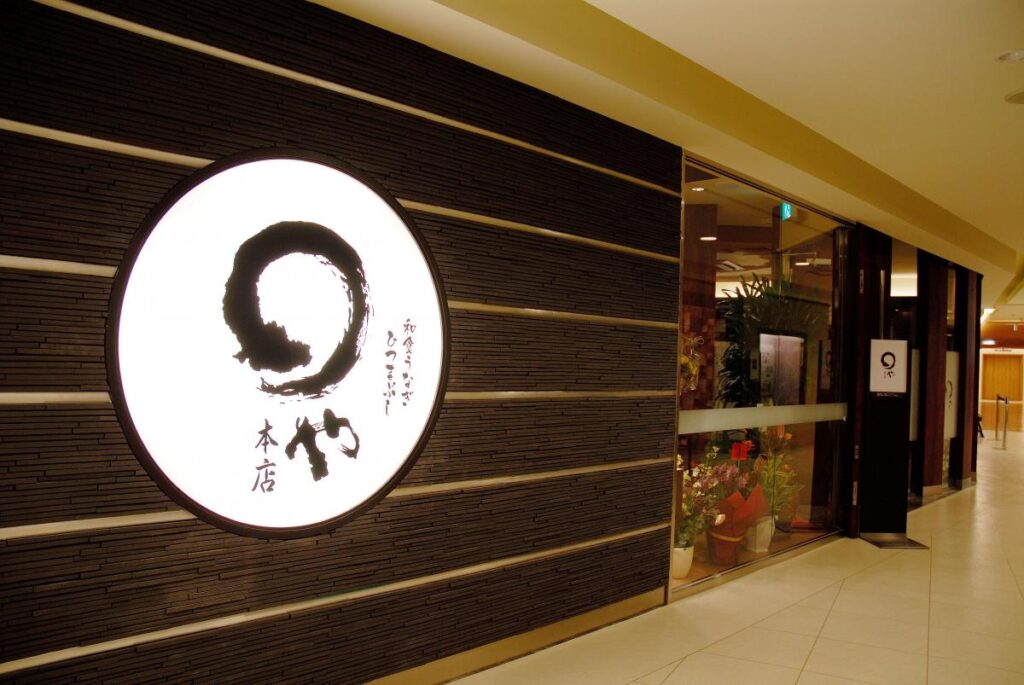
Inside JR Nagoya Station
Conveniently located inside JR Nagoya Station, Maruya Honten is one of the city's most respected eel restaurants and an excellent choice for visitors arriving by Shinkansen. The eel is grilled in the Nagoya style without steaming first, resulting in a wonderfully crisp, smoky exterior while remaining tender inside.
Despite its station location, the quality is consistently excellent, making it one of the easiest places to experience authentic hitsumabushi without venturing across the city.
Hanaoka
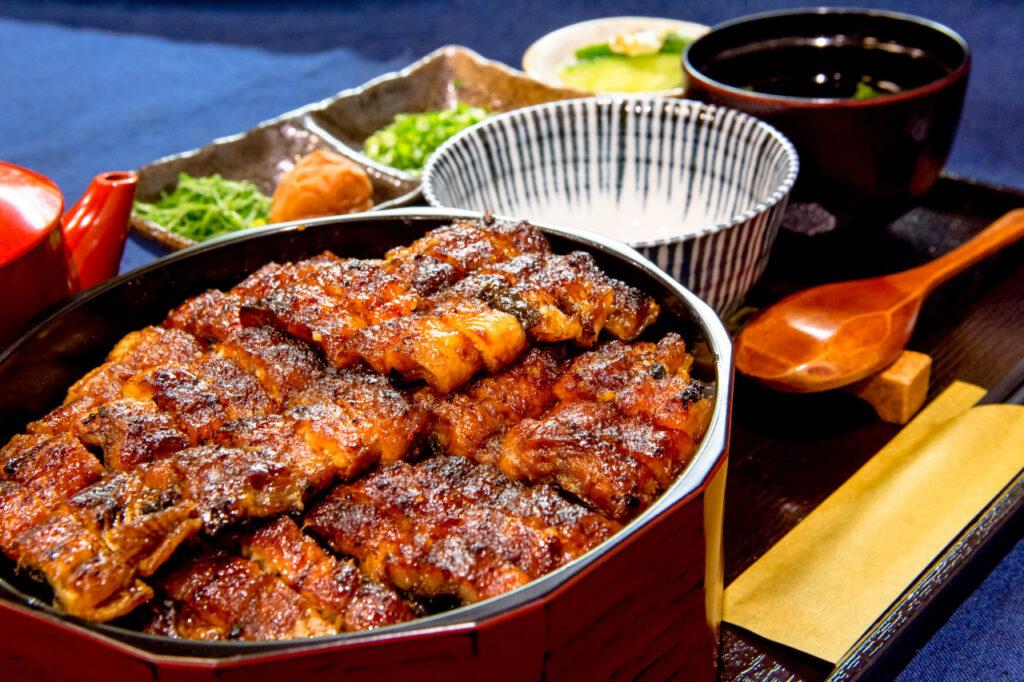
Sakae, Nagoya
A favorite among local food enthusiasts, Hanaoka offers a more intimate dining experience than many of the city's famous eel restaurants. The beautifully caramelized eel is grilled to order, producing a crisp skin and fragrant smoky aroma that pairs perfectly with the restaurant's carefully prepared rice.
It's an excellent option for travelers looking to experience premium hitsumabushi without the crowds of Nagoya's best-known establishments.
Nimonjiya (二文字屋)
Gifu, Gifu
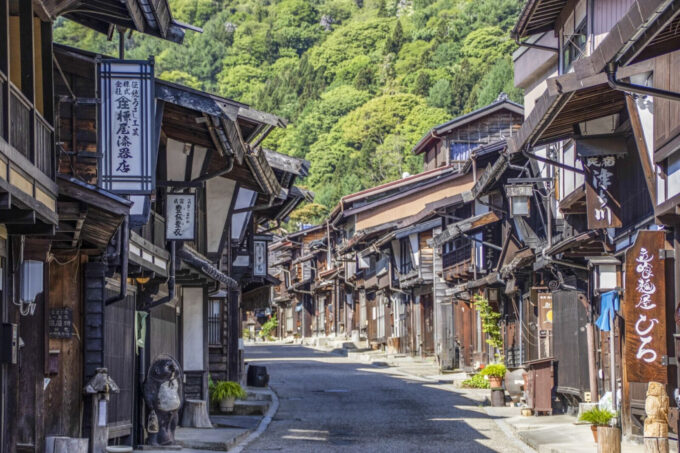
Founded in 1620, Nimonjiya is one of the region’s oldest unagi restaurants, serving charcoal-grilled eel for more than three centuries. Situated on the historic Nakasendo Trail in Gifu city (just a short train ride from Nagoya), it remains a favorite among locals and discerning food lovers seeking a more traditional dining experience away from the busiest tourist areas.
The restaurant specializes in eel grilled directly over charcoal to create a beautifully crisp, smoky exterior while keeping the flesh rich and tender. In addition to classic hitsumabushi, Nimonjiya also serves excellent unaju (eel over rice in a lacquered box) and seasonal eel dishes prepared with the same attention to craftsmanship that has defined the restaurant for generations.
With its historic atmosphere, long culinary heritage, and enduring reputation, Nimonjiya offers a glimpse into Nagoya's traditional eel culture that few visitors experience. If you're looking for an authentic restaurant with deep local roots, this is one of the city's true hidden gems.
Sumiyaki Unafuji
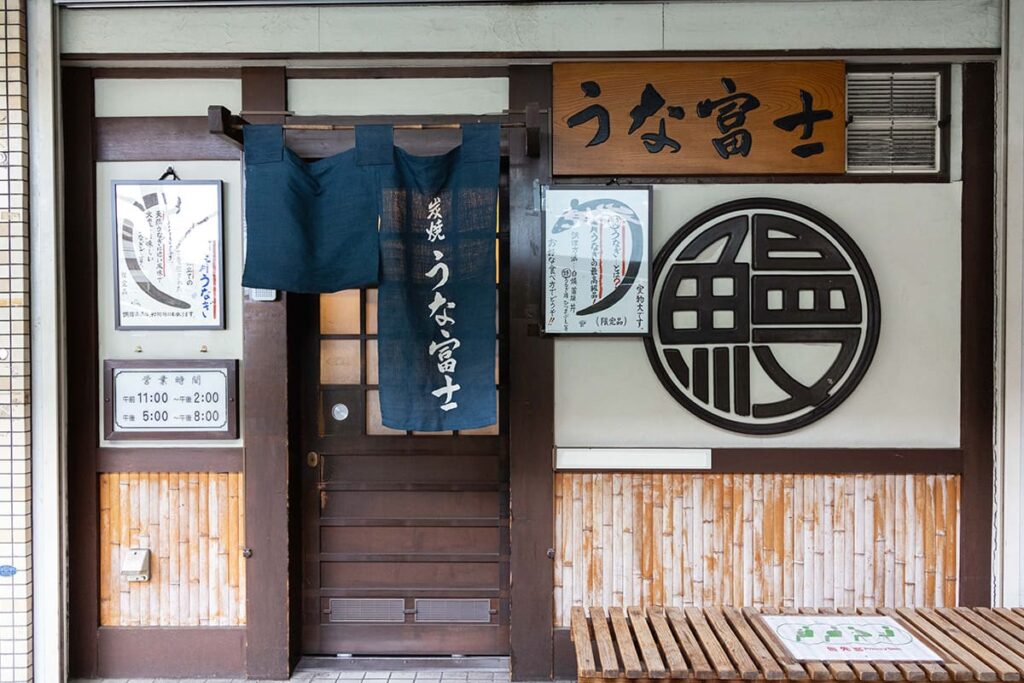
Outside JR Nagoya Station
Although newer than Nagoya's historic eel restaurants, Sumiyaki Unafuji has developed an outstanding reputation for its expertly charcoal-grilled eel and generous portions. Many local food lovers praise its rich flavor, perfectly crisp skin, and exceptional consistency, making it one of the city's most sought-after reservations. Community reviews frequently rank it alongside Nagoya's legendary eel restaurants.
Planning Your Visit

If you're visiting Japan in late July, reserving an eel restaurant well in advance is highly recommended. Doyo no Ushi no Hi is one of the busiest days of the year for unagi specialists, and many of Nagoya's best-known restaurants are fully booked weeks ahead.
Even if your visit doesn't coincide exactly with the Day of the Ox, late July remains an excellent time to experience Japan's rich eel culture. Seasonal menus continue throughout the summer, allowing visitors to enjoy one of the country's most iconic culinary traditions without the holiday crowds.

Recommended Tour: Snow Monkey Resort's 1-Day Tour: Nagoya's Highlights and Small Bites will not only give you a taste of the wonderful flavors of the region and introduce you to some of the most notable landmarks in the city (including Nagoya Castle, Sakae, and Osu shopping district), but will also provide you with the confidence to go out and try more "Nagoya Meshi" on your own.