




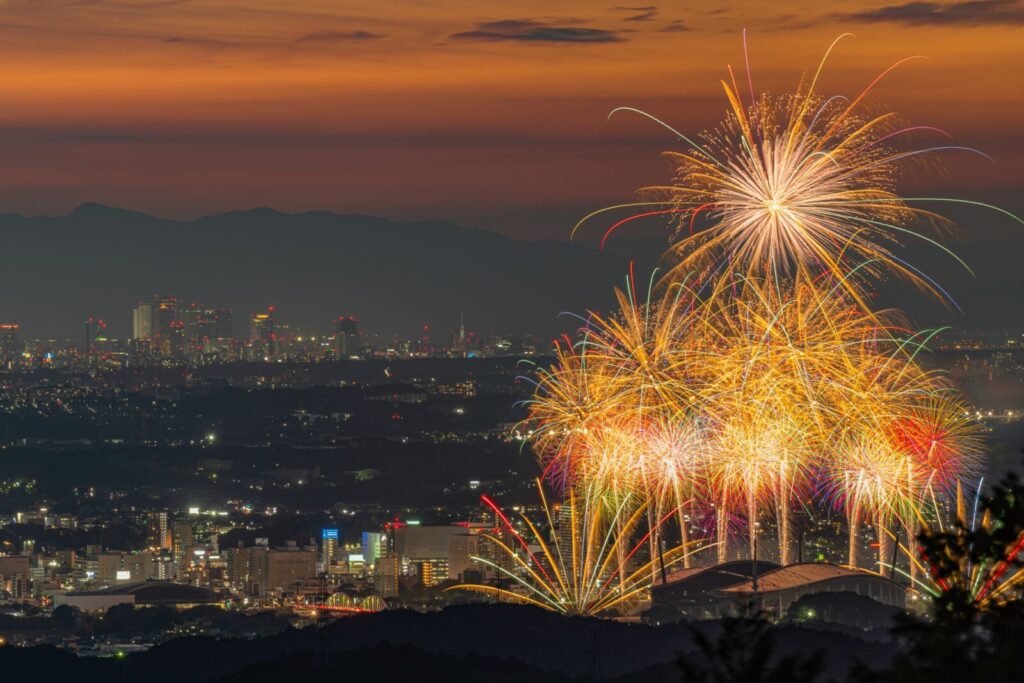
Summer in Japan wouldn't be complete without hanabi taikai (firework festivals). From spectacular riverside displays and centuries-old traditions to unique handheld fireworks and castle backdrops, the Tokai region offers some of Japan's most memorable summer events. Whether you're based in Nagoya or exploring Aichi, Gifu, and Mie prefectures, these festivals are well worth adding to your itinerary.
Gifu Nagara River Fireworks Festival (Gifu City)
Date: August 8, 2026
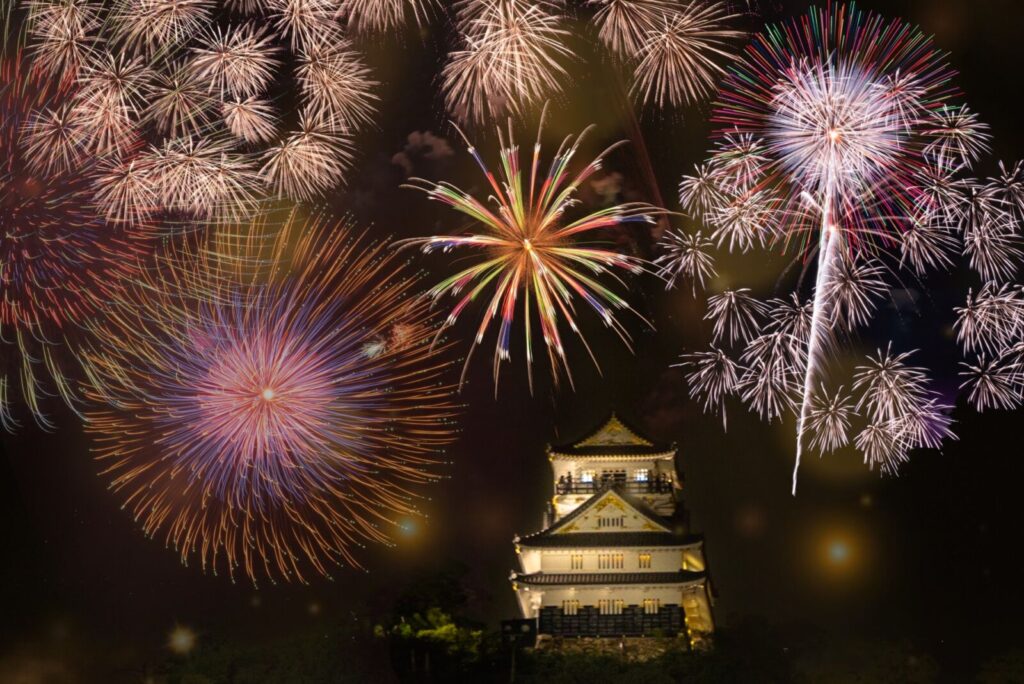
One of the largest fireworks festivals in central Japan, the Gifu Nagara River Fireworks Festival lights up the banks of the Nagara River with approximately 10,000 fireworks. Created by combining two of Gifu's historic fireworks festivals, the event has quickly become one of the region's signature summer celebrations.
The highlight is an enormous 600-meter-wide Star Mine that stretches across the river, while giant shells burst overhead against the backdrop of Mt. Kinka and Gifu Castle. Reflections shimmering on the river create one of the most picturesque fireworks displays in Japan. Food stalls and kitchen trucks throughout the venue make it easy to enjoy local Gifu specialties while waiting for the show.
- Fireworks: Approximately 10,000
- Duration: 70 minutes
- Attendance: Around 120,000
- Paid seating: Available (recommended)
Toyohashi Gion Festival (Toyohashi, Aichi)
July 17–18, 2026
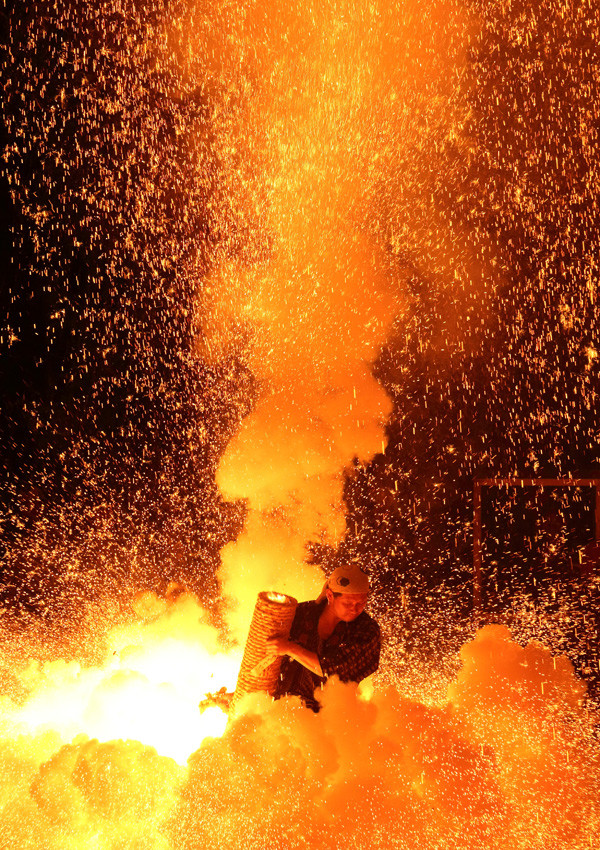
Dating back to the Edo period, this festival showcases one of eastern Aichi's most distinctive traditions: hand-held tube fireworks (tezutsu hanabi).
Performers hold large bamboo tubes as showers of sparks erupt dramatically overhead—a thrilling spectacle unique to the Mikawa region. The following evening features around 12,000 fireworks, including river-launched displays, Star Mines, and water fireworks.
- Attendance: Around 100,000
- Paid seating: Available for the main fireworks evening
Nagoya Port Festival (Minato Matsuri) (Nagoya)
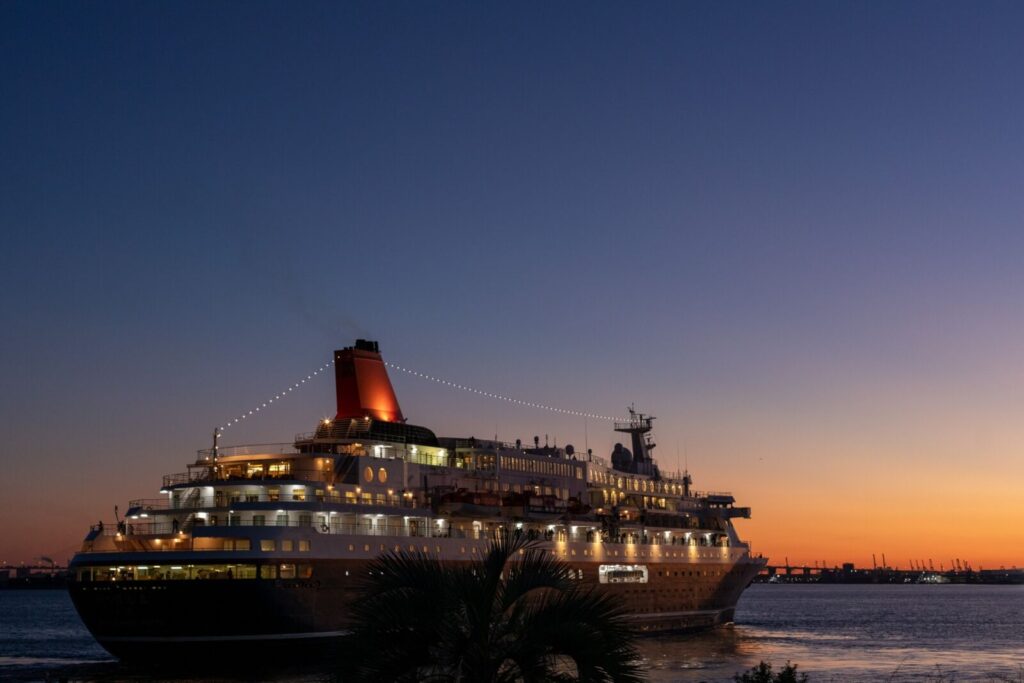
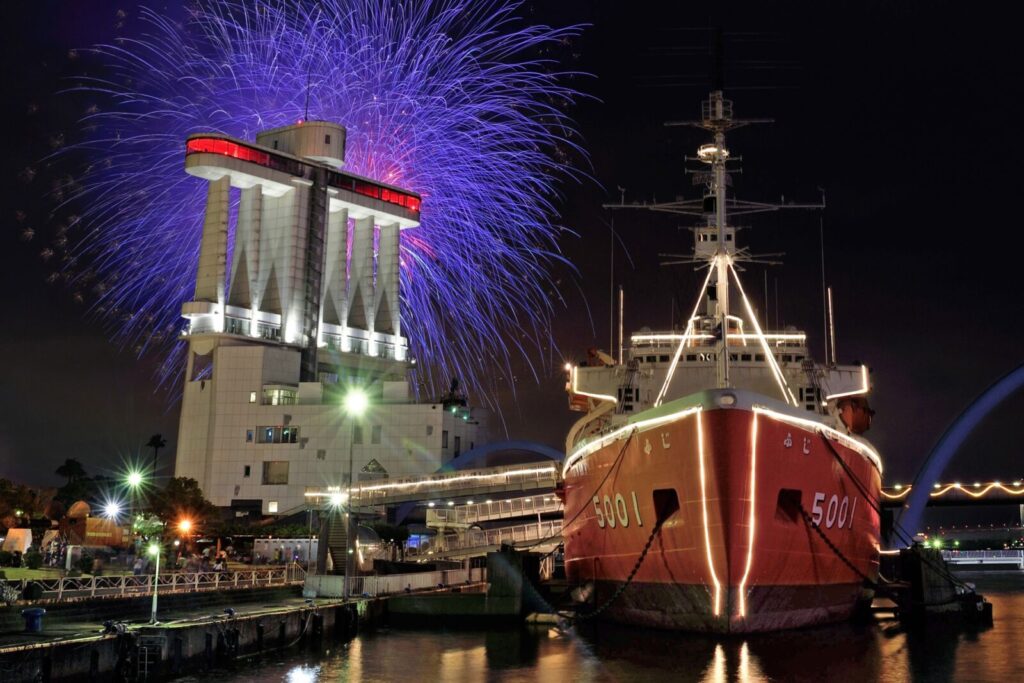
Date: July 20, 2026 (Monday, National Holiday – Marine Day)
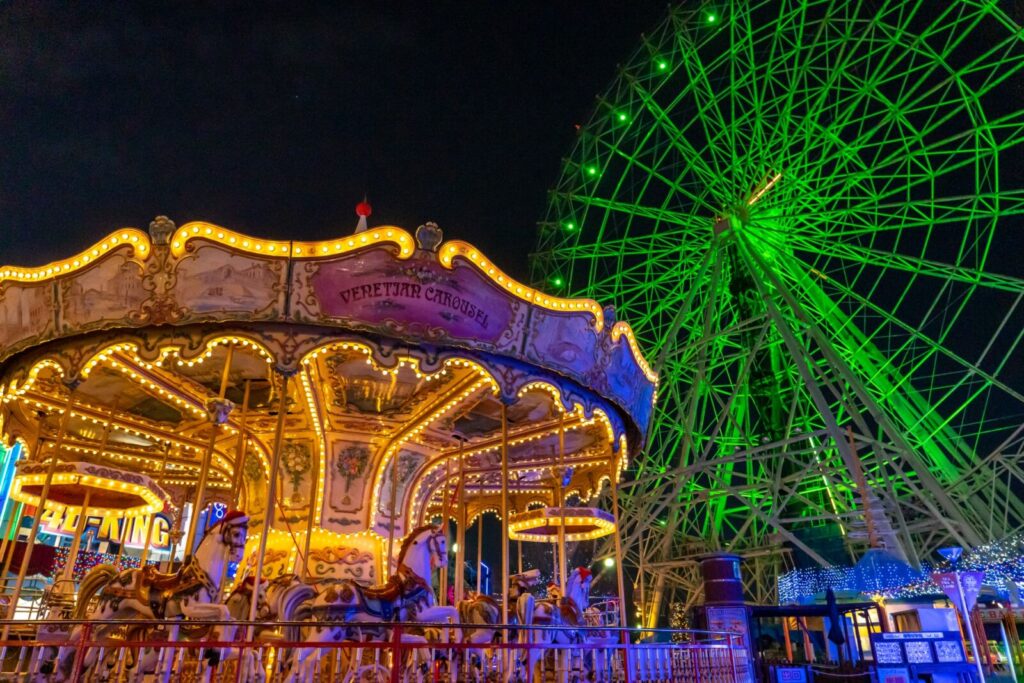
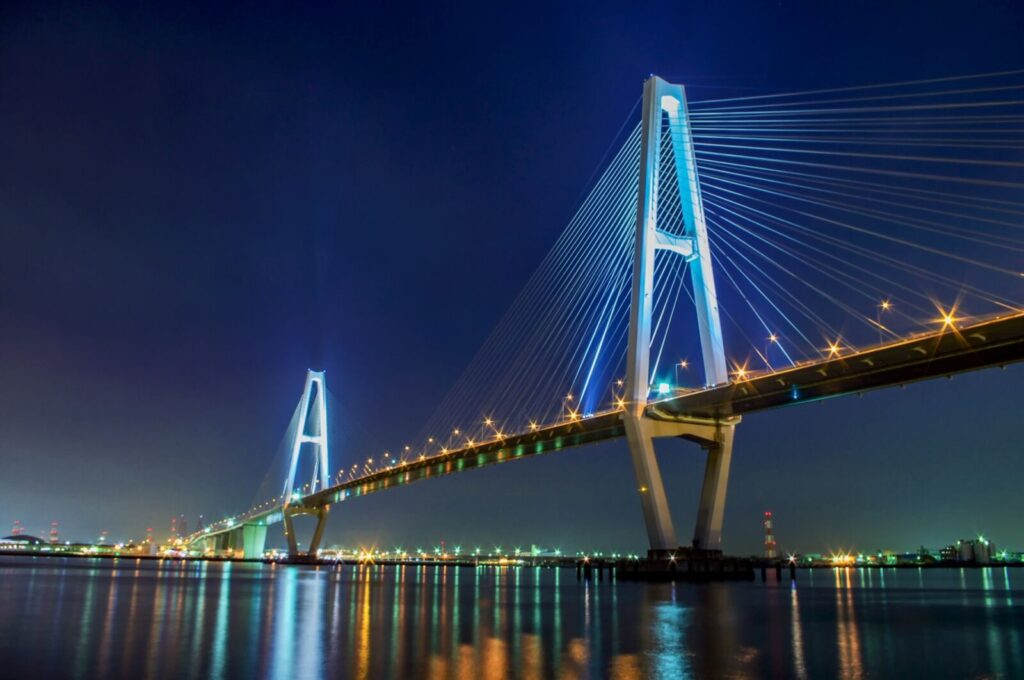
The Nagoya Port Festival (Minato Matsuri) is one of Nagoya’s most beloved summer celebrations and has been welcoming the arrival of summer every year on Marine Day (Umi no Hi). First held in 1946 to help restore community spirit following World War II, the festival has grown into a major waterfront event that brings together local traditions, entertainment, and spectacular fireworks.
Throughout the day, visitors can enjoy parades, traditional performances, community Bon Odori dancing, and various stage events around Nagoya Port. As evening arrives, the festival reaches its climax with a dazzling fireworks display over the harbor, featuring synchronized music, colorful lighting effects, and large-scale fireworks reflected across the water.
One of the most unique parts of the festival is the log rafters’ contest, a traditional event that celebrates Nagoya’s historical connection to the timber trade. During the Edo period, Nagoya Port played an important role as a distribution center for wooden logs used in the construction of castles, temples, and shrines throughout Japan. In this exciting competition, participants balance on floating logs and compete to see who can remain standing the longest without falling into the water.
- Time: 16:50–21:30
- Location: Tsukiji Shrine and Nagoya Port Garden Pier Area
Okazaki Castle Ieyasu Summer Festival (Okazaki, Aichi)
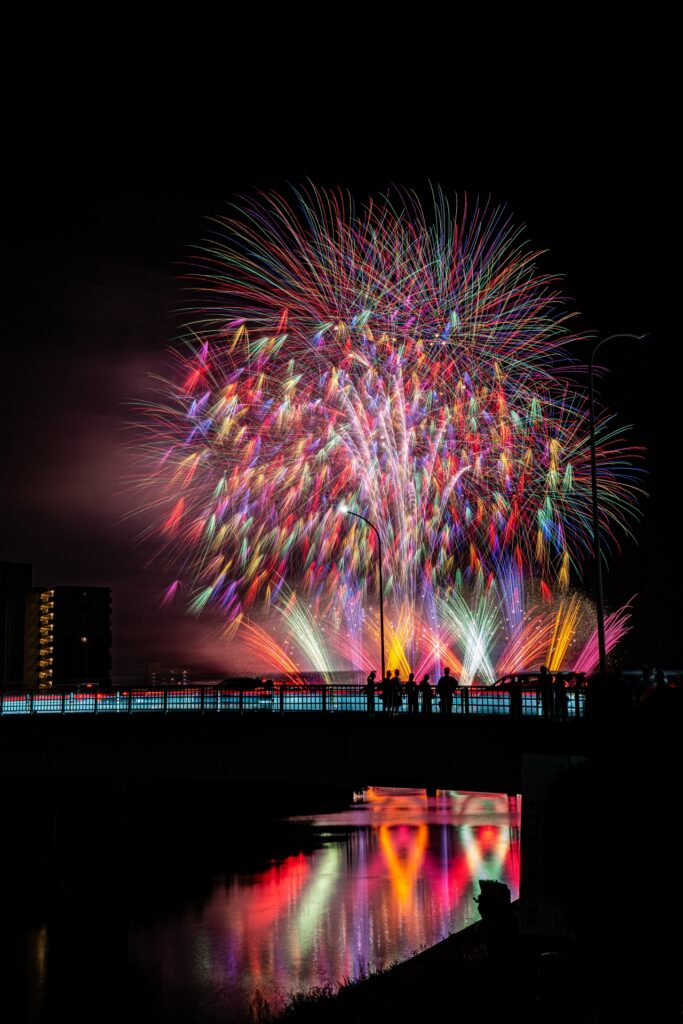
Date: August 1, 2026
Okazaki, the birthplace of Tokugawa Ieyasu, is also home to one of Japan's most respected fireworks traditions. Dating back to the Edo period, the festival celebrates the region's renowned Mikawa Fireworks, a craft that has been perfected by local pyrotechnicians for generations.
Expect an impressive variety of fireworks, including spectacular Melody Star Mines, traditional Mikawa displays, and unique "goldfish fireworks." The historic setting along the Yahagi River near Okazaki Castle adds to the atmosphere.
Because the launch site has no free viewing areas nearby, purchasing reserved seating is essential for the best experience.
- Duration: 90 minutes
- Attendance: Around 60,000
- Paid seating: Required near the main venue

Inuyama Summer Fireworks (Inuyama, Aichi)
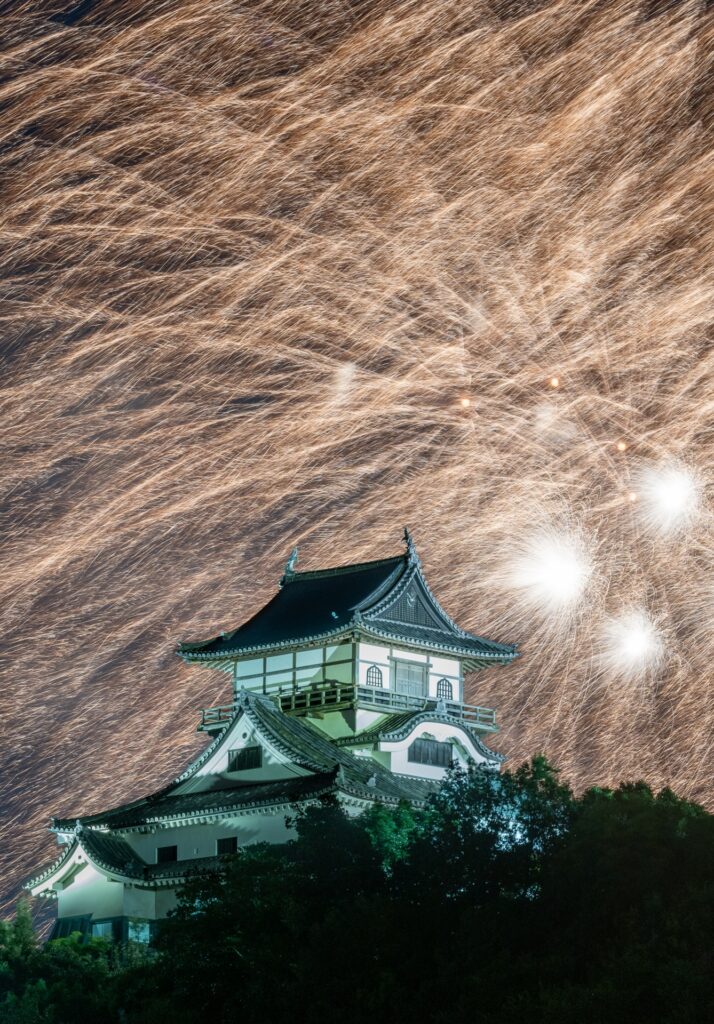
Dates: August 1–10, 2026
Rather than hosting a single evening, Inuyama celebrates summer with ten consecutive nights of fireworks along the Kiso River.
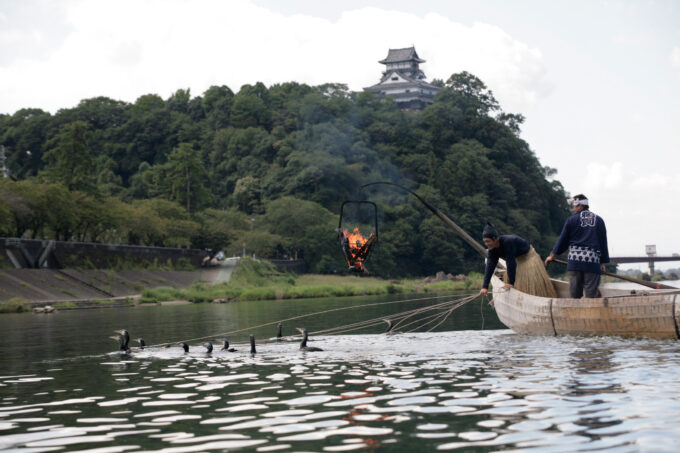
Each evening features approximately ten minutes of fireworks, including colorful Star Mines launched from boats floating on the river. The real magic comes from the setting—the illuminated National Treasure Inuyama Castle rises above the river while fireworks bloom overhead, creating one of the Tokai region's most iconic summer scenes.
This is an excellent option for visitors who cannot attend one of the larger festivals on a specific weekend.
- Duration: About 10 minutes nightly
- Admission: Free
- Best feature: Fireworks with Inuyama Castle illuminated in the background
Suzuka Circuit Hanabi Festival (Suzuka, Mie)
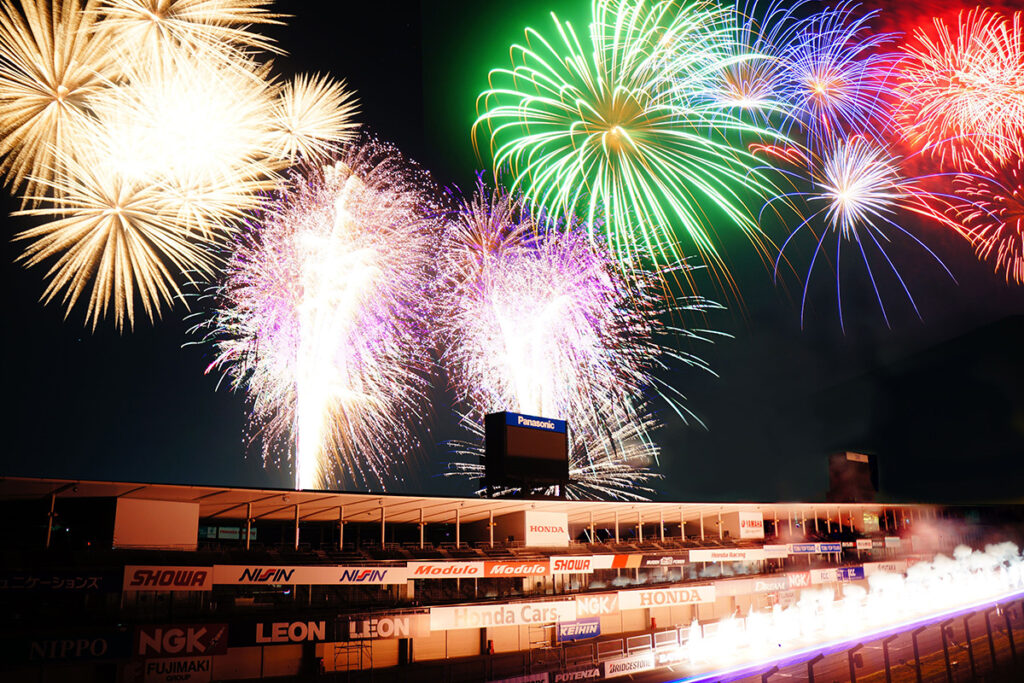
Dates: August 11–14, 2026
Held inside the famous Suzuka Circuit, this event combines motorsports and fireworks in a uniquely Japanese way.
The evening begins with motorcycle demonstrations before transitioning into synchronized music fireworks viewed from the circuit grandstands. The finale moves to the home straight, where fireworks explode remarkably close to spectators alongside dramatic special effects.
For racing fans or families visiting the amusement park, it's an unforgettable summer evening.
- Duration: Approximately 60 minutes
- Paid grandstand seating: Available
Maruyama Senmaida Insect Repelling Festival (Kumano, Mie)
Date: Early June
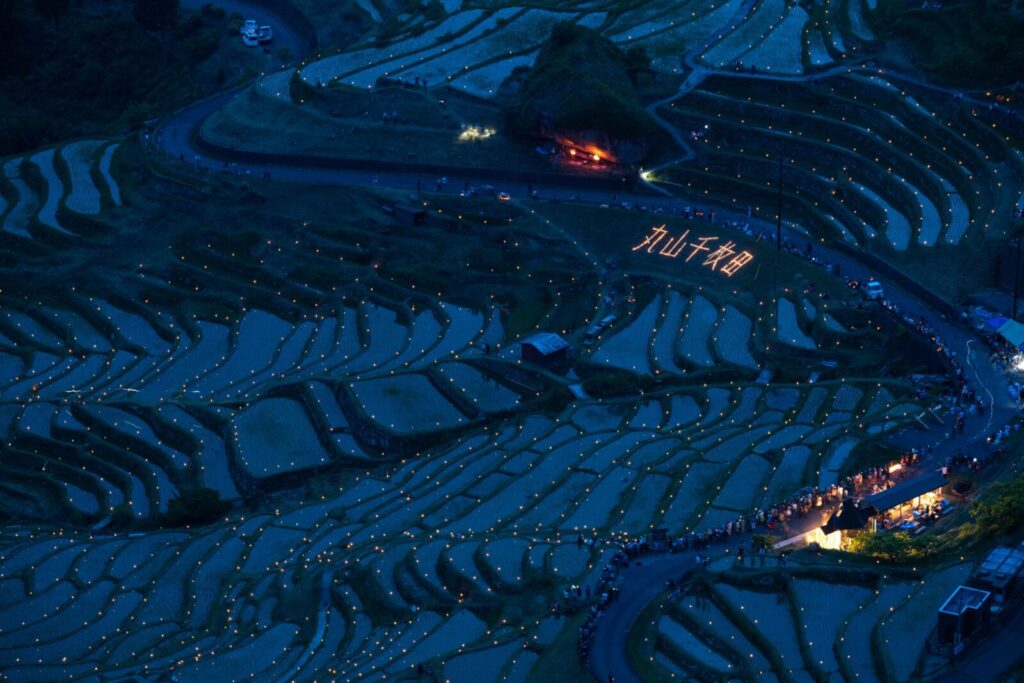
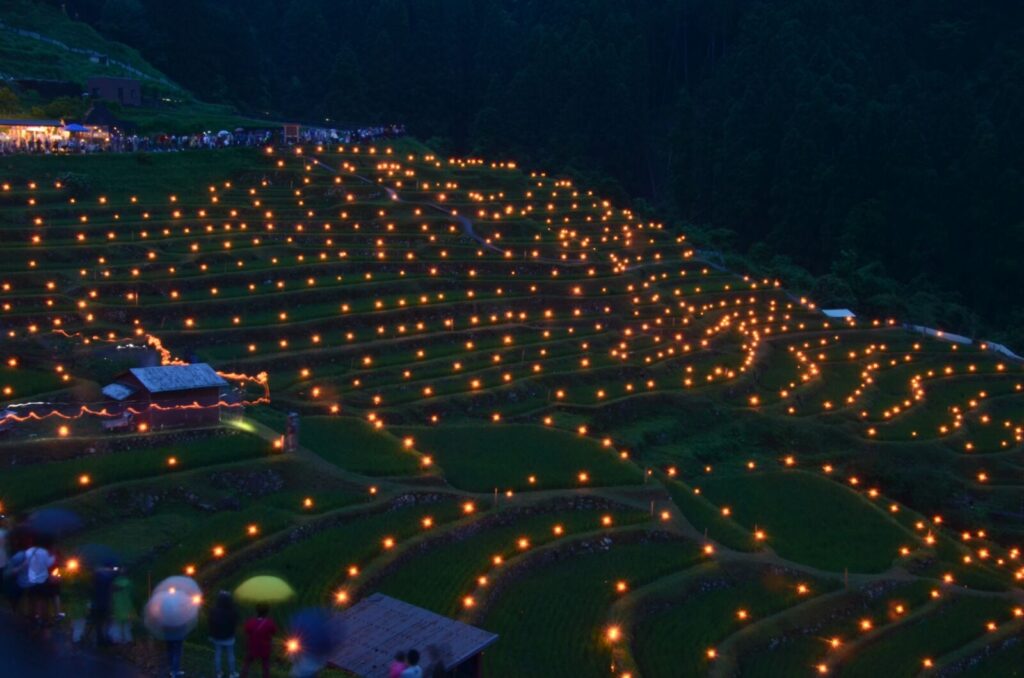
One of the Tokai region's most enchanting early summer traditions takes place at Maruyama Senmaida, widely regarded as Japan's most beautiful terraced rice fields. Nestled in the mountains of Kumano, the landscape consists of approximately 1,340 tiny rice paddies cascading down the hillside. Their intricate layout has inspired the local saying, "If you think one rice paddy is missing, it's simply hidden beneath your hat."
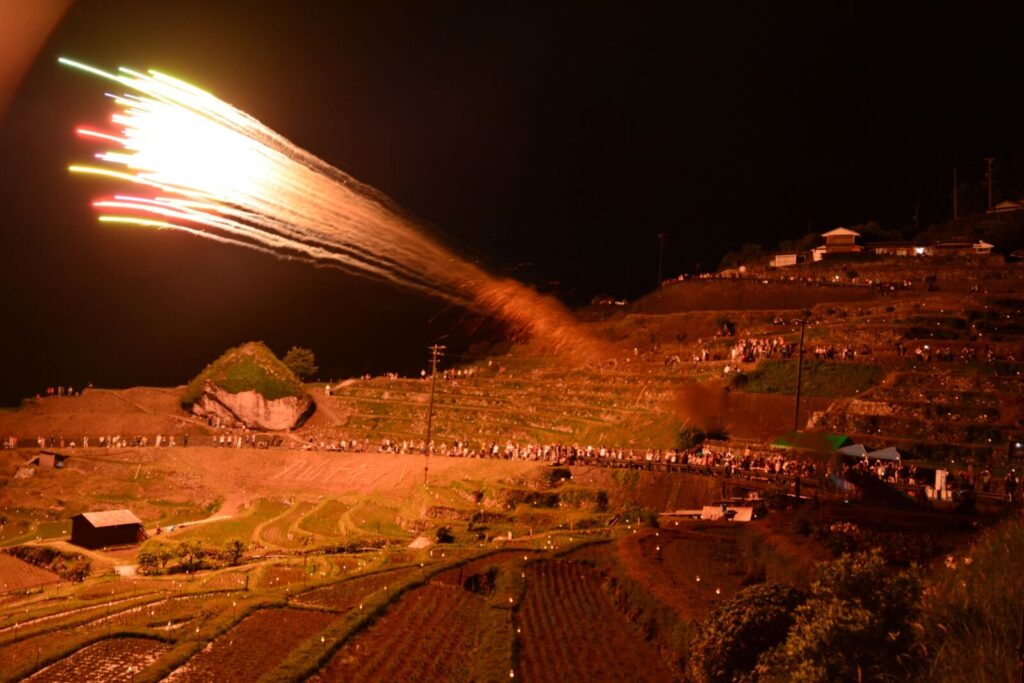
The Insect Repelling Festival (Mushi Okuri) is a centuries-old agricultural ritual held each year to pray for a healthy rice crop and a plentiful autumn harvest. As dusk falls, the peaceful rice terraces are transformed into a magical sea of light when 1,340 candles—one for each rice paddy—are illuminated. Volunteers carefully relight any candles extinguished by the evening breeze, creating a mesmerizing glow that ripples across the mountainside.
At 7:00 p.m., the festival's most important ceremony begins at nearby Maruyama Shrine. Led by an amulet blessed at the shrine, a procession of local children carrying flaming torches walks through the narrow paths between the rice fields. Accompanied by the rhythmic sound of drums and bells, they chant, "Here comes the insect-repelling lord!" as they carry the protective amulet to the highest rice field, symbolically driving away harmful insects and ensuring a successful harvest.
Once the amulet has been placed, a rocket firework is launched into the night sky to announce the successful completion of the ritual. The children return through the glowing terraces to warm applause from spectators gathered throughout the valley.
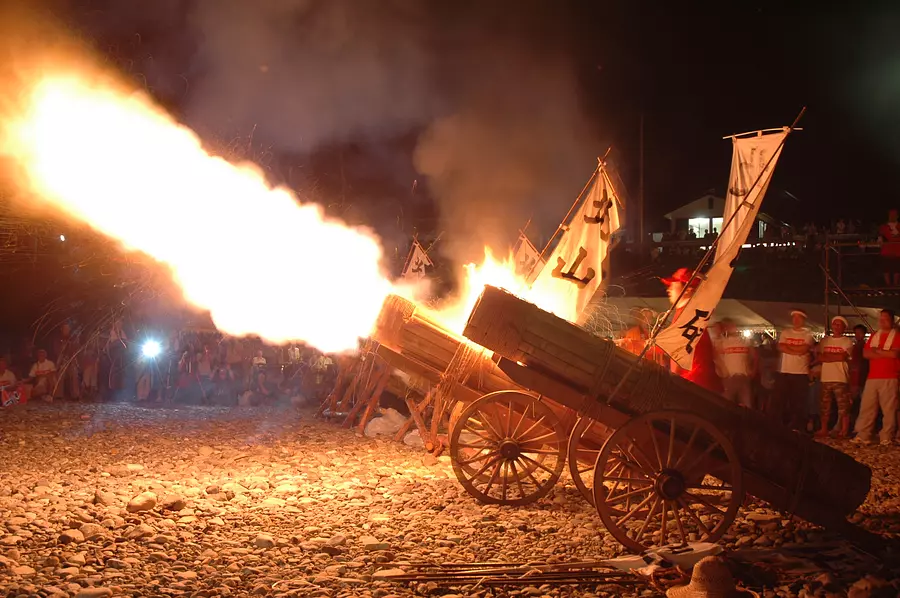
The evening concludes at around 8:00 p.m. with the firing of ceremonial cannons, signaling the end of the festival. As darkness settles over the mountains, visitors linger to admire thousands of candle flames flickering among the terraced fields—a breathtaking scene that beautifully reflects Kumano's deep connection to nature, agriculture, and local tradition.
- Time: Approximately 18:00–20:00
- Location: Maruyama Senmaida, Kumano City, Mie Prefecture
Osu Summer Festival (Nagoya)
Date: August 2, 2026
Located in Nagoya's lively Osu shopping district, this festival offers a more intimate and traditional fireworks experience.
Instead of massive aerial displays, the finale features approximately 90 handheld fireworks accompanied by powerful Osu Taiko drum performances. Fire torches, sparks, and rhythmic drumming create a dramatic conclusion to two days of Bon Odori dancing, parades, concerts, and cultural performances.
With around 250,000 visitors attending the festival over two days, it's one of Nagoya's biggest summer celebrations.
- Duration: About 30 minutes
- Admission: Free
- Best for: Experiencing a local neighborhood festival atmosphere
Gamagori Festival Fireworks (Gamagori, Aichi)
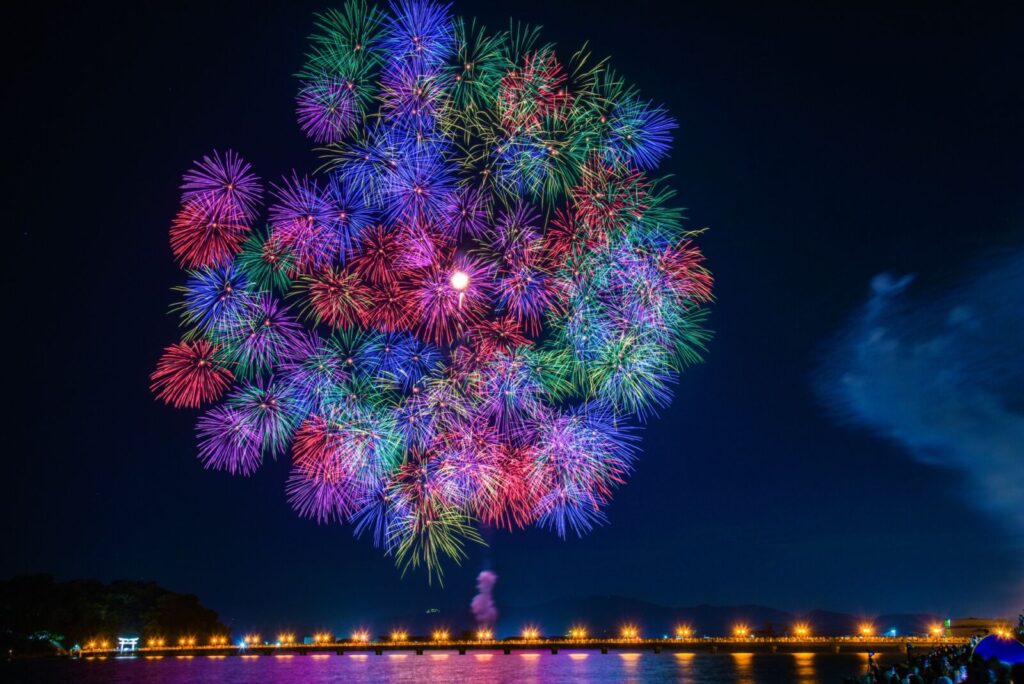
Date: July 26, 2026
One of Japan's most spectacular coastal fireworks festivals, Gamagori is famous for launching enormous three-shaku shells—among the largest on Japan's Pacific coast.
Each shell blooms nearly 650 meters across, creating explosions larger than Tokyo Skytree is tall. Combined with synchronized music and beautiful water fireworks fired across Mikawa Bay, it offers one of the country's most impressive displays.
- Duration: 90 minutes
- Attendance: Around 120,000
- Paid seating: Available
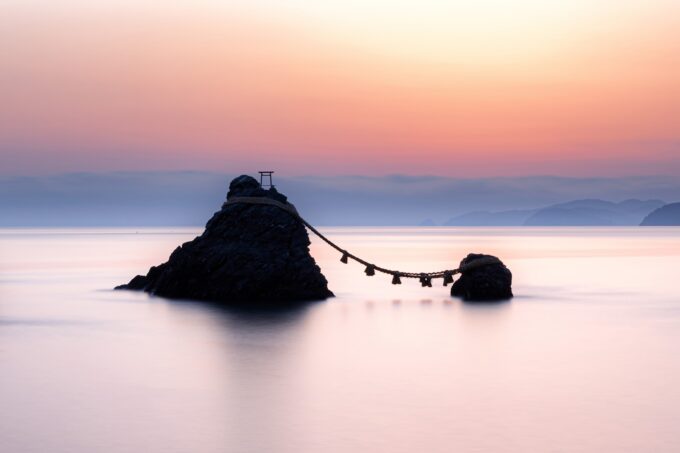
Ise Jingu Dedication National Fireworks Festival (Ise, Mie)
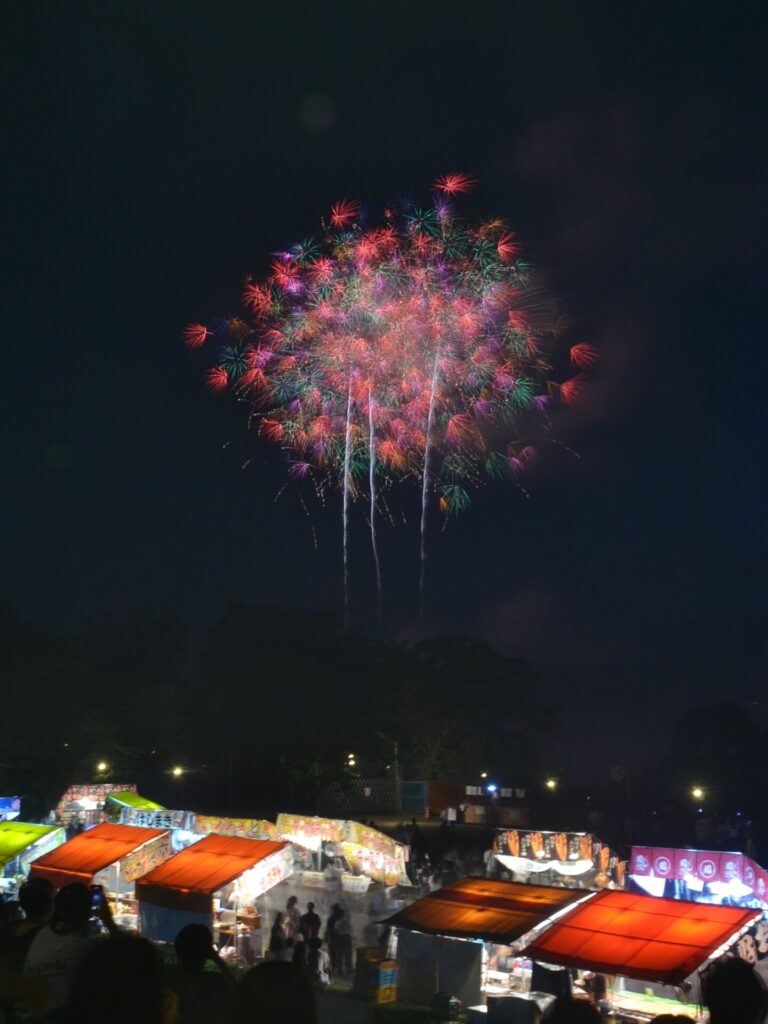
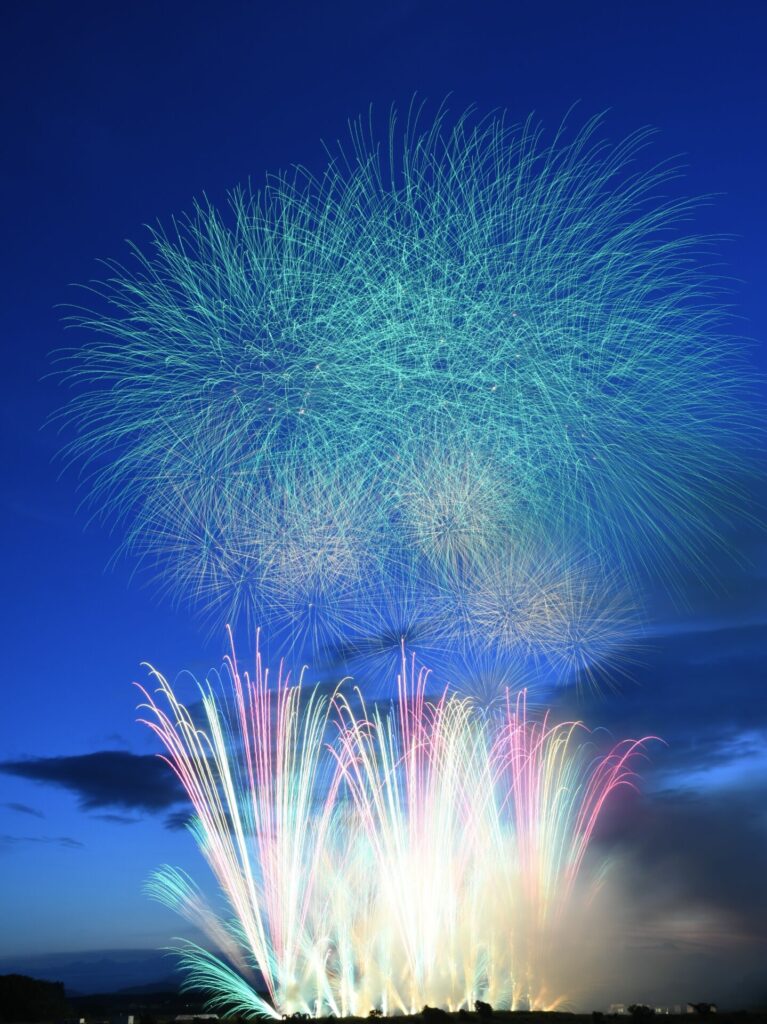
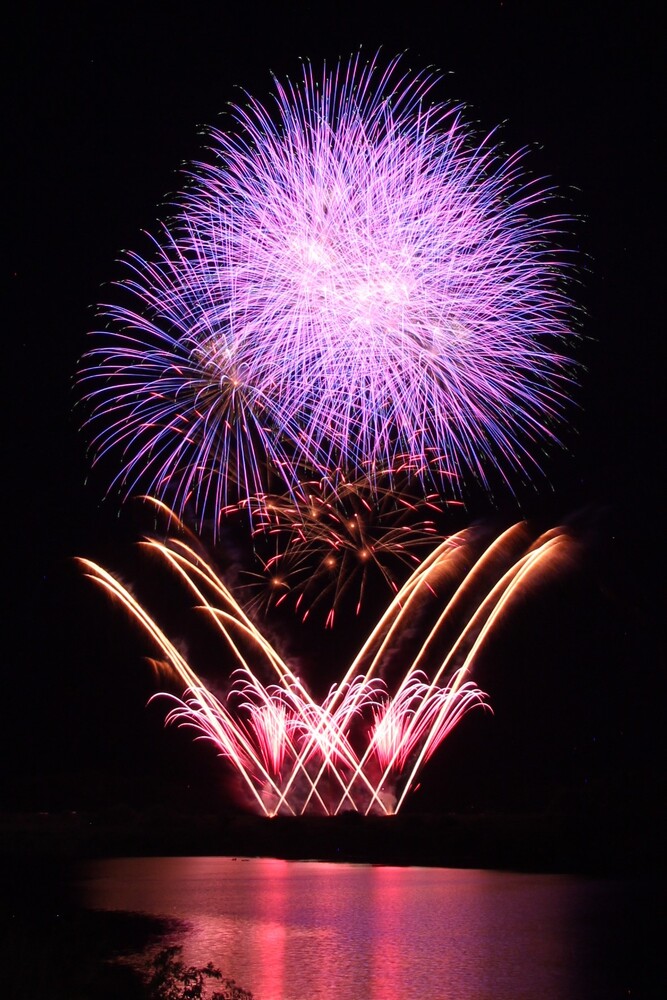
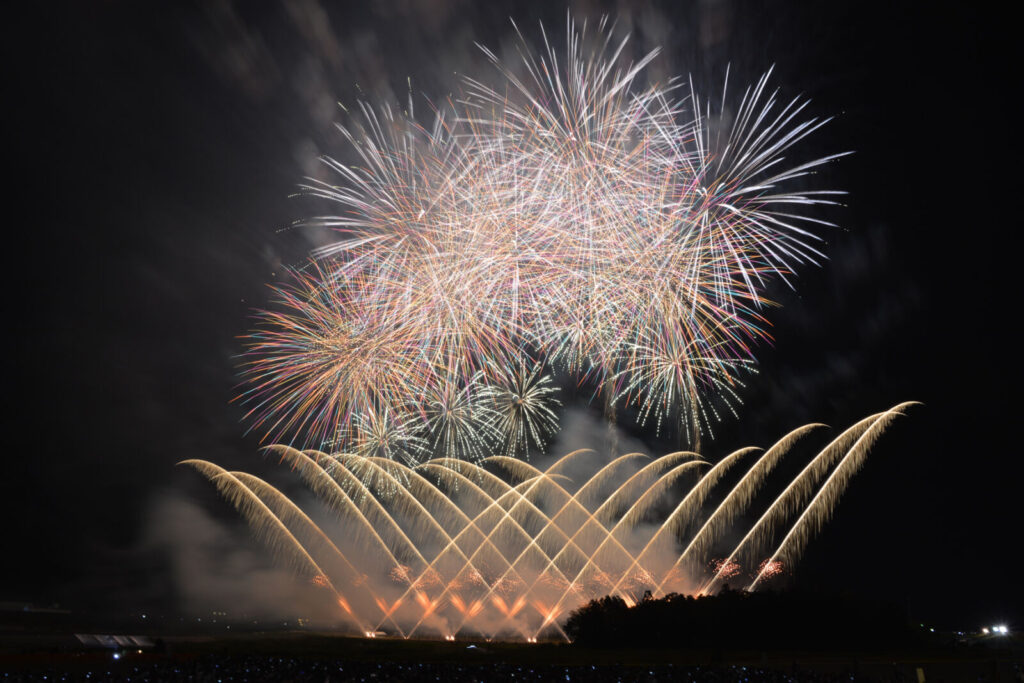
Date: July 18, 2026
Unlike any other fireworks festival in Japan, this event is dedicated to Ise Grand Shrine and ranks among Japan's three major competitive fireworks festivals.
Master pyrotechnicians from across the country compete by presenting both individual shells and elaborate Star Mine displays, making this one of the highest-quality fireworks competitions in Japan.
- Duration: Approximately 100 minutes
- Attendance: Around 200,000
- Paid seating: Available
Tips for Attending Summer Fireworks Festivals
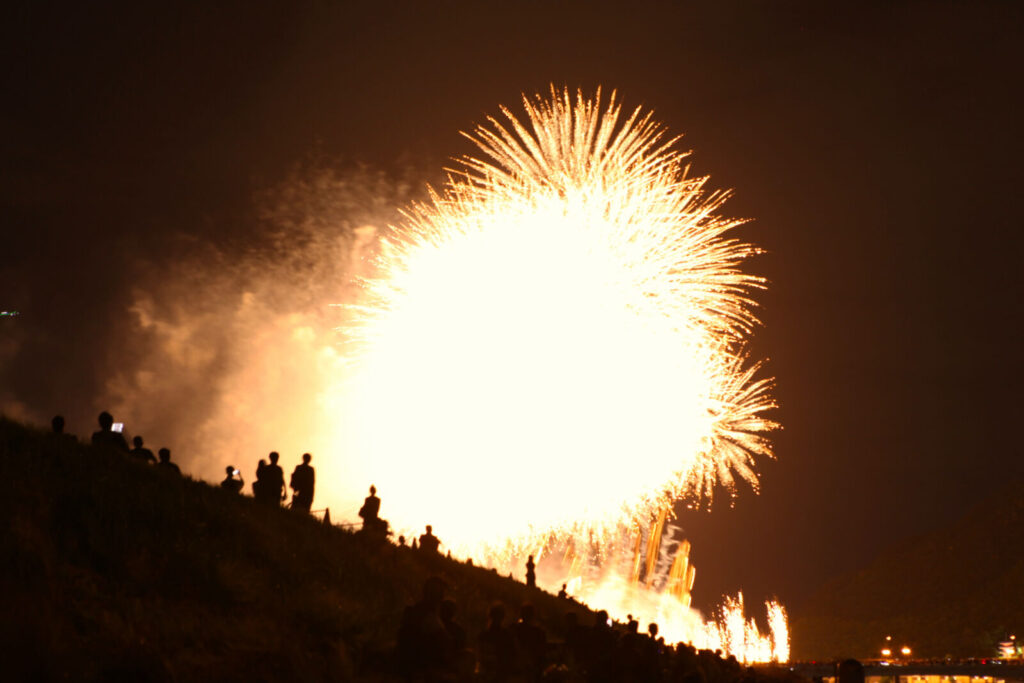
- Arrive early—major festivals often attract more than 100,000 spectators.
- Purchase reserved seating whenever possible, especially for Gifu and Okazaki.
- Bring water, a handheld fan, and a picnic blanket if using free viewing areas.
- Summer evenings remain hot and humid, so lightweight clothing is recommended.
- Many festivals are easily reached by train, but expect crowded stations after the fireworks conclude.
Whether you prefer massive river displays, historic castle settings, or centuries-old fire traditions, the Nagoya region offers some of Japan's finest summer fireworks festivals, making July and August unforgettable times to visit central Japan.