



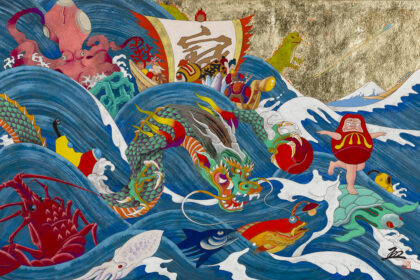

One of the great pleasures to any visit to Japan is enjoying the rich and beautiful world of its arts. Outside of the Japan, the country is best known for its most refined arts and cultural achievements however, the country has a rich and varied tradition of crafts and folk arts which capture the spirit and essence of the Japanese experience and can be just as captivating.
On this page, we list arts and crafts you are likely to encounter while here, and provide a quick summary of what it’s all about. The list is varied and ranges from the traditional and classical arts to the more contemporary and every day including artistic techniques, practices and specific objects you will encounter on your travels - with a focus on items that make great gifts and souvenirs that are easy to carry for international visitors.

The Traditional Crafts of Japan
Japan officially recognizes over 240 traditional crafts as of the latest designation by the Ministry of Economy, Trade and Industry (METI). Since 1974, the Japanese government has been designating "Traditional Craft Products" in an effort to promote traditional craft industries, protect regional diversity, add charm to society, and to contribute to the development of local economies.
To qualify for this designation, a craft must meet five specific criteria. The item must be primarily handmade, the techniques and materials employed must be traditional (having been passed down over generations), the craft must have a history of at least 100 years, it must currently be produced by a sizable community of artisans within a specific geographic area, and lastly, the product must serve a meaningful role in daily life.
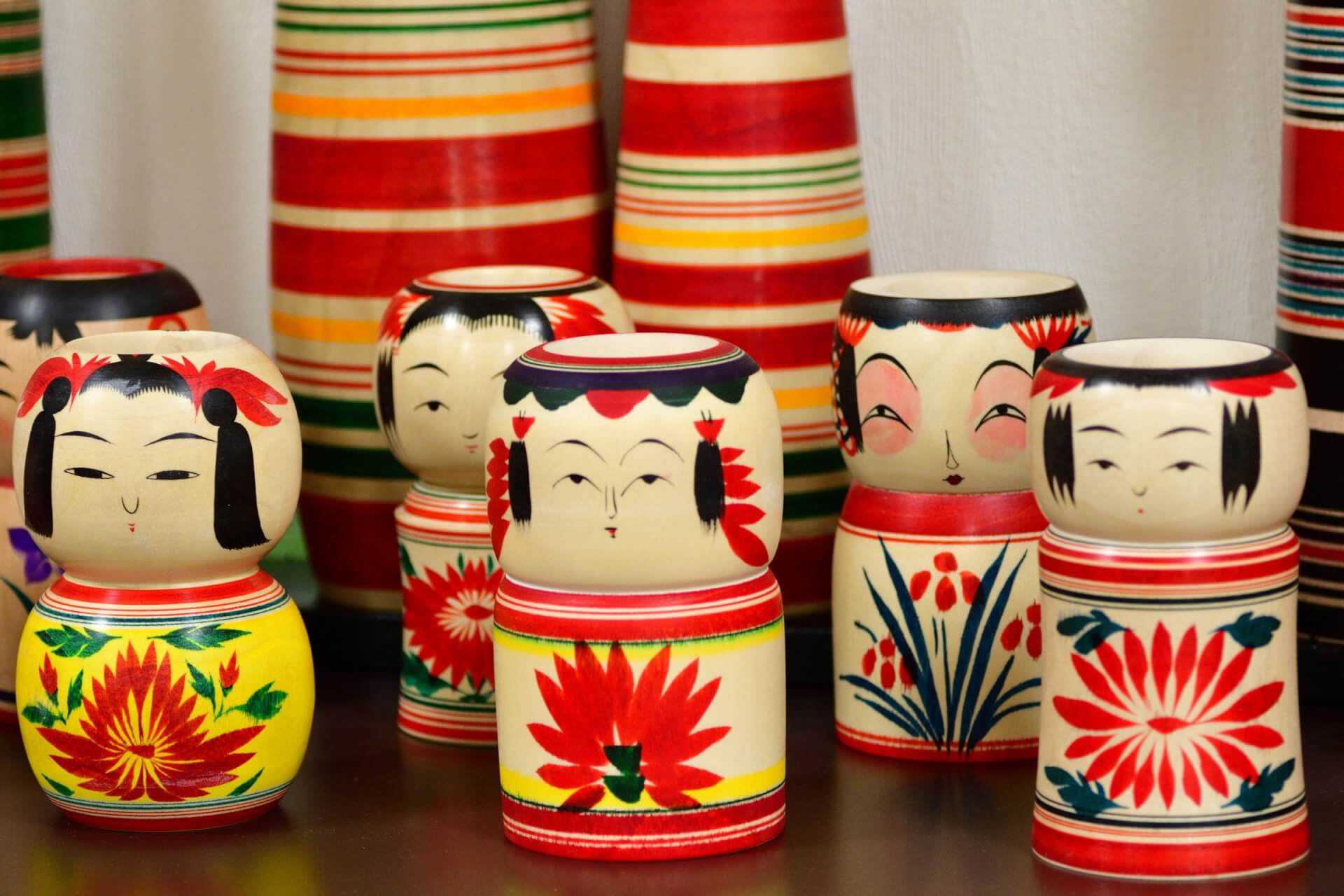
These traditional crafts span a wide range of categories, including textiles, ceramics, lacquerware, metalwork, wood and bamboo crafts, papermaking, and folk toys. For example, well-known textile traditions include Nishijin weaving from Kyoto, while celebrated ceramic styles include Arita and Bizen ware. Wajima-nuri is a famous example of lacquerware, and Tsubame copperware represents Japan's metalworking tradition. Other notable crafts include Hakone marquetry in woodcraft, Mino washi in papermaking, and Kokeshi dolls in traditional toy-making.
Each craft reflects the natural resources, climate, and historical context of its region, making traditional crafts a vital aspect of Japan’s cultural identity. These items are not only valued for their artistry but also for their strong ties to place, history, and community. For this reason, traditional crafts are often a focal point of cultural tourism, attracting visitors who wish to experience Japan's artisanal heritage firsthand.
1) Bonsai (盆栽)
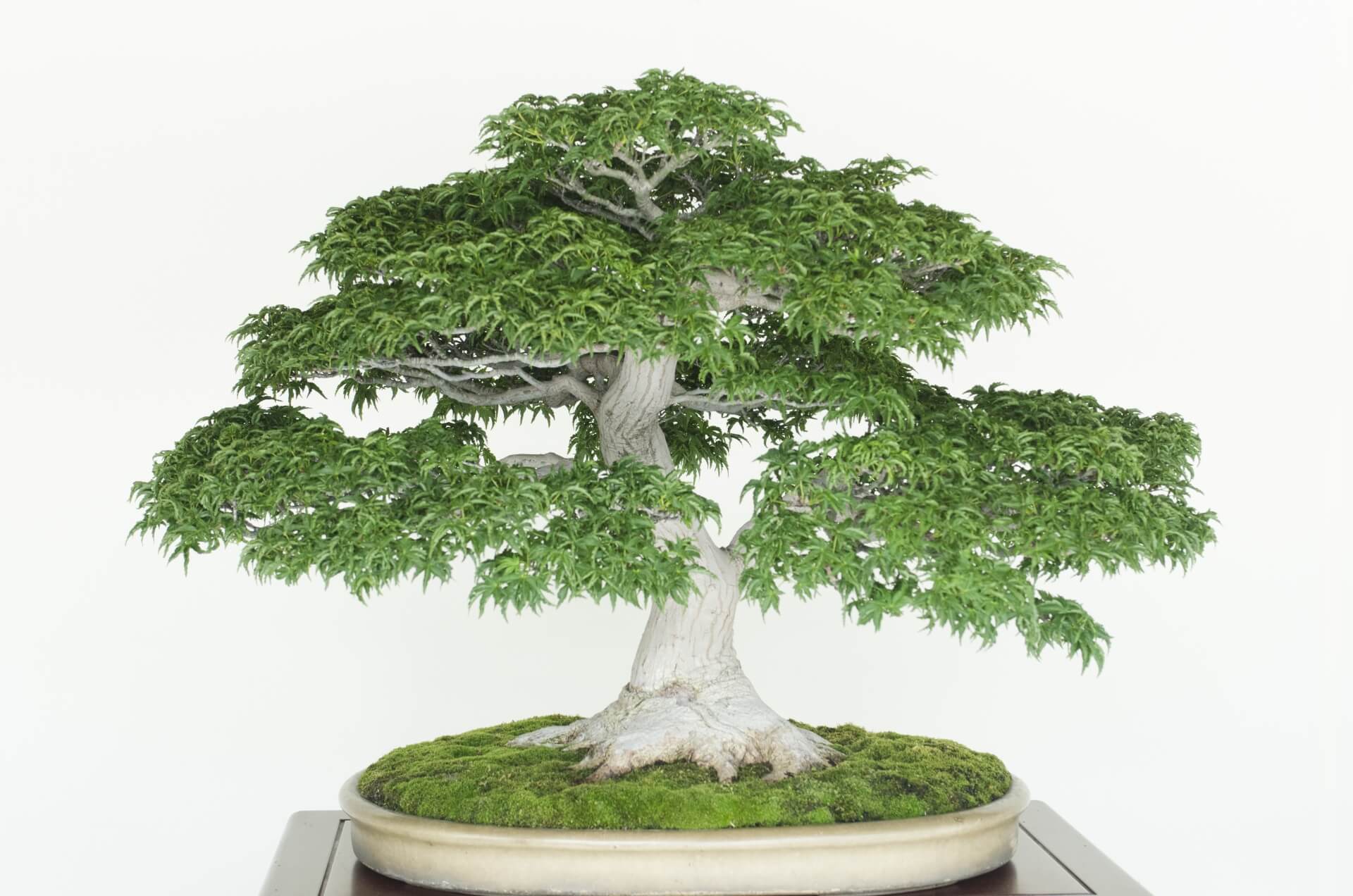
Instantly familiar to most international visitors, bonsai involves the studied cultivation of plants into miniature forms, trained and sculpted to mimic a fully-grown tree.
Developed over centuries under Zen Buddhist influence, this art form emphasizes patience, asymmetry, and the beauty of age. Bonsai requires years of application to master but can be practiced by anyone with space for a miniature tree. As such, is a hugely popular past-time both inside and outside Japan.
2) Butsuzo (仏像)
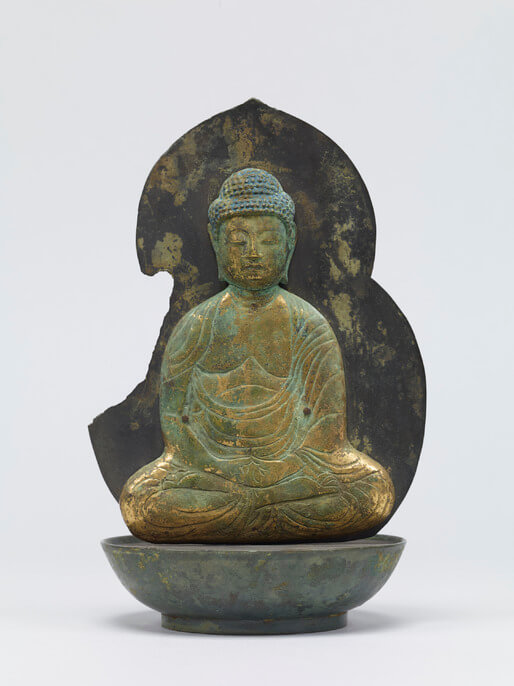
While Shintoism is the native religion of Japan, Buddhism plays an equally important role in Japanese society, with the majority of Japanese identifying with both religions. And butsuzo, the carving Buddhist statues has been a sacred and technical craft in Japan since the 6th century.
Often inside temples but also outdoors, buddha statues depict not just the historical Buddha – the man whose teachings Buddhism is based on – but also the many buddhas with the religion. These sculptures, often found in temples, are created using traditional woodcarving and gilding techniques. Butsuzo sculptures range hugely in size, style and if you’re interested in buying one, price.
3) Chado (茶道)
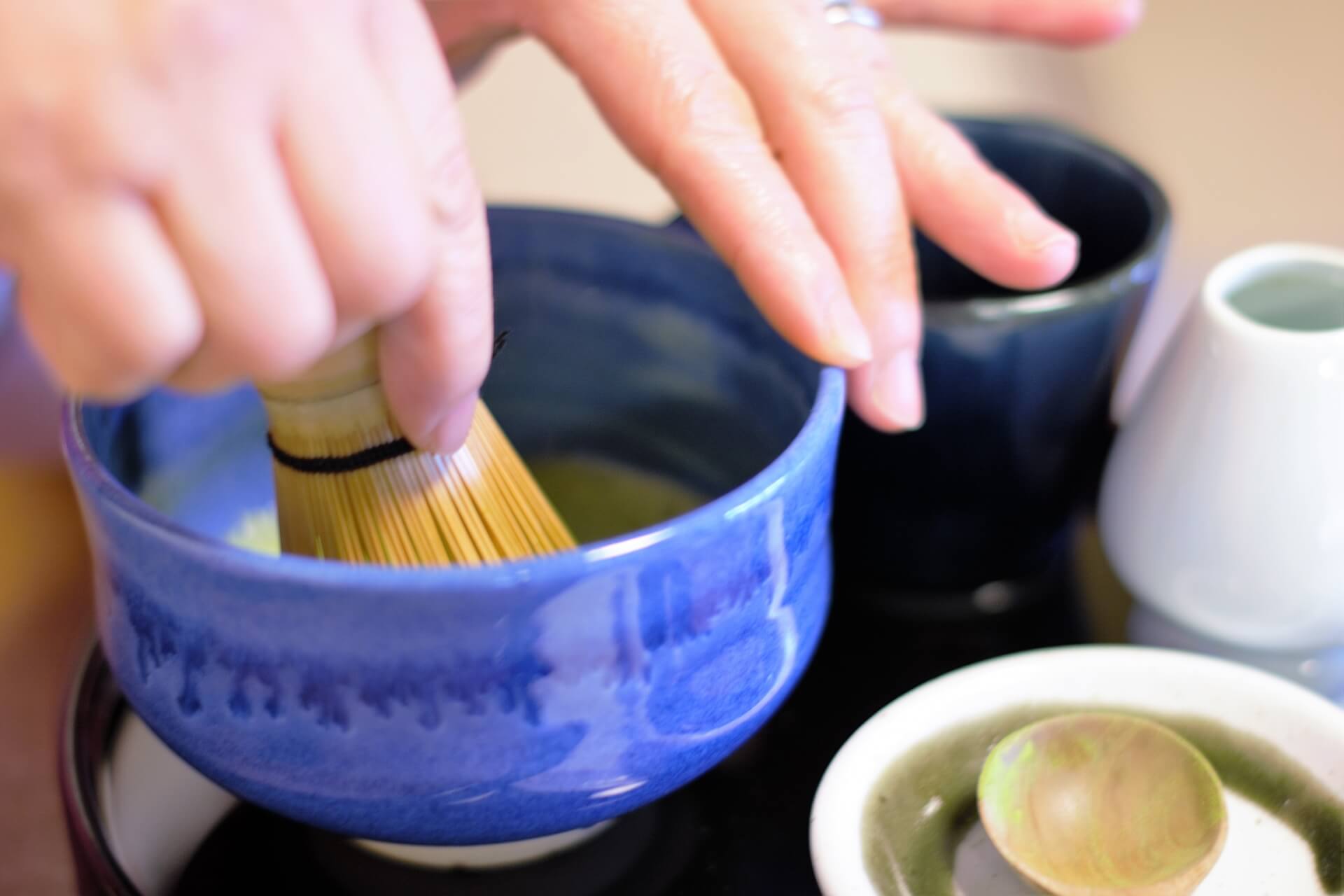
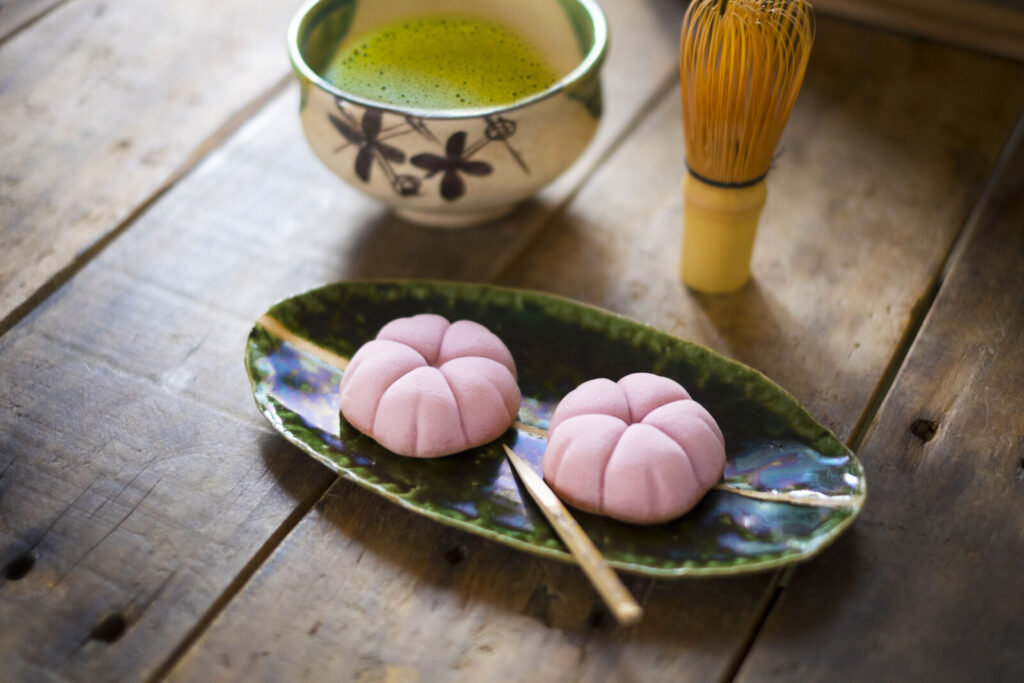
Translating as "way of tea," chado or "tea ceremony" in English is perhaps the quintessential Japanese practice most visitors to Japan include in their itinerary
Tea ceremony is as much a ceremonial experience as it is a meditative performance. From how the host folds the tea cloth (fukusa) to the way tea is whisked and served, each action reflects discipline, grace, and mindfulness. For the guest, the experience is equally participatory. Observing etiquette, admiring the utensils, and engaging in seasonal arrangements all become part of the experience. In this way, Japanese tea ceremony blurs the boundary between art viewer and art participant.
It is often described as a "composite art form" (総合芸術, sogo geijutsu), as it incorporates many of the other art forms on this list including ceramics, calligraphy, and flower arrangement.
Practiced as a hobby by some Japanese, international visitors can experience chado at many locations throughout the country, with authenticity, expertise, and cost varying greatly.
4) Daruma (達磨)
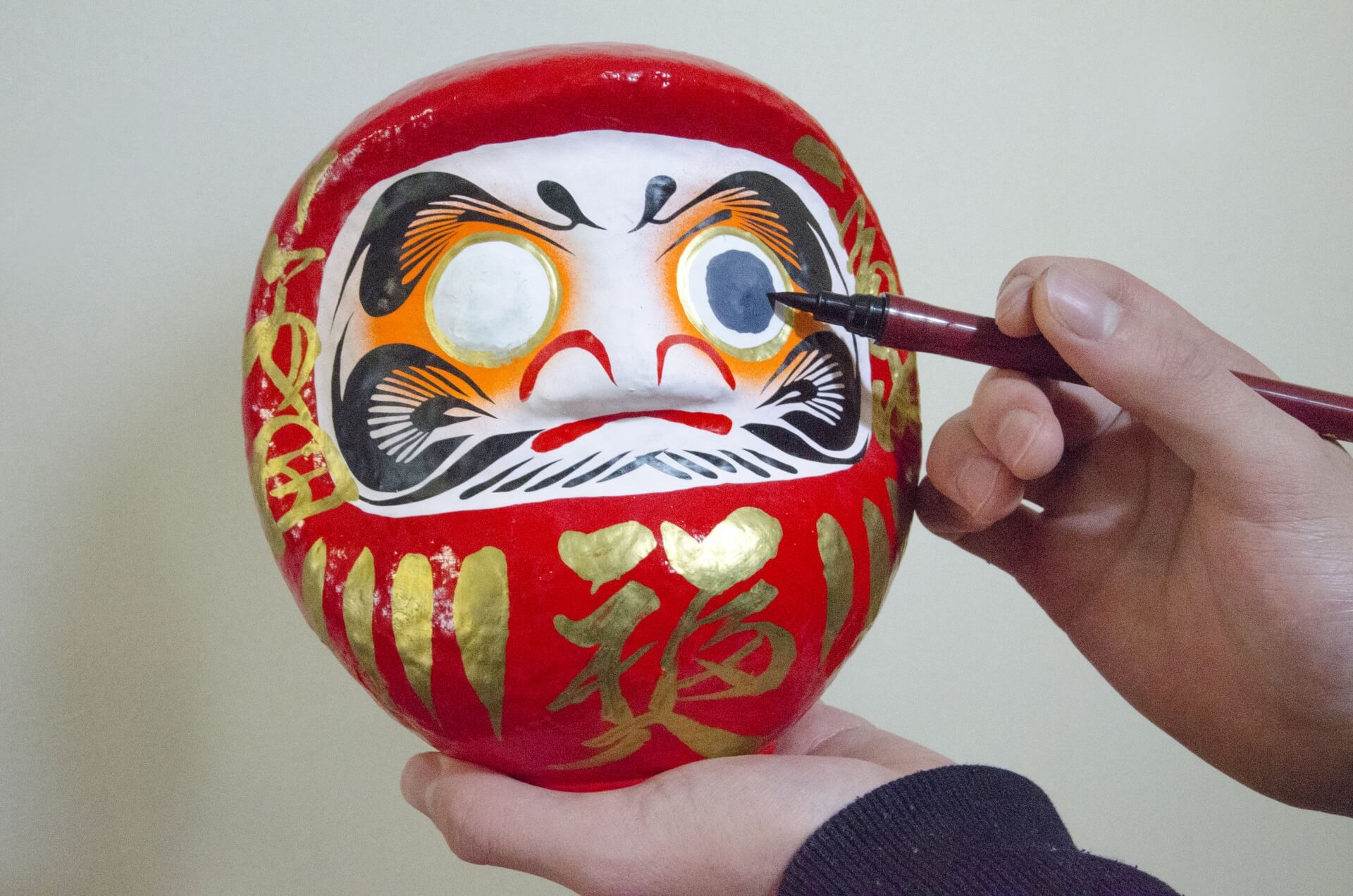
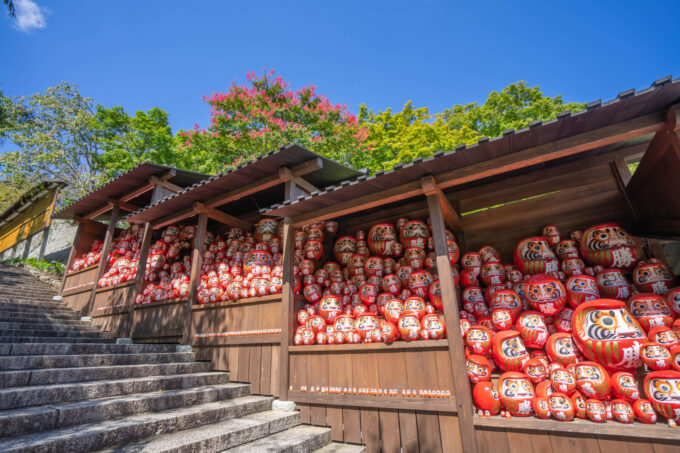
Any visitor to Japan will surely have noticed the ubiquitous ‘daruma’ dolls decorating restaurants, businesses and homes throughout the country. Often made from papier mache and then hand-painted, the dolls are named after an Indian monk who transmitted Zen Buddhist practices to China. The legends about daruma are many and his dolls are bought to then make a wish or set a goal by colouring in one eye. The doll then remains as such until the wish or goal if fulfilled, at which time the other eye is coloured-in. Coming in all sizes and colours – with colours also carrying specific meaning – daruma make a meaningful gift or souvenir while in Japan.
Recommended Tour featuring Daruma:
5) Ikebana (生け花)
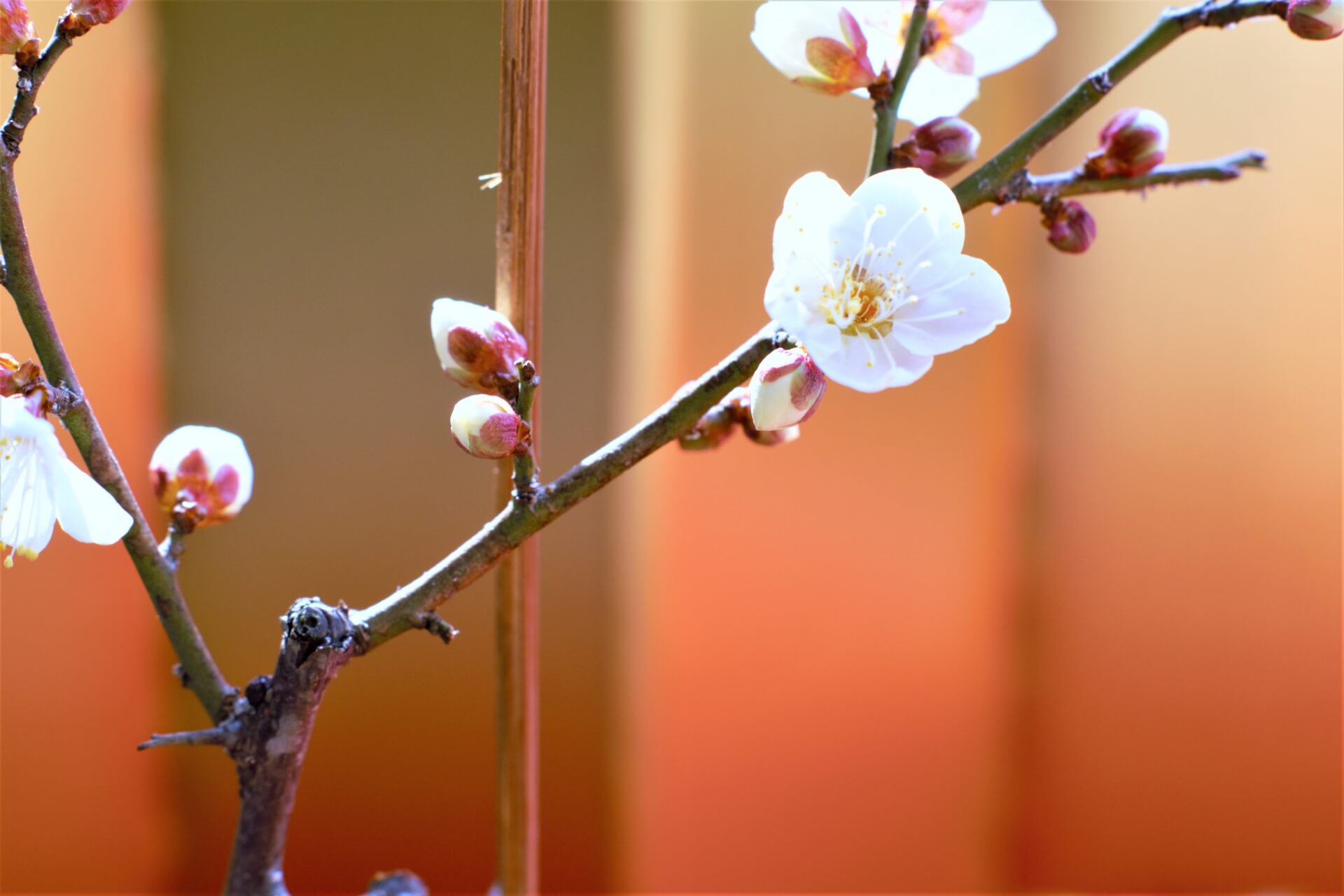
Meaning ‘to arrange flowers’, ikebana is a popular hobby for many Japanese. But Japanese flower arrangement is not simply decorative, it is a spiritual and minimalist art form emphasizing line, balance, and seasonal awareness.
Also referred to as kado or "way of flowers," this ancient artform was originally used in arrangement of floral offerings on altars, introduced to Japan from China with Buddhism. It has since evolved through samurai and courtly traditions, and today, ikebana is practiced by many people as a hobby with others mastering the art through a number of ikebana schools.
6) Kimono (着物)
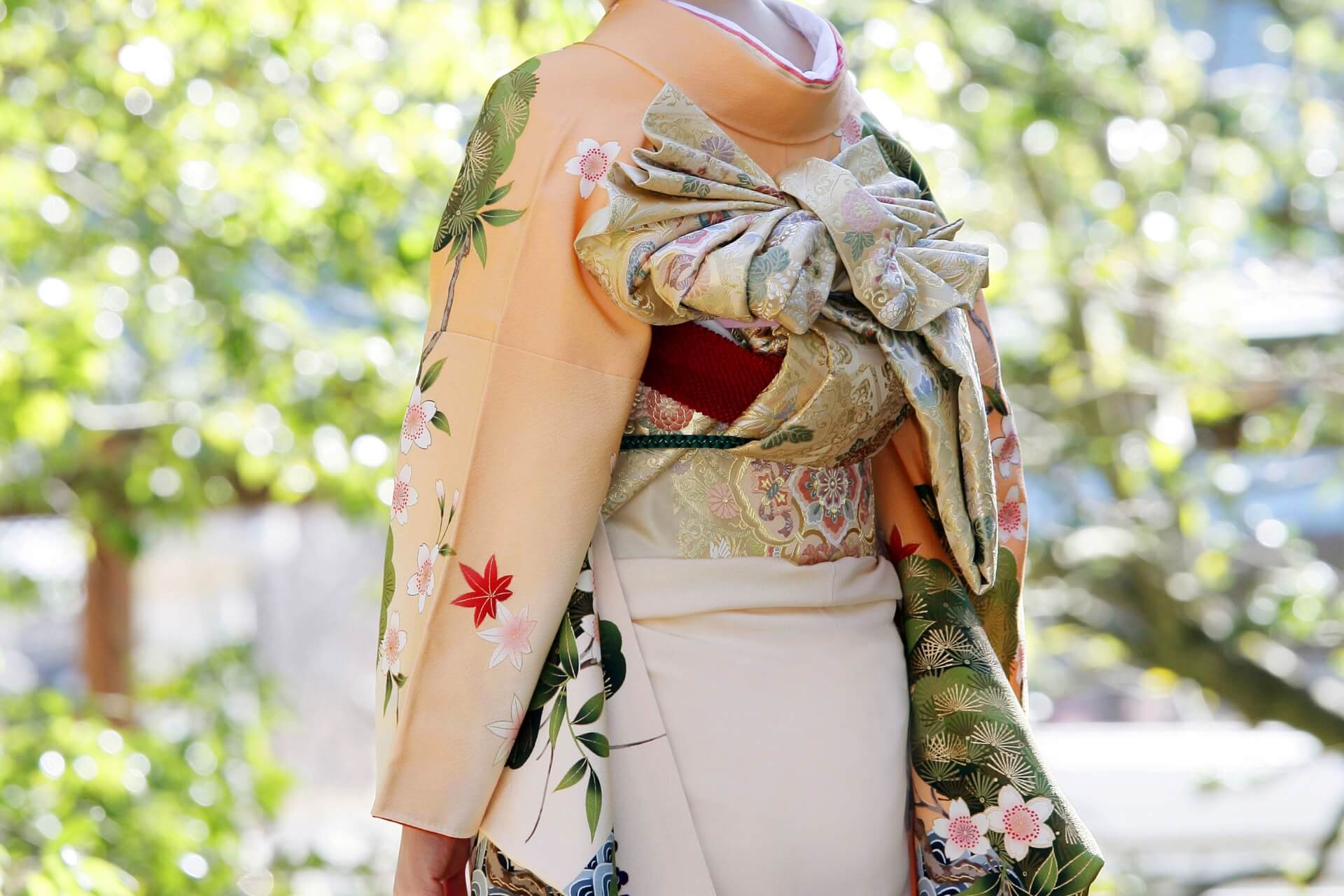
While kimono are a type of traditional clothing and as such, not an artform in their own right, Japan’s traditional garment has a highly codified structure, with various weaving and dyeing techniques designated by METI as traditional crafts, such as Nishijin-ori (Kyoto silk brocade) and Yūzen-zome (hand-painted dyeing).
Throughout Japan, you will encounter kimono museums displaying some truly exquisite pieces, never to be worn again or first created as art pieces demonstrating the stunning skill of this most Japanese of arts.
Recommended Tour Featuring Kimono Fabric:
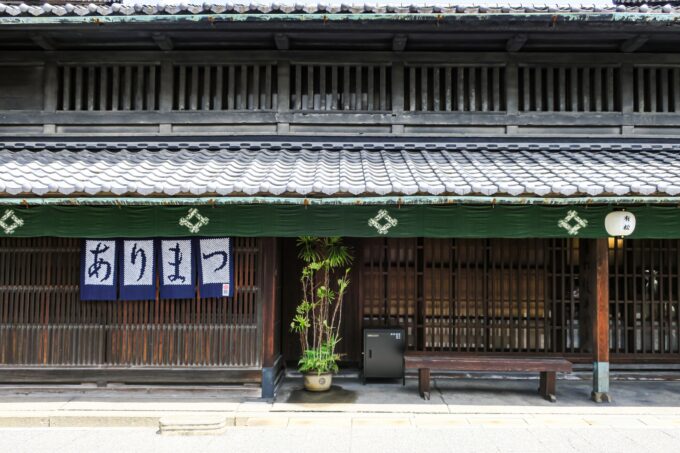
Our 1-Day Tour from Nagoya: Crafting Traditions in Tokoname and Arimatsu gives you a behind the scene look at how Arimatsu Shibori, a traditional indigo dyed fabric, is made. Watch master artisans create intricate indigo-dyed fabrics and shop for truly one of a kind souvenirs.
7) Mandala (曼荼羅)
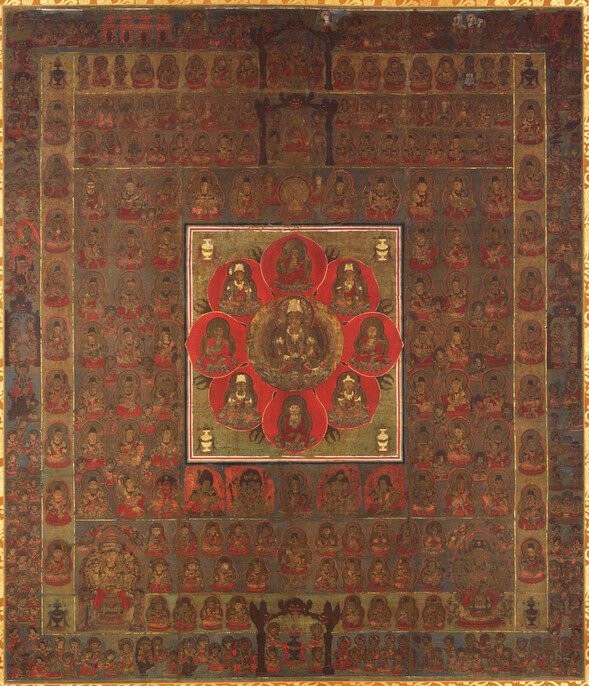
Mandalas in Japan are cosmological diagrams used in esoteric Buddhist rituals. They are often meticulously painted or woven, serving both meditative and liturgical purposes.
Hindu in origin, mandala play an important role in Buddhism including Japanese Buddhism. Made popular in Japan from the 9th century onward, mandala are geometric configuration of symbols depicting Buddhist entities and conceptualisations of the universe radiating-out from the centre.
Varying greatly in form and appearance, the production of mandala is considered a means of entering a meditative state and a point of contemplation. Playing an important role in both Hinduism and Buddhism, mandala have been appropriated by ‘new age’ movements and contemporary artists in new interpretations of very old techniques and themes.
8) Mizuhiki (水引)
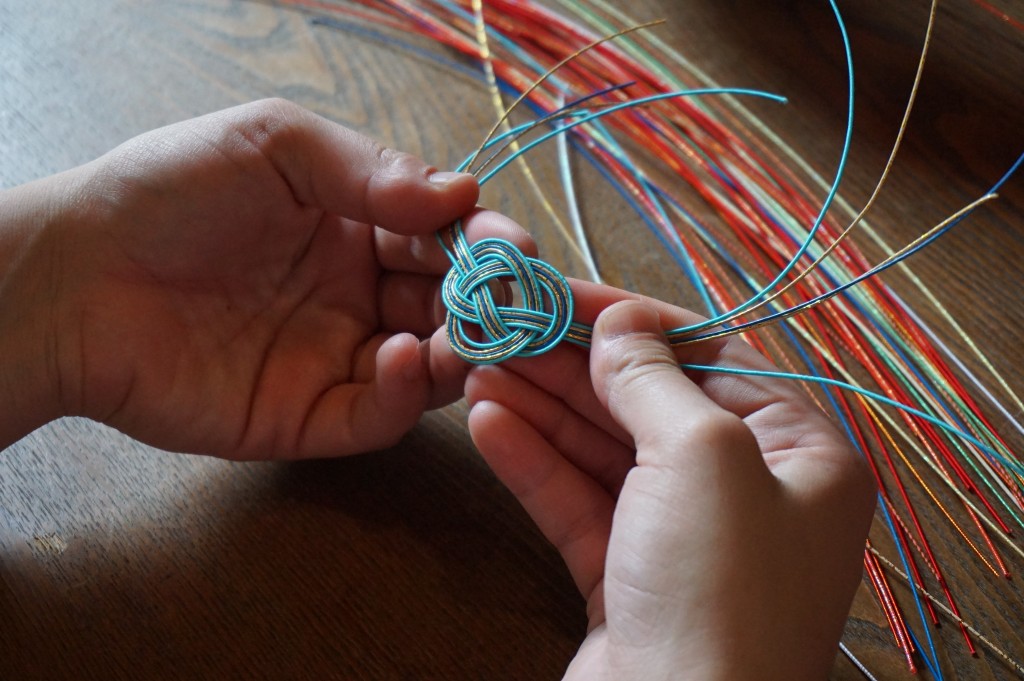
This decorative paper cord is traditionally used in ceremonial gift wrapping. Hand-twisted and shaped into intricate knots, mizuhiki is often seen in weddings, funerals, and formal occasions.
Gift-giving plays an essential role in Japanese culture as a sign of appreciation and respect. The presentation of gifts can be considered tantamount in importance to the gift itself, a cultural propensity which leads to Japan’s reputation for beautiful design and packaging for even the most simple of items.
The ancient art of mizuhiki involves the tying of beautiful, colored cords around gifts as a form of decoration. This tradition played an important role during the Edo Period, when gifts presented by and for samurai became increasingly more elaborate in design – with the color and number of cords all holding meaning. Today, mizuhiki continues to be practiced in decorating gifts and artform in its own right.
9) Ningyo (人形)
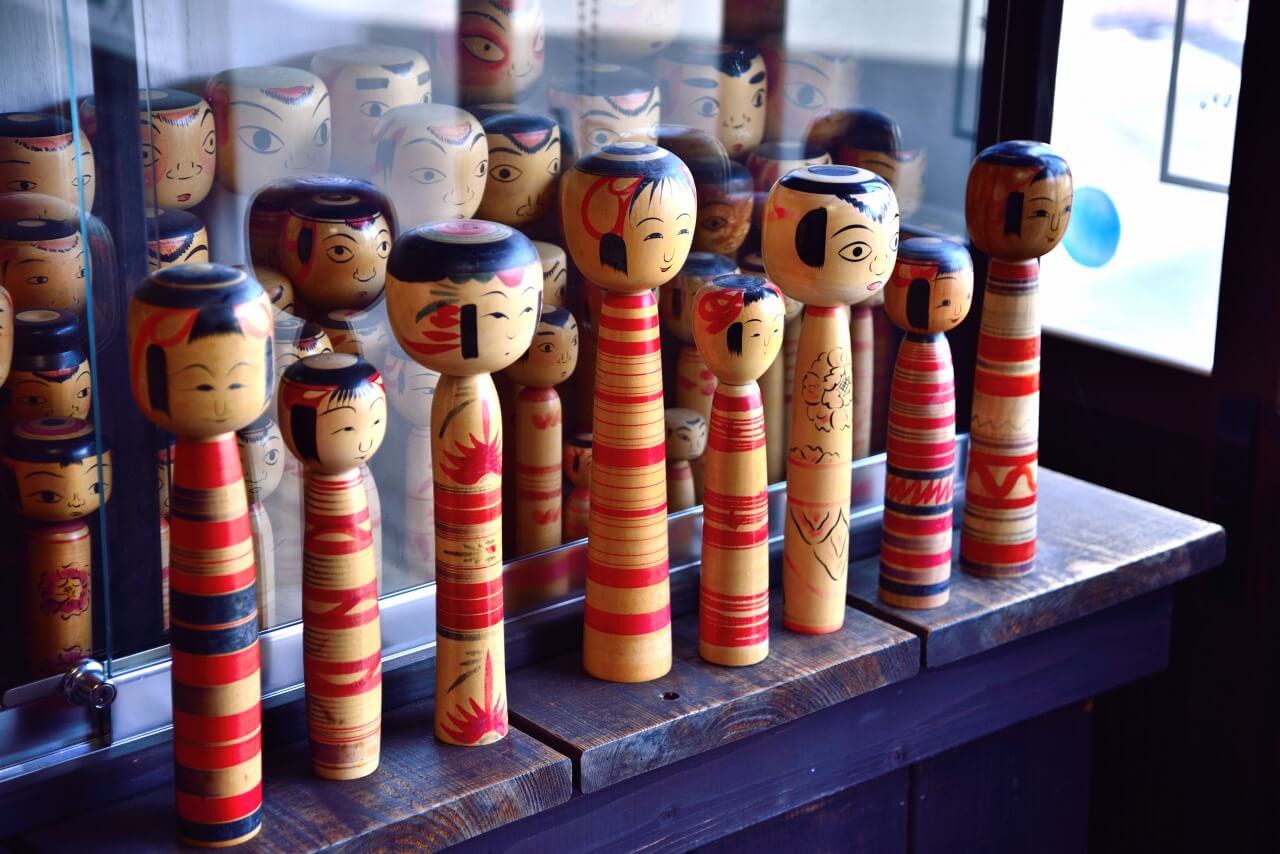
Dolls or ningyo play an important role in Japanese culture. From ornaments used for ceremonies to toys and gifts, ningyo range in style and use with many past through the generations as cherished family heirlooms. The dolls can range in appearance from courtly figures to simple folk toys.
Wooden ‘kokeshi’ dolls are particularly popular. Seemingly simple, these wooden dolls depict young girls, often simply but beautifully painted – popular with many international visitors as gifts and mementos of their time in Japan.
Several regional types, such as Hakata-ningyō and Kimekomi-ningyō, are METI-designated traditional crafts for their handmade construction and historic value.
10) Kodo / O-Kaori (香道 / お香)
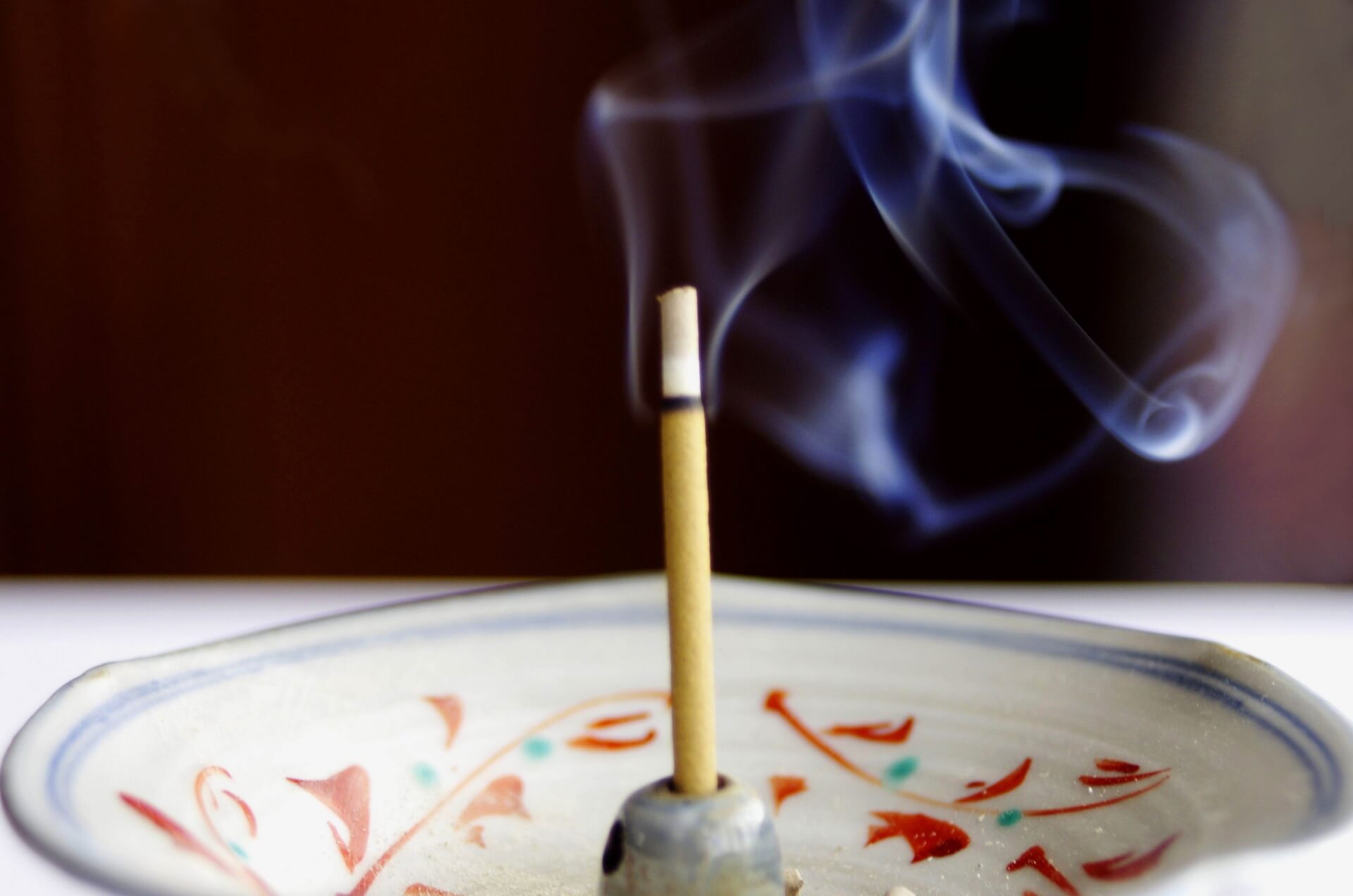
The Way of Incense is perhaps one of the more abstract art forms at it is the art of appreciating fragrant woods through ritual games and ceremonies.
Known as kaori or more politely, o-kaori in Japanese, incense is a ubiquitous and seductive part of local culture. Deeply connected to Zen and courtly culture, it is practiced with the same reverence as tea ceremony and calligraphy.
It is considered one of the three classical arts of refinement, along with ikebana and chado, and is used not only in temples and shrines, but also in businesses, homes and other venues throughout Japan.
For international visitors, purchasing incense while in Japan can be a fantastic memento of your time here as upon lighting it at home, the beautiful and subtle fragrance will transport you back to your time in Japan.
11) O-Mamori (お守り or 御守)
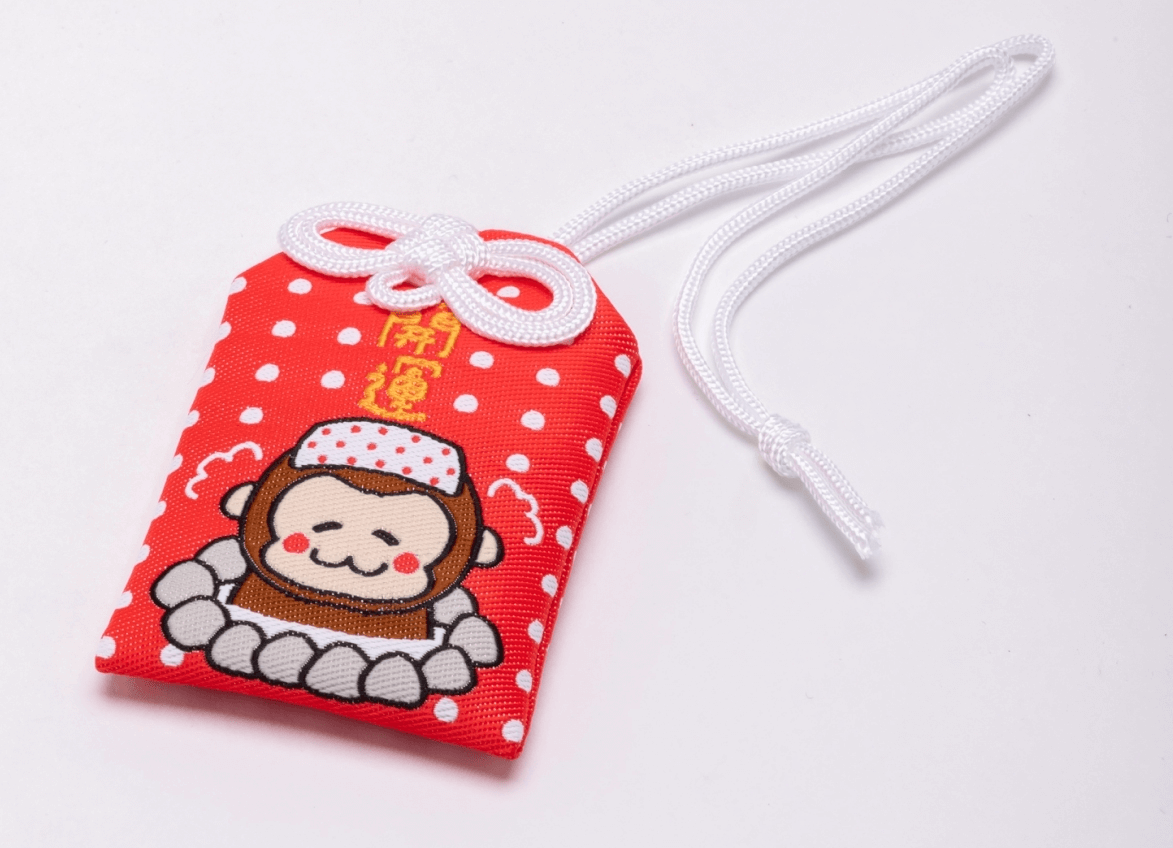
Shinto and Buddhist protective amulets, omamori are traditionally handcrafted at shrines using cloth, paper, and wood. Their symbolic significance and spiritual production align them with Japanese folk crafts.
Visitors to temples and shrines will certainly come across omamori during their travels. As amulets sold at temples and shrines throughout the country, omamori are said to provide luck and protection for those who carry them.
They provide specific protection and luck for all-manner if events, from travel to study, child-birth, protection from accidents, wealth… the list is endless, with many sought-out from famous locations and auspicious temples and shrines. Omamori make for a small and meaningful gift or souvenir for travelers in Japan.
Recommended Tours Featuring Omamori:
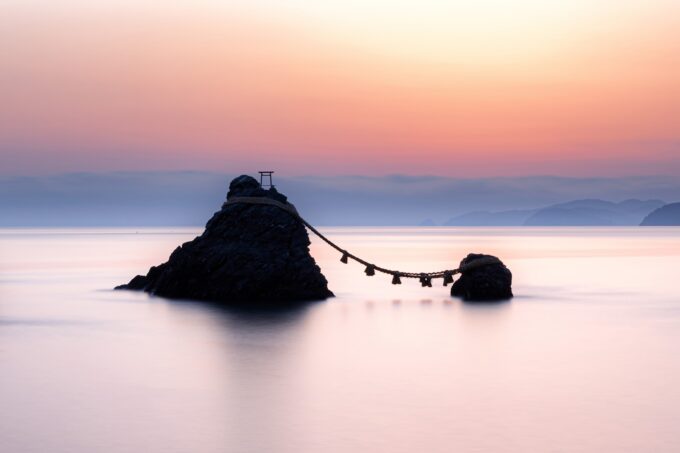
While omamori are available for purchase at almost every shrine across Japan, our 1-Day Tour from Nagoya: Ise’s Sacred Shrines and Captivating Coastlines takes you to one of the most important shrines in Japan, Ise Jingu, and gives you the background into Japanese mythology and traditions so you can travel with confidence and a deeper appreciation for the shrines you visit during your time in Japan.
12) O-Men (能面)
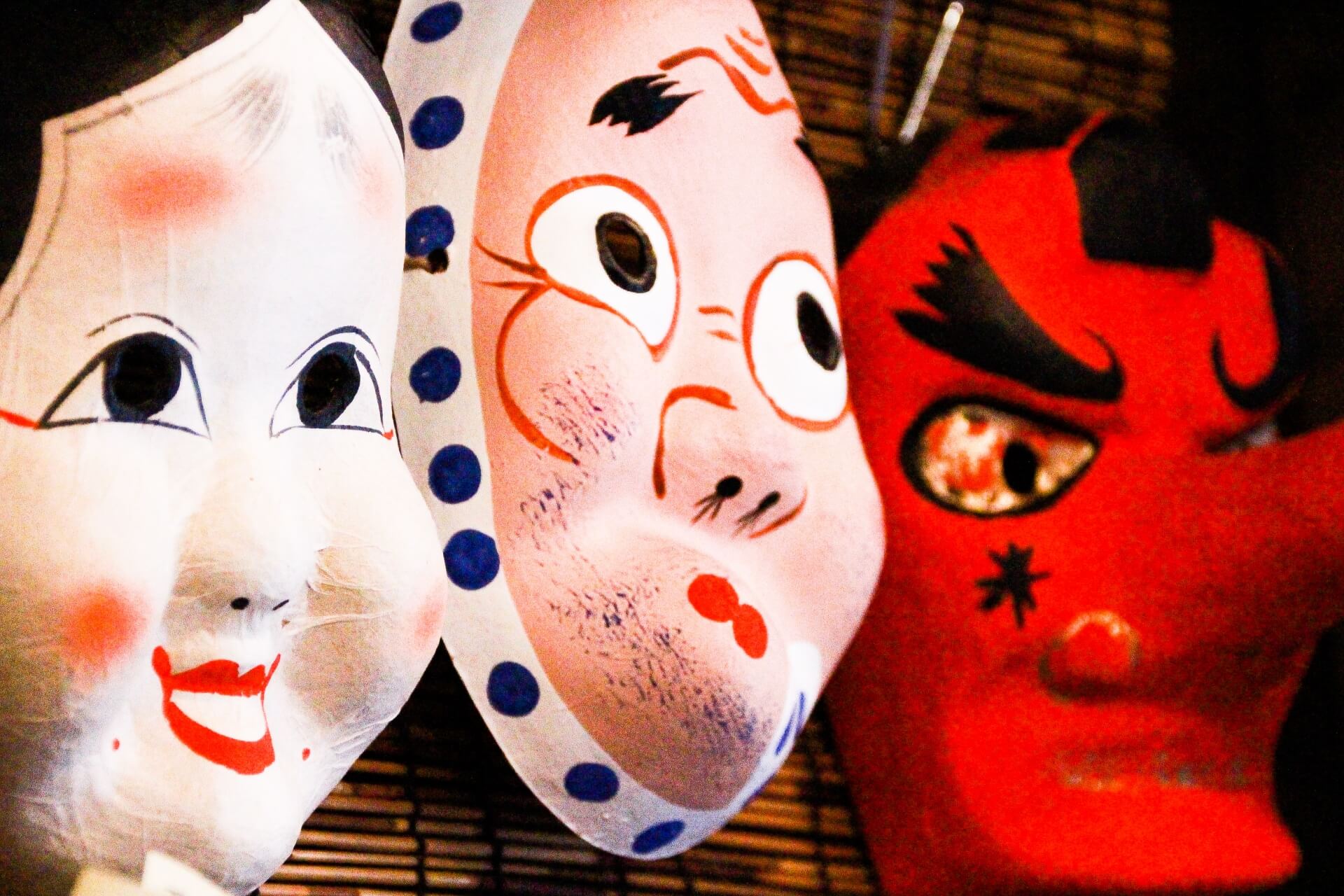
Noh theater masks, or o-men in Japanese, are highly stylized and hand-carved, with each mask embodying specific characters and emotions. Their creation involves centuries-old sculptural techniques.
With their origins in legend, folkore and classical arts of ‘kabuki’ threatre, ‘noh’ masks can convey all range of emotion and capture Japan’s pantheon of colourful, sometimes menacing characters including ‘oni’, ‘hannya’, ‘tengu’, ‘kitsune’, ‘hyottoko’ and more.
Modern interpretations of these masks can be seen in the characters of manga and anime, which have their own plastic masks now often worn by children at festivals.
13) Origami (折り紙)
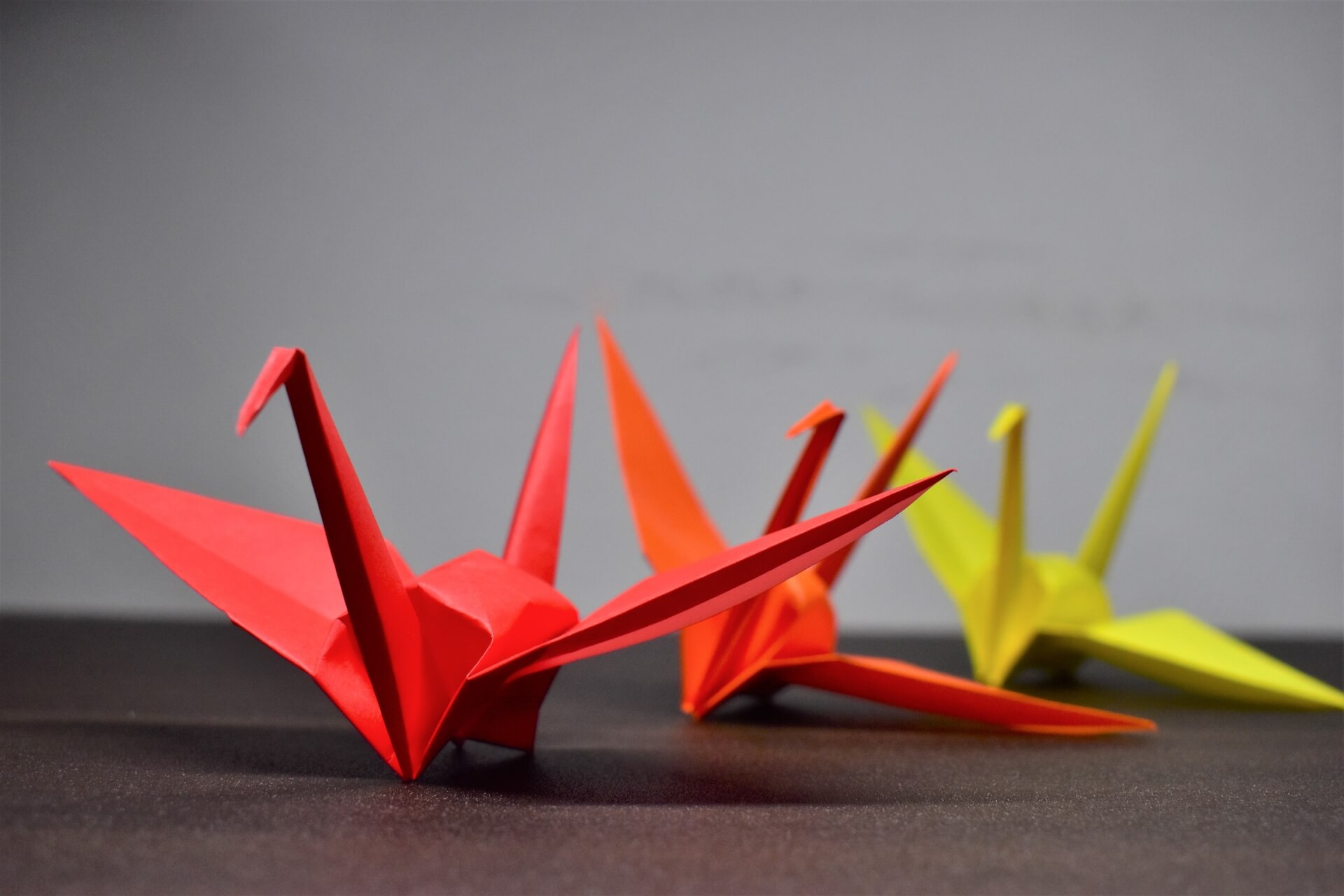
Of all the many forms of traditional Japanese arts and crafts, ‘origami’ or ‘paper-folding’ is likely the best-known to international visitors. From the first simple folds of paper, this ageless craft transcends to an art form and more, as the most intricate and astounding creations become possible.
Paper folding developed from ceremonial and religious contexts and has been practiced since the Heian period. Traditional origami is often made using handmade washi paper and follows historically passed-down folds.
Enjoyed by Japanese from a young age, origami is often practiced throughout life with some practitioners mastering an artform that can produce astoundingly beautiful and complex creations.
14) Shichifukujin (七福神)
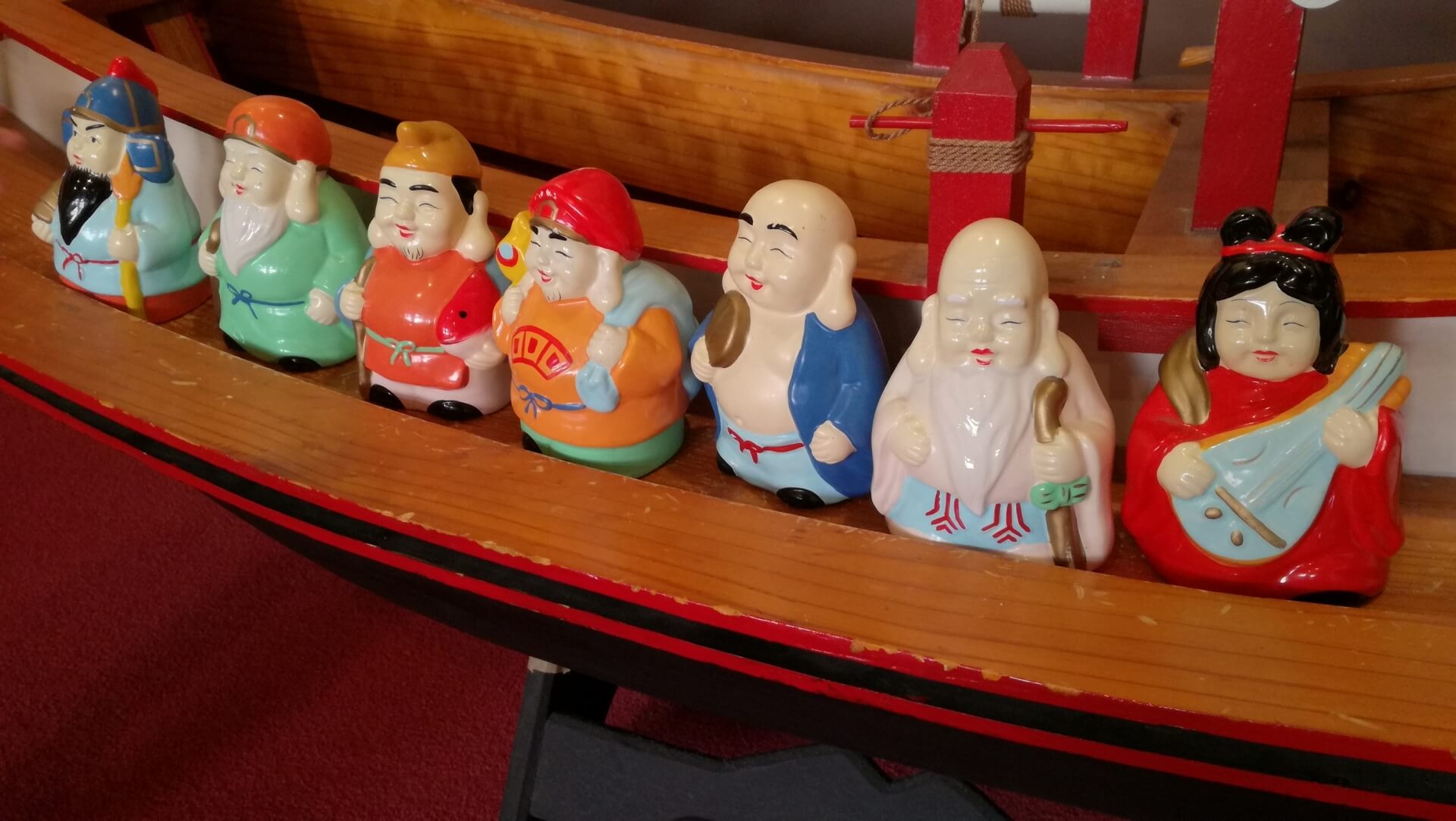
Referred to as shichifukujin in Japanese, the Seven Lucky Gods are popular figures in traditional sculpture and woodblock prints. Though rooted in folklore, their representations are crafted using age-old methods and often associated with New Year customs.
Each god has specific associations including wealth, health, arts, and good harvest among others, with many temples and shrines across Japan depicted to one or another. Interestingly only one of the seven, Ebisu, is of Japanese origin, with the other including Daikokuten, Bishamonten, and Benzaiten originating in India and Jurojin, Fukurokuju and Hotei coming from China.
With their origins lying deep in history, figures and statues of the Seven Lucky Gods vary greatly in appearance and size – from the cute to traditional – and make a fun gift or souvenir for travelers in Japan.
15) Shikki (漆器)
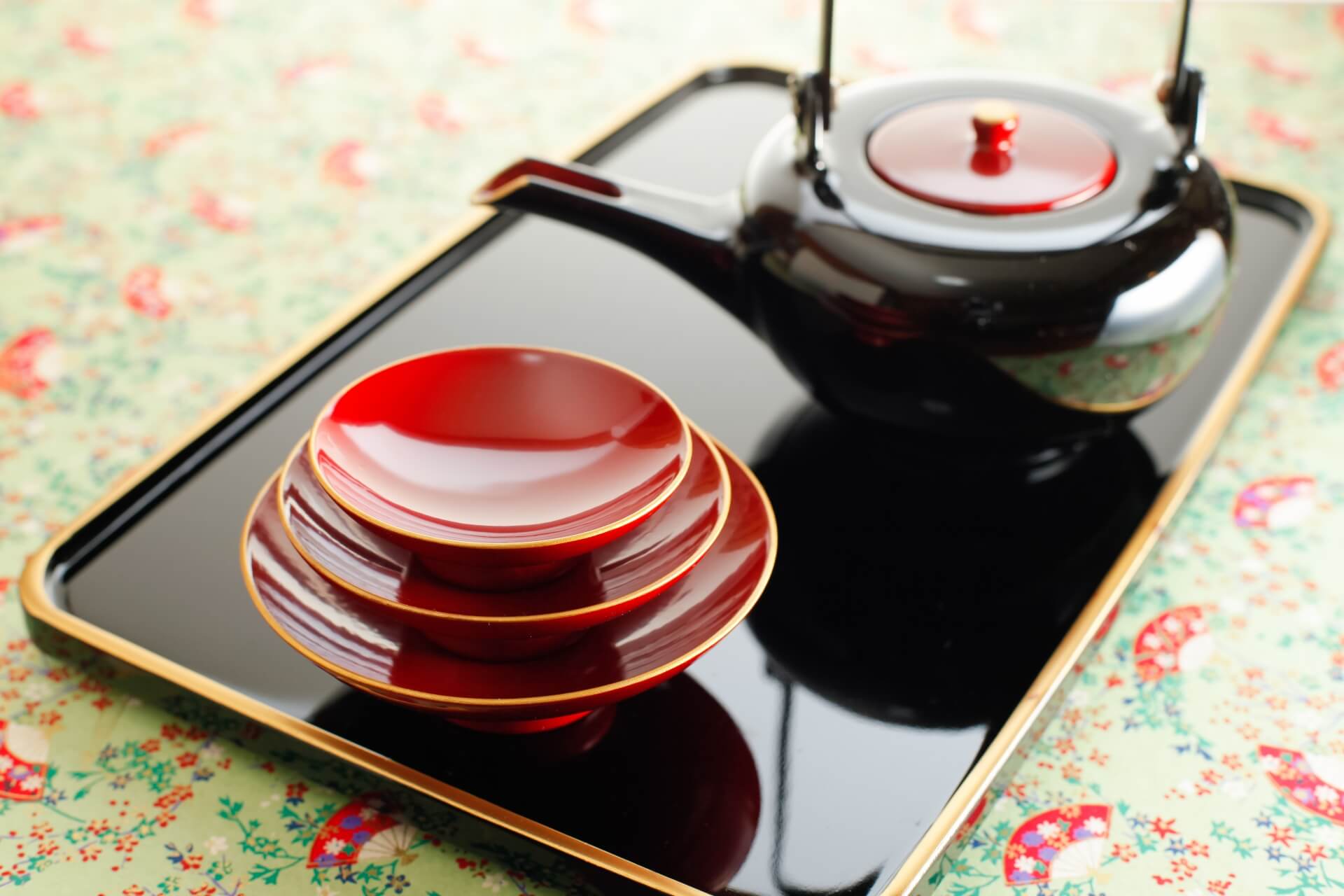
Lacquerware, known as shikki in Japan, including bowls, trays, and decorative items, is produced through a lengthy process of applying and polishing layers of urushi sap.
Also referred to as ‘nurimono’ (coated thing) and ‘urushi-nuri’ (lacquer coating), lacquerware encompasses numerous styles and applications. Almost every Japanese home would have lacquered bowls in the kitchen, with many also cherishing ornamental pieces or heirlooms used on special occasions.
Regional varieties like Wajima-nuri and Tsugaru-nuri are METI-certified crafts.
16) Shodō (書道)
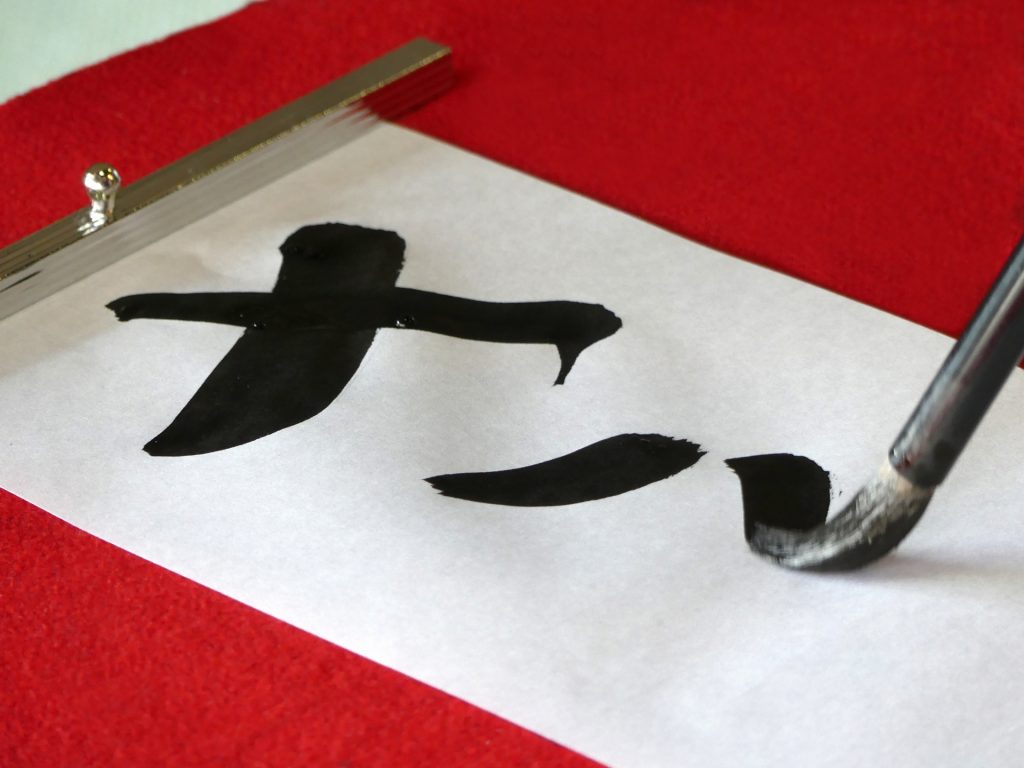
Using brushes to create highly stylised ‘kanji’ (written characters) that flow effortlessly across the paper, the ancient art of shodo (calligraphy) is one of the most widely practiced in Japan.
The form of the characters can be so stylized that even for Japanese, they may be difficult to recognize, highlighting that the form and flow of the brush is just as important as the meaning. This makes calligraphy it an art form accessible to audiences that may have no understanding of the characters.
Recommended tours featuring Calligraphy/Shodo:
On our private tour from Nagoya, you will have a personalized calligraphy lesson with a temple's head monk. You will learn the techniques behind Japanese calligraphy, and its connection to Buddhism as a form of meditation.
New Tour
[FROM NAGOYA] Nakasendo Trail and Post Towns Private Hike
- Spots:
- NagoyaKiso Valley
- Pick-up:
- Nagoya
- Drop-off:
- Nagoya
17) Suibokuga (水墨画)
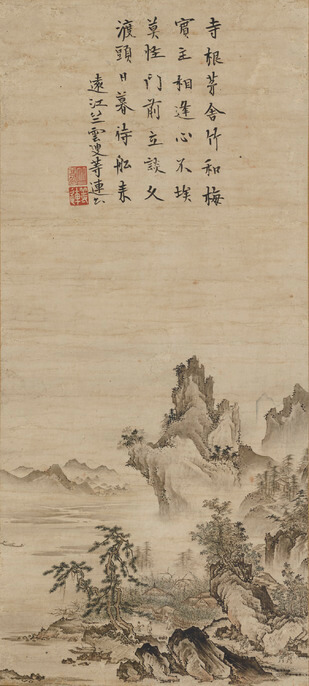
A similar practiced to suisaiga (described below) suibokuga uses only black sumi ink applied by brush onto paper, to produce images that are apparently simple in their execution but highly detailed and evocative.
This ink wash painting style, characterized by monochrome landscapes and fluid brushstrokes, was introduced through Zen monasteries and became a key form of classical Japanese painting.
Also referred to as ‘sumi-e’, the technique is highly revered and often used to decorate ‘fusuma’, sliding doors that separate rooms with traditional landscapes.
18) Takezaiku (竹細工)
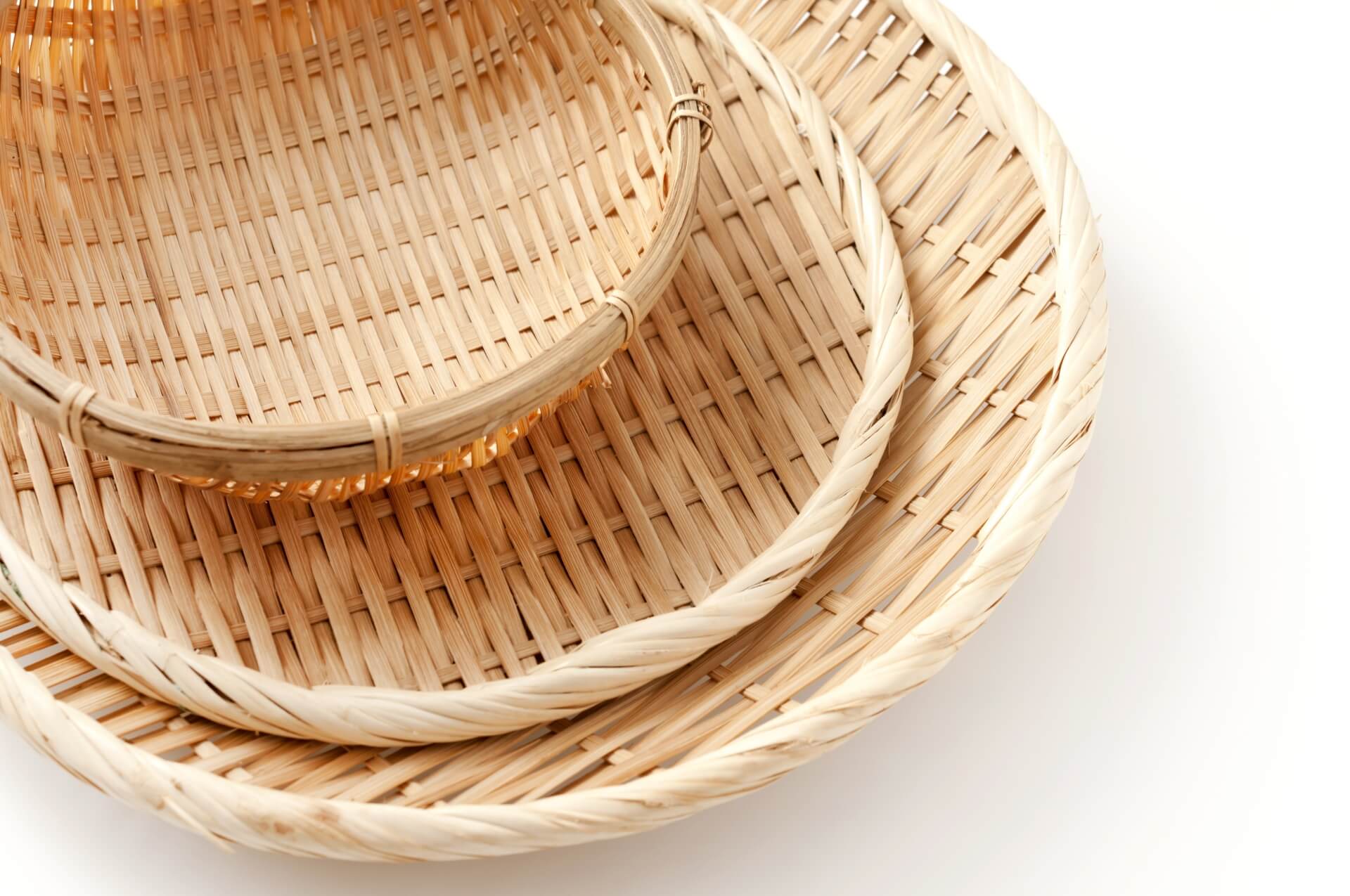
Bamboo weaving is a traditional craft still practiced today to produce both functional and highly elaborate forms. Many are intended for daily use while others are woven for their aesthetic beauty and between those two purposes, many occupy both spaces – both functional and intentionally beautiful. One of the world’s most durable and versatile natural products, bamboo is shaped into an amazing array of products and countless purposes, with the work of many takezaiku artists fetching extremely high prices.
19) Temari (手まり)
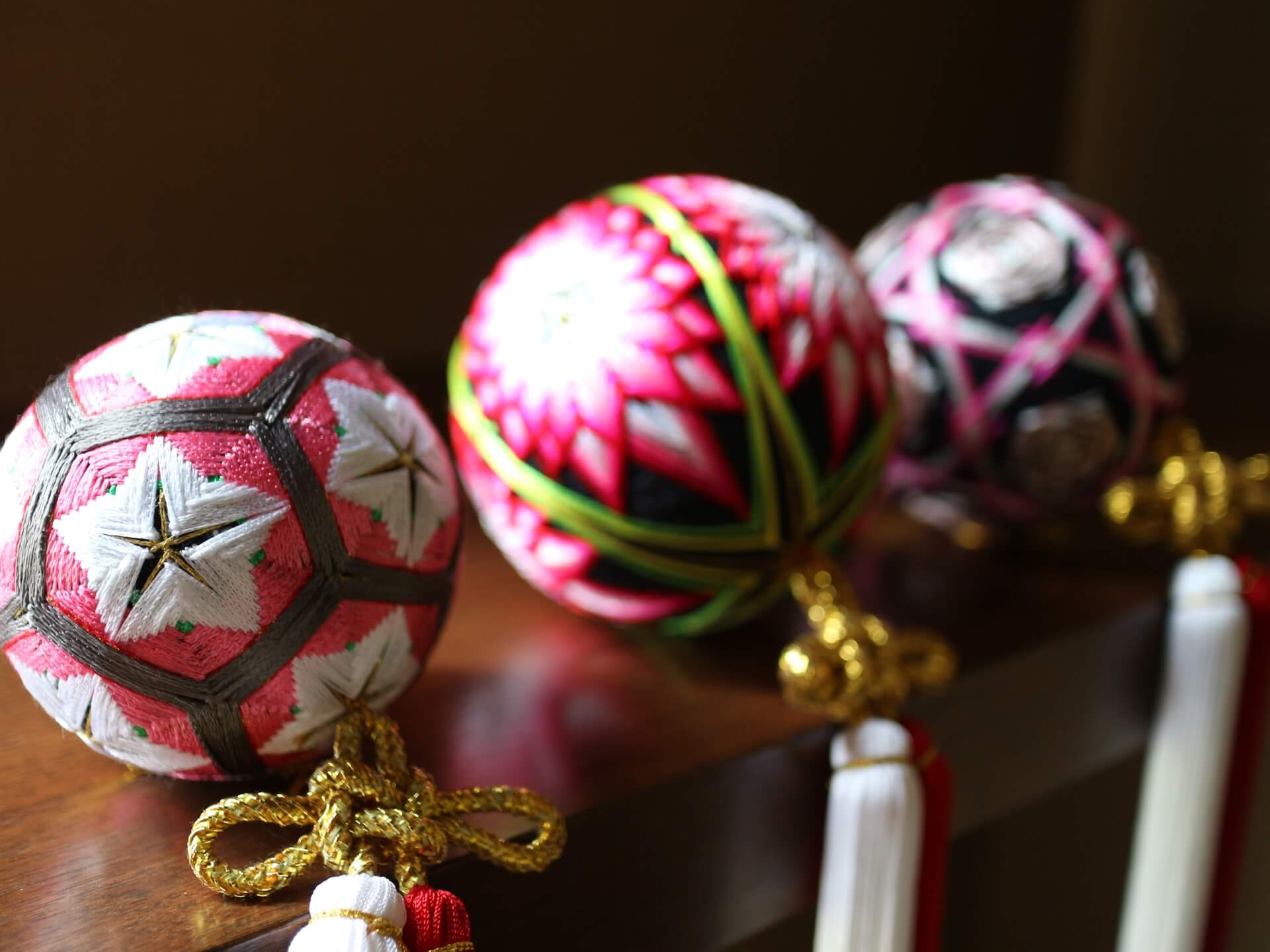
Introduced to Japan from China, ‘temari’ are colourful fabric and embroidered balls originally given to children as toys at New Year. Often crafted by their grandmother, temari are cherished by children and past down through generations as family heirlooms. In-keeping with any craft in Japan, some temari are exceptionally skillful and elaborate, produced purely for their artistic value rather than a toy.
20) Togei / 陶芸 and Tojiki / 陶磁器
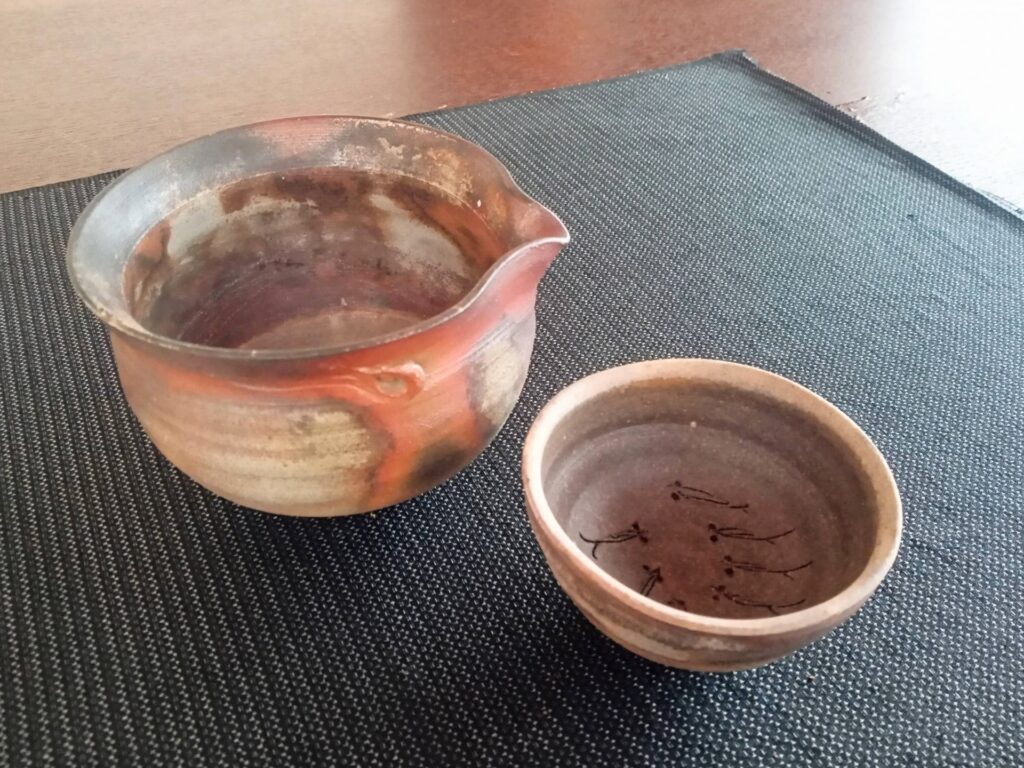
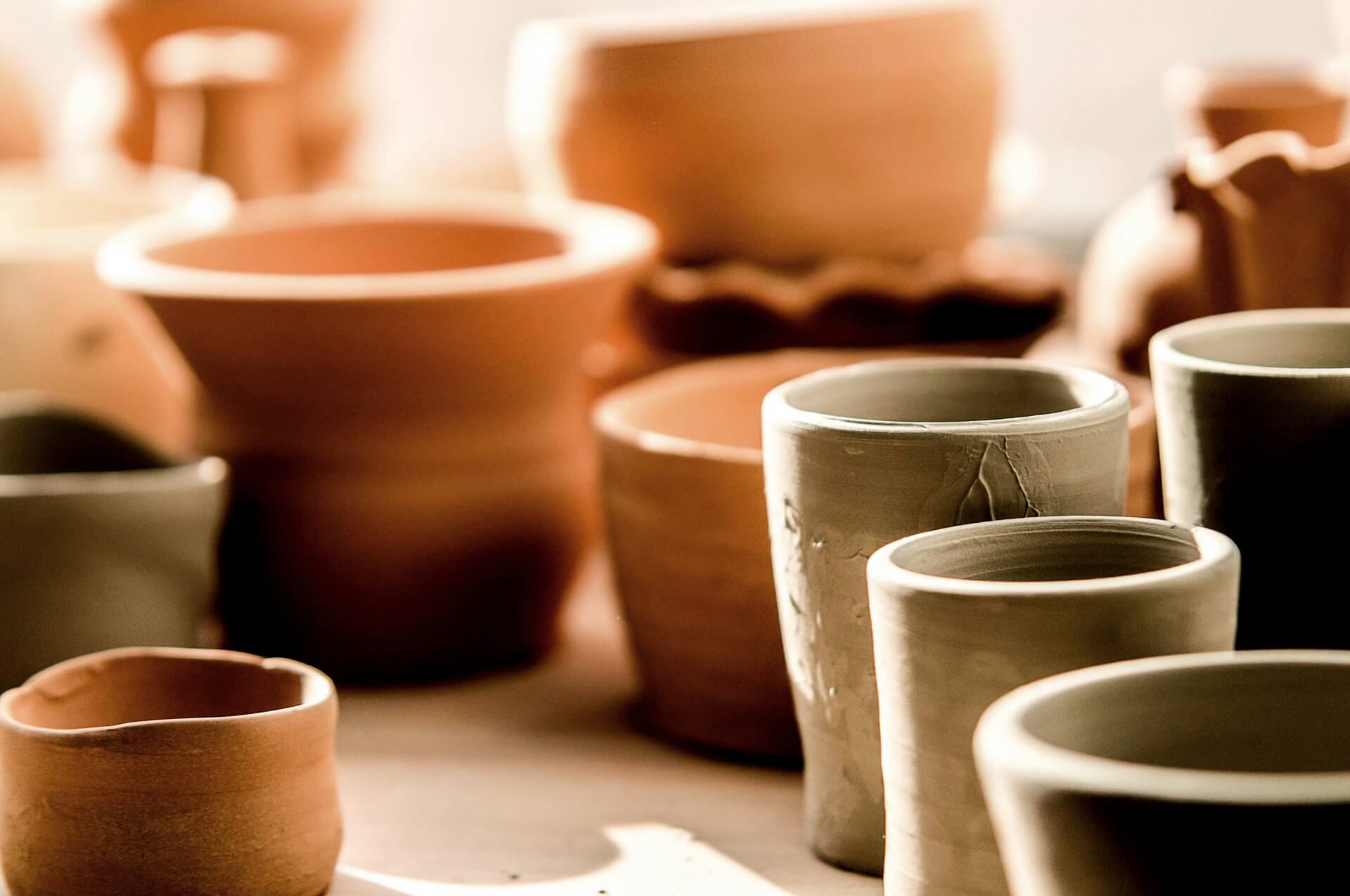
Also referred to ‘yakimono’ (焼きもの), Japanese potter, specifically togei, is one of the oldest crafts in Japan, dating back to the Neolithic period. The term togei (陶芸) refers to Japanese earthenware, while tojiki (陶磁器) refers to Japanese porcelain.
While, most people rarely stop to consider the distinction between earthenware and porcelain, the difference between the two is quite significant, most notably in their raw materials. Earthenware is sometimes referred to as tsuchimono ("things made of earth"), while porcelain is called ishimono ("things made of stone").
Japanese Earthenware
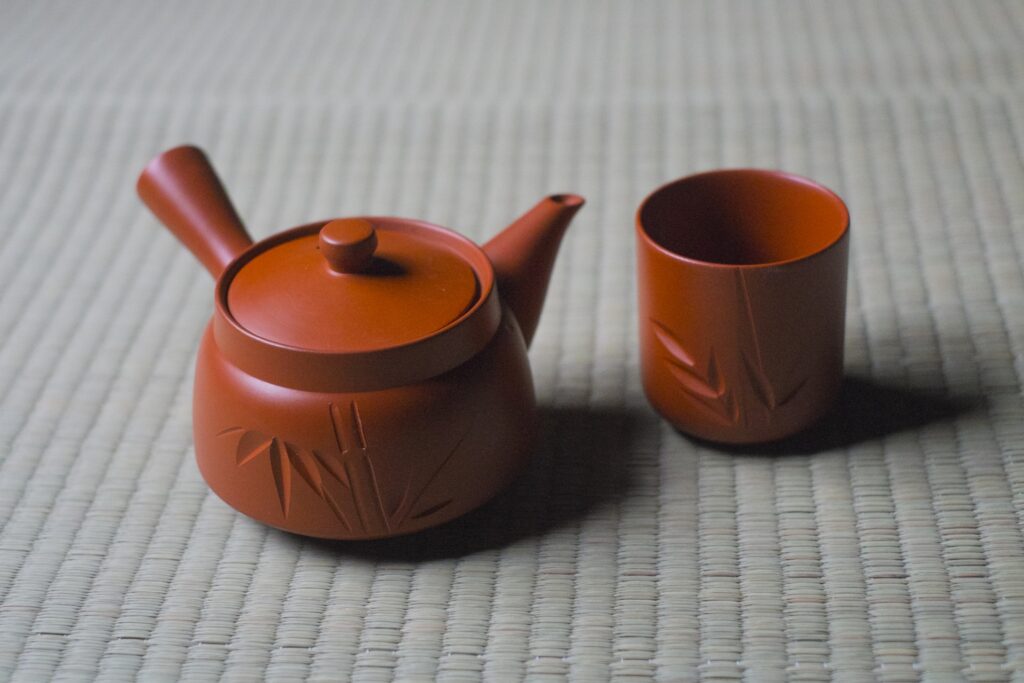
As its nickname "tsuchimono" suggests, earthenware is crafted mainly from clay—specifically a type of potter’s clay called todo. However, clay alone is prone to cracking when fired. To enhance its durability, artisans mix in silica (keiseki), a glassy mineral, and feldspar (choseki), which acts as a flux during firing.
Because of its high clay content, earthenware is porous, less dense, and emits a low, dull sound when tapped. Its texture is soft and rustic, and it does not allow light to pass through. As such, most earthenware pieces have muted or earthy tones.
Japanese earthenware retains heat well, making it slower to heat and slower to cool. This is a quality appreciated in traditional Japanese dining culture.
Notable examples of Japanese earthenware include Bizen-yaki, Seto-yaki, Mino-yaki, Tokoname-yaki, and Shigaraki-yaki.
Japanese Porcelain
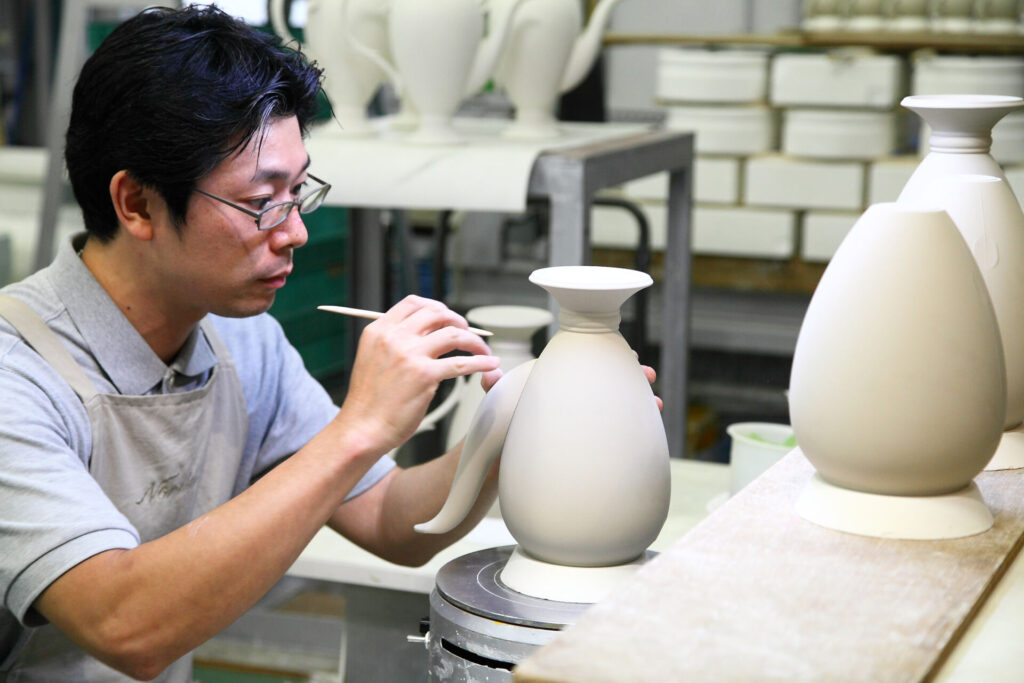
Porcelain, referred to as ishimono, is made from finely ground ceramic stone (toseki). This powdered stone has almost zero water absorbency, resulting in a highly durable material. Porcelain typically features simple, elegant forms and is valued for its refined appearance.
Porcelain is more mineral-rich than earthenware and is fired at higher temperatures, leading to a denser, harder, and thinner final product.
Porcelain is smoother to the touch, lighter, and more resilient than earthenware. It also allows light to pass through, giving it a translucent and often pure white appearance and is often described as "glass-like." When gently tapped, porcelain produces a clear, ringing sound similar to that of metal.
Famous examples of Japanese porcelain include: Mino-ware, Seto-ware, and Noritake
Recommended Tours Featuring Japanese Pottery:
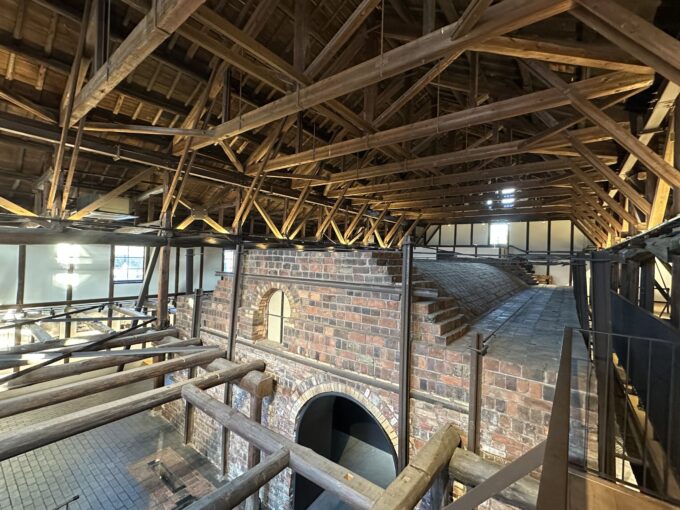
Our 1-Day Tour from Nagoya: Crafting Traditions in Tokoname and Arimatsu takes you to one of Japan's 6 Ancient Kilns, Tokoname, where your guide will lead you along the Tokoname Pottery Path. Learn about the town's history of pottery and shop for your own locally made Japanese earthenware.
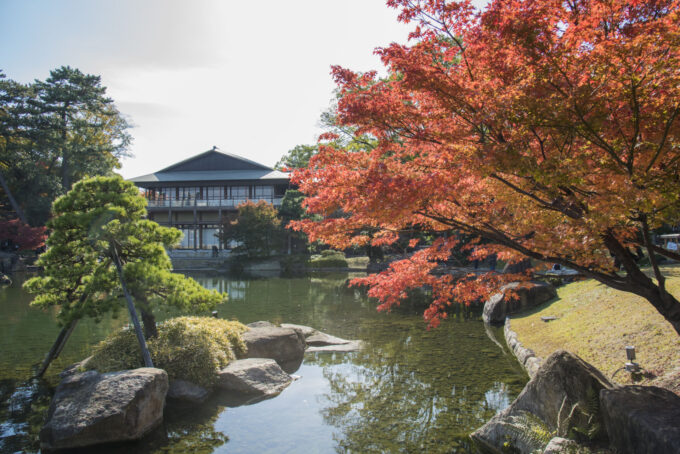
On our 1-Day Tour: Nagoya’s Industrial Legacy and Toyota's Innovation you will have the chance to learn about Nagoya's most impressive inventors and innovators including the figures behind the Japanese porcelain giant, Noritake. Visit Noritake Garden, see the manufacturing process, shop for porcelain and more on this 1-day tour of Nagoya.

21) Ukiyo-e (浮世絵)
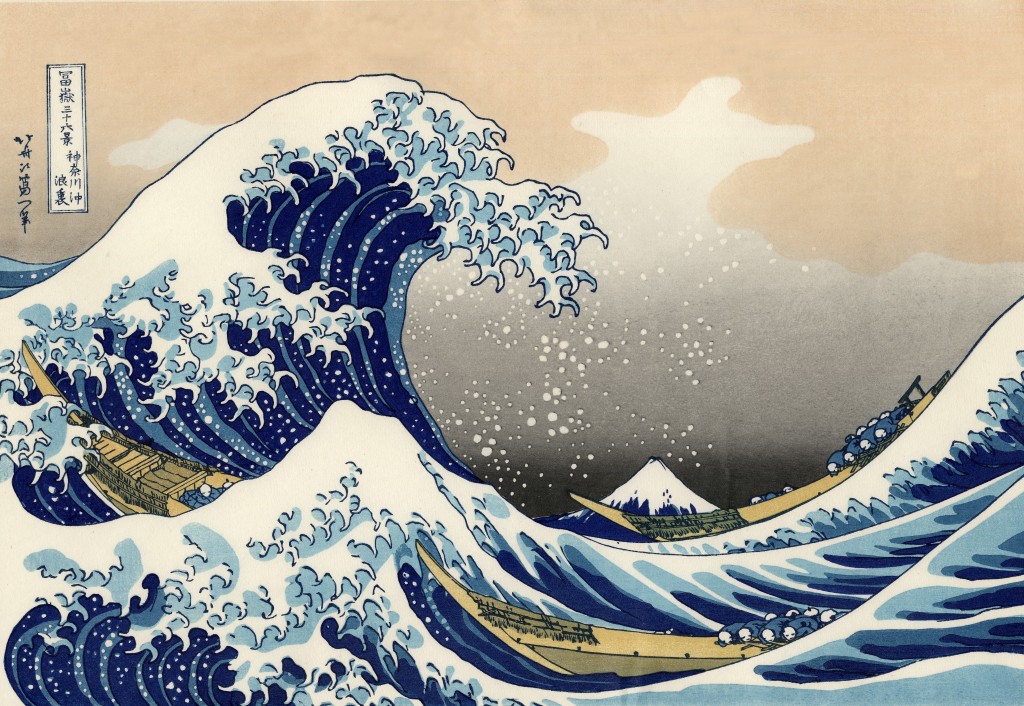
International visitors are likely to have encountered ‘ukiyo-e’ long before they reach Japan. A style of art the flourished during the Edo Period (1603-1868), ukiyo-e translates as pictures of ‘the floating world’. Produced as woodblock prints – or ‘hanga’ - and paintings, ukiyo-e depicted the world of ‘kabuki’ actors, ‘geisha’ ‘sumo’ and natural landscapes – considered a fleeting, ephemeral world. Japan’s most celebrated artist, Katsushika Hokusai, is considered the master of ukiyo-e, of which his woodblock print ‘The Great Wave Off Kanagawa’ is instantly recongisable and one of the most reprinted images in human history.
Recommended Tour featuring Ukiyoe:
22) Washi (和紙)
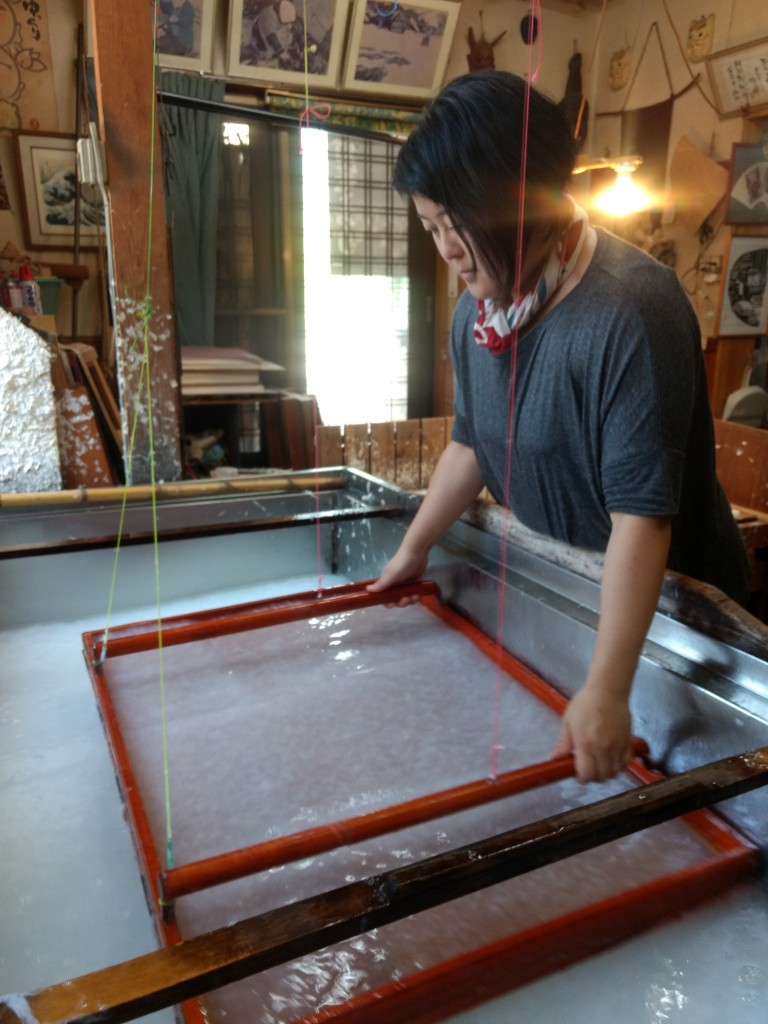
‘Washi’ refers to traditional Japanese paper and applies to paper produced using local fibres and traditional methods. The medium onto which or through which many of the artforms on this list are expressed, washi is appreciated in its own right and considered an artform that plays a fundamental role in many aspects of Japanese culture.
Recommended Tours featuring Washi:
Best Selling
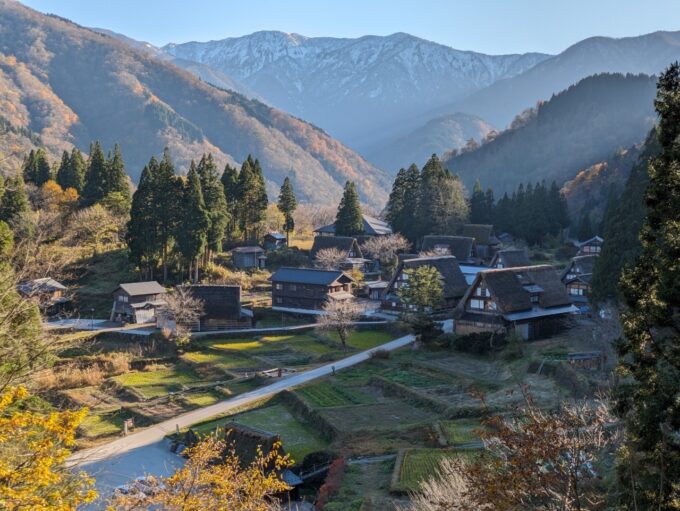
1 Day Tour from Kanazawa: Shirakawa-go, Gokayama and Wood Carving Village
- Spots:
- KanazawaShirakawago
- Pick-up:
- Kanazawa
- Drop-off:
- KanazawaTakayama
Modern Japanese Crafts and Contemporary Arts
The following practices reflect Japan’s more modern creative art forms. While not classified as traditional crafts by METI—due to their recent origin, industrial methods, or foreign influence—they remain significant expressions of Japanese aesthetic culture.
23) Aburae (油絵 / Oil Painting)
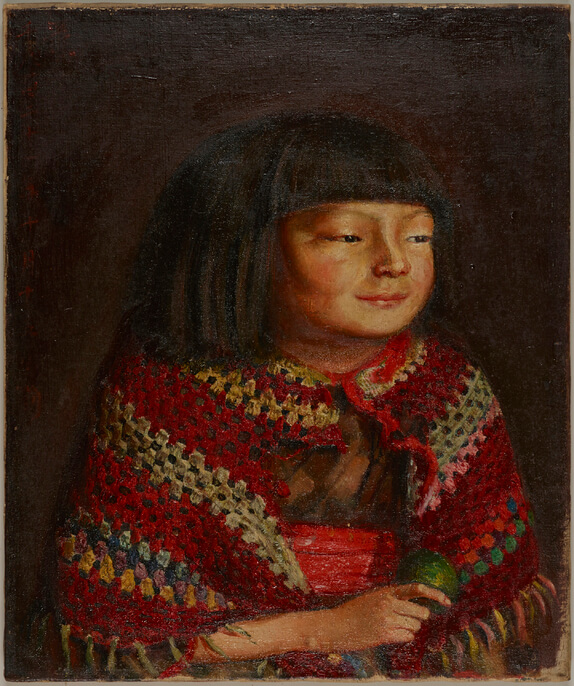
One of many forms of Japanese painting, aburae refers to oil painting.
Introduced during the Meiji period as part of Japan’s Westernization, oil painting diverges from traditional Japanese painting methods like suibokuga or nihonga. Its materials, techniques, and subject matter reflect Western art education.
Many of traditional Japanese painting techniques have their origins in China, however aburae reflects the increasing influence of the West from the 16th century onwards, through the Edo Period and Japan’s opening to the world from the later-19th century onward. Much like in the West, oil painting is a broad art form encompassing all manners of schools, techniques and subjects.
24) Anime (アニメ)
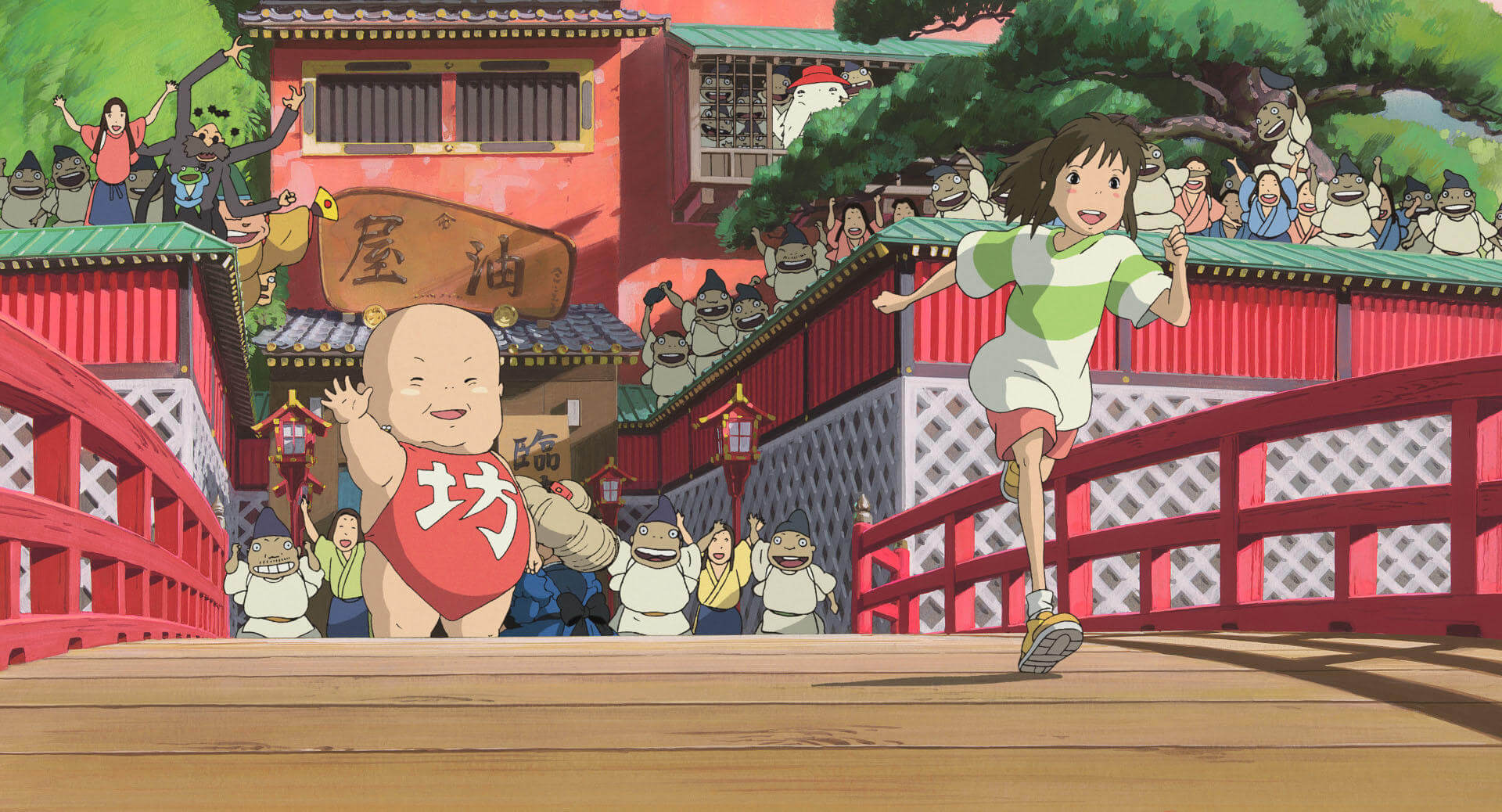
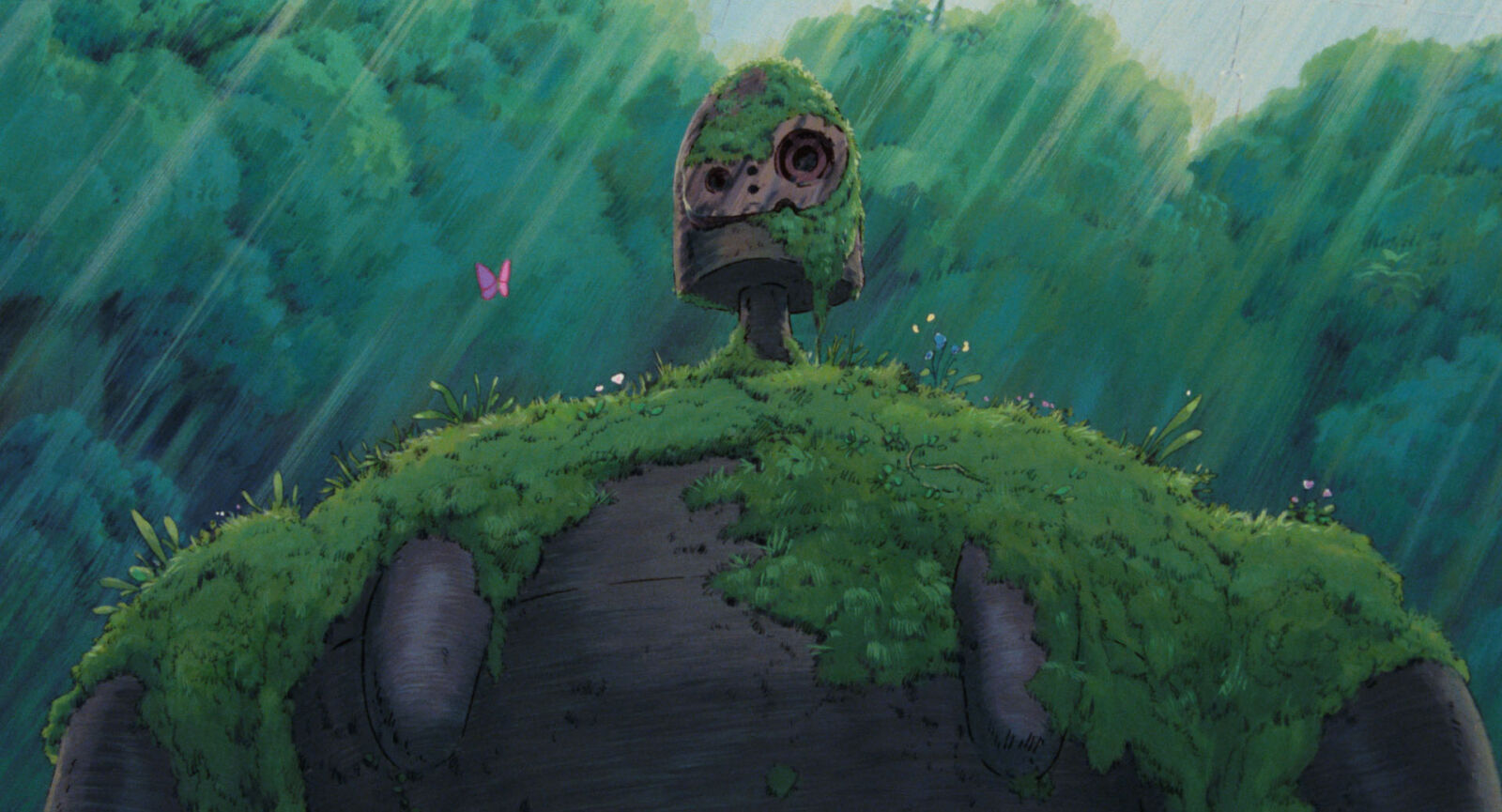
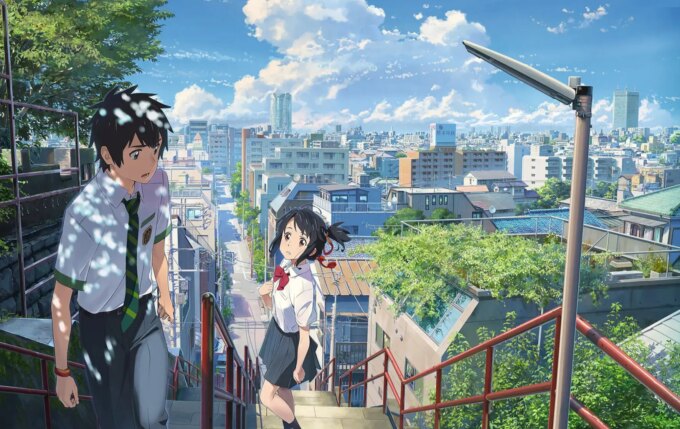
Derived from the English word ‘animation’, ‘anime’ encompasses both hand-drawn and computer-generated animation. Dating from the early-20th century, Japan produces a huge amount of anime each year, with countless studios catering to all tastes and storylines. Whereas animation is often considered purely for children in Western cultures, anime in Japan is loved by people of all ages, with film studios including Studio Ghibli and its founder, Miyazaki Hayao, considered national treasures and core part of the country’s social fabric.
Recommended Tours featuring Anime:
25) Hanga (Modern 版画)
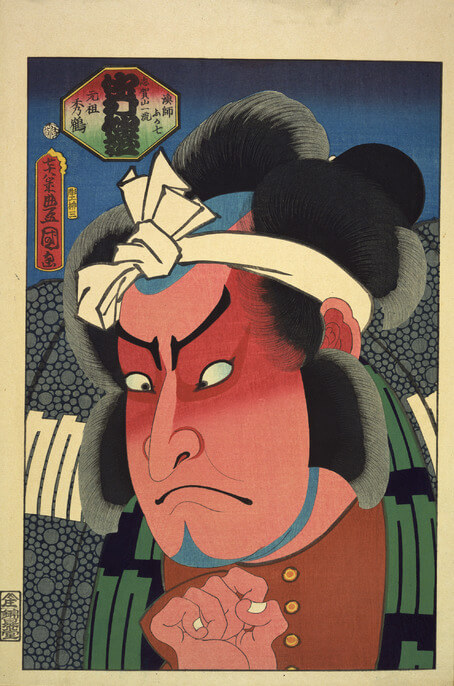
While traditional hanga includes ukiyo-e, modern printmaking encompasses contemporary techniques like screen printing, linocut, and etching, often using imported materials and equipment.
Visitors might also hear the word "shin-hanga." Shin-hanga refers to traditional methods applied to create a "new-hanga," from the early 20th century onward. The movement involved some changes to traditional techniques with Western methods and motifs distinguishing the art from earlier iterations.
26) Maneki-neko (招き猫)
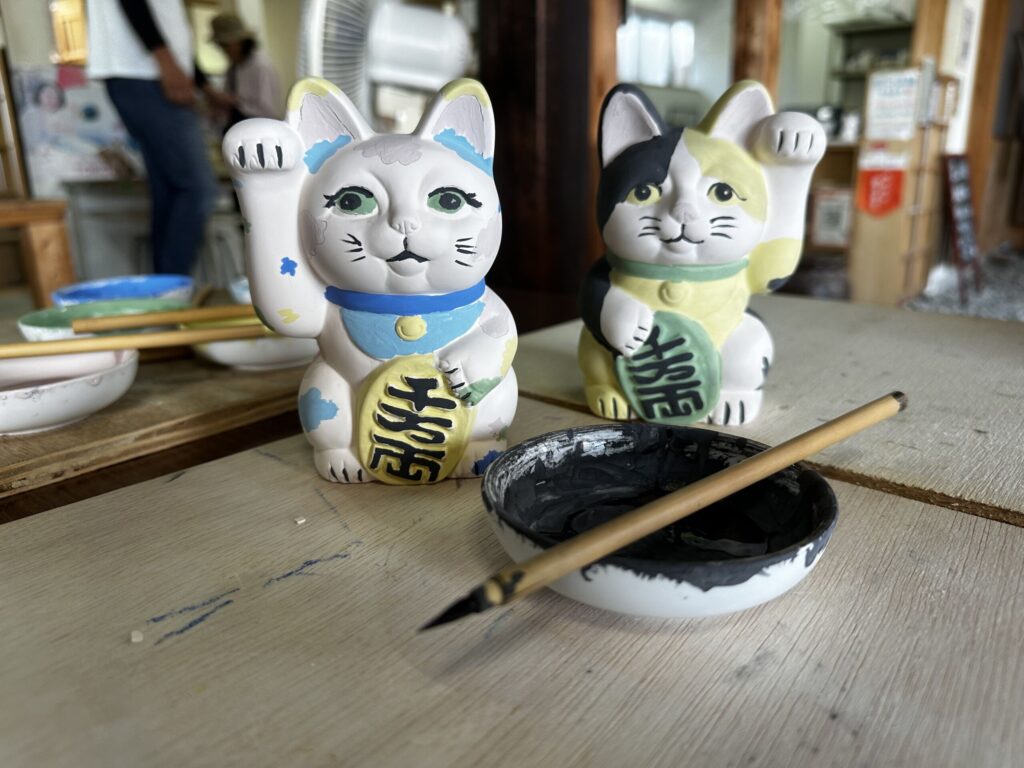
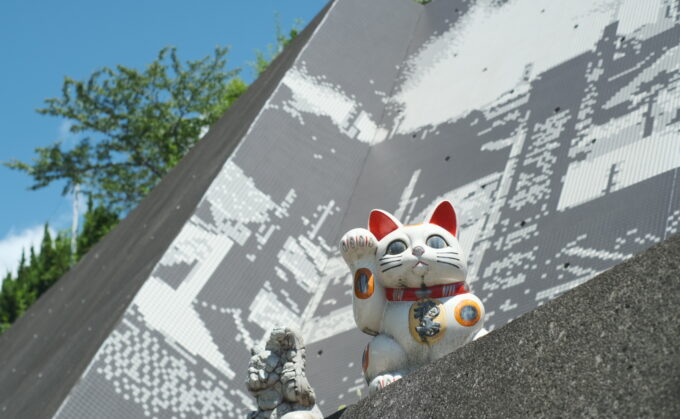
A common sight throughout Japan, ‘maneki-neko’ or ‘beckoning cats’ are believed to bring good luck to their owners. Coming in all sizes and colours, the cat has one paw lifted beckoning fortune and good luck toward it. Often made of ceramic or plastic, some are animated with their lifted paw moving back and forth. Lots of stories tell of the origins of the popular cats, which make a cute and meaningful gift or souvenir of your time in Japan.
Recommended tours featuring Maneki-neko:
Our 1-Day Tour from Nagoya: Crafting Traditions in Tokoname and Arimatsu takes you to Tokoname, in Aichi Prefecture, just south of Nagoya. The town produces 80% of all lucky cats in Japan! Here you will be able to tour the pottery street and shop for a lucky cat of your own.
27) Manga (漫画)
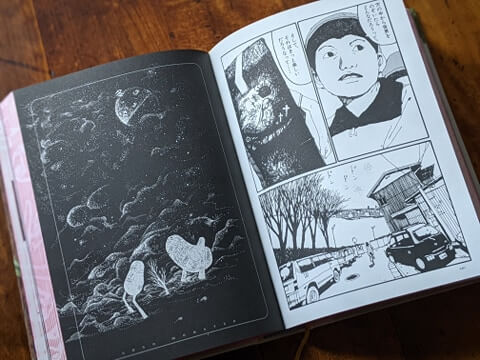
Even if you’re not a fan, chances are you have some idea that Japan loves comics. Known as manga, Japanese comics have their roots in much older art forms and are heavily read by many people through their lives.
As such, stories span the spectrum of human experience, from the joyful and childish, to dark and twisted and everything in between. Having first emerged in the 18th century, manga exploded in popularity through the second half of the 20th century and is now a dominant art form in Japan.
28) Nihonga (日本画)
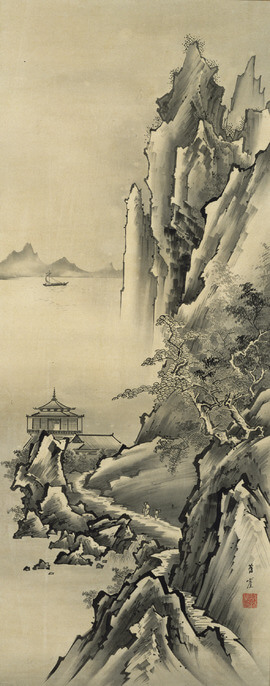
Literally translating as ‘Japanese painting’, ‘nihonga’ is a general term used to distinguish it from Western-style oil painting. As much as the motifs depicted, nihonga is defined by the materials used including paper, silk, wood or plaster as the base on which ‘sumi’ ink, mineral and other pigments are applied, often with gold leaf and other metals used in abundance.
29) Watches Made in Japan (時計)
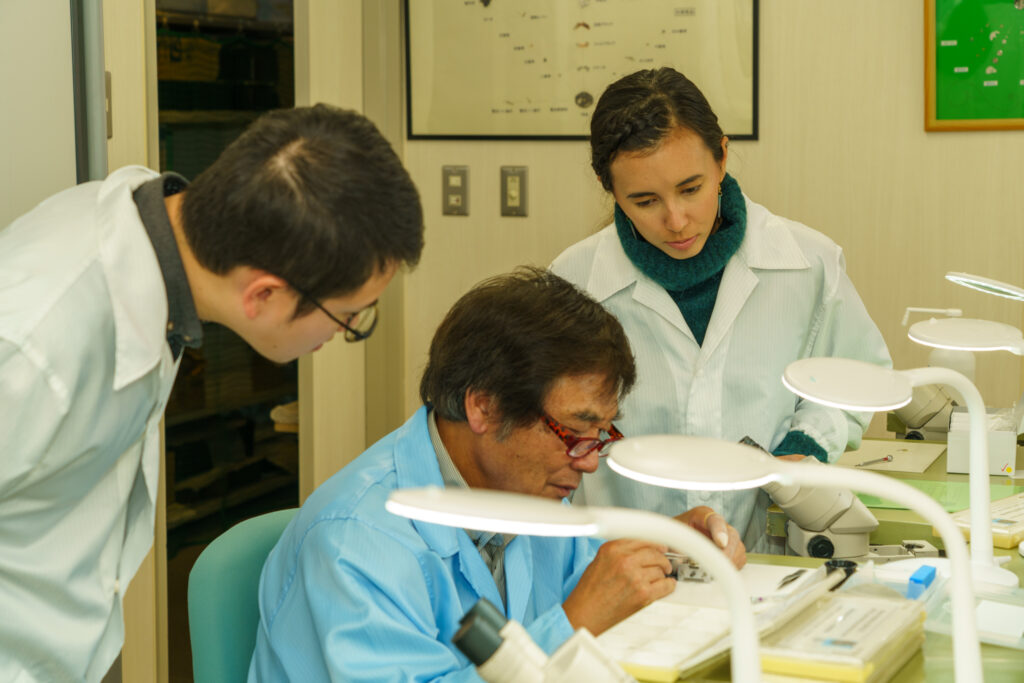
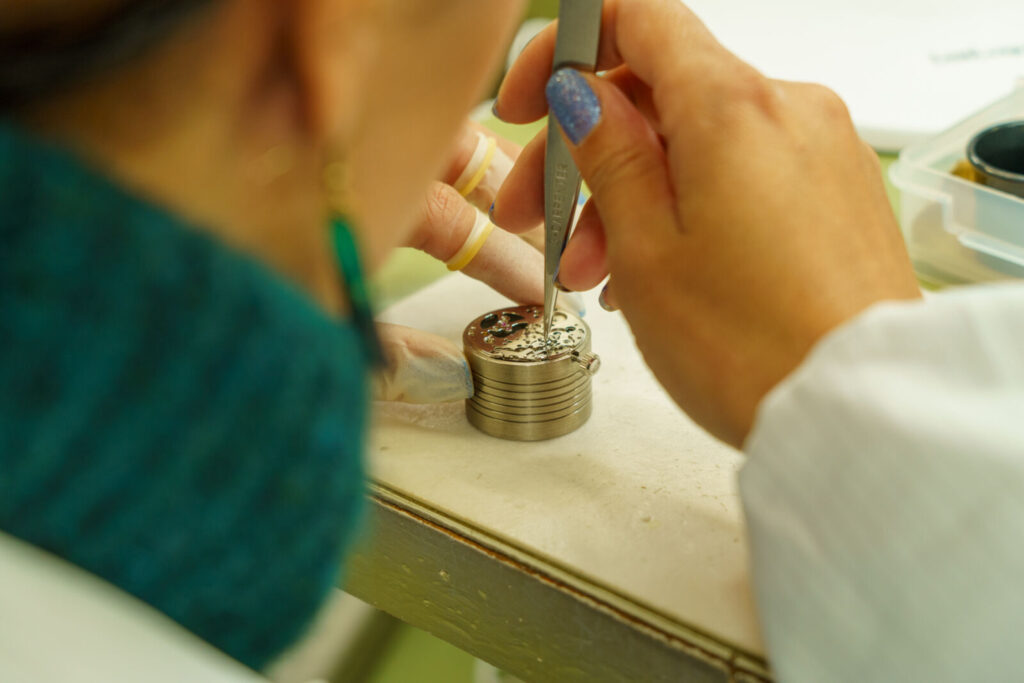
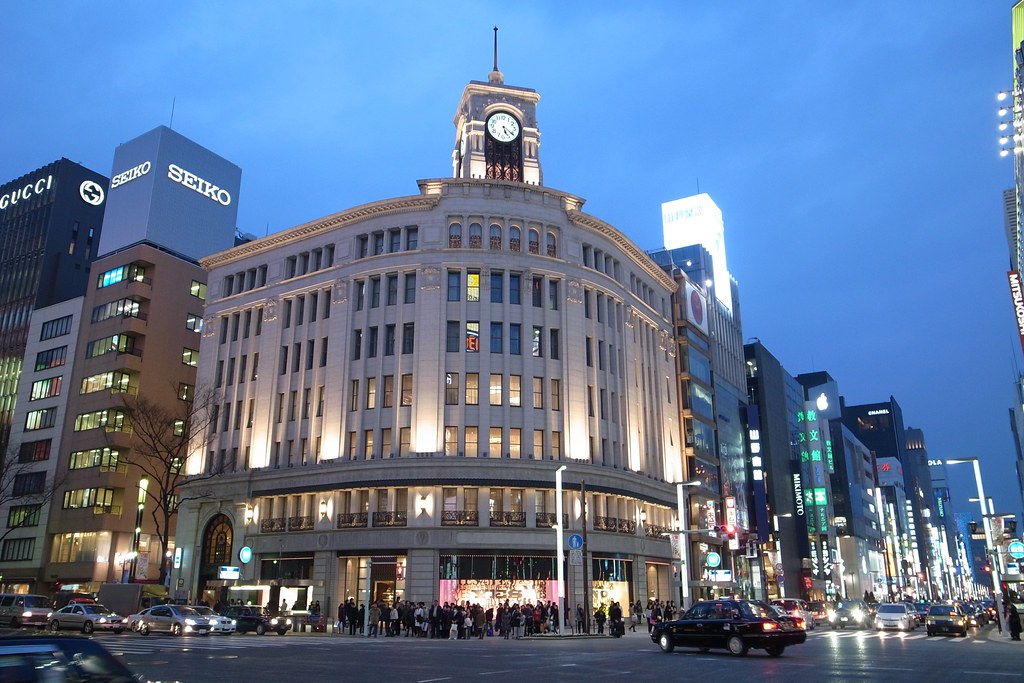
Japanese watches stand apart for their technological innovation, precision, and accessibility. While Swiss watchmaking built its reputation on centuries of handcrafted luxury, Japan’s watch industry, led by brands like Seiko, Citizen, and Casio, focused on pushing the boundaries of accuracy, efficiency, and practical design.
Japan reshaped global timekeeping with the 1969 Quartz Astron, the world’s first quartz wristwatch by Seiko, which sparked the “Quartz Revolution.” Since then, Japanese makers have continued to innovate with unique movements such as Seiko’s Spring Drive, blending mechanical craftsmanship with quartz accuracy, and Citizen’s Eco-Drive, powered entirely by light.
Another feature is accessibility: Japanese brands offer durable, precise, and stylish watches at a wide range of price points, from the iconic Casio G-Shock to the refined artistry of Grand Seiko and Credor, which rival Swiss haute horlogerie. Many are crafted through in-house manufacturing, ensuring quality control from movement to case.
This blend of practicality, artistry, and innovation defines watches made in Japan, timepieces built not just for prestige, but for everyday reliability and lasting value.
To experience this heritage firsthand, visitors can join the Shimosuwa Watchmaking Tour in Nagano’s “Switzerland of the East,” guided by retired Seiko Epson engineers and local artisans who carry forward Japan’s watchmaking legacy.
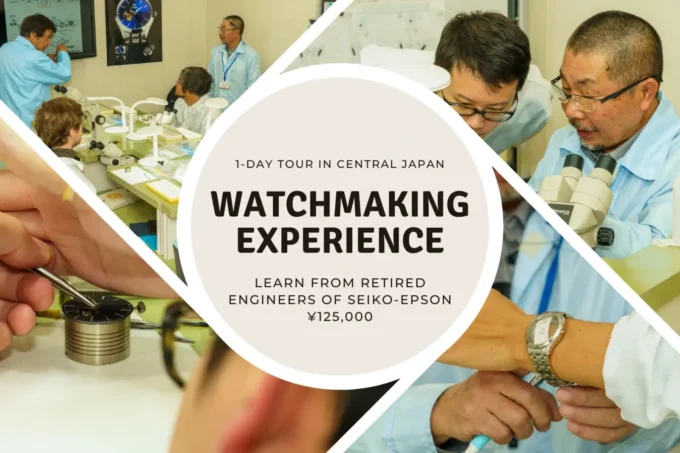
Special Offer
1-day Luxury Watchmaking Experience Tour
- Spots:
- NaganoMatsumoto
- Pick-up:
- Nagano CityMatsumoto
- Drop-off:
- Nagano CityMatsumoto
30) Tengui / 手拭い
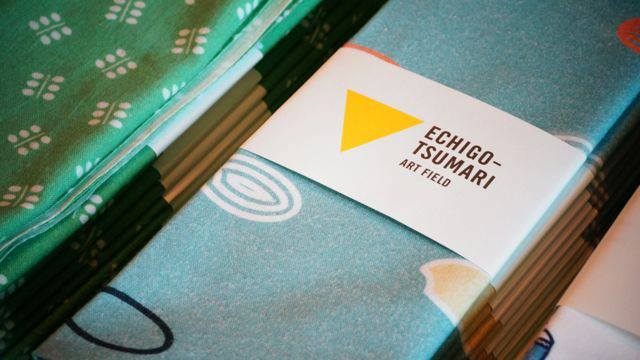
Typically made from cotton, ‘tengui’ are thin fabrics used as multi-purpose towels. Usually measuring 35 by 90 centimetres, tengui are intended as a decorative covering for everyday items or as decorations in their own right. Hugely popular as souvenirs, tengui come in all-manner of styles and decorative patterns.
Museums and Galleries around Japan
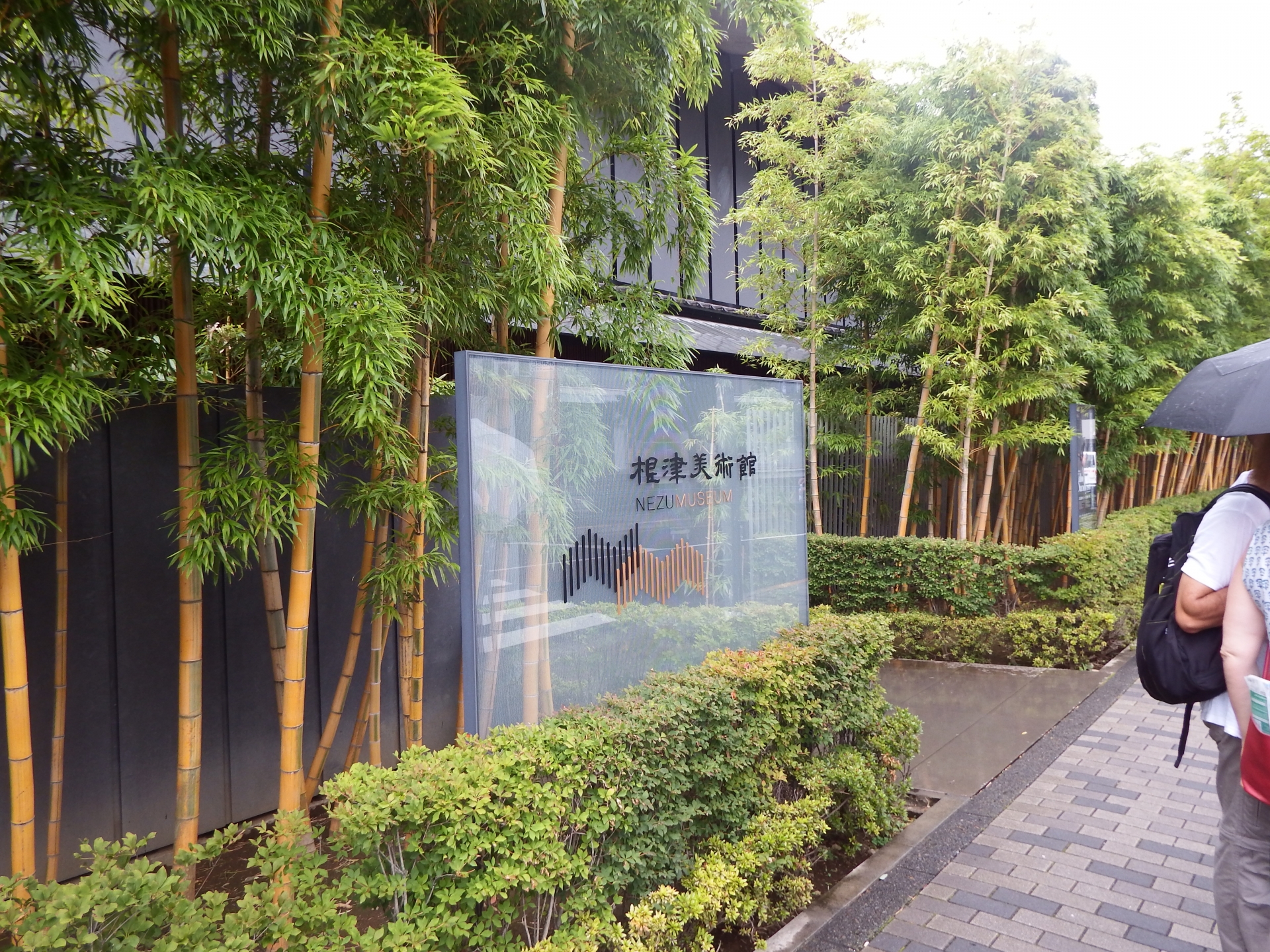
Japan boasts some outstanding museums and galleries, showcasing the breadth and beauty of creative pursuits throughout the country. Naturally, the greatest concentration of art spaces is in Tokyo with some truly excellent public institutions, private collections, and pop-up galleries exhibiting everything from Neolithic ceramics, to treasures of the Edo Period or the most modern, abstract expressions in creativity.

Our '40 Recommended Museums & Galleries In & Around Tokyo' page introduces some of our favourites in the capital before leading you outside, first to Hakone and Mount Fuji, and then onto Nagano and deep into Central Japan. We do so in recognition that Japan's creative energy isn't limited to the capital, with some of the best museums and galleries lying outside of Tokyo, enticing you to travel and explore the entire country - something we like to call, Art Space Japan.