
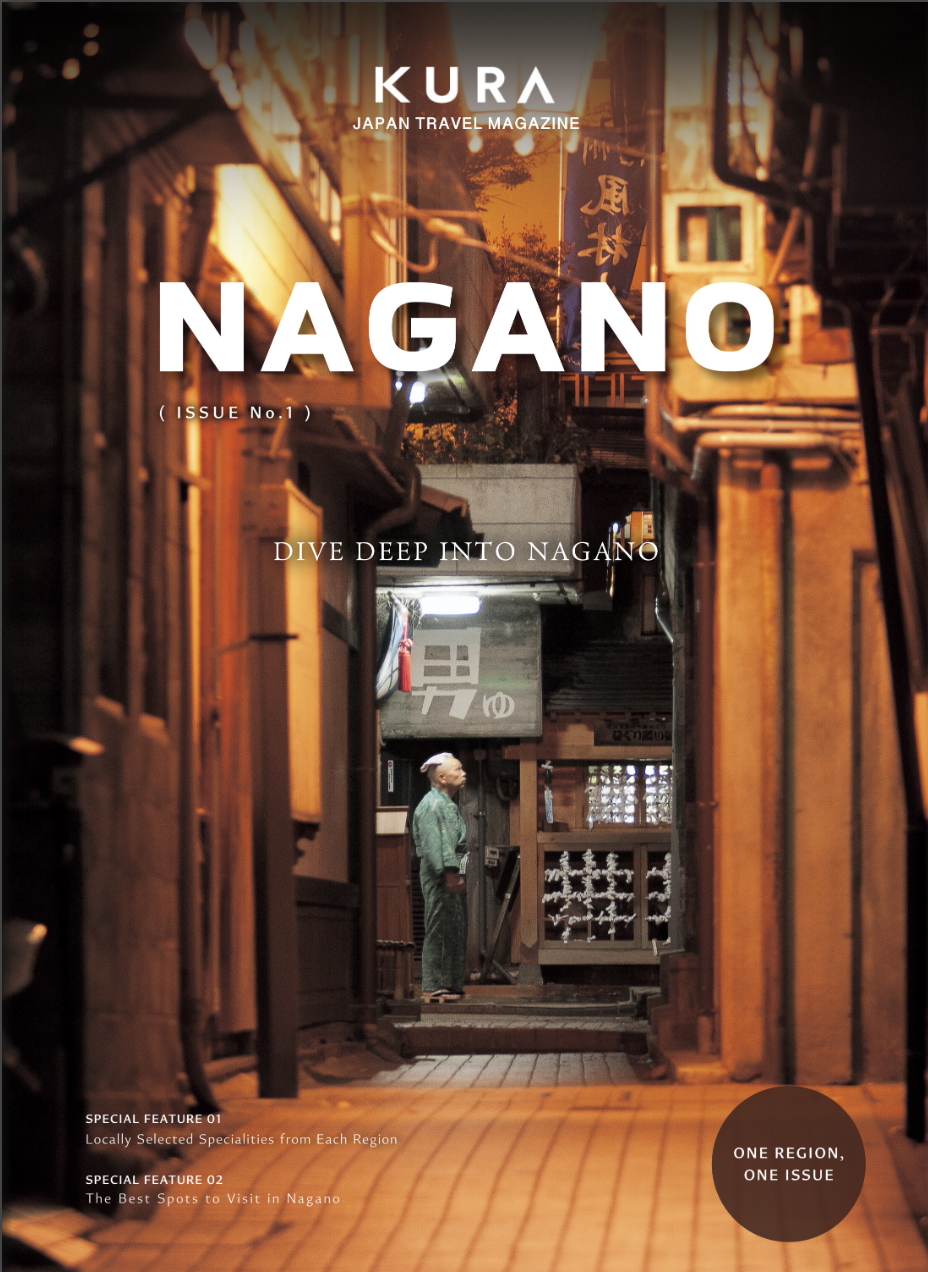
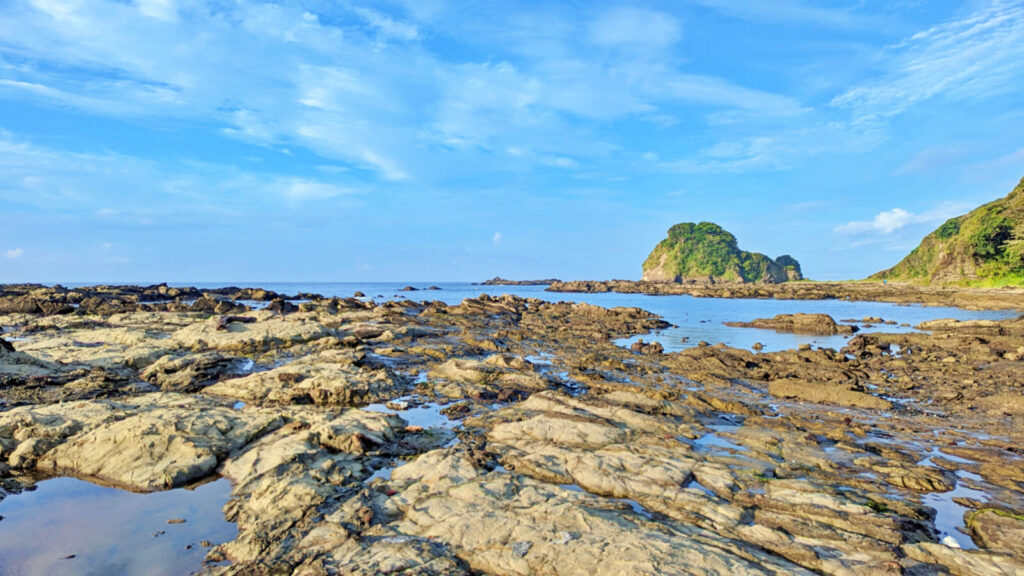
August is the height of summer in Japan, and is one of the best months to travel for those who enjoy festivals, fireworks, and nature.
With summer being one of the peak travel periods for domestic travelers, and many businesses closing for Obon, trains, flights, and popular destinations fill up fast, so it's best to prepare as much as possible in advance.
This guide covers weather, seasonal highlights, major festivals and events, travel tips, and the best places to visit in Japan in August.
Weather in August
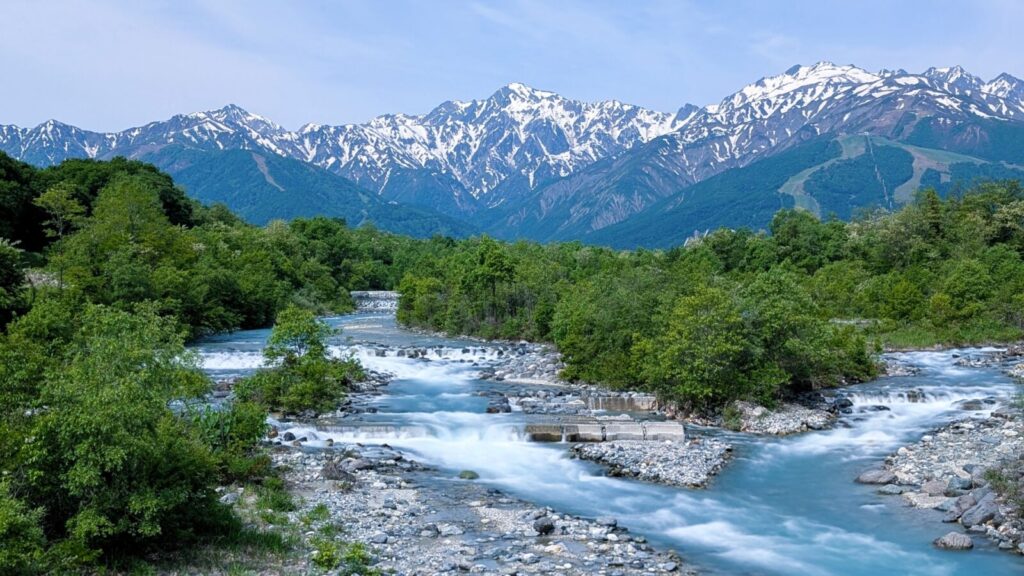
August is the peak of summer in Japan. The month brings full, sustained heat rather than the on-and-off showers of June and July.
August is typically the hottest month of the year across Honshu, Japan’s main island. Daytime highs regularly reach the mid-30s Celsius in the cities, with high humidity making it feel even hotter. Nights stay warm too, with temperatures in many cities holding above 25 Celsius after dark.
| Region | August Avg High | August Avg Low |
| Tokyo | 34.4 | 26.2 |
| Kyoto | 35.8 | 26.3 |
| Osaka | 35.4 | 27.7 |
| Nagoya | 36.6 | 27.1 |
| Nagano | 33.1 | 22.8 |
| Takayama | 32.7 | 21.5 |
| Kanazawa | 33.0 | 25.6 |
| Hiroshima | 33.5 | 26.6 |
| Sapporo | 28.8 | 21.3 |
It is always worth checking the forecast, both for the heat and the occasional downpour. A few things make the heat easier to handle:
- A water bottle at all times, since staying hydrated is the best way to keep heatstroke at bay
- Cooling body wipes that instantly drop your body temperature after making contact with your skin
- Breathable clothing in light cotton or linen, plus a hat, sunglasses, and sunscreen for the strong sun
- A light layer is recommended for those sensitive to air-conditioning, though it will likely not be strong in most locations
- A dual-purpose umbrella that works as parasol and rain cover
Seasonal Highlights in August
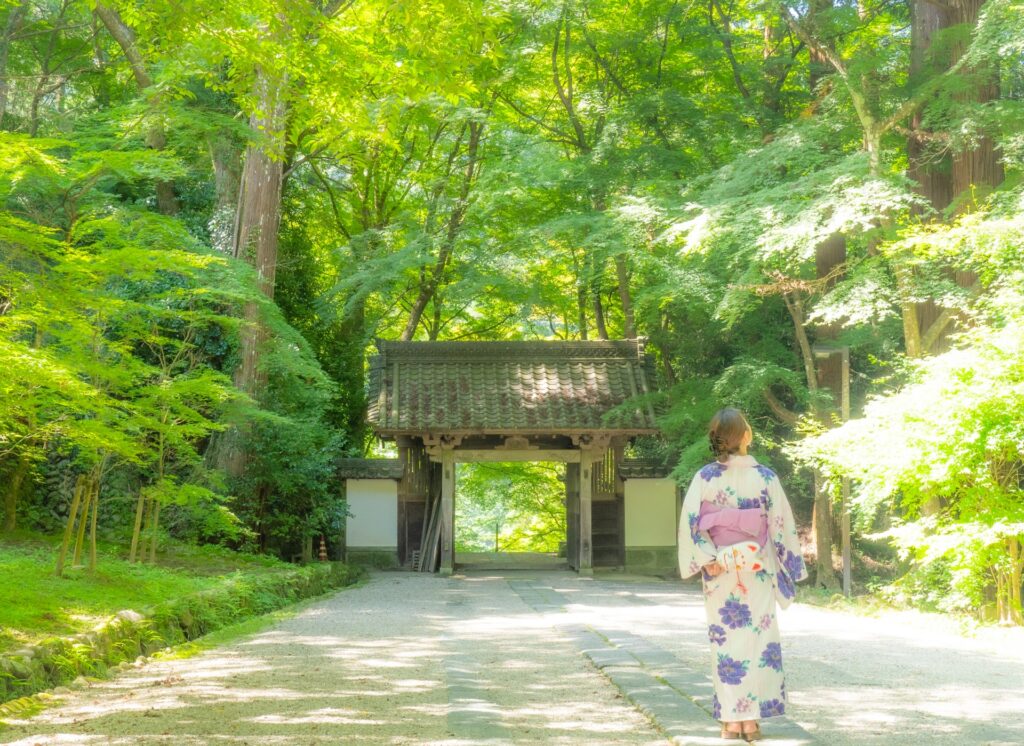
August in Japan is hot and humid, but it is also the most festive time of year. It brings Obon, when families across the country pause to honor their ancestors, the peak of the fireworks season, and the cool of the mountains for anyone escaping the city heat.
Obon
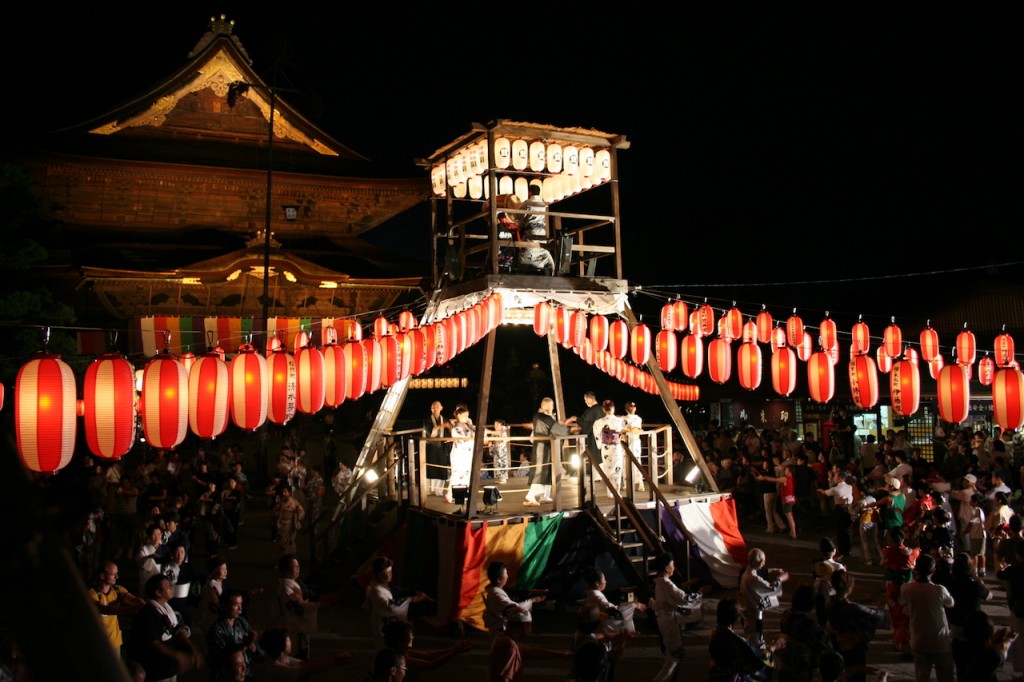
Obon (a Buddhist observance honoring the spirits of ancestors) is the defining event of August. It usually falls from August 13 to 16, when families return to their hometowns, visit family graves, and welcome ancestral spirits home. The period opens with mukae-bon (welcoming fires) lit to guide the spirits back, and closes with okuri-bon (farewell fires) to send them off again.
While Obon is not an official national holiday, most companies follow an unspoken rule of giving employees time off, so it works much like a long holiday. The nearby public holiday is Mountain Day on August 11, which for many people marks the start of the Obon travel week.
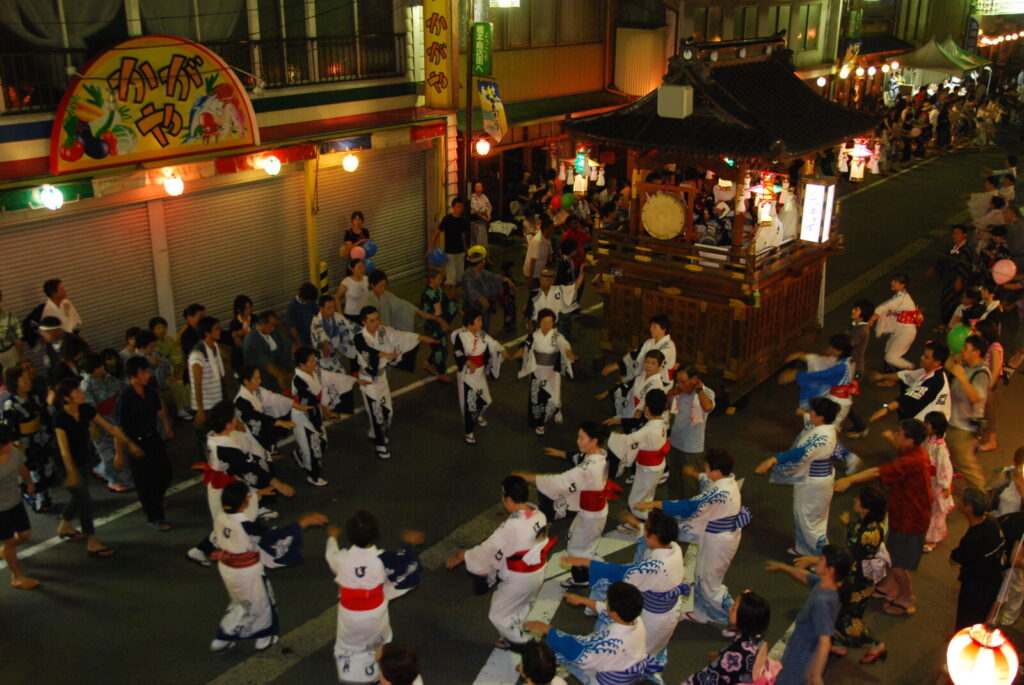
For visitors, the most visible side of Obon is Bon Odori (Bon dance), where communities gather to dance in a circle around a raised platform to drums and traditional music. These dances are held at temples, parks, and neighborhood squares across the country, and onlookers are usually welcome to join in. In many regions, families also float paper lanterns on rivers and out to sea in a ceremony called toro nagashi (water lantern), guiding the spirits back to the other world with points of light on the water.
Arrange transport and lodging early if you are visiting during Obon since seating for reserved train seats, flights, and hotels get booked ahead of time.
Fireworks at Their Peak
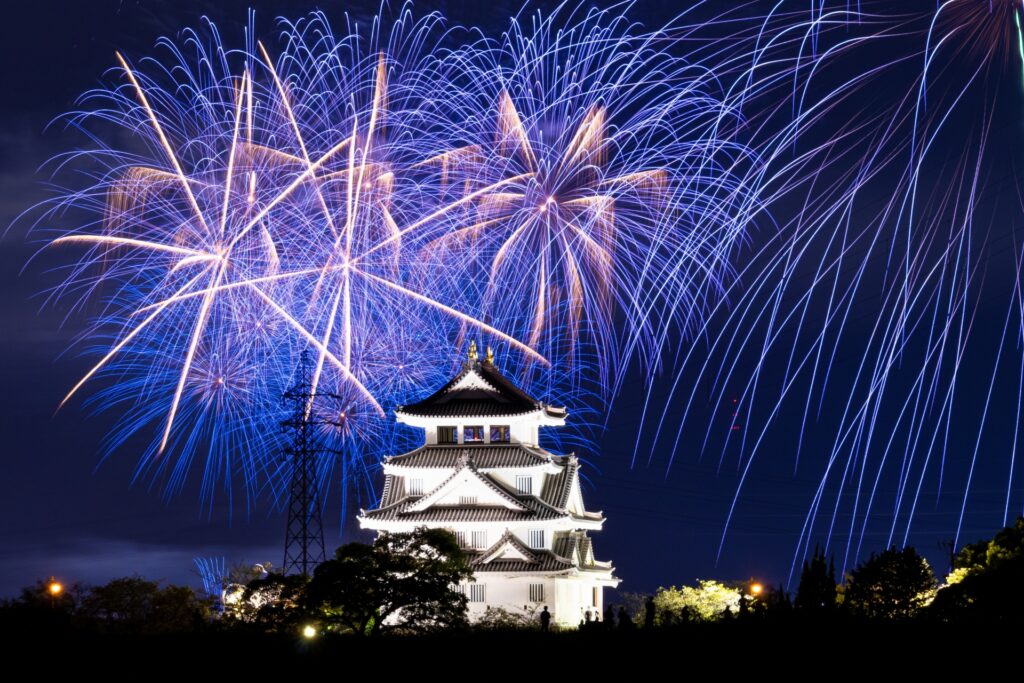
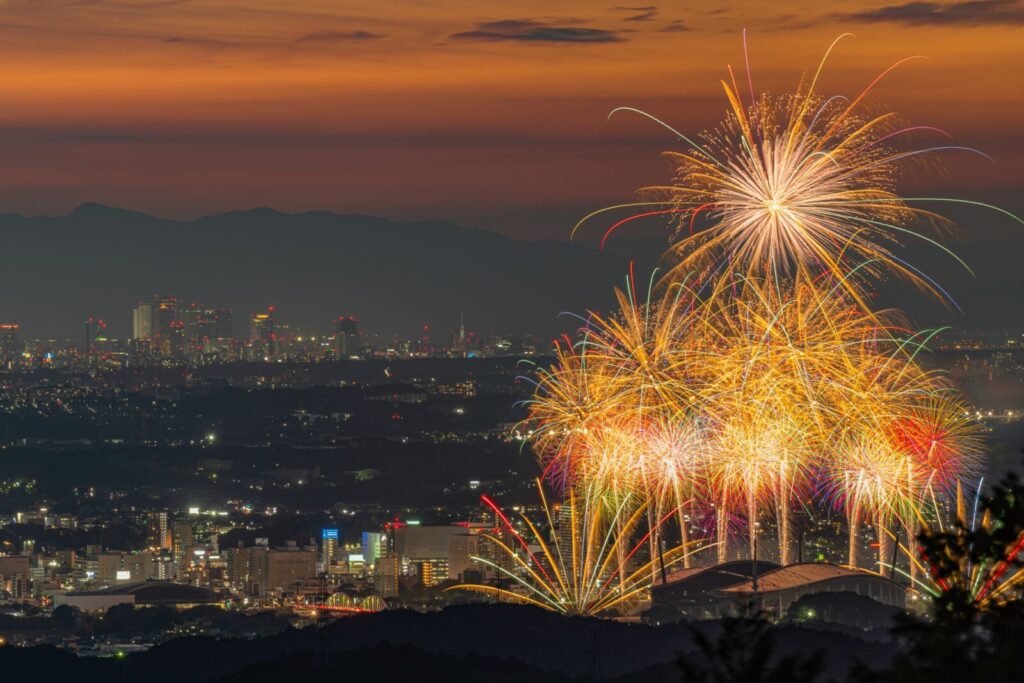
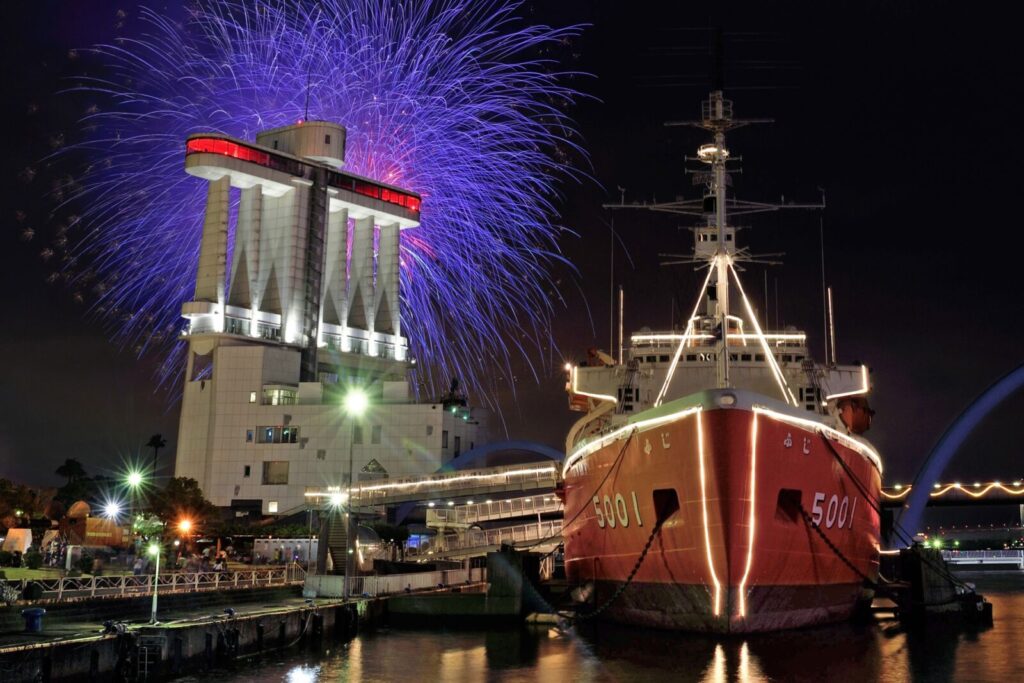
While July opens Japan’s hanabi (firework) season, August is when it peaks.
Through the first half of the month especially, cities, towns, and riversides across the country light up with displays, from small local gatherings to enormous shows that draw hundreds of thousands of spectators. Many pair the fireworks with food stalls, games, and crowds of visitors in yukata (a light cotton summer kimono).
The biggest shows draw especially large crowds. So we recommend arriving early for a spot to sit.
Cool Escapes in the Mountains
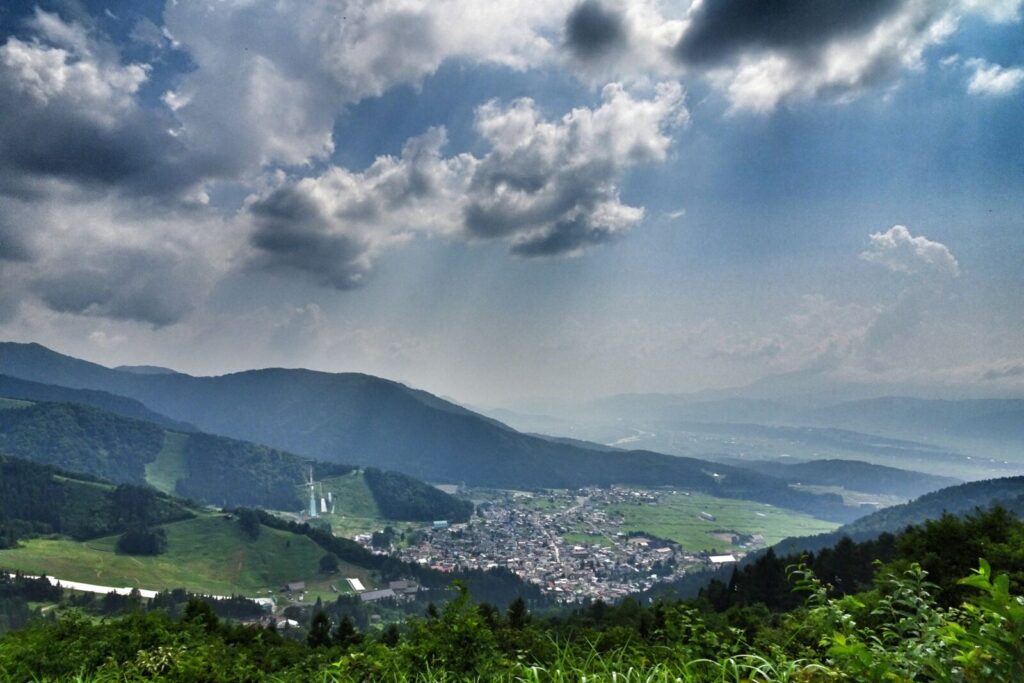
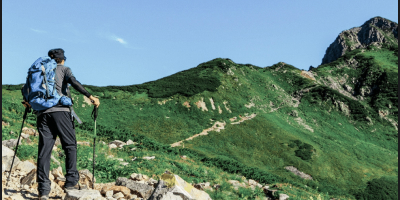
While the cities bake, Japan’s mountains stay cool and fresh, and August is their finest month.
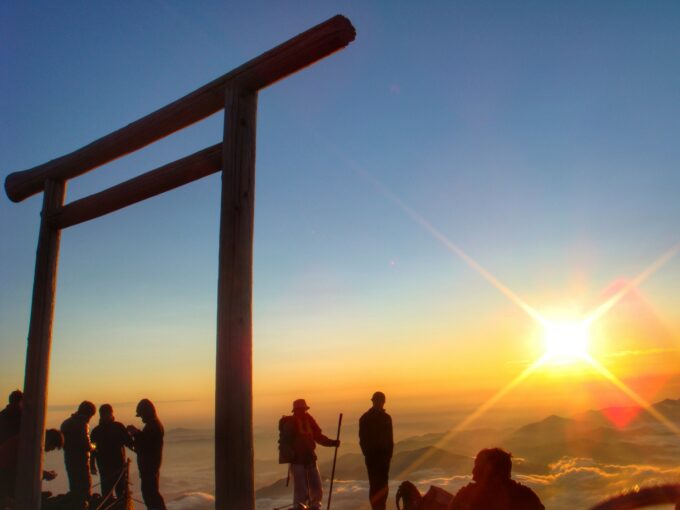
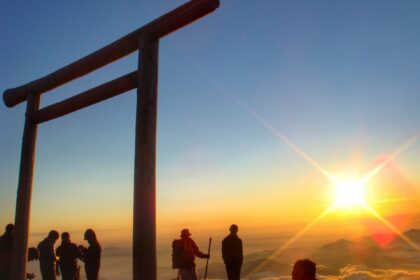
Mt. Fuji is especially busy at its peak climbing season, and climbers, both locals on their Obon break and overseas visitors keen to try the Japan Alps, head up peaks across the country. But you don’t need to be a hiker to enjoy them. Cable cars, ropeways, and mountain roads carry you up into cool, clear air, and once you are up there the walking is easy.
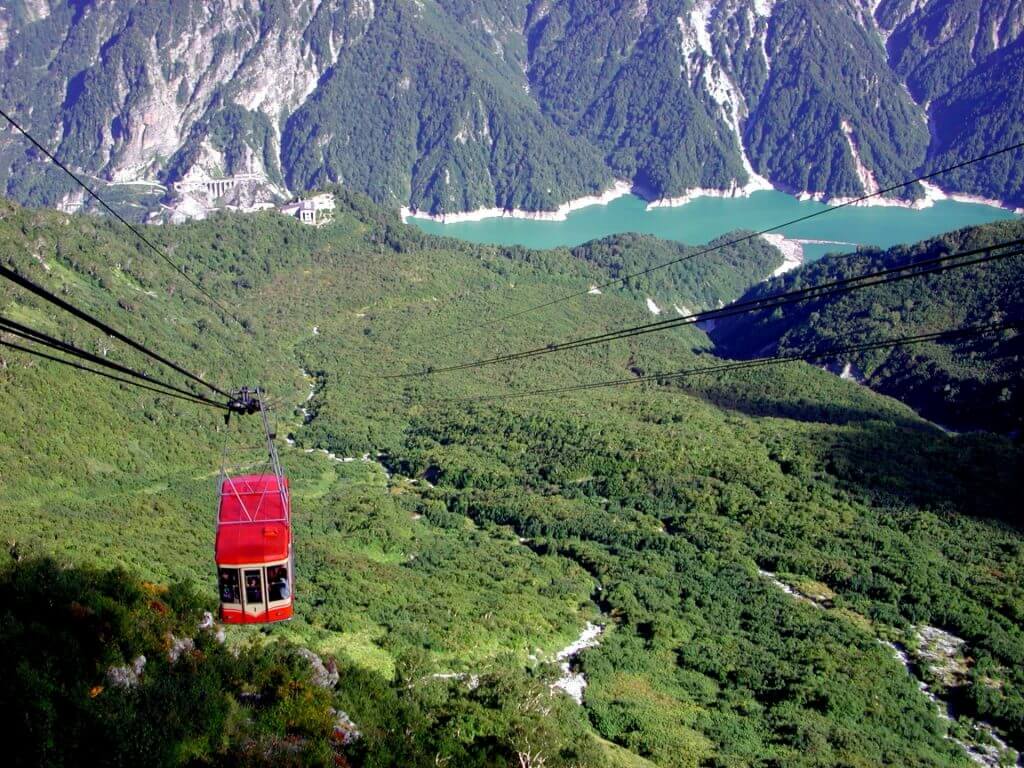
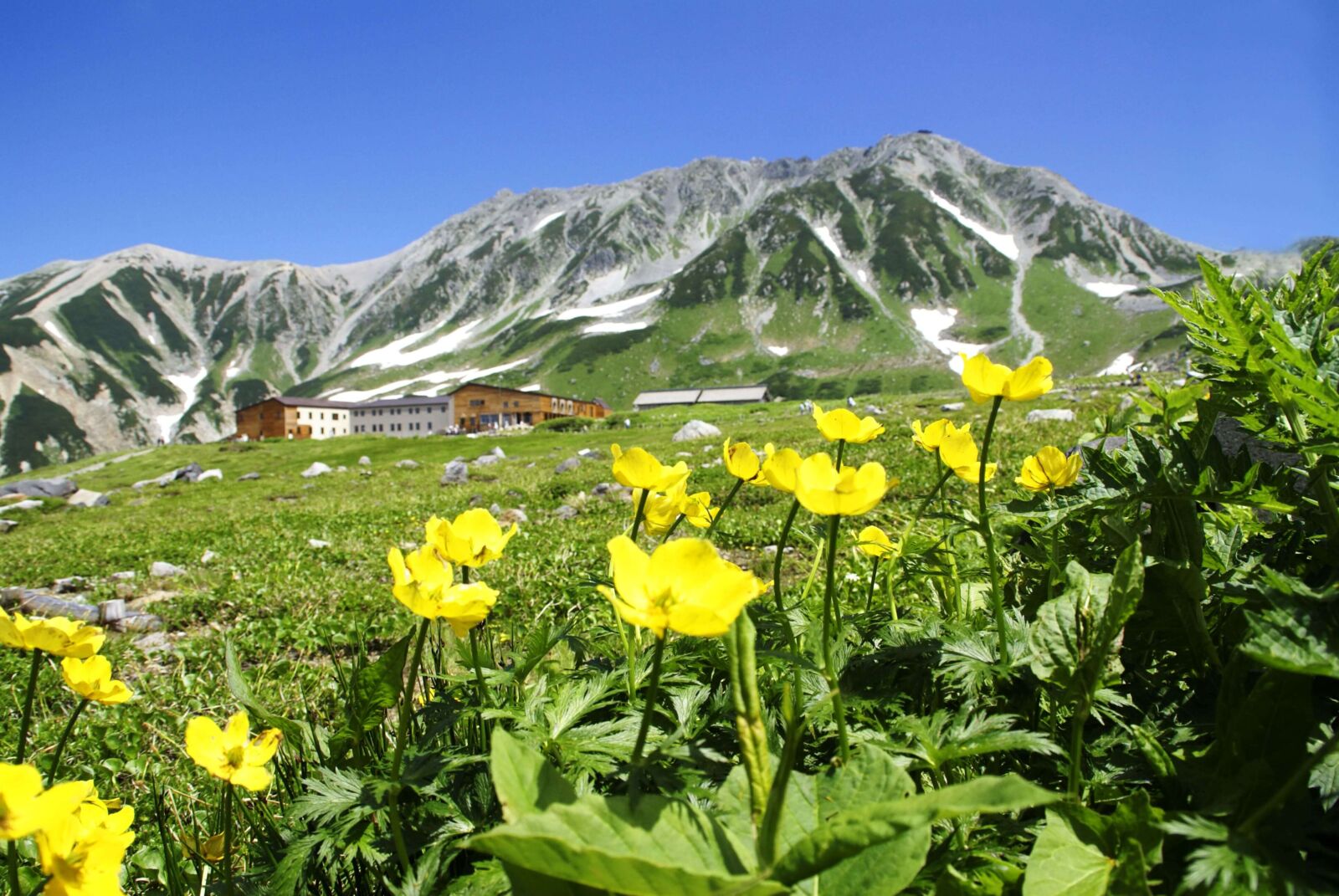
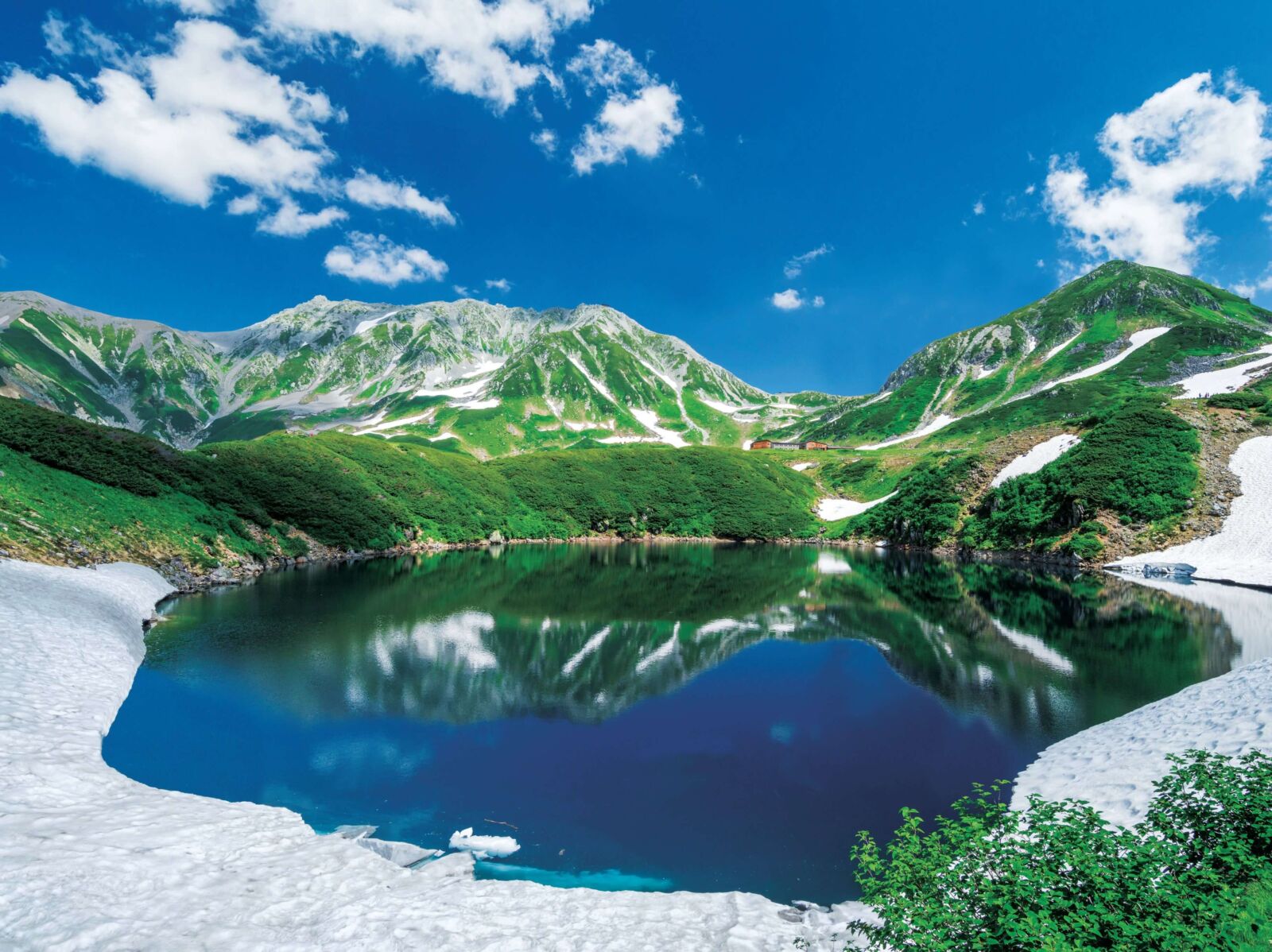
The Tateyama-Kurobe Alpine Route rides a chain of cable cars, ropeways, and mountain buses up to 2,450 meters (about 8,000 feet), where you can stroll the Murodo plateau's cool, fresh air.
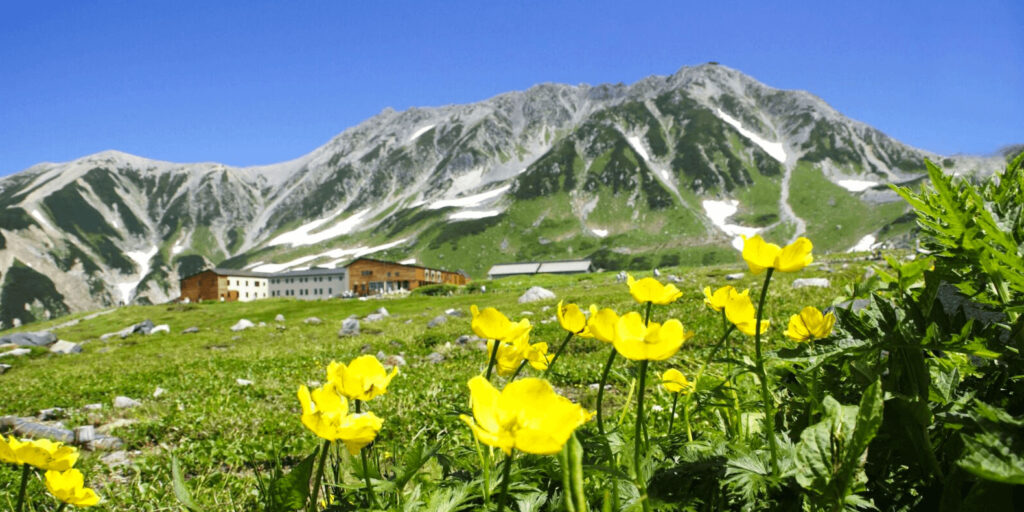
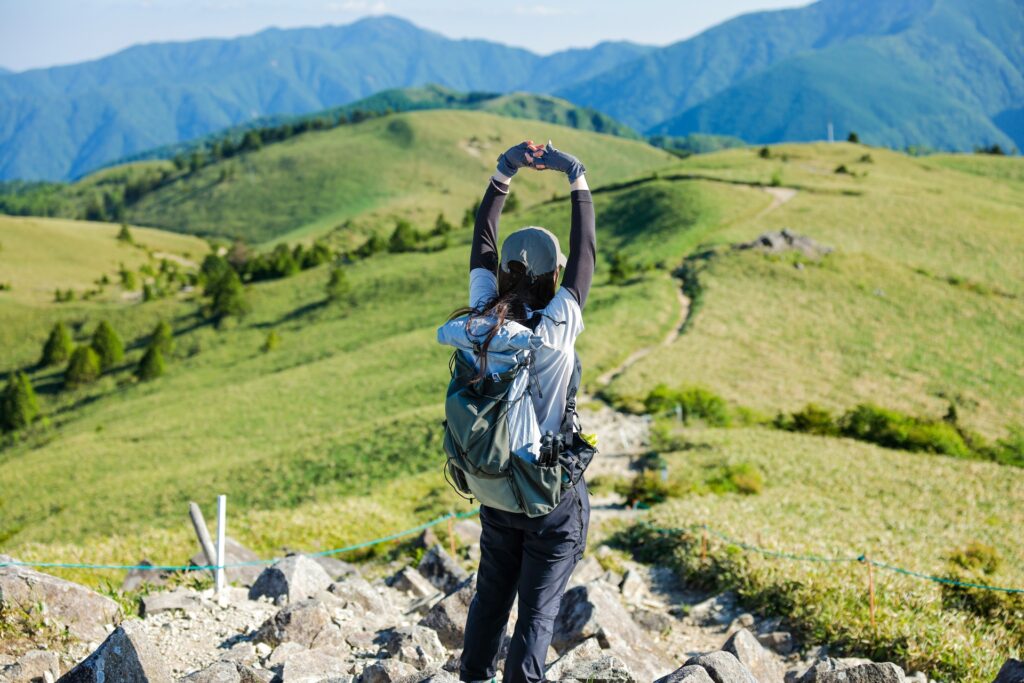
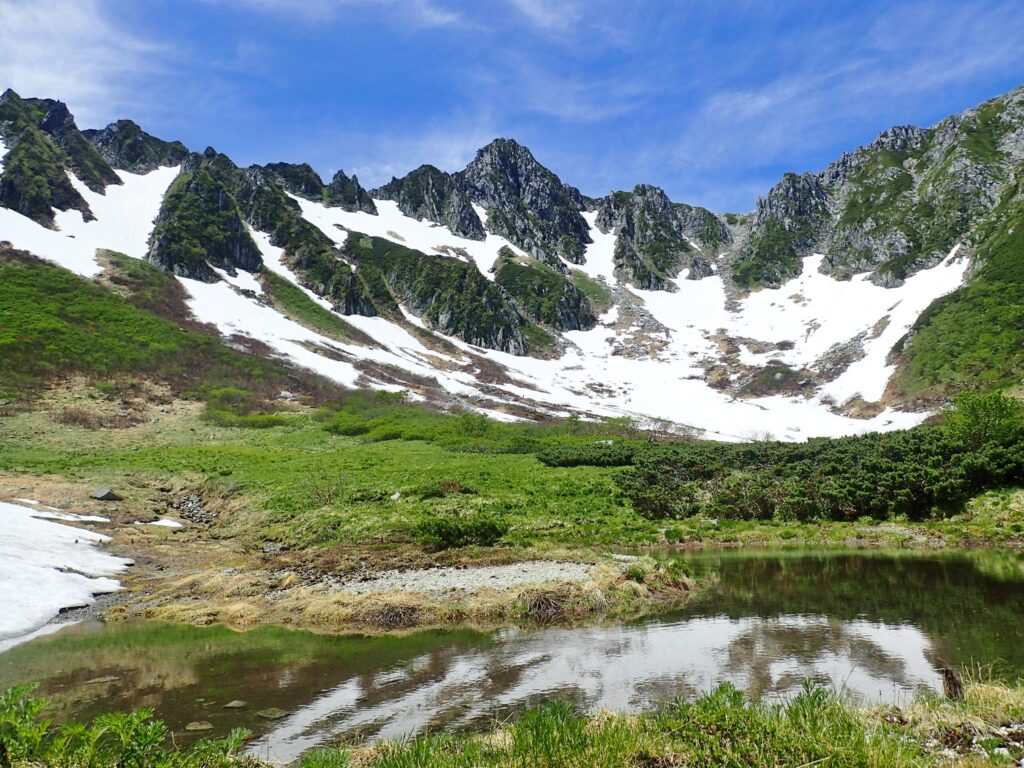
In the Central Alps, the Komagatake Ropeway lifts you to the Senjojiki Cirque at about 2,600 meters (8,500 feet), a glacial bowl ringed by peaks with a walking loop around its floor.
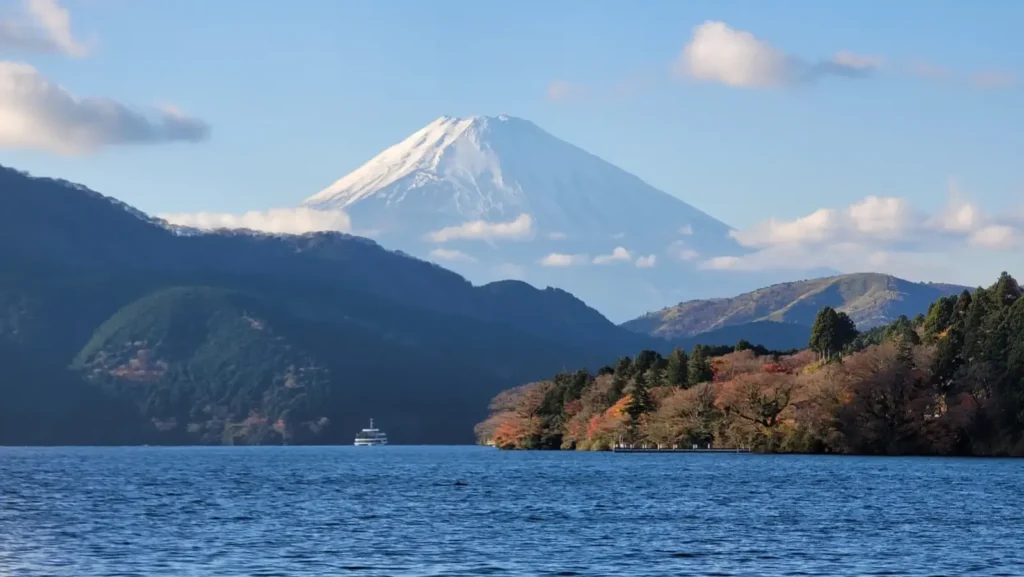
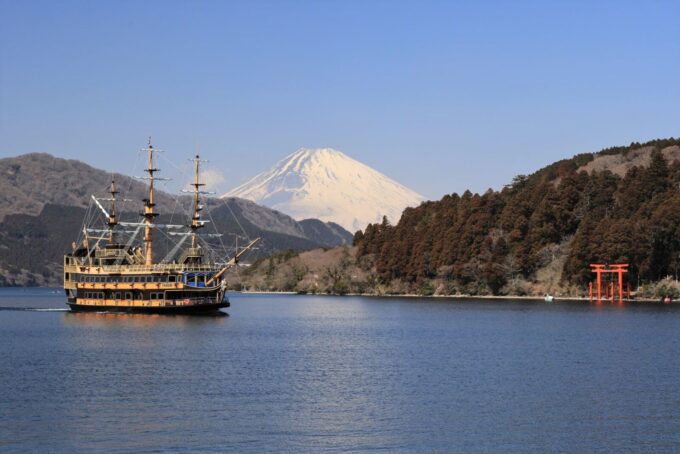
Hakone runs a ropeway to a grassy summit and mountain shrine above Lake Ashi, with views of Mt. Fuji on clear days.
Featured Tours in August
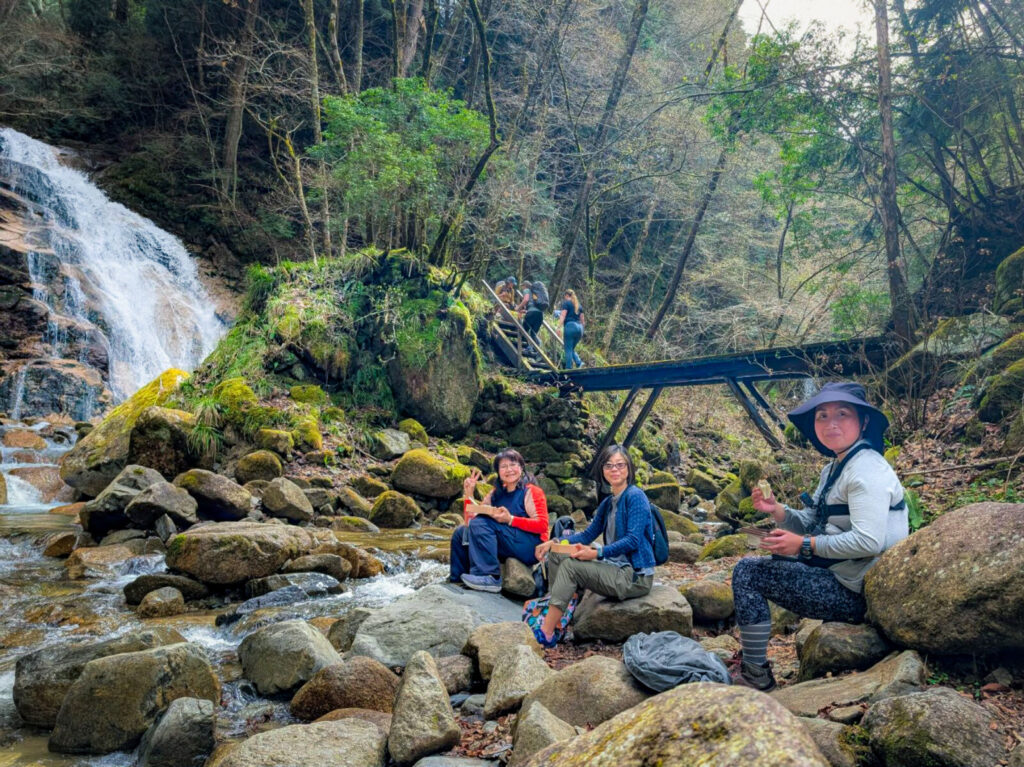
Bypass the Climb and take a Ropeway to the Top
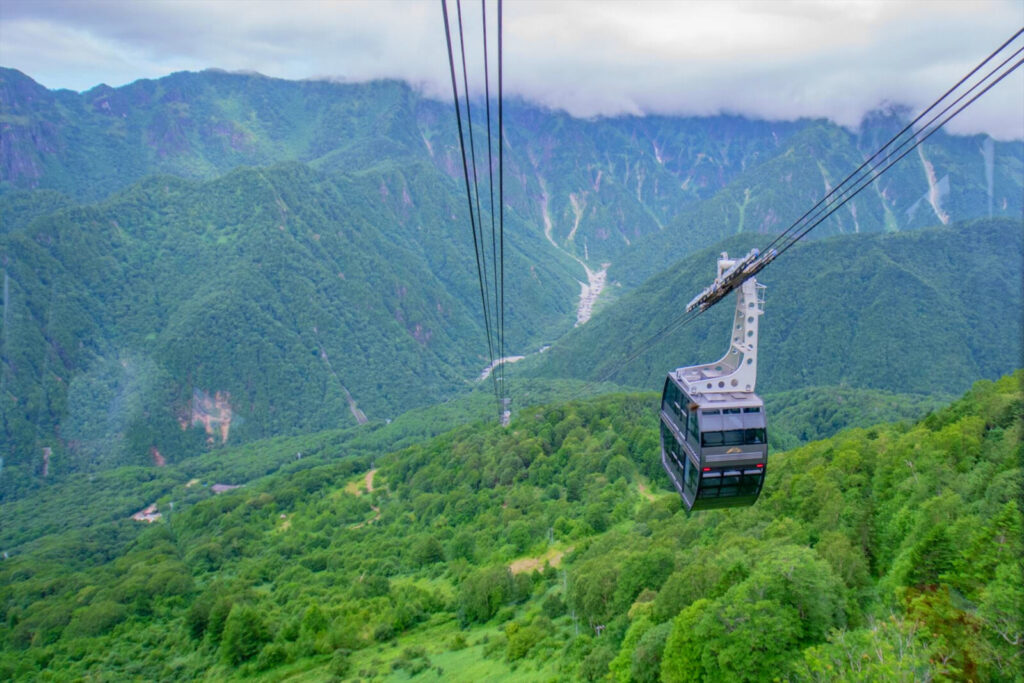
Our featured tours for August all lead into the cool of the mountains, and not one of them asks you to climb. Enjoy the big alpine views and fresh breeze without a sweat. Carried up into the cool, clear air, the walking at the top is flat and gentle. This is the right choice for families, older travelers, or anyone who would rather take in the scenery than the climb.
KAMIKOCHI & SHINHOTAKA TOUR FROM TAKAYAMA / April to November
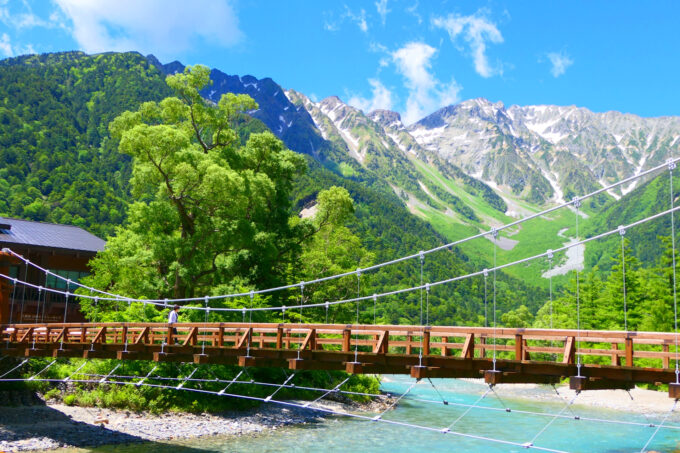
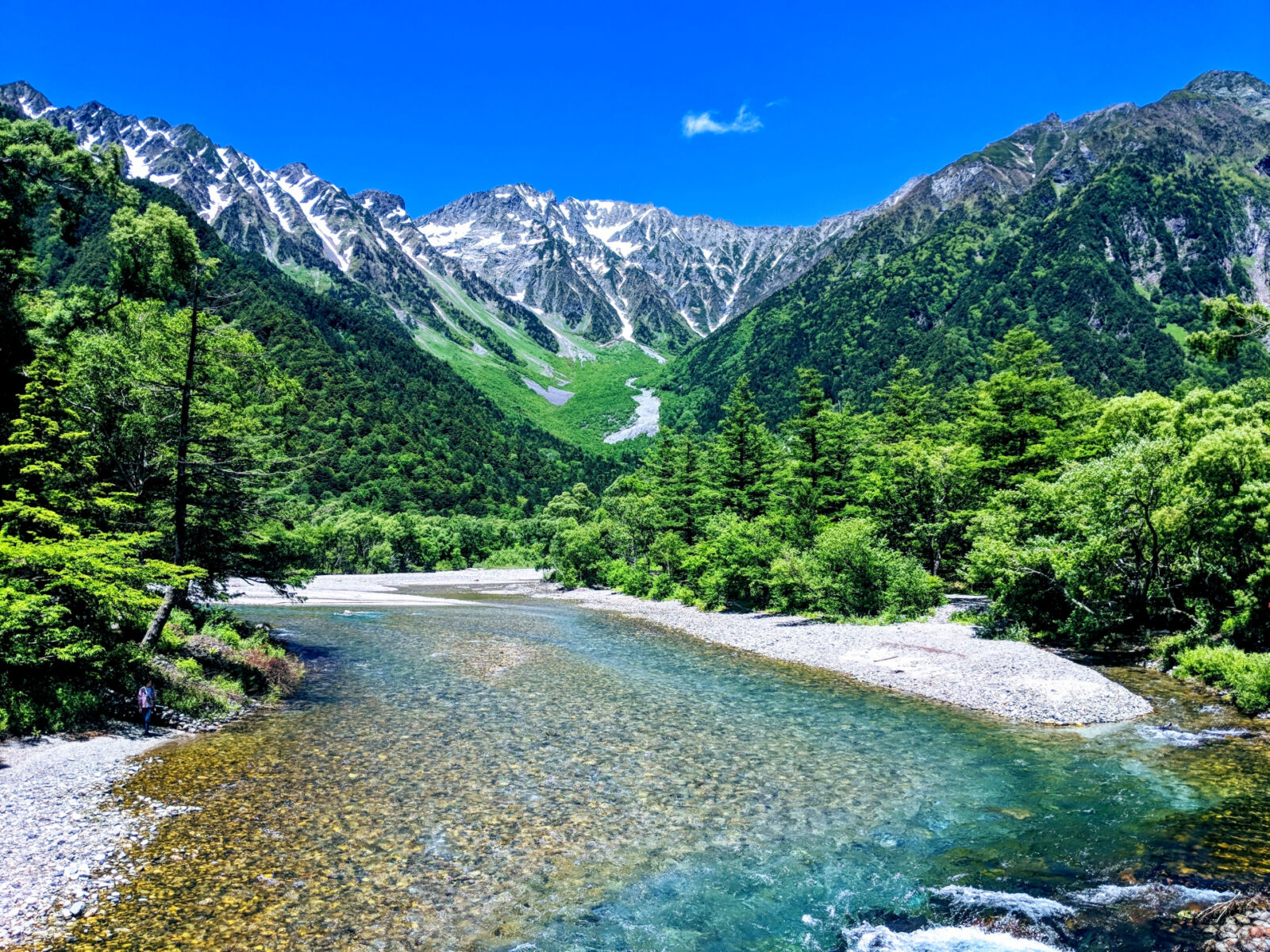
If you are a lover of nature in all of its splendid forms, taking the Shinhotaka Ropeway to the top of mountains then exploring the valleys of Kamikochi is perfect for you. Starting from Takayama Station, you will take one of our tour buses to the Shinhotaka Ropeway where you will get on and experience the exciting two stage ride. At the top you will have time to enjoy the panorama that is the Central Japanese Alps. After taking in all of the majestic mountain views, you will head to a different part of the range and to Kamikochi. Here you will walk along the scenic river with its stunning colors, cross the picturesque Kappa Bridge and generally explore the fields, riverbeds and forests of the area. There are even wild monkeys in the area that can be seen. Relax and enjoy your day through strolls in the refreshing nature.
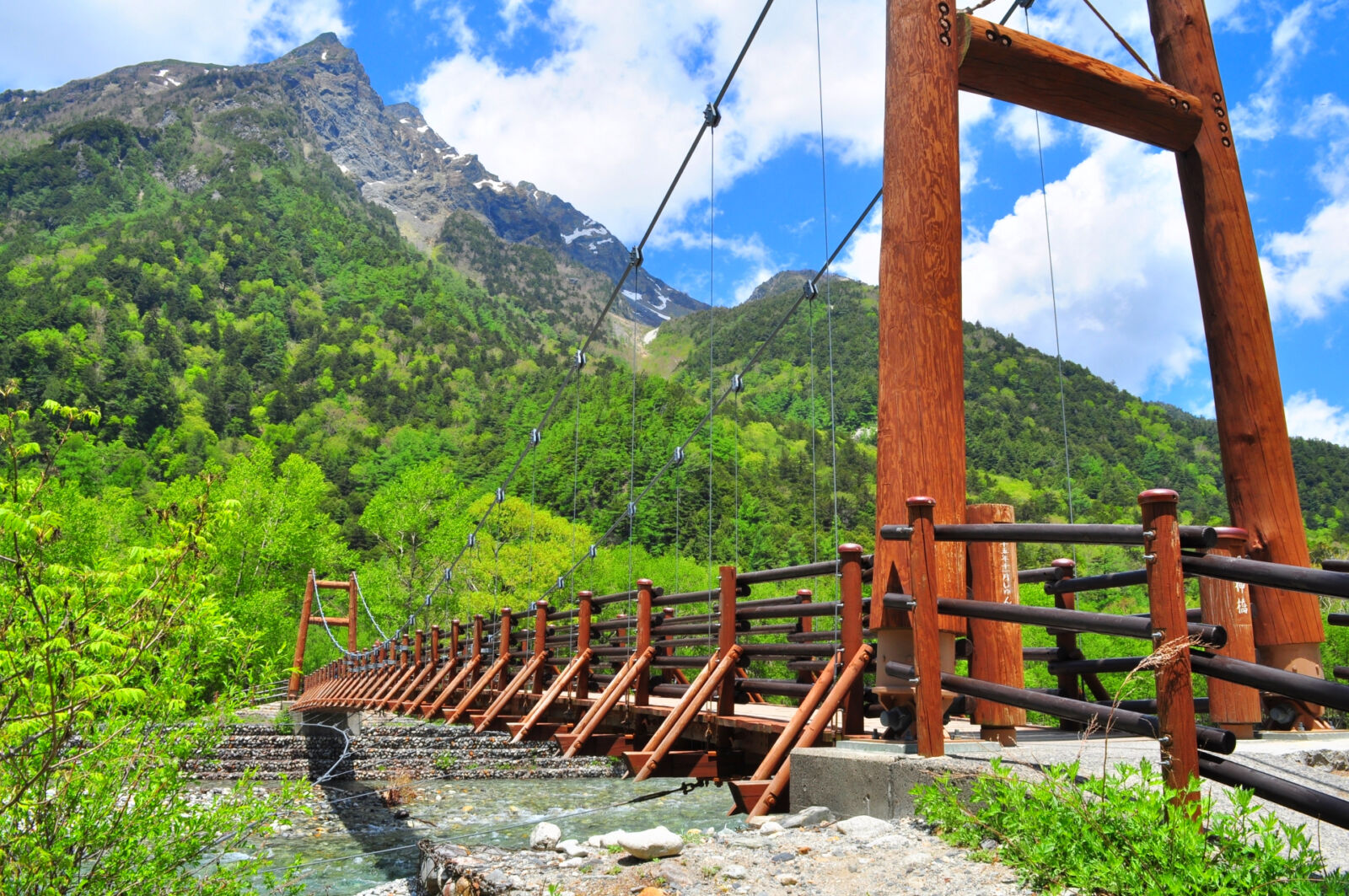
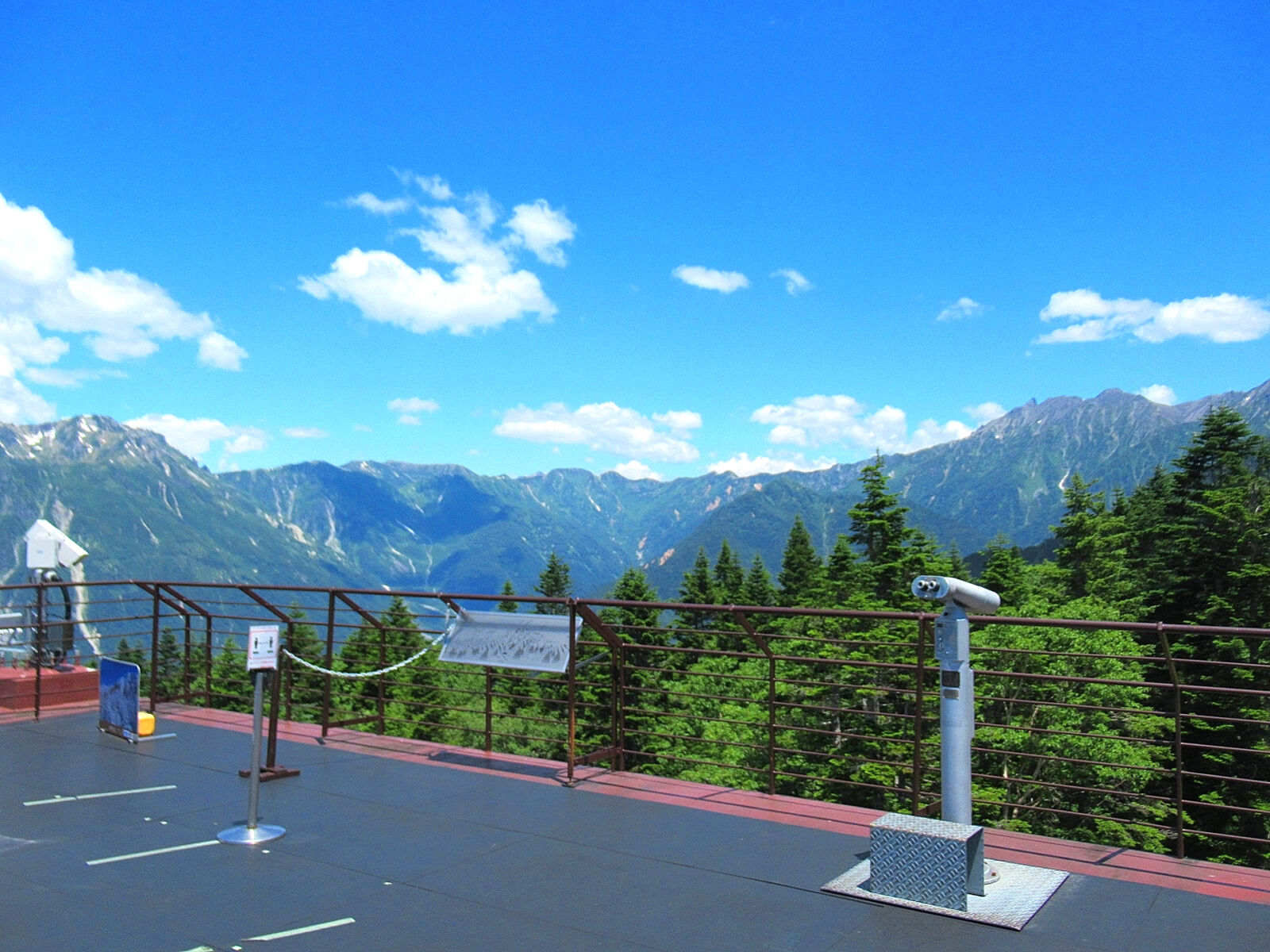
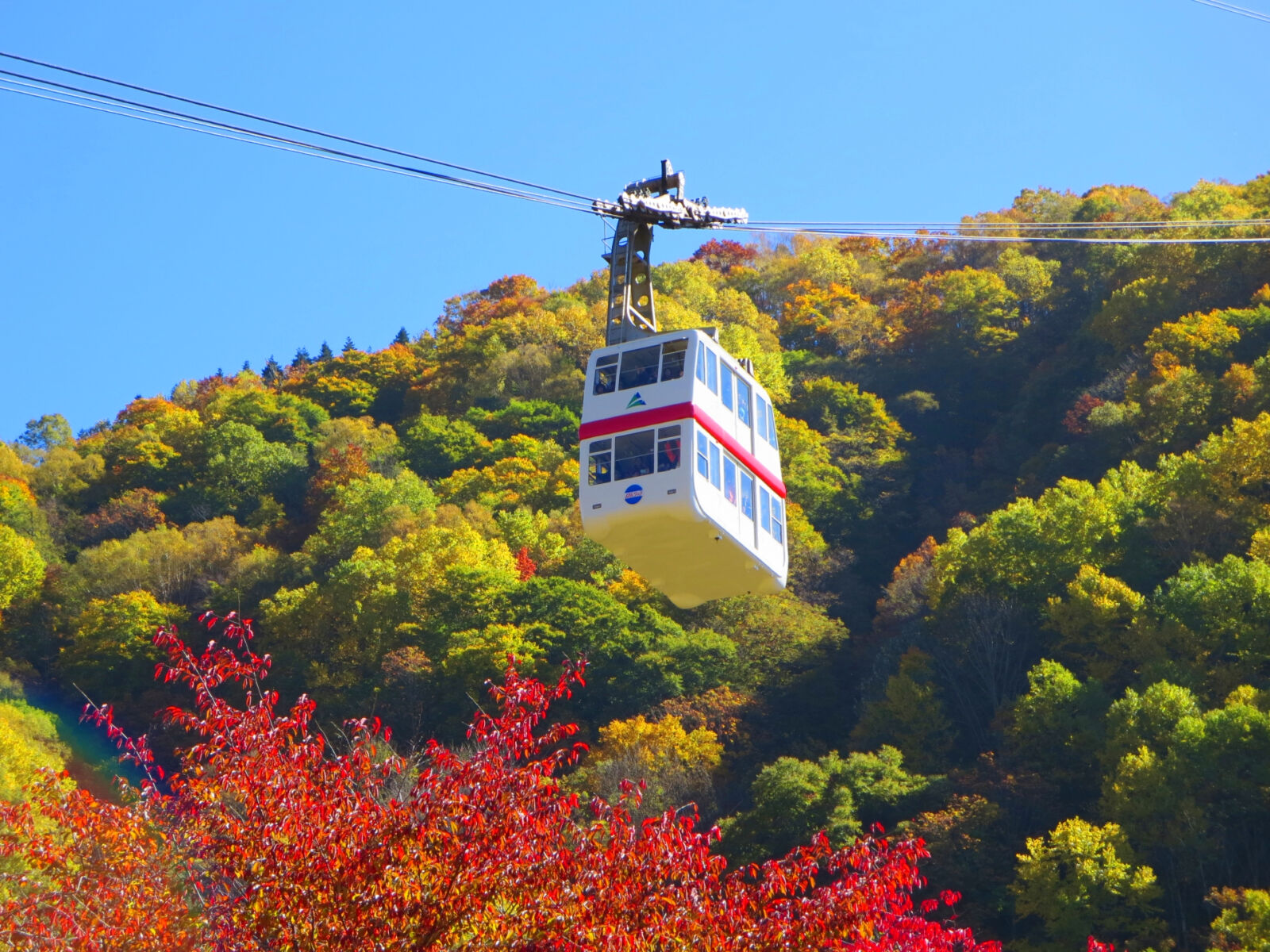
Tateyama-Kurobe Alpine Route Green Season Tour / June - October
Recommended
[Summer/Autumn only] Tateyama-Kurobe Tour: Walking on the 'Roof of Japan'
- Spots:
- NaganoAlpine Route
- Pick-up:
- Nagano City
- Drop-off:
- Nagano City
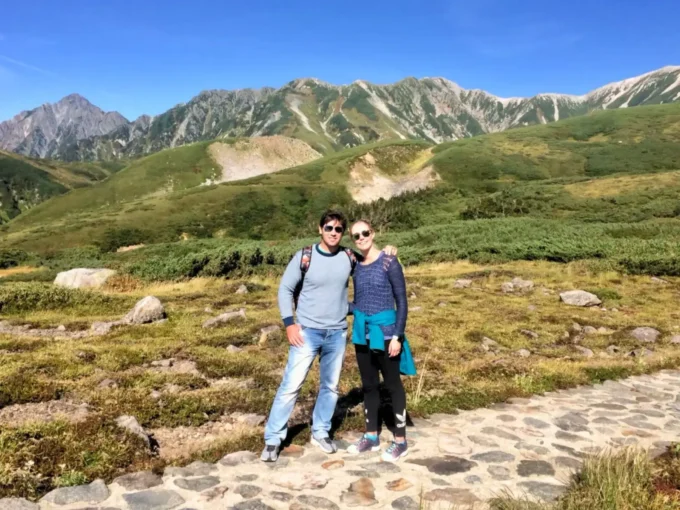
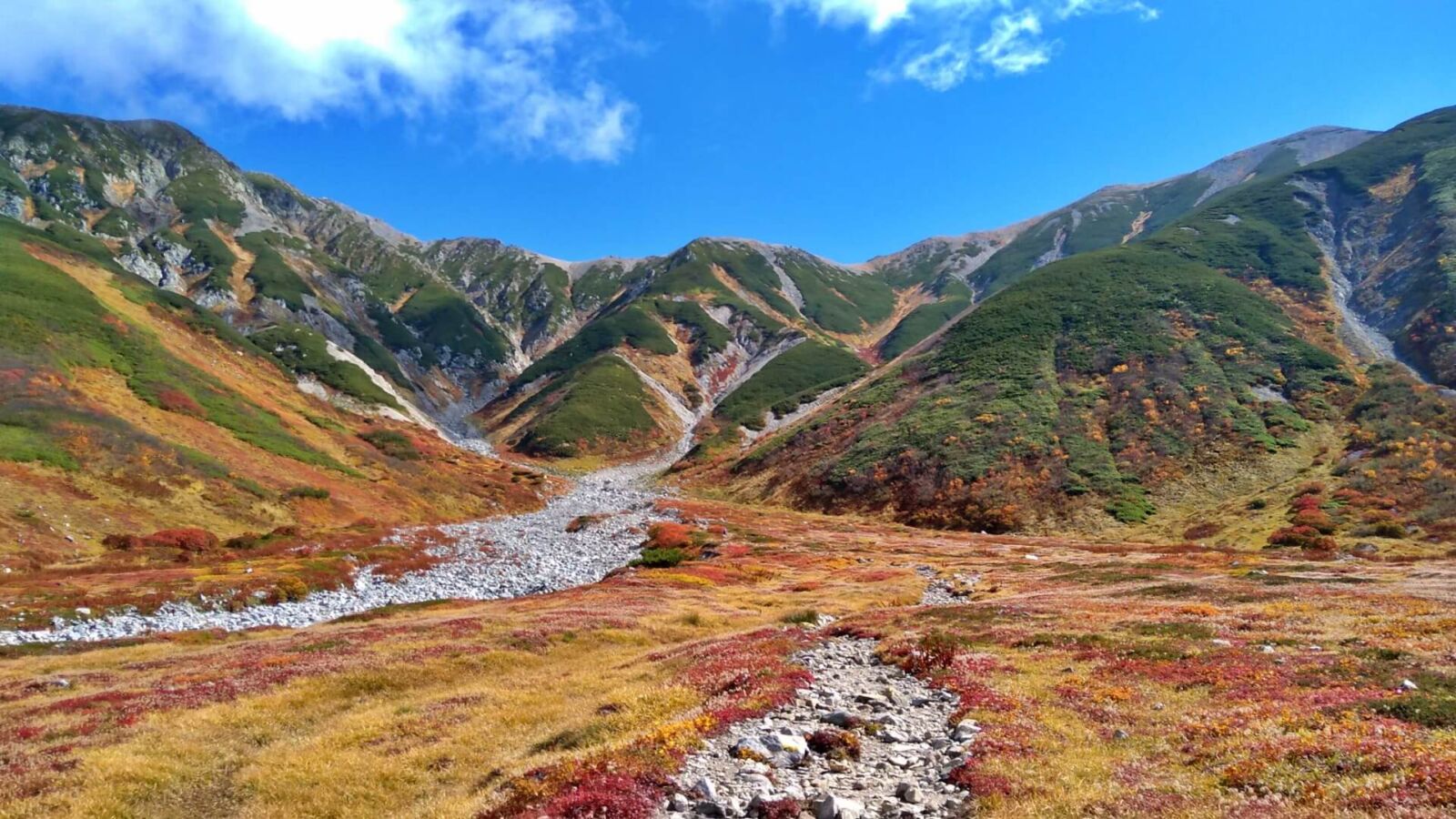
While the Tateyama-Kurobe Alpine Route is best known for its spring snow walls, the area is still attractive even after the snow has melted away. From June through the October, you can enjoy the spectacular scenery of the Northern Alps, and hike around without snow slowing you down. Additionally, come autumn, a range of bright fall colors will be on full display - even though there are no trees at the summit, the bushes and grasses of the peak will turn fiery shades of red and orange, much to the delight of visitors. The other benefit of coming after the snow walls have melted is that the crowds will be greatly lessened, and you are more free to move at your own pace and enjoy nature in solitude.
Pick Up Locations: Nagano Station, Hotel Kokusai 21
Major Festivals & Events Across Japan in August
Tokyo
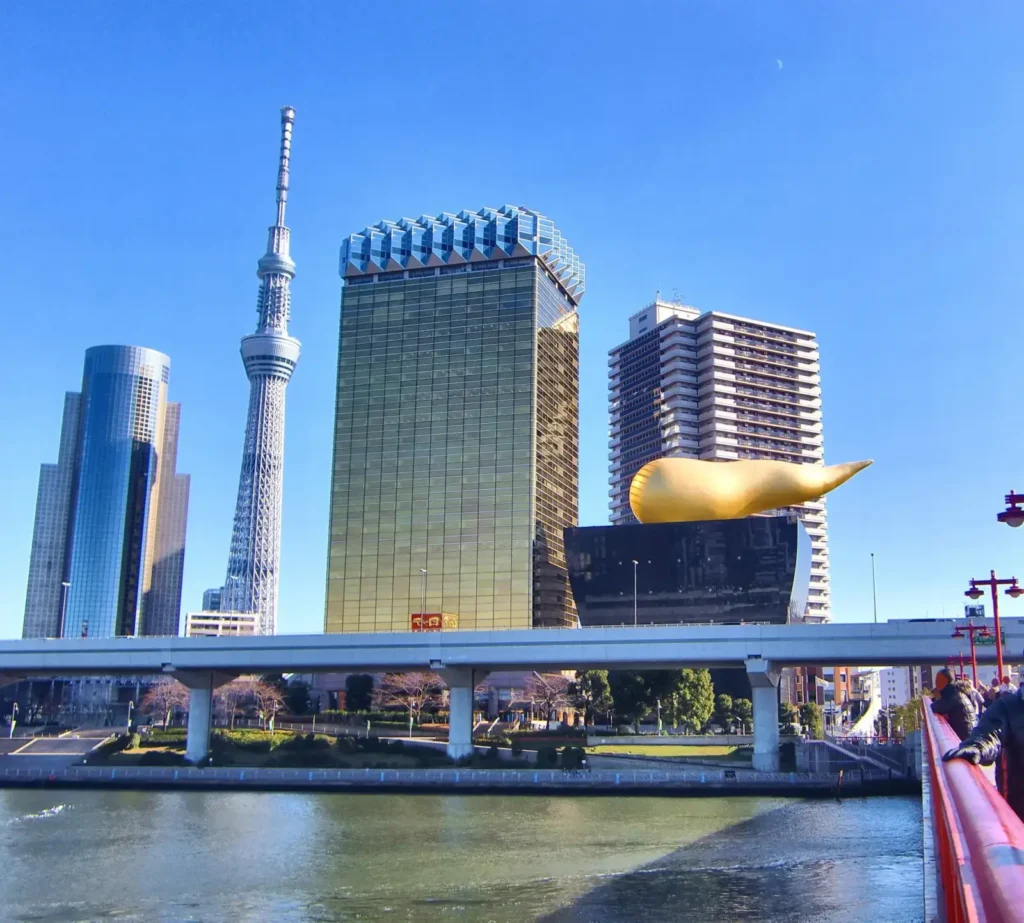
- Edogawa Fireworks Fesitval (August 1): One of Tokyo’s densest displays, with around 14,000 fireworks over the Edo River
- Koenji Awa Odori (August 29-30): One of Tokyo’s largest street dance festivals, filling the streets of Koenji with thousands of dancers
Kyoto
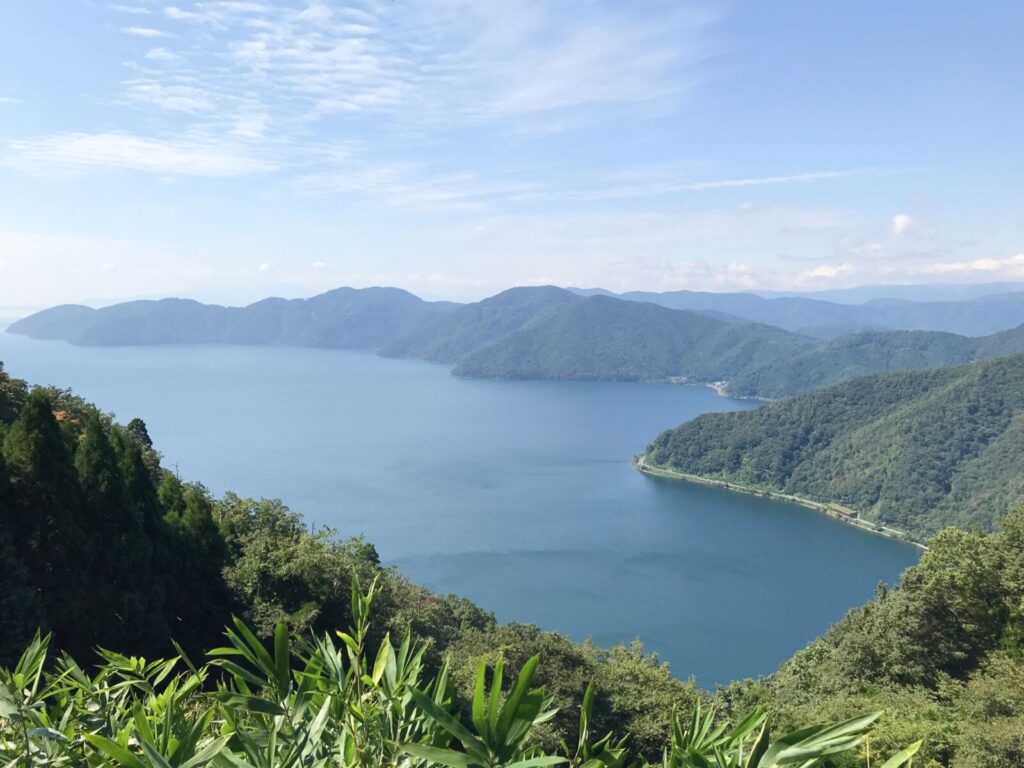
- Lake Biwa Great Fireworks Festival (August 6): A major fireworks display over the water at Otsu Port
- Gozan no Okuribi/Daimonji (August 16): Giant kanji (Japanese writing characters) lit as bonfires on five mountains to send off the Obon spirits
- Arashiyama Toro Nagashi (also August 16): Paper lanterns floated down the river near Togetsukyo Bridge, viewable alongside the torii-shaped bonfire
Osaka
- Shitennoji Bon Odori (August 11-12): A lantern-lit Bon dance (Bon Odori) at Shitennoji, Japan’s oldest official temple
Nagoya
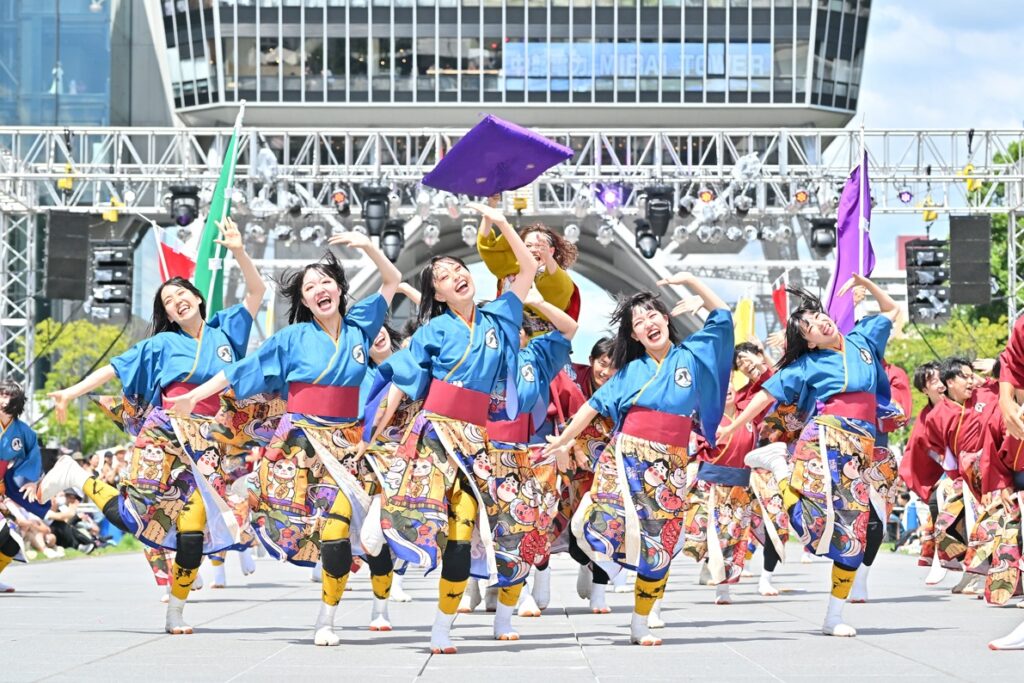
- Domatsuri/Nippon Domannaka Festival (August 28-30): Central Japan’s largest dance festival, with hundreds of teams performing across the city
Takayama
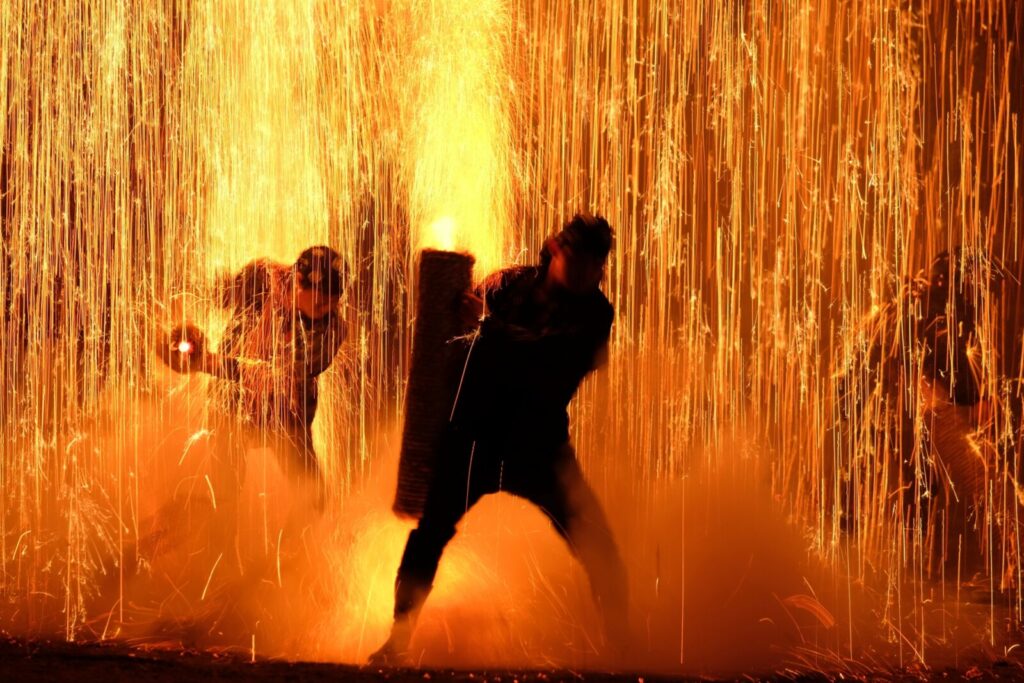
- Hida Takayama Handheld Fireworks Festival (August 9): A fireworks festival where participants set off fireworks from handheld bamboo tubes, said to ward off evil spirits
Nagano
- Binzuru Festival (August 1): Nagano City’s biggest dance festival
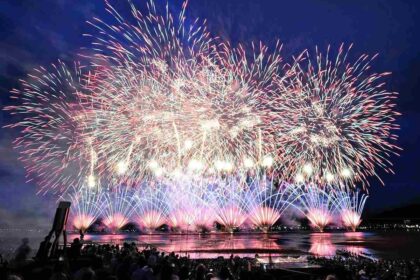
- Lake Suwa Fireworks Festival (August 15): One of Japan’s largest displays, with around 40,000 shells and its signature starmines fired low across the lake
Kanazawa
- Hokkoku Grand Fireworks Kawakita Festival (August 1): Around 20,000 fireworks over the Tedori River
- Saikai Shrine Kiriko Festival (August 14): Kiriko lanterns carried up a hill and into a wild dance, with women in yukata helping carry them
- Kanaiwa Summer Festival (July 31 - August 2): Kanazawa's oldest summer festival involving a Shinto ritual with mikoshi, drum floats, lion dances and ladder-climbing, designated an Intangible Folk Cultural Asset
Hiroshima
- Peace Memorial Ceremony (August 6): Held from 8:00 at the Peace Memorial Park, with a moment of silence at 08:15 marking the time of the atomic bombing in 1945
- Peace Message Lantern Floating (also August 6): In the evening, roughly 10,000 lanterns are set adrift on the Motoyasu River as a prayer for peace
Sapporo
- Hokkai Bon Odori (August 13-16): One of Hokkaido’s largest Bon dances (Bon Odori), in Odori Park
Travel Tips & Local News
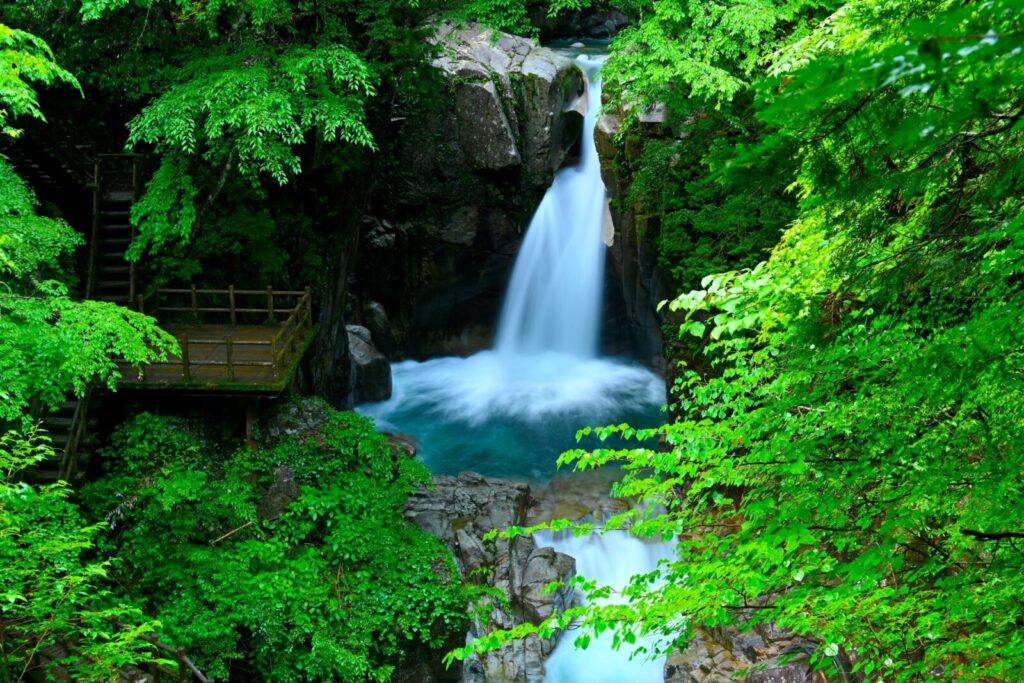
- Beat the heat: August is the hottest month, so plan outdoor sightseeing for the morning and evening, and use the middle of the day for museums, cafes, and other cool indoor spots. If you are out in the sun, consider using cooling body wipes.
- Stay hydrated: Heatstroke is a real risk in the humidity. Carry water at all times, and take advantage with the abundance of vending machines and convenience stores on nearly every corner, many stocked with cold drinks and electrolyte options.
- Book early for Obon: With school summer break running all month and businesses closing for Obon in mid-August, trains, flights, and hotels fill up fast. Reserve well ahead, especially for August 13 to 16.
- Eat your way through a festival: Summer festivals are the best place to try Japan’s yatai (food-stall) classics! Look for takoyaki (octopus balls), yakisoba (fried noodles), grilled corn, and kakigori (shaved ice) to cool down.
- Consider late August: The busiest, priciest stretch is the middle of the month around Obon. Travel in the final week and you will find thinner crowds and easier bookings. The heat also begins to ease which makes travel a lot more comfortable.
FAQs About Visiting Japan in August
Is August a good time to visit Japan?
Yes, if you plan around the heat and the Obon travel week. August is hot and humid, but it is also the peak of the summer festival and fireworks season, and the mountains offer a cool escape. The middle of the month is the busiest, so many travelers aim for early or late August.
Is August hot in Japan?
Yes, rather, it is extremely hot. August is typically the hottest month of the year across most of Japan, with daytime highs in the mid-30s Celsius and high humidity in the lowland cities and nights also staying relatively warm. However, the mountains and Hokkaido are noticeably cooler.
What is Obon, and how does it affect travel?
Obon is a Buddhist period in mid-August (around August 13 to 16) when families honor their ancestors and return to their hometowns. It is not an official national holiday, but most companies close, making it one of the busiest domestic travel periods of the year. Trains, flights, and hotels fill up, so book well ahead if you are traveling then.
Can I climb Mt. Fuji in August?
Yes. August is the peak of Mt. Fuji’s climbing season, which runs from early July to early September. All four trails require an entry fee and advance online registration since 2024, and the mountain is at its most crowded around Obon, so reserve mountain huts early and consider a weekday.
What festivals happen in Japan in August?
August is the height of the festival season. Highlights include Kyoto’s Gozan no Okuribi bonfires on August 16, huge fireworks displays such as the Lake Suwa fireworks, Obon dances across the country, and major street dance festivals like Nagoya’s Domatsuri and Tokyo’s Koenji Awa Odori. See the festivals section above for events in each region.
Is Japan crowded in August?
It depends on timing. The middle of the month around Obon is the busiest and most expensive stretch of the year for domestic travel. The first and last weeks are calmer, and the mountains and northern regions stay quieter than the big cities throughout the month.
Plan Your August Visit
From the bonfires of Gozan no Okuribi in Kyoto to the cool trails of the Japan Alps and Hokkaido’s comfortable summer air, August is excellent for those who plan around the heat and the Obon crowds. Snow Monkey Resorts can connect your trip with flexible day tours across all major regions.
Tips for Planning:
- Time your trip around Obon, since mid-August is the busiest and priciest week. Aim for early or late August if you can.
- Build in cool escapes, pairing the cities with a ropeway ride or a mountain day to break up the heat.
- Book festivals and fireworks early, and arrive early well before the biggest displays to claim a good spot.
- Consider Hokkaido or Central Japan for a cooler alternative to the lowland cities.

Ready to experience Japan in August?
With Snow Monkey Resorts, you can create a fully personalized, multi-day Japan itinerary by connecting our one-day tours, giving you ultimate flexibility, convenience, and expert local guidance every step of the way.
Learn how to create your one-of-a-kind itinerary, or explore our recommended itineraries, and start planning your August trip today.