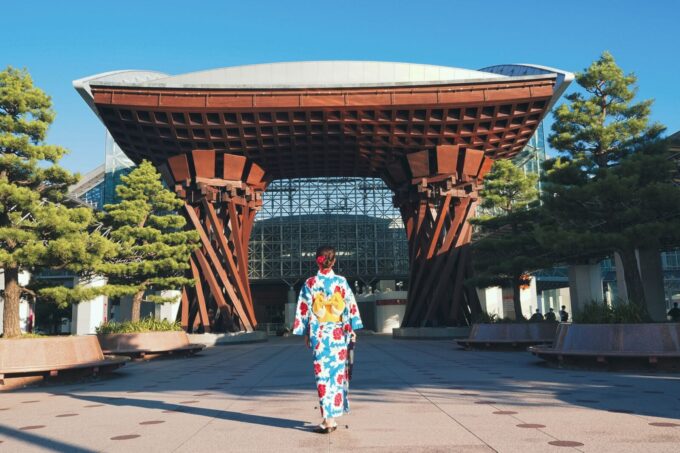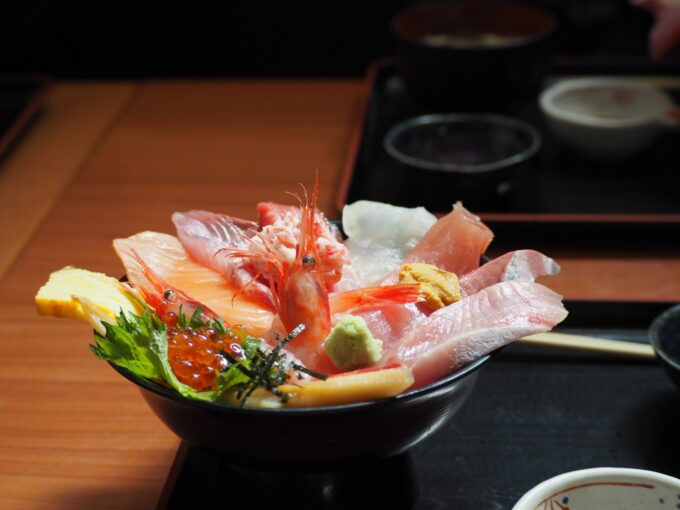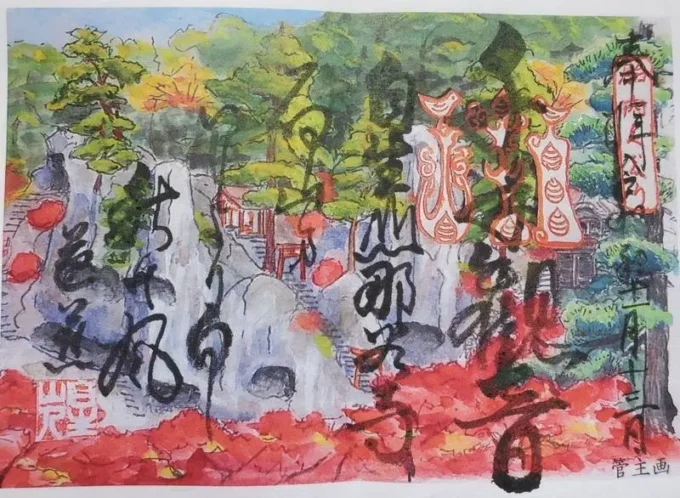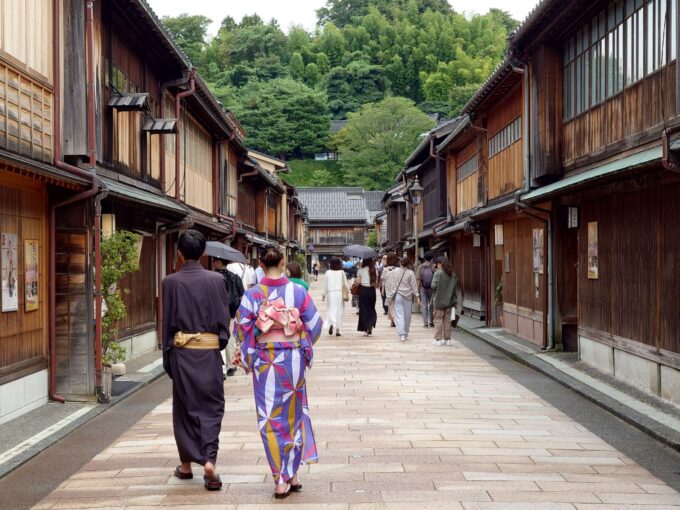
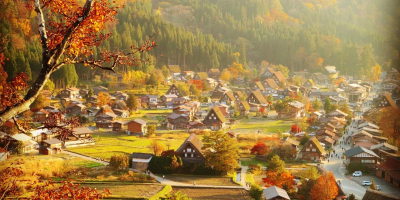






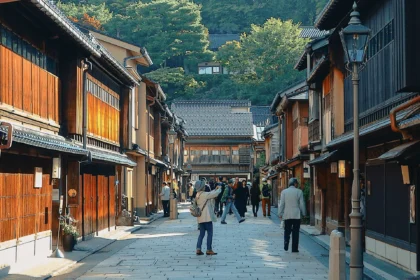

Kanazawa, situated on the western coast of central Japan, is often overlooked by first-time visitors. However, the city rarely fails to impress those who do take the time to visit the area: an abundance of nature, its historical buildings well preserved, and the home of many of Japan's most highly-esteemed crafts. Since Japan began to reopen after the COVID-19 Pandemic, Kanazawa has become a more attractive destination every year.
Where is Kanazawa?
Kanazawa is a medium-sized city near the coast of the Sea of Japan. It is easily accessible from both Tokyo and Kyoto and Osaka thanks to the Hokuriku Shinkansen, which extended its line to Kanazawa in 2015. Getting to Kanazawa from Tokyo Station is very easy - simply hop on the Hokuriku Shinkansen and it is 2.5 - 3 hours to Kanazawa, passing through Nagano and Toyama on the way.

For those coming from Kyoto or Osaka, Kanazawa is accessible via the JR Limited Express Thunderbird to Tsuruga Station. There, it is an easy transfer to the shinkansen and around 40 minutes to finally arrive at Kanazawa Station.
For those looking for a break from the hustle-and-bustle of Japan's larger cities, Kanazawa is a great place to spend a 2 - 4 days. The city's main sights can be seen in just a day, leaving time to take a day trip or two out to the region's more scenic spots - many of which are famed for their tranquillity. Kanazawa is also the perfect place for people into traditional arts and crafts: it's not called Japan's City of Crafts for no reason!
If that sounds appealing to you, why not check out our walking tour of Kanazawa? The Samurai, Matcha, Gardens and Geisha tour will take you to all of Kanazawa's major sights and give you an in-depth insight on the city's historic culture and show you what life would have been like for those living in the city during it's Golden Age.
Highlights:
- Stroll through Kenrokuen Garden, one of the most esteemed gardens in Japan.
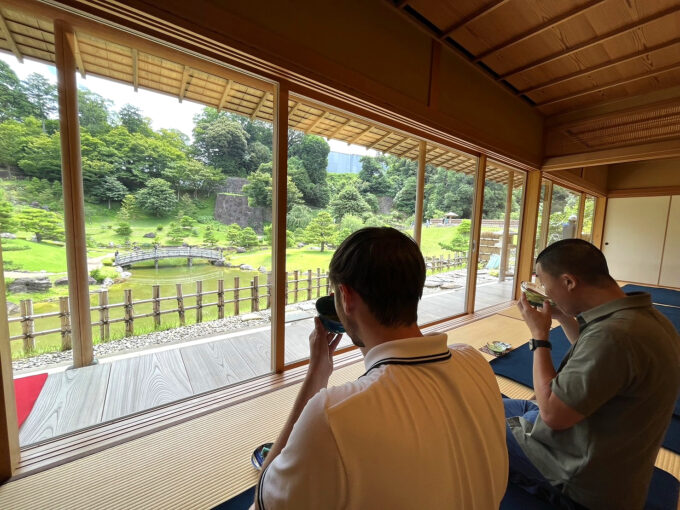
- Sip high-quality, freshly-brewed matcha while relaxing in a traditional teahouse.
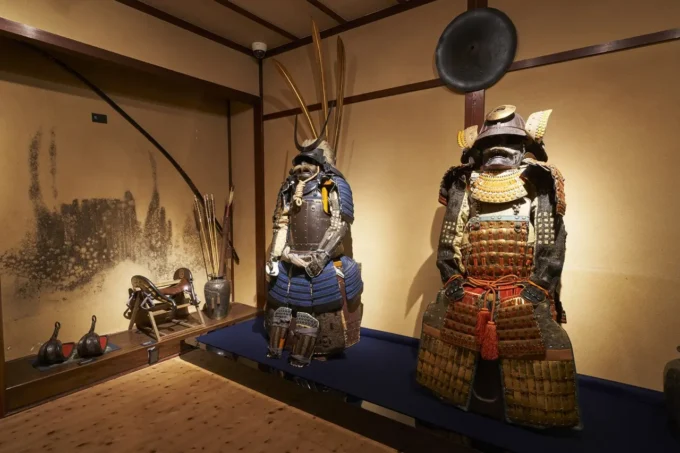
- Learn about Kanazawa's samurai history under the wealthy and powerful Maeda Clan.
Why Are So Many Crafts Connected to Kanazawa?
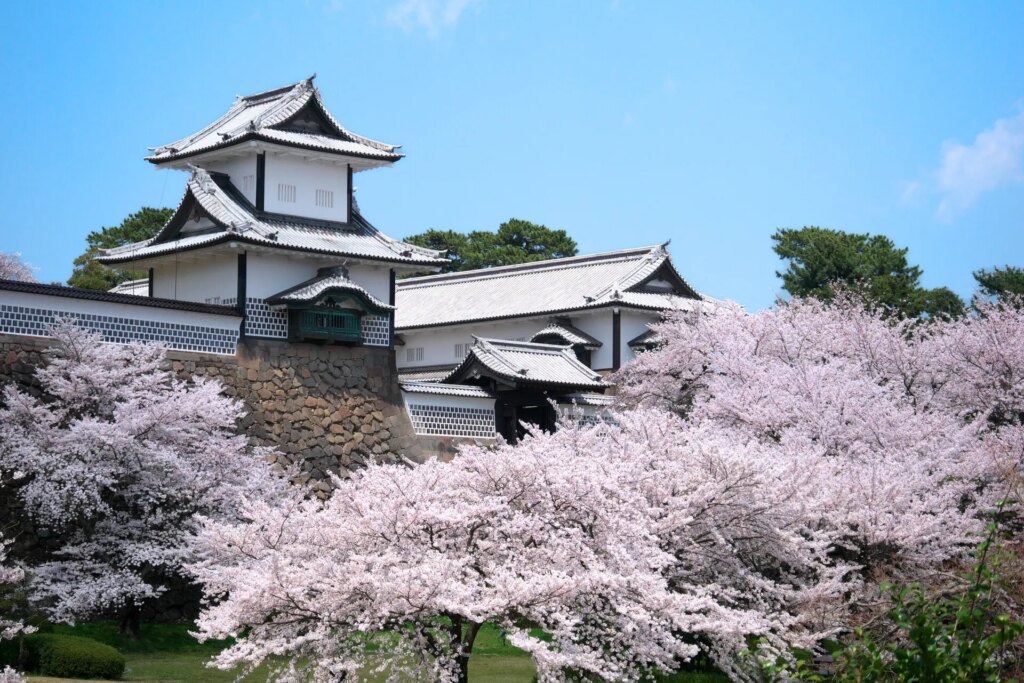
Kanazawa entered its golden age during the Edo Period (1603 - 1868), largely a time of peace in Japan. This period followed more than a century of war and, in an effort to cleanly distance themselves from rumours of military expansion, the Maeda family lords of Kanazawa invested very heavily into establishing the city as one of arts, crafts and culture.
The Maeda invited craftsmen from across to Japan to come to Kanazawa and ply their trade or work to create new crafts. In the end, more than 100 "master techniques" were gathered and, today, 22 crafts are considered major cultural traditions in Kanazawa. As those in the city are proud to say, that's more than Kyoto!
Almost all of Kanazawa's traditional crafts date back to the early 1600s for this very reason. The Maeda family are remembered very fondly for setting the city on its current path and this decision was also a reason why Kanazawa was completely untouched during WW2 bombing. Today, its historical buildings as well as its traditional crafts are well preserved.
Kanazawa's Most Notable Crafts
Gold Leaf
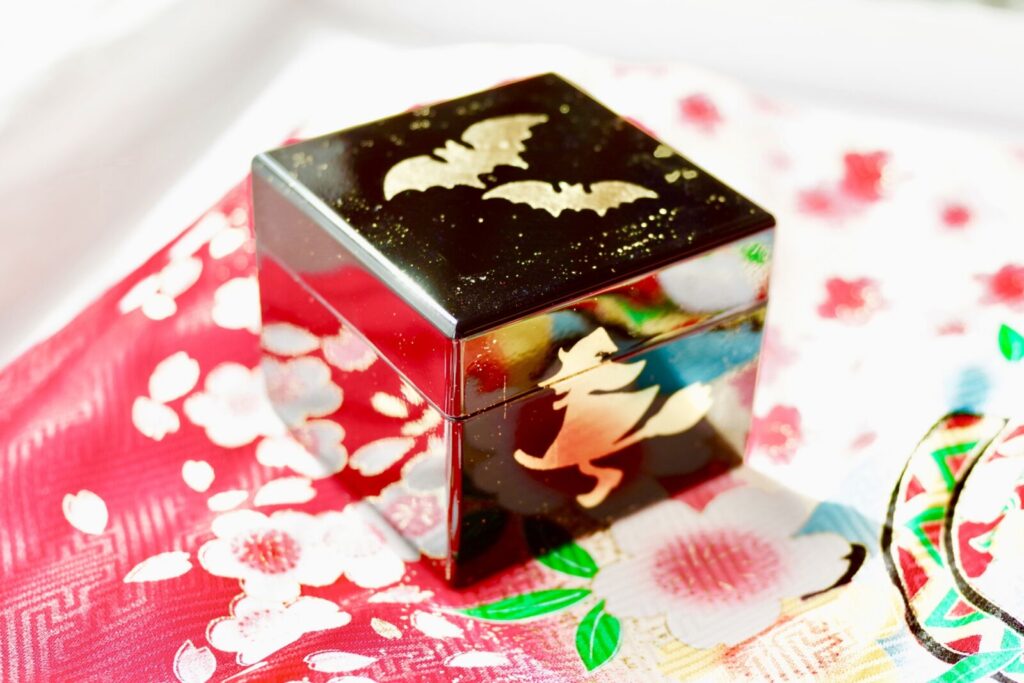
Kanazawa's tradition of gold leaf dates back to at least 1593, when an order was given by the first lord Maeda Toshiie to manufacture gold and silver leaf. Despite tight restrictions on the movement and sale of gold and silver, Kanazawa was considered the best place for gold leaf to be produced due to its consistent humidity - critically important in the manufacture of gold leaf.
Today, 98% of all gold and silver leaf in Japan is produced from Kanazawa. Kanazawa's gold leaf is known for its high quality in three particular areas: it does not oxidize, it never discolours and it does not corrode. Around 200,000 gold sheets made in Kanazawa were used in the restoration of Kinkaku-ji Temple in 1987.
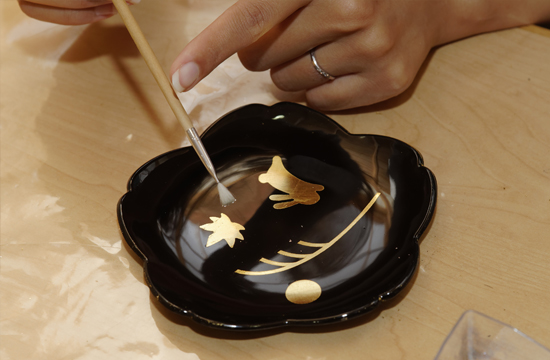
Today, gold leaf can be found in all sorts of products around Kanazawa: keychains, fridge magnets and stationary are easily available as souvenirs. Visitors can try their hand at gold leaf in workshop experiences. When specially prepared, gold leaf can even be eaten and makes a fancy decoration on ice cream, coffee and a variety of deserts.
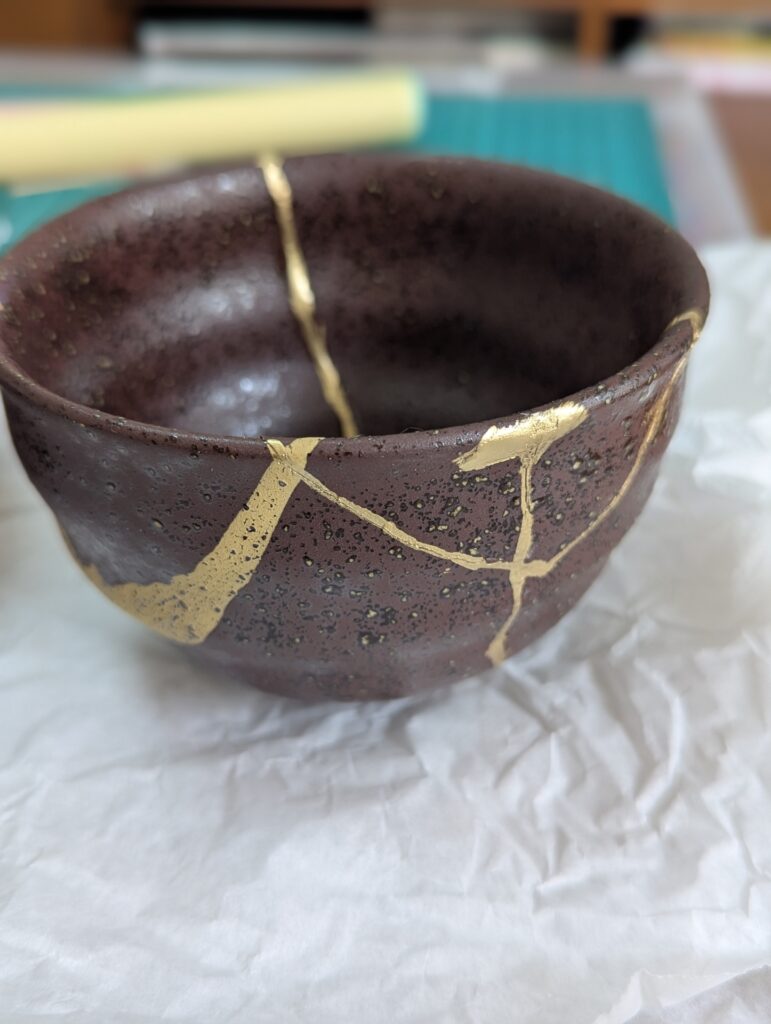

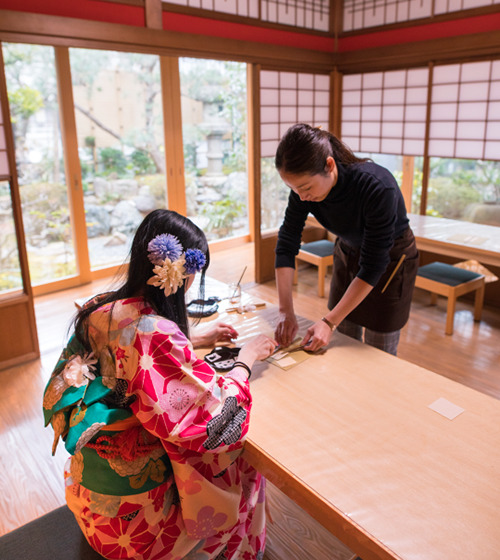
If you'd like to try decorating with gold leaf yourself, be sure to check out our Kanazawa Experiences Tour! This tour offers the chance to try a range of traditional crafts in Kanazawa and culminates with throwing ninja stars! A perfect day out for couples and families looking to experience Kanazawa to the fullest!
Kaga Yuzen Silk Dyeing
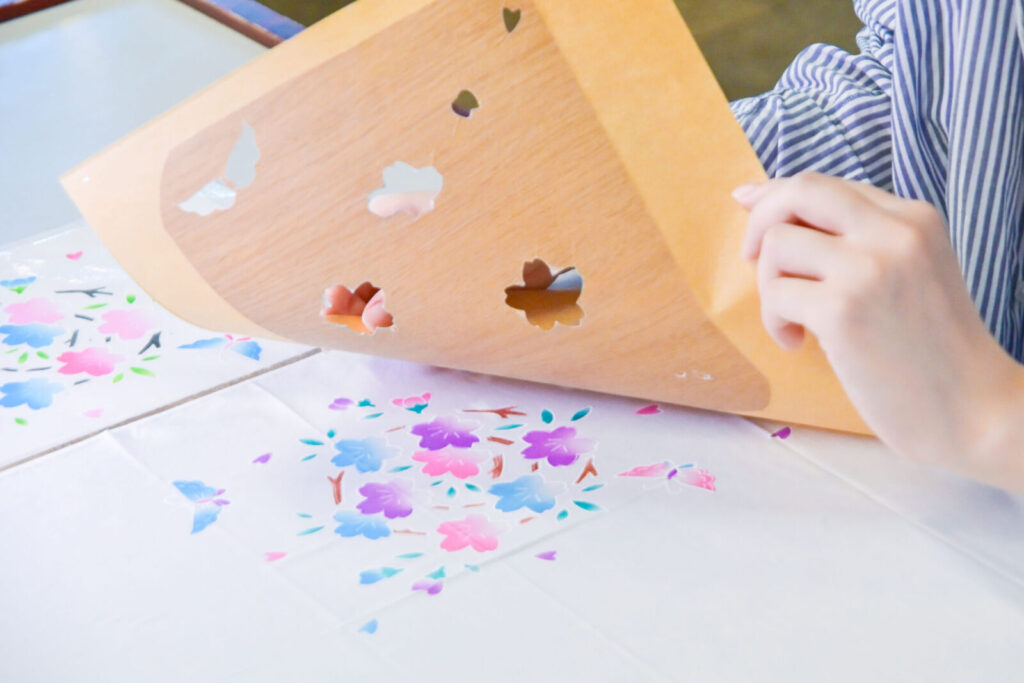
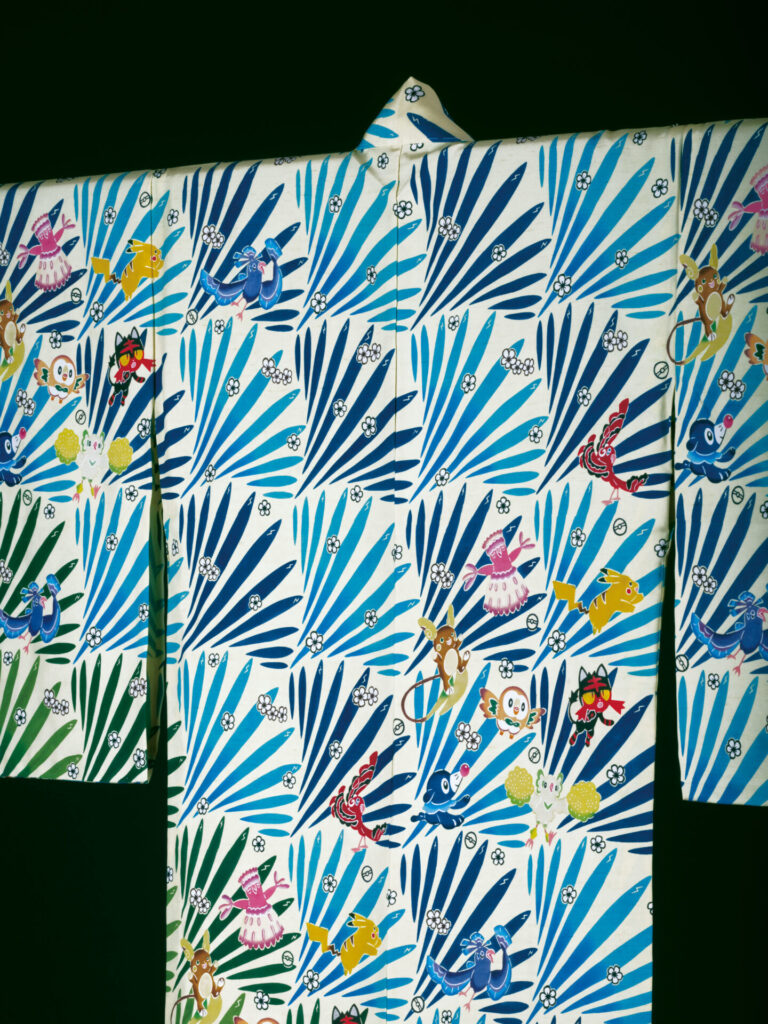
Kaga Yuzen, traditional silk dyeing techniques used to dye elaborate designs onto kimono, can be traced back to as early as the 1300s. By processing Japanese plums, called ume, dyes could be made that would adhere to fabric. The practice had relocated to Kyoto due to a tumultuous century of war but was brought back to the region in 1712.
Kaga Yuzen traditionally uses what are called the Five Colours of Yuzen (dark green, ocher, cochineal, indigo and Tyrian purple) but, today, many more are often used. Due to this, Kaga Yuzen is difficult to mass produce and has retained its status as one of the most opulent kinds of kimono decoration in the country into the modern era.
Typical Kaga Yuzen designs include landscapes, flowers, birds and scenes reflecting the seasons the kimono is meant to be worn in. Modern designs can include pop culture references like Pokémon or One Piece. One of the easiest and most-consistent identifying features of Kaga Yuzen, though, is how the colours gradient and are built in layers.
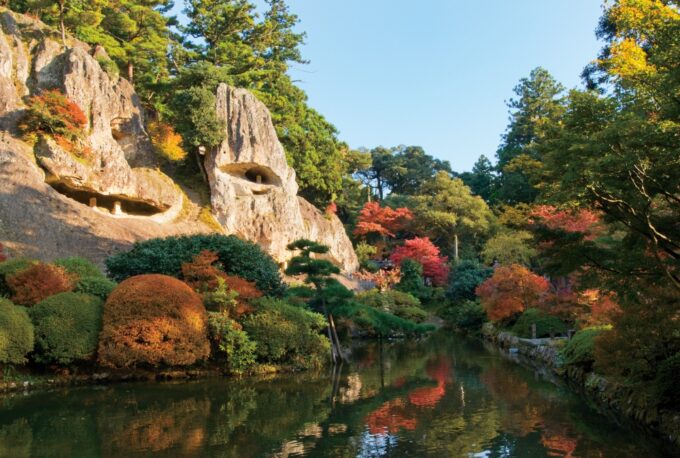
Want to try Kaga Yuzen for yourself? Our Beautiful Natadera Temple, Craft Village and Dance with Real Geisha in Yamanaka Onsen offers the chance to give this beautiful art a go. Running every Saturday and Sunday!
Highlights:
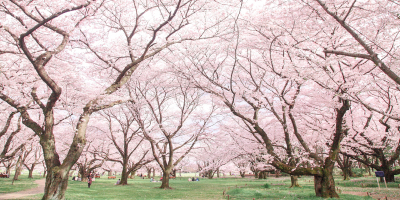
- Walk through the stunning grounds of Natadera Temple, famed as one of the best places in Japan to see in each of the seasons!
- Dye your own silk in the traditional Kaga Yuzen style
- See real geisha perform and even have a chance to dance on stage with them yourself!
Kutani-yaki Porcelain
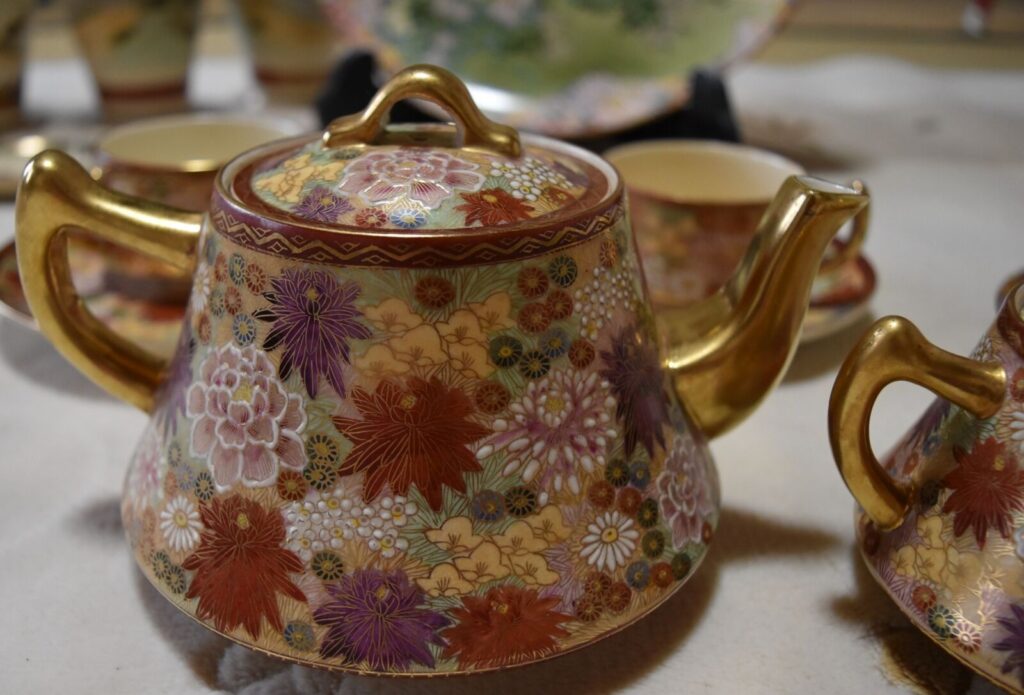
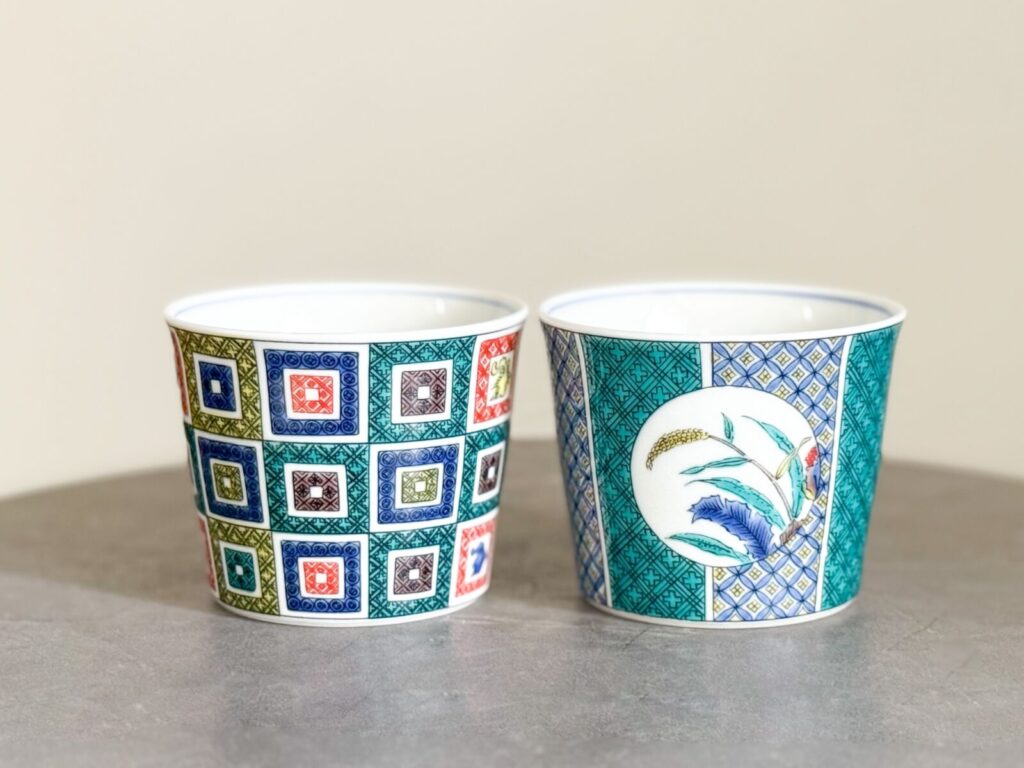
Kutani-yaki porcelain ware is a relatively-recent craft in Kanazawa, only dating back to 1806 when the then-lord brought a famous potter to the city from Kyoto. The region has kilns which date back to the early-1600s, but the art was thought to have died out. The potter successfully revived the practice and began to incorporate other crafts such as gold leaf and Kaga Yuzen patterns into his work.
The high-quality porcelain is known for its striking colours, detailed and elegant designs and high-viscosity paint. For those travelling on a budget, mass-produced kutani-yaki is still considered good value, while more expensive and completely handmade options are easy to find.
It's natural to worry about taking something as fragile as porcelain home with you, but many shops selling kutani-yaki around Kanazawa are experts at carefully wrapping the items up to avoid any breakages!
Lacquerware
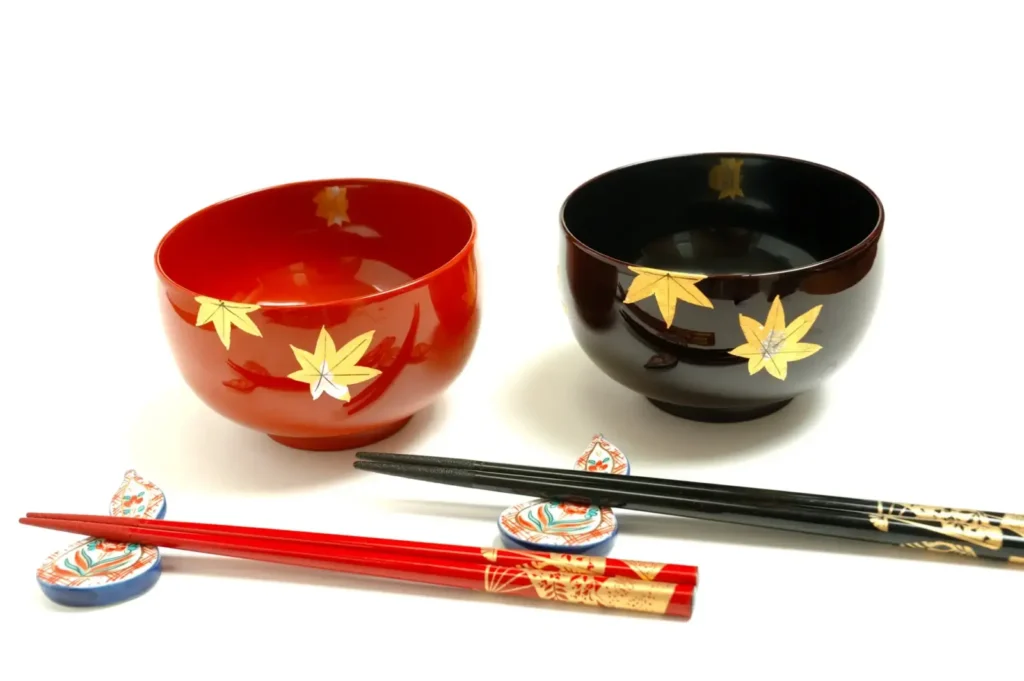
The regions around Kanazawa are known for several traditional styles of lacquerware painting - often called shikki, nuri, or maki-e - and all can be found in different parts of the city.
The region's lacquerware crafts date back to the third lord of Kanazawa, circa 1625, who is said to have issued a summons for several lacquerware masters to come to the city. The masters set up their own studios, taught locals their styles and, buoyed by the surge of wealth that spread across the region, their work was a hot commodity for the growing aristocratic class.
Today, Yamanaka-onsen is one of the region's centres for lacquerware designs. The Yamanaka-style often uses bright colour or gold on the lacquerware to give a strong visual impression from afar.
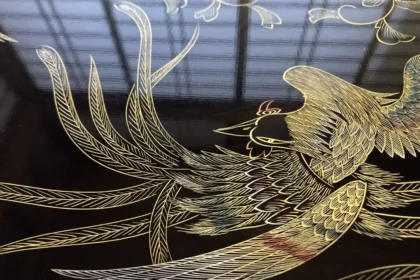
The Kanazawa-style lacquerware involves actually scraping or scratching the design into the lacquerware, then going over it with gold leaf. Other workshops inlay shells to show white through the designs and give them a texture.
Perhaps the most famous style from the region, though, is Wajima-nuri in the northern part of Ishikawa Prefecture called the Noto Peninsula. Wajima-nuri uses high quality powder called jinoko which is found only in the area surrounding Wajima City. Wajima-nuri often incorporates carving into the material then filling it with gold leaf, but designs often also incorporate painting.
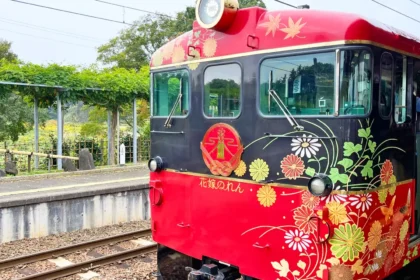
Today, many eye-catching designs around Kanazawa are inspired by Wajima-nuri, including this train called the Hanayome no Ren ("The Bridal Curtain") which travels from Kanazawa Station to Wajima Station and back.
Mizuhiki
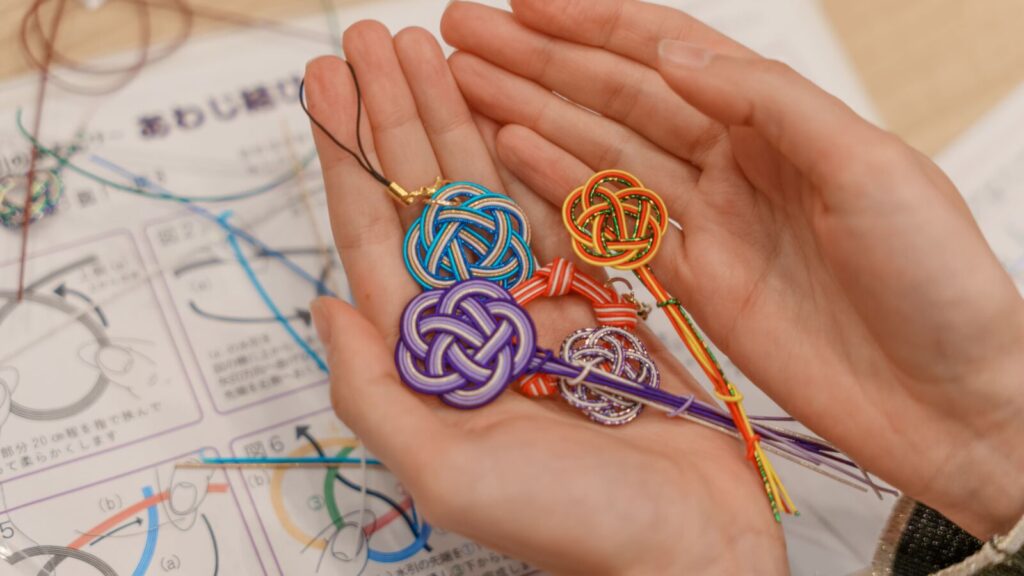

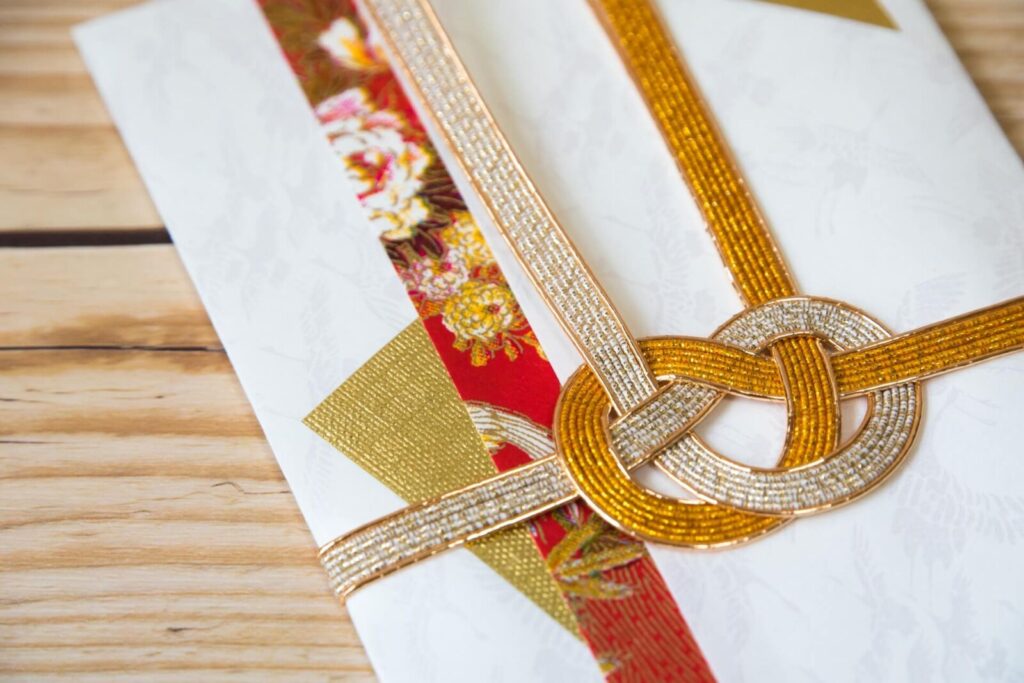
Mizuhiki are charming designs made of paper cords woven into intricate, unbroken patterns. Mizuhiki are often used in ceremonies - especially around giving and receiving gifts - and be thought of in the same way as many western countries tie a gift with a bow or ribbon for decoration.
Today, mizuhiki can be bought as keyrings, pins, or even as wearable jewellery like earrings or hair ties.
Wagashi - Traditional Sweets
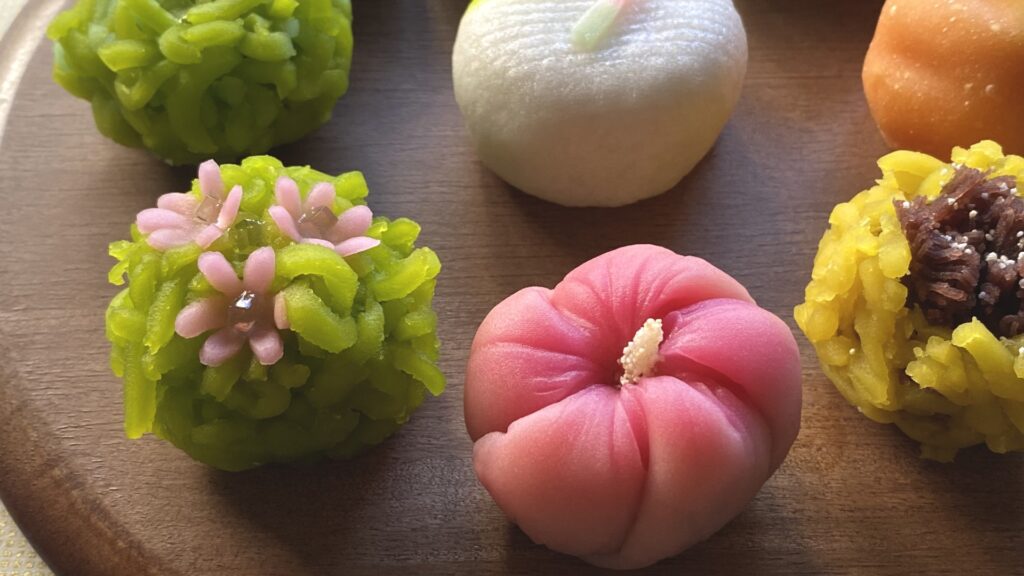
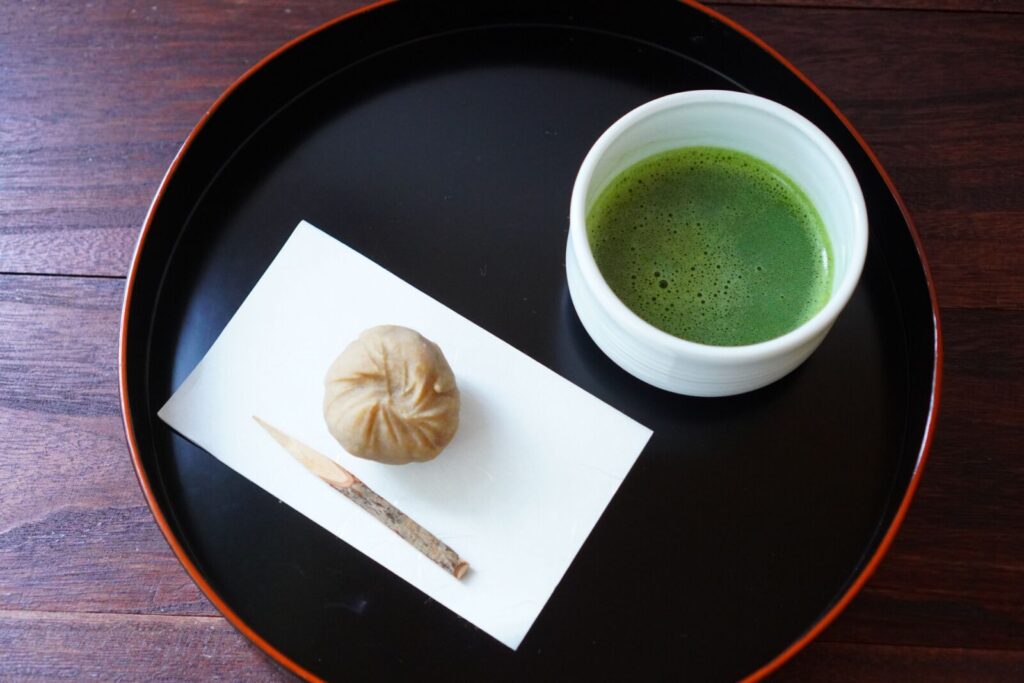
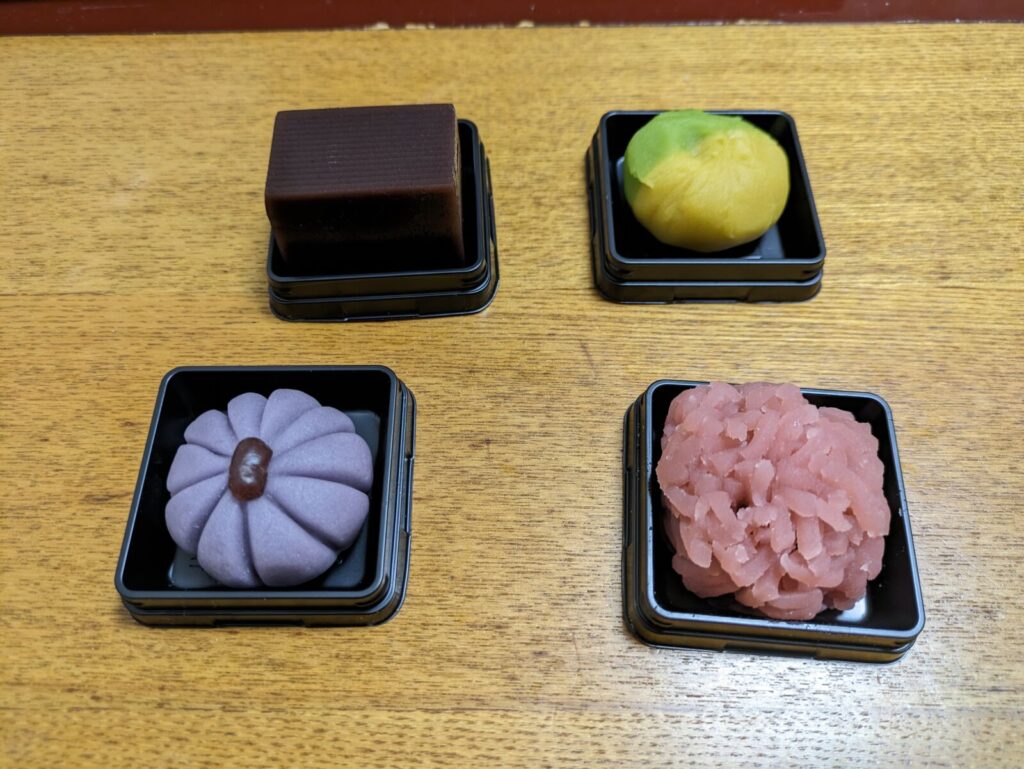
Kanazawa has long had a love for traditional sweets called wagashi. One of the city's most storied confectioners, Morihachi, was founded in 1625 after the third lord of Kanazawa commissioned a local confectioner to create a new sweet to promote the city. The confectioner came up with choseiden, a type of pressed sugar meant to be consumed during tea ceremony. To say the lord was pleased would be an understatement; he hired the confectioner as his personal sweet maker.
The lord was huge patron of tea ceremony, so his subjects sought to master the practice themselves to impress their lord and, naturally, Kanazawa's confectionary catalogue grew. Common ingredients include rice flour, red bean, white bean, sugar and chestnut. The sweets are coloured and shaped to resemble seasonal flours or give an impression of a seasonal image - snow melting on the mountaintops, a cherry blossom falling etc. As Japanese matcha is usually unsweetened, the strong sweetness of wagashi can balance the sharp bitterness of the tea.