
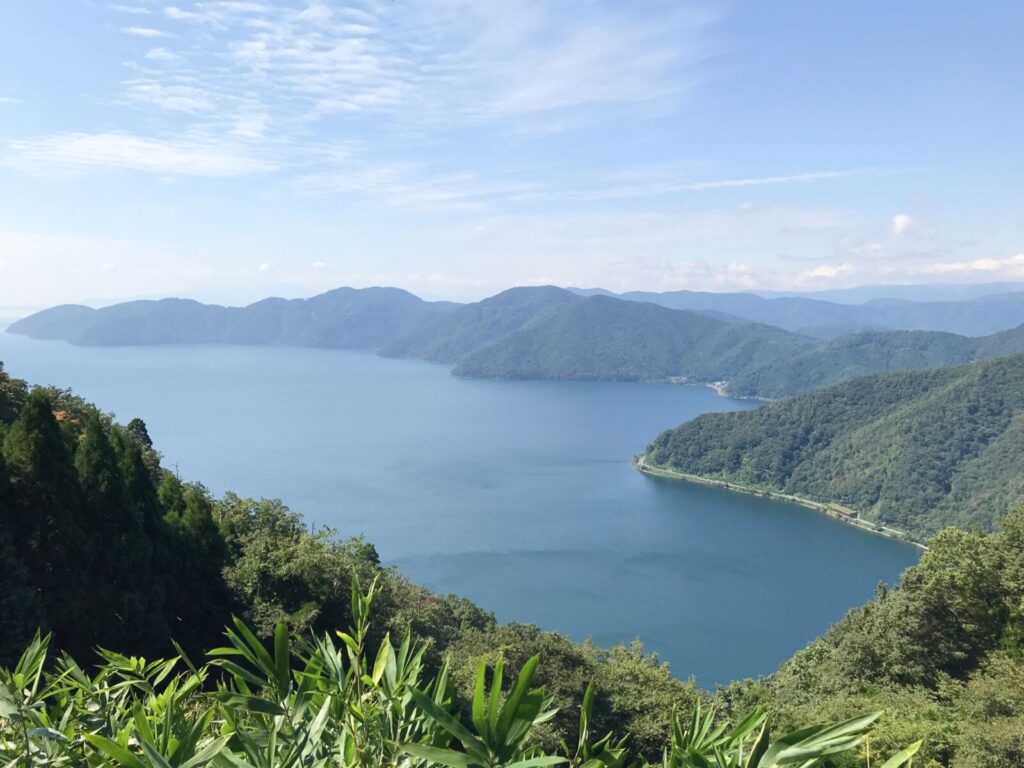
Stretching across the heart of Shiga Prefecture, Lake Biwa (Biwako) is Japan's largest freshwater lake and one of the oldest lakes in the world. More than four million years old, the lake has shaped the history, culture, economy, and spiritual traditions of central Japan for thousands of years. Today, it remains one of Kansai's most rewarding destinations, offering historic castles, sacred islands, lakeside towns, scenic cruises, cycling routes, beaches, and mountain views—all within easy reach of Kyoto and Osaka.
Despite its size and historical importance, Lake Biwa is often overlooked by international visitors. Those who venture beyond Japan's famous cities are rewarded with a destination where ancient temples, samurai history, nature, and local culture come together in a way few places can match. Whether you're planning a relaxing day trip, an outdoor adventure, or a deeper exploration of Shiga Prefecture, Lake Biwa offers experiences for every type of traveller.
Where is Lake Biwa?
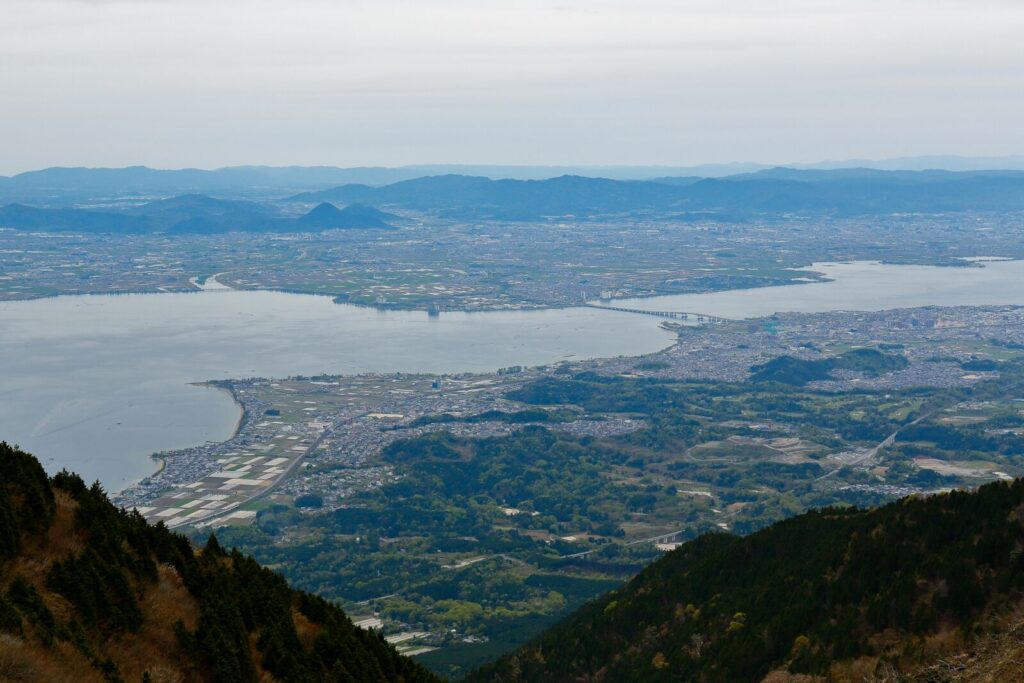
Lake Biwa is located in Shiga Prefecture, immediately east of Kyoto in Japan's Kansai region. Covering approximately 670 square kilometres, it occupies nearly one-sixth of the prefecture and supplies drinking water to more than 14 million people, including residents of Kyoto and Osaka.
Thanks to its convenient location, Lake Biwa is easily reached by rail from many of Japan's major cities. Kyoto is less than 15 minutes from the southern lakeshore, while destinations such as Nagahama and Hikone in northern Shiga can be reached in around one hour. Visitors travelling from Nagoya can also access the lake quickly via the JR Tokaido Line and Shinkansen connections.
The lake is surrounded by historic towns, scenic mountains, temples, shrines, and recreational areas, making it an ideal destination for day trips as well as longer stays.
Why Visit Lake Biwa?
One of the World's Oldest Lakes
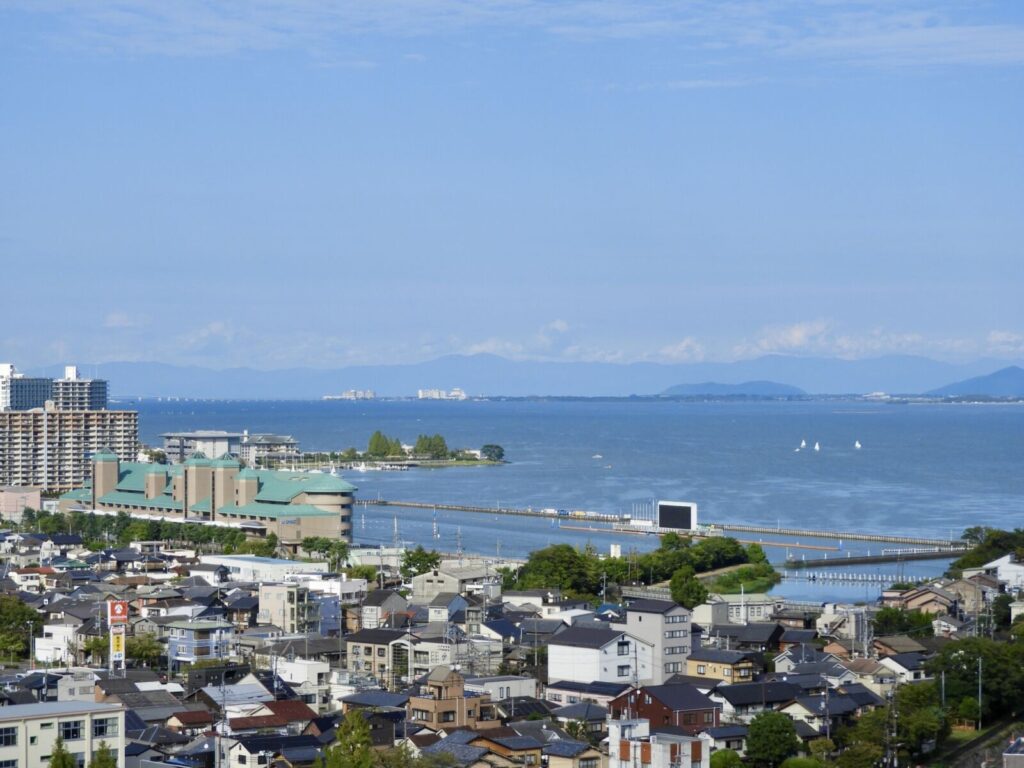
Lake Biwa is estimated to be more than four million years old, making it one of the oldest lakes on Earth. Its remarkable age has allowed a unique ecosystem to develop, with dozens of endemic species found nowhere else in the world. The lake has also supported human communities for thousands of years, shaping the history of the Kansai region long before Kyoto became Japan's imperial capital.
The Heart of Shiga Prefecture
Life in Shiga has always revolved around Lake Biwa. For centuries, the lake served as an important transportation route connecting eastern and western Japan, while its waters supported fishing communities, agriculture, commerce, and religious pilgrimage. Even today, the lake remains central to daily life, providing drinking water, recreation, and countless opportunities for sightseeing.
Easy to Explore from Kyoto and Osaka
One of Lake Biwa's greatest advantages is its accessibility. Visitors staying in Kyoto or Osaka can reach many of the lake's highlights in less than an hour, making it one of the easiest day-trip destinations in the Kansai region. Whether you're interested in history, hiking, temples, cycling, or simply escaping the city, Lake Biwa offers an excellent alternative to Japan's more crowded tourist destinations.
The History of Lake Biwa
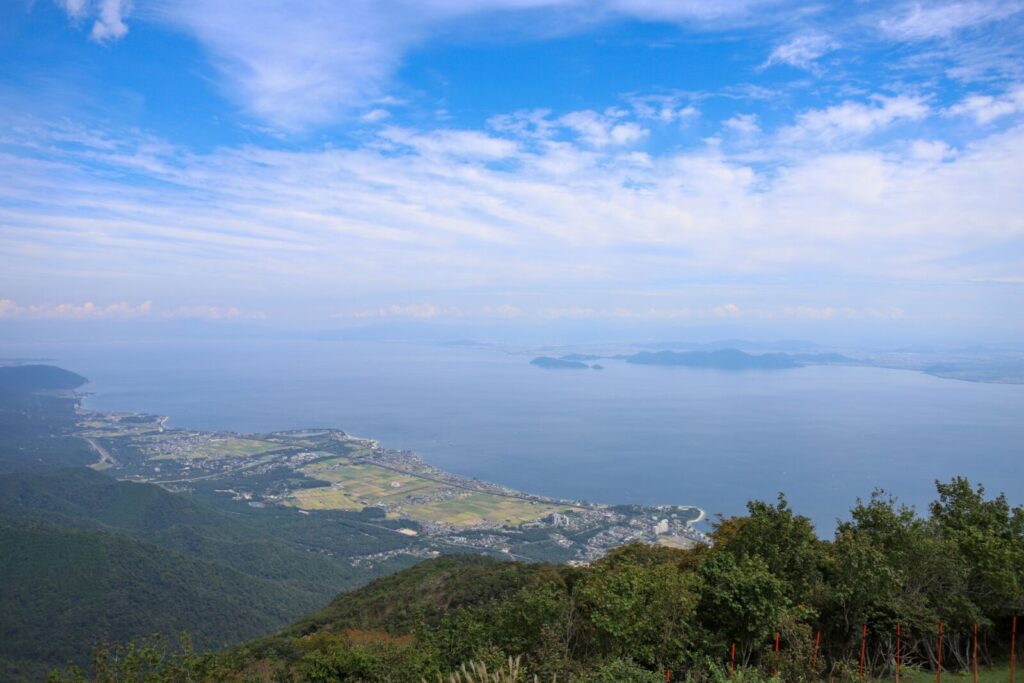
Lake Biwa has influenced Japanese history for thousands of years. Long before written records, its shores were home to early settlements that depended on the lake for food, transportation, and trade. During Japan's ancient and medieval periods, the lake became an important route linking Kyoto with eastern Japan, helping merchants, monks, nobles, and military leaders travel across the country.
The lake also played an important spiritual role. Sacred mountains, islands, and springs surrounding Lake Biwa became centres of both Shinto worship and Buddhism. Chikubu Island emerged as one of Japan's most important religious sites, while nearby Mount Hiei became the home of Enryaku-ji, one of the country's most influential Buddhist monasteries.
During the Sengoku (Warring States) period, control of Lake Biwa meant control of key transportation routes. Powerful figures including Oda Nobunaga, Toyotomi Hideyoshi, and Tokugawa Ieyasu all recognised the region's strategic importance. Castles such as Hikone Castle and Nagahama Castle were built to protect trade routes and demonstrate political power, leaving behind a rich samurai heritage that visitors can still explore today.
The Best Things to Do Around Lake Biwa
Whether you're interested in history, nature, outdoor adventure, or traditional culture, Lake Biwa offers something for every type of traveller. From National Treasure castles and sacred islands to mountain viewpoints and charming lakeside towns, the region is filled with rewarding day trips that are easily reached from Kyoto, Osaka, and Nagoya.
Visit Chikubu Island
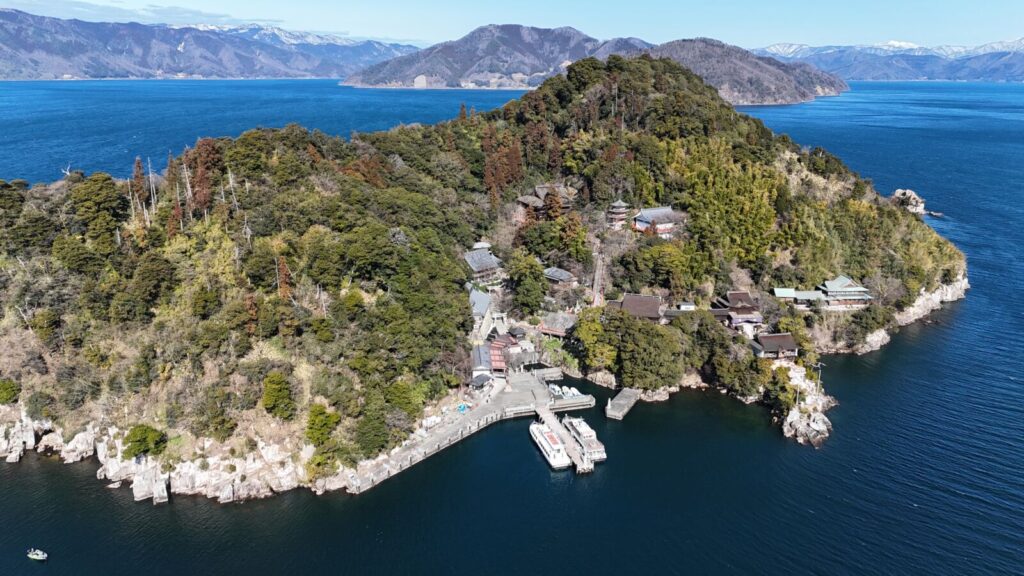
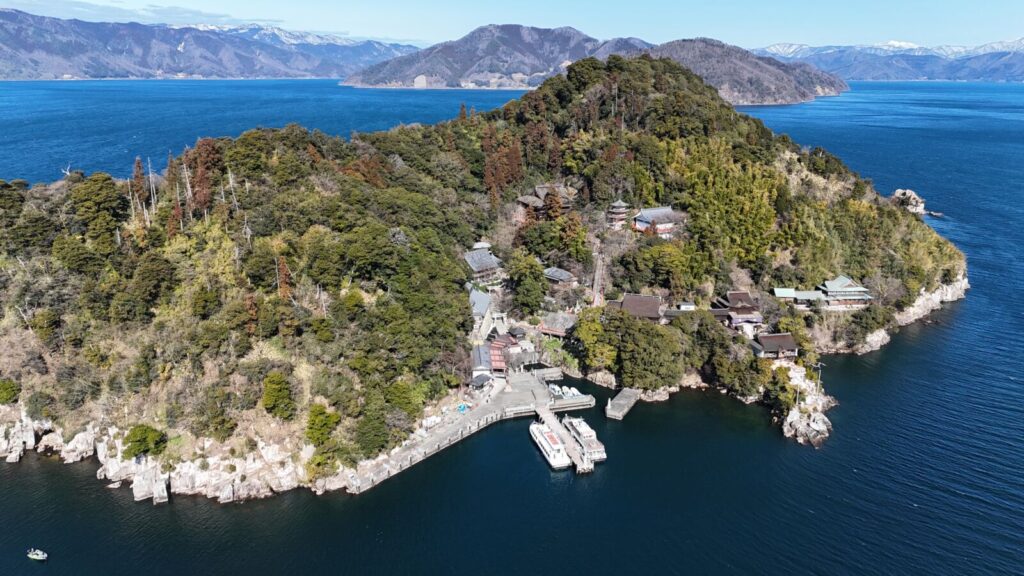
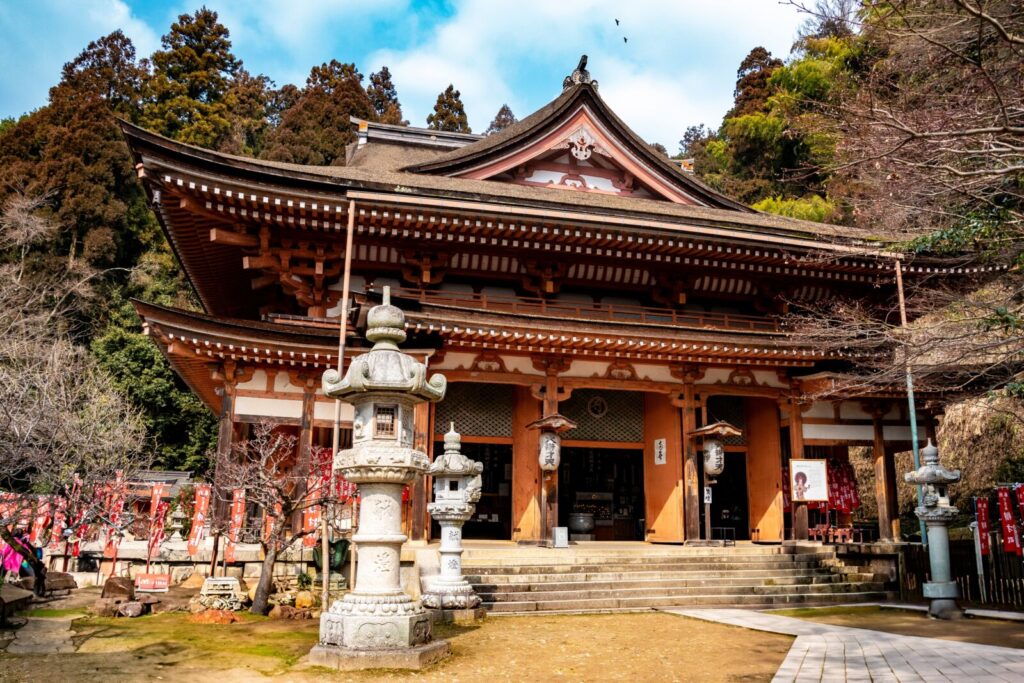
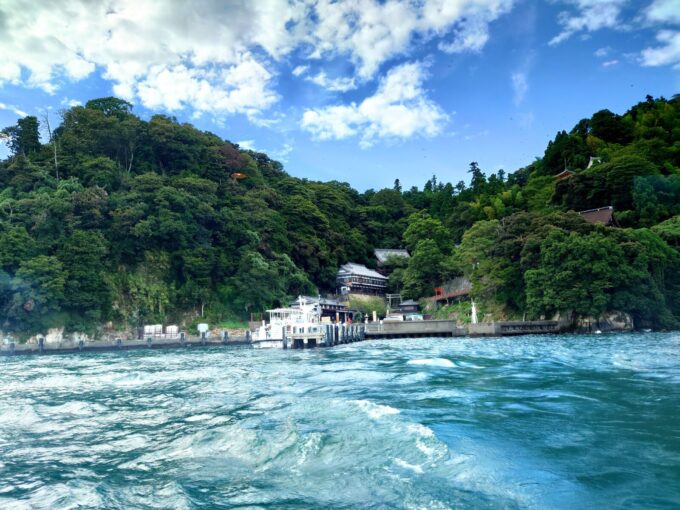
One of Lake Biwa's most unforgettable destinations is Chikubu Island (Chikubushima), a sacred island that has welcomed pilgrims for more than 1,300 years. Home to Hōgon-ji Temple and Tsukubusuma Shrine, the island is accessible only by ferry and combines beautiful lake scenery with centuries of religious history.
Explore Hikone Castle
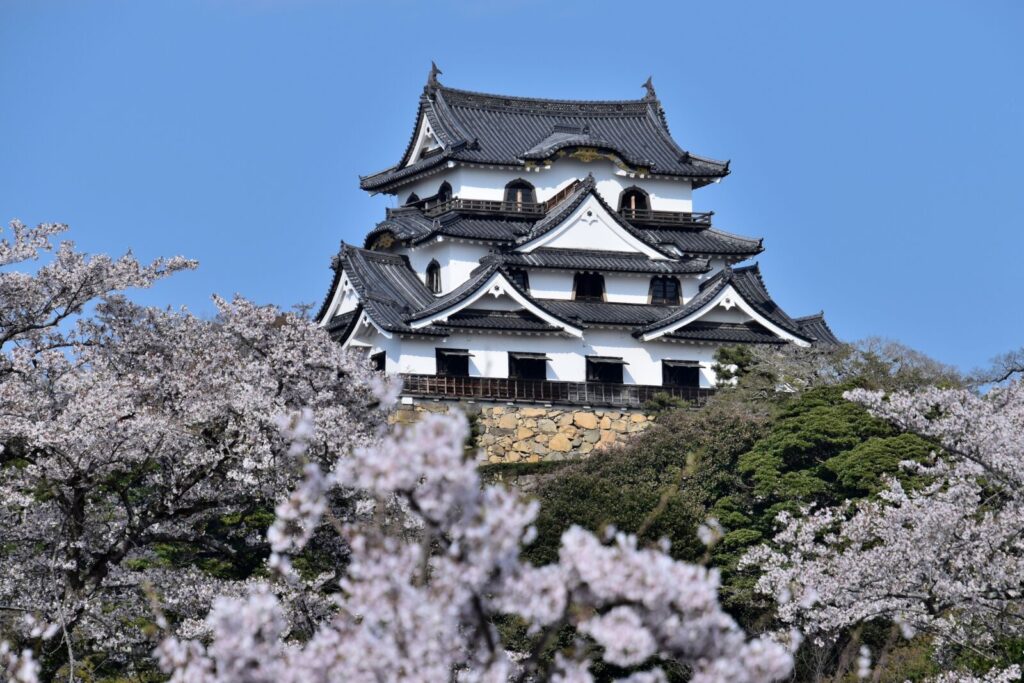
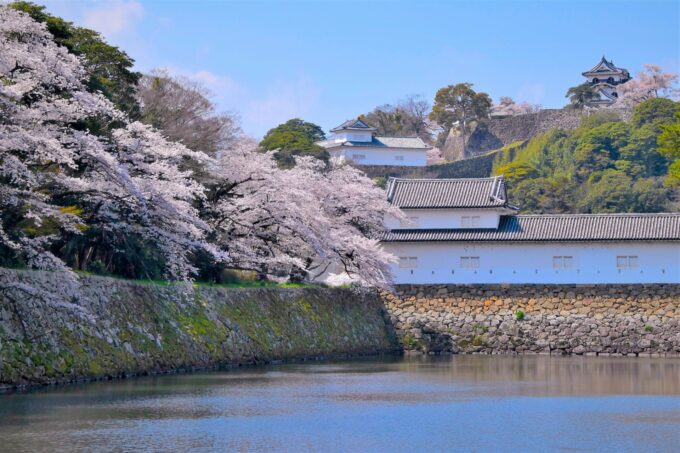
Designated a National Treasure, Hikone Castle is one of only twelve original castles remaining in Japan. Climb the historic keep, walk through its impressive defensive gates, and enjoy panoramic views across Lake Biwa before exploring the beautifully preserved castle town below.
Discover Nagahama
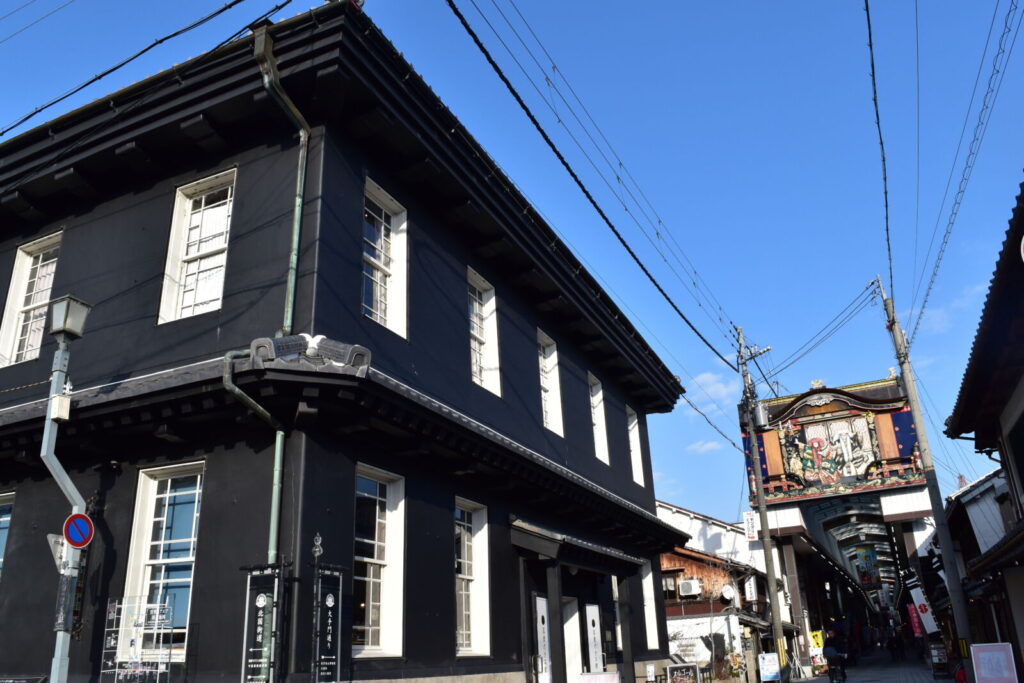
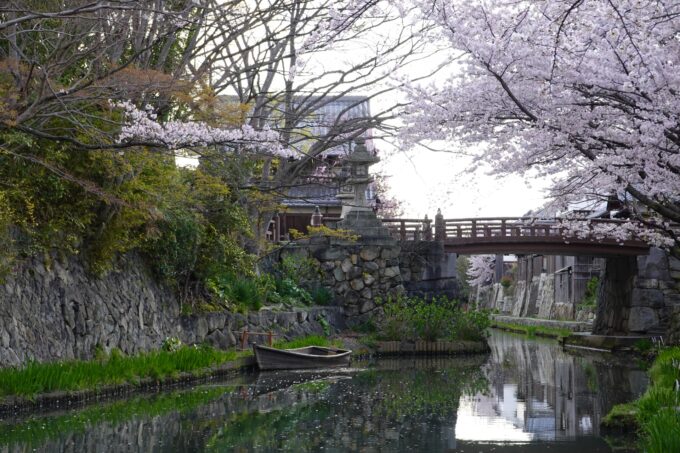
Founded by Toyotomi Hideyoshi, Nagahama is one of northern Shiga's most attractive towns. Wander the historic streets of Kurokabe Square, browse local shops and cafés, visit Nagahama Castle, or use the town as your gateway to Chikubu Island.
Visit Shirahige Shrine
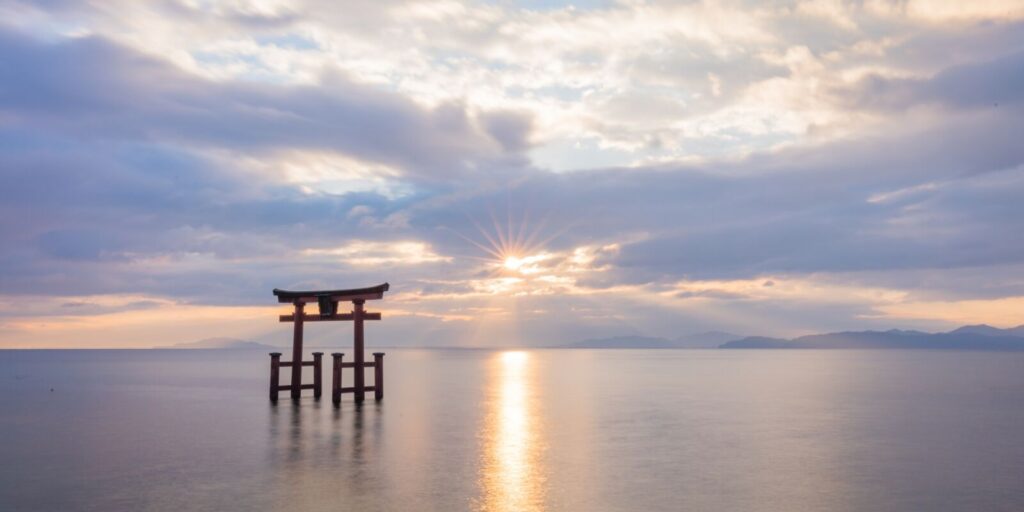
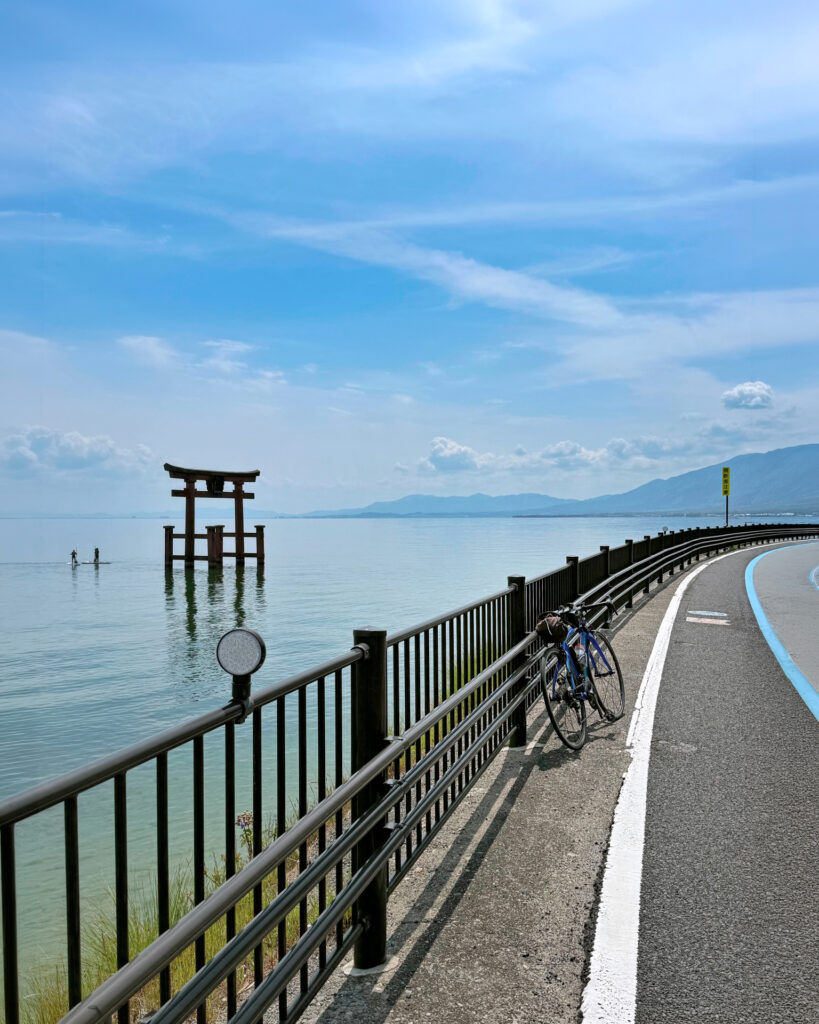
The floating torii gate of Shirahige Shrine is one of Lake Biwa's most photographed landmarks. Standing just offshore, it appears to rise directly from the water and is particularly beautiful at sunrise and sunset.
Ride the Ropeway to Biwako Valley
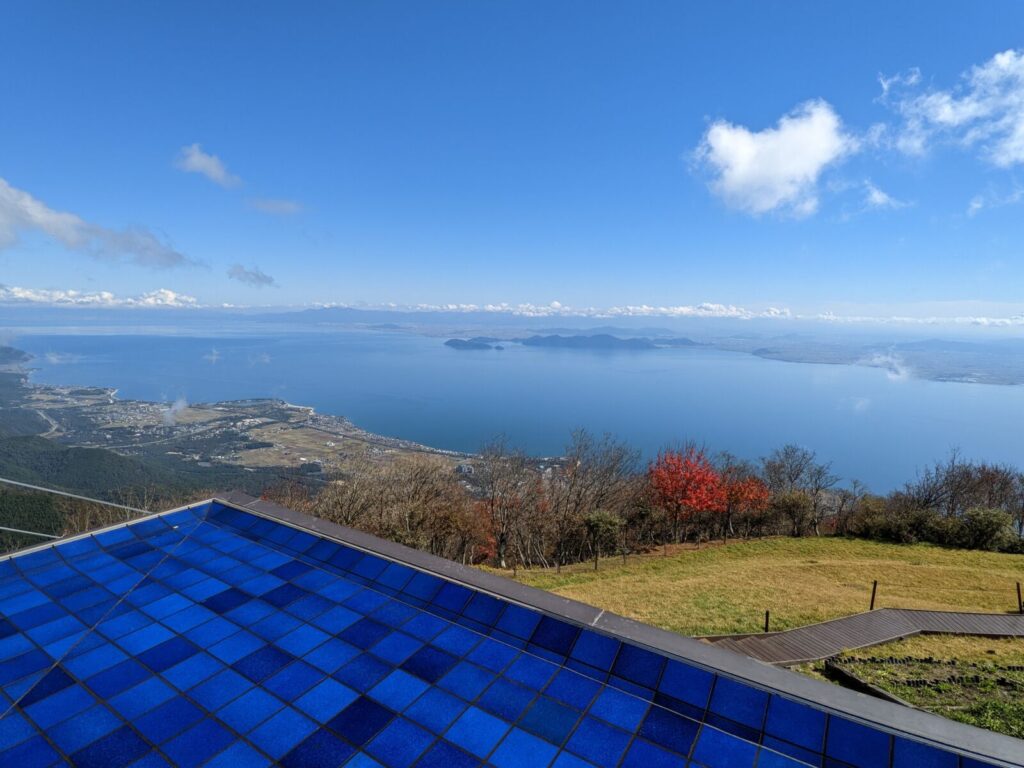
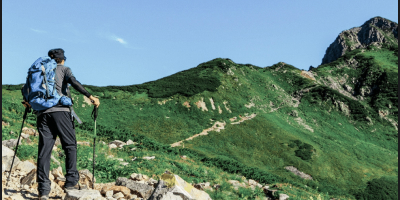
High above the western shore of the lake, Biwako Valley offers spectacular views from Biwako Terrace, one of Kansai's most famous scenic viewpoints. Visitors can enjoy hiking in the warmer months and skiing or snowboarding during winter.
Discover Local Food and Culture
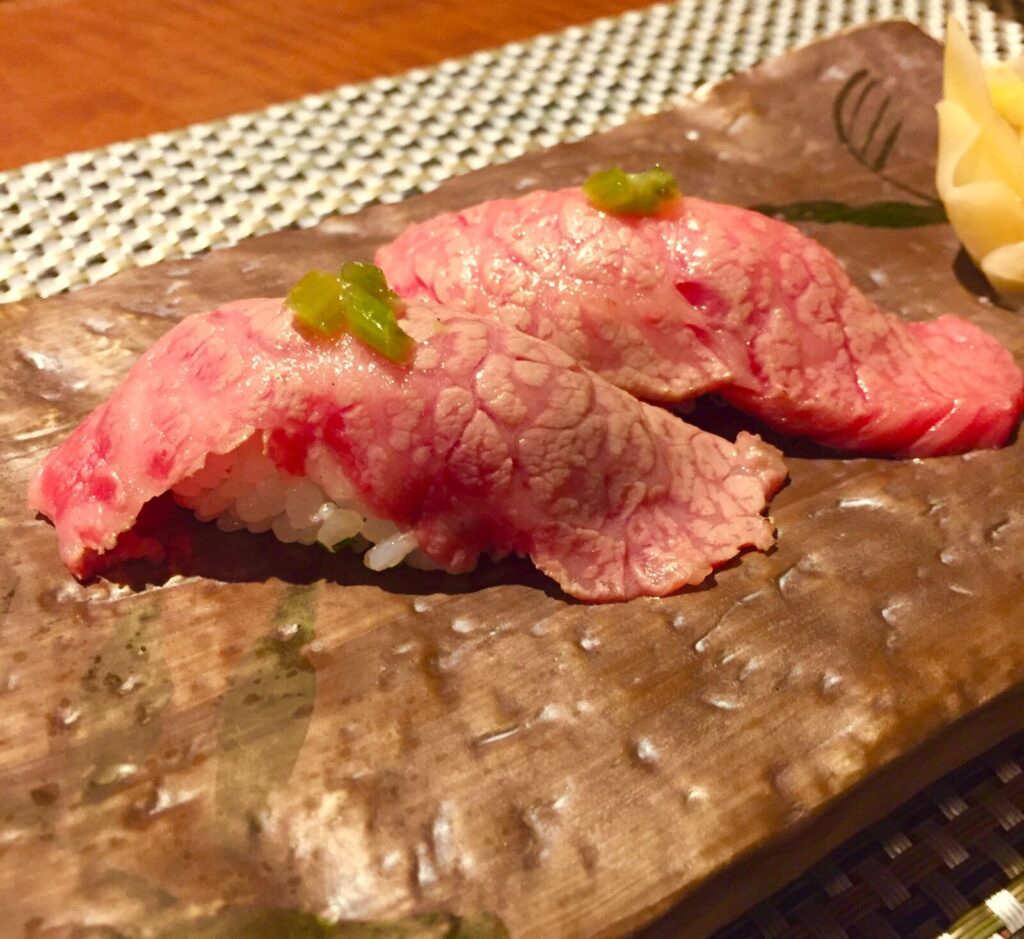
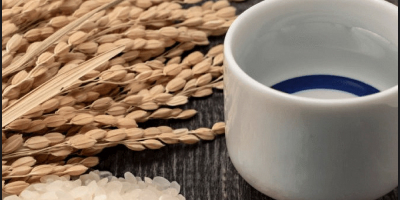
No visit to Lake Biwa is complete without experiencing Shiga's local cuisine. Try famous Omi Beef, sample traditional freshwater fish dishes such as funazushi, enjoy regional sake, or explore historic towns where centuries-old food traditions continue today.
Visit Lake Biwa Museum
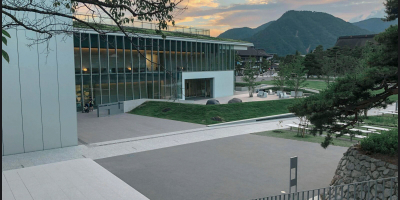
Located in Kusatsu, the Lake Biwa Museum is one of Japan's leading freshwater museums. Interactive exhibits explore the lake's four-million-year history, unique wildlife, archaeology, and the relationship between Lake Biwa and the people who have lived along its shores for thousands of years. It's an excellent stop for families and anyone interested in understanding the lake beyond its scenic beauty.
Experience Lake Biwa by Boat
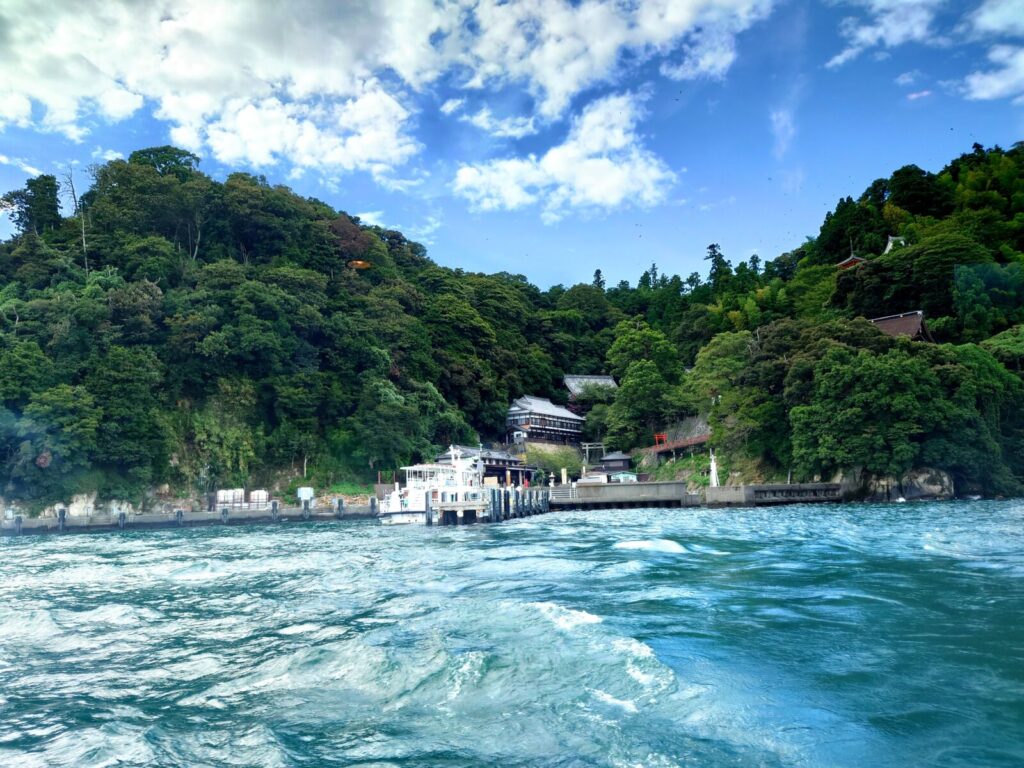
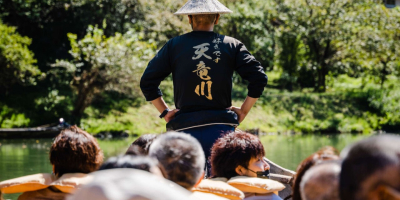
Lake Biwa has served as an important transportation route for centuries, and today one of the best ways to appreciate its size and beauty is from the water. Whether you're visiting sacred islands, enjoying a leisurely sightseeing cruise, or travelling between lakeside towns, a boat trip offers a unique perspective of Japan's largest freshwater lake.
Several different cruise experiences are available throughout the year:
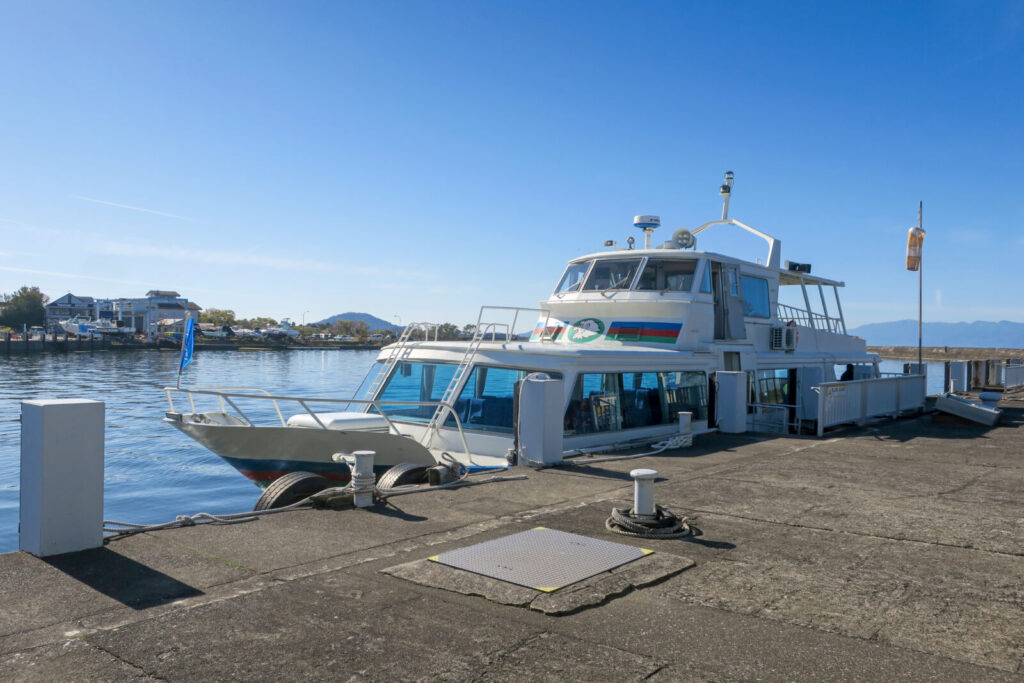
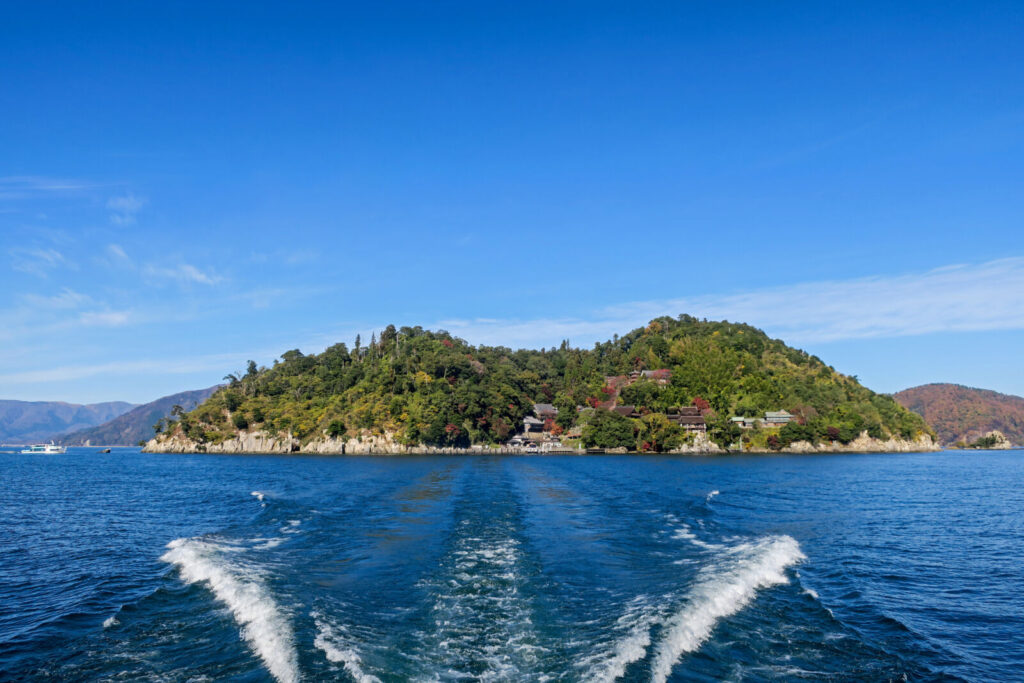
- Chikubu Island Cruise – The lake's most popular sightseeing cruise, connecting Nagahama and Imazu with the sacred island of Chikubushima. This is the best option for visitors interested in history, temples, and scenic views.
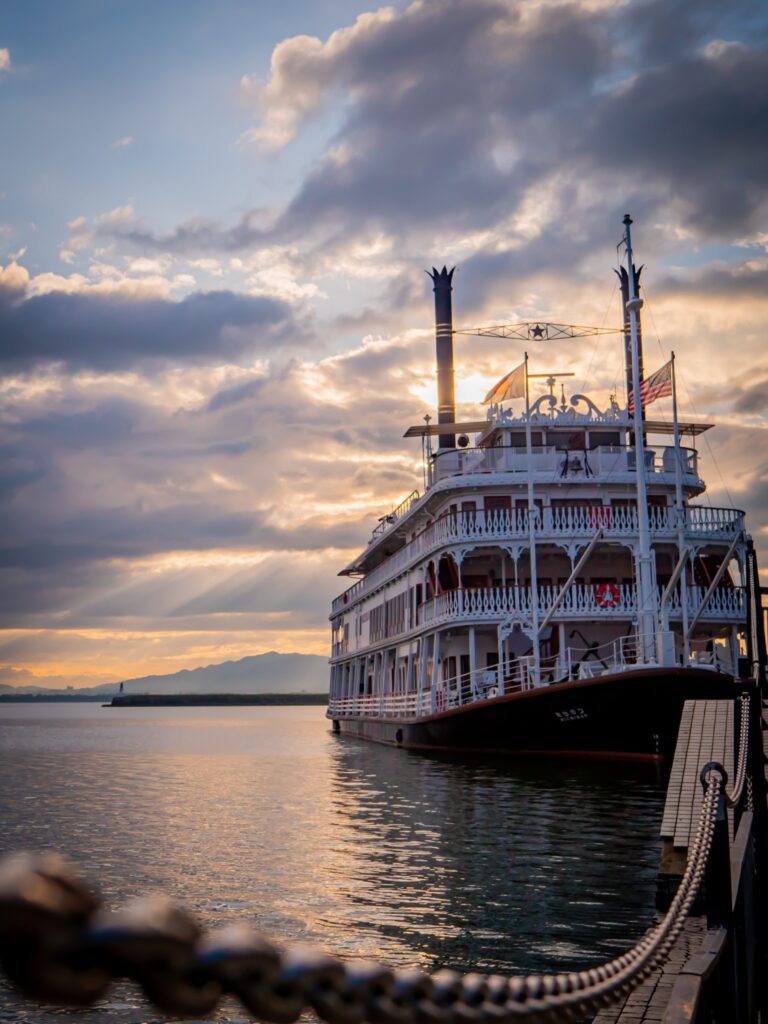
- Michigan Cruise – A paddlewheel sightseeing boat departing from Otsu, offering lunch, afternoon, sunset, and evening cruises across the southern portion of Lake Biwa.
- Bianca Cruise – A modern sightseeing vessel operating special daytime and seasonal cruises with panoramic views of the lake.
- Okishima Ferry – Travel to Japan's only inhabited freshwater island, where traditional fishing communities continue to thrive.
Whether you're looking for a relaxing sightseeing cruise or a cultural day trip, exploring Lake Biwa by boat is one of the region's most memorable experiences.
Outdoor Activities Around Lake Biwa
Lake Biwa is one of western Japan's premier outdoor recreation destinations, offering activities throughout the year for visitors of all ages.
Cyclists from around the world travel to Shiga to complete Biwaichi, the approximately 200-kilometre route that circles Japan's largest lake. While some riders complete the entire circuit over several days, shorter sections are ideal for casual cyclists wanting to experience the lakeside scenery.
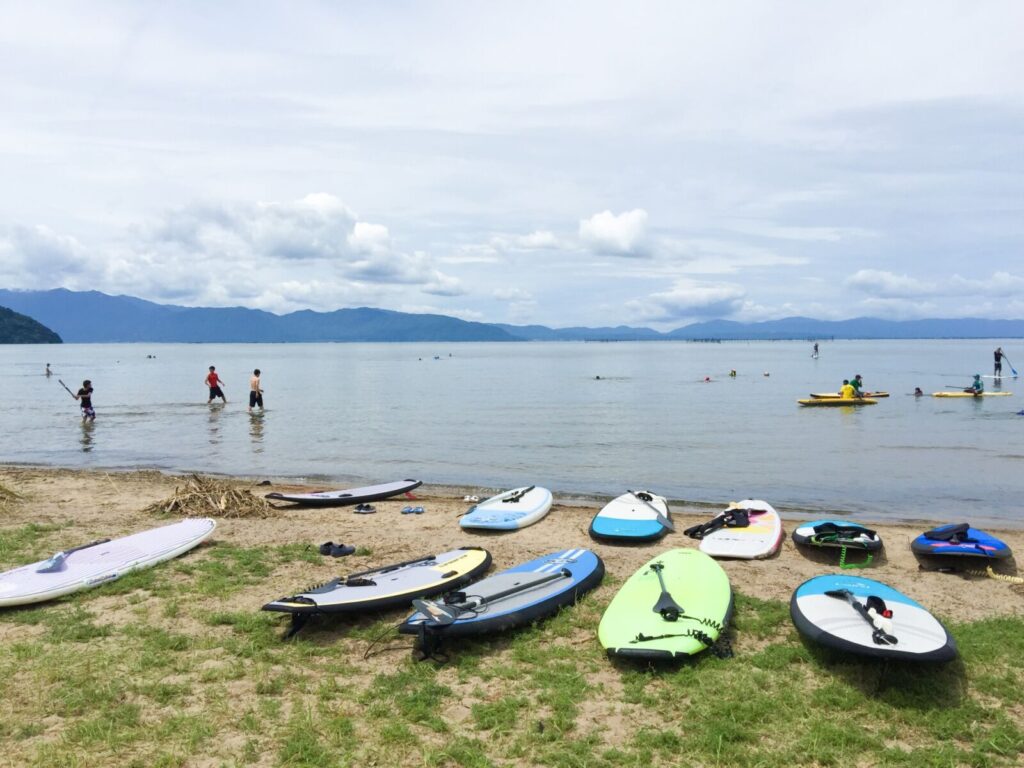
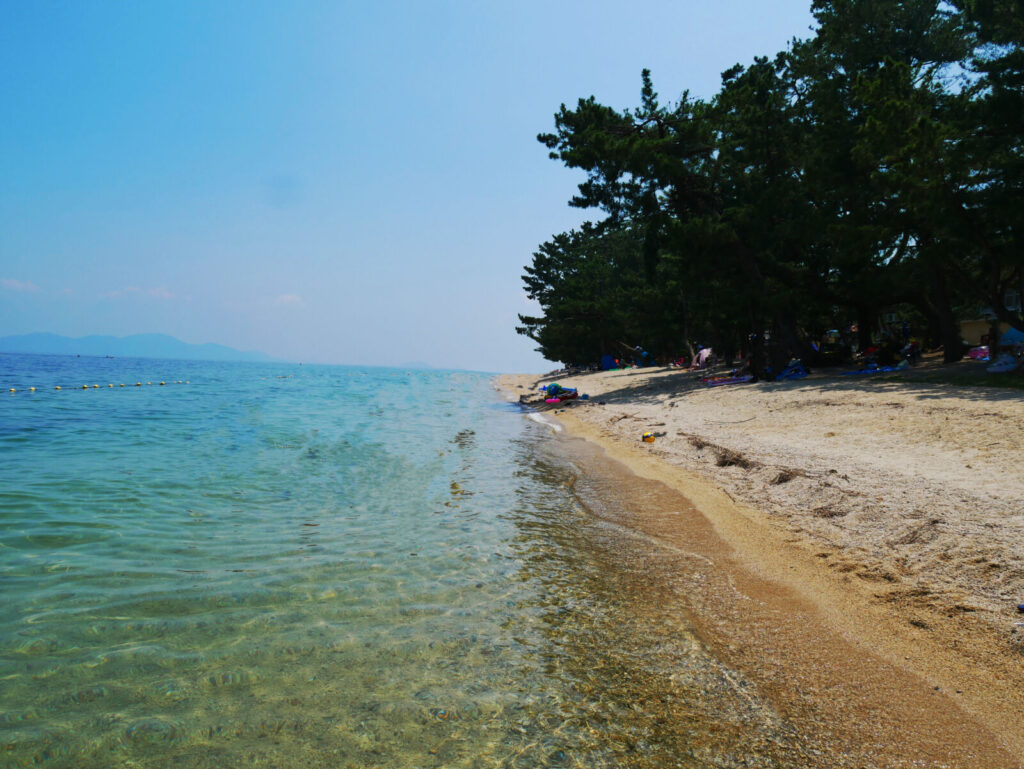
During spring and summer, the lake becomes a playground for outdoor enthusiasts. Popular activities include kayaking, canoeing, stand-up paddleboarding (SUP), sailing, fishing, and lakeside camping. Omi-Maiko Beach is one of the region's most popular swimming areas, offering clear water, sandy beaches, BBQ facilities, and family-friendly campsites.
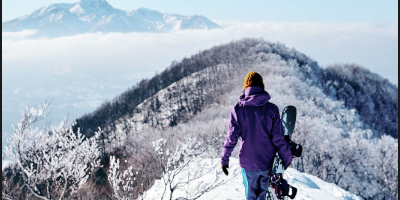
In the colder months, Biwako Valley transforms into one of the Kansai region's best ski and snowboard resorts. Even outside the snow season, its ropeway, hiking trails, and Biwako Terrace provide breathtaking panoramic views across the lake and surrounding mountains.
Whether you're looking for a relaxing afternoon by the water or an active adventure on land, Lake Biwa offers outdoor experiences in every season.
Join Our Lake Biwa Tour
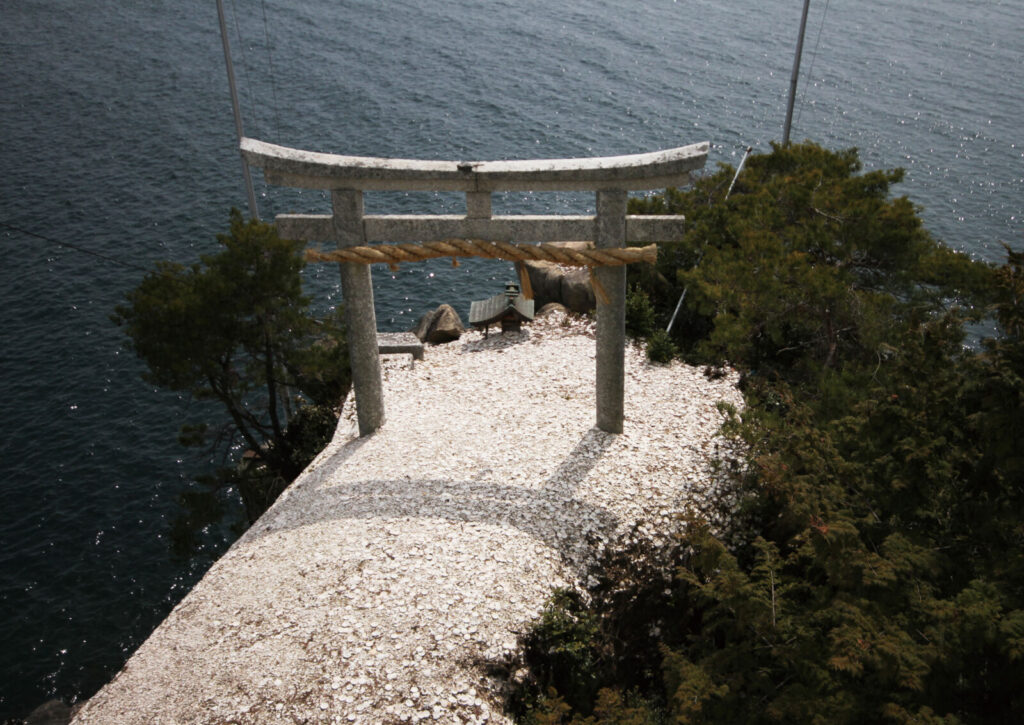
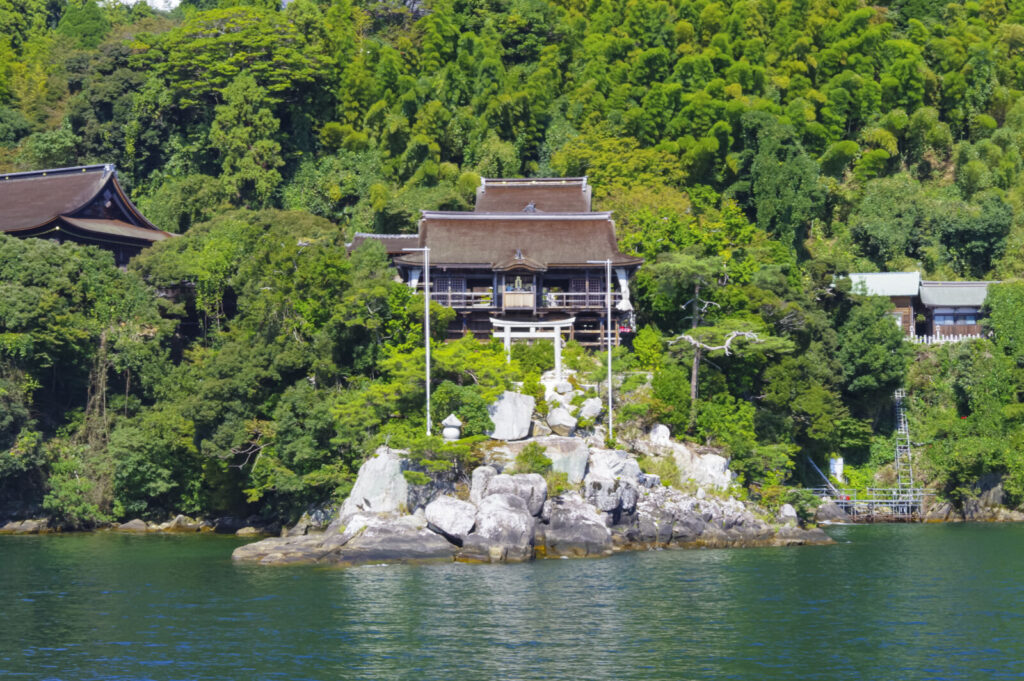
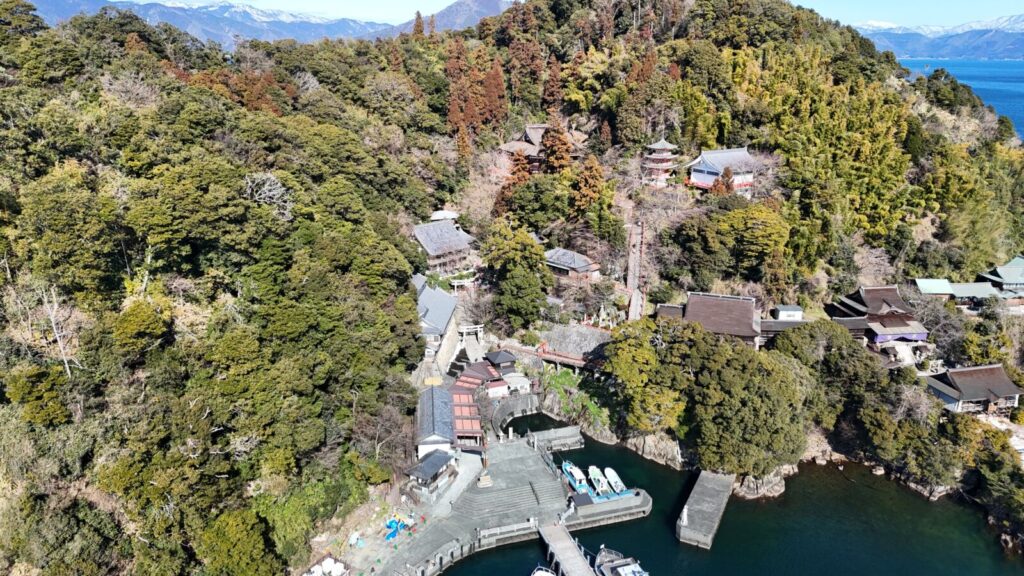
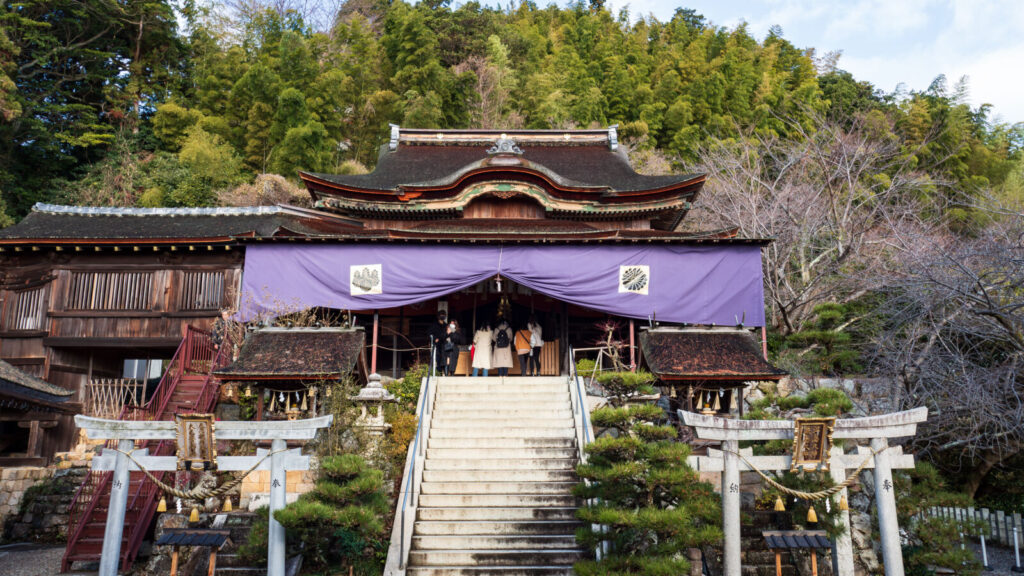
Want to experience the best of northern Lake Biwa without worrying about train schedules, ferry connections, or planning your itinerary?
Our 1-Day Tour from Kyoto: Lake Biwa Cruise, Chikubu Island & Hikone Samurai Castle combines three of Shiga Prefecture's most remarkable destinations into one unforgettable day. Travel from Kyoto by shinkansen, cruise across Japan's largest lake to the sacred island of Chikubushima, enjoy free time in Nagahama's historic Kurokabe Square district, and finish at Hikone Castle—one of Japan's few remaining original castles.
With transportation, ferry tickets, castle admission, and an experienced English-speaking guide included, it's one of the easiest and most rewarding ways to discover the beauty, history, and culture of Lake Biwa.
Plan your Kyoto Trip with us!
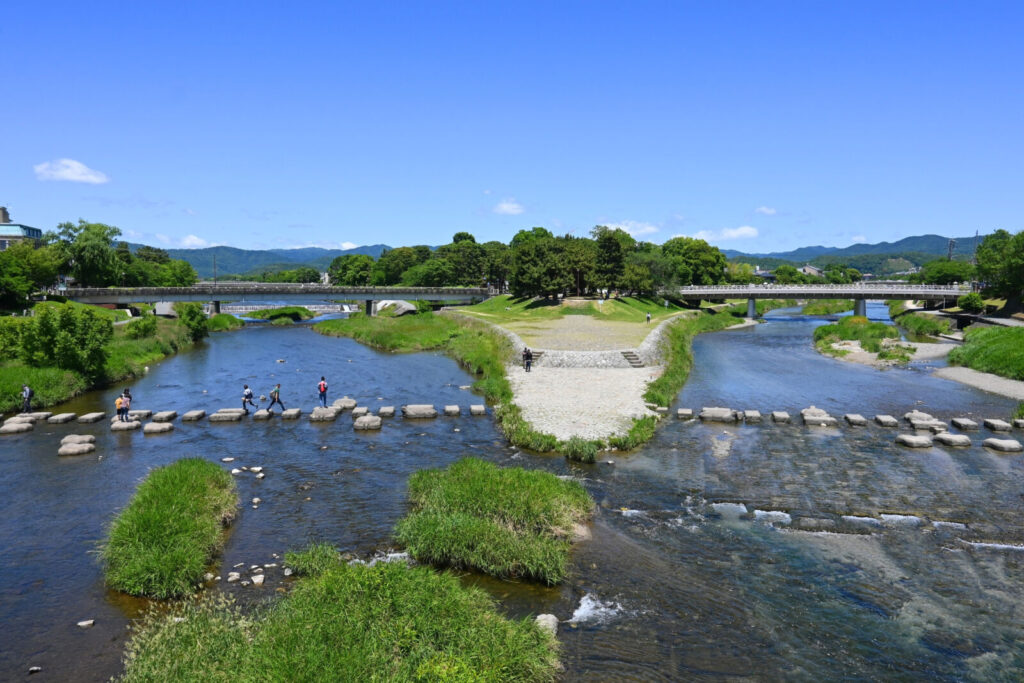
If you’re still shaping your itinerary, start with our 7-Day Kansai Japan Highlights Itinerary, which combines Kyoto, Osaka, and Nara into a balanced first visit. For inspiration and practical tips, see our 40 Things to Do in Kyoto, Nara, and Osaka, including seasonal ideas and neighborhood recommendations.
Looking to go deeper? Our Best Tours in Kyoto page highlights cultural experiences that go beyond the usual sights. If you’re deciding where to base yourself, our guide on staying in Osaka or Kyoto breaks down the pros and cons of each.
More Kyoto Travel Guides
Discover Kyoto's rich cultural traditions with our Essential Guide to Geisha in Kyoto, or learn how to enjoy one of the city's finest culinary experiences with our Guide to Making Restaurant Reservations in Kyoto.
Planning a seasonal visit? Explore our guides to Cherry Blossoms in Kyoto for the best hanami spots, or discover the top places to enjoy Autumn Leaves in Kyoto as temples, gardens, and mountain valleys burst into vibrant autumn colours.
Interested in local flavours? Visit our Top 10 Sake Breweries to Visit in Kansai, or unwind after a day of sightseeing with our Tattoo-Friendly Onsen & Sento Guide in Kyoto. If you're looking for even more inspiration, don't miss our Things to Do in Kyoto guide, featuring the city's top attractions, hidden gems, and unforgettable cultural experiences.
Frequently Asked Questions
How big is Lake Biwa?
Lake Biwa covers approximately 670 square kilometres, making it Japan's largest freshwater lake.
How old is Lake Biwa?
Scientists estimate that Lake Biwa is more than four million years old, making it one of the oldest lakes in the world.
Can you visit Lake Biwa as a day trip from Kyoto?
Yes. Many of the lake's major attractions can be reached from Kyoto in less than one hour.
What is Lake Biwa famous for?
Lake Biwa is famous for its scenic cruises, Chikubu Island, Hikone Castle, cycling routes, historic towns, floating torii gates, and its importance to Japanese history and culture.
Is Lake Biwa worth visiting?
Absolutely. Whether you're interested in history, nature, food, temples, outdoor activities, or simply escaping the crowds, Lake Biwa offers one of the most diverse travel experiences in the Kansai region.