
July is a great time to visit Japan if you time it right. The first half of the month still carries the tail end of the rainy season in most regions, but once it clears, you get sunny days and the country's biggest festival stretch of the year.
The first three weeks of July offer a window of relatively lighter crowds, before Japan's peak summer travel season kicks in during the final week, leading into the Obon holiday rush in mid-August.
This guide covers weather, major festivals and events, travel tips, and the best places to visit in Japan in July.
Weather in July
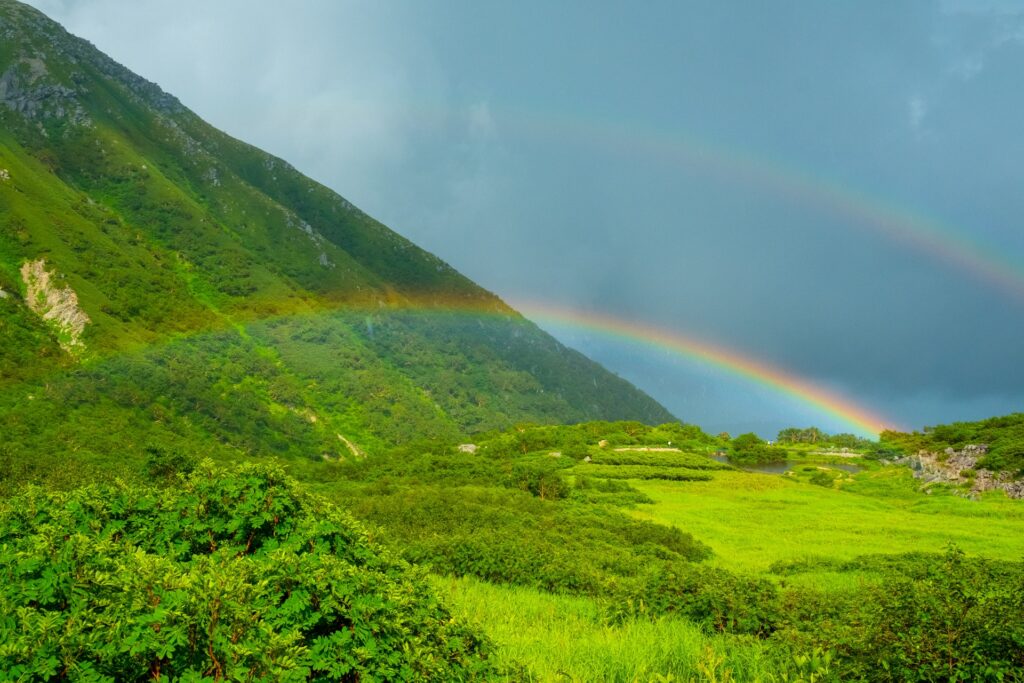
Japan's rainy season (known as "Tsuyu") typically ends across most of Honshu between late June and mid-July, though the exact date varies by region and by year.
Once tsuyu lifts, skies clear and summer arrives in full force, with a strong sun, high humidity, and daytime temperatures that regularly climb into the 30s Celsius (90s Fahrenheit) across the country's lowland cities. Hokkaido sits outside the rainy season entirely and offers Japan's most comfortable summer climate.
| Region | July Avg High | July Avg Low |
| Tokyo | 33.2 | 25.0 |
| Kyoto | 36.1 | 26.2 |
| Osaka | 35.3 | 26.9 |
| Nagoya | 34.5 | 25.8 |
| Nagano | 34.5 | 23.0 |
| Takayama | 33.8 | 21.2 |
| Kanazawa | 33.7 | 26.0 |
| Hiroshima | 34.3 | 26.0 |
| Sapporo | 30.4 | 22.2 |
Lightweight, breathable clothing is essential for July travel in Honshu, along with a hat, sunscreen, umbrella/parasol, and of course water.
Seasonal Highlights in July
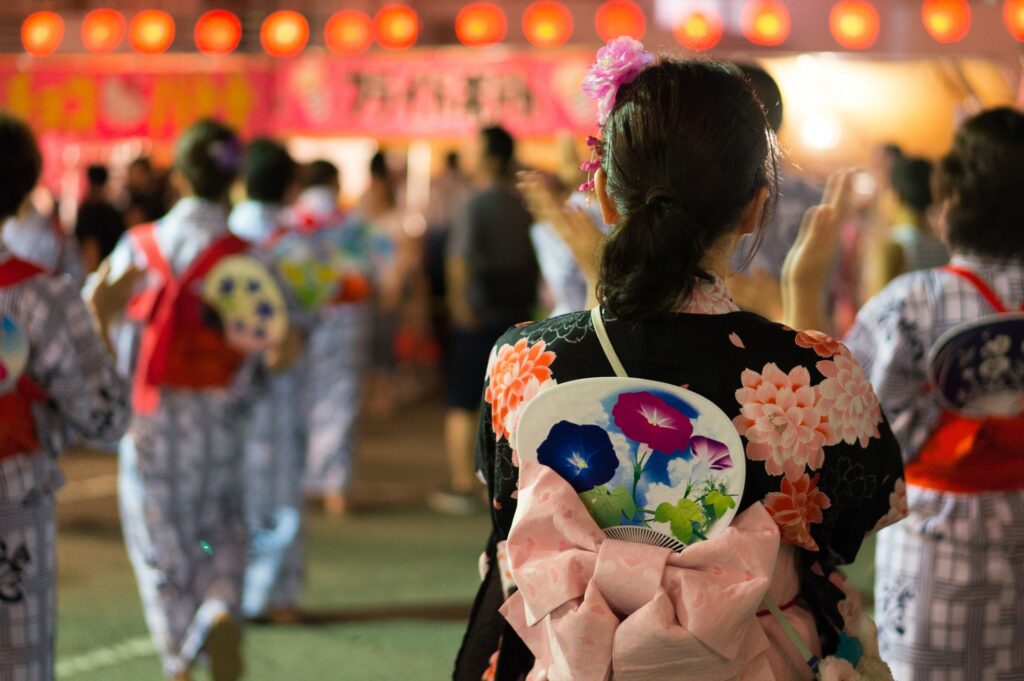
July is one of Japan's liveliest months. It's hot and humid across much of the country, but it's also the start of festival season, mountain hiking, and some of the year's best seasonal foods.
Mt. Fuji Climbing Season Opens
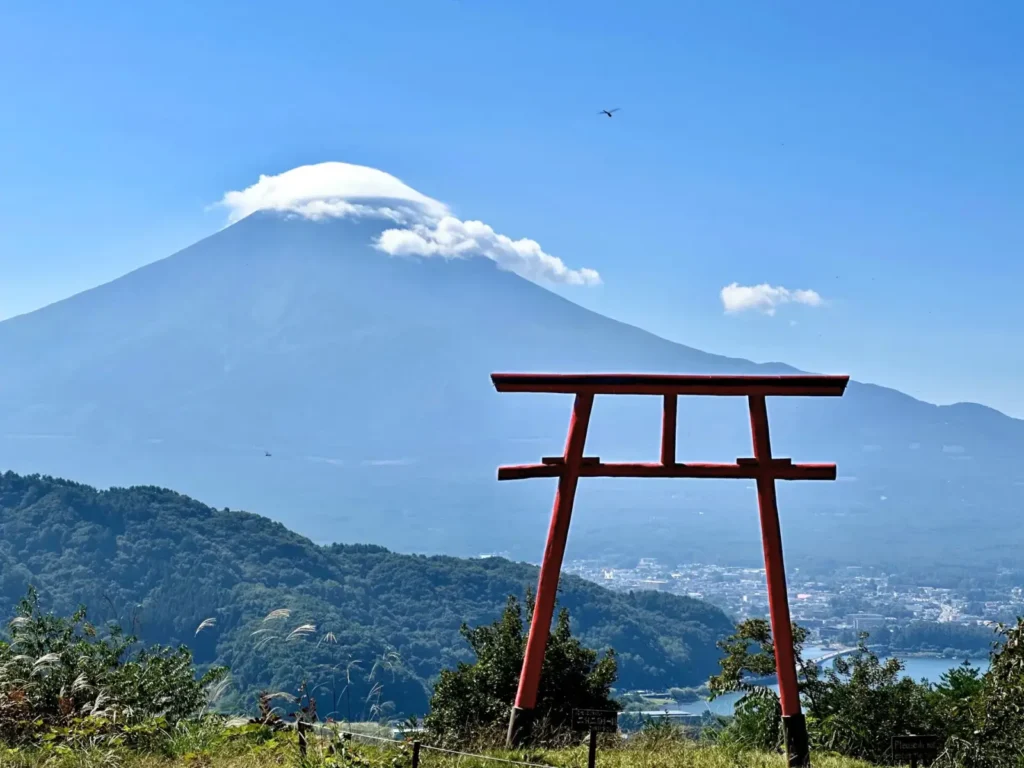
July 1 marks the opening of the Yoshida and Subashiri trails on Mt. Fuji, with the Fujinomiya and Gotemba trails, along with the summit crater rim walk, following on July 10.
All four trails require a mandatory entry fee and online registration before climbing, part of ongoing efforts to manage the mountain's crowding. Early July tends to be relatively calmer than the late-July to Obon rush in mid-August, though huts and permits for popular dates still go fast.
Tanabata (Star Festival)
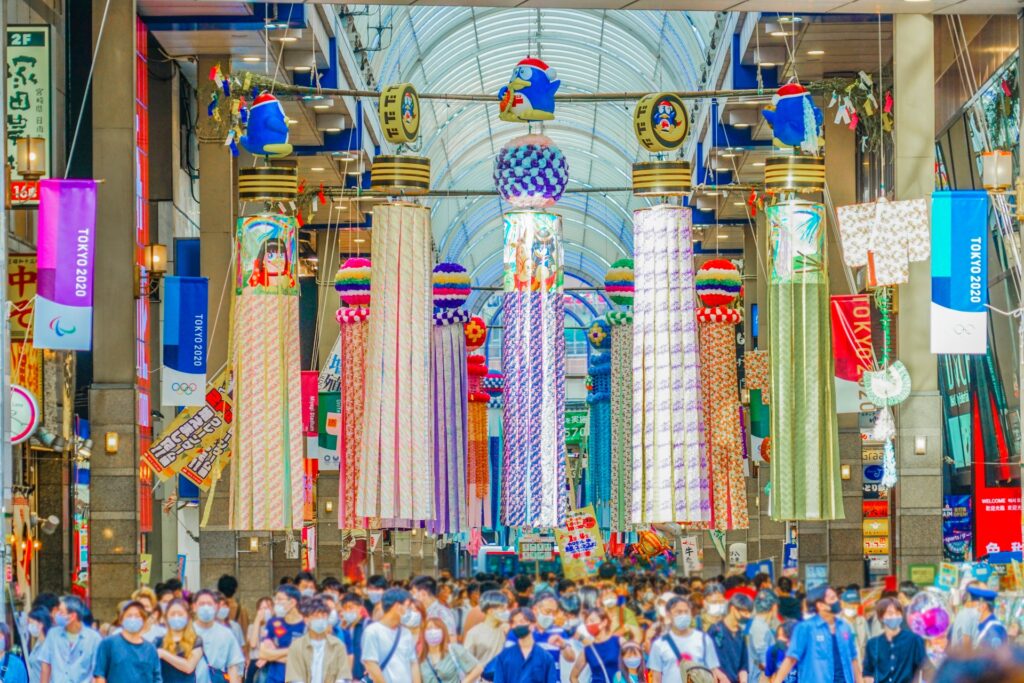
Tanabata falls on July 7 in most of the country, when locals write wishes on colorful strips of paper called tanzaku and hang them from bamboo branches.
It is important to note that Sendai holds its famous Tanabata festival in August instead of July, on the traditional lunar calendar date. So travelers hoping to see Sendai's giant paper streamers should plan for that month rather than July.
Fireworks Season Begins
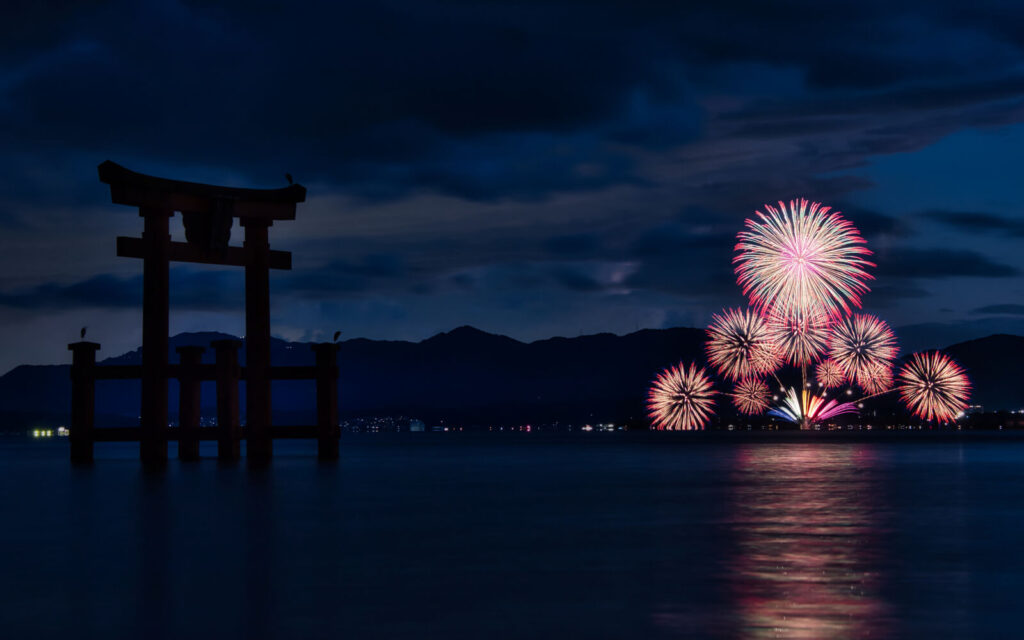
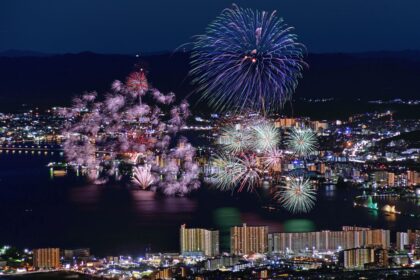
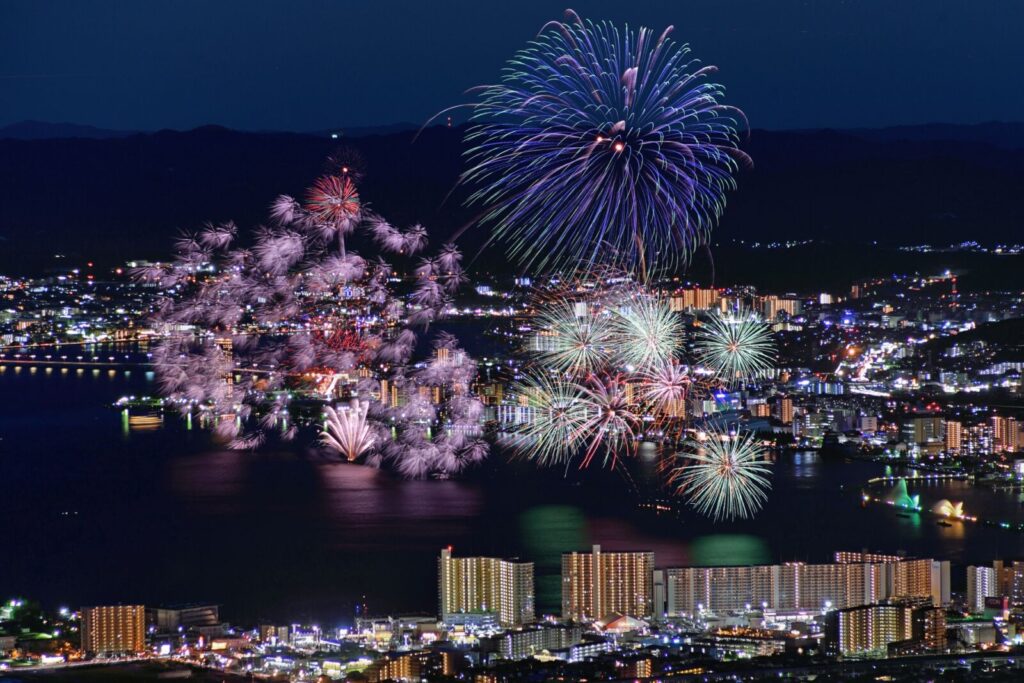
July kicks off Japan's hanabi (fireworks) season, with some of the country's biggest displays taking place in the final weeks of the month.
Tokyo's Sumida River Fireworks Festival, the city's oldest and largest, lights up the sky over Asakusa on July 25, 2026, with around 20,000 fireworks launched from two sites along the river.
Featured Tours in July
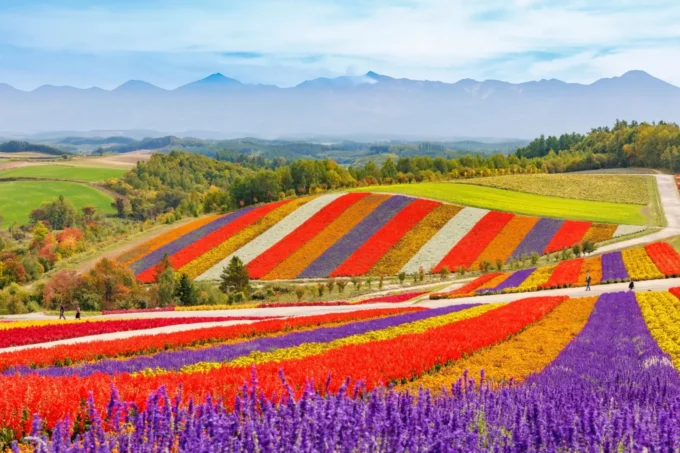
See Summer Blooms in Hokkaido
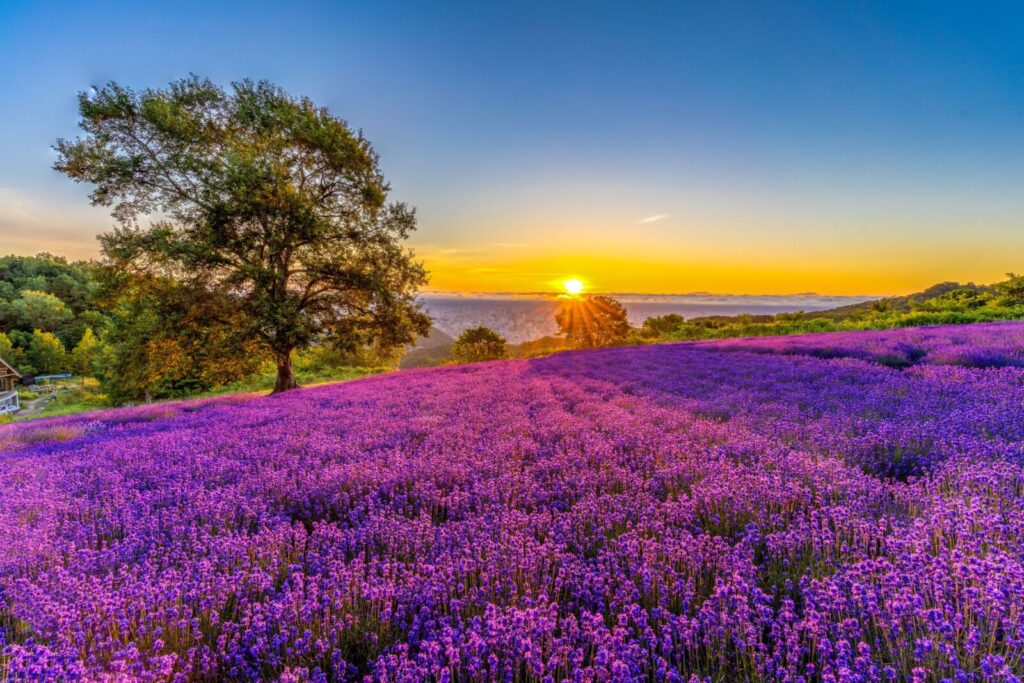
July is one of the best months to see flowers in Hokkaido as its cooler climate delays the blooming season compared with the rest of Japan.
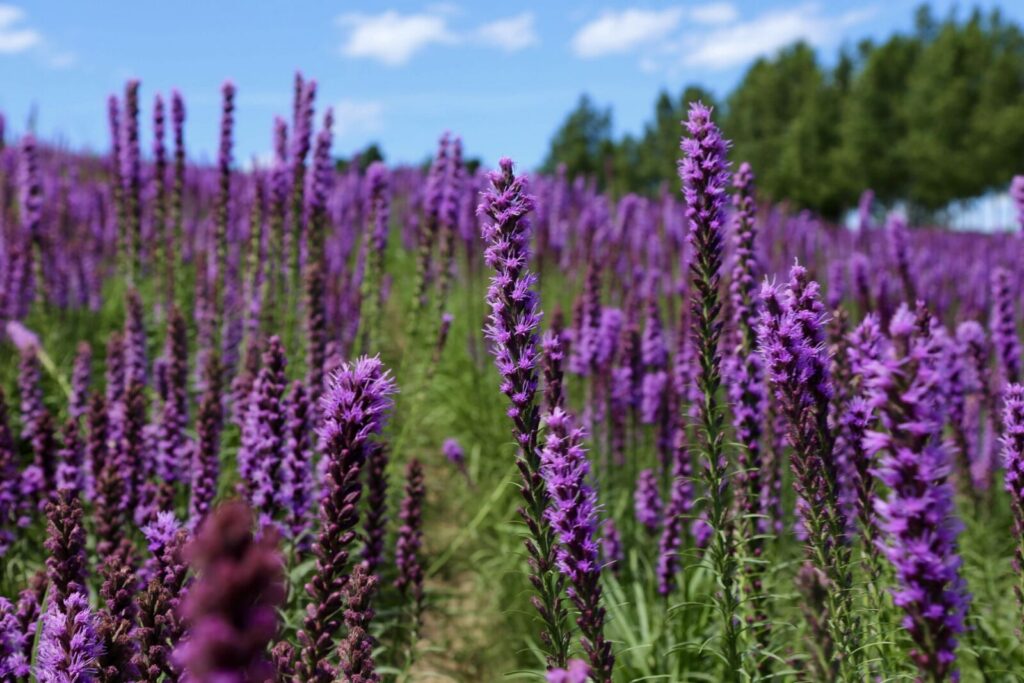
Hokkaido's iconic lavender fields typically reach their best from mid to late July. Although lavender is the star attraction, July offers much more than purple fields. Gardens and flower farms across Hokkaido are filled with poppies, lupines, marigolds, salvia, early-blooming cosmos, lilies, and delphiniums. Because these flowers bloom at the same time, visitors can enjoy a remarkable variety of colors and landscapes.
[Summer/Autumn only] 1-Day Tour from Sapporo: Blue Pond & Hills of Seasonal Colors
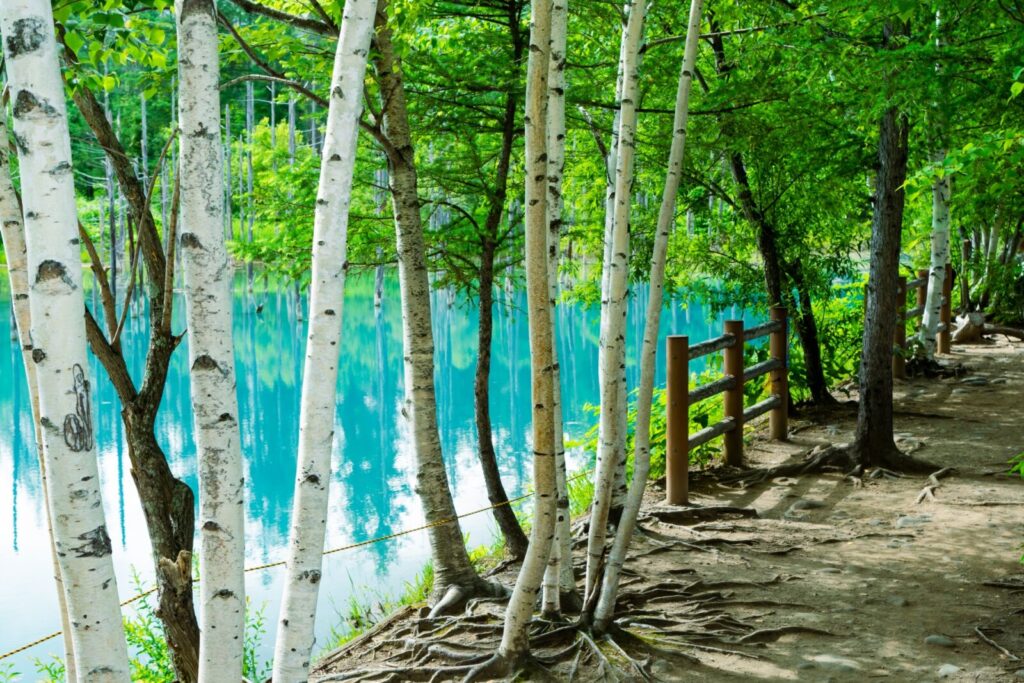
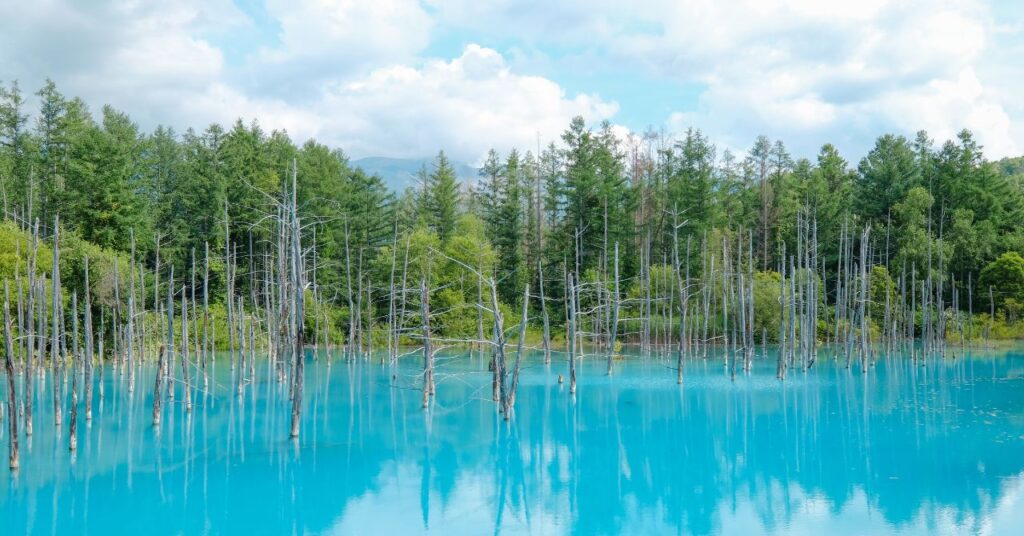
Experience two of Hokkaido's most iconic summer destinations on this full-day tour from Sapporo to Biei. Visit the famous Shirogane Blue Pond, where naturally occurring minerals create its striking blue waters, and enjoy a peaceful walk through one of Hokkaido's most photographed landscapes.
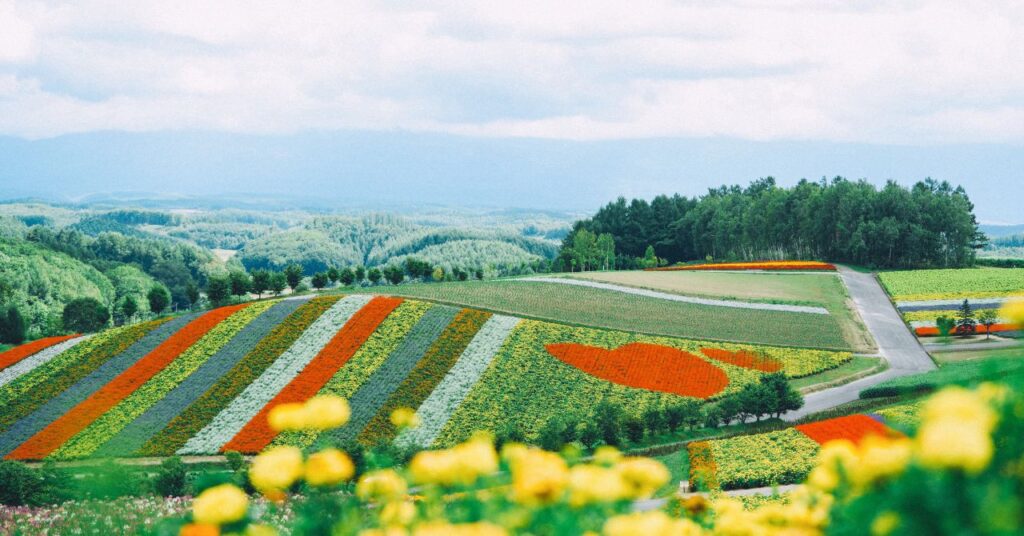
Then continue to one of Hokkaido's iconic flower fields, Shikisai no Oka or "The Hills of Seasonal Colors," where vibrant flowers blanket the rolling hills from late June through September. Depending on the season, you may see lavender, sunflowers, salvia, marigolds, zinnias, and many other blooms set against the dramatic backdrop of the Tokachi Mountains.
With an English-speaking guide, and admission to all attractions, including the popular flower tractor ride, this relaxing day trip offers an easy and memorable way to experience the natural beauty of Biei and Hokkaido's famous flower season.
Hiking Trips in The Japanese Alps
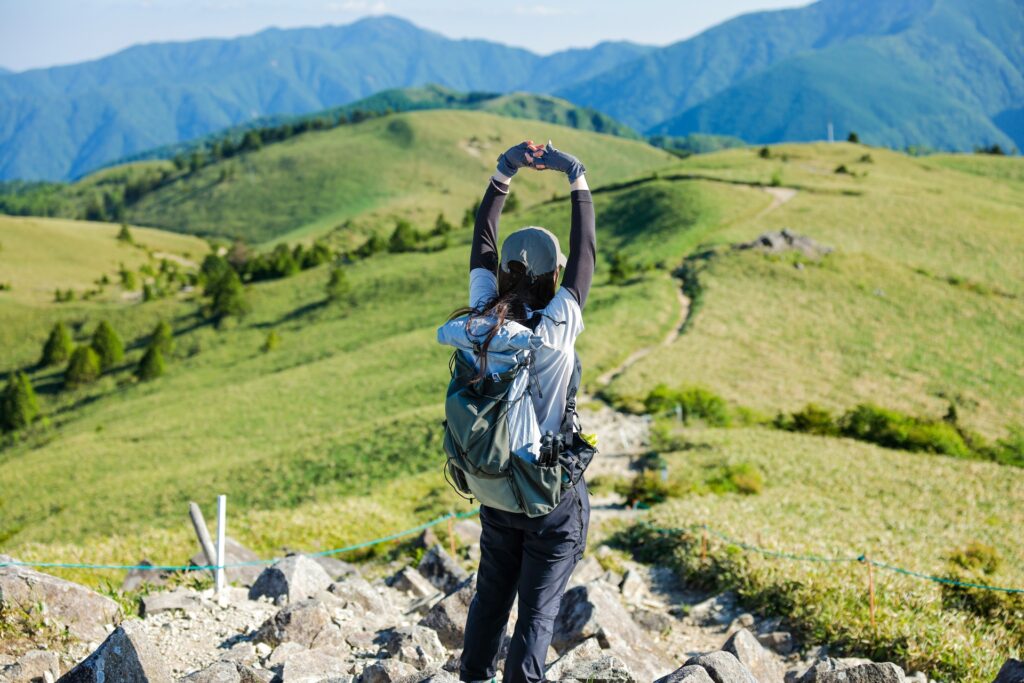
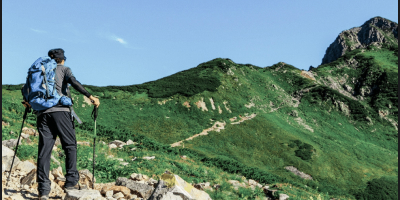
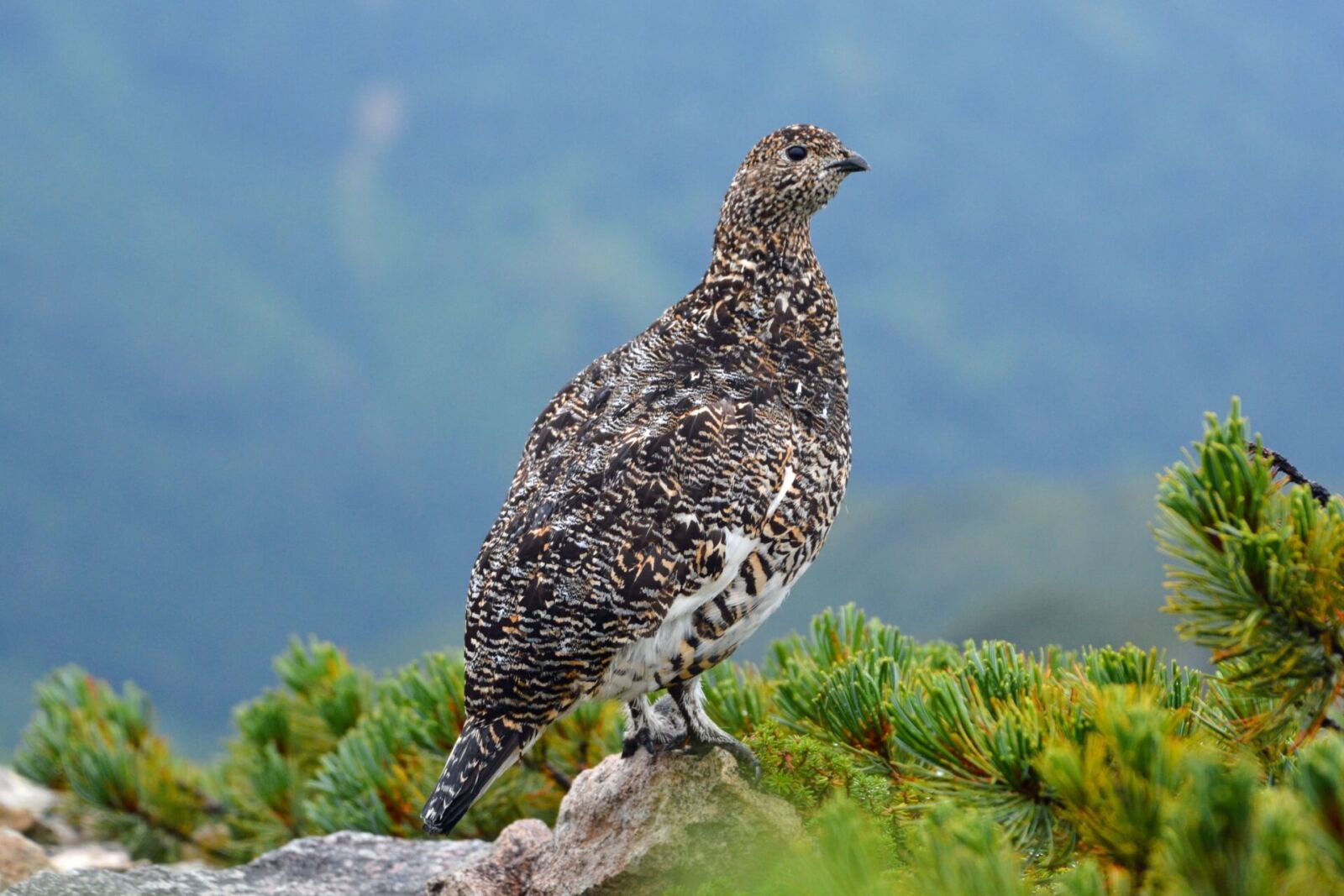
July is one of the best months to hike the Japanese Alps. By July, almost all hiking trails are open and free of snow. Plus, while Japan's cities can be hot and humid, the Alps offer a much cooler escape into nature.
July is also peak season for alpine wildflowers, with colorful meadows appearing above the tree line. You'll see species adapted to the short mountain growing season, making the scenery especially vibrant.
Tateyama-Kurobe Alpine Route Green Season Tour / June - October
Recommended
[Summer/Autumn only] Tateyama-Kurobe Tour: Walking on the 'Roof of Japan'
- Spots:
- NaganoAlpine Route
- Pick-up:
- Nagano City
- Drop-off:
- Nagano City
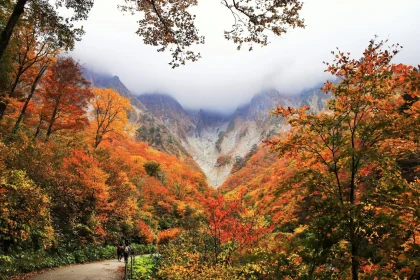
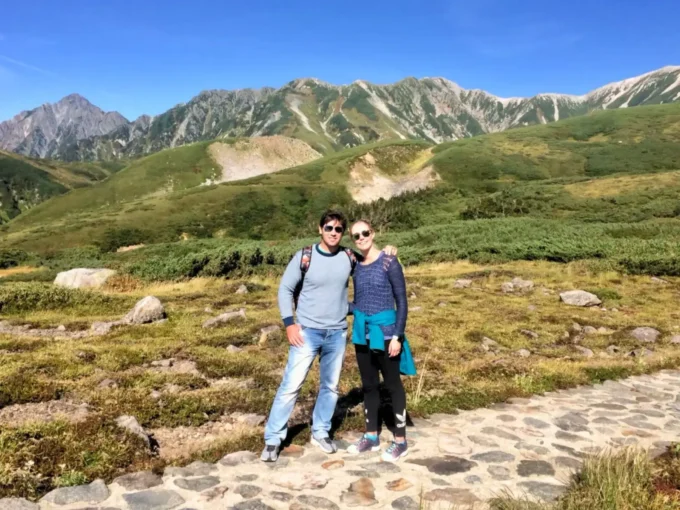
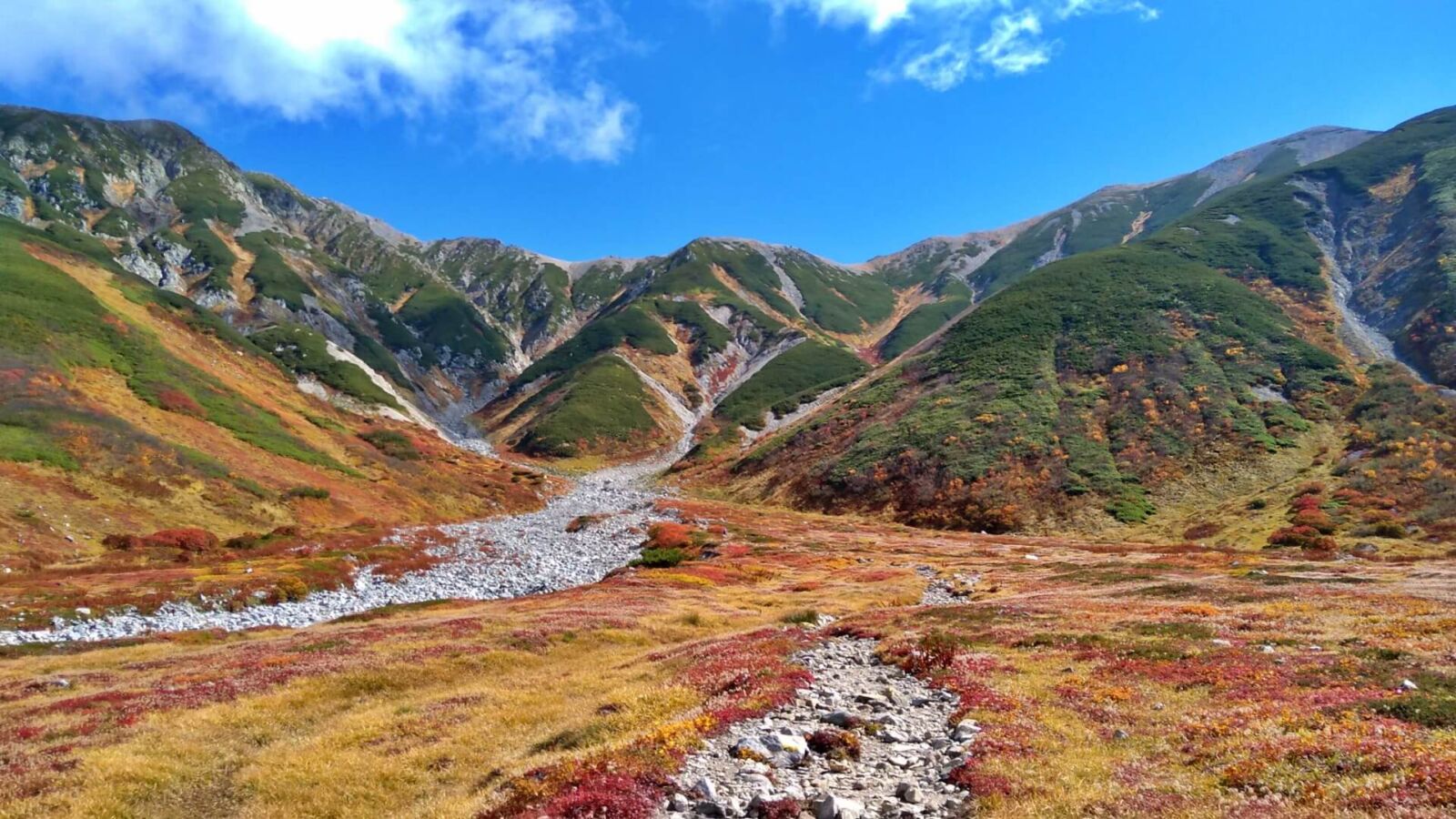
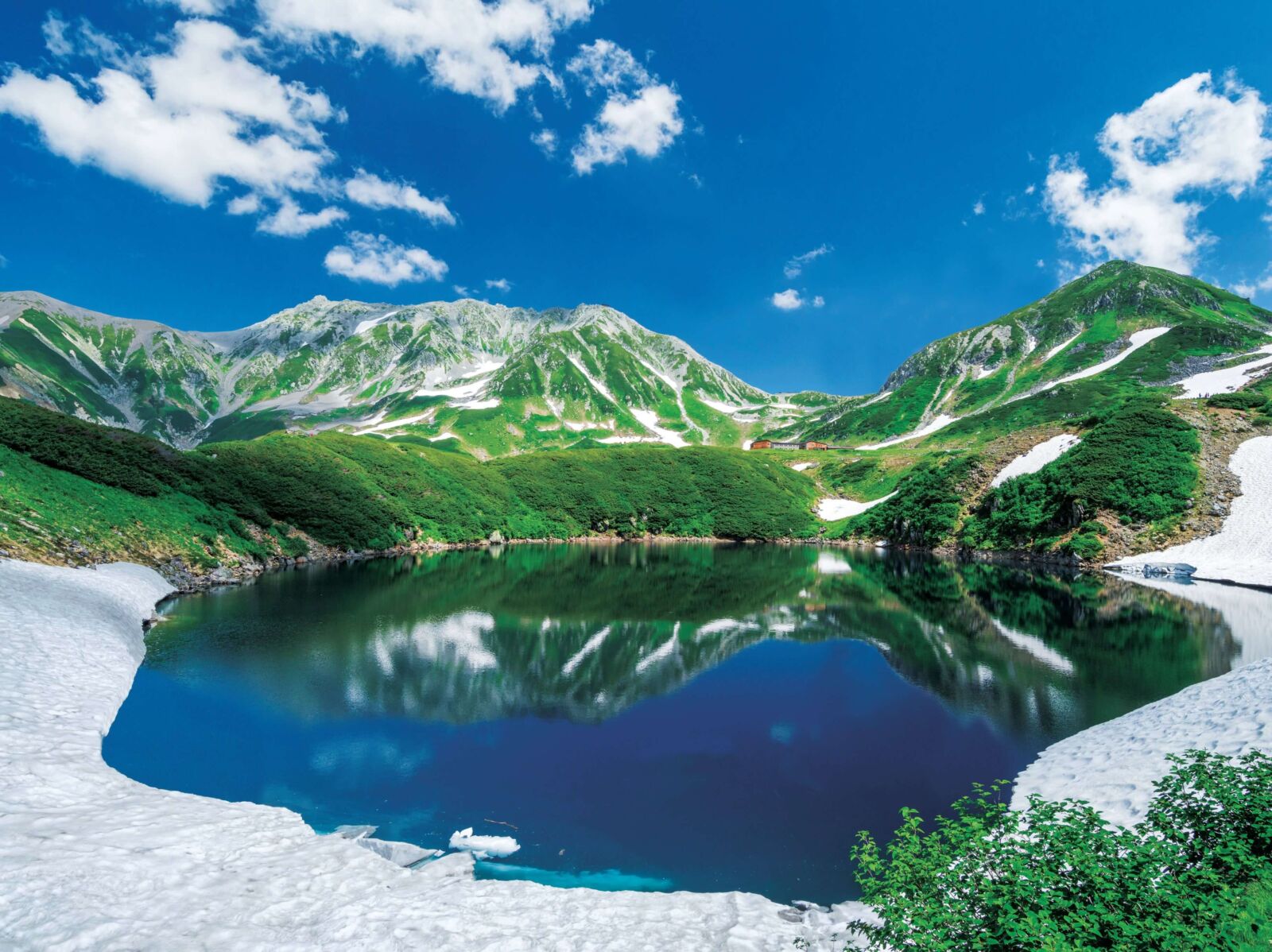
While the Tateyama-Kurobe Alpine Route is best known for its spring snow walls, the area is still attractive even after the snow has melted away. From June through the October, you can enjoy the spectacular scenery of the Northern Alps, and hike around without snow slowing you down. Additionally, come autumn, a range of bright fall colors will be on full display - even though there are no trees at the summit, the bushes and grasses of the peak will turn fiery shades of red and orange, much to the delight of visitors. The other benefit of coming after the snow walls have melted is that the crowds will be greatly lessened, and you are more free to move at your own pace and enjoy nature in solitude.
Pick Up Locations: Nagano Station, Hotel Kokusai 21
Escape to the Coast along Ise Bay
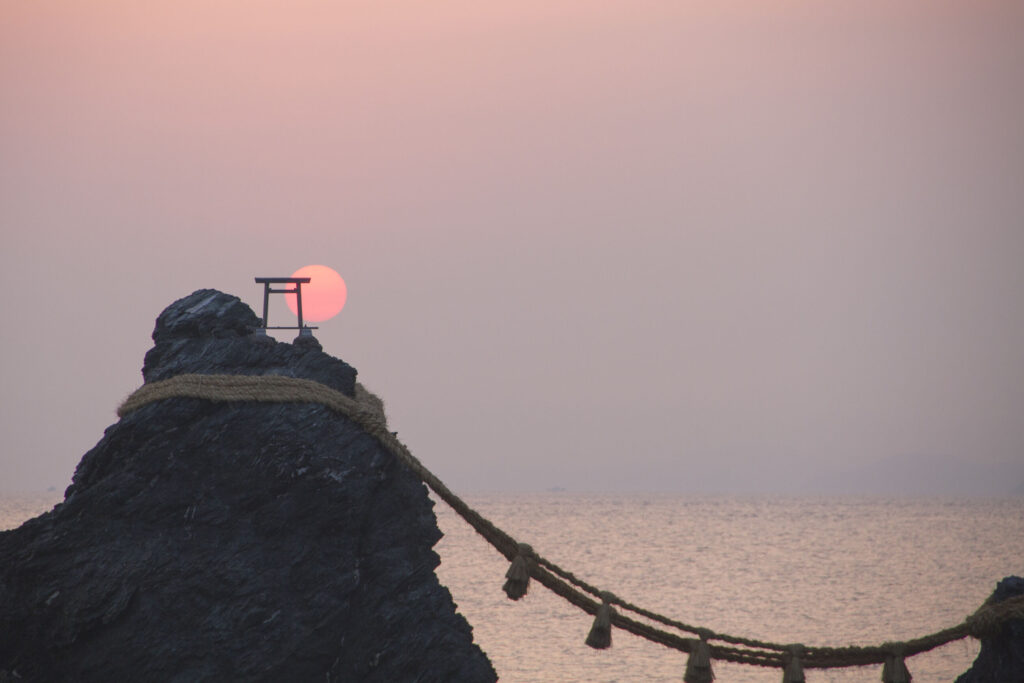
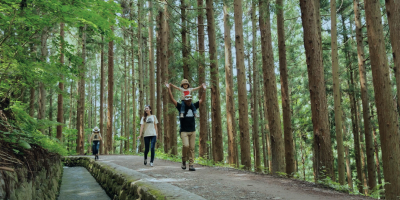
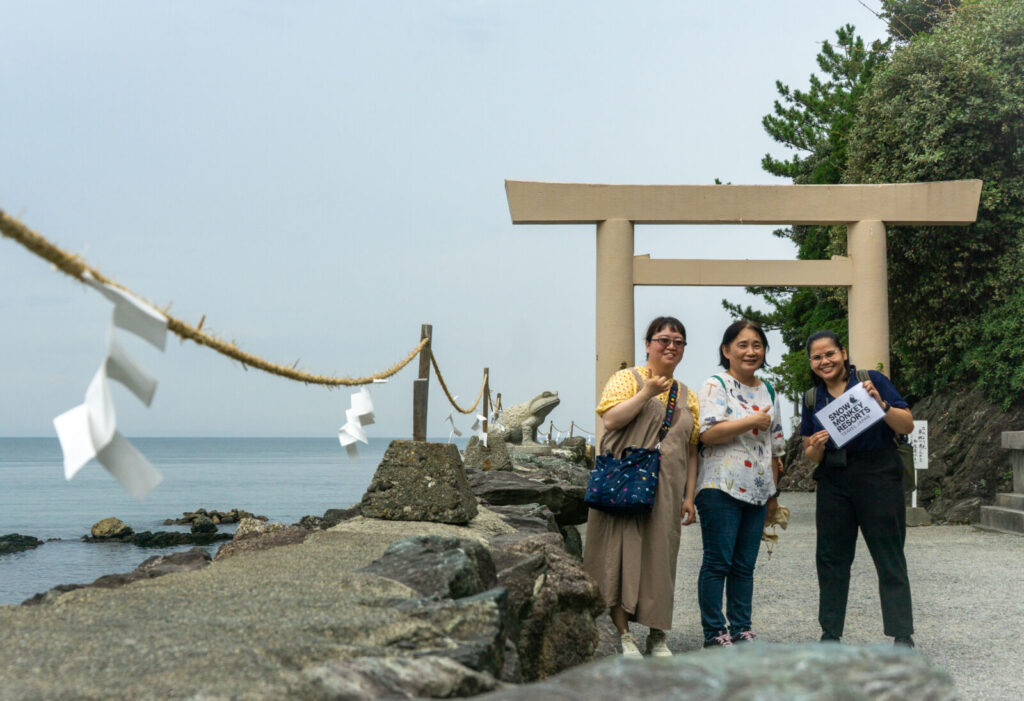
July is a rewarding time to visit Ise Grand Shrine and the surrounding Ise area. By July, the ancient cedar and cypress forests surrounding Ise Grand Shrine are at their greenest. Walking beneath the towering trees along the shrine's gravel paths offers welcome shade and a peaceful atmosphere.
And summer is an excellent time to enjoy Ise's coastal cuisine. Local restaurants serve fresh seafood from Ise Bay, including seasonal fish, shellfish, and the region's famous spiny lobster (Ise-ebi).
1- Day Tour from Nagoya: Ise’s Sacred Shrines and Captivating Coastlines / All Year Round
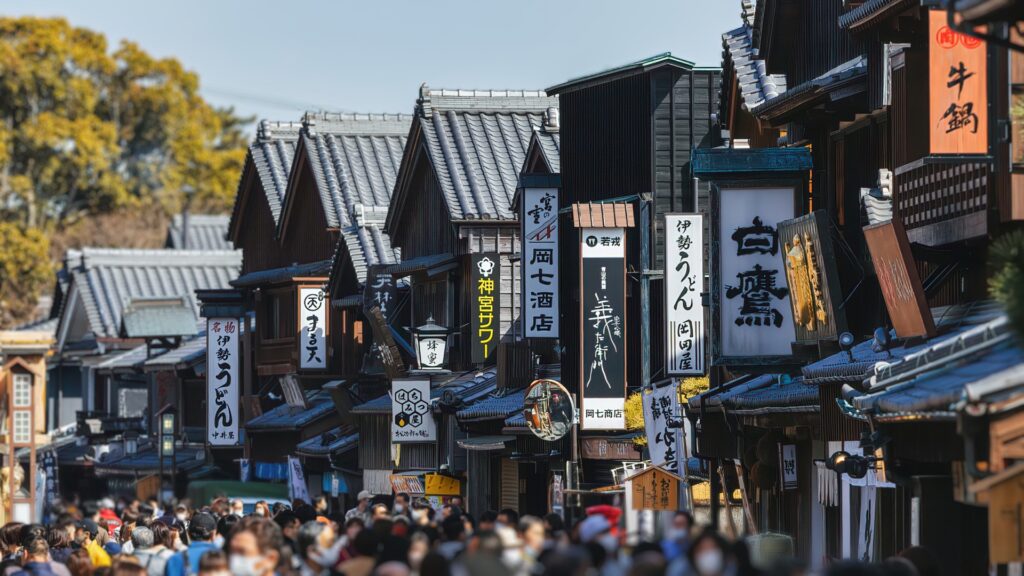
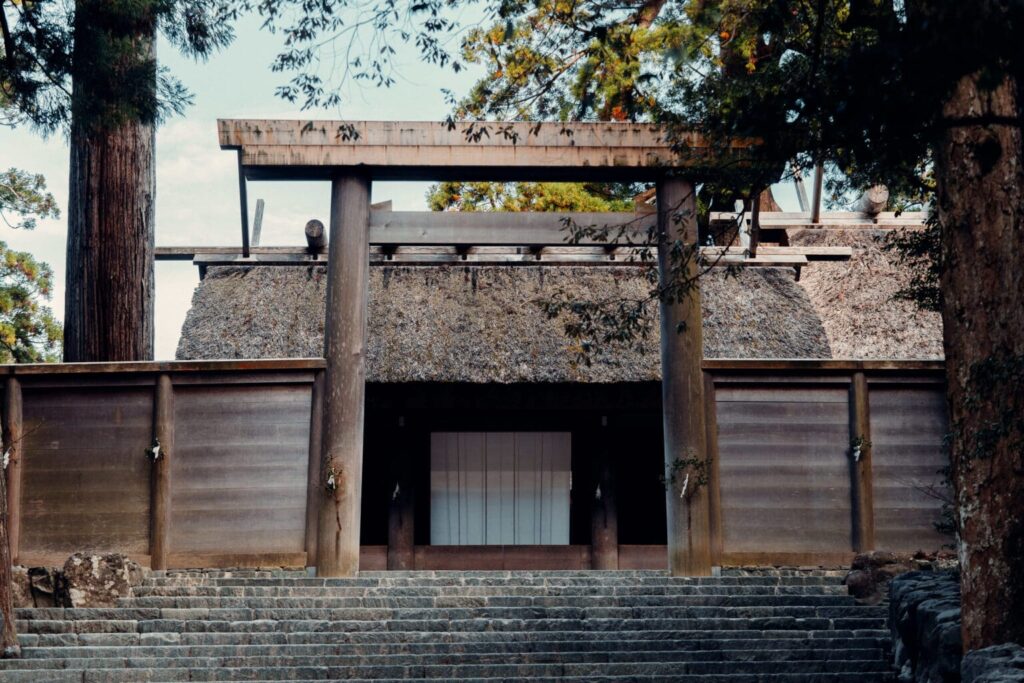
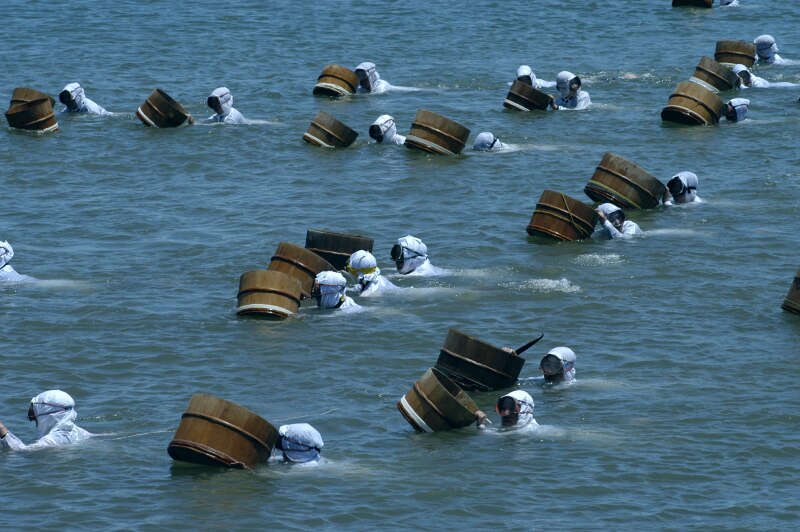
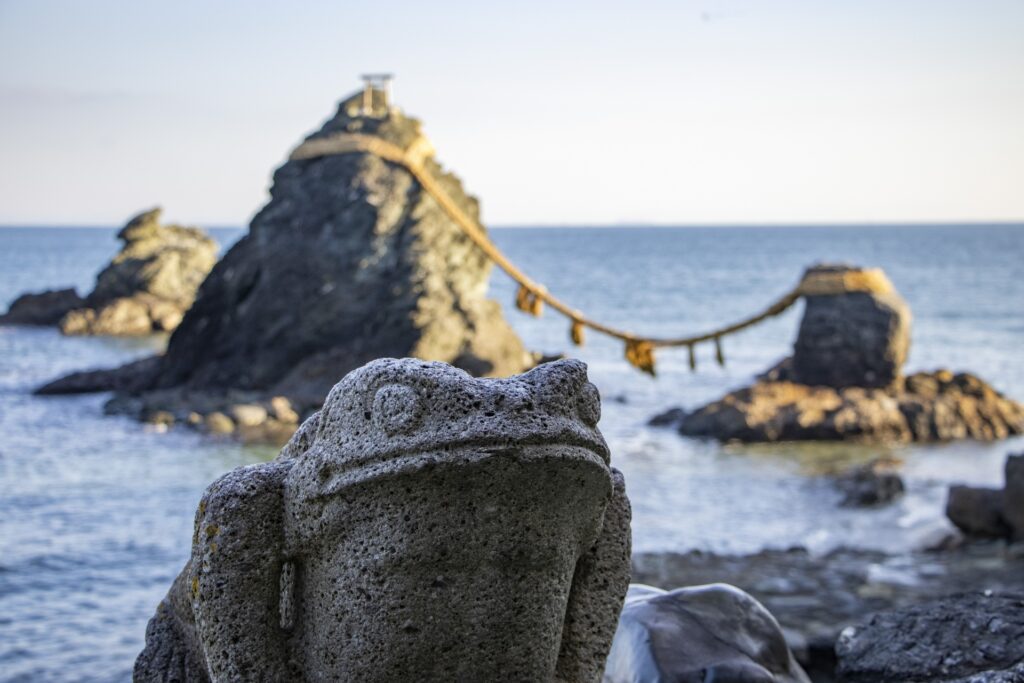
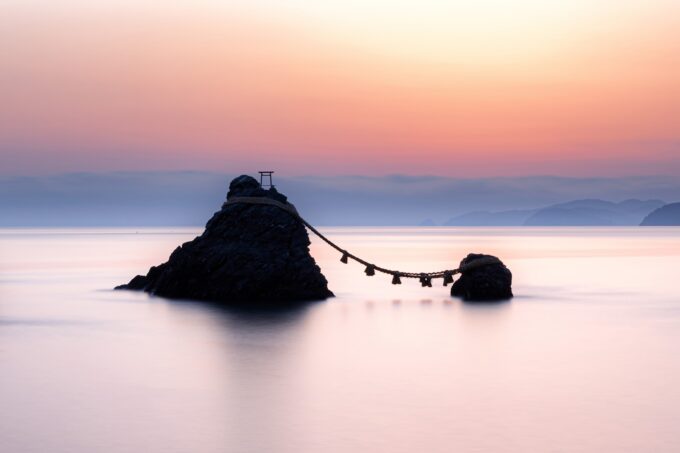
Located not far from Nagoya, Ise is blessed with abundant natural beauty, from towering cypress groves to indented coastlines and mountains painted in colorful foliage. The region is also home to Japan’s most sacred shrine, Ise-Jingu. Touring these sacred grounds is a special opportunity to understand the heart and soul of the Japanese people.
On our 1-Day Tour from Nagoya: Ise’s Sacred Shrines and Captivating Coastlines you'll marvel at the natural beauty of the region and refresh your body and soul with spiritual experiences and delicious cuisine as you are led by an experienced, English-speaking guide from Nagoya on this full-day tour.
Major Festivals & Events Across Japan in July
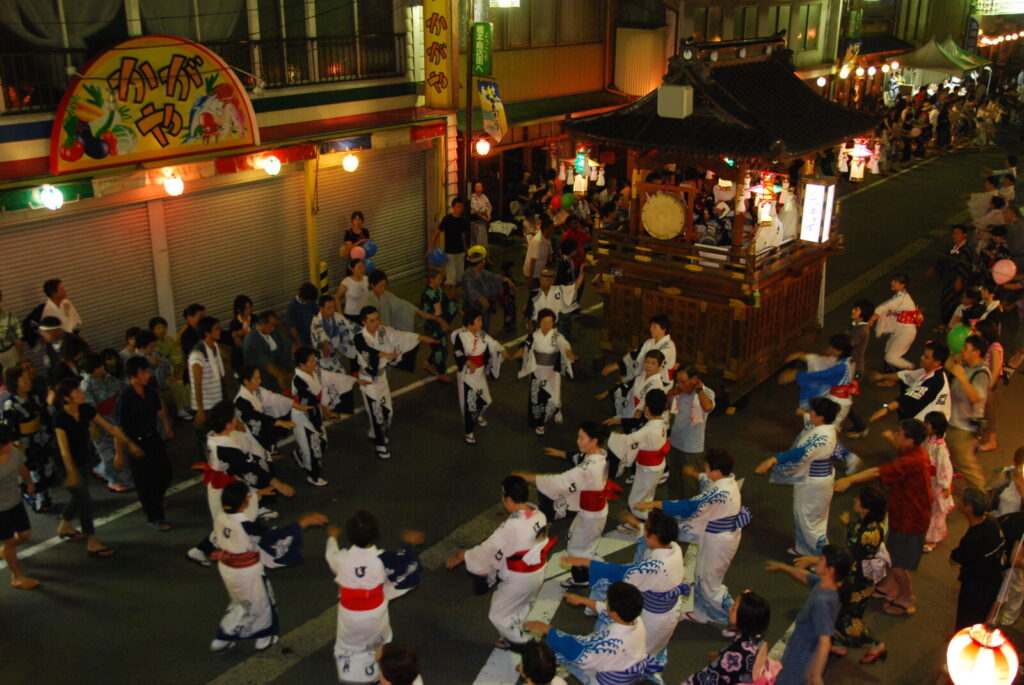
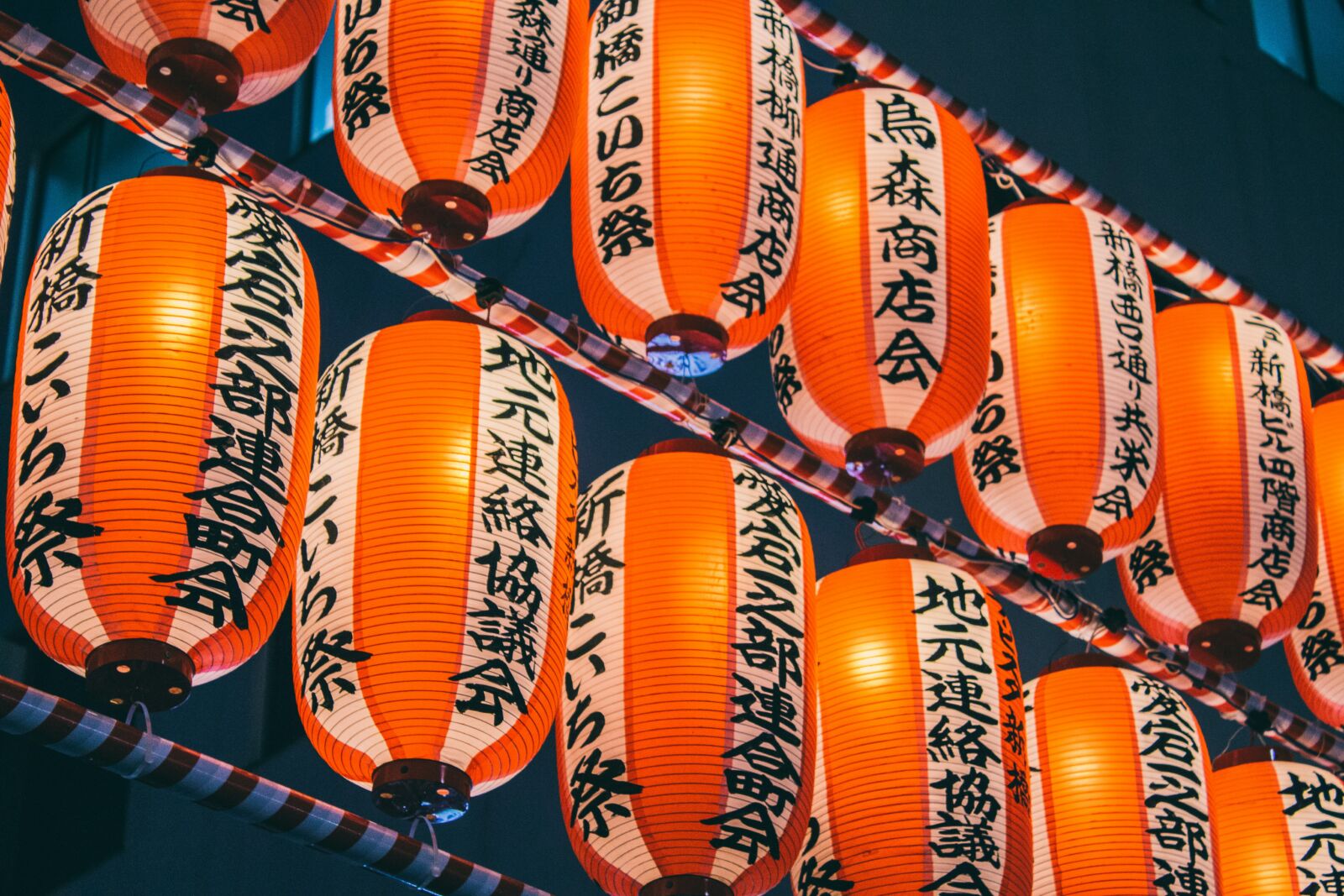
July marks the start of Japan's vibrant summer festival season, when cities, towns, and villages across the country come alive with centuries-old traditions and lively celebrations. From spectacular fireworks displays and grand float processions to traditional dances and lantern-lit evenings, these events offer a unique glimpse into Japan's culture and community spirit. Whether you're exploring bustling cities or quieter regional destinations, attending a summer festival is one of the most memorable ways to experience Japan in July.
Tokyo
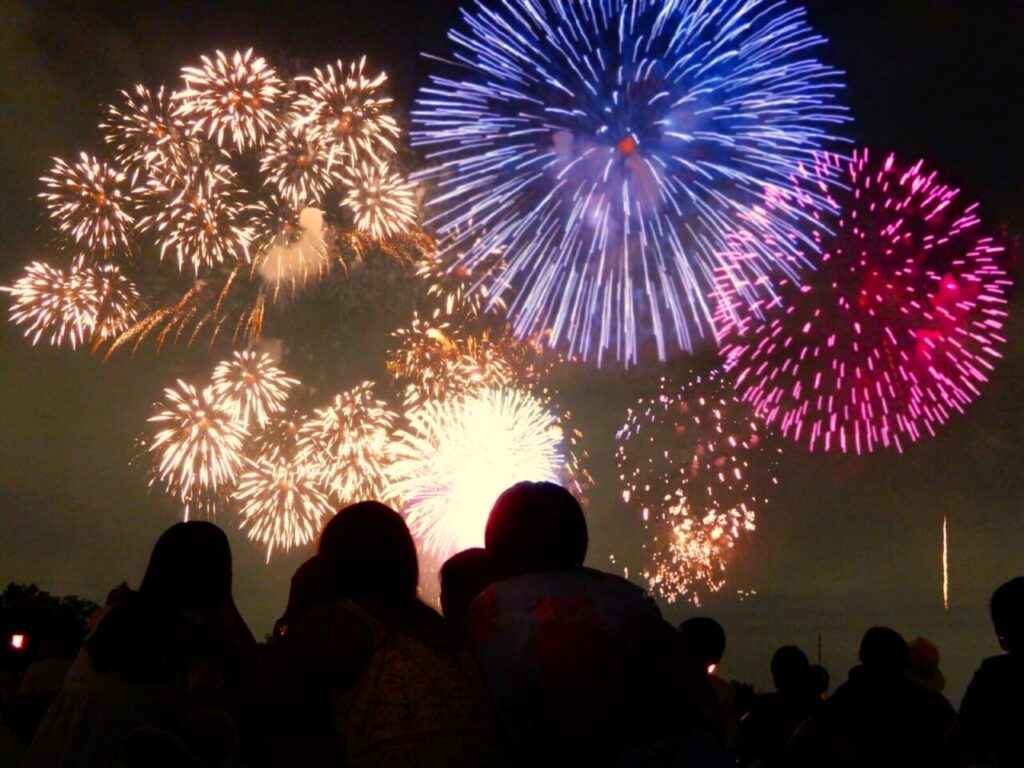
- Sumida River Fireworks Festival (July 25): Tokyo's oldest and largest fireworks display, launching around 20,000 fireworks from two sites near Asakusa, drawing close to a million spectators along the riverbanks.
Kyoto
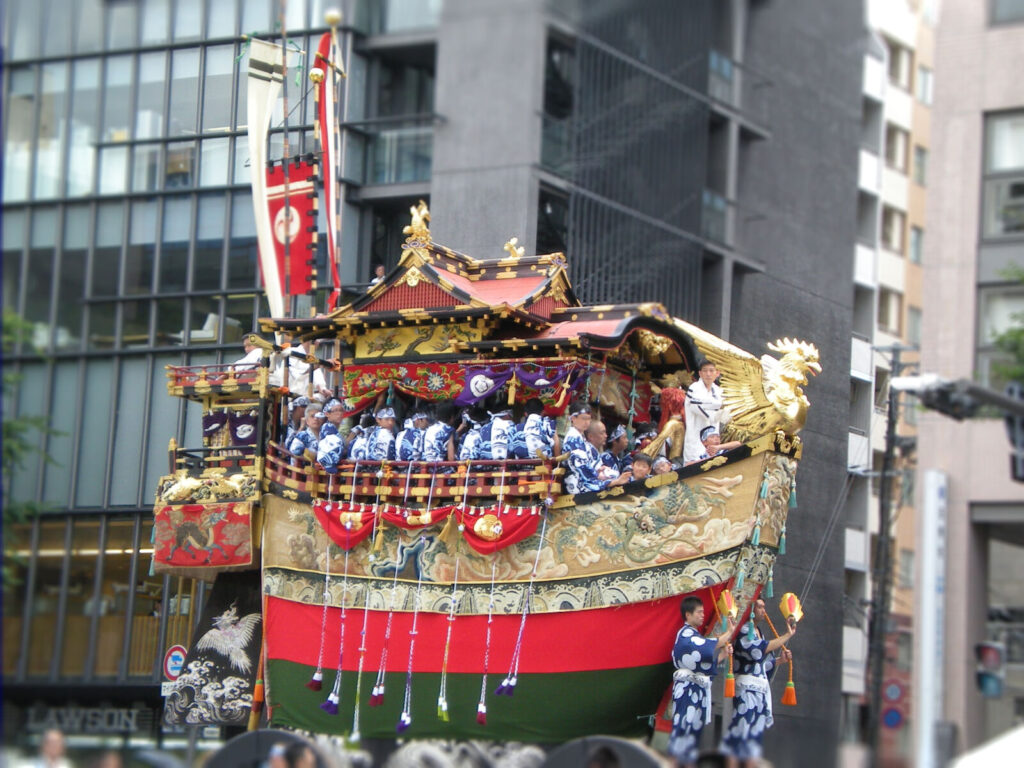
- Gion Matsuri (July 1-31): One of Japan's three great festivals and Kyoto's biggest event of the year, running the entire month. The two “Yamaboko Junko” float parades take place on July 17 and July 24.
Osaka
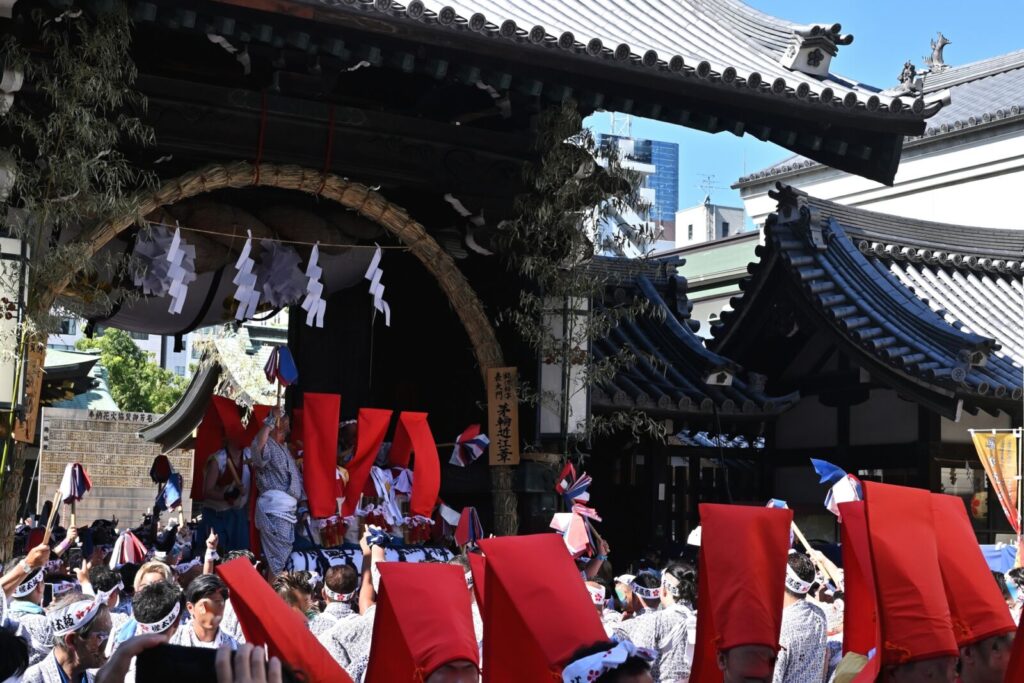
- Tenjin Matsuri (July 24-25): Another of Japan's three great festivals, centered on Osaka Tenmangu Shrine. The main day, July 25, brings a land procession of around 3,000 costumed participants, a river procession of roughly 100 lantern-lit boats on the Okawa River, and a fireworks finale in the evening.
Nagoya
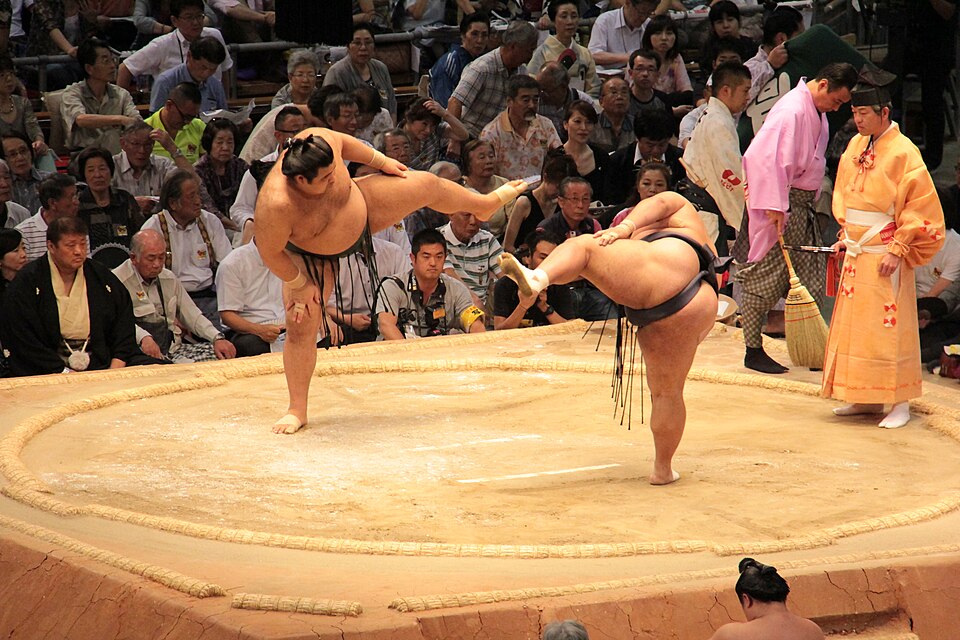
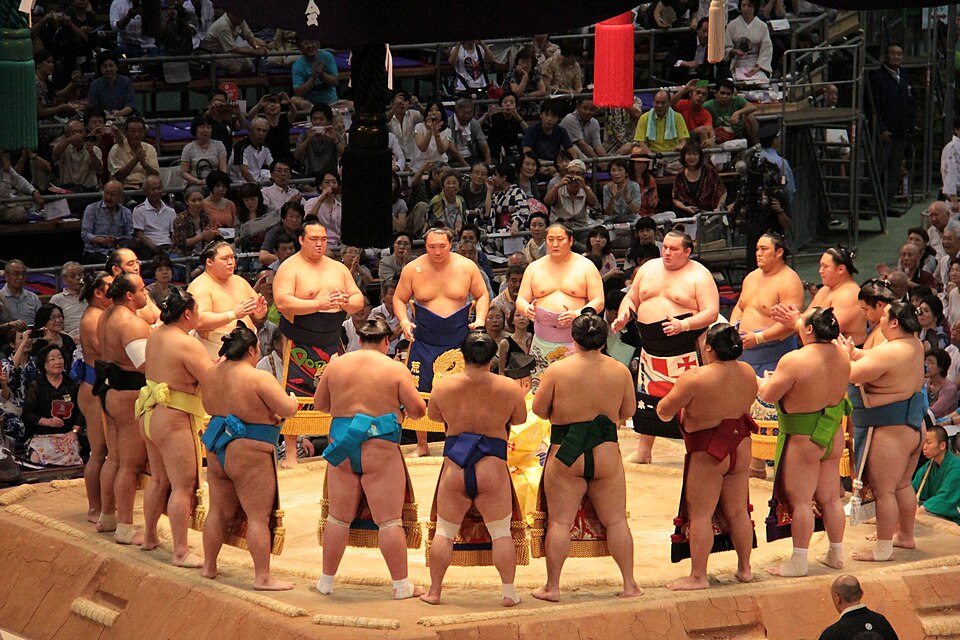
- Nagoya Grand Sumo Tournament (mid-July): One of Japan's six official Grand Sumo tournaments.
- Nagoya Port Festival (July 20): A summer festival at Nagoya Port with a fireworks display.
Nagano
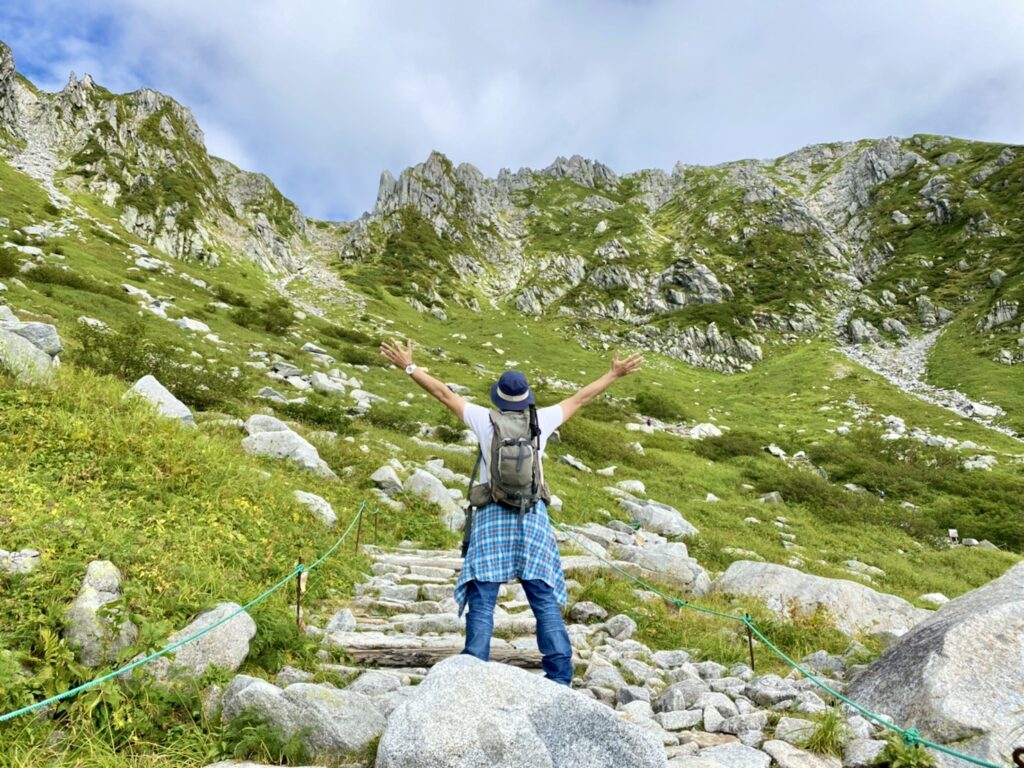
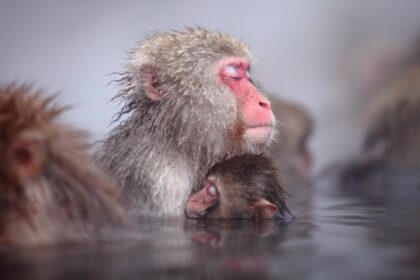
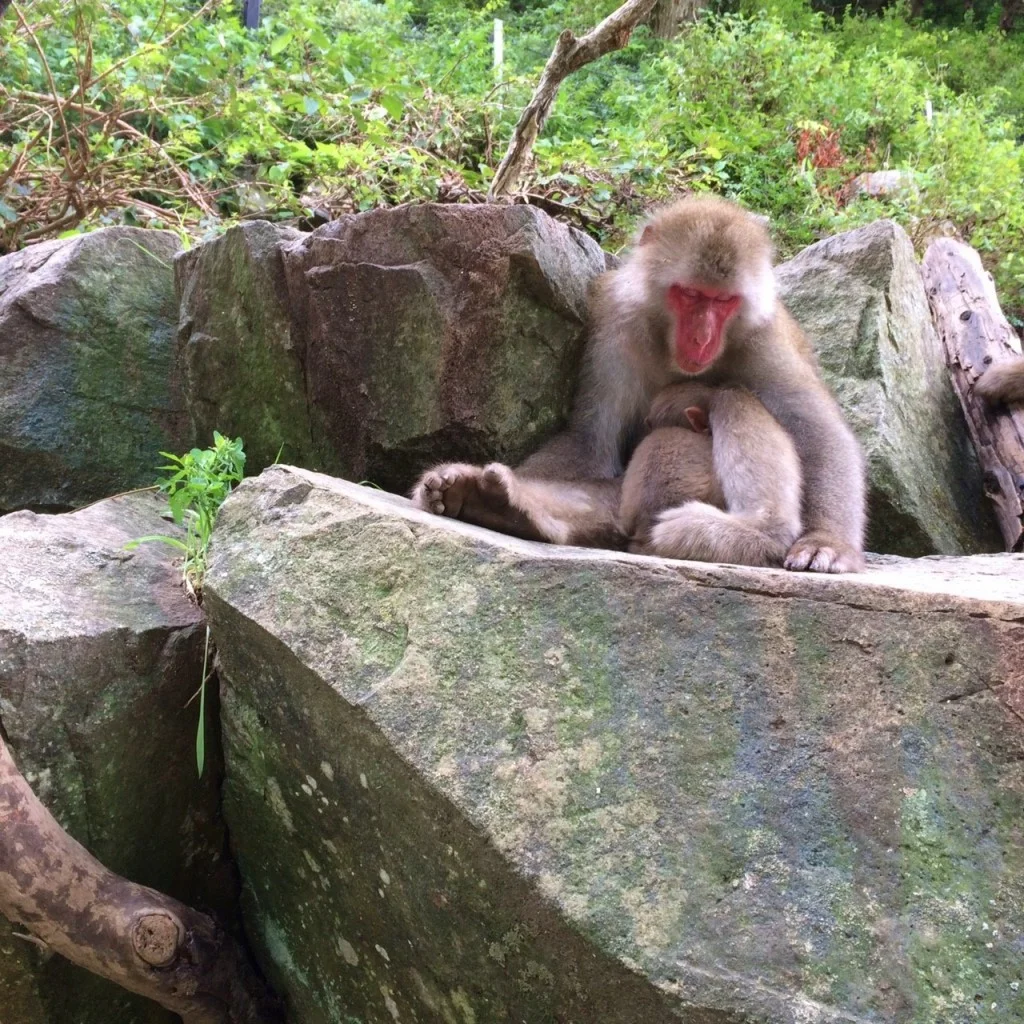
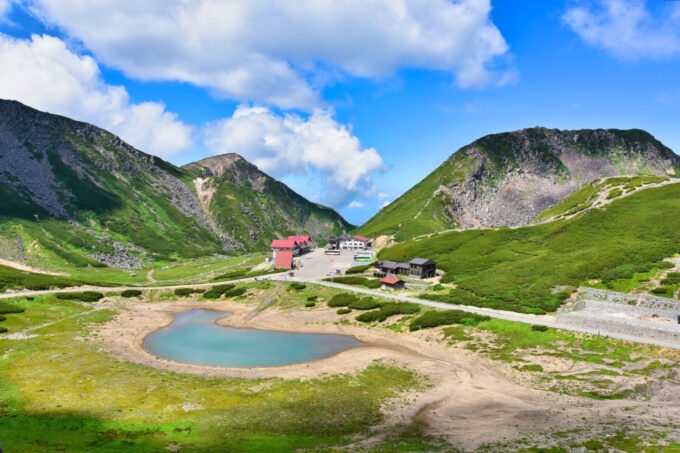
- Summer hiking season is in full swing across the Japan Alps, with trails around Kamikochi and Shiga Kogen at their best and the Snow Monkey Park still open and noticeably quieter than in winter or spring.
Takayama
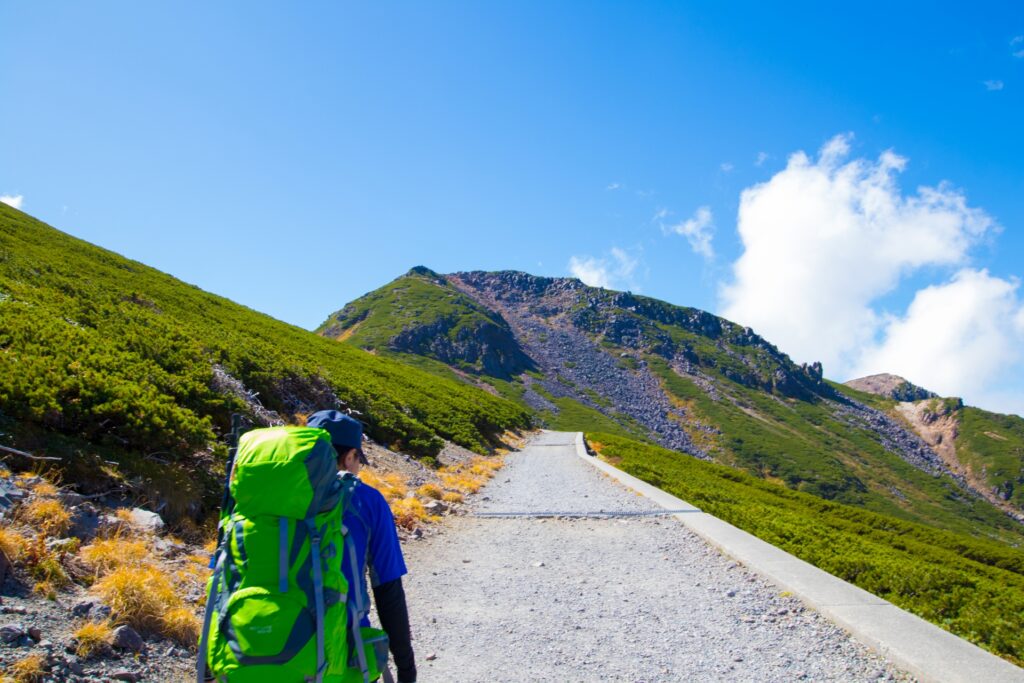
- Mt. Norikura's alpine hiking season continues through July, with the surrounding Hida countryside at its greenest.
Kanazawa
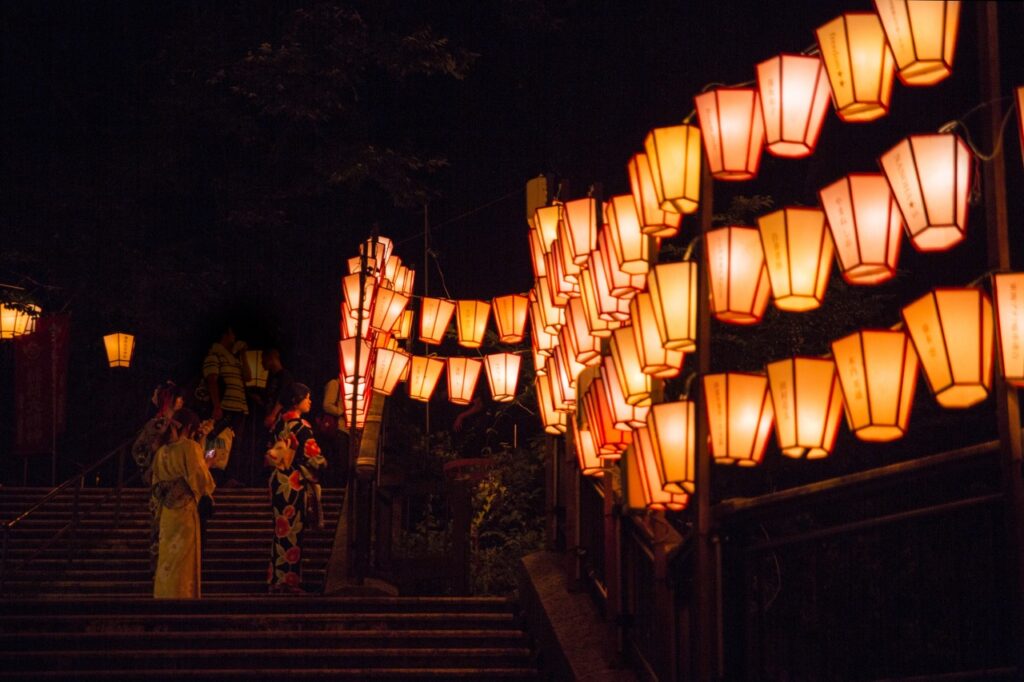
- Yuwaku Bonbori Lightning Ceremony (July 19): Originally a fictional festival from the anime Hanasaku Iroha, it was later brought to life for real, and begins each night with the lighting of the lanterns that line the 500-meter staircase to Yuwaku Inari Shrine, building toward the main festival event in October.
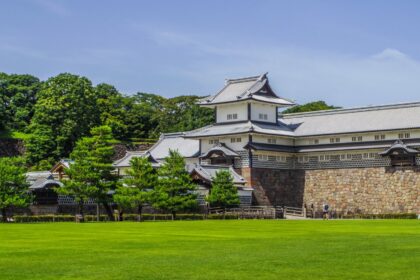
- Hokkoku Firework Festival (July 25): One of the largest fireworks displays in Japan, with around 12,000 fireworks over the riverbank.
Hiroshima
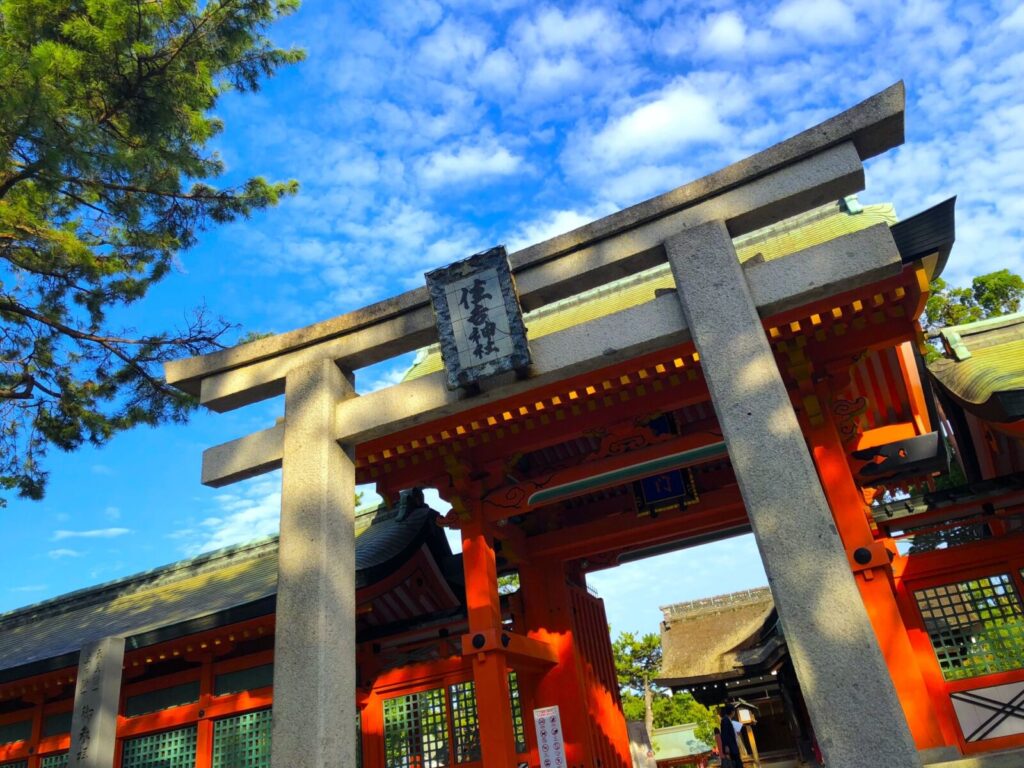
- Sumiyoshi Festival (July 27-28): A historic shrine festival on the Motoyasu River near Peace Park, combining a lantern-lit boat procession with a fireworks display.
- Hiroshima Port Dream Fireworks Festival (July 25): Around 10,000 fireworks set off over Hiroshima Bay against the backdrop of the surrounding islands.
Sapporo
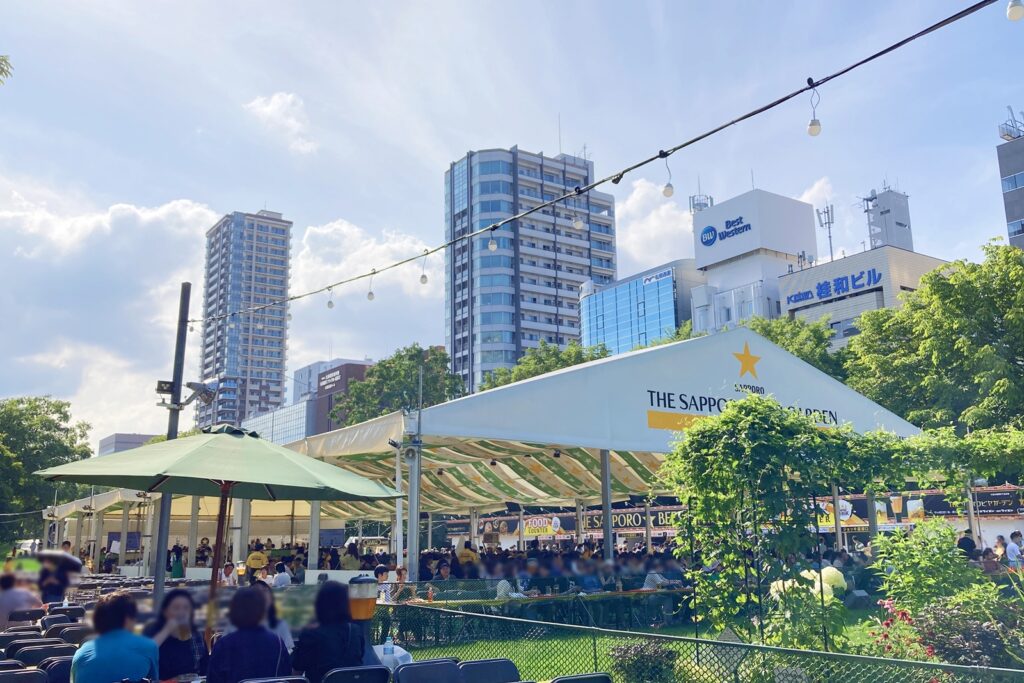
- Sapporo Summer Festival (July 23 - August 18): A month-long celebration in Odori Park anchored by a large beer garden split across five brewery-themed areas.
- Makomanai Fireworks Festival (July 11): One of Hokkaido's largest fireworks events, with around 22,000 fireworks synchronized to music and lighting.
Travel Tips & Local News
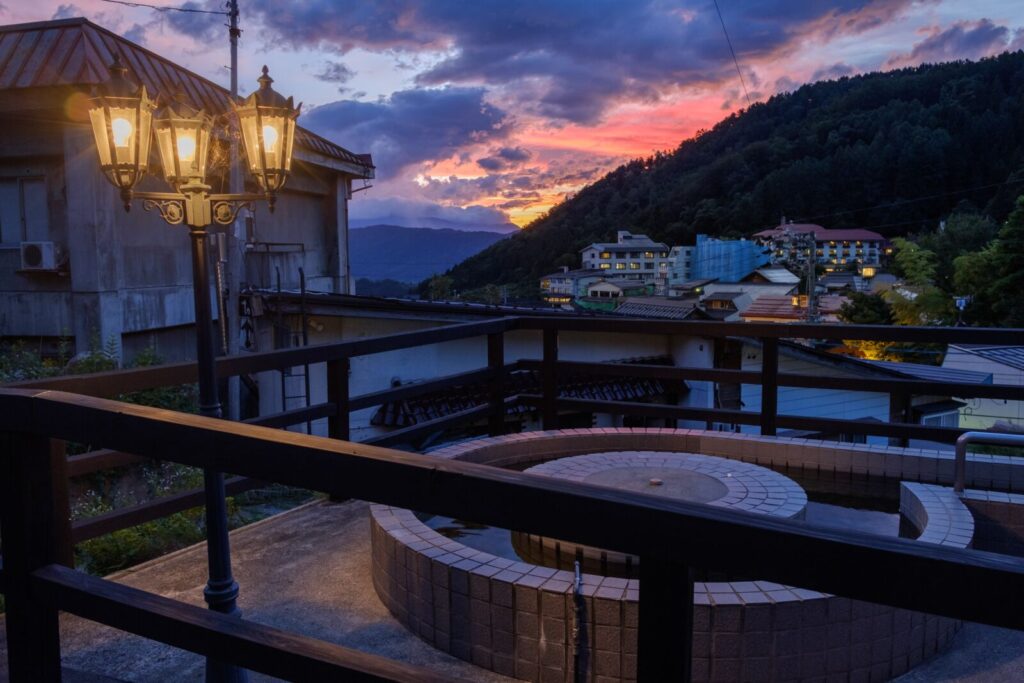
- Pack for heat and sun: lightweight, breathable clothing, a hat, sunscreen, and water are all essential once tsuyu lifts.
- Hydrate constantly: July heat and humidity make heatstroke a genuine risk. Convenience stores and vending machines are everywhere in Japan, stocked with cold drinks and electrolyte supplements, so staying hydrated is never hard.
- Book Mt. Fuji in advance: online registration and the entry fee are mandatory for all four trails in 2026, and mountain huts fill up quickly for July and August dates.
- Watch for typhoons: typhoon season begins in July, so check weather forecasts before outdoor plans and mountain climbs.
- Seasonal food to try: Doyo no Ushi no Hi falls on July 26, 2026, the traditional day for eating unagi (grilled eel) to build stamina against the summer heat. Kakigori (shaved ice) and cold noodle dishes like hiyashi chuka also become popular this month.
- Late July gets busier: crowds and hotel prices climb in the final week of July as the Gion Matsuri and Tenjin Matsuri finales approach and Mt. Fuji's peak season begins.
FAQs About Visiting Japan in July
Is July a good time to visit Japan?
Yes, with the right expectations. Once the rainy season ends, expect strong sun and high humidity, but July also brings some of Japan's biggest festivals, including Gion Matsuri and Tenjin Matsuri, along with the opening of Mt. Fuji's climbing season.
Is July hot in Japan?
Yes. Once tsuyu ends, most of Honshu sees daytime highs regularly climbing into the 30s Celsius with high humidity. Hokkaido stays noticeably cooler and more comfortable throughout the month.
When does the rainy season end in Japan?
Tsuyu typically ends between late June and mid-July, moving from Kyushu and Shikoku northeast through Kansai, Tokai, and Kanto. The exact date varies by region and by year.
Can I climb Mt. Fuji in July?
Yes. The Yoshida and Subashiri trails open July 1, and the Fujinomiya and Gotemba trails, along with the summit crater rim walk, open July 10. All four trails require advance online registration and a mandatory entry fee.
What festivals happen in Japan in July?
Kyoto's Gion Matsuri runs the entire month, with its main parades on July 17 and 24. Osaka's Tenjin Matsuri takes place July 24-25, and Tokyo's Sumida River Fireworks Festival lights up Asakusa on July 25.
Is Japan crowded in July?
Early to mid-July is moderately busy, quieter than the Obon holiday rush in mid-August. Crowds and prices pick up noticeably in the final week of the month as major festivals reach their climax.
Plan Your July Visit
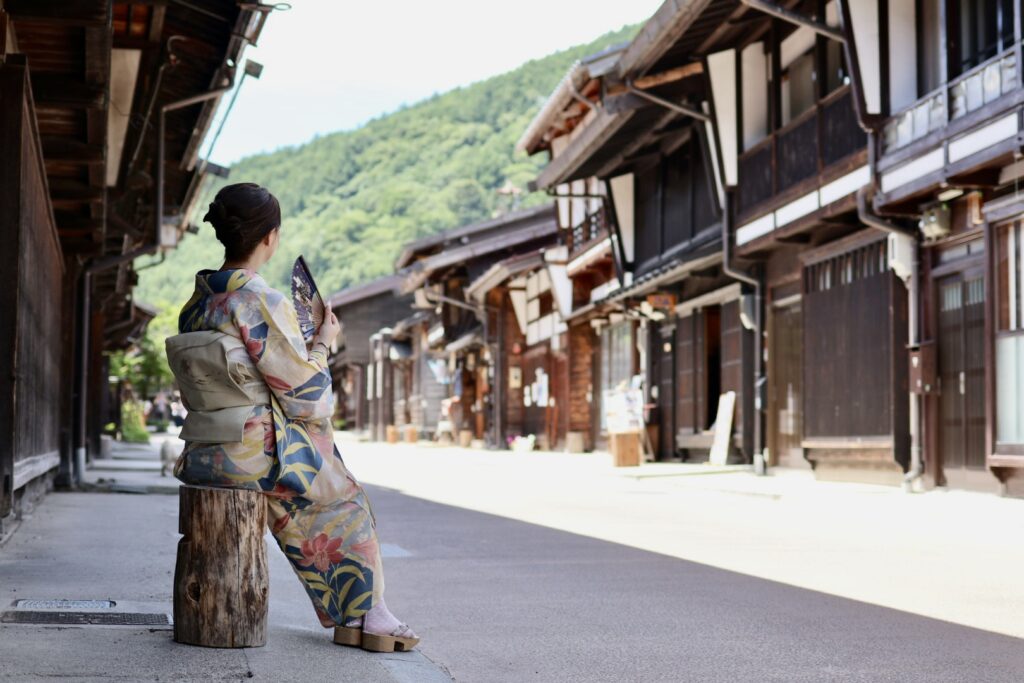
From the month-long spectacle of Gion Matsuri in Kyoto to the cool mountain trails of the Japanese Alps or Hokkaido's comfortable summer air, July offers a Japan that rewards travelers who plan around its festival calendar. Snow Monkey Resorts can connect your trip with flexible day tours across all major regions.
Tips for Planning:
- Build your Kyoto dates around the Yamaboko Junko parades on July 17 or 24, or the Yoiyama evenings that precede them.
- If Mt. Fuji is on your list, aim for early July for lighter crowds, and book huts and trail registration well in advance.
- Consider Hokkaido for a cooler alternative to Honshu's summer heat.
- Watch the final week of July for rising prices as Gion Matsuri, Tenjin Matsuri, and Mt. Fuji's peak season all converge.
Ready to experience Japan in July?
With Snow Monkey Resorts, you can create a fully personalized, multi-day Japan itinerary by connecting our one-day tours, giving you ultimate flexibility, convenience, and expert local guidance every step of the way.
Learn how to create your one-of-a-kind itinerary or check out our recommended itineraries and start planning your July trip to Japan today.