









Hidden among the forested valleys of northern Kyoto, Kifune Shrine is one of the city's most enchanting spiritual destinations. Dedicated to the deity of water and rain, this historic shrine has welcomed worshippers for more than 1,300 years who come to pray for abundant rainfall, safe travels, successful relationships, and good fortune.
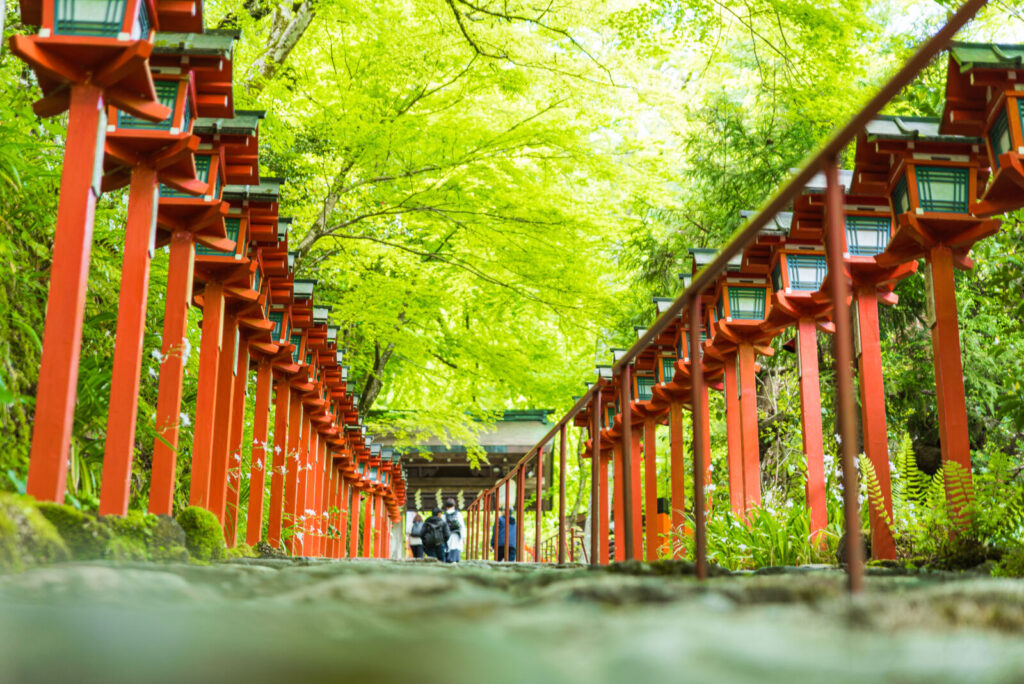
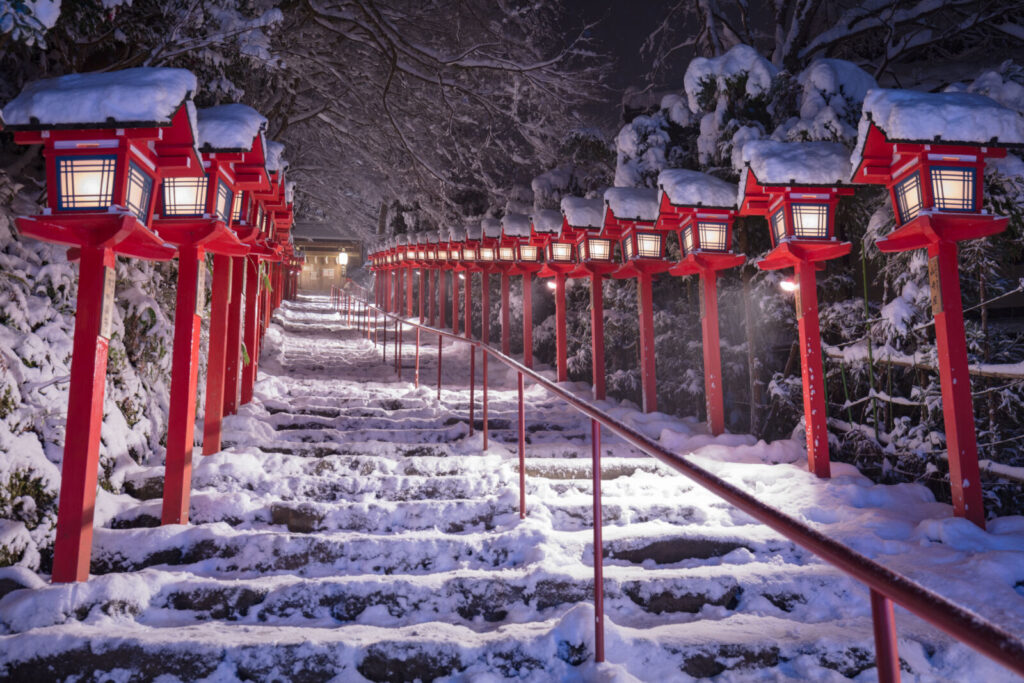
Famous for its picturesque stone staircase lined with vermilion lanterns, peaceful woodland setting, and unique water-activated fortunes, Kifune Shrine offers a tranquil escape from central Kyoto. Combined with the charming village of Kibune and the scenic mountain trail to Kurama-dera Temple, it is one of Kyoto's most rewarding day trips.
Where is Kifune Shrine?
Kifune Shrine is located in the mountain village of Kibune, in northern Kyoto's Sakyo Ward, around one hour from Kyoto Station by public transportation. Nestled beside the Kibune River, the shrine is easily reached from Kibuneguchi Station by bus or a scenic 30-minute walk through the village.
Many visitors combine their visit with nearby Kurama-dera Temple by hiking across Mount Kurama.
Why Visit Kifune Shrine?
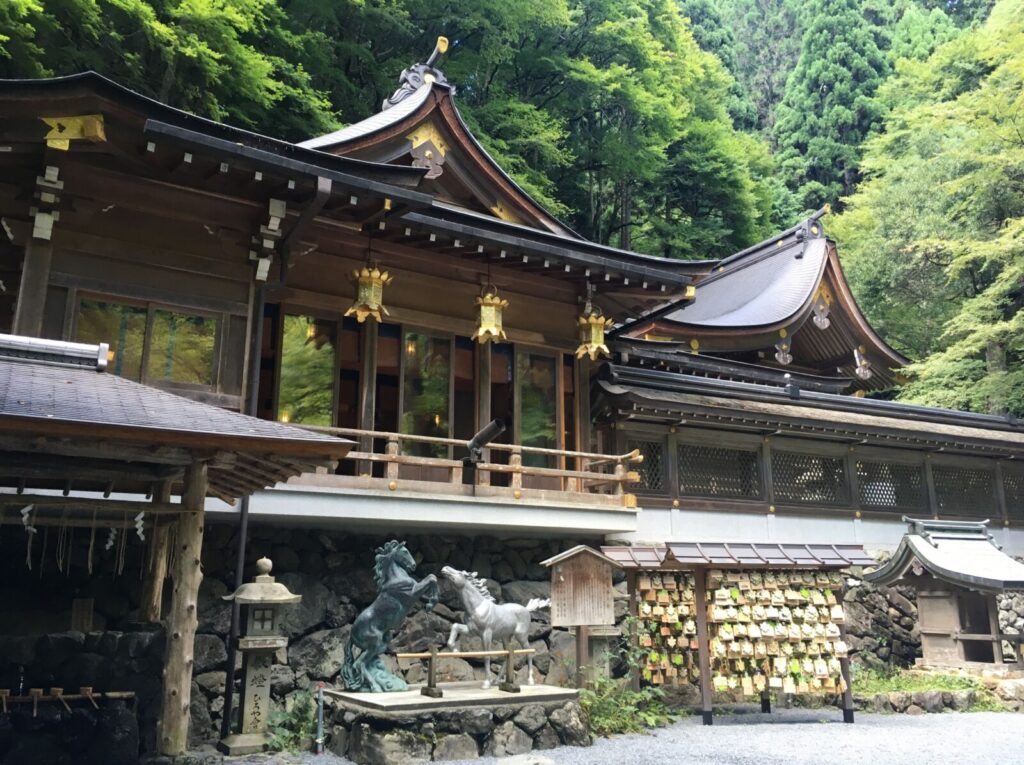
Unlike Kyoto's larger shrines, Kifune Shrine offers a peaceful mountain setting surrounded by forests and flowing water.
Visitors come to enjoy:
- Kyoto's iconic lantern-lined stone staircase
- A shrine famous for love, relationships, and matchmaking
- The unique mizumikuji (water fortunes)
- Beautiful riverside scenery and peaceful forests
- Traditional kawadoko riverside dining in summer
- Easy access to the scenic Kurama–Kibune hiking trail
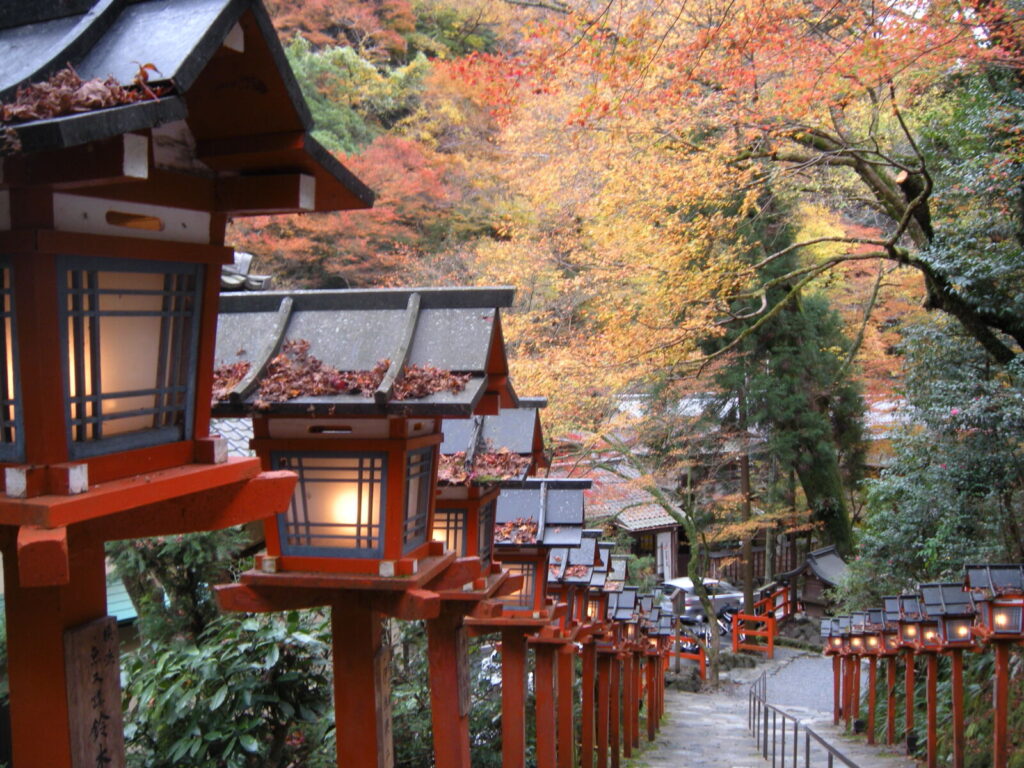
- Spectacular autumn foliage and seasonal beauty
A Brief History
Believed to have been founded more than 1,300 years ago, Kifune Shrine is one of Kyoto's oldest Shinto shrines. It is dedicated to Takaokami-no-Kami, the kami of water and rain, who has long been worshipped by farmers, travellers, and those whose lives depended on clean water and favourable weather.
For centuries, emperors sent offerings here to pray for rain during times of drought or for clear skies when heavy rains threatened the harvest. Today, visitors continue this tradition by praying for good fortune, safe journeys, prosperous relationships, and success in daily life.
The Three Shrines of Kifune
Kifune Shrine is actually made up of three separate shrine areas connected by a pleasant walk through the forest.
Main Shrine (Hongū)
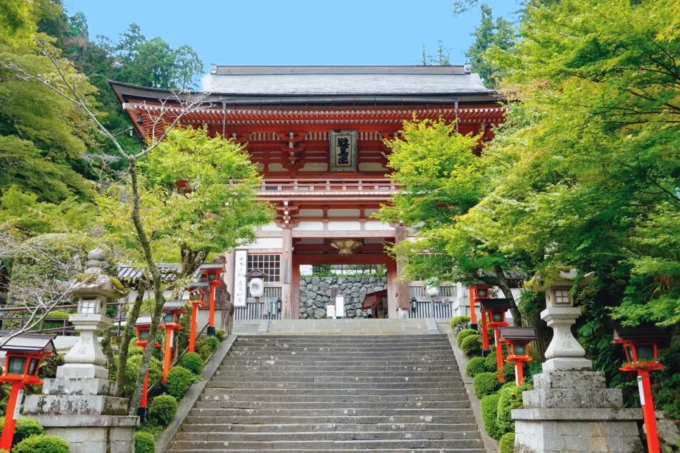
The Main Shrine is the most visited area and is famous for its beautiful stone staircase lined with red lanterns. Here you'll also find the shrine's famous water omikuji, where fortunes appear only after being placed in sacred spring water.
Yui Shrine
Dedicated to the blessings of relationships and marriage, Yui Shrine attracts visitors hoping for success in love, friendships, and family life.
Okunomiya
Located deeper in the valley, Okunomiya is considered the original site of Kifune Shrine. Surrounded by towering trees and a peaceful atmosphere, it offers one of the most tranquil experiences in the area.
Water Omikuji
One of Kifune Shrine's most unique traditions is its mizumikuji, or water fortune.
Visitors purchase a special blank fortune slip before placing it into the shrine's sacred spring. As the paper becomes wet, hidden text gradually appears, revealing the visitor's fortune.
This unusual ritual has become one of Kyoto's most memorable shrine experiences and reflects Kifune's long connection with water.
Kibune Village
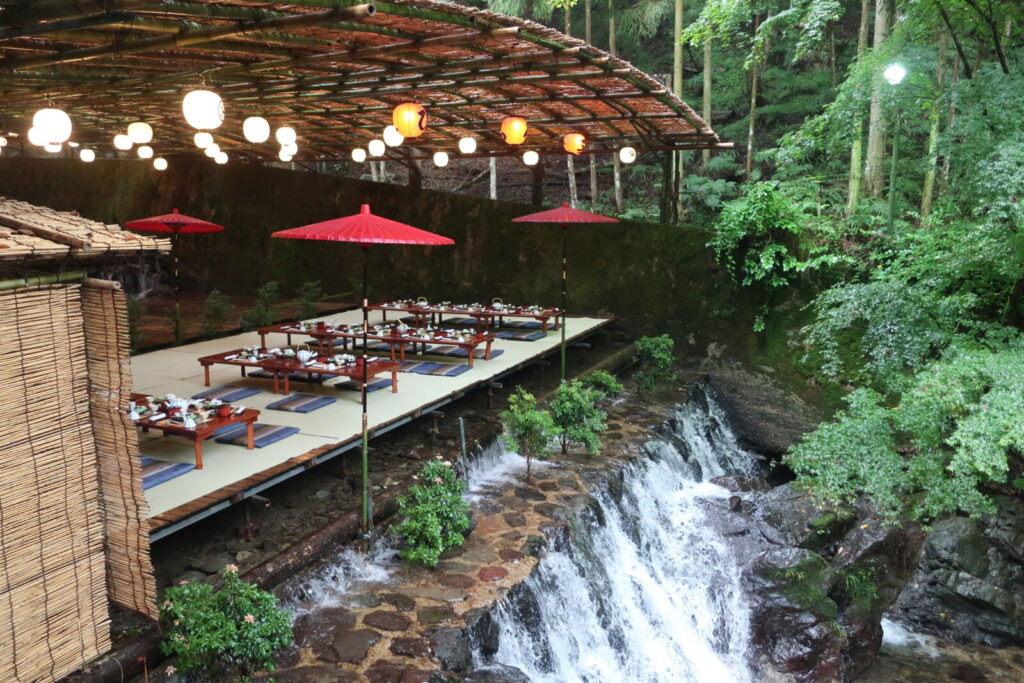
The small mountain village of Kibune is just as charming as the shrine itself.
Traditional ryokan, small cafés, and local restaurants line the narrow road beside the Kibune River, creating one of Kyoto's most picturesque mountain communities.
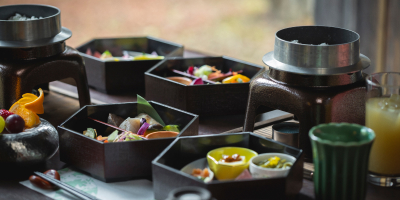
During summer, many restaurants build kawadoko—wooden dining platforms suspended above the cool river. Dining here is one of Kyoto's most famous seasonal experiences, offering delicious local cuisine in a refreshingly cool setting surrounded by nature.
Hiking from Kibune to Kurama
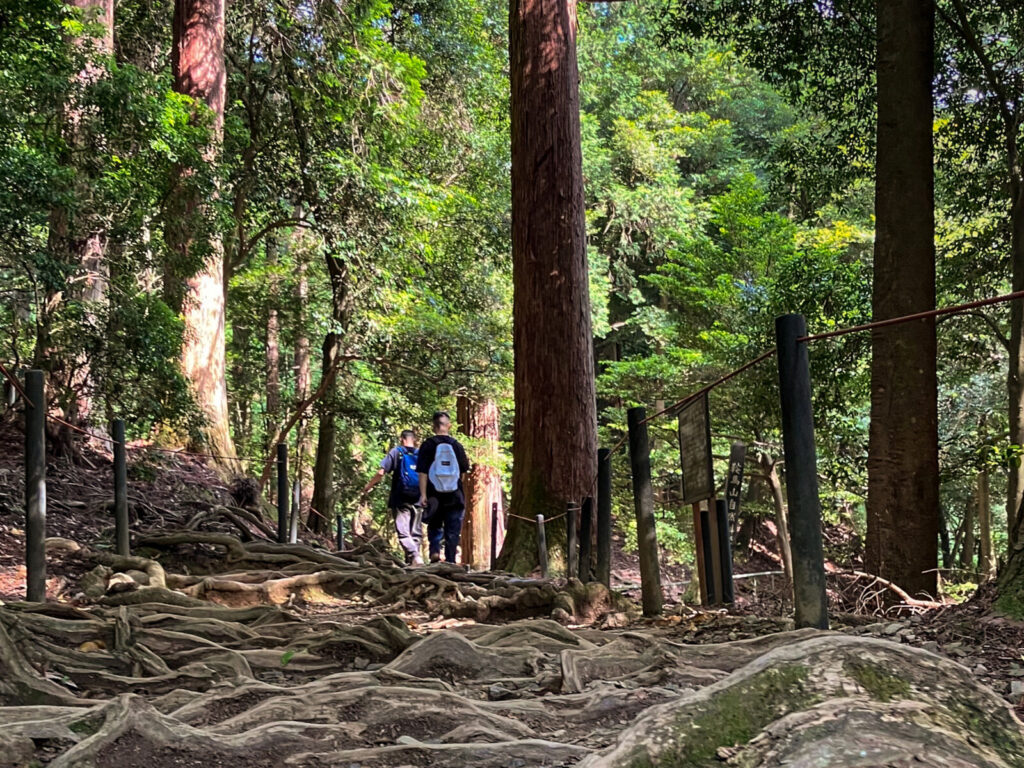
One of Kyoto's most popular hikes links Kifune Shrine with nearby Kurama-dera Temple.
The approximately 4-kilometre trail crosses Mount Kurama through peaceful cedar forests, historic temple grounds, and scenic mountain paths before descending into Kibune.
Whether you begin in Kurama or Kibune, the hike offers one of Kyoto's finest combinations of history, nature, and spirituality.
For detailed trail information, read our Kurama to Kibune Hiking Guide.
Festivals at Kifune Shrine
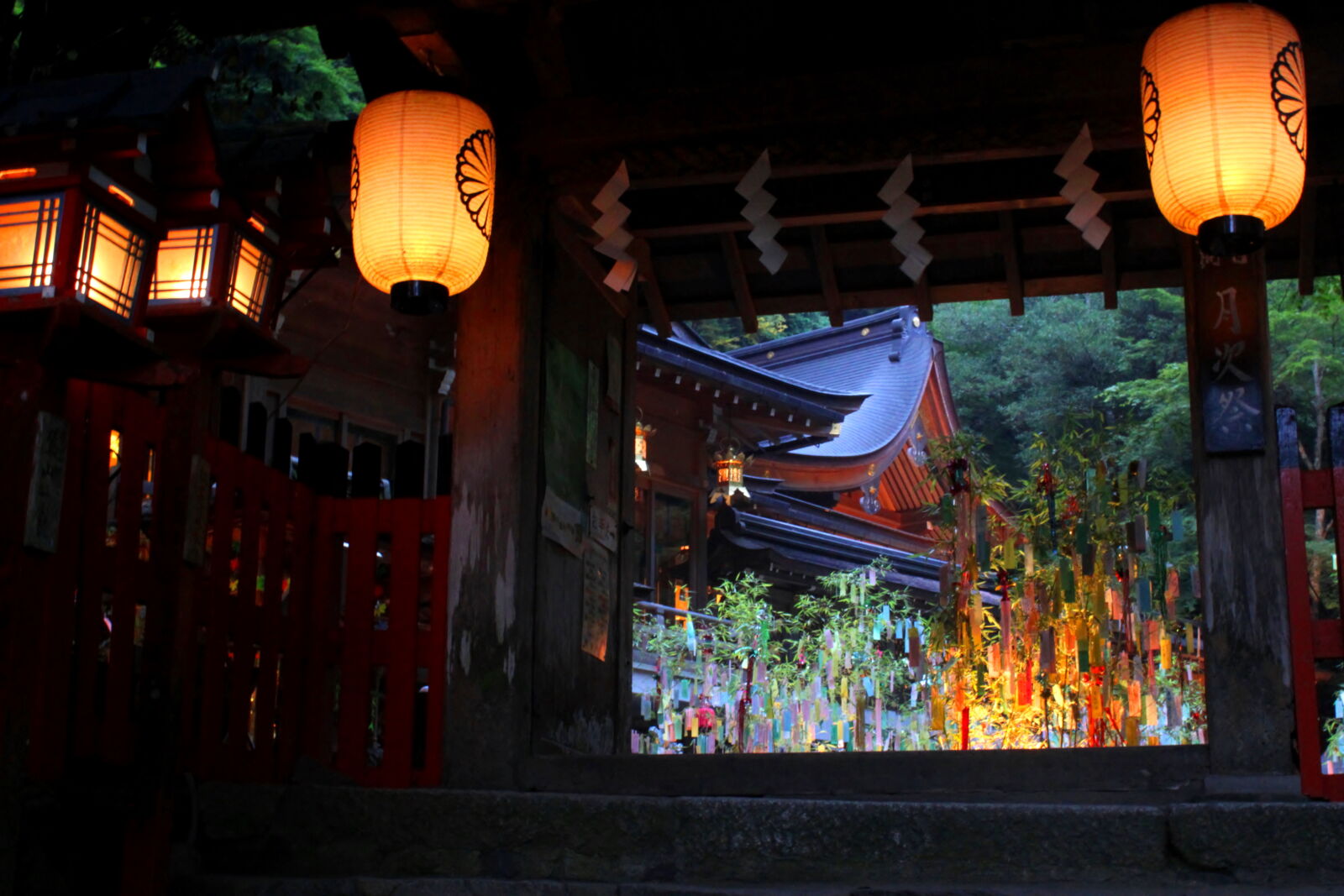
Every summer, Kifune Shrine celebrates Tanabata, Japan's Star Festival, with beautiful bamboo decorations, colourful wish strips (tanzaku), and evening lantern illuminations.
Visitors are invited to write their wishes and hang them from bamboo branches in keeping with a tradition inspired by the legendary lovers Orihime and Hikoboshi, whose reunion across the Milky Way is celebrated each year on the seventh day of the seventh month.
Combined with the shrine's peaceful riverside setting and glowing lanterns, Tanabata is one of the most magical times to visit Kifune Shrine.
Best Time to Visit

Spring (March–May)
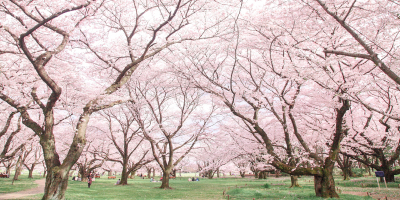
Fresh greenery and comfortable temperatures make spring ideal for walking through the shrine grounds and exploring the surrounding forests.
Summer (June–August)
Summer is one of Kibune's most popular seasons thanks to its cool mountain climate and the famous riverside kawadoko dining.
Autumn (October–November)
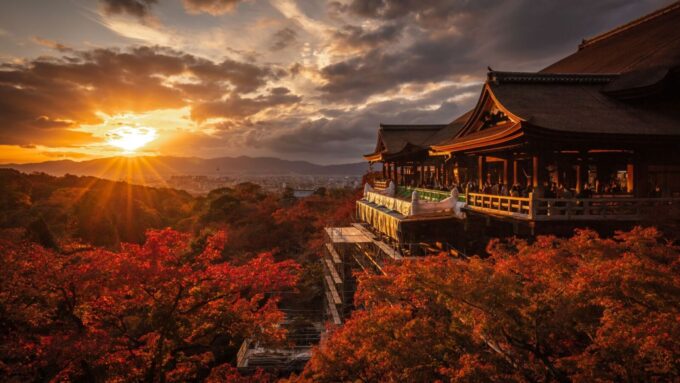
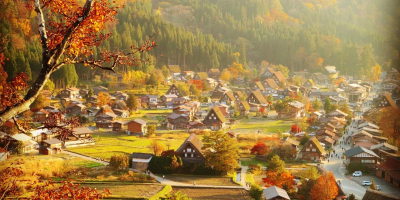
Brilliant maple leaves transform the valley into one of Kyoto's most beautiful autumn destinations.
Winter (December–February)
Snow occasionally blankets the shrine, while seasonal evening illuminations create a magical winter atmosphere.
Planning your trip to Kyoto? Explore our Best Time to Visit Kyoto: Month-by-Month Guide to learn about seasonal weather, festivals, autumn leaves, cherry blossoms, and the best times to experience Kyoto throughout the year.
How to Get to Kifune Shrine
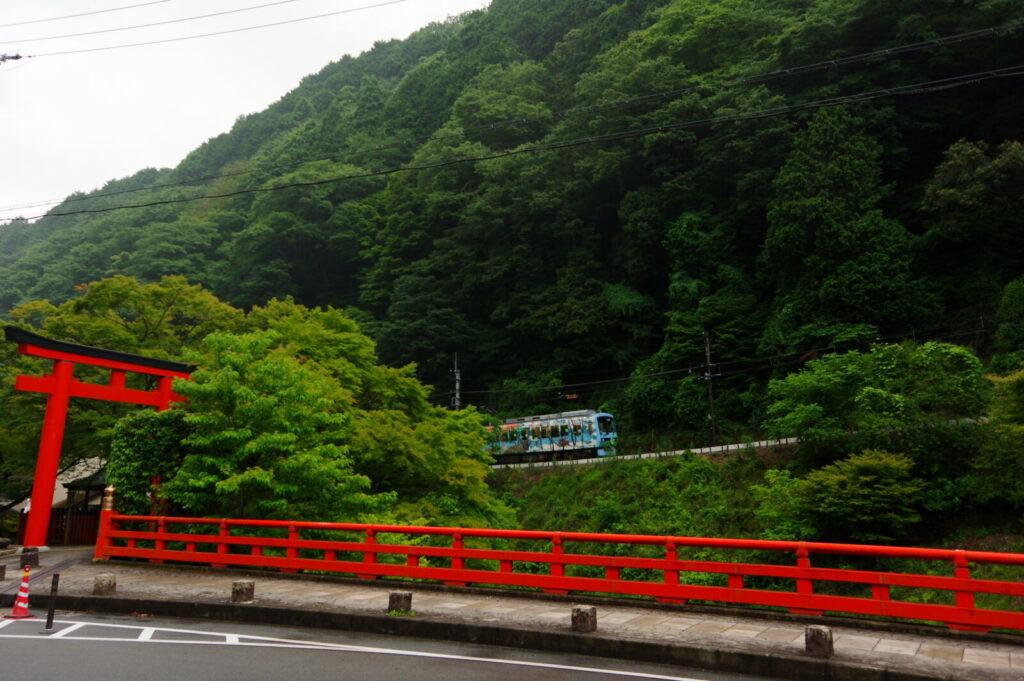
From Kyoto Station
Take the Karasuma Subway Line to Kokusaikaikan Station, then walk to Iwakura Station and board the Eizan Railway to Kibuneguchi Station. From there, take a short bus ride or enjoy a scenic 30-minute walk to the shrine.
From Demachiyanagi Station
Take the Eizan Railway directly to Kibuneguchi Station before transferring to the local bus or walking to Kibune.
From Kurama
Many visitors hike across Mount Kurama from Kurama-dera Temple, arriving at Kifune Shrine after approximately two hours.
Visitor Tips
- Visit early to enjoy the shrine before it becomes busy.
- Try the famous water fortune.
- Wear comfortable shoes if hiking from Kurama.
- Reserve kawadoko restaurants in summer.
- Allow 1–2 hours to explore the shrine and village.
Explore Kifune Shrine with us
Experience Kifune Shrine as part of our Kurama & Kibune Hiking Tour, where you'll journey through Kyoto's sacred northern mountains with an expert local guide. Explore the historic Kurama-dera Temple, hike across Mount Kurama, and finish your adventure at the peaceful Kifune Shrine while discovering the history, legends, and traditions that make this one of Kyoto's most memorable day trips.
Frequently Asked Questions
What is Kifune Shrine famous for?
Kifune Shrine is best known for its iconic lantern-lined staircase, sacred water deity, and unique water-activated fortunes known as mizumikuji.
How long should I spend at Kifune Shrine?
Most visitors spend 1–2 hours exploring the shrine grounds and Kibune Village, though many stay longer to enjoy riverside dining during summer.
Can I hike from Kifune to Kurama?
Yes. The scenic mountain trail between Kifune Shrine and Kurama-dera Temple takes approximately 2 hours and is one of Kyoto's most rewarding hikes.
Is Kifune Shrine worth visiting?
Absolutely. Its peaceful mountain setting, beautiful shrine buildings, riverside village, and unique traditions make it one of Kyoto's most memorable destinations outside the city centre.
Planning Your Kyoto Trip?
If you’re still shaping your itinerary, start with our 7-Day Kansai Japan Highlights Itinerary, which combines Kyoto, Osaka, and Nara into a balanced first visit. For inspiration and practical tips, see our 40 Things to Do in Kyoto, Nara, and Osaka, including seasonal ideas and neighborhood recommendations.
Looking to go deeper? Our Best Tours in Kyoto page highlights cultural experiences that go beyond the usual sights. If you’re deciding where to base yourself, our guide on staying in Osaka or Kyoto breaks down the pros and cons of each.
More Kyoto Travel Guides
Discover Kyoto's rich cultural traditions with our Essential Guide to Geisha in Kyoto, or learn how to enjoy one of the city's finest culinary experiences with our Guide to Making Restaurant Reservations in Kyoto.
Planning a seasonal visit? Explore our guides to Cherry Blossoms in Kyoto for the best hanami spots, or discover the top places to enjoy Autumn Leaves in Kyoto as temples, gardens, and mountain valleys burst into vibrant autumn colours.
Interested in local flavours? Visit our Top 10 Sake Breweries to Visit in Kansai, or unwind after a day of sightseeing with our Tattoo-Friendly Onsen & Sento Guide in Kyoto. If you're looking for even more inspiration, don't miss our Things to Do in Kyoto guide, featuring the city's top attractions, hidden gems, and unforgettable cultural experiences.