

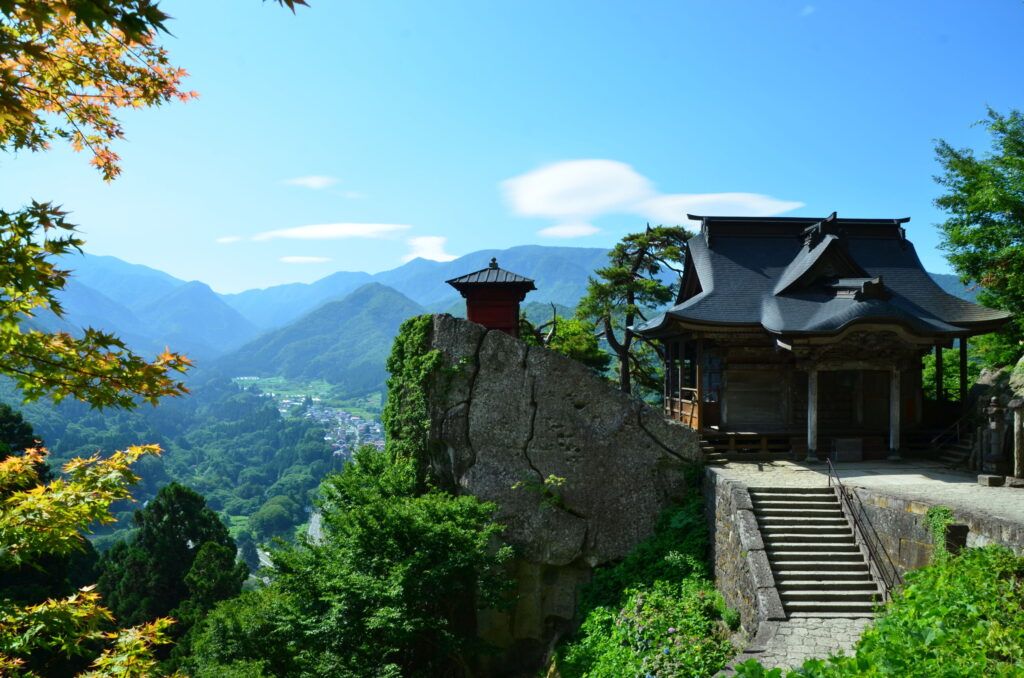
When researching famous foods in the Yamagata Prefecture, one is bound to come up with a long list of delicacies and family recipes passed down through the generations. However, did you know that two of those foods on the long list have served a purpose at an important Zen temple – Risshaku-ji (Yamadera) – for a thousand years?
Ita soba and tama konnyaku are synonymous with Yamagata Prefecture. In fact, Yamagata is known as the heaven of soba since their noodles are thicker and chewier than other soba noodles throughout the country. Meanwhile, tama konnyaku is an entirely original food that you can't find the same recipe anywhere else!
For travelers looking to fuel up just like the locals do before making the 1,015 step trek up Risshaku-ji, read further!
What is Ita Soba?
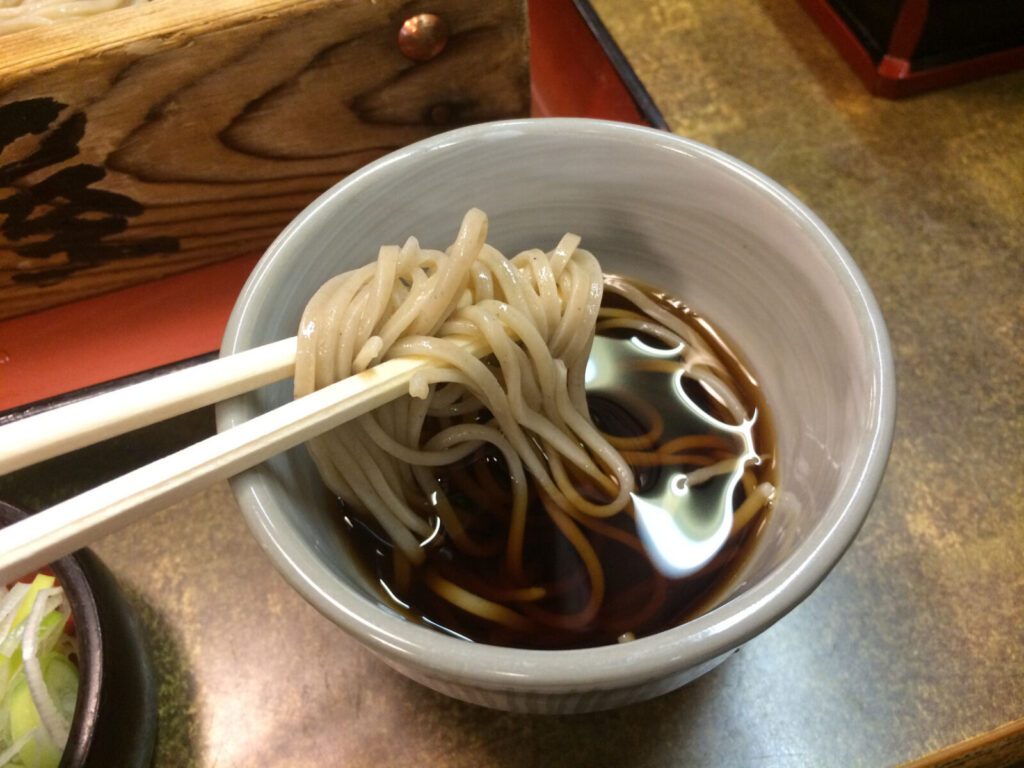
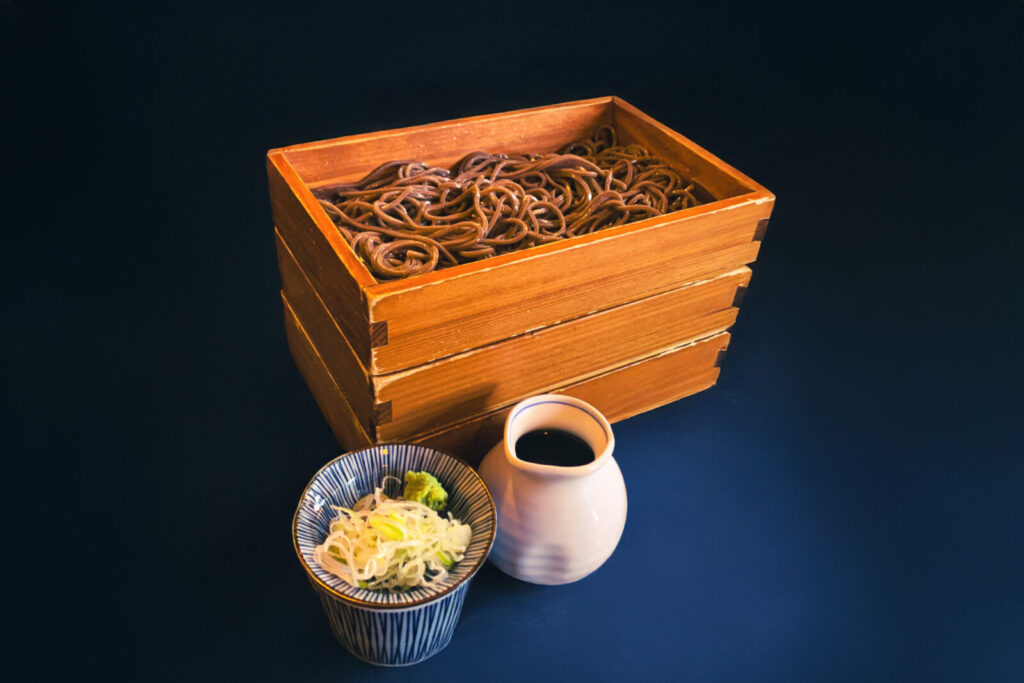
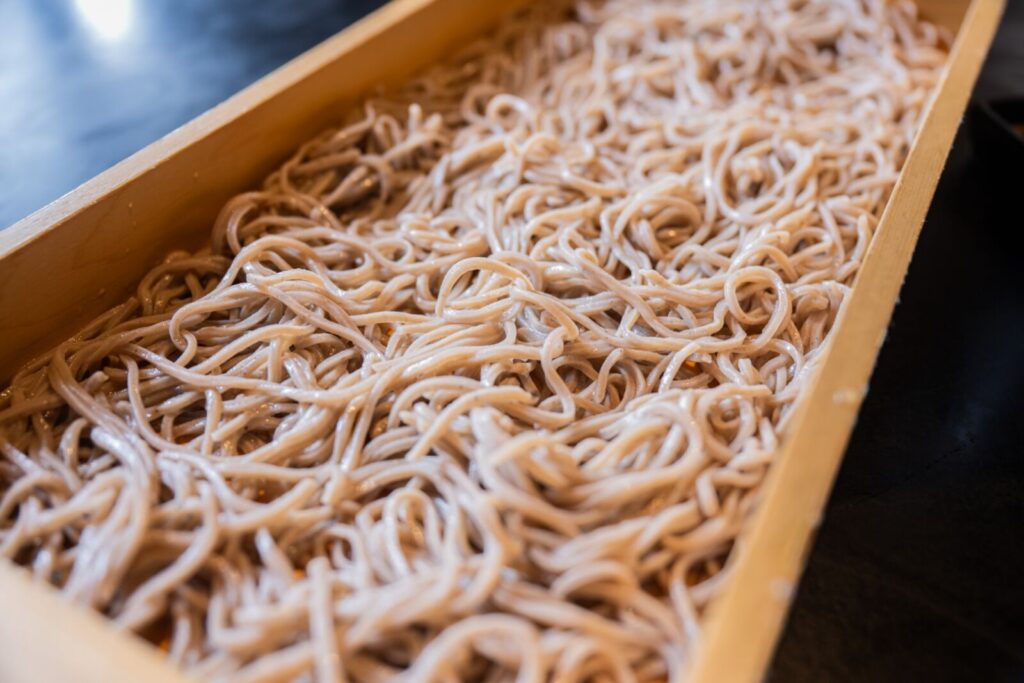
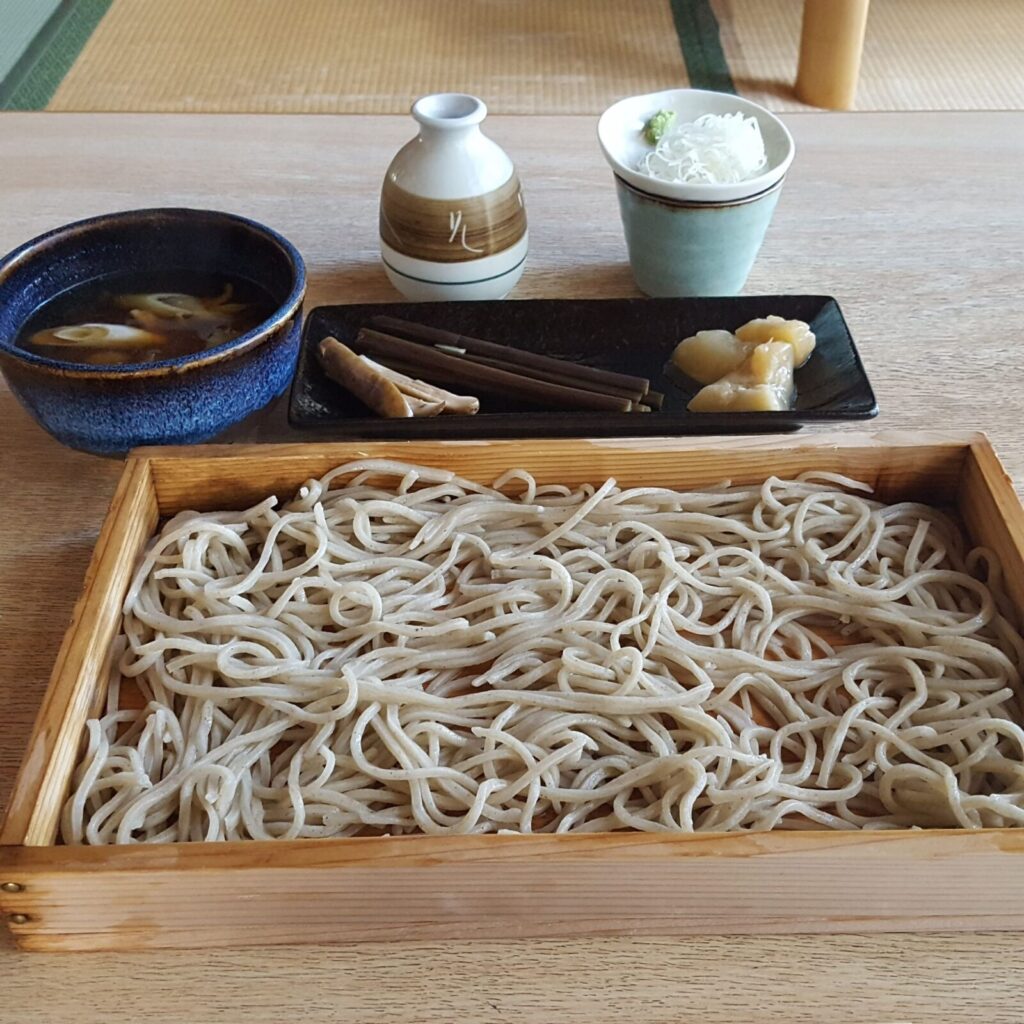
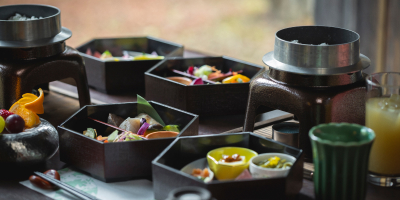
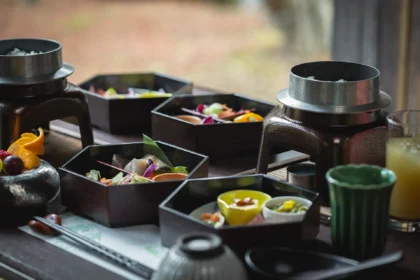
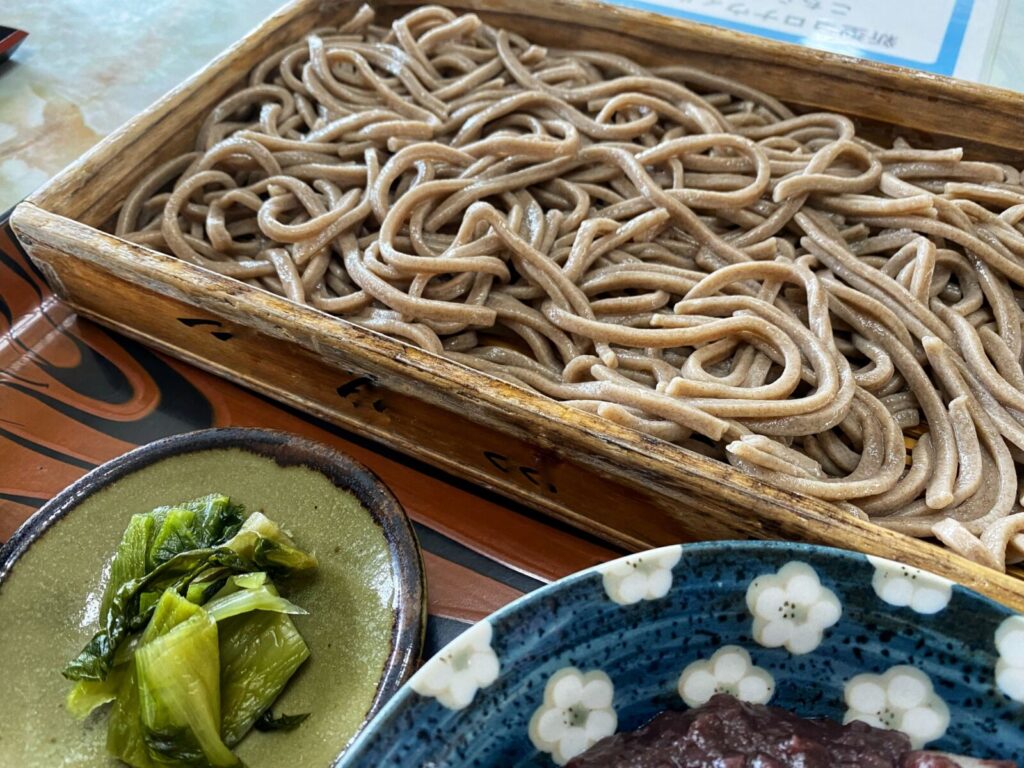
Ita soba is a type of buckwheat noodle dish that is relatively common throughout all of Japan. It is served on a wooden board or plank called an ita which is where it gets its name from. Yamagata is well known for its soba noodles thanks to their unique thick cut and chewy texture. The Yamagata Ita Soba is also known for its simplicity and call-back to tradition. It is served on the wooden board with a side of cold broth and some cut green onions.
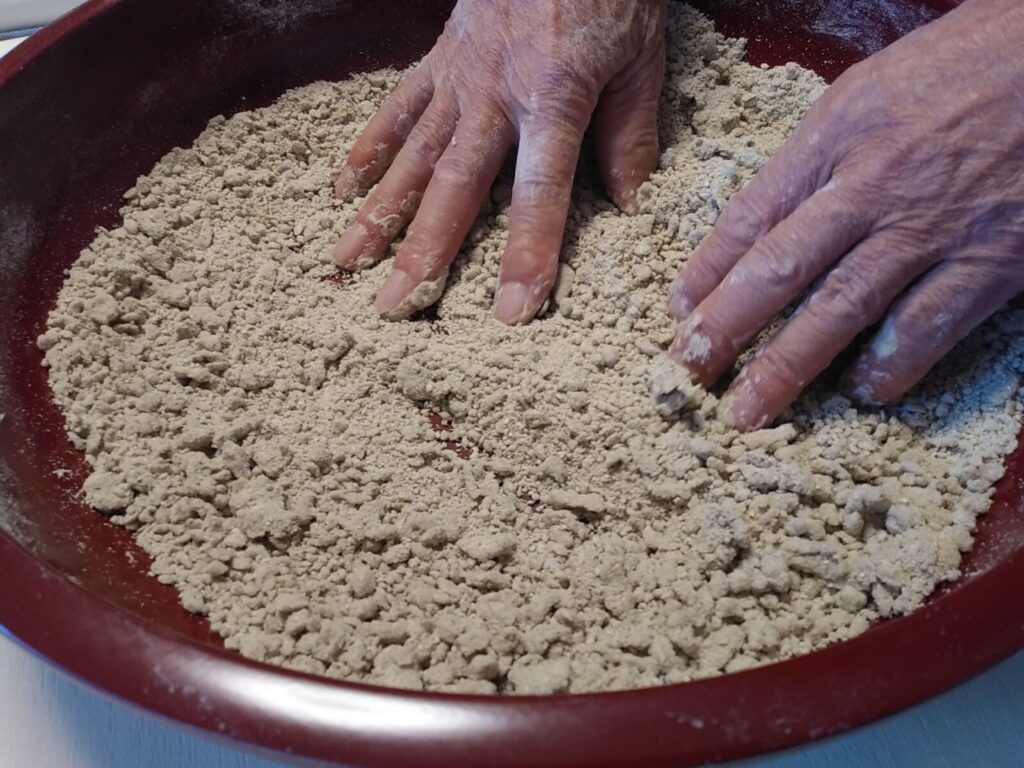
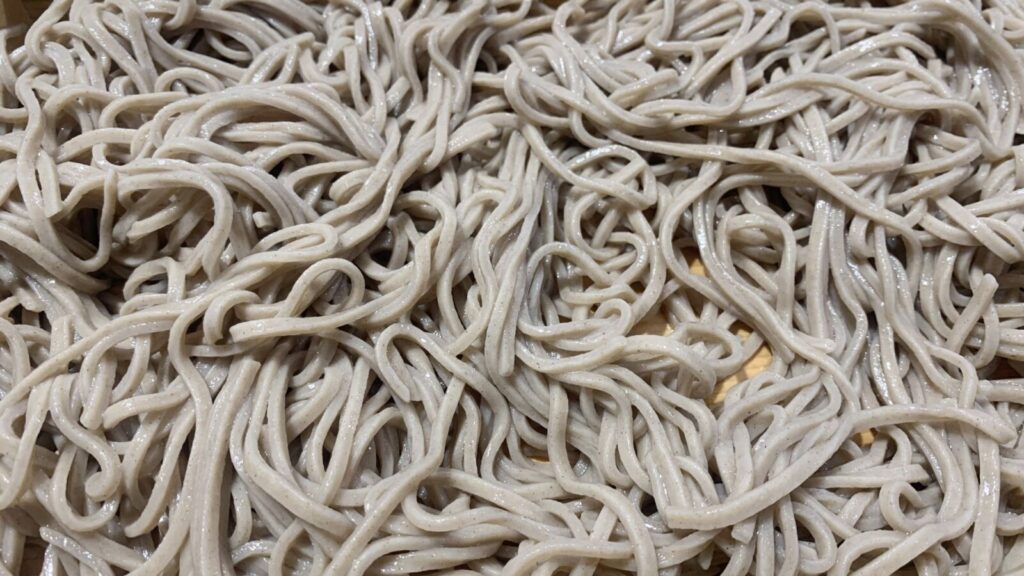
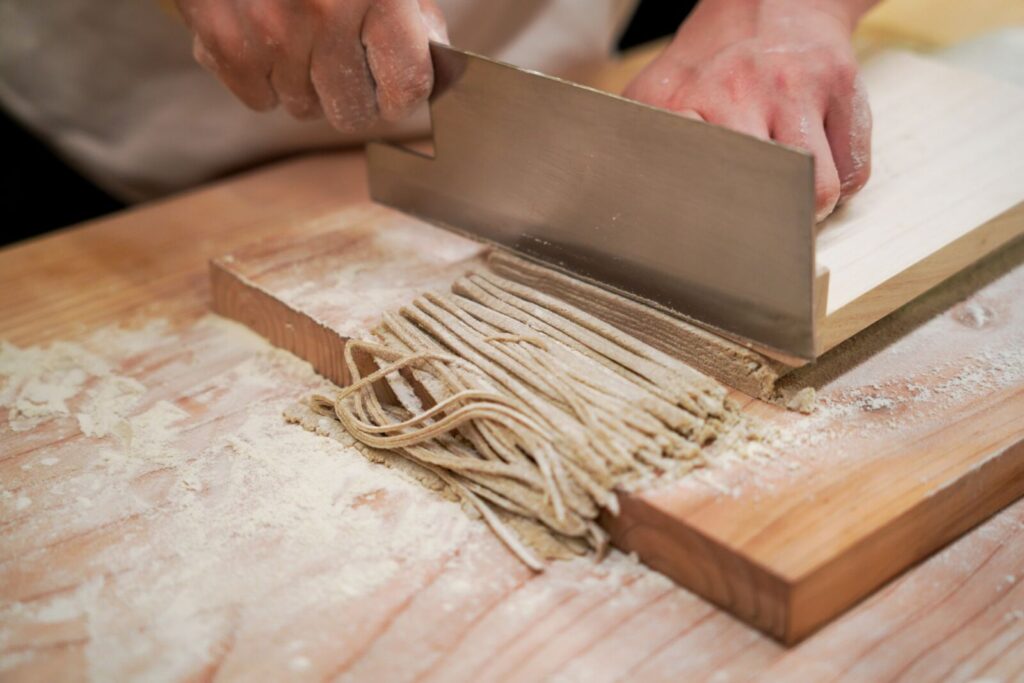
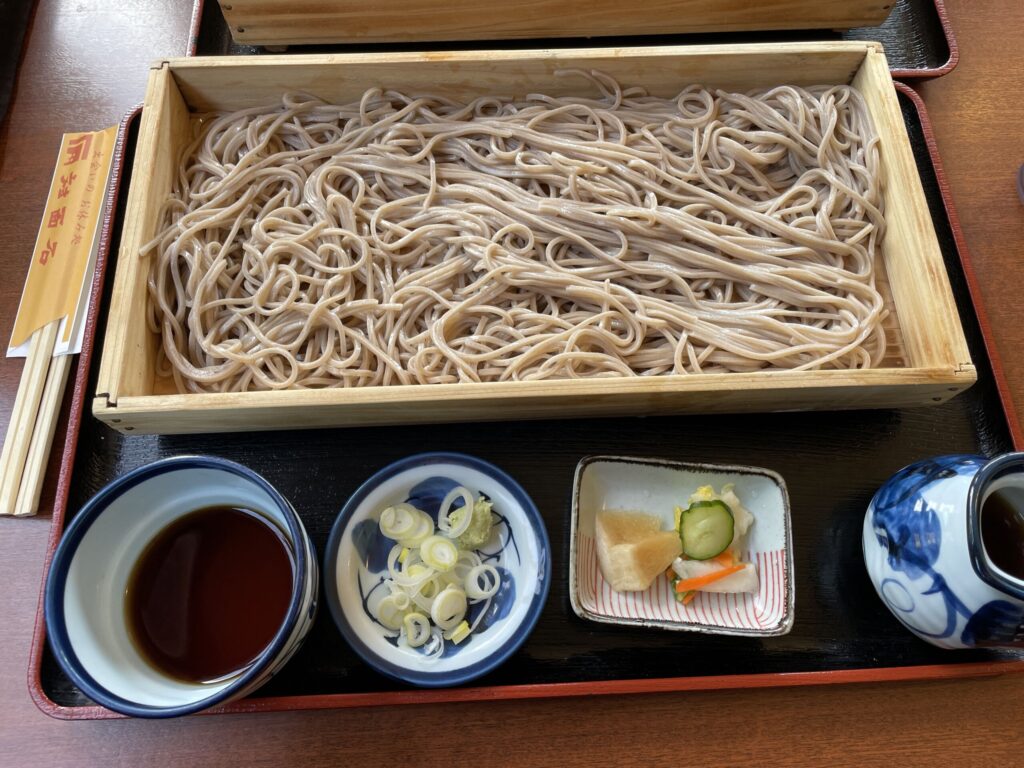
The flour used to make the noodles is also unpolished so their rustic aroma and texture is quite unique and well-loved. Once the noodles are served, you pick them up and dip them into the bowl of broth and eat them that way.
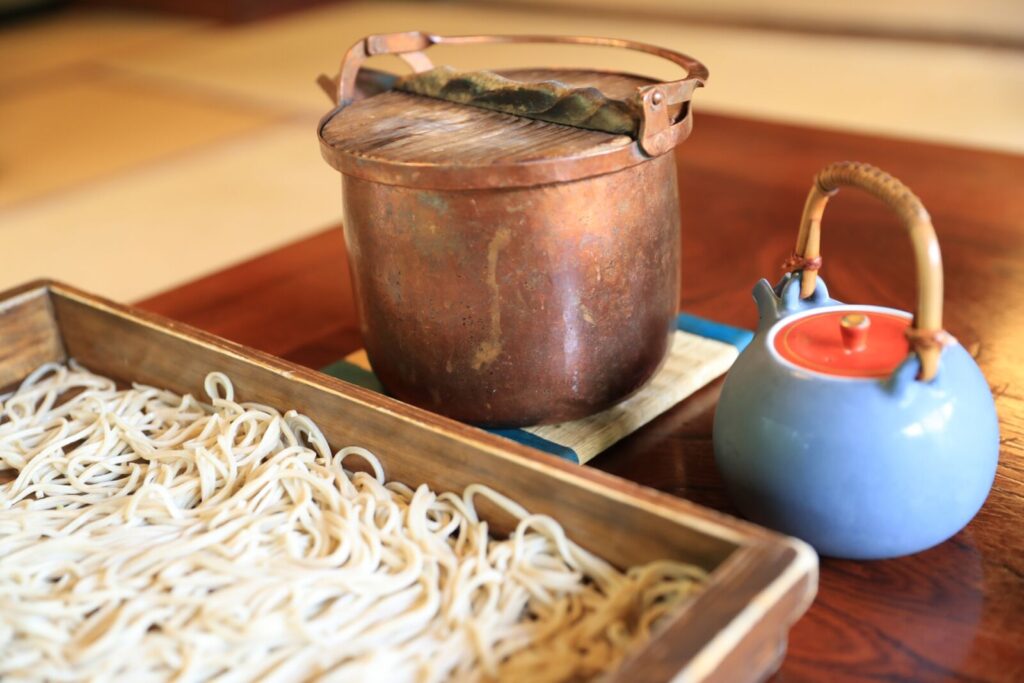
At the end of your meal, it is tradition to water down the soba broth with noodle water and drink the rest of your broth. This is a typical and traditional Japanese mannerism but you won't be in trouble should you decide not to drink the broth at the end. This way of eating the ita soba is reminiscent of the countryside of Japan and restaurants serving this exact cuisine are found all over Yamagata Prefecture, especially near Risshaku-ji Temple.
What is Tama Konnyaku?

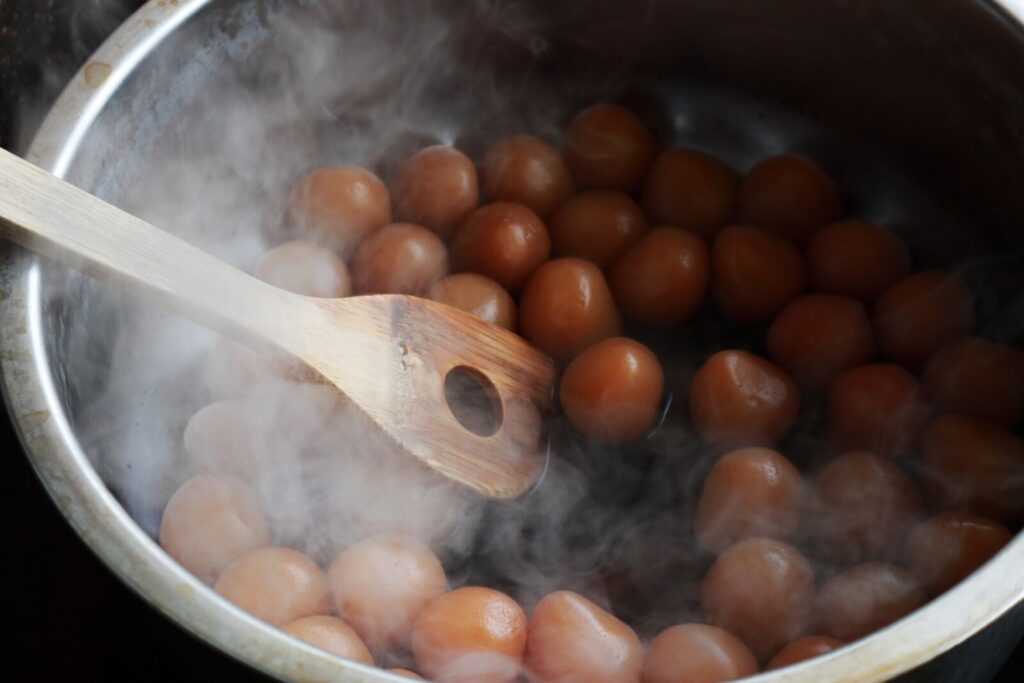
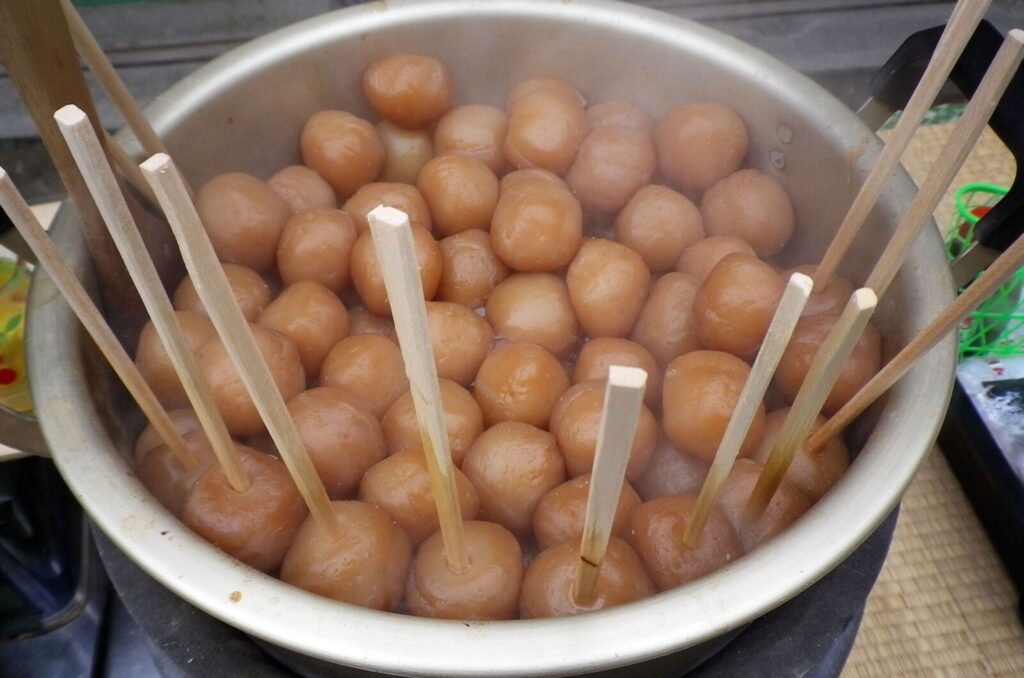
Translated as "ball-shaped konjac," this savory, round snack is a traditional and unique flavor of Yamagata Prefecture. Konjac is also known as the devil's tongue. It is a root vegetable native to Asia and is virtually calorie-free, gluten-free, and has no sugar. It is known as a sort of 'super food' since it is especially good for those looking to watch their weight, blood pressure, and cholesterol levels. The main way it is cooked is with soy sauce and dried squid soup stock. The ingredients are all combined and boiled until the konjac absorbs the savory flavors and changes into a slightly tan-red color. It is often served at festivals on a skewer, plain or with English style mustard. This savory delight is the soul food of the people of Yamagata and part of the reason it became so ingrained in Yamagata culture is thanks to Yamadera temple!
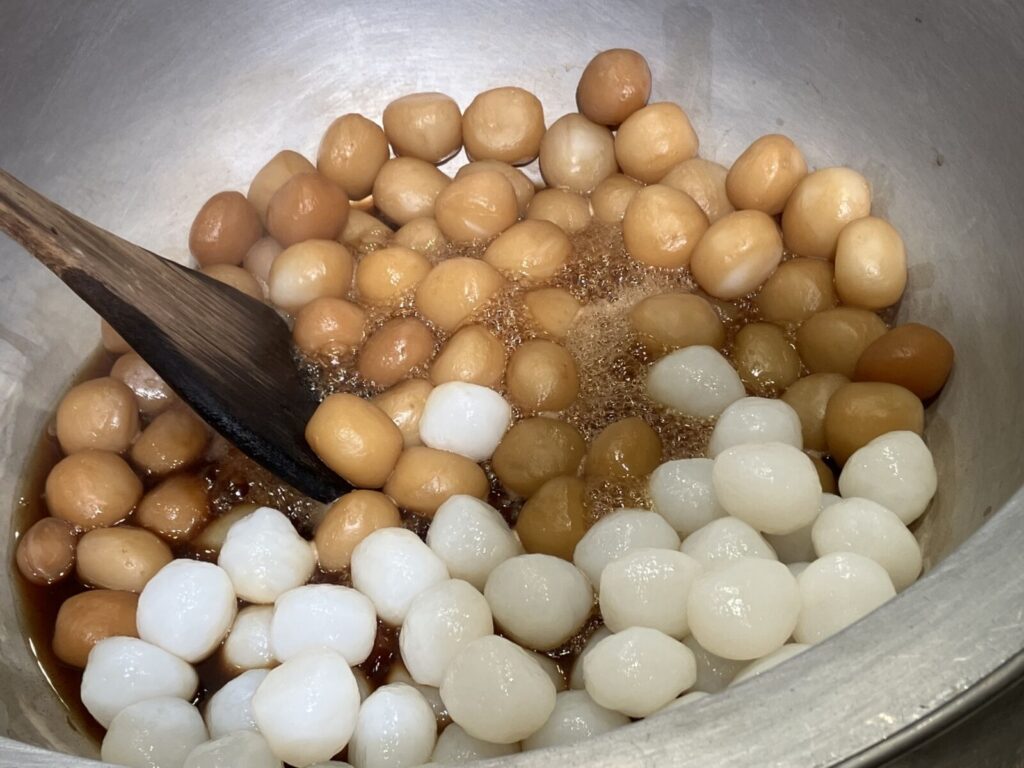
When Risshaku-ji was first established by the traveling monk Jikaku Daishi (also known as Ennin), it is said that he brought with him konjac from China after his extensive religious travels. He was a prolific monk who established many important zen temples throughout all of Japan, particularly in the Tohoku region. It is said that tama konnyaku was used as a vegetarian dish for the monks at the temple and subsequently the nearby locals also took a liking to it. It's described as subtly sweet and savory with a unique chewiness that is satisfying to eat. Over the decades, the food has become inseparable from the temple. It also transformed in its name – becoming Chikara Konnyaku, or Power Konjac!
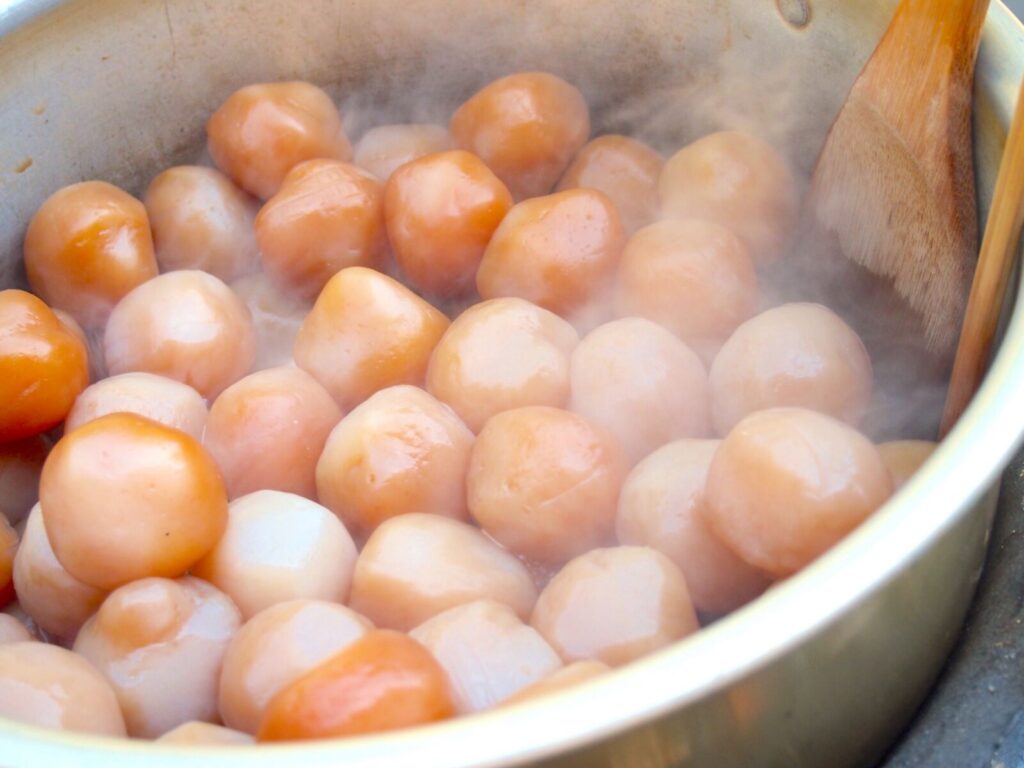
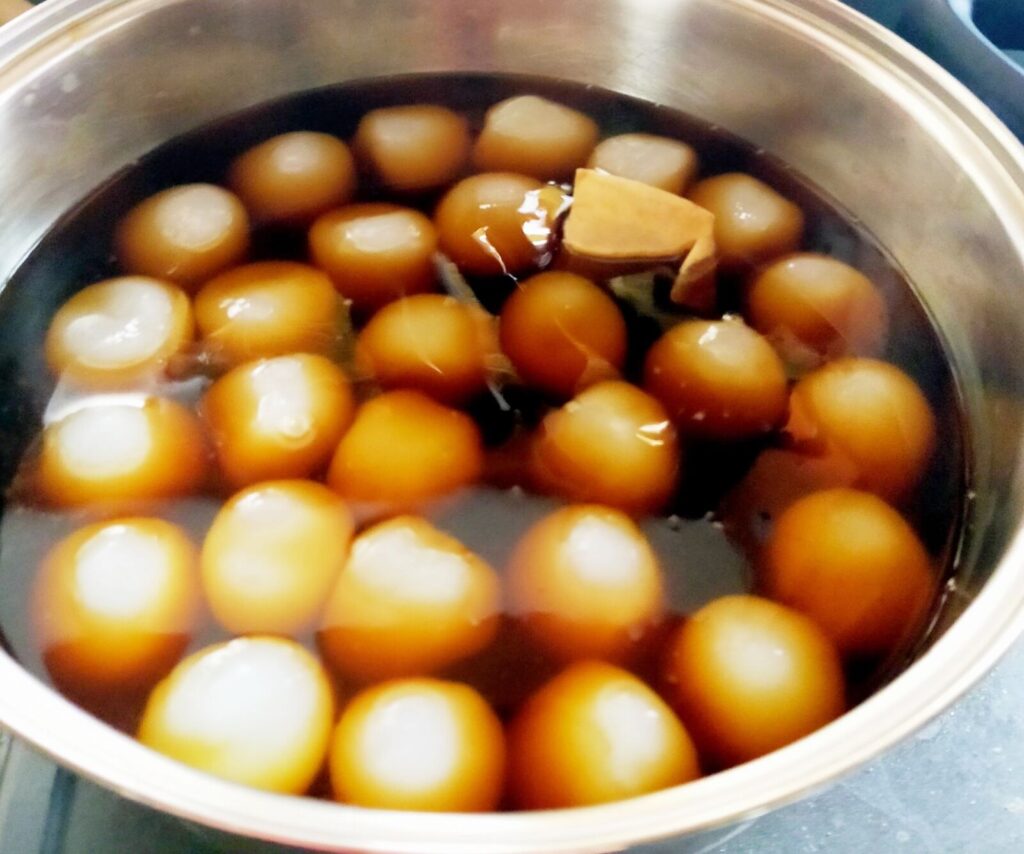
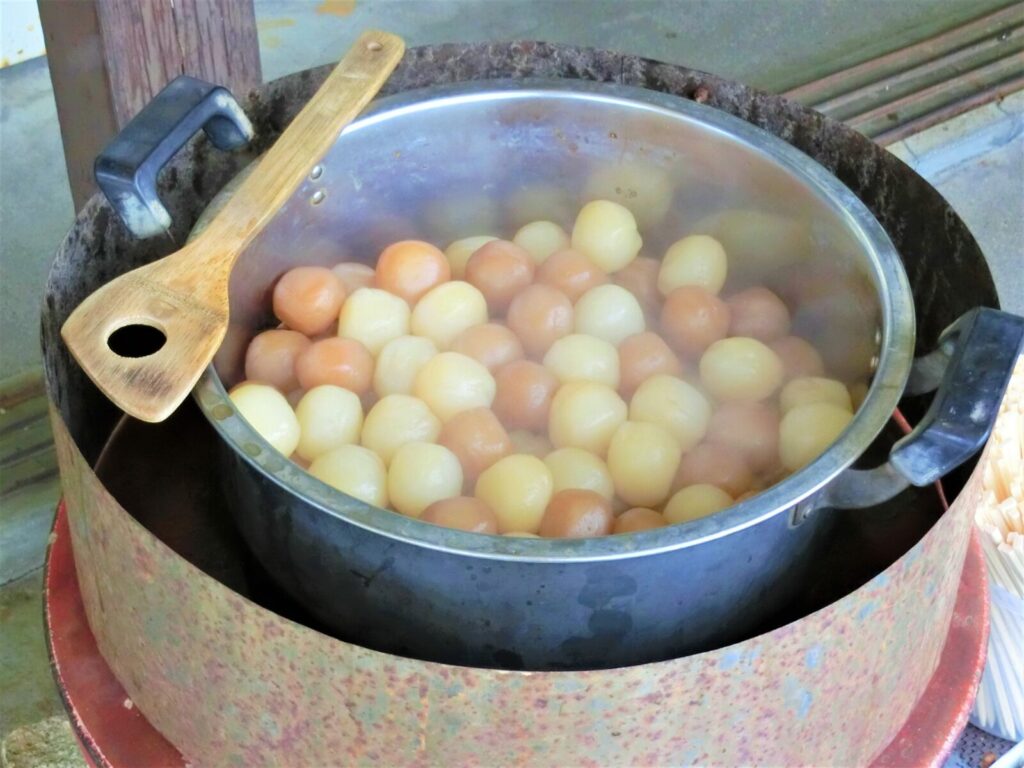
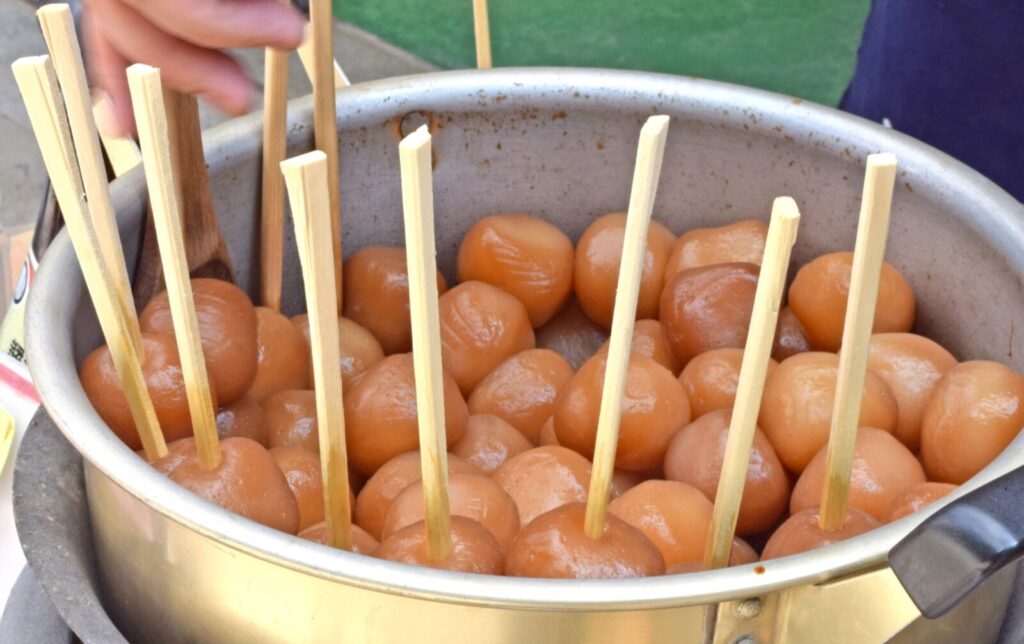
Many shops hang signs over their chikara konnyaku stating how you can obtain the power, energy, and perseverance to make it to the top of the temple's 1,015 stone steps. Interestingly enough, since konjac is low calorie, low fiber, and primarily constructed of water, there isn't any strong physical boost you get from eating it. However, the power of the mind works wonders! So why not try a bite and take the climb?
Where to eat Ita Soba & Chikara Konnyaku
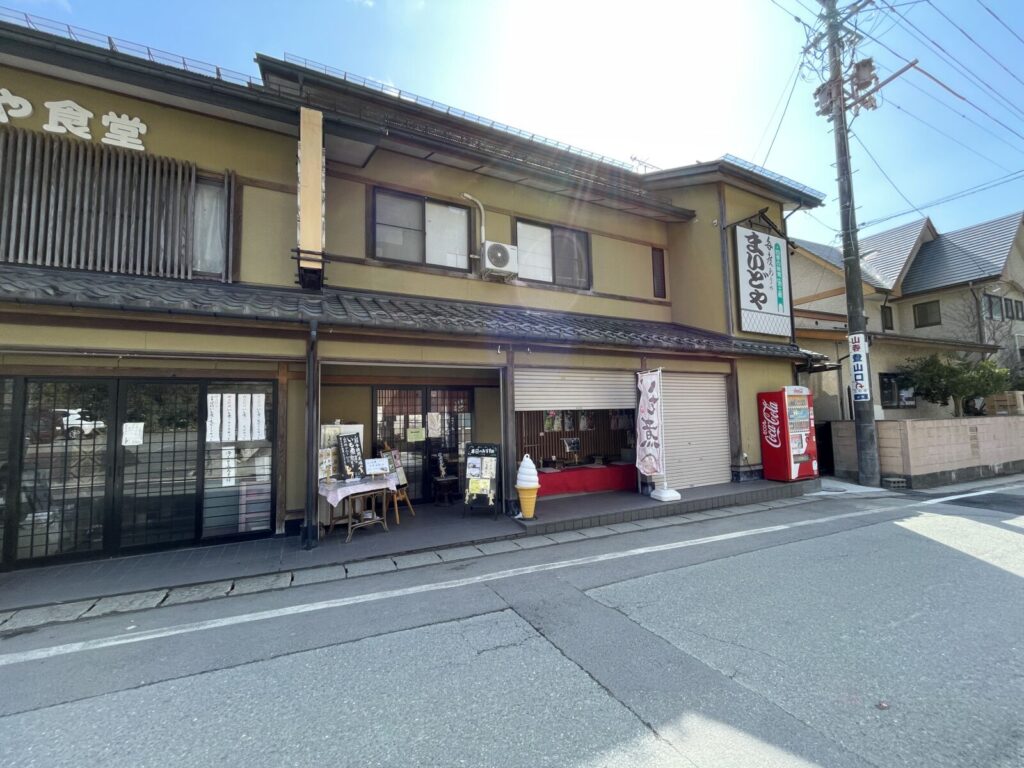
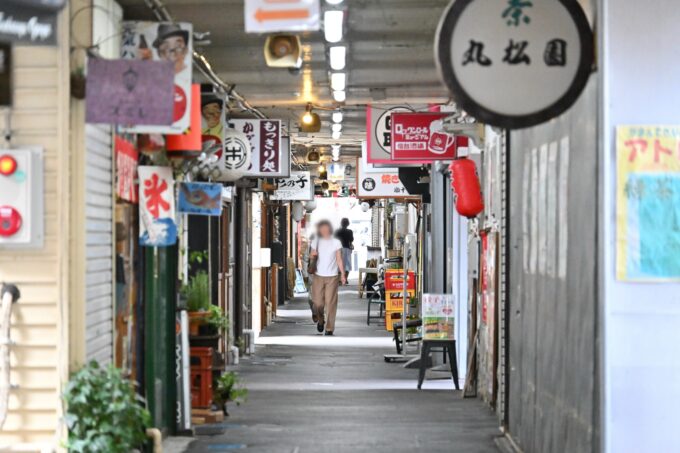
When visiting Risshaku-ji, especially if you travel there by train from Yamagata Station or Sendai Station, you won't have to walk very far before finding a restaurant that serves one or the other. Many places will have the chikara konnyaku right there at the entrances of their establishments. Here are just a couple examples of easy to find places once you arrive at Yamadera Station.
Enzou Yamadera / ita soba & chikara konnyaku
On top of these two iconic dishes, Enzou also serves a different variety of noodles and chilled tofu meals. It's usually open from 11:00 - 15:00 (last order 14:30) and is closed on Wednesdays.
Taimenseki / ita soba & dumpling dishes
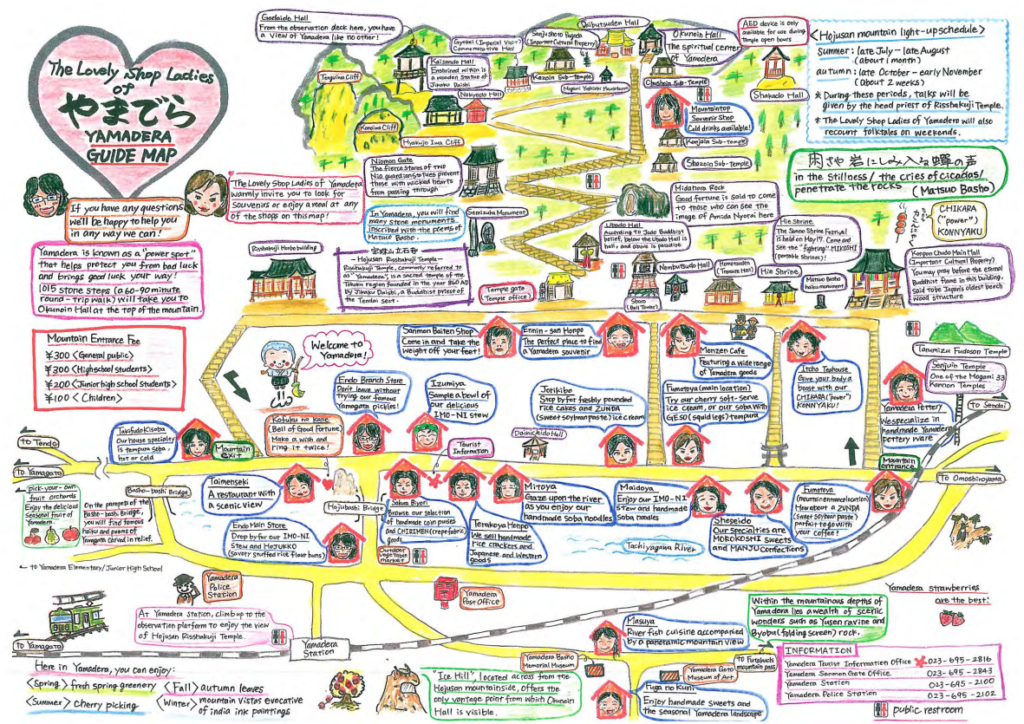
Located near the picturesque Hoju Bridge, this quaint restaurant offers a heaping serving of ita soba as well as a plethora of other delicious noodle dishes and dumplings. They are open from 8:30 - 17:30 and typically are closed on Wednesdays, but this closure day tends to change around throughout the year. So if you're in the area, try stopping by and visiting one of the "The Lovely Shop Ladies of Yamadera." Taimenseki boasts itself as a restaurant with a view!
How to get to Yamadera Temple
From Tokyo
Making the trip to Yamadera from Tokyo can get a bit lengthy for a day trip, but with an overnight stay somewhere in the area whether it be Yamagata or Sendai is highly recommended. Or if you're a go-getter, you can technically do the trip in one day. Just be prepared for quite the travel time! The shinkansen from Tokyo to the north is efficient and affordable.
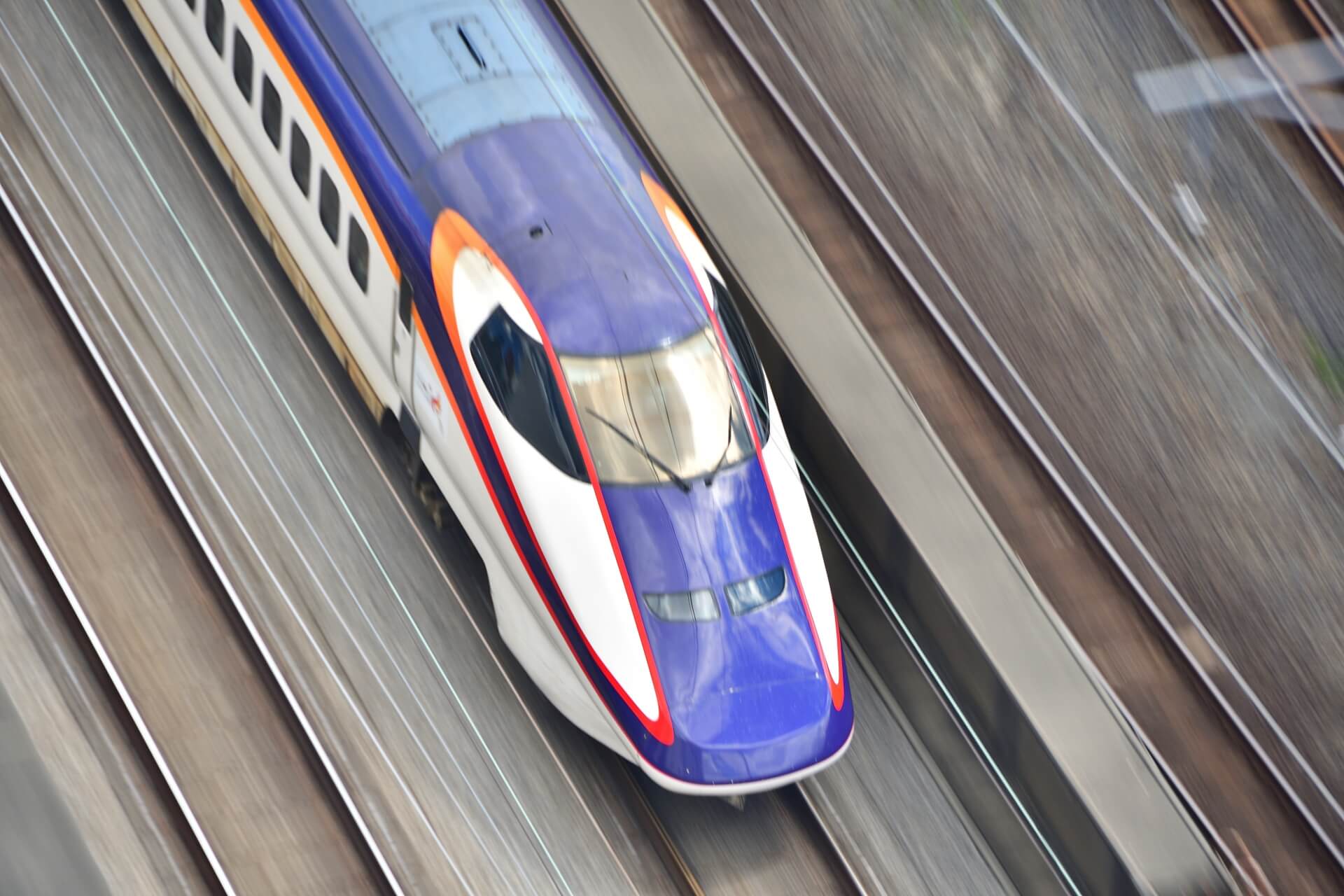
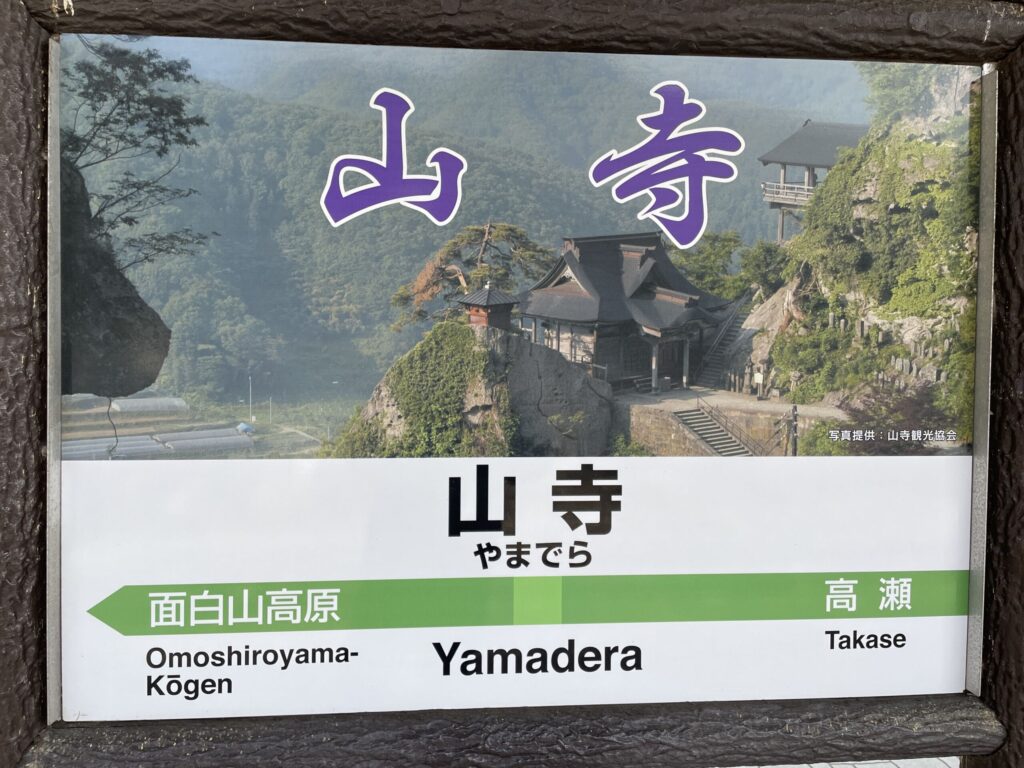
You can take the Yamagata shinkansen Tsubasa no. 121 in the early morning and ride it all the way to Yamagata Station. This is a great option for those planning accommodation in Yamagata as some hotels will allow early check in or have options to hold onto your luggage until check-in time. From Yamagata Station, catch the local Senzan Line train toward Sendai and ride it for 5 stops (about 18 minutes). Alight at Yamadera Station and you're there! The area around Yamadera Station is completely walkable – total time it takes to walk to the trail head of the temple is about 5 minutes.
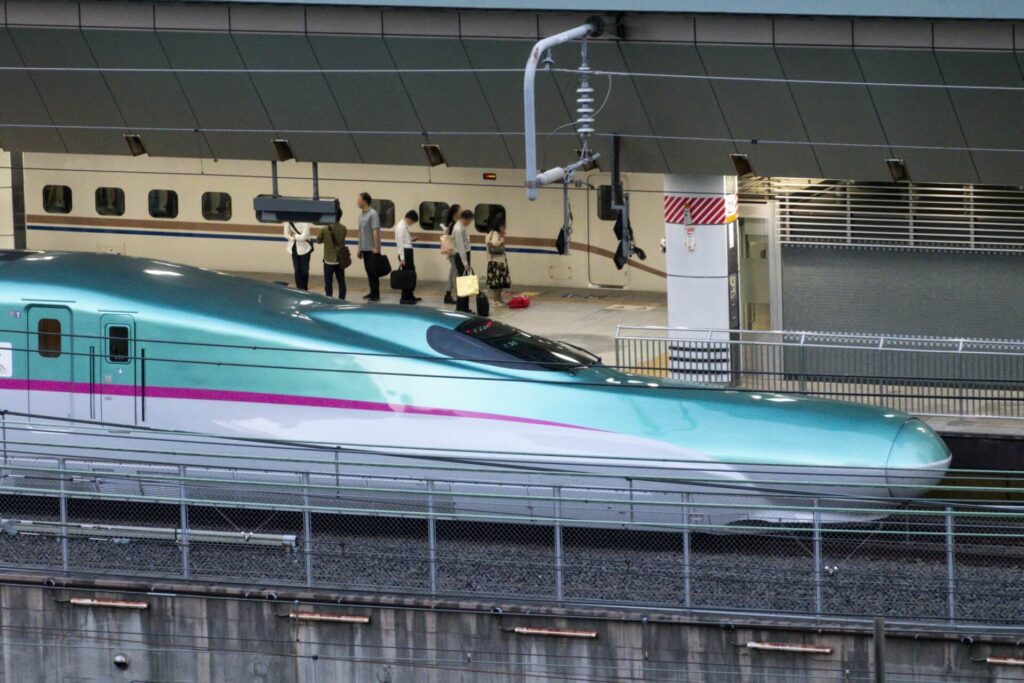
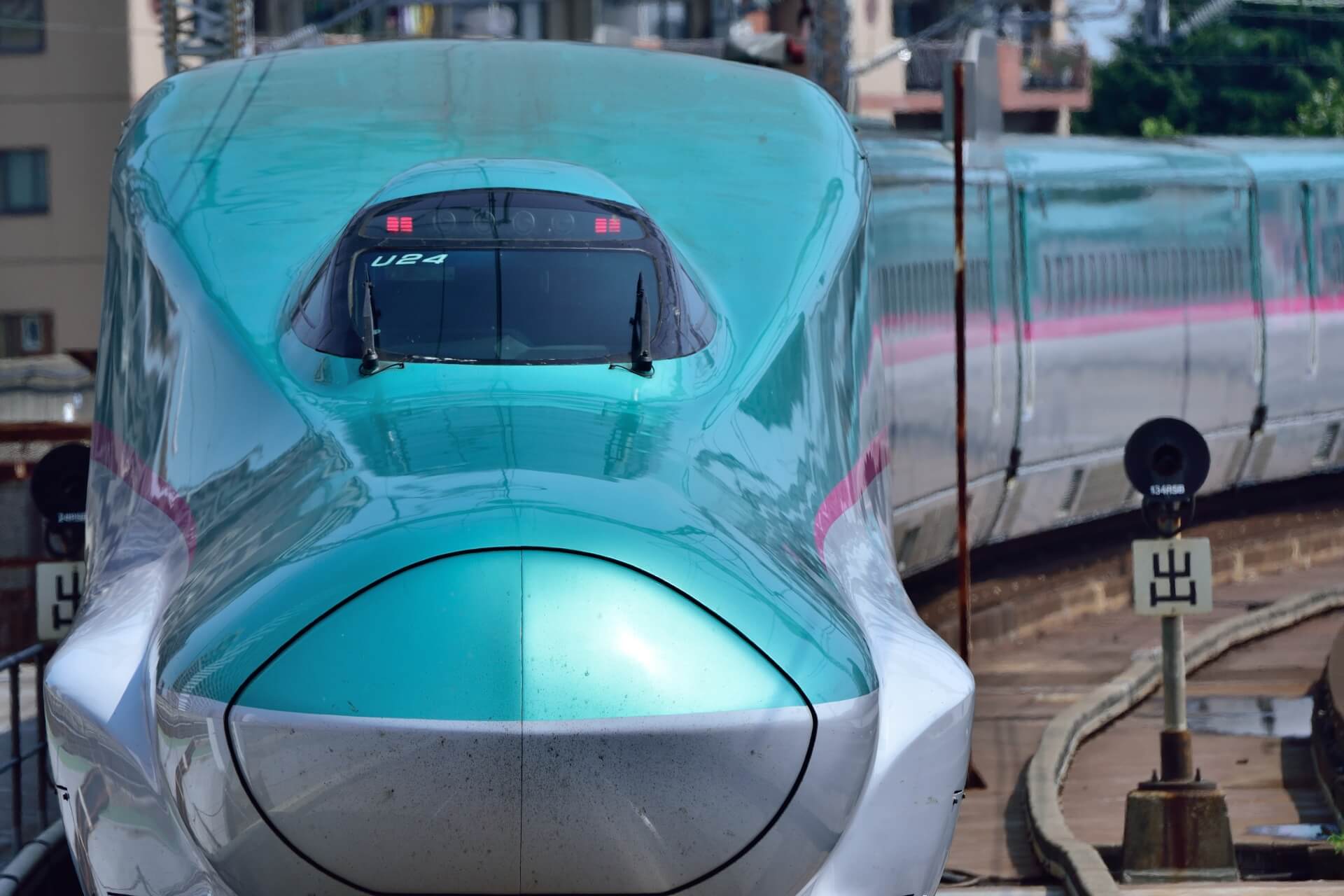
Another option for those looking to stay in Sendai, continue their travels northward, or even make their way back to Tokyo in one long day is to take the Tohoku Shinkansen toward Sendai Station. The hayabusa train is the fastest shinkansen in Japan and is a popular pick for those taking the trip northward. Once you've arrived in Sendai your following steps are written below↓
From Sendai
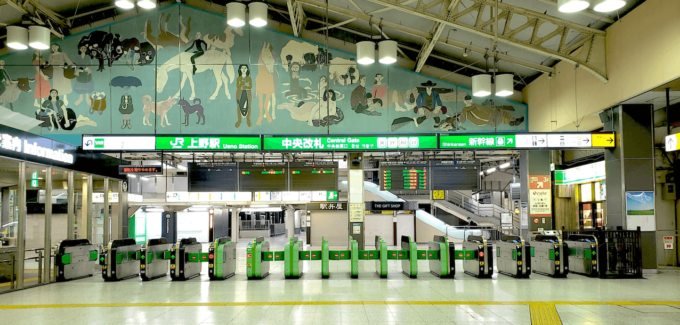
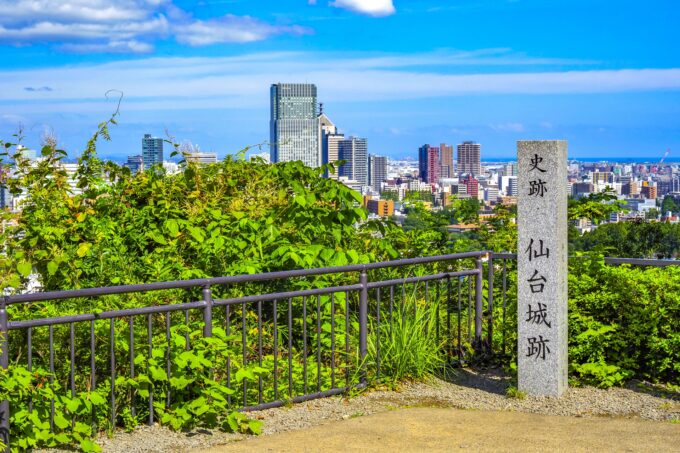
Sendai Station is a popular spot for tourists, business travelers, and locals alike. Once you've arrived at Sendai Station (whether it's from the shinkansen or the airport access line from Sendai Airport) you will need to use your IC card or purchase tickets to Yamadera Station to enter through the central gates (located on the main concourse 2F). Take the local Senzan Line from platforms 7 or 8 – make sure the train says it's going all the way to Yamagata Station. Trains that say Ayashi will terminate at Ayashi Station and you will have to wait for the next Yamagata bound train there.
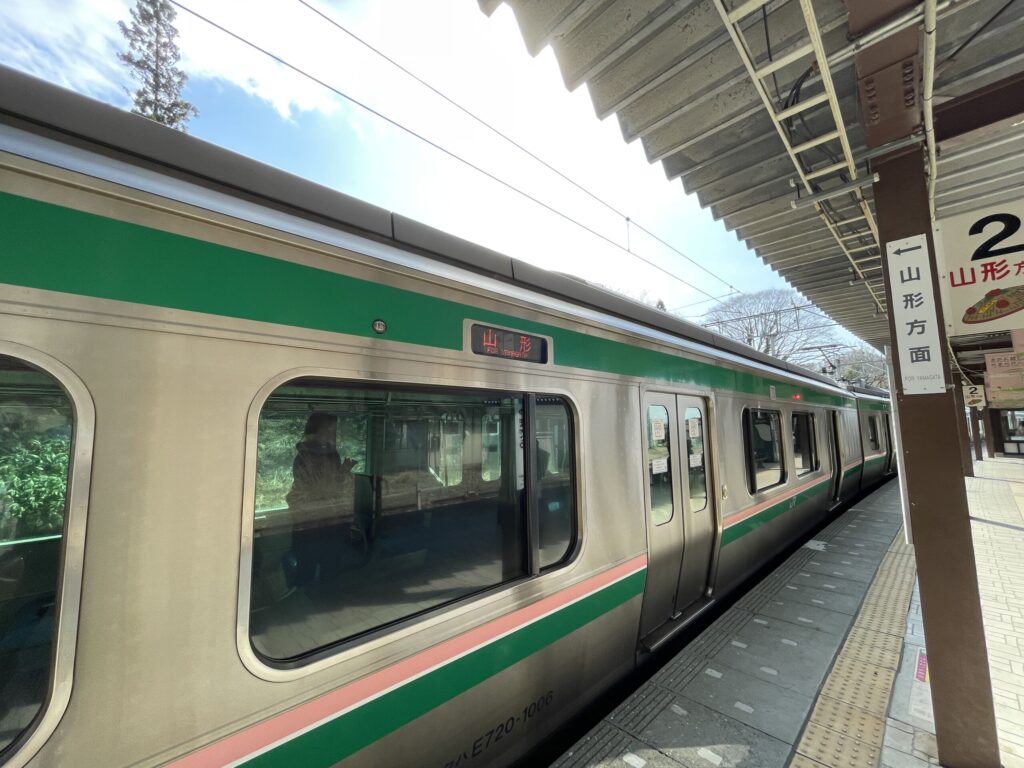
The Senzan Line train from Sendai to Yamadera Station takes about 1 hour and 8 minutes, but can often take longer due to delays in trains sharing the line.
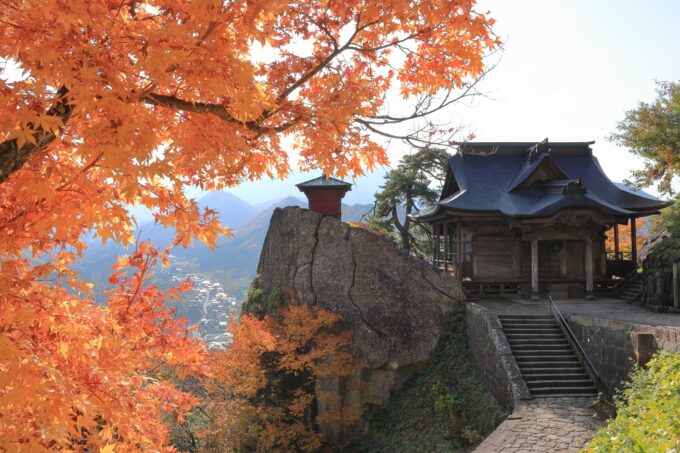
Interested in taking a tour that visits Risshaku-ji (Yamadera)? We offer a tour that visits two impressive important spiritual places in the area:
Frequently Asked Questions (FAQ)
I have certain food allergies. Can I eat ita soba or tama konnyaku?
Soba is made from buckwheat which is naturally gluten-free and is generally accepted as a safe food for those with celiac disease. However, some processes include mixing the buckwheat with other forms of flour which would make the soba inappropriate with those with severe gluten allergies. The dipping sauce with which it is served includes soy as well, which is generally not accepted as gluten-free. Ita soba is dairy free.
Tama konnyaku is made with soy sauce and dried squid soup stock. It is not gluten-free due to the use of soy and those with particular allergies to seafood should take caution. Tama konnyaku is dairy free.
For those wanting to play it safe, there are plenty of picnic tables where you can sit and eat your own packed lunch in the area!
Is there other food available near Risshaku-ji (Yamadera)?
Yes! There are plenty of restaurants surrounding the temple as the destination is a popular tourist spot. Some restaurants serve other noodle varieties while others serve traditional Japanese teishoku, or set meals. Many places also have a variety of yummy desserts such as frozen fruit pops and soft serve ice cream with local Yamagata flavors.
Who are the "Lovely Shop Ladies of Yamadera?"
In an effort to boost local stores in the growing popularity of Risshaku-ji (Yamadera), the store owners of the surrounding restaurants and souvenir shops got together to make a Japanese and English language map that showcases the names and types of stores in the area.
Can you tell me more about the temple itself?
Yes! Our page dedicated to explaining Risshaku-ji and its history can be found HERE.