










Located in the Chita Peninsula of Aichi Prefecture, just south of Nagoya, the Mizkan Museum is an interactive museum dedicated to the history of vinegar brewing in Japan and Japan's leading vinegar manufacturer, Mizkan.
The museum introduces visitors to more than 200 years of craftsmanship, innovation, and regional history. Through hands-on exhibits, recreated brewing spaces, and family-friendly experiences, the Mizkan Museum offers an engaging look at how vinegar became deeply connected to Japanese cuisine, especially sushi.
For travelers interested in food or unique museums near Nagoya, it makes a rewarding and easy-to-enjoy stop.
Mizkan and Vinegar Brewing in Japan
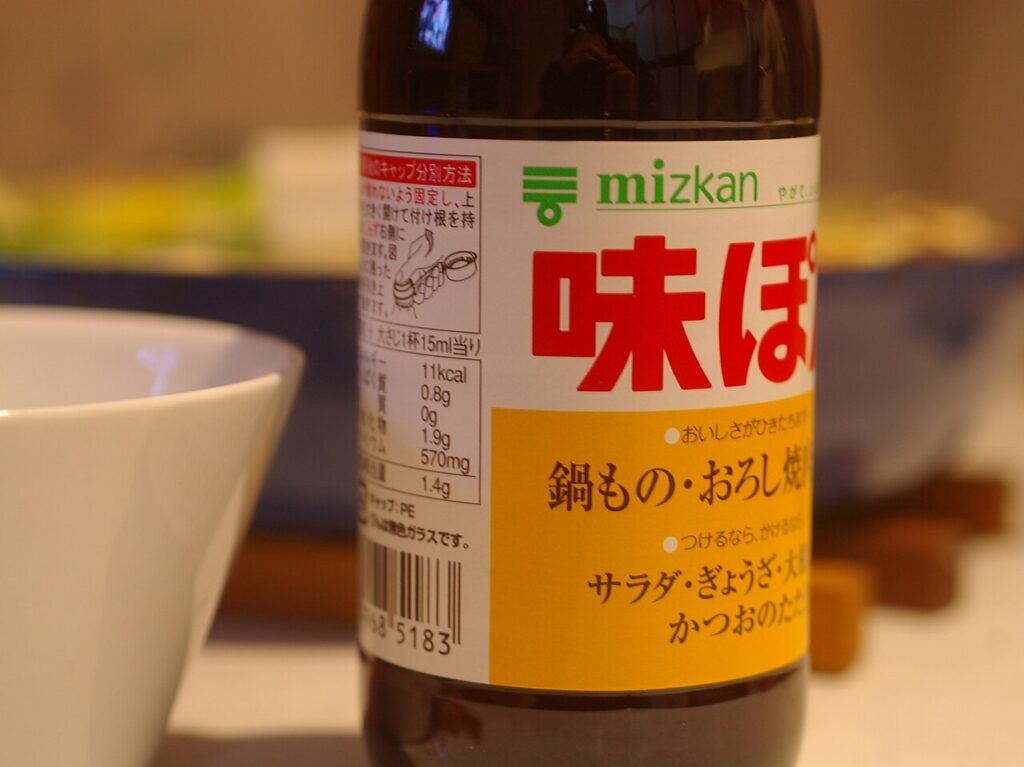
- Mizkan’s history began in 1804, when they first began producing vinegar from sake lees
- Handa developed as an important brewing town, supported by its canal-side location and connections to Edo
- Mizkan vinegar became closely connected to the spread of sushi culture during the Edo period
- The Mizkan Museum opened in 2015 to share the company’s history, brewing techniques, and food culture
During the Edo period, vinegar became especially important in the development of sushi, which was growing in popularity in Edo, modern-day Tokyo. However, the vinegar used at that time was rice vinegar. And with rice being as expensive and precious as it was back then, there was a need for making vinegar an alternative way.
At that time, the town of Handa (just south of Nagoya) was one of Japan's leading sake brewing towns with the town’s canal-side setting allowing sake to be transported efficiently to Edo and beyond. As a byproduct of the brewing process, the town had an abundance of sake lees (or sake kasu), a paste-like white product created during the filtering and pressing stage of sake brewing.
In 1804 Nakano Matazaemon, who was originally involved in sake brewing, tried making vinegar from the left over sake lees. He was successful, and ended up creating a vinegar with a unique umami flavor that pair perfectly with sushi. He founded the company Mizkan, and began selling this new vinegar in Edo and eventually the rest of the world.
Today, the Mizkan Museum preserves and shares this history in an accessible and enjoyable way. The museum uses interactive exhibits, recreated spaces, and visual storytelling to help visitors understand how vinegar-making, regional industry, and Japanese cuisine are connected.
A Museum Where Food Culture Comes to Life
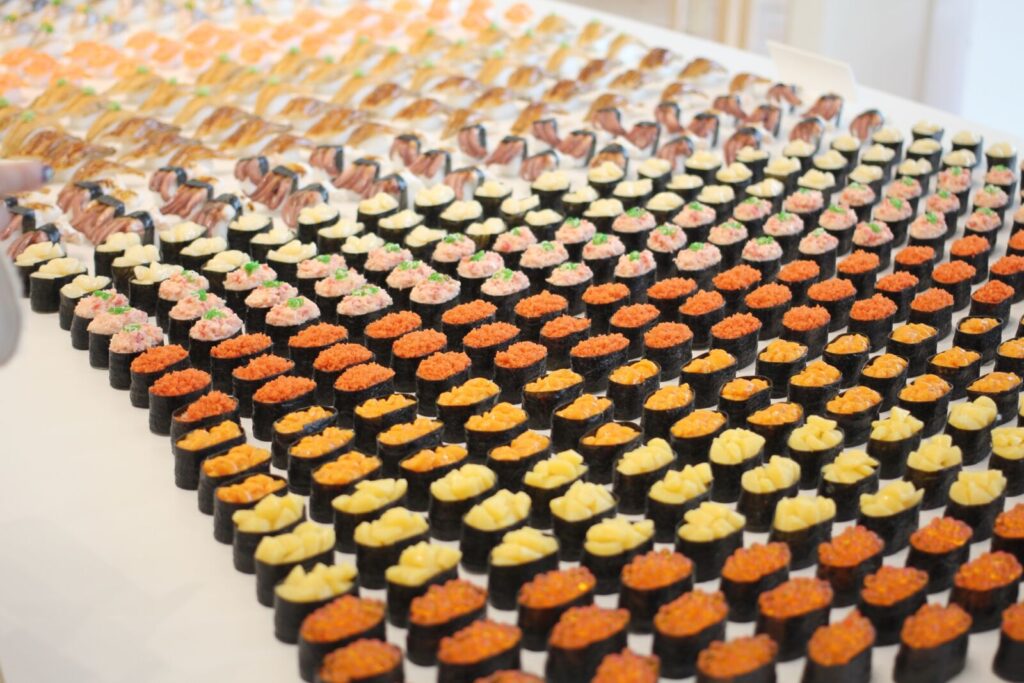
While the museum tells the story of Mizkan as a company, it also gives visitors a wider understanding of Japanese food culture and the role vinegar has played in everyday life.
The museum’s exhibits are designed to be interactive and easy to enjoy, making the experience suitable for both adults and children. Visitors can learn about traditional vinegar brewing, see how production methods have changed over time, and explore how vinegar is used in familiar dishes such as sushi and nabe (hot pot).
Several exhibits also focus on the future of food. The museum encourages visitors to think about sustainability, creativity, and how food culture continues to evolve. This balance between history and modern experience gives the Mizkan Museum a wider appeal, making it a strong choice for families, food lovers, and anyone looking for a different kind of cultural stop near Nagoya.
Touring the Mizkan Museum
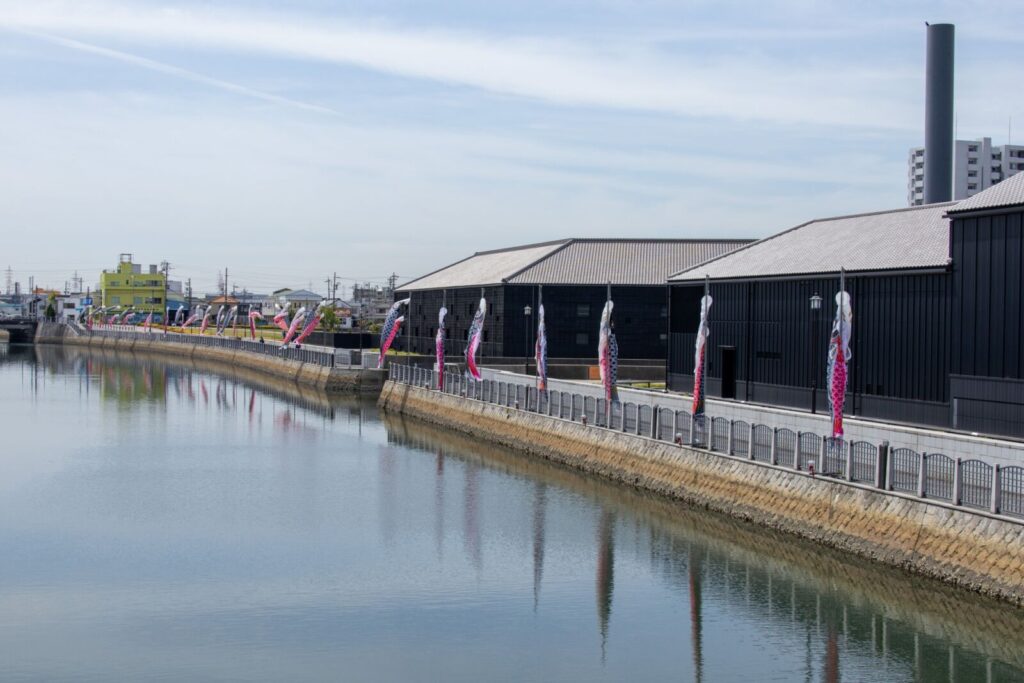
The Mizkan Museum has several different rooms associated with vinegar brewing, the history of the company, and more.
Main Attractions
- The 'Room of Earth': Interactive displays surrounding Mizkan's traditional vinegar brewing
- The 'Park of Light': Exhibits focused on the future of food, sushi, nabe (hot pot), and hands-on activities
- The 'Gallery of Wind': A gallery showcasing the scenery and people of Handa's history
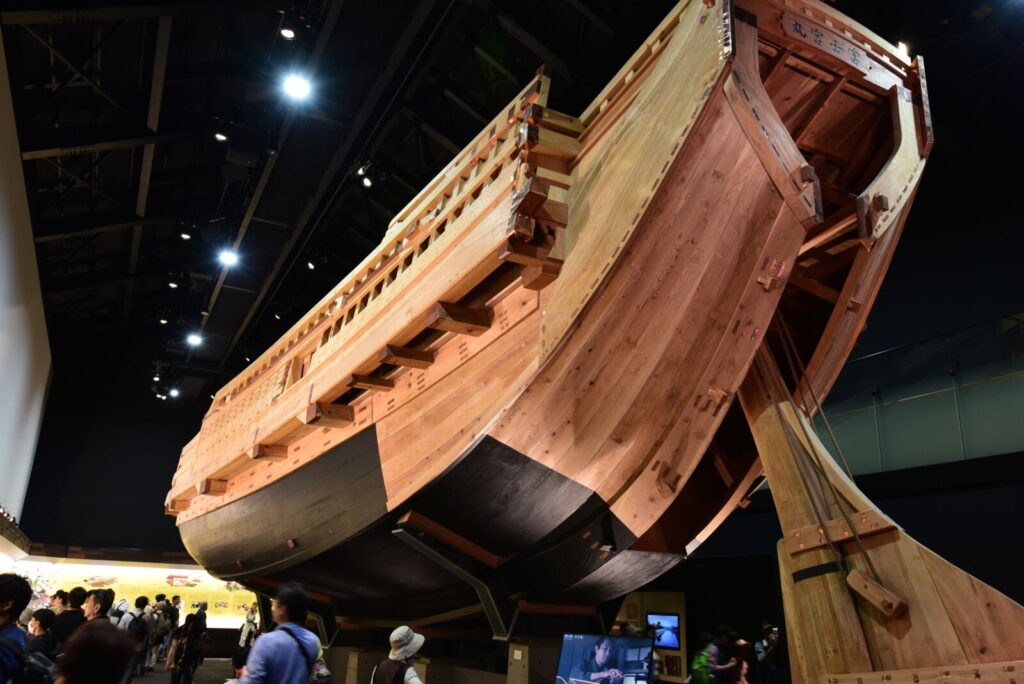
- The 'Room of Time': Discover 200 years of Mizkan history, including a recreated Edo-period cargo ship experience
- The 'Water Theater': A large-screen theatre exploring the connection between food and nature
- Museum Shop: Purchase limited-edition vinegar products and original Mizkan goods
Visitor Information
- Hours: 9:30 to 17:00
- Last reception: 15:15
- Closed: Thursdays, the Year-end and New Year period, and the Obon period
- Admission: Full museum course and mini course tickets are available, with different prices depending on age and course type
- Reservations: Advance reservations are strongly recommended, as same-day entry is only available when spaces remain
- Visit time: The full museum course allows up to around 2 hours, while the mini course is better suited to visitors wanting a shorter and more flexible visit
Access
The Mizkan Museum is located in Handa City, Aichi Prefecture. By public transport, the museum can be reached less than an hour from either JR Nagoya Station or Meitetsu Nagoya Station. Less than an hour from central Nagoya, Handa is an easy day trip by train, making the museum a convenient addition to a wider itinerary. Visitors travelling by car can reach the museum from central Nagoya in around one hour, with parking available nearby.
Frequently Asked Questions
What is the Mizkan Museum known for?
The Mizkan Museum is known for its interactive exhibits on Mizkan’s history, vinegar brewing, and Japanese food culture. It is especially interesting for visitors who want to learn how vinegar became connected to dishes such as sushi.
Is the Mizkan Museum worth visiting?
Yes, especially for food lovers, families, and travellers interested in local industry or Japanese culinary culture. The museum is interactive, easy to explore, and offers a different kind of cultural experience from temples, castles, and gardens.
Do you need a reservation for the Mizkan Museum?
Advance reservations are strongly recommended. Same-day entry may be possible if spaces are available, but visitors who want to guarantee entry should book ahead.
How long should I spend at the Mizkan Museum?
Most visitors should allow around 1.5 to 2 hours for the full museum course. Those choosing the mini course may need less time, depending on how slowly they explore the exhibits.
Is the Mizkan Museum suitable for children?
Yes. The museum includes hands-on exhibits, interactive activities, and family-friendly learning areas, making it suitable for children as well as adults interested in food and local history.