


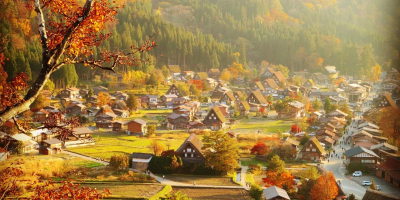




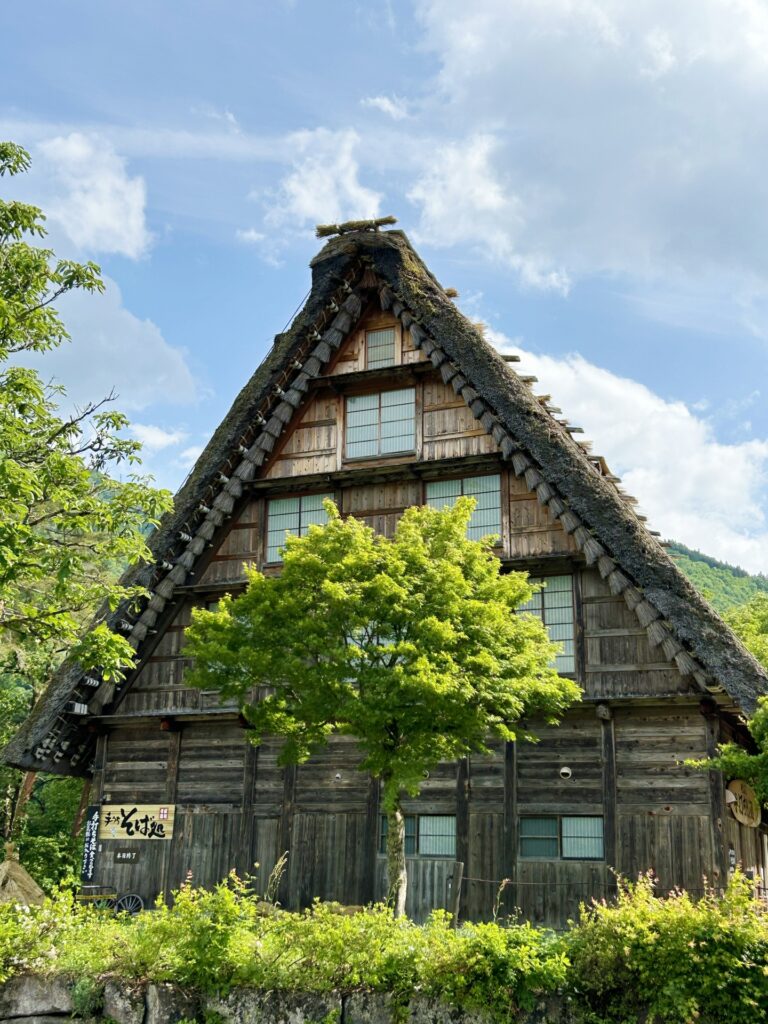
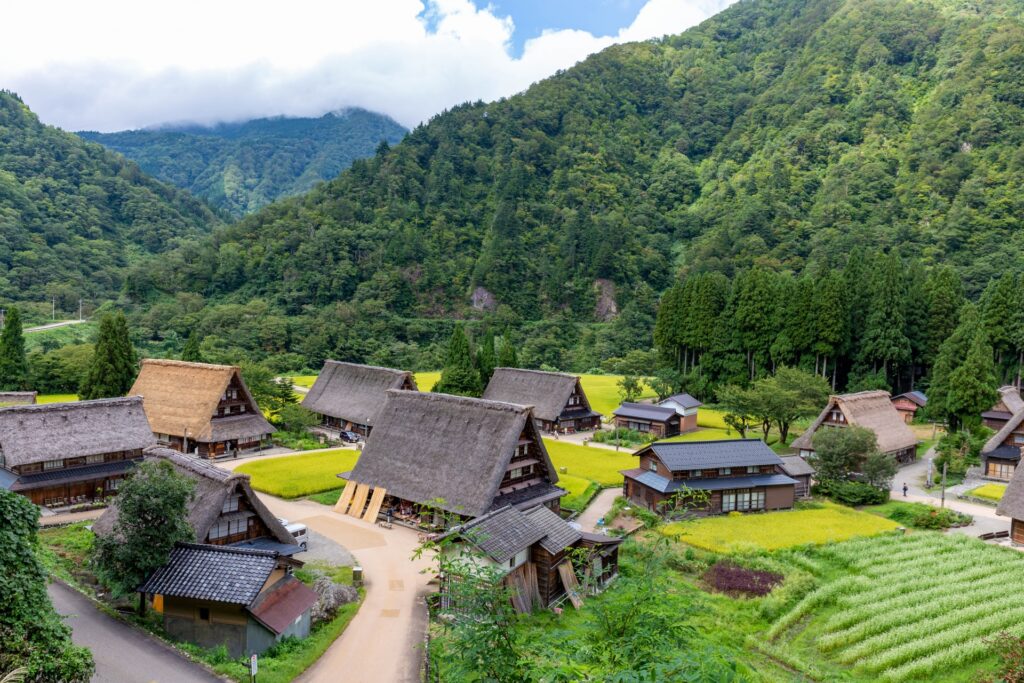
July brings full summer to Shirakawa-go, with lush green mountains, flourishing rice fields, and long daylight hours creating ideal conditions for exploring the village. The traditional gassho-zukuri farmhouses stand in striking contrast to the vibrant countryside, offering a very different perspective from the snow-covered landscapes for which Shirakawa-go is best known.
The warmer weather makes it easy to explore the village on foot, from its historic streets and preserved farmhouses to the Shiroyama Observatory overlooking the UNESCO World Heritage Site. The surrounding rural scenery also reaches its seasonal peak, providing excellent opportunities for photography and experiencing the agricultural landscape that continues to shape the village today.
Although occasional summer showers can still occur, July generally offers excellent conditions for sightseeing. Combined with the region's rich cultural heritage and distinctive rural setting, it is one of the best times to experience Shirakawa-go beyond its famous winter season.
Weather in July
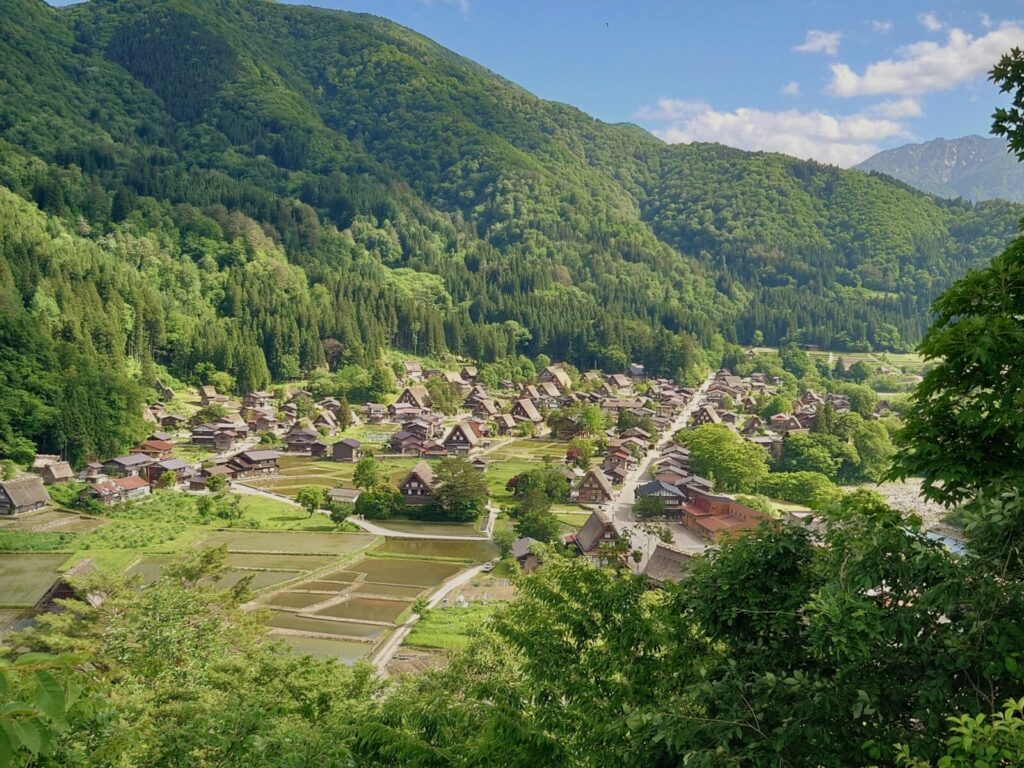
July brings full summer conditions to Shirakawa-go, with warm temperatures, lush green landscapes, and long daylight hours. Daytime temperatures typically range between 25–31°C, while mornings and evenings remain slightly cooler at around 18–22°C.
The rainy season often comes to an end during July, although occasional showers can still occur, particularly in the first half of the month. The surrounding mountains and forests remain vibrant, and the village's rice fields are fully established, creating some of the most colourful rural scenery of the year.
While afternoons can become warm, the village's rivers, surrounding mountains, and open countryside help create a pleasant environment for sightseeing. Overall, July offers excellent conditions for exploring Shirakawa-go and experiencing its traditional rural landscape during the height of summer.
Seasonal Highlights in July
Vibrant Summer Countryside
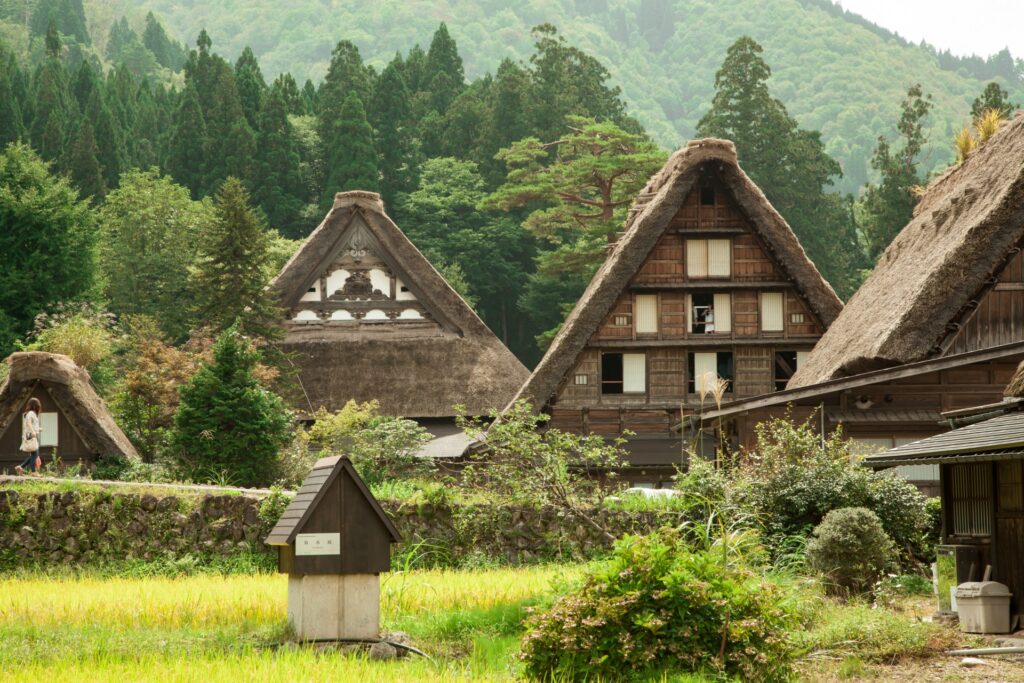
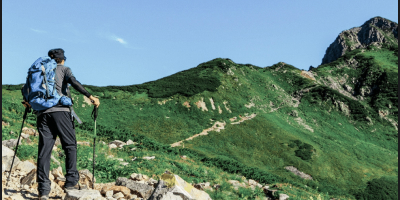
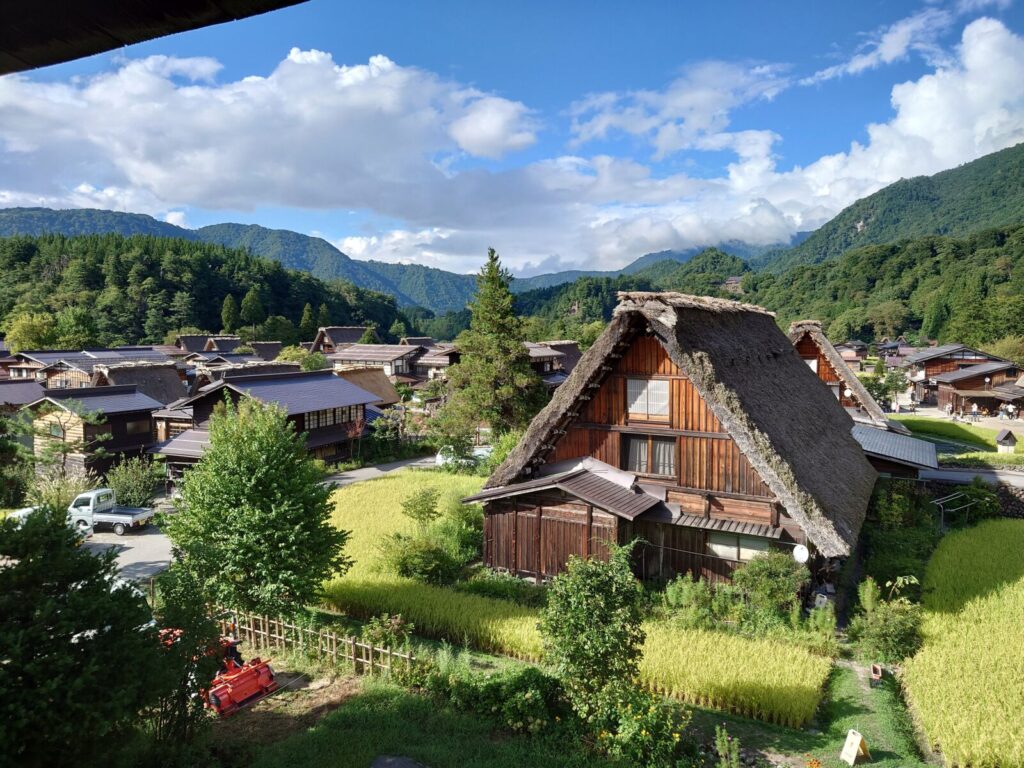
By July, Shirakawa-go is surrounded by lush summer greenery. Forests covering the surrounding mountains are at their most vibrant, while the village's rice fields create a striking contrast with the traditional gassho-zukuri farmhouses. This combination of historic architecture and flourishing countryside makes July one of the most scenic times to visit.
Flourishing Rice Fields
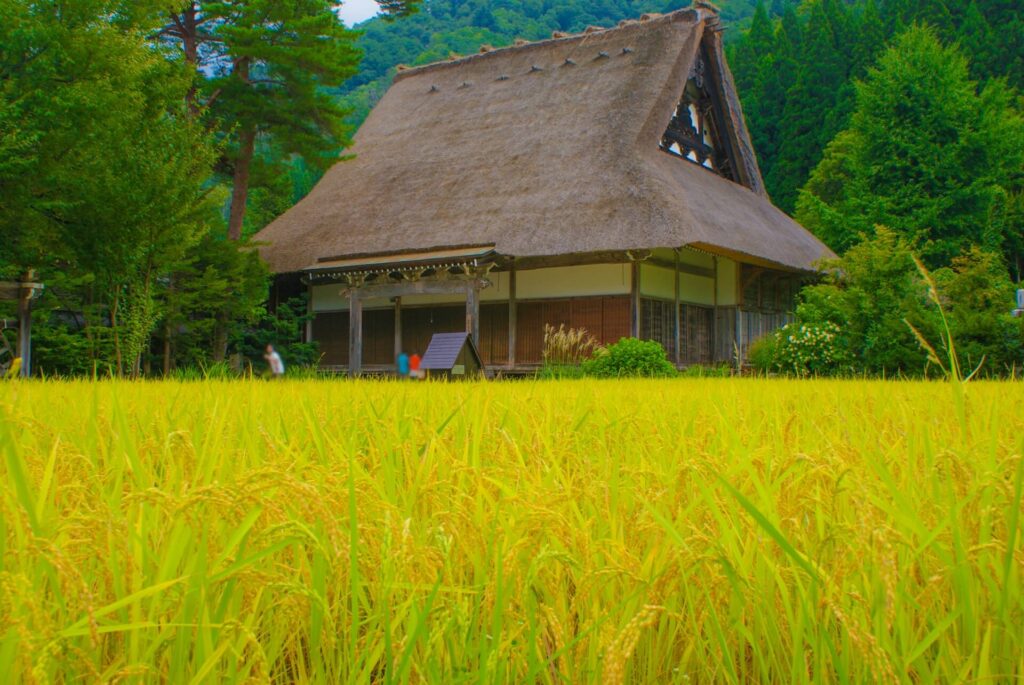
July is one of the best months to experience Shirakawa-go's agricultural landscape. The rice fields are fully established and add vibrant shades of green throughout the valley, reflecting the village's long-standing farming traditions.
Together with the surrounding mountains, these cultivated fields create the iconic rural scenery for which Shirakawa-go is recognised as a UNESCO World Heritage Site.
Featured Tours in July
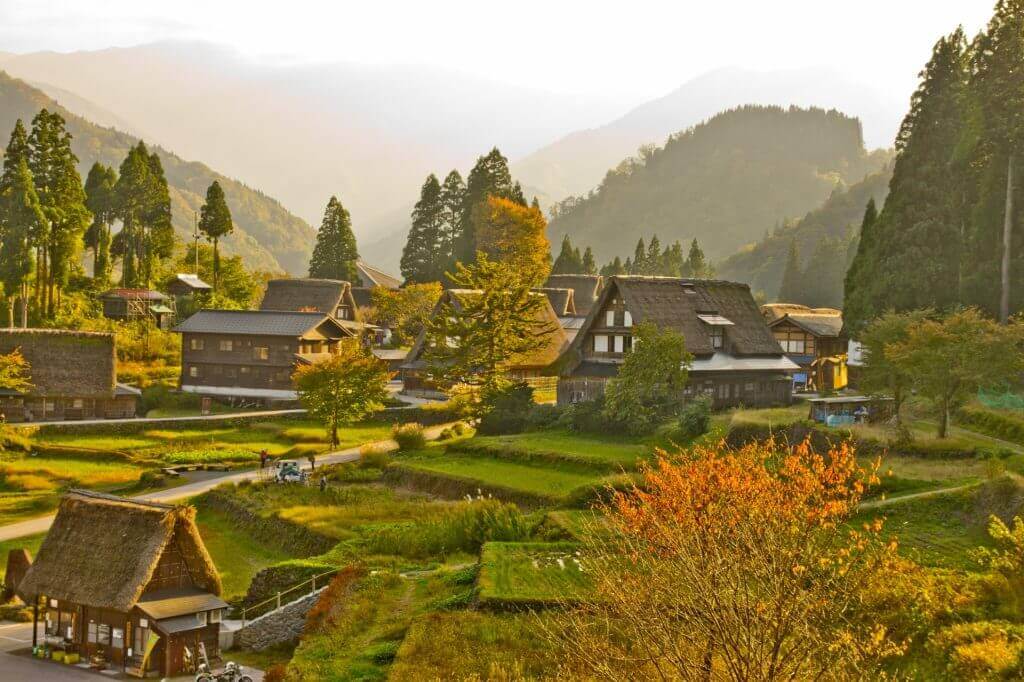
1-Day Tour from Takayama: Explore Scenic Old Japan in Takayama & Shirakawa-go
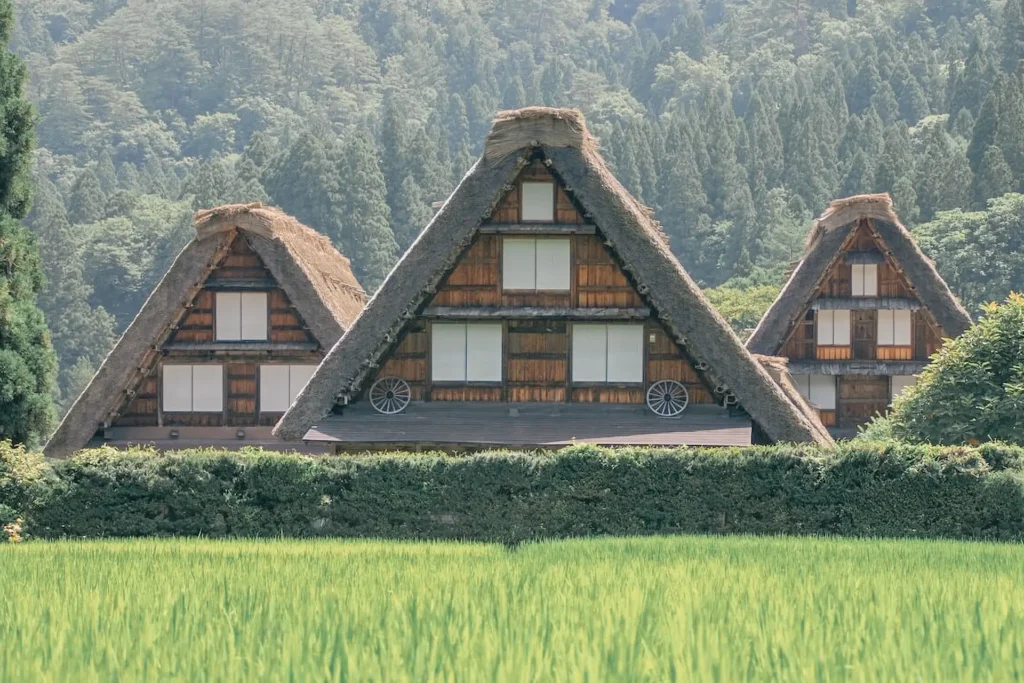
July is one of the best times to experience Shirakawa-go's vibrant summer scenery. The village's traditional gassho-zukuri farmhouses are surrounded by flourishing rice fields and lush green mountains, offering a striking contrast to the snowy landscapes for which the village is often known.
Highlights:
- Explore the UNESCO-listed village of Shirakawa-go
- Enjoy views of traditional gassho-zukuri farmhouses surrounded by vibrant summer scenery
- Experience one of Japan's most iconic rural landscapes
Best Selling
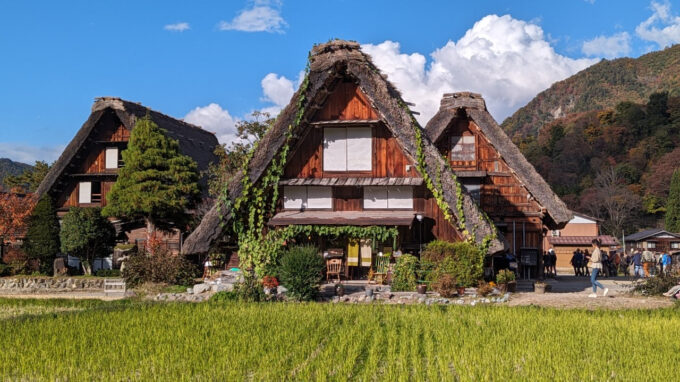
1-Day Tour from Takayama: Explore Scenic Old Japan in Takayama and Shirakawa-go
- Spots:
- TakayamaShirakawago
- Pick-up:
- Takayama
- Drop-off:
- KanazawaTakayama
1-Day Tour from Takayama: Explore the World Heritage Villages of Gokayama & Shirakawa-go
July's warm weather and long daylight hours make it an excellent time to explore both Shirakawa-go and Gokayama. Visiting both World Heritage villages offers a broader understanding of the region's traditional architecture, history, and rural culture while enjoying the beautiful summer landscapes.
Highlights:
- Visit both Shirakawa-go and Gokayama in a single day
- Discover the history and traditions of the World Heritage villages
- Enjoy scenic countryside views during the height of summer

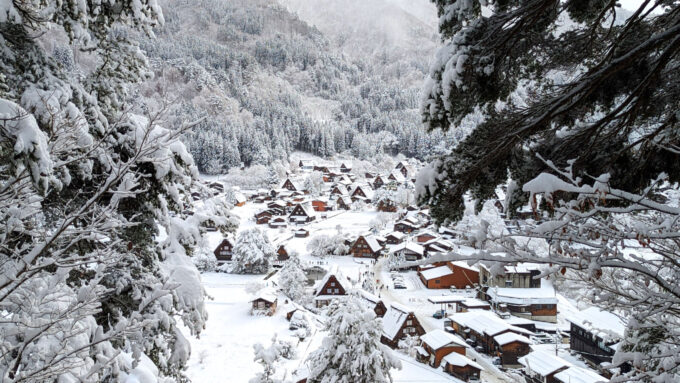
[START FROM TAKAYAMA] Private Takayama & Shirakawa-go Tour
A private tour offers the flexibility to experience Shirakawa-go at your own pace during the summer season. With longer daylight hours and a personalised itinerary, visitors can spend more time exploring the village's historic streets, viewpoints, and surrounding countryside.
Highlights:
- Explore Shirakawa-go with a private guide
- Travel at your own pace with a flexible itinerary
- Enjoy a personalised journey through the region's cultural and natural highlights
Recommended
[START FROM TAKAYAMA] Private Takayama & Shirakawa-go Tour
- Spots:
- TakayamaShirakawago
- Pick-up:
- Takayama
- Drop-off:
- KanazawaTakayama
More Ways to Visit Takayama
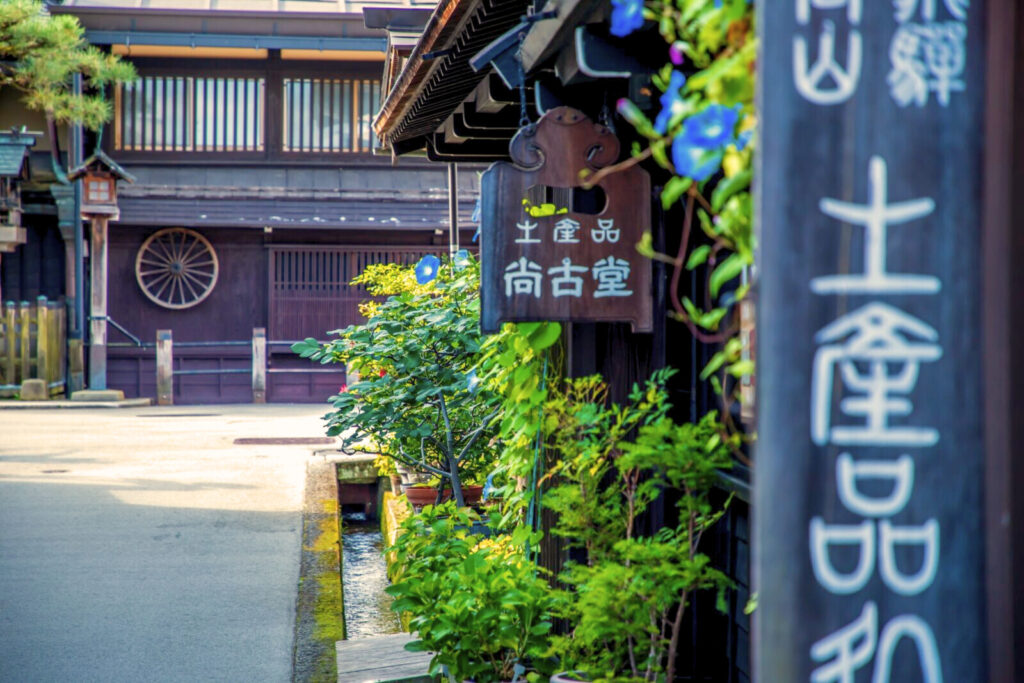
Alongside our guided tours, we also offer charters and other travel options to Takayama. These are perfect for travellers who prefer private transport, customised itineraries, or more flexibility in planning their day. Whether you’re travelling as a family, a couple, or a group, charters provide comfort and convenience while still letting you experience the best of Takayama and surrounding region.
Local News & Travel Updates

- Stay Hydrated: July is one of the warmest months in Shirakawa-go, with higher temperatures and increased humidity. Carry water with you and take breaks in shaded areas, particularly during the middle of the day.
- Dress for Summer: Lightweight clothing, a hat, and sunscreen are recommended for exploring the village. Comfortable walking shoes are also essential, as many of Shirakawa-go's attractions are connected by footpaths.
- Be Prepared for Occasional Showers: Although the rainy season often comes to an end during July, brief rain showers are still possible. Bringing a compact umbrella or lightweight rain jacket is recommended, especially when exploring the surrounding viewpoints.
Where to Stay in July
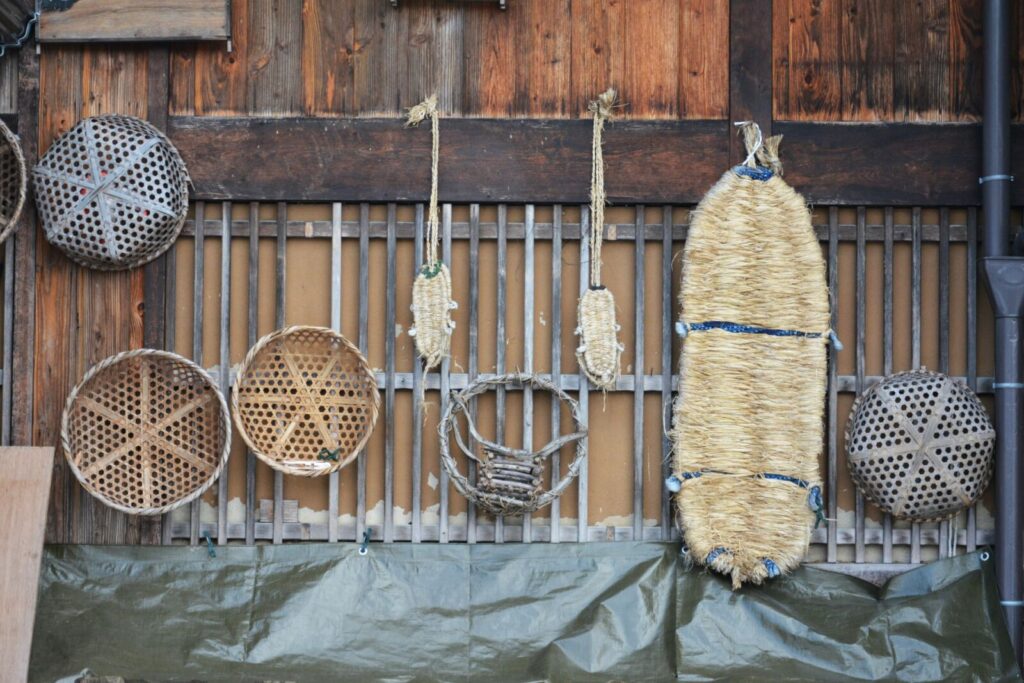
July is one of the busiest travel months in Shirakawa-go, with visitors drawn by the village's lush summer scenery and long daylight hours. Whether staying overnight in the village or using a nearby city as a base, booking accommodation well in advance is recommended, particularly towards the end of the month as the summer holiday season begins.
- Takayama City – Takayama is the most popular base for visiting Shirakawa-go, offering a wide selection of accommodation, restaurants, and transport connections. The city provides easy access to the village by bus, guided tour, or private transport while also offering plenty of attractions to enjoy before or after your visit.
- Shirakawa-go – Spending a night in Shirakawa-go offers the opportunity to experience the village after most day visitors have departed. Early mornings are especially peaceful, allowing guests to enjoy the traditional gassho-zukuri farmhouses and surrounding countryside before the village becomes busy.
- Kanazawa - is another excellent base for exploring Shirakawa-go, particularly for travellers continuing through the Hokuriku region. The city combines modern transport links with historic districts, gardens, and museums, making it easy to include Shirakawa-go as part of a wider itinerary.
Plan Your July Visit
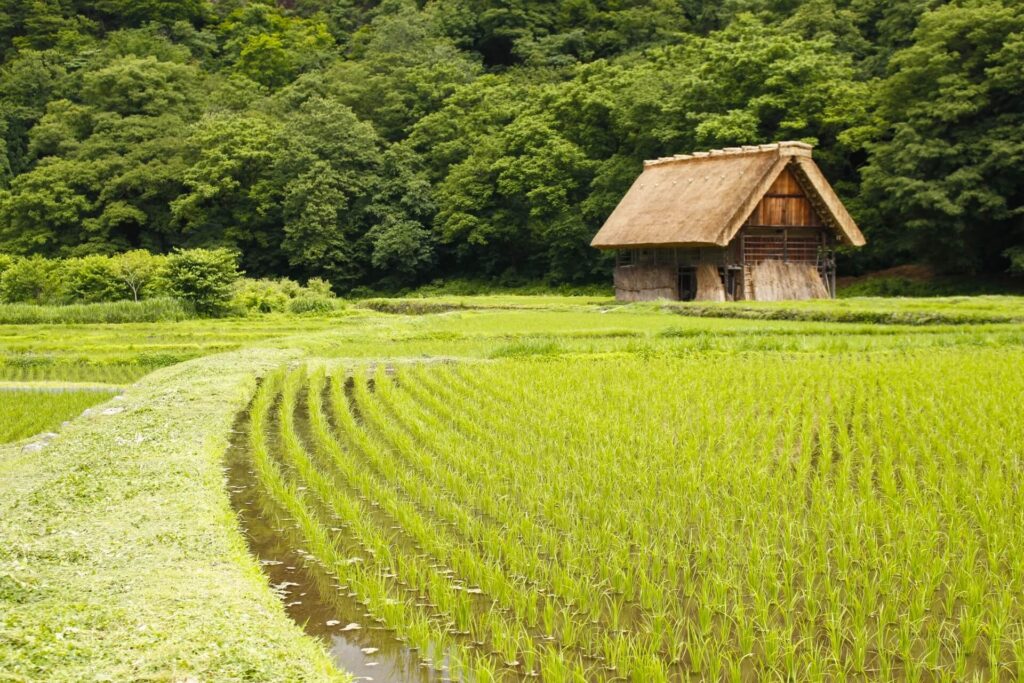
July is one of the best times to experience Shirakawa-go in its summer landscape. The village is surrounded by lush forests, vibrant rice fields, and green mountain scenery, creating a striking contrast with the traditional gassho-zukuri farmhouses that have defined the region for centuries.
Long daylight hours provide plenty of time to explore the village's historic streets, observation deck, and cultural sites at a relaxed pace. The surrounding countryside is equally rewarding, offering visitors a chance to experience the rural character of Shirakawa-go during the height of the growing season.
As July is a popular travel month, particularly toward the start of the summer holidays, planning transport, accommodation, and guided tours in advance is recommended. Arriving earlier in the day and allowing flexibility for occasional summer showers will help you make the most of your visit to this UNESCO World Heritage village.