
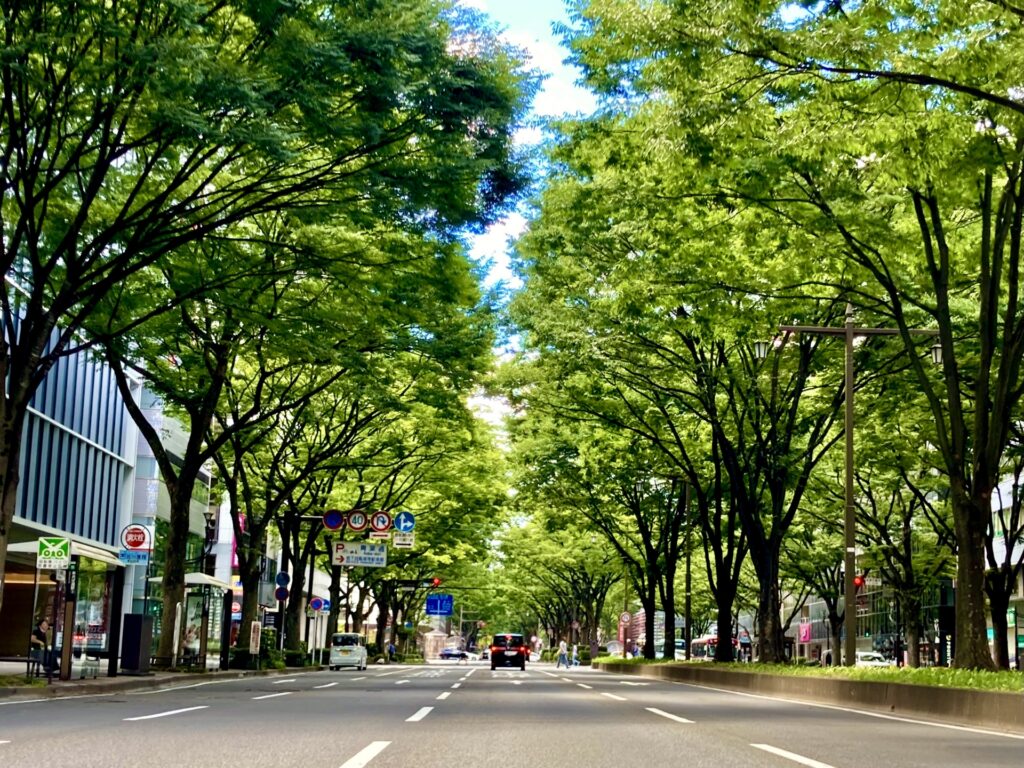
Hailed as the "City of Trees," Sendai is the largest city in the Tohoku region of Japan's honshu and often the first stop in many travelers' itineraries as they head north during their stay. Founded in 1600 by the famous samurai feudal lord, Date Masamune, Sendai boasts a beautiful blend of greenery and bustling city energy, and is the perfect gateway into the less traveled paths of northern Japan. On this page you will find the following information:)
Just over two hours from Tokyo, Sendai can be enjoyed as a day-trip from the capital or as an overnight or multi-day visit. Major tourist spots can be enjoyed in one day however to get the most out of your time in Sendai, we recommend extending your stay and incorporating multiple destinations and activities in the surrounding area into your itinerary. Famous temples such as Yamadera or scenic spots like Matsushima are easily accessible from Sendai station. Sendai has something to offer in all seasons, including a famous Tanabata festival in summer and a twinkling Pageant of Starlight illuminated street in winter.
If after reading this page you feel inspired to visit Sendai, check out some of our tours offered in the area, including our: Half-Day Tour in Sendai: Kitayama Gozan & Sendai Daikannon Statue – Day of Zen
Where is Sendai?
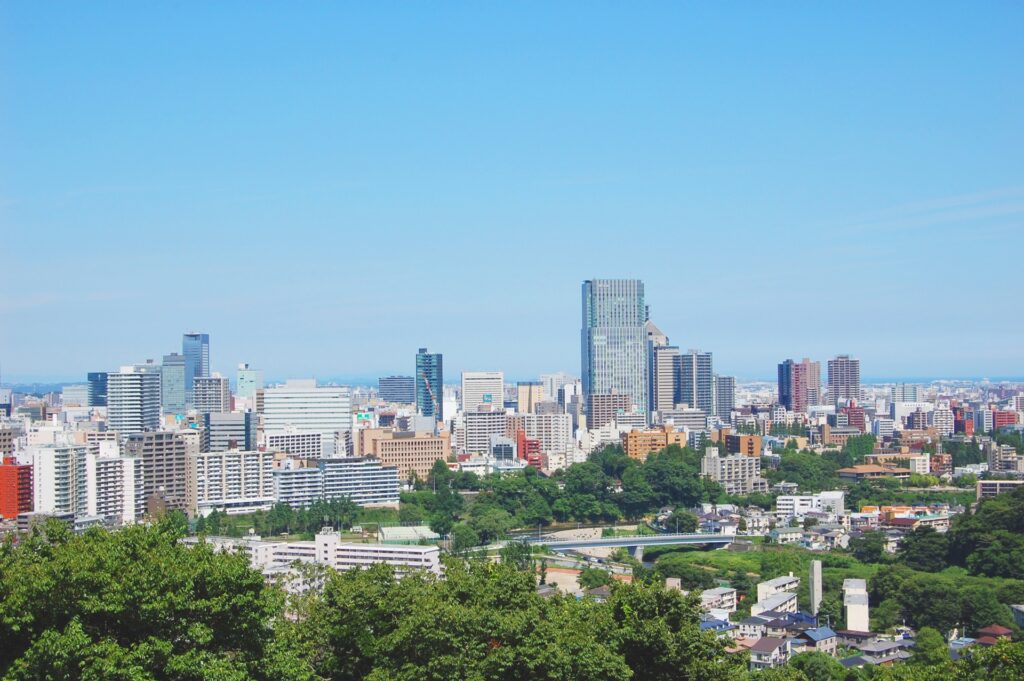
Sendai is considered the largest metropolis of the Tohoku or northeastern region of Japan. It is the capital of Miyagi prefecture, approximately 370 KM / 4.5 to 5 hours north of Tokyo. Sendai is known as the "City of Trees," and is most famous for its bustling shopping centers, samurai mausoleums, and the Tanabata Festival. Sendai is easily accessible from Tokyo making it a great gateway for travelers wanting to reach the less taken paths of northern Japan.
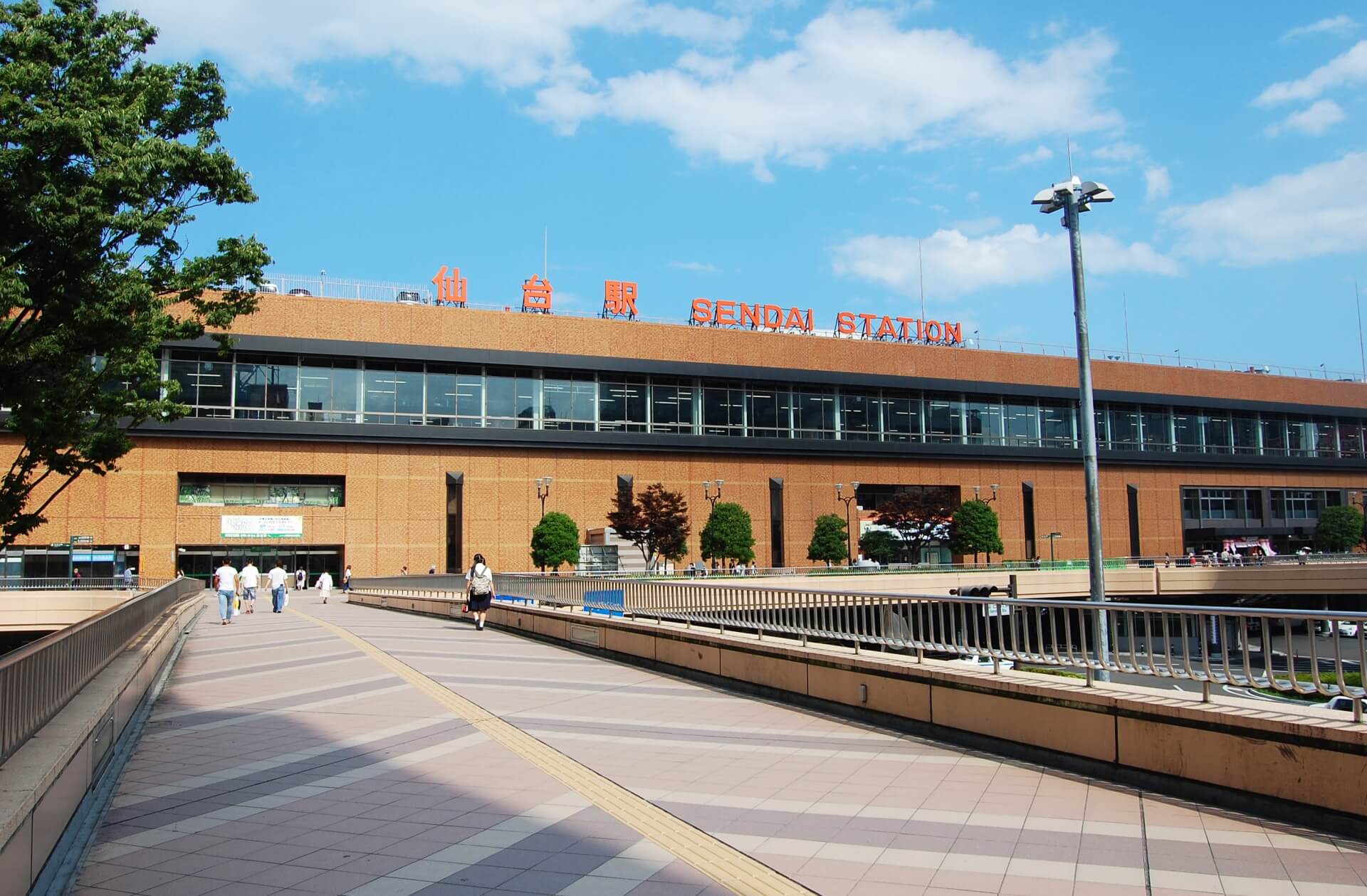
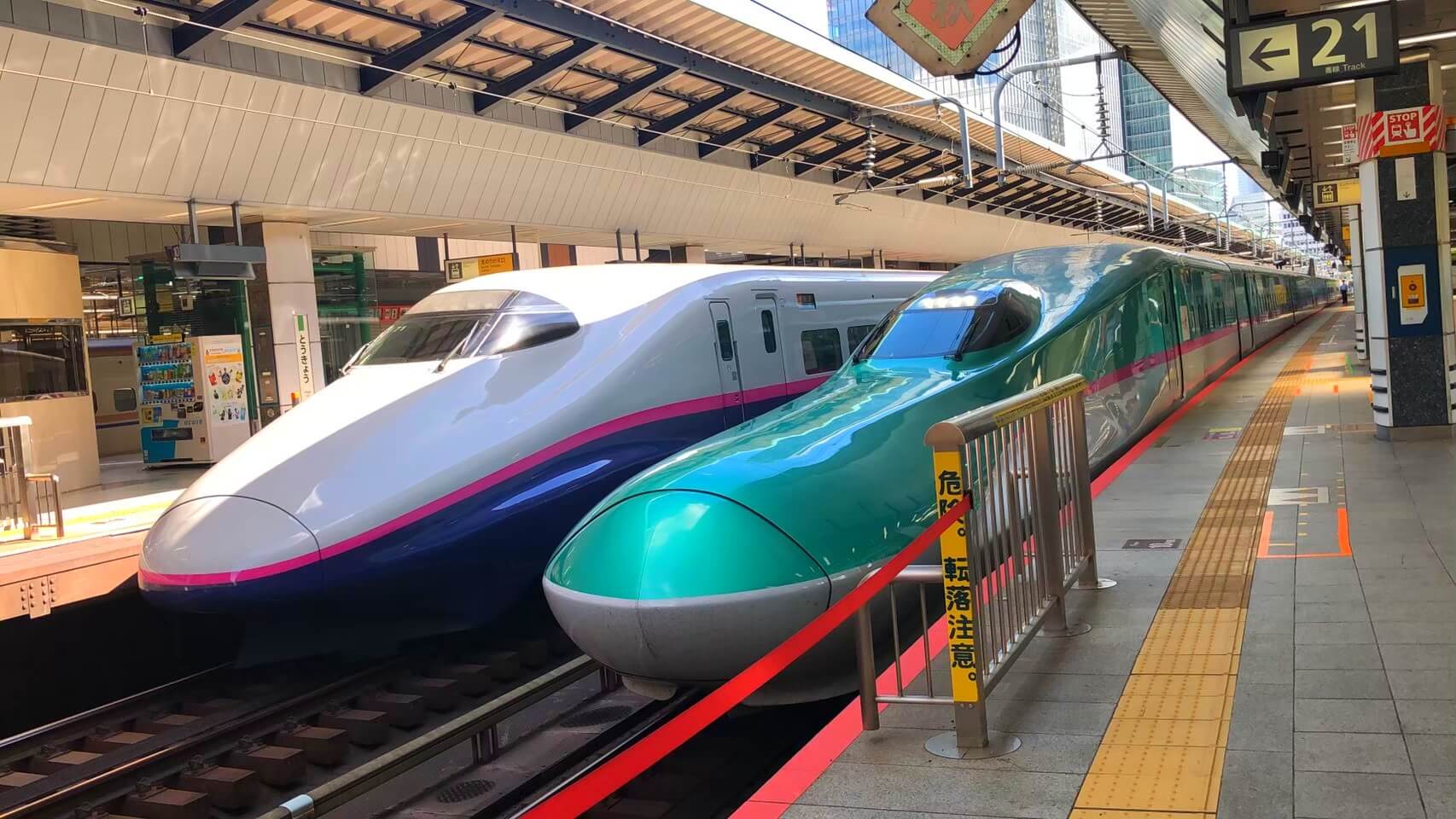
For visitors heading to Sendai from Tokyo, it is quick and easy to reach using the Tohoku Shinkansen to Sendai Station. For full details, visit our How to Get To Sendai page.
15 Best Things to do In & Around Sendai
For many international visitors to Japan, visiting Sendai is often the first choice thanks to its easy accessibility and the allure of traveling outside the "tourism hotspots" of major cities like Tokyo and Kyoto. It's a destination that can be enjoyed all year round as each season offers fun and unique experiences, scenery, and festivals. With its station being a major shinkansen hub, Sendai opens the gates to even deeper and more meaningful travels throughout Japan.
Although this list is inexhaustive, here’s our recommendation for some of the best things to do and see when visiting Sendai:
1 / SENDAI CASTLE RUINS SITE / all year round
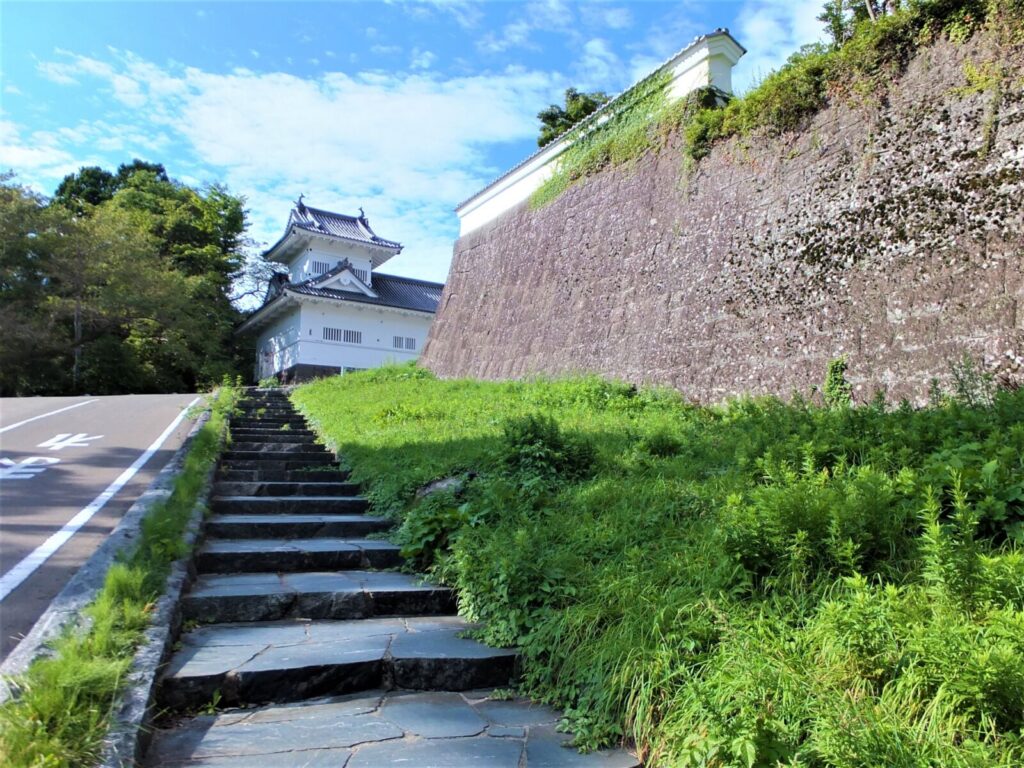
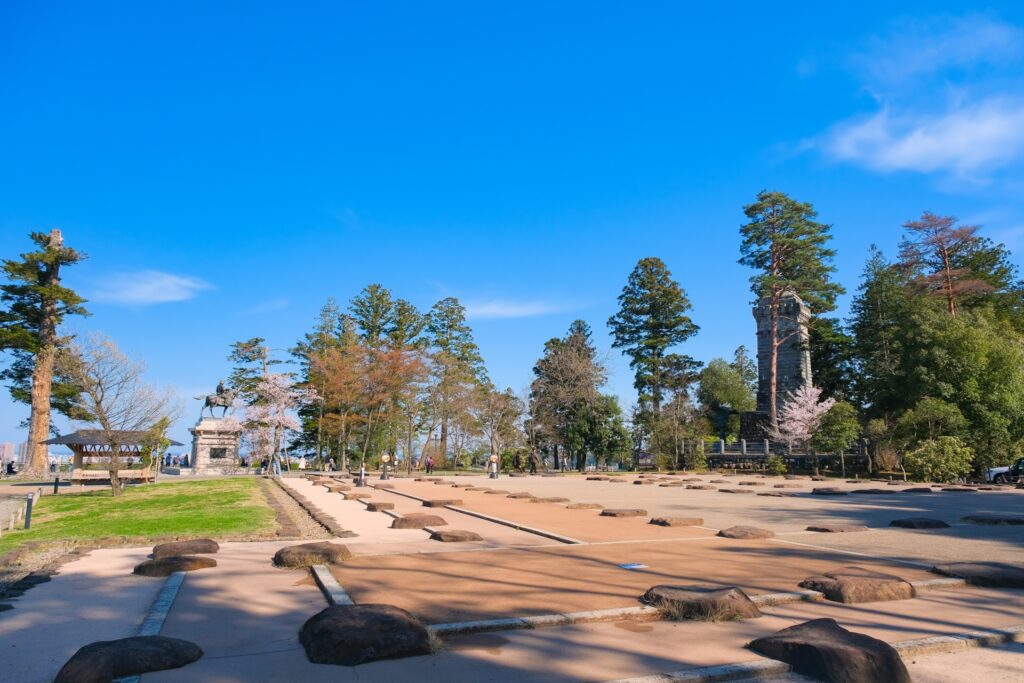
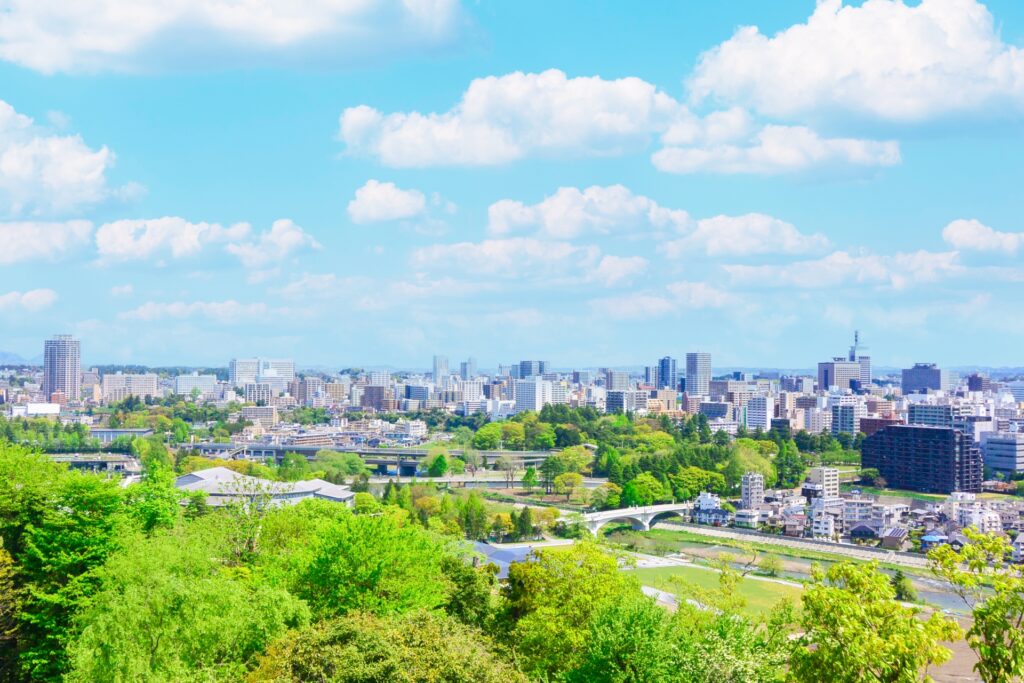
When researching Sendai, this public park is typically the first tourist attraction to pop up. The site of the Sendai Castle Ruins is located atop Mt. Aoba, a rocky hillside of one of the bends in the Hirose River that acted as a natural fortress for the castle in its heyday. In fact, Mt. Aoba is where the castle got its name. The site overlooks the city and many of its former outer expansion sites have been converted to parks, museums, and educational centers. Due to various circumstances over the decades, the castle grounds unfortunately suffered through dramatic changes. These include earthquakes, fires, dismantling during the Meiji Restoration, as well as bombing raids during WWII. Because of this, no original structures remain on the location and instead the site is a popular sightseeing spot and park.
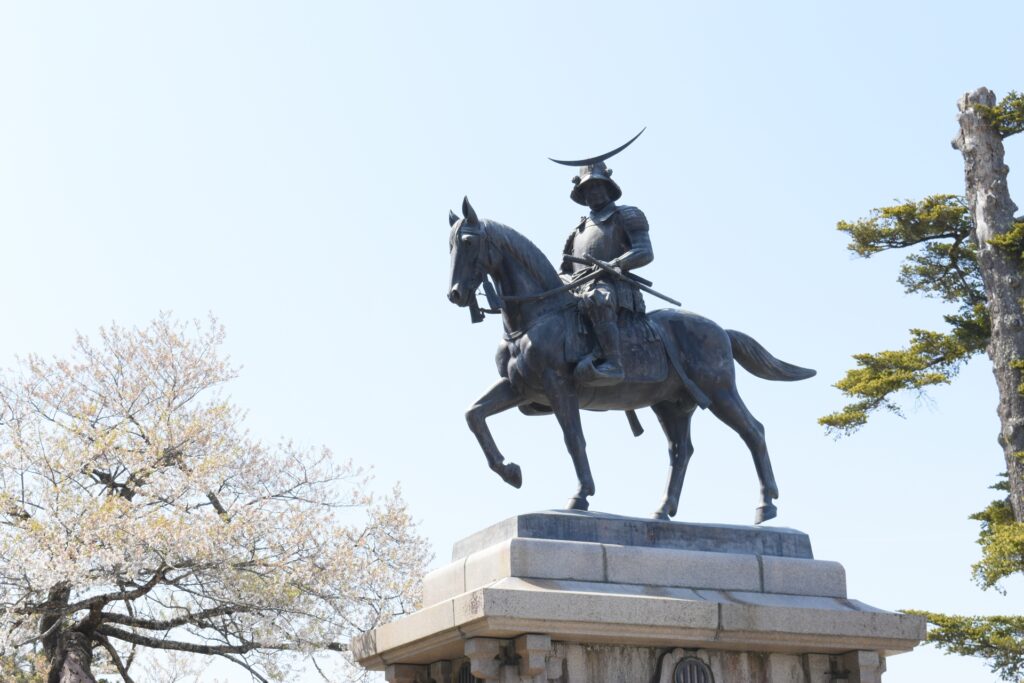
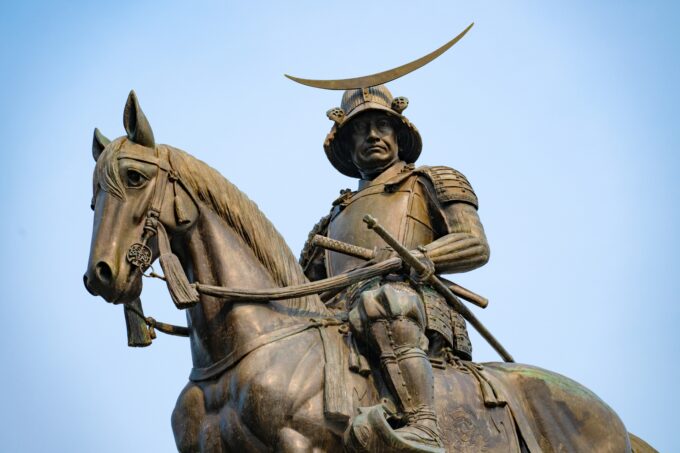
Despite the original castle buildings no longer remaining, there is an iconic statue of Date Masamune, the powerful samurai feudal lord that founded Sendai nicknamed the "One-Eyed Dragon." The allure of the site is its historic value and the chance to stand in the very same area that Date Masamune stood, surveying the impressive expanse of Sendai over which he once ruled.
2 / RINNOJI TEMPLE / all year round
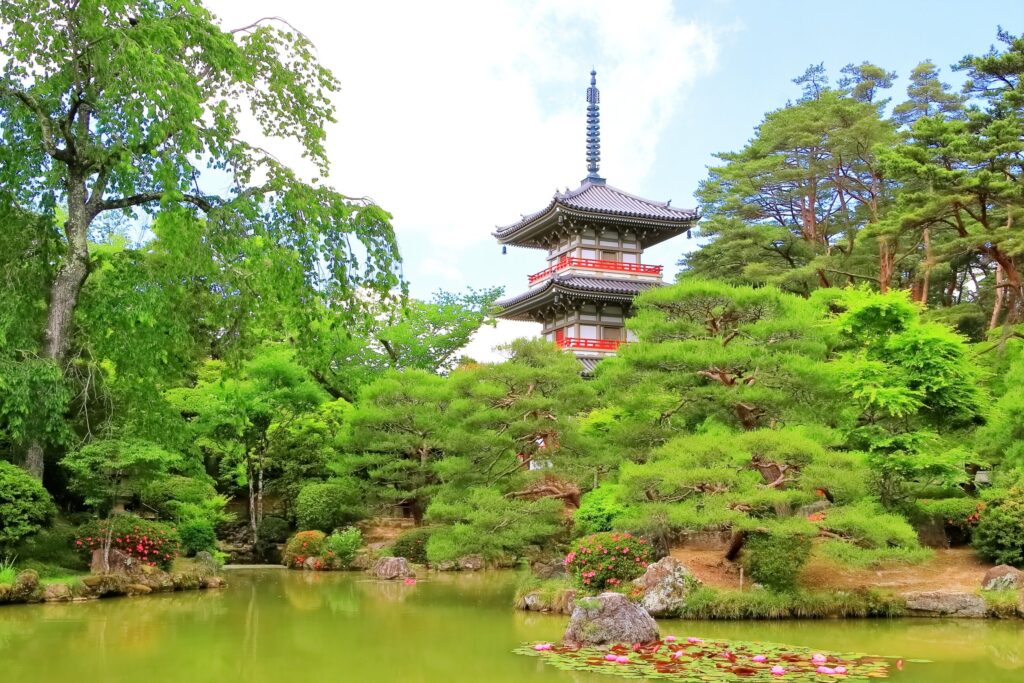
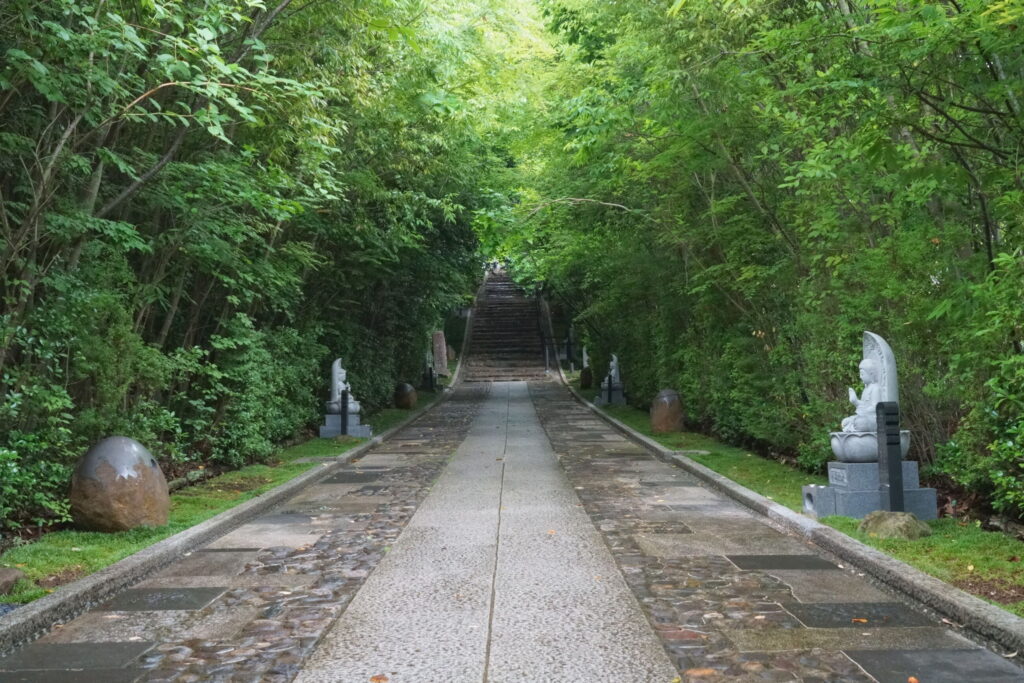
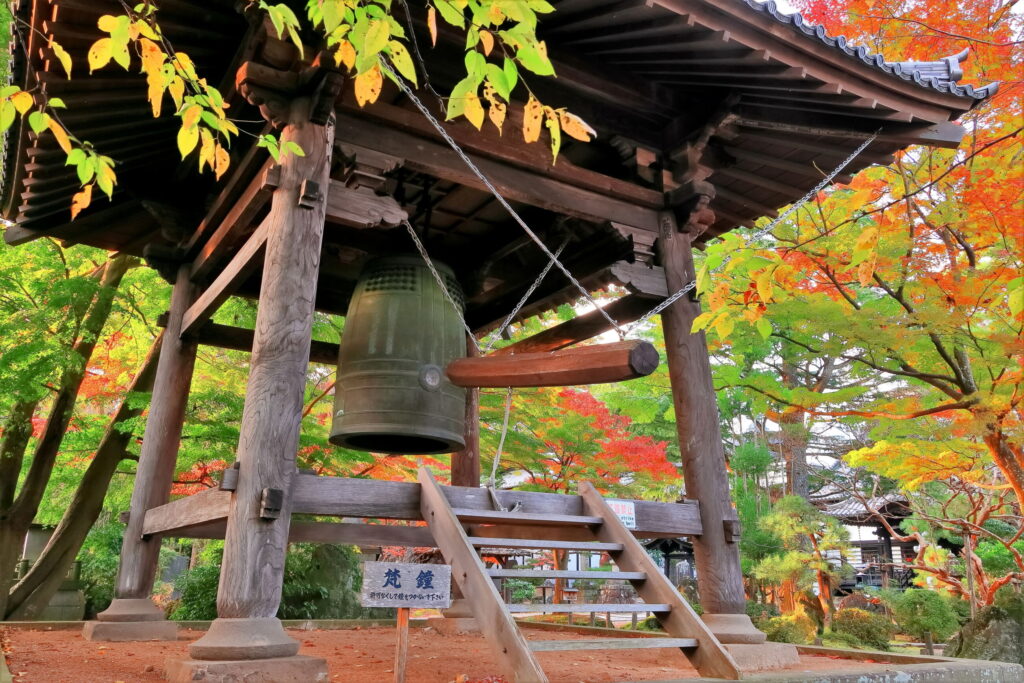
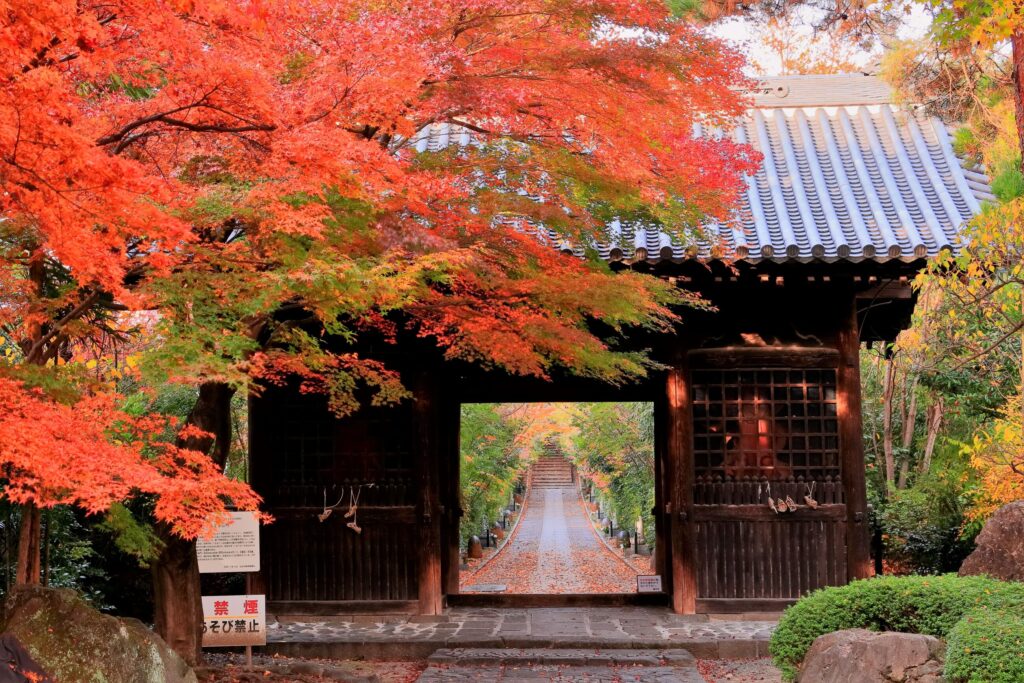
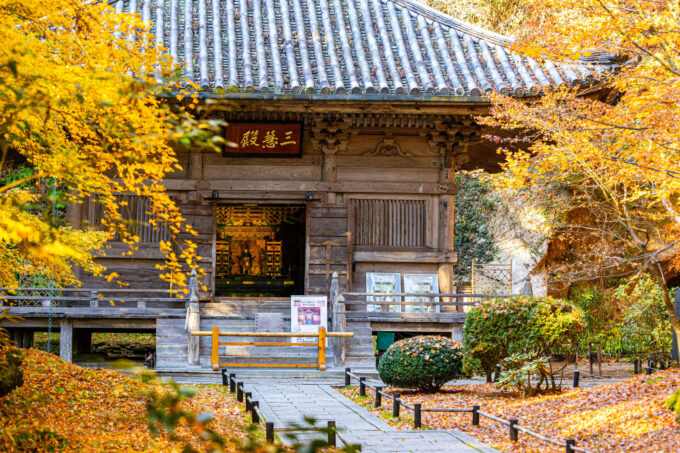
Not to be confused with the similarly titled Rinnojji at the Nikko Toshogu Shrine Complex, this zen temple is located in the Kitayama area of Sendai. Although not originally part of the Sendai Kitayama Gozan Temples, Rinnoji Temple was added after one of the original five temples was removed. These five temples are all located in a line and hold significant historic value to Sendai and the Date Clan that fostered the city and its surrounding area into the modern age.
Rinnoji has a gorgeous traditional zen garden as well as a 3-storied pagoda as well as a tomb in memory of an important historical warrior figure on the temple grounds. For those looking to delve a little deeper into the history of Buddhism and its connections to Sendai, this temple is a great place to start. It's located just a quick local train ride from Sendai Station along the Senzan Line.
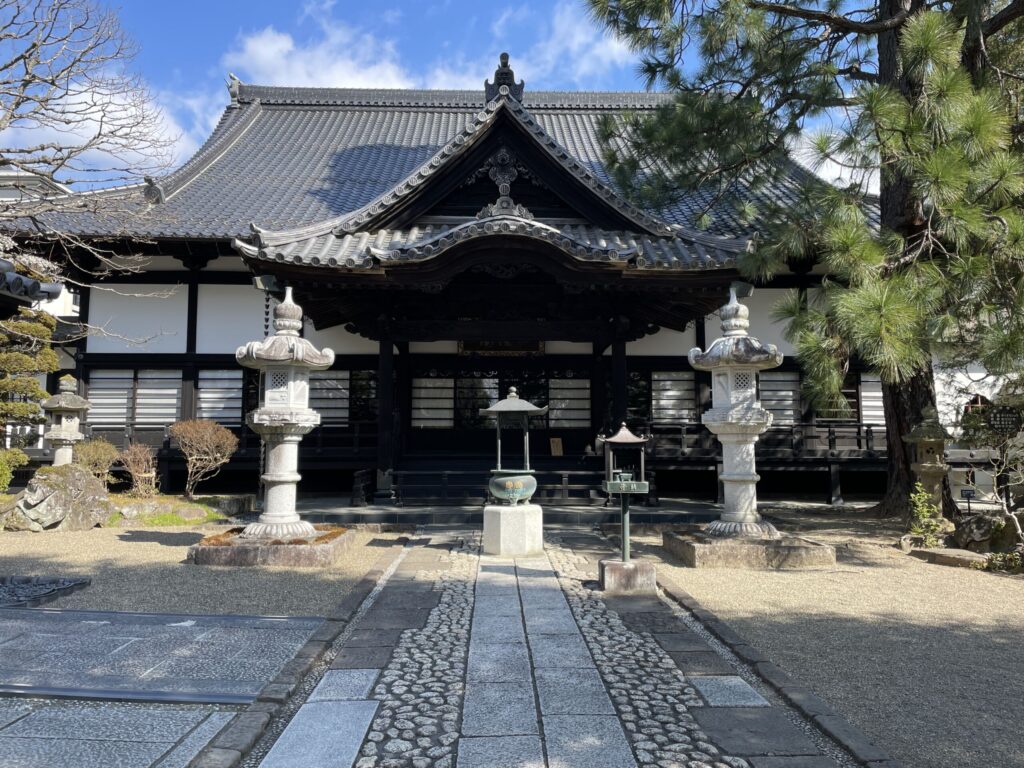
3 / SENDAI DAIKANNON STATUE / all year round
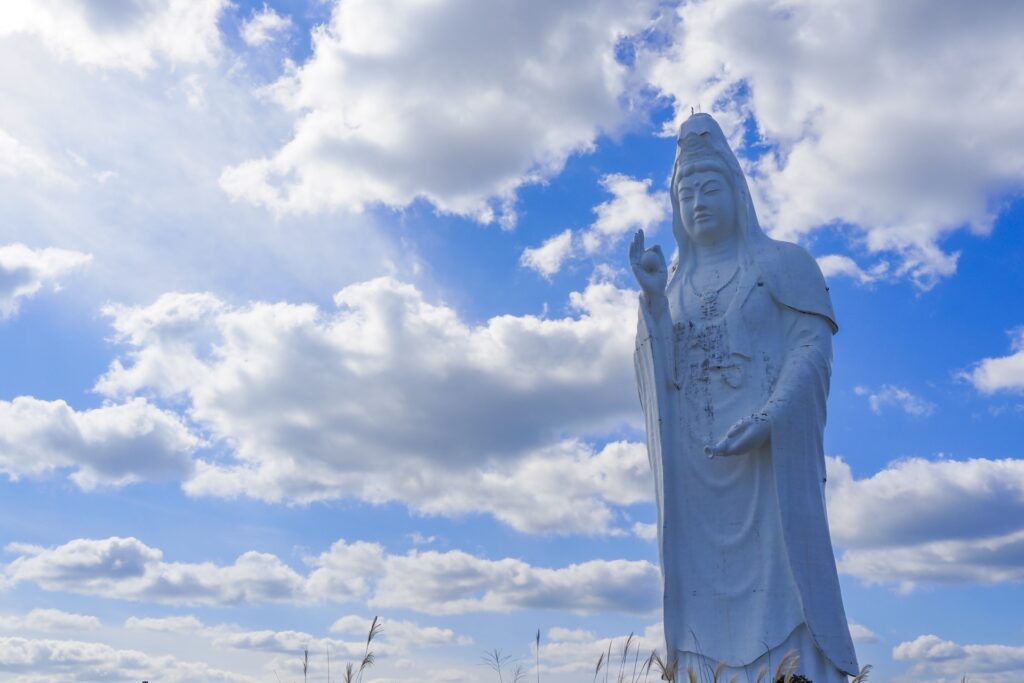
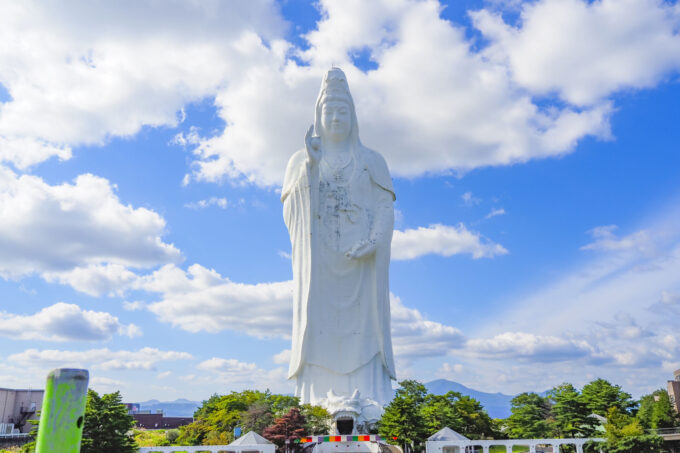
Officially titled Sendai Tendou Byakue Daikannon (仙台天道白衣大観音), this impressive statue reaches 100 meters (330 feet) into the sky. When it was first built it was actually the tallest statue in all of Japan, but was soon surpassed by the Ushiku Daibutsu built in 1993. Regardless of where it falls on the list of world's tallest statues, the Sendai Daikannon Statue is a view you ought not to miss!
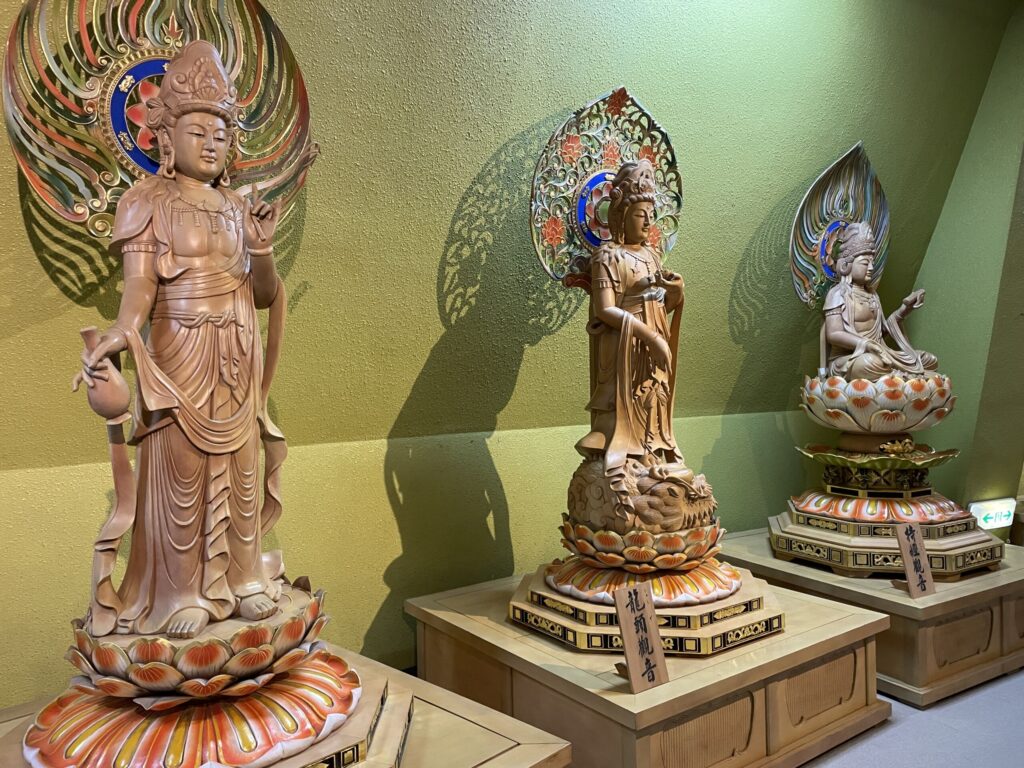
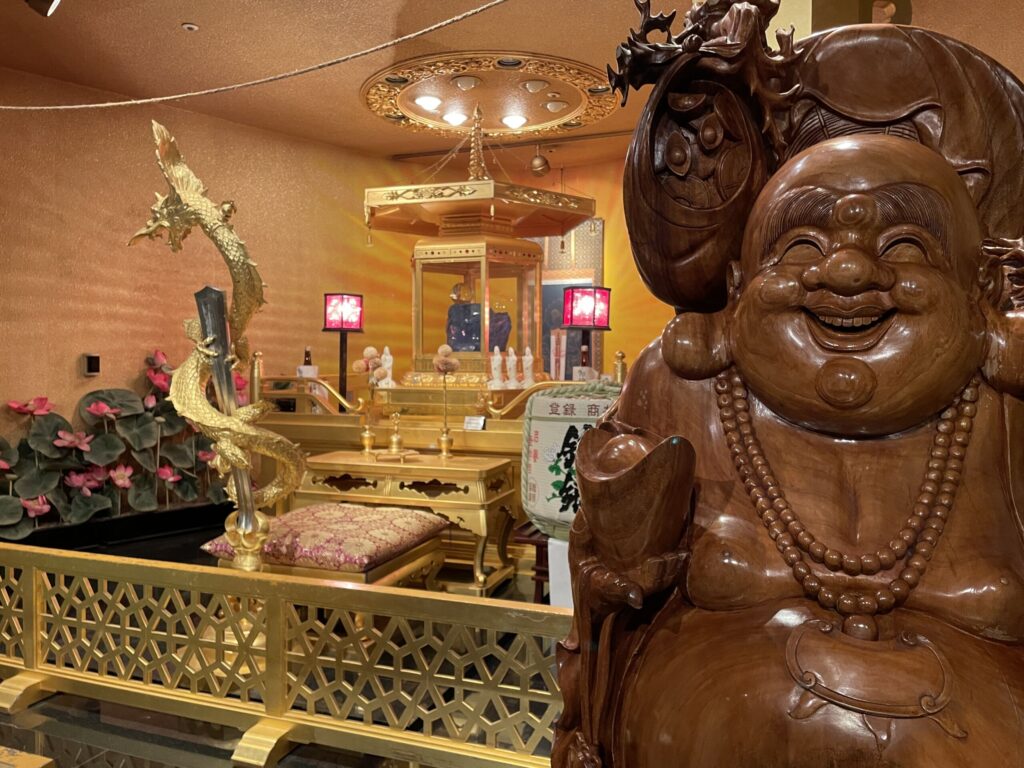
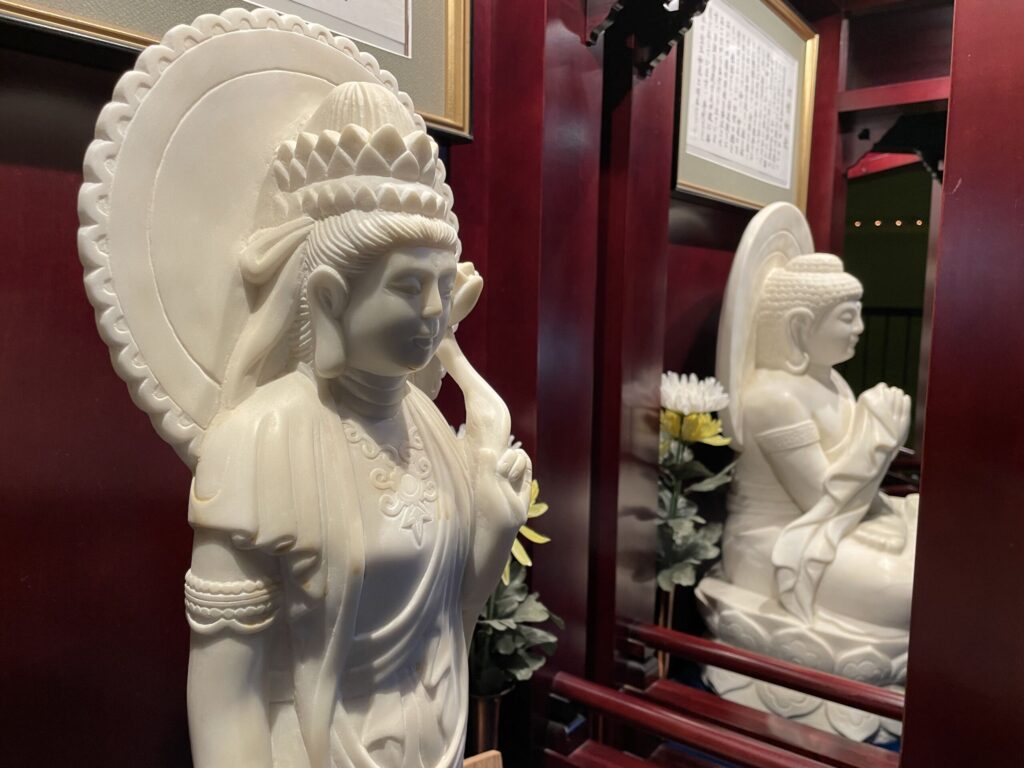
You can take a bus straight from Sendai Station and get off at the Sendai Daikannon Mae bus stop to visit this iconic statue. There is a small entrance fee of 500 yen, but once inside you can ride the elevator to the top and witness the 108 Buddha and Kannon statues within it as part of a sacred Buddhist pilgrimage.
4 / ZUIHODEN MAUSOLEUM / all year round
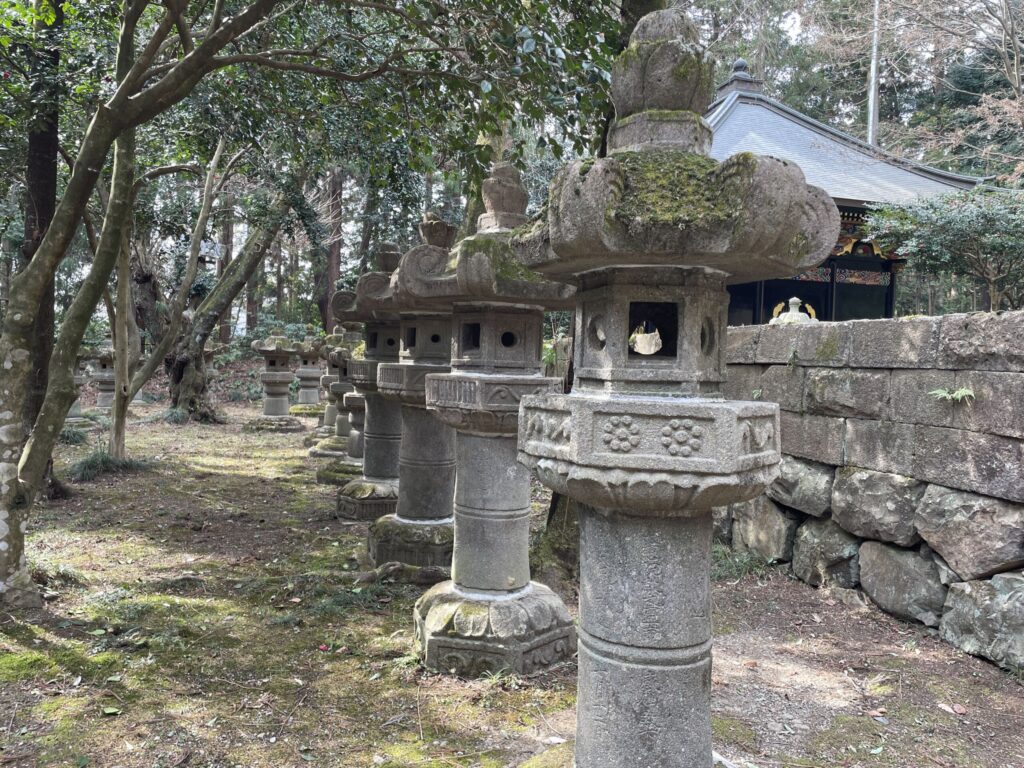
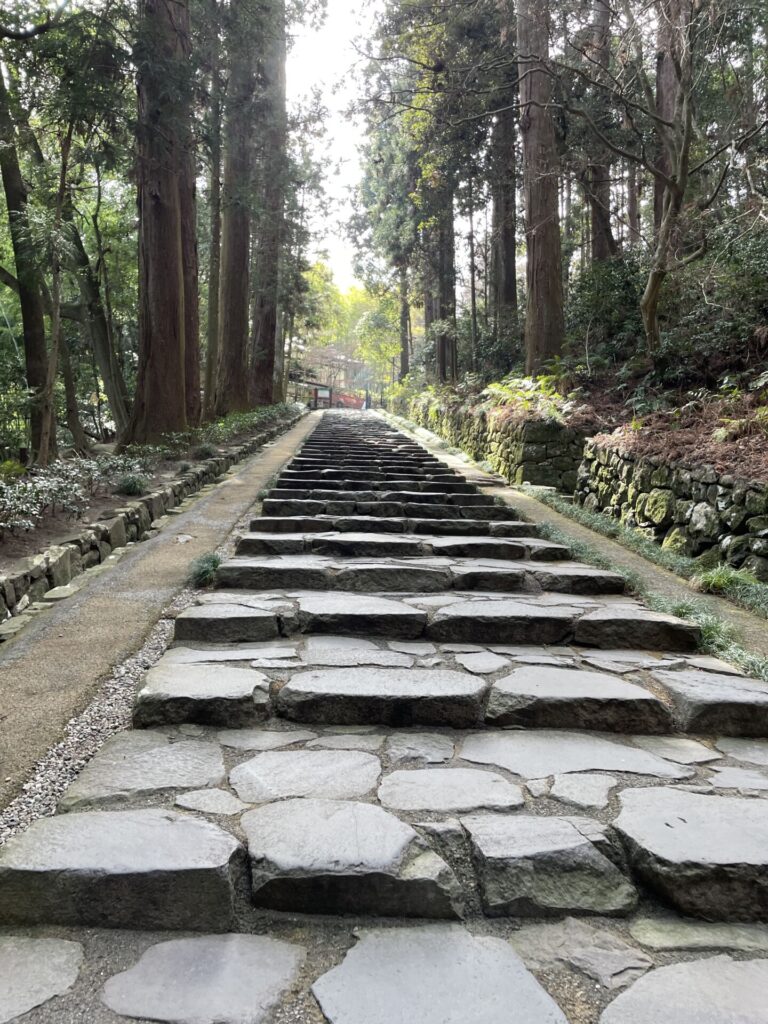
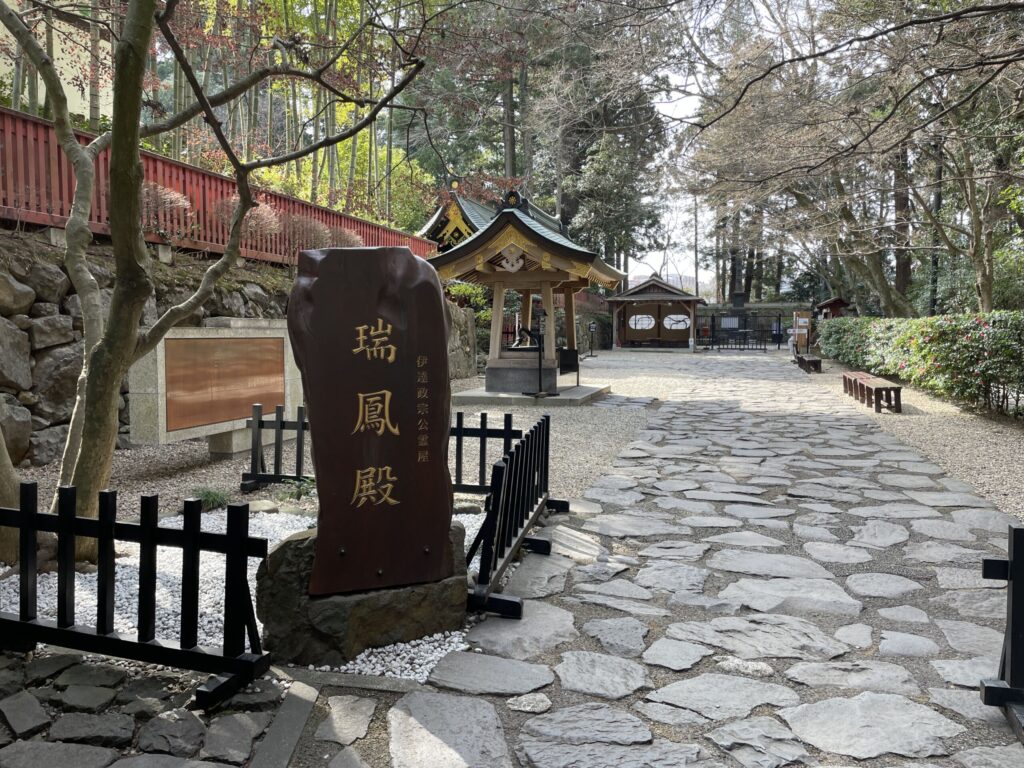
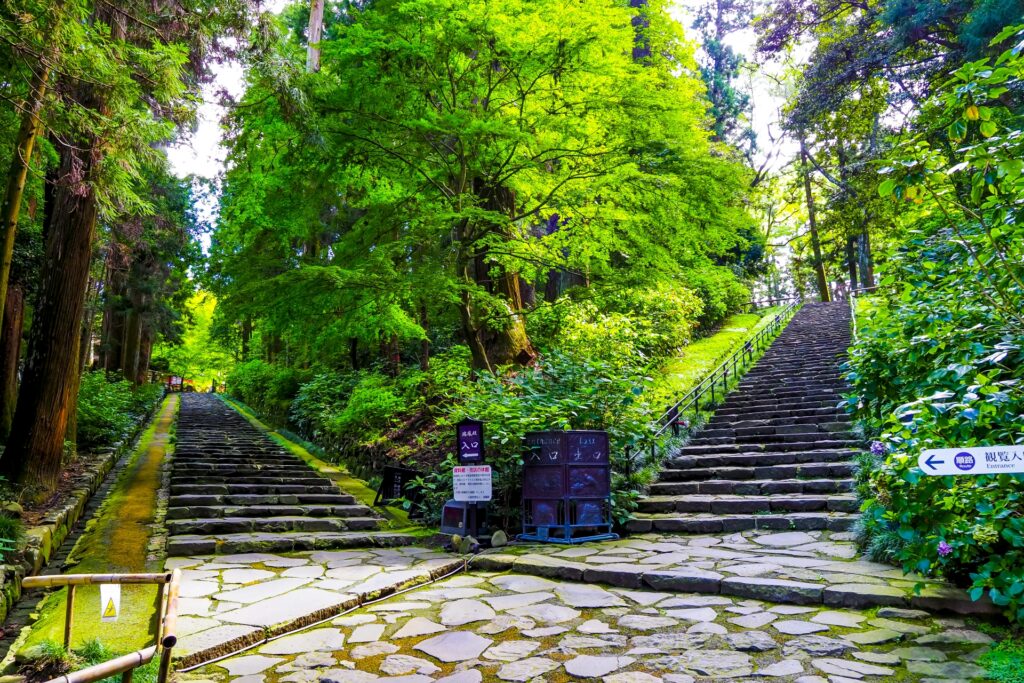
This mausoleum is the resting place of Date Masamune (along with his son and grandson in nearby tombs). Date Masamune was one of Japan's most powerful daimyō, or feudal lords, under Tokugawa Ieyasu’s rule during the early Edo period. He was an heir to a long line of powerful lords and later went on to found the city of Sendai itself.
He was known for his ornate style and tastes and is credited with multiple projects that enhanced the beauty of the Tohoku region. This mausoleum was part of his last will and testament, and its gorgeous design and color palette are striking examples of Momoyama period art. You can walk through the Zuihoden grounds and museum, learning historical context and further insight into the intricate nature of samurai dynamics in Japan.
5 / OSAKI HACHIMANGU SHRINE / all year round
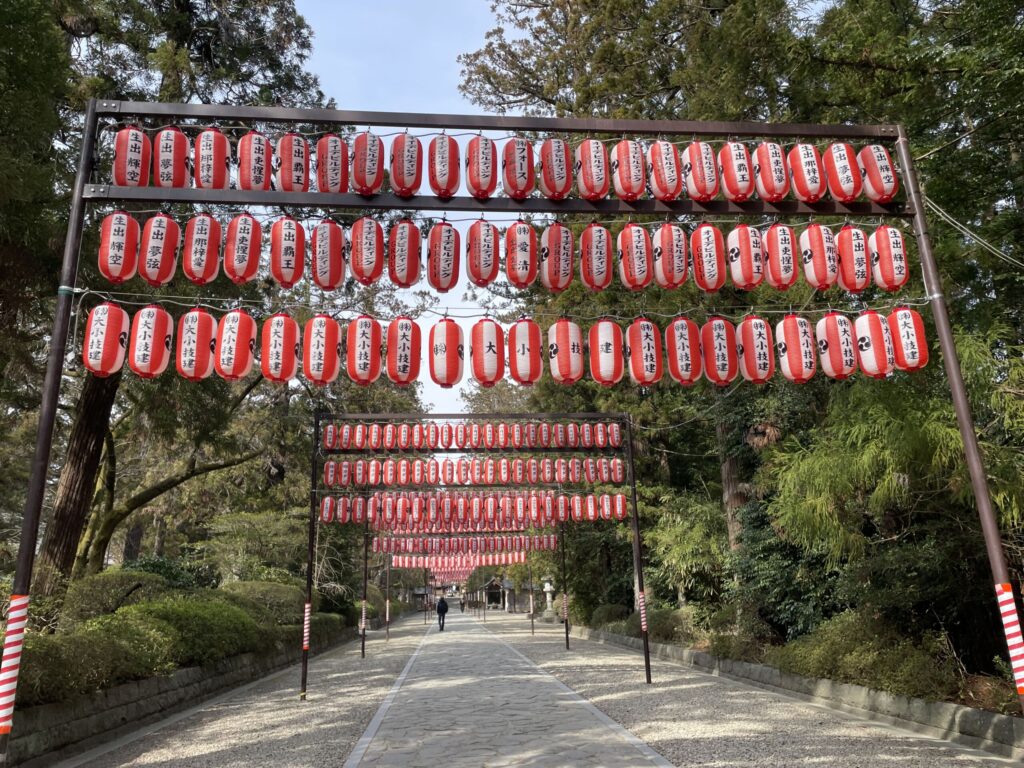
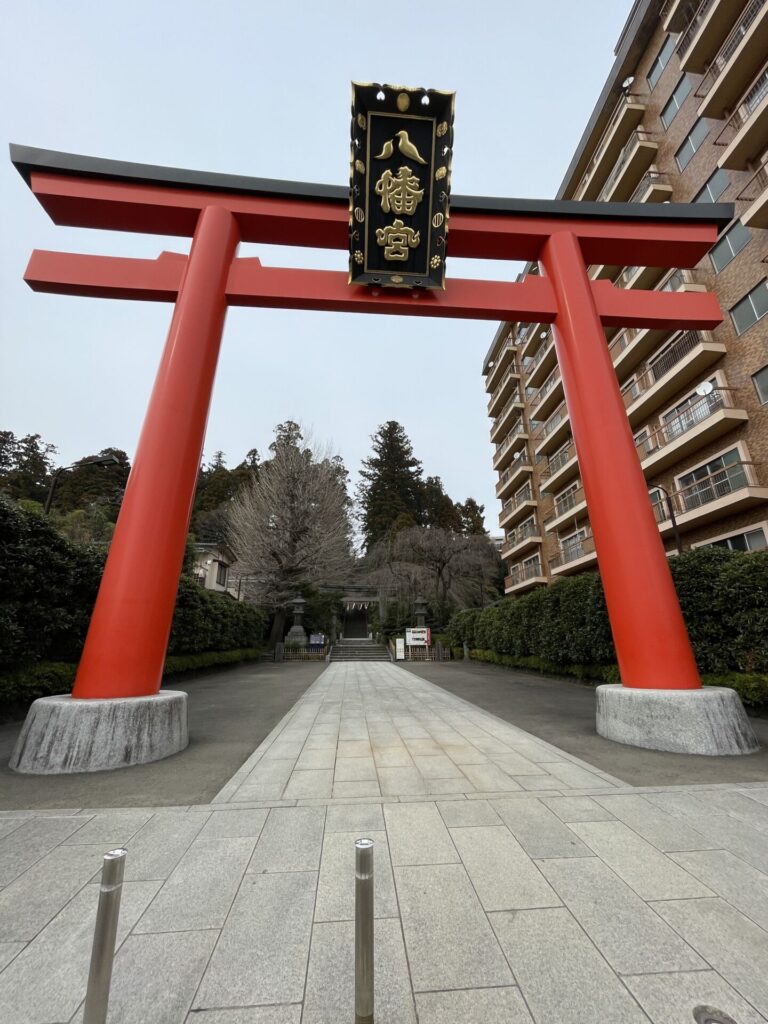
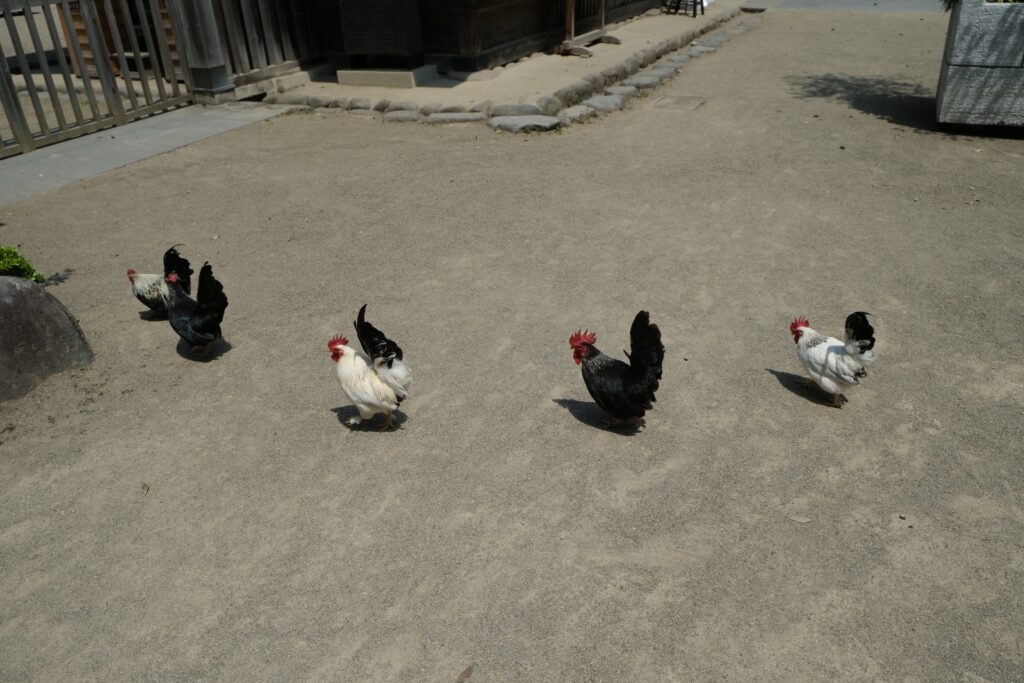
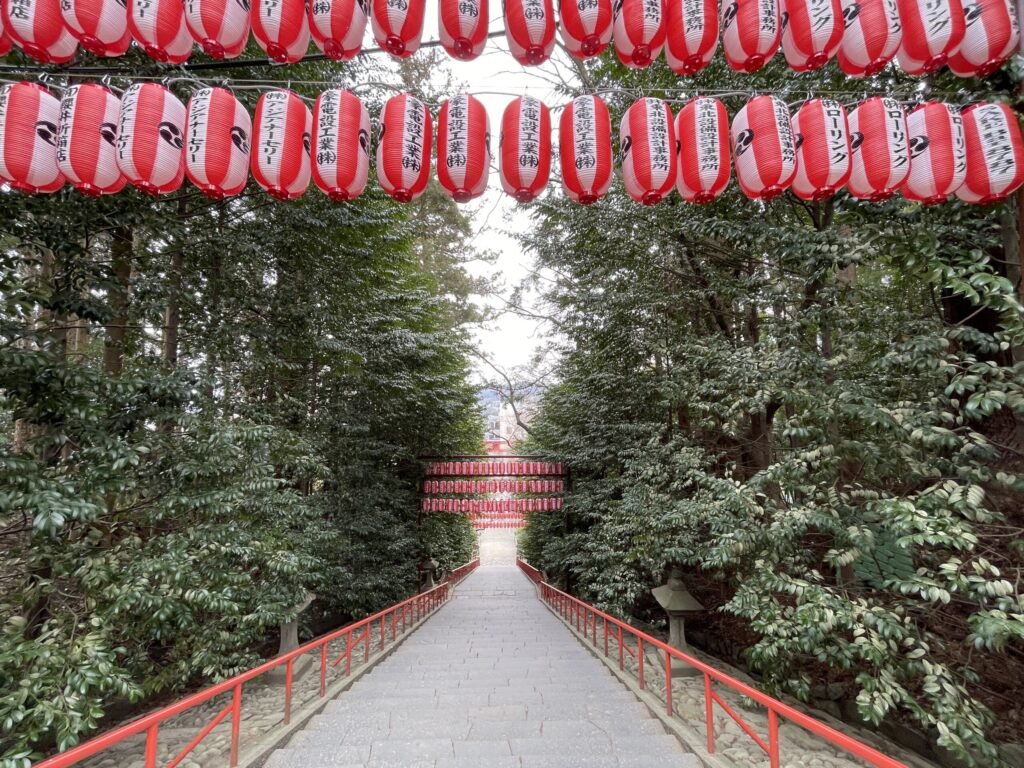
Date Masamune, the samurai feudal lord who founded Sendai, ordered Osaki Hachimangu Shrine's construction in 1607. Till this day it is one of the greatest examples of the Date Clan's ornate style and architectural tastes. The shrine itself was built after determining the surrounding area was sacred. The shrine complex itself and its enshrined deities acted as the guardian of the Sendai domain as well as the divine protectors of the Date Clan.
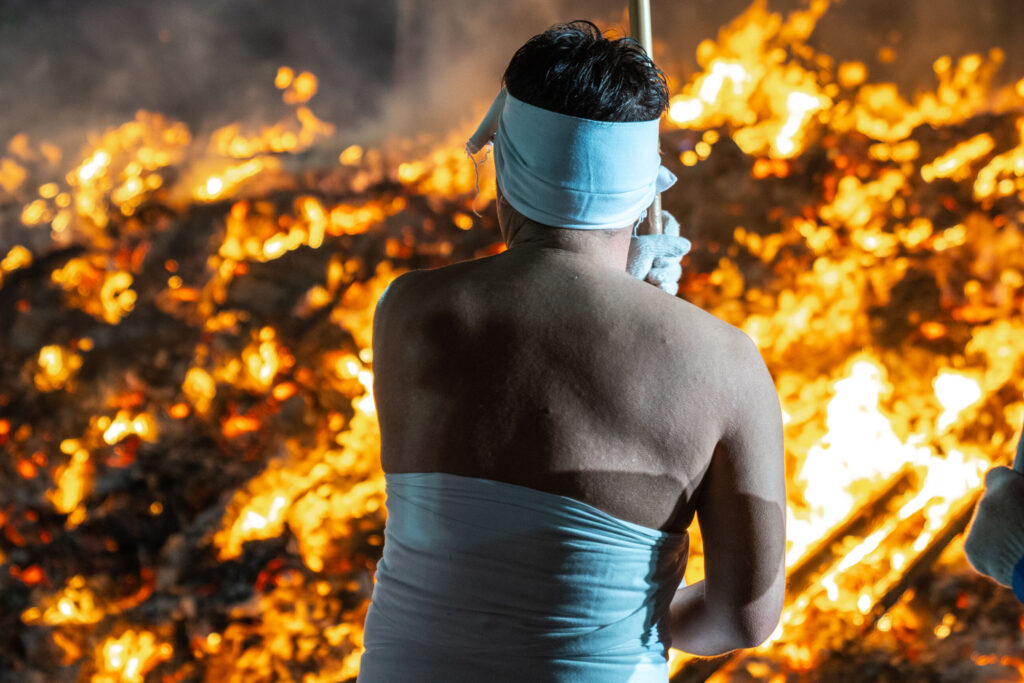
Osaki Hachimangu Shrine is a designated National Treasure and is not only an important historic shrine but even now is one of the most important Shinto shrines in the city of Sendai. Visitors come for a variety of reasons including spiritual pilgrimage or ritual, study, buying amulets, the famous hadaka-mairi (naked pilgrimage) of Dontosai Festival, or simply visiting to witness living history. Plus, there are chickens!
6 / MATSUSHIMA BAY / all year round
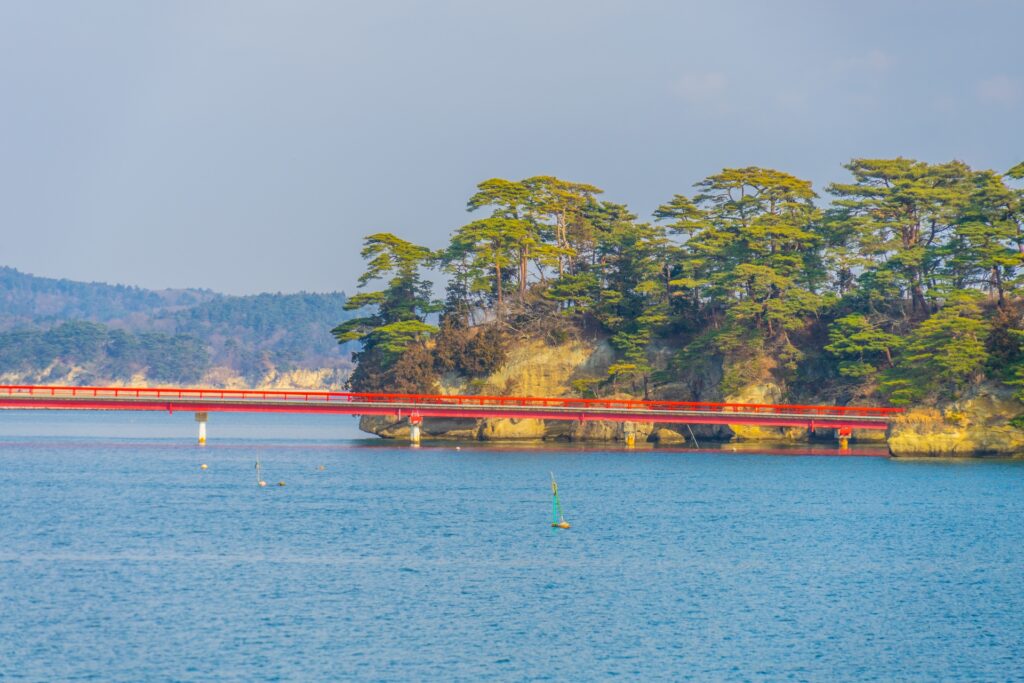
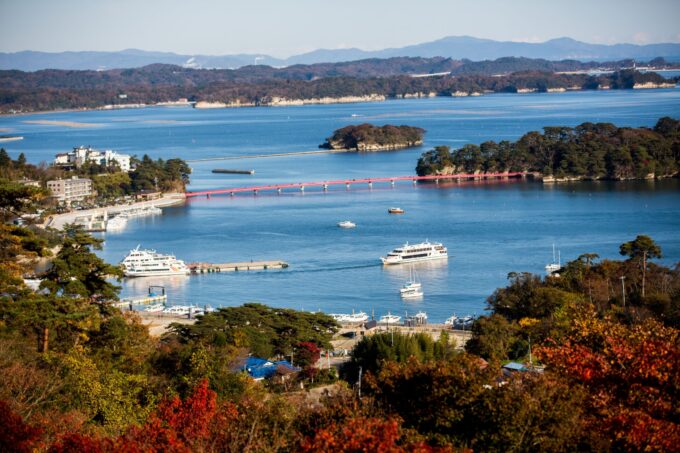
Matsushima is praised as one of Japan’s “Top Three Scenic Spots” thanks to its breathtaking views of the some 260 pine tree covered islands that are scattered throughout the bay. In fact, the town gets its name from this exact phenomenon. Matsu (松) means pine tree and shima (島) means island. These islands are located just off the shoreline and are scattered across most of the bay. They offer a spectacular view to all who visit, especially at sunrise, sunset, and even during the evening when the moon reflects sparkling off the water.
Popular destinations include the gardens of Entsuin Temple, the historic Date Clan family temple of Zuiganji, as well as the variety of boat cruises offered around the bay.
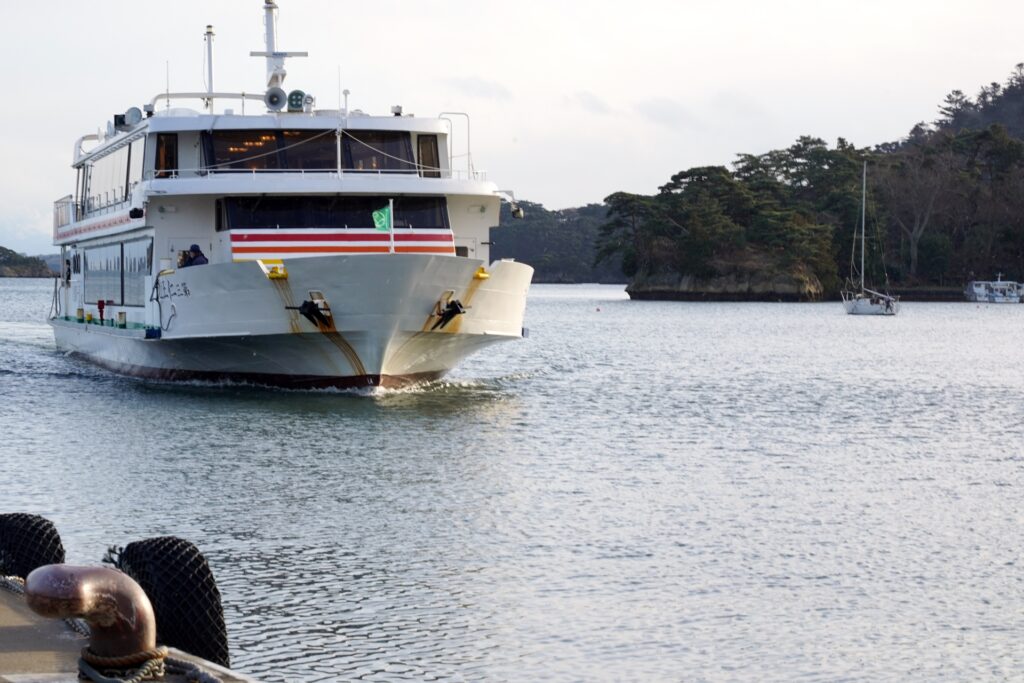
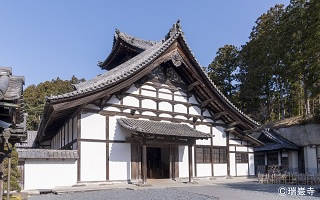
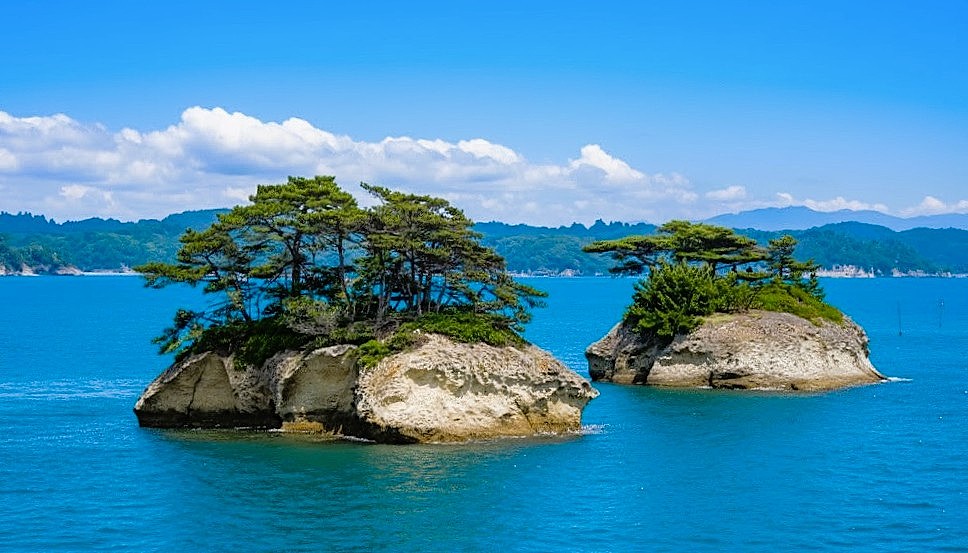
Matsushima Bay offers an easy day-trip getaway filled with gorgeous views, historic interest, and delicious fresh seafood.
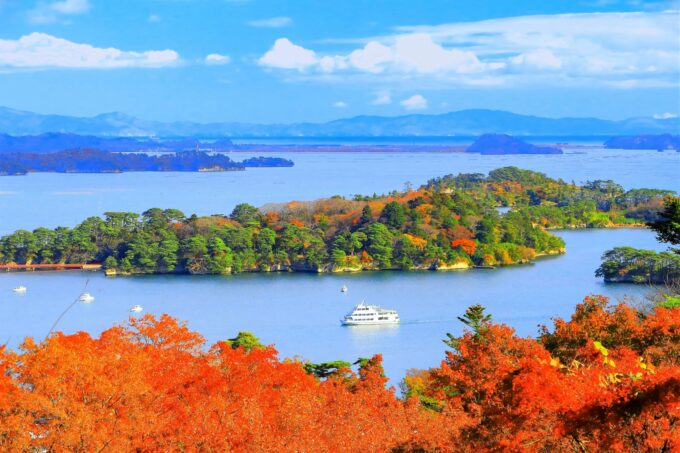
Small Group
1-Day Tour from Sendai: Matsushima Bay — Highlights from One of Japan’s Three Most Scenic Views
- Spots:
- Matsushima
- Pick-up:
- Sendai
- Drop-off:
- Sendai
7 / JOGI NYORAI SAIHOJI TEMPLE / all year round
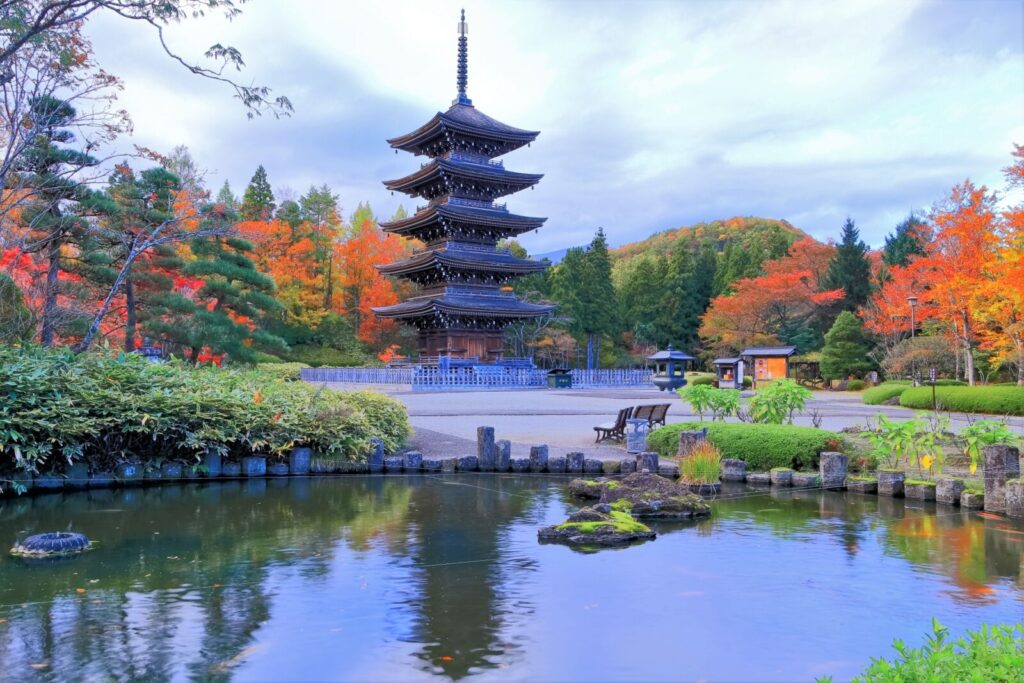
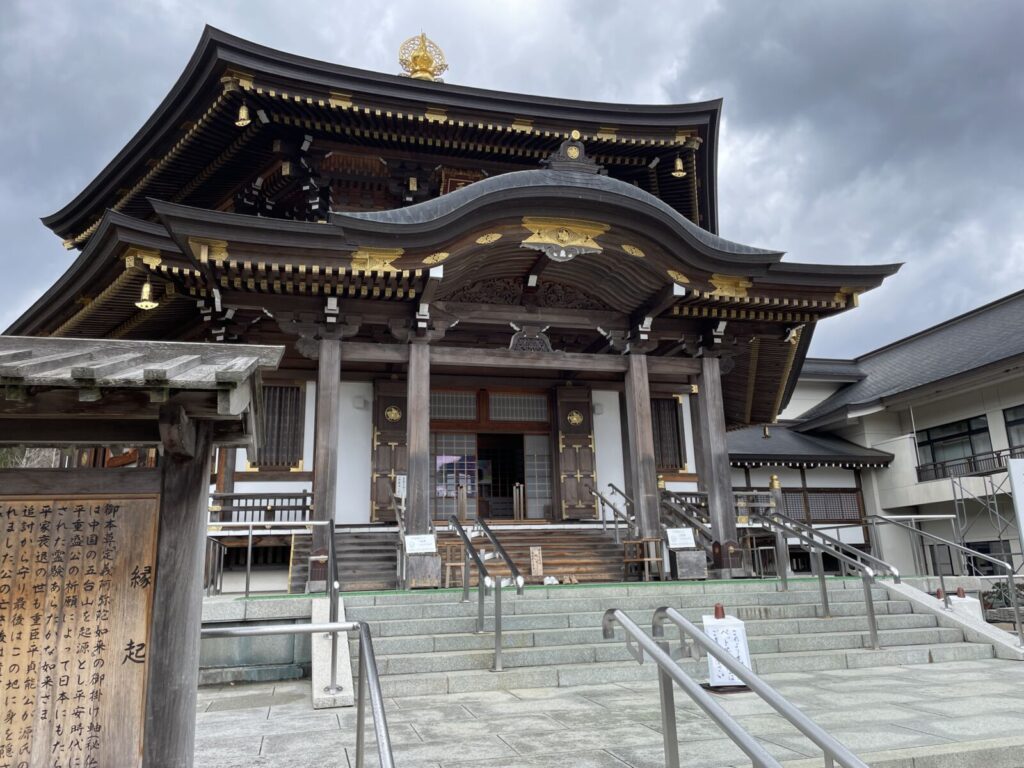
Jogi Nyorai Saihoji Temple is a gorgeous Buddhist temple complex located in Sendai. Its main sacred treasure is a painted scroll of Amida Buddha called Jogi Nyorai – where the temple gets its name from. Jogi is the location name and Nyorai means Buddha. It is a sacred treasure and a "hidden Buddha," meaning it is only shown to the public a limited amount of times a year. Those who pray regularly to Jogi Nyorai are said to bring good luck to their family, weddings, childbirth, health, and professional success. Prayers are carried out anywhere from six to eight times a day for patrons and visitors alike. Some of the highlights on the temple grounds include a 5-story pagoda, the main temple hall, and the main gate which is designated as an important cultural property in Japan.
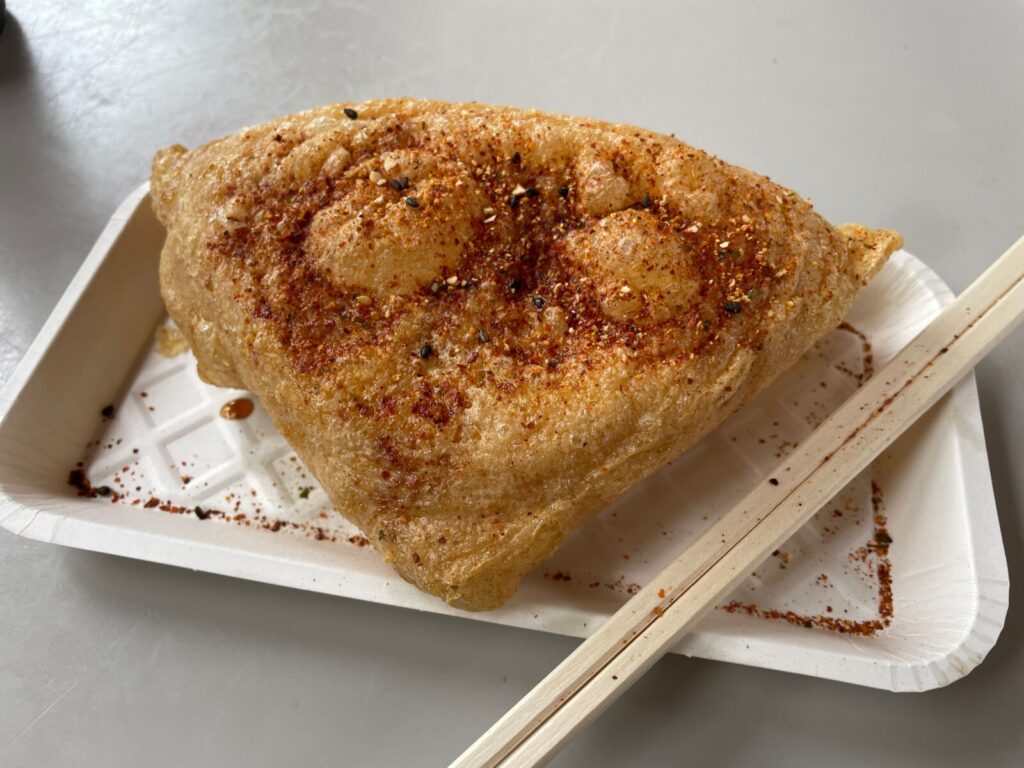
A noted specialty sold near the temple complex is a triangular-shaped deep fried tofu. It is served piping hot and you can add different condiments, such as pepper flakes or soy sauce, on top of it right off to the side. It's the perfect snack to eat while taking a break from walking around the temple grounds. In fact, this tofu treat is so popular, locals will come by every so often and stock up on frozen versions also sold on the premises.
8 / MITSUI OUTLET PARK SENDAI PORT / all year round
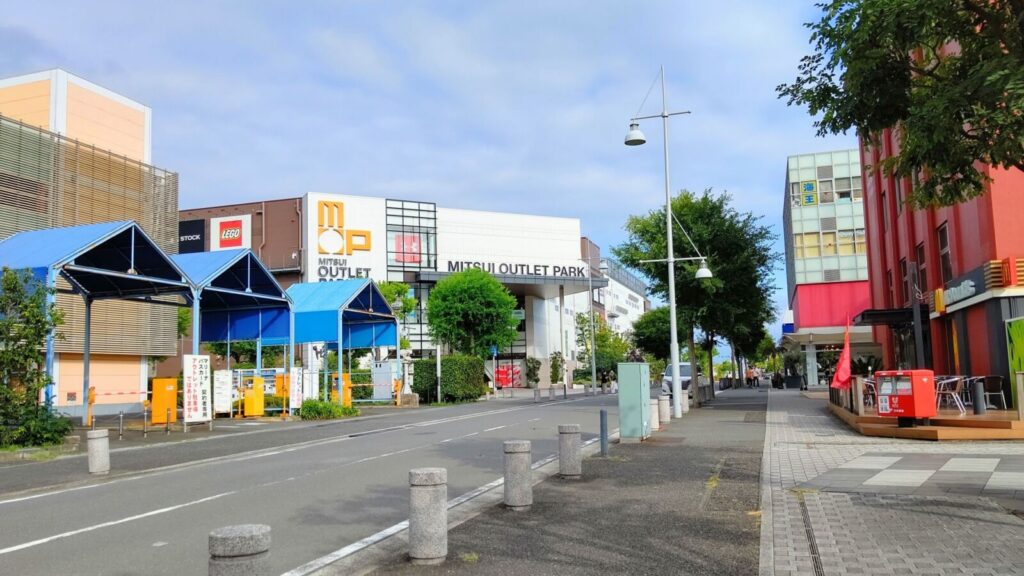
Known as the largest outlet mall in the Tohoku region, the Mitsui Outlet Park Sendai Port is located between Sendai Airport and Matsushima Bay. There are around 120 different shops both from Japan and abroad within the shopping center, as well as a food court and coffee shops. There is also a Ferris Wheel nearby as well as the aquarium mentioned at no. 12 on this list! There are also multiple shops that are part of the tax free program for tourists in Japan, so those visiting can take advantage of the great deals.
The outlet mall is just a short 18 minute train ride from Sendai station along the Senseki Line. If you get off at Nakanosakae Station, the entrance to the mall is about a 15 minute walk.
9 / SENDAI PAGEANT OF STARLIGHT / early - late December
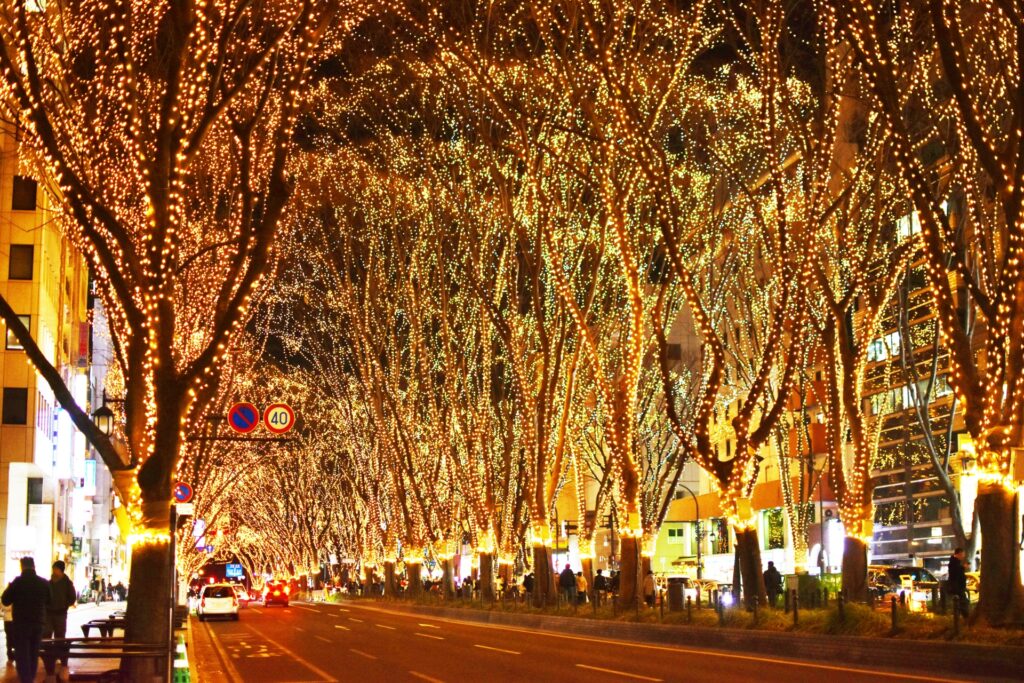
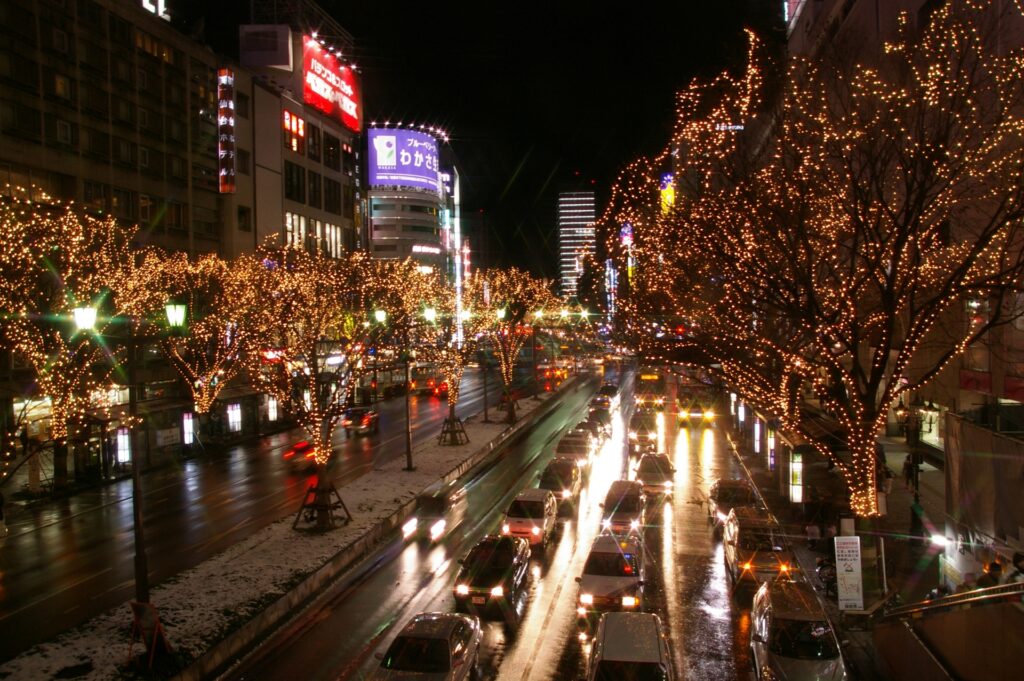
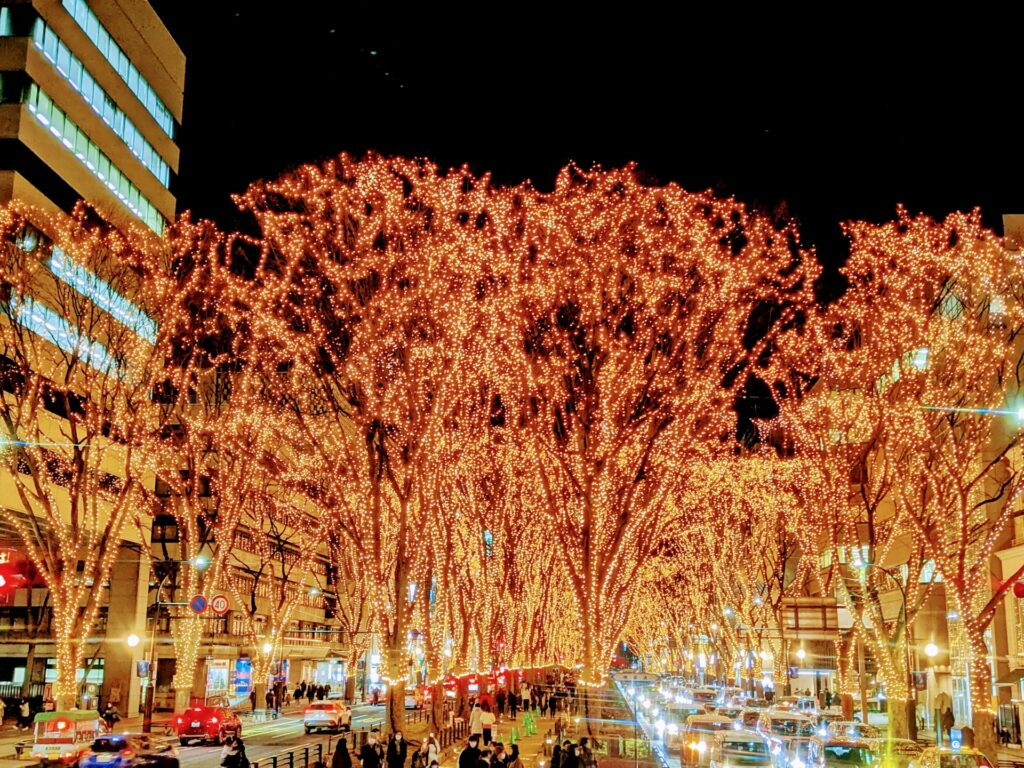
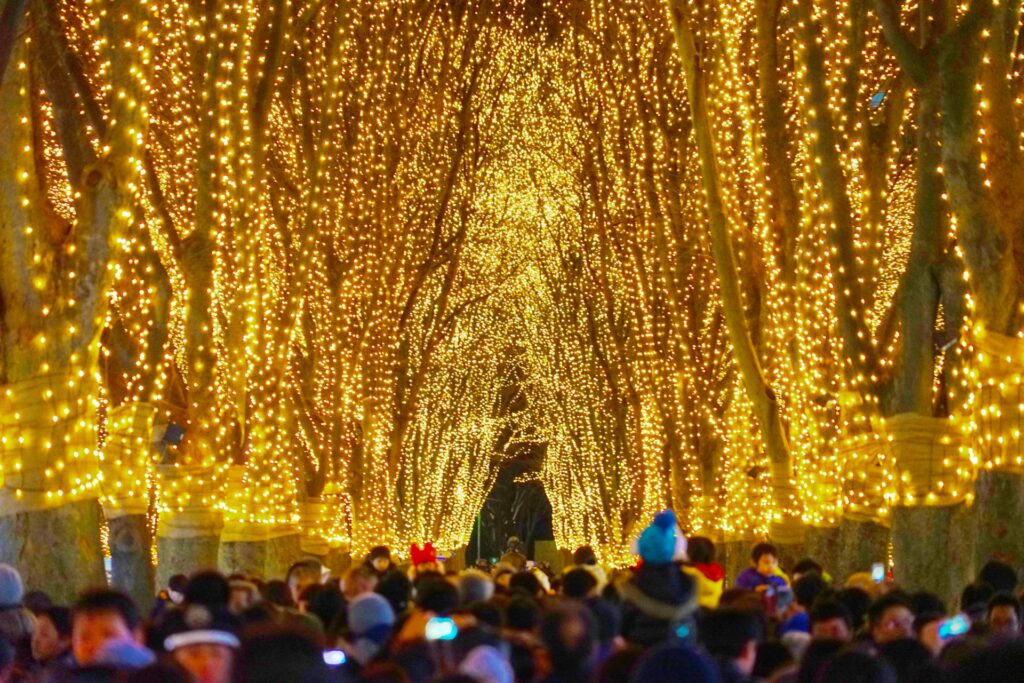
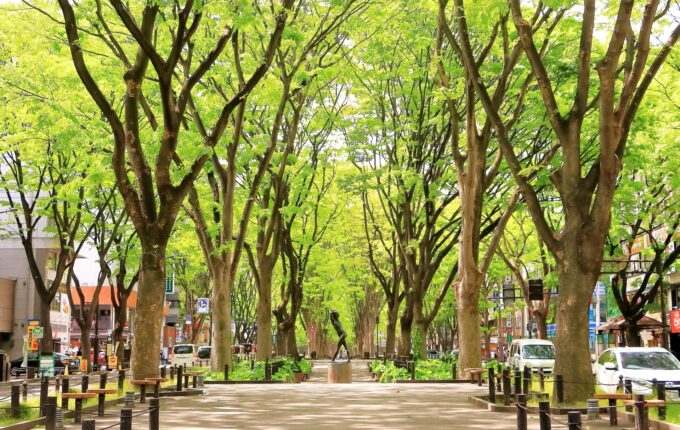
Every year from early to late December, one of Sendai's major streets lights up the night. Jozenji-dori Ave is a famous street in the city known for its rows and rows of towering zelkova (Japanese elm) trees. In fact, this street is what influenced Sendai's nickname as the City of Trees. After the tumultuous period ended in 1600 with the Battle of Sekigahara, Date Masamune was rewarded his own domain in the north and subsequently ordered his constituents to plant fruit-bearing trees, crops, and other greenery in case of future disasters or famine. Thus Sendai became an area filled with lush foliage and the nickname continues to live on today thanks to all the zelkova trees. Now shops and restaurants line Jozenji-dori Ave, and it is a major access street toward the heart of the city.
Every year in the month of December, the trees along Jozenji-dori Ave are covered with thousands of sparkling holiday lights. The event is very popular among locals and visiting tourists alike, particularly couples, as they stroll beneath the starlight of lights covering the trees. Sendai doesn't snow as heavy as other areas throughout the Tohoku area, however on evenings when the snow is fluttering down, many say it's a most spectacular sight! The lights usually run from 5pm to 10pm, but can fluctuate depinging on what time it gets dark in the evenings.
10 / RAKUTEN MOBILE SAIKYO PARK MIYAGI / April - September
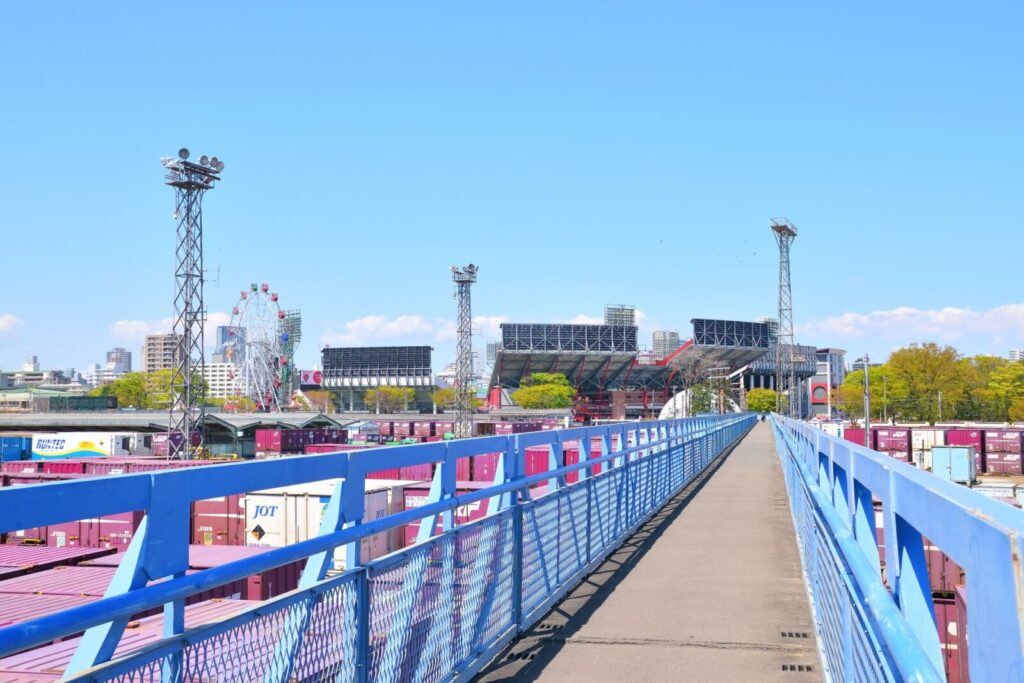
Rakuten Mobile Saikyo Park Miyagi has been home to the Tohoku Rakuten Golden Eagles of the Nippon Professional Baseball (NPB) since 2005. It is the third oldest NPB field and the only all natural grass field in the Pacific League (PL). It has a merry-go-round and a ferris wheel on the premises and a plethora of team goods as well as restaurants. After its initial construction under the name Miyagi Stadium in 1950 – reconstructed into a sports ground from an older Japanese Imperial Army ground– the field went a couple decades with practically no professional games being hosted. This was mainly due to the lack of overhead stadium lighting which made night games impossible. In 1972 a former baseball scout named Isao Uko lobbied for the installation of lights which would promote more nighttime games and therefore more professional games.
The max capacity of the ball park has varied over the decades due to various renovations as well as strict construction laws, but current capacity lies around 30,508. The season runs from around mid-April to September. Those who are baseball fans are highly encouraged to catch a home game at the stadium if they find themselves in the area during the season!
11 / RISSHAKU-JI TEMPLE (YAMADERA) / all year round
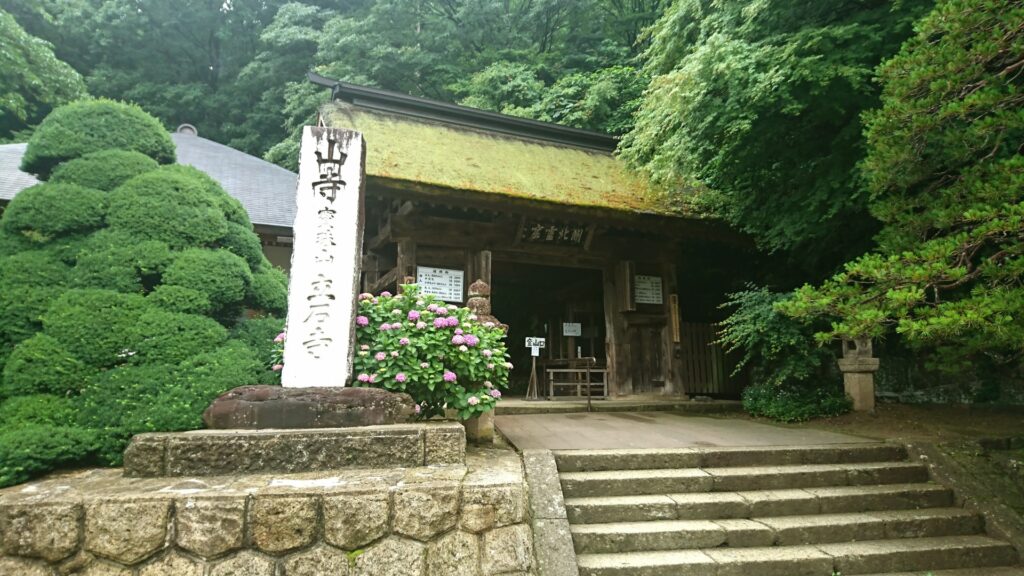
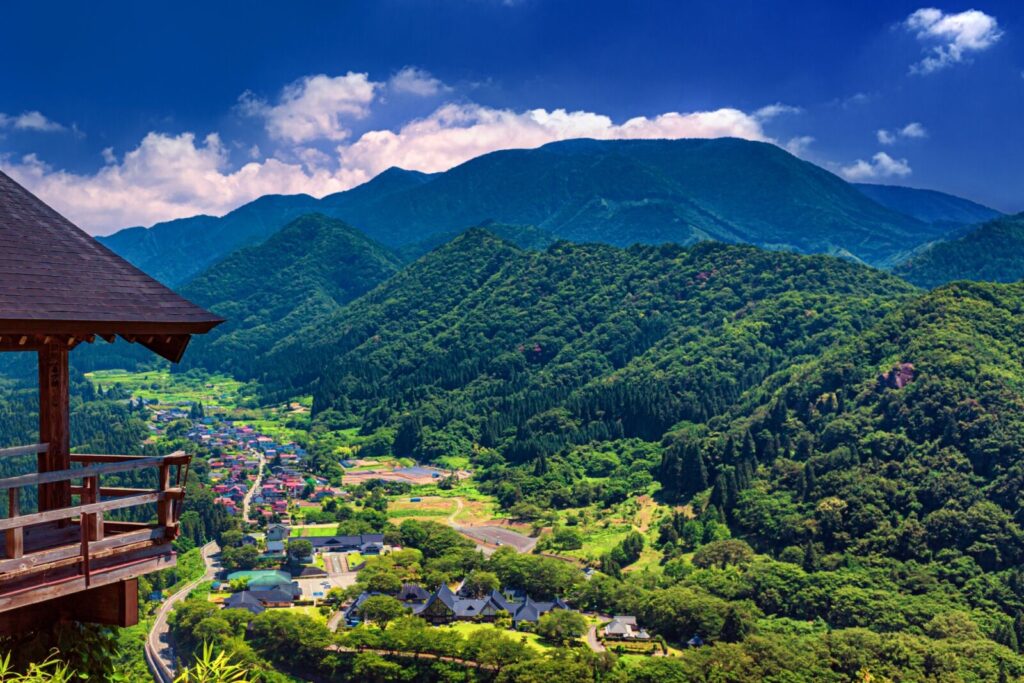
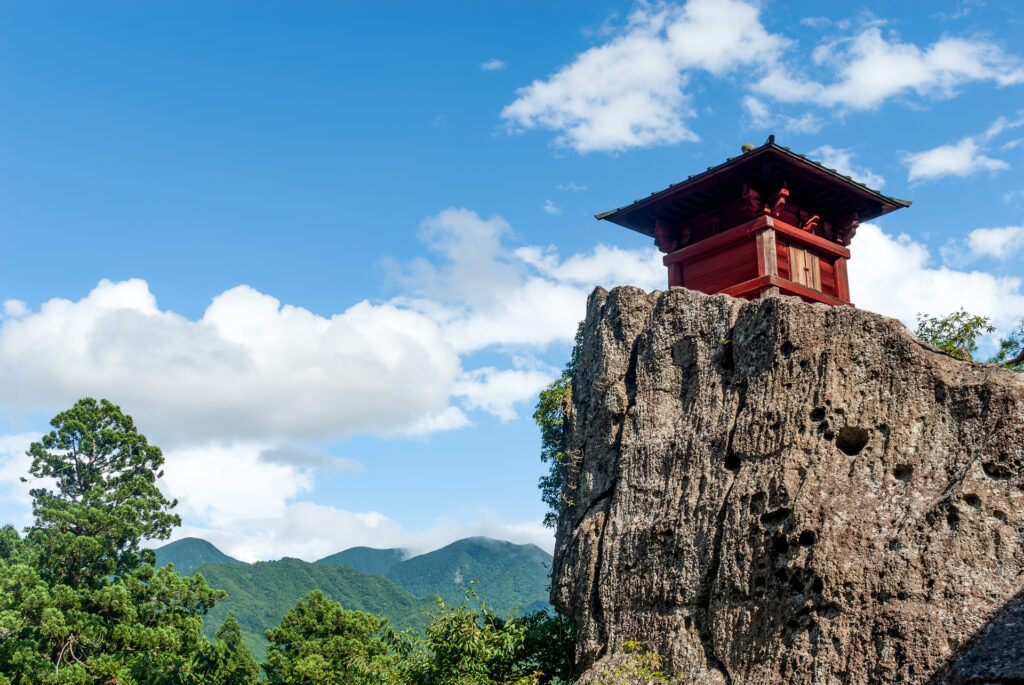
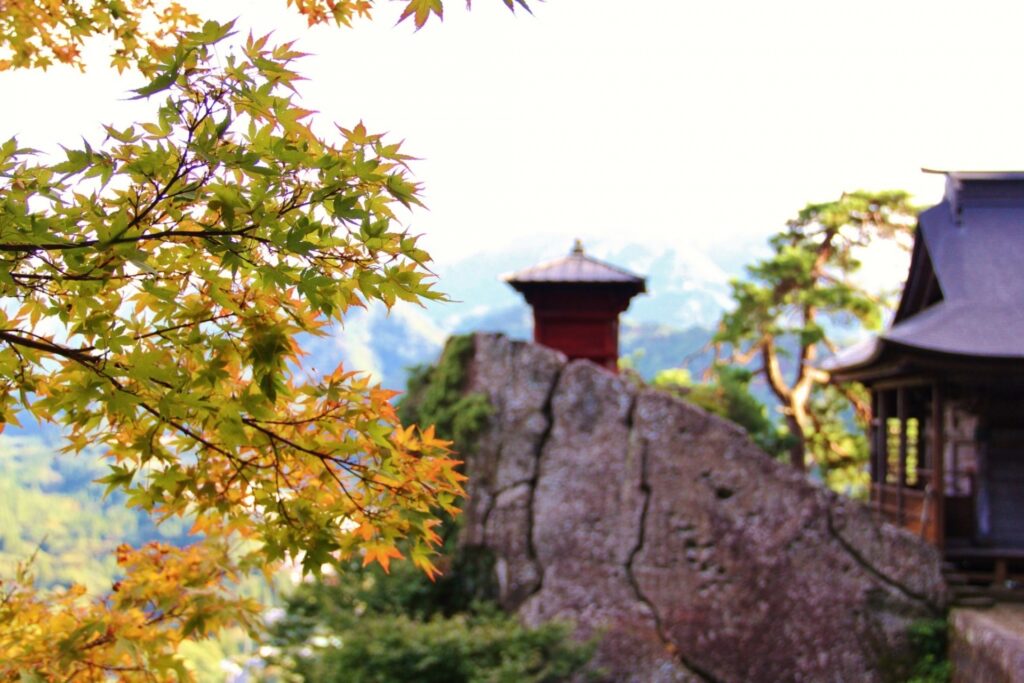
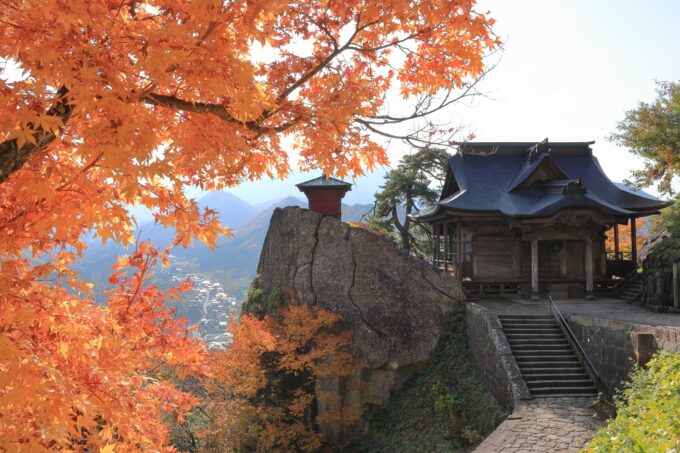
Yamadera is officially named Risshaku-ji, but it is colloquially referred to as Yamadera which literally means “mountain temple” in Japanese. This sacred temple was founded in 860 by a traveling monk named Ennin (also known as Jikaku Daishi). Ennin was wandering northern Japan to spread Tendai Buddhism under the orders of the Emperor and chose the prefecture’s sacred Mount Hoju for the new temple.
This temple is designated as a National Historic Site as well as a place of great scenic beauty. It is often referred to as one of the most famous attractions in Yamagata Prefecture. Making the spiritual climb up the stone steps reveals lush ferns, cedar trees, moss covered rocks, as well as rich history.
12 / SENDAI UMINOMORI AQUARIUM / all year round
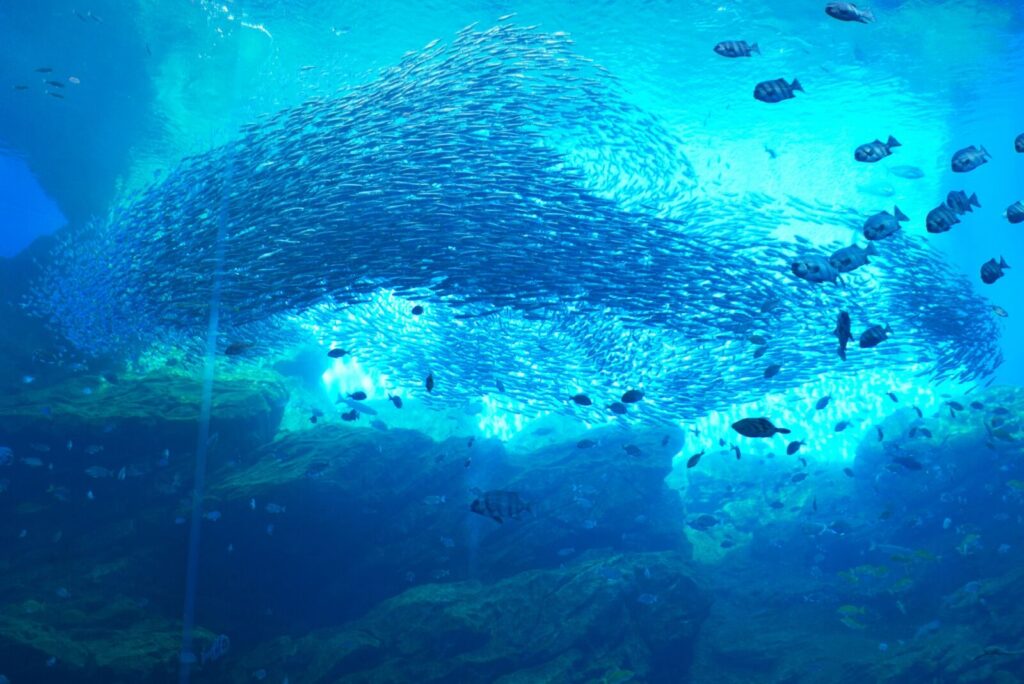
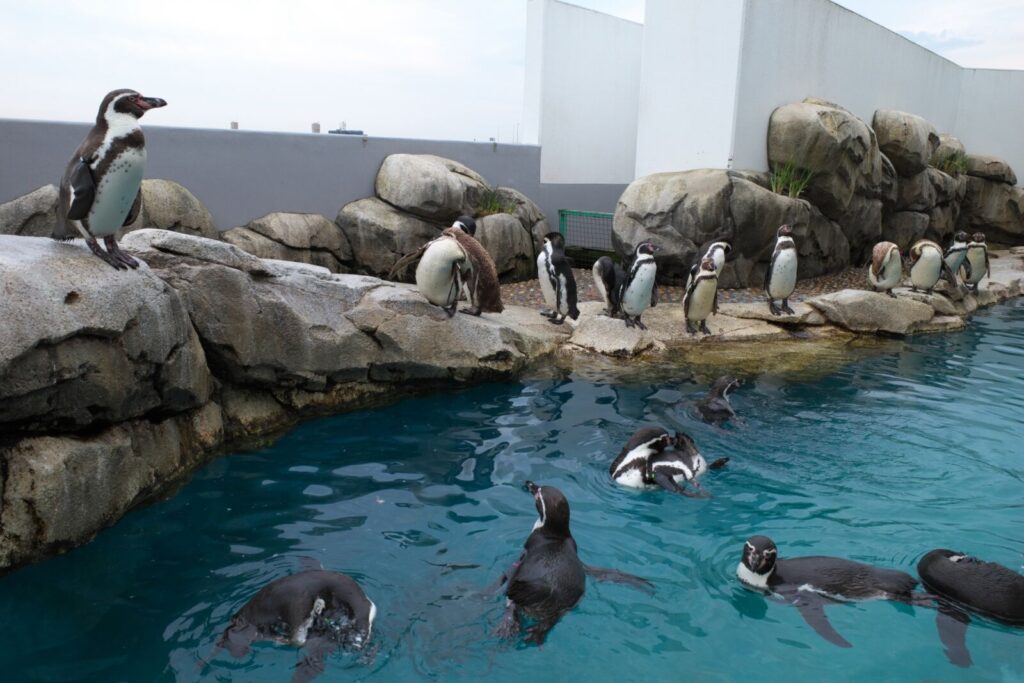
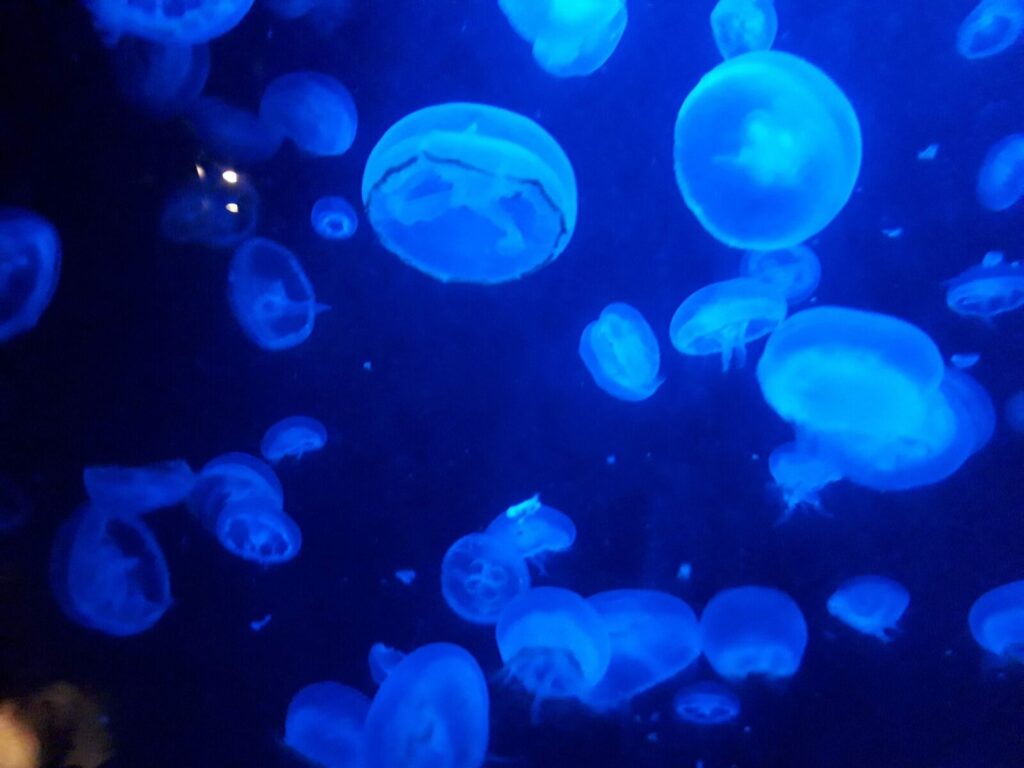
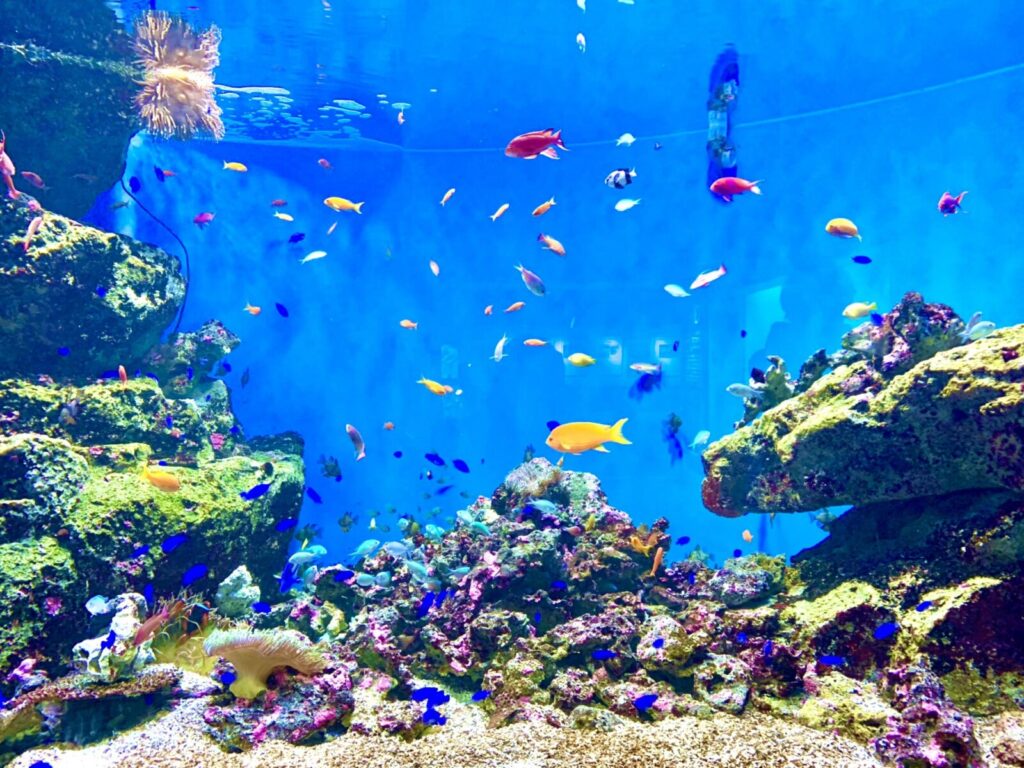
It's always good to have airconditioned, indoor experiences ready to go. Whether it's escaping the rain or the summer heat, the Sendai Uminomori Aquarium is a perfect getaway within the city. They have a variety of beautiful exhibitions where you can experience and learn all about the oceans of the world and different marine wildlife such as dolphins, penguins, sea lions, jellyfish, and a plethora of fish! There are concessions and
The area that the aquarium is located at is approximately a 15 minute walk from Nakanosakae Station on the JR Senseki Line leaving Sendai Station. There is also a bus that runs from Nakanosakae Station to the aquarium. It’s called the Miyako Bus and the Sendai Uminomori Suizokukan Line runs twice an hour between 8:00 and 15:00.
The aquarium itself is open from 9:00 - 17:30 with final entry 30 minutes before closing time. Adults are 2,400 yen, middle and high school students are 1,700 yen, elementary school students are 1,200 yen, and small children are 700 yen. There is also a senior citizen discount (65 years+) for 1,800 yen.
13 / SENDAI TANABATA FESTIVAL / Yearly August 6, 7, 8
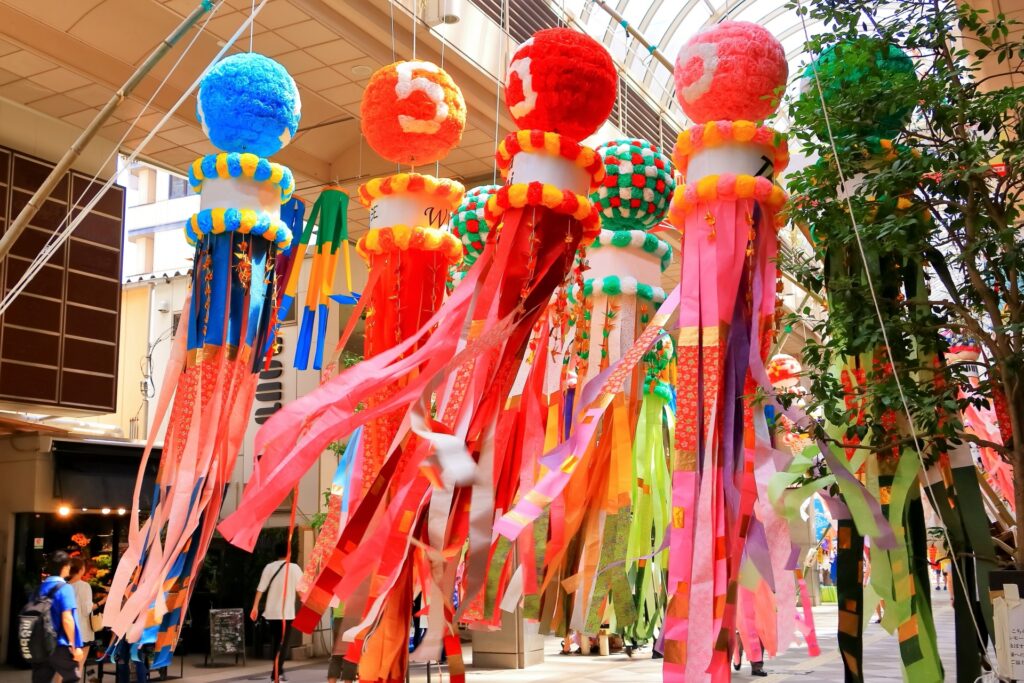
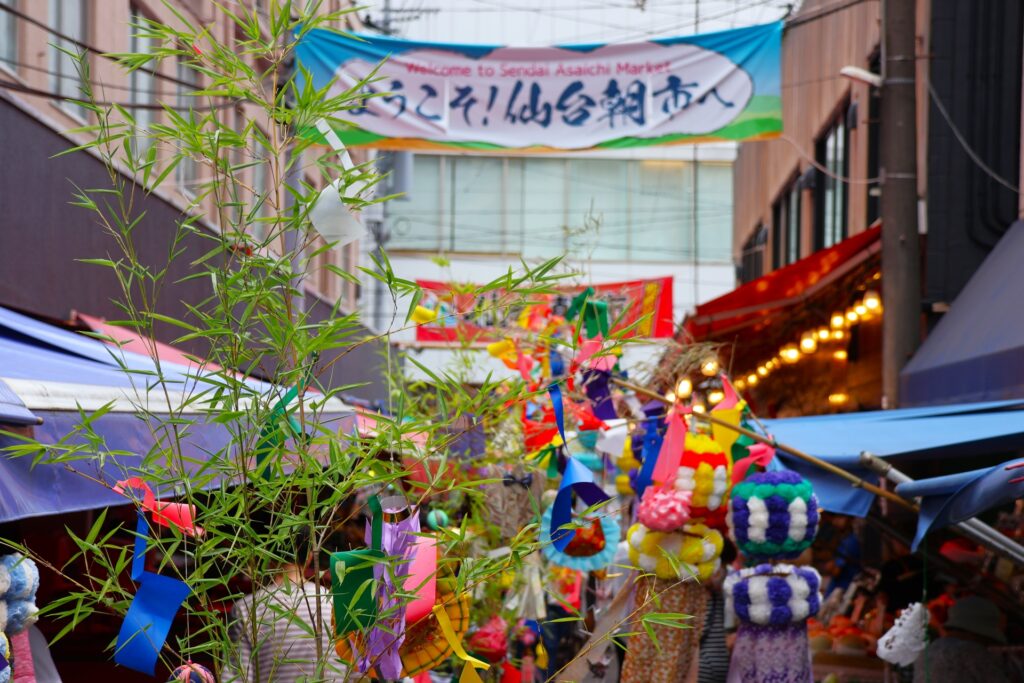
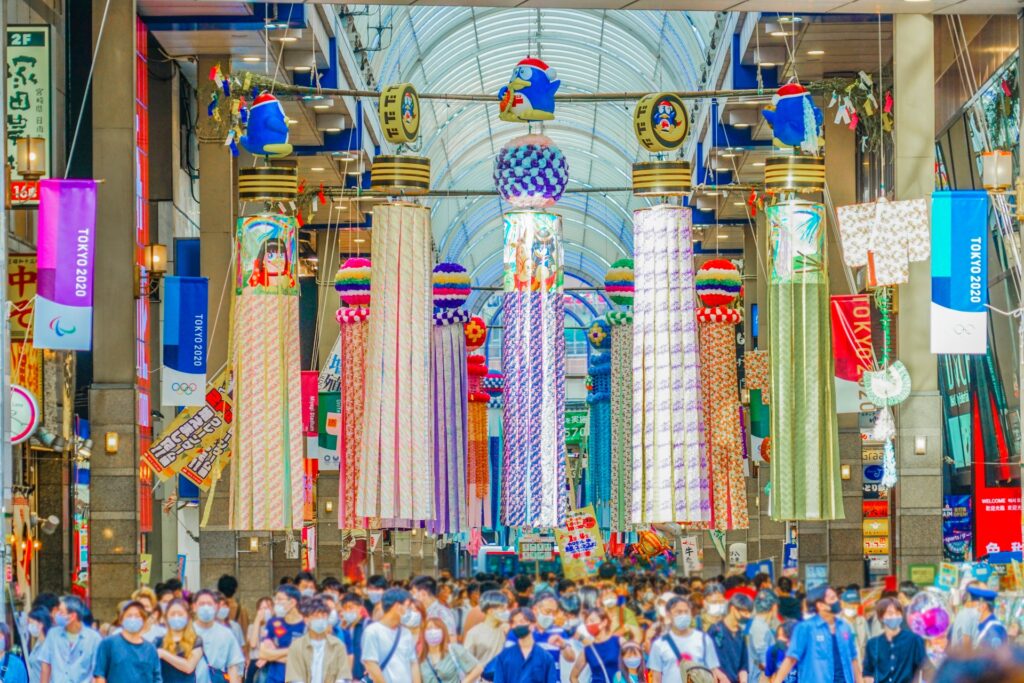
Sendai Tanabata Festival is a world-known traditional event passed down through generations dating all the way back to the time of the samurai feudal lords of the Edo period. The Tanabata Festival was traditionally held on the 7th day of the 7th month of the lunar calendar, but in 1928 it switched to the Gregorian calendar. This means the festival takes place every year from August 6th through 8th. The festival itself is a derivative of an ancient Chinese festival welcoming the deities Orihime and Hikoboshi – represented by the stars Vega and Altair – who are quite literally starcrossed lovers able to meet once a year. The festival has also reformed into a celebration to welcome the gods of the rice fields, bringing about a good harvest once autumn hits.
The main attraction of this festival are the rows and rows of tube-shaped streamers that line the shopping arcades of Sendai's city center. There is also the custom of writing wishes on paper talismans that are later adhered to a bamboo branch, said to bring good luck and carry your wishes to the gods to be granted. The Sendai Tanabata Festival is the most famous star festival of Japan and worth a visit to the city should you be in Japan during early August!
14 / AKIU OTAKI FALLS & ONSEN AREA / all year round
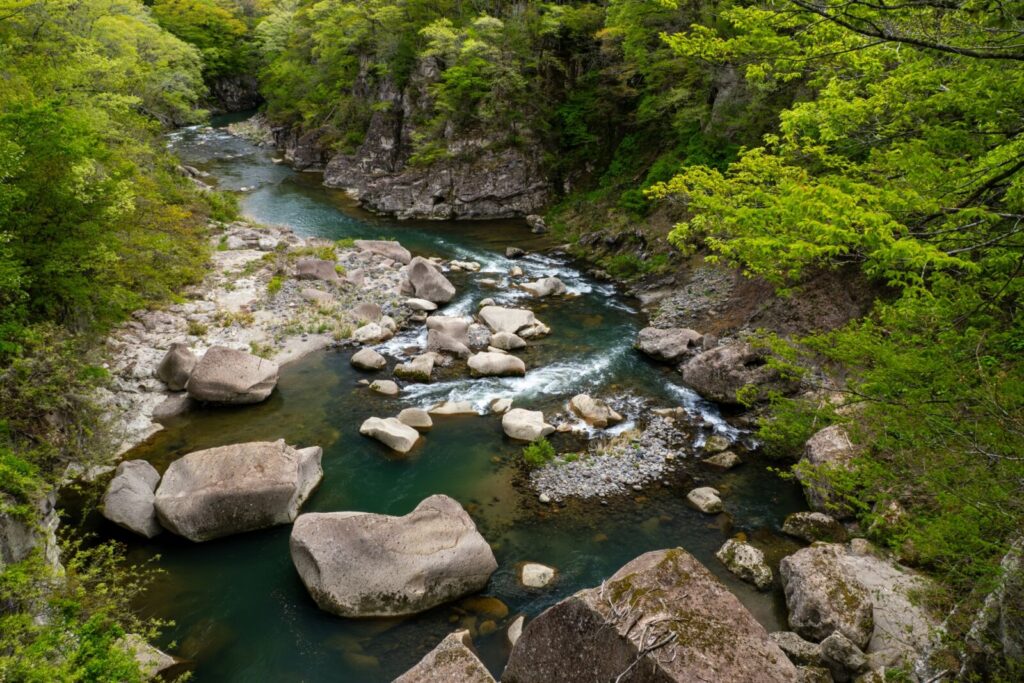
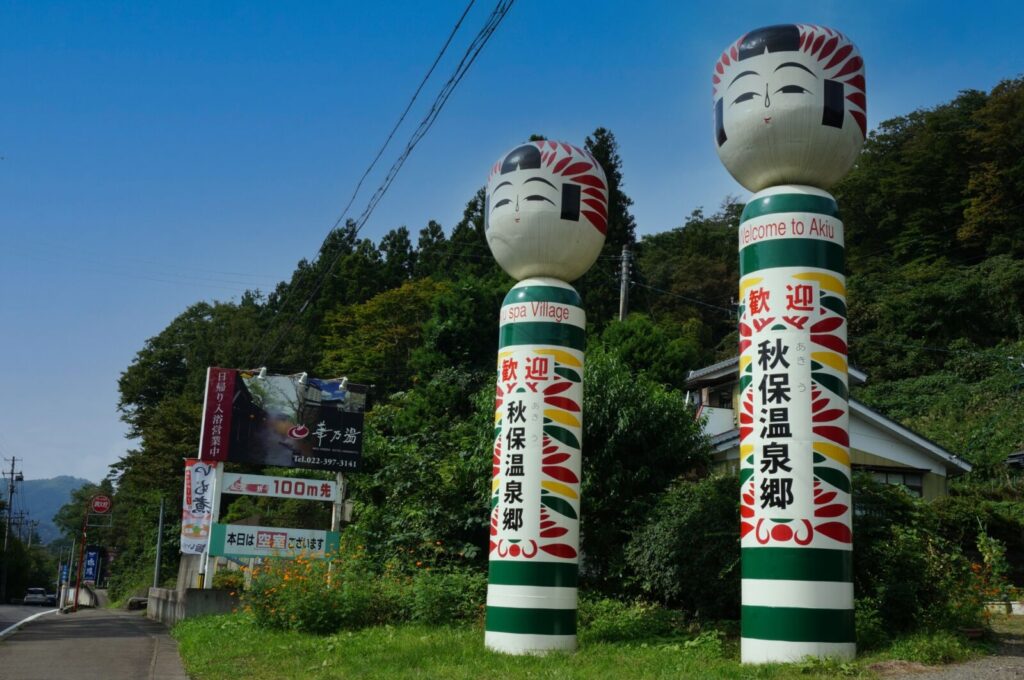
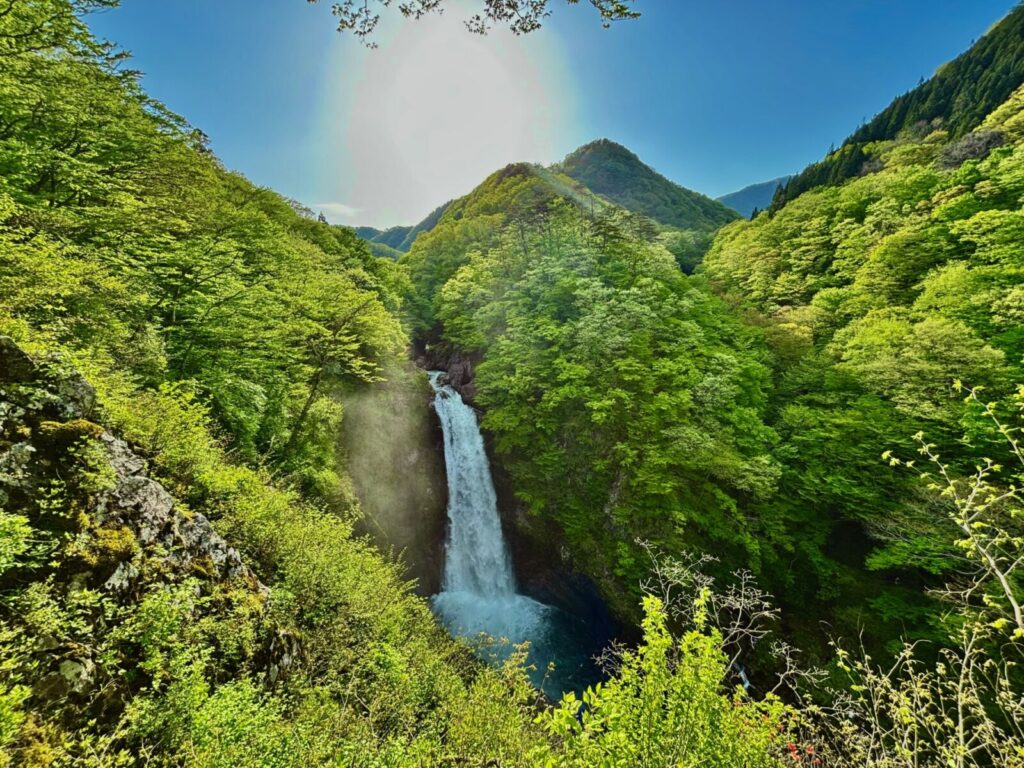
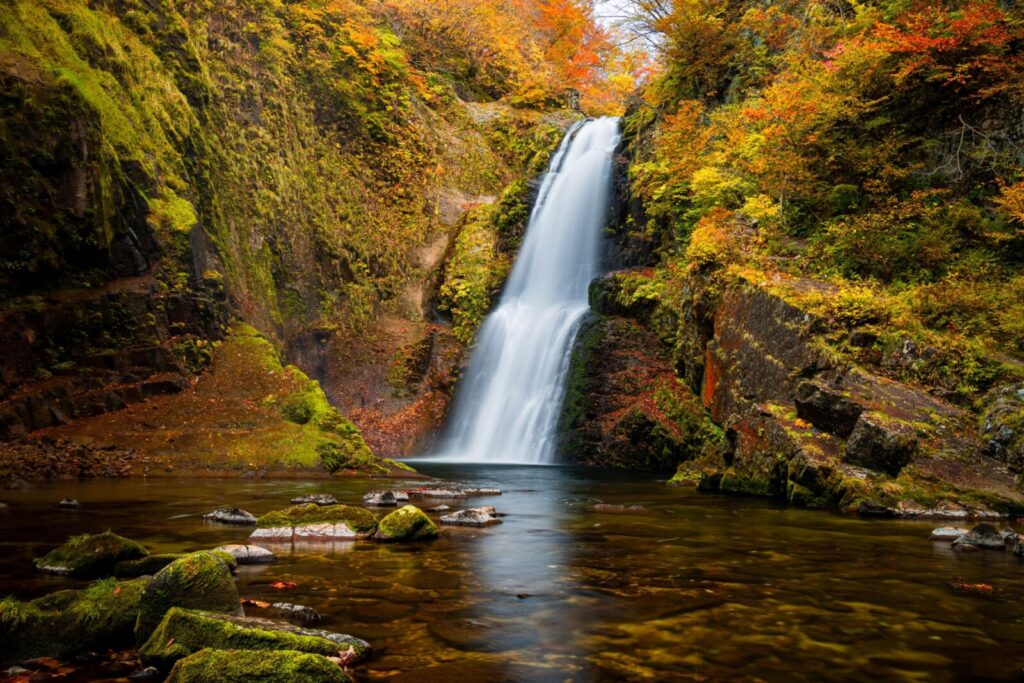
Situated about a 30 to 50 minute bus ride from Sendai station lies a historic hot spring town whose geothermal waters were a favorite of Lord Date Masamune himself. The area of Akiu is one of Tohoku's three most famous onsen towns. Its nickname is Sendai's "living room," and is loved by locals and tourists alike. Although many accommodations offer day-trips into their facilities, it is highly recommended to stay the night in Akiu. There are many fantastic hotels to choose from in the area that offer a variety of hot springs baths and food courses that'll make your trip to the Japanese countryside unforgettable. One interesting location is Sendai Akiu Hot Spring Hotel Sakan. It has been in business for over 30 generations and is said to have been the personal bathhouse of feudal Lord Date Masamune.
About a 20 minute drive outside of the main hot springs town area lies Akiu Otaki Falls. This gorgeous waterfall is considered one of Japan's top 100 waterfalls. It is a sight to behold spanning 55 meters high. You can view it from above on the observation deck or from the base via hiking trails surrounding this scenic spot. The Akiu area is beautiful any time of year but many visitors emphasize the colorful views during autumn as a great time to make the trip out.
15 / SHOPPING ARCADES / all year round
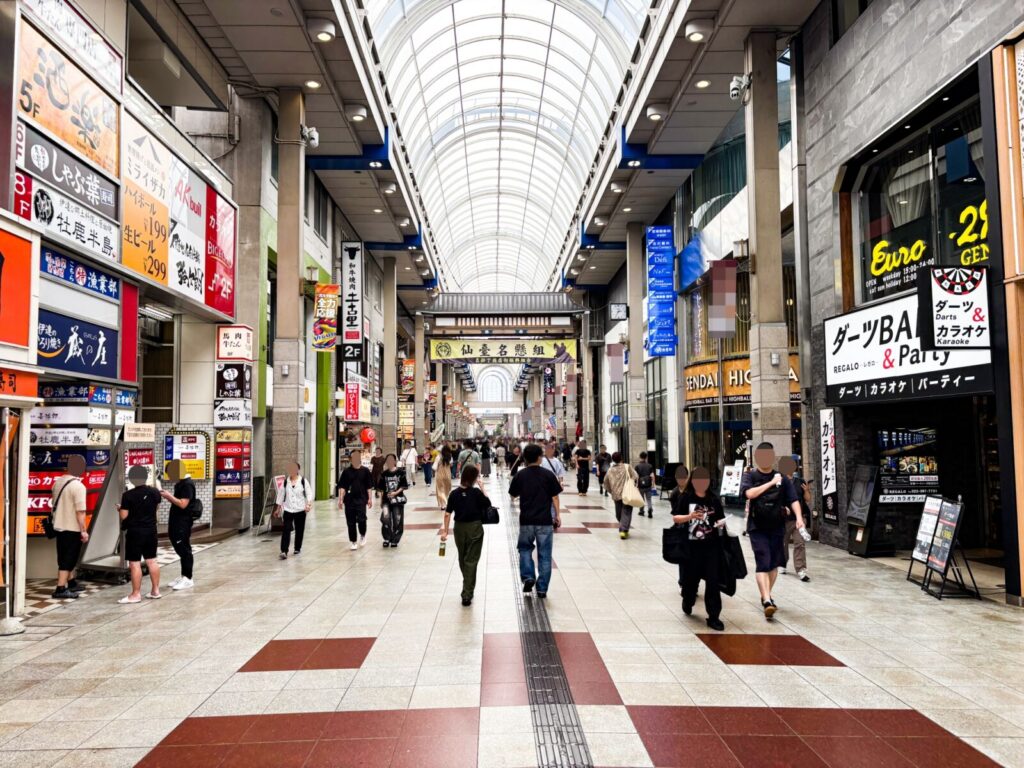
Located on the west side of Sendai Station are six different shopping arcades (outdoor strip malls, five of which are covered). The area is always bustling with shopping, food, and entertainment and is a great way to purchase souvenirs or try Miyagi Prefecture delicacies while spending time in the city. These shopping arcades include: Hapina Nakakecho, Clis Road, Marble Road Omachi, Sun Mall Ichibancho, Vlandome Ichibancho, and Ichibancho Yonchome.
The most popular and usually busiest shopping arcade is Clis Road. It has a plethora of game centers, shops and restaurants, and even a hidden-away temple right in the middle of it all. Whether you're coming to Sendai for a short trip or an extended stay, spending a day wandering these shopping arcades is highly recommended.
16 / SENDAI ZUNDA & BEEF TONGUE / all year round
Bonus tip!
This list wouldn't be complete without highlighting something for all the foodies out there. Miyagi prefecture, and more specifically Sendai, have a plethora of delicious cuisine to try during your visit. Two highlights that stand out from the rest, and are a recommended must on your itinerary, include zunda and beef tongue.
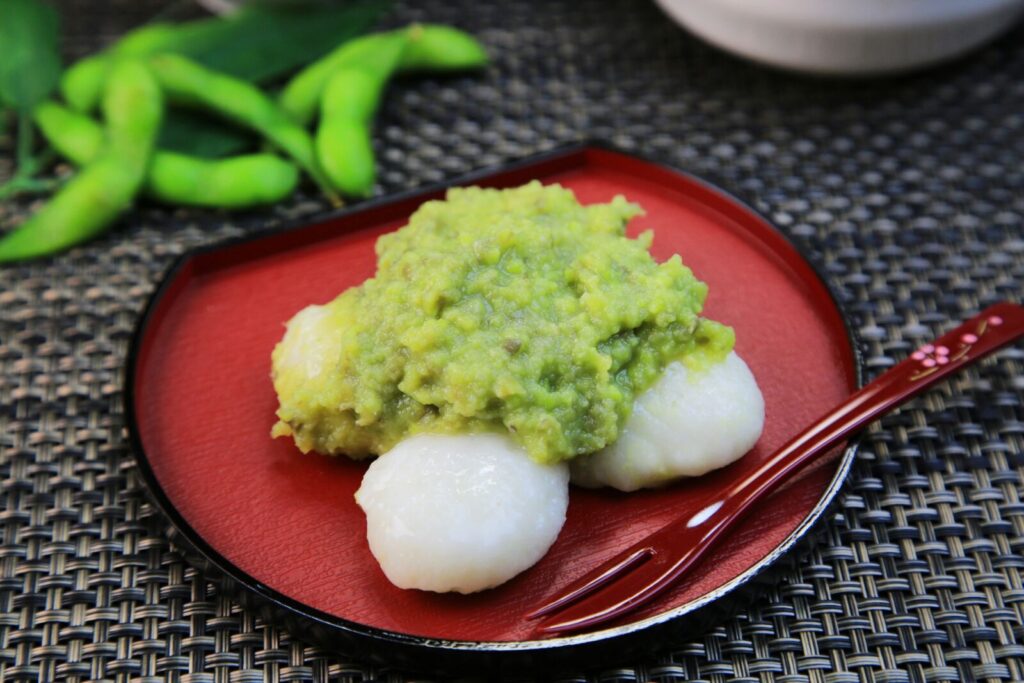
Zunda is a Miyagi prefecture delicacy treat that consists of sweetened and crushed edamame paste often served over mochi – a chewy gelatinous food that is made from rice. Over the decades however, zunda has evolved into a flavor itself and can be found in all sorts of desserts including a delicious zunda shake. Walk down any of Sendai's major shopping districts and you'll quickly find shops that offer zunda and its many yummy iterations.
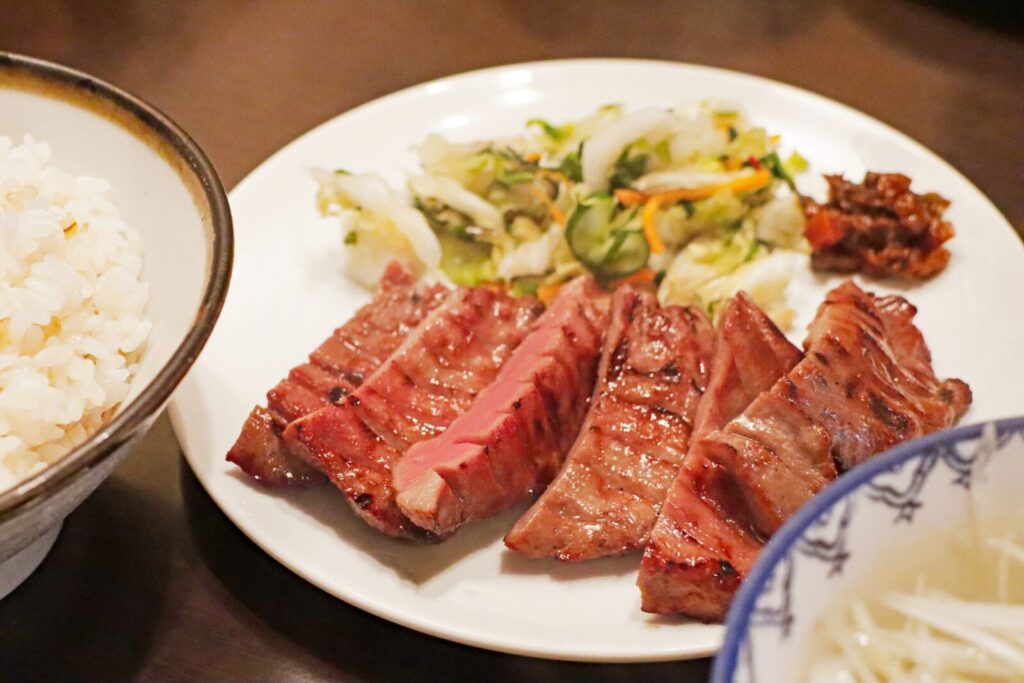
Sendai is the original home of gyūtan, sliced grilled beef tongue. Serving beef tongue started in Sendai in 1948 by Sano Keishirō, a chef who owned a yakitori restaurant in Sendai, and the dish quickly became a local favorite. Now anyone who visits Sendai adds trying one of the many restaurants that serve beef tongue to their itineraries. Depending on the restaurant, you can try it thinly sliced and grilled, served over hot rice in a bowl, curry bread style, or even as sashimi.
Where to Stay in Sendai
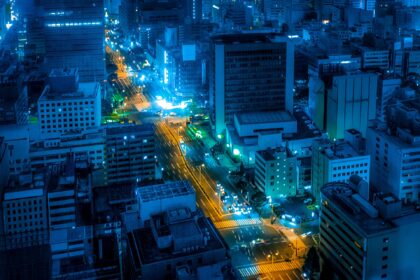
Known for being Tohoku's largest city, areas in and around Sendai offer a variety of accommodations to suit every traveler’s preferences and budget. Located around 90 minutes north of Tokyo via shinkansen (or 25 minutes by train from Sendai Airport), Sendai (仙台) is the capital of Miyagi prefecture, Sendai makes for a great base offering easy access to day trips further north or west to Yamagata. Check out our article about the best areas to stay in and around Sendai city!
Getting to & Around Sendai
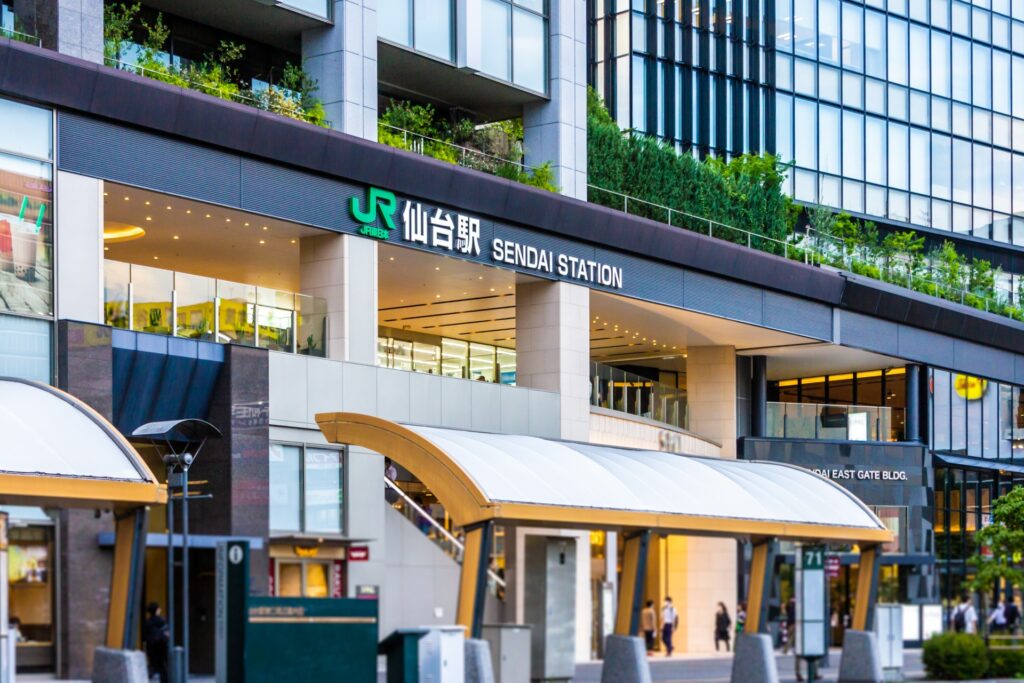
Not only is Sendai the biggest city of the Tohoku region but it is also one of the most accessible locations to venture north. Although Sendai has an airport that has a trainline running straight to Sendai Station, most travelers opt to take the shinkansen from Tokyo or Hokkaido, depending on where they start their Japan journey.
For more detailed information about traveling to and around Sendai, visit our How to Get To Sendai page!
Frequently Asked Questions (FAQ)
Who was Date Masamune?
You can look up Sendai without running into this famous samurai lord's name. Date Masamune was a powerful feudal lord who earned his own domain after helping Tokugawa Ieyasu in the Battle of Sekigahara. With this domain, he made Sendai his castle town, cultivated lands, boosted the economy, and set Sendai onto becoming one of the most powerful cities in the Tohoku region.
Is it worth visiting Sendai?
Absolutely! Not only is it a convenient shinkansen ride from Tokyo, but it is a significantly less crowded tourist destination. Sendai has historic temples and sites, rich cuisine, bustling shopping centers, famous seasonal events, and a roaring nightlife. There is something for all types of travelers. So why not give it a go and begin traveling unseen Japan?
What about accommodation?
As Sendai is the largest metropolis in the Tohoku region, hotels and accommodation have appropriately developed throughout the years. A popular hotel to spend a short stay in Sendai is the Hotel Metropolitan Sendai – located conveniently inside the station. Otherwise, using your favorite booking platform can find you a plethora of hotels to choose from during your stay.
Does it snow a lot in winter in Sendai?
No. Relative to other areas of Tohoku, Sendai has a mild winter. Although the temperatures can plummet in the middle of winter, snowfall tends to be on the lighter side. It's best to come dressed for the chill just in case!
Is public transportation available?
Yes! Sendai has a great bus system to get around the city, as well as local trains to travel a bit further and a subway with two lines. Check out Sendai's Loople Bus as well – their designated sightseeing bus that stops at many major tourist destinations.
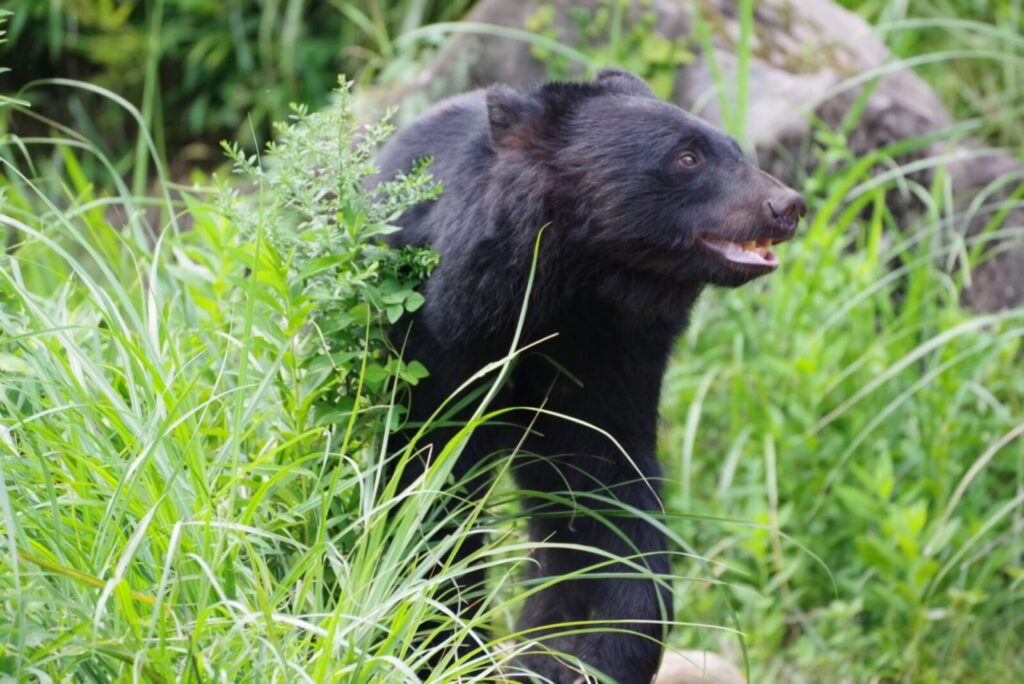
Should I be worried about bears?
Not worried, but alert!
In recent years, bear sightings have gone on the rise especially in the more rural areas of Tohoku. It’s important to stay cautious and be aware of your surroundings at all times especially when venturing out into mountainous areas. For travelers staying in populated areas or major cities like Sendai, it’s general practice to keep an eye out for potential bears, but generally is not a concern day-to-day. For those who are making their way toward nature, especially hikers, it is advised to never hike alone and to purchase things like noise makers/bells to attach to yourself, bear spray, whistles, or firecrackers to scare off predators. Many mountain trails have destinations where you can submit a hiking registration form for safety purposes.