







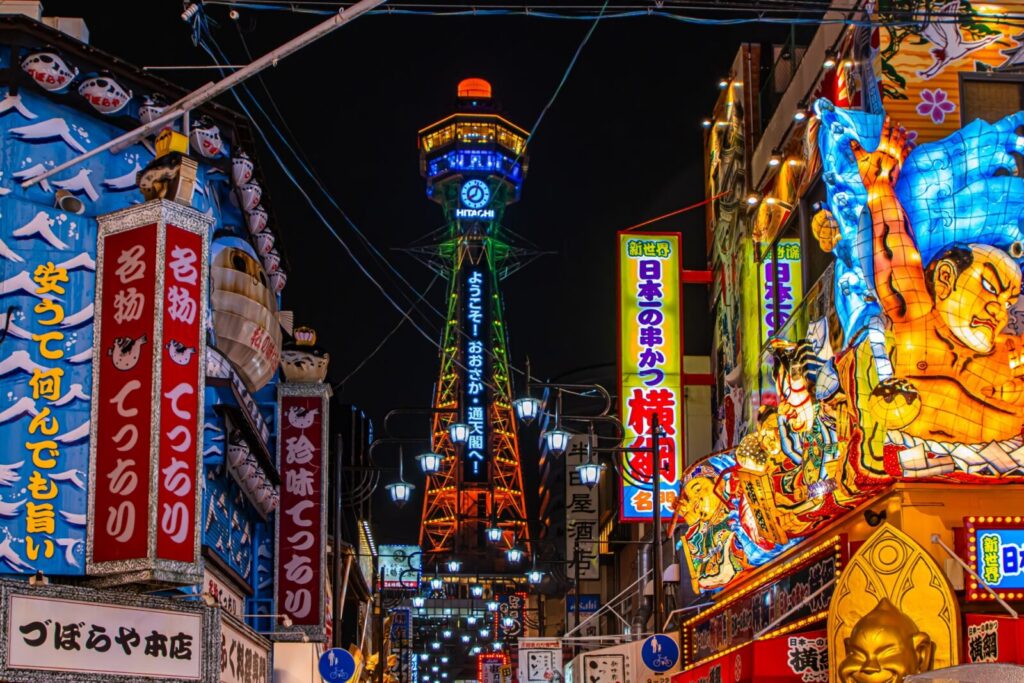
Known affectionately as "Japan's Kitchen," Osaka is a world-class culinary capital driven by the culture of kuidaore, the joy of eating until you drop. This guide dives into the city's most legendary local flavors, starting with the iconic street staples: takoyaki (creamy, piping-hot octopus balls) and okonomiyaki (savory cabbage pancakes). We also explore the crispy world of kushikatsu (deep-fried skewered meats and vegetables), the comforting depths of kitsune udon (chewy noodles topped with sweet fried tofu), and the rich experience of local yakiniku (Japanese barbecue). Whether you are wandering through Dotonbori or Shinsekai, these five essential dishes offer a delicious, unpretentious window into Osaka's vibrant food soul.
Takoyaki
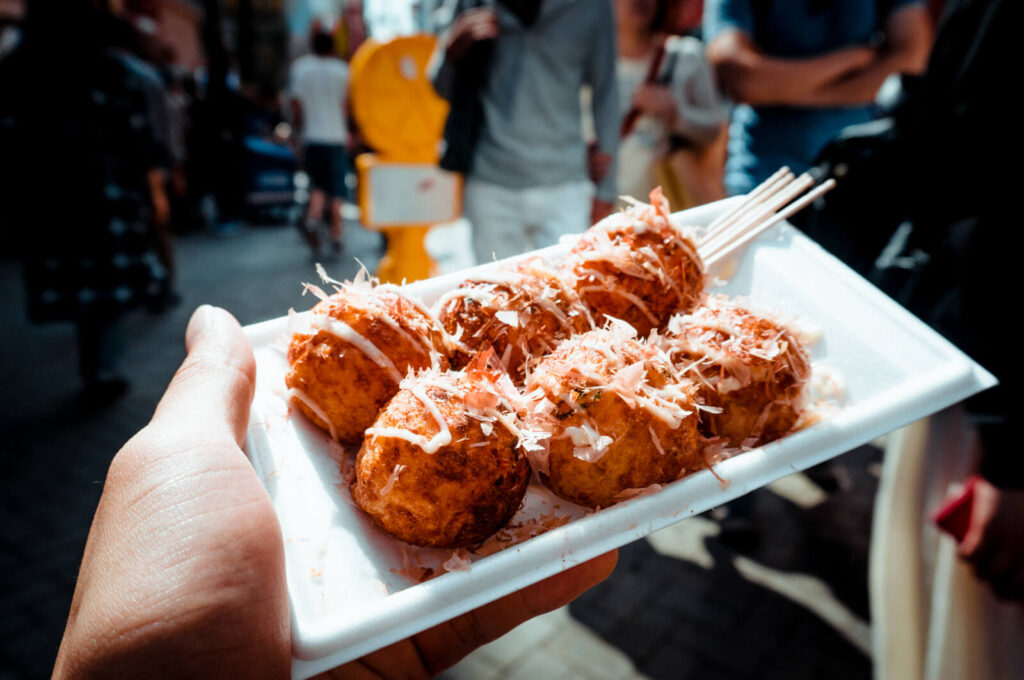
Takoyaki is the ultimate culinary symbol of Osaka, perfectly reflecting the city's fast-paced, unpretentious, and deeply social food culture. First created in Osaka in 1935 by a street vendor named Tomekichi Endo, these savory, ball-shaped batters filled with tender octopus (tako), pickled ginger, and green onions quickly evolved into a beloved local staple. Today, the dish is an indispensable part of daily life in the region; not only is the city packed with thousands of competing street stalls and neon-lit shops, but takoyaki is so woven into the local identity that most Osaka households own a dedicated cast-iron takoyaki pan for hosting casual weekend grill parties with family and friends.
Okonomiyaki
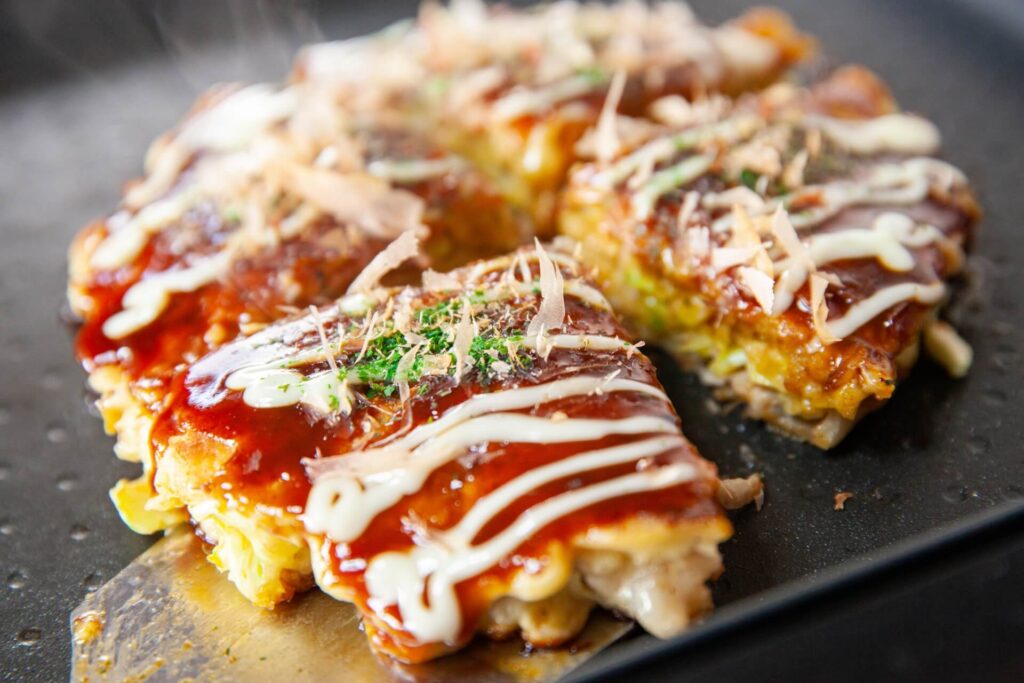
Okonomiyaki is Osaka’s ultimate comfort food, a savory cabbage pancake whose name translates to "grilled as you like it," perfectly embodying the city’s warm, down-to-earth spirit. While its roots trace back to pre-war snacks, the modern dish flourished in post-WWII Osaka as a hearty, customizable meal that fed families with whatever ingredients were available. Unlike the layered Hiroshima style, Osaka-style okonomiyaki mixes everything—flour, cabbage, and proteins like pork belly—into a thick batter before grilling it to a crispy golden-brown. It remains a deeply social experience, traditionally cooked on a hot iron griddle (teppan) right at the table and topped with sweet sauce, mayonnaise, and dancing bonito flakes.
Kushi katsu
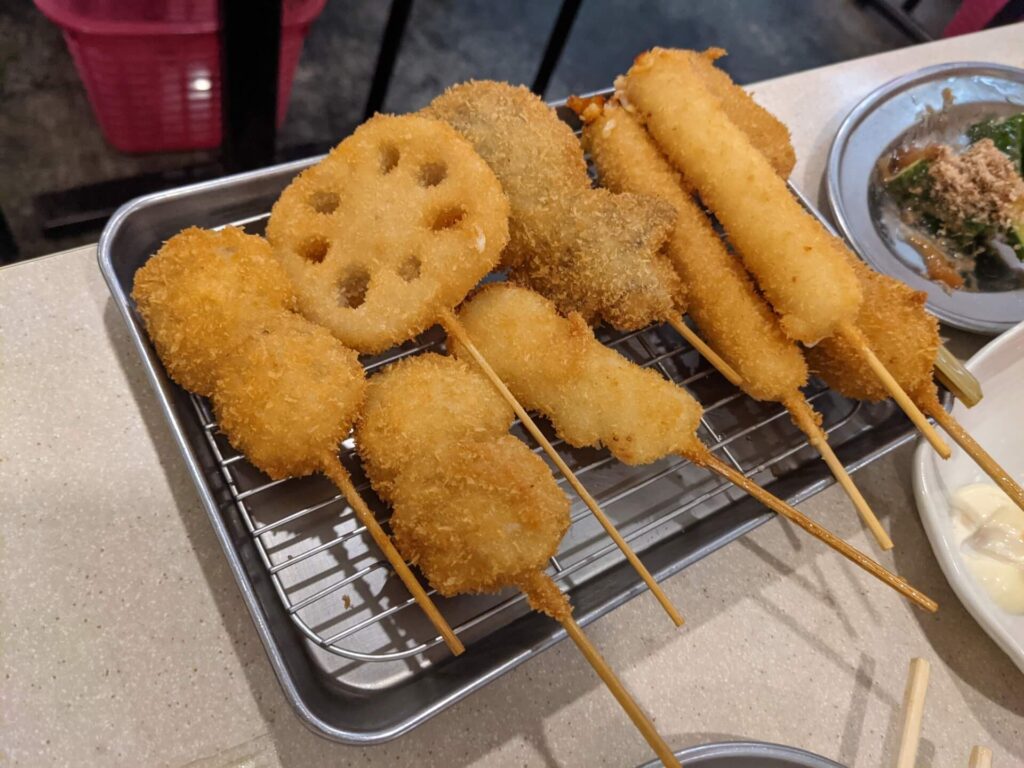
Kushikatsu is a legendary Osaka soul food consisting of skewered meats, seafood, and vegetables that are dipped in a light batter, coated in fine panko breadcrumbs, and deep-fried to a perfect golden crisp. The dish originated in Osaka’s lively Shinsekai district during the late 1920s, created by a local bar owner as a cheap, filling, and quick meal for the area's busy blue-collar laborers. It remains a deeply social and nostalgic dining experience today, traditionally enjoyed at casual counter bars where customers strictly adhere to the golden local rule: never dip your skewer into the shared sauce pot a second time after taking a bite.
Kasu Udon
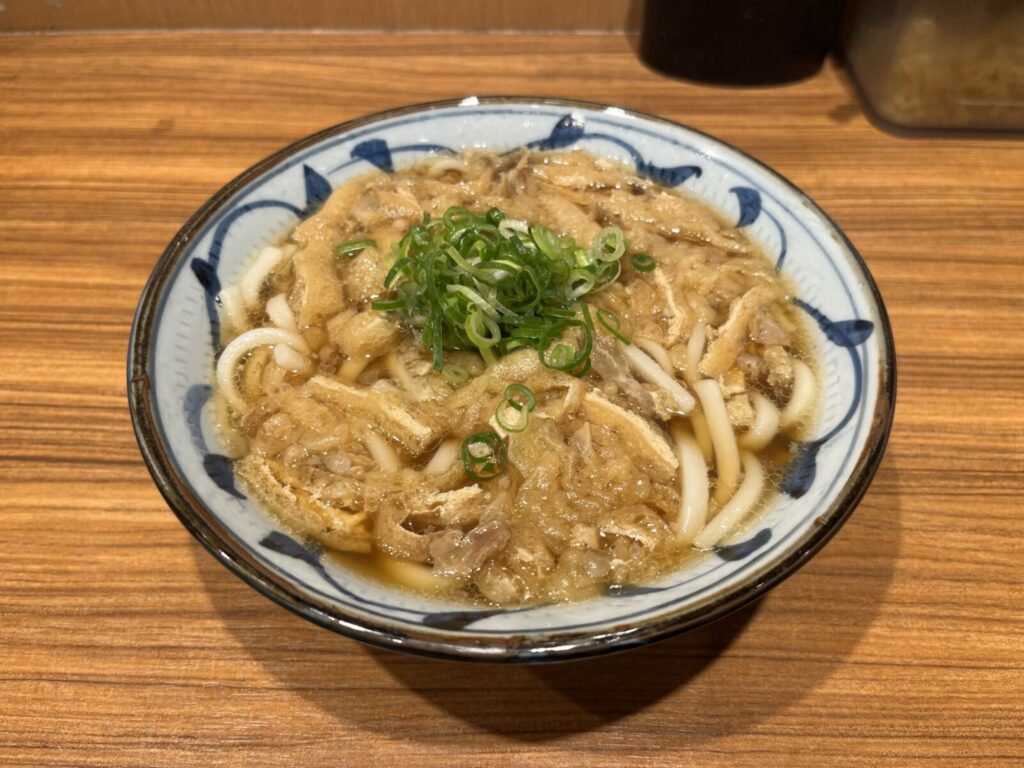
Originating in the southern Minami-Kawachi region of Osaka Prefecture, this comforting noodle dish has grown into a deeply nostalgic local soul food that highlights the city's clever, zero-waste approach to cooking. The star ingredient is aburakasu, which are beef intestines slowly deep-fried until the fat renders away, leaving behind intensely savory, crispy nuggets that are tossed into a bowl of thick, chewy wheat noodles and delicate dashi broth. As these protein-packed morsels soak in the piping-hot soup, they soften and release a rich, umami flavor that elevates a simple bowl of udon into a uniquely hearty, deeply satisfying Osaka classic.
Nikusui
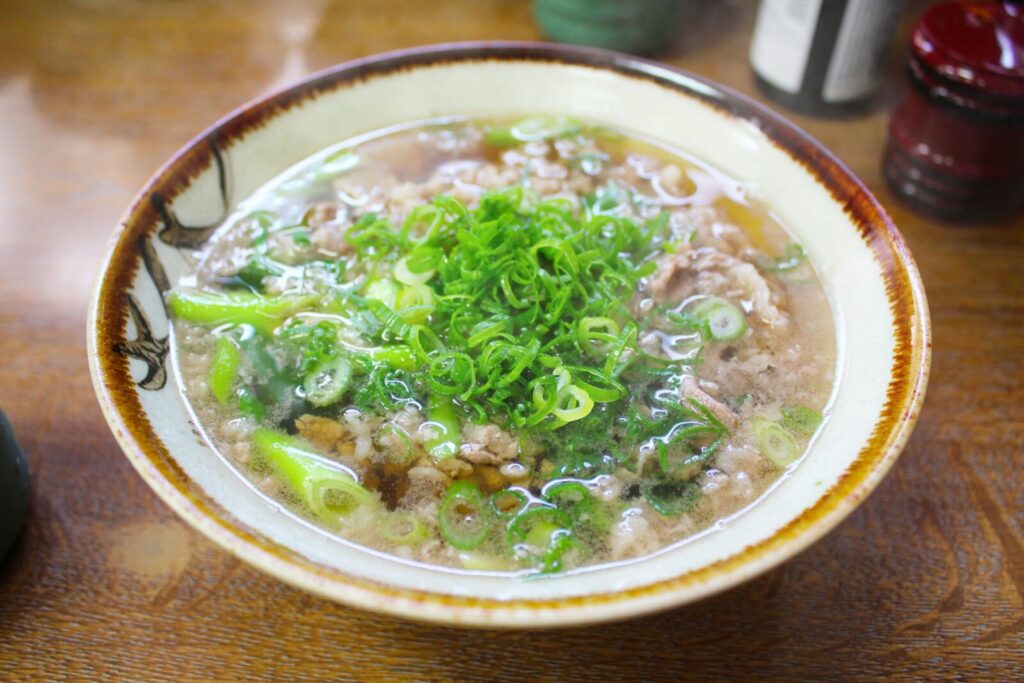
Nikusui is a unique Osaka comfort food that was born in the late 1980s when a famous local comedian arrived at a restaurant hungover and asked for a beef udon soup but without any of the noodles. The dish consists of a delicate, savory dashi broth packed with thinly sliced beef, green onions, and sometimes a soft-boiled egg, offering a lighter yet intensely flavorful alternative to traditional noodle soups. It has since become a legendary hangover cure and staple of the city's comedy culture, traditionally ordered alongside a side of rice topped with a raw egg (tamago kake gohan) for the ultimate Osaka breakfast.
Visiting Osaka
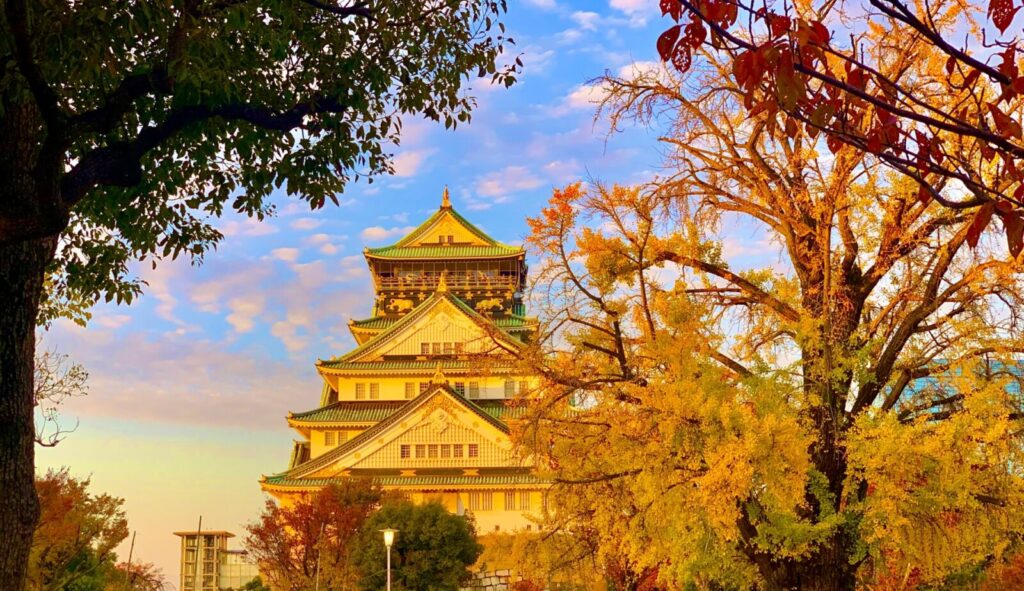
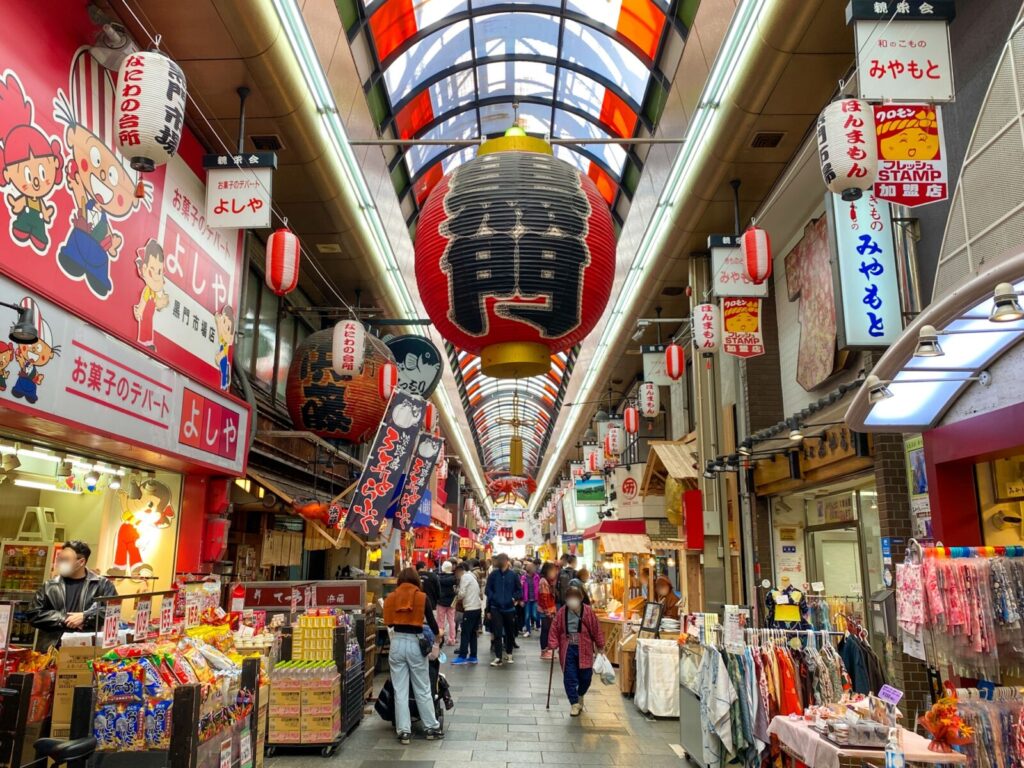
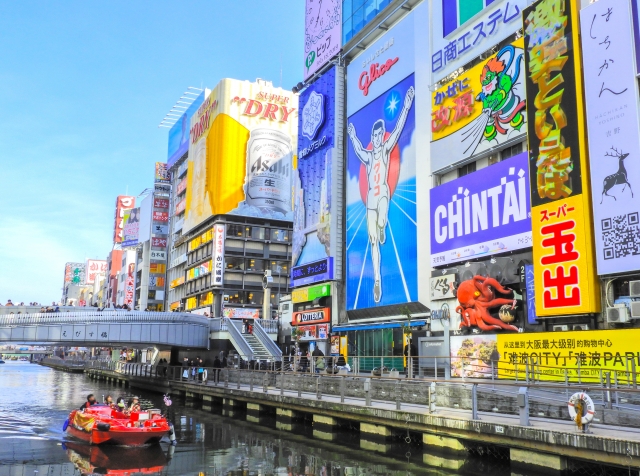
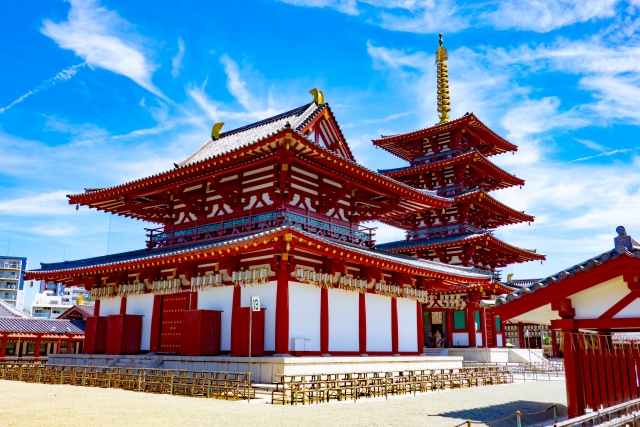
Osaka is an exceptionally accessible city for travelers looking to explore on foot, with many of its most iconic landmarks easily connected in a single, action-packed day. The majestic Osaka Castle Park serves as a perfect starting point, where you can wander through expansive historical grounds before heading south toward the lively stalls of Kuromon Ichiba Market, famous for its fresh street food and vibrant local energy. Just a short walk away lies the neon-drenched district of Dotonbori, renowned for its bustling canal-side paths and towering mechanical signs, while the ancient temple grounds of Shitennoji—Japan's oldest officially administered Buddhist temple—sit within a comfortable stroll to the south, allowing you to dive effortlessly into both the ultra-modern pulse and deep historical roots of this fascinating metropolis.
For those interested in getting a taste of all the best of Osaka, why not check out our highly-rated one day tour: Osaka Castle, Temples and Ukiyoe Tour?
1-Day walking tour in Osaka:Castle, temples and Ukiyoe / All Year Round
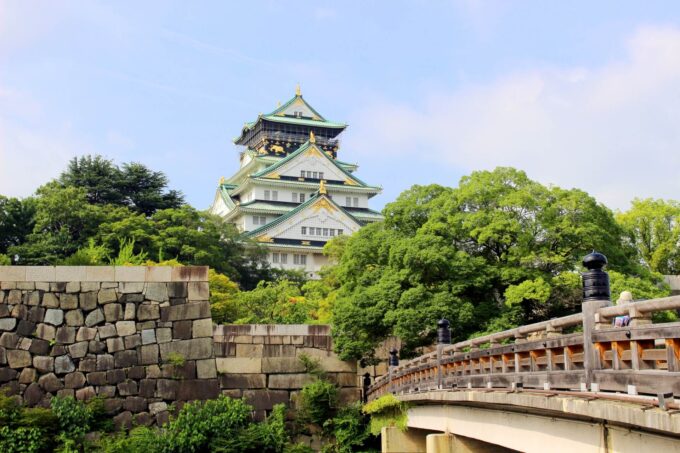
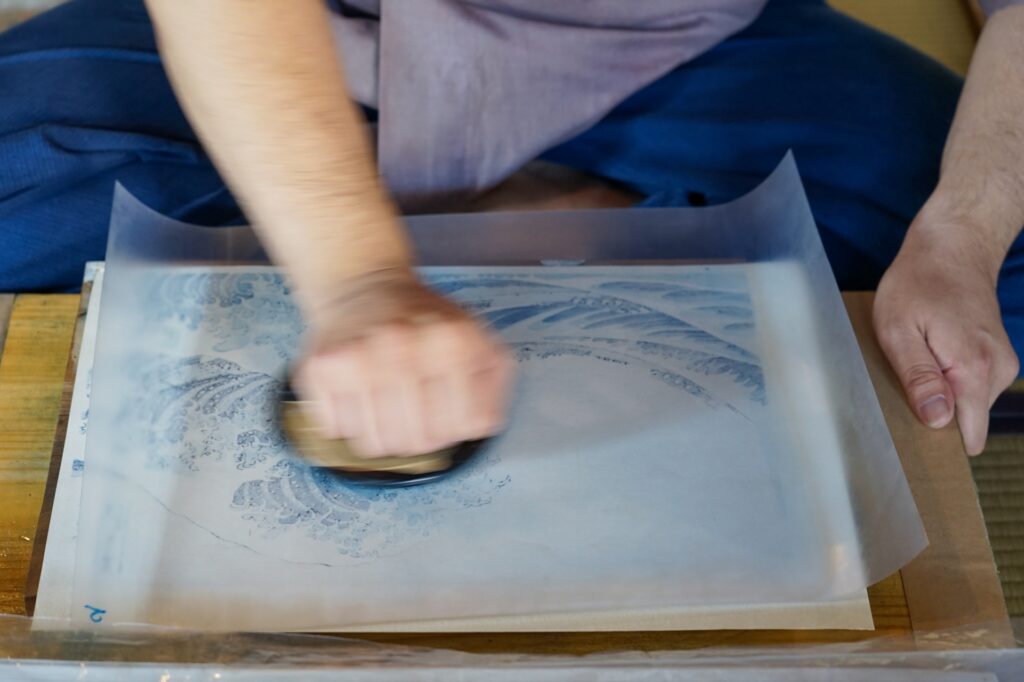
Begin your journey in Osaka with our specially curated tour, perfect for first-time visitors. This introductory tour includes a visit to the historic Osaka Castle, where you can explore Japan's feudal past and marvel at the impressive architecture. Next, experience the tranquillity of Shitennoji Temple, one of Japan's oldest Buddhist temples. You will have free time in the bustling Kuromon to have lunch so try all the delicious foods you want! To cap off your day, enjoy a unique ukiyo-e experience, delving into the traditional art of Japanese woodblock printing. This tour offers a well-rounded introduction to Osaka, combining history, culture, and a hands-on artistic activity, making it an ideal start for any visitor.
Frequently Asked Questions
I have allergies, should I be worried about eating food in Kanazawa?
If you have severe food allergies, you should exercise significant caution when dining in Osaka, as cross-contamination is common and major allergens like soy, wheat, sesame, and hidden seafood extracts (like dashi fish broth) are foundational to almost every local dish.
While awareness is growing and high-end restaurants or major hotel chains can often accommodate dietary restrictions with advance notice, smaller street food stalls—such as those serving takoyaki or kushikatsu—frequently reuse cooking surfaces and oil, making it difficult to guarantee a completely allergen-free meal.
To navigate the city safely, it is highly recommended to carry a professionally translated allergy card that explicitly details your specific restrictions to show to kitchen staff before ordering.
Is takoyaki actually good?
Whether it is "good" really depends on your comfort with textures, as traditional Osaka takoyaki is intentionally gooey, molten, and almost custard-like on the inside, which can surprise first-time visitors expecting a fully cooked, cake-like texture. If you enjoy savory, umami-rich street food topped with sweet sauce and Japanese mayonnaise, the contrast between the slightly crisp exterior and the hot, tender octopus center is incredible—but if you are sensitive to soft, mushy textures, it can be a bit polarizing.