



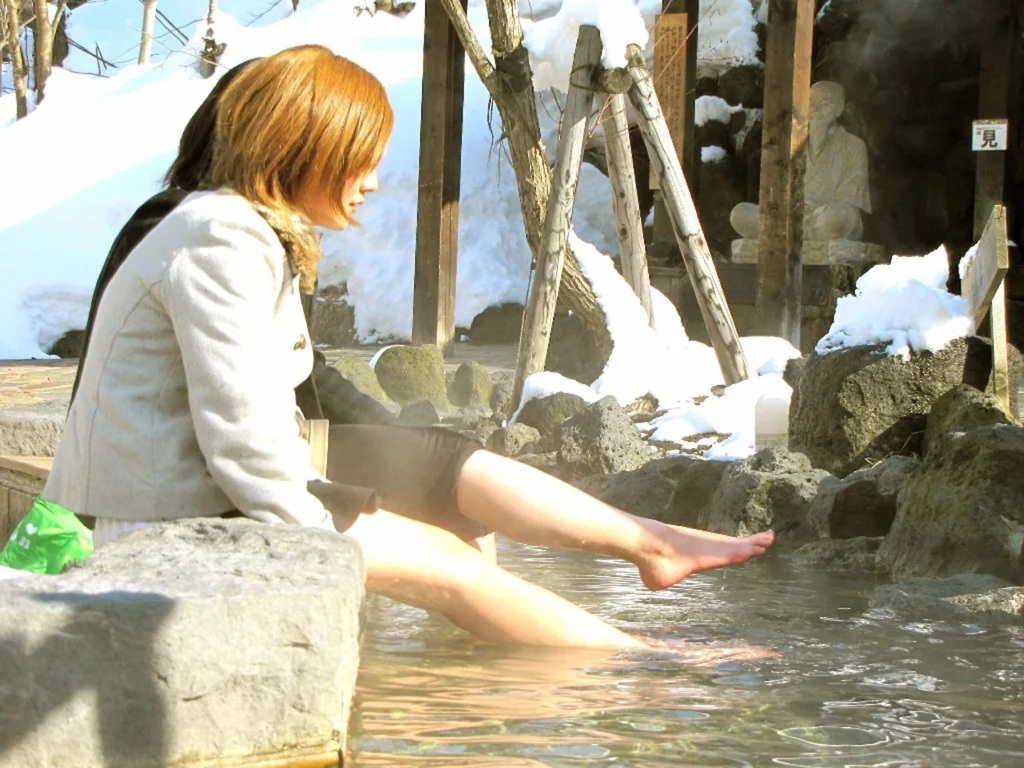
Located in the heart of Jozankei Onsen, Gesen Park and its riverside footbath offer one of the simplest and most relaxing experiences in Hokkaido. Set alongside the flowing Toyohira River, this peaceful public space allows visitors to slow down, soak their feet in natural hot spring water, and enjoy the tranquil atmosphere that has made Jozankei one of Hokkaido's most beloved onsen towns.
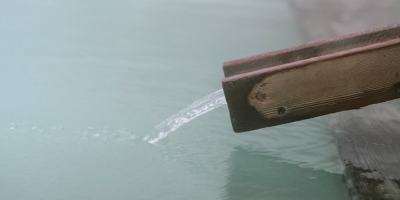
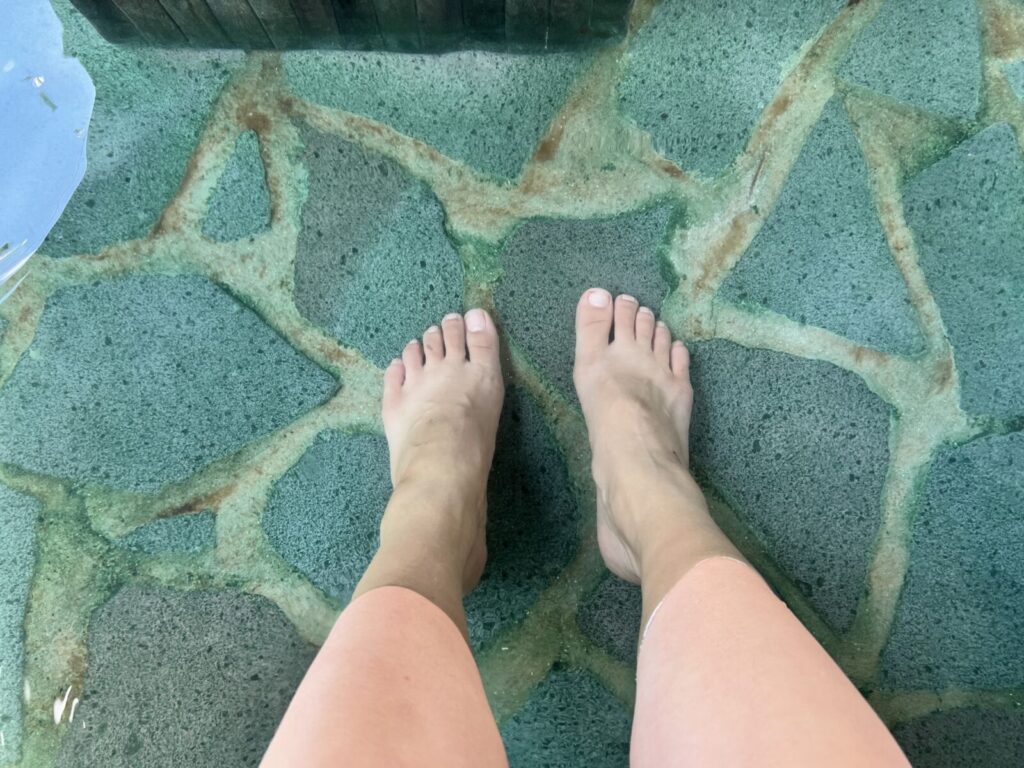
Unlike traditional hot spring baths, the footbath at Gesen Park requires no reservations, no admission fee, and no changing clothes. Visitors can simply sit down, remove their shoes, and enjoy the soothing effects of Jozankei's famous mineral-rich waters.
Located just a short walk from the town's main sightseeing area near Tsukimi Bridge, Gesen Park is one of the easiest and most accessible ways to experience Japanese onsen culture, making it especially popular with day-trippers and international visitors.
Whether you're exploring Jozankei's riverside footpaths, waiting for a bus, or looking for a peaceful break between sightseeing stops, Gesen Park offers a memorable way to experience the slower pace of this mountain hot spring town.
What Makes Gesen Park Special?
While Jozankei is famous for its traditional ryokan and hot spring hotels, Gesen Park offers a more casual way to enjoy the town's natural hot spring waters.
Visitors can:
- Enjoy a free public footbath using natural onsen water
- Relax beside the scenic Toyohira River
- Experience Japanese hot spring culture without entering a public bath
- Visit one of Jozankei's most accessible riverside parks
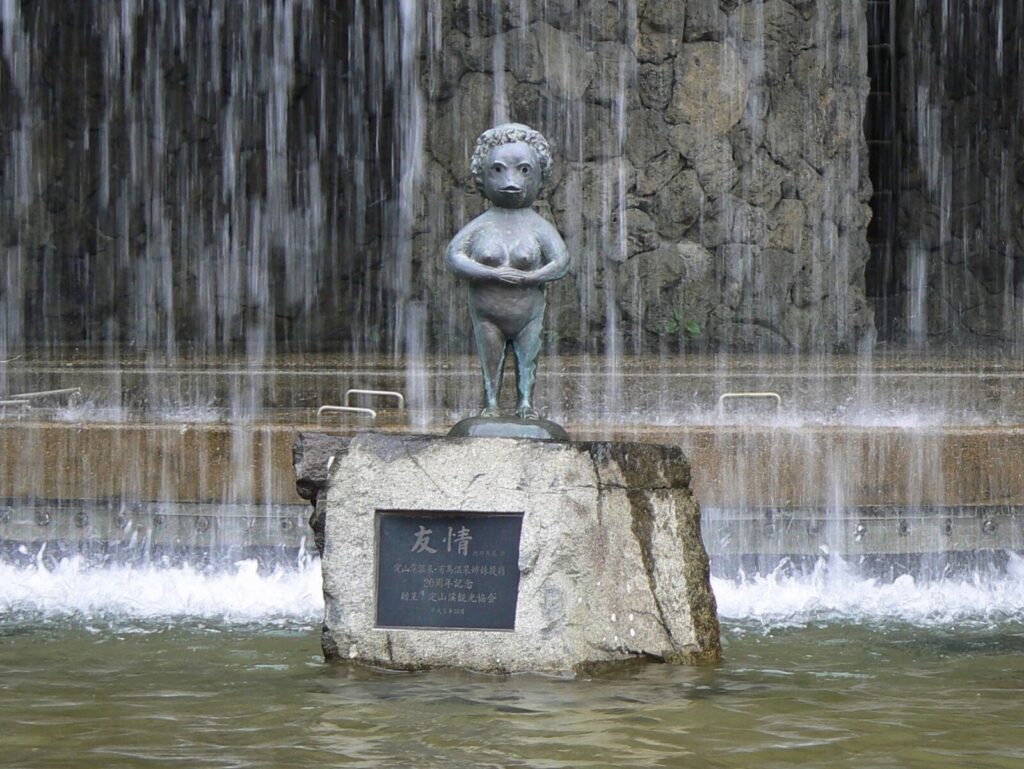
- Learn about the history of Jozankei through the statue of Miizumi Jozan
- Enjoy beautiful scenery throughout all four seasons
The combination of natural surroundings, hot spring water, and easy accessibility makes Gesen Park one of the most enjoyable stops in Jozankei Onsen.
Gesen Park at a Glance
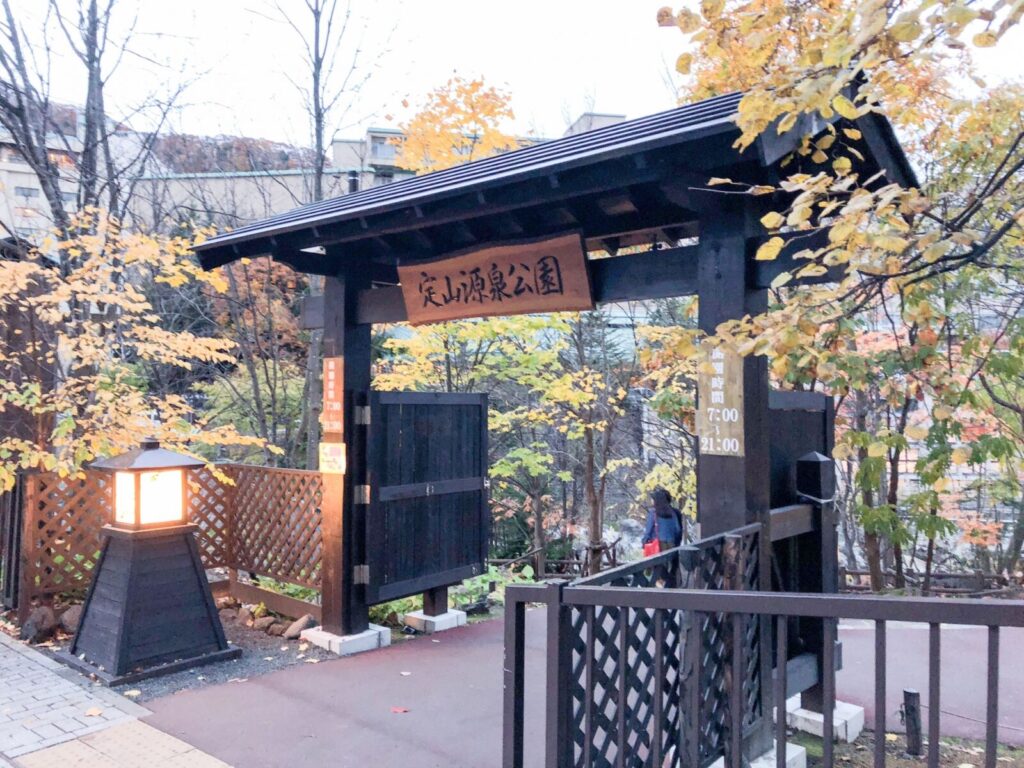
- Located in central Jozankei Onsen
- Free public footbath (ashiyu)
- Situated beside the Toyohira River
- No reservation or admission fee required
- Open year-round
- Walking distance from most hotels and ryokan
- Home to a statue of Miizumi Jozan, founder of Jozankei Onsen
- Popular stop along Jozankei's riverside walking routes
Because it sits directly within the center of town, Gesen Park naturally serves as a gathering place and rest stop for visitors exploring Jozankei's bridges, footpaths, shops, and hot spring facilities.
The History of Gesen Park
Gesen Park developed as part of Jozankei's broader effort to make hot spring culture accessible to everyone.
Jozankei itself began as a small mountain hot spring settlement and gradually developed into one of Hokkaido's most popular onsen destinations. As tourism grew, public spaces such as Gesen Park were created to allow visitors to experience the benefits of hot spring water without needing to stay overnight at a ryokan.
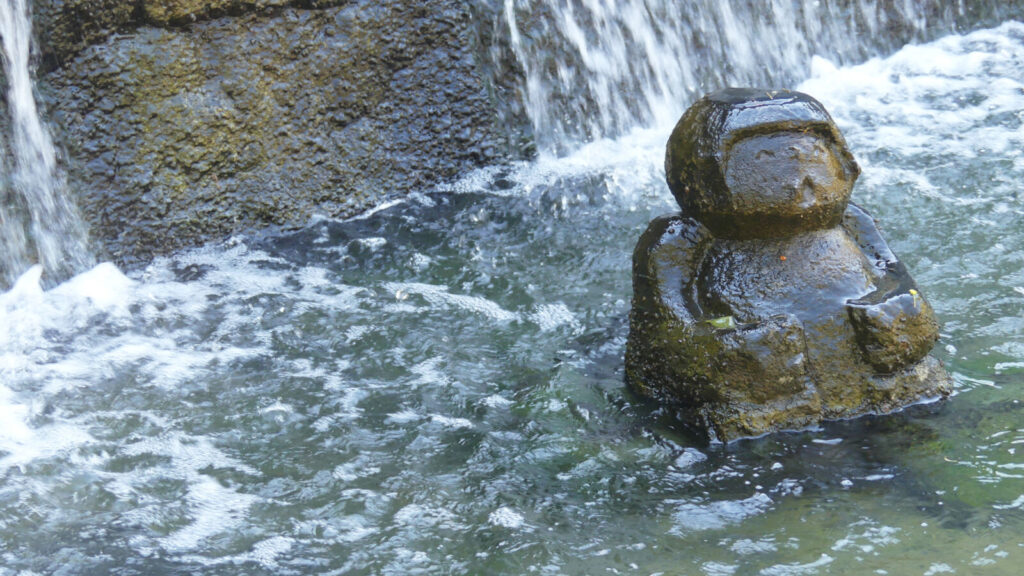
The park also contains an important historical landmark: a statue of Miizumi Jozan, the Buddhist monk credited with discovering and developing the area's hot springs.
In fact, the name "Jozankei" itself was derived from Jozan's name.
Today, visitors can enjoy a relaxing footbath while also learning about the origins of the town and the history of the hot spring culture that continues to define the region.
The Benefits of Jozankei's Hot Spring Water
The waters of Jozankei Onsen contain a variety of naturally occurring minerals traditionally associated with relaxation and comfort.
Some of the primary minerals include:
- Sodium chloride
- Magnesium
- Calcium
- Bicarbonate
- Sulfate
- Silicic acid
Combined with the warmth of the water itself, these minerals help create a soothing experience that many visitors find particularly enjoyable after a day of sightseeing.
Exploring the Toyohira River Footpaths
One of the highlights of Gesen Park is its location along the Toyohira River.
The Toyohira River flows through Jozankei before continuing north toward Sapporo and eventually emptying into Ishikari Bay. The river serves as the natural centerpiece of the town and provides beautiful scenery throughout the year.
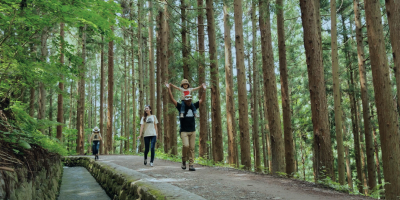
Visitors often combine the footbath experience with a leisurely walk along the riverside footpaths that connect many of Jozankei's attractions.
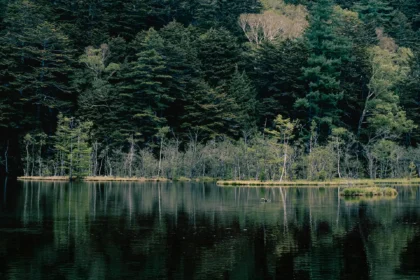
The sound of flowing water, surrounding forested slopes, and nearby bridges create a peaceful atmosphere that feels far removed from the busy streets of central Sapporo.
Can You Visit Jozankei Onsen as a Day Trip from Sapporo?
Absolutely.
Located less than one hour from central Sapporo, Jozankei is one of the most popular day-trip destinations in Hokkaido.
Its combination of mountain scenery, hot springs, walking trails, and traditional Japanese hospitality makes it an ideal escape from the city. While public transportation is available, many visitors prefer guided tours that simplify transportation and combine multiple attractions into a single itinerary.
For travelers with limited time in Hokkaido, Jozankei offers one of the easiest ways to experience authentic onsen culture without traveling far from Sapporo.
Recommended
1-Day Tour from Sapporo: Learn of The Indigenous Ainu people of Hokkaido & Jozankei walking tour
Best Time to Visit Gesen Park
Gesen Park can be enjoyed throughout the year.
Spring
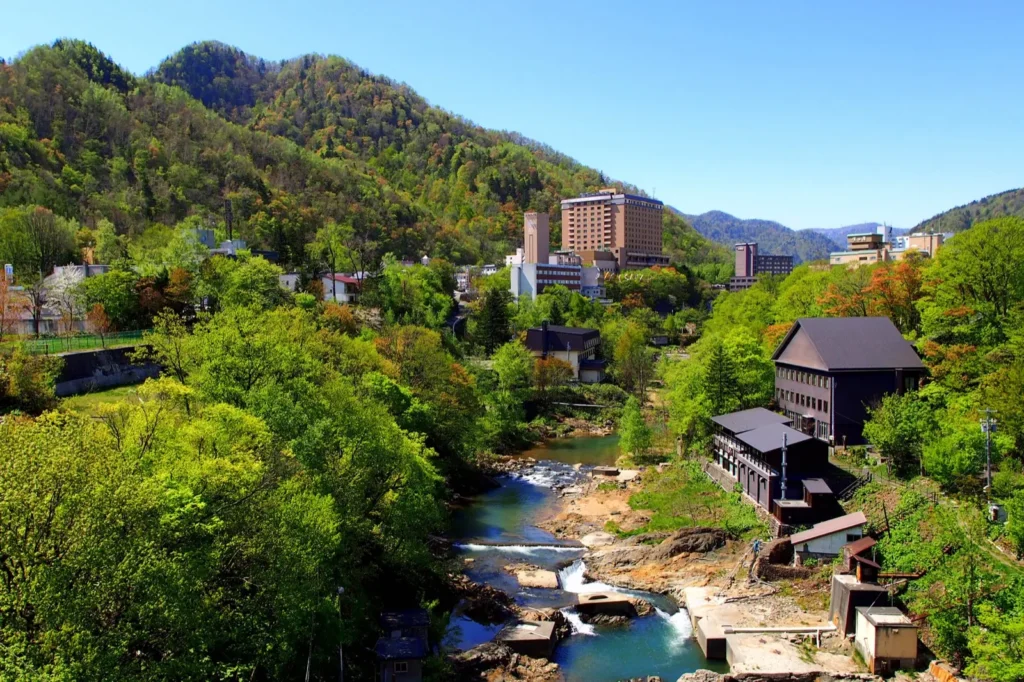
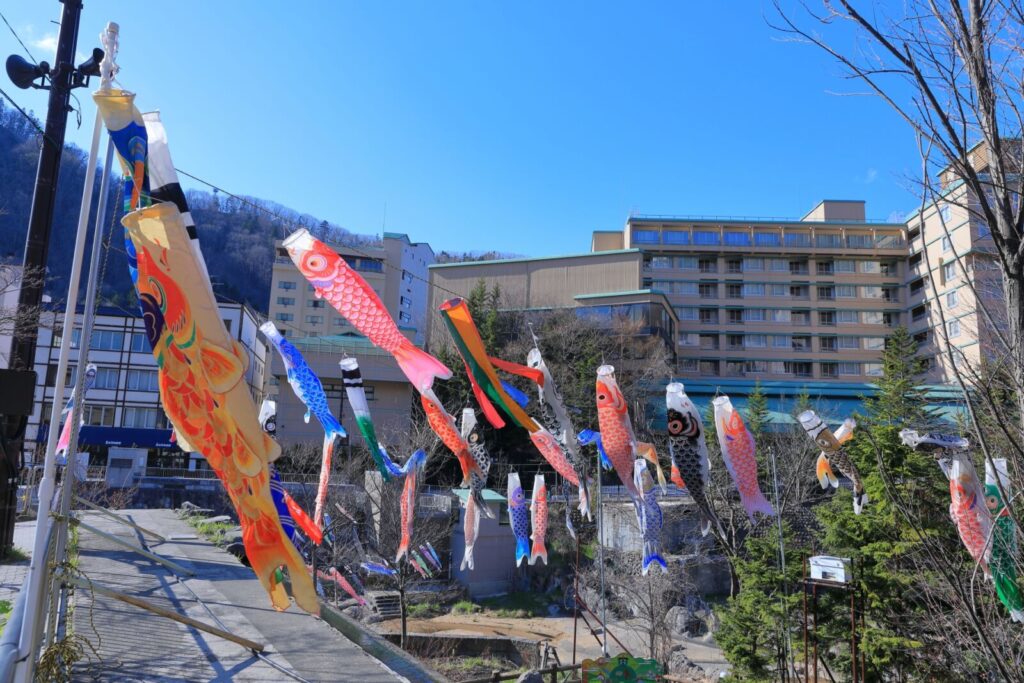
Fresh greenery begins to appear along the riverbanks, creating a pleasant setting for riverside walks.
Summer
Warm temperatures make the riverside footpaths particularly enjoyable, while the footbath provides a relaxing break from sightseeing.
Autumn
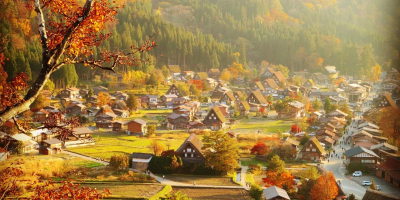
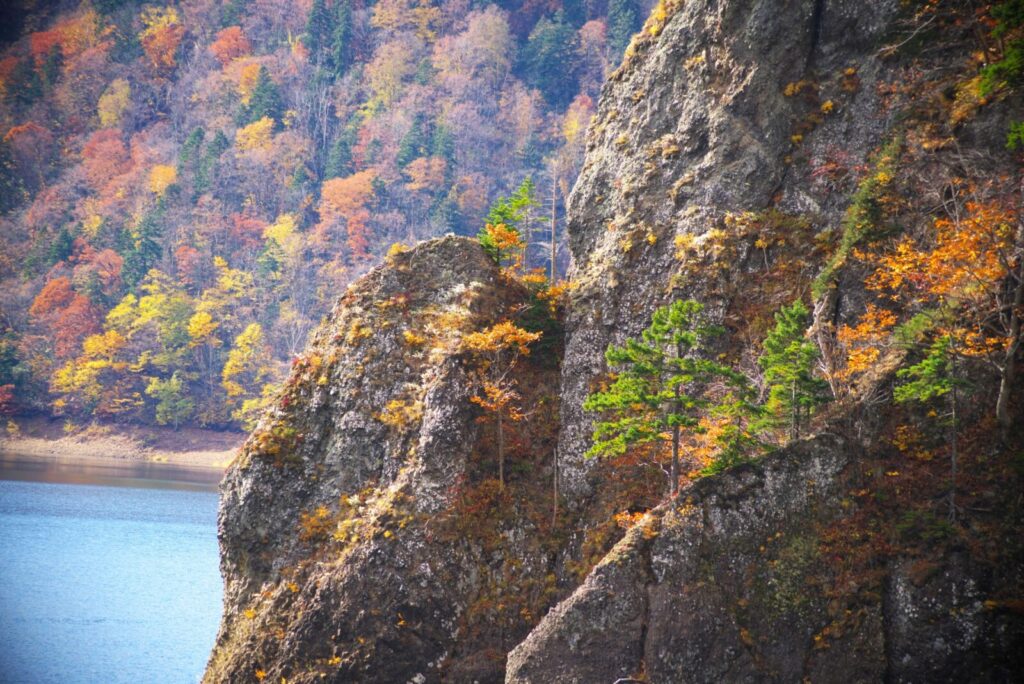
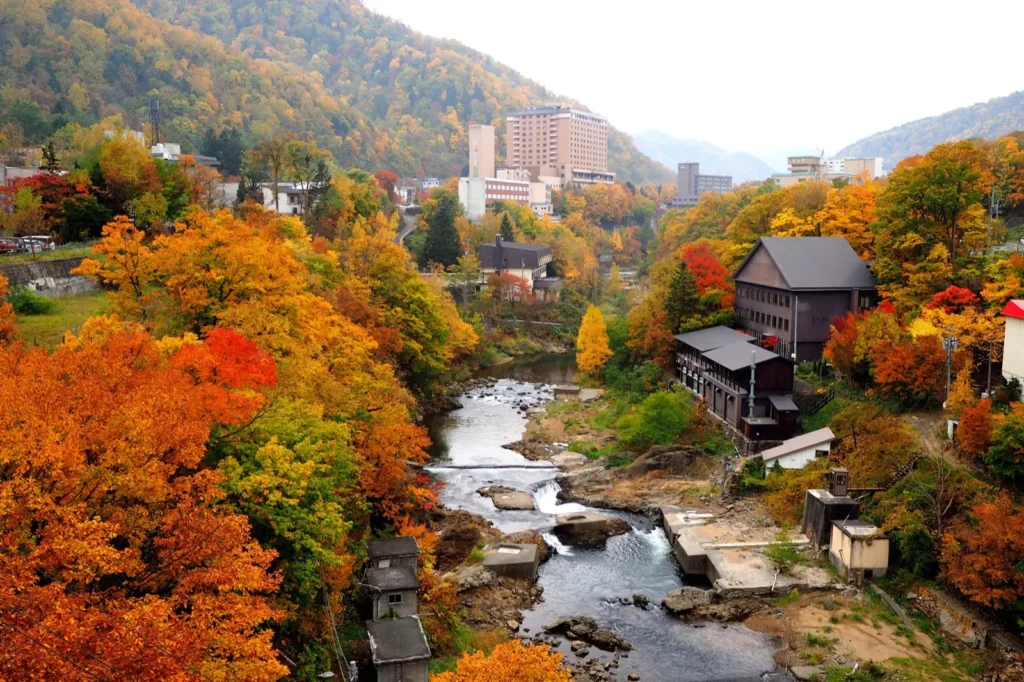
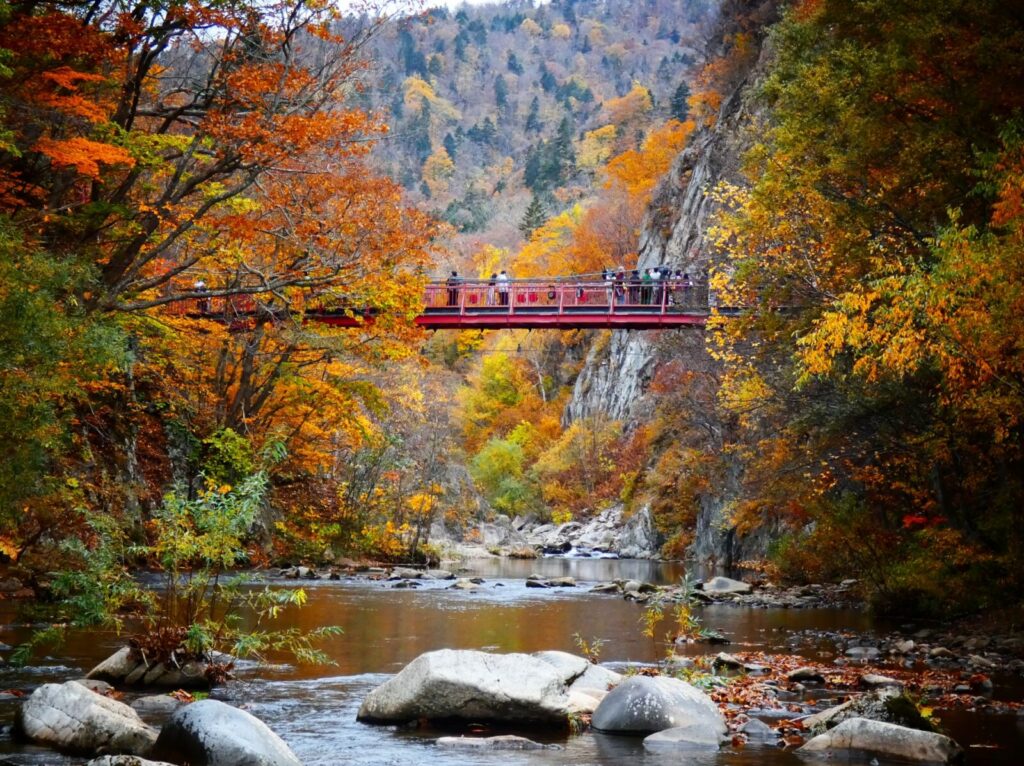
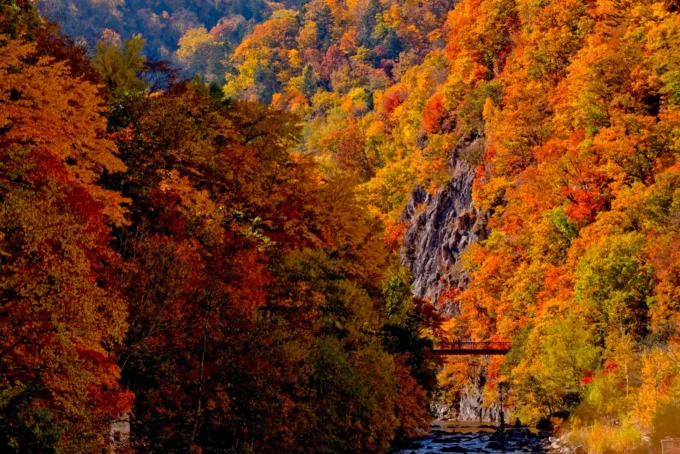
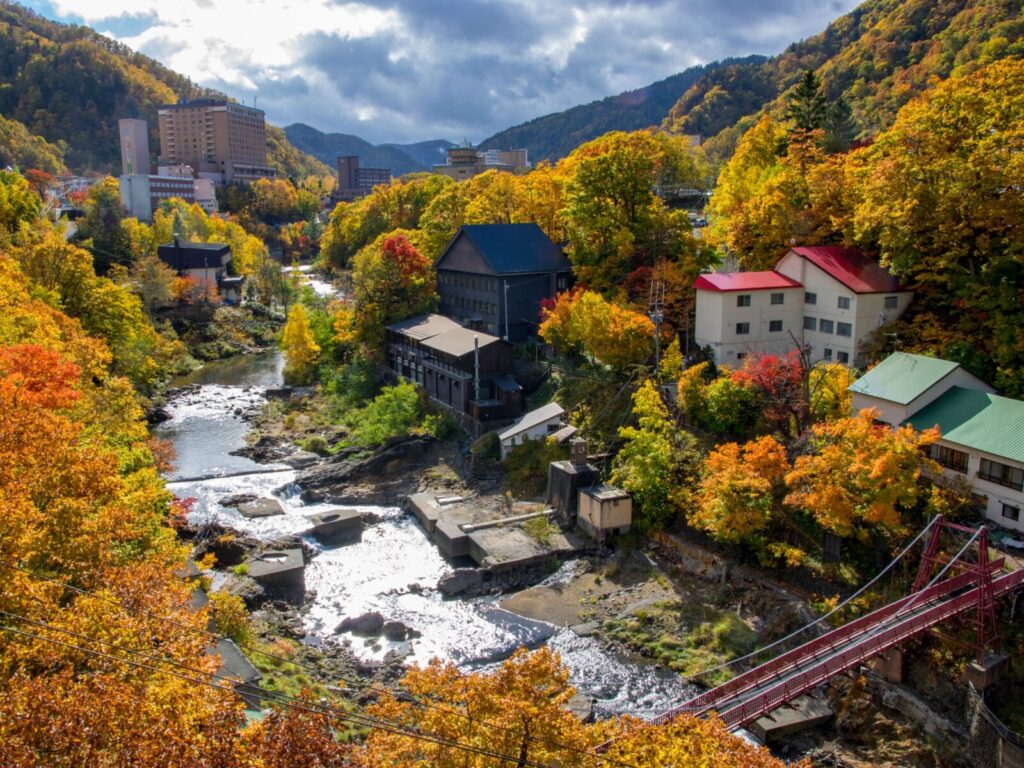
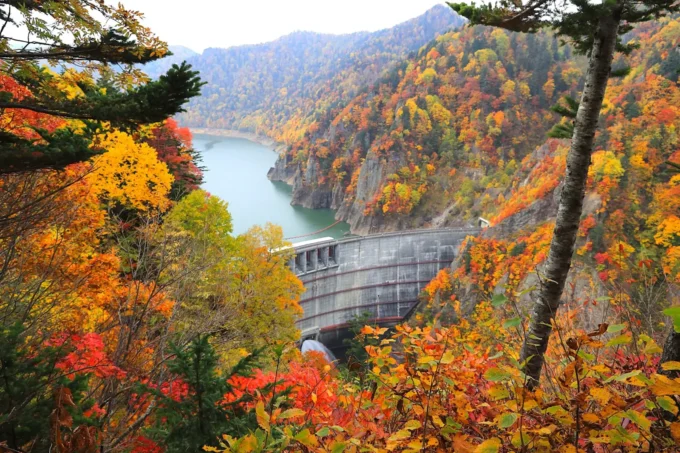
Autumn is one of the best times to visit Jozankei. The valley becomes covered in brilliant shades of red, orange, and gold, making it one of Hokkaido's most famous autumn foliage destinations.
Gesen Park offers excellent views of the surrounding seasonal colors and serves as a peaceful place to relax between sightseeing stops.
Winter
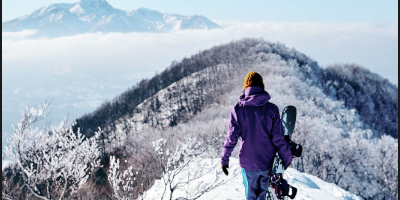
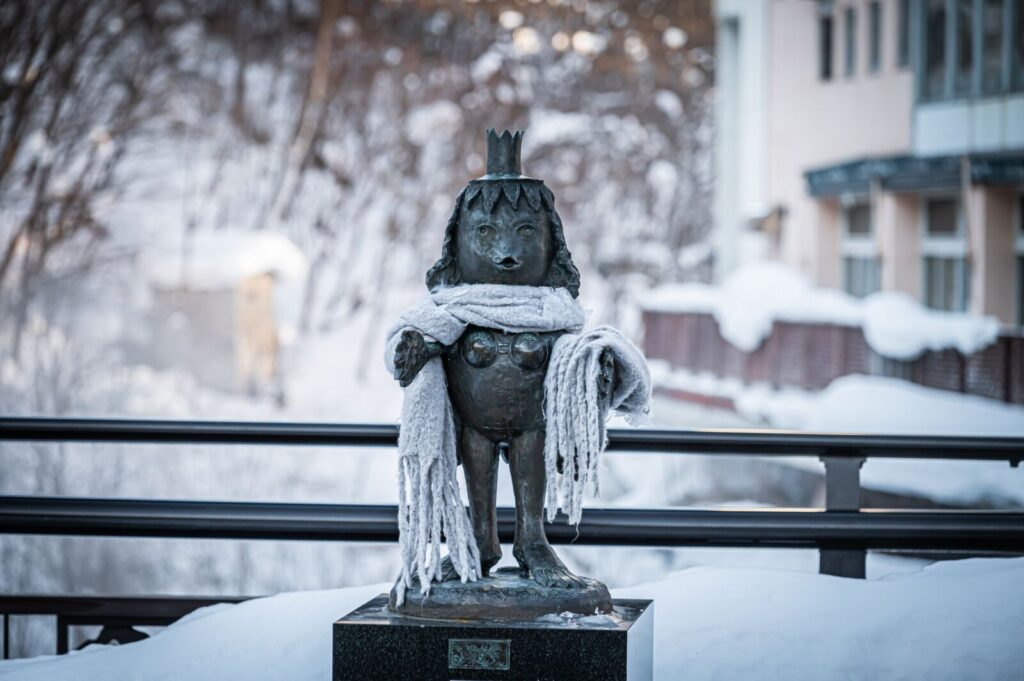
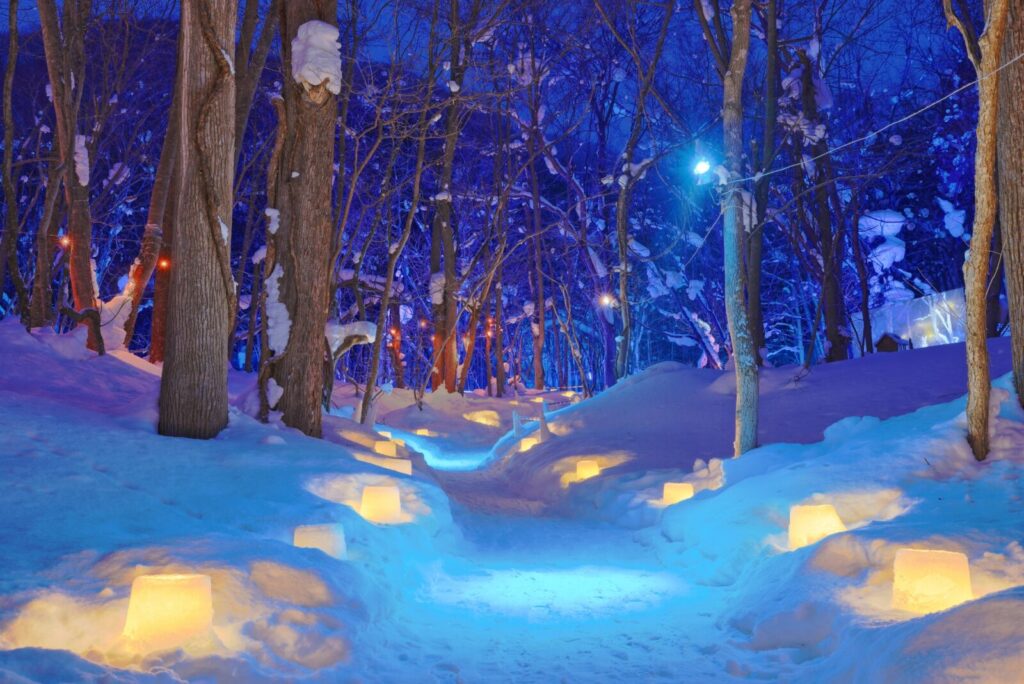
Winter is one of the most memorable times to visit. Soaking your feet in hot spring water while surrounded by snow creates a uniquely Japanese seasonal experience and remains a favorite among many visitors.
Experience Jozankei Onsen with an English-Speaking Guide
Jozankei offers far more than hot spring baths. Its riverside scenery, mountain landscapes, local history, and traditional culture make it one of the most rewarding destinations near Sapporo.
Joining a guided tour allows visitors to enjoy a seamless experience that combines scenic walks, cultural insights, the Gesen Park Footbath, and a traditional onsen visit into a single relaxing day.
With transportation assistance, local expertise, and carefully planned itineraries, guests can fully enjoy the best of Jozankei without worrying about logistics.
For travelers looking to experience a quieter and more authentic side of Hokkaido, Jozankei provides the perfect escape.
Recommended
1-Day Tour from Sapporo: Learn of The Indigenous Ainu people of Hokkaido & Jozankei walking tour
Frequently Asked Questions (FAQ)
Do I need to pay to use the footbath?
No. The footbath at Gesen Park is completely free to use.
Do I need to bring anything?
A small towel is recommended for drying your feet afterward. Towels can often be purchased nearby for a small fee.
Is there a time limit?
No official time limit exists. Most visitors spend around 10 to 20 minutes enjoying the footbath.
Can tourists use the footbath?
Yes. The footbath is open to everyone and is one of the easiest ways for international visitors to experience Japanese onsen culture.
Do I need to remove my shoes?
Yes. Visitors remove their shoes and socks before entering the footbath.
Can I use the footbath before visiting an onsen?
Absolutely. Many visitors enjoy the footbath before visiting a traditional hot spring bath later in the day.
Is the water very hot?
The water is warm to hot, similar to traditional Japanese onsen baths. Most visitors adjust comfortably after a few minutes.
Is the footbath suitable for children and elderly visitors?
Yes. Because only the feet are immersed, the footbath is generally suitable for visitors of all ages.
Is Jozankei worth visiting from Sapporo?
Definitely. Located less than an hour from the city, Jozankei offers beautiful scenery, hot springs, walking trails, and a relaxing atmosphere that feels worlds away from urban Sapporo.
Can I visit during winter?
Yes. Winter is one of the most popular times to visit, as the contrast between hot spring water and snowy scenery creates a uniquely relaxing experience.
How long should I spend in Jozankei?
A half-day visit is enough to enjoy the major sights, while a full-day trip allows visitors to experience riverside walks, footbaths, local attractions, and traditional onsen bathing at a more relaxed pace.