




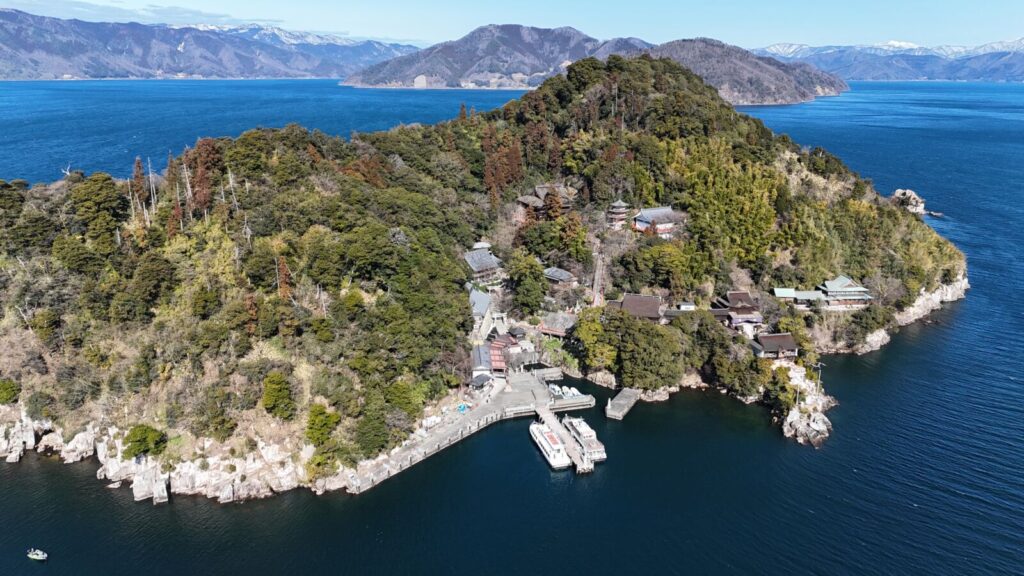
Rising from the waters of northern Lake Biwa, Chikubu Island (Chikubushima) is one of Japan's most sacred and historically significant destinations. Although small in size, the island has played an important role in Japanese religious life for more than 1,300 years and remains a popular destination for pilgrims, history enthusiasts, and travelers seeking a unique experience beyond the well-known sights of Kyoto and Osaka.
Accessible only by boat, Chikubushima offers a rare combination of stunning lake scenery, ancient temples, historic shrines, and centuries of folklore. Home to Hōgon-ji Temple and Tsukubusuma Shrine, the island has attracted emperors, monks, merchants, samurai, and ordinary pilgrims for generations. Today, visitors can explore its forested pathways, admire its historic architecture, and experience one of the most atmospheric destinations in the Kansai region.
Where is Chikubu Island?

Chikubu Island (Chikubushima) is located in the northern portion of Lake Biwa, Japan's largest freshwater lake, in Shiga Prefecture. The island lies approximately 6 km offshore from Nagahama and can only be reached by ferry. Despite its small size—measuring just over 2 km in circumference—it has been one of the region's most important religious sites for more than 1,300 years.
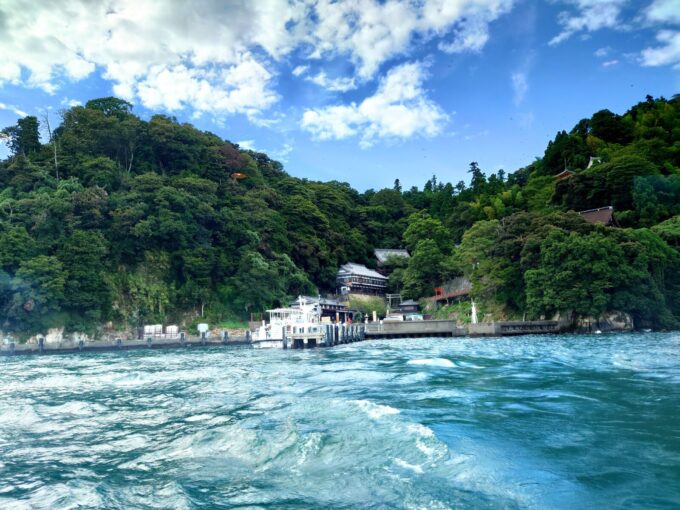
Most visitors access the island from Nagahama Port, making it an easy day trip from Kyoto, Osaka, and other parts of the Kansai region. Ferry services also operate from Imazu Port on the western shore of Lake Biwa and seasonally from Hikone Port, providing multiple options for reaching the island. The ferry crossing itself takes around 30 to 40 minutes, depending on the departure port, and offers beautiful views across Lake Biwa toward the surrounding mountains and shoreline.
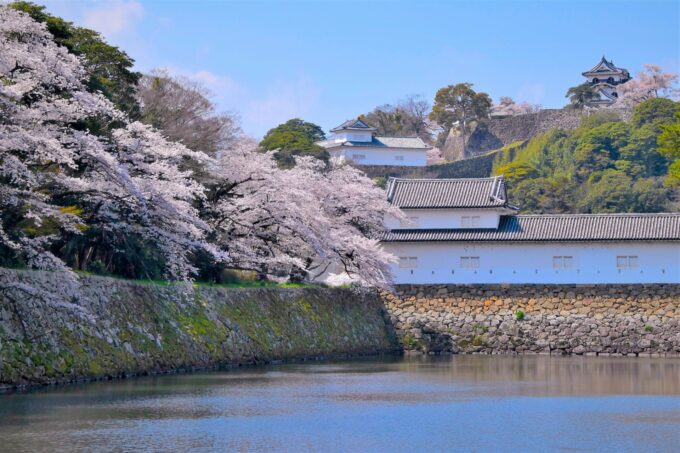
Chikubushima is often combined with visits to nearby destinations such as Hikone Castle, Nagahama's historic Kurokabe Square district, and other attractions around Lake Biwa. Its unique location, accessible only by boat, has helped preserve the island's sacred atmosphere and sense of isolation for centuries.
Please note that ferry routes, schedules, and operating periods may vary depending on the season and operator. We recommend checking the latest timetable and service information before planning your visit.
Nearby destinations:
- Nagahama: approximately 35 minutes by ferry
- Hikone: approximately 30 minutes from Nagahama by train
- Kyoto: approximately 1 hour 15 minutes via train and ferry
- Osaka: approximately 2 hours via train and ferry
The History and Significance of Chikubu Island
Although Chikubushima measures only a little over two kilometers in circumference, it has been one of the most important religious sites in the Kansai region for more than 1,300 years. Long before Buddhism arrived in Japan, islands, mountains, and waterfalls were often viewed as sacred places where the human world and the realm of the gods overlapped. Rising dramatically from the waters of Lake Biwa, Chikubushima naturally became a place of worship and reverence.
The island's recorded history began in 724 when Emperor Shōmu ordered the construction of Hōgon-ji Temple. According to tradition, the emperor received a divine message instructing him to establish a temple dedicated to Benzaiten, the goddess of wisdom, fortune, music, eloquence, and water. Originally derived from the Hindu goddess Saraswati, Benzaiten became one of Japan's most beloved deities and remains the central figure of worship on the island today.
Over the centuries, Chikubushima grew into an important pilgrimage destination attracting monks, nobles, merchants, and warriors from across Japan. Hōgon-ji eventually became the 30th temple of the famous Saigoku 33 Kannon Pilgrimage, one of Japan's oldest and most respected pilgrimage routes. Even today, pilgrims continue to visit the island as part of their journey through the Kansai region.
The island was also closely connected to Japan's warrior class. During the medieval and early modern periods, many samurai believed that Benzaiten could grant wisdom, prosperity, protection, and success in battle. Powerful military leaders including Oda Nobunaga and Toyotomi Hideyoshi supported the island's temples and shrines, helping preserve and rebuild important structures. Several buildings on the island, including the Karamon Gate and Boat Corridor, reflect Hideyoshi's influence and demonstrate the island's importance within both Japan's religious and political history
Like many sacred places in Japan, Chikubushima is surrounded by folklore and legend. Stories tell of dragons dwelling beneath the waters of Lake Biwa, divine beings protecting the island, and miraculous events experienced by pilgrims who visited its temples and shrines. These stories continue to contribute to the island's mysterious atmosphere today.
Join Our Chikubu Island & Hikone Castle Tour
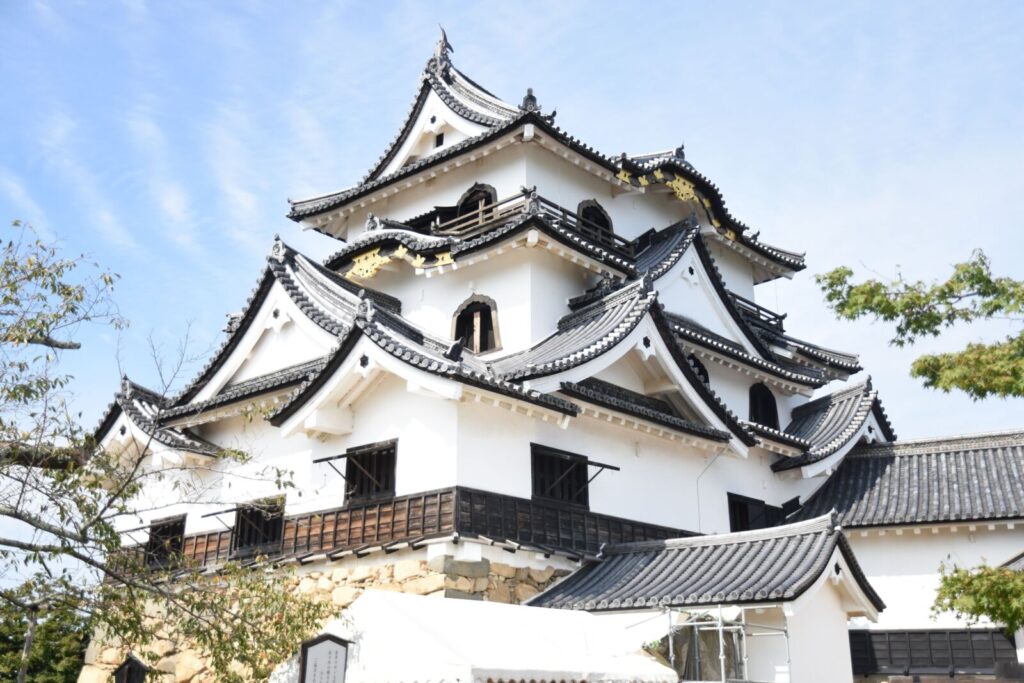
Looking for the easiest way to experience Chikubu Island? Our 1-Day Tour from Kyoto: Lake Biwa Cruise, Chikubu Island & Hikone Samurai Castle combines two of Shiga Prefecture's most remarkable destinations into a single unforgettable day.
Travel from Kyoto by shinkansen and local train before cruising across Lake Biwa to explore the sacred island of Chikubushima. Discover the history of Hōgon-ji Temple and Tsukubusuma Shrine, enjoy free time in Nagahama's historic Kurokabe Square district, and finish the day at Hikone Castle—one of only twelve original castles remaining in Japan and a designated National Treasure.
With transportation, ferry tickets, castle admission, and an English-speaking guide included, this tour is the perfect way to experience the spiritual and samurai heritage of Lake Biwa without the hassle of planning connections, ferry schedules, or tickets yourself.
What to See on Chikubu Island
Hōgon-ji Temple
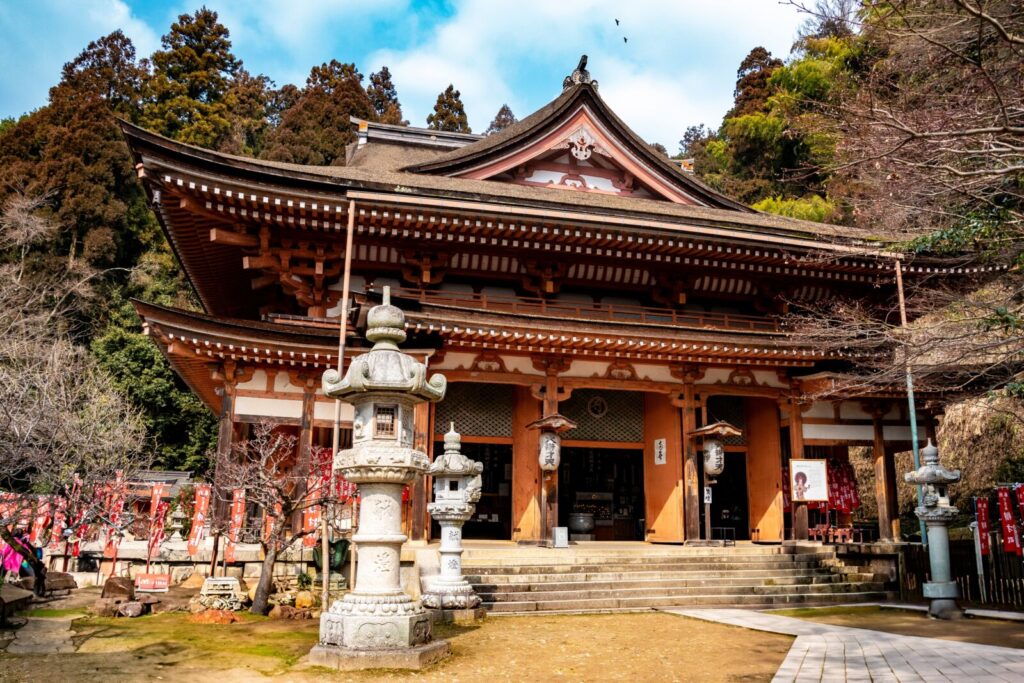
Founded in 724, Hōgon-ji is one of Japan's most important temples dedicated to Benzaiten and serves as the 30th temple of the Saigoku 33 Kannon Pilgrimage. For more than a thousand years, pilgrims have crossed Lake Biwa to worship here and pray for wisdom, prosperity, artistic talent, and good fortune.
The temple grounds contain several important buildings and religious treasures, but one of the most distinctive is the Benzaiten Daruma. Unlike the red Daruma dolls commonly associated with good luck in Japan, the Benzaiten Daruma reflects the island's unique religious traditions and connection to the goddess worshipped here. Visitors can also receive a goshuin, making the temple a popular stop for both pilgrims and collectors. The temple remains one of the most important centers of Benzaiten worship in Japan and continues to attract pilgrims throughout the year.
Tsukubusuma Shrine
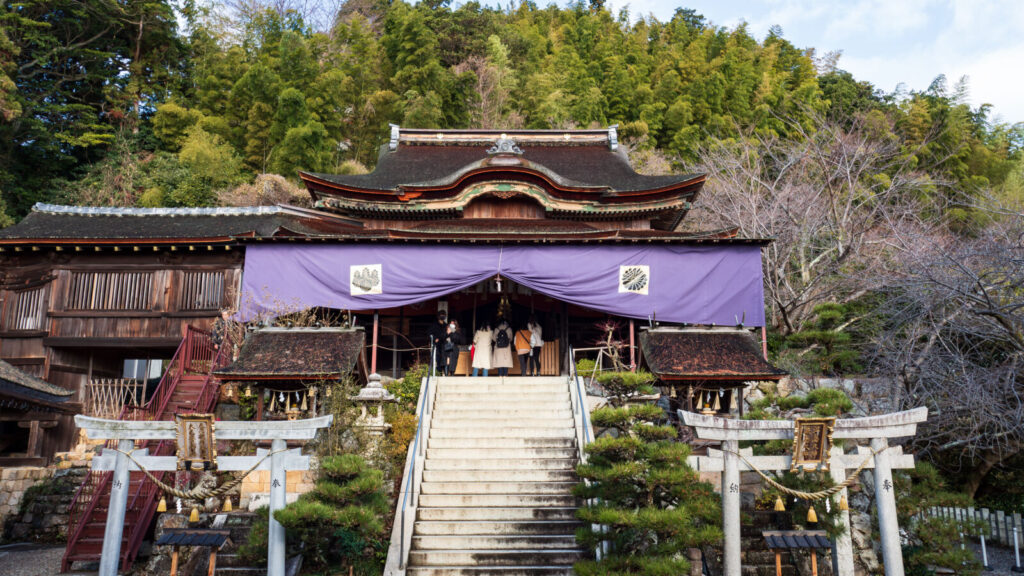
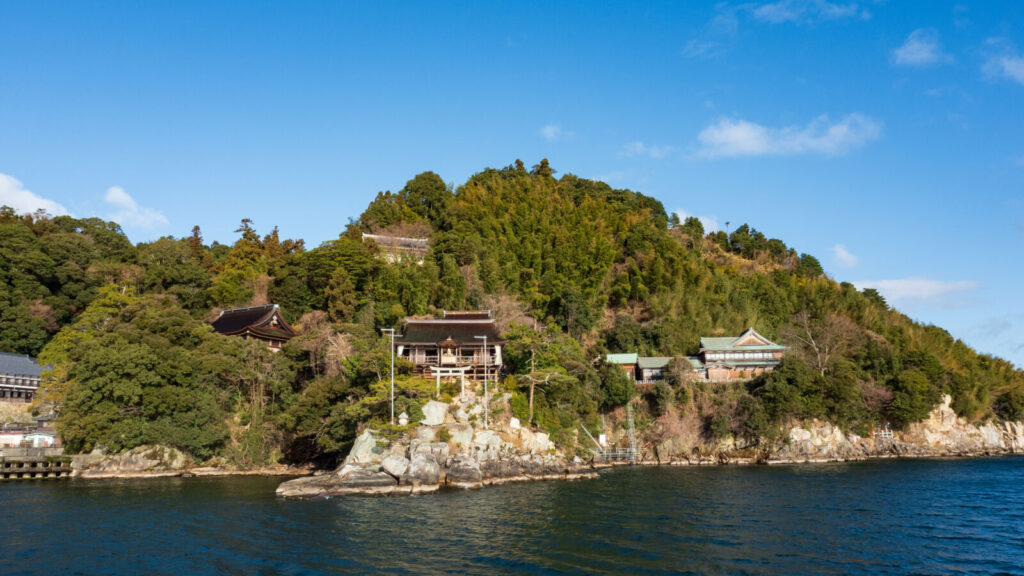
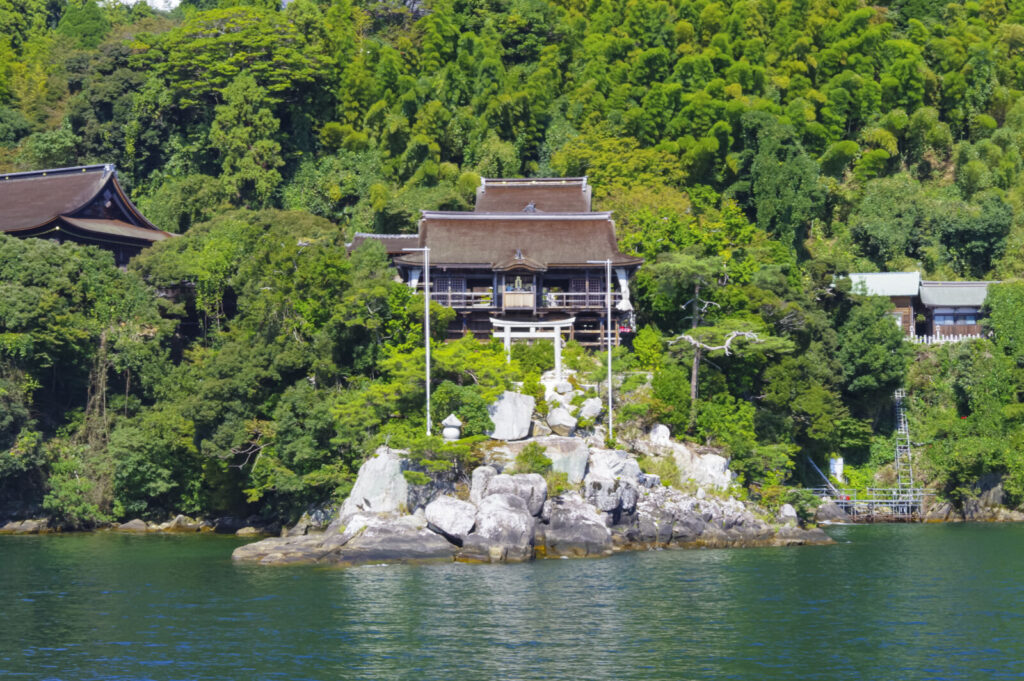
Located on the southern side of the island, Tsukubusuma Shrine offers some of the most impressive views on Chikubushima. For centuries, sailors, merchants, and travelers crossing Lake Biwa prayed here for safe journeys and protection on the water.
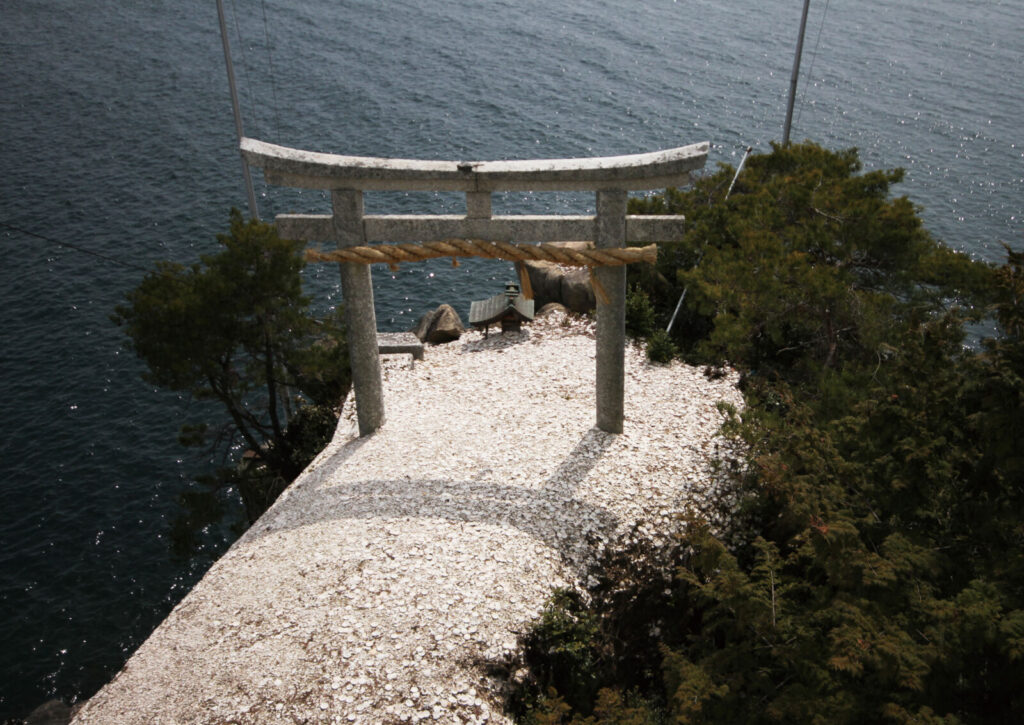
One of the shrine's most famous experiences is kawarake-nage. Visitors write wishes on small clay discs before attempting to throw them through a torii gate standing over the waters of Lake Biwa. Successfully passing a disc through the gate is said to bring good fortune and help wishes come true. The combination of the shrine buildings, lake views, and the iconic torii gate makes this one of the most memorable parts of any visit.
The Karamon Gate and Boat Corridor
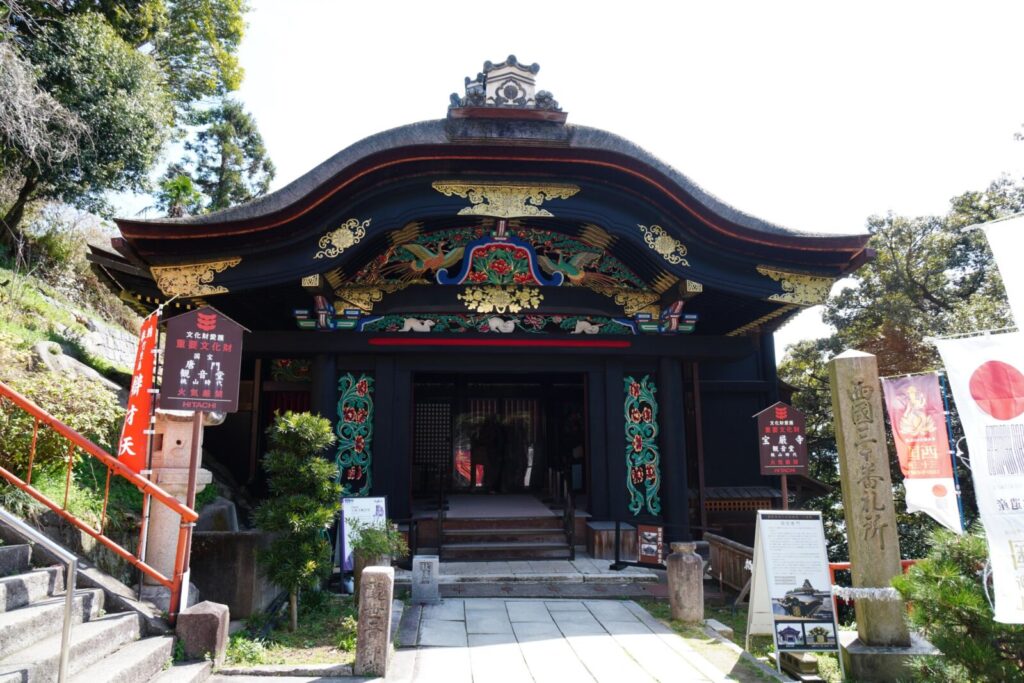
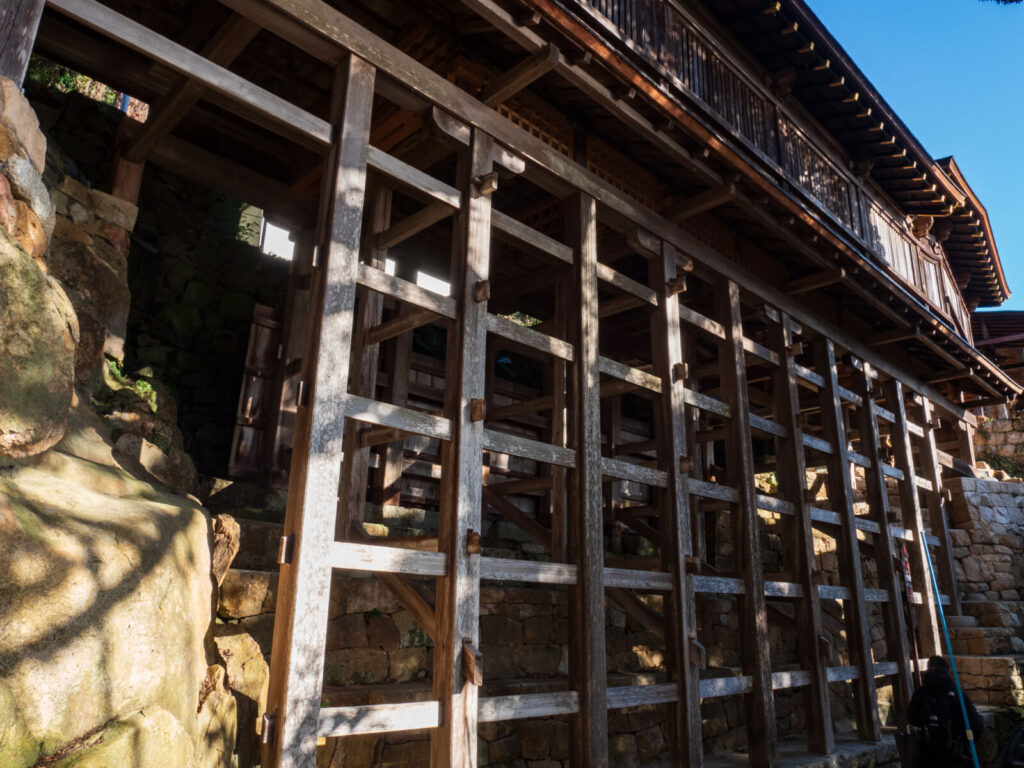
Among the island's architectural highlights are the Karamon Gate and the Boat Corridor (Funa-rō), both of which are closely associated with Toyotomi Hideyoshi. The beautifully decorated Karamon Gate is designated as an Important Cultural Property and is believed to have connections to structures associated with Hideyoshi's Osaka Castle.
Beyond the gate lies the Boat Corridor, a covered passageway connecting Hōgon-ji Temple and Tsukubusuma Shrine. Tradition states that materials from one of Hideyoshi's vessels were incorporated into its construction. Together these structures symbolize the close relationship between Buddhism, Shinto, and the powerful military leaders who once supported the island.
Shops, Cafes and Local Specialties
Near the ferry landing area, visitors will find several shops and cafes where they can take a break, purchase souvenirs, or sample local specialties.
Nosaka Souvenir Shop offers a variety of Lake Biwa-themed products, local sweets, tsukudani made from lake fish, regional sake, and seasonal snacks. Popular treats include Shiga oden, soft serve ice cream, and Benten Agemochi, a specialty associated with the island.
For a more modern atmosphere, Kokoya Cafe serves drinks, sweets, and its popular Omi beef buns. The cafe is also known for its charming Benzaiten-themed latte art and provides a comfortable place to relax before catching the return ferry.
Planning Your Visit To Chikubushima Island
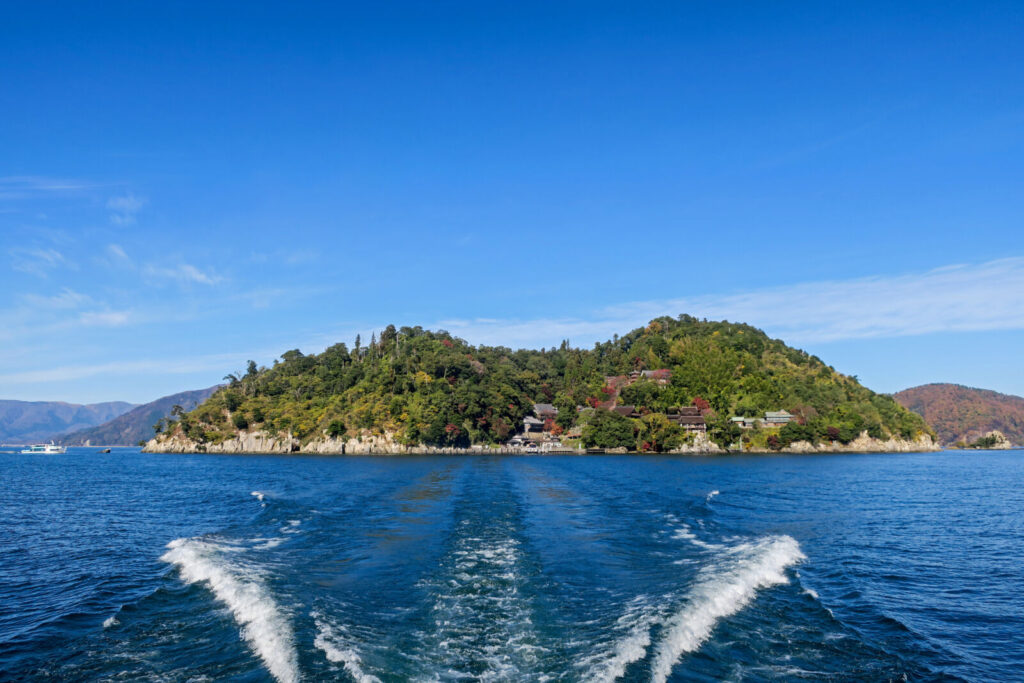
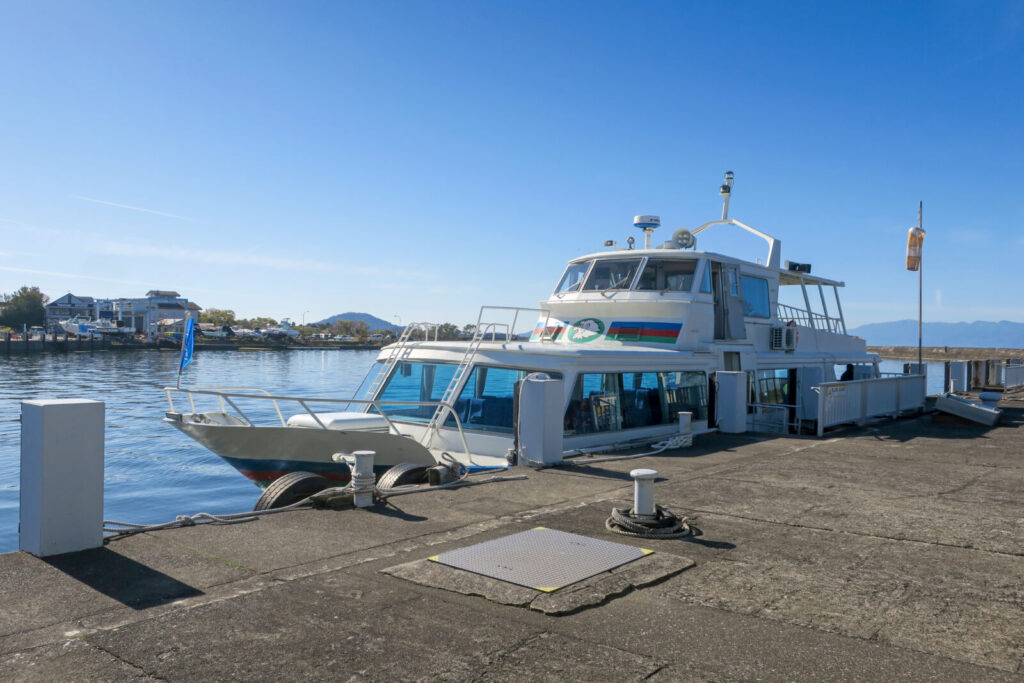
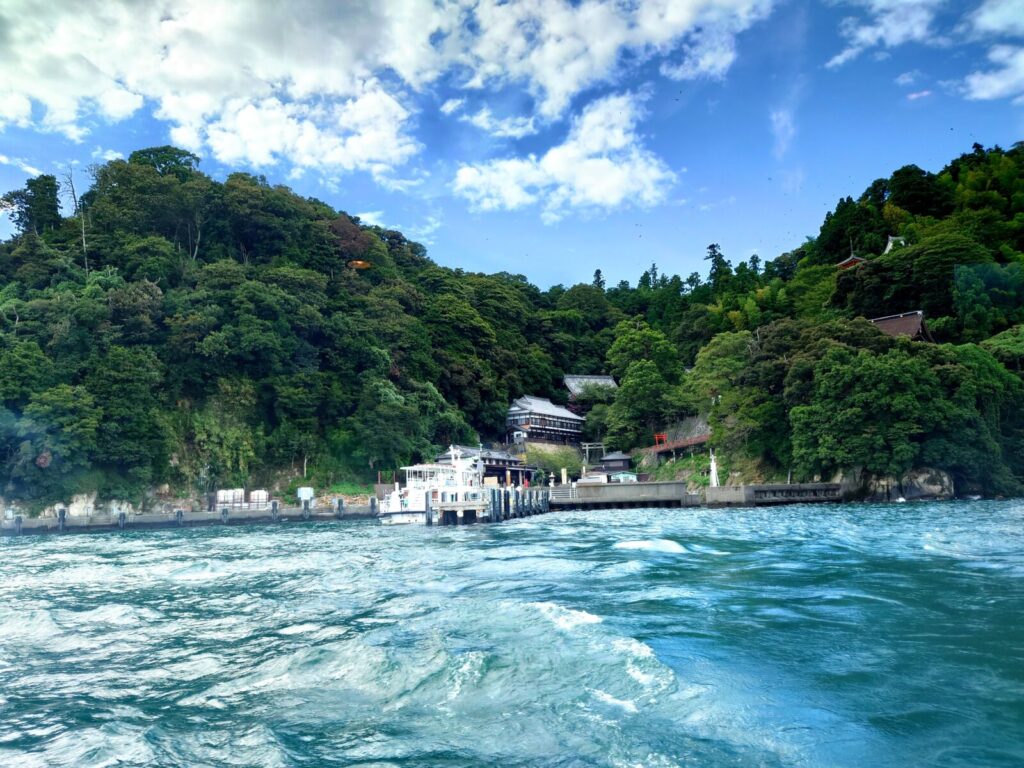
Chikubushima can only be reached by ferry, with services operating from Nagahama, Imazu, and seasonally from Hikone. Most visitors spend between 90 minutes and three hours exploring the island, allowing enough time to visit both religious sites, enjoy the scenic viewpoints, browse the shops, and take part in traditional activities such as kawarake-nage.
The island can be visited throughout the year, with each season offering a different atmosphere. Spring and autumn are particularly popular due to their mild temperatures, while winter provides a quieter and more contemplative experience with fewer visitors.
For those interested in ferry schedules, routes, departure ports, and travel tips, be sure to see our complete guide to the Chikubu Island Cruise.
Plan your Kyoto Trip with us!
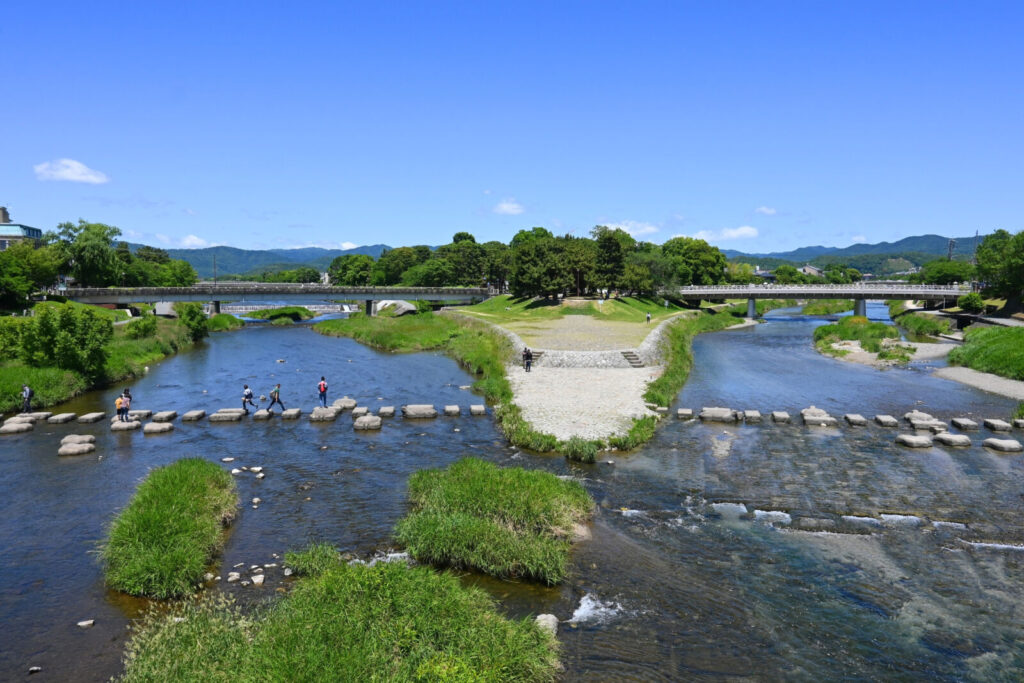
Start with our 7-Day Kansai Japan Highlights Itinerary, which combines Kyoto, Osaka, and Nara into a balanced first visit. For more ideas, check out page, Stay in Kyoto or Osaka? A Traveller's Guide to Choosing Your Base.
Looking to explore more deeply? Our Best Tours in Kyoto and Best Tours in Osaka highlight unique cultural experiences that go beyond the usual sights. For themed travel, you can also explore our Essential Guide to Geisha in Kyoto, Cherry Blossoms in Osaka, or discover local brewing traditions in our Top 10 Sake Breweries to Visit in Kansai.
Frequently Asked Questions
How long do you need on Chikubu Island?
Most visitors spend between 90 minutes and three hours exploring the island. Ferry schedules are typically designed around a visit of approximately 90 minutes.
How do you get to Chikubu Island?
The island is accessible only by ferry. The most common departure point is Nagahama Port, located on the northeastern shore of Lake Biwa.
Is Chikubu Island part of the Saigoku Pilgrimage?
Yes. Hōgon-ji Temple is the 30th temple of the Saigoku 33 Kannon Pilgrimage, one of Japan's oldest pilgrimage routes.
Can you stay overnight on Chikubu Island?
No. The island has no hotels or accommodation facilities and is visited as a day-trip destination.
Is Chikubu Island suitable for visitors with limited mobility?
Visitors should be aware that the island contains numerous stone stairways, slopes, and uneven pathways. Some areas may be challenging for guests with limited mobility.
What are the main attractions on Chikubu Island?
The island's highlights include Hōgon-ji Temple, Tsukubusuma Shrine, the Boat Corridor, Karamon Gate, and the scenic viewpoints overlooking Lake Biwa.
Is there food and drink available on Chikubu Island?
Yes. While dining options on the island are limited, visitors can purchase food, drinks, and snacks from several shops and cafes near the ferry landing area. Popular options include Omi beef buns, local sweets, soft serve ice cream, Shiga oden, and other regional specialties. Many visitors also choose to enjoy a larger meal before or after their visit in Nagahama.
Can I collect a goshuin on Chikubu Island?
Yes. Both Hōgon-ji Temple and Tsukubusuma Shrine offer goshuin (temple and shrine stamps), making the island a popular destination for collectors and pilgrims. Reception hours may vary, so it is recommended to visit during normal operating hours.
What is the clay-disc throwing activity on Chikubu Island?
One of the island's most popular traditions is kawarake-nage, a ritual performed at Tsukubusuma Shrine. Visitors throw small clay discs toward a torii gate standing over Lake Biwa, with successful throws said to bring good fortune and help wishes come true.