




Just as accents, architecture, and local festivals change from region to region in Japan, so too does the flavor of the food. And the ingredient that possibly contributes the most to this variance is miso.
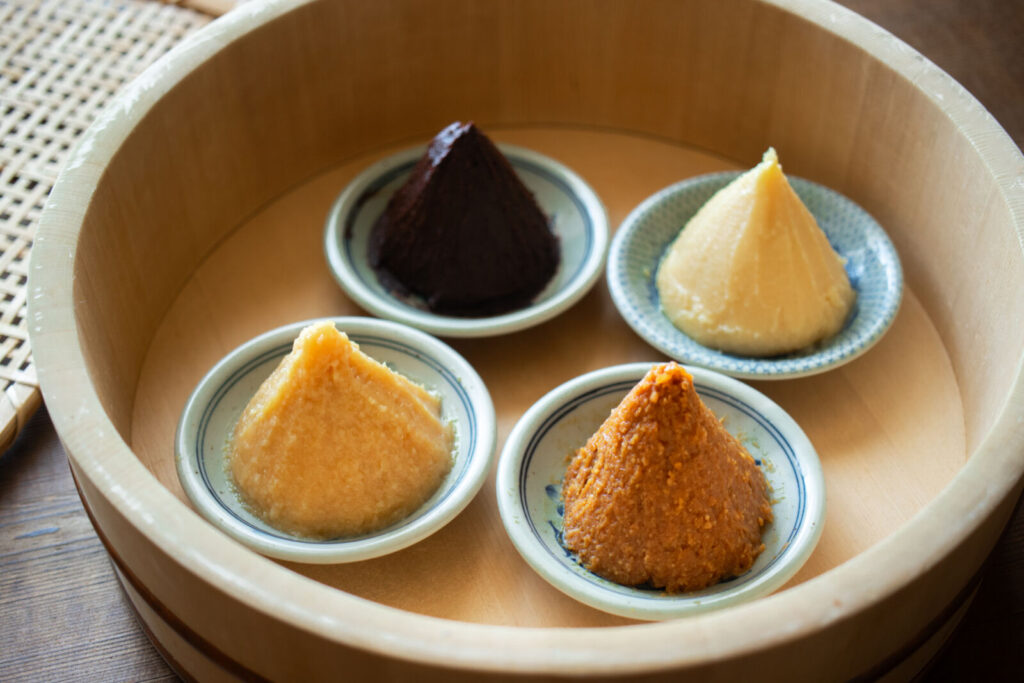
While visitors often think of miso as a single ingredient used in miso soup, there are actually several distinct types of miso that developed across the country which are often used in different applications.
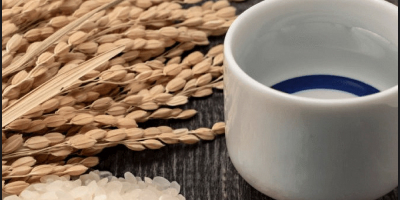
Broadly speaking, Japanese miso can be divided into three main categories according to the grain used to cultivate koji—the beneficial mold that drives fermentation:
- White Miso, aka Rice Miso (Kome Miso)
- Yellow Miso, aka Barley Miso (Mugi Miso)
- Red Miso, aka Soybean Miso (Mame Miso)
Climate, agriculture, and local tastes have shaped these distinct styles of miso across the country, affecting the flavor of soups, stews, glazes and marinates.
White Miso: The Sweet Taste of Western Japan
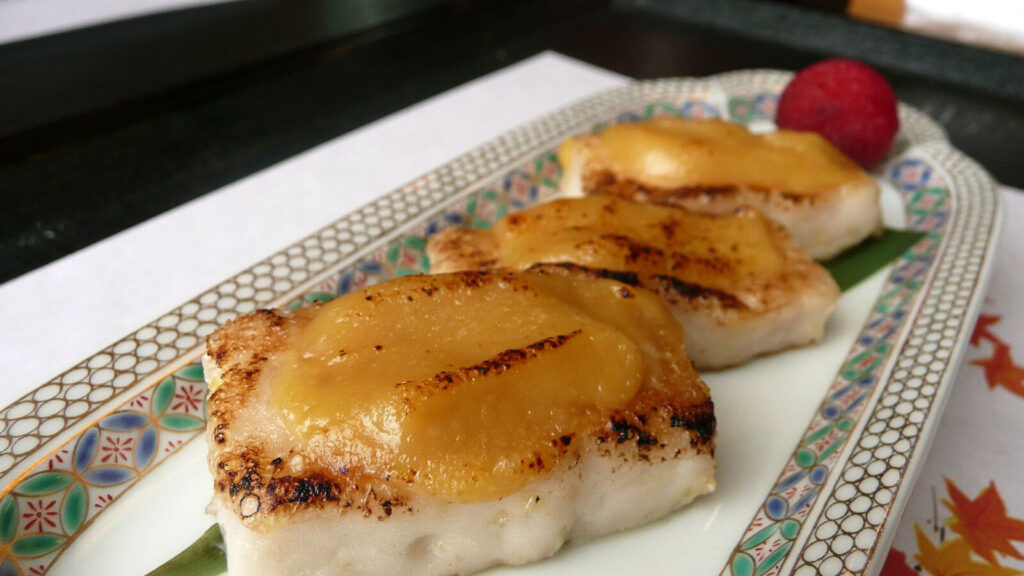
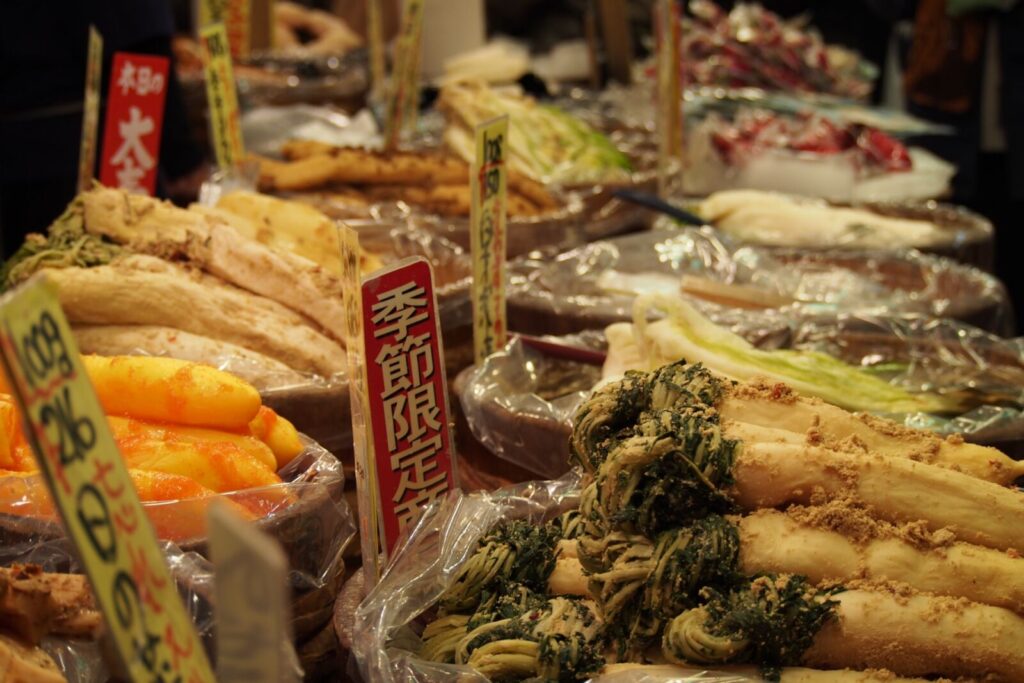
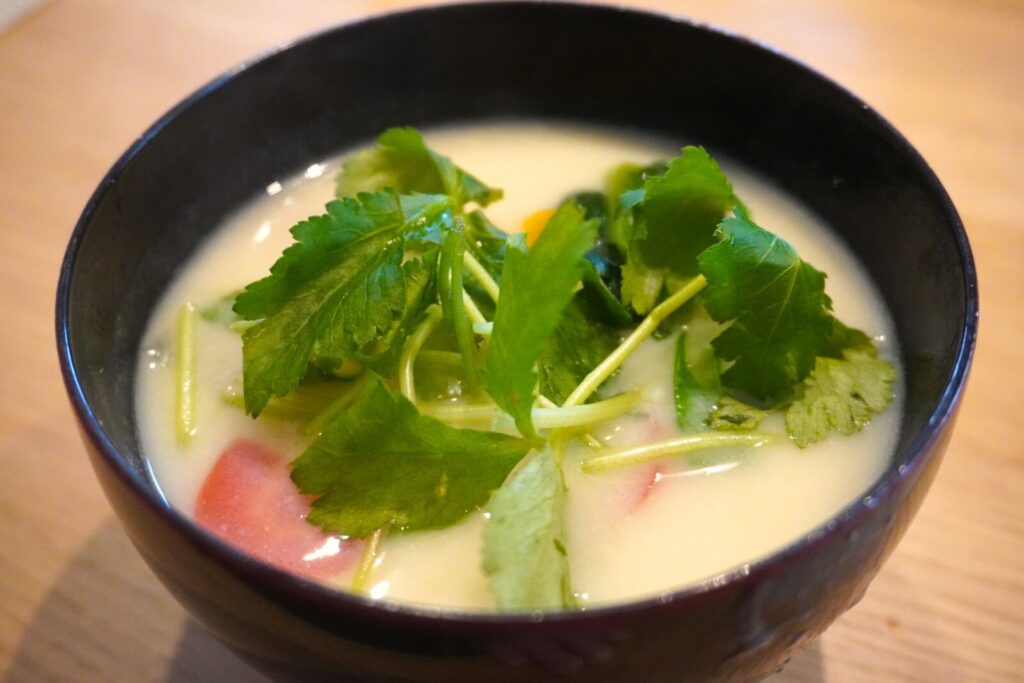
White miso (kome miso) is most closely associated with Kyoto and the Kansai region.
Made with a high proportion of rice koji and fermented for a relatively short period, white miso develops a pale cream color and a gentle sweetness.
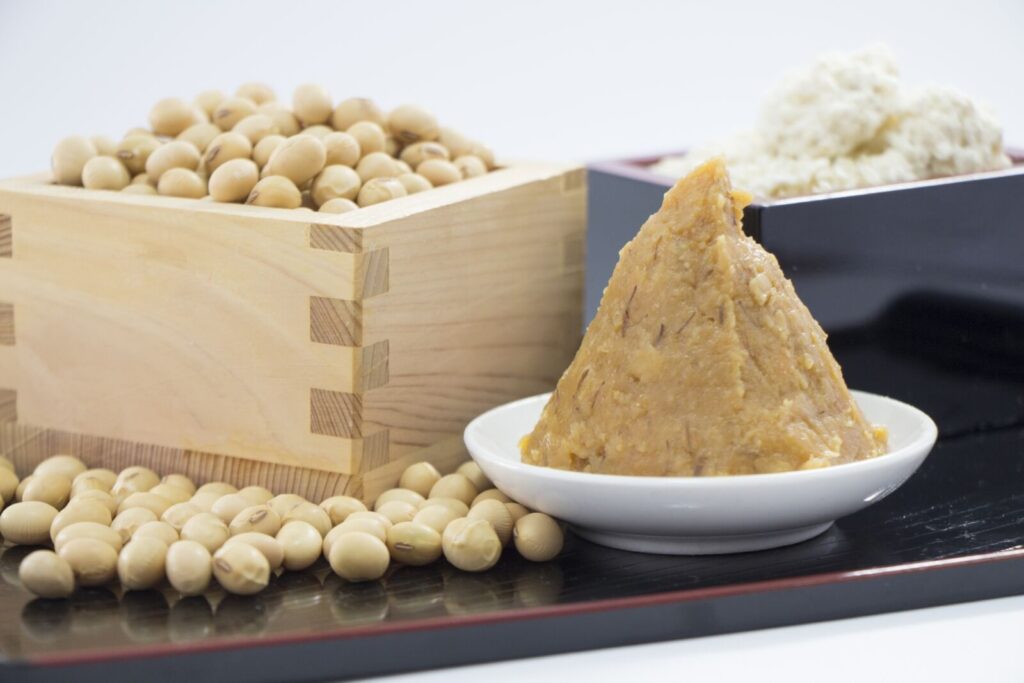
Historically, it was favored by the imperial court, aristocrats, and wealthy merchants of Kyoto, where refined and delicate flavors became an important part of local cuisine. Today, it accounts for the vast majority of miso consumed throughout Japan and can be found from Hokkaido to Okinawa (and is still the miso of choice for the Kansai region).
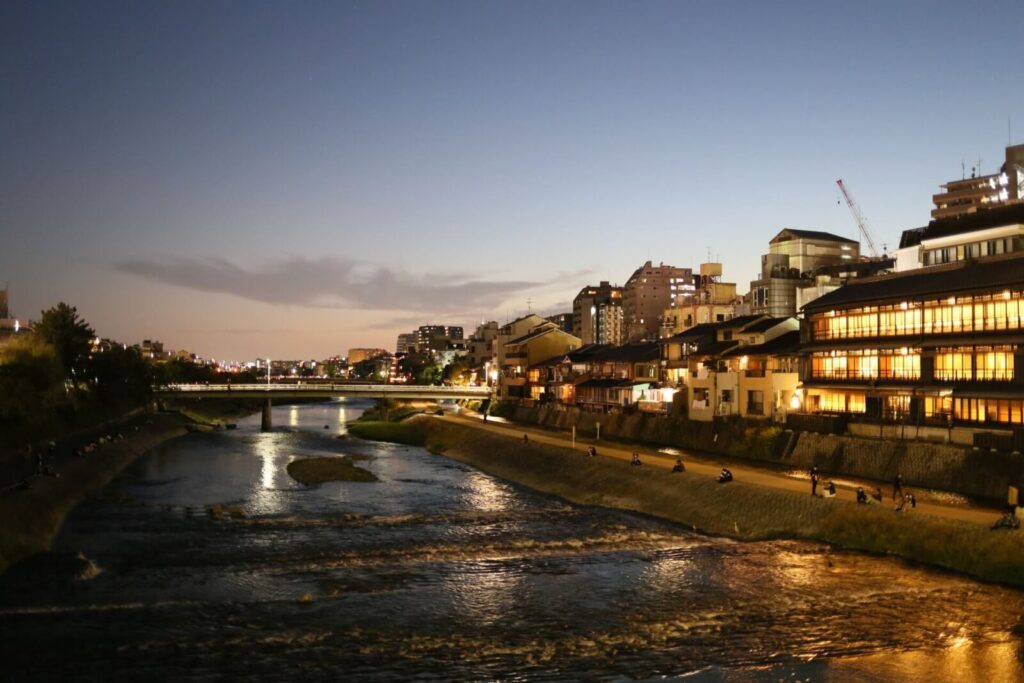
Visitors exploring Kyoto's historic temples and traditional restaurants will often encounter this style of miso, which reflects the region's long-standing appreciation for subtlety and balance.
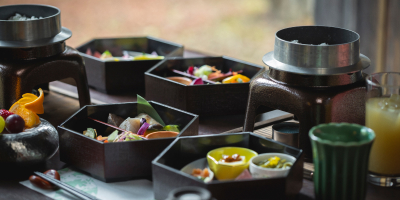
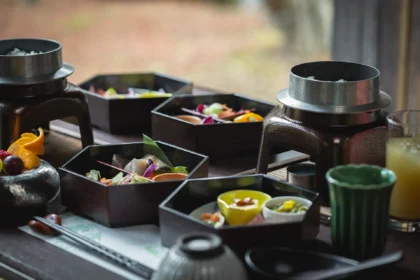
Many visitors first encounter rice miso in traditional Japanese breakfasts, where a bowl of miso soup accompanies rice, grilled fish, and seasonal side dishes. A bowl of white miso soup is light, elegant, and subtly sweet. It complements seasonal vegetables, tofu, and delicate seafood without overpowering them.
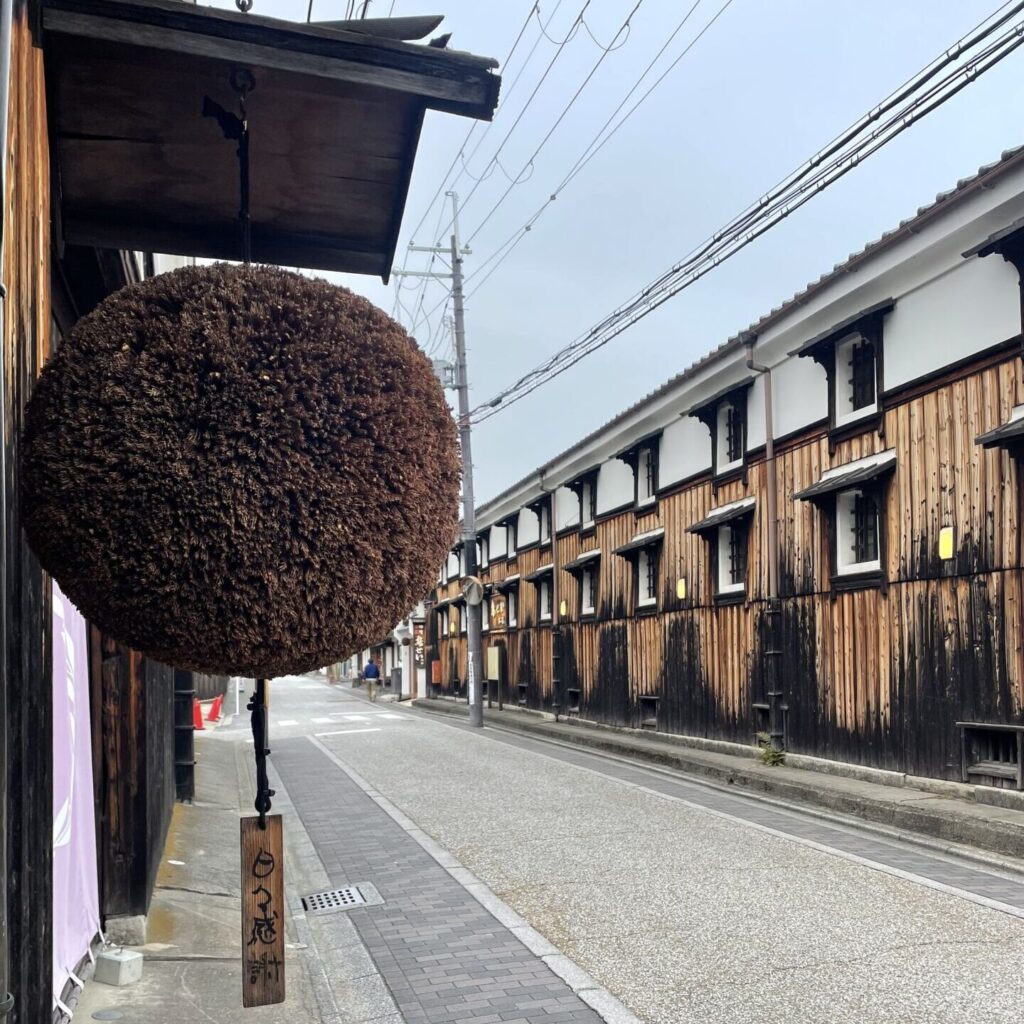
Yellow (Barley) Miso: The Sweet Soul of Western Japan
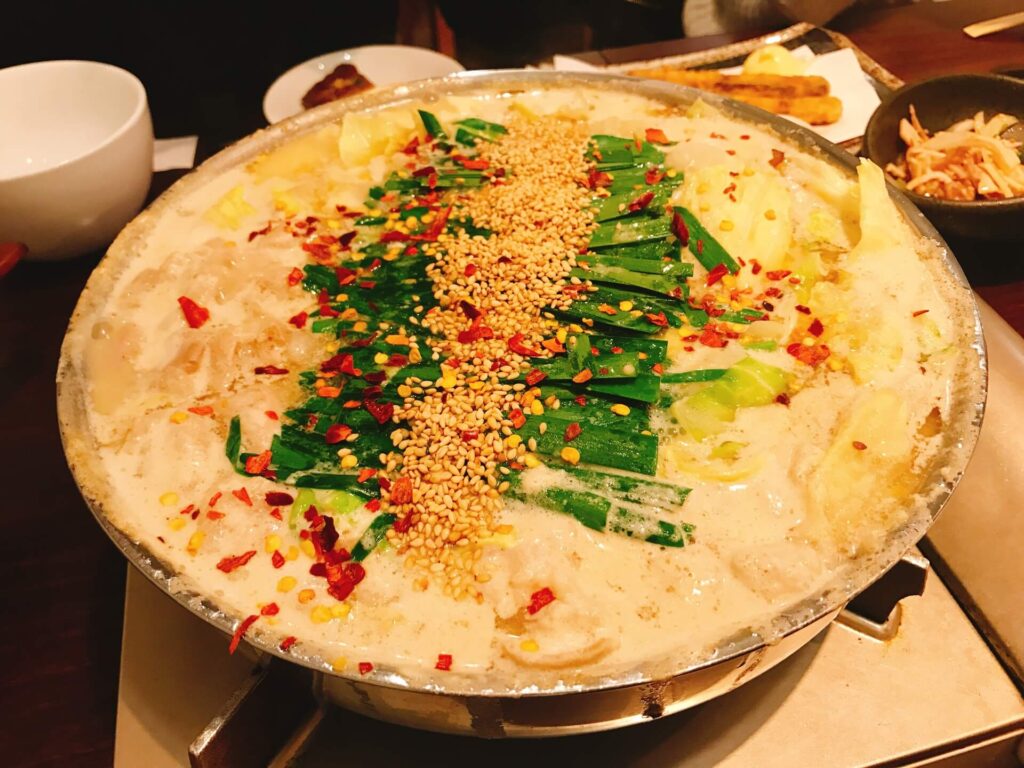
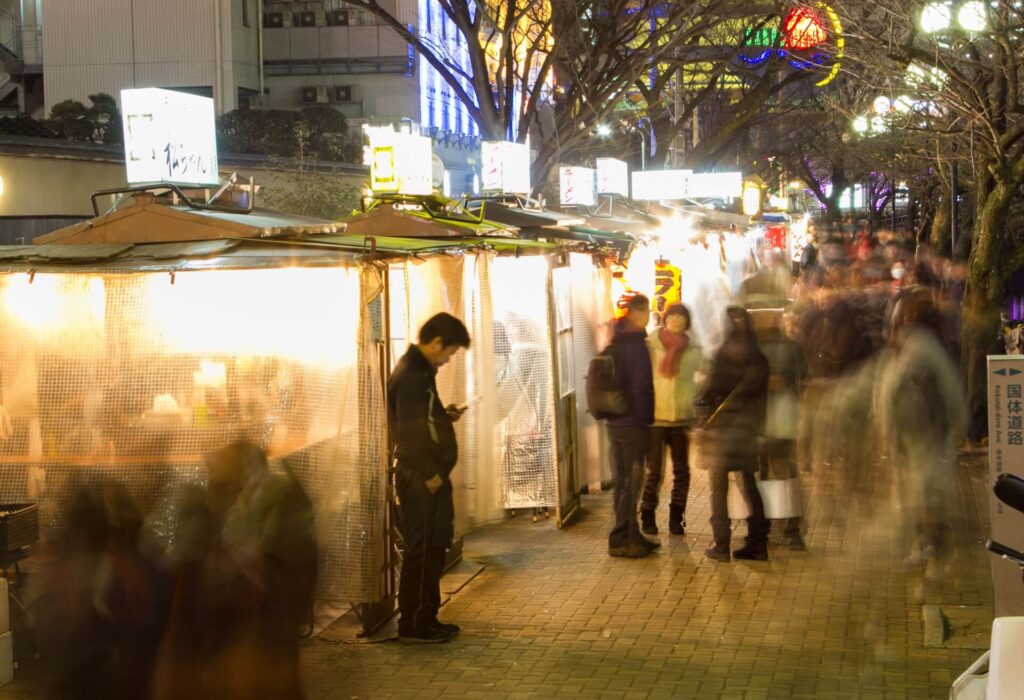
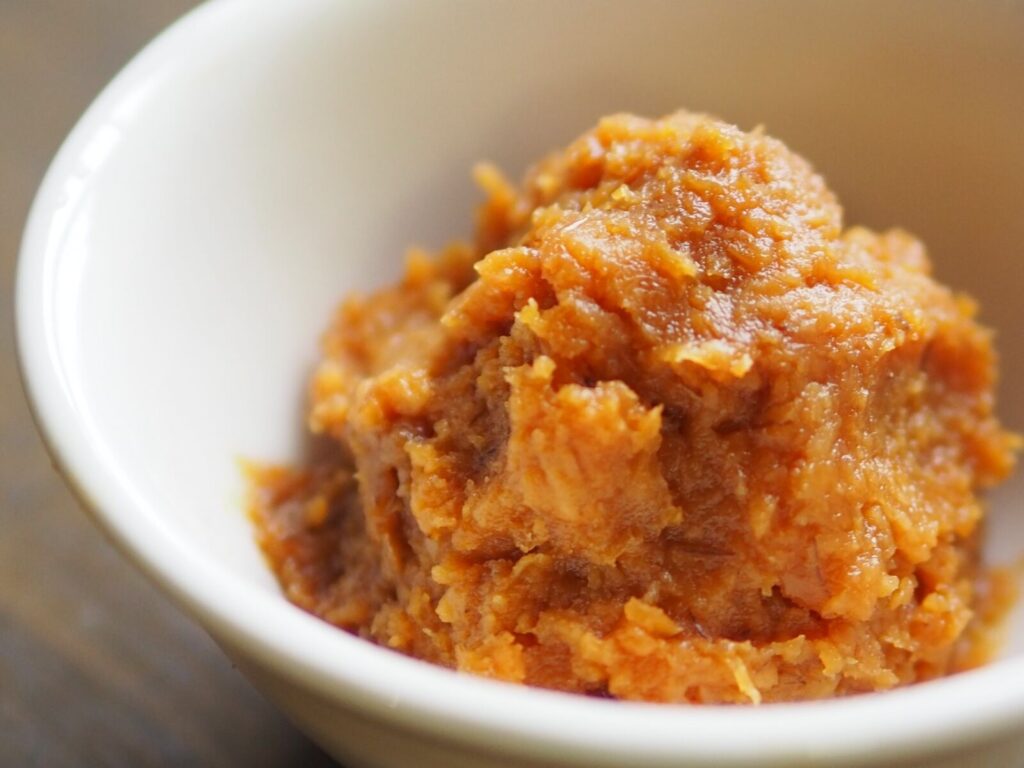
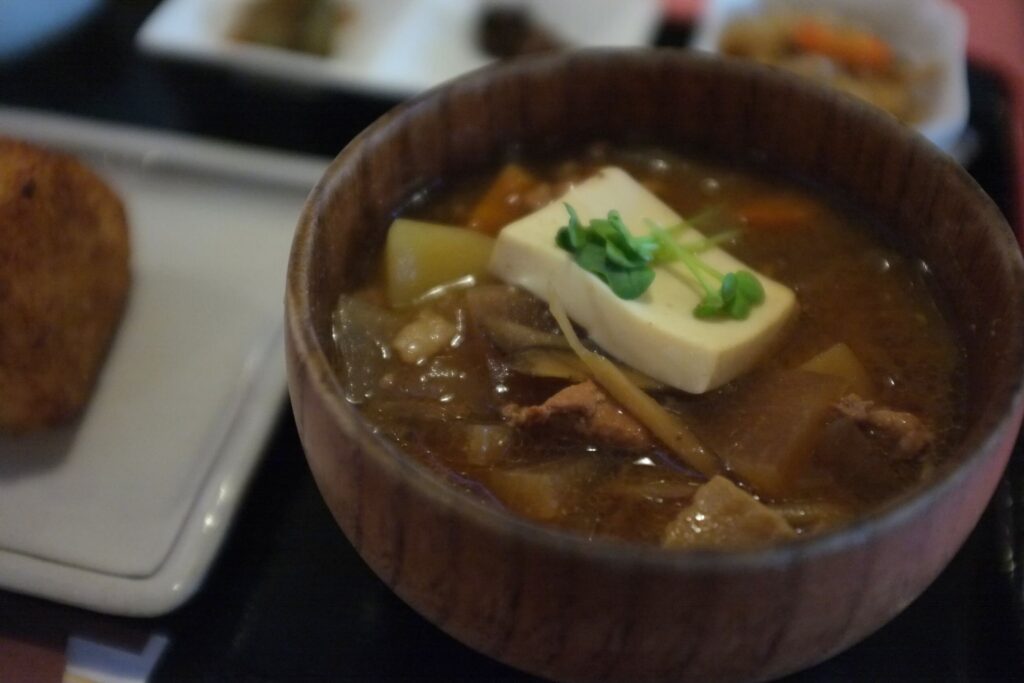
Travel west toward the Seto Inland Sea, Shikoku, and Kyushu, and you'll begin to encounter a very different style of miso.
Barley miso is made by adding barley koji to soybeans and salt. Though it represents only a small percentage of Japan's total miso production today, it remains deeply connected to local food culture in regions such as Ehime, Yamaguchi, and much of Kyushu.
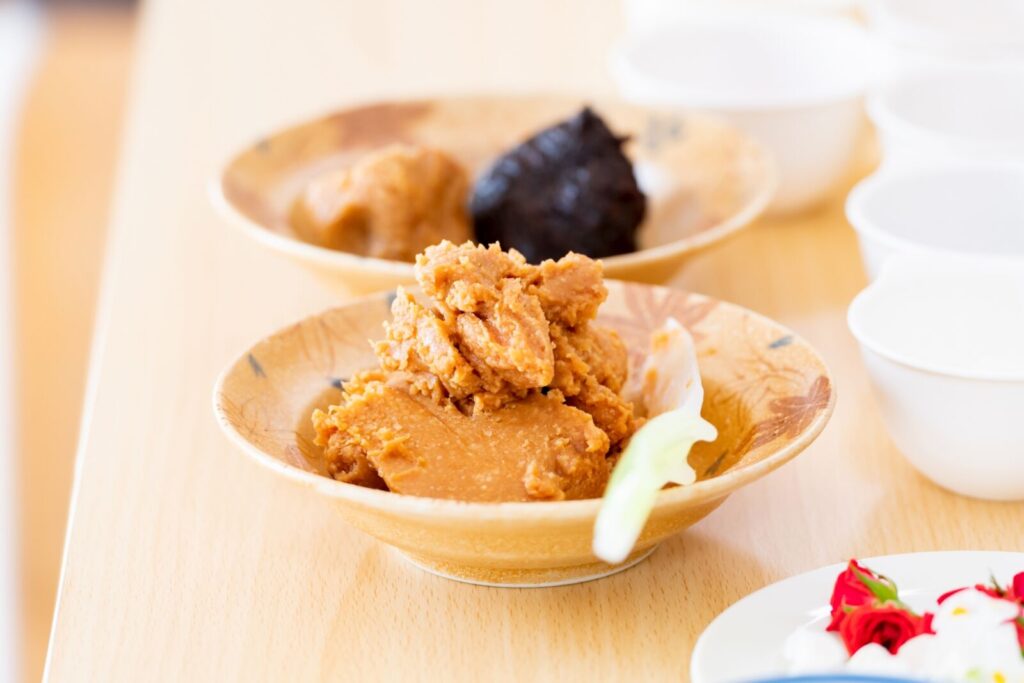
Historically, barley played an important role in these areas. In many farming communities, rice was reserved for taxation and official payments, while barley became an important food crop for local households. Families transformed their harvest into miso, creating a style sometimes affectionately known as "country miso" or inaka miso.
The result is a miso with a fragrant aroma and gentle sweetness. Because barley koji is used generously, the flavor tends to be softer and sweeter than many rice misos while retaining a satisfying depth.
In Kyushu and Shikoku, barley miso remains a staple of home cooking and offers travelers a flavor profile rarely encountered outside western Japan. Every restaurant and household has its own preferred recipe for miso soup, often featuring seasonal vegetables such as onions, carrots, taro, and tofu. Much like white miso, barley miso is usually added at the very end of cooking. Local cooks avoid boiling it after it is added, preserving its delicate aroma and flavor.
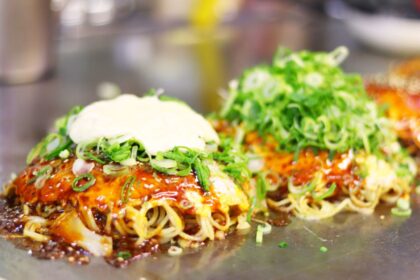
Soybean Miso: The Powerful Flavor of the Tokai Region
In central Japan, however, another tradition emerged.
The Tokai region—particularly Aichi, Gifu, and Mie Prefectures—developed a taste for soybean miso, known as mame miso.
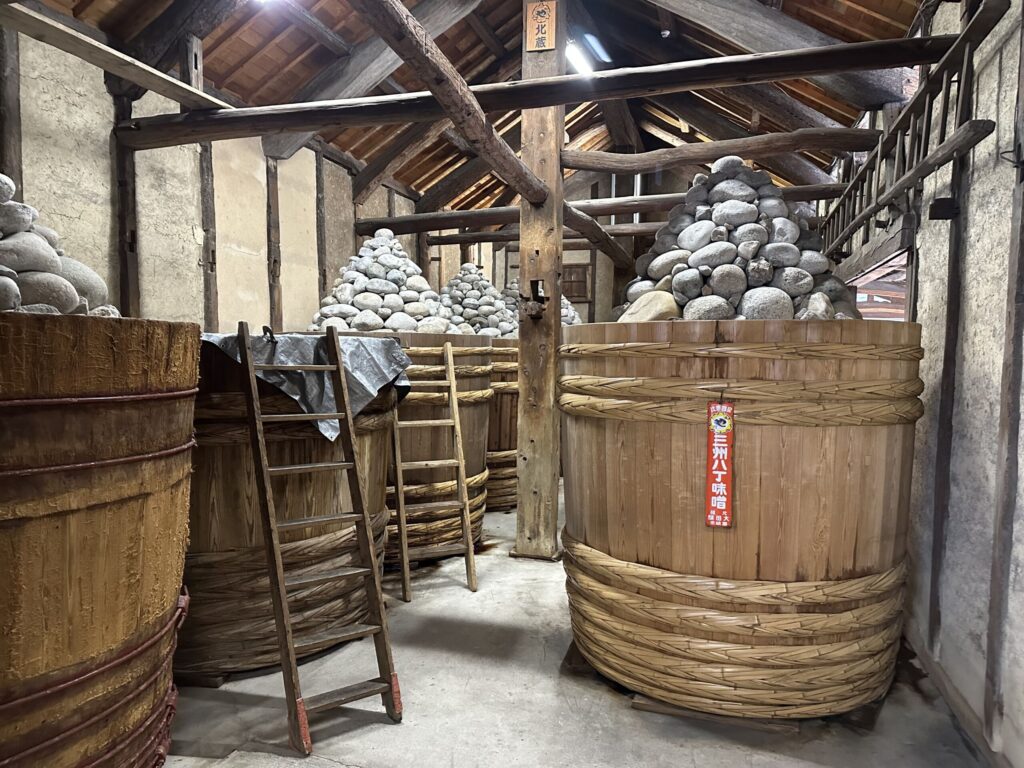
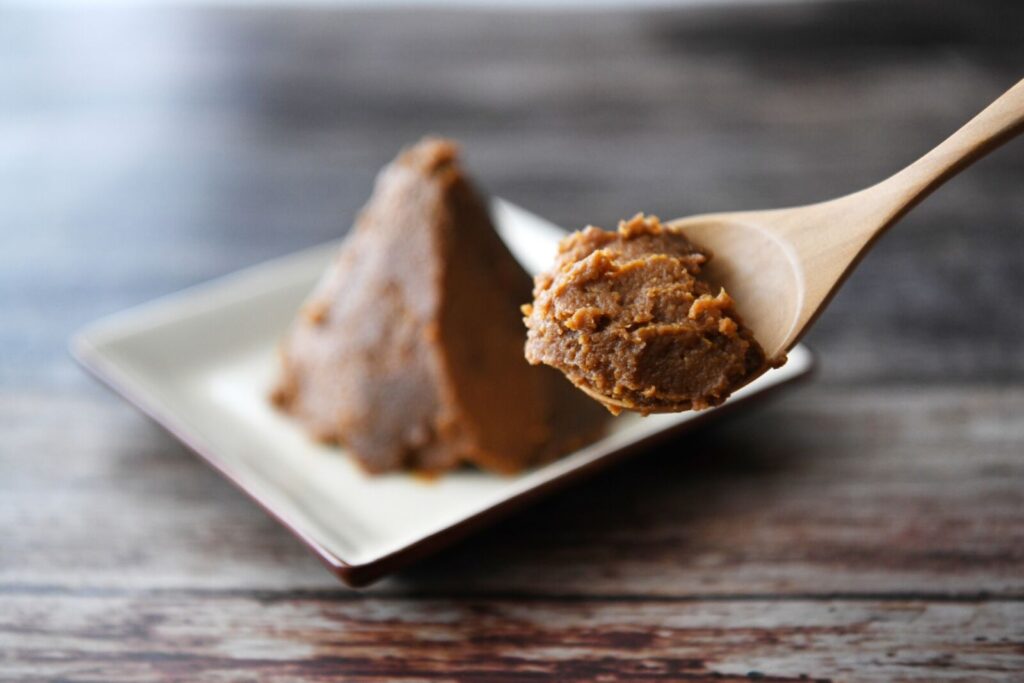
Unlike rice and barley miso, soybean miso contains no rice or barley koji. Instead, it is made entirely from soybeans, salt, and time, resulting in a remarkably concentrated and complex flavor.
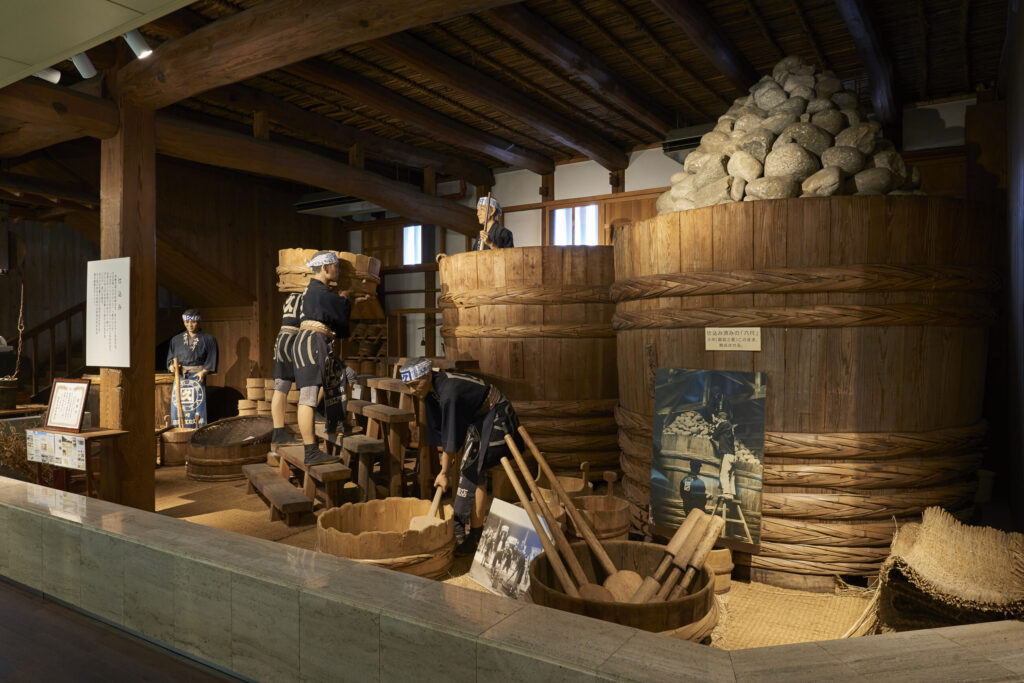
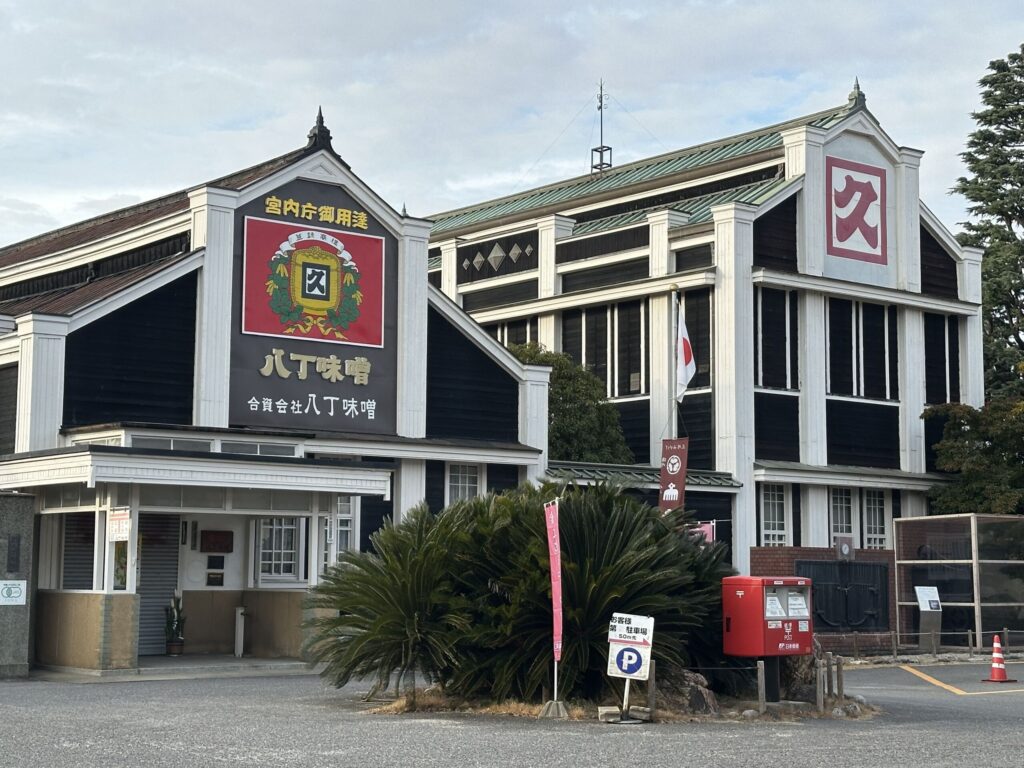
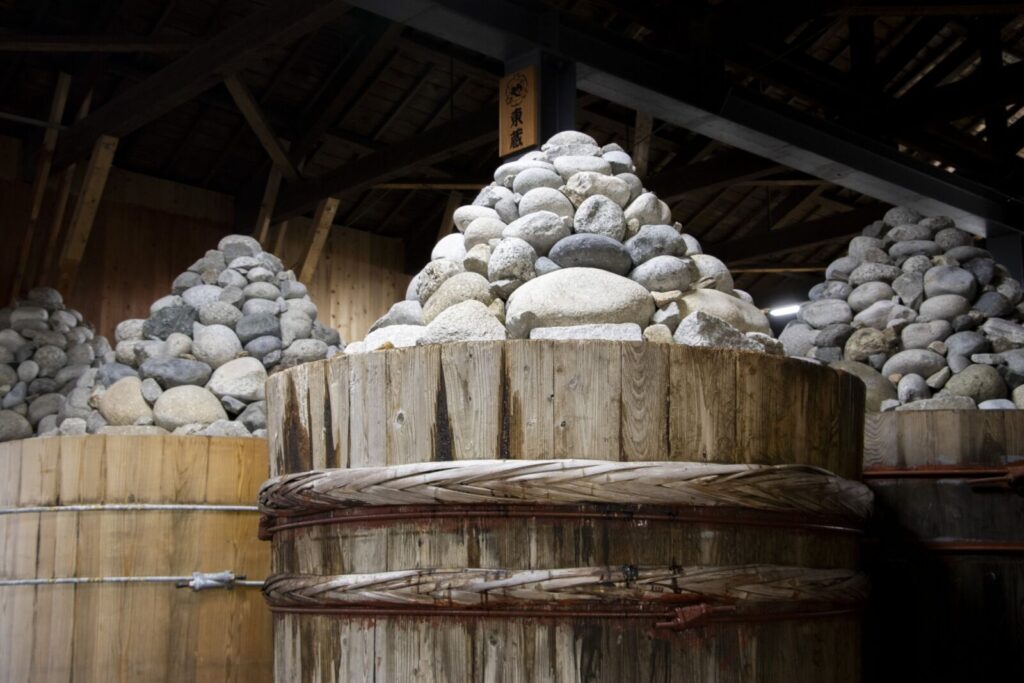
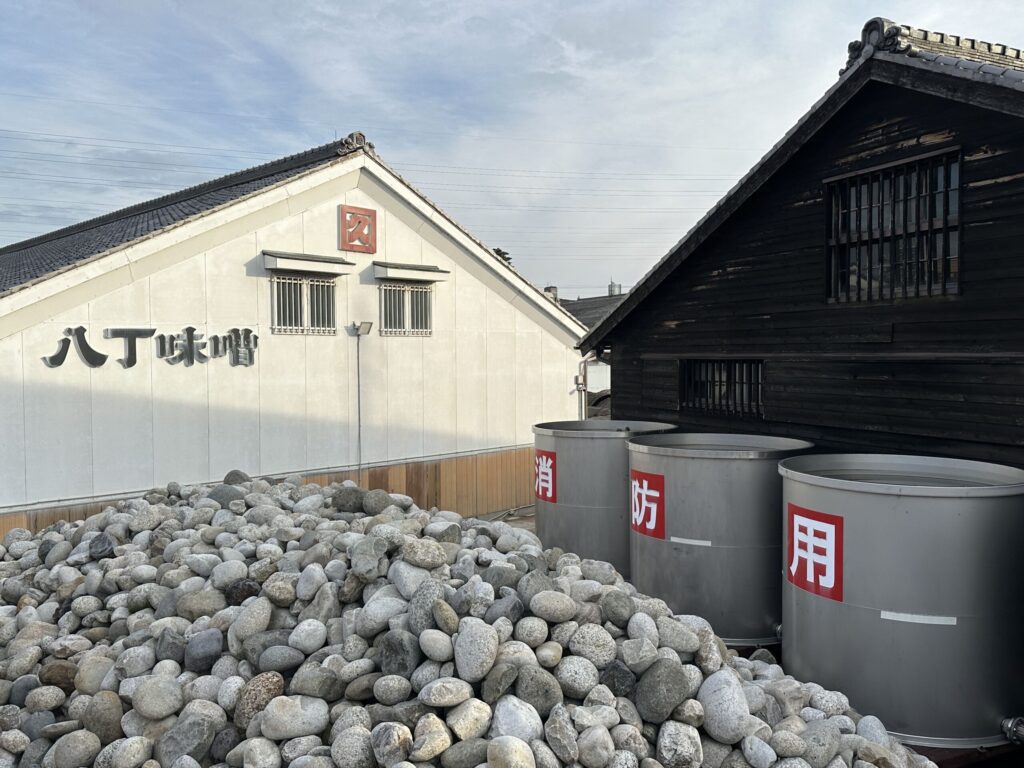
The most famous example is Hatcho Miso, produced in Okazaki for centuries using traditional wooden barrels and natural fermentation.
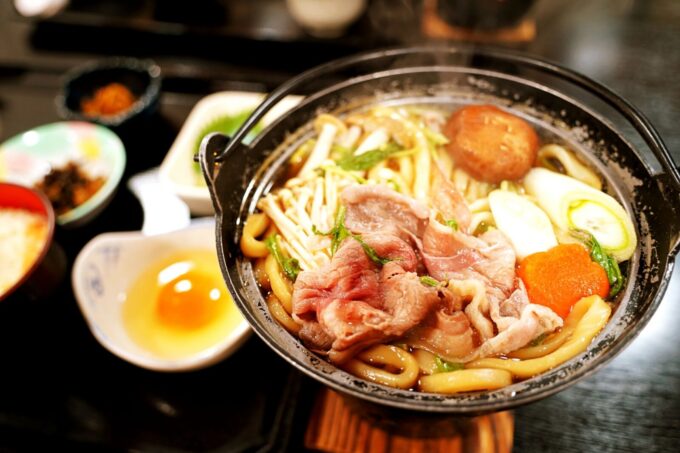
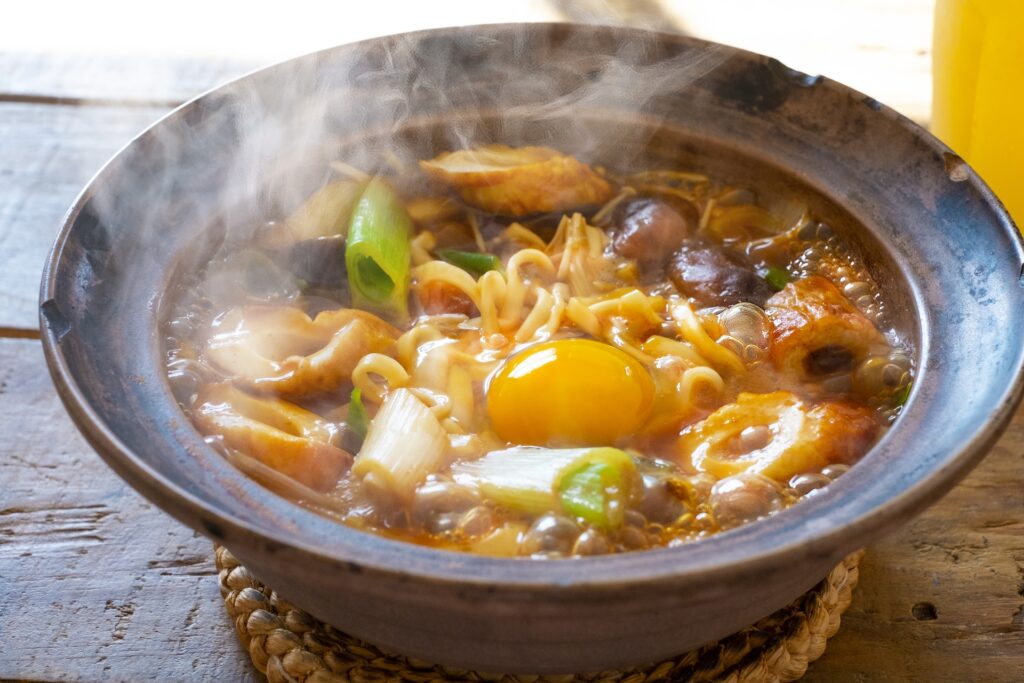
Long aging periods create a rich umami flavor, deep reddish-brown color, and a robust character that defines many of the region's iconic dishes. Misonikomi udon, miso katsu, doteni, and miso oden all owe their distinctive taste to soybean miso.
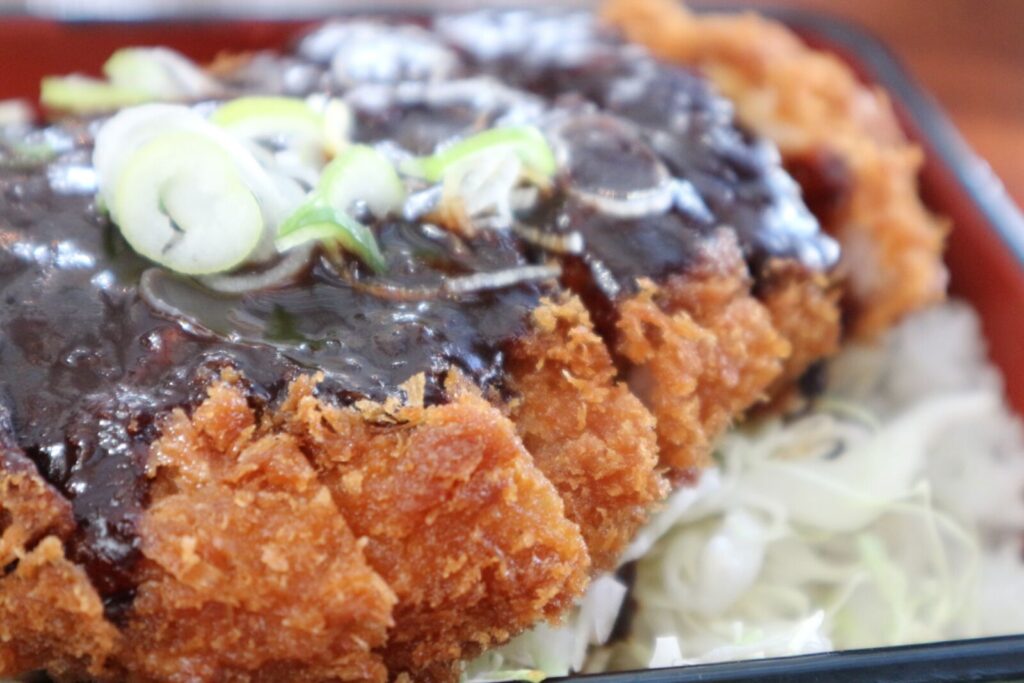
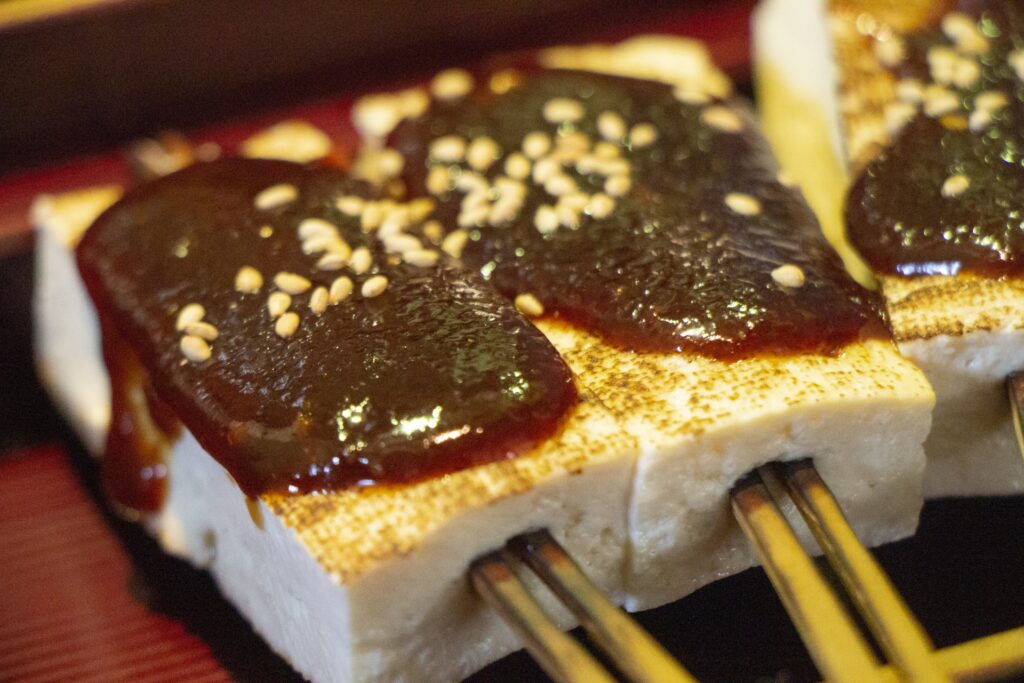
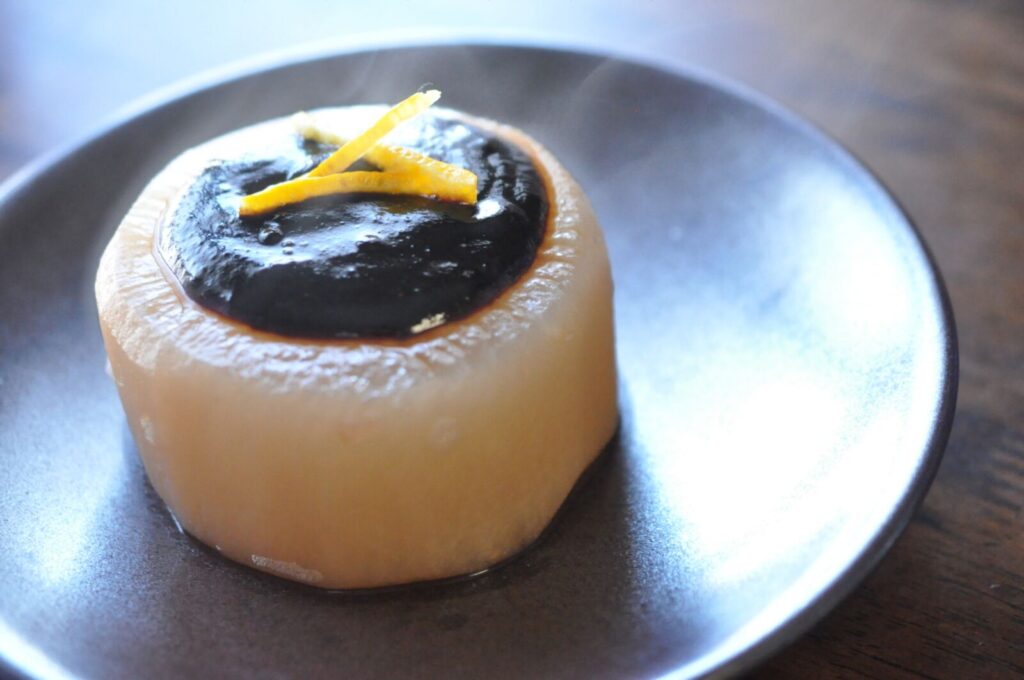
Because its flavor is driven by amino acids and umami rather than delicate aromas, soybean miso remains delicious even when simmered for long periods. This makes it perfectly suited to the hearty comfort foods that have sustained generations of people throughout the Tokai region.
The Tokai region is one of the few places in Japan where travelers can experience the centuries-old soybean miso tradition that defines local dishes such as miso katsu and misonikomi udon. Travelers visiting the Nagoya region can still tour traditional Hatcho Miso breweries in Okazaki, where enormous cedar barrels and centuries-old fermentation techniques remain in use today.
Where to Taste Japan's Various Types of Miso
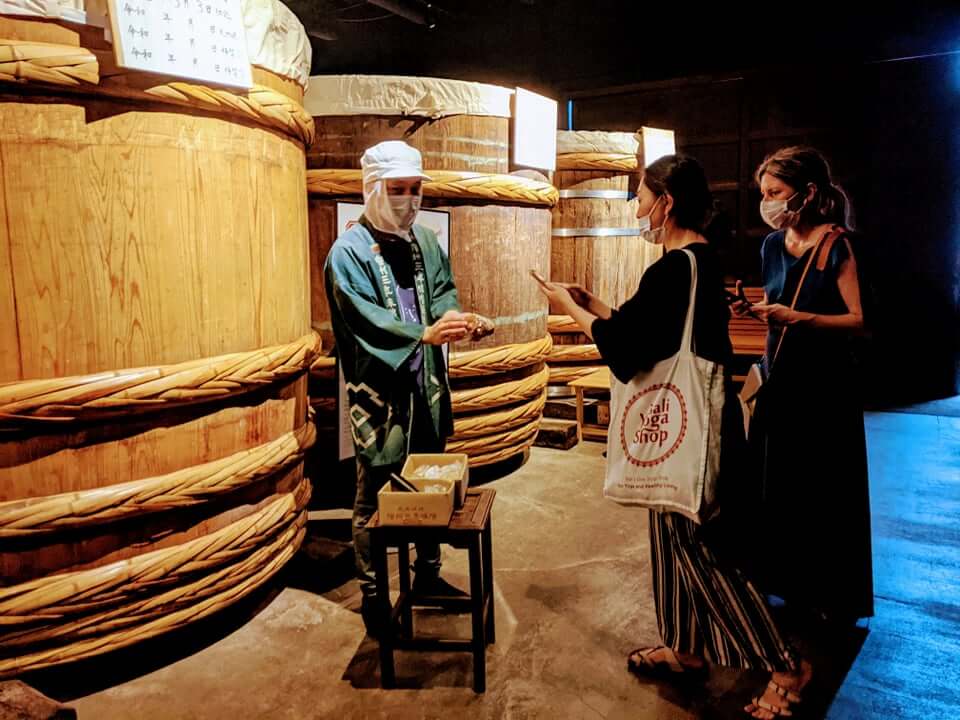
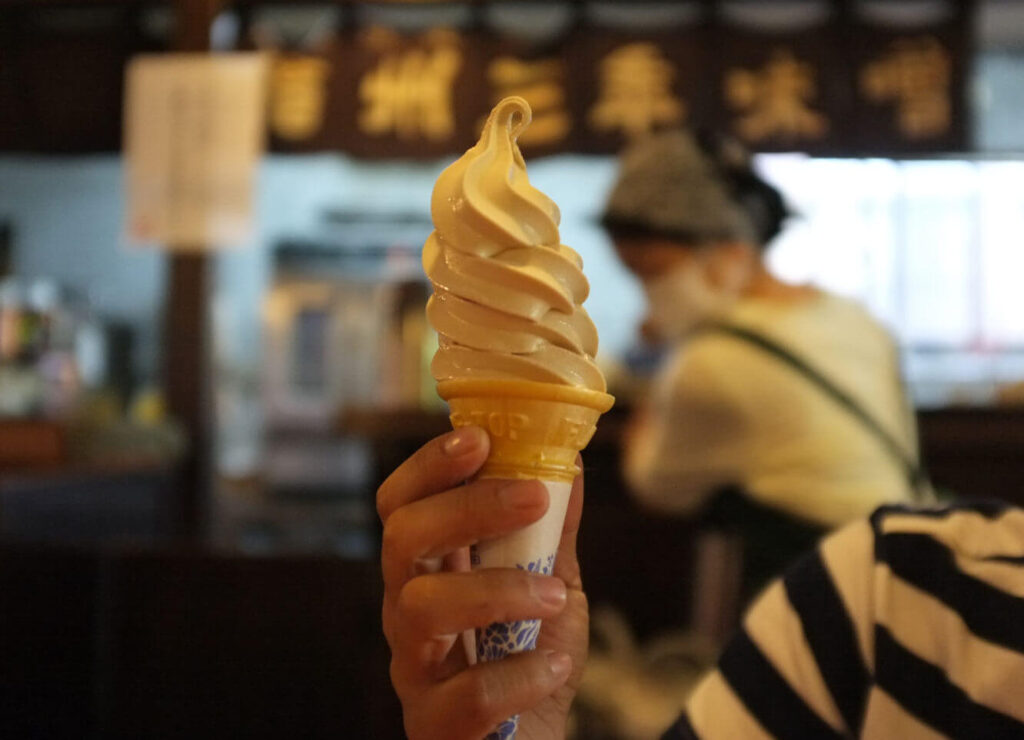
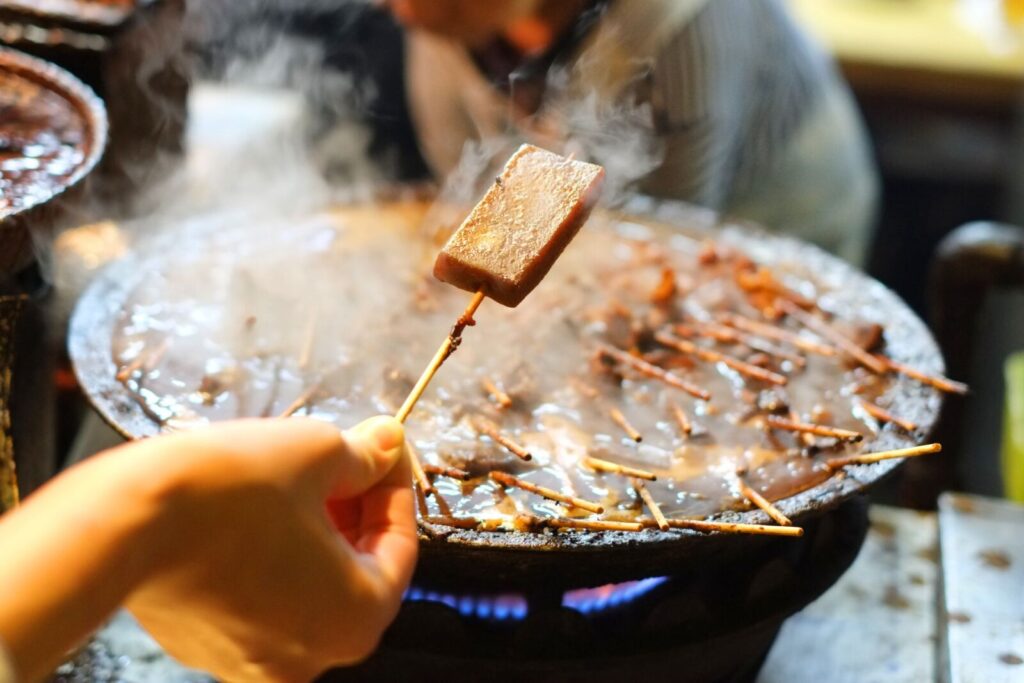
While miso can be found throughout Japan, the best way to understand its diversity is to experience it in the regions where each tradition developed.
- Kyoto for white miso
- Shikoku and Kyushu for barley miso
- Nagoya and Okazaki for Hatcho Miso
For travelers interested in Japanese food culture, tasting these regional varieties offers a unique way to explore the country's history, agriculture, and local identity.
Experience Hatcho Miso in Aichi Prefecture
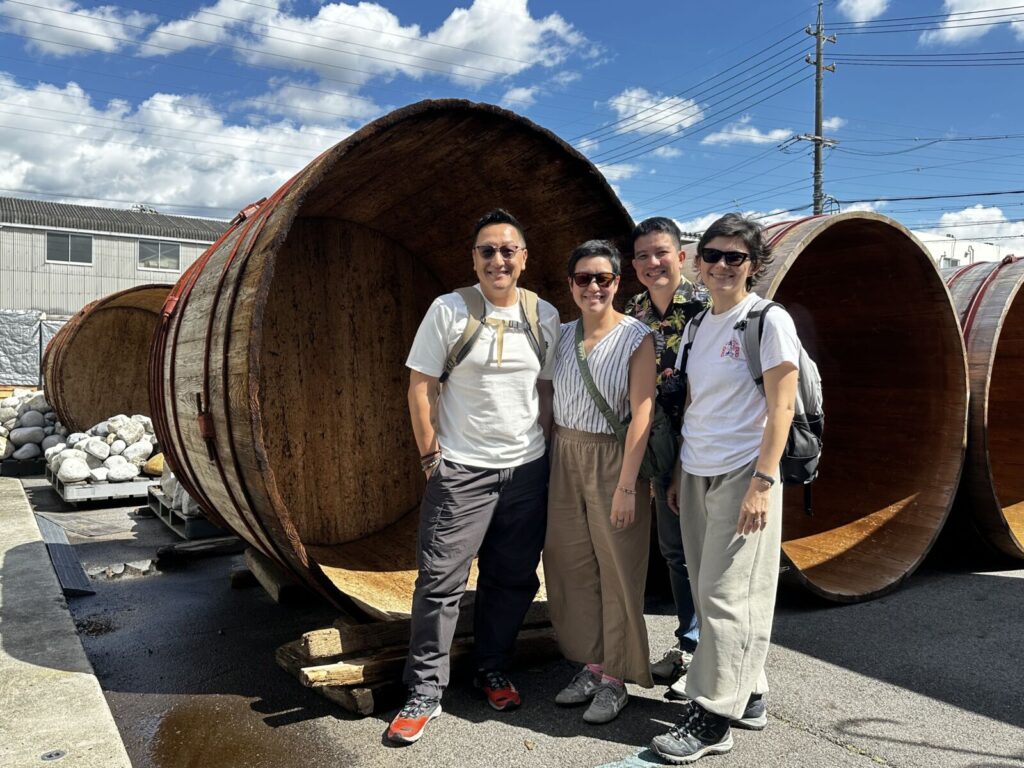
Just 30 minutes from Nagoya, Okazaki is home to the centuries-old breweries that continue to produce authentic Hatcho Miso using wooden barrels and traditional fermentation methods.
Our guided tour of Aichi introduces visitors to the history of Hatcho Miso in Okazaki, as well as other unique destinations in the prefecture.
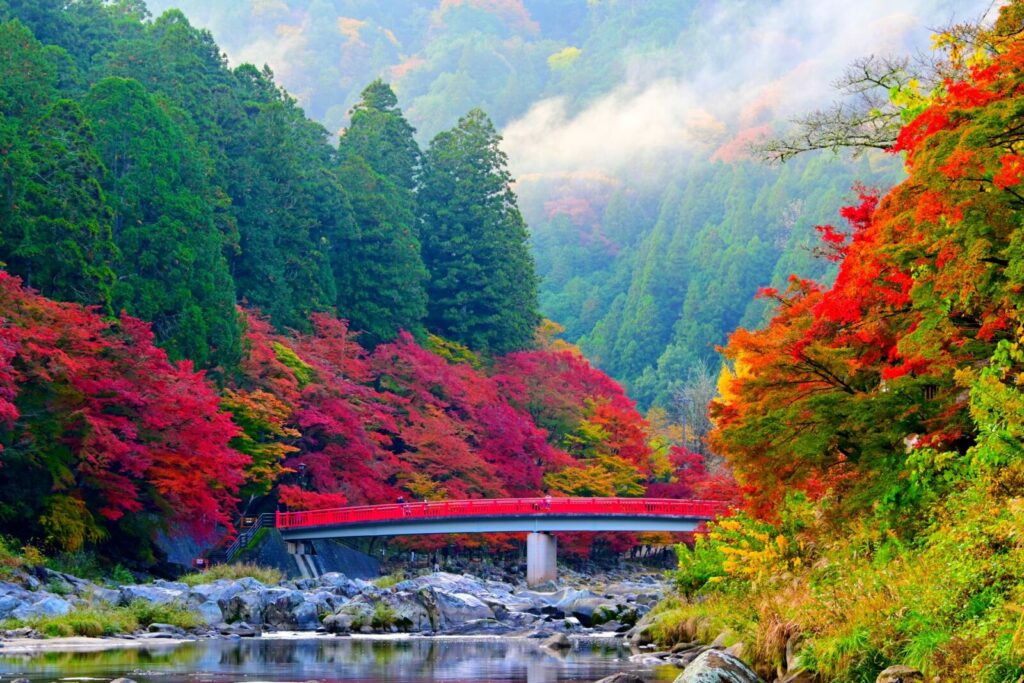
Recommended Tour: Snow Monkey Resort's 1-Day Tour from Nagoya: Korankei Gorge & Fox Shrines—A Photographer's Paradise is not only a photographer’s dream, taking you to some of Nagoya’s most photogenic spots, but also offers a perfect blend of nature, culture, and timeless beauty.
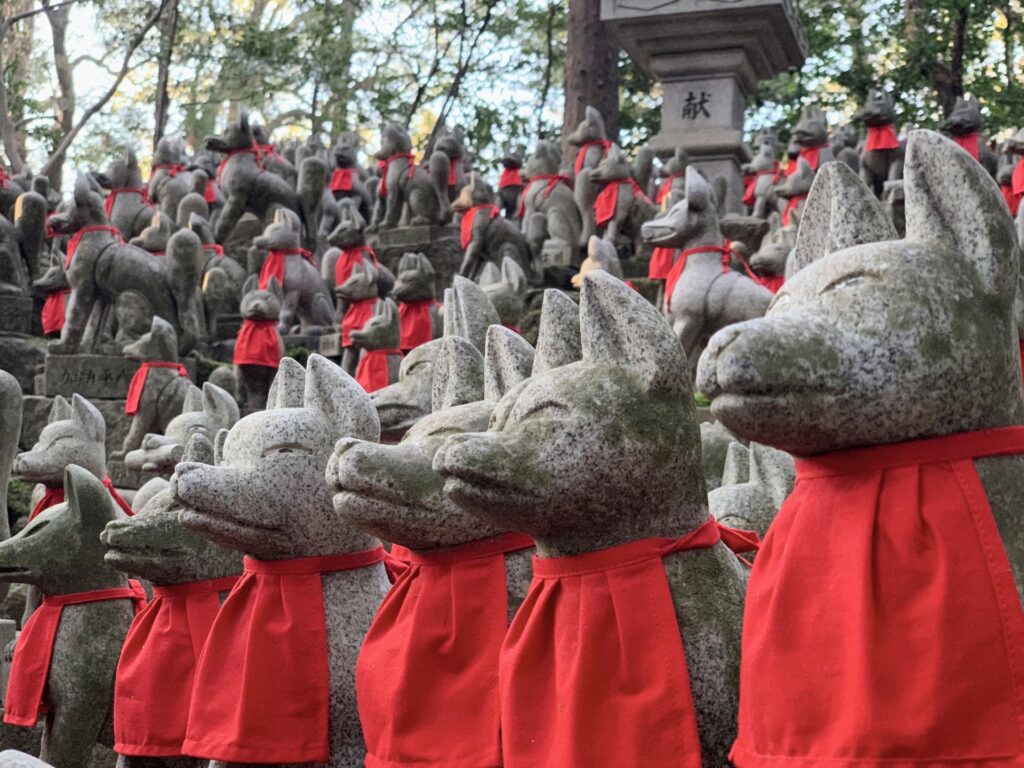
Travel to the iconic Toyokawa Inari Shrine and capture the serene beauty of its one thousand stone foxes. Marvel at the natural beauty of Korankei Gorge, one of Japan’s top spots for autumn foliage, where the vibrant colors of over 4,000 maple trees reflect off the tranquil waters. Explore Sanshu Asuke Yashiki Village, a picturesque open-air museum, where rural charms and traditional crafts await.