

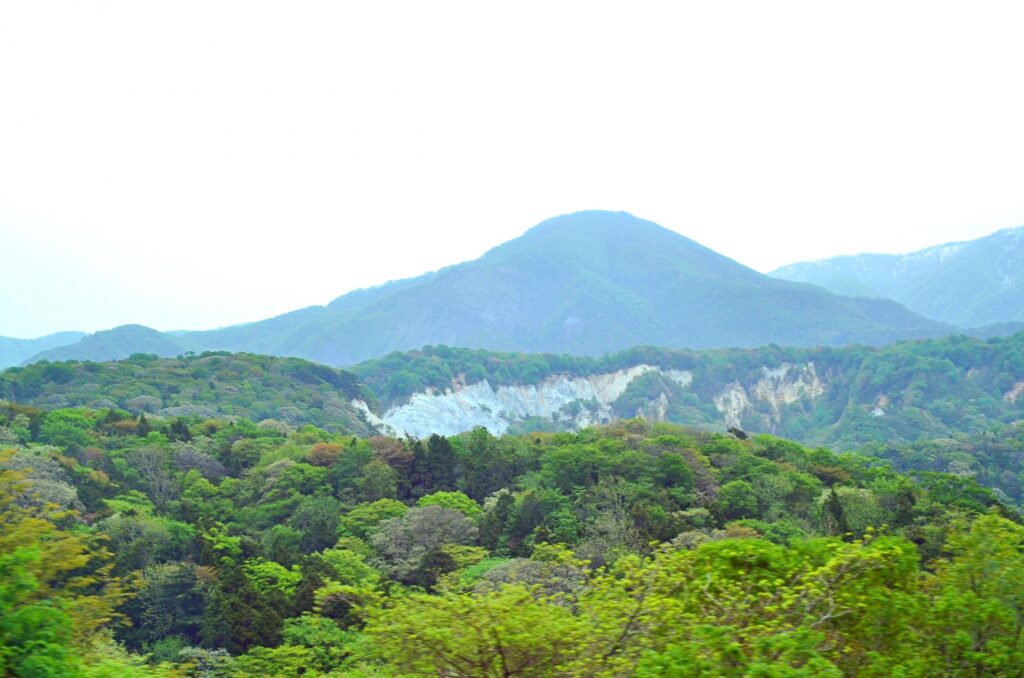
This guide highlights what to expect from the weather, must-see seasonal attractions, and our featured tours you can join and enjoy during your visit.
Weather in June
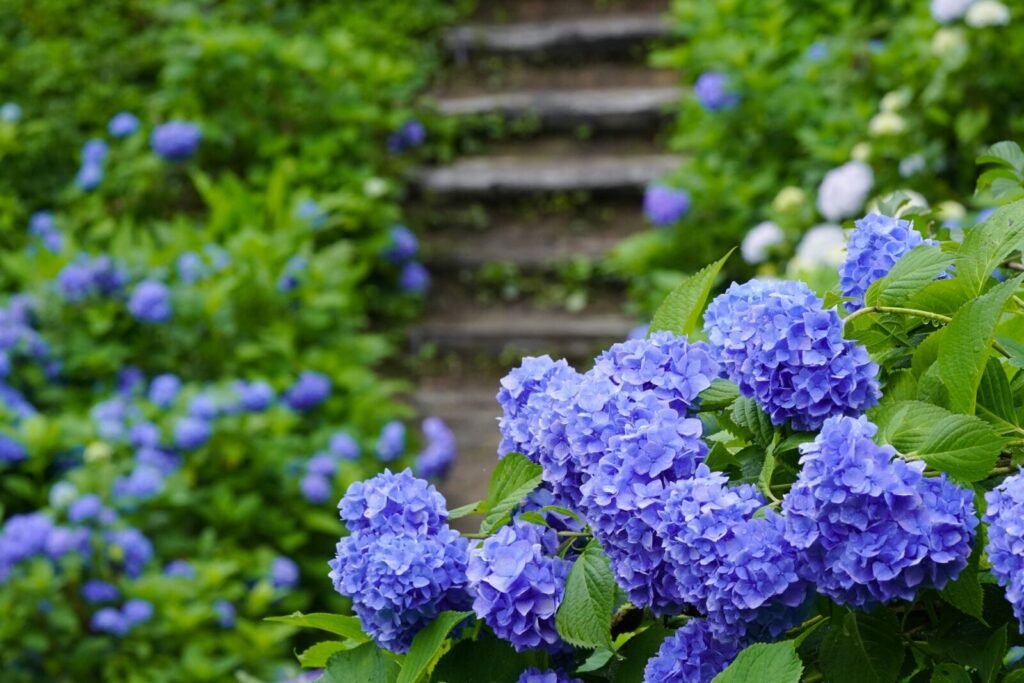
With spring weather and flowers in full bloom, June in Tohoku is when we see more consistently warm days, reaching into higher temps. June is considered the tsuyu season in Japan, aka the rainy season. Depending on where you are in Tohoku however, the beginning of summer weather may be more pleasant compared to the average blistering temps of Tokyo and surrounding regions. Typically, the rainy season itself doesn’t begin until mid-June.
Daytime highs in Sendai usually range from about 16°C to 23°C (61°F - 73°F), while nighttime temperatures range from about 14°C to 17°C (57°F - 63°F). However, some days can be known to reach as high as 30°C (86°F) for a variety of reasons. Thanks to higher precipitation averages, temperatures and humidity levels tend to be on the rise during June.
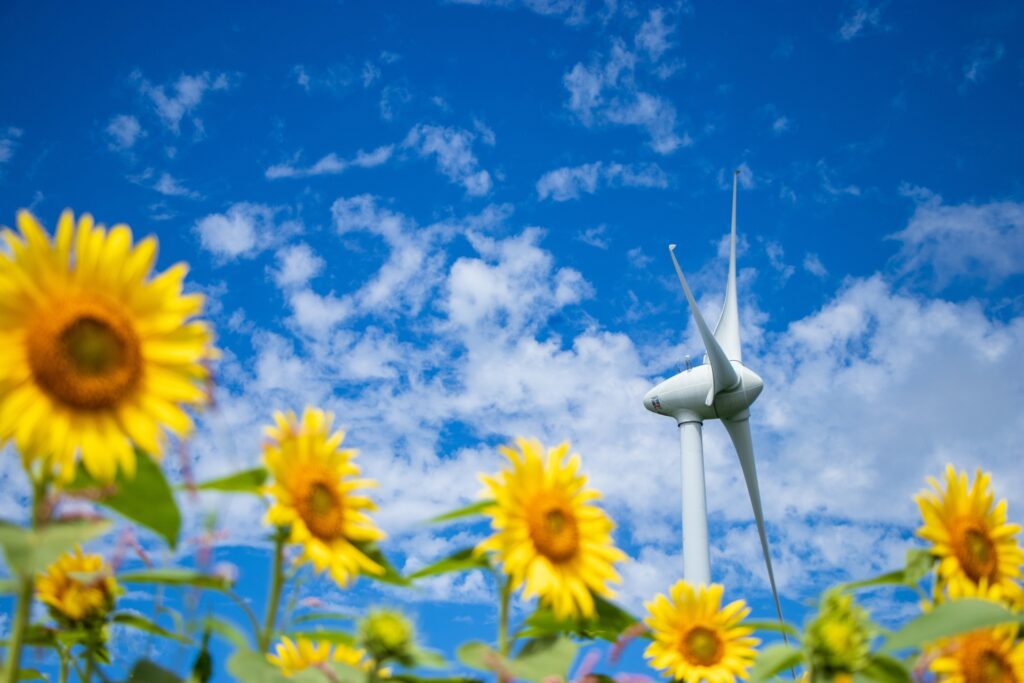
In areas like Koriyama the average temperature can reach up to 25°C (77°F) feeling like a humid summer day with temperatures reaching 16°C (60°F). Many areas in Tohoku can drop to around 14°C (56°F) at night.
Aomori City can see temperatures ranging 18°C to 25°C (64°F - 77°F). Average lows tend to be around 11°C to 17°C (51°F - 62°F). On average, the day is usually quite pleasant with cool mornings and evenings.
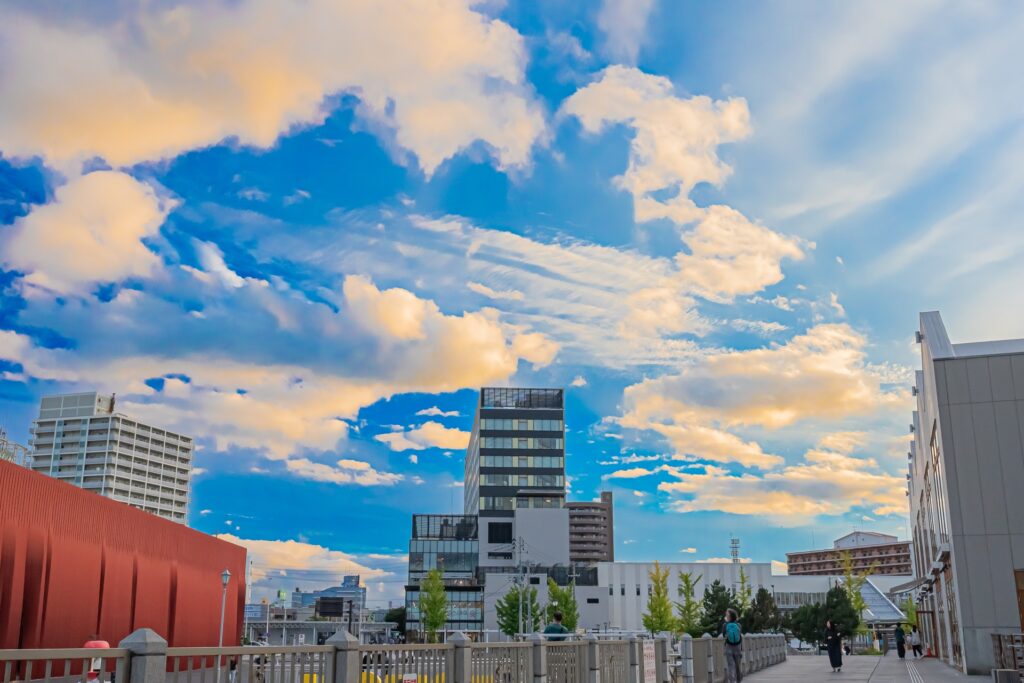
Overall temperatures through the vast Tohoku area can range by varying degrees during the day vs. night, however June typically brings about warmer days and rising humidity levels. Some regions still have a chill in the mornings and evenings, especially in early June. So, it is advised to wear breathable clothing and a light jacket or pack an umbrella for the rainy days and cooler drops in temperature.
Seasonal Highlights in June
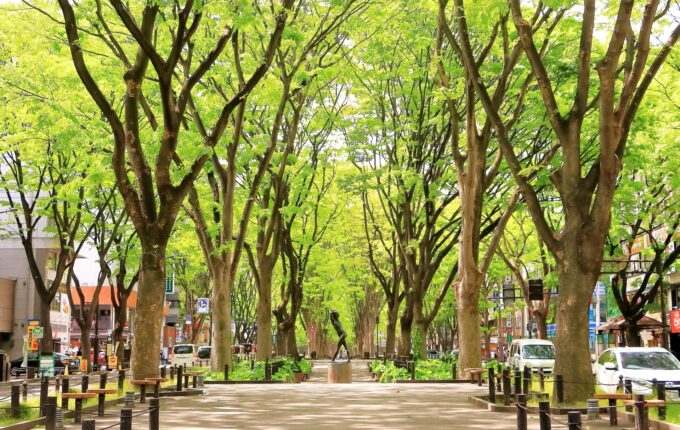
With the hot summer days slowly encroaching, June is a great time to escape to the slightly cooler Tohoku region and visit gorgeous national parks or walk through the cities. Here are a few fun seasonal highlights:
World Heritage Beech Forest Shirakami Sanchi
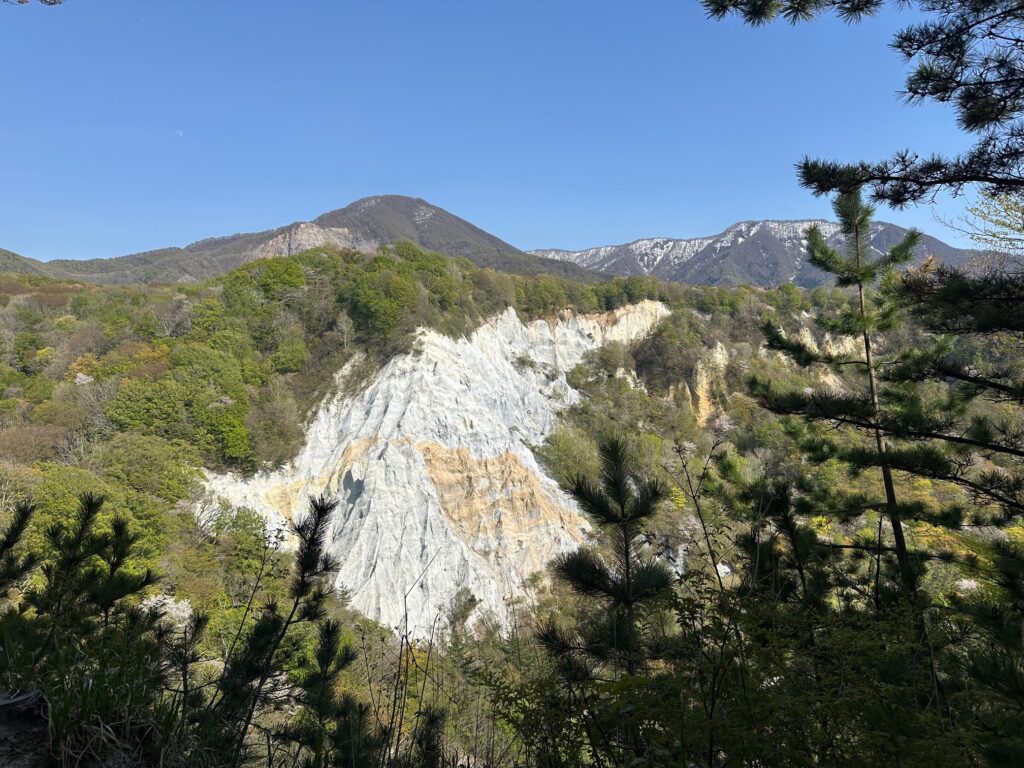
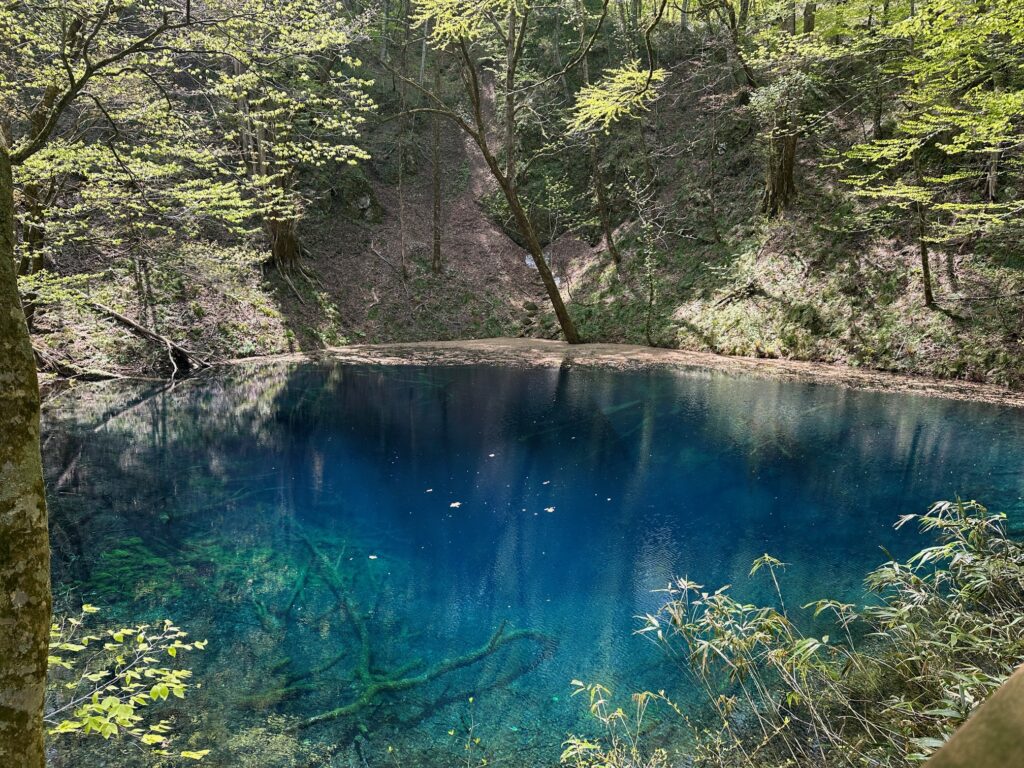
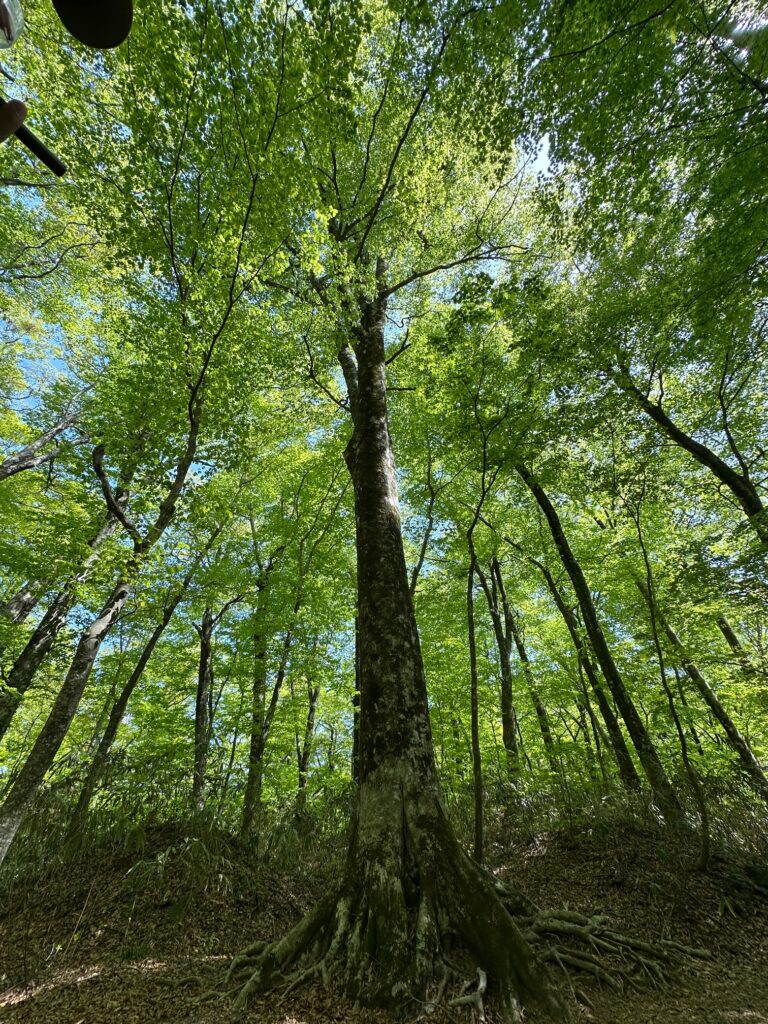
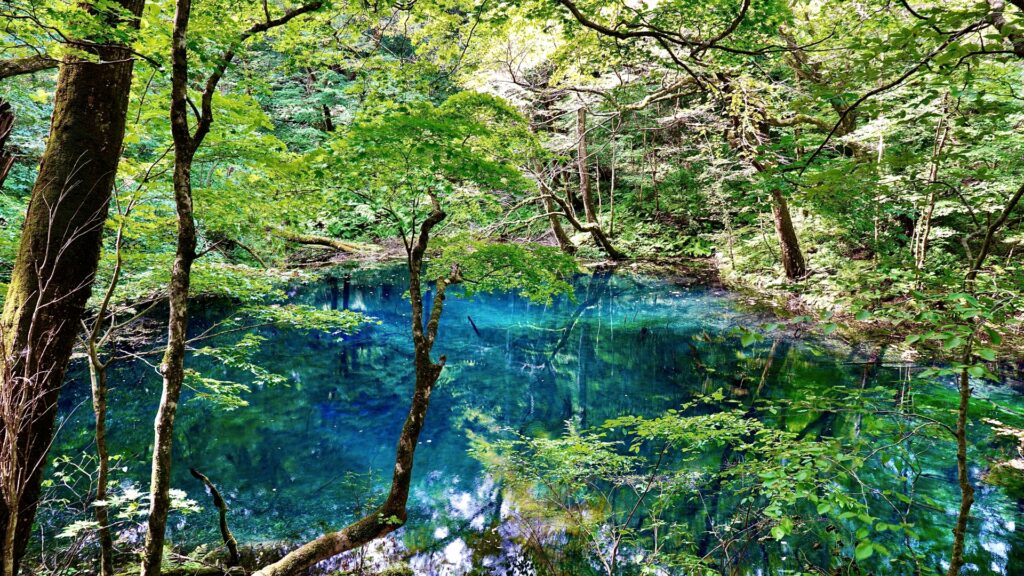
Shirakami Sanchi is a vast mountain range that stretches across the borders of Akita and Aomori Prefectures. A significant appeal to this mountain range is its core of some of the last virgin beech forests in Japan. It was actually one of Japan's first UNESCO World Heritage Sites, declared in 1993. It has mountain hikes, water falls, visitor centers, lakes, and swamps – all ready to be explored and witnessed. There's even Japan's very own Nihon Canyon which is Japan's miniature version of the Grand Canyon.
One of the biggest draws is the deep blue color of Aoike Pond. Depending on the time of day and weather, visitors can see the gorgeous gem-colored water from the wooden deck built next to the pond. Sometimes you can even see little fish swimming around beneath the glassy water. On clear days, the brilliant color is light in the mornings and gets darker as time goes on. Many say the best time to view the gorgeous color is in the mornings during spring and summer. Sometimes the color is so vibrant it looks as though it were painted into the landscape itself. Some folks visit during autumn to see the colorful leaves as well, but due to some leaves falling into the water it tends to take away from some of the brilliance. So it's best to observe the deep blue color in the warmer, sunnier months.
Tohoku History Museum
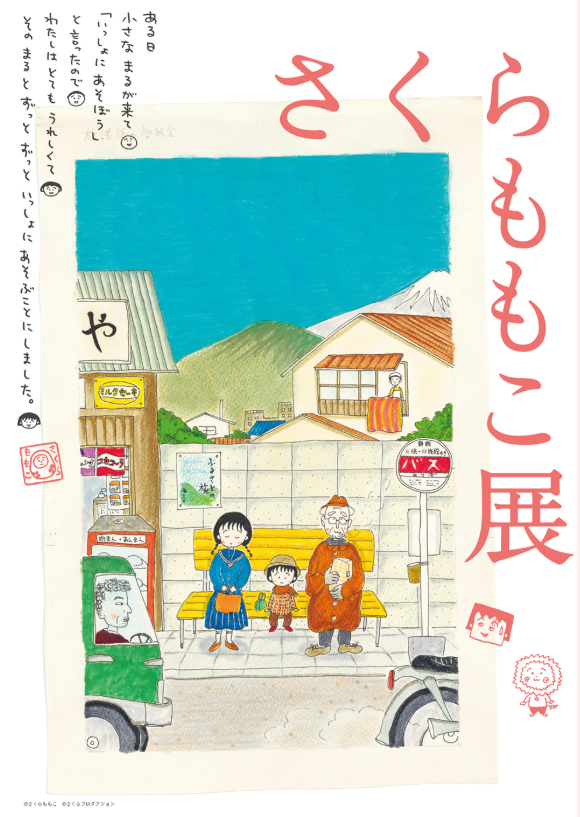
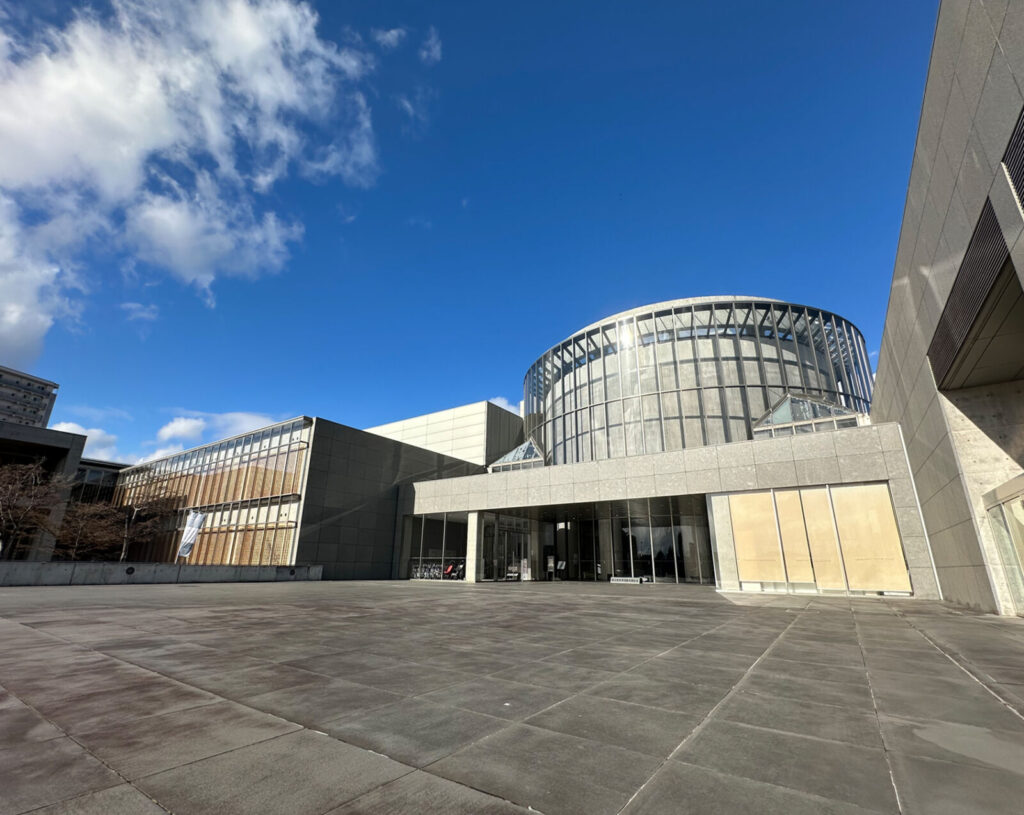
The Tohoku History Museum was established in 1974 and its mission statement is to be a museum that actively engages with the real world, emphasizing the creation of opportunities to think about "Tohoku's future." Tohoku History Museum is located just a 14 minute train ride on the Tohoku Line from Sendai Station. It is a perfect way to pass time on a particularly rainy day in June. The museum has two floors, so it won't take up your entire day but still has plenty of interesting exhibitions and even experiences connected to the history and culture of Miyagi Prefecture and the Tohoku region. Its permanent exhibitions offer visitors a deeper look at Tohoku's history ranging from paleolithic all the way to the modern era. It also has various temporary and special exhibits that change throughout the year. Currently showcasing in their "special exhibition" are approximately 300 original color drawings and handwritten manuscripts of the famous manga artist Sakura Momoko famous for her long running manga Chibi Maruko-chan. It's currently running until June 21st.
Shifukuji Temple Hydrangeas
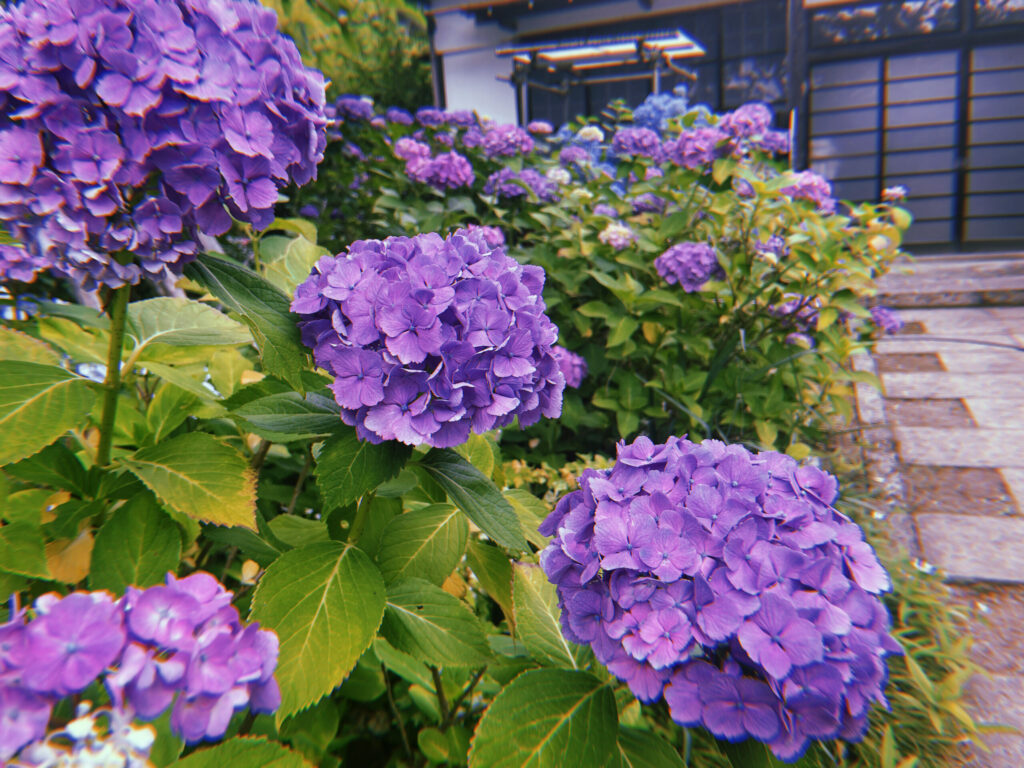
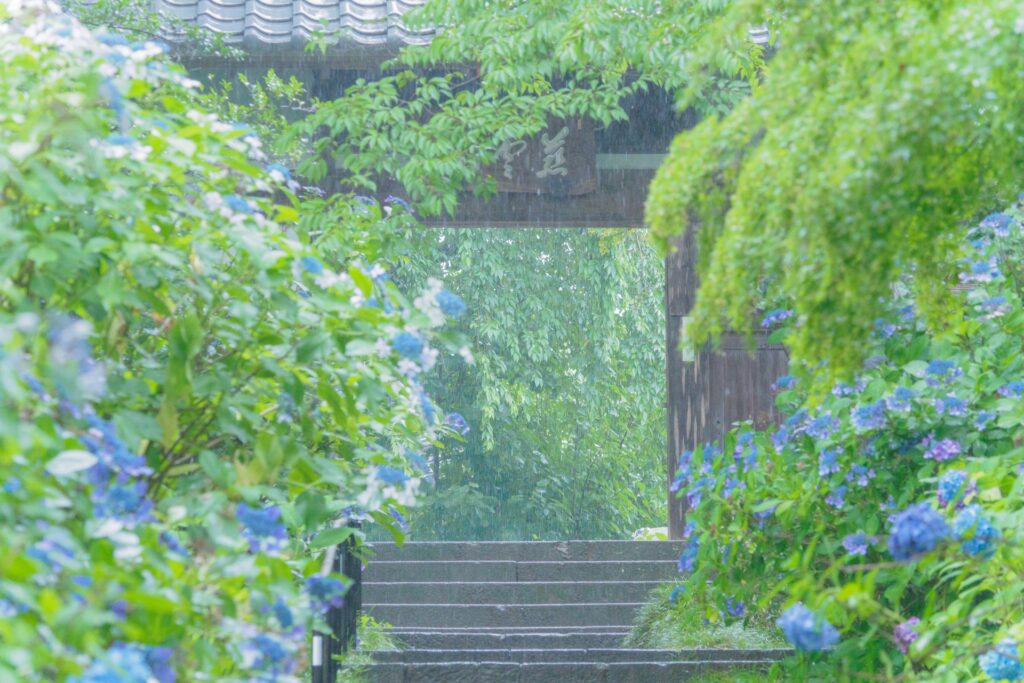
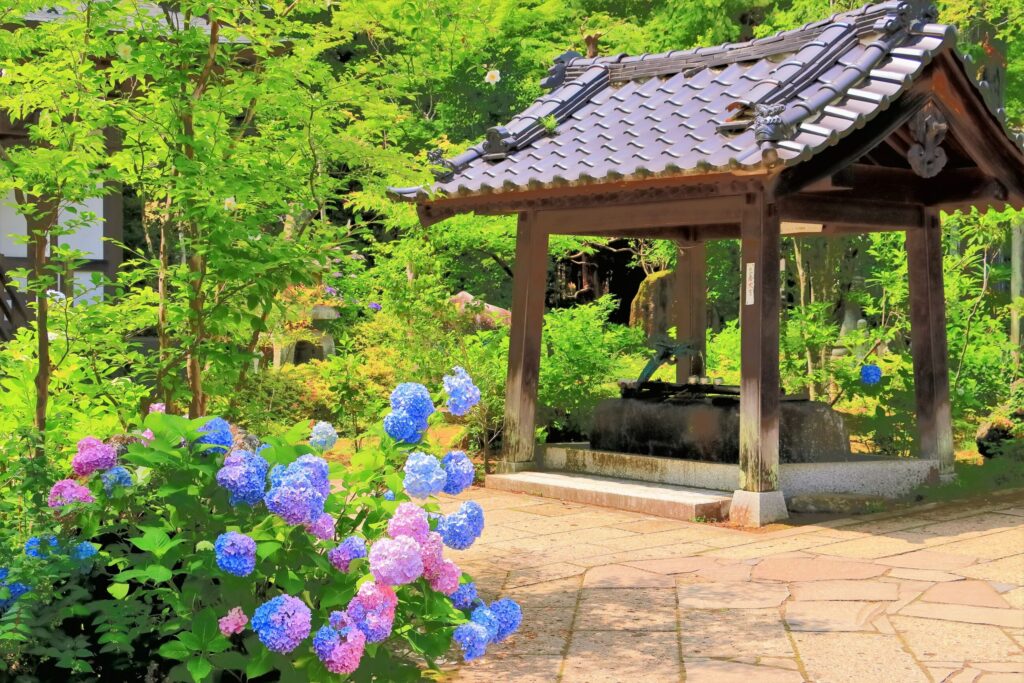
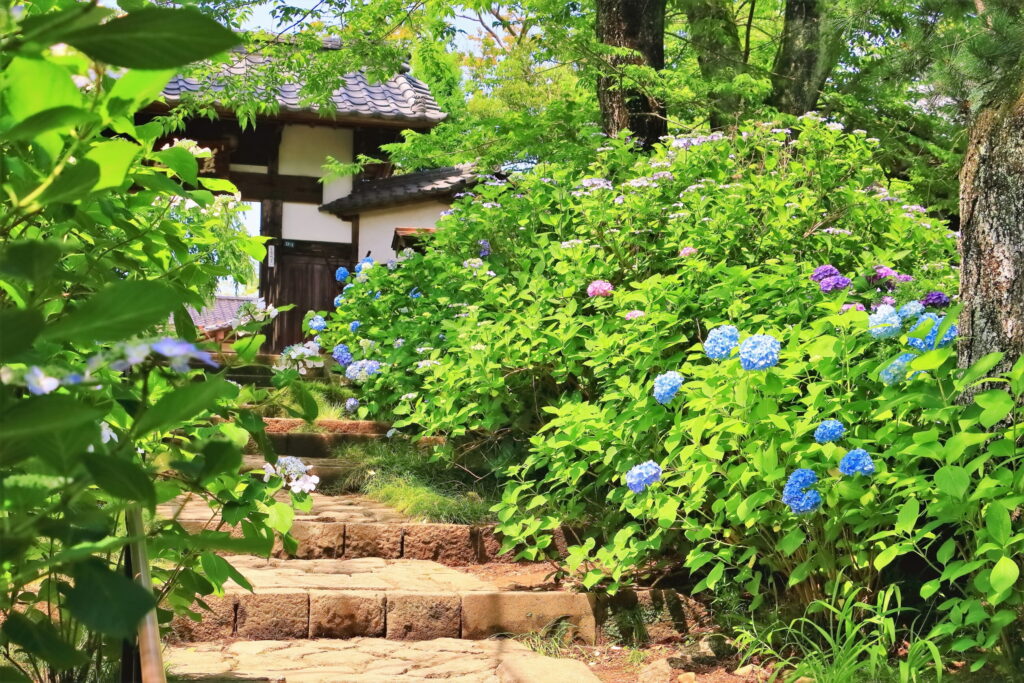
This temple located in the Kitayama area of Sendai is also called the “Ajisai-dera” which literally means the hydrangea temple. It gets this nickname from its abundance of hydrangeas in a variety of shapes and colors. When the blooms are at their peak, typically late June, the temple even holds events such as matcha or coffee tastings. This temple is one of the important Japanese Zen temples in the Kitayama area with historic ties to the illustrious Date Clan. Entry is free to the grounds but entry inside the main temple building is prohibited to the public. Regardless, a trip to this flowering temple is definitely worth it! Hydrangeas are a symbol of the rainy season in Japan, so most often popular temples become crowded with visitors. However, traveling to Tohoku off the beaten path offers a gorgeous and unique experience. Especially since not many people besides locals come to Shifuku-ji, even during the flowering season. So Shifuku-ji Temple could be that one unique location that sets your trip to Japan apart from the rest.
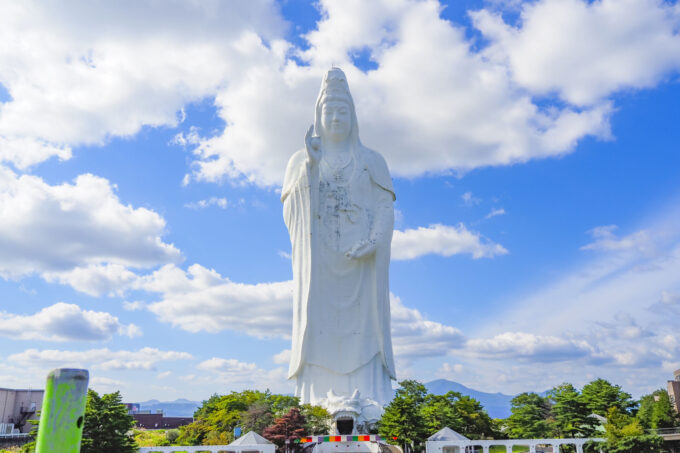
Recommended Tour: Snow Monkey Resort’s Half-Day Tour in Sendai: Kitayama Gozan & Sendai Daikannon Statue – Day of Zen will give you a deeper appreciation for the strong Zen Buddhist ties Sendai has, both past and present. This tour covers the Five Zen Temples of the Kitayama area of Sendai and features a trip to the magnificent Daikannon Statue. This walking tour will also take you to Shifukuji Temple where you might get a chance to witness all the lovely hydrangeas in bloom!
Sendai Uminomori Aquarium
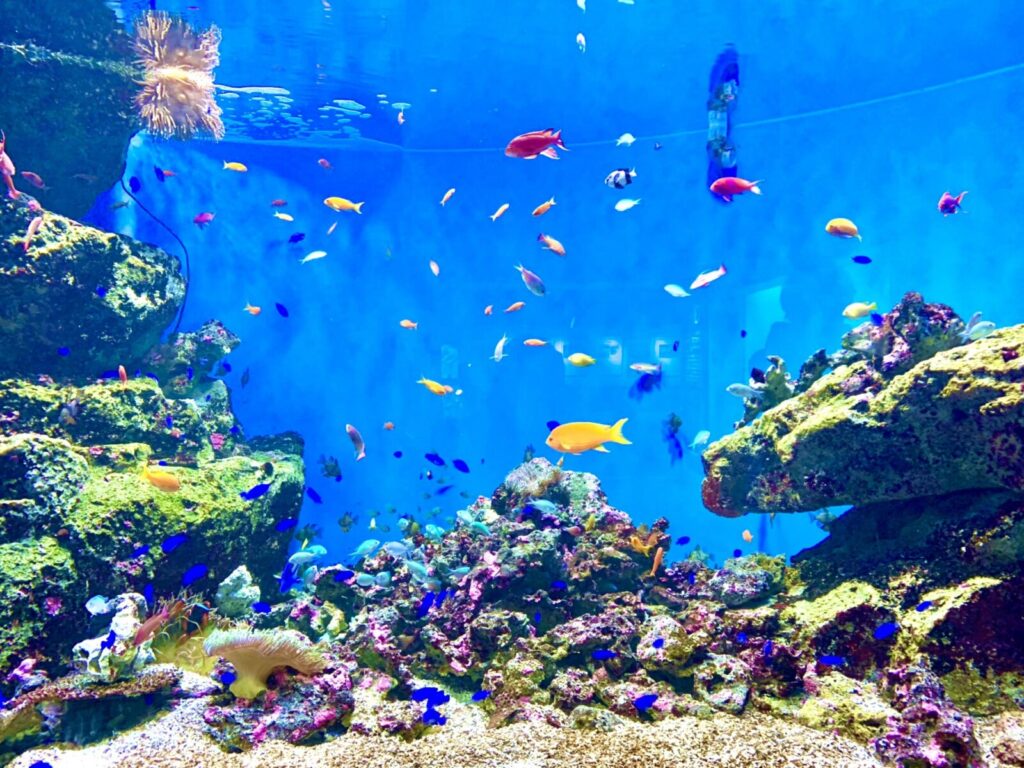
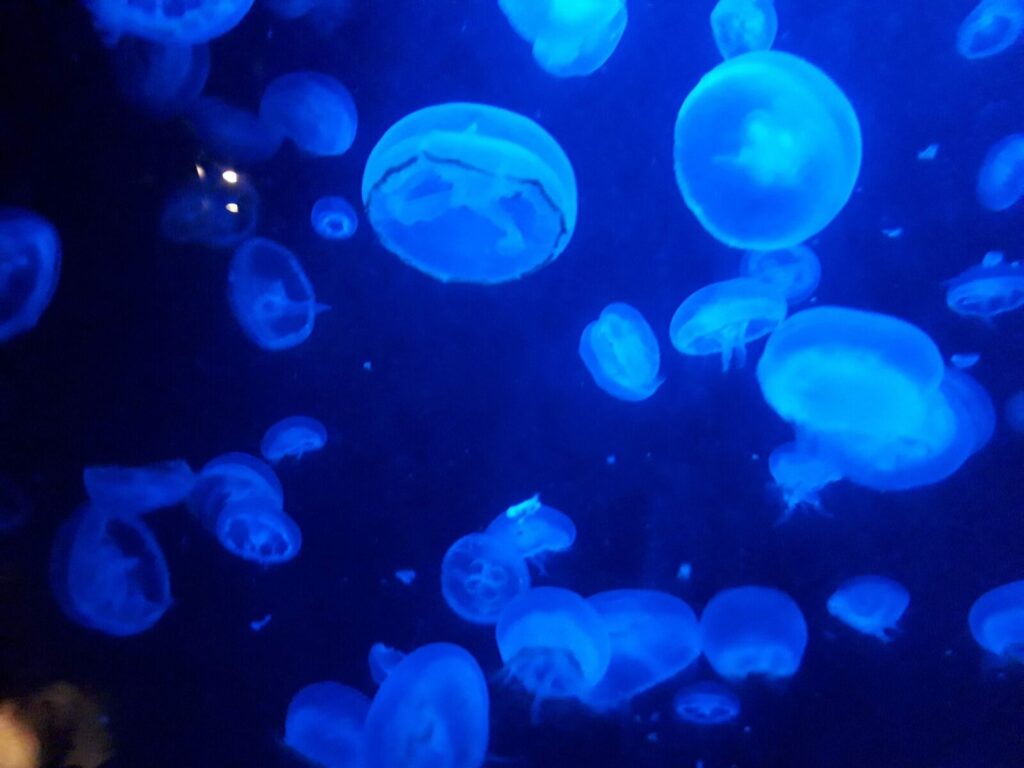
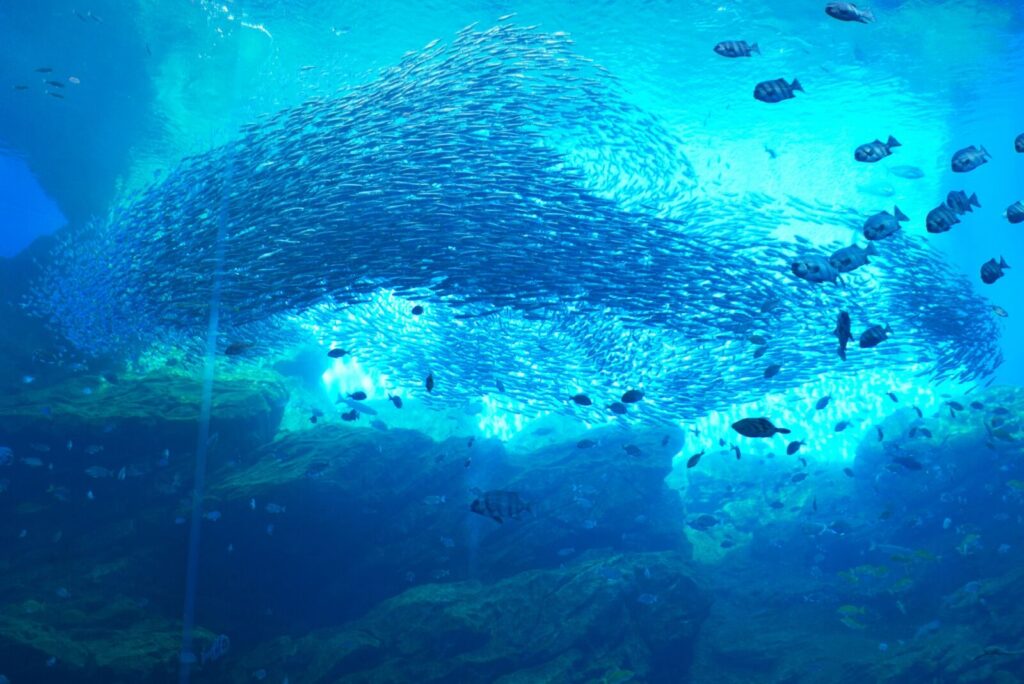
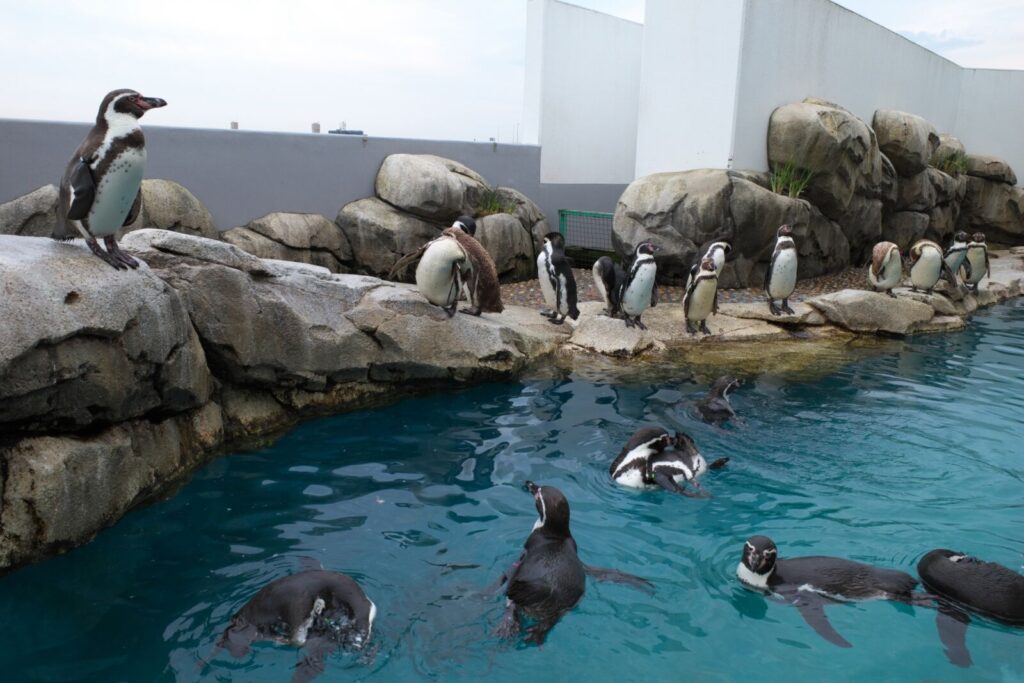
With the rainy season upon us, especially past mid-June, it's always good to have indoor experiences ready to go to. Whether it's escaping the rain or the humidity, the Sendai Uminomori Aquarium is a perfect getaway within the city. They have a variety of beautiful exhibitions where you can experience and learn all about the oceans of the world and different marine wildlife such as dolphins, penguins, sea lions, jellyfish, and a plethora of fish! There are concessions and plenty of exhibitions to see.
The area that the aquarium is located at is approximately a 15 minute walk from Nakanosakae Station on the JR Senseki Line leaving Sendai Station. There is also a bus that runs from Nakanosakae Station to the aquarium. It’s called the Miyako Bus and the Sendai Uminomori Suizokukan Line runs twice an hour between 8:00 and 15:00.
The aquarium itself is open from 9:00 - 17:30 with final entry 30 minutes before closing time. Adults are 2,400 yen, middle and high school students are 1,700 yen, elementary school students are 1,200 yen, and small children are 700 yen. There is also a senior citizen discount (65 years+) for 1,800 yen.
Festivals and Events in June
Although June is the rainy season in Japan, that does not stop travelers from all over from coming and enjoying all that Japan has to offer. Tohoku is no different! From various events, festivals, and exhibitions, locations throughout the region offer a variety of unique experiences to enhance your trip.
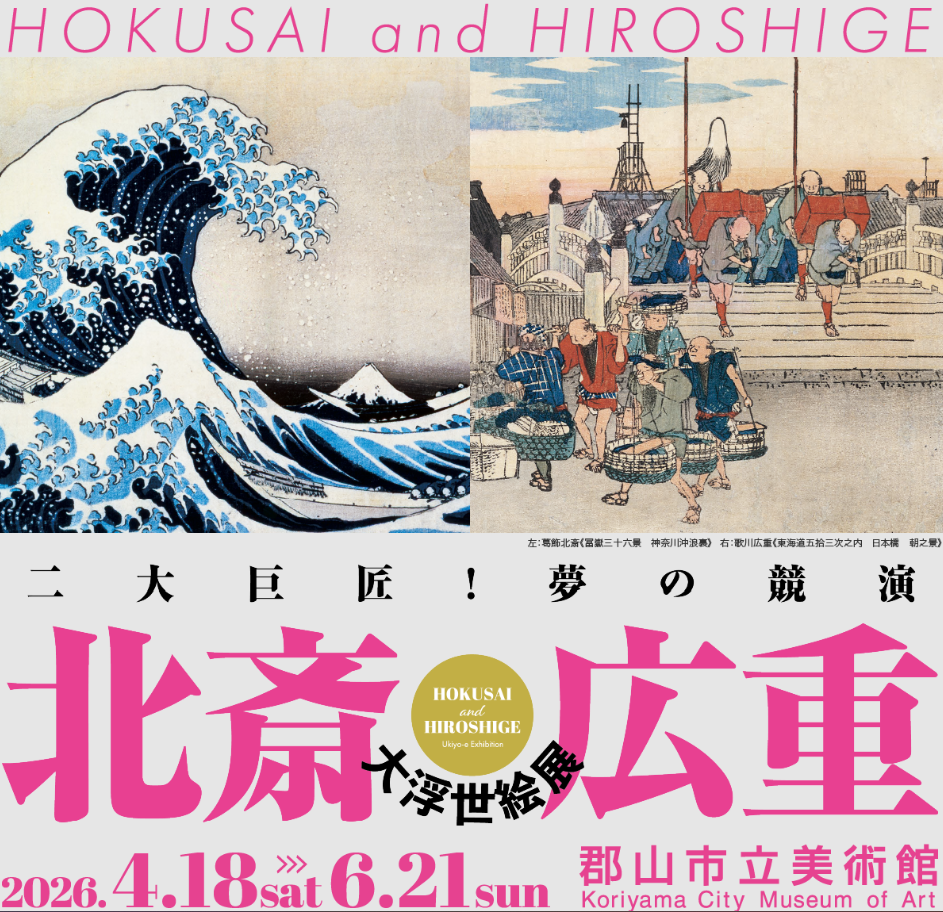
Hokusai and Hiroshige: The Great Ukiyo-e Exhibition – A Dream Collaboration of Two Masters!
- April 18 (SAT) - June 21st (SUN)
- 9:30 AM - 15:00 (Last entry 16:30)
- Closed on Mondays
- Adults: 1,500JPY, High school and University students 1,000JPY, Junior high and younger free
- Koriyama City Museum of Art
The Koriyama City Museum of Art houses a collection of works of art based on four pillars: British art, modern Japanese art, print art, and art related to the local area. It has permanent exhibitions as well as temporary special exhibitions that change throughout the year. During June a fantastic collaboration exhibition of two "pictures of the floating world" masters, Hokusai and Hiroshige, will be on display. Koriyama is a major station on the Tohoku Shinkansen and is an easy 80 minute ride from Tokyo. This historic matchup of the two great ukiyo-e woodblock painting masters is a perfect rainy day activity for those traveling in Tohoku. For anyone driving to the museum, be advised their parking lot can be extremely full all day long so public transportation is highly advised per the museum's website.
Lake Towada Kosui Matsuri (Sky Lantern Festival)
- June 13th (SAT)
- Lake Towada, between Akita and Aomori prefectures
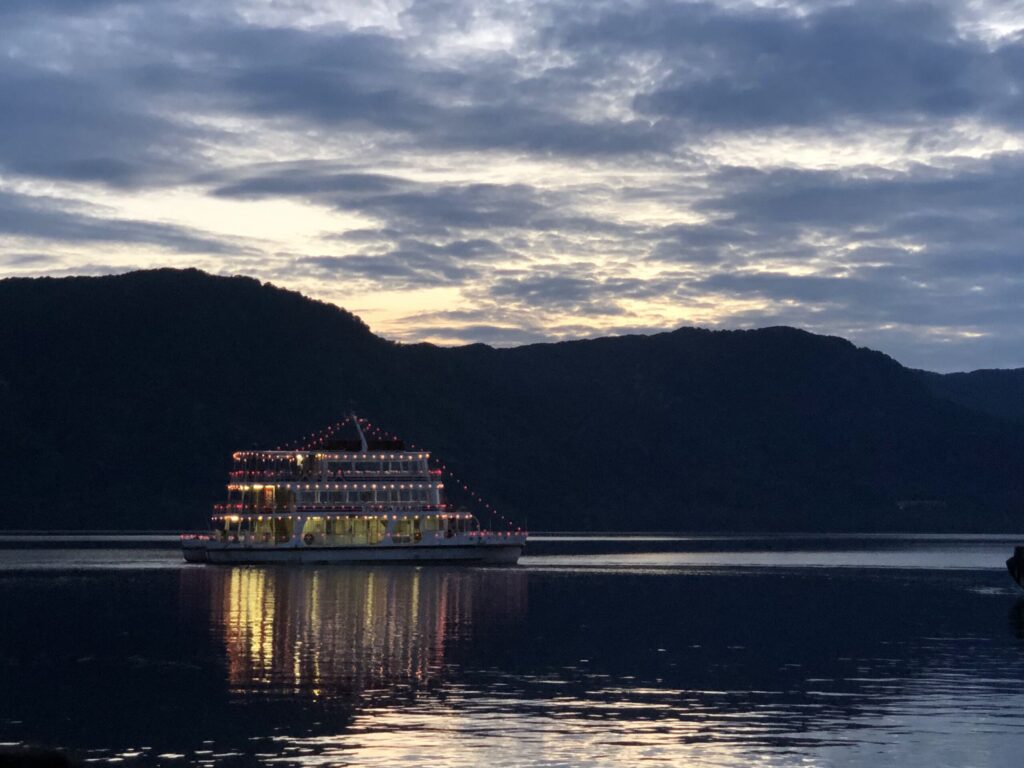
- Free to spectate; Balloon lanterns to write a message/wish ¥6,600 each; night cruise ship tickets can be purchased the day-of at the ticket office
- Festivities include performances in the afternoon, food stalls, night cruise, and a fireworks show
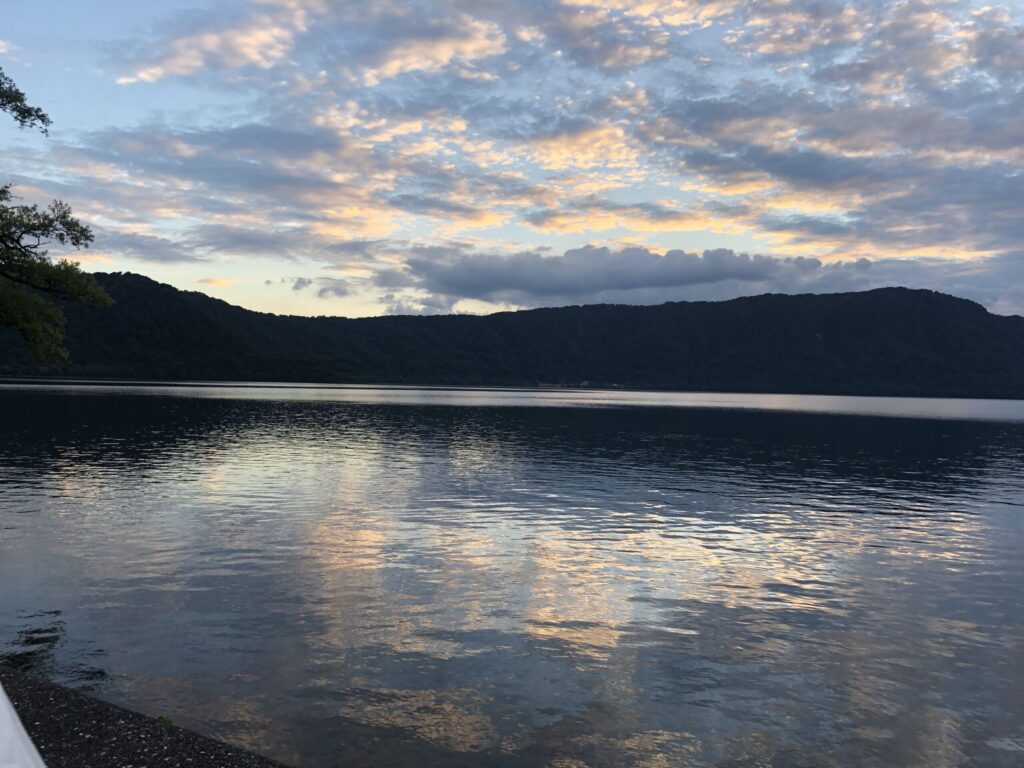
Lake Towada is located on the border between Aomori and Akita prefectures and lies 400 meters above sea level. It is actually the largest crater lake in Honshu, Japan’s main island, and has a gorgeously dark blue color thanks to its depth. The 61st annual summer festival at Lake Towada is officially titled the Kosui Matsuri (lit. Lake Water Festival), and 2026 marks the 90th anniversary of the designation of national park status of the area!
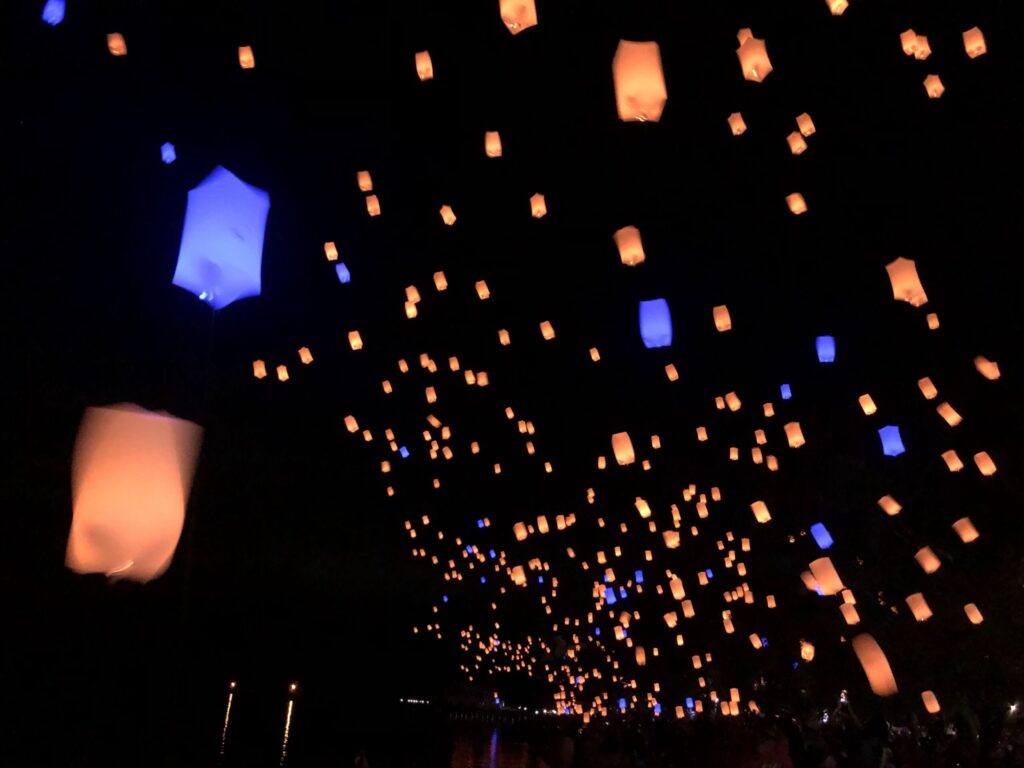
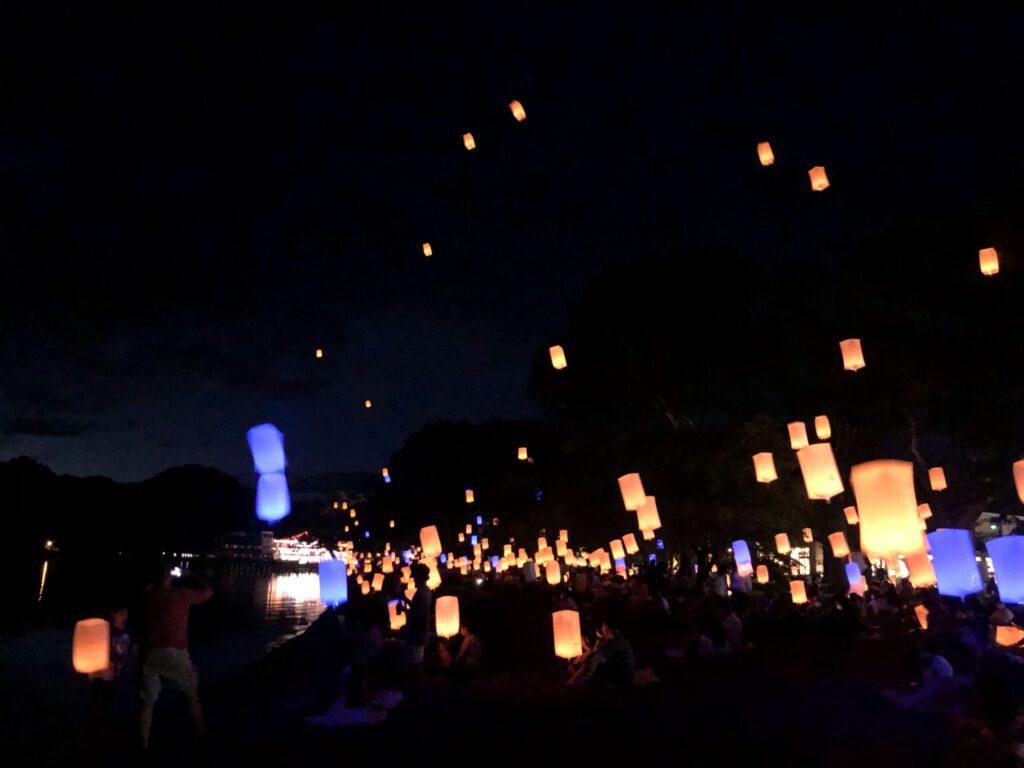
This summer festival lights up the night sky with colorful orange and blue lanterns floating upwards. Many English speakers refer to it as the Lake Towada Sky Lantern Festival due to the hundreds of colorful lanterns that float above the dark waters at night giving it a gorgeous if not ethereal look. The lanterns are held onto by strings – similar to a balloon or a kite – so there is no risk of damaging or polluting the natural habitat of the lake. Festivities begin as soon as the sun begins to set beyond the horizon.
Chagu Chagu Umakko Parade
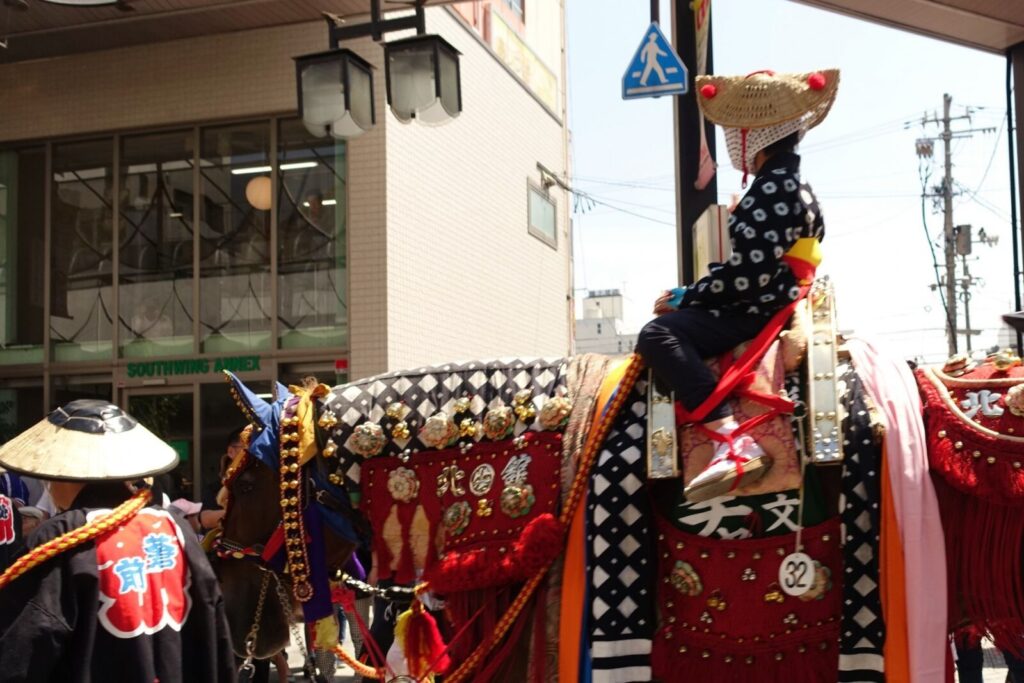

- June 13th (SAT)
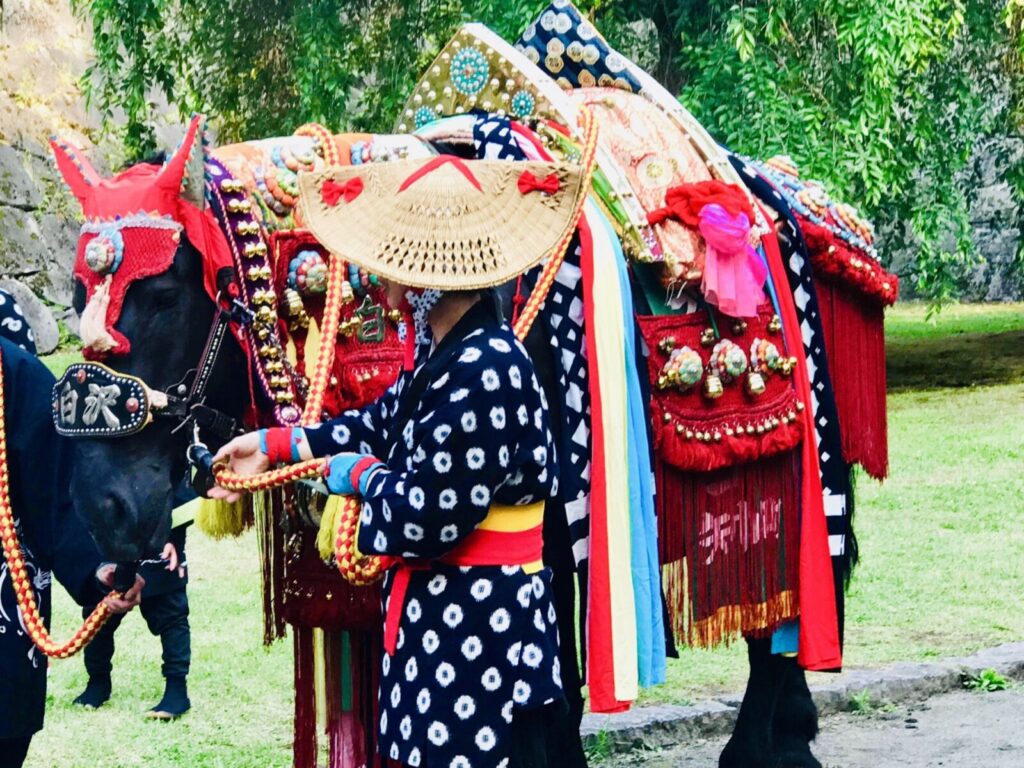
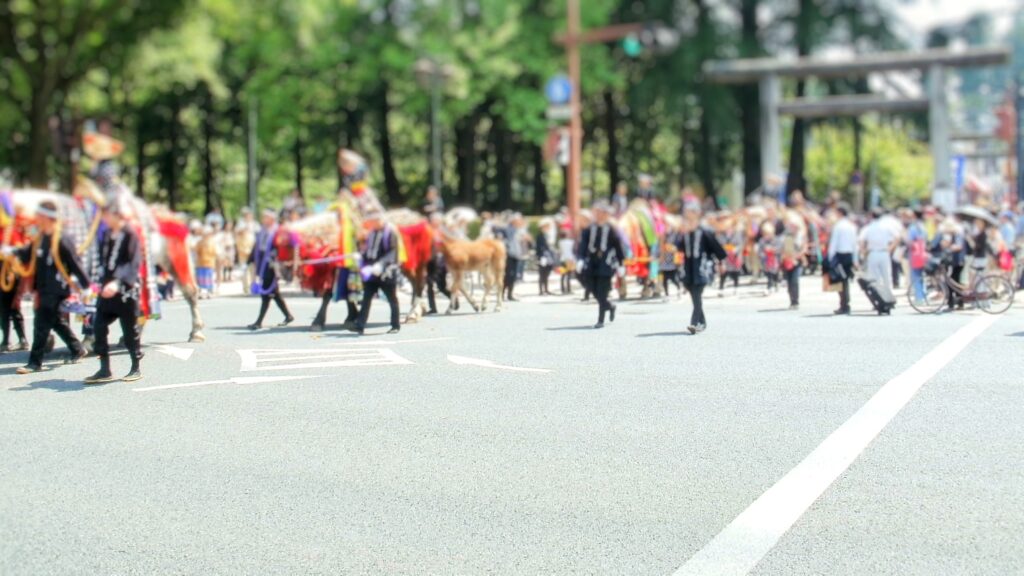
- Horses dressed in traditional garb parade
- Route goes from Onikoshi Sozen Shrine in Takizawa City to Hachimangu Shrine in Morioka City in Iwate Prefecture
Hundreds of spectators gather every year to witness what has been heralded as one of The Top 100 Soundscapes of Japan (日本の音風景100選) which are representative of the country. Anywhere from 60 to 100 horses are paraded through the route donned in ornate traditional celebrity decoration and bells to celebrate and thank them for their hard work. Iwate Prefecture has long been known for its horse breeding and horse-drawn cultivation as early as the Kamakura Period.
This parade is said to have originated in 1930 when Prince Chichibu, known for his love of horses, visited the Onikoshi Sozen Shrine in Takizawa Village and the procession of horses he conducted thereafter. This shrine is dedicated to the horse god which prays for the health and well-being of the horses that are subjected to heavy labor every day.
Kosaka Town Acacia Festival
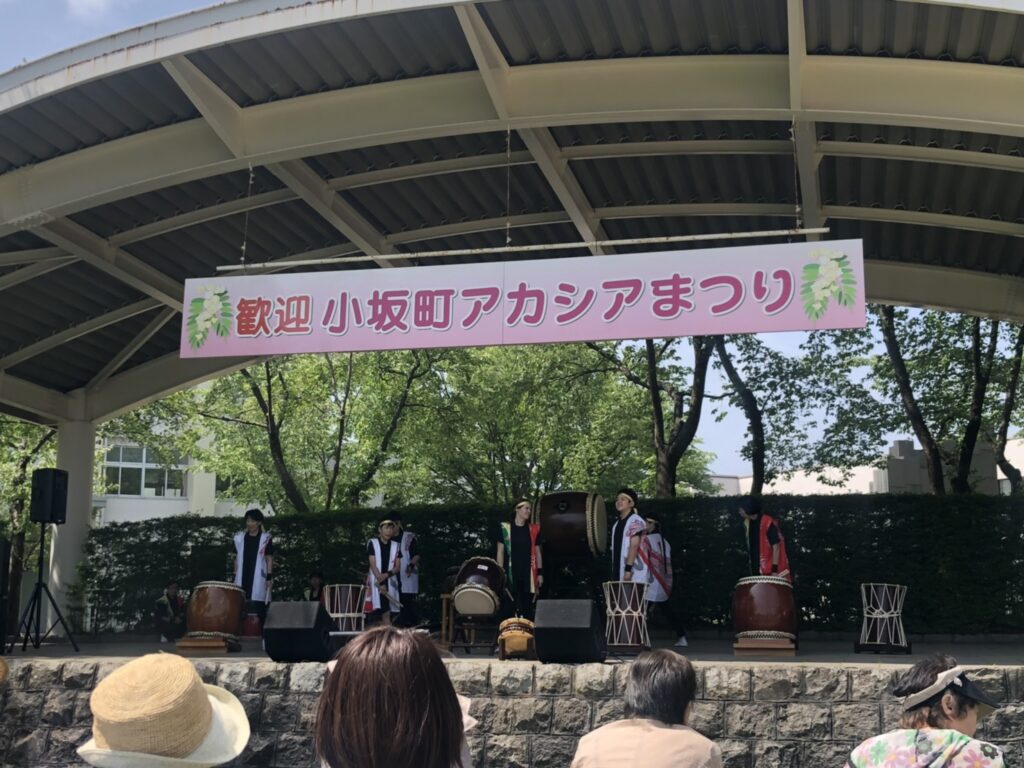
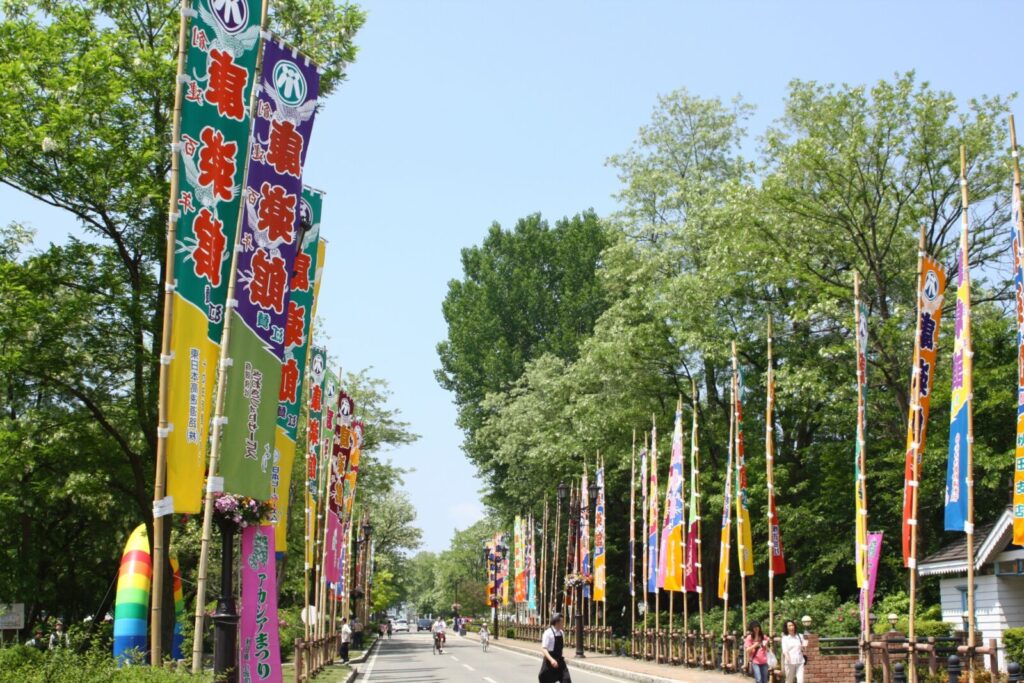
- June 6th (SAT) - June 7th (SUN)
- 10:00 - 16:00 (SAT), 10:00 - 15:00 (SUN)
- Kosaka Town Central Park
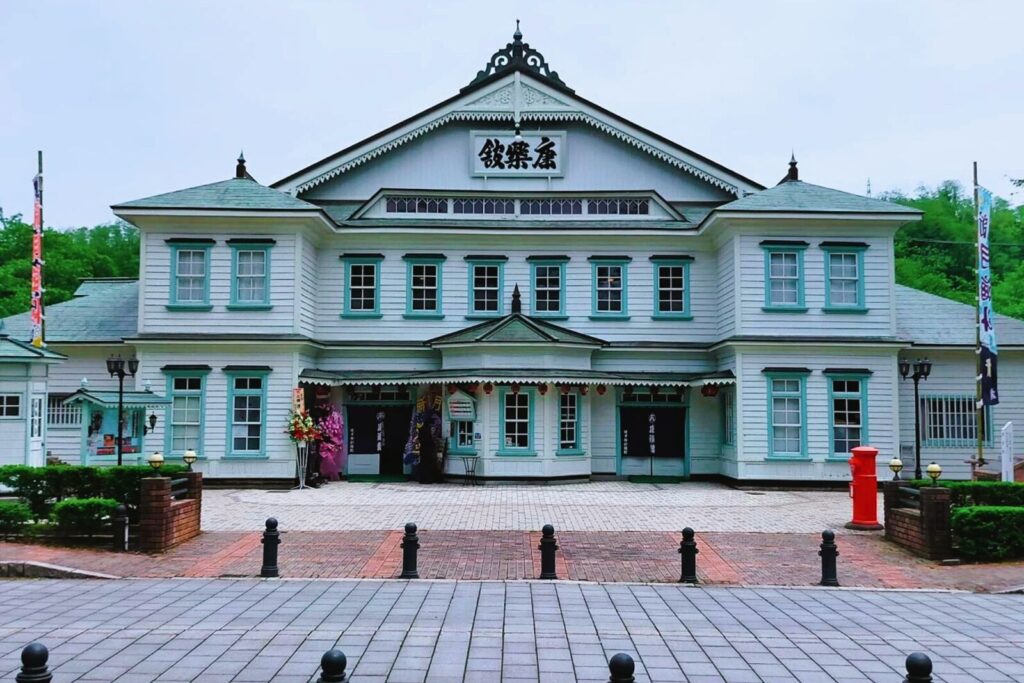
Kosaka Town is an old mining town located in the northeastern part of Akita Prefecture. It's a town that holds many historic milestones including being one of the first areas in Japan to receive plumbing and electricity. It also has incredibly historic buildings such as the Kosaka Mine Office – which was built in 1905 and has a distinctly western architecture style – and the Kourakukan – the largest wooden theater in the country and one of the oldest surviving wooden Kabuki theaters on Honshu. In fact, the street that his historic theater is located on is the same location of the yearly Kosaka Acacia Festival.
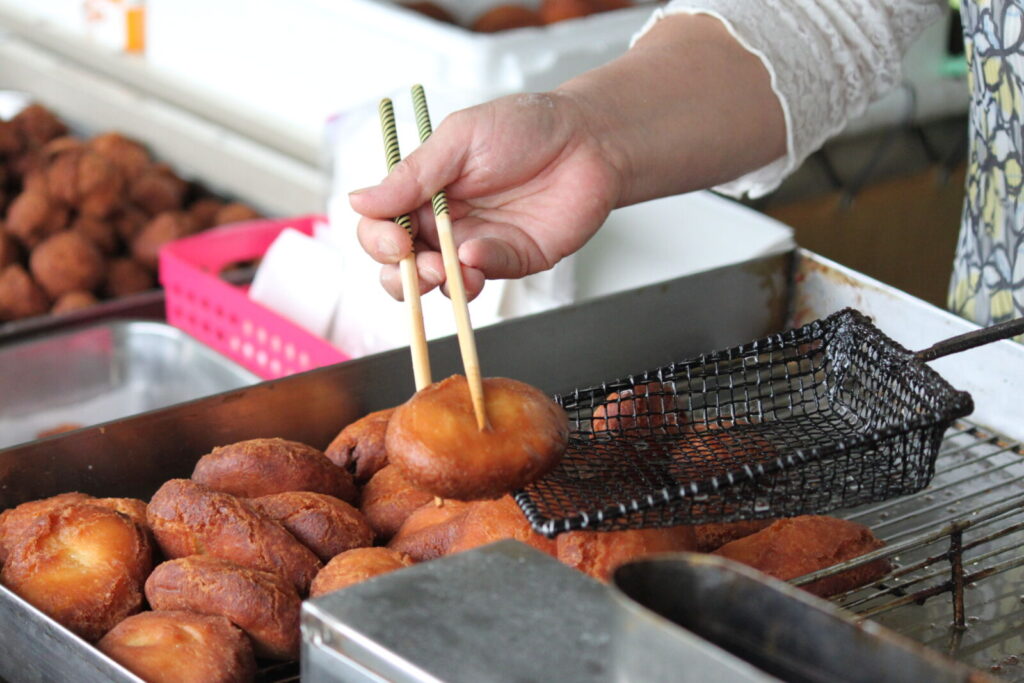
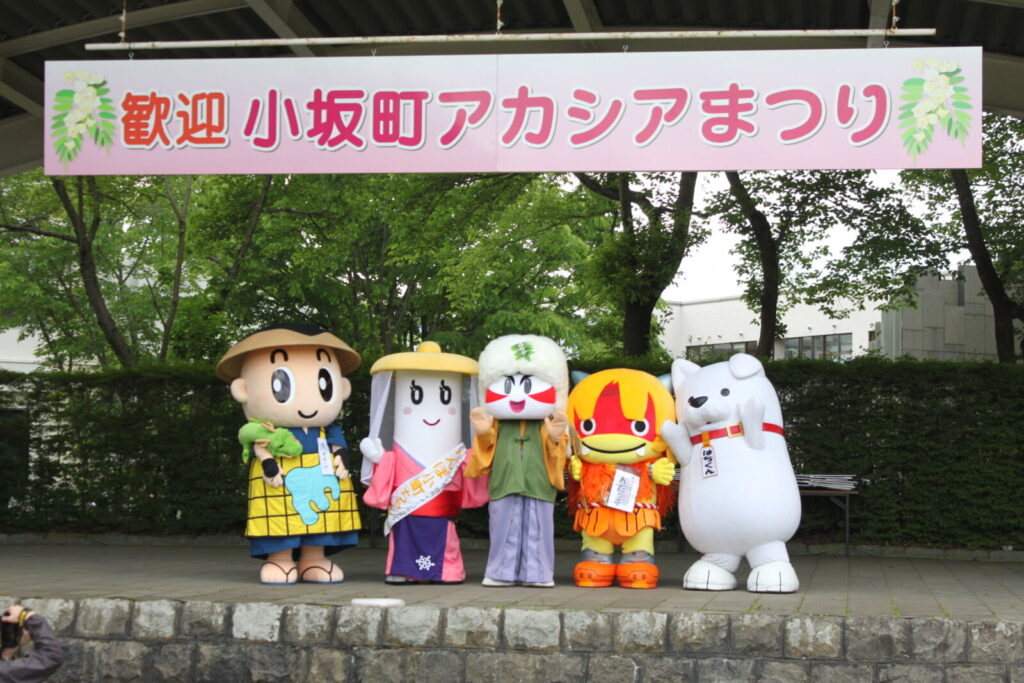
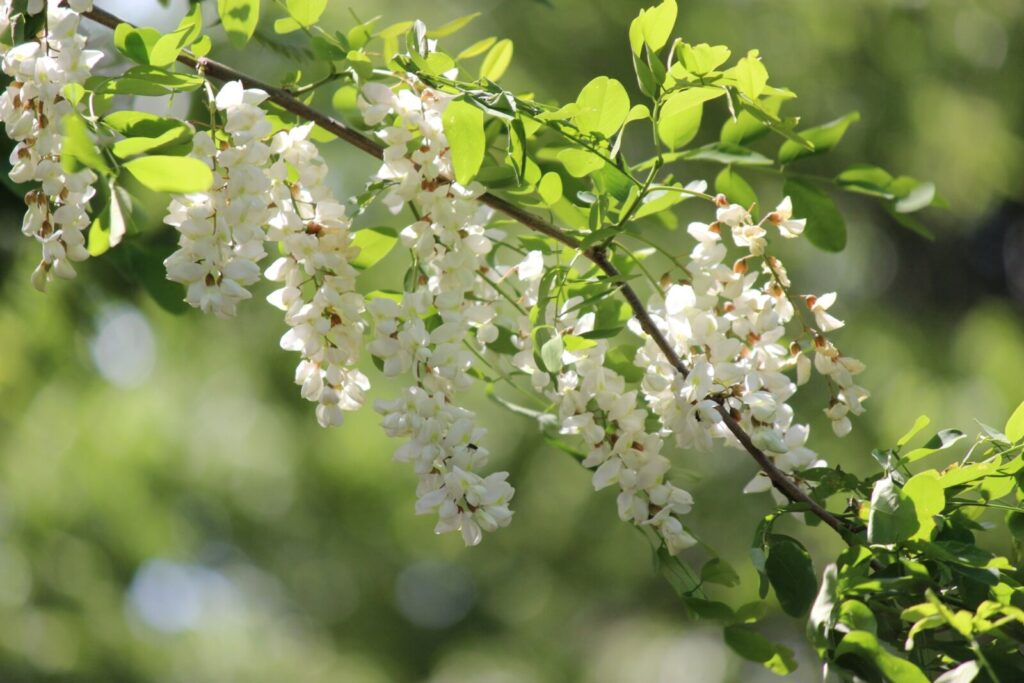
On the historic street of the Meiji Hyakunen Dori, food stalls, performances, and festivities take place amongst the blossoming Acacia trees. The plethora of trees were planted in the mid 1900s to help revive the local flora that was damaged by the now defunct refinery in the town. Now every year the townsfolk and visitors alike get together to watch taiko performances, traditional yosakoi dances, traditional Tohoku folk music performances, enjoy festival foods such as yakisoba and Acacia doughnuts, and celebrate the beautiful blossoming trees.
Famous Swords Connected to Aizu
- April 4 (SAT) - June 30 (TUES)
- Tsuruga Castle Museum in Aizuwakamatsu, Fukushima
- 8:30 - 17:30 (last entry at 16:30)
- Adults 520JPY, children 150JPY
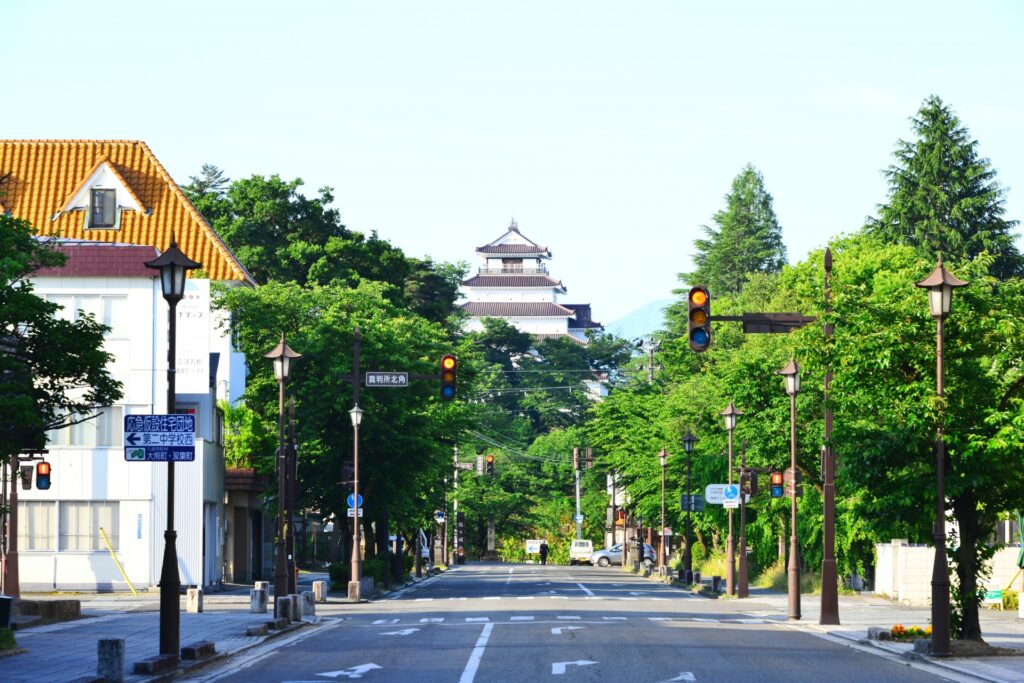
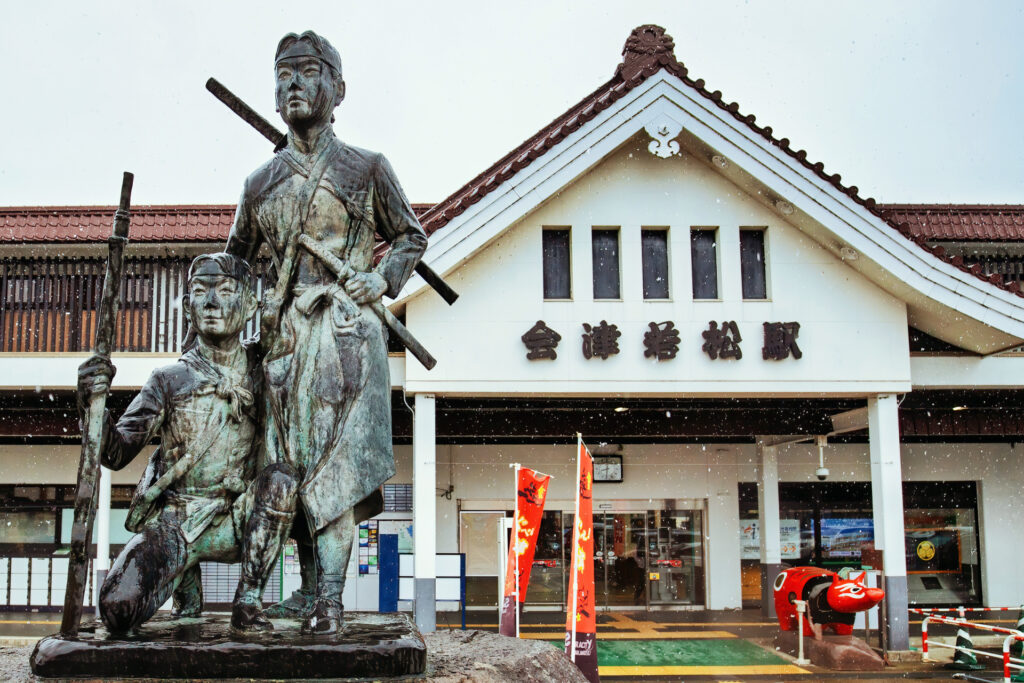
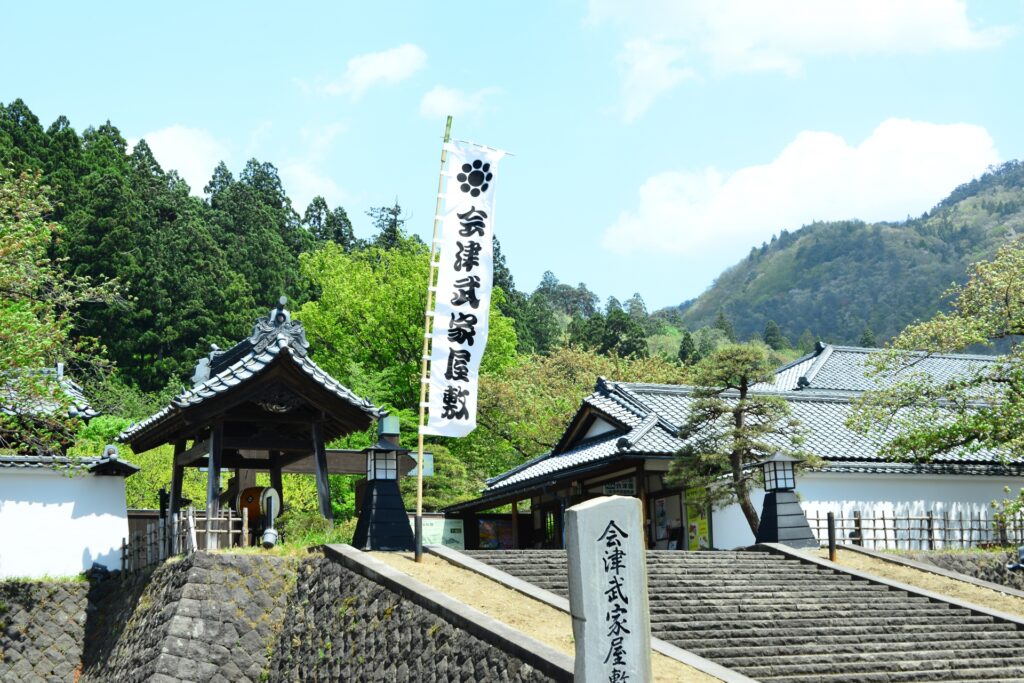
The historic castle town of Aizuwakamatsu (Aizu) in Fukushima is known for its deep connections to Tohoku's warring samurai lord past. Not only can you see various important historical buildings within the town itself, but you can head southward to the preserved Edo period post-town of Ouchi Juku too.
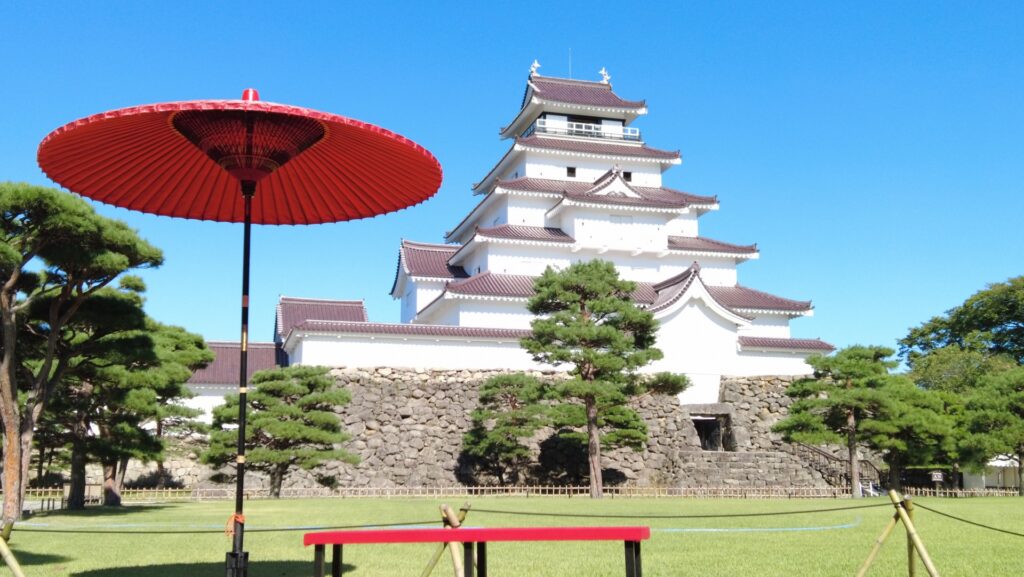
The Tsuruga Castle is popular for its cherry blossoms in the spring, but its unique red and white exterior makes the perfect background no matter the season. The museum located near the castle offers this exhibition until the end of June. This exhibition showcases swords with profound ties to Aizu, including rare blades associated with the region’s historic lords, swords linked to successive lords of the Aizu domain, and swords crafted by Aizu’s master swordsmiths.
Tagajo Castle Site Iris Festival
- May 23 (SAT) - June 21 (SUN)
- Site of the Tagajo Castle Ruins
- 10:00 - 16:00
- Main festival event will be held June 13 & 14 (SAT/SUN)
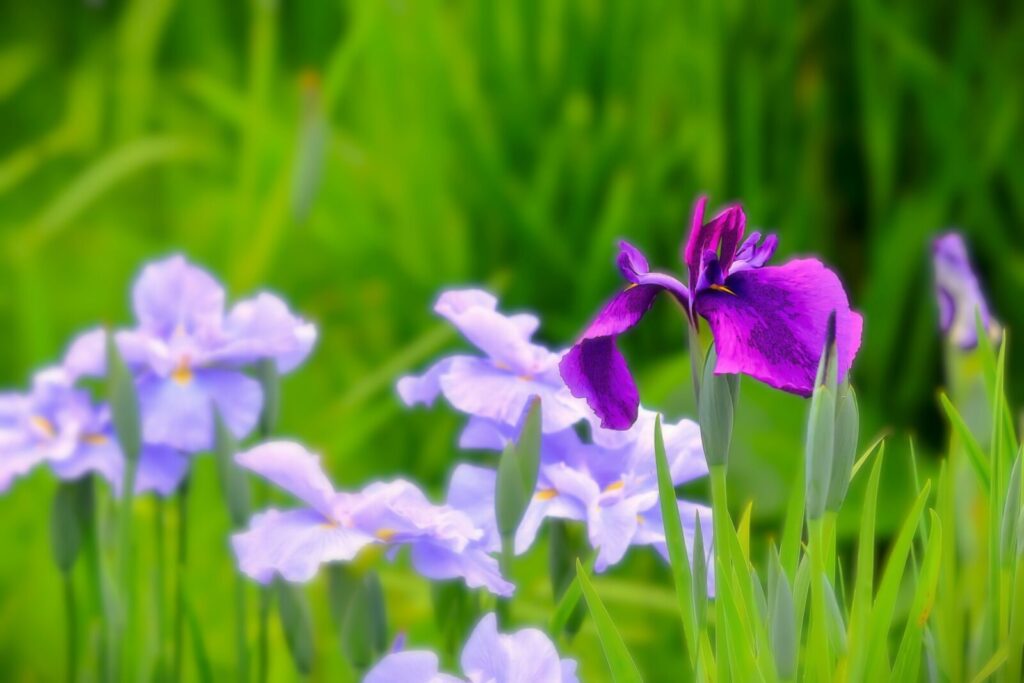
Where the site of the Tagajo Castle in Miyagi once stood now is a lovely open-air park with some stone foundation remains and a newly restored south gate. In a corner of the Tagajo Ruins is an iris garden spanning approximately 21,000 square meters. It is filled with 3 million irises, Japanese irises, and Siberian irises of 800 varieties, boasting the largest number of varieties in the Tohoku region. This year marks the 36th annual iris festival at the Tagajo Castle Ruins site.
Hot Air Balloon Experience

- June 13th (SAT) & 14th (SUN); 20th (SAT) & 21st (SUN); 27th (SAT) & 28th (SUN)
- 5:50 - 7:00 AM
- Adults (12 +) ¥4,000, Children (3 - 11) ¥3,000, Infant (0 - 2) Free
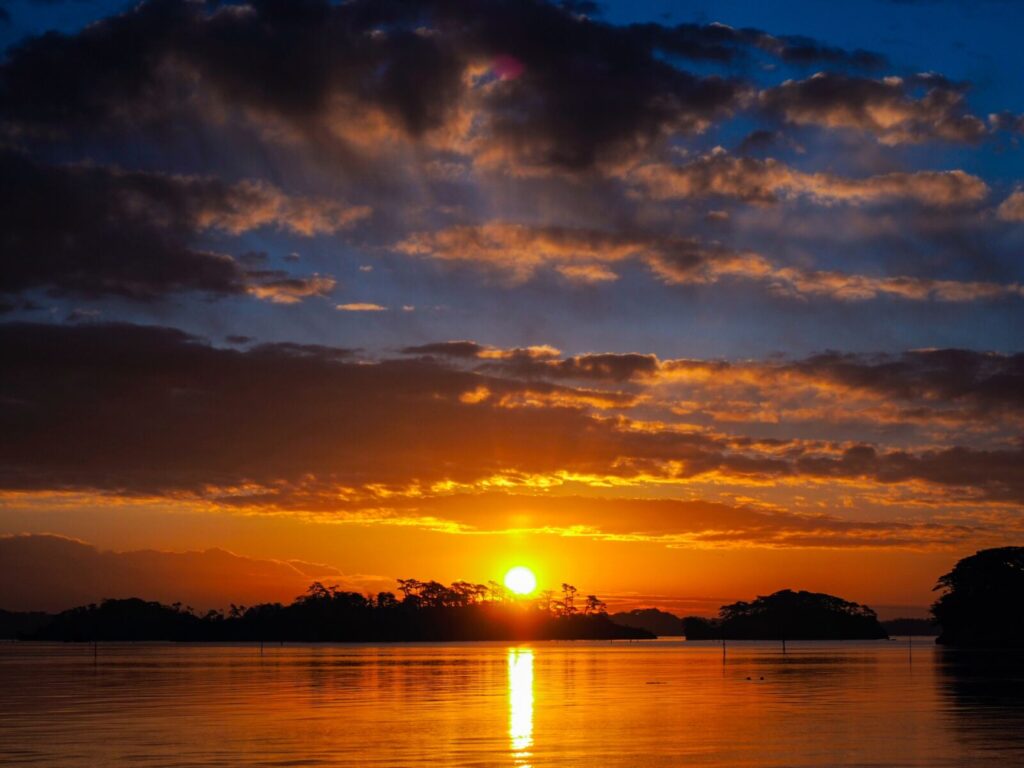
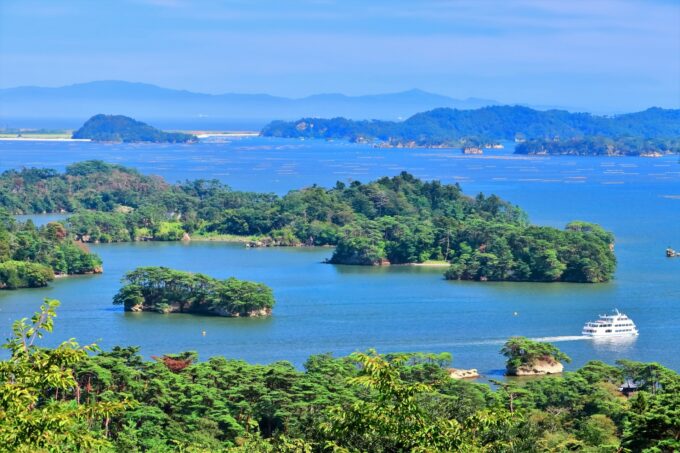
This experience offers visitors a brand new view of one of Japan's Top Three Scenic Spots, Matsushima Bay. Even if you don't get a chance to schedule a ride, you can come early and watch the hot air balloon inflate and take off into the bright morning sky. The rising sun offers a brilliant sight of the rays reflecting off the bay's water. This is known as the "Hikari-no-michi" (path of light) and is sure to leave you with fond memories of the area. The hot air balloon is securely fastened on four points and rising roughly 20 meters into the air. Guests ride inside the basket and get a one-of-a-kind view of the bay and the 260 islands below.
Cherry Picking in Fukushima

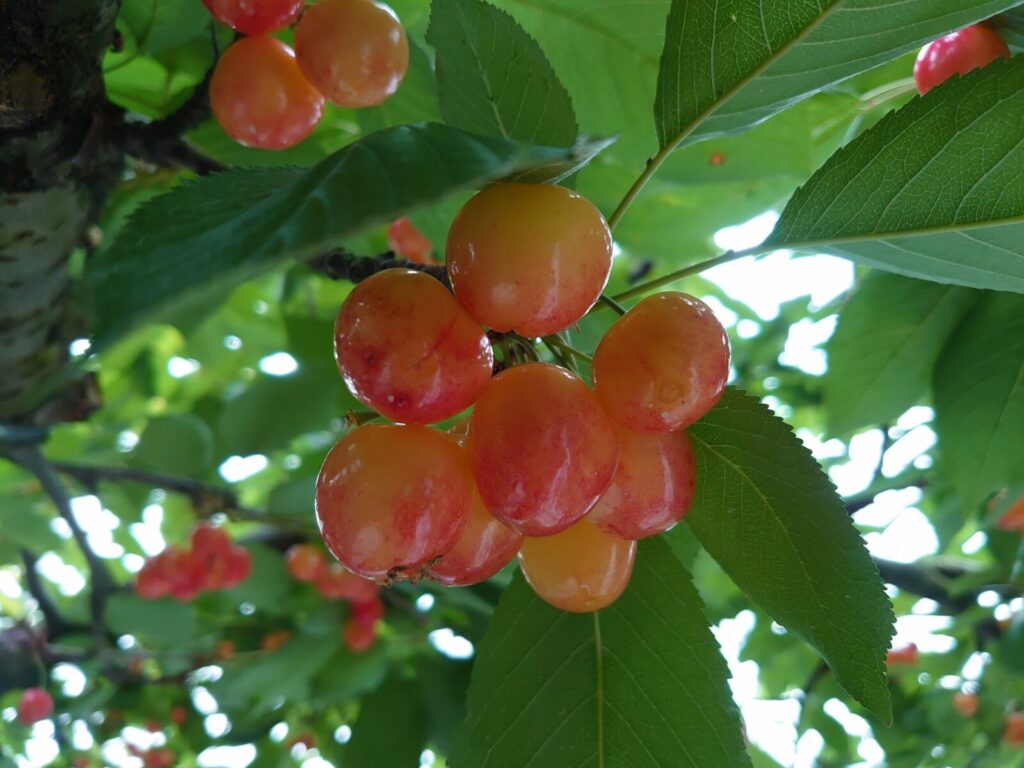
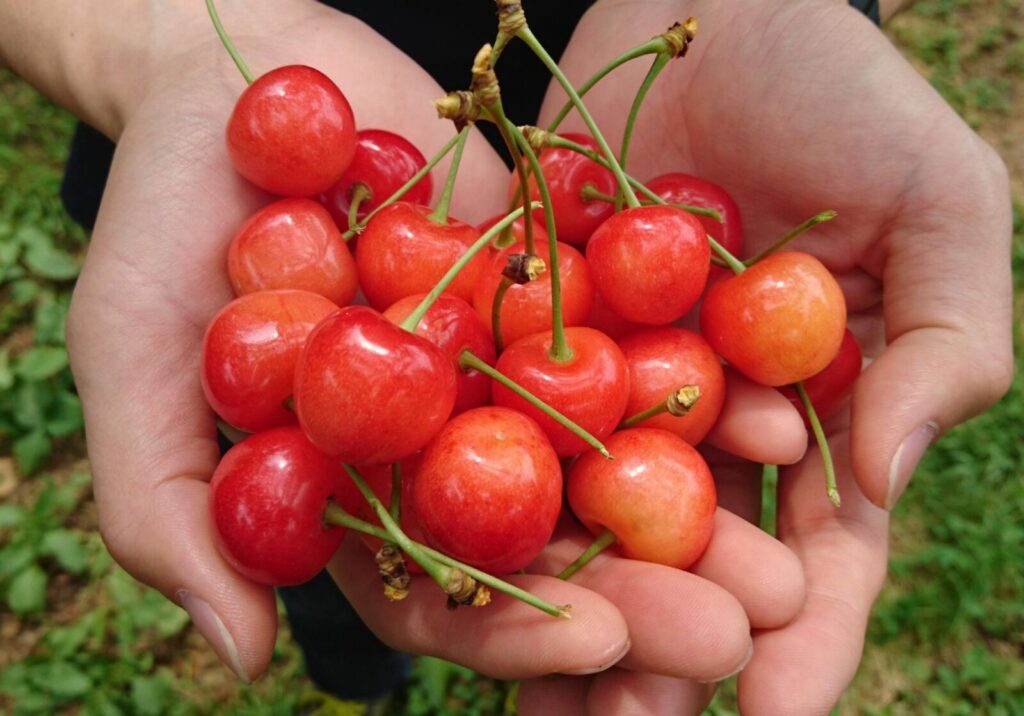
- Sweet Cherries are the specialty of the Tohoku region
- Most orchards are accessible by car or taxi from Fukushima Station
- Best from Early June - Early July
- Offered daily
- Adults (12+) ¥1,650, Children (3 - 6) ¥1,320, infants free
- 9:00 - 15:00
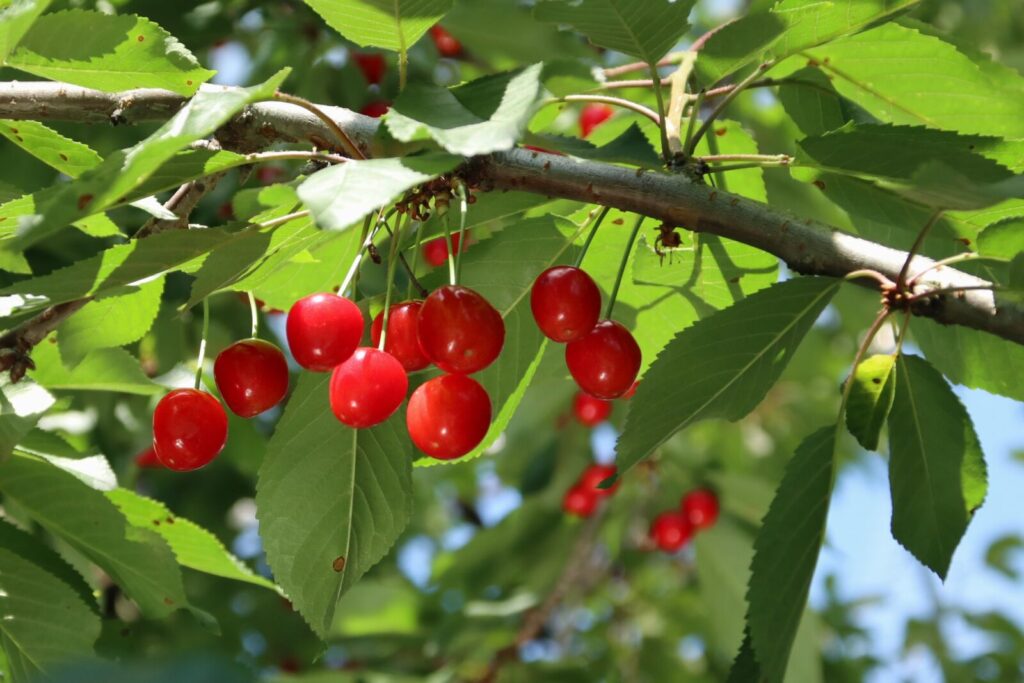
Cherry season is one of the most popular fruit picking seasons in Japan. Most of the cherry blossom trees in Japan are raised for flower viewing purposes in spring. The trees that yield fruit are mainly cultivated in the northern regions– for example, Tohoku! In fact, cherries in Fukushima can be harvested earlier than those of other prefectures. Some orchards open for the season as early as Late May. By June, however, most orchards are open for the public and offer a great chance for visitors to come and pick their own “red jewels.”
There are many orchards around Fukushima, but the details highlighted above are from Azuma Orchard. This orchard holds all sorts of fruit picking events throughout the year including cherries, Japanese pears, peaches, grapes and apples! June and July are their cherry picking seasons, and you can have all you can eat picking for 30 minutes or pick and take home (for an extra fee). The cherries they grow at Azuma Orchard are a slightly tart variety of the famous Sato Nishiki, or the “King of Cherries,” the top cherry brand in Japan.
Featured Tours in June
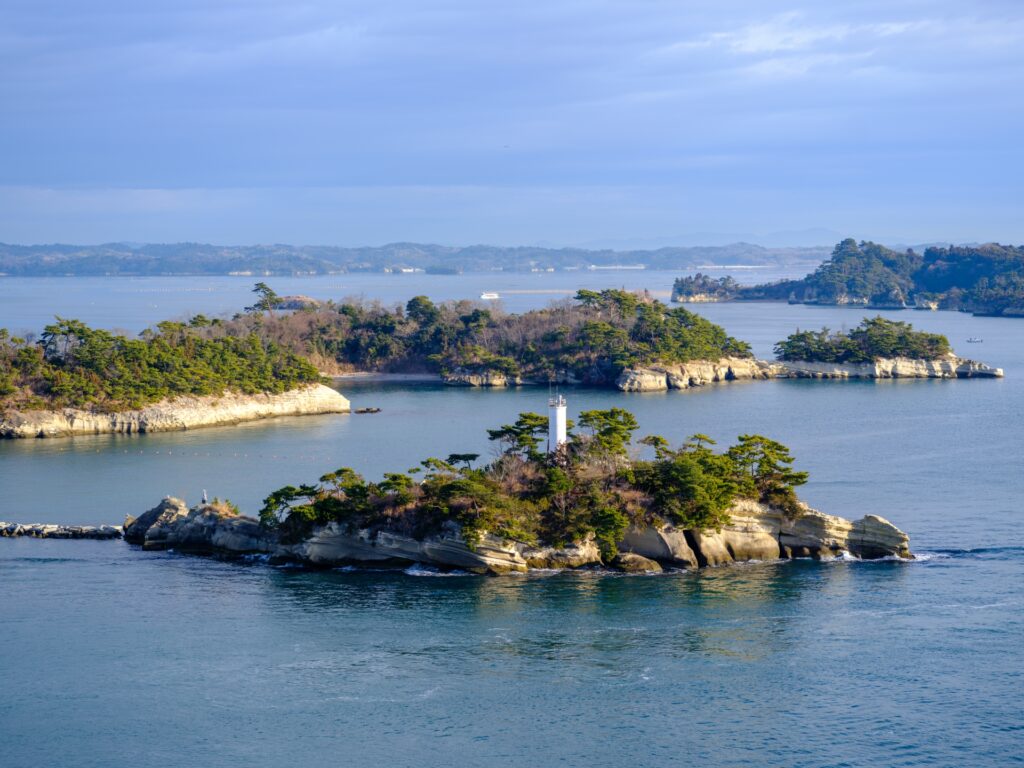
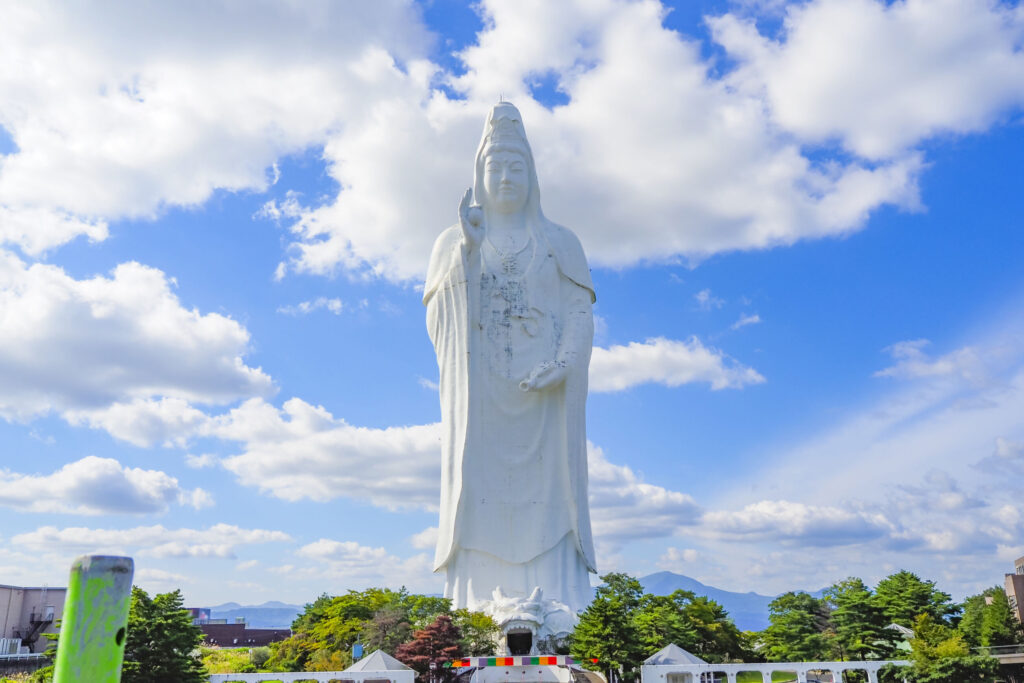
The warmer weather and sunny days make June a perfect time to venture outdoors or walk the city streets. Even with a little rain in the forecast, these tours are able to be enjoyed without a hitch!
Explore one of Japan’s Top Three Scenic Views
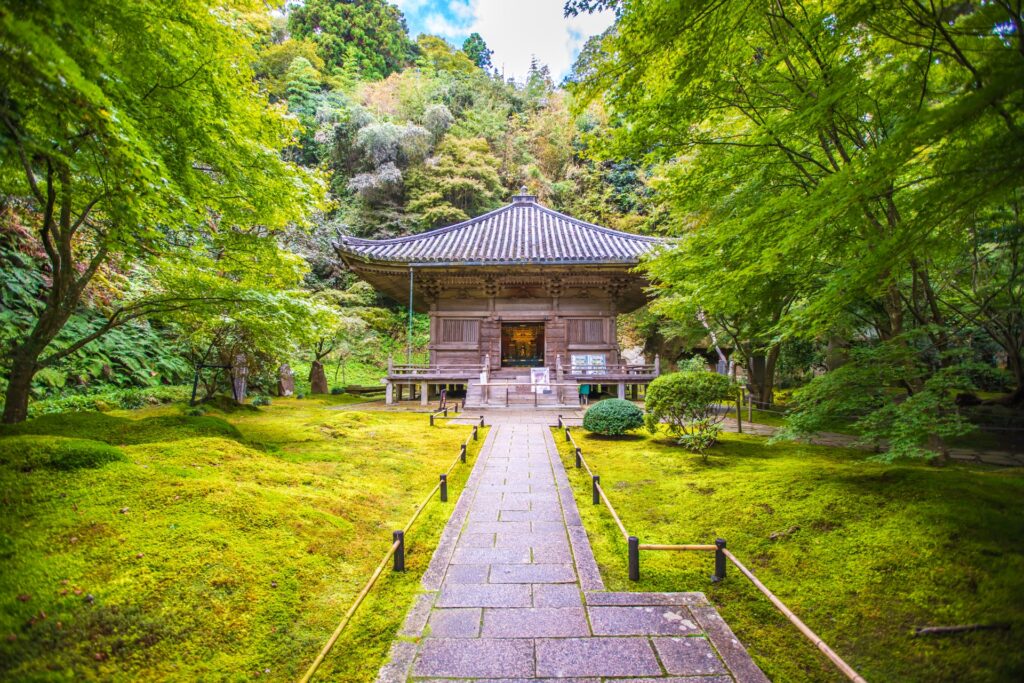
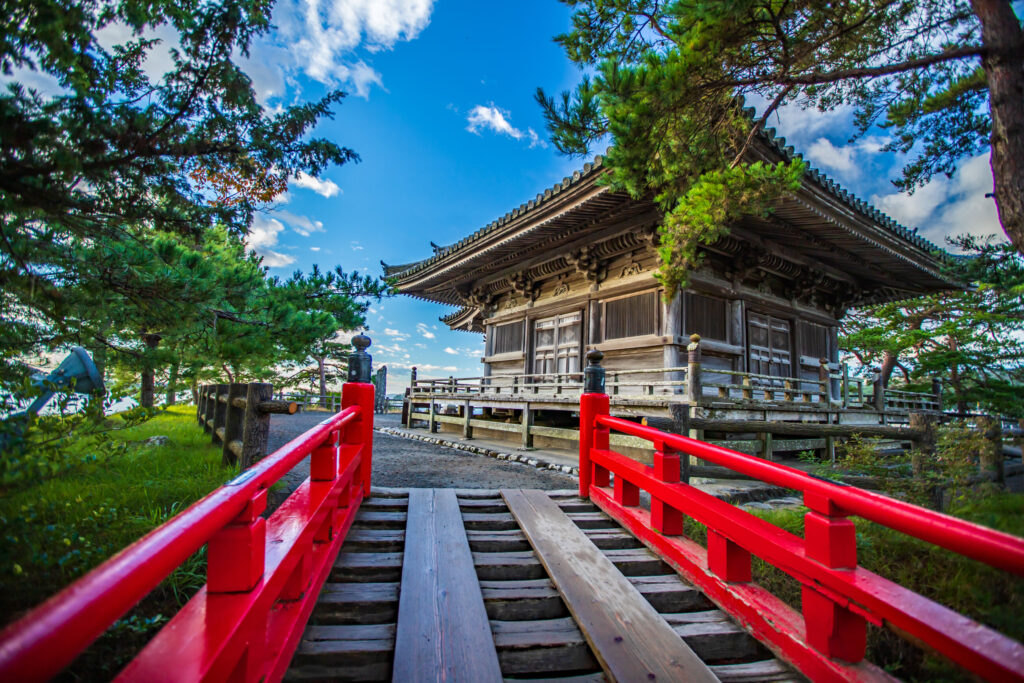
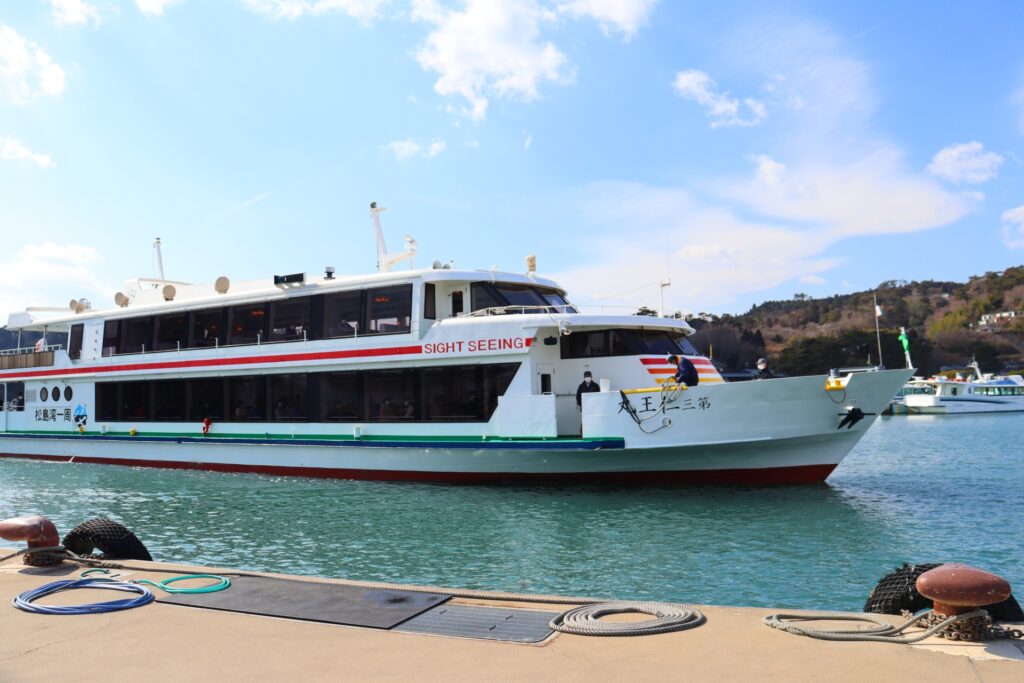
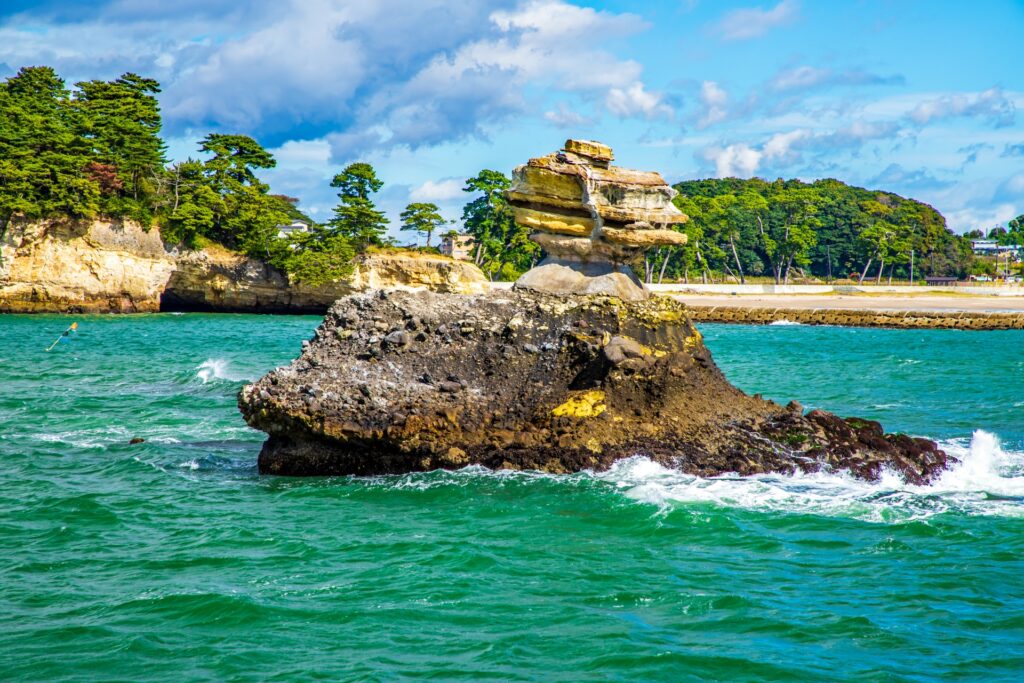
Matsushima Bay is conveniently located just 30 minutes north of Sendai Station. This tour will cover many of the interesting highlights of the bayside town, including a stroll through a Zen garden, a visit to a historically important temple, among other things. The lovely trip ends with a comfortable 50-min boat cruise of the bay where you can see some of the 260 pine-clad islands up close.
Highlights:
- Visit two historic zen temples that include traditional gardens and National Important Cultural Properties.
- Travel back in time with a visit to a quaint retro museum
- Get a chance to Taste a Miyagi delicacy, zunda mochi, paired with traditional matcha
- Enjoy one of Japan’s Three Most Scenic Views via boat cruise of the bay
Small Group
1-Day Tour from Sendai: Matsushima Bay — Highlights from One of Japan’s Three Most Scenic Views
- Spots:
- Matsushima
- Pick-up:
- Sendai
- Drop-off:
- Sendai
Visit Two Spiritual Behemoths of Tohoku
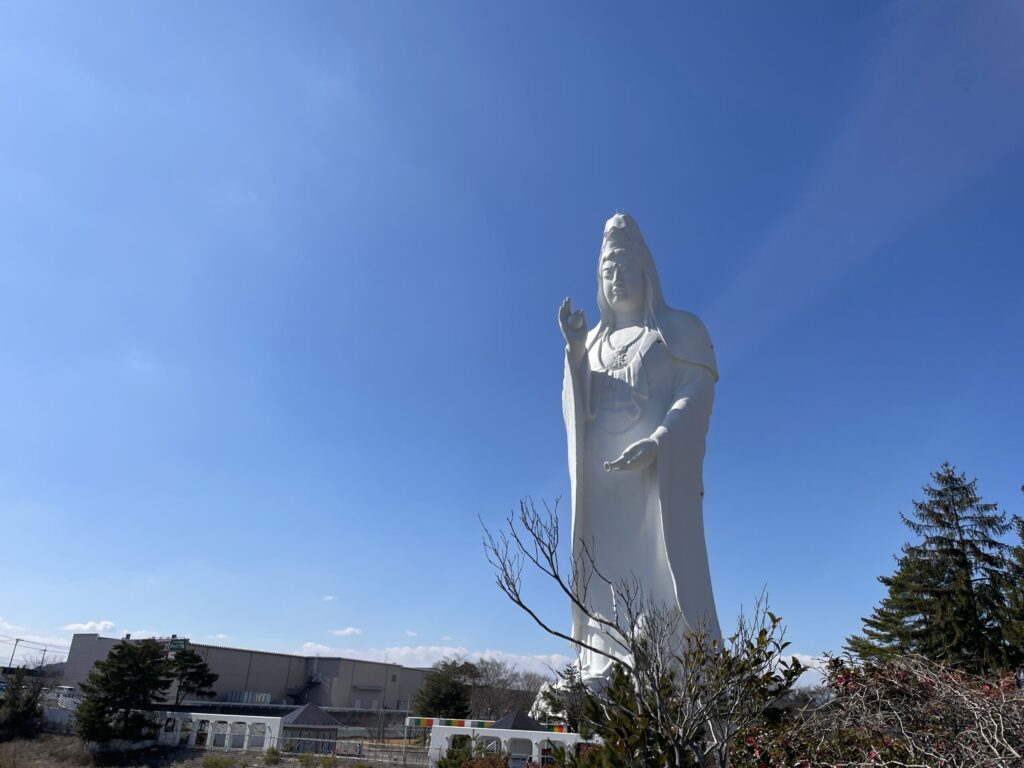
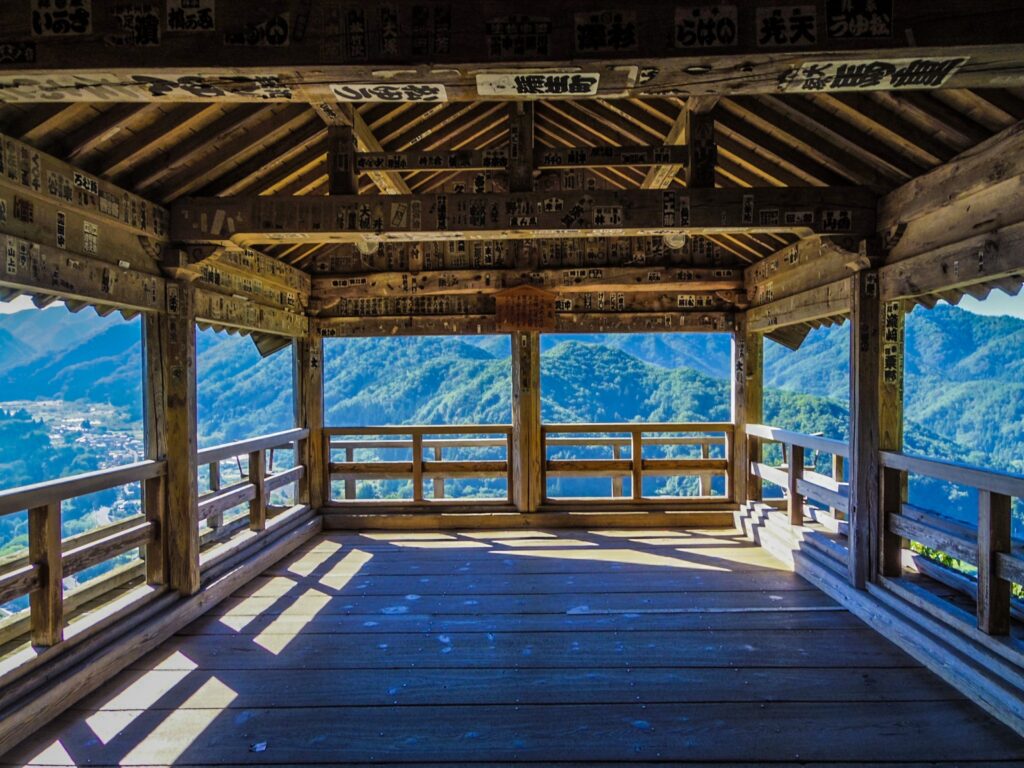
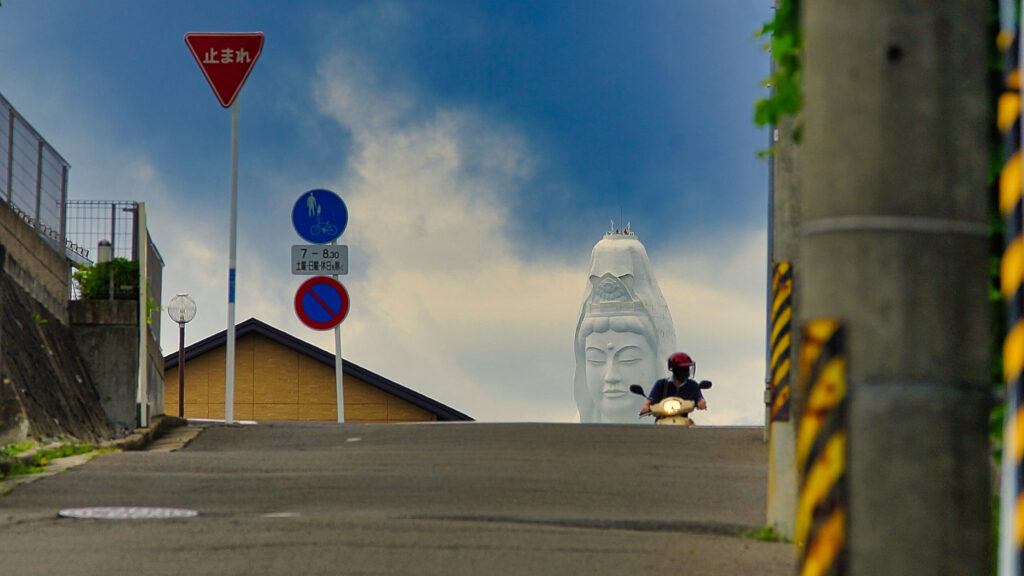
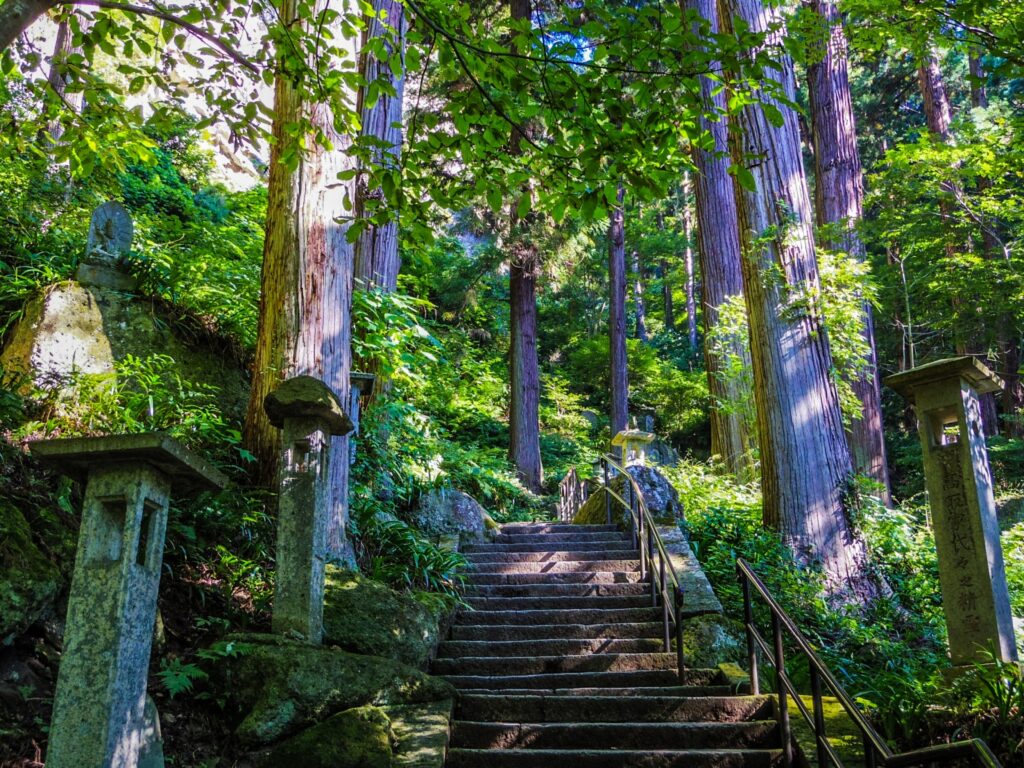
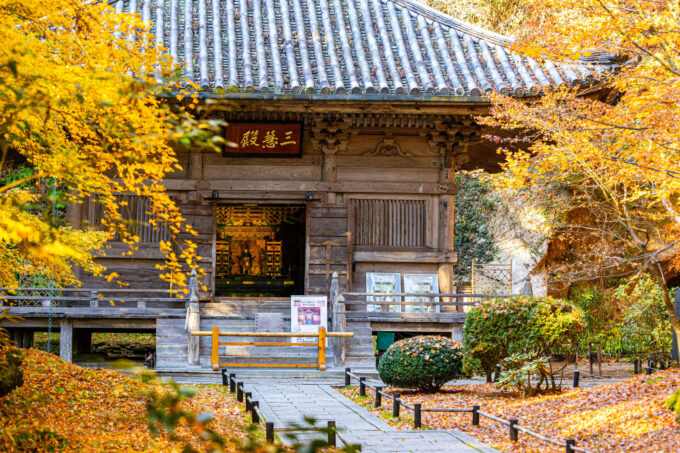
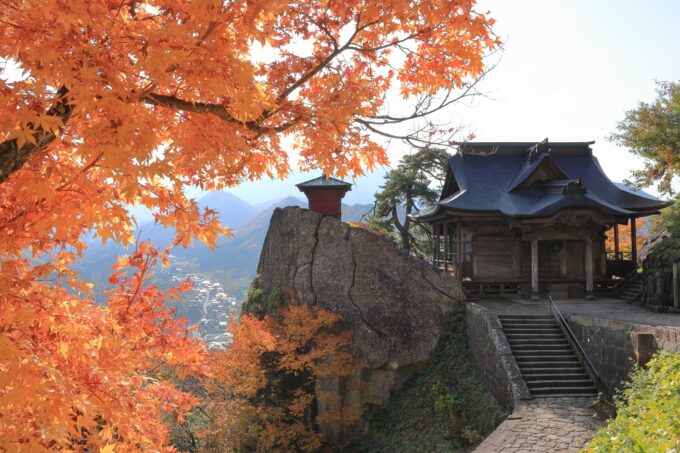
This day tour will take you to two of Tohoku’s most grandiose sites; Sendai’s Daikannon and Yamagata’s Yamadera Temple. Witness the spiritual majesty of the 100 meters white-robed colossus that sits watch over Sendai city. Then take the trek up the 1,000+ steps of Yamadera Temple and witness the tranquil view from its peak.
Highlights:
- See the outside and inside of the Daikannon statue and learn about the spiritual statues within it
- Take part in a spiritual pilgrimage special to Japanese Zen Buddhism
- Visit a scenic mountain temple that was once highly praised by famous Japanese poet, Matsuo Basho
Curious about other Japan regional highlights in June? Check out our INFORMATION page for more details!
Tips for Visiting & Traveling in June
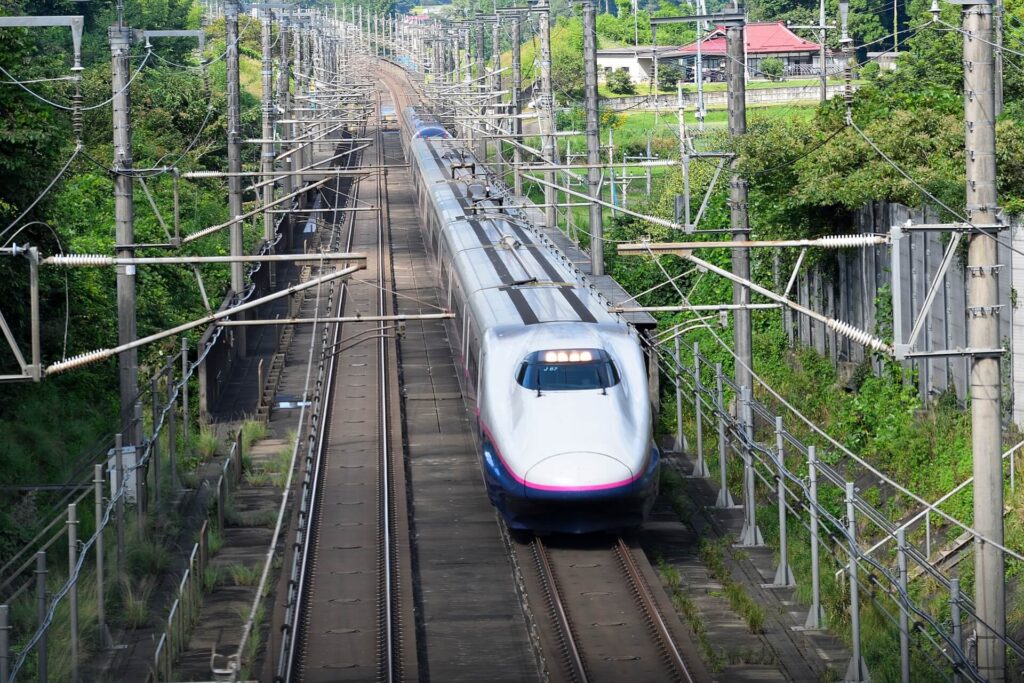
- Shinkansen: Travel to Tohoku is easy and convenient with the JR Pass or JR East Pass.
- Dress in Light Layers: June weather in Tohoku is generally temperate, but the highs and lows can vary day to day so it's important to bring layers. Be prepared for higher humidity levels too!
- Take Advantage of Warm Weather: Consistently warmer days during June makes for a great time to enjoy views of the waterfronts and lush greenery of Tohoku.
- Indoor Excursions: With the occasionally rainy days, especially in late June, having back-up plans for indoor activities is a must.
Plan Your June Visit
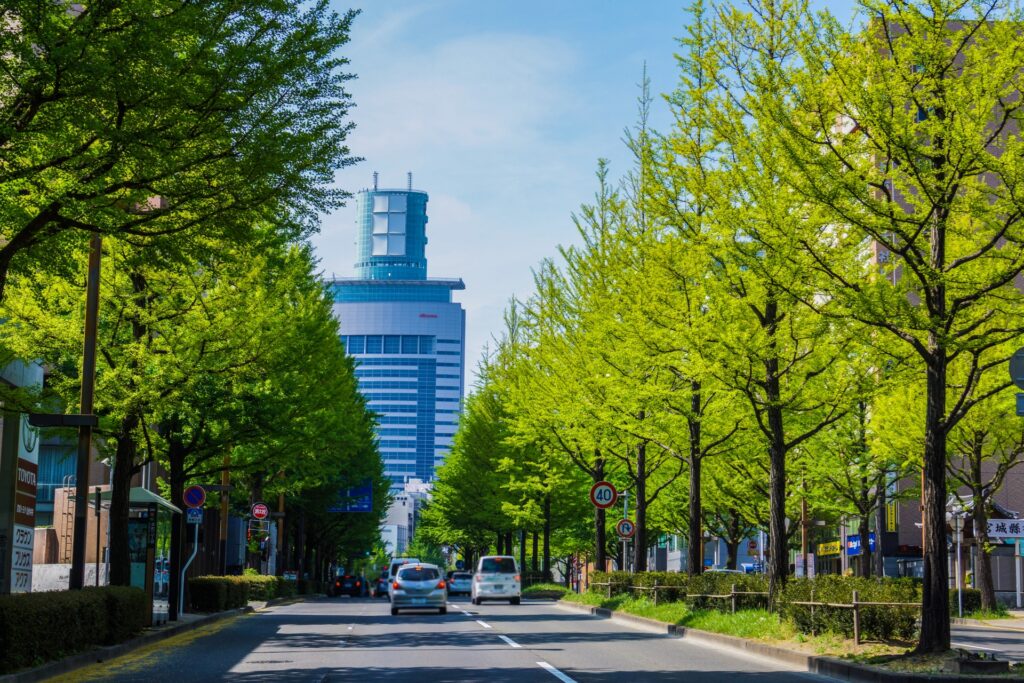
June is a comfortable time to visit Tohoku. The harsh winter has officially melted all away, and with warmer temperatures and a cool breeze, it makes for the perfect time to enjoy the seasonal beauty Tohoku is so famous for.
As June falls within Japan’s rainy season, it's important to stay up to date on weather forecasts when planning your trip. Be prepared for rising humidity and temperatures. Planning indoor trips as a back-up in case of heavy rains is also highly recommended, especially in late June. Depending on where you are, especially closer to mountainous areas in Tohoku, air temperature can still be a little chilly in the mornings and evenings. So be sure to have a light jacket at the ready.
Ready to discover Tohoku in June? Explore our seasonal tours and charters to experience the best Tohoku and other regions have to offer.
Tohoku Throughout the Year
January | February | March | April | May | June | July | August | September | October | November | December