

Summer in Tohoku is bustling with festivals, outdoor exploration, and historic shrines and site pilgrimages. Thanks to its scenic remote locations, venturing toward the northeastern part of Japan offers unique experiences that go above and beyond the expected congestion of big cities like Tokyo or Kyoto.
On this page, you will find the following information about the best ways to enjoy the summer in Tohoku:
Where exactly is “Tohoku?”
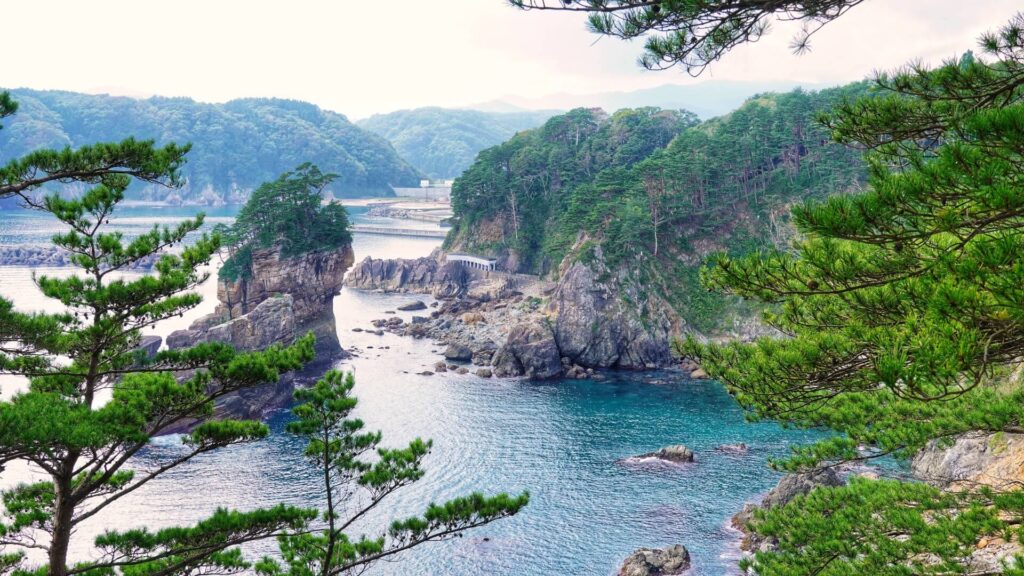
Tohoku refers to the northeastern parts of Japan’s main island (Honshu) that consists of six prefectures: Aomori, Akita, Iwate, Miyagi, Yamagata, and Fukushima. It is a vast area spanning roughly 67,000 km2 with a population of 8.3 million. Even with all 6 prefectures together, it is still significantly less than the population of the Greater Tokyo Metropolitan area, which totals to about 37 million. Because of this, the Tohoku region is blessed with an abundance of natural, rich beauty that offers gorgeous sights any time of year.
Due to the sheer amount of land contained within the region, it’s nearly impossible to visit every worthwhile location in one go. That is what makes Tohoku such an alluring spot to travel to – new adventure, history, and experiences await with each visit.
Although it’s impossible to mention everything in one article, below is a list of great activities, natural beauty, and uniquely Tohoku experiences you can enjoy in and around the northeastern area during the summer!
Matsushima Bay
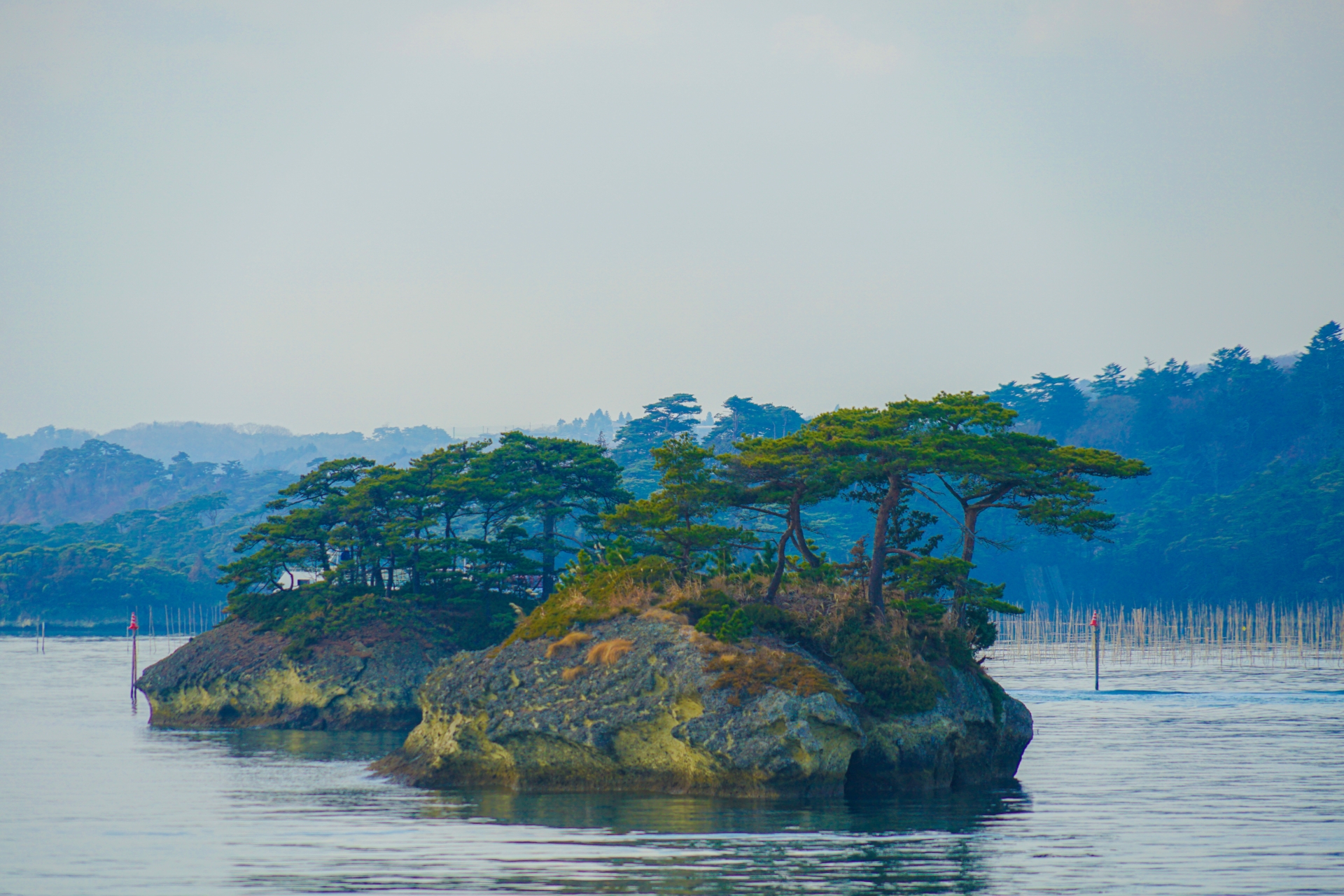
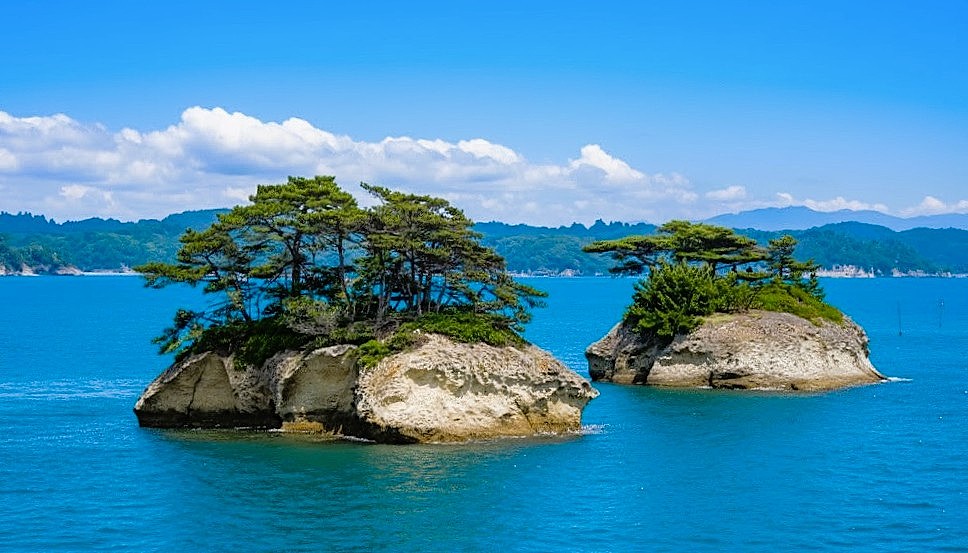
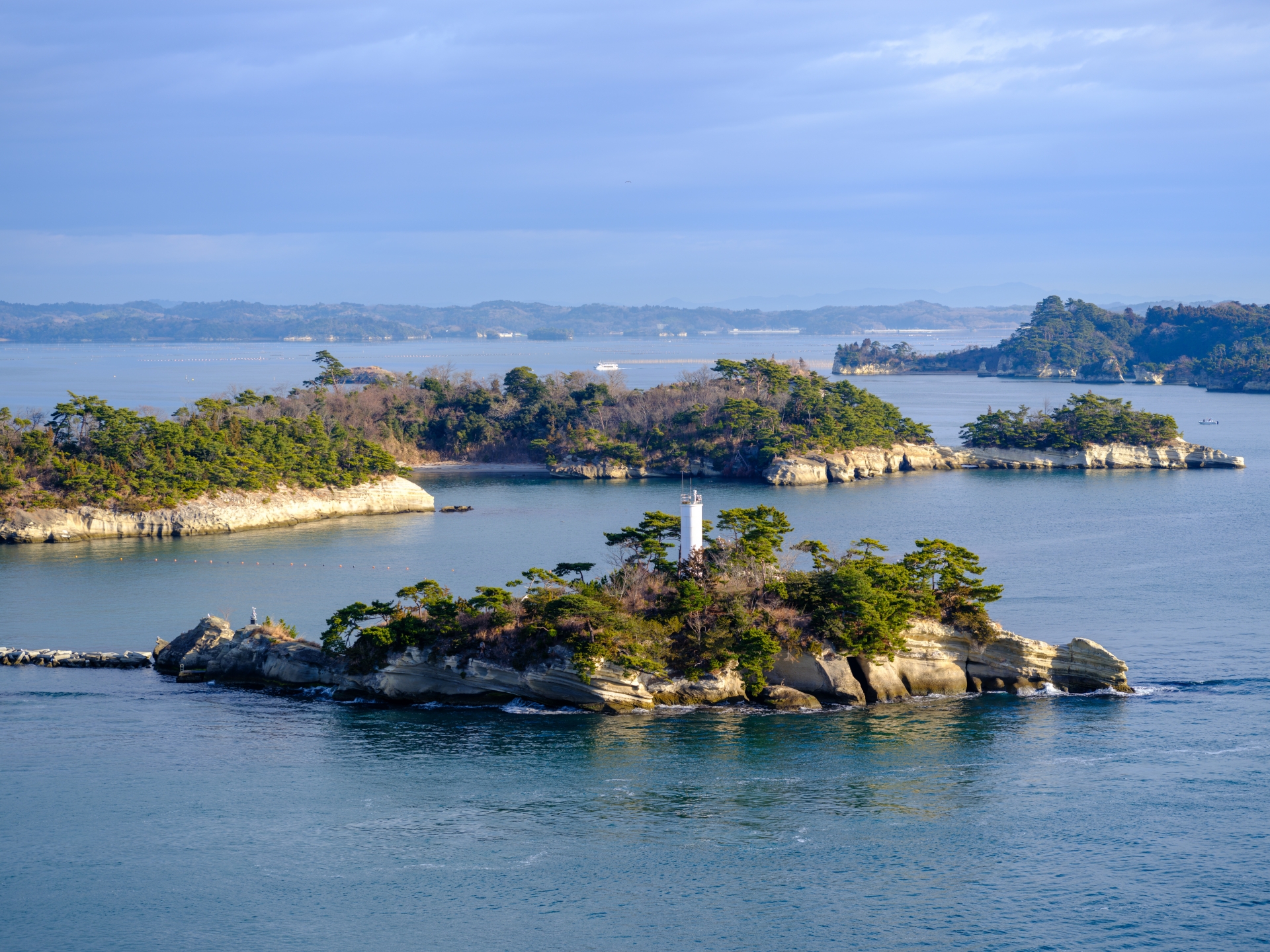
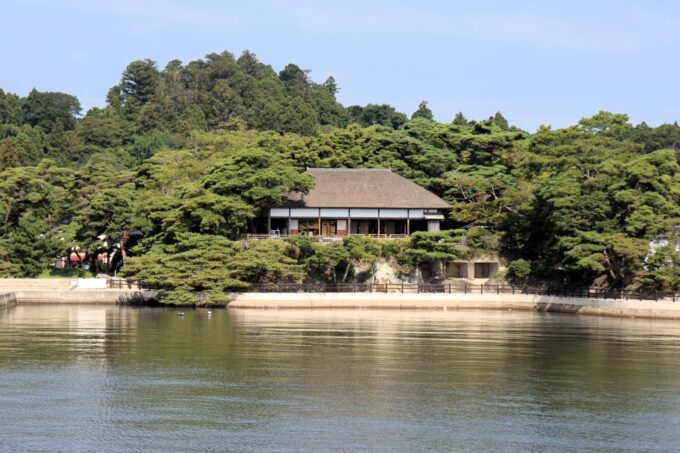
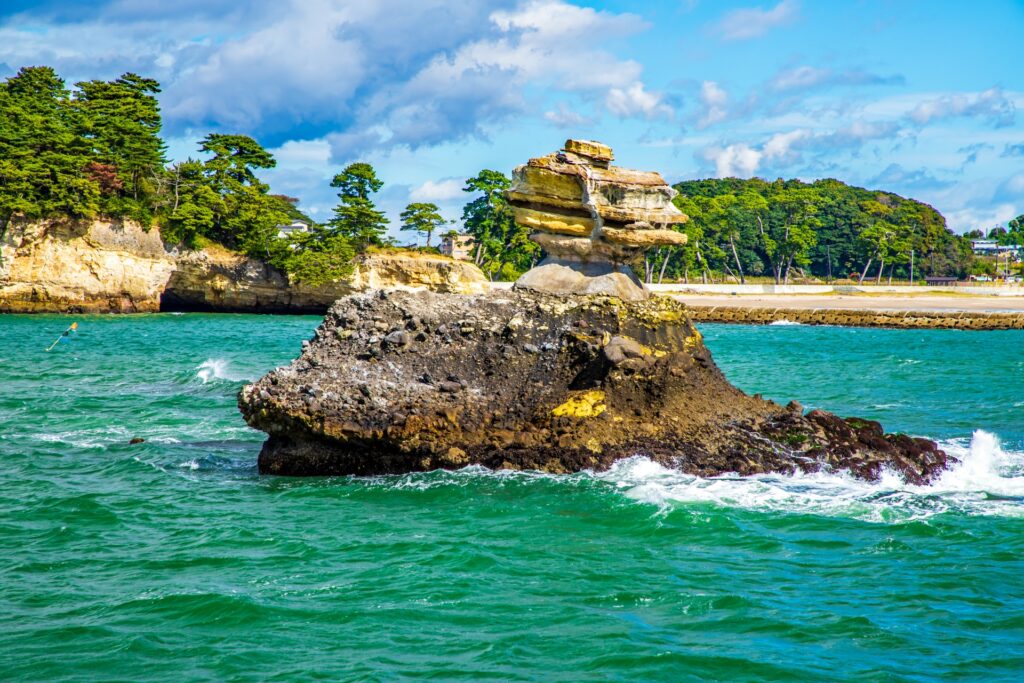
Praised as one of Japan’s Three Top Scenic Views, Matsushima is a bayside town located just 40 minutes north of Sendai via train along the coastline of the Miyagi Prefecture. Take advantage of the warm summer weather and plan your trip to this gorgeous, walkable area filled with beautiful scenery, historic temples and gardens, and unique experiences.
Recommended Tour:
Matsushima Bay — Highlights from One of Japan’s Three Most Scenic Views / All Year Round
Small Group
1-Day Tour from Sendai: Matsushima Bay — Highlights from One of Japan’s Three Most Scenic Views
- Spots:
- Matsushima
- Pick-up:
- Sendai
- Drop-off:
- Sendai
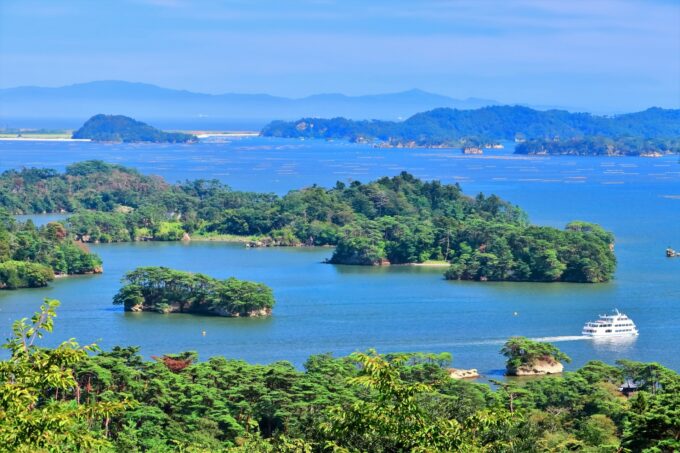
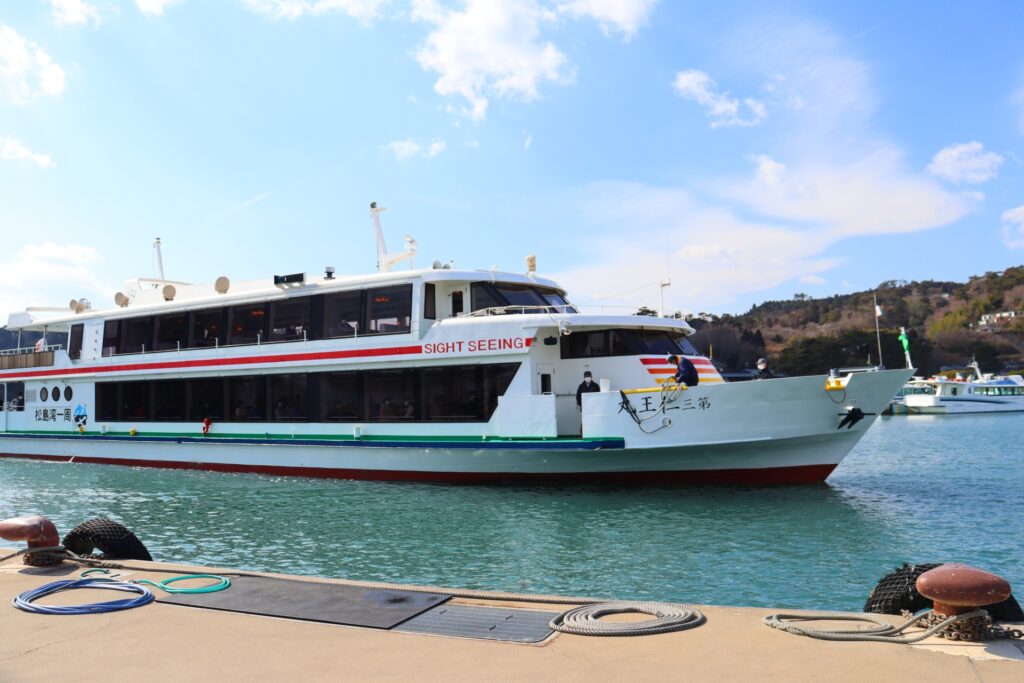
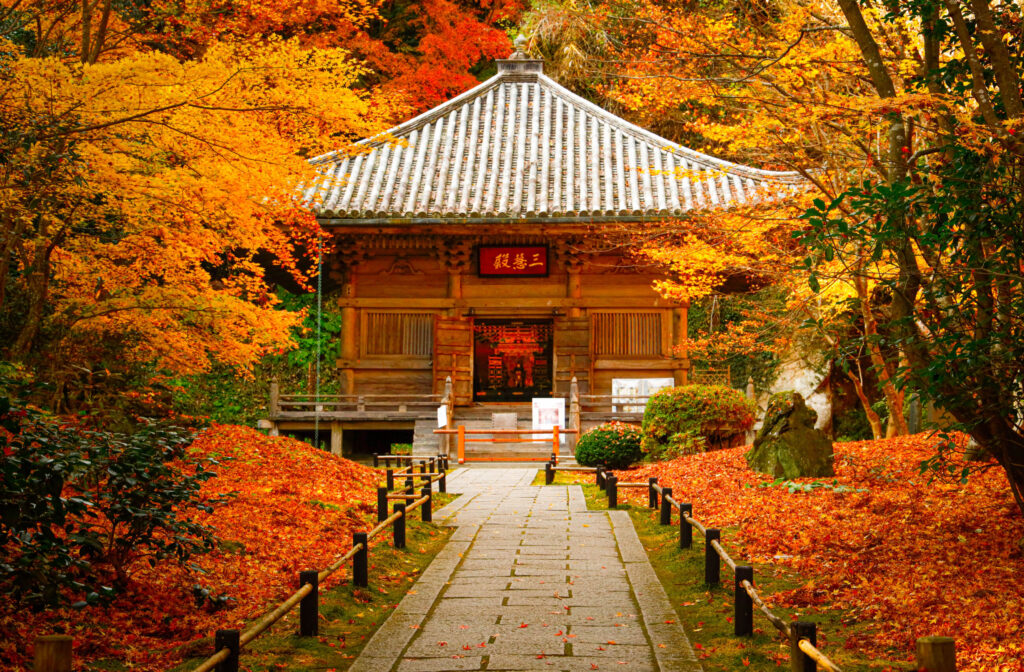
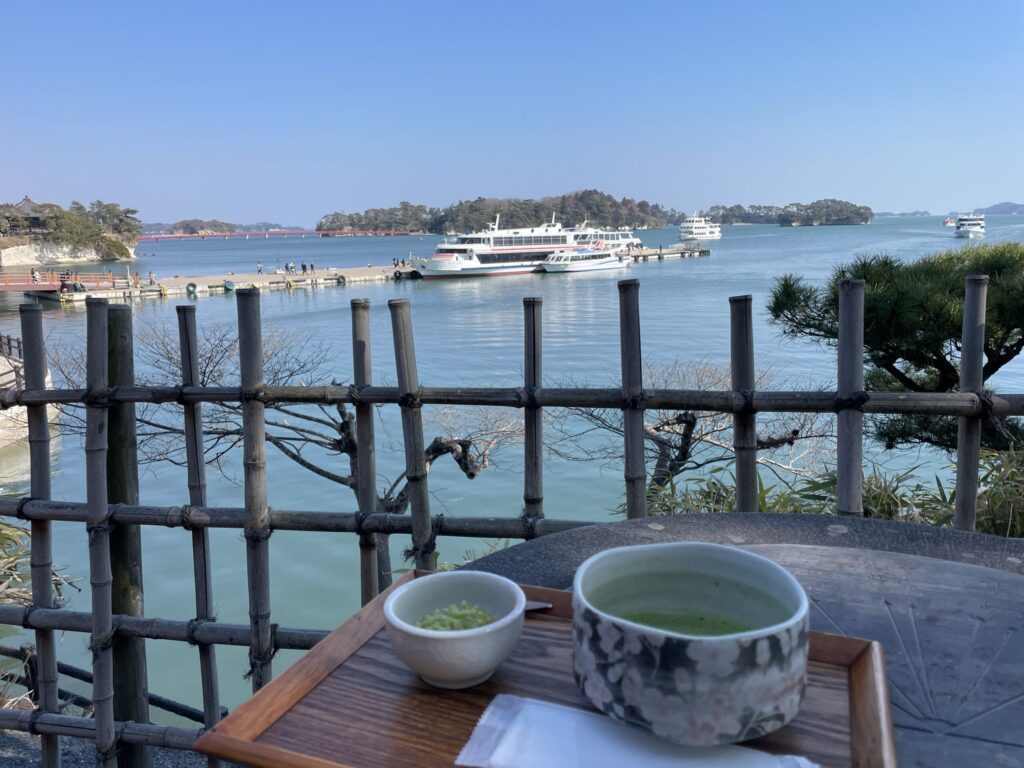
Located in the northeastern part of Miyagi Prefecture, Matsushima Bay’s 260 pine-clad islands create a breathtaking view that is a must-see while visiting the Tohoku region. On this tour, you will walk through history, take in the ocean-side views, and discover the unique charms of this bayside town. Starting with a tranquil stroll through a Zen garden, you'll experience it's serenity while learning about its history and importance. You will then head to Zuiganji and its museum where you can witness preserved historic artifacts and structures. This tour also includes a quirky retro museum visit, a picturesque bayside view with green tea and sweets, and concludes with a peaceful boat cruise of the bay where you can witness some of the 260 islands up close.
Historic Aizu-Wakamatsu
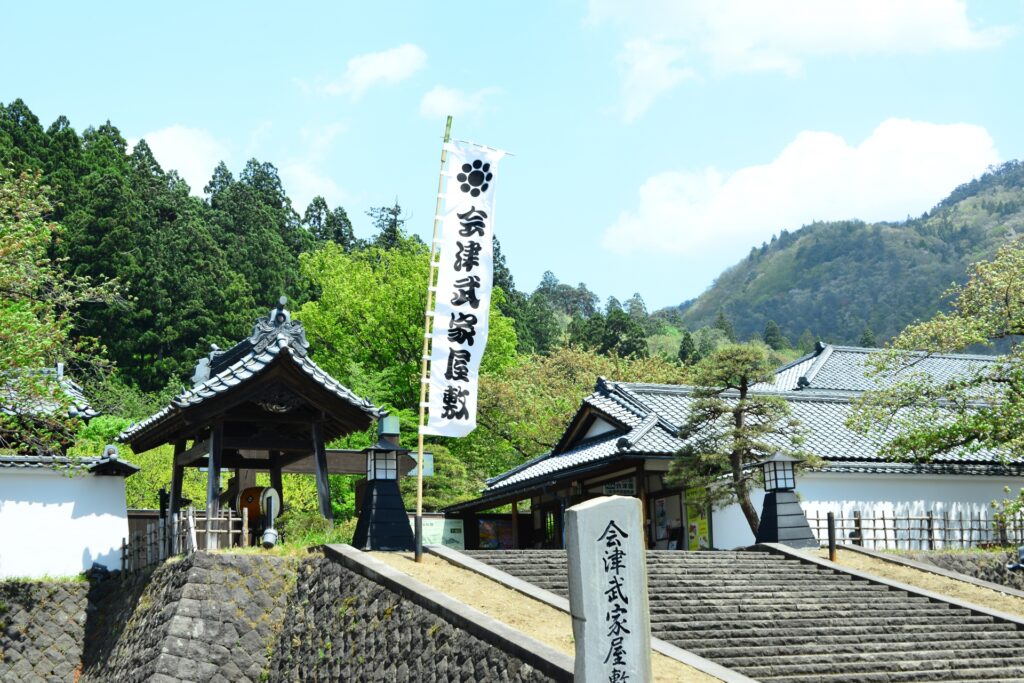
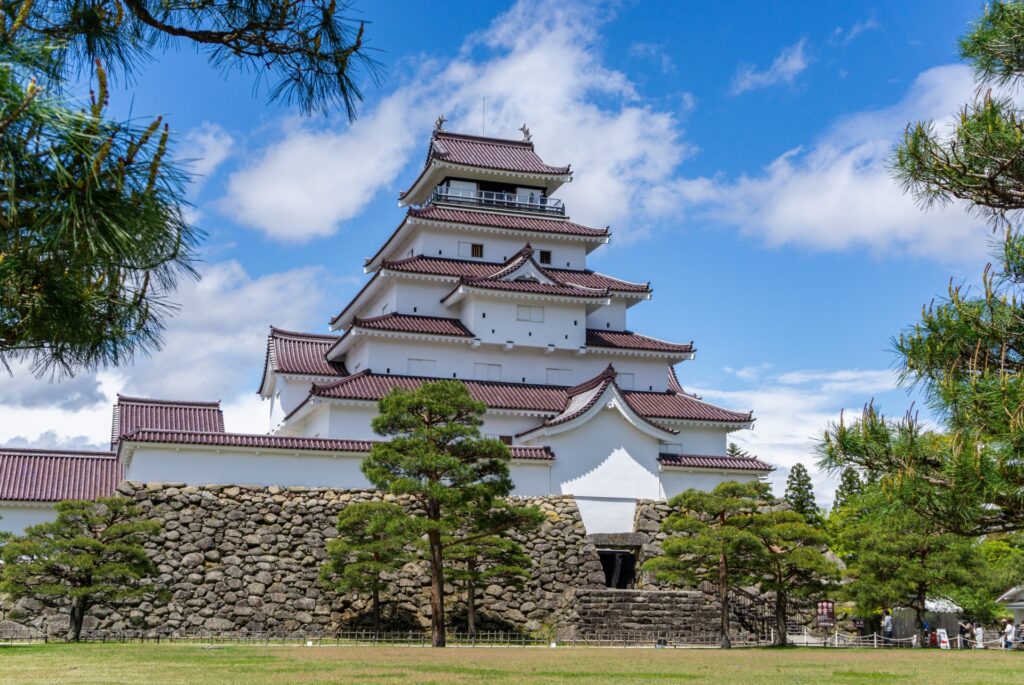
Also known as Samurai City, Aizuwakamatsu is located in the Fukushima prefecture. It boasts all kinds of wonderfully rich history including being the last stronghold of the samurai at the end of the 19th century. Located at the center of the city is Tsuruga Castle, another historic gem that has beautiful cherry blossoms in the spring. But in order to avoid the crowds, travelers can still enjoy all that the castle has to offer during the summer months. In fact, this castle is the only red and white castle in Japan!
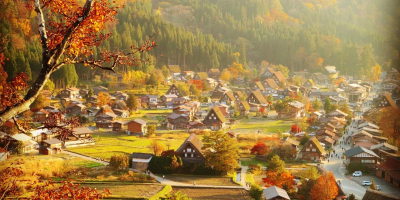
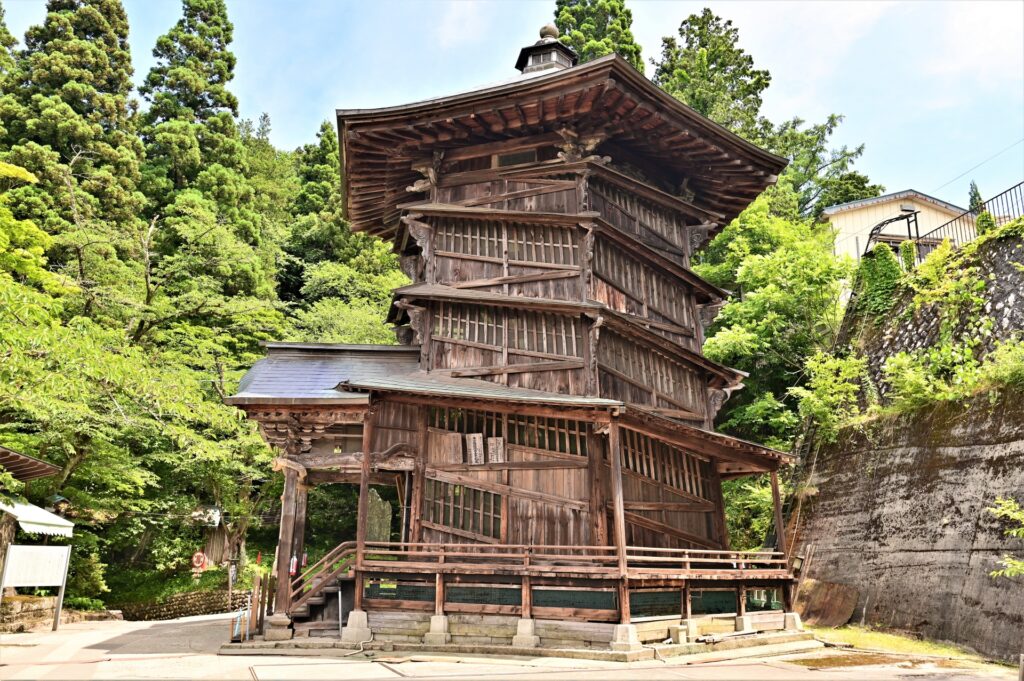
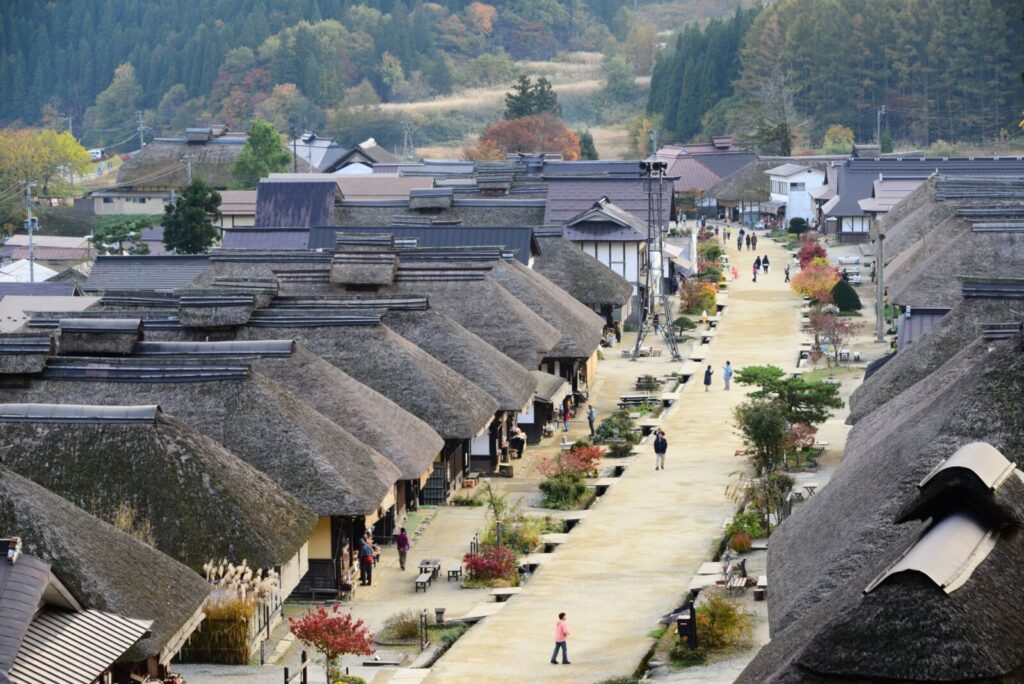
Aizuwakamatsu also has restored bukeyashiki or traditional samurai houses, a unique double-helix spiraled temple called Sazaedo, and the city is not too far off from the beautifully and accurately restored post town called Ouchi-juku. This post town served as a connection between Nikko and Aizu for travelers on foot during the Edo Period.
Why not hit as many major samurai spots as you can during your trip? Snow Monkey Resorts offers a plethora of samurai themed tours for you to enjoy. One of our Tohoku highlights includes our historic tour of Sendai.
Recommended Tour:
Historic Sendai Tour: Date Masamune’s Legacy / All Year Round
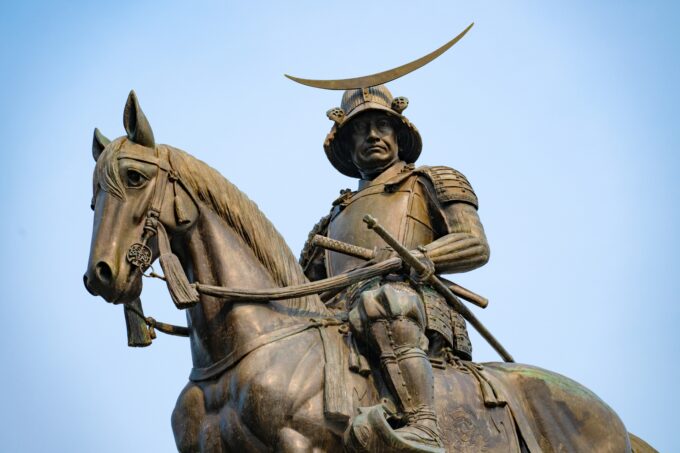
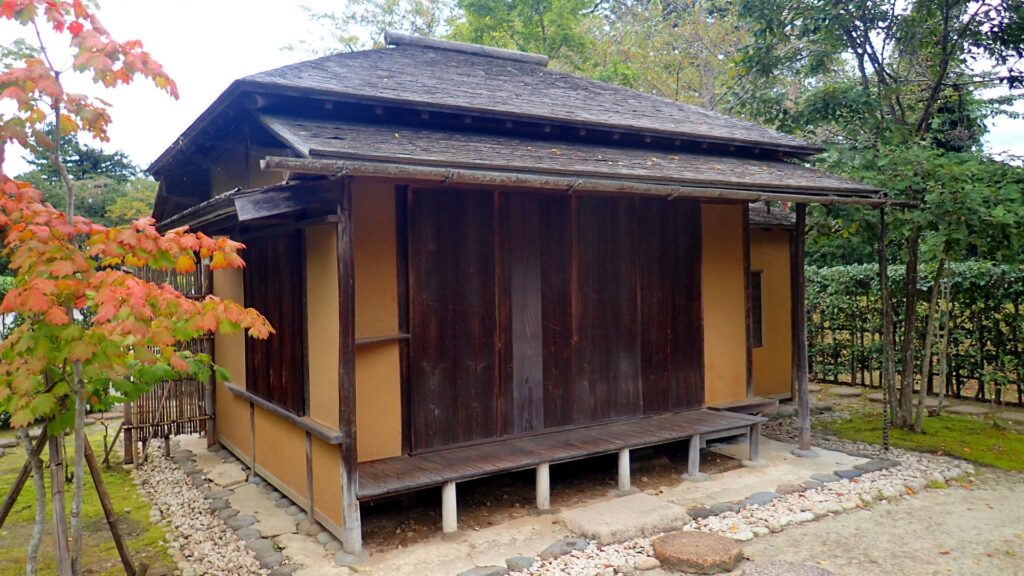
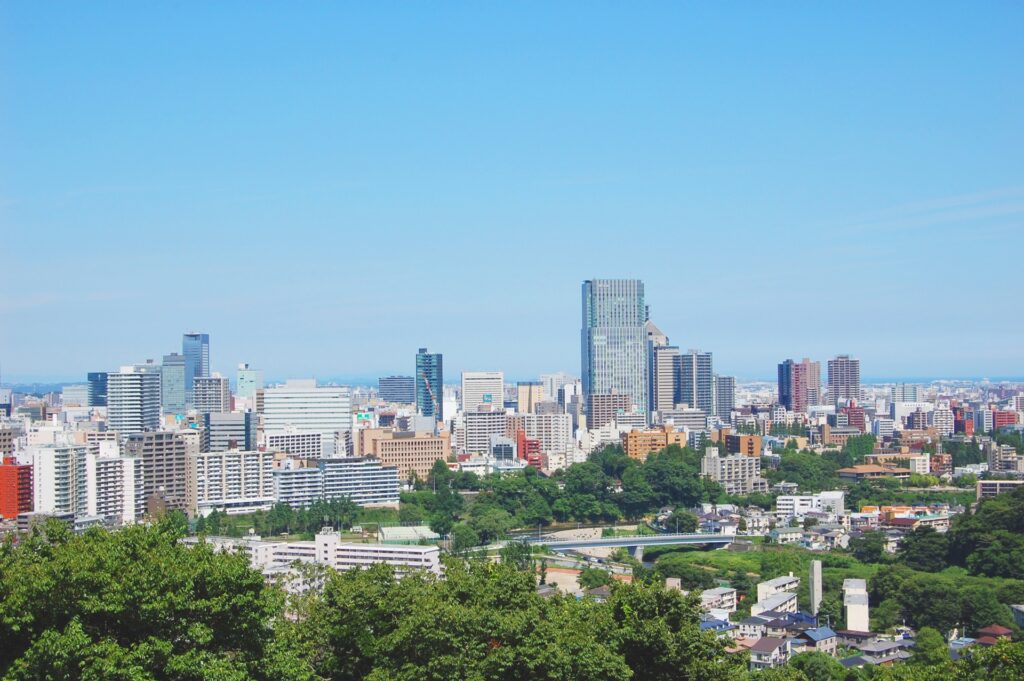
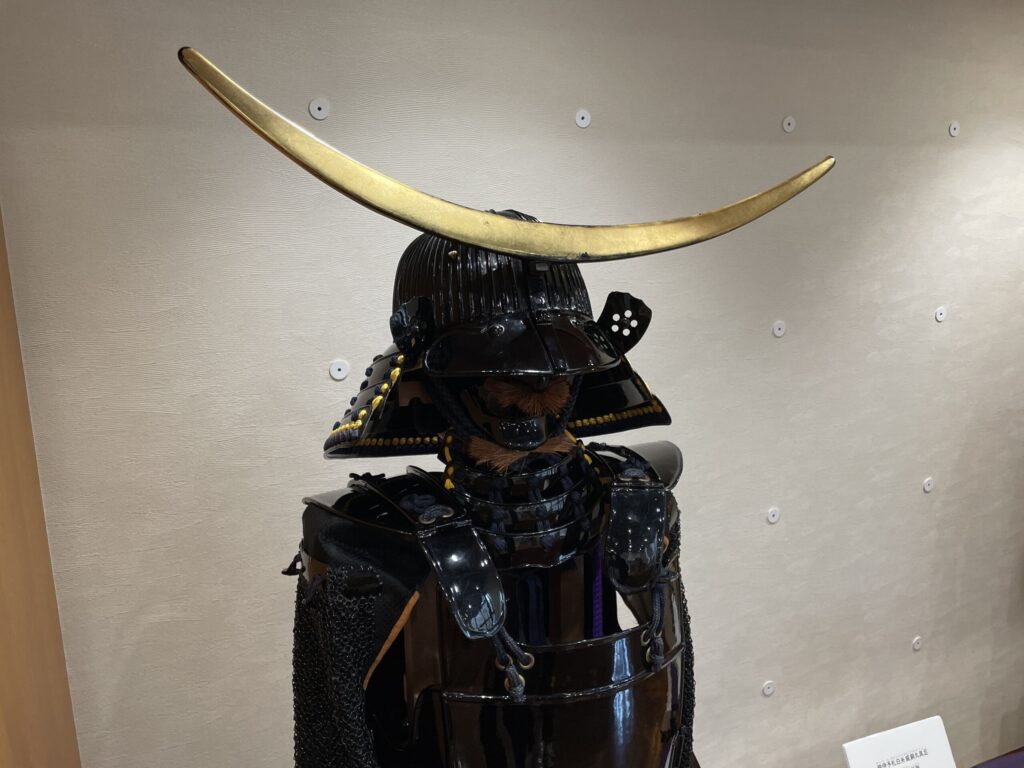
This is the perfect tour for history lovers – especially samurai history! This tour of Sendai gives you insight to the city's dynamic heritage and to the influential Date Clan that fostered the city’s prosperity into what it is today. Starting with a in-depth storytelling of Date Masamune and his family at the mausoleum, you will then venture throughout the city hitting many of the significant highlights. This includes a museum tour which offers an overarching look at samurai history, the Date Clan, and Sendai's roots in general. You will then visit locations such as the site of the Sendai Castle Ruins, a preserved Edo period tea house, and an architecturally significant Date Clan shrine.
This tour allows you to take in not only the interesting history of the city, but also get a close look at the National Treasures that exemplify the power of the Date Clan and artistic style of early seventeenth century architecture.
Ginzan Onsen
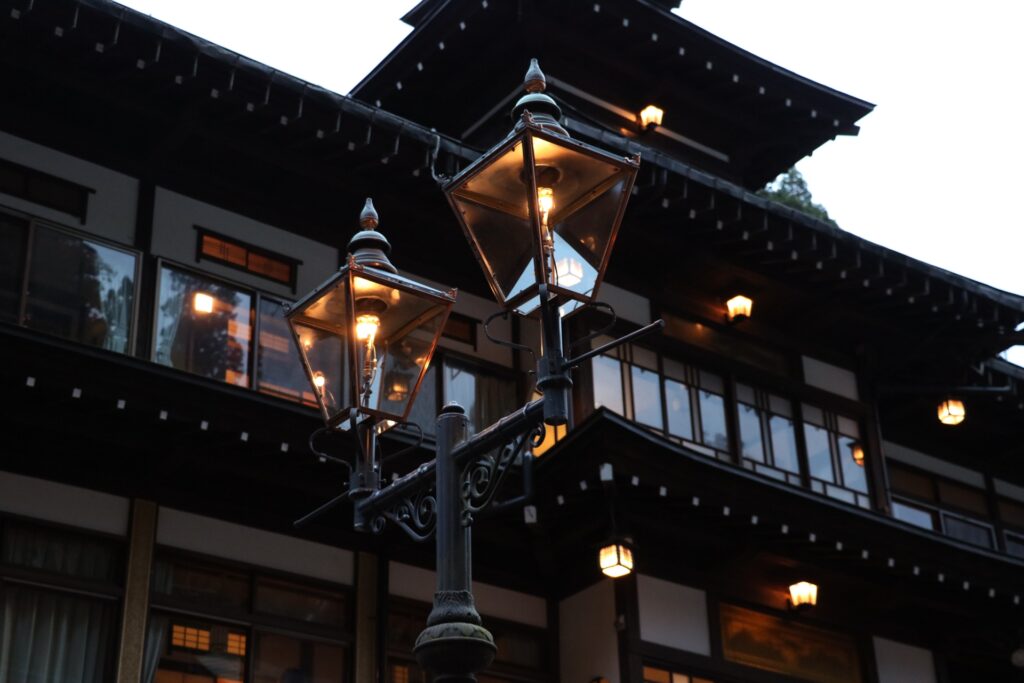
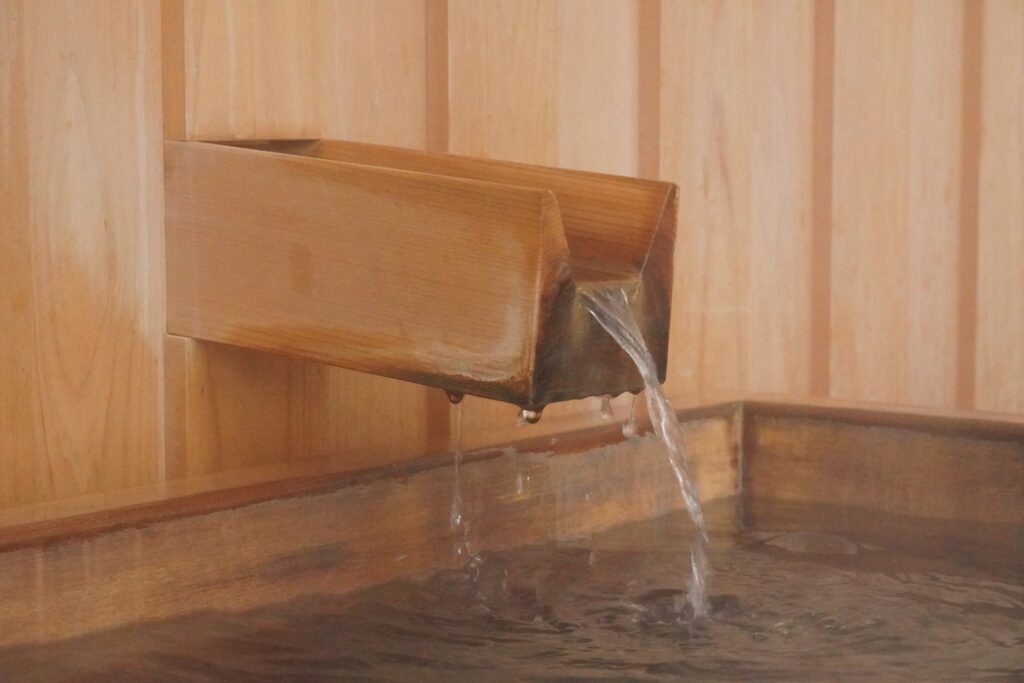
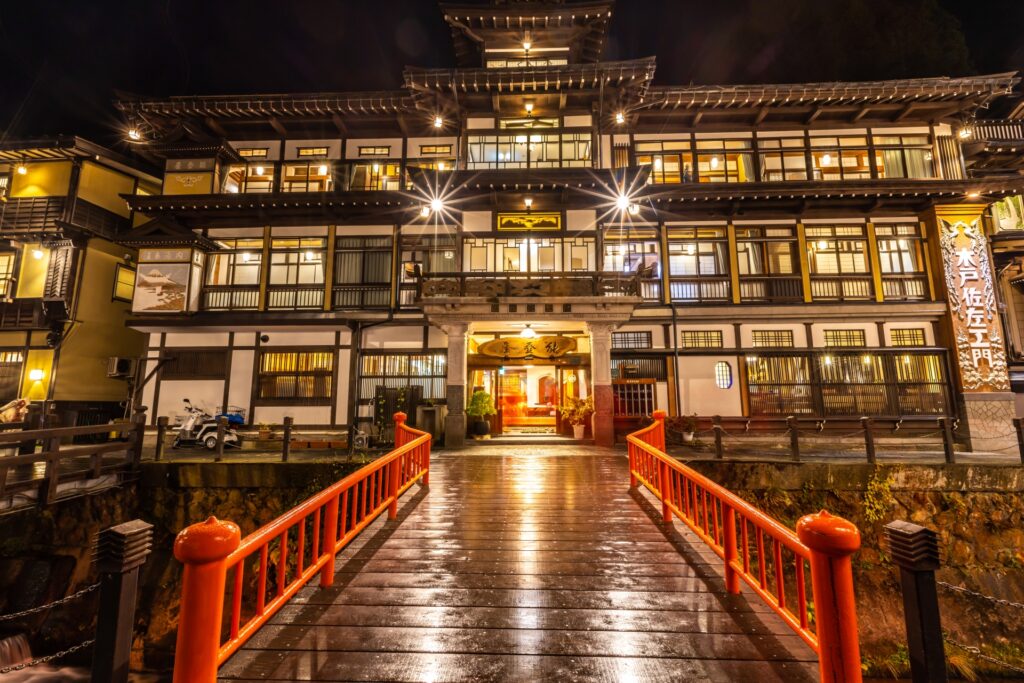
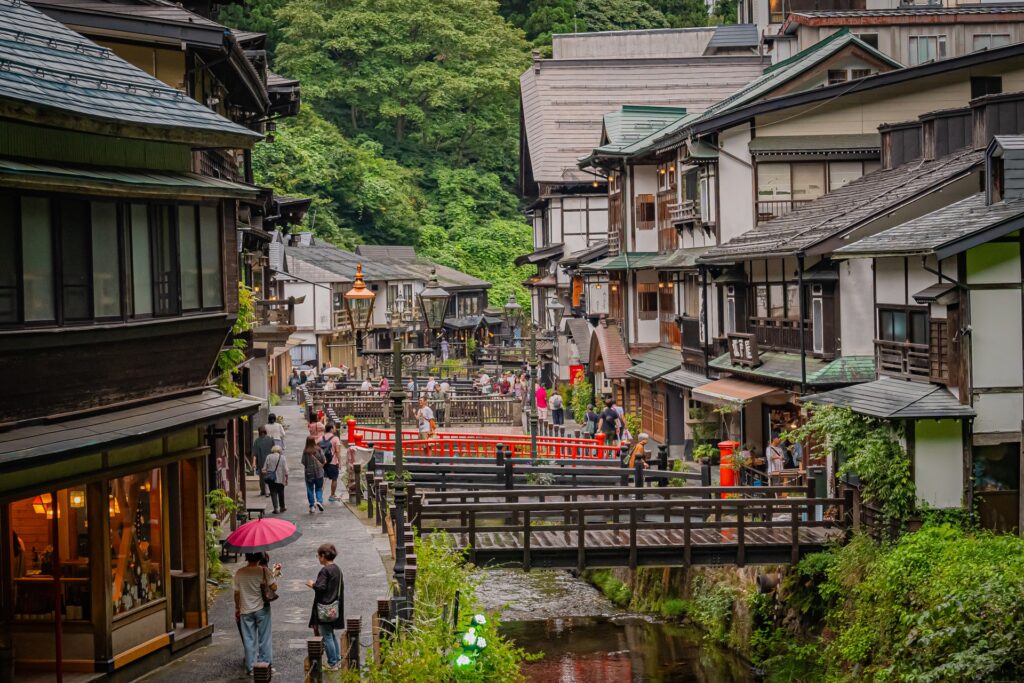
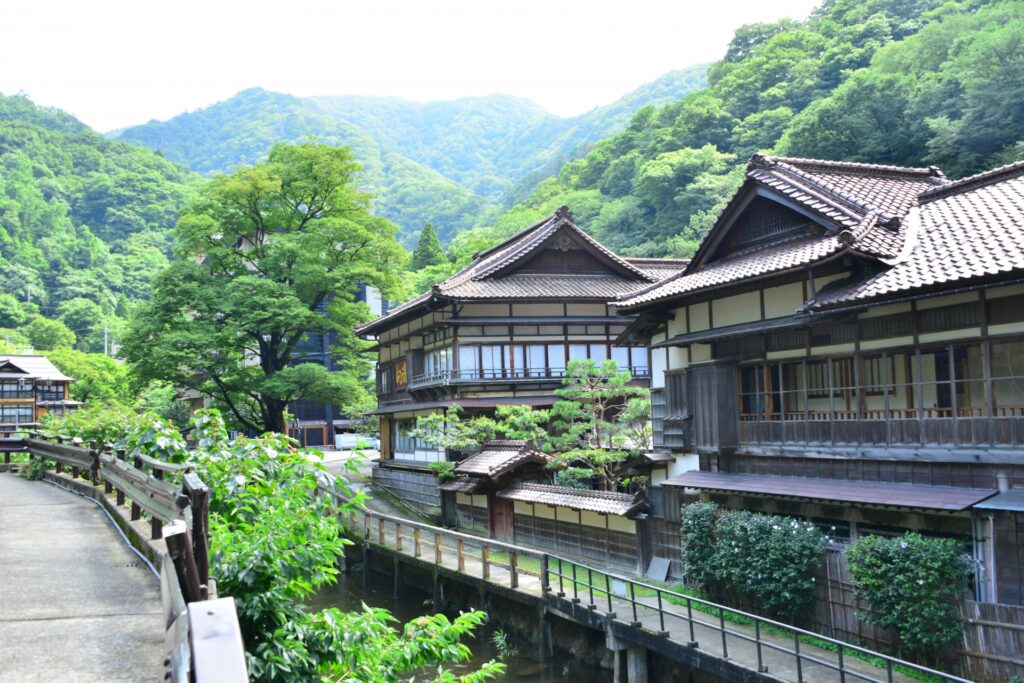
Ginzan Onsen is an old-fashioned, picturesque hot springs town in the Yamagata Prefecture. Although many iconic images from this area come from the snowy depths of Yamagata’s winter, this scenic tourist spot offers amazing views regardless of the season. Originally established around a silver mine, this pedestrian-only hot springs town offers a uniquely antique feel to those who visit. There are traditional ryokans you can stay in as well as foot baths and public baths for day trips. This timeless location is sure to add relaxation to your trip to the north. An added bonus of visiting Ginzan Onsen during the summer is less crowds and less restrictions on visitors – they often have limitations on how many people can visit, especially those who are driving, during the winter due to hazardous conditions.
Lake Days in Tohoku
Lake Towada / Akita & Aomori
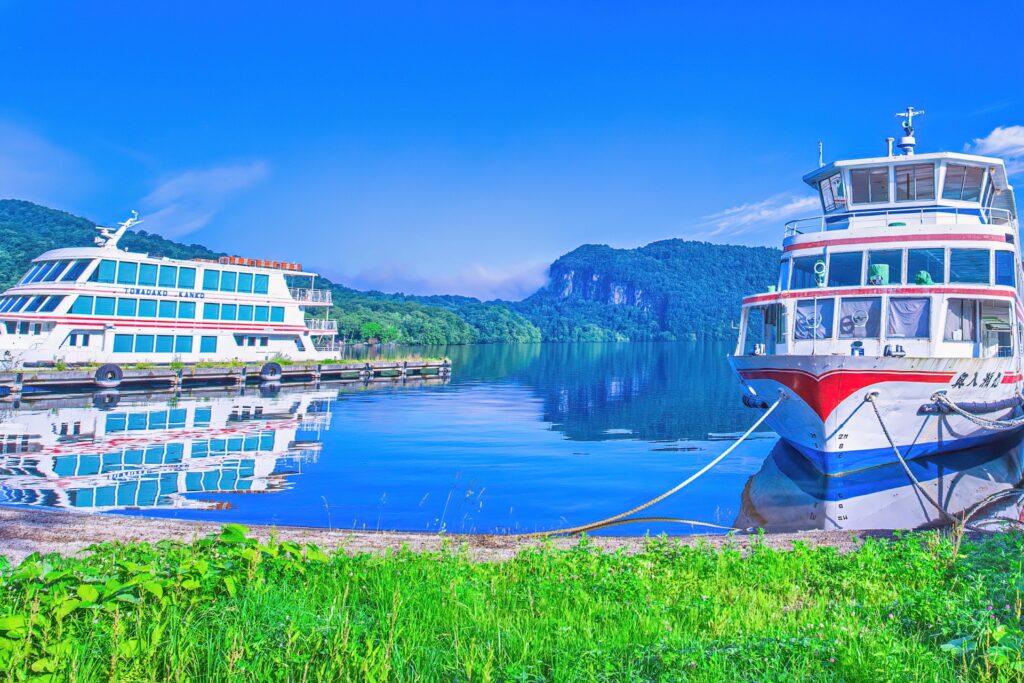
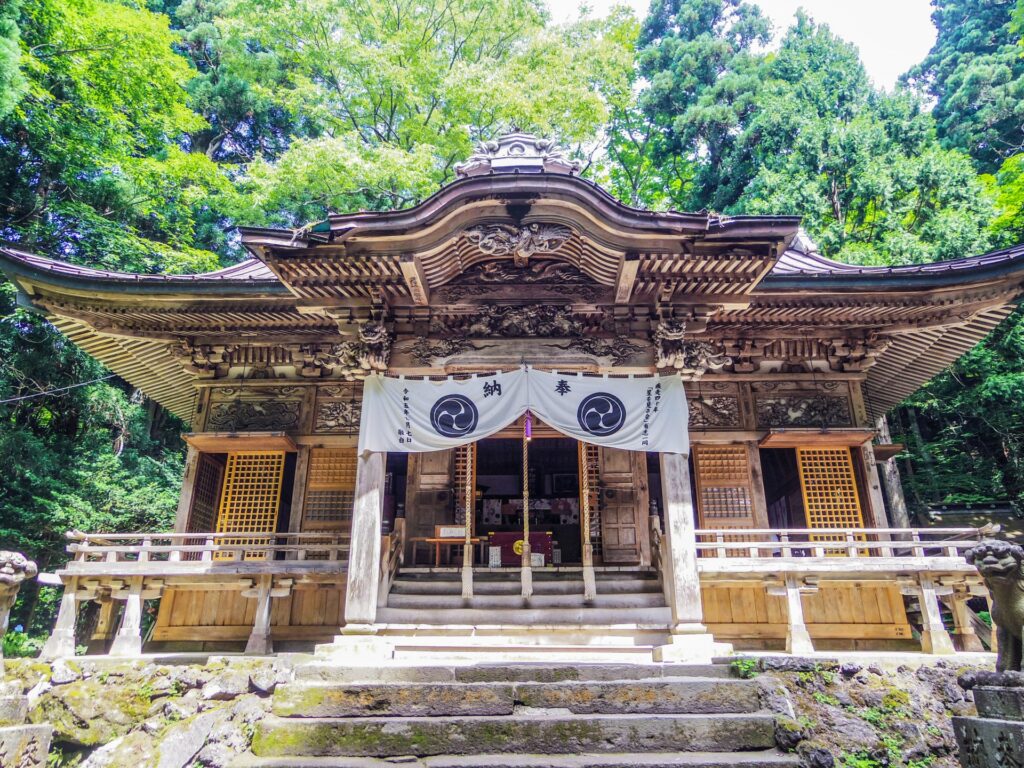
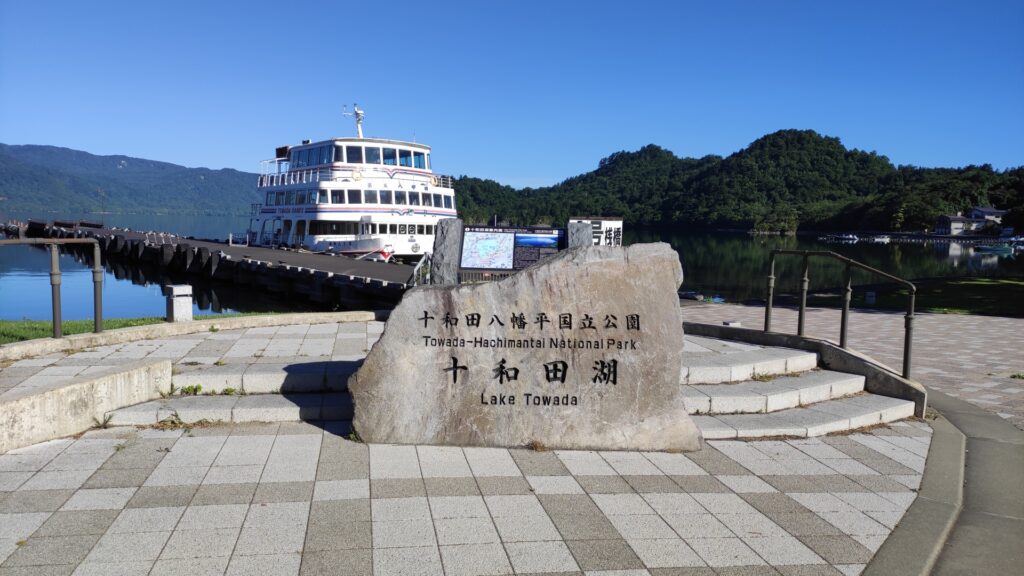
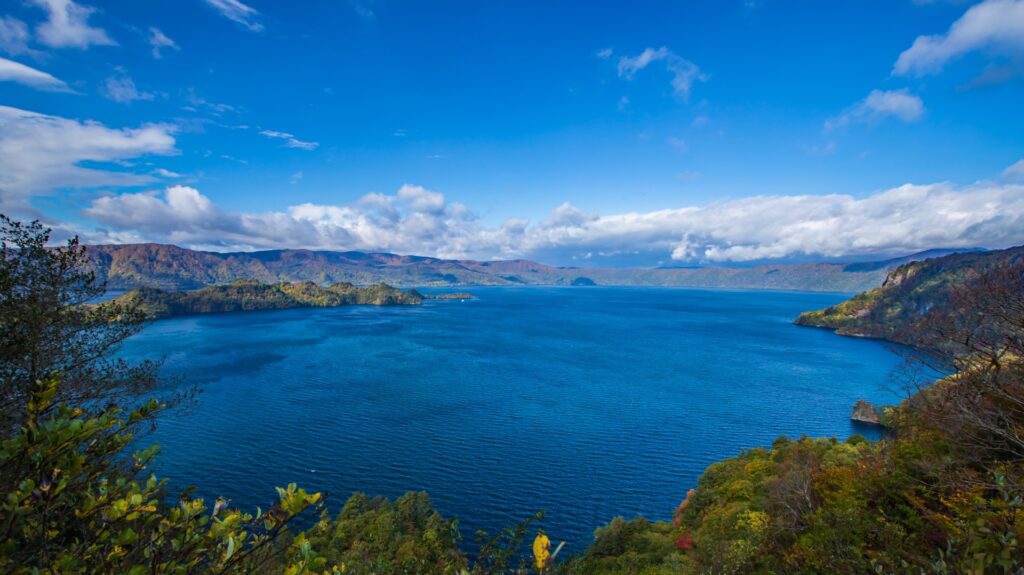
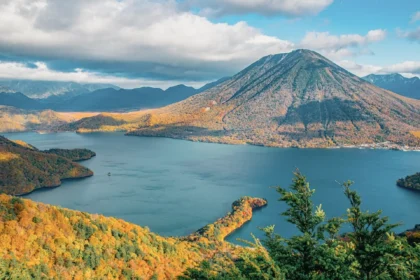
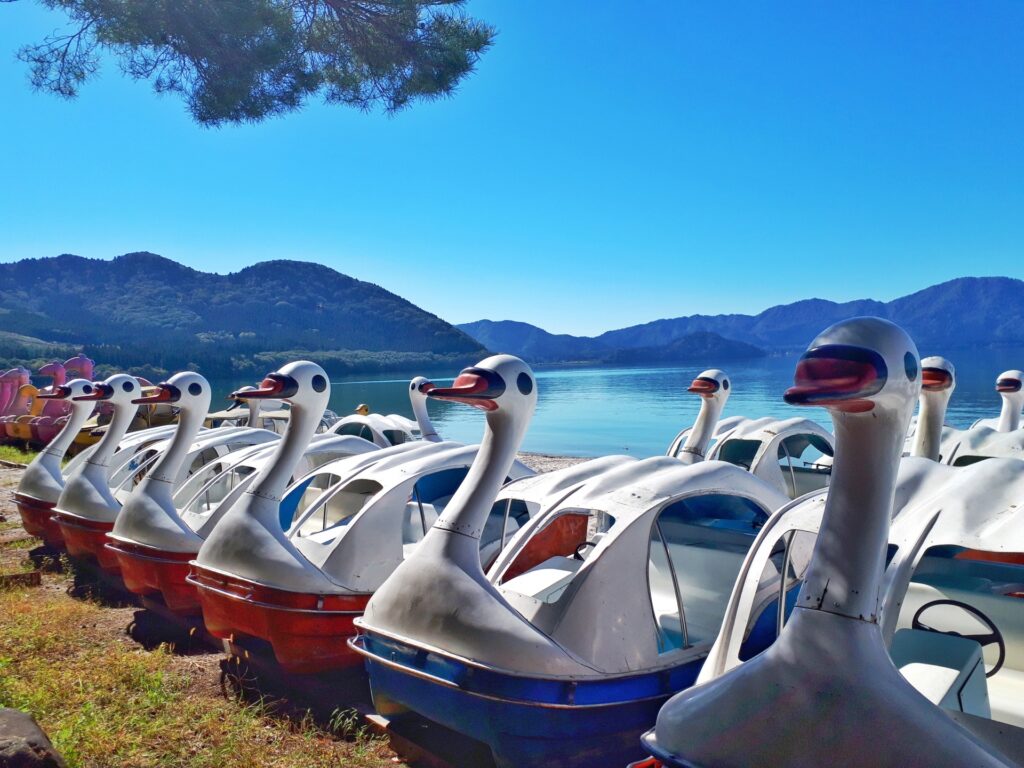
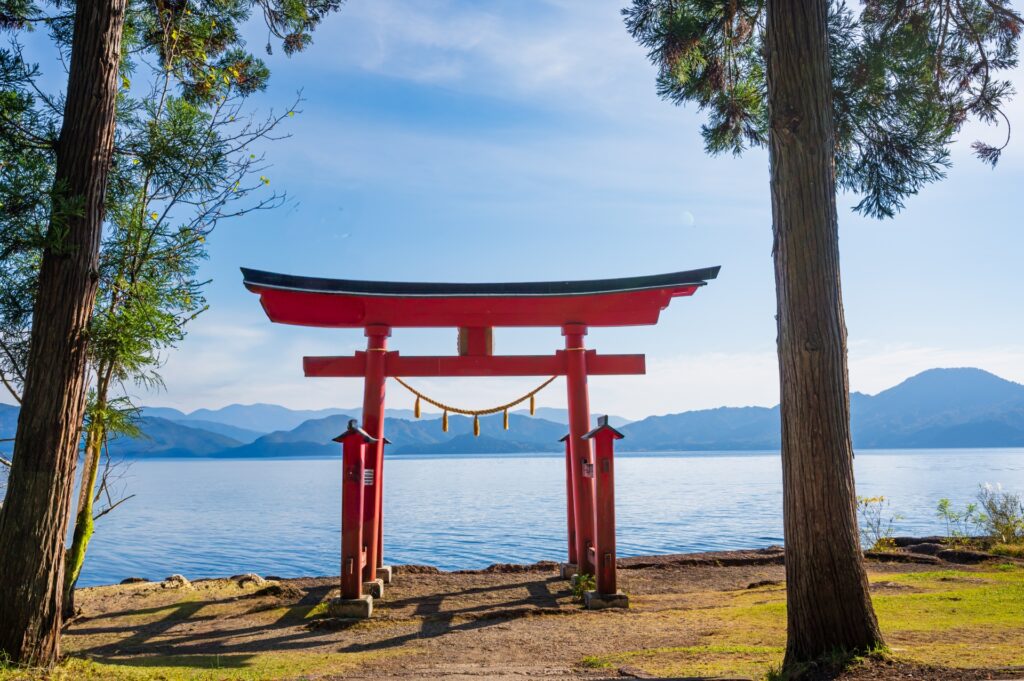
Lake Towada is located on the border between Aomori and Akita prefectures and lies 400 meters above sea level. It is actually the largest crater lake in Honshu, Japan’s main island, and has a gorgeously dark blue color thanks to its depth. Lake Towada is a popular tourist destination thanks to its gorgeous walking area, the connection to the Oirase Gorge which has plenty of waterfalls, as well as the historic Towada Shrine located just a short walk from the main tourist information center. There are also summer activities including a sightseeing cruise, canoeing, SUP boarding, camping, and swan boats.
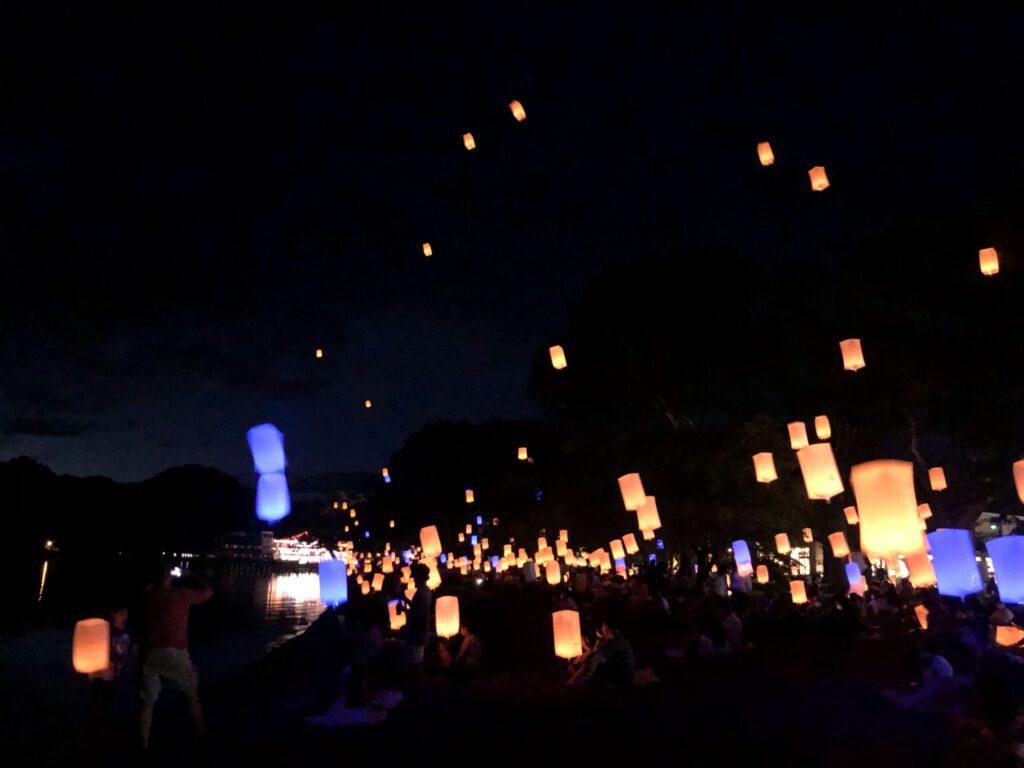
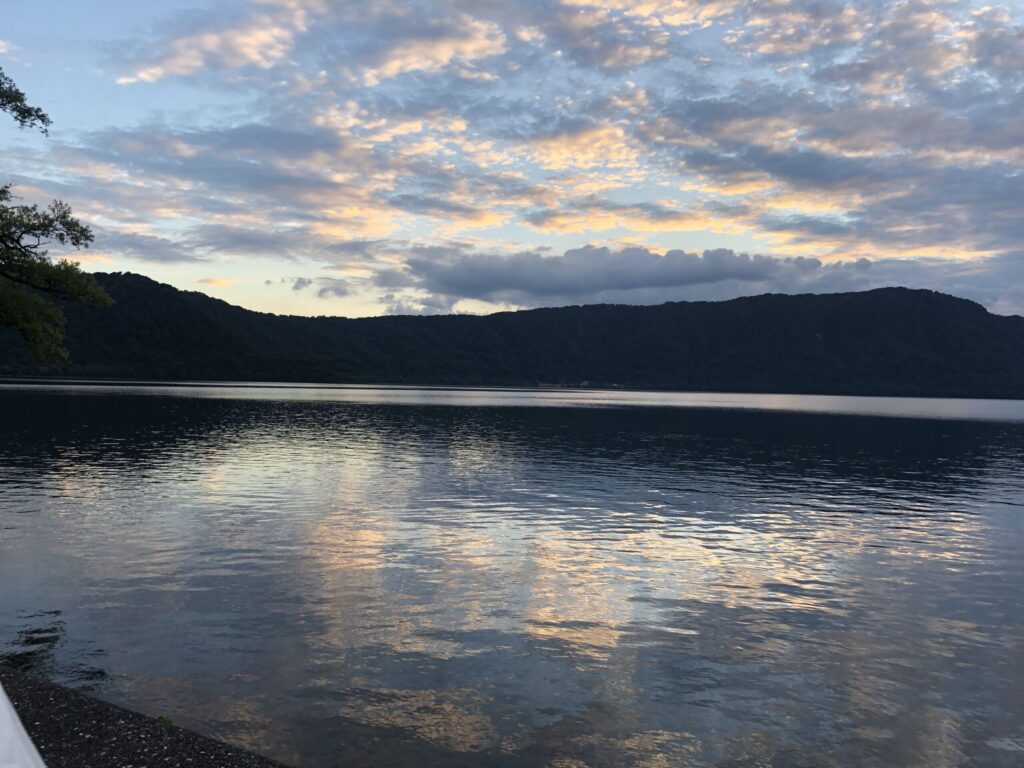
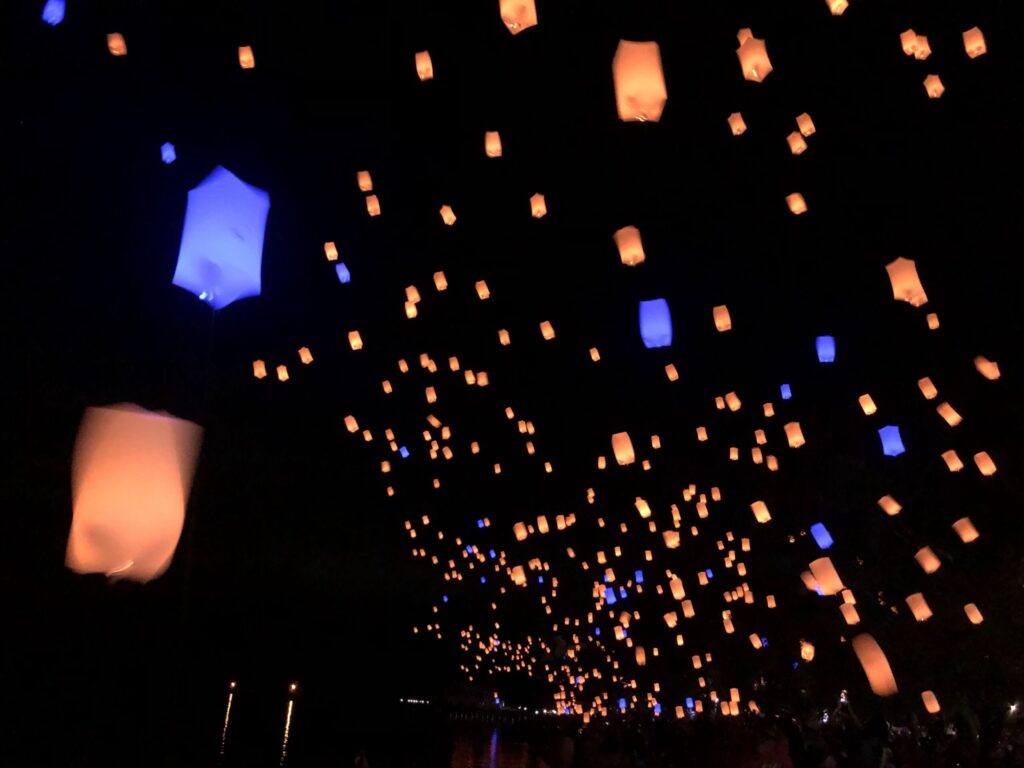
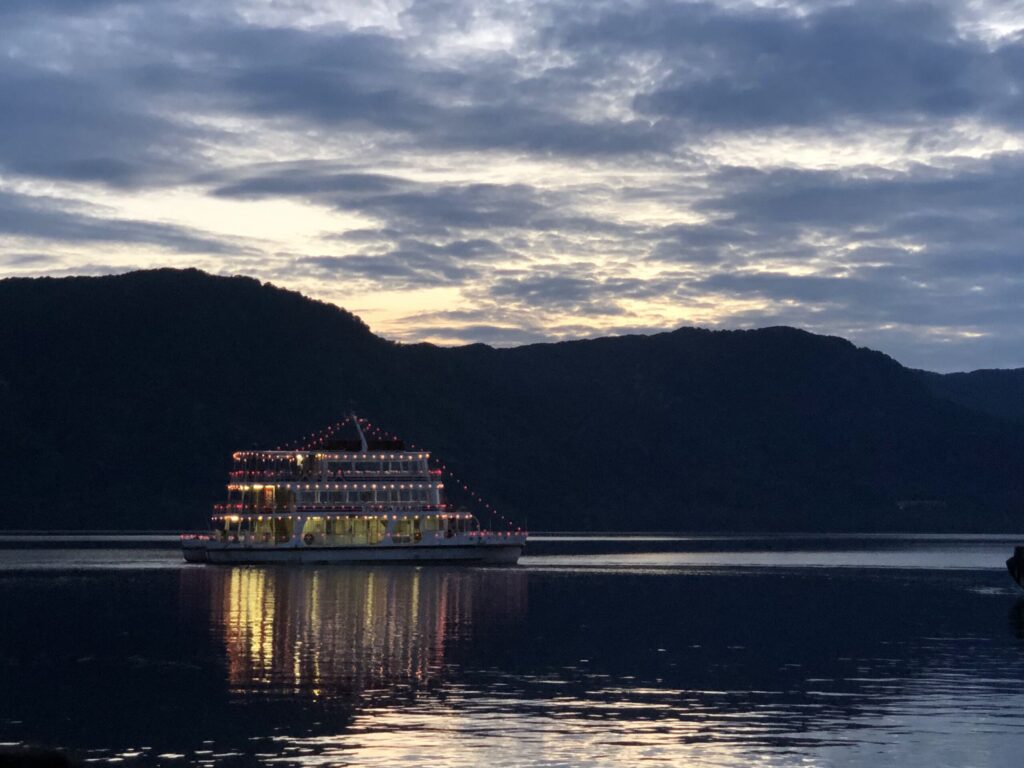
On June 13th (SAT) there is the 61st annual summer festival officially titled the Kosui Matsuri (lit. Lake Water Festival). This summer festival lights up the night sky with colorful orange and blue lanterns floating upwards. Many English speakers refer to it as the Lake Towada Sky Lantern Festival due to the hundreds of colorful lanterns that float above the dark waters at night giving it a gorgeous if not ethereal look. The lanterns are held onto by strings – similar to a balloon or a kite – so there is no risk of damaging or polluting the natural habitat of the lake.
Lake Tazawa / Akita
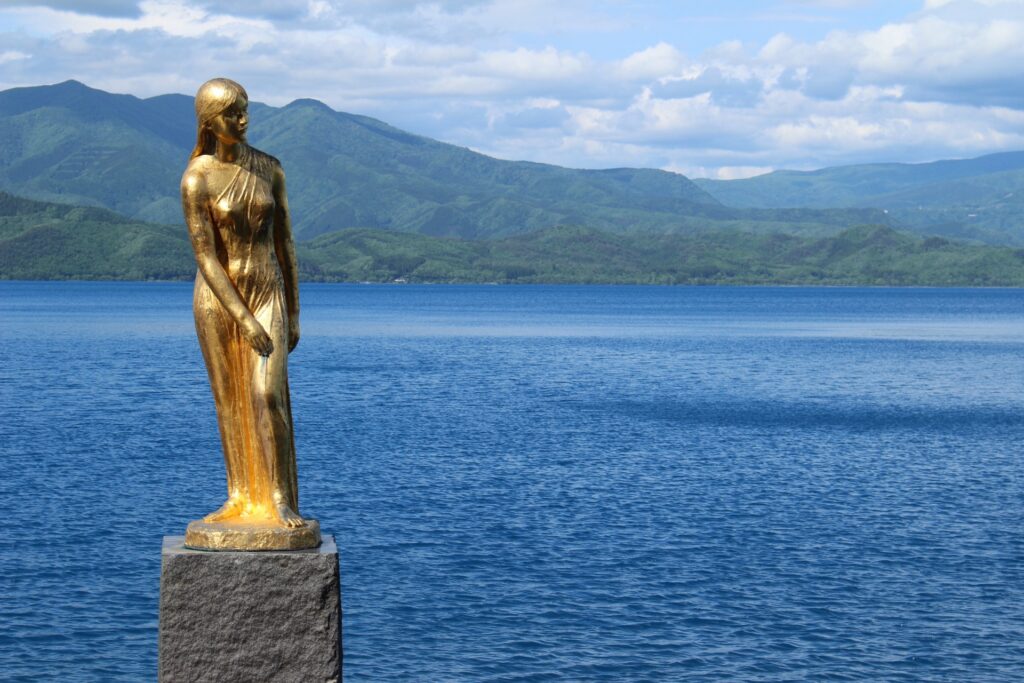
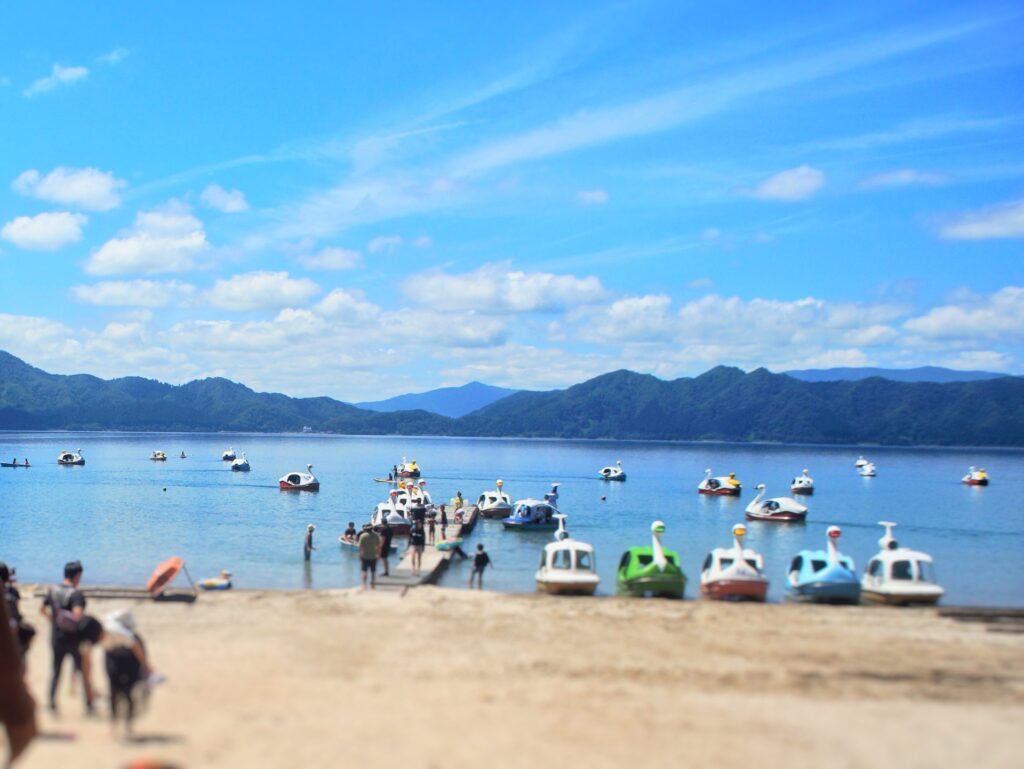
Lake Tazawa is another caldera lake in Tohoku. It’s located north in Semboku city, Akita. Lake Tazawa is actually the deepest lake in Japan reaching 423 meters (1,388 ft). It is a widely popular vacation area with its lovely beaches off the shores of the lake as well as hot springs resorts in the area. An iconic photo-op location at Lake Tazawa includes the gold statue of Tatsuko. The folktale goes that Tastuko was a young woman looking to preserve her youth and looks. After diligent praying, she was instructed to drink from a nearby spring to fulfil her wish. Unfortunately, her thirst and greed was grand and she drank up all the spring water and transformed into a dragon. She is cursed forever in this form; fated to stalk the lake’s depths and act as its guardian. There is lots to do around this lake area, including the Tazawa Loop Road, a bicycling journey of approximately 20km around which takes about 2 to 3 hours.
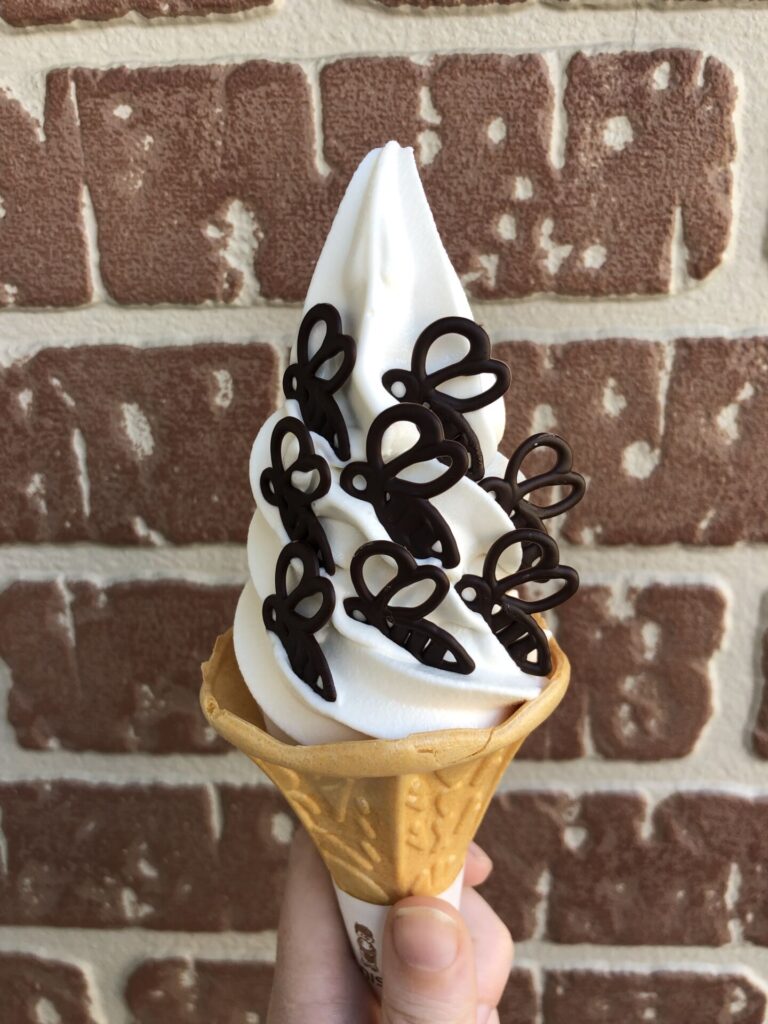
Summer wouldn’t be complete without a chilly, sweet treat. Thankfully Lake Tazawa has a perfect shop for that! Yama No Hachimitsuya is a popular tourist destination that sells local honey and honey products perfect for souvenirs. There’s even a corner where you can taste test various honey infused fruit vinegars. The icing on the cake is their soft serve ice cream near the back of the shop. To make things even more exciting, when purchasing a cone of honey ice cream you get a chance to try your luck with their “Honey Bee Swarm Challenge,” to win 8 bee-shaped chocolate candies to adorn your treat. Roll a die and if you land on the number 8, you win! Don’t worry though, even if you don’t get an 8, you still get one bee-shaped chocolate on top of your ice cream cone to enjoy.
Lake Inawashiro / Fukushima
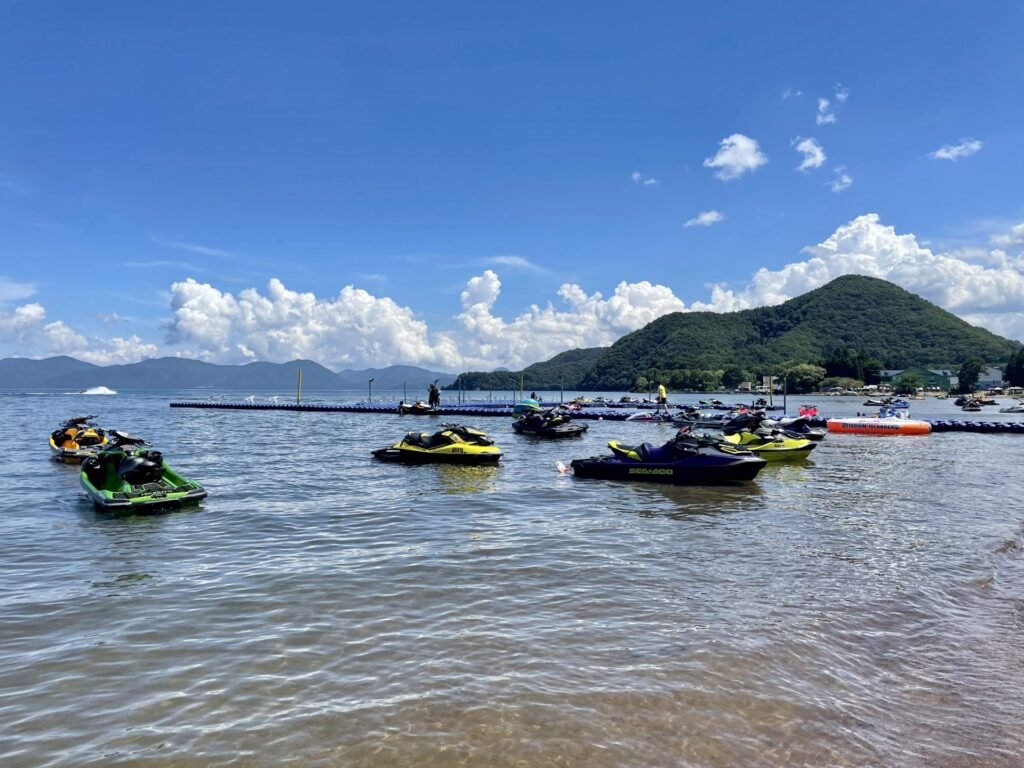
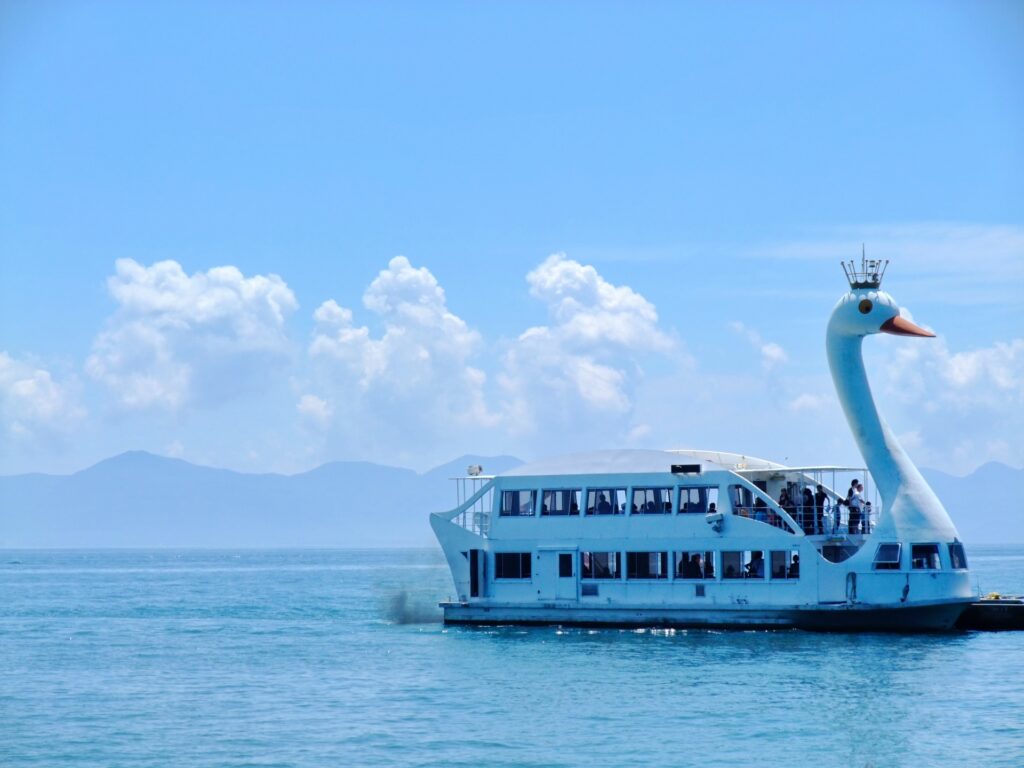
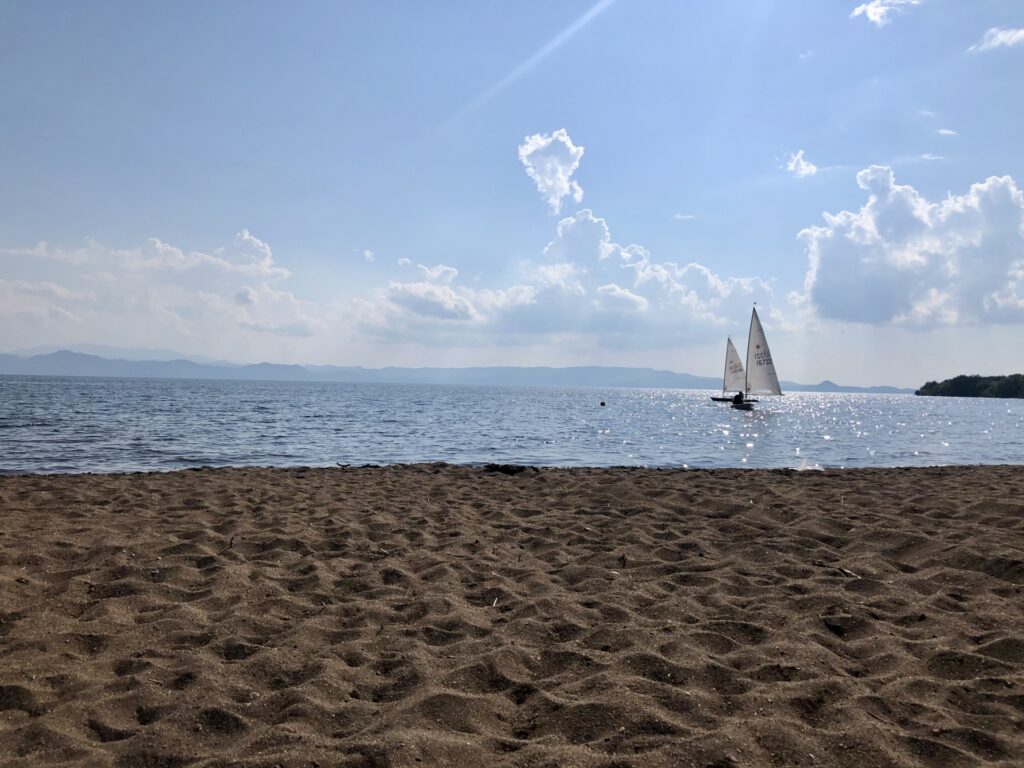
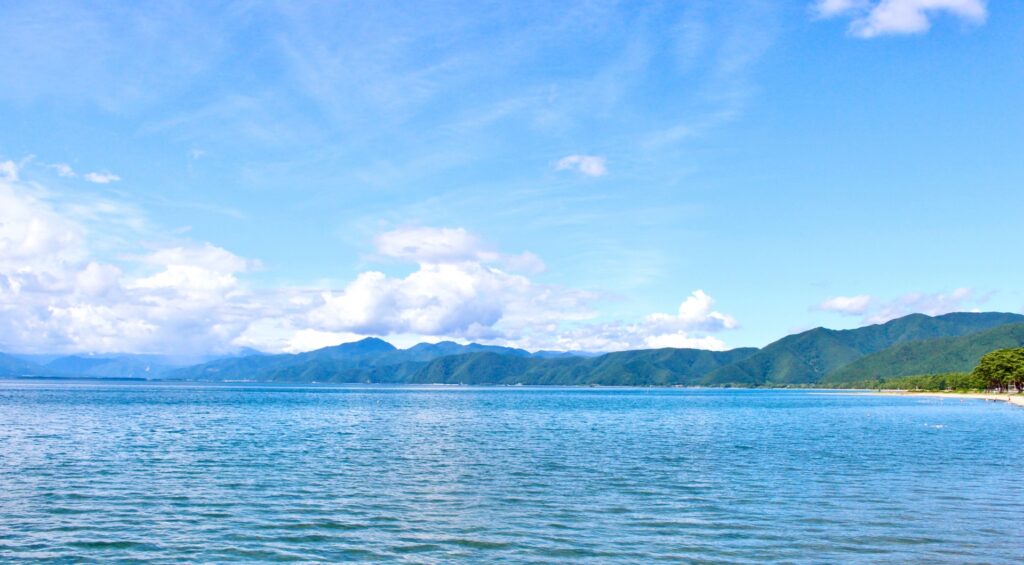
Lake Inawashiro is a 30 minute drive from the historic town of Aizuwakamatsu which is a great way to pair history and nature, two of the biggest highlights the Tohoku region has to offer! Lake Inawashiro is Japan's fourth-largest freshwater lake and is situated in Bandai Asahi National Park. The shores around Lake Inawashiro are on the cooler side, so travelers can take advantage of this pleasant weather to hike, camp, and do a variety of marine sports. There is fishing equipment rental, boardsailing, paragliding, soba noodle making, and waterskiing experiences available on and around this gorgeous mirror-like crystalline lake.
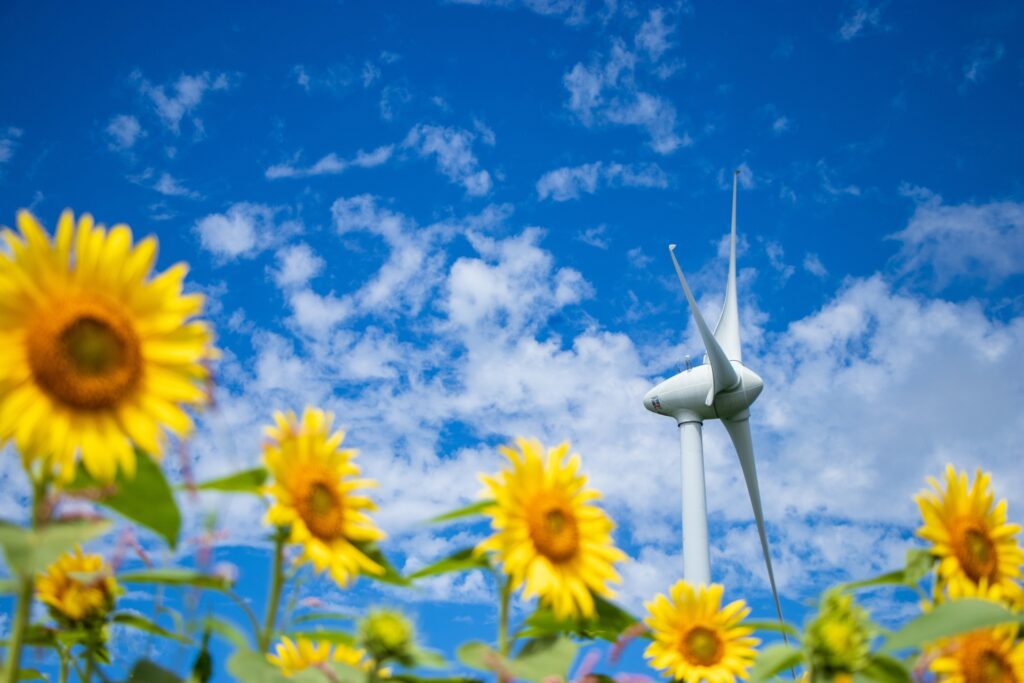
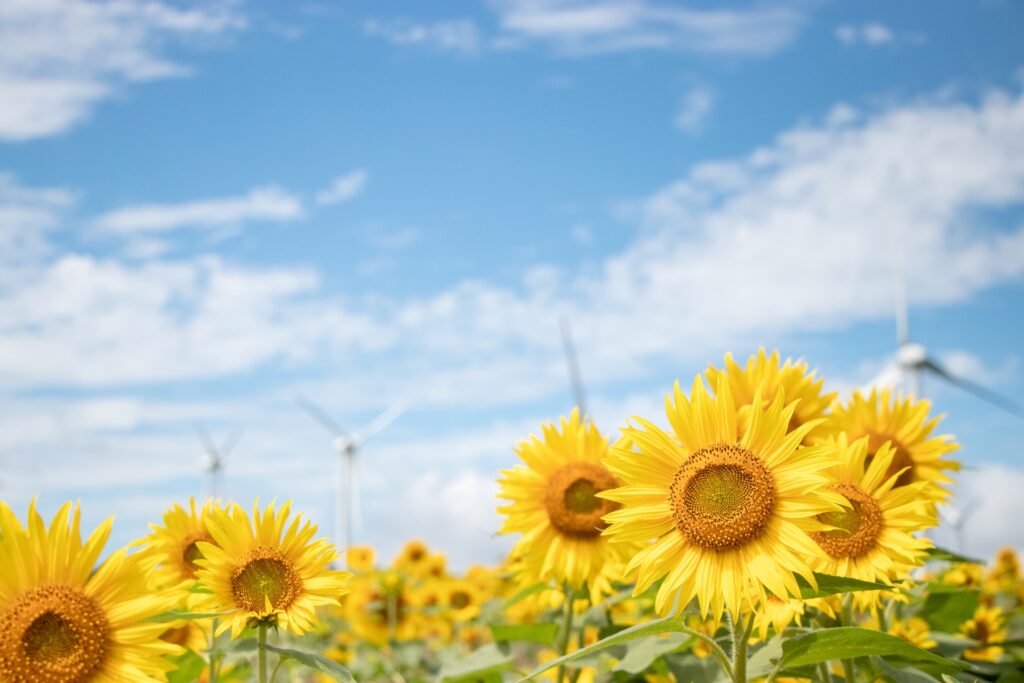
South of the lake is Koriyama Nunobiki Wind Farm where starting in August you can see fields of bright sunflowers. There is a lovely cool breeze that helps fight off the August heat, as well as 33 windmills that are stationed across the fields.
Three Great Festivals of Tohoku
Sendai Tanabata Festival
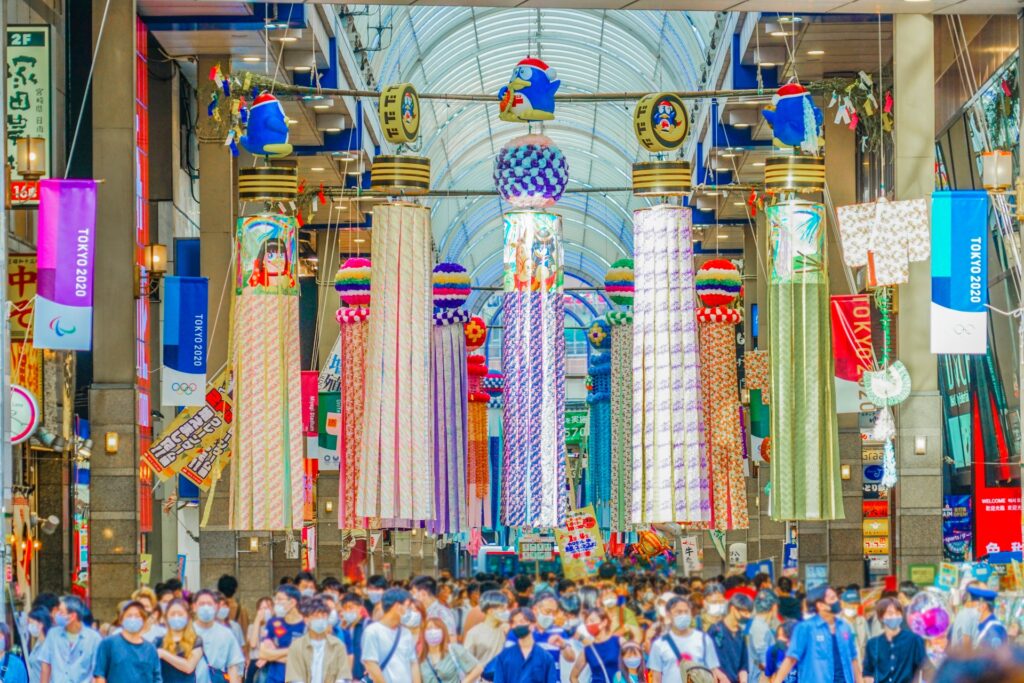
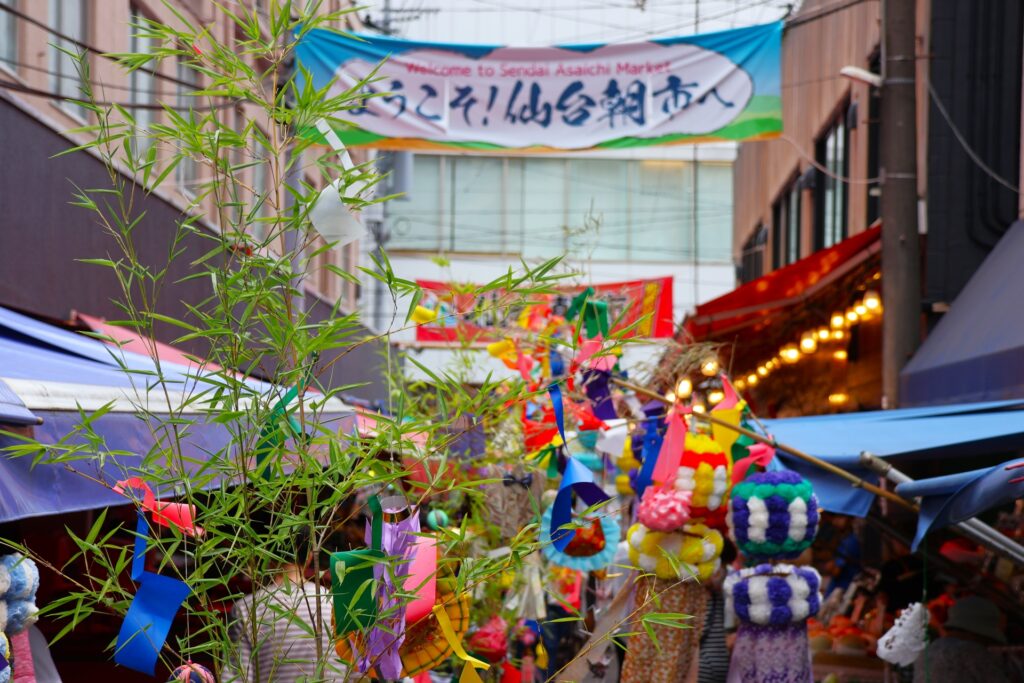
Sendai is famous for hosting one of the biggest tanabata festivals, or “star festivals” in Japan. The Sendai Tanabata Matsuri is held every year on August 6-8, and is one of the largest and most famous tanabata celebrations in Japan. Traditionally this festival was celebrated in accordance with the Chinese “Qixi Festival" where legend states that on the 7th day of the 7th month, the two stars Vega and Altair can finally cross paths again. In Japanese these star-crossed lovers are referred to as Orihime (織姫) and Hikoboshi (彦星). Modern celebrations, including the one in Sendai, hold celebrations on a slightly different calendar which makes the festivities fall on August 6th through 8th every year.
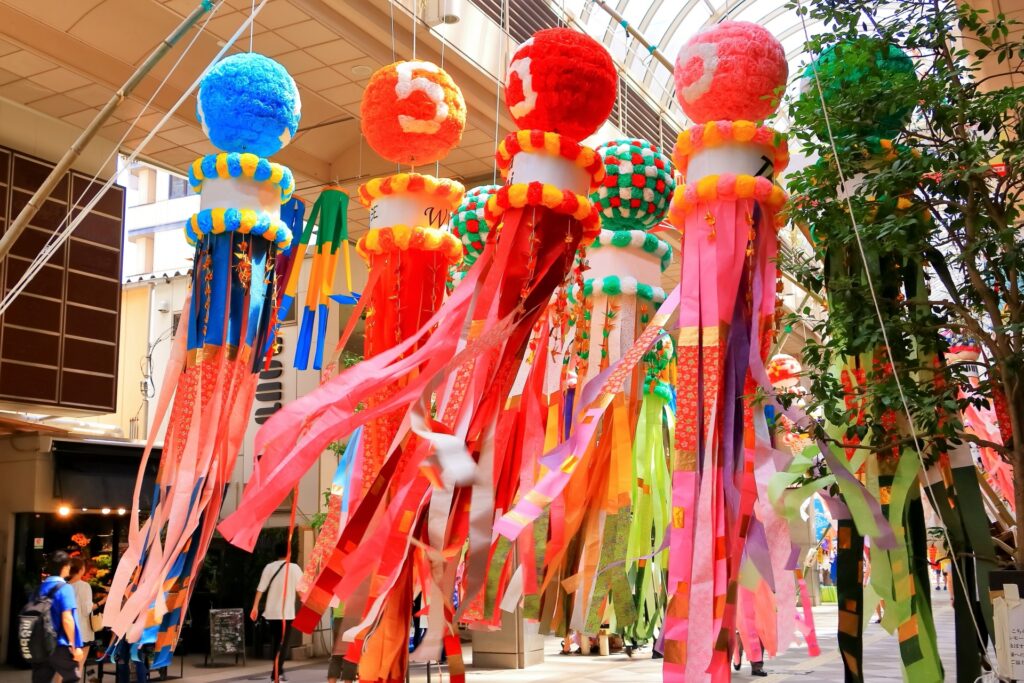
During this time, Sendai’s city center and surrounding shopping areas are decorated with vibrant streamers and bamboo branches covered in paper “wishing cards.” The festival is visited by more than 2 million tourists every year! If you’re looking to be a part of that crowd, we recommend joining one of our growing number of tours based in Sendai. Here is one that includes culinary highlights of the city – a walking tour that takes you right through the heart of the Tanabata decorations.
Recommended Tour:
Sendai's Retro Alleyways and Specialty Foods / All Year Round
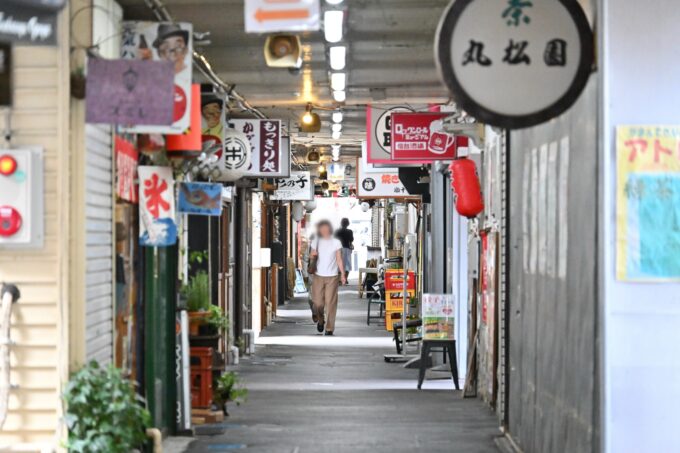
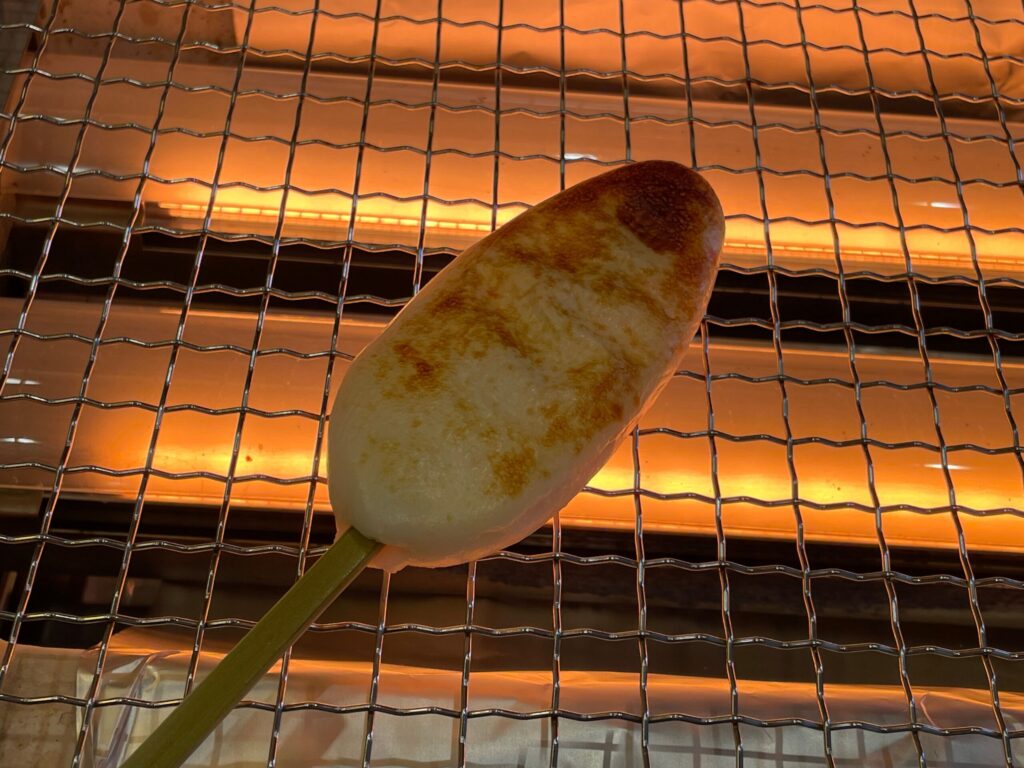
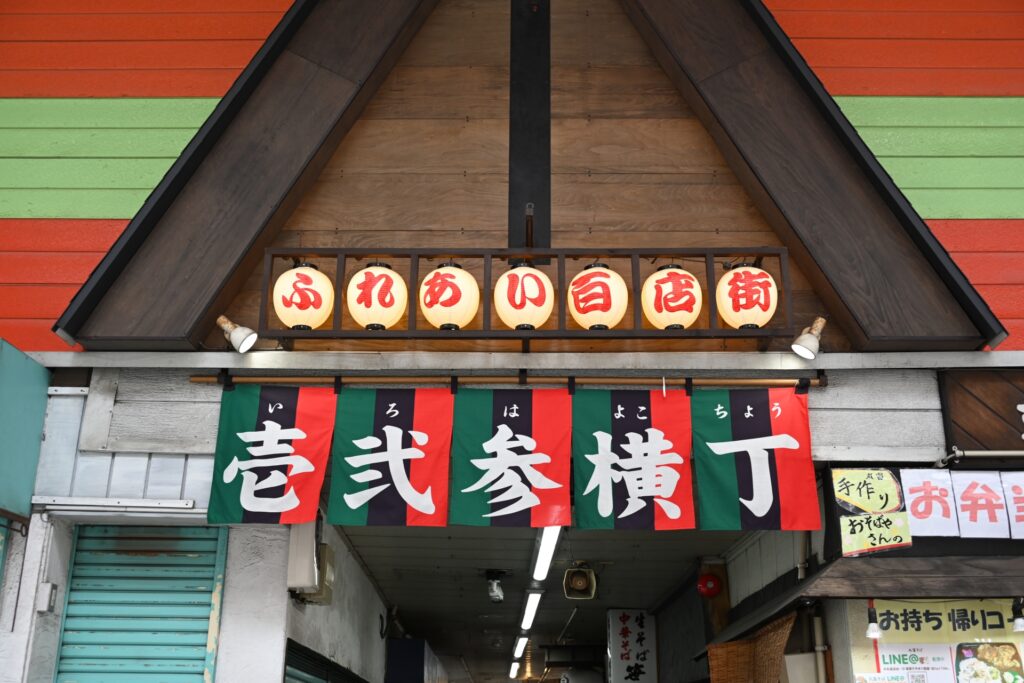
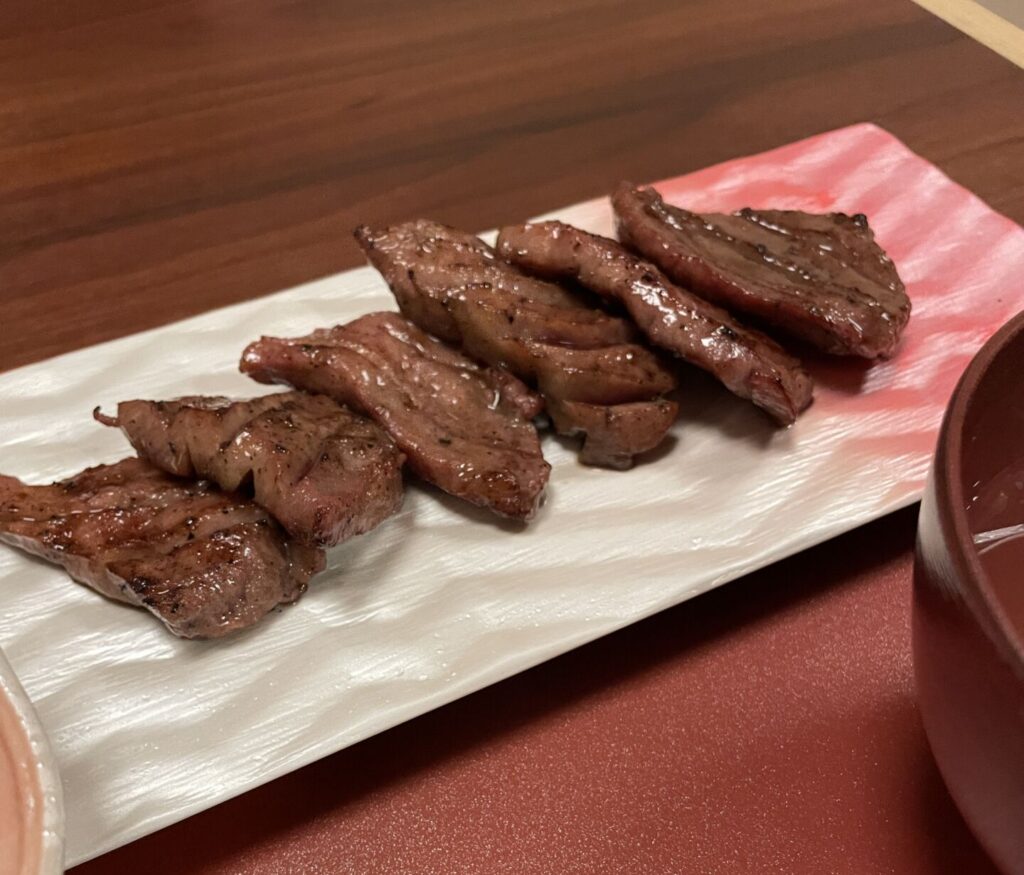
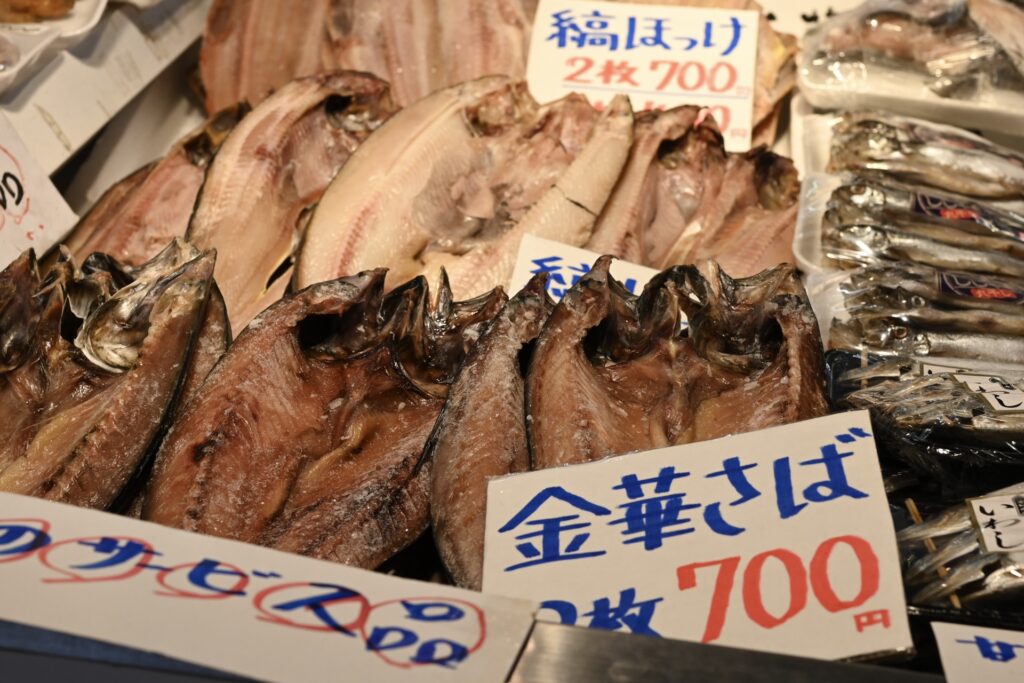
This afternoon tour will take your tastebuds on a vast adventure. You can eat your way through the bustling shopping centers of Sendai while learning all about the history of the area as well as the delicacies of the Miyagi prefecture. The tour starts at the Sendai Morning Market, takes you through the busy shopping districts, has a stop at a tucked-away shrine, and finishes with a quirky local sake sampling. This tour is perfect for serious cuisine connoisseurs and casual foodies alike! You will be able to try fresh seafood, a delectable beef-tongue meal, specialty desserts, and even take a stroll through the historic yokocho while your guide provides you with relevant history and fun facts. These are unique flavors to Sendai that you don’t want to miss, so come hungry!
Aomori Nebuta Matsuri
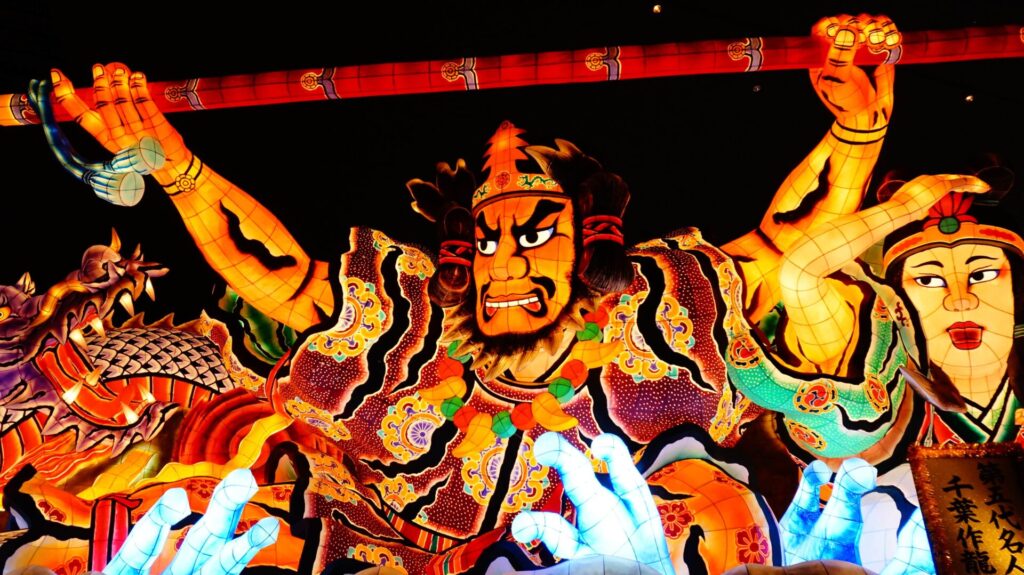
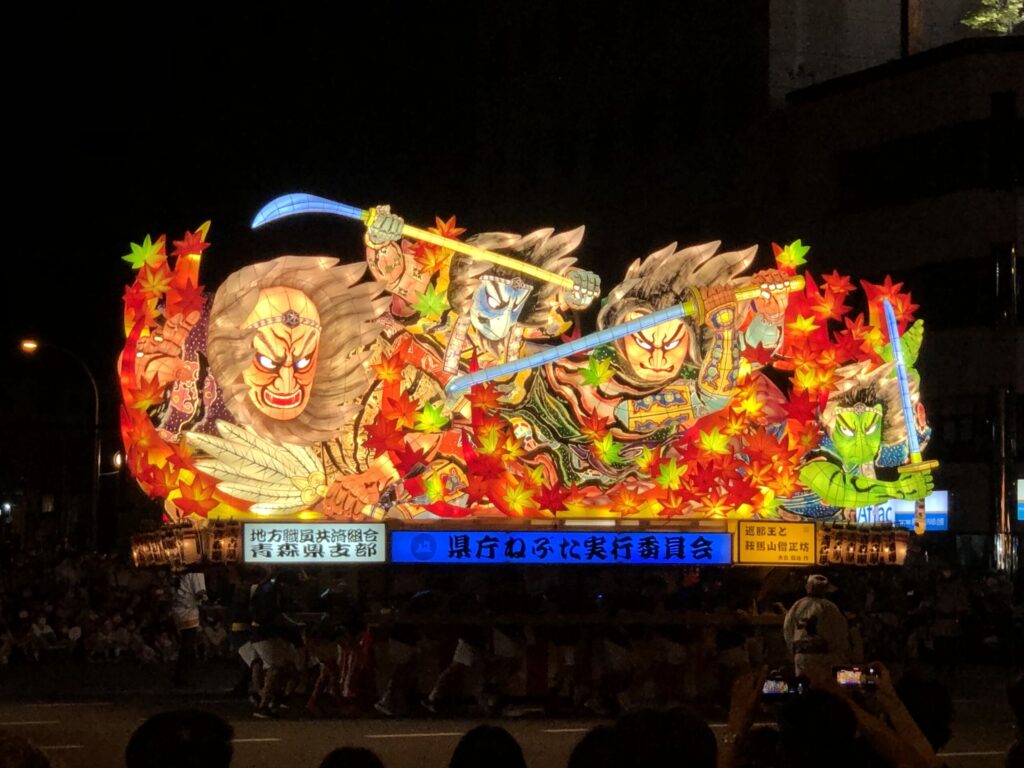
Nebuta Matsuri is a type of Tanabata festival that is held in towns around the Aomori Prefecture every year. The largest of these festivals is the Aomori City Nebuta Matsuri held from August 2nd to 7th and the event is listed as an Important Intangible Folk Cultural Property of Japan. The main attraction of this festival are the dozens of locally organized and crafted paper floats. These floats are built with a hard wireframe interior, covered with vibrantly colored washi paper, and illuminated from the inside for a spectacular parade. The floats depict all sorts of characters including deities, historical or mythical figures from Japanese culture, kabuki actors, and characters from popular TV shows and sometimes anime. The evening parade festivities (starting around 18:30 every day except for the 7th that begins around 13:00) are free to watch, but paid reserved seating is also available.
Thankfully, even if you don’t have time to make it up to Aomori for the proper festival, the Nebuta Wa Rasse Museum in Aomori has examples of the floats on display all year round.
Akita Kanto Matsuri
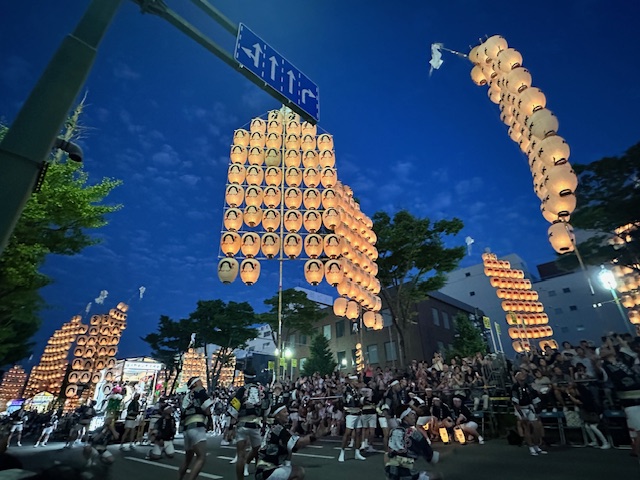
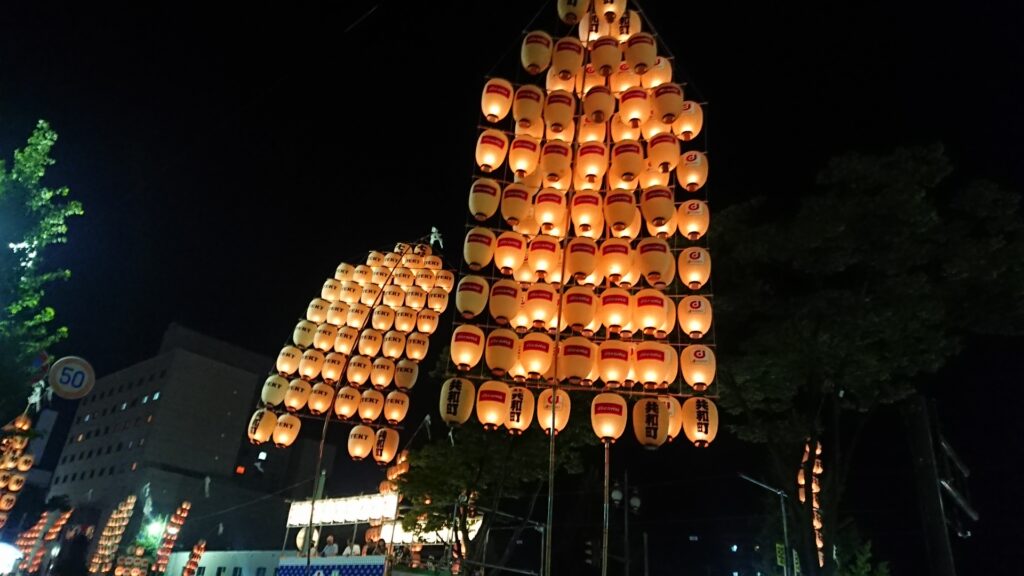
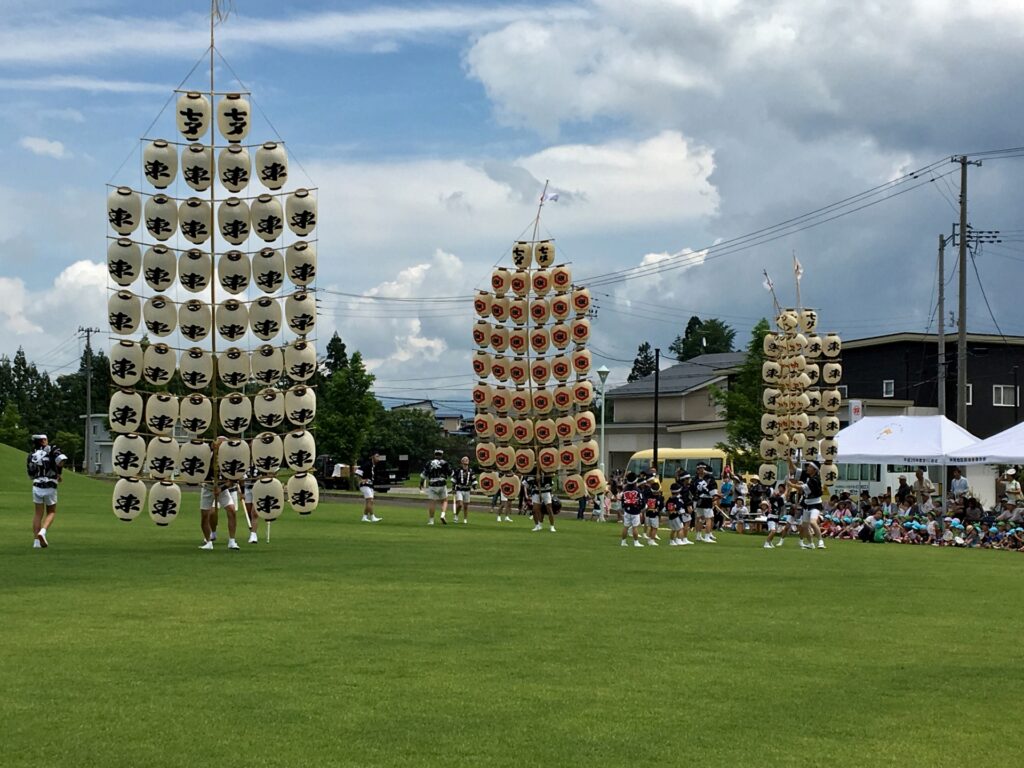
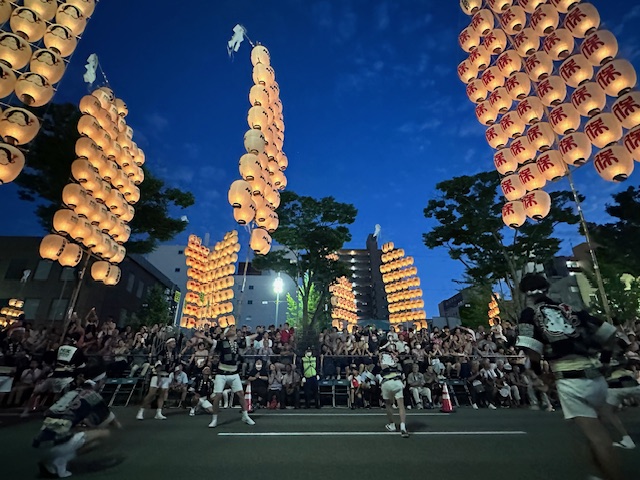
The third highlighted festival of Tohoku is the Akita city Kanto Matsuri. Kanto Matsuri is a festival which celebrates and prays for a bountiful harvest of rice – thus the giant lantern’s shape is similar to that of a stalk of rice. This festival is a National Important Intangible Folk Cultural property with a history spanning about 270 years. The name means “pole lantern festival” and it delivers exactly that. Every year from August 3rd through the 6th, Akita city’s evenings are lit up with towering lantern displays. The poles can hold up to 46 paper lanterns and the most impressive feature of this celebration is, the poles are held up by a single performer. They dance and chant and bring merriment to all who come to the festivities. Sometimes the highest skilled performers balance the 12 meter, 50 kg poles on their palms, shoulders, chins, and foreheads! It’s quite the spectacle indeed and one of the most authentic traditional Tohoku festival experiences you can have during your summer travels. The nightly parade events are held on Kanto-Odori street near the city’s center. Come witness the some 280 poles and over 10,000 lanterns!
Godzilla Rock
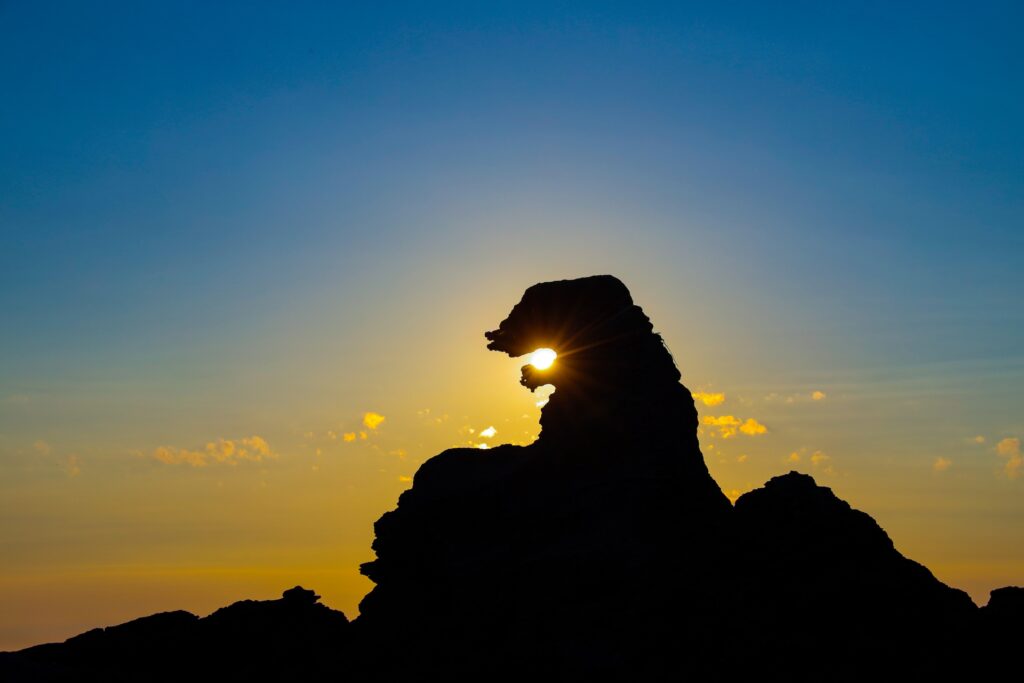
Many beloved fans of the giant kaiju monster have visited the famous Godzilla statue prowling above the buildings of Shinjuku, but did you know that there is a naturally occurring Godzilla likeness from over 30 millions ago? Nestled on the southern shore of Akita Prefecture’s Oga Peninsula, lies a naturally formed lapilli tuff rock in the shape of the giant lizard itself. Of course, that is where this rock formation gets its name from. Godzilla Rock is beloved by all those who visit, especially photographers who aim to get that perfect shot when the setting sun hovers within the mouth of Godzilla creating an unforgettable powerful photo.
World Heritage Sites
CHUSON-JI TEMPLE / Iwate Prefecture
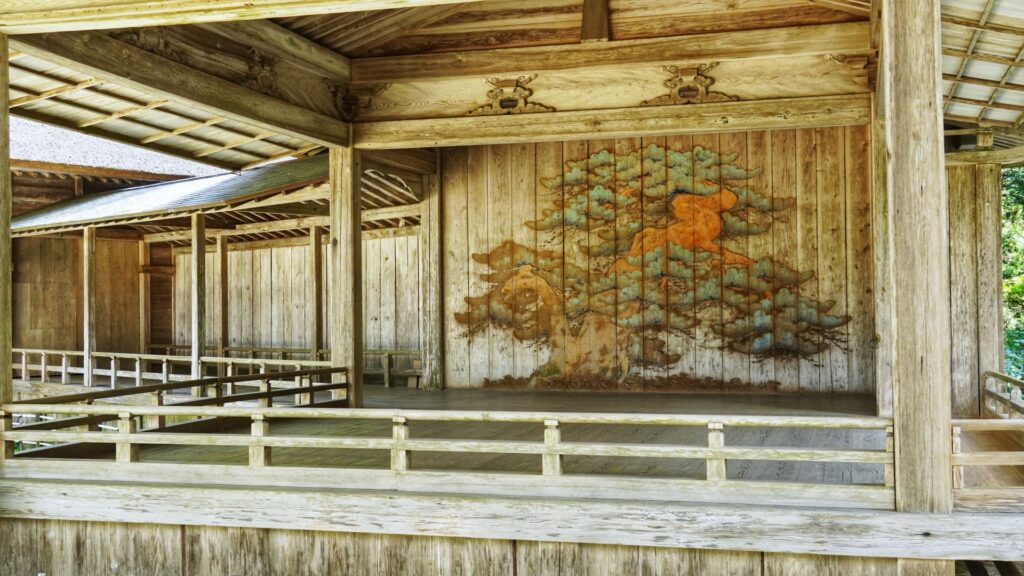
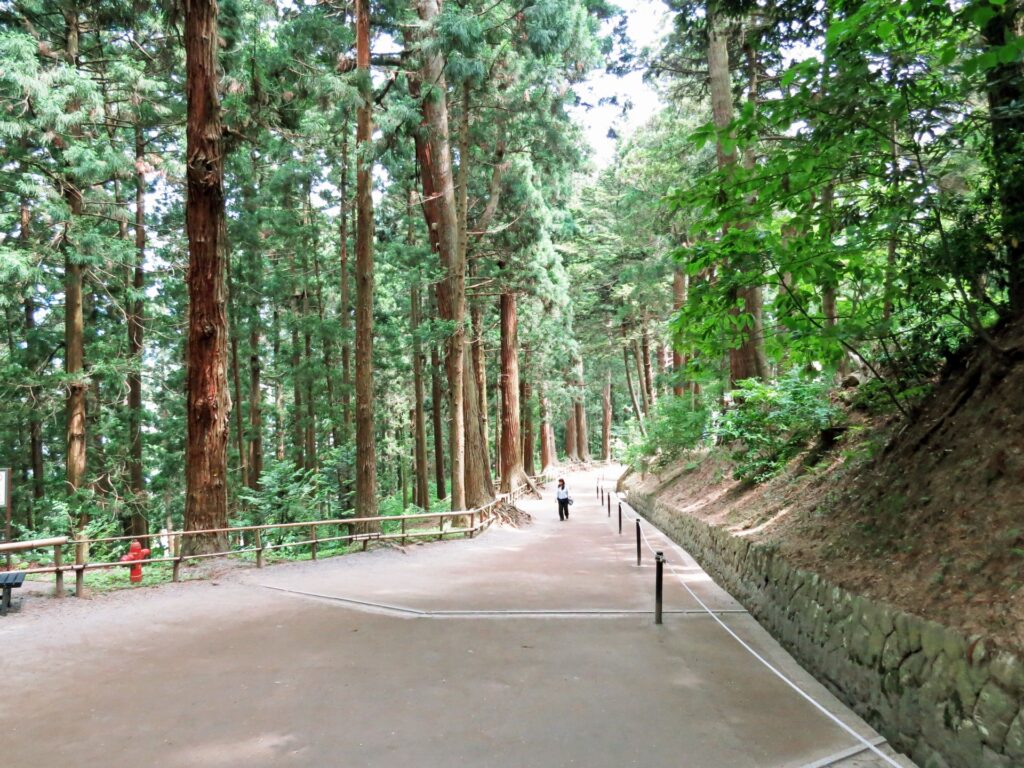
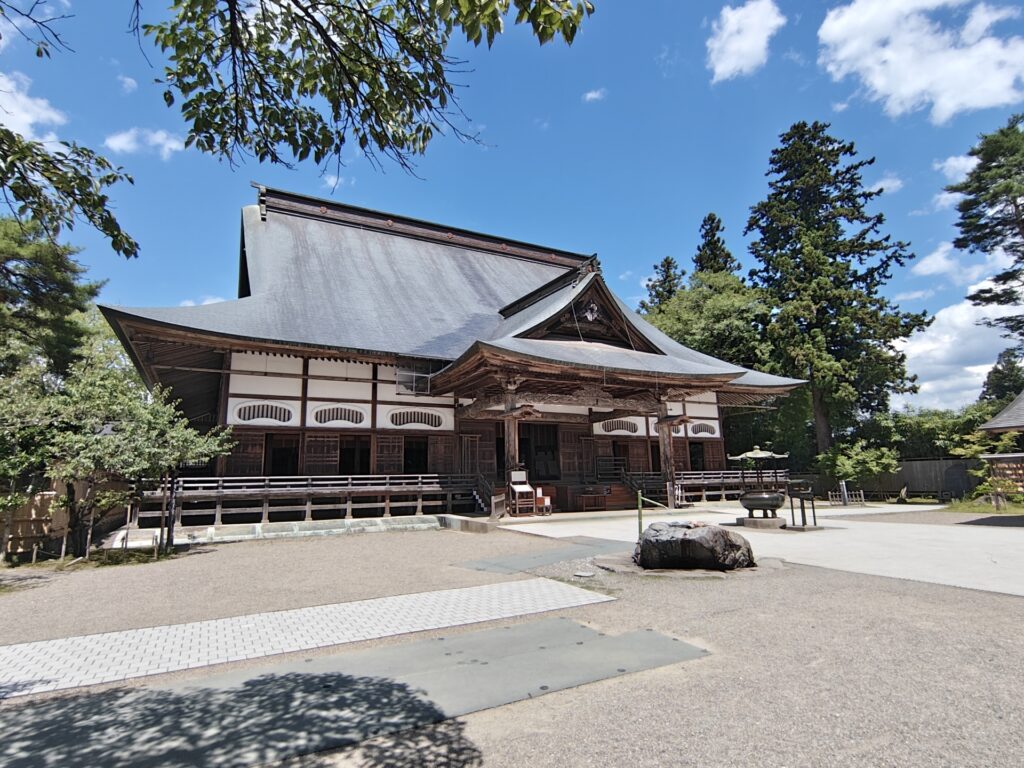
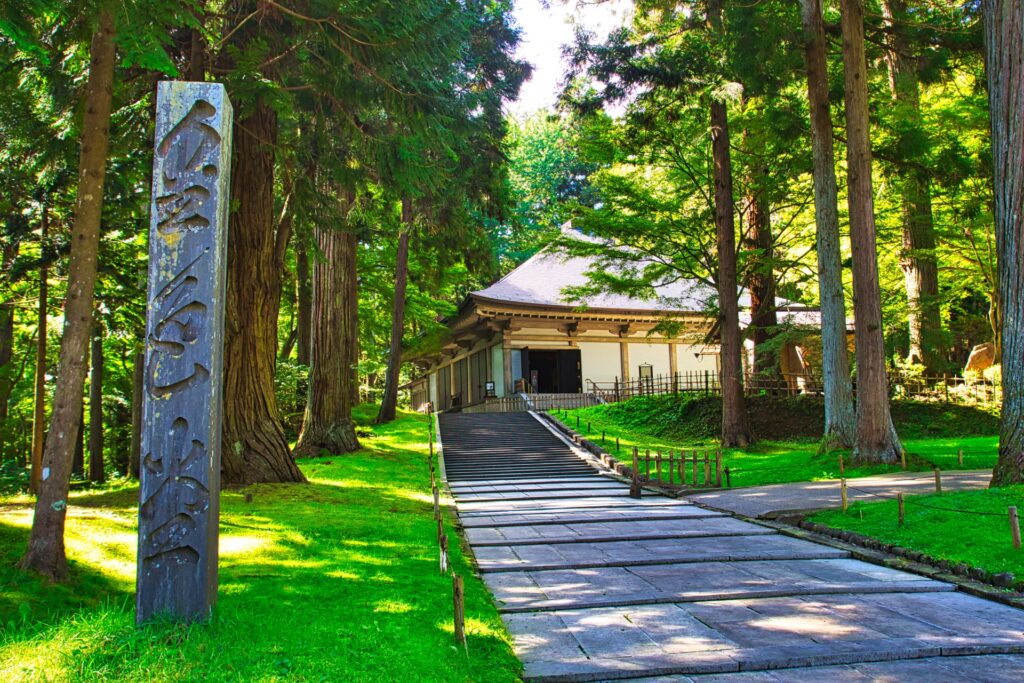
Chuson-ji Temple was established in 850 by the priest Ennin (Jikaku Daishi), who also famously established Yamadera Temple in the Yamagata prefecture. Chuson-ji Temple is a popular tourist destination and a designated world heritage site located in the town of Hiraizumi in Iwate Prefecture. It takes about an hour and a half to get there by shinkansen and train from Sendai Station. Some of the major highlights of this temple include the “Moon Viewing Slope” where dabbled light makes for wonderful photos, the Hondo main temple hall with a flame reputed to have been lit since the Tendai Sect of Buddhism's founding, and the Konjikido – a small hall dedicated to Amida Nyorai (the Buddha of Infinite Light) and apart from the roof, is covered with gold leaf both inside and out.
NIKKO TOSHOGU SHRINE COMPLEX / Tochigi Prefecture
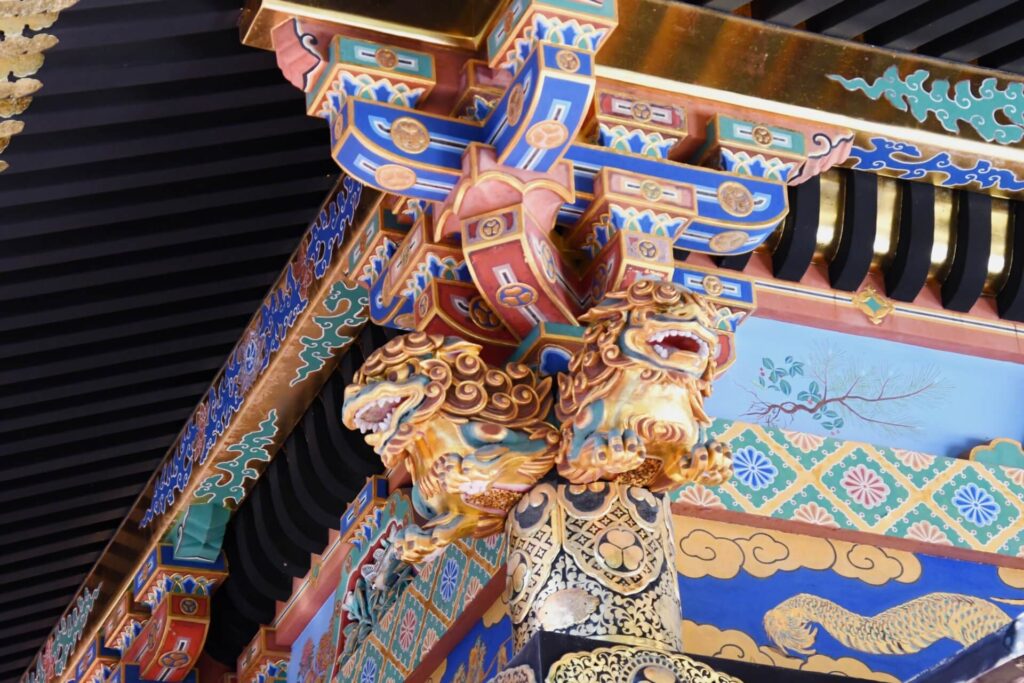
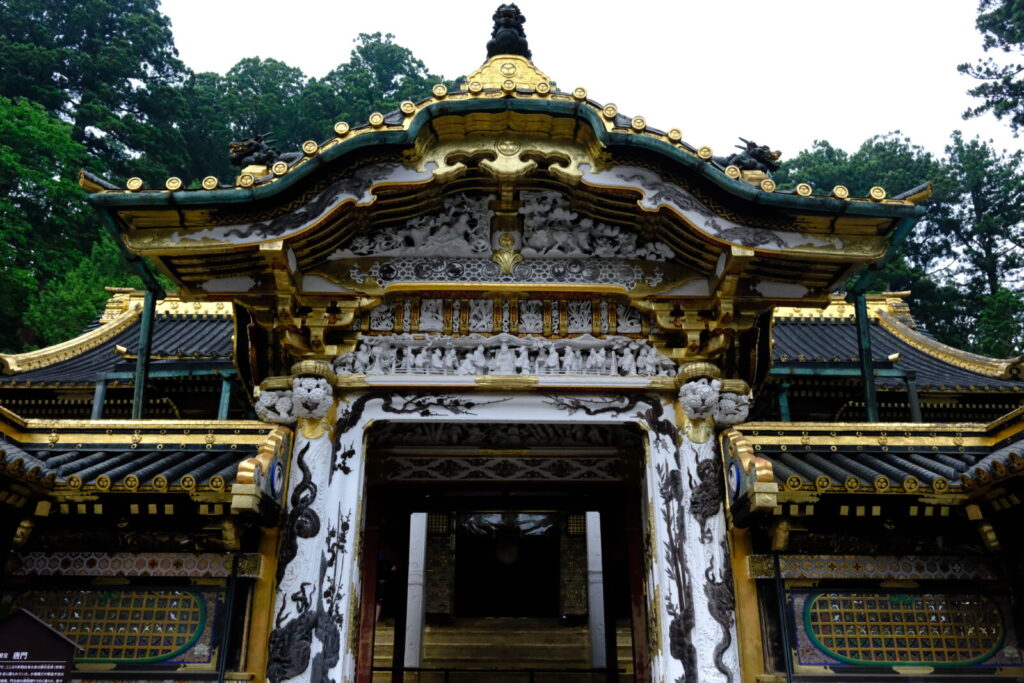
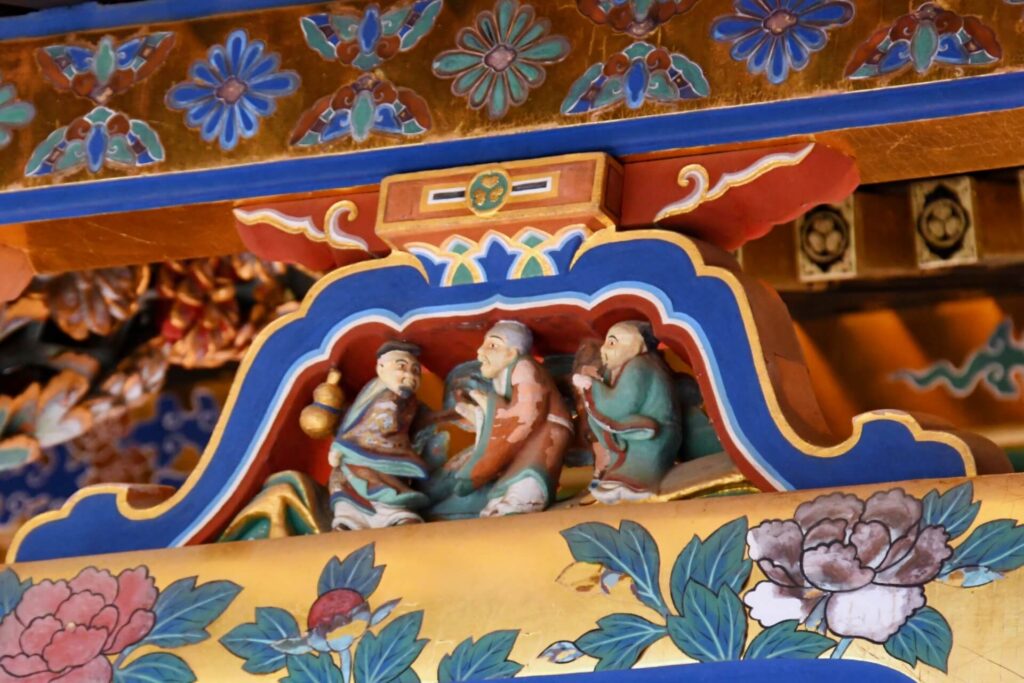
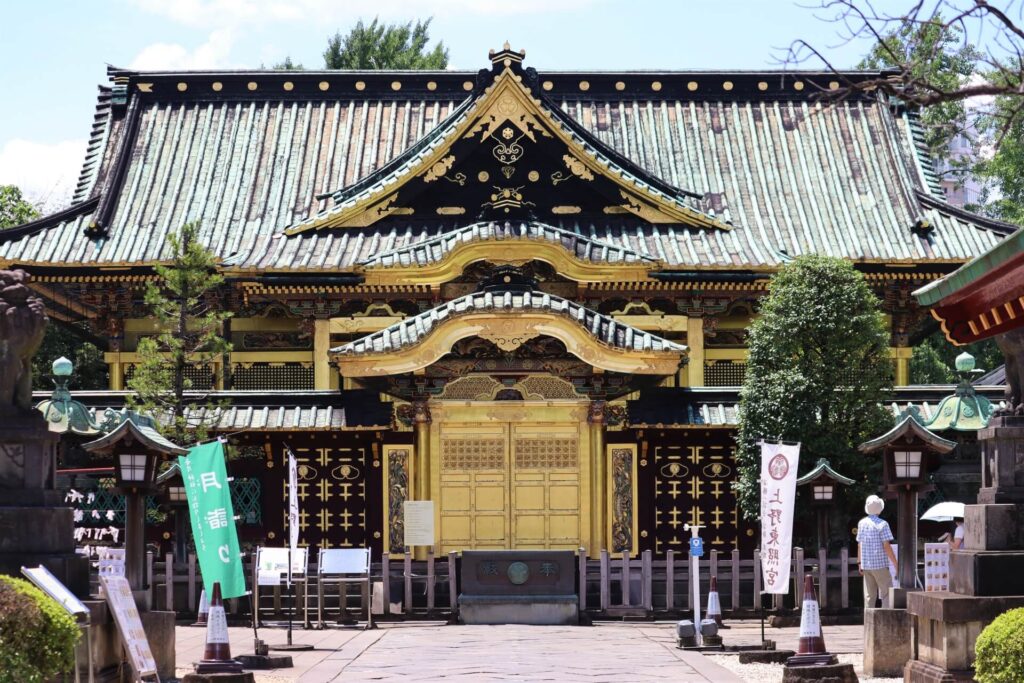
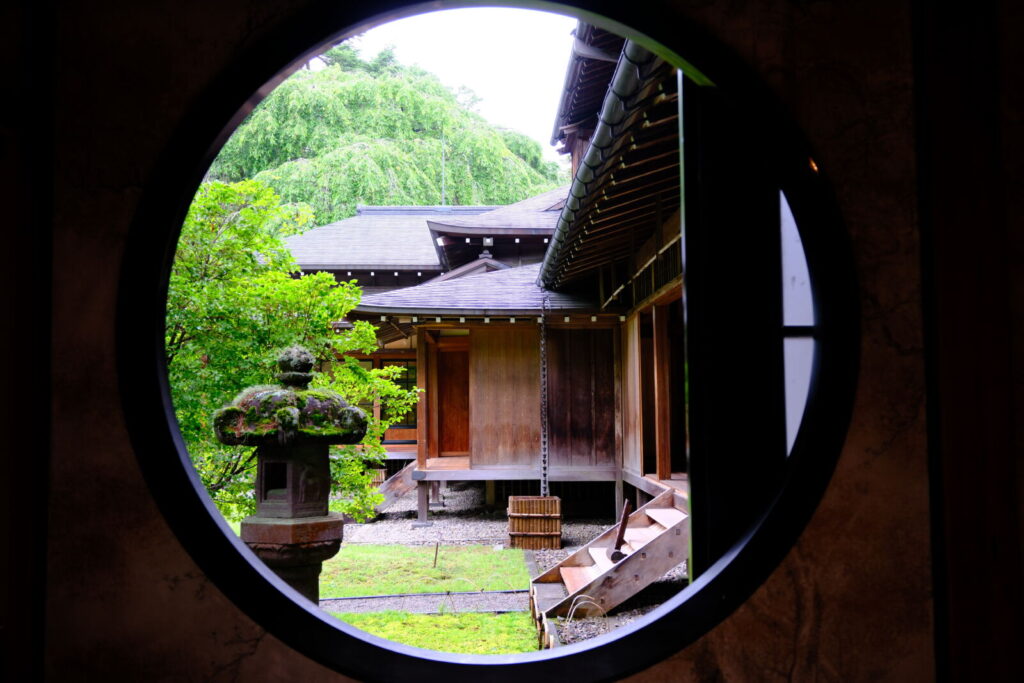
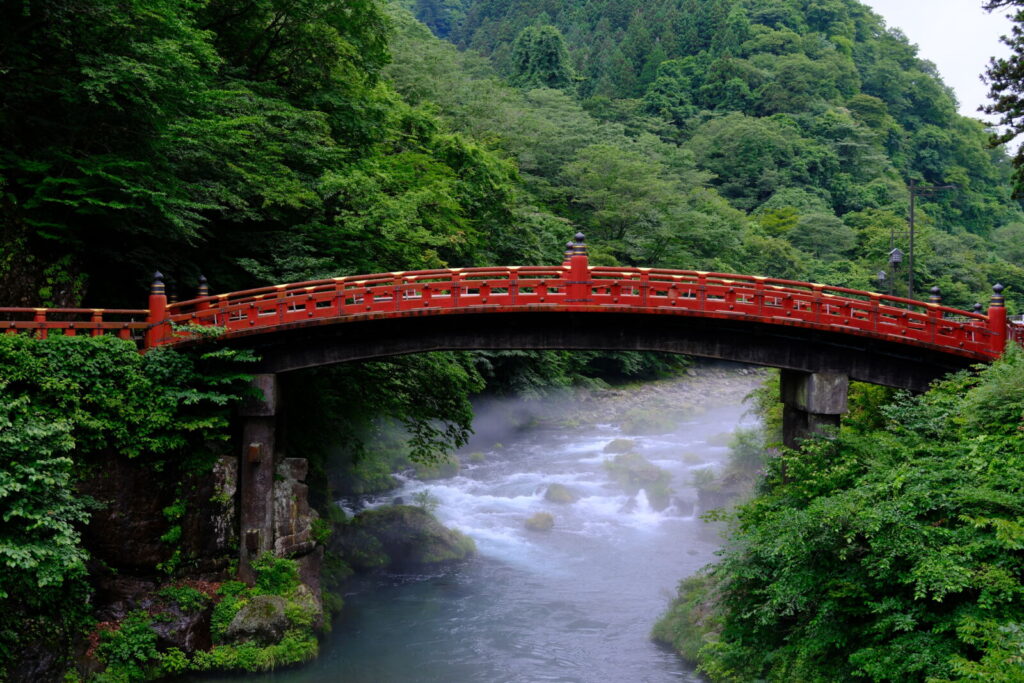
Nikko Toshogu Shrine Complex is arguably the most impressive and beautiful of all the temples and shrines on the heritage site of Nikko. It was built in 1617 during the Edo period, and it is the shrine where the first Tokugawa Shogunate, Tokugawa Ieyasu is enshrined and buried. Adorned with gold leaf, beautiful wooden carvings, and brightly painted structures, it's easy to see why this shrine complex is a national treasure and has World Heritage status. The Shrine complex also lies adjacent to the Nikko Toshogu Museum, a great museum which has artifacts and personal belongings of Tokugawa Ieyasu on display.
Recommended Tour:
Explore Nikko’s World Heritage and National Park / April - October
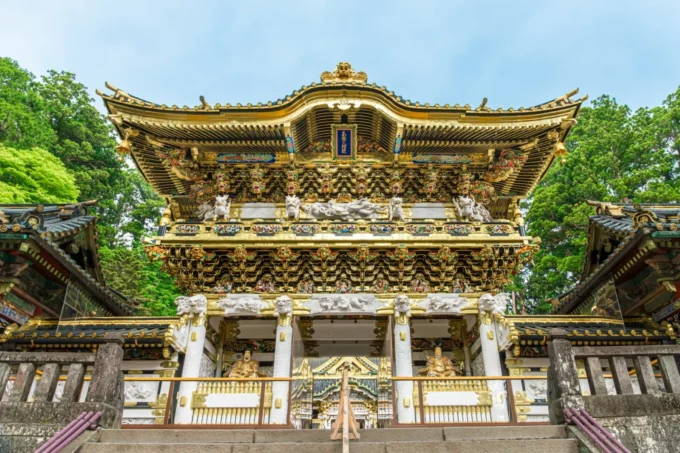
Get out of Tokyo and step back in time to Tochigi prefecture and explore the world famous heritage site and national park of Nikko! If you want to see some of Japan’s most beautiful and culturally significant temples, shrines, traditional architecture and natural landmarks, then this tour is for you. With Nikko being two hours from Tokyo, it is the perfect day trip outside of the capital!
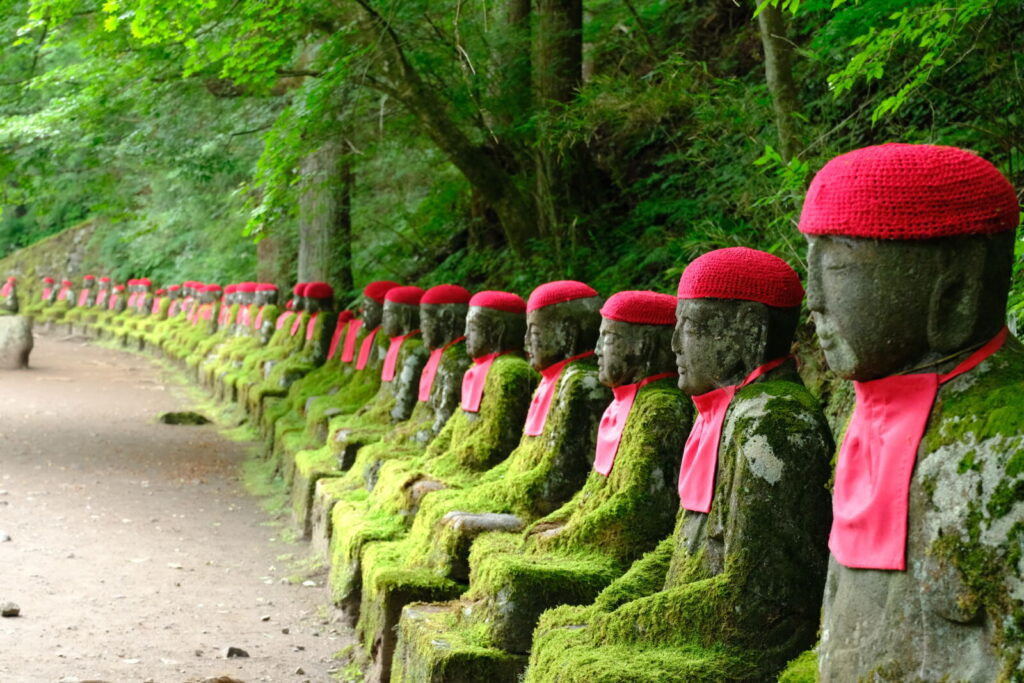
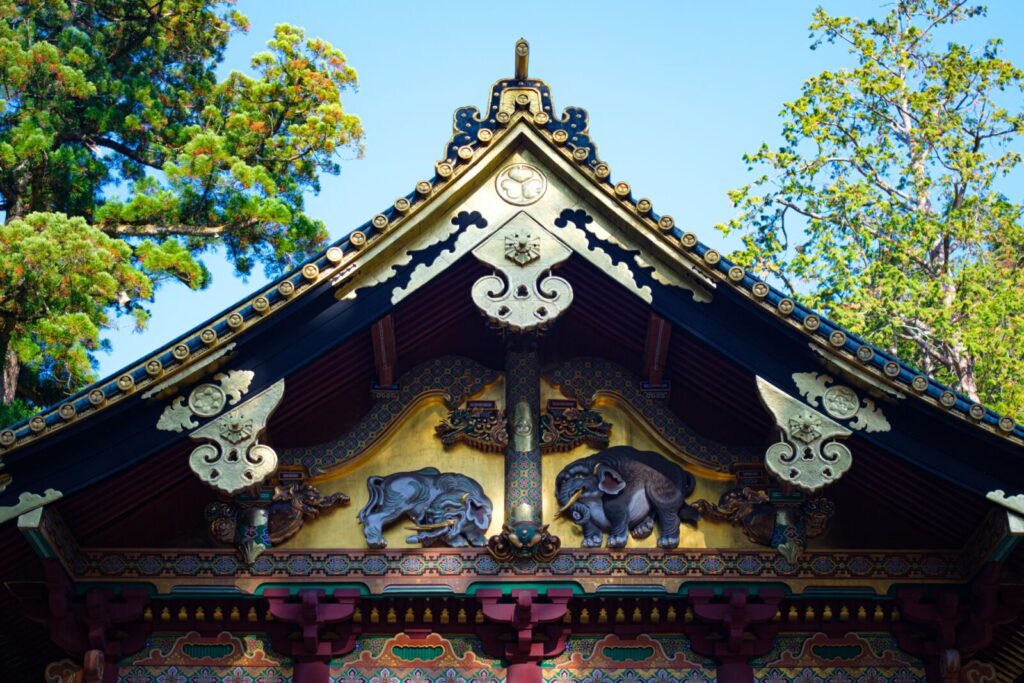
Granted World Heritage status in 1999, Nikko is considered the heritage hub in Japan due to its many temples and shrines rich in history with many an interesting tale to tell! It is also known for its national park nestled among the lush mountainous landscape sure to impress you and leave you feeling refreshed on your return to the bustling metropolis of Tokyo! Marvel at the gold gilded shrines, the intricate wood carvings and the nature that surrounds you as you make your way through Nikko’s World Heritage site with your tour guide!
Hiking in Tohoku
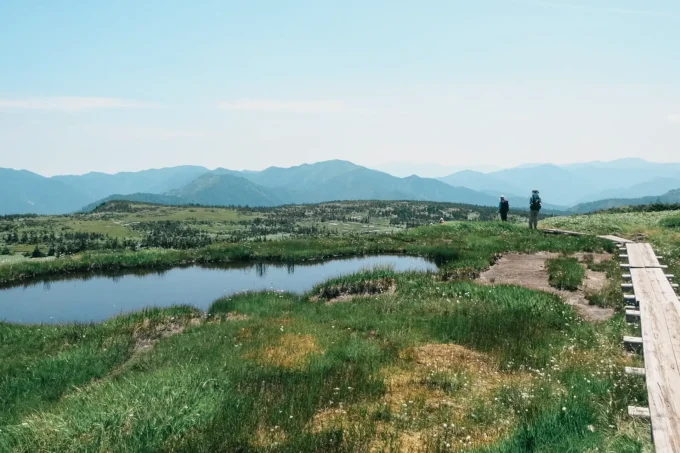
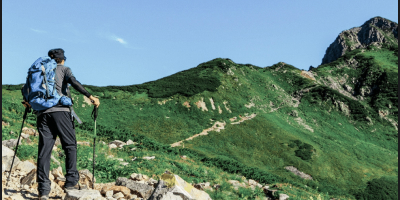
Tohoku is home to a plethora of national parks and incredible hiking trails. Here are just a few of the memorable hiking areas available to explore.
Risshaku-ji Temple (Yamadera)
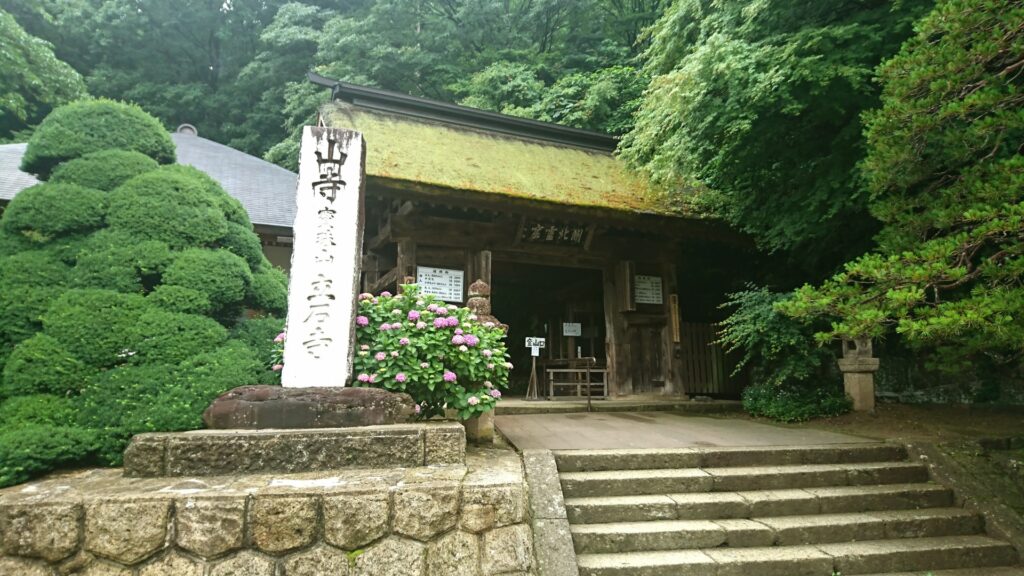
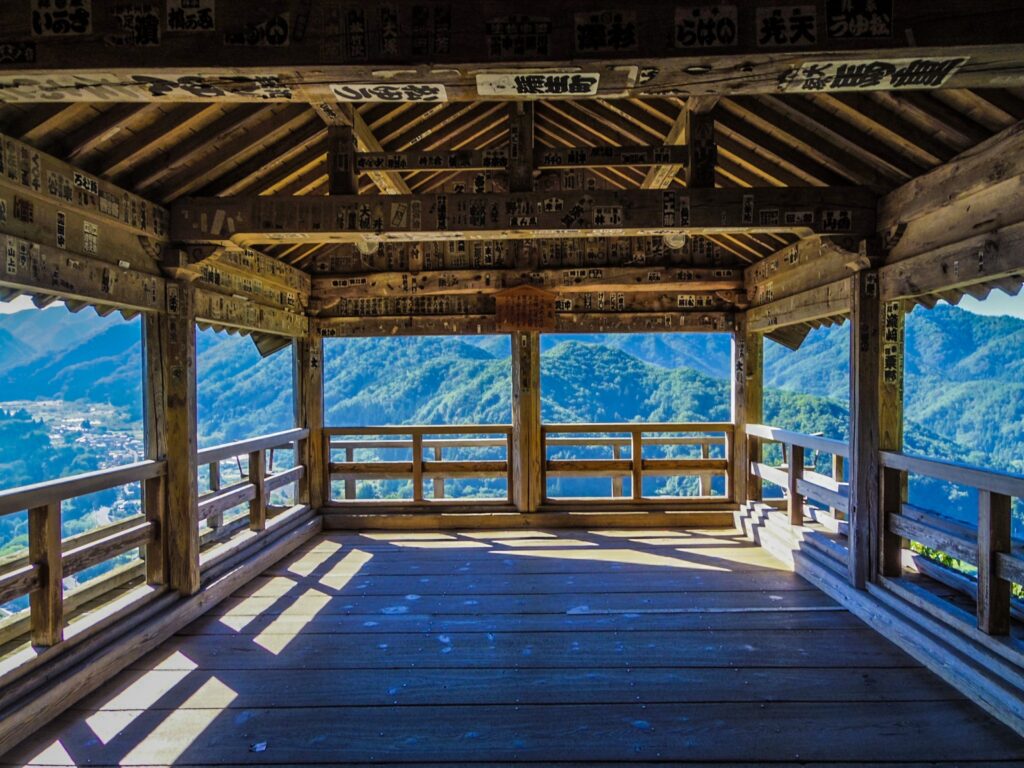
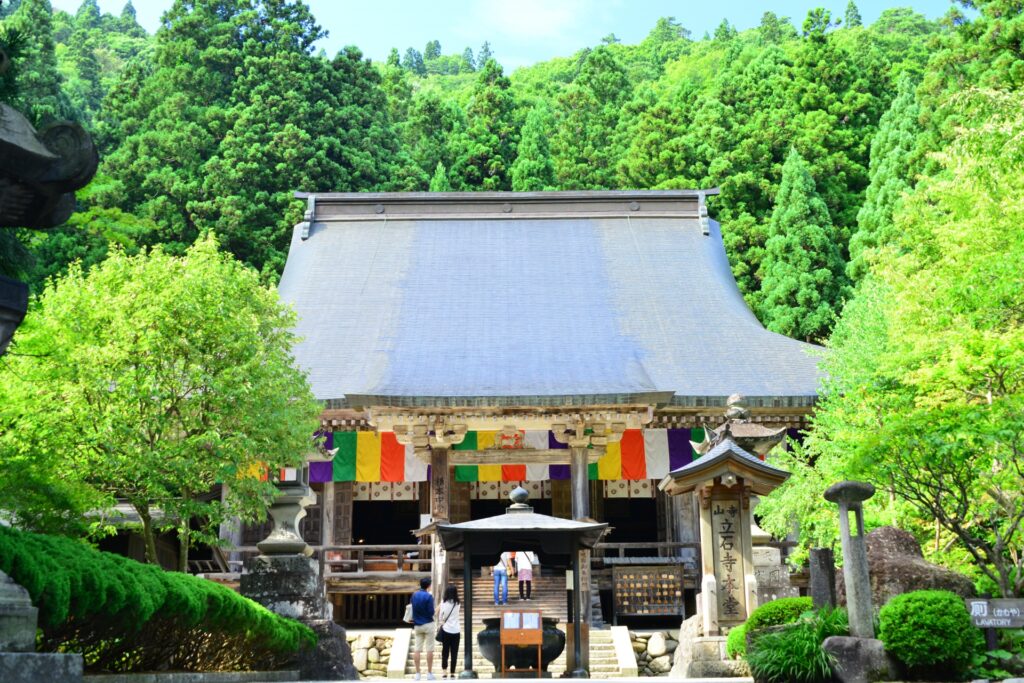
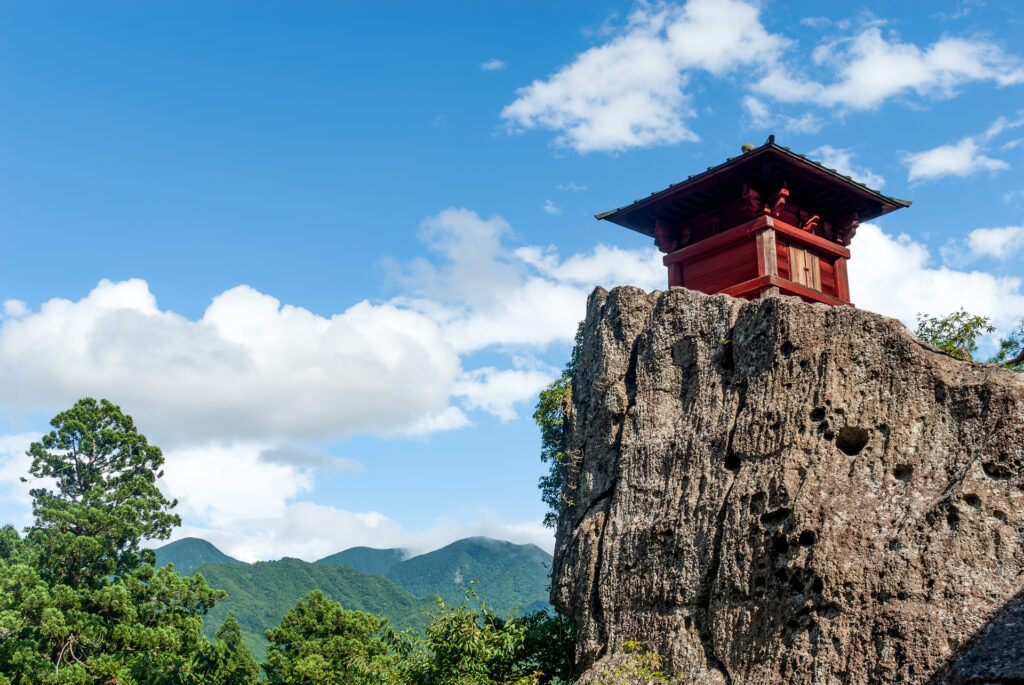
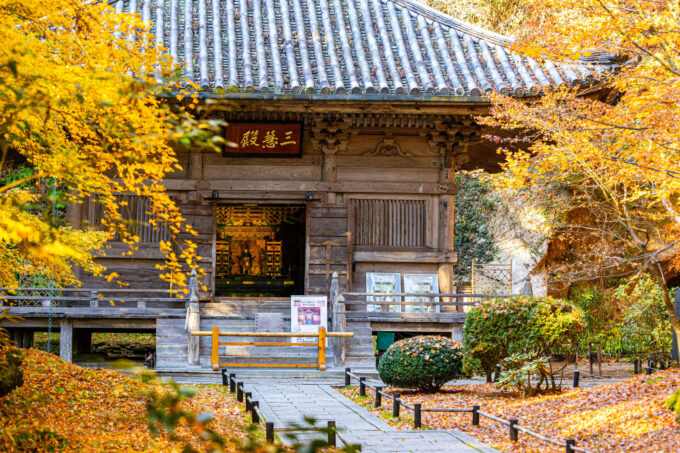
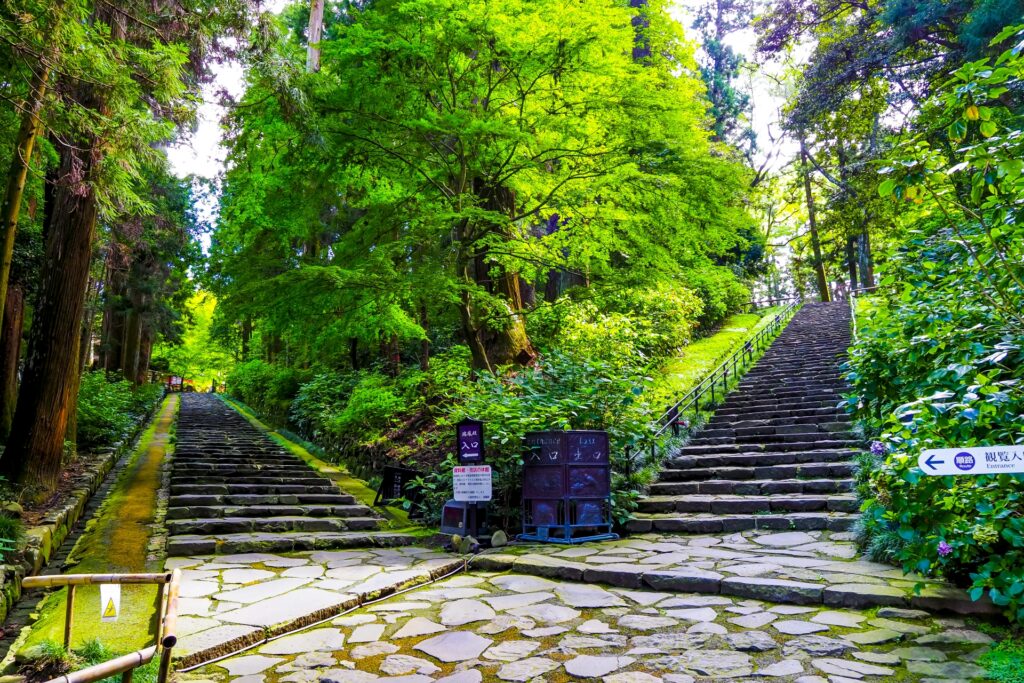
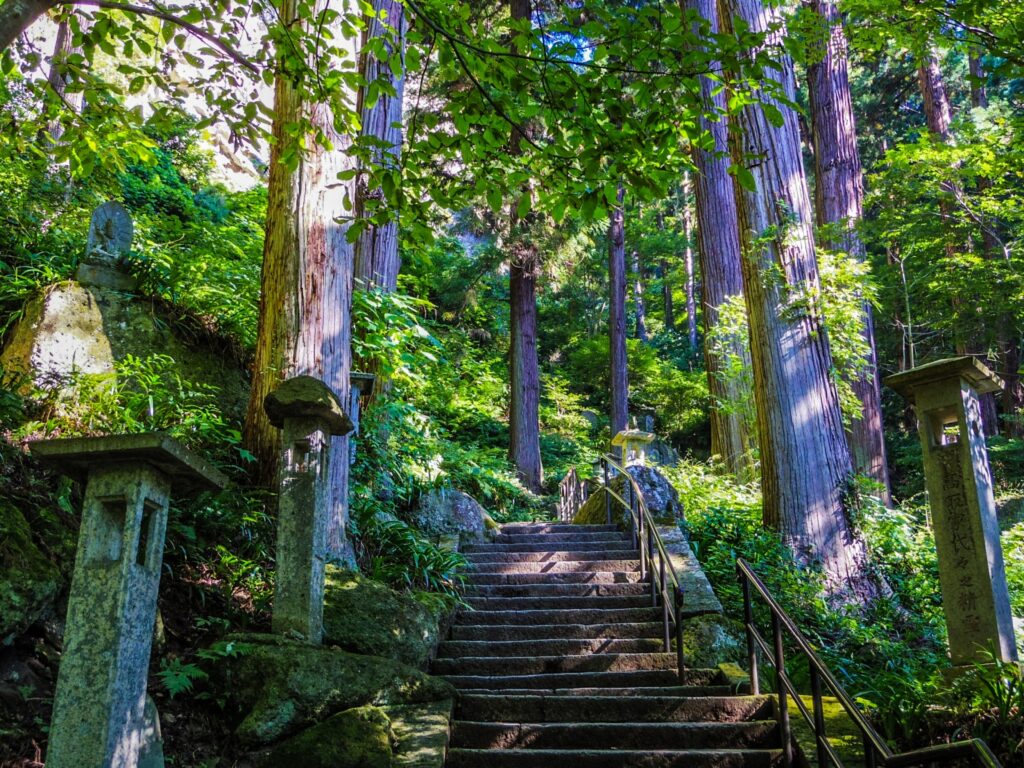
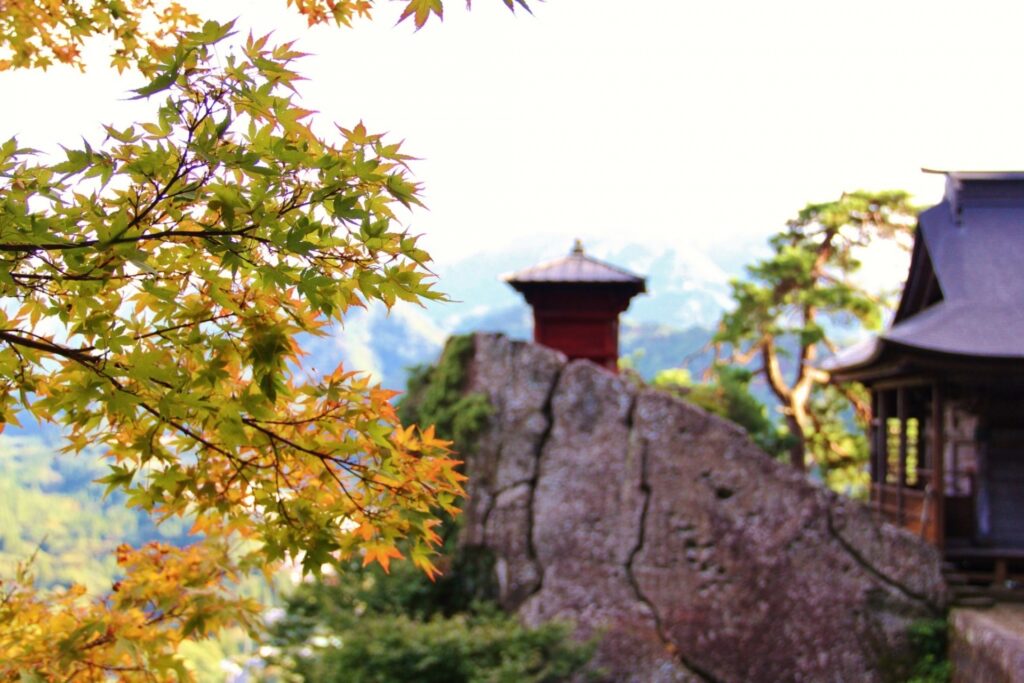
Risshaku-ji Temple, or more popularly known as Yamadera, is a mountain temple located in Yamagata prefecture. You can take a single train directly from Sendai Station and get off at the Yamadera Station to visit this infamous and breathtaking temple. Yamadera has over 1,000 stone steps that climb up the mountainside to its scenic views from the top. It is included in our hiking portion of this page mostly for its ease of access from a major city and its beginner-friendly level of hiking thanks to the steps and handrails. Many tourists visit this temple during the autumn for its colorful leaves. However, many Japanese local will tell you that Yamadera is associated with summer. This is thanks to the famous poet Matsuo Basho’s summertime visit and subsequent haiku detailing the cries of the cicadas in the still, quiet nature of this tranquil temple.
Recommended tour:
Spiritual Pilgrimages of Sendai Daikannon Statue and Yamadera Temple / March - November
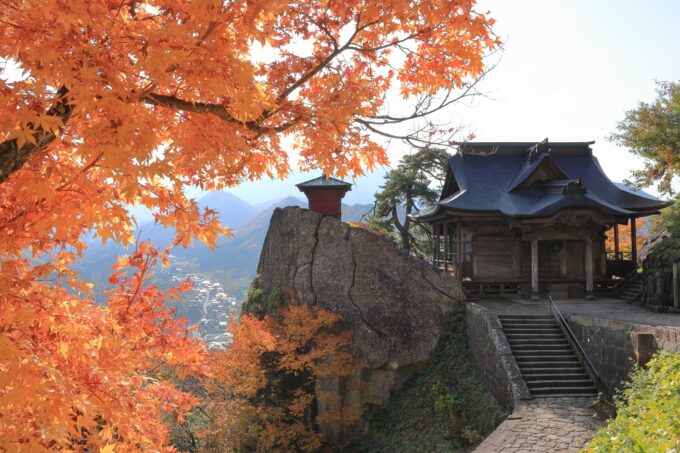
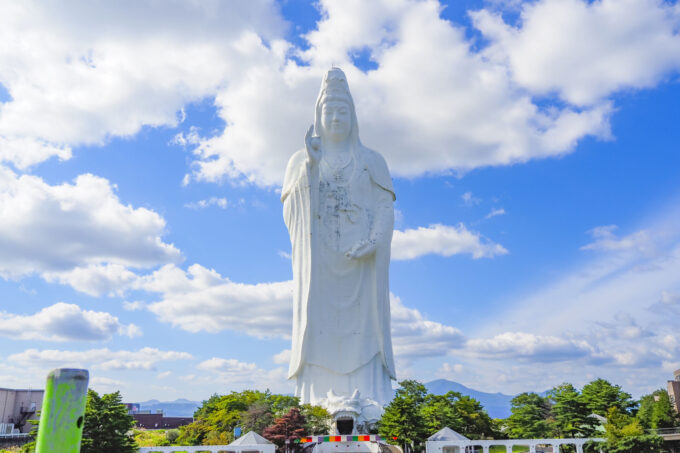
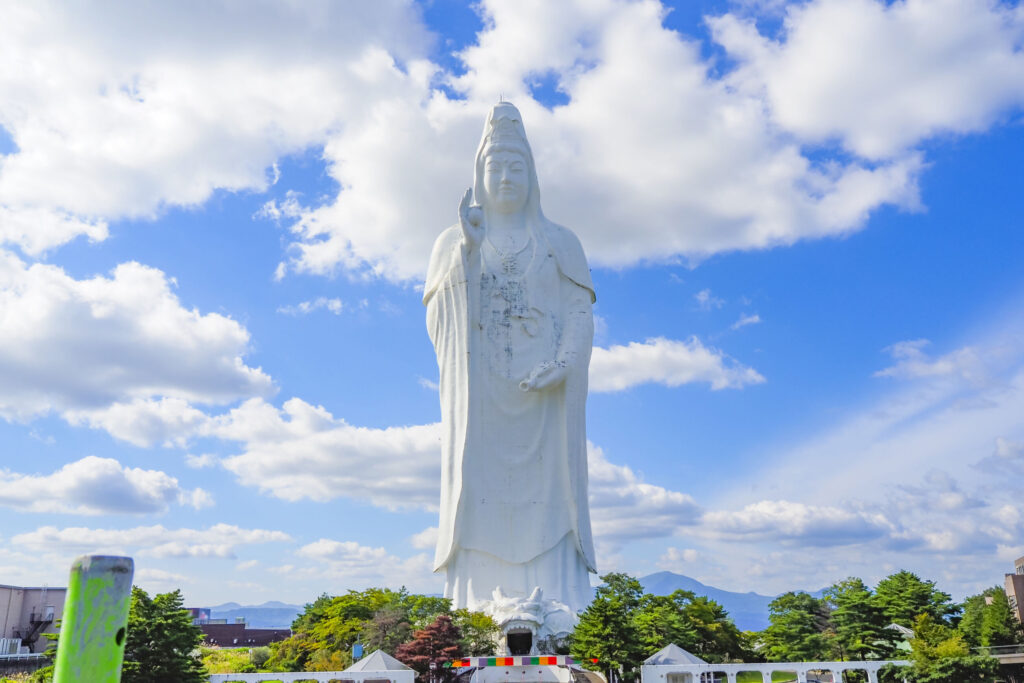
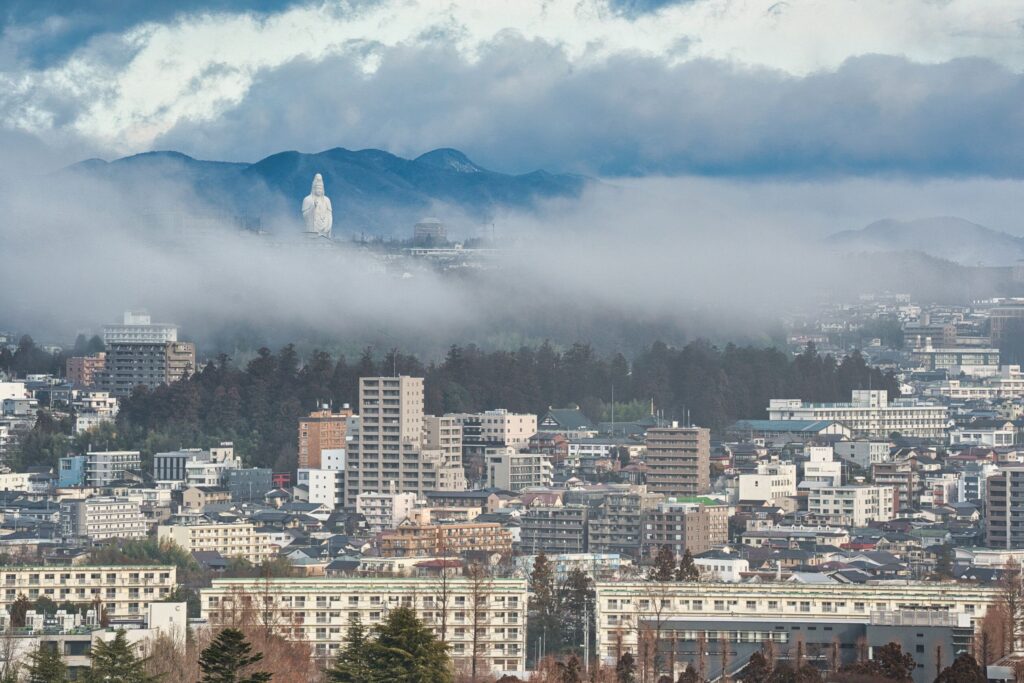
This tour will grant you a day of spiritual significance, historical interest, and natural beauty. Sendai’s Daikannon (White Robbed Colossus) Statue and Yamagata’s Yamadera Temple (Risshaku-ji) are some of the most breathtaking sights located in the Tohoku region of Japan. You will not only witness Daikannon's impressive statue outside, but also venture inside to learn about the spiritual artifacts housed within its 100 meter walls. Then your journey will take you to Yamadera Temple. Here you will partake in the 1,000+ stone step pilgrimage up the mountain temple while learning about its history, spiritual importance, and artistic influence. The temple is surrounded by gorgeous nature during all seasons, and its tranquil yet inspiring aura provide the perfect scenery for reflection. These two spiritual behemoth destinations are on the must-see list when visiting Tohoku.
Mt. Chokai
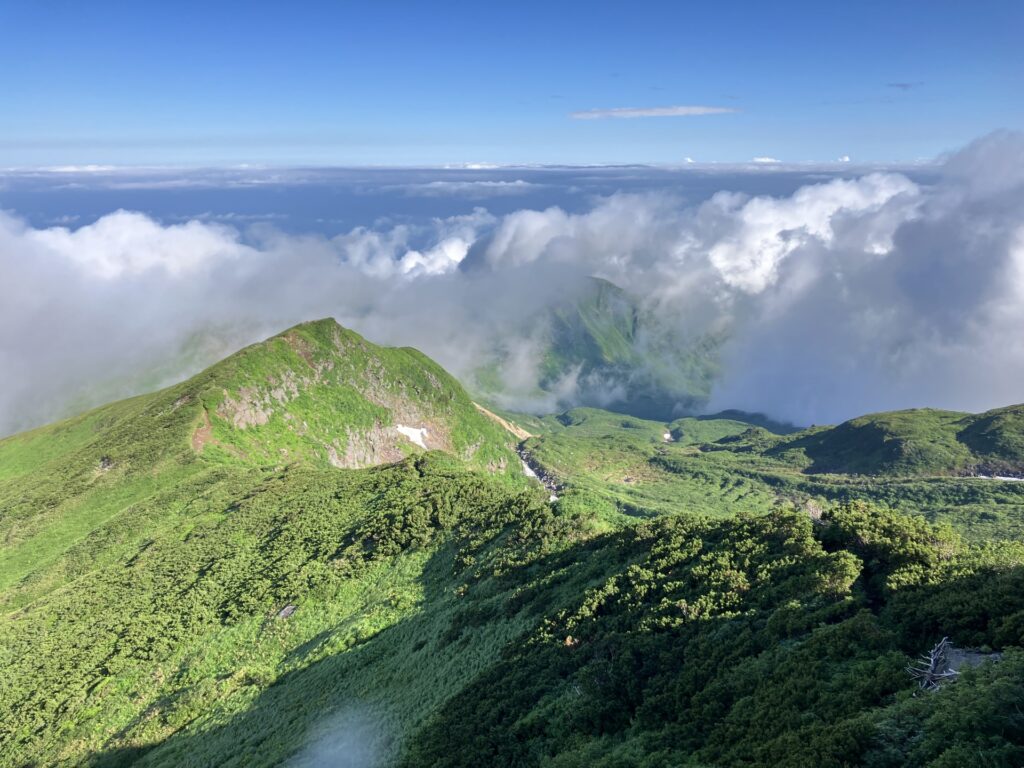
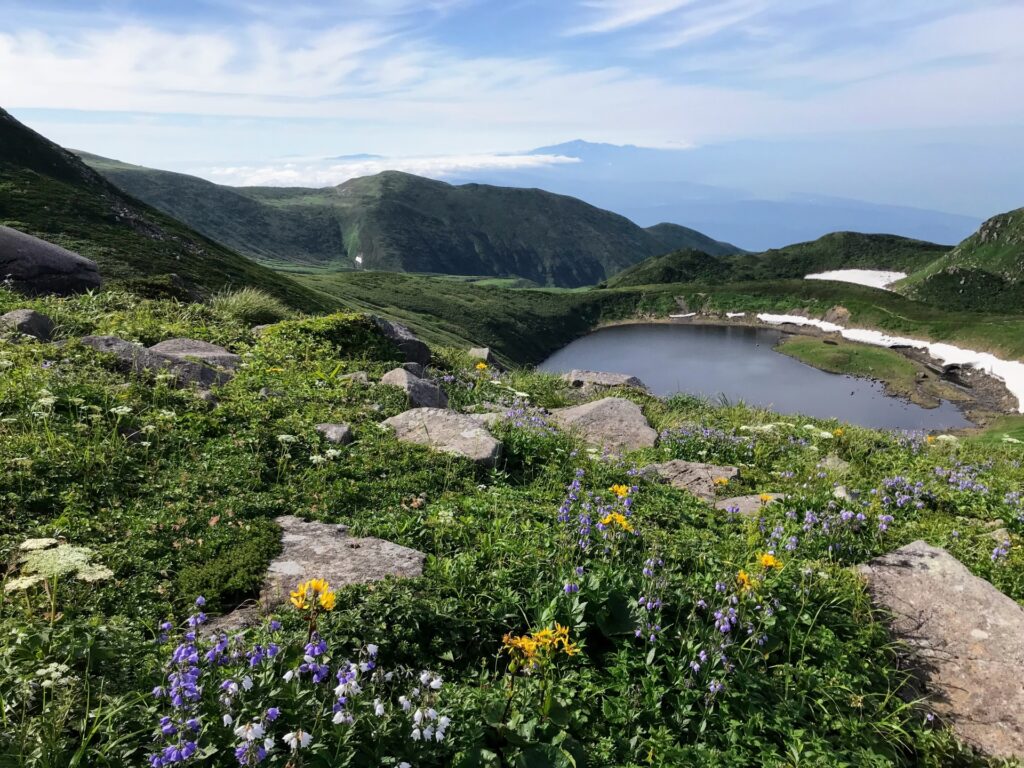
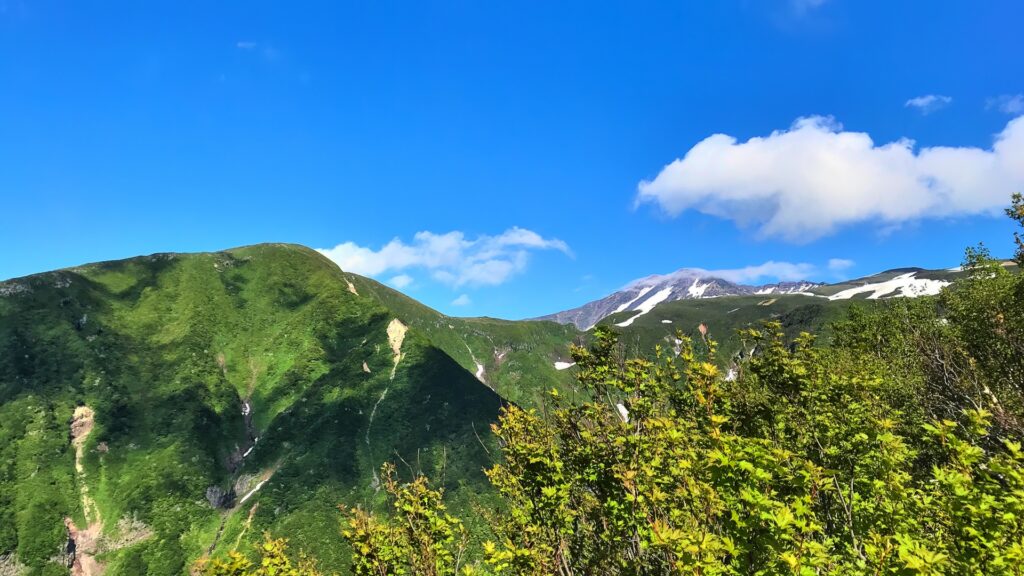
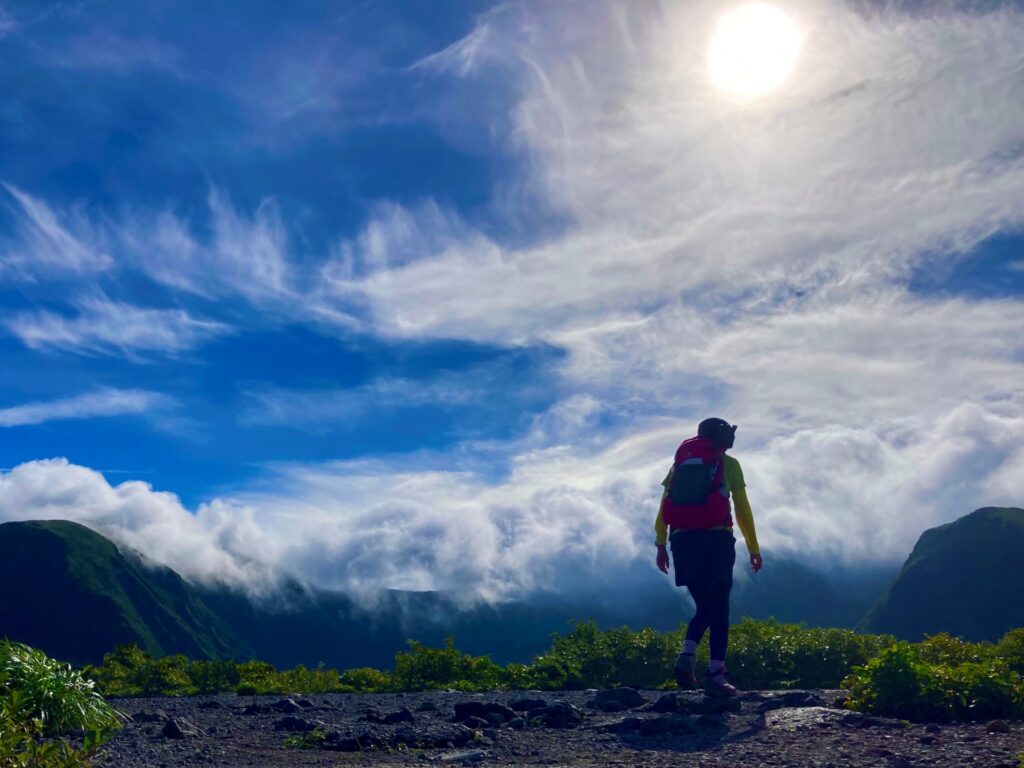
Mount Chokai is nestled snugly on the border of Akita and Yamagata prefectures. Often nicknamed the “Fuji of Tohoku,” this mountain gets incredible amounts of snow so hiking anytime earlier than summer could amount to a winter escapade rather than a green paradise. Many experienced hikers recommend starting this hike at Hakodate Hut and entering the mountain at the Kisakata Trialhead. The hike to the summit and back can take anywhere from 8 to 10 hours, so it is advisable to plan accordingly and be prepared for both steep and uneven terrain on the ascent. Half-way up the mountain, however, is Chokai Lake which is a great sightseeing spot and better suited for a more casual hike.
Mt. Hakkoda
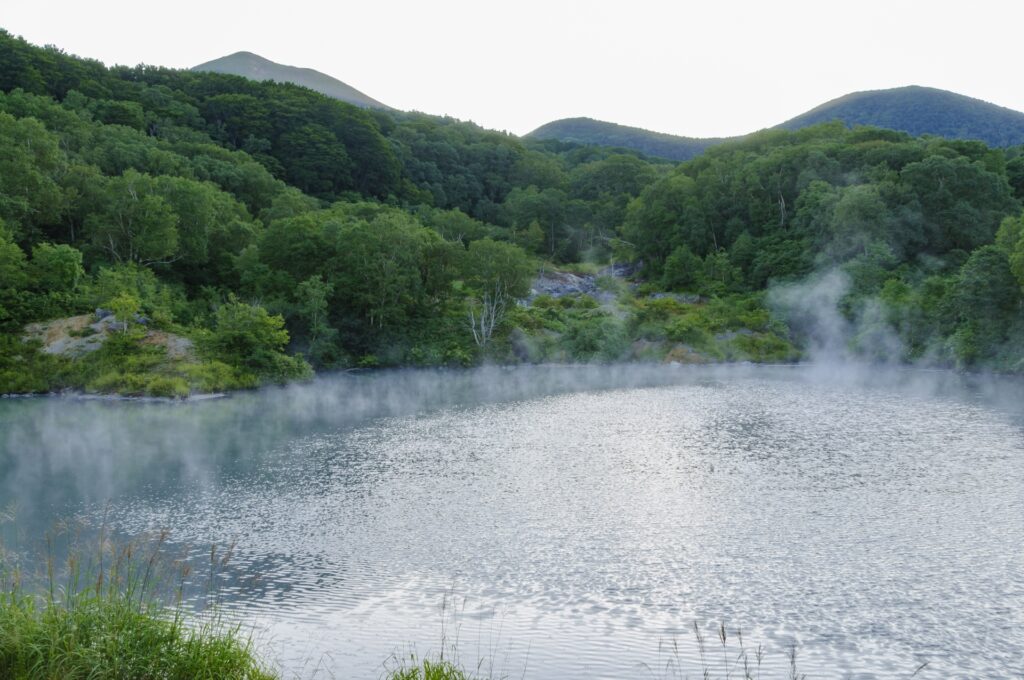
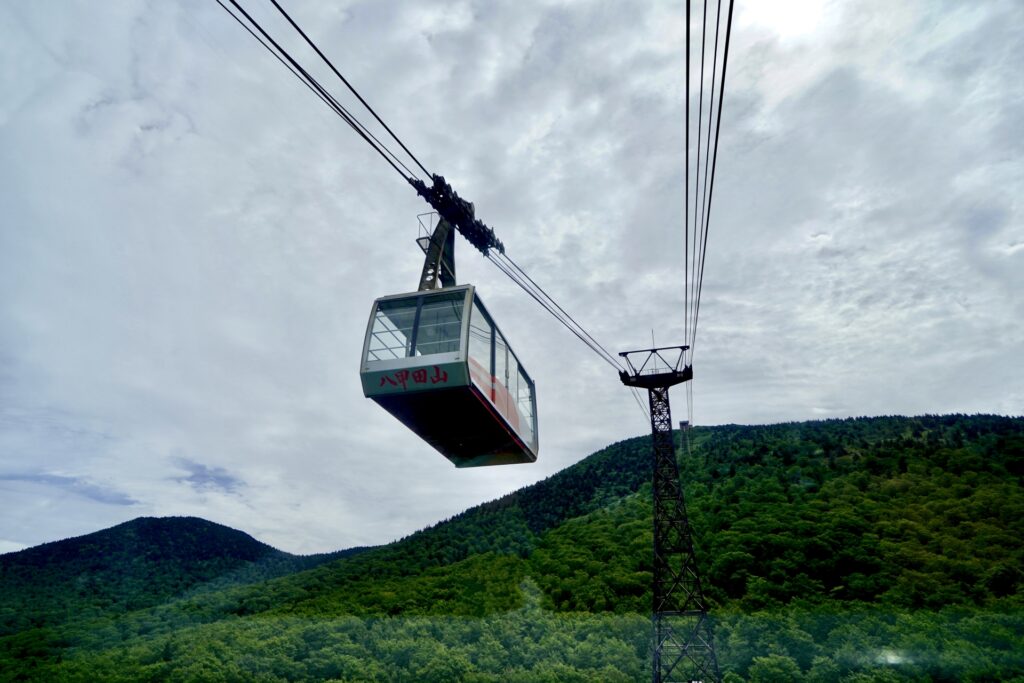
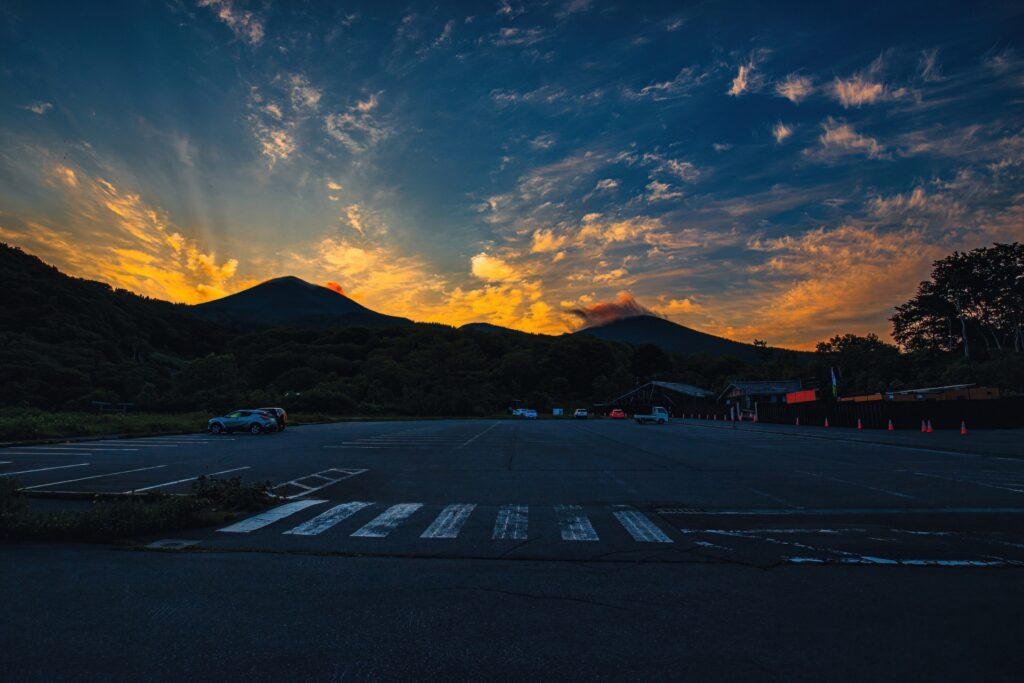
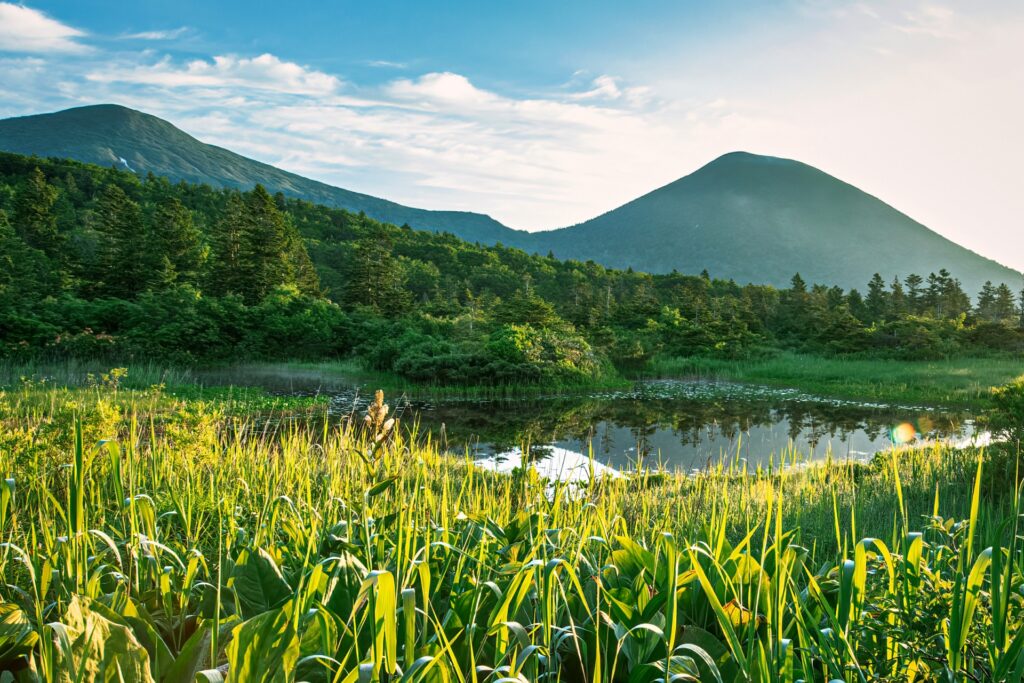
Mount Hakkoda is a set of volcanic peaks situated between Lake Towada and Aomori, and although it's one of the many sites in Japan that offer a view of the mysterious snow monsters via ropeway, it is a hiker's paradise in the non-snowy months. The ropeway runs all year round and there are few different hiking courses available once at the top that vary in length and difficulty. A hiker’s favorite is the Kenashi Paradise Line, which is a downhill-oriented trekking route that runs through the central area of Kenashi-tai, making it suitable even for beginner hikers. This pathway taken toward the Sukayu Onsen is also a favorite, as soaking in the hot springs is a relaxing way to end your day of trailblazing!
Oirase Gorge
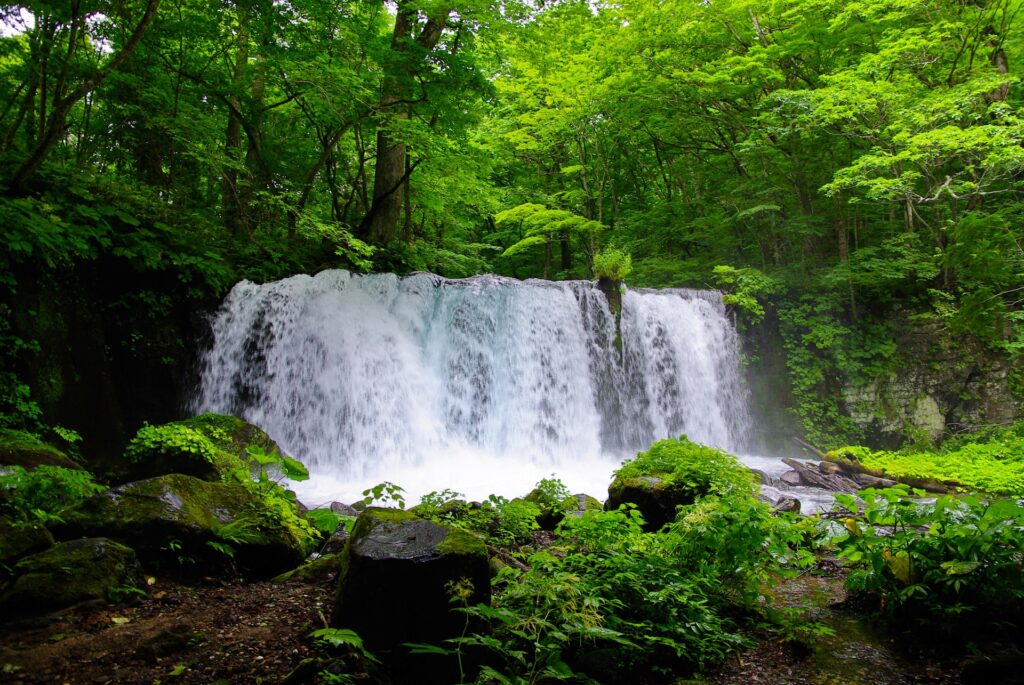
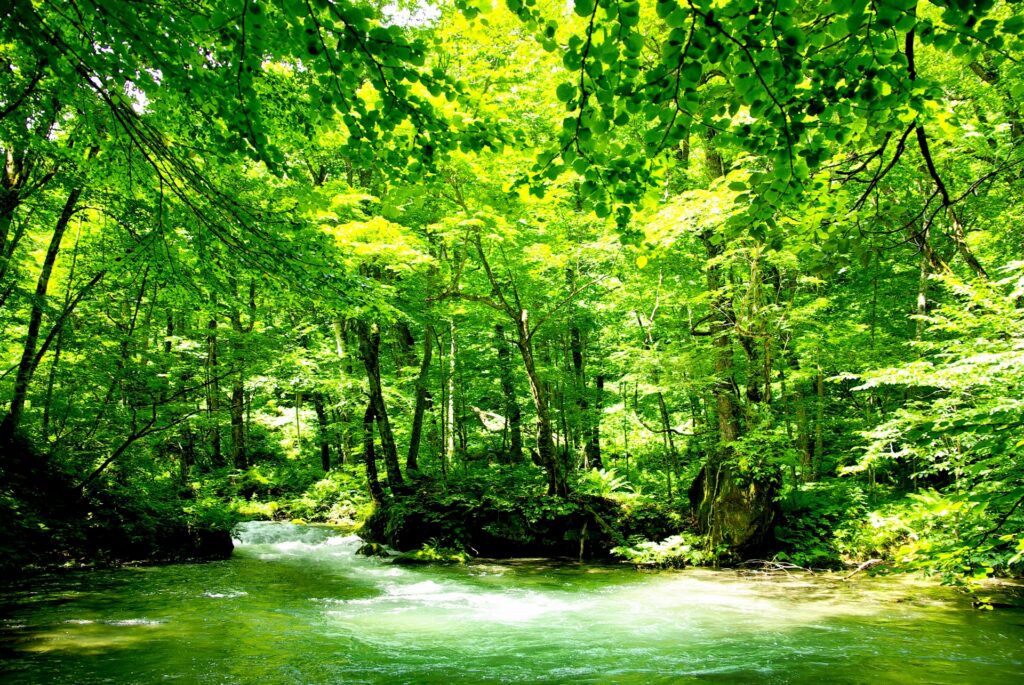
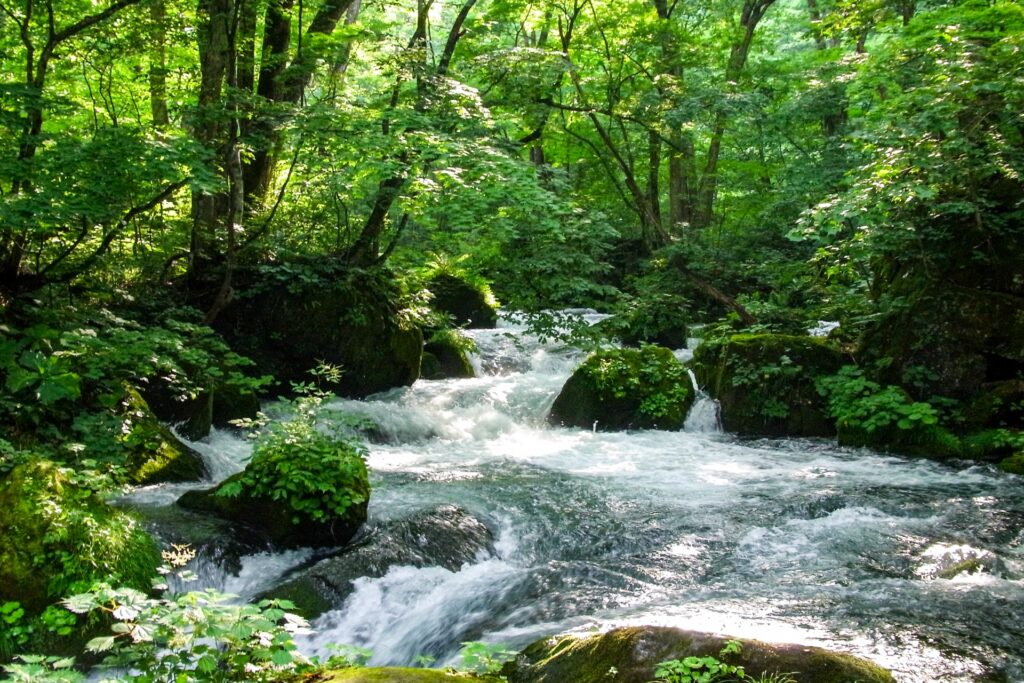
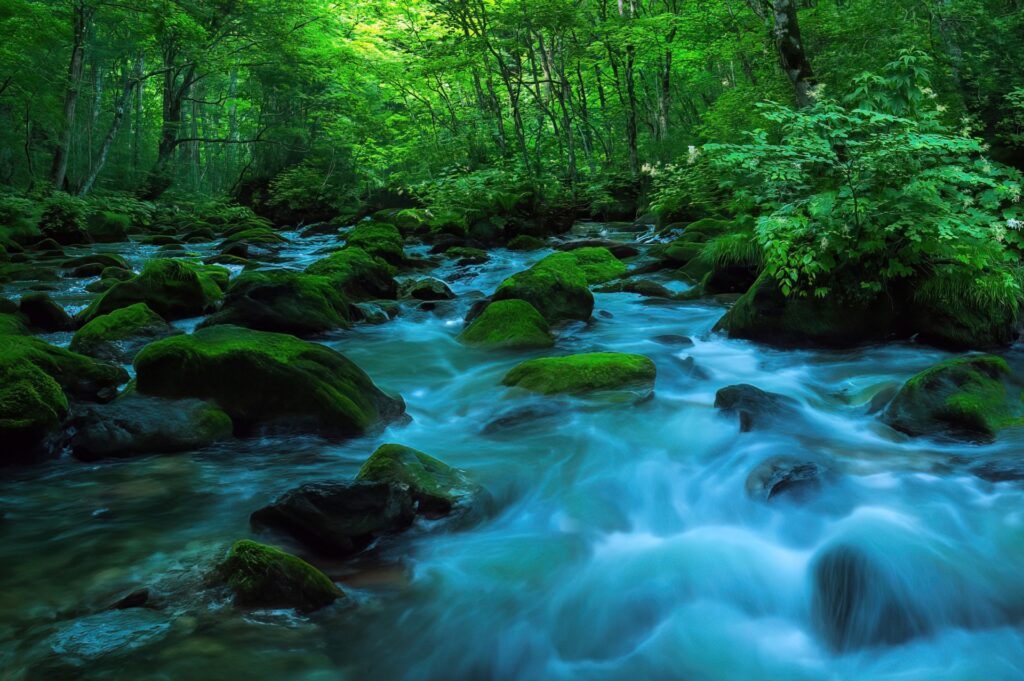
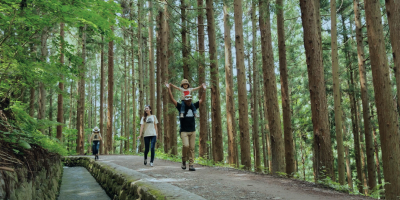
The Oirase stream flows into Lake Towada and is a highly popular tourist spot. Rather than driving through the area, it’s recommended to take upon the trails off the side of the road and view the countless waterfalls and babbling brooks. The whole expanse is about 14 kilometers and can take upwards to 5 hours to walk or cycle through. This area is especially popular for poetry authors and artists, who take their time and even set up stations to sit and capture the natural scenery in all its glory. This area is also a wonderful place to experience forest bathing as you breathe in the fresh air provided by virgin beech, Japanese oak, maple, and white cedar trees.
Frequently Asked Questions (FAQ)
Is Tohoku worth visiting in summer?
Yes! Summer is a busy time of year for vacationing, and thanks to the less traveled paths of Japan’s countryside you can escape the condensed crowds of the big cities by visiting areas within Tohoku. With its gorgeous nature walks, fun outdoor activities like kayaking, SUP boarding, and hot air balloon experiences, as well as historic sites, Tohoku has much to offer!
How can I get to Tohoku during my trip to Japan?
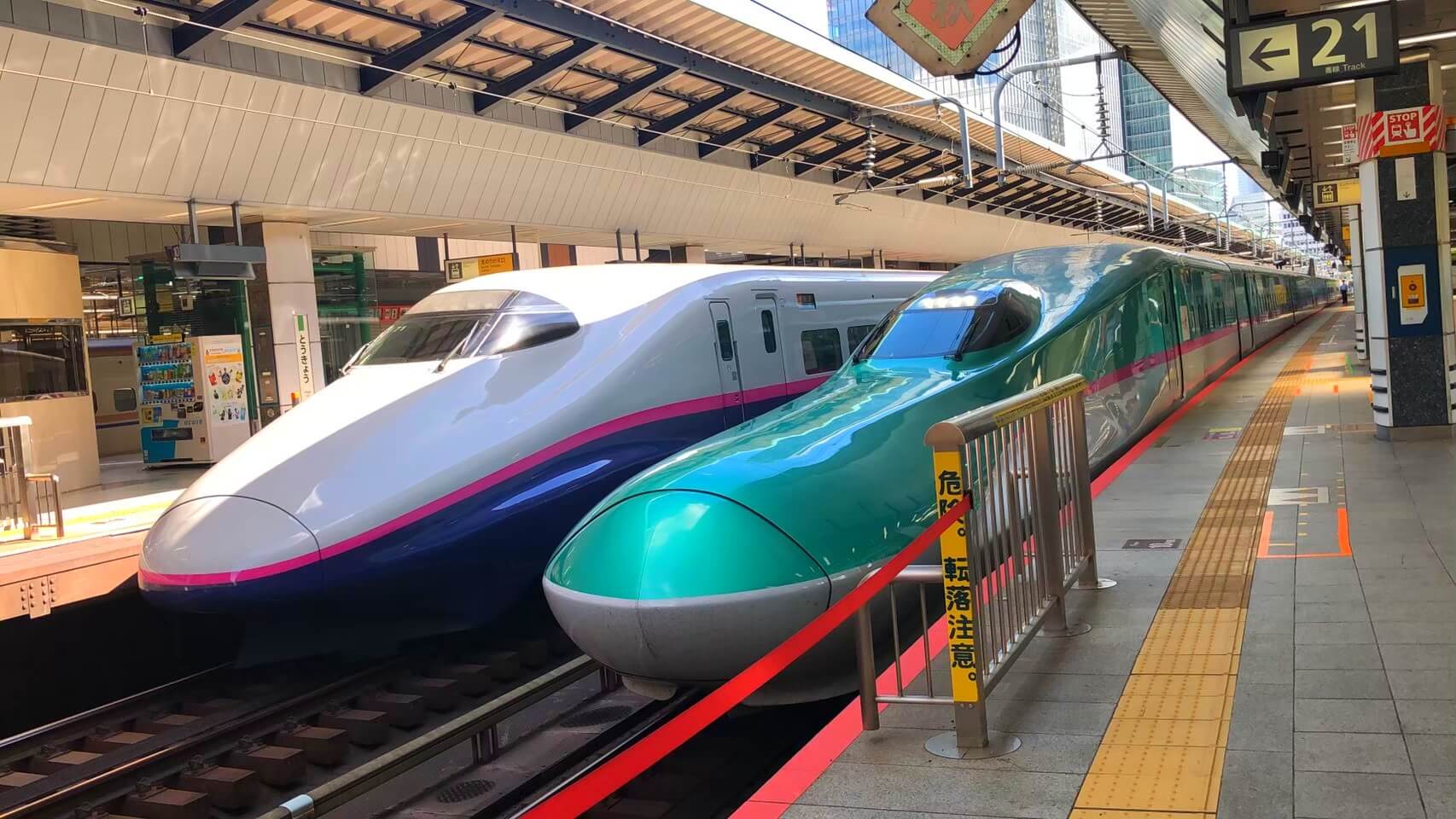
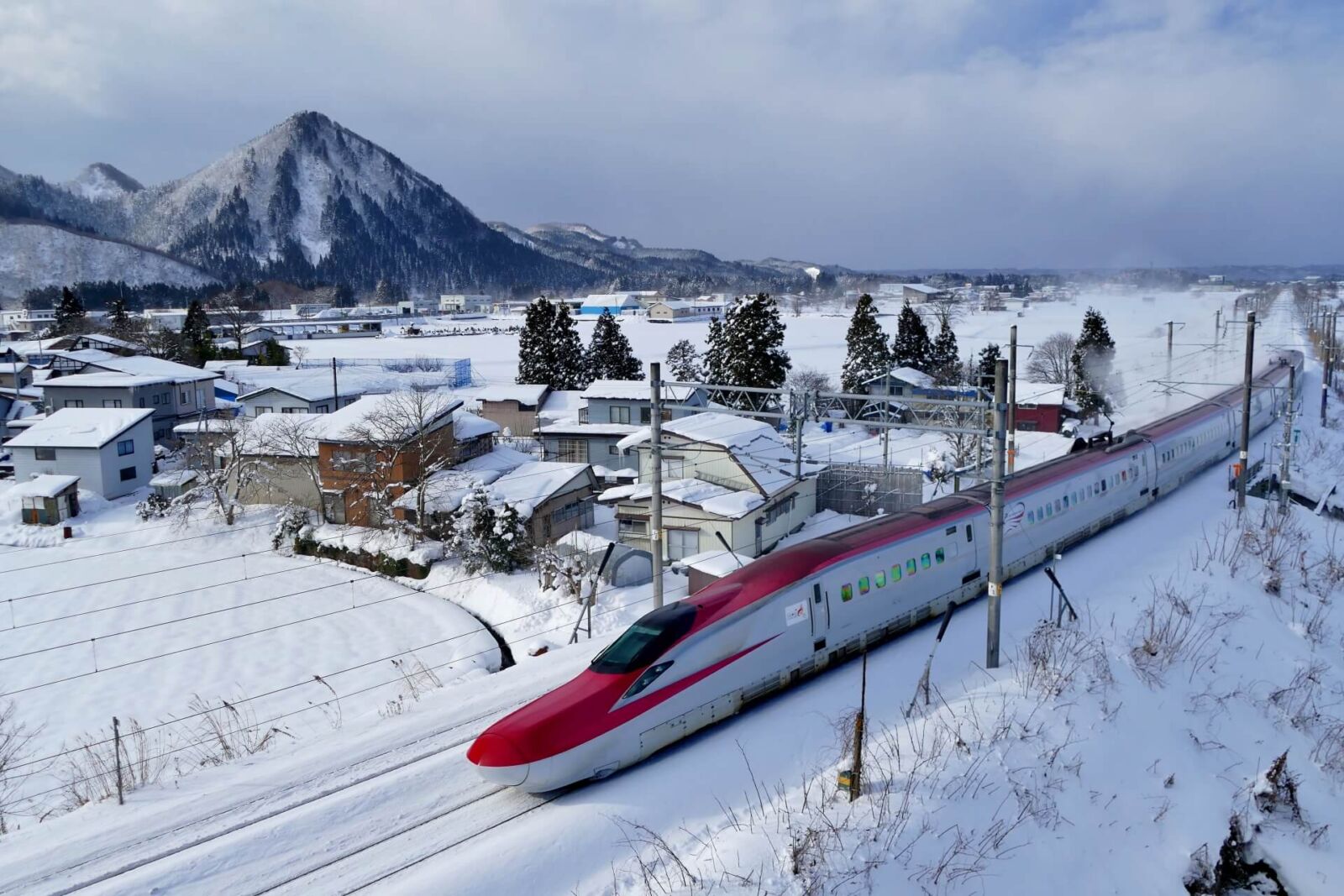
The Tohoku Shinkansen is the longest ‘bullet train’ line of Japan’s extensive network. It travels from Tokyo Station all the way north to Shin-Aomori Station, connecting to the regional Yamagata Shinkansen, Akita Shinkansen and Hokkaido Shinkansen lines as well. The shinkansen is a convenient way to travel long distances in a condensed amount of time. International visitors holding a valid Japan Rail (JR) Pass or JR East Pass can use any service on the Tohoku Shinkansen at no additional charge.
Some seasoned travelers opt for car rental to venture to the less-accessible areas of the countryside, but sticking to public transportation or chartered tours is recommended for ease of travel during your trip. For those looking to get to Sendai, known as one of the convenient gateways to Tohoku, see our How to Get to Sendai page for more information.
Any tips to fight off the summer heat?
Thankfully, Tohoku’s vast mountainous geography allows for slightly cooler summers, especially in the evenings. But mountain breezes can only do so much to fight off the yearly rising temperatures country-wide.
Japan has perfected many ways to keep yourself cool during the hot summers. Of course staying hydrated, visiting indoor air-conditioned attractions, and wearing breathable clothing and hats are staples in summer. Some novel goods used for fighting off the heat include: neck coolers, body cooling wipes and sprays, portable electric handheld fans, electrolyte candies, and UV umbrellas.
If you or any person traveling with you becomes ill from the heat, it’s always good practice to stay calm and be aware of Japan's emergency numbers – 119 for fire and ambulance, 110 for police, and 171 for disaster emergencies.
Should I be worried about bears?
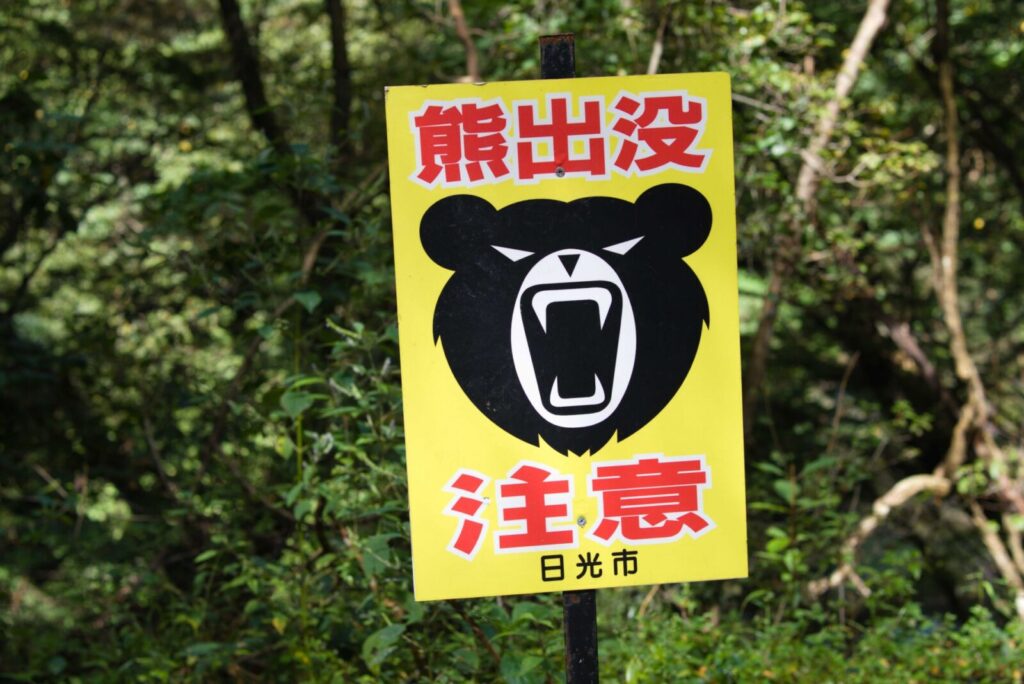
Not worried, but alert! In recent years, bear sightings have gone on the rise especially in the more rural areas of Tohoku. It’s important to stay cautious and be aware of your surroundings at all times especially when venturing out into mountainous areas. For travelers staying in populated areas or major cities within Tohoku (such as Fukushima, Sendai, Aomori city, Yamagata city, etc.) it’s general practice to keep an eye out for potential bears, but generally is not a concern day-to-day. For those who are making their way toward nature, especially hikers, it is advised to never hike alone and to purchase things like noise makers/bells to attach to yourself, bear spray, whistles, or firecrackers to scare off predators. Many mountain trails have destinations where you can submit a hiking registration form for safety purposes.