



Located in Gifu Prefecture, Sekigahara Battlefield is one of Japan’s most important historical sites. It was here, in 1600, that Tokugawa Ieyasu won a decisive victory at the Battle of Sekigahara, allowing him to seize control of the nation and establish a government that would rule Japan for more than 260 years, the Tokugawa Shogunate.
Today, visitors can witness where history was made by walking the battlefield, discovering where the dramatic clash of armies took place. Exhibits from the accompanying Gifu Sekigahara Battlefield Memorial Museum help to bring the battlefield to life, retelling the dramatic story of one of the largest battles in samurai history.
A Brief History of Sekigahara Battlefield
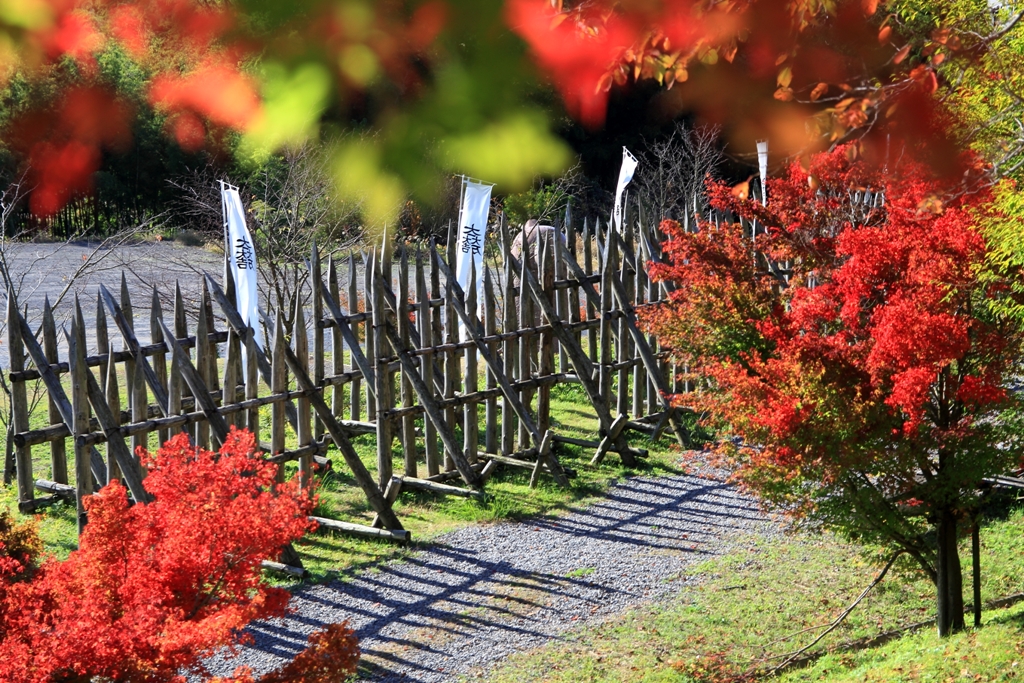
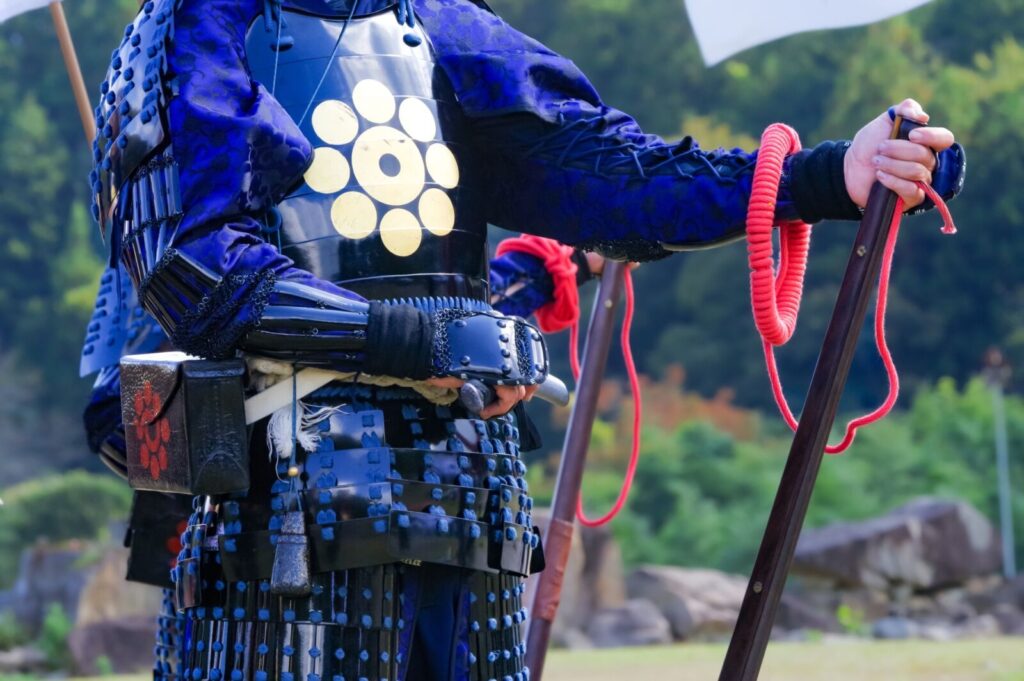
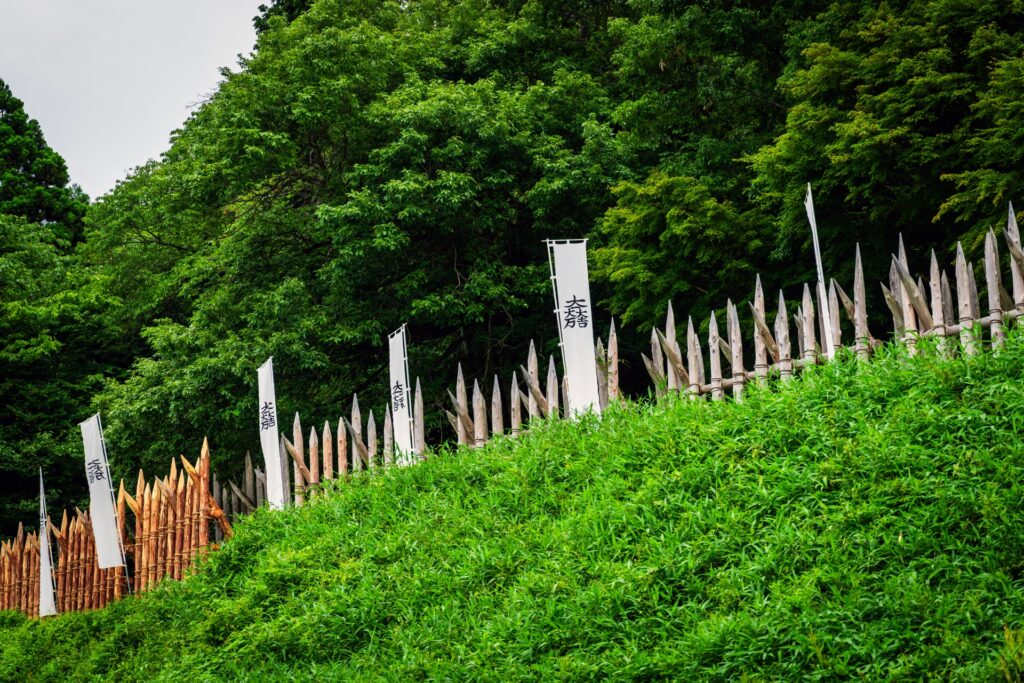
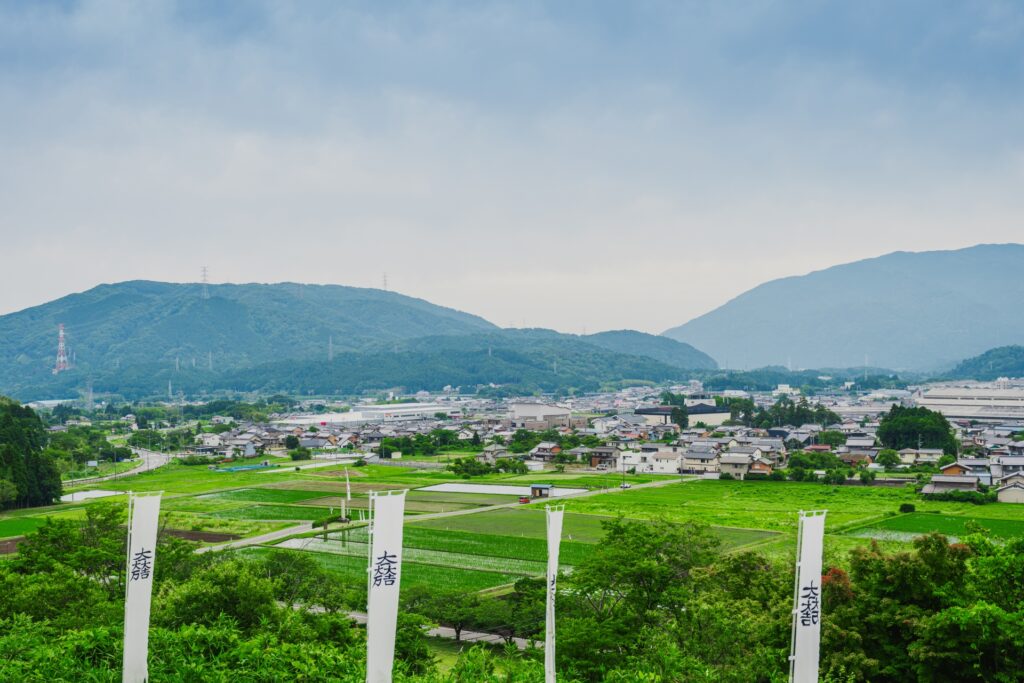
- The Battle of Sekigahara took place on October 21st, 1600
- Over 160,000 soldiers from the Eastern and Western armies are believed to have taken part
- The decisive victory led to the establishment of the Tokugawa shogunate
- It is considered the climactic battle that ended Japan’s ‘Warring States’ (Sengoku) period
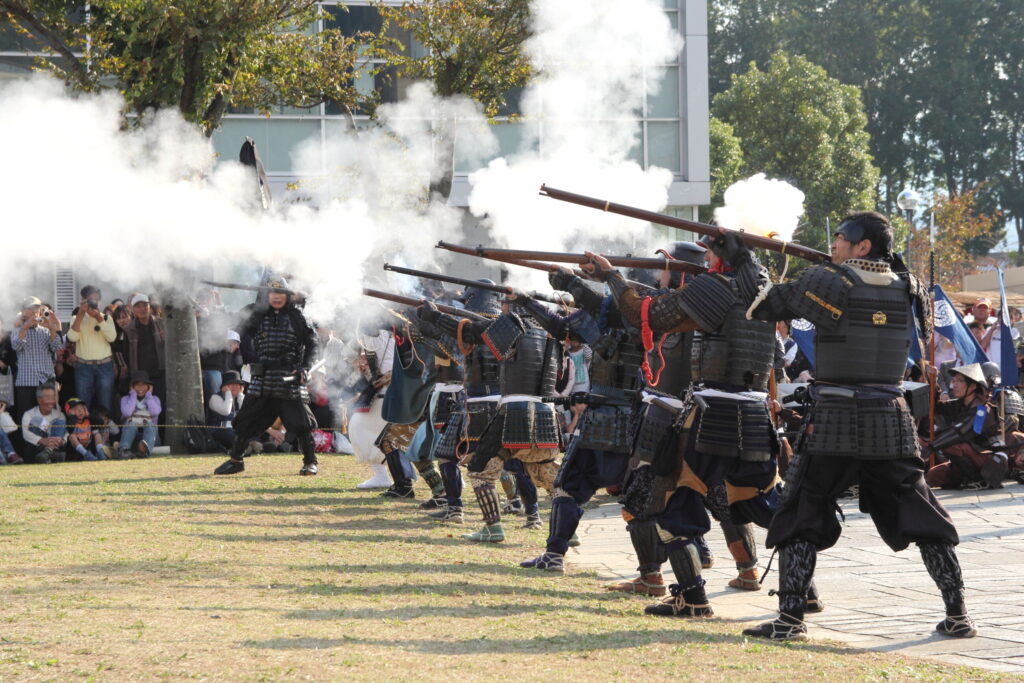
Sekigahara Battlefield was the setting for what is often regarded as the largest and most pivotal battle in samurai history. On October 21st in the year 1600, the Eastern and Western armies (led by Tokugawa Ieyasu and Ishida Mitsunari respectively) clashed in what was the culmination of a wider power struggle that occurred in the aftermath of Toyotomi Hideyoshi’s death.
Despite reportedly lasting less than seven hours in total, it is believed that over 160,000 soldiers fought in the great samurai battle, and over 30,000 lost their lives amid the brutal combat. From this hard-fought victory, Tokugawa Ieyasu seized control of the entire nation, establishing a new form of government that would go on to rule Japan for the next 260 years: the Tokugawa Shogunate. This decisive victory and dramatic political shift saw Japan’s ‘Warring States’ period come to an end, and in 1603 ushered in what is now known as the ‘Edo Period’, a time of relative peace in which culture and traditions thrived.
Today, Sekigahara Battlefield remains a prominent reminder of Japan’s dramatic samurai history. Visitors can explore the landscape of the battlefield, trace troop movements, and come to understand how the terrain itself played a vital role in the battle’s outcome.
Walking the Battlefield: What You Can Still See Today
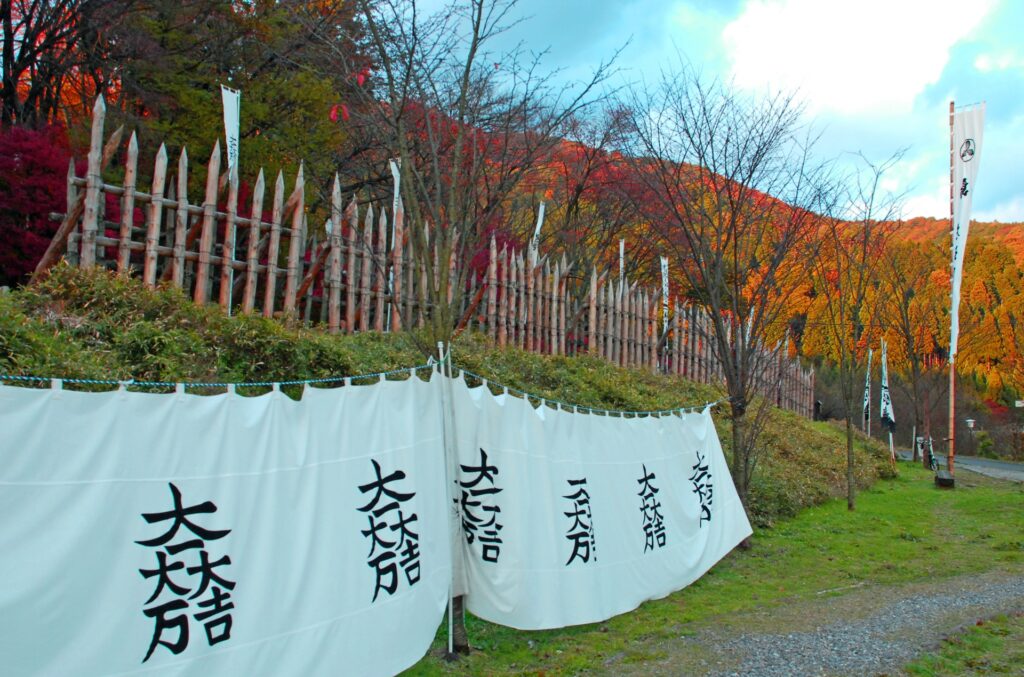
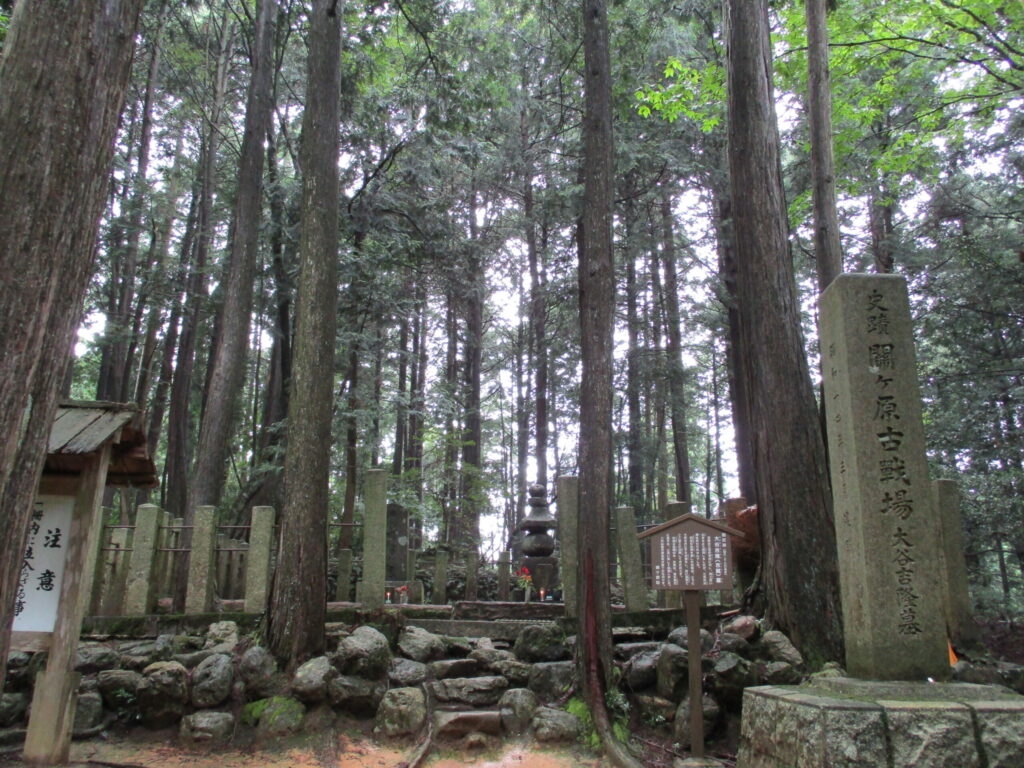
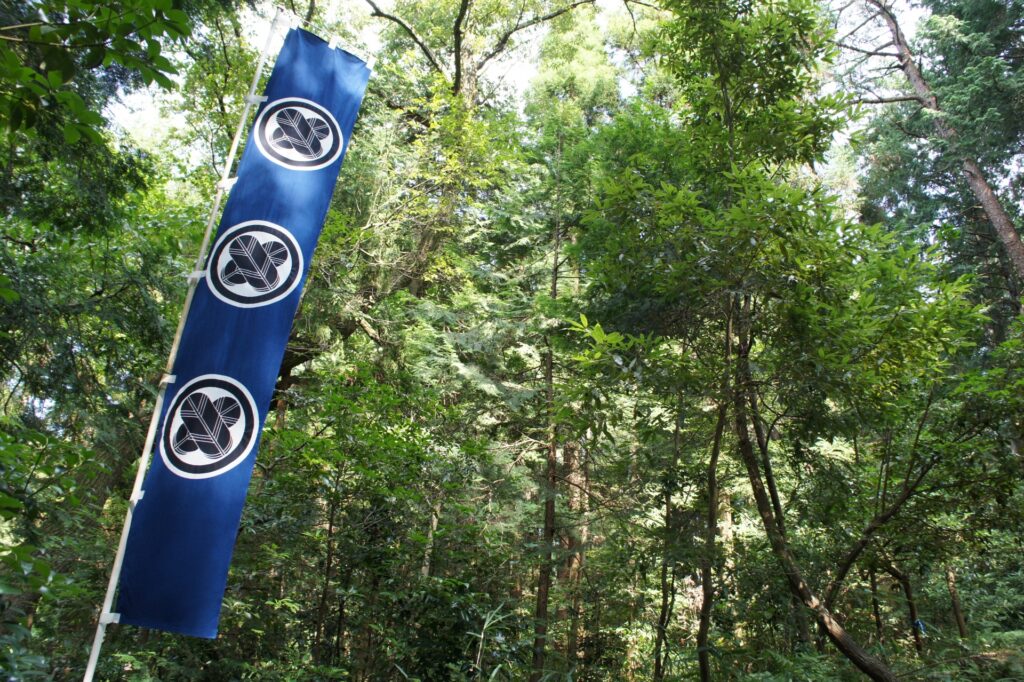
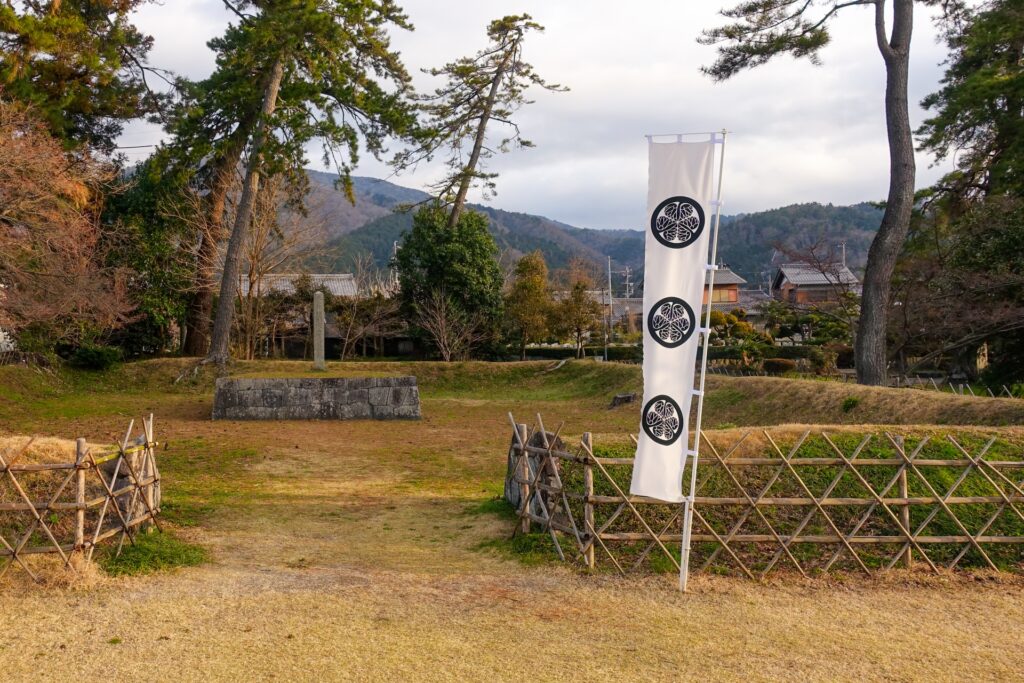
One of the most appealing aspects of Sekigahara is that in addition to an excellent museum, visitors can physically explore the battlefield itself. Rather than being confined to a single building, the site stretches across the town and surrounding hills, allowing you to move through the same landscape where the two great samurai armies once clashed.
Across the battlefield, visitors will find a wide range of monuments, information boards, and preserved viewpoints connected to key moments in the battle. One of the most notable locations is Mt. Sasao, the former command post of Ishida Mitsunari, which offers a commanding view across the plain.
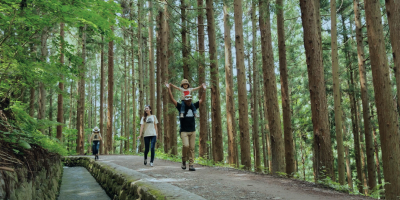
For those with more time, Sekigahara is especially rewarding to explore on foot or by bicycle. The landscape is broad but manageable, and the experience of moving between various historic points across the battlefield provides a real insight into the scale and tension of the conflict.
Recommended Tour: Snow Monkey Resort's 1-Day Tour from Nagoya: Shadows of a Shogun — Sekigahara Battlefield & Historic Castles is designed for travelers who want to understand the history and drama of Japan’s samurai past. You will explore how alliances were formed, how betrayals changed the course of history, and how power was ultimately secured.
Trace the full arc of Japan’s transformation from the warring state period to where the foundations of 260 years of Tokugawa rule were established on this one-day guided tour from Nagoya.
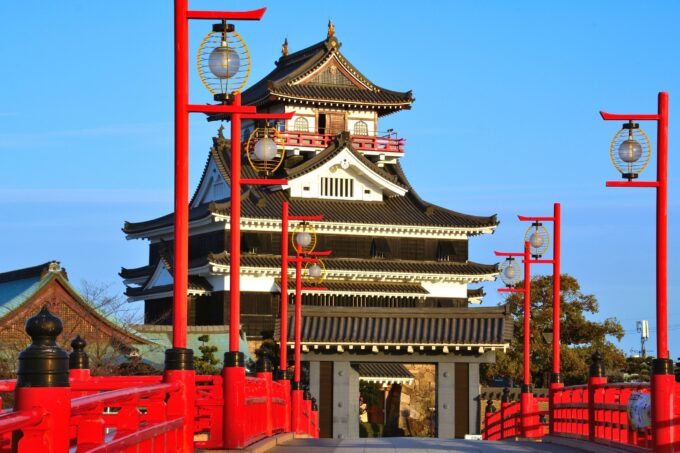
Touring Sekigahara Battlefield and Memorial Museum
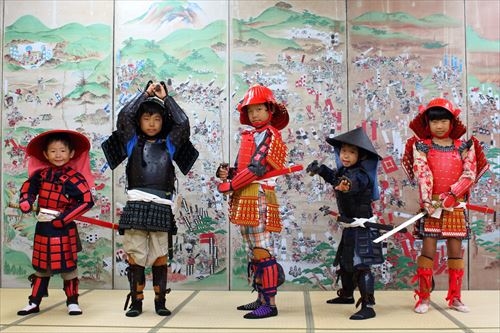
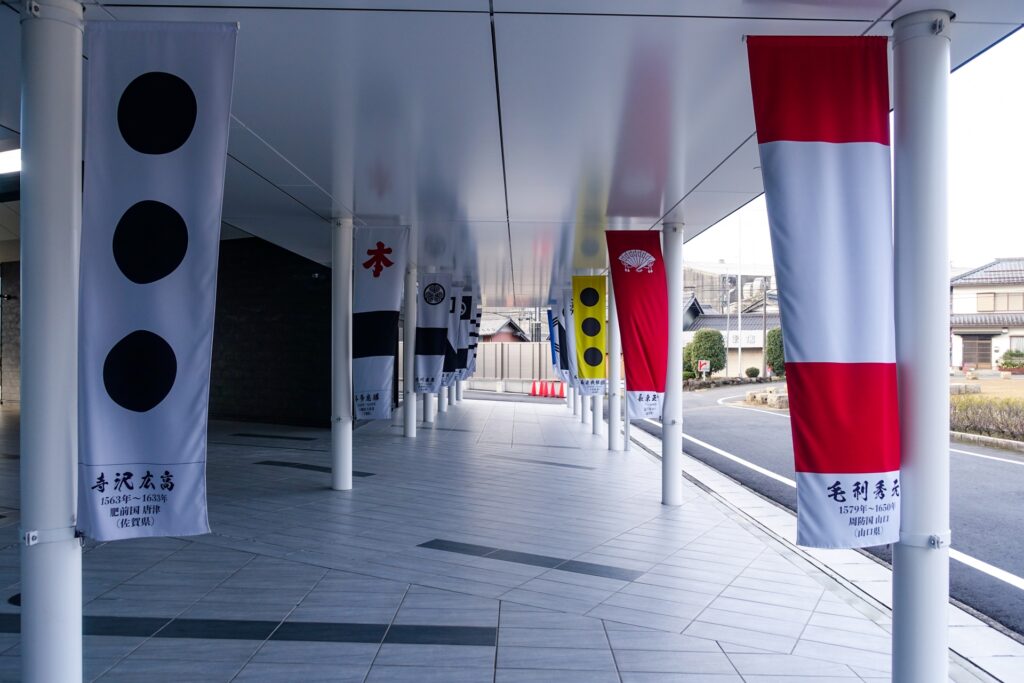
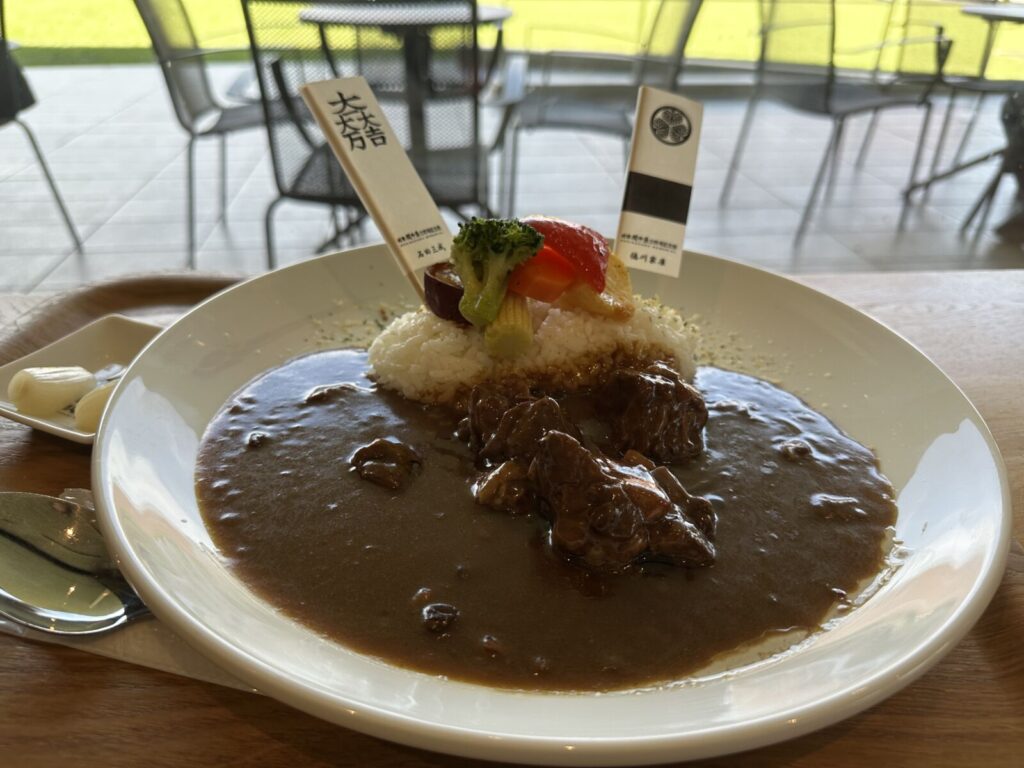

Sekigahara is best experienced as a combination of both an open-air exploration of the battlefield, as well as a visit to the museum. While the battlefield itself allows visitors to stand where history unfolded, the Gifu Sekigahara Battlefield Memorial Museum provides the context needed to fully appreciate what happened here.
Main Attractions:
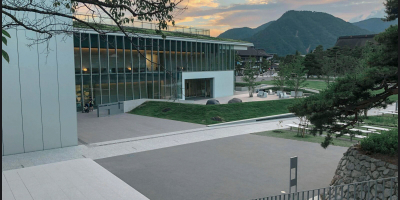
- Gifu Sekigahara Battlefield Memorial Museum: A modern museum explaining the causes, events, and aftermath of the battle
- The Museum’s Theater and ‘Ground Vision’ screens: Immersive exhibits which provide a powerful recreation of the pivotal conflict
- Observation Room: 360-degree panoramic views over modern-day Sekigahara allow visitors to connect the museum exhibits to the actual battlefield outside
Visitor Information:
- Museum Hours: 9:30 to 17:00 (last admission 16:30)
- Museum Admission: Adults ¥500, high school/university students ¥300, junior high school students and younger free
- Closed: Mondays (or the following day if Monday is a public holiday) and from December 29th to January 3rd
Access:
Sekigahara Battlefield and the Gifu Sekigahara Battlefield Memorial Museum are best accessed from Nagoya. From Nagoya Station, it takes around 45 minutes by JR Tokaido Main Line to Sekigahara Station, followed by roughly a 10-minute walk to the museum.
The battlefield sites themselves are spread across the surrounding area, so visitors with limited time may prefer to focus on the museum and nearby key monuments first.
Guided Tour of Sekigahara Battlefield
1-Day Tour from Nagoya: Shadows of a Shogun — Sekigahara Battlefield & Historic Castles / All Year Round
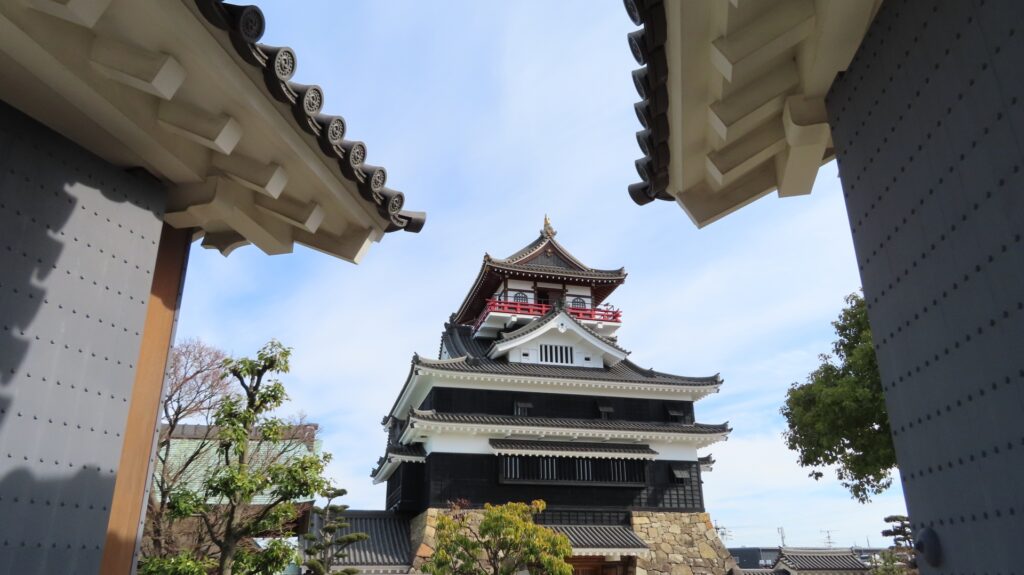
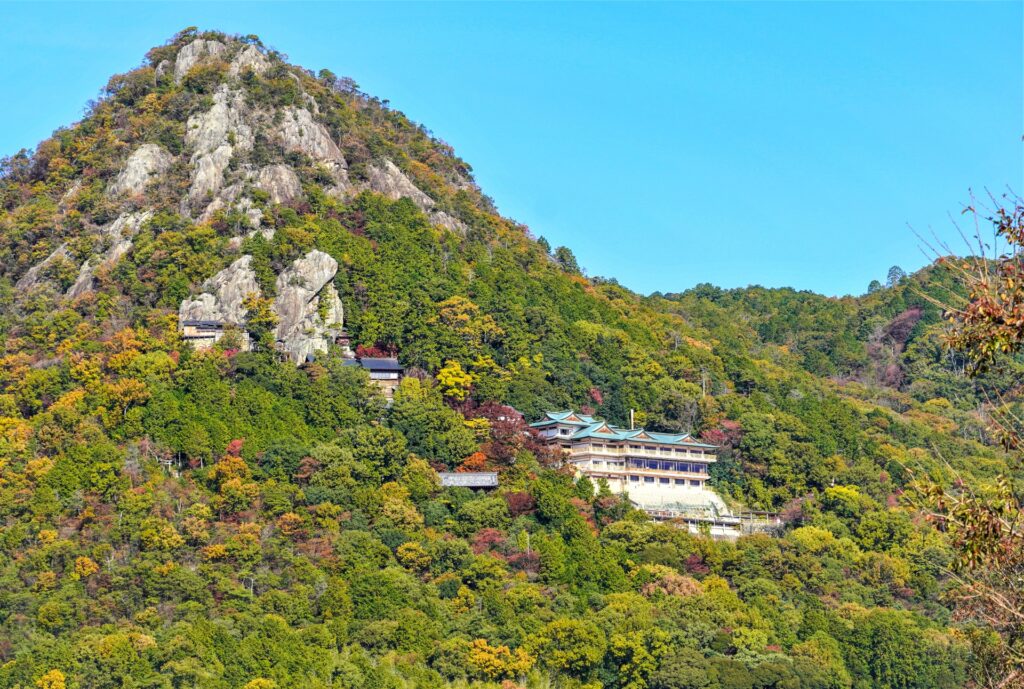
Step beyond fiction and into the real power struggle that inspired stories like Shōgun on our 1-Day Tour from Nagoya: Shadows of a Shogun — Sekigahara Battlefield & Historic Castles.
This tour is designed for travelers who want to understand the history and drama of Japan’s samurai past. You will explore how alliances were formed, how betrayals changed the course of history, and how power was ultimately secured.
Trace the full arc of Japan’s transformation from the warring state period to where the foundations of 260 years of Tokugawa rule were established on this one-day guided tour from Nagoya.
Highlights
- See the real locations of the events that inspired stories like Shōgun.
- View Sekigahara Battlefield, site of Japan’s decisive battle
- Visit Japan's Victory Shrine and make your own lucky charm
- Enjoy insights into samurai-era politics from a professional guide
- Travel comfortably in our company’s tour vehicles
Frequently Asked Questions (FAQ)
Do you need to visit the museum to understand Sekigahara Battlefield?
While it is possible to walk the battlefield without entering the museum, visiting the museum first makes the experience far more meaningful. It helps visitors understand the key figures, troop movements, and turning points before exploring the site itself.
How long should I spend at Sekigahara?
Most visitors should allow at least 2 to 3 hours. This gives enough time to explore the museum and visit several of the major battlefield points nearby. History enthusiasts could easily spend half a day or more.
Can you walk around Sekigahara Battlefield?
Yes. Many of the main battlefield sites can be reached on foot, and the area is also popular for cycling. There are multiple routes that help visitors follow the movements of the Eastern and Western armies.
What is the Gifu Sekigahara Battlefield Memorial Museum like?
The museum is modern, immersive, and designed to help visitors understand the battle in a visual and engaging way. It includes audio-visual exhibits, historical displays, and an observation room overlooking the battlefield.
Is Sekigahara Battlefield worth visiting?
Yes, especially for anyone interested in samurai history. The combination of both the battlefield and the modern museum make it one of the most rewarding historical destinations in central Japan.