




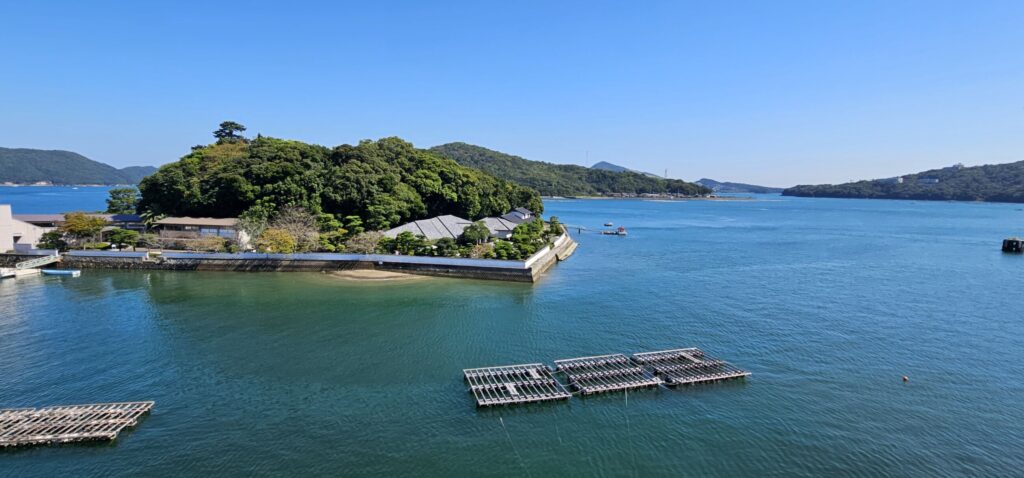
Mikimoto Pearl Island, located in Toba City in Mie Prefecture, is a unique attraction dedicated to the origin of cultured pearls. Established by Mikimoto Kokichi, the man credited with successfully producing the world’s first cultured pearl, the island offers an insight into the culture, history, and technology surrounding the industry. Boasting beautiful coastal views, and hosting a combination of museum exhibitions, jewellery showrooms, and even live traditional pearl diving demonstrations, Mikimoto Pearl Island is a truly one-of-a-kind destination.
A Brief History of Mikimoto Pearl Island
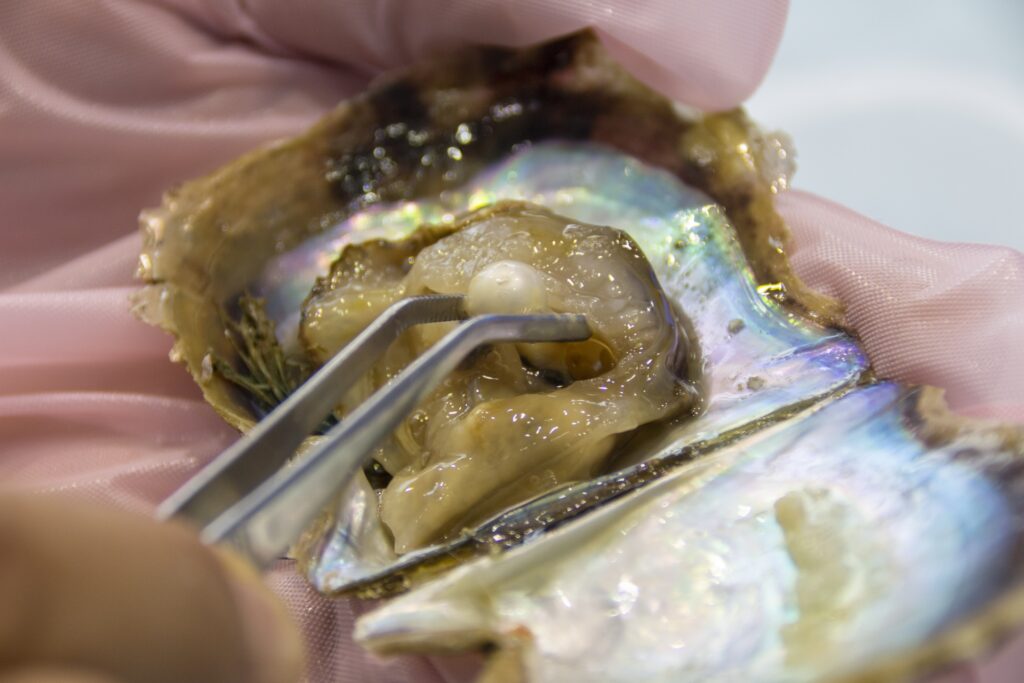
- In 1893, Mikimoto Kokichi successfully produced the world’s first cultured pearl in Toba
- The island became the center of pearl cultivation and research in Japan
- Mikimoto’s methods revolutionized the global pearl industry
- The island was later developed into a public attraction showcasing pearl cultivation and traditional ama diving
As the name suggests, Mikimoto Pearl Island is closely tied to the achievements of Mikimoto Kokichi, the first person in the world to cultivate a pearl.
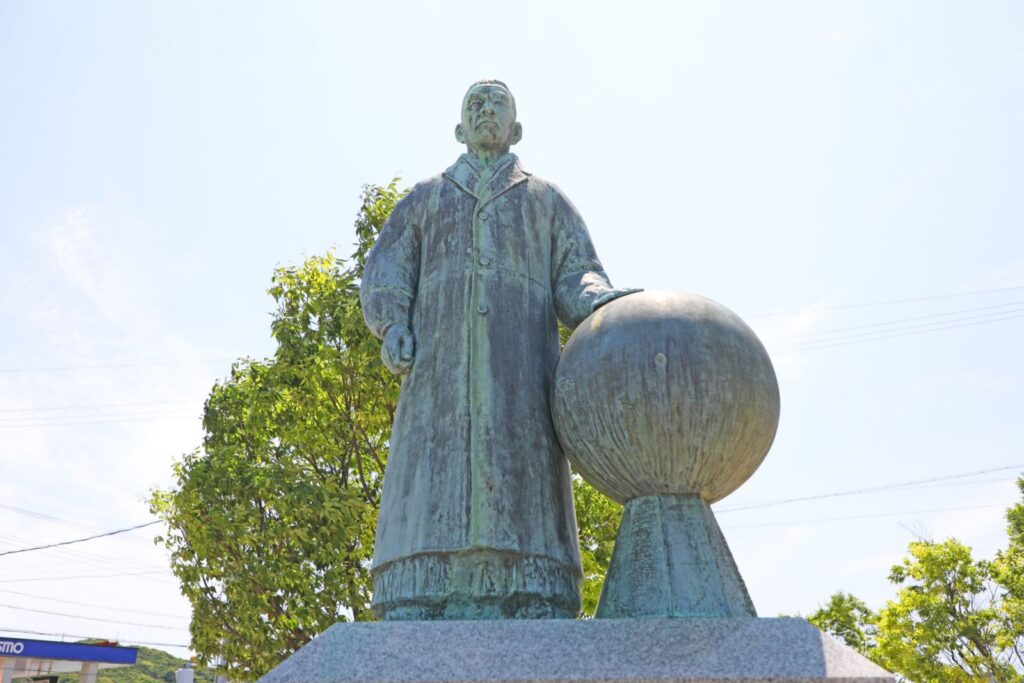
In 1893, after many years of experimentation, Mikimoto Kokichi succeeded in producing the world’s first cultured pearl. His revolutionary techniques turned pearls from incredibly rare natural resources into more accessible luxury items, changing the landscape of the jewellery industry forever.
The island became his base of operations, where he continued to research and refine pearl cultivation techniques and make the pearl industry more sustainable.
Mikimoto’s success helped to establish Japan as a global leader in cultured pearl production, an identity that locals still feel strongly connected to. Today, Mikimoto Pearl Island tells his story and preserves his legacy, offering visitors a chance to see both the traditional techniques and scientific innovations behind pearl cultivation, a discovery which went on to reshape the global market.
Cultured Pearls: A Revolutionary Innovation
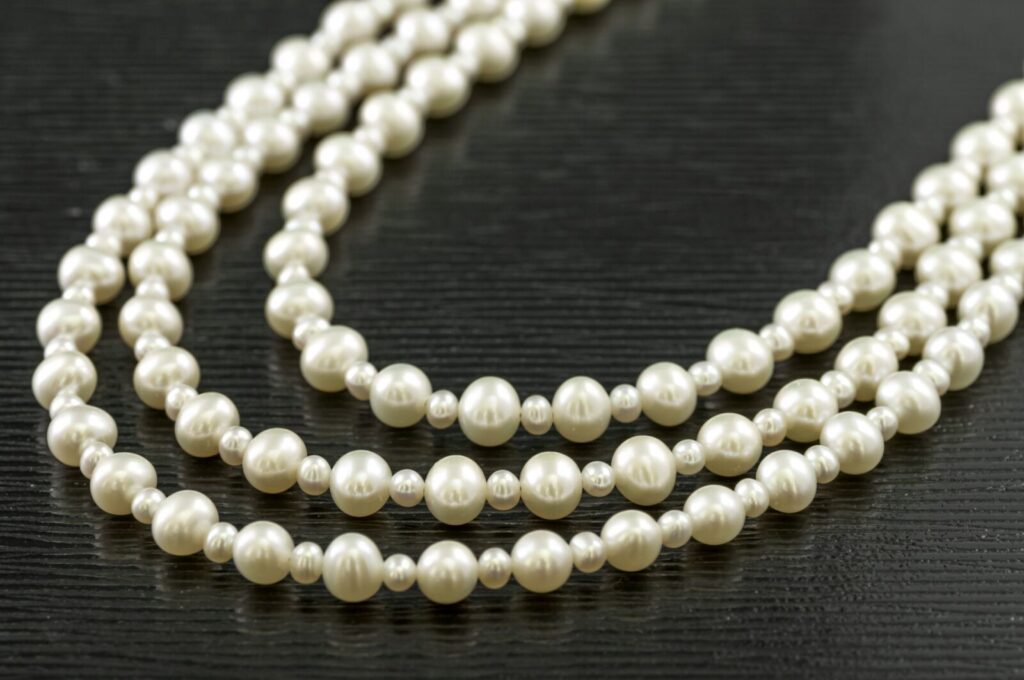
At the core of Mikimoto Pearl Island is the development of cultured pearls, an innovation which changed the history of jewellery. Before Mikimoto’s breakthrough, pearls were extremely rare and could only be found by chance, making them both incredibly expensive and in short supply.
The new supply of cultured pearls changed this entirely. Rather than waiting for pearls to develop naturally, Mikimoto experimented with ways to artificially begin the pearl production process. Over time, Mikimoto refined a technique of inserting a small nucleus (a small round bead made from a shell) into the oyster, which would artificially kickstart the natural pearl production processes. Through this innovative technique, Mikimoto paved the way to a reliable supply of cultured pearls.
With a new supply of cultured pearls, the jewellery industry changed irrevocably. Pearls were no longer reserved for the wealthy elite, instead becoming an accessible luxury item to be enjoyed by people around the world.
Traditional Ama Divers
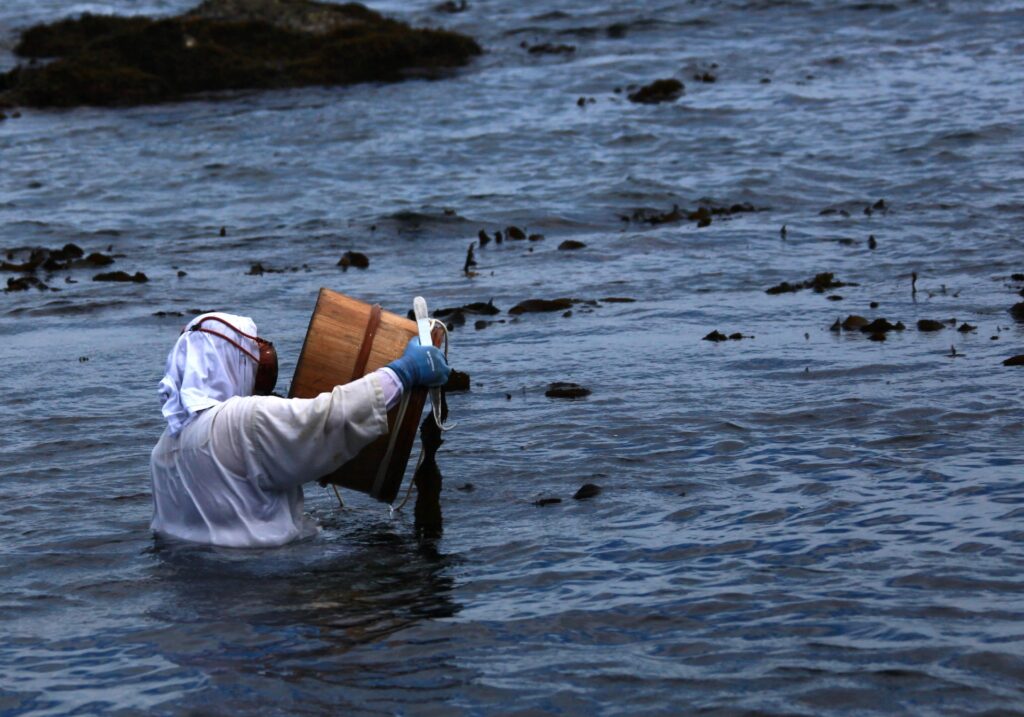
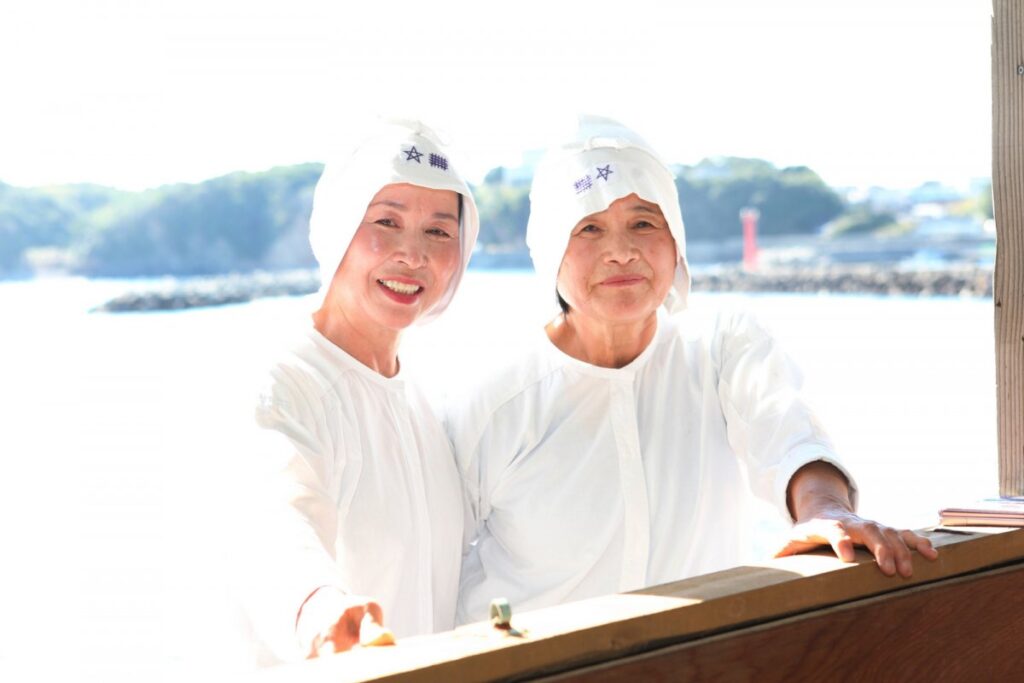
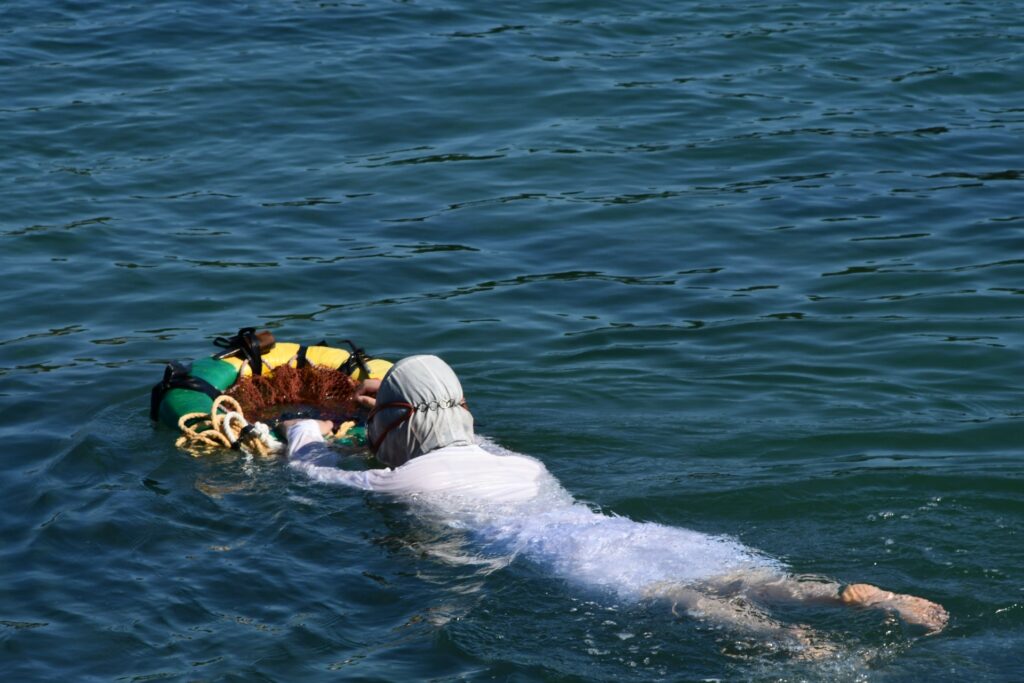
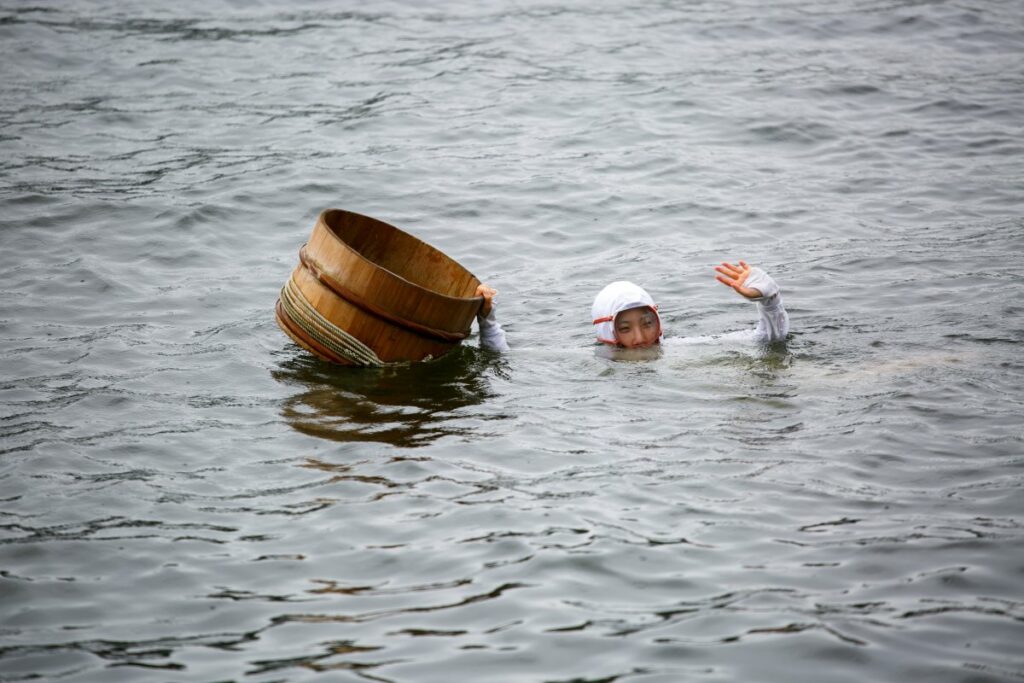
Visitors to Mikimoto Pearl Island have the opportunity to see the traditional ama divers in action. Ama, literally translating to "sea women", are traditional female freedivers who have been gathering seafood and harvesting pearls along Japan’s coast for more than 2,000 years.
Wearing traditional white diving clothes, the ama dive below the surface without modern breathing equipment, relying only on their breath-holding techniques.
Mikimoto is working to keep the traditions of the ama alive by employing ama divers to gathering oysters from the seabed. And at Mikimoto Pearl Island, visitors can watch live demonstrations where ama divers showcase their incredible skill and endurance.
Touring Mikimoto Pearl Island
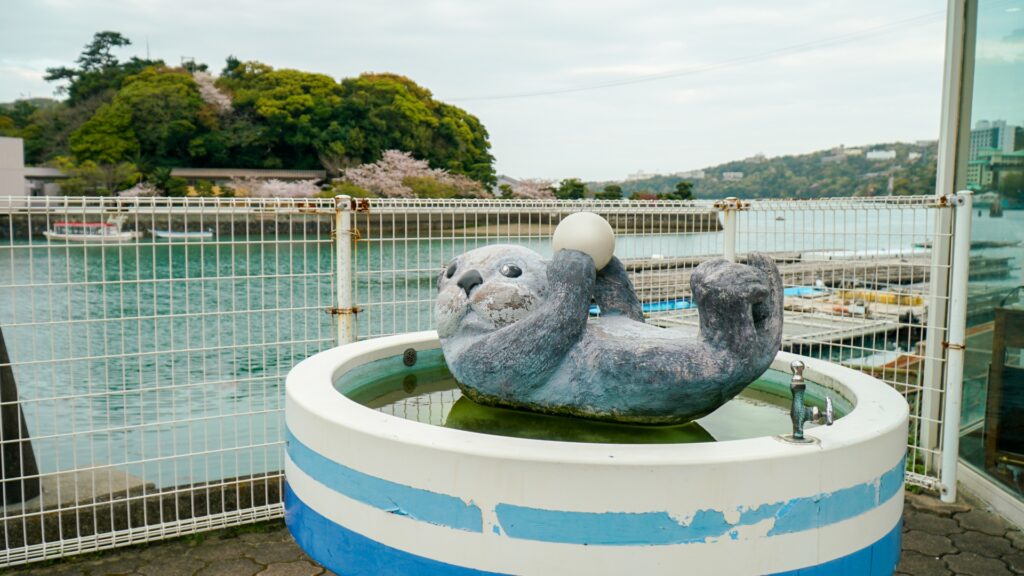
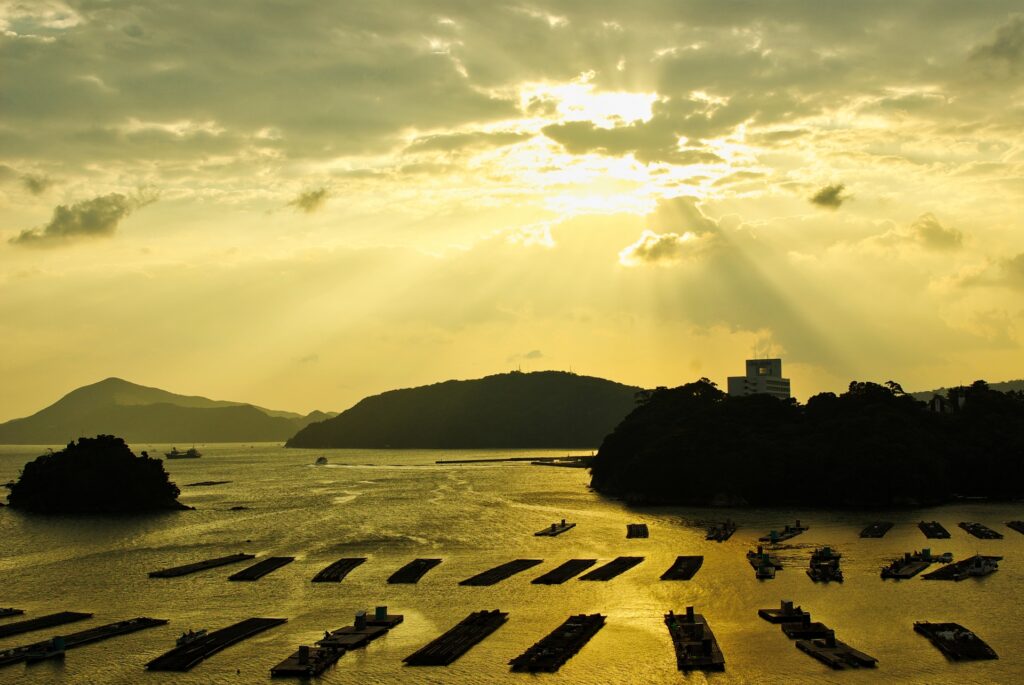
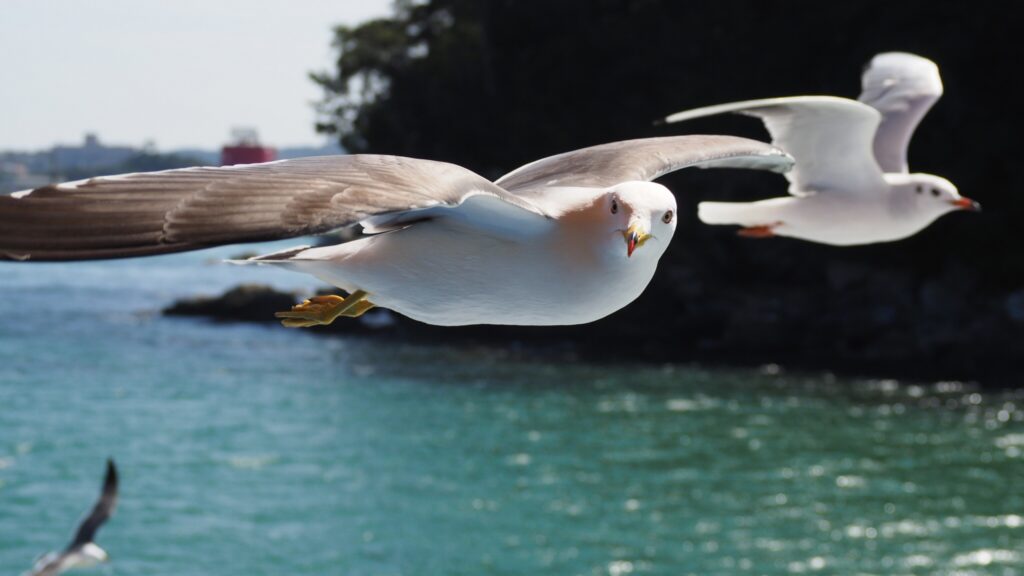
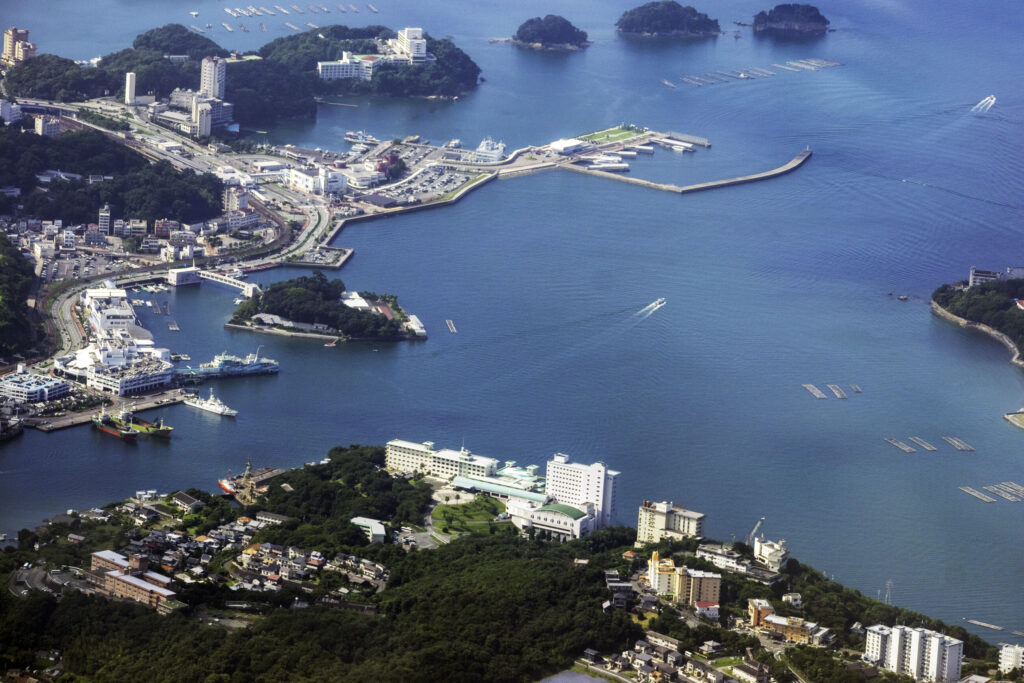
Mikimoto Pearl Island has much to offer, from museum exhibits and jewellery showrooms, to live diving demonstrations and scenic coastal views. Connected by bridge to the mainland, the island is easily accessible for visitors exploring the Ise-Shima area.
Main Attractions
- Pearl Museum: Learn the history, science, and global impact of cultured pearls
- Ama Diver Demonstrations: Live performances showcasing traditional freediving techniques
- Pearl Plaza: Shops offering high-quality pearl jewellery and souvenirs
- Stunning Coastal Scenery: Take in the scenic coastline of the Ise-Shima region
Visitor Information
- Hours: 8:30 to 17:00 (seasonal variations may apply)
- Admission: Adults ¥1,650, Children ¥820
- Open year-round
Access
Mikimoto Pearl Island is located in Toba City, and is best accessed as a day trip from Nagoya.
Recommended Tour: Snow Monkey Resort's 1-Day Tour from Nagoya: Ise’s Sacred Shrines and Captivating Coastlines provides you with the chance to marvel at the natural beauty of the Ise region and refresh your body and soul with spiritual experiences and delicious cuisine as you are led by an experienced, English-speaking guide from Nagoya on this full-day tour.
Frequently Asked Questions (FAQ)
What is Mikimoto Pearl Island known for?
Known as the birthplace of cultured pearls, Mikimoto Pearl Island is where Mikimoto Kokichi first succeeded in cultivating pearls in the late 19th century.
Can you see pearl divers at Mikimoto Pearl Island?
Yes, visitors can watch live ama diver demonstrations, where traditional female divers showcase their traditional breath-holding diving techniques.
What time of year do the freedivers perform?
The ama diver demonstrations are performed year-round and can be enjoyed in all seasons. However, demonstrations can be cancelled due to stormy weather.
How long should I spend at Mikimoto Pearl Island?
Most visitors spend around 1.5 to 2 hours exploring the museums, watching the ama diver demonstration, and browsing the shops.
Is Mikimoto Pearl Island worth visiting?
Yes, especially for those interested in Japanese culture, craftsmanship, or maritime history. It offers a unique combination of live demonstrations and historical exhibits not found elsewhere.