




Alpine Wildflowers & Starry Nights. July in Nagano is the peak of the high-summer season. As the humidity rises across the rest of Japan, Nagano becomes the ultimate sanctuary, offering cool mountain breezes, dramatic high-altitude landscapes, and the vibrant energy of traditional summer festivals.
This is the month when the "Green Season" reaches its full crescendo. The rainy season typically tapers off in mid-July, giving way to clear blue skies and the "Fireworks Olympics" season. Whether you’re trekking through fields of rare alpine flora or dancing at a local Gion festival, July is about embracing the heights.
Key Takeaways: Nagano in July
- Weather & Escape: While the valleys are hot and humid (up to 30°C), the high-altitude Alps remain a crisp 15°C–23°C. Pack breathable clothing for the city, plus UV protection and light layers for the mountains.
- Festivals & Events: Experience the historic Nagano Gion Festival in early July, featuring massive, hand-pulled wooden floats and traditional performances through the stone-paved streets of Zenko-ji Temple.
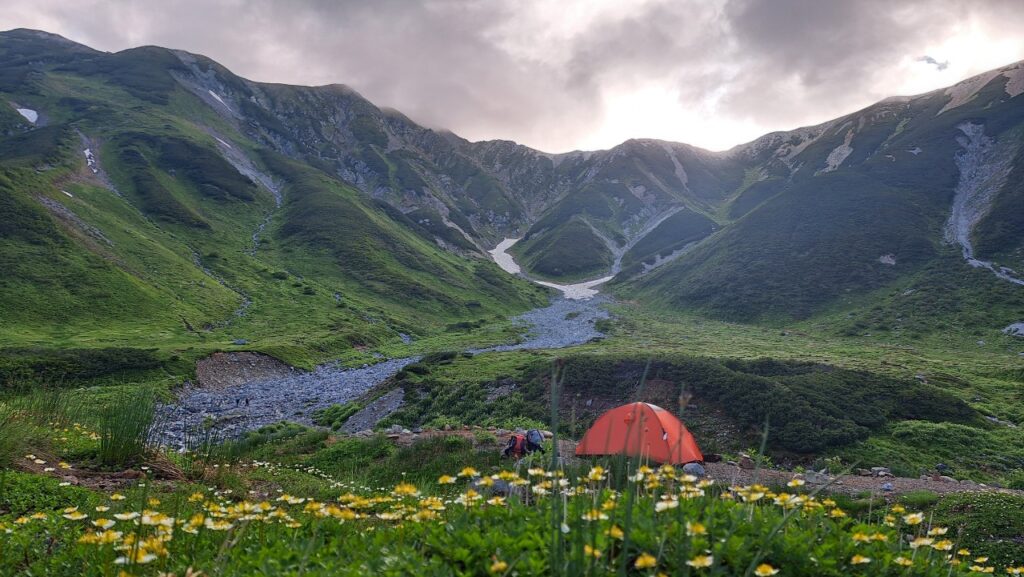
- Seasonal Highlights: July is the absolute peak for high-altitude trekking and viewing rare alpine wildflowers at locations like the Murodo Plateau and Tsugaike Nature Park.
- Water & Wildlife: Cool off with clear-water kayaking and evening firefly viewing at Lake Aoki, or watch playful baby snow monkeys exploring the lush forest canopy.
- Seamless Alpine Travel: Bypass the midsummer heat and complex mountain transit logistics by booking a guided day tour to high-altitude refuges like Kamikochi or the Tateyama-Kurobe Alpine Route.
Recommended
[Summer/Autumn only] Tateyama-Kurobe Tour: Walking on the 'Roof of Japan'
- Spots:
- NaganoAlpine Route
- Pick-up:
- Nagano City
- Drop-off:
- Nagano City
Weather in Nagano in July
July is a month of positive transition. It begins with the tail-end of the Tsuyu (rainy season), which is characterized by high humidity and lush, dripping forests, and ends with the official arrival of summer, marked by bright blue skies and the rhythmic chorus of cicadas.
City Weather
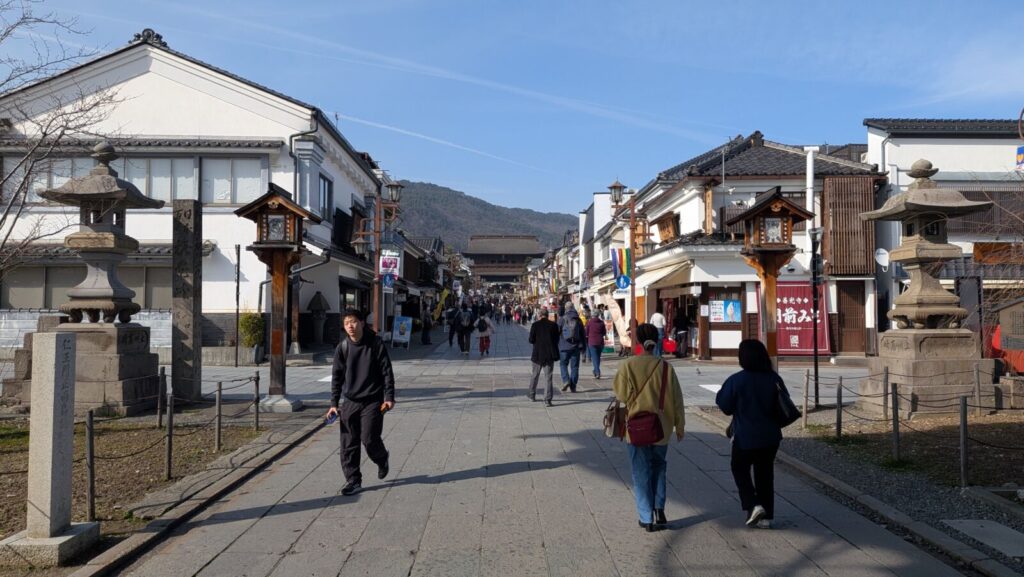
In the city centers like Nagano and Matsumoto, the first half of July remains humid. However, around the third week of the month, the "Rainy Season Break" (Tsuyu-ake) occurs, bringing a sudden shift to stable, sunny weather.
- The Heat: While daytime temperatures can hit 30°C (86°F), Nagano remains significantly more comfortable than Tokyo or Osaka thanks to the surrounding mountains and lower urban density.
- Average daytime temperature: 24°C to 30°C (75°F to 86°F)
- Nighttime temperature: 19°C to 22°C (66°F to 72°F)
- Conditions: Early July sees intermittent showers and "heavier" humid air. By late July, the sky clears to a brilliant blue on majority of days, though afternoon thunderstorms are common and provide a refreshing cool-down.
- Clothing: Light, breathable fabrics like linen or moisture-wicking athletic wear are best. An umbrella is a dual-purpose must-have: it protects from sudden showers and provides essential shade from the strong July sun.
Weather in the Japanese Alps
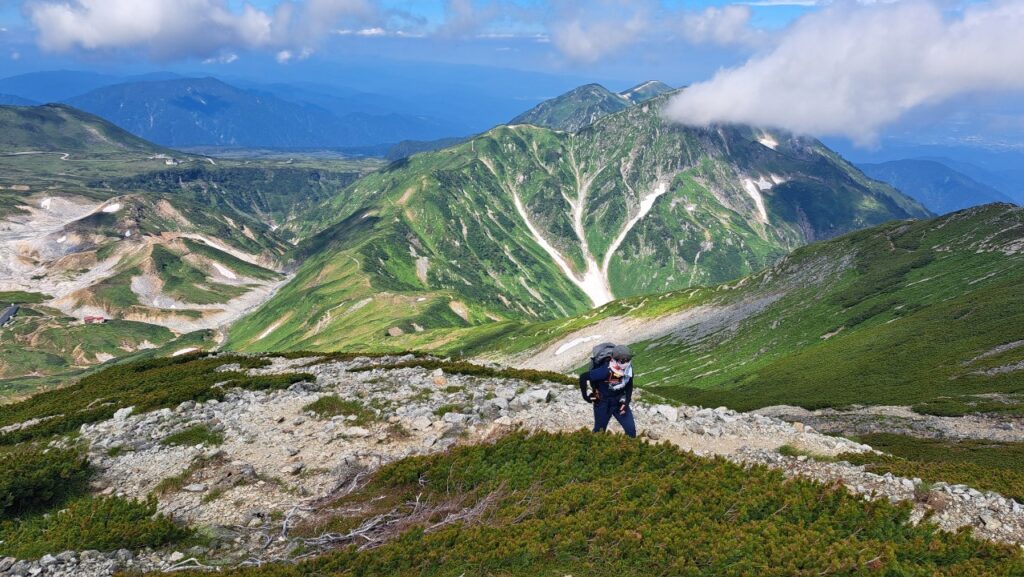
For those who find the summer heat taxing, the Nagano highlands are a great way to spend your days of travel in Japan in July. As you ascend toward places like Kamikochi, the Tateyama-Kurobe Alpine Route, or Togakushi, or really anywhere else with the elevation difference, the temperature drops by approximately 0.6°C for every 100 meters of elevation.
- The Alpine Climate: Even on the hottest day in the valley, the high-altitude plateaus rarely exceed 23°C (73°F). In the early mornings at Murodo (2,450m), it can still feel quite brisk.
- Temperatures: A refreshing 15°C to 23°C (59°F to 73°F).
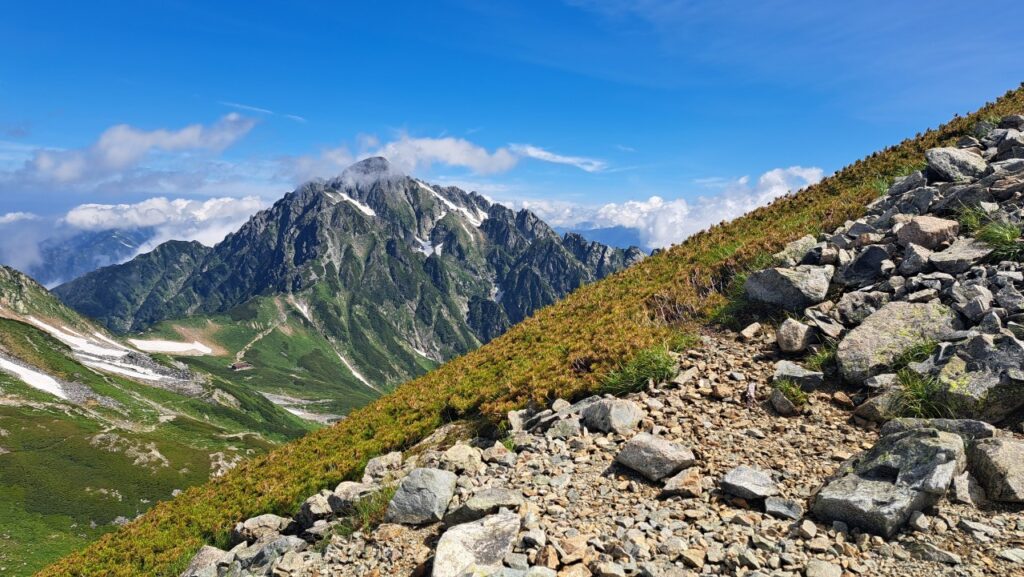
- Conditions: The air is thin and crisp. While the valley might be hazy, the visibility in the mountains during July is often spectacular, offering the year's best views of the peaks.
- Clothing for Parks: * Sun Protection: The UV rays at high altitudes are intense. Wear a wide-brimmed hat, sunglasses, and high-SPF sunscreen.
- Layering: A light windbreaker or "summer fleece" is essential for the Alpine Route or early morning starts in Kamikochi, as the wind off the remaining snow patches can be surprisingly chilly.
- Footwear: July is the peak of the trekking season; sturdy hiking shoes or high-quality trekking sandals with toe protection are recommended.
Festivals & Events in July
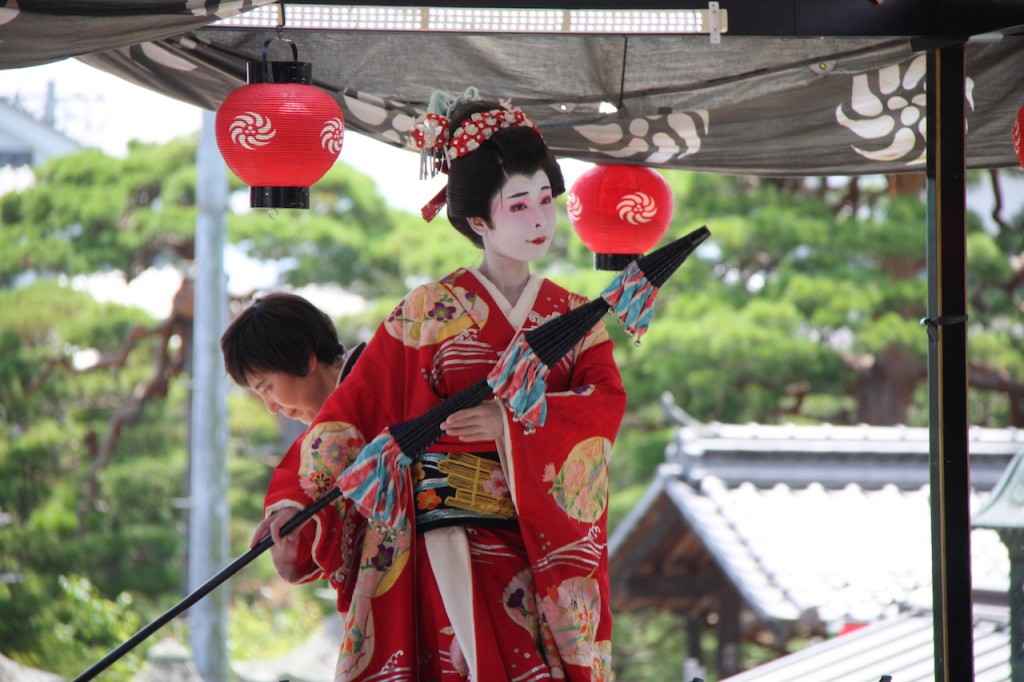
To be frank: July is a bit of a waiting game for festivals and events. While the rest of Japan starts exploding with fireworks and massive parades, Nagano keeps things a bit more low-key until the huge Obon celebrations in August. If you are looking for giant, city-wide parties every weekend, you might be disappointed—but if you want to see one of the city's most prestigious traditions without the claustrophobic crowds of Kyoto, July has one major ace up its sleeve in Nagano.
Nagano Gion Festival: The Yasaka Shrine Ritual (TBD Early July 2027)
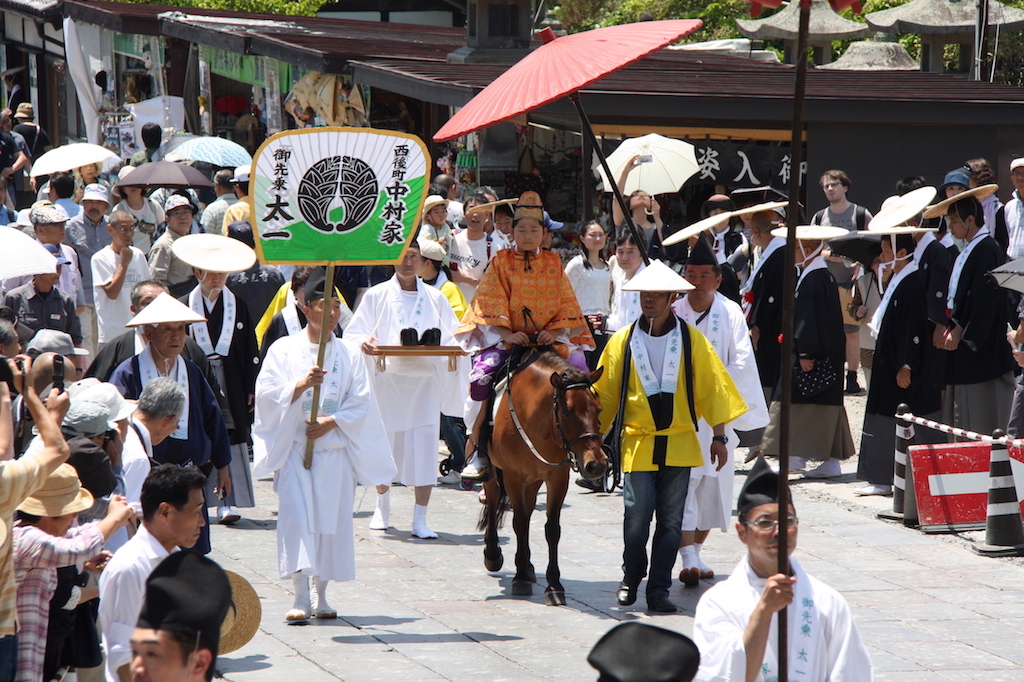
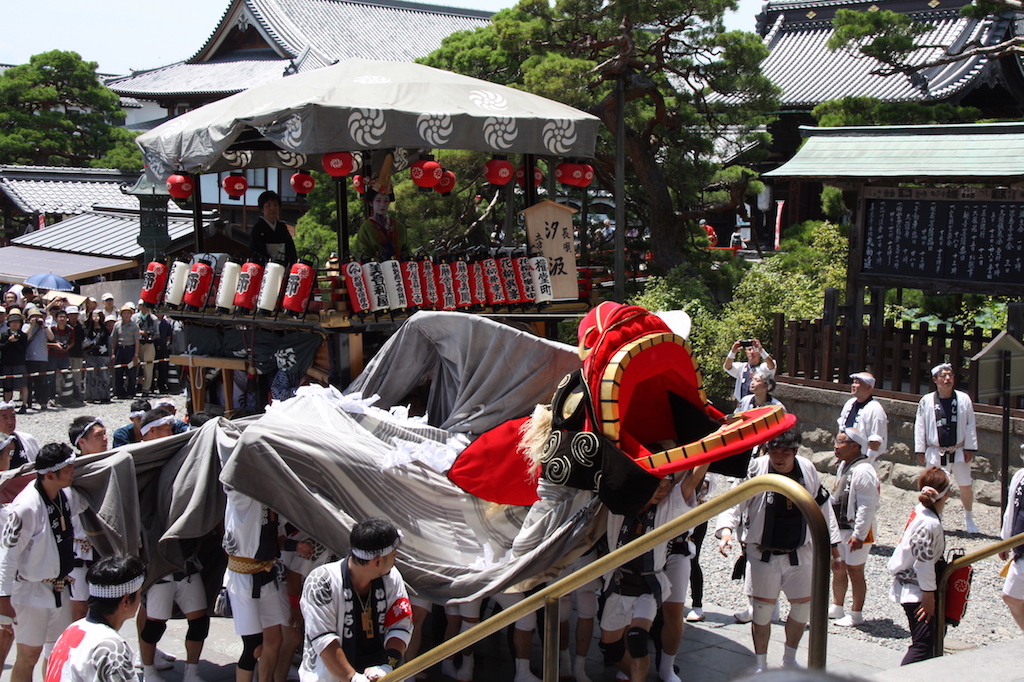
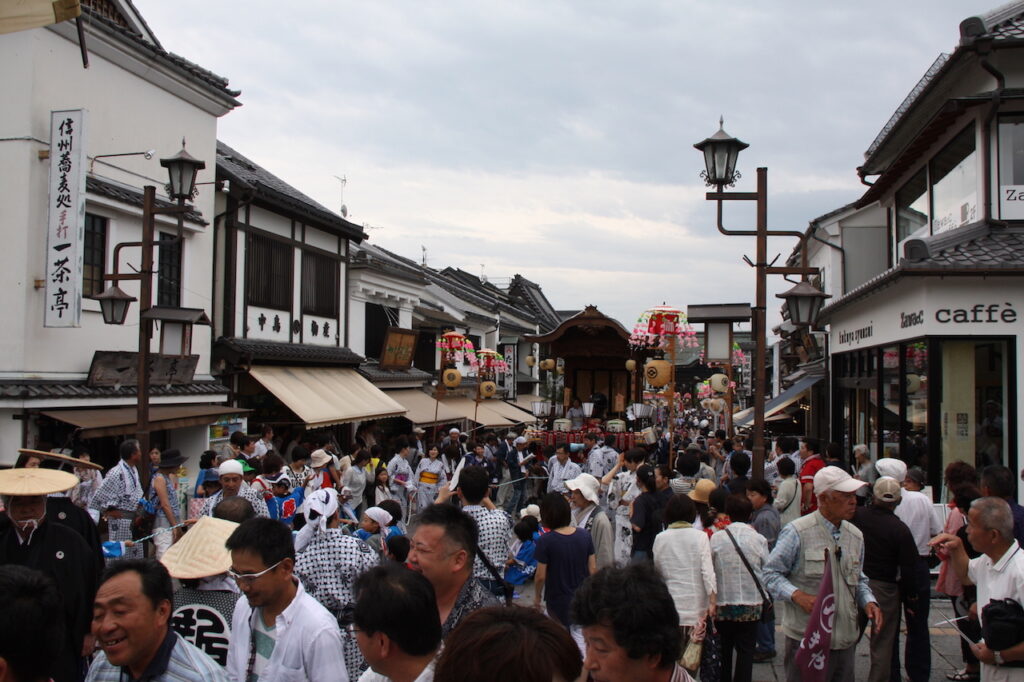
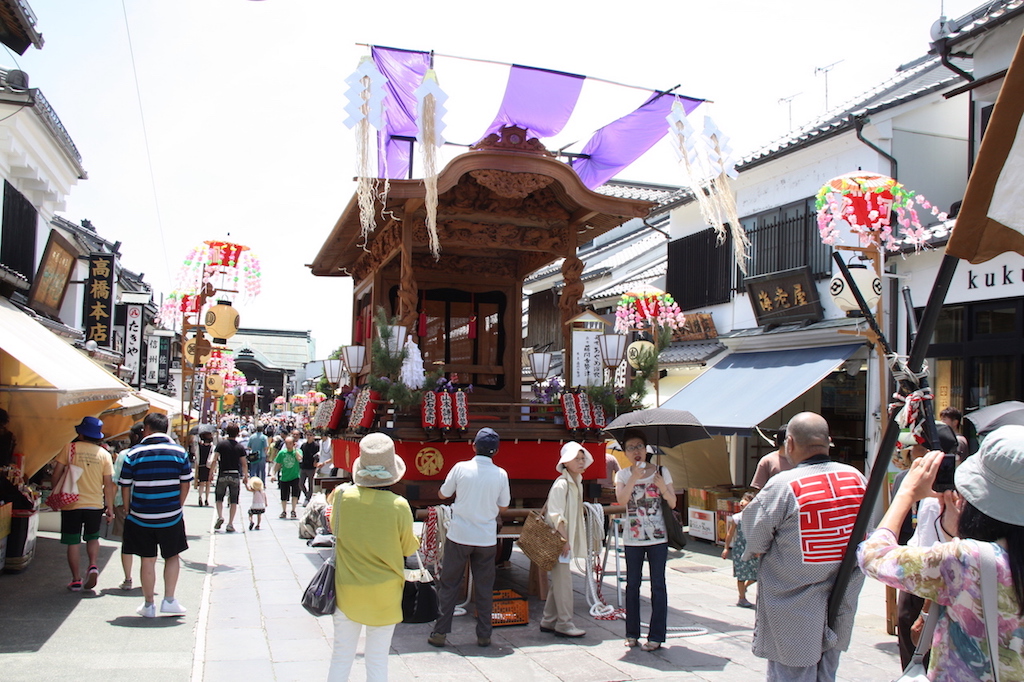
This is the heavy hitter for July. Known locally as the Nagano Gion-sai, this is the annual festival of Yasaka Shrine, located in the heart of the Zenkoji temple district. While Kyoto’s Gion Matsuri is world-famous, Nagano’s version was historically ranked alongside it and Hiroshima’s Itsukushima as one of the "Three Great Gion Festivals of Japan."
This isn't just a street party; it is a sacred ritual with roots dating back to the Edo Period (1800s), originally designed as a spiritual barrier to ward off the "summer plagues" and disasters that once struck during the humid months.
- The "O-sakinori" (The Divine Messenger): The festival begins with a young boy chosen to act as the O-sakinori, the messenger of the gods. He leads the procession on horseback, believed to be possessed by the deity to purify the town and clear away disease.
- The Yatai Procession: The "stars" are the Yatai, which are massive, intricately carved wooden floats. These aren't motorized; they are pulled through the streets by pure local muscle. Watching these giant, ornate structures navigate the narrow, stone-paved temple streets is genuinely impressive.
- The Vibe: It feels authentic because it is authentic. You’ll see traditional Japanese dance performances (Buyo) executed on the floats as they stop at various points in the city. The air is thick with the rhythmic, hypnotic sound of Ohayashi (festival flutes and drums).
- The Real-World Schedule (2027):
- TBD (Sat): Yoiyama (Eve Festival) – The streets around Gondo and the temple district light up with lanterns and evening stalls.
- TBD (Sun): The Main Event – The "Tsunagiri" (Rope Cutting) ceremony at Central Square marks the start of the grand procession toward Zenkoji Temple.
Some notes for potential visitors:
- The Heat: It’s going to be hot. The sun bouncing off the stone pavement of the Zenkoji district is no joke. Most locals follow the floats for a while, grab some street food, and then retreat into the shaded temple grounds.
- Logistics: Because this is a major event, expect significant traffic restrictions and bus reroutes on the festival weekend. Walking from Nagano Station is your best bet (about 20-25 minutes).
- Why Visit: It’s arguably the most photogenic day of the year in Nagano City. The sight of the towering temple gates framed by festival banners and 200-year-old float designs is exactly what people imagine when they think of "Old Japan."
Seasonal Highlights in July
July is a month of vibrant wildflowers after the cherry blossoms have long left all parts of Japan. As the rainy season clouds clear, the high-altitude landscapes open up completely, offering scenery that is physically impossible to see during any other season.
Alpine Wildflowers: The High Altitude Summer Bloom
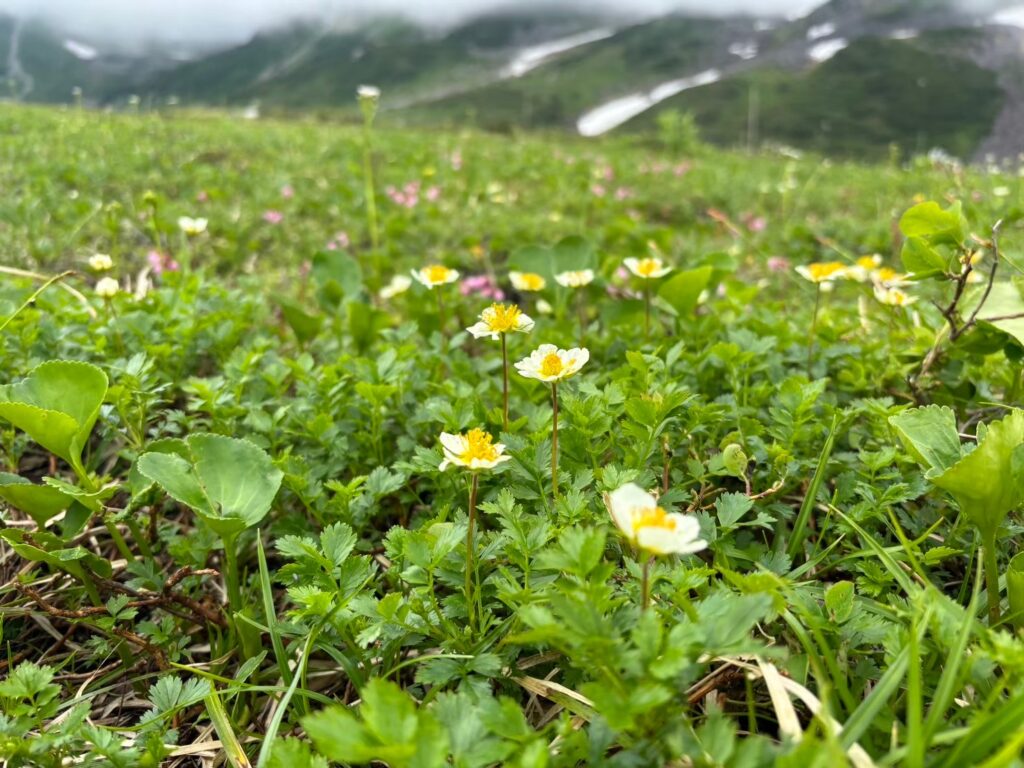
While the valley floors are lush and green, the high peaks of the Northern Alps undergo a sudden, colorful transformation. As the last of the snow patches melt in early July, they reveal sprawling meadows of rare flowers that only bloom for a few short weeks.
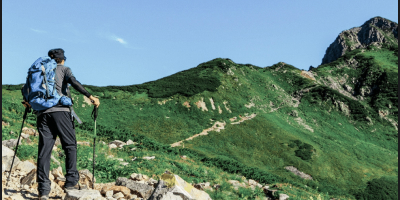
- The Stars of the Show: Look for the vibrant yellow Nikkōkisuge (Day Lilies) and the fluffy, white Watasuge (Cotton Grass) waving in the mountain breeze.
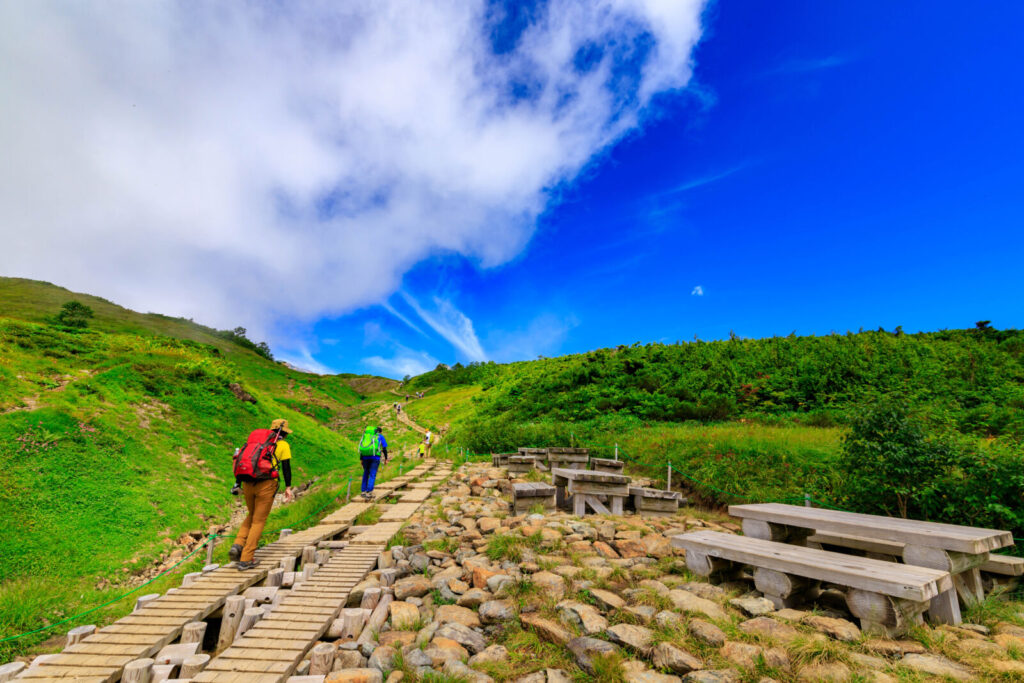
- Best Spots: * Tsugaike Nature Park (Hakuba): One of Japan’s highest marshes, accessible by gondola, where you can walk on raised wooden boardwalks through endless flower fields.
- Murodo Plateau (Alpine Route): At 2,450m, the volcanic landscape is dotted with "Chinguruma" (Aleutian avens) that look like tiny white stars.
- Tip for best viewing: The best window is mid-July. By late July, the summer colors are at their peak before the August heat begins to dry the delicate petals.
Highland Lakes, Rivers, and Light Watersports
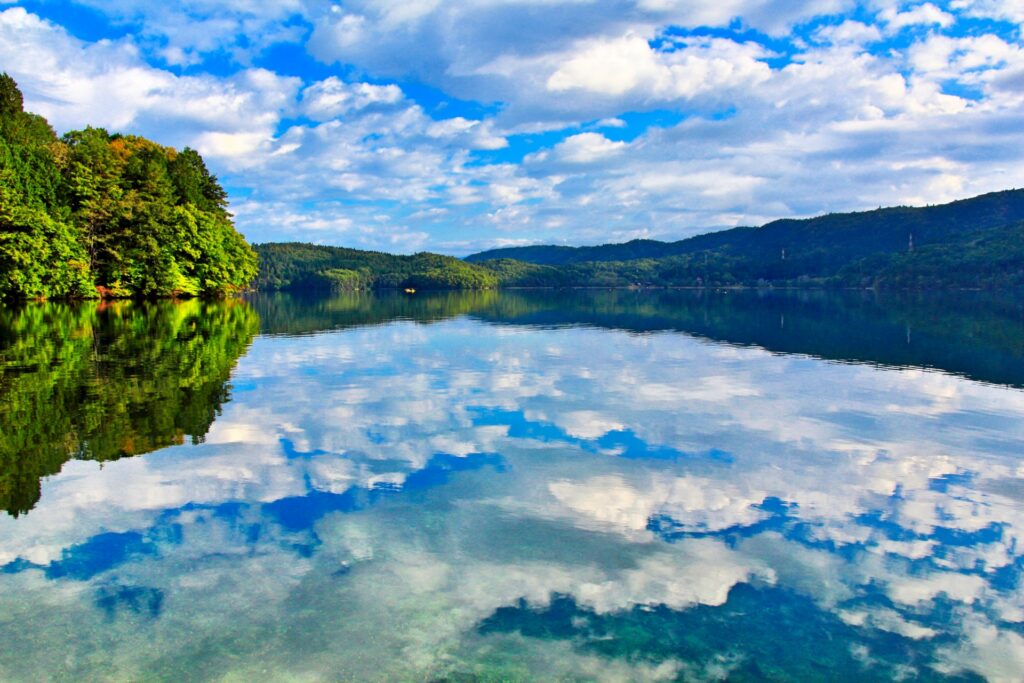
In July, water is your best defense against the summer sun. Nagano’s water comes directly from alpine snowmelt, meaning it stays bone-chillingly cold and crystal-clear even in the height of summer.
- Lake Aoki (Hakuba): Known as one of the "Three Lakes of Nishina," Lake Aoki is famous for having some of the clearest water in Japan. It is a motorless lake, meaning no noisy jet skis—just the sound of your paddle. In July, it’s the premier spot for kayaking and SUP (Stand-Up Paddleboarding). The lake is deep and spring-fed, keeping the temperature refreshingly cool while the surrounding forest provides ample shade.
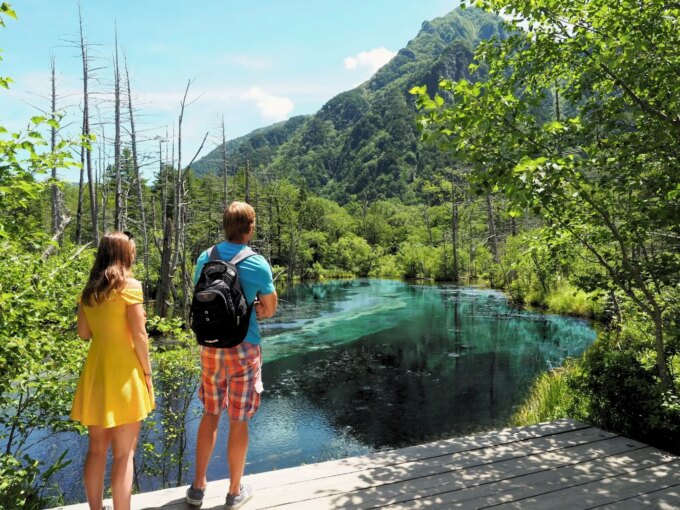
- The Azusa River (Kamikochi): You can't swim here in this national park, but the water is a constant 6°C to 10°C and the visual cooling effect is famous. In July, the river runs a brilliant, translucent turquoise. Standing on the banks provides a natural air conditioning effect as the cold air rolls off the water’s surface.
- Why July? This is the only month where the water volume is high from the final snowmelt, but the weather is warm enough to actually enjoy being on the water. At Lake Aoki, July is also the peak of the firefly season, where you can take evening canoe tours to see the trees along the shore glowing with thousands of tiny lights.
Featured Tours in July
[Summer/Autumn Only] Tateyama-Kurobe Tour: Walking on the 'Roof of Japan'
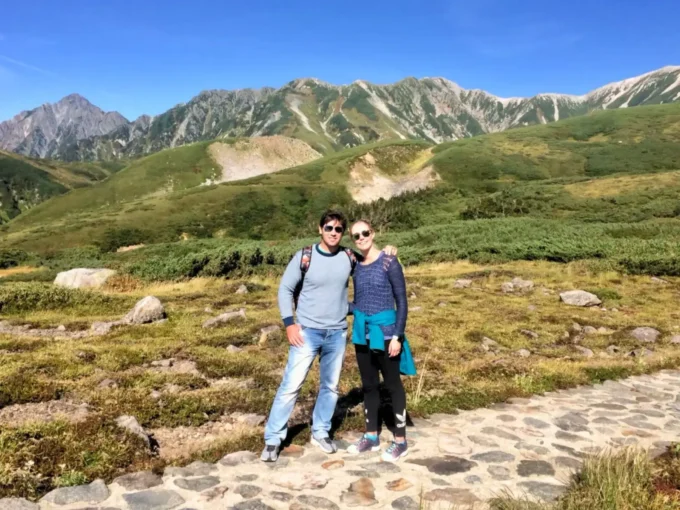
Escape the summer heat and ascend to the "Roof of Japan." By July, the snow walls have cleared to reveal a stunning high-altitude wilderness. This tour takes you from Nagano City to the refreshing 15°C air of the Murodo Plateau (2,450m), where emerald meadows and rare alpine flowers are in full bloom against the backdrop of the Northern Alps.
Recommended
[Summer/Autumn only] Tateyama-Kurobe Tour: Walking on the 'Roof of Japan'
- Spots:
- NaganoAlpine Route
- Pick-up:
- Nagano City
- Drop-off:
- Nagano City
Highlights:
- Alpine Flower Trek: Hike the Murodo boardwalks through meadows of rare July blooms and crystal-clear ponds.
- Unique Transit: Ride tunnel trolleybuses, a ropeway, and steep funicular cable cars.
- Kurobe Dam: Witness the thunderous summer water discharge and feel the mist from Japan’s highest dam.
- Expert Navigation: Skip the stress of peak July crowds with a guide who handles all tickets and logistics.
1-Day Tour: Matsumoto Castle & Kamikochi Alpine Valley
Combine samurai history with Japan’s most stunning alpine sanctuary. This tour explores the iconic Matsumoto Castle before retreating into the Chubu Sangaku National Park. In July, Kamikochi serves as a high-altitude refuge, offering shimmering turquoise waters and cool mountain air that provides a much-needed escape from the midsummer humidity.
Best Selling
1-Day Tour from Nagano and Matsumoto: Kamikochi & Matsumoto Castle
- Spots:
- NaganoMatsumotoKamikochi
- Pick-up:
- Nagano CityMatsumoto
- Drop-off:
- Nagano CityMatsumoto
Highlights:
- Matsumoto Castle: Scale the stairs of this 400-year-old Black Crow fortress, one of Japan’s premier National Treasures.
- Nawate-dori: Explore the quirky "Frog Street" district, famous for its historic atmosphere and local snacks.
- Kamikochi Trek: Enjoy a guided walk from Taisho-ike Pond to Kappa Bridge along the glacial Azusa River.
- Alpine Cooling: Experience the natural air conditioning provided by the river’s mist and the shaded forest canopy.
1-Day Tour: Snow Monkeys, Zenkoji Temple & Sake in Nagano
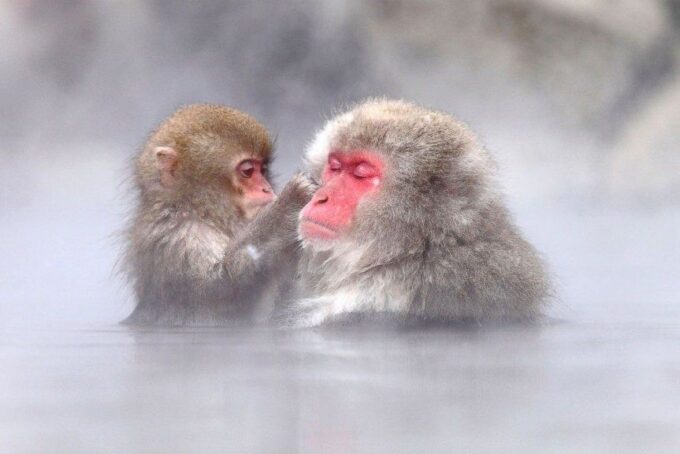
Experience Nagano’s spiritual heart and its most famous residents during the peak of summer. This tour combines a visit to the ancient Zenkoji Temple with a guided tasting of crisp summer sake and a walk through the lush forests of the Snow Monkey Park. In July, the park is teeming with life as the season's newest infants become highly active and playful.
Best Selling
1-Day Tour: Snow Monkeys, Zenkoji Temple & Sake in Nagano
- Spots:
- NaganoSnow MonkeyHakuba
- Pick-up:
- Nagano CityHakuba
- Drop-off:
- Nagano CityHakuba
Highlights:
- Zenkoji Summer Spirit: Explore one of Japan’s oldest Buddhist temples, framed by vibrant green maples and the energy of the summer season.
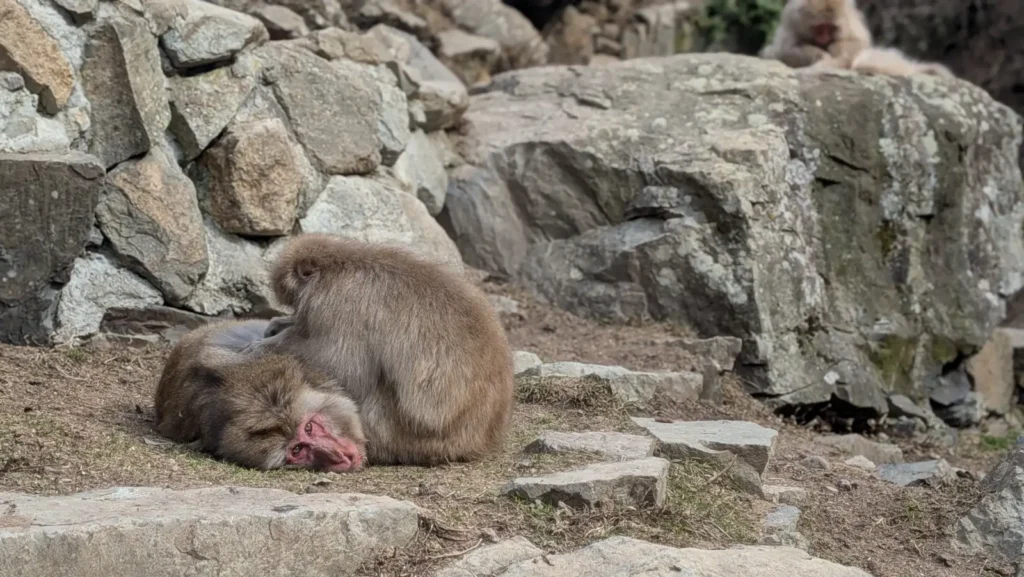
- Playful Baby Monkeys: Observe the year's infants as they learn to swim and forage in the shade of the lush forest canopy.
- Chilled Sake Tasting: Refresh your palate with a guided tasting of seasonal summer brews, specifically crafted to be enjoyed cold.
1-Day Tour from Nagano: Post Towns, Bessho Onsen, and Cliffside Temples
New Tour
Private: 1-Day Tour from Nagano: Post Towns, Bessho Onsen, and Cliffside Temples
- Spots:
- Nagano
- Pick-up:
- Nagano City
- Drop-off:
- Nagano City
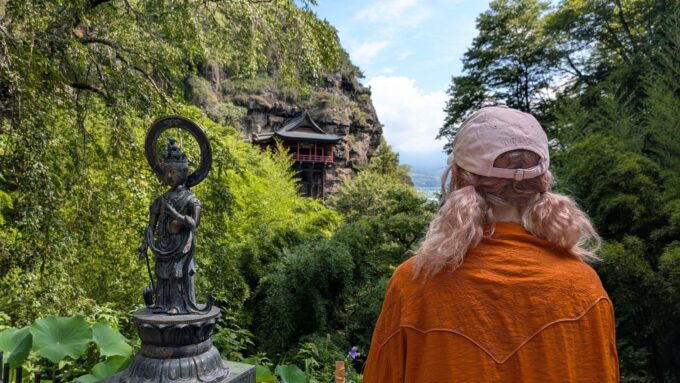
Step off the beaten path and into the preserved heritage of Central Japan to escape the peak of the mid-summer heat. This tour takes you on a journey through Nagano's deep spiritual roots and historic samurai trade routes. You will hike to a dramatic sanctuary clinging to a sheer rock face, walk the immaculately preserved streets of an Edo-period post town, and discover rare National Treasures hidden in the region's oldest hot spring retreat.
- Cliffside Sanctuary: Hike a scenic, moss-lined trail to Shakuson-ji, a dramatic temple built directly into a sheer rock face offering sweeping views of the Chikuma River valley.
- The Old Silk Road: Stroll through Unno Juku, an immaculately preserved Edo-period post town famed for its traditional udatsu firewalls and tranquil central water canal.
- National Treasures: Discover the rare, north-facing Kitamuki Kannon and view Japan's only surviving wooden octagonal pagoda in the peaceful mountain setting of Bessho Onsen.
- Ancient Footbaths: Relax and rejuvenate your feet after a day of exploration in the soothing ashiyu (mineral footbaths) of Nagano's oldest hot spring town.
July Highlight: July marks the heart of Japanese summer, but Nagano's higher elevation offers a welcomed respite from the intense city heat. The dense, deep-green forest canopy shading the hike to Shakuson-ji provides natural cooling, while the mountain breezes at the top reward your efforts.
1-Day Togakushi Legends Tour: Hands-on Soba, Ninja Village, and Hidden Shrines
Retreat into the ancient, high-altitude cedar forests of Togakushi to escape the July heat. This tour blends the secret history of the Togakure Ninja with the spiritual calm of Shinto pilgrimage trails. At 1,200m, the air is significantly cooler than the city, making the walk through the towering, moss-covered forests a refreshing midsummer sanctuary.

Recommended
1-Day Togakushi Tour: Hands-on Soba, Ninja Secrets & Ancient Shrines
- Spots:
- NaganoTogakushi
- Pick-up:
- Nagano City
- Drop-off:
- Nagano City
Highlights:
- Hands-on Soba: Hand-craft your own buckwheat noodles for a chilled, refreshing mountain lunch.
- Ninja Trick House: Navigate a confusing maze of trapdoors and hidden passages in an authentic ninja escape room.
- Ninja Museum: Explore the weaponry and secret history of the Togakure school of ninjutsu.
- Giant Cedar Avenue: Walk the legendary stone-paved trail flanked by hundreds of 400-year-old towering cedars.
Where to Stay in July
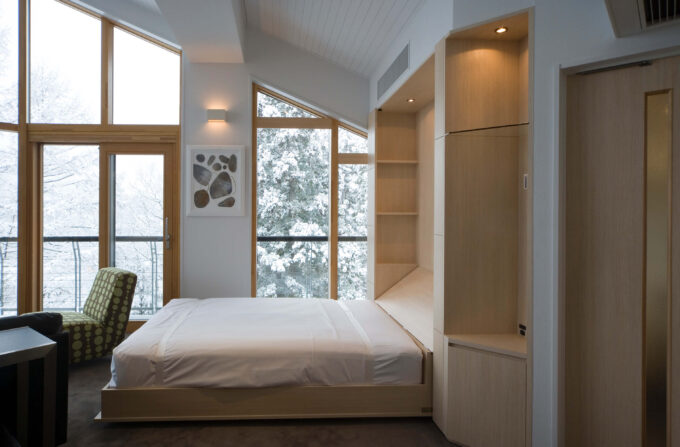
Hakuba: The Summer Resort
While famous for skiing, Hakuba transforms into a premier hiking hub in July.
- Recommended: Mountain chalets or hotels near the Happo-One gondola for easy access to the high ridges.
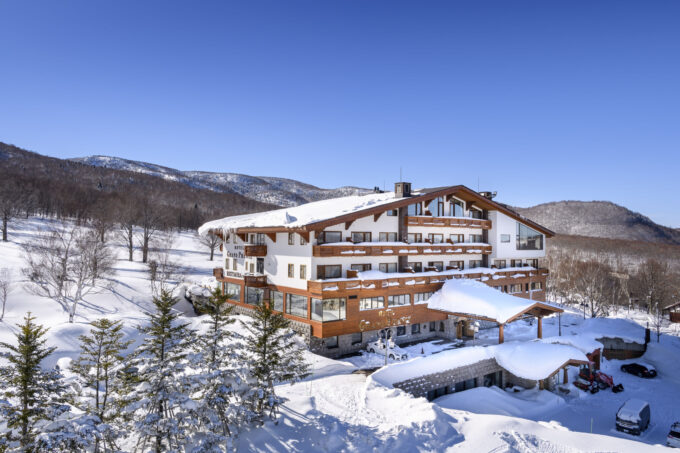
Shiga Kogen: For the Outdoorsy
If you want to stay near the water, the small lodges around the highlands of Shiga Kogen offer a "summer camp" vibe that is perfect for families.
Nagano City: For the Festivals
Stay near Zenkoji Temple if you want to be in the heart of the Gion festival action or participate in any day tour experiences from Nagano Station.

Plan Your July Visit
July in Nagano is for the traveler who wants the best of both worlds: the vibrant energy of a Japanese summer and a cool, high-altitude escape from the heat. It is a month defined by deep blue skies, the historic "Nagano Gion" festival, and the peak of the alpine trekking season. Whether you are navigating the "Roof of Japan" at 2,450 meters or enjoying a chilled sake in the shadow of Zenko-ji Temple, July offers a refreshing perspective on Japan’s most mountainous region.
Planning a trip during the high-summer season requires a bit of strategy to avoid the heat and the strongest UV rays. We specialize in creating seamless, stress-free itineraries that get you into the mountains when the weather is best. If you have questions about trail accessibility, festival dates, or our guided tour availability for 2027, please reach out to us. Click the Inquiry Button below to start planning your custom July adventure with a local expert.
Frequently Asked Questions About Nagano in July
In the city centers (Nagano and Matsumoto), it gets hot—daytime highs can reach 30°C (86°F). However, because Nagano is a mountain prefecture, you are always a short drive or bus ride away from "natural air conditioning." Locations like Kamikochi and Togakushi stay roughly 5°C to 10°C cooler than the valleys, making them the perfect refuge.
The main rituals and the grand Yatai (float) procession are scheduled for early July 2027. The Yoiyama (Eve Festival) will take place on Saturday, July 6th. If you plan to be in town for this, book your accommodation early, as the temple district hotels fill up quickly with domestic travelers.
Yes, but their behavior changes. They don't huddle in the hot spring to stay warm like they do in winter. Instead, you'll see them foraging in the lush forest, grooming in the shade, and—most entertainingly—the babies often play and "pool hop" in the water to cool off. The park is much quieter in July, allowing for a more intimate experience.
By July, the towering 20-meter walls of April have entirely melted. You may see some remaining snow patches near the Murodo station, but the real draw in July is the unobstructed view of the peaks and the full bloom of alpine wildflowers.
Yes, but you need to be prepared. Early July can bring humid, misty conditions and sudden afternoon thunderstorms (Yudachi). Most trails remain safe, but they can be slippery. We recommend starting your hikes as early as possible (around 7:00 AM or 8:00 AM) to ensure you are off the high ridges before the common afternoon clouds roll in.
July is a month of extremes. You need light, breathable clothing (linen or quick-dry) for the cities, but you must have a light jacket or windbreaker for the mountains. Don't forget high-SPF sunscreen and a hat—the UV rays at high altitudes like the Alpine Route are significantly stronger than in Tokyo.
Explore Nagano by Month
Nagano is a year-round destination, with each month offering a completely different landscape and set of experiences to enjoy. Choose your travel window below:
The Snow & Winter Season
- [January] – Deep Winter & Snow Monkeys: The peak of the powder season. Visit for world-class skiing, frozen shrines, and the iconic sight of monkeys bathing in the steam.
- [February] – The Lantern Festival & Ice: Nagano's coldest month offers some of the best snow conditions of the year, paired with a festival celebrating Olympic heritage.
- [March] – The Late Winter Thaw: Enjoy Bluebird ski days with milder temperatures and the very first signs of spring in the valley.
The Alpine Spring Season
- [April] – Sakura & Snow Walls: A month of extremes. See the cherry blossoms bloom in the valley while walking between 20-meter high walls of snow on the Alpine Route.
- [May] – The Fresh Green Awakening: Witness the "Mirror" rice paddies and the glowing neon-green forests and snow capped alps of Kamikochi.
- [June] – The Season of Mountain Mist: Escape the heat of the cities. Discover the mystical, fog-shrouded shrines of Togakushi and the blooming mountain hydrangeas.
The High Summer Season
- 📍[July] – Alpine Wildflowers & Starry Nights: (You are here)
- [August] – The Great Obon Festivals: Join local communities for traditional dances and massive fireworks displays over the Chikuma River.
- [September] – The First Hints of Gold: The rice harvests begin, turning the valleys into fields of gold, while the highest peaks start to show their first autumn colors.
The Harvest & Autumn Season
- [October] – Peak Autumn Colors: Nagano’s most popular month for hiking. The mountains explode into a sea of red, orange, and gold.
- [November] – Apples & First Snowfall: The harvest season for Nagano’s famous apples. Experience the crisp air and the first dusting of snow on the Alps.
- [December] – The Return of the Powder: The ski resorts reopen and the villages of Shibu Onsen and Hakuba transform into a winter wonderland for the holidays.