

Zuiganji Temple is a Rinzai Sect Zen Temple located a 40 minute train ride north of Sendai Station. It is one of Tohoku's most famous and historically significant temples, known for its beautiful gold-leaf painted halls that exemplify the aesthetics of the Azuchi-Momoyama period (1568–1600) and the illustrious Date Clan – the ruling samurai kin group that heavily influenced development of the Tohoku region, particularly Sendai. There is a museum on the grounds that houses approximately 30,000 items including National Important Cultural Properties.
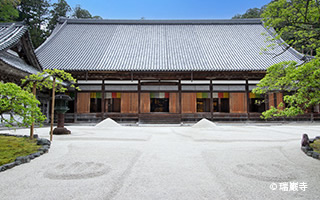
This article will tell you a little bit about the temple, the area, and what you can expect during a visit there.
Where is Zuiganji Temple?
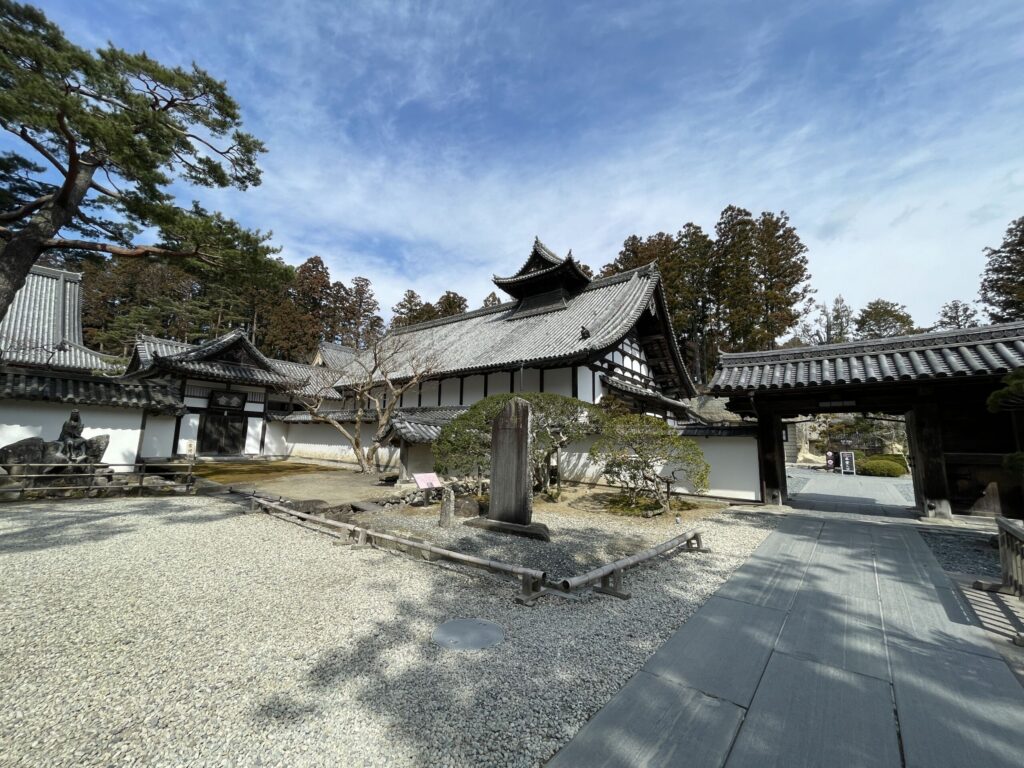
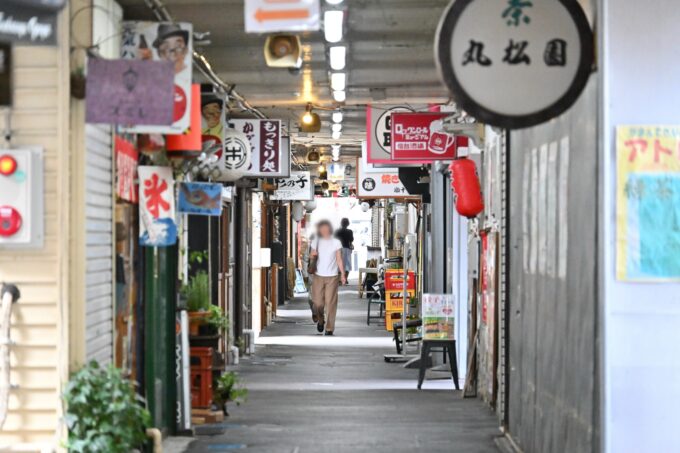
Zuiganji Temple is located in the bayside town of Matsushima just a 40 minute train ride north of Sendai. You can take the Senseki Line train to Matsushimakaigan Station and then it’s just an 8 minute walk to the temple. It is a walkable location with various restaurants, food stands, and souvenir shops along the walkways.
The temple’s property also technically reaches the bay itself thanks to its Godaido Hall sitting just next to the pier.
A Brief History
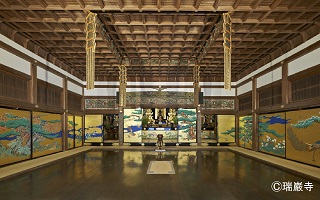
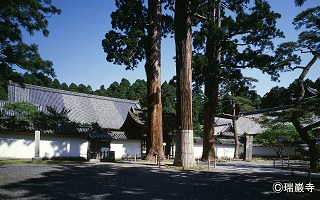
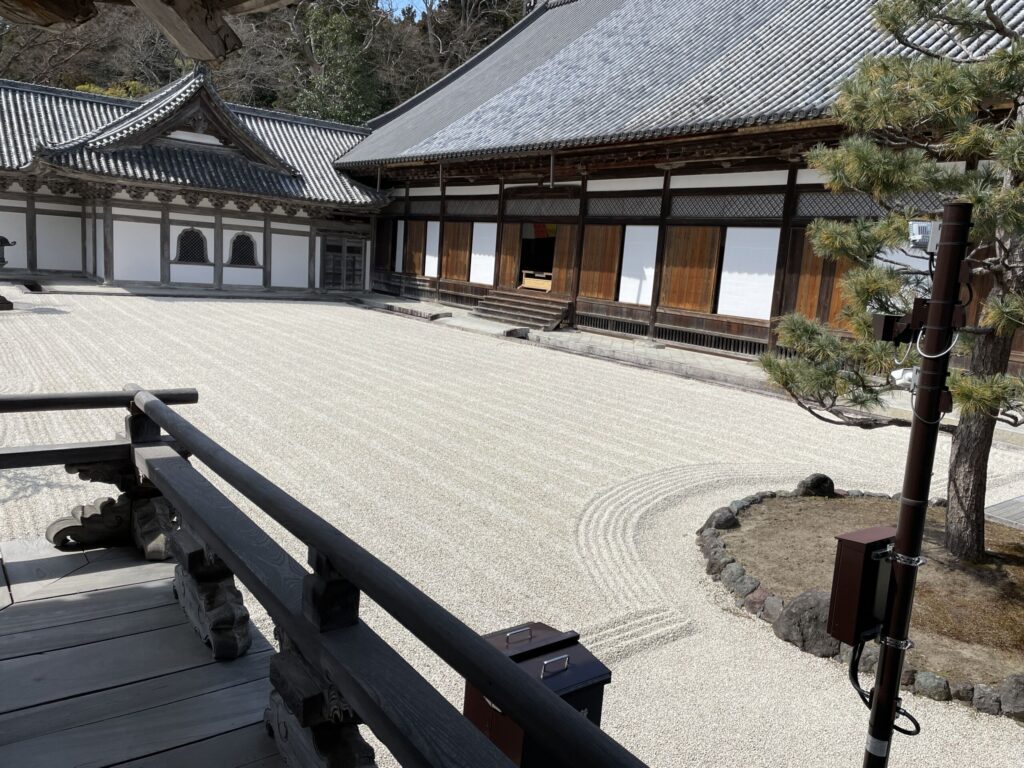
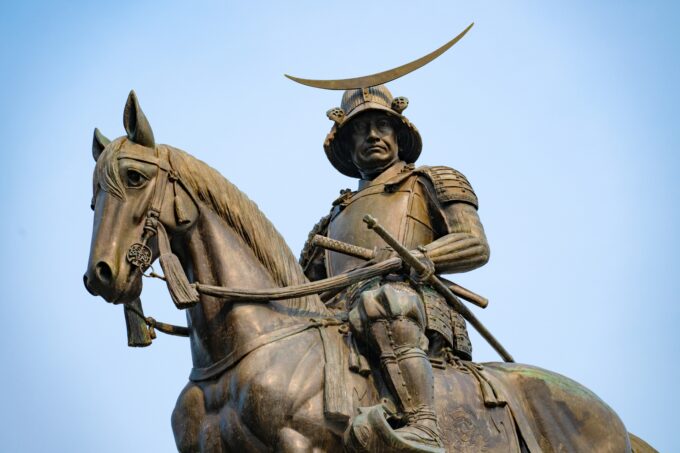
Zuiganji Temple, whose official name is “Matsushima Shōryūzan Zuigan Enpuku Zenji,” is a Zen temple that currently belongs to the Myoshin-ji branch of the Rinzai school. Zuiganji Temple is said to have originally been under a different name, Empukuji Temple, and sect, but over various warring years and transfers of power, the temple became under the protection of Date Masamune, the infamous “One-Eyed Dragon” samurai lord of Tohoku.
Masamune revitalized the temple and designated it as the Date Clan’s family temple (bodaiji). Masamune’s enthusiasm for his people and his religion is evident in the careful craftsmanship and quality of supplies used to rebuild Zuiganji. The temple’s reconstruction was completed in 1609, with the intricate gold-leaf painted halls completed in 1622.
The Hondo (main temple building) and the Kuri (living quarters/kitchen hall) are both designated National Treasures for their preservation of art from the Momoyama period.
- There are various “waiting rooms” inside the Hondo which are appropriately named for the motifs painted on their gold sliding doors and walls.
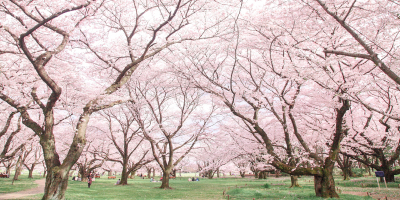
- There are “garyubai” plum trees on the grounds, best viewed in late March to mid-April that one of the trees is said to have been planted by Date Masamune himself.
- The Hondo is made from cypress, cedar, and zelkova wood carried in from the Wakayama Prefecture.
- The Hondo is known for its lavish and expressive Momoyama period architecture and design and is said to truly embody the aesthetic of the Date Clan.
- The Kuri building, although traditionally plain in design, has intricate decorative elements that further exemplify the “Date Clan style.”
- Various times throughout the day, members of the temple will toll the Cloud Gong to give visitors a truly immersive feeling of what it was like to be a monk in training during its heyday.
Recommended Tour: Snow Monkey Resort’s 1-Day Tour in Sendai: Zuihoden Mausoleum, Sendai Castle Ruins, and Osaki Hachimangu Shrine – Date Masamune’s Legacy treats you to a deep dive of Sendai’s history including more information about Date Masamune, the Date Clan, and their impressive impact on Tohoku as it developed after the warring period in Japan. You will visit the mausoleum of Date Masamune, the Sendai City Museum, the site of the ruins of Masamune’s Sendai Castle, among other historical sites.
Zuiganji Temple Museum Seiryūden
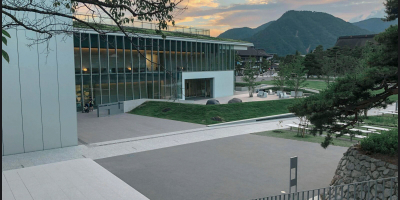
This museum was originally constructed in 1974, but deteriorated over time. Its current building was reconstructed and expanded in 1995 and remains as is today. It houses approximately 30,000 historical items including but not limited to: the original Kuri building’s unpan “Cloud Gong,” a wooden statue of Date Masamune, a ceremonial sword, and various Edo period paintings and tea ceremony items. The collection within the museum is heavily connected to the Date Clan, including portraits, ink calligraphy, and excavated artifacts.
Godaido Hall
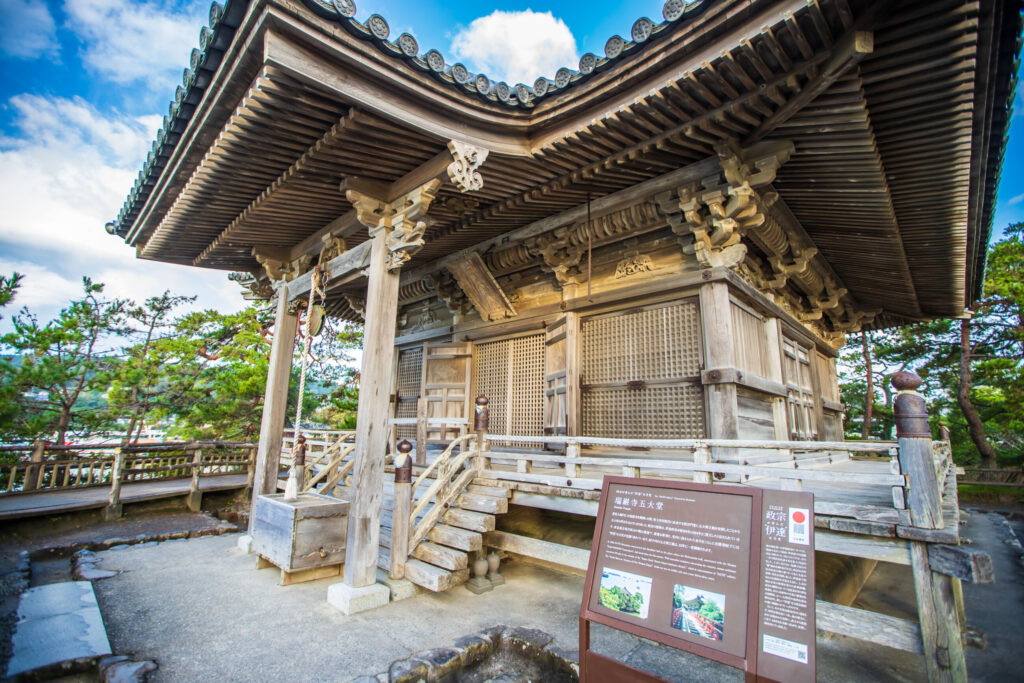
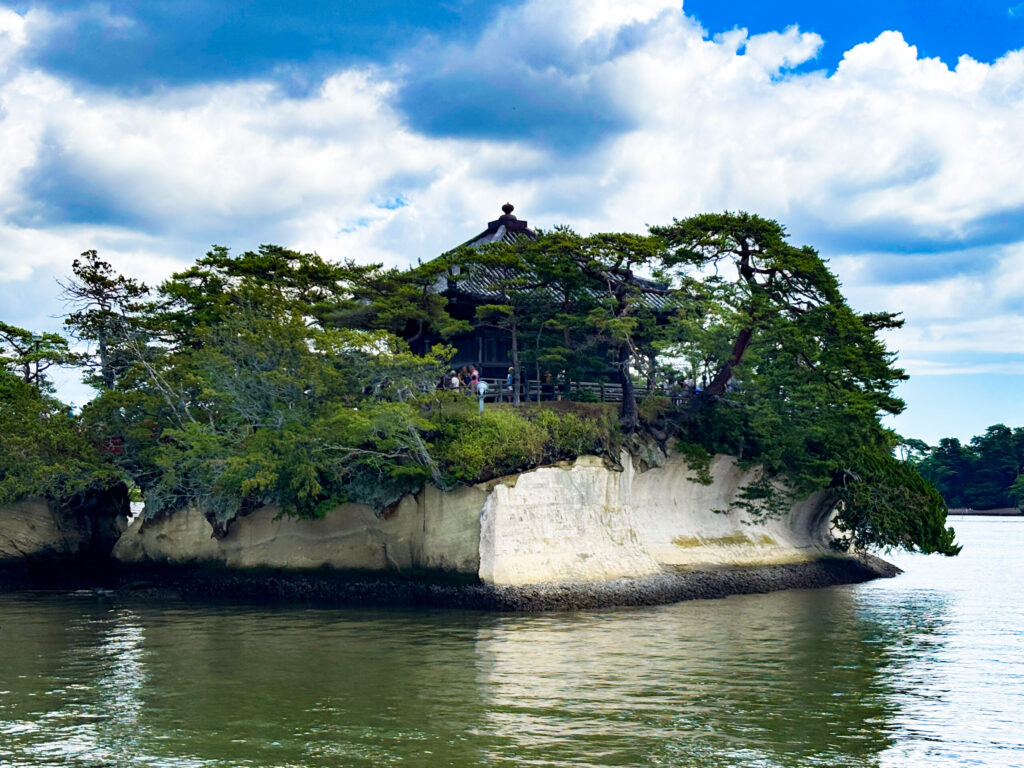
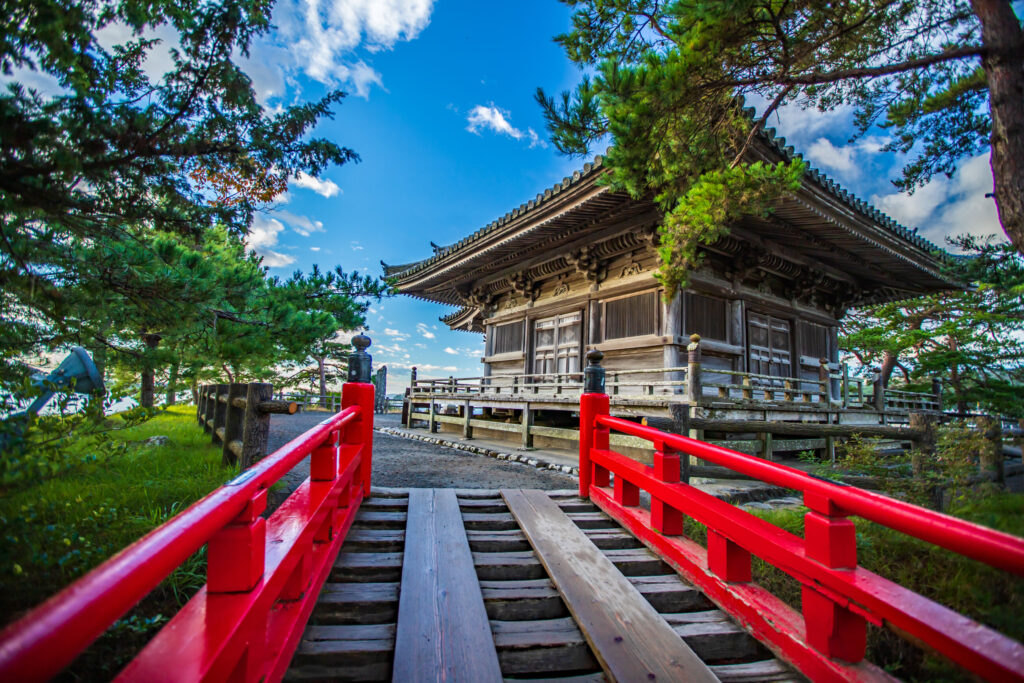
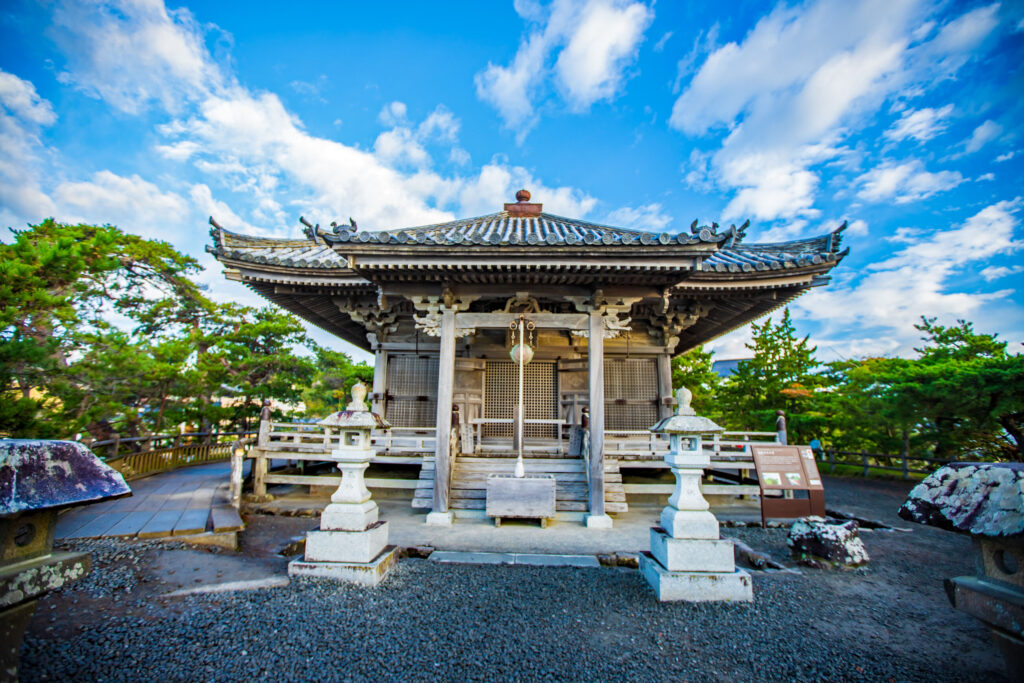
Located about a 5 minute walk along a straight pathway toward the bay lies Zuiganji’s Godaido Hall. This hall gets its name from the “Wooden statues of 5 Wisdom Kings” (Godai Myo-O) that are kept within it. Leading up to the Godaido Hall you will cross brightly colored and awkwardly spaced bridges. These bridges are referred to as sukashibashi and are intentionally spaced for visitors to concentrate and be more mentally present before visiting the sacred hall.
The structure that you see today was reconstructed by Date Masamune in 1604 and it is the oldest Momoyama-style building in northeastern Japan. Both the Godaido Hall and the statues inside of it are designated as National Important Cultural Properties. Under the eaves are carvings of all 12 Zodiac animals that you can view by taking a full circle around the structure.
Thanks to its picture perfect location just off the bay and tourist pier, the Zuiganji’s Godaido Hall has become the symbol of Matsushima.
Frequently Asked Questions (FAQ)
How do I get to Zuiganji?
From Tokyo:
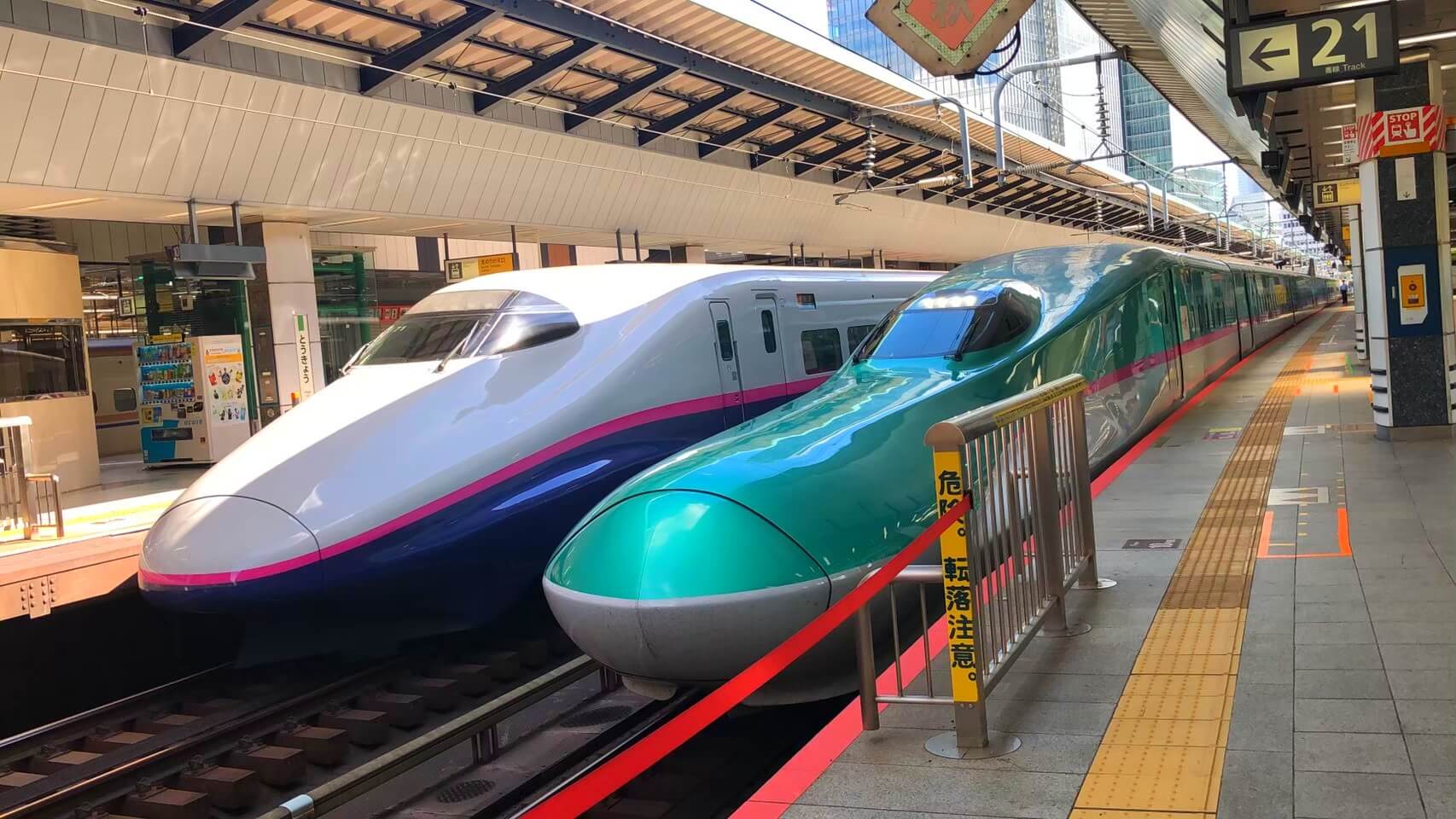
Take the Akita or Tohoku Shinkansen from Tokyo Station and alight at Sendai Station. At Sendai Station, transfer to the local lines. From Platform 10, take the Senseki Line bound for Ishinomaki or Takagimachi Station and get off at Matsushimakaigan Station. Then walk for about 8 minutes to the temple. The trip in total can take upwards to 3 or more hours including waiting times.
Purchasing a JR Pass or JR East Pass is great for those planning on traveling long distances or using the shinkansen many times throughout their trip.
From Sendai Station:
From Platform 10, take the Senseki Line bound for Ishinomaki or Takagimachi Station and get off at Matsushimakaigan Station. There are no transfers and the train ride is about 40 minutes. Walk for another 8 minutes to the temple. Trains on the Senseki Line that stop at Matsushimakaigan Station run about 3 times an hour.
Is photography allowed?
Outside only.
The exterior of all the buildings as well as the stone gardens and monuments outdoors allow photography. However, any kind of photography is prohibited inside the Hondo and museum.
What is a National Treasure?
In Japan, a National Treasure (kokuhō) refers to anything that has been designated as a Tangible Cultural Property and holds exceptional high value culturally, historically, artistically, and/or academically. They often include UNESCO World Heritage Sites, but also included in this list of National Treasures are artworks, metalworks, castles, shrines, temples, archeological sites, and important cultural heritage pieces.
Some examples include: Himeji Castle, Nikko Toshogu Shrine, Chuson-ji Temple, and the Great Buddha Hall at Todai-ji.
Who were the Date Clan?
The Date Clan was a famous samurai kin group originally established in the Kamakura period (1185–1333), but truly shot to historic fame during the warring Sengoku period (15th and 16th centuries). The family leader Date Masamune, known as the “One-Eyed Dragon” of Tohoku, brought the multiple families of the north into alliance. Date Masamune is known for founding the city of Sendai and thanks to his artistic tastes and openness to Christianity and foreign influence, much of Sendai and other areas of Tohoku developed and prospered into what it is today. Masamune and his descendants' influence are an integral part of Tohoku’s history.
Is the temple wheelchair accessible?
Unfortunately no. Due to the unchanged historic nature of Zuiganji Temple, the stairs within the structures do not have wheelchair accessibility. However, the Seiryuden museum on the property is wheelchair accessible.
Additional Tips
- Don’t miss the caves: The pathway leading to Zuiganji’s Godaido has carved caves with religious iconography and statues that you can walk by and observe. Take a moment to appreciate the mix of natural and human-made places of worship and memoriam.
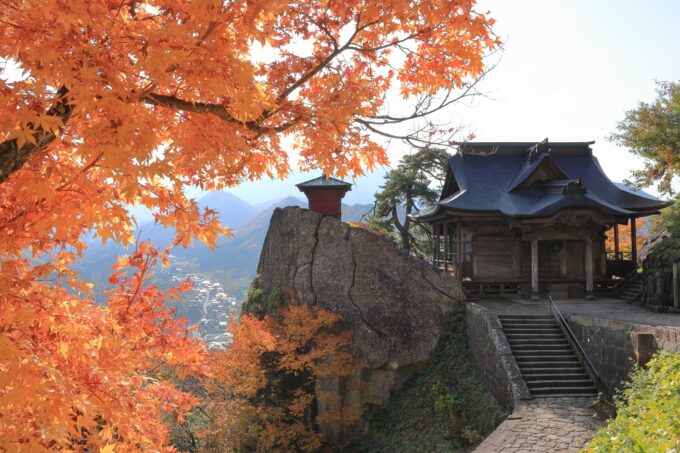
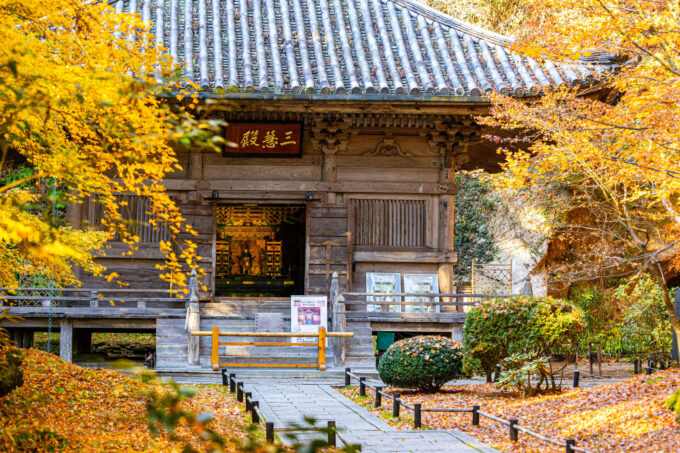
- Combine with a visit to Risshaku-ji (Yamadera): Snow Monkey Resorts currently offers a tour that includes a visit to Yamadera, an important Zen mountain temple established by Ennin, the same traveling monk who is said to have had hand in establishing Zuiganji Temple’s predecessor Empukuji.
- Combine with a visit to Sendai: With its convenient straight-shot train ride from Sendai, the city of trees is a great companion for your trip to the less beaten paths of Tohoku.
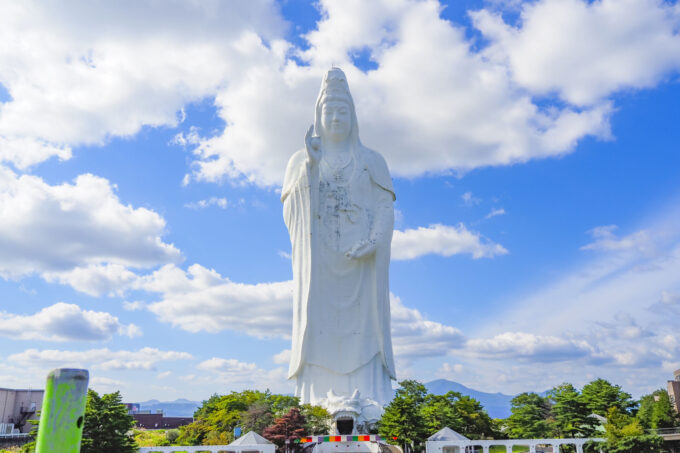
Recommended Tour: Snow Monkey Resort’s: 1-Day Tour from Sendai: Sendai Daikannon Statue and Yamadera Temple – Spiritual Pilgrimages of Tohoku will take you to two spiritual giants, in both stature and importance, of the Tohoku region. This tour offers you insight to Zen Buddhism and allows you to take in the historic and artistic value of both of these impressive sites.