


As the ancient capital of Japan for over a millennium, Kyoto stands as the cultural and historical heart of the nation. Positioned along the Tokaido Shinkansen Line and easily accessible from Osaka, Nara, and Kobe, the city serves as both a destination and a gateway to some of the most significant sites in Western Japan. Kyoto offers a unique contrast to Osaka’s modern energy—replacing neon lights and skyscrapers with wooden machiya townhouses, tranquil temple gardens, and centuries-old traditions still alive today. On this page, we’ll guide you through Kyoto’s most iconic attractions—from the golden brilliance of Kinkaku-ji and the endless torii gates of Fushimi Inari Taisha to the preserved streets of Gion and the natural beauty of Arashiyama. If you are searching for a comprehensive guide on what to see and do in Kyoto, this list covers every essential experience!
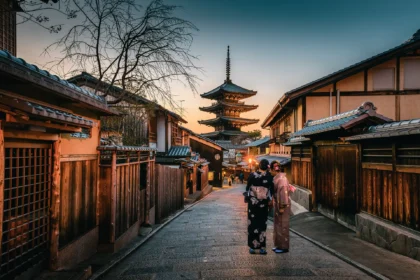
Once the imperial capital from 794 to 1868, Kyoto was the center of Japanese politics, religion, and culture for over 1,000 years. Unlike Osaka’s merchant-driven development, Kyoto was shaped by aristocrats, emperors, and religious institutions, resulting in a refined aesthetic culture rooted in seasonal awareness, minimalism, and ritual. This legacy can be seen in the city’s countless temples, shrines, gardens, and traditional arts—from tea ceremony and geisha performance to Zen meditation and kaiseki cuisine. Despite modernization, Kyoto has carefully preserved its historical districts and cultural identity, making it one of the most immersive destinations in Japan. Today, it remains a city where past and present coexist seamlessly, offering visitors a deeply atmospheric and unforgettable experience.
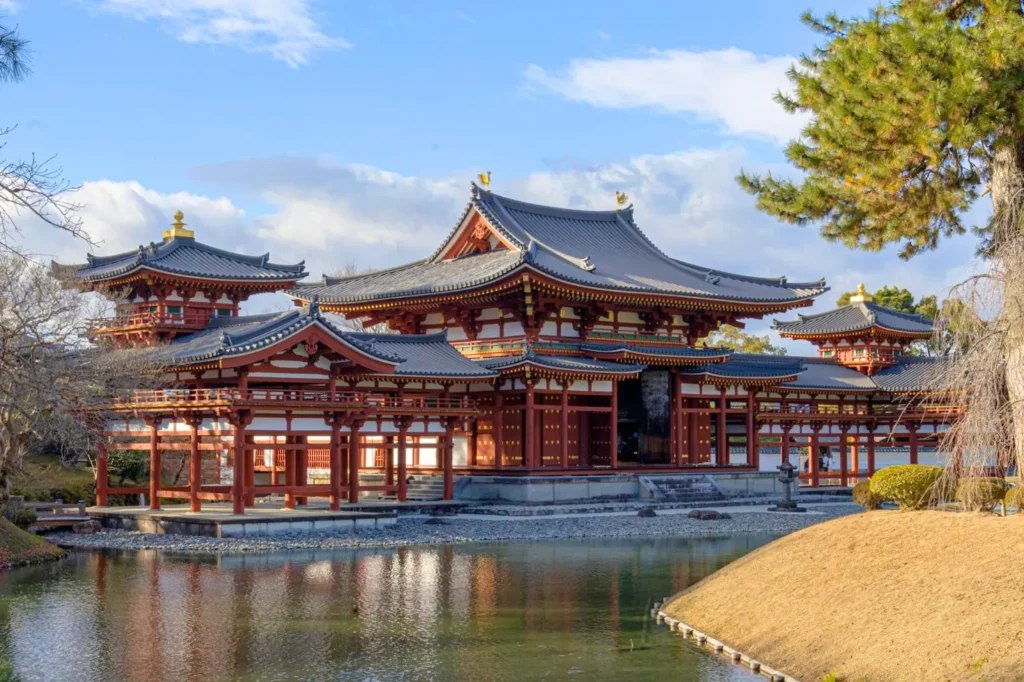
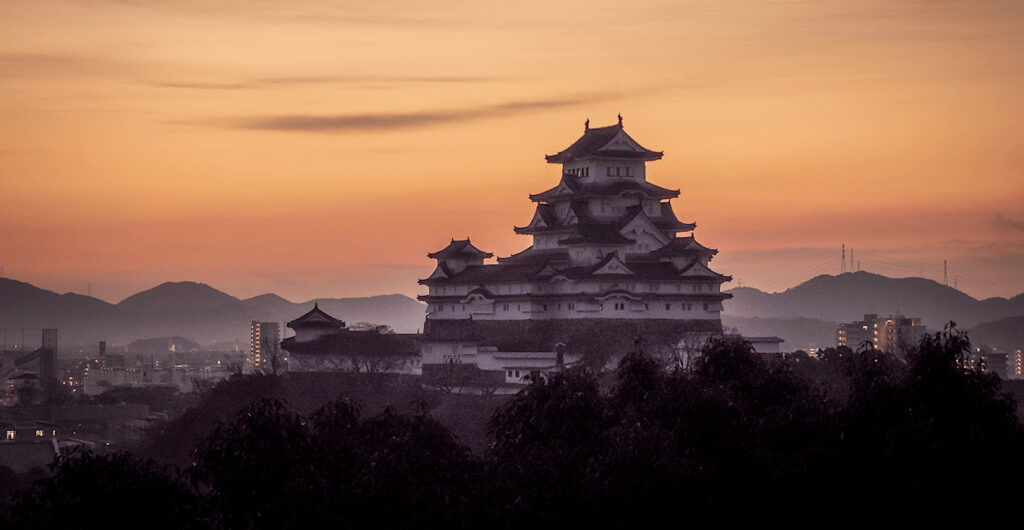
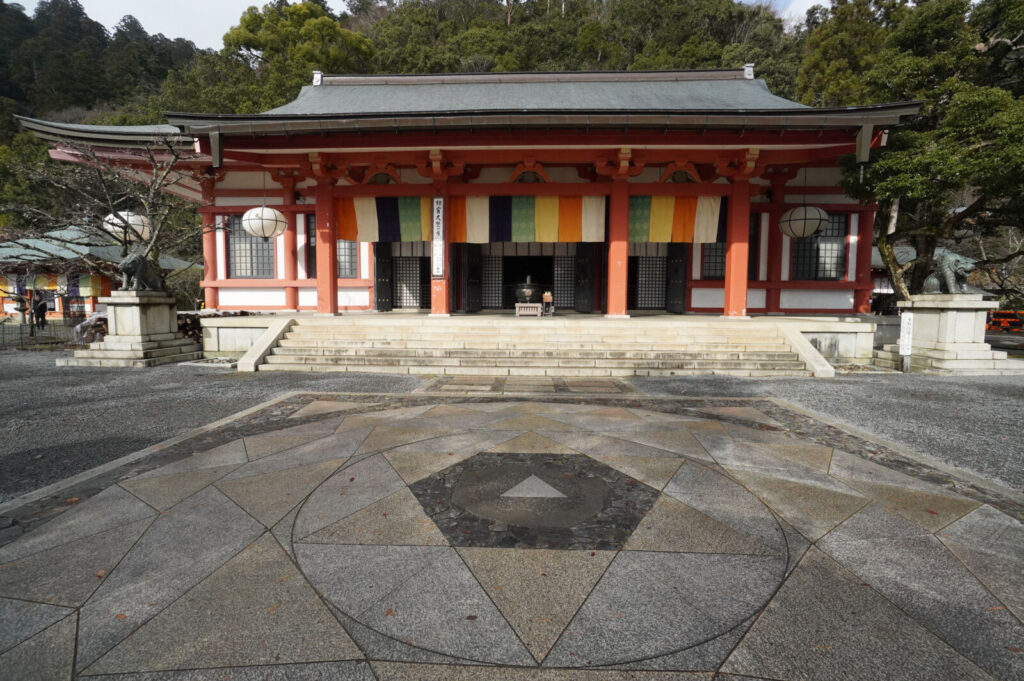
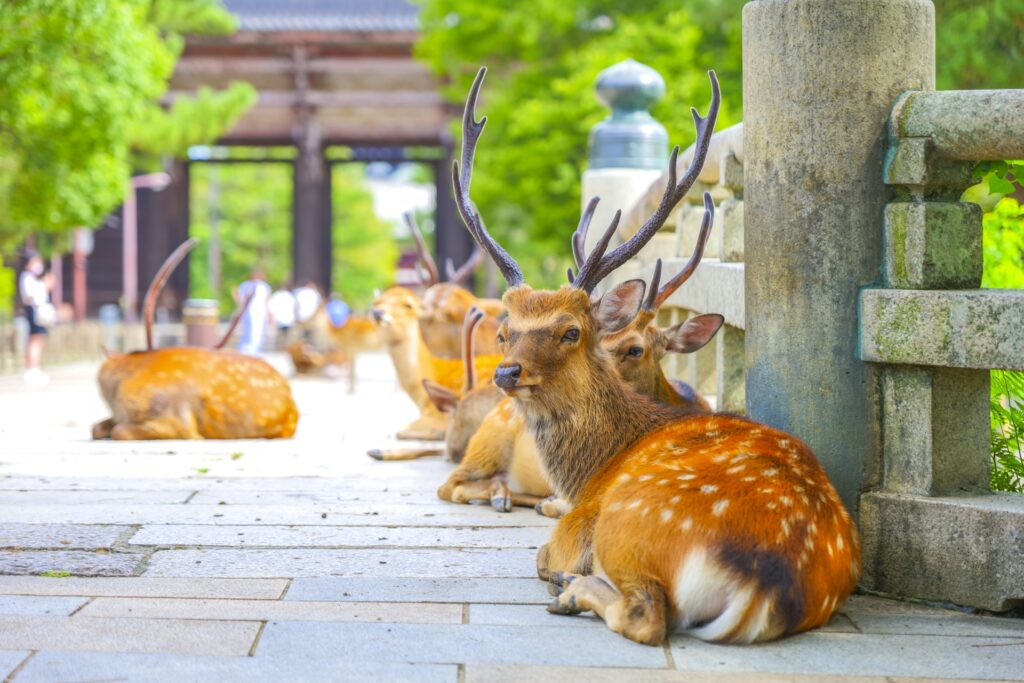
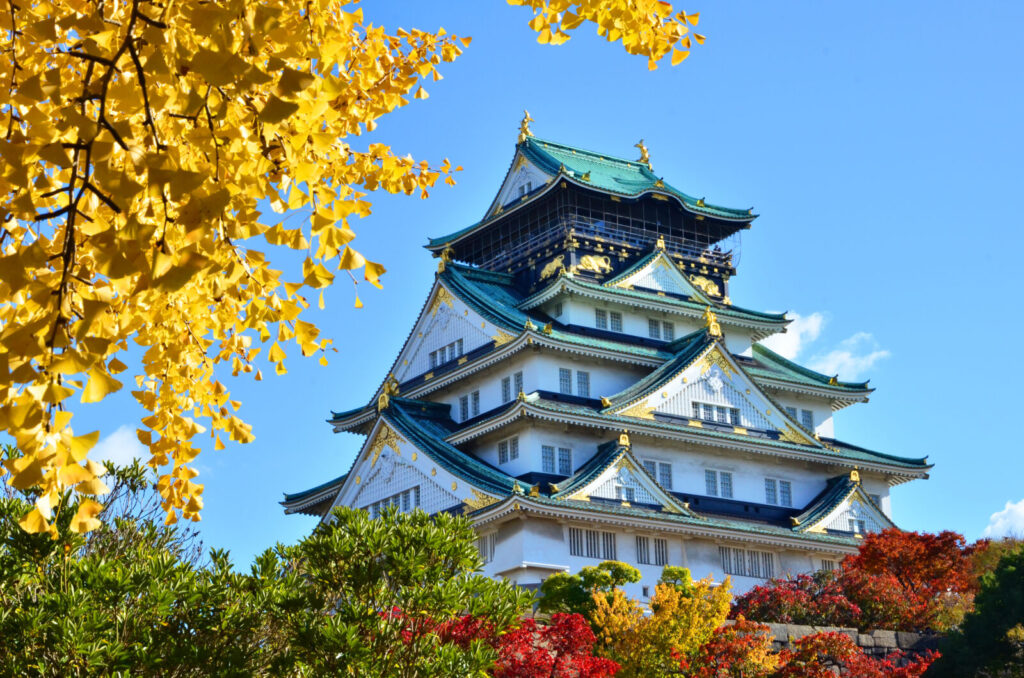
Beyond the city center, Kyoto Prefecture is home to a wide range of stunning destinations, including the mountain temples of Kurama and Kibune, the tea fields and historic sites of Uji, the peaceful rural landscapes of Ohara, and easy access to nearby cities such as Nara and Osaka. Whether you're looking for spiritual retreats, scenic nature, or cultural deep-dives, Kyoto is the perfect base for exploring the Kansai region.
Where is Kyoto?
Kyoto is located in the heart of the Kansai region in western Japan, surrounded by mountains on three sides, which gives the city its distinct seasonal climate and scenic beauty. It is easily accessible via the Tokaido Shinkansen, with direct connections from Tokyo in just over two hours, and is only 30–50 minutes from Osaka by local or rapid train services.
Rather than a single city experience, Kyoto is best understood as a collection of distinct cultural districts. The eastern Higashiyama area offers classic temple scenery and preserved streets, Arashiyama blends nature with historic sites on the city’s western edge, while northern Kyoto provides quieter, more contemplative temple complexes. To the south, Fushimi combines one of Japan’s most famous shrines with a long-standing sake brewing tradition. Each area tells a different story, and exploring multiple districts is key to understanding the city as a whole.
25 Best Things to do Around Kyoto

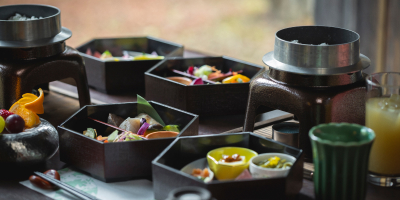
Kyoto is also one of the most rewarding destinations in Japan for travelers who want more than just sightseeing. Beyond its famous landmarks, the city offers hands-on cultural experiences including tea ceremony, traditional crafts, seasonal dining, and encounters with geiko and maiko culture. With the right planning—or the right guide—these experiences transform a standard visit into something far more memorable and immersive.
The following guide highlights Kyoto’s most essential attractions before expanding into lesser-known locations and nearby destinations. Whether you are visiting for a single day or using Kyoto as a base to explore the Kansai region, this list is designed to help you prioritize your time and discover experiences that go beyond the typical tourist route.
1 / FUSHIMI INARI TAISHA / all year round
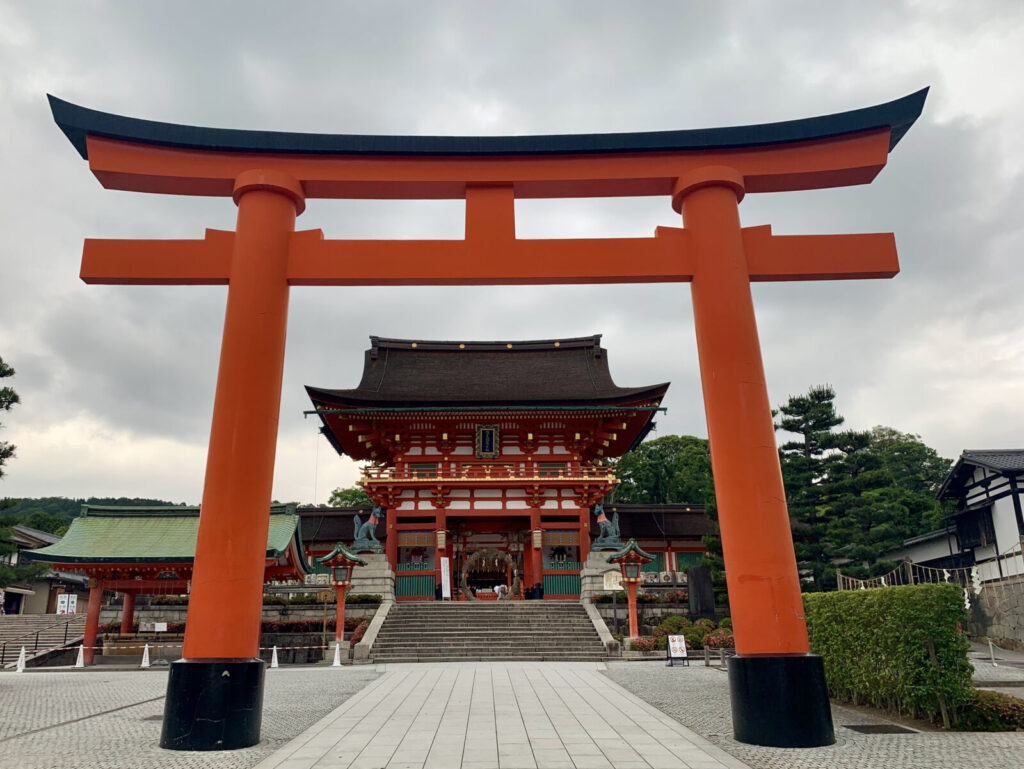
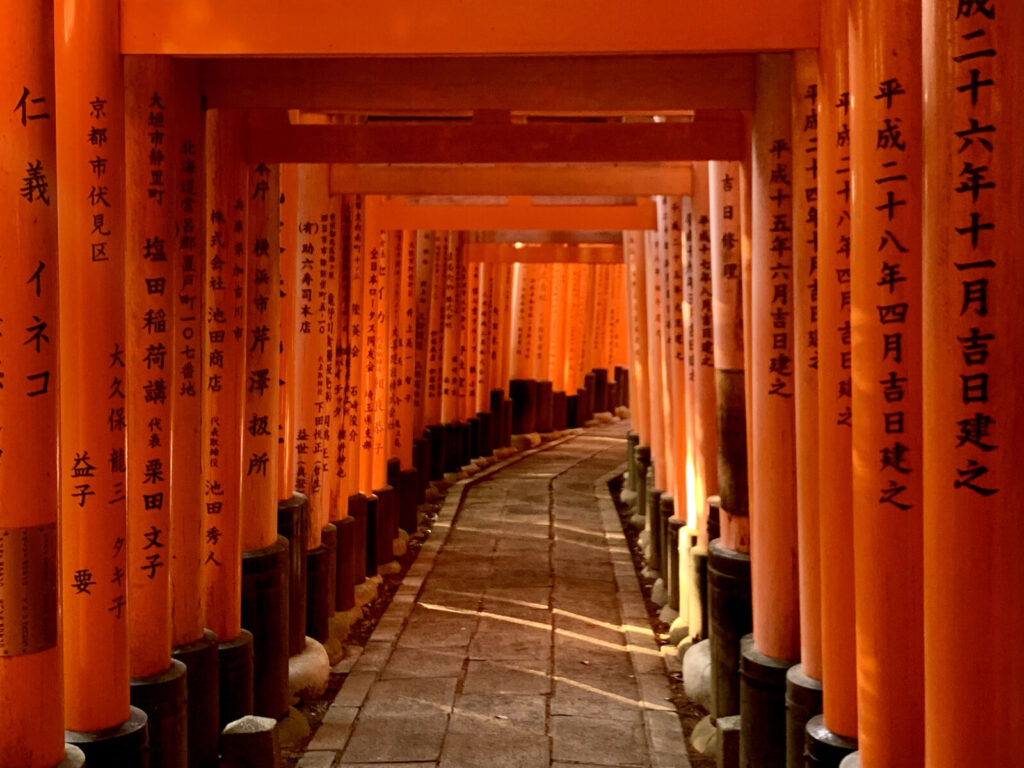
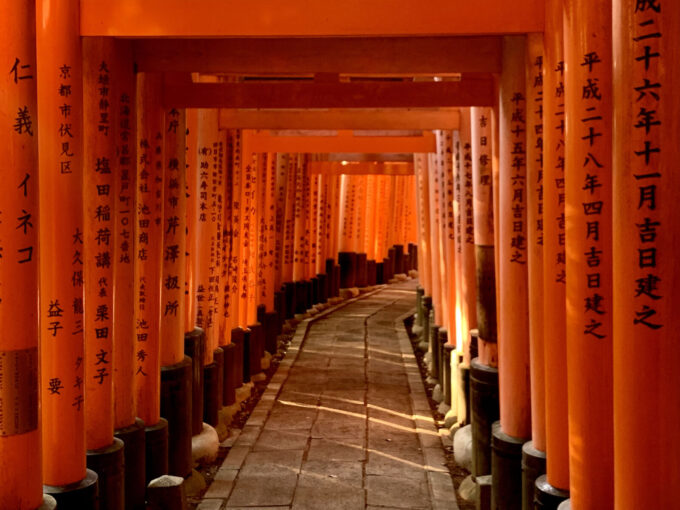
Fushimi Inari Taisha is Kyoto’s most iconic shrine, famous for its thousands of vibrant vermilion torii gates that form a winding path up Mount Inari. Dedicated to the Shinto god of rice and prosperity, the shrine has long been associated with business success, with many companies donating gates as offerings. Visitors can explore as little or as much of the mountain as they like, with the full hike taking around two to three hours. The shrine is open 24 hours and admission is free. From JR Inari Station: 1 min walk.
We have a tour that not only stops at Fushimi Inari but also visits the Sake brewing district. Check it out below!
2 / KIYOMIZU-DERA & HIGASHIYAMA/ all year round
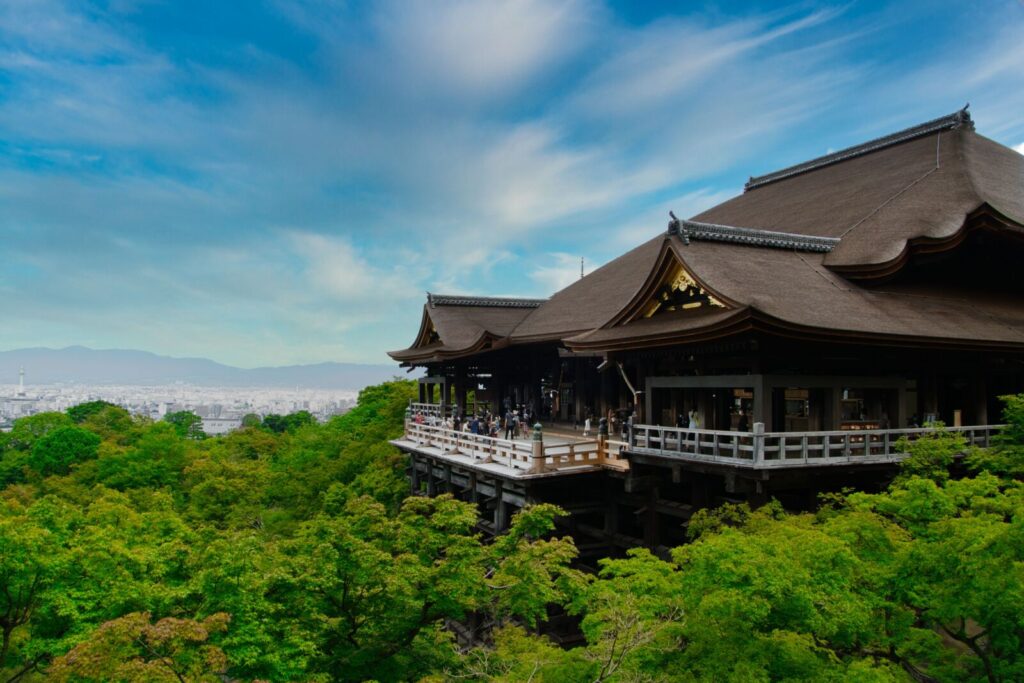
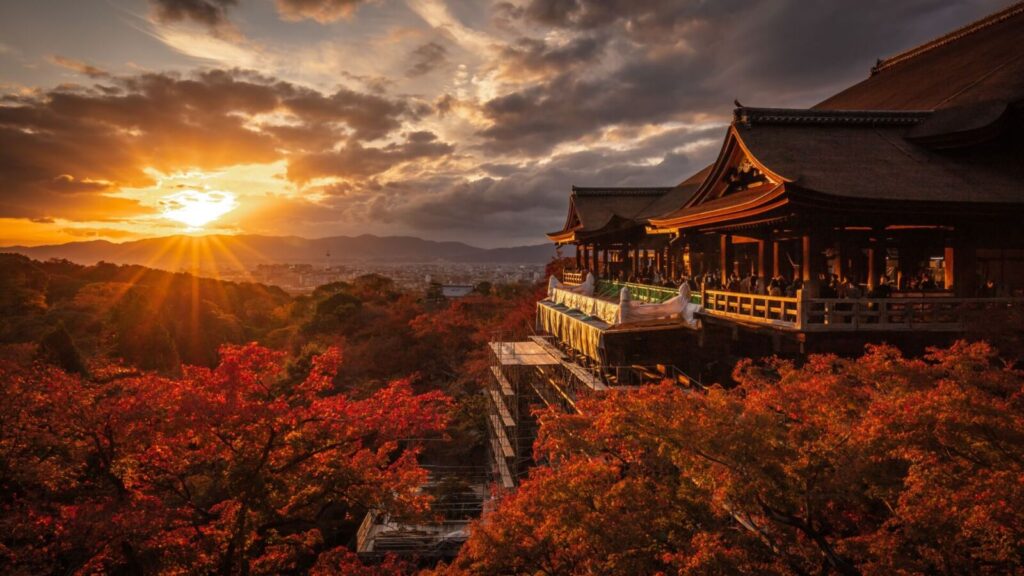
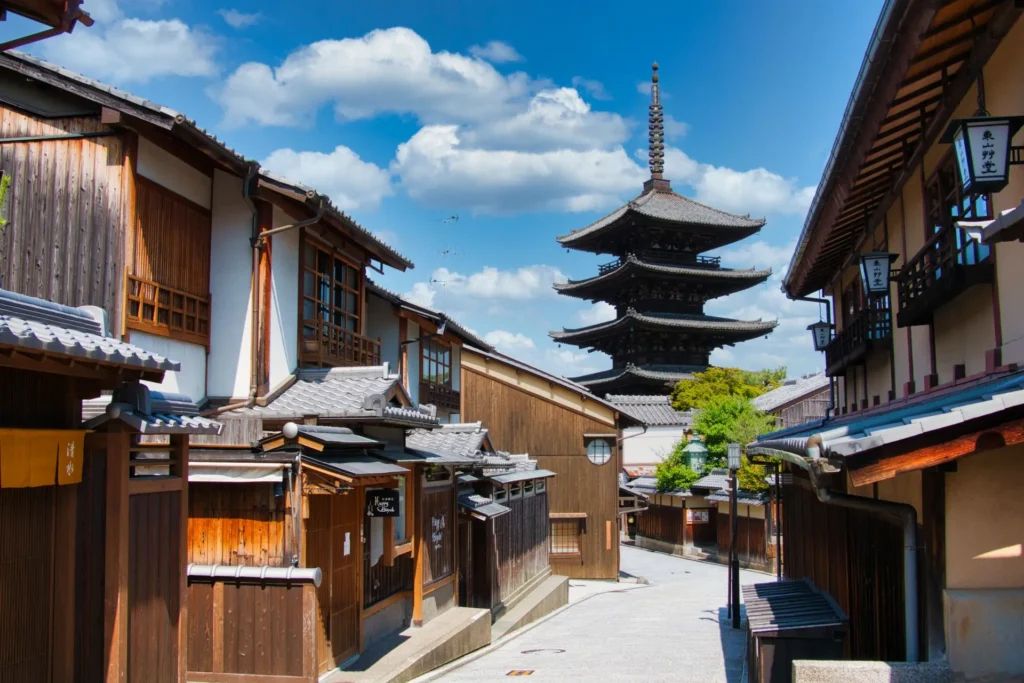
Kiyomizu-dera is one of Kyoto’s most celebrated temples, known for its massive wooden stage that juts out over the hillside, offering sweeping views of the city. The surrounding Higashiyama district preserves the atmosphere of old Kyoto, with narrow stone streets lined by traditional shops, cafes, and tea houses. The area is especially popular during cherry blossom and autumn foliage seasons. From Kiyomizu-Gojo Station: 25 min walk.
If you want to get a guided tour of not just the Higashiyama area during the day but also see Kiyomizu-dera and the Gion district, check out the tour below!
3 / KINKAKU-JI (GOLDEN PAVILION) / all year round

Kinkaku-ji is a stunning Zen temple covered in gold leaf, originally built as a retirement villa for a shogun. Its reflection in the surrounding pond creates one of Kyoto’s most famous and photographed scenes. The temple grounds are open year-round and offer a short but memorable walking route. From Kitaoji Station: 40 min bus ride.
If you want to see Kinkakuji but also visit Arashiyama and try your hand at Koboshi doll making, check out the tour below!
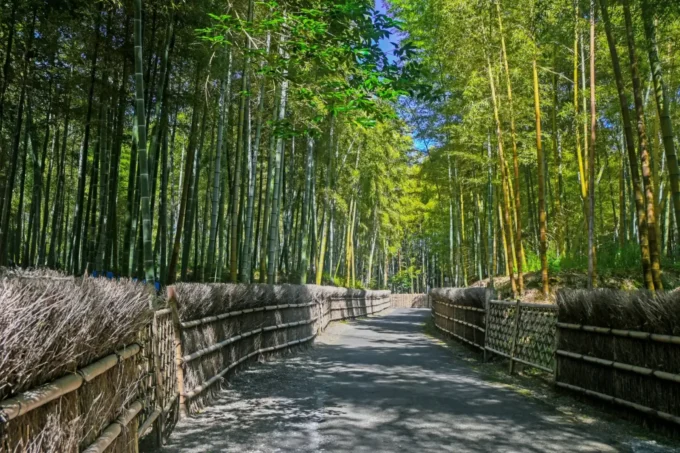
4 / ARASHIYAMA BAMBOO GROVE & TENRYU-JI TEMPLE / all year round
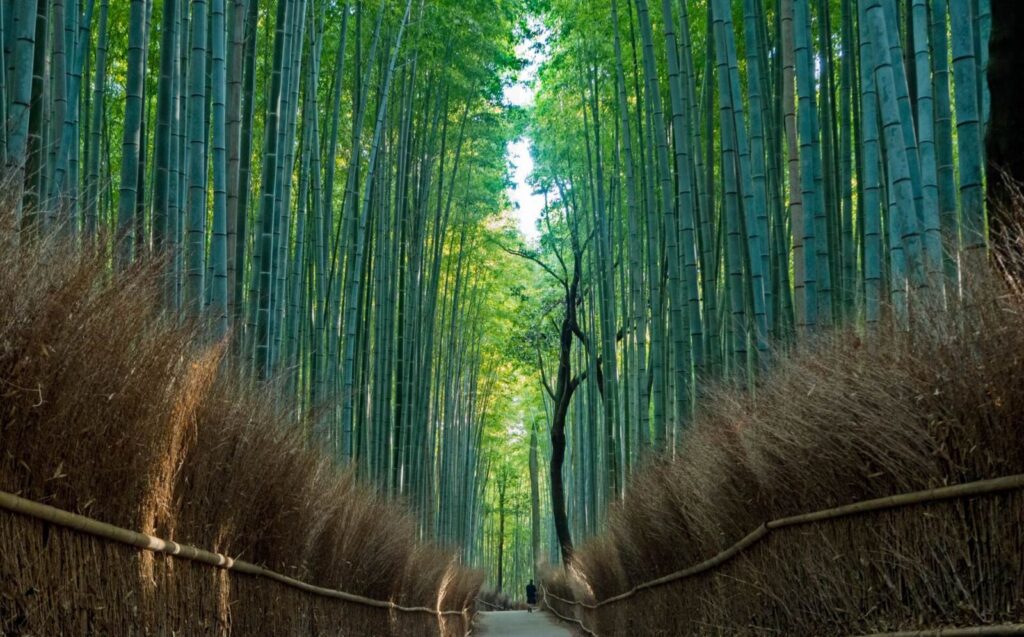
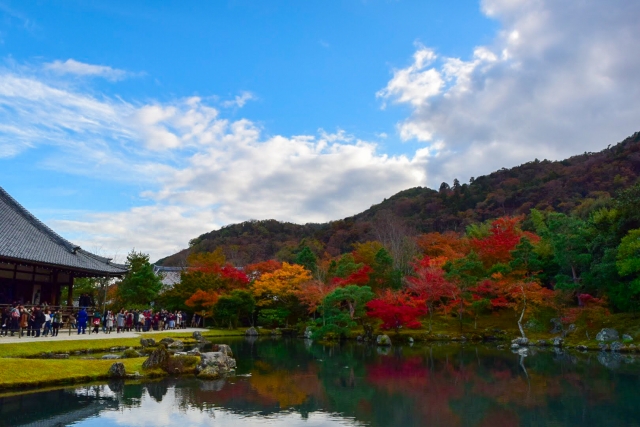
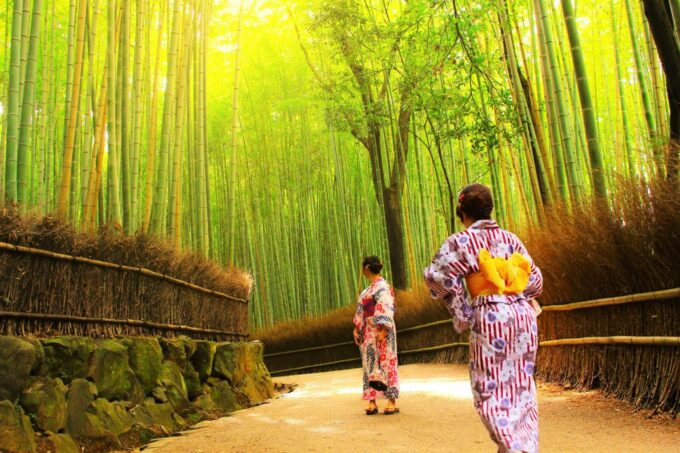
Arashiyama is a scenic district on Kyoto’s western edge, known for its famous Bamboo Grove and picturesque river setting. Visitors can explore nearby temples like Otagi-nenbutsuji and Tenryu-ji, cross the iconic Togetsukyo Bridge, or hike up to the Monkey Park for panoramic views. From Saga-Arashiyama Station: 10 min walk.
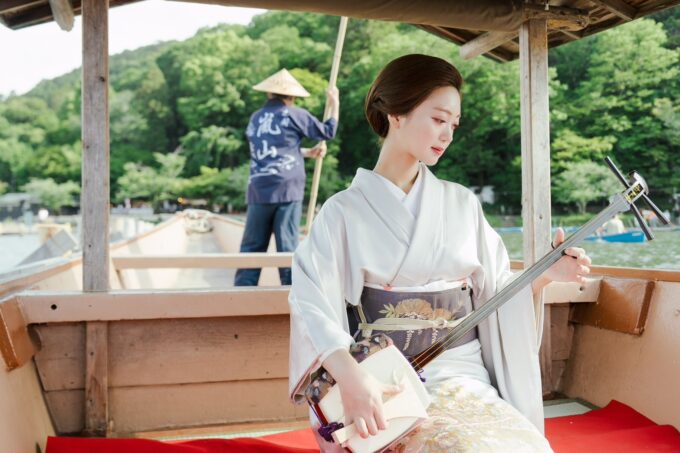
If you want a good mix of temples combined with a unique cultural experience delivered by a former Maiko (apprentice geisha), then check out the tour below:
Small Group
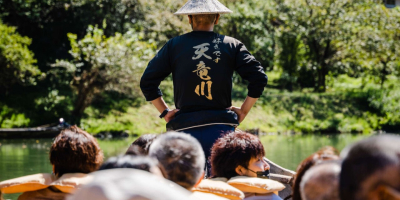
Sacred Stone and Flowing Silk: Arashiyama Temples, Bamboo Forests, and Maiko River Cruise
5 / GION DISTRICT / all year round
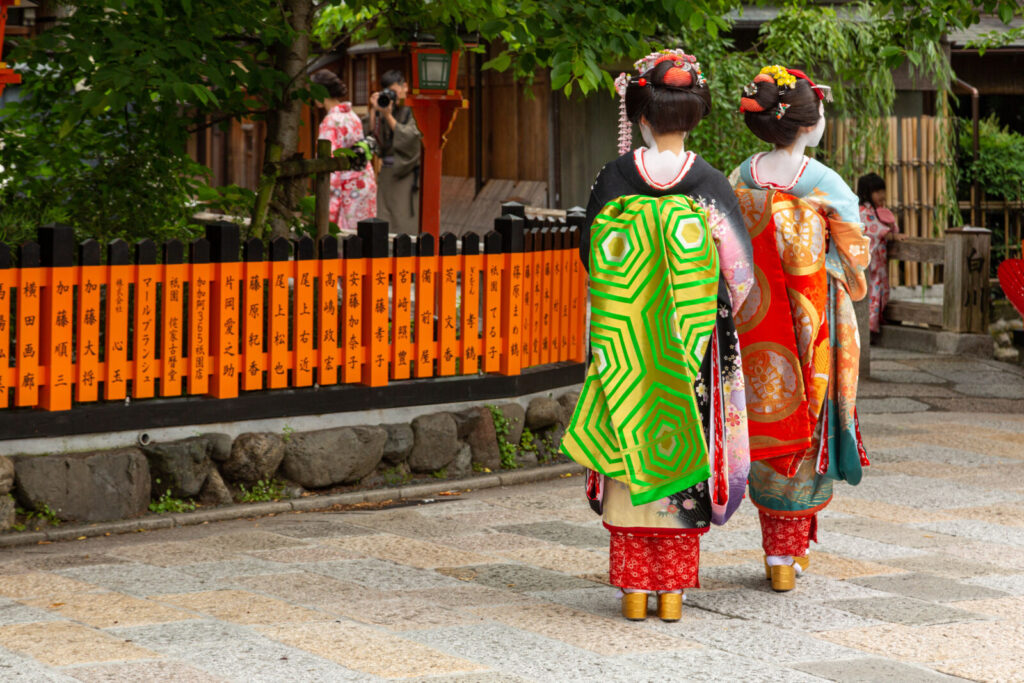
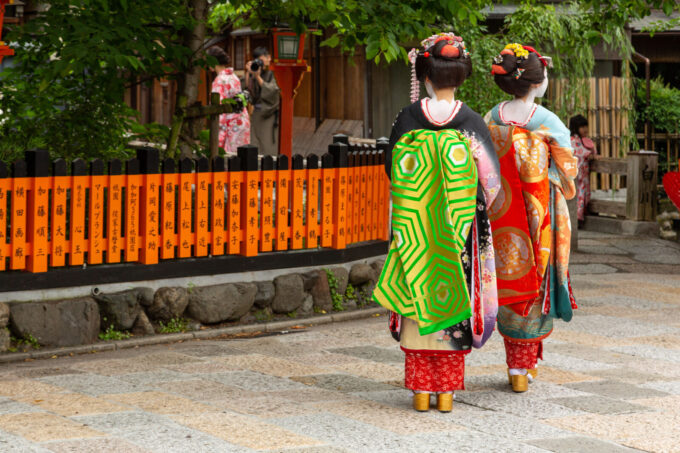
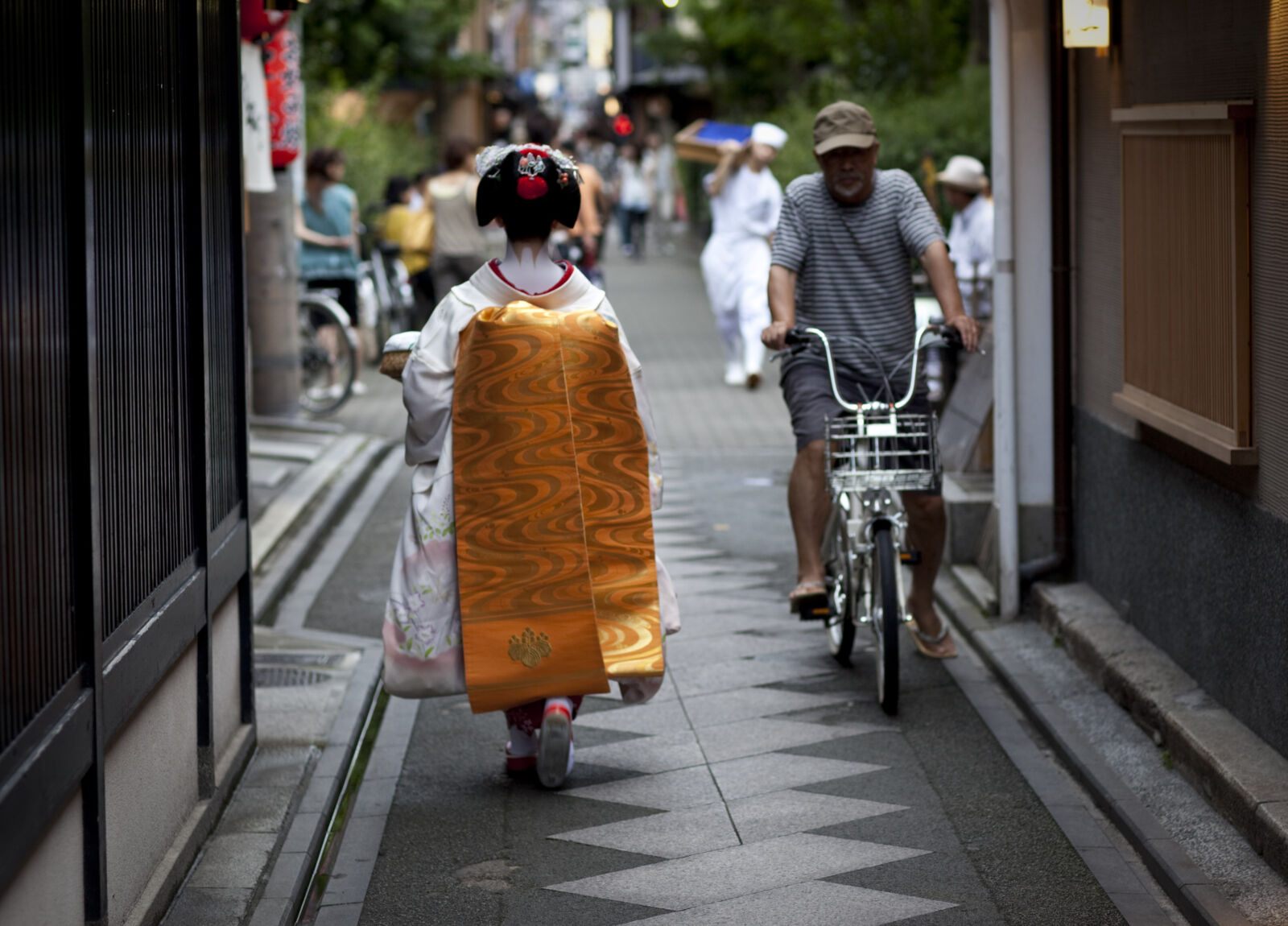
Kyoto’s most famous geisha district, Gion is where the city’s traditional culture feels most alive. Walking through Hanamikoji Street in the early evening, you may catch a glimpse of a geiko or maiko on their way to an engagement. Beyond the photo spots, Gion is deeply tied to Kyoto’s performing arts, refined dining culture, and centuries-old traditions. From Gion-Shijo Station: 5 min walk.
Explore this area with our guided tour below!
6 / PHILOSOPHER’S PATH & GINKAKU-JI / all year round

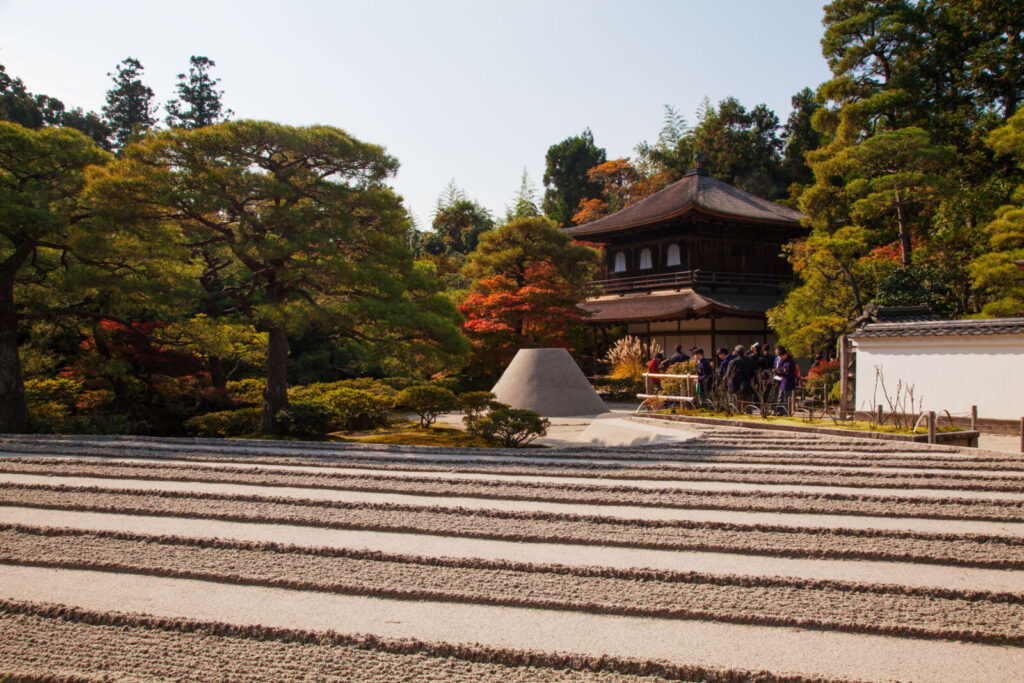
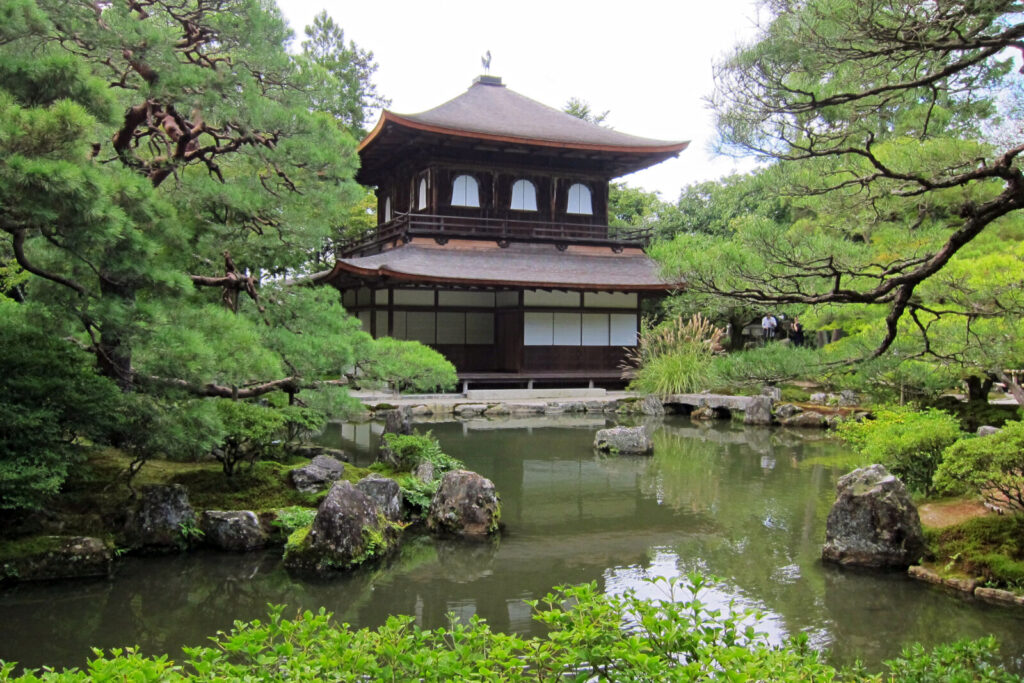
Following a quiet canal lined with cherry trees, the Philosopher’s Path connects several temples and leads to Ginkaku-ji, the Silver Pavilion. While less flashy than Kinkaku-ji, Ginkaku-ji represents a more refined aesthetic rooted in Zen philosophy and simplicity. The surrounding area is ideal for a slower pace, with smaller temples, cafés, and seasonal scenery along the route. From Ginkakuji-michi Bus Stop: 5 min walk.
See our tour below for a deeper experience.
7 / NANZEN-JI & SUIROKAKU AQUEDUCT / all year round
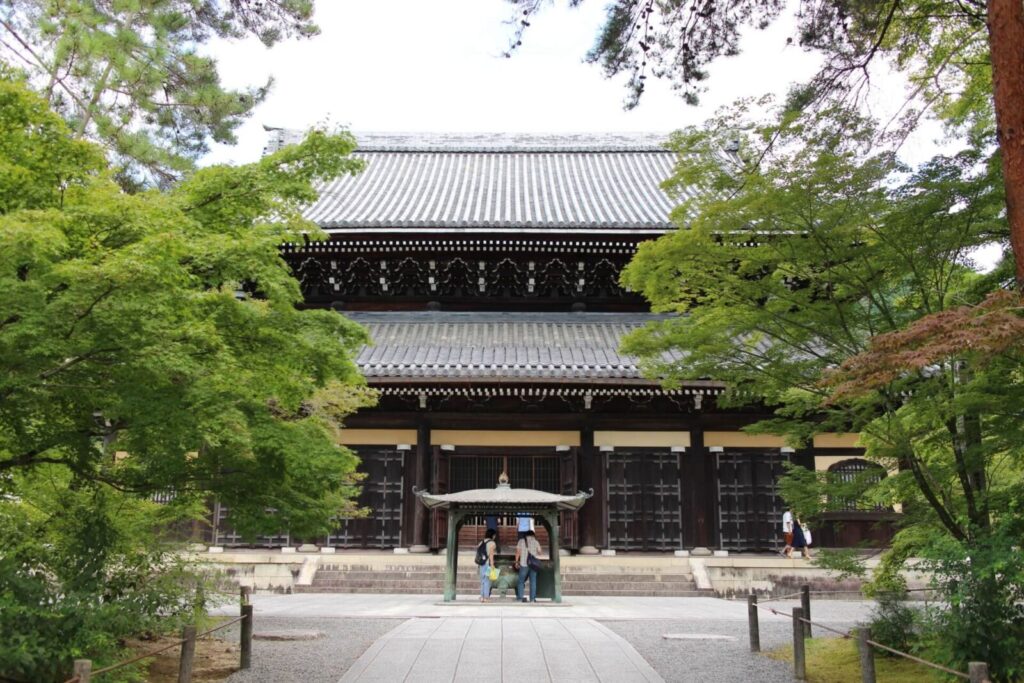
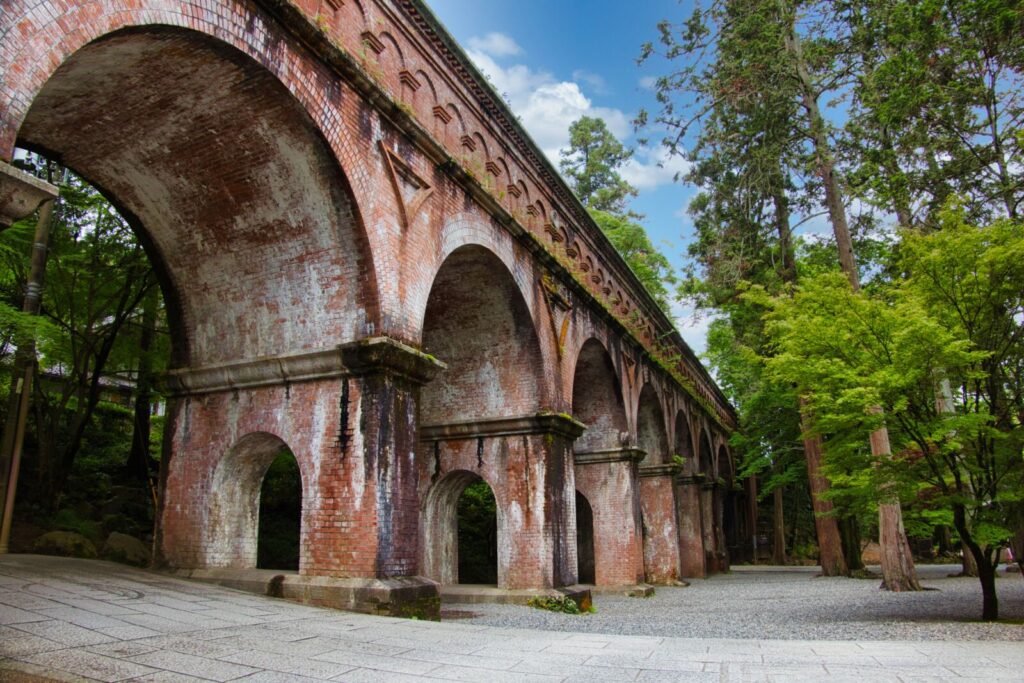
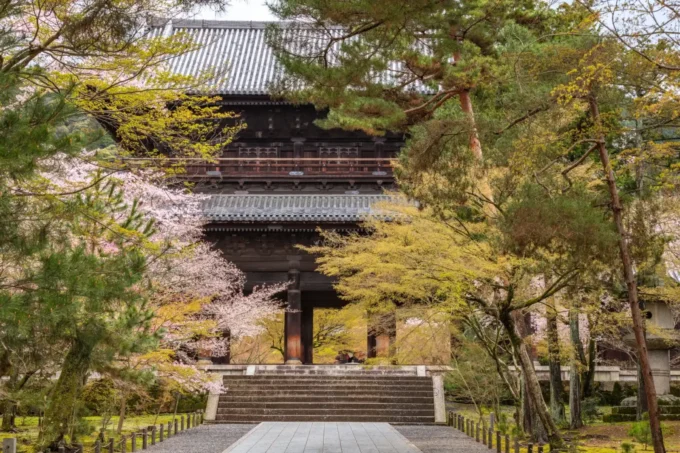
At the base of the Higashiyama mountains, Nanzen-ji is one of Kyoto’s most important Zen temples. Its massive Sanmon gate offers impressive views, while the brick Suirokaku Aqueduct creates a striking contrast between traditional and modern Japan. The surrounding grounds are spacious and less crowded, making it a great place to explore at a relaxed pace. From Keage Station: 10 min walk.
Explore this area with our guided tour below!
8 / SAGA-TORIIMOTO, ADASHINO NENBUTSU-JI & OTAGI NENBUTSU-JI / all year round
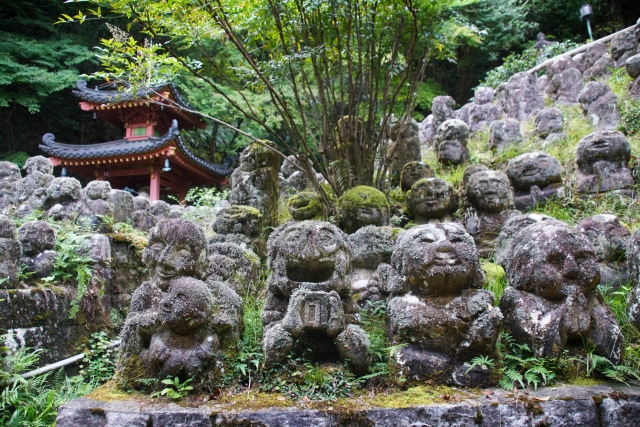
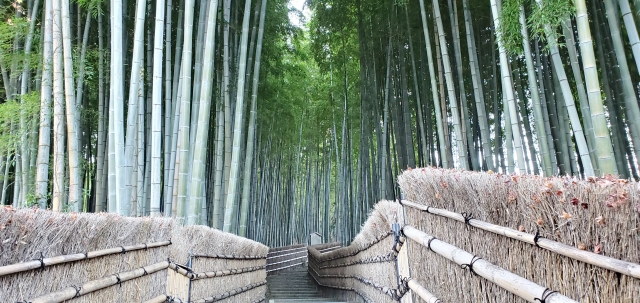
Located in the quieter northern part of Arashiyama, this area offers a completely different atmosphere from the busy bamboo grove. Saga-Toriimoto preserved street features traditional thatched-roof buildings and a peaceful rural setting, leading toward Adashino Nenbutsu-ji, known for its thousands of stone memorial statues. Further into the hills, Otagi Nenbutsu-ji offers a unique contrast with over 1,200 expressive stone figures carved by worshippers. From Saga-Arashiyama Station: 25–40 min walk or short taxi ride.
See our tour below for a deeper experience.
Small Group
Sacred Stone and Flowing Silk: Arashiyama Temples, Bamboo Forests, and Maiko River Cruise
9 / FUSHIMI SAKE DISTRICT / all year round
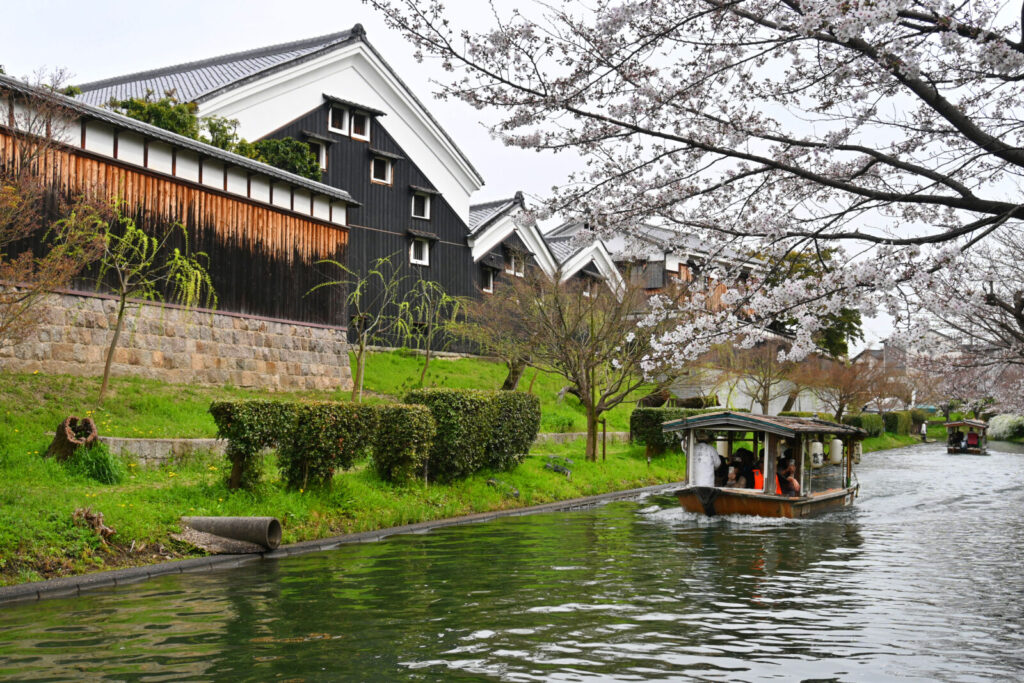

Beyond Fushimi Inari, this area is one of Japan’s most famous sake brewing regions, with a history dating back centuries. The canals, traditional breweries, and preserved streets create a relaxed and authentic atmosphere. Visitors can explore historic breweries, learn about the sake-making process, and enjoy tastings unique to the region. From Chushojima Station: 5–10 min walk.
Check out our guided tour below!
10 / FUJINOMORI SHRINE / all year round
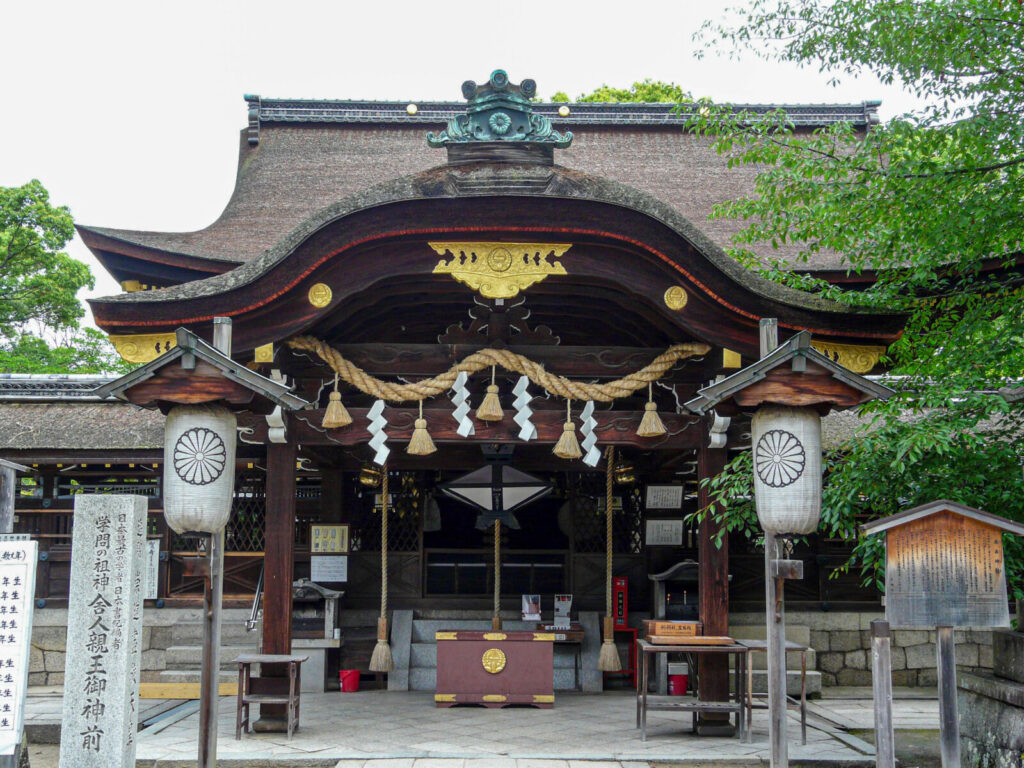
A hidden gem with strong ties to samurai culture, Fujinomori Shrine has long been associated with victory in battle and success in competition. The shrine is also known for its connection to horses and features unique ema plaques shaped like horse figures. Quiet and largely untouched by mass tourism, it offers a more local and authentic shrine experience. From JR Fujinomori Station: 5 min walk.
Explore this area with our guided tour below!
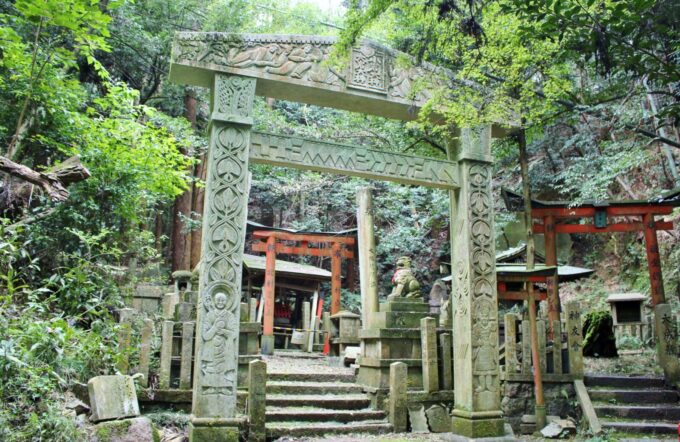
11 / OIWA SHRINE / all year round
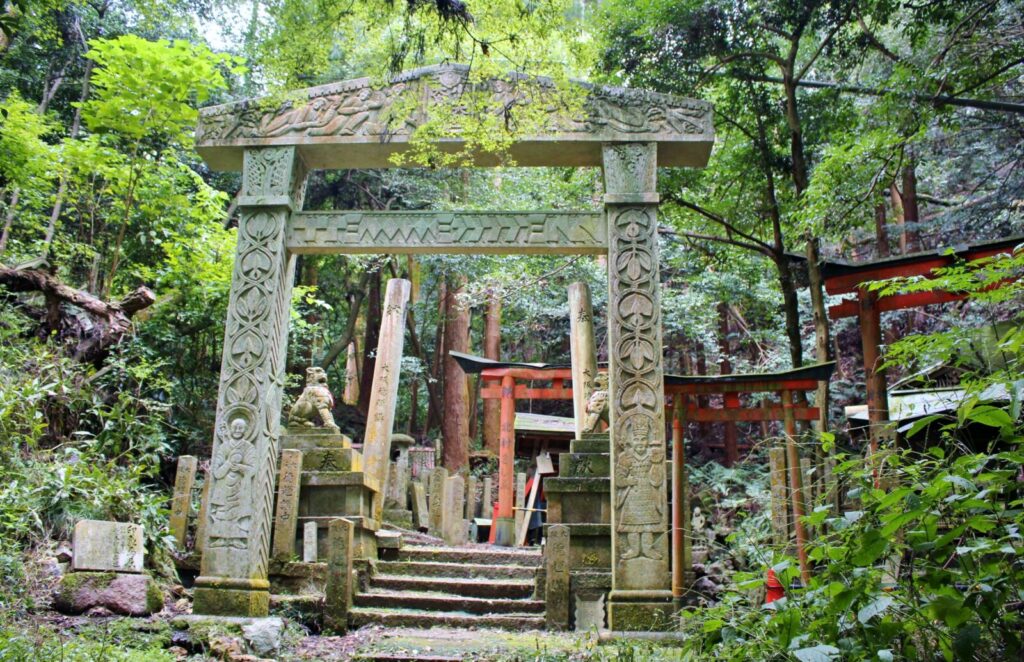
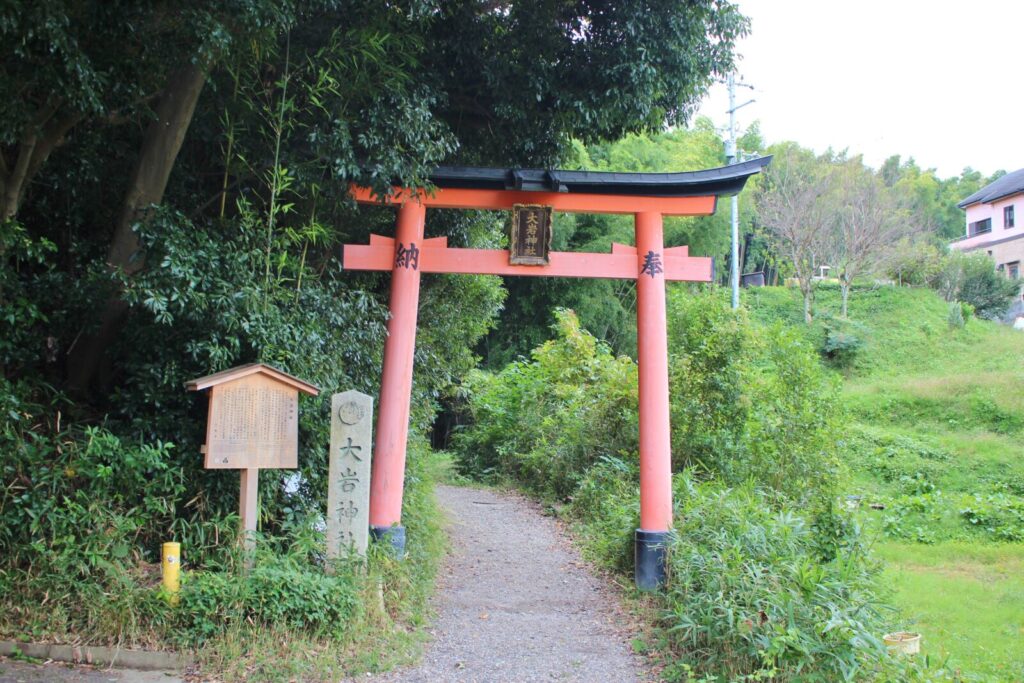
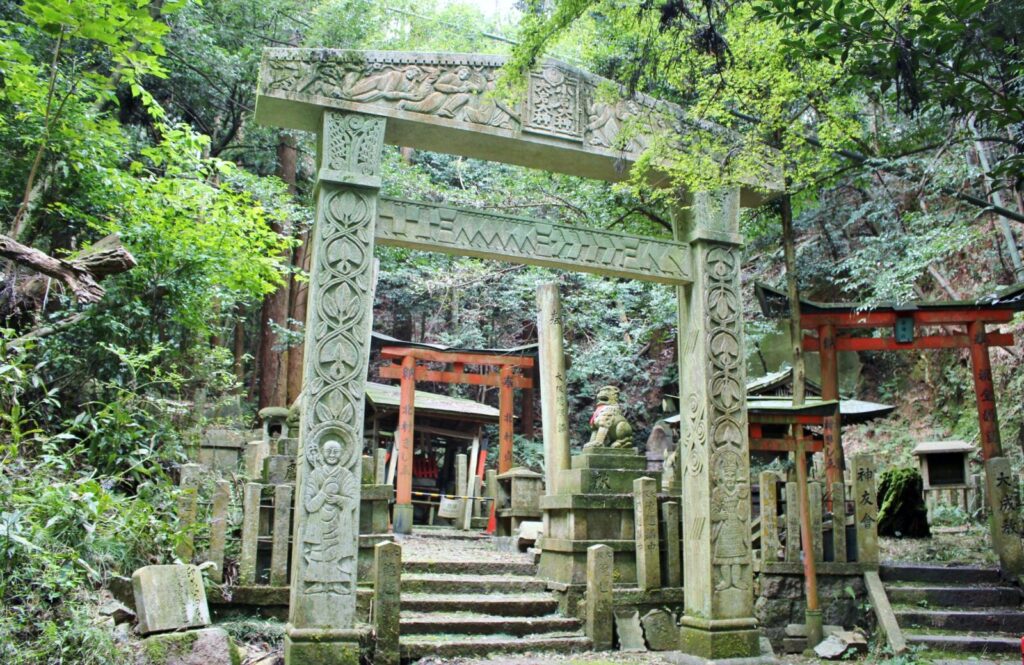
Tucked away in the forested hills near Fushimi, Oiwa Shrine is one of Kyoto’s most atmospheric and under-visited sites. Moss-covered stone steps and a quiet setting give the shrine a mysterious, almost otherworldly feeling. It’s a place that feels far removed from the city despite being relatively close by. From JR Inari area: approx. 30–40 min walk.
See our tour below for a deeper experience.
12 / DAIMONJI MOUNTAIN / all year round
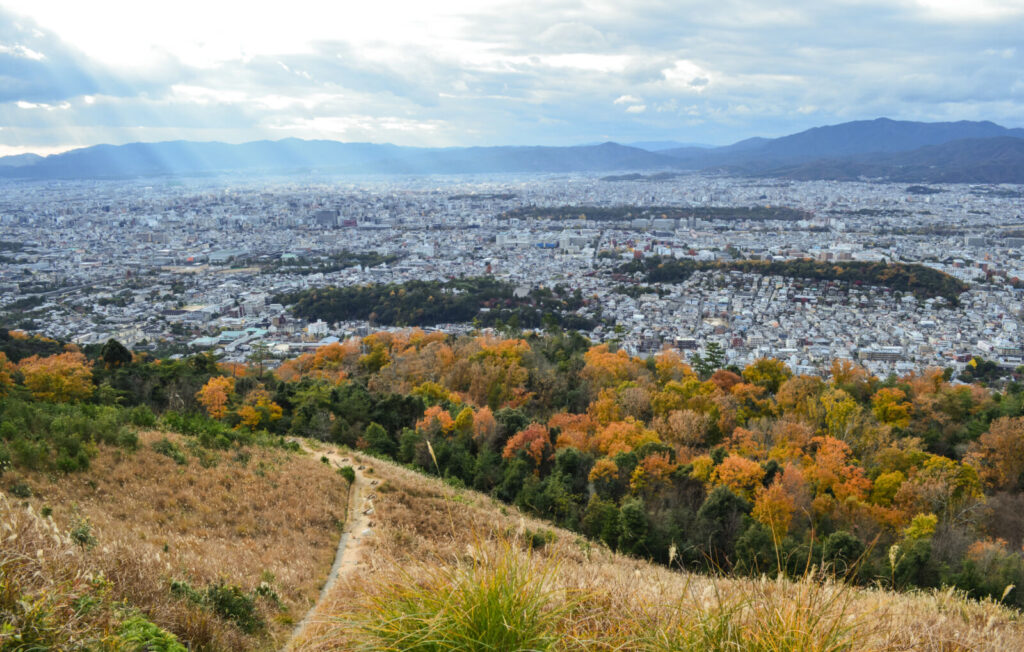
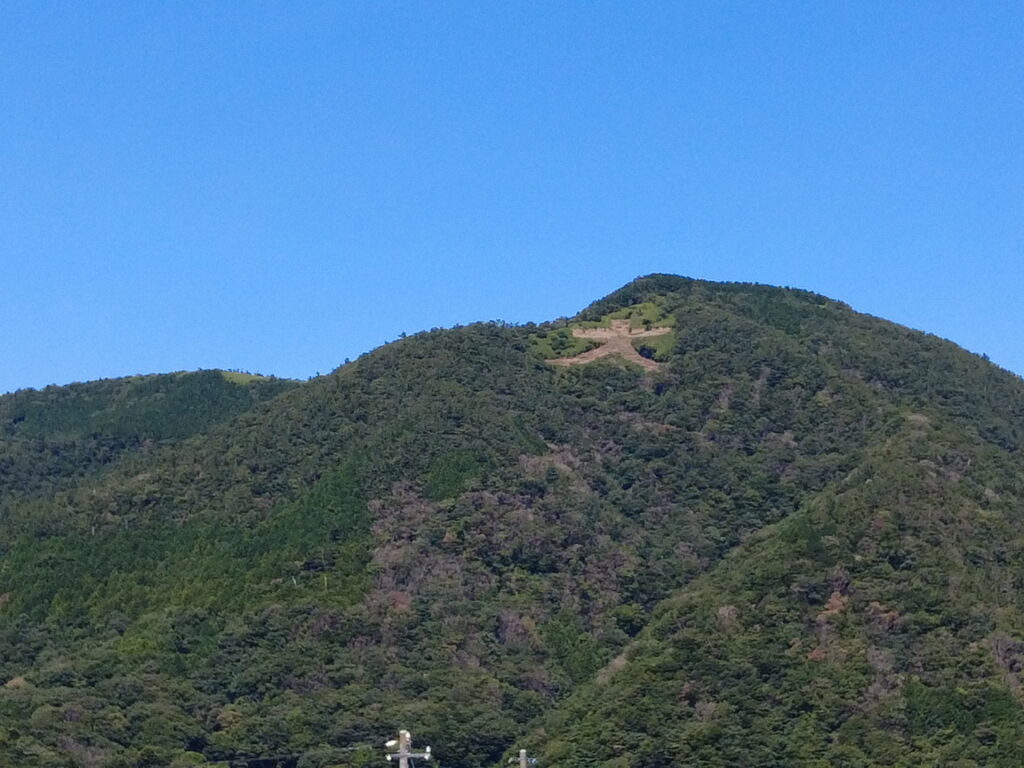
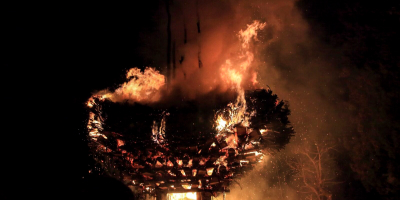
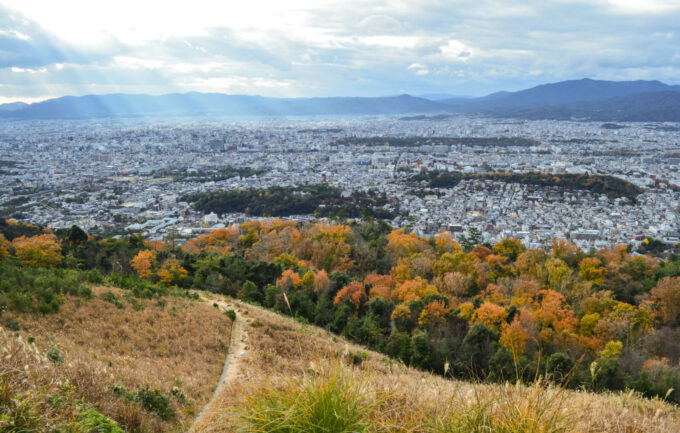
Best known for the massive “大” character lit during the Gozan no Okuribi festival, Daimonji also offers one of Kyoto’s most accessible viewpoints. The hike is relatively short but rewards visitors with panoramic views over the city. It’s especially popular at sunset and during cooler seasons. From Ginkakuji area: 30–40 min hike.
Explore this area with our guided tour below!
13 / KURAMA & KIBUNE / all year round
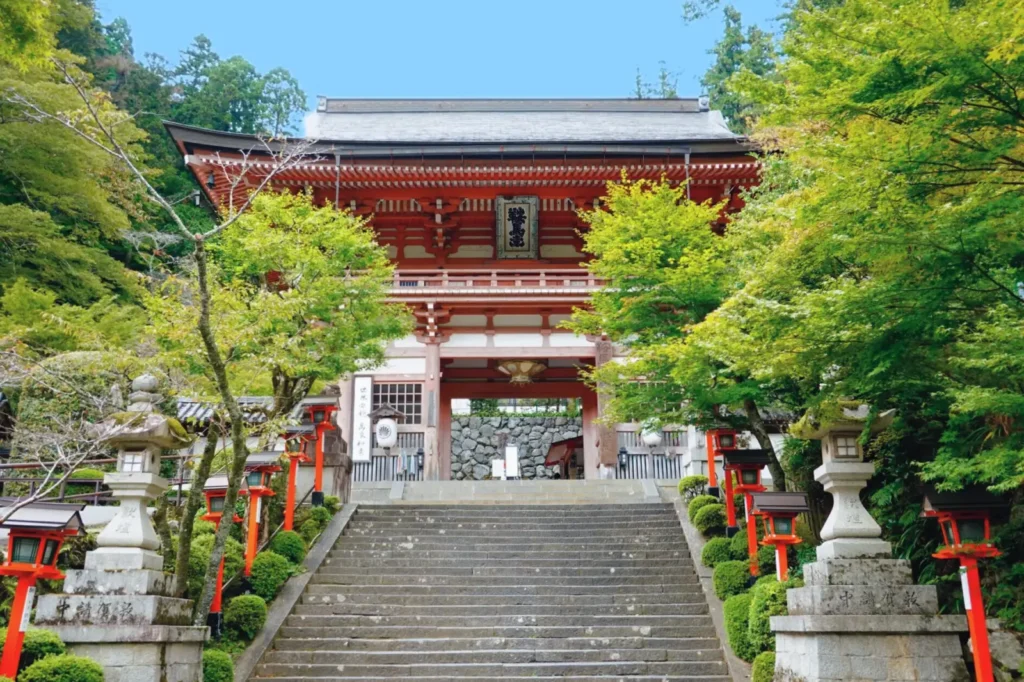

Nestled in the mountains north of Kyoto, Kurama and Kibune offer a refreshing escape into nature. Kurama is known for its temple and forest hiking trails, while Kibune is famous for its riverside dining platforms in summer and peaceful shrine setting. The area is especially popular during autumn foliage season. From Demachiyanagi Station: approx. 30 min via Eizan Railway.
See our tour below for a deeper experience.
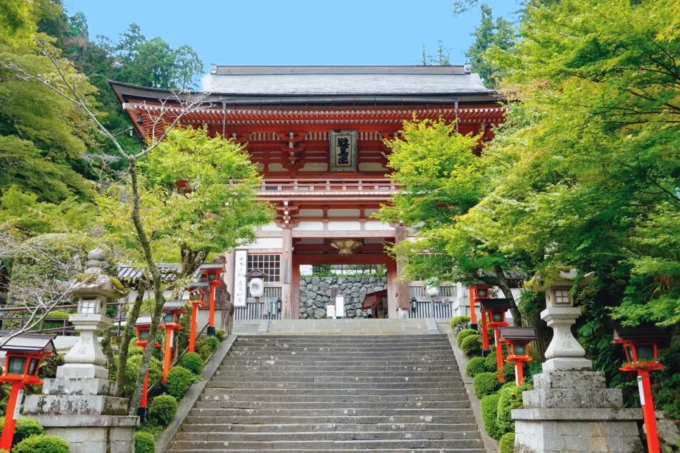
14 / MT. HIEI & ENRYAKU-JI / (best in Autumn)
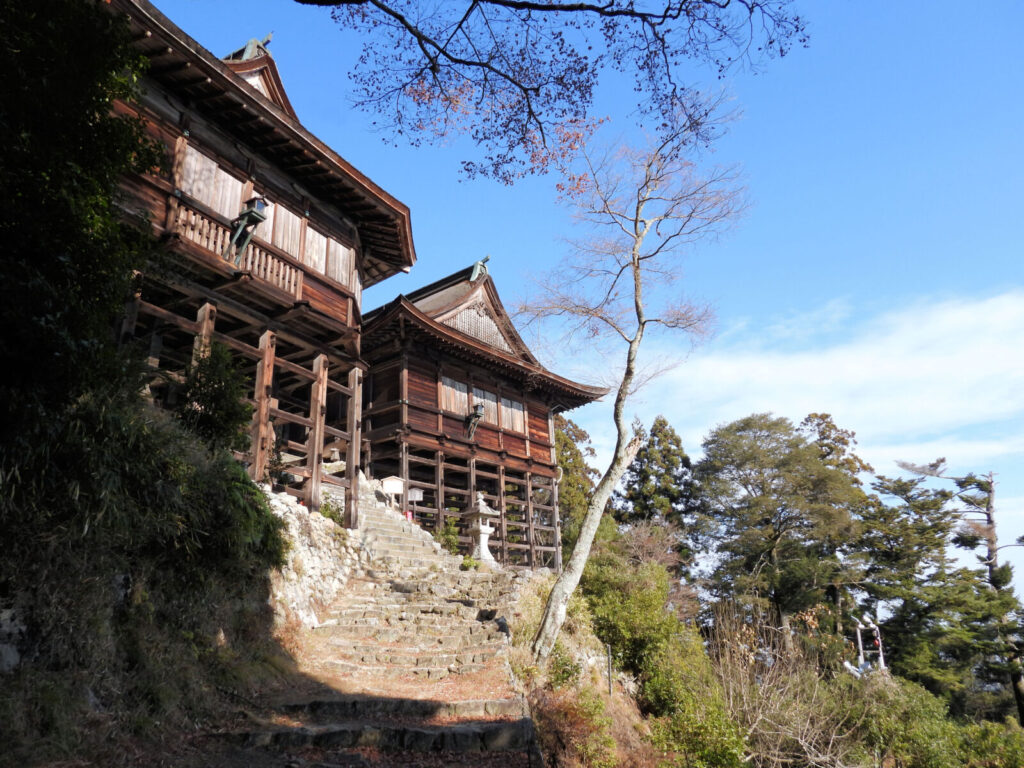
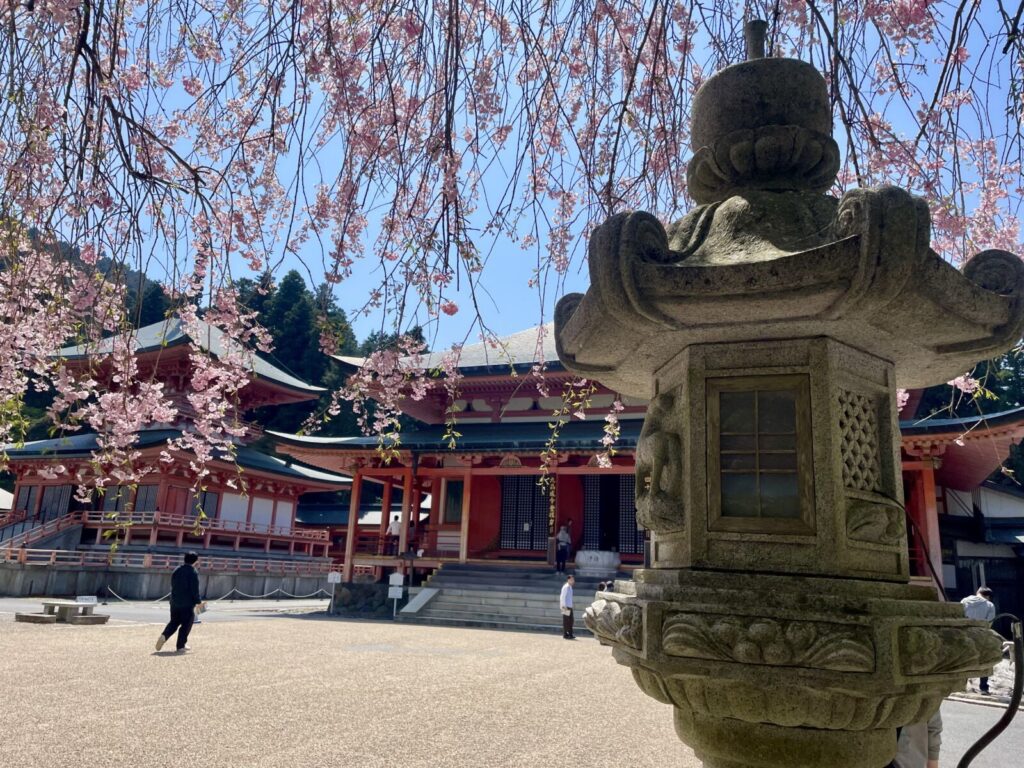
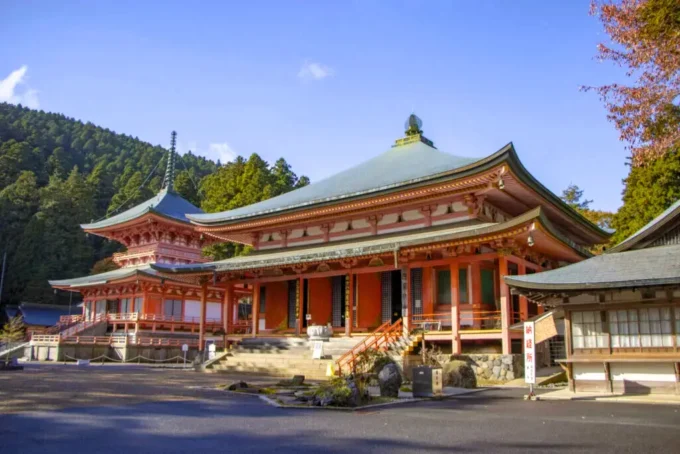
Overlooking Kyoto, Mt. Hiei is home to Enryaku-ji, one of the most influential monasteries in Japanese Buddhism. The mountain setting creates a quiet, spiritual atmosphere, with temple buildings spread across a vast forested area. Access includes scenic cable cars and panoramic viewpoints. From Kyoto: approx. 1–1.5 hours.
Explore this area with our guided tour below!
15 / NISHIKI MARKET / all year round
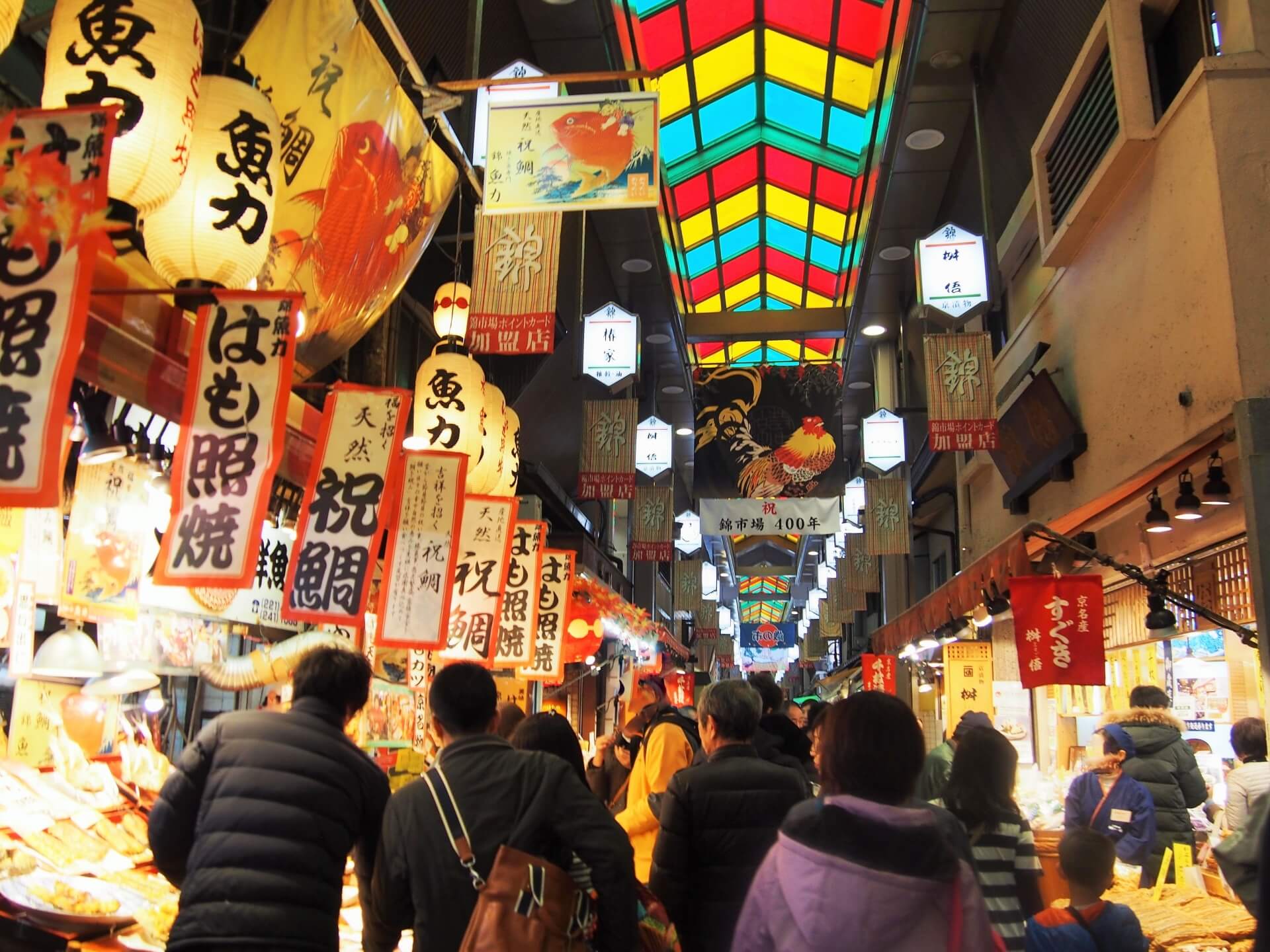
Known as “Kyoto’s Kitchen,” Nishiki Market is a narrow shopping street packed with local food vendors, specialty shops, and traditional ingredients. Visitors can sample everything from fresh seafood and pickles to sweets and street food, making it one of the best places to explore Kyoto’s food culture. It’s lively, compact, and easy to explore in under an hour. From Shijo Station: 5 min walk.
Check out our guided tour below!
16 / NIJO CASTLE / all year round
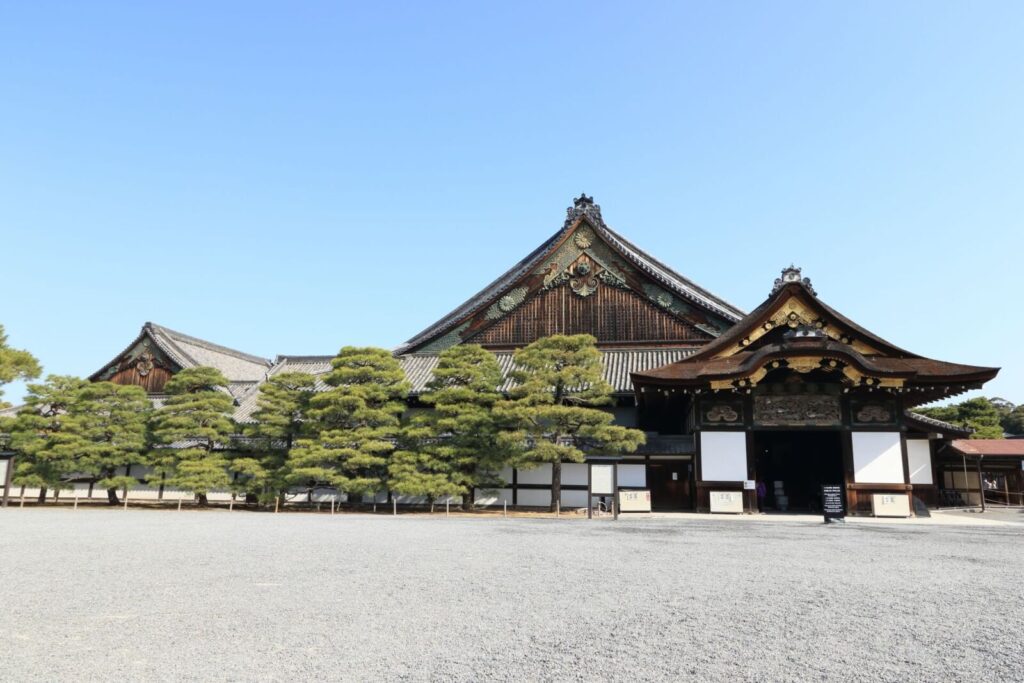
Nijo Castle was built as the Kyoto residence of Tokugawa Ieyasu, the first shogun of the Edo period. The castle is famous for its “nightingale floors,” which chirp when walked on as a security measure against intruders. Its ornate interiors and spacious gardens provide insight into samurai power and political history. From Nijojo-mae Station: 5 min walk.
17 / KYOTO IMPERIAL PALACE / all year round (best in Autumn)
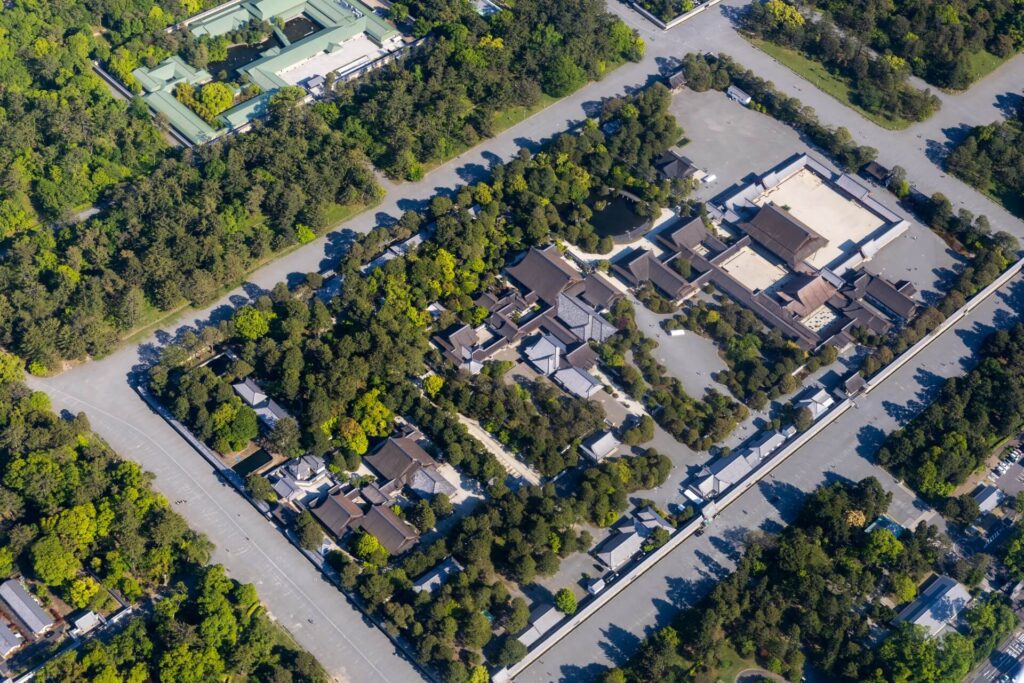
Once home to Japan’s emperors before the capital moved to Tokyo, the Kyoto Imperial Palace sits within a large park in the center of the city. The grounds are spacious and peaceful, offering a contrast to the busier temple areas. While the buildings are more understated, the site provides important context for Kyoto’s role as the imperial capital. From Imadegawa Station: 5 min walk.
18 / YASAKA SHRINE / all year round (best in April or July)
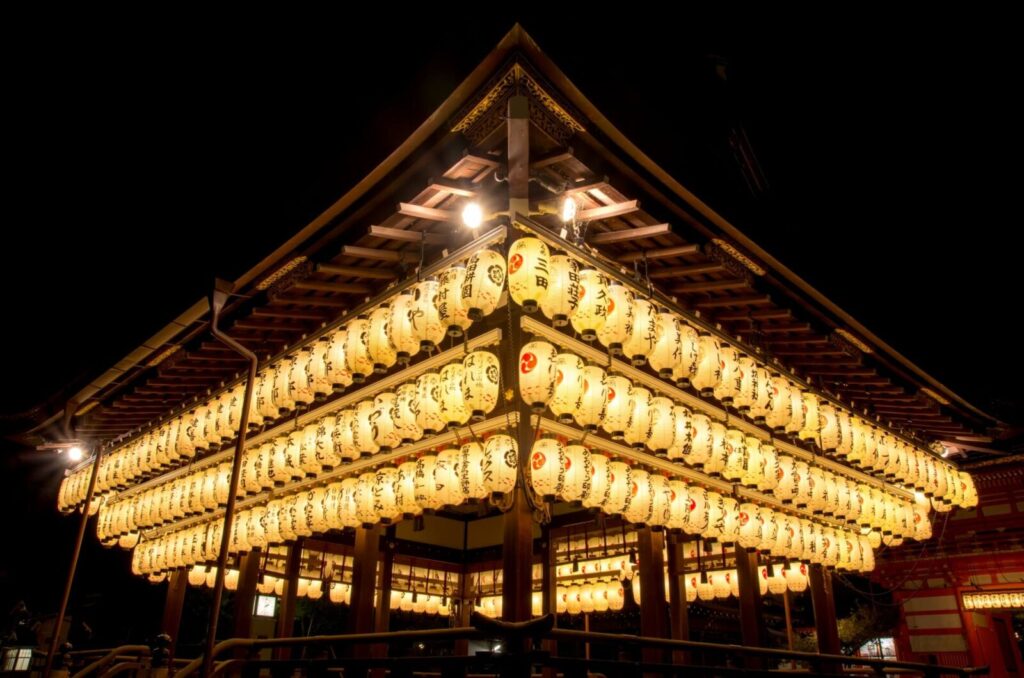
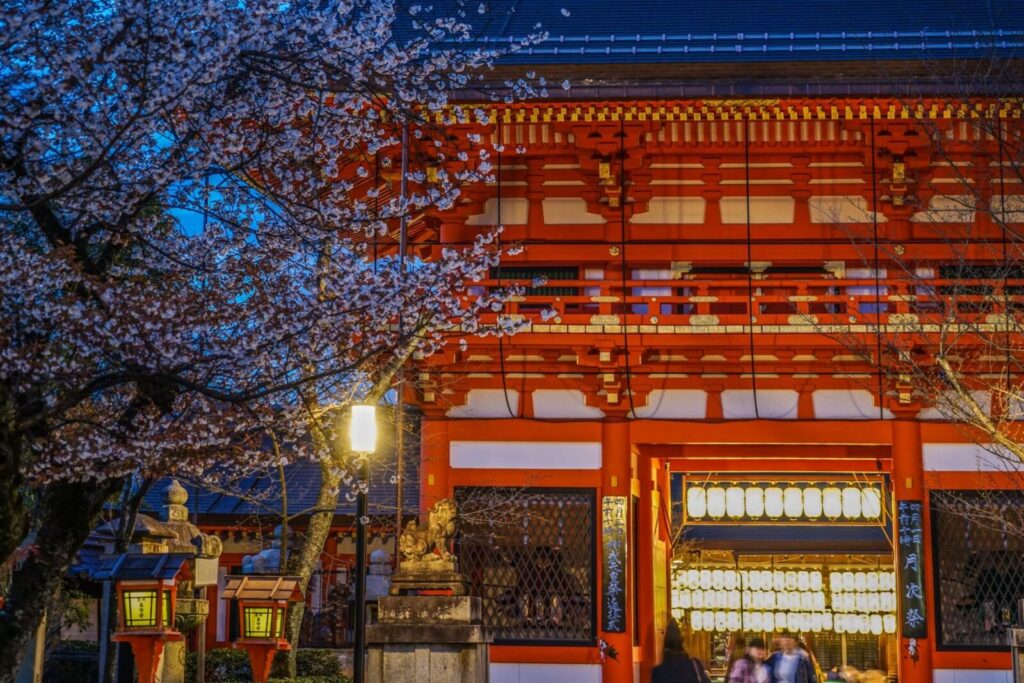
Located at the eastern edge of Gion, Yasaka Shrine is one of Kyoto’s most important Shinto shrines and the starting point of the famous Gion Matsuri festival. The shrine is especially beautiful in the evening when its lanterns are illuminated, creating a lively yet atmospheric setting. It also serves as a natural gateway between Gion and Higashiyama. From Gion-Shijo Station: 10 min walk.
Explore this area with our guided tour below!
19 / PONTOCHO ALLEY / all year round (Best in Summer)
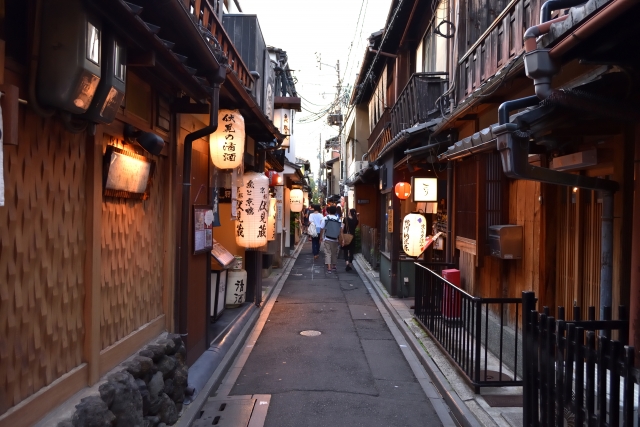
Running parallel to the Kamogawa River, Pontocho is a narrow alley lined with traditional restaurants, bars, and tea houses. In the evening, the area comes alive with soft lighting and a distinctly Kyoto atmosphere. In summer, many restaurants offer riverside dining platforms known as “kawadoko.” From Kawaramachi Station: 5 min walk.
Check out our guided tour below!
20 / KYOTO STATION & SKYWAY / all year round
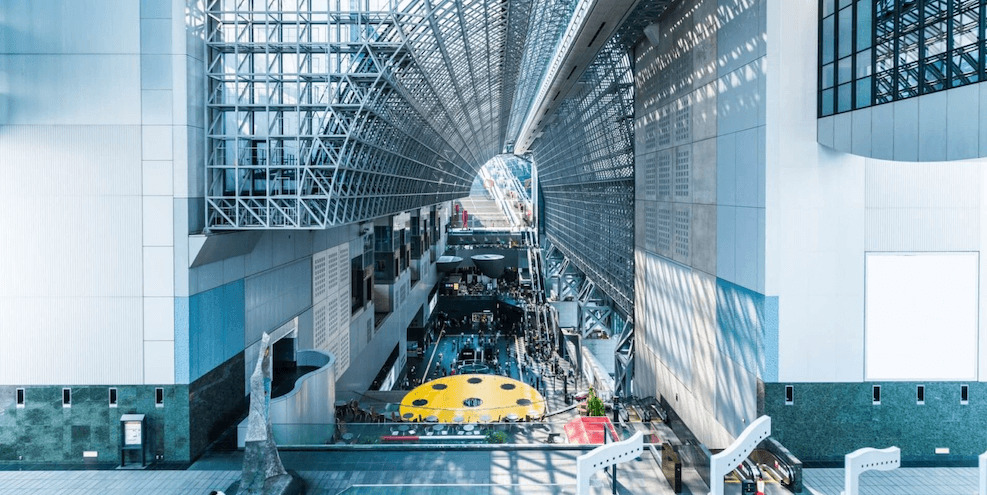
Kyoto Station is more than just a transport hub—it’s a modern architectural landmark with shops, restaurants, and observation areas. The Skyway and rooftop offer free panoramic views of the city, especially at night. It’s a convenient and often overlooked stop that contrasts sharply with Kyoto’s historic sites. From Kyoto Station: direct access.
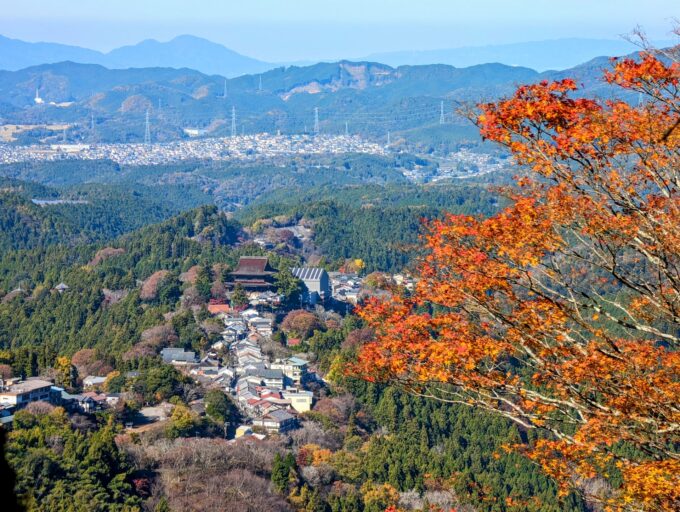
Small Group
Day Tour From Osaka: Nara-Yoshino's Mystical Mountains, Changing Seasons and Magical Past
21 / TOJI TEMPLE / all year round
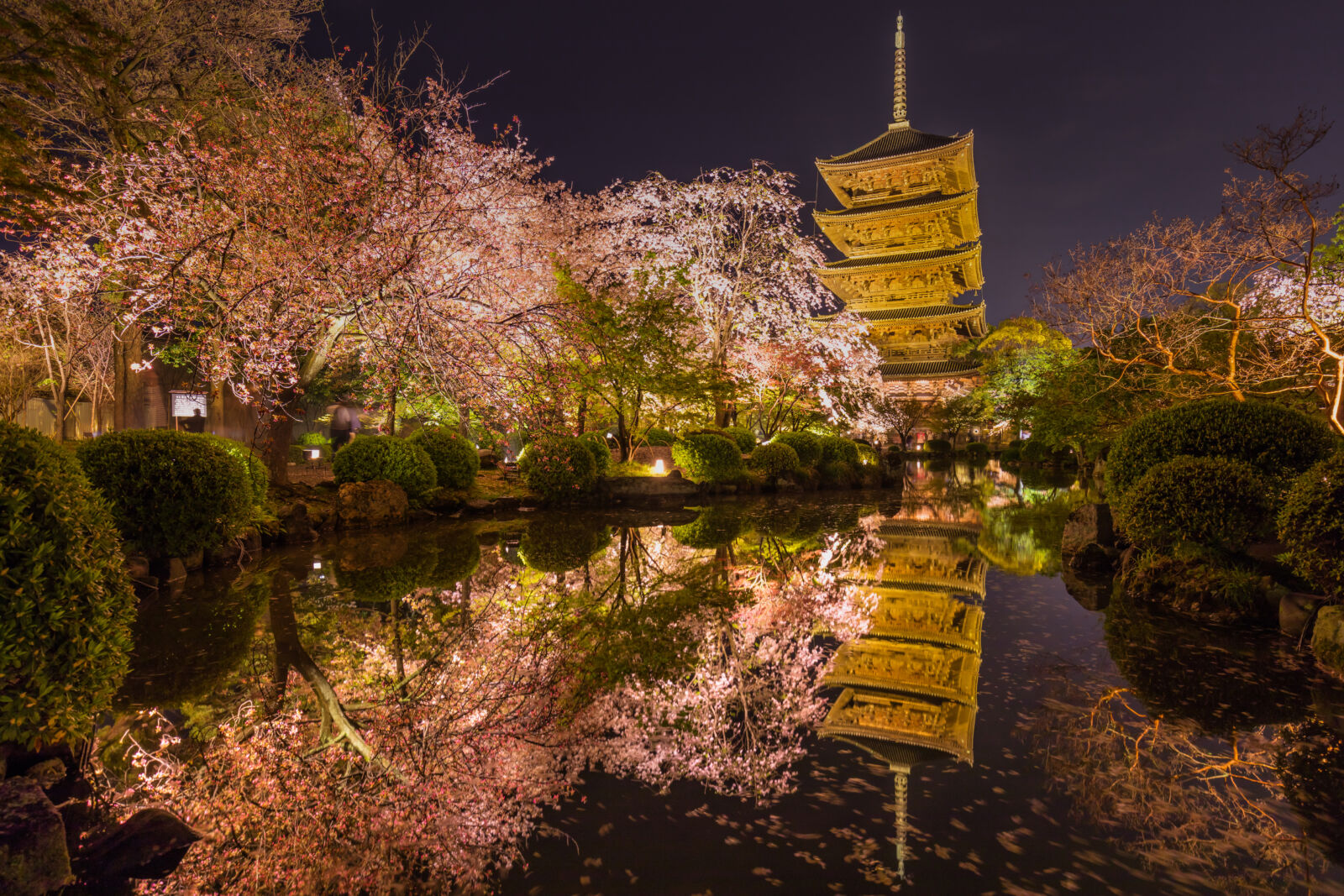
Toji Temple is known for its five-story pagoda, the tallest wooden tower in Japan and a symbol of Kyoto. The temple has strong ties to Kobo Daishi, the founder of Shingon Buddhism, and hosts a popular monthly flea market. Its spacious grounds and historical significance make it well worth a visit. From Kyoto Station: 15 min walk.
22 / SANJUSANGENDO TEMPLE / all year round
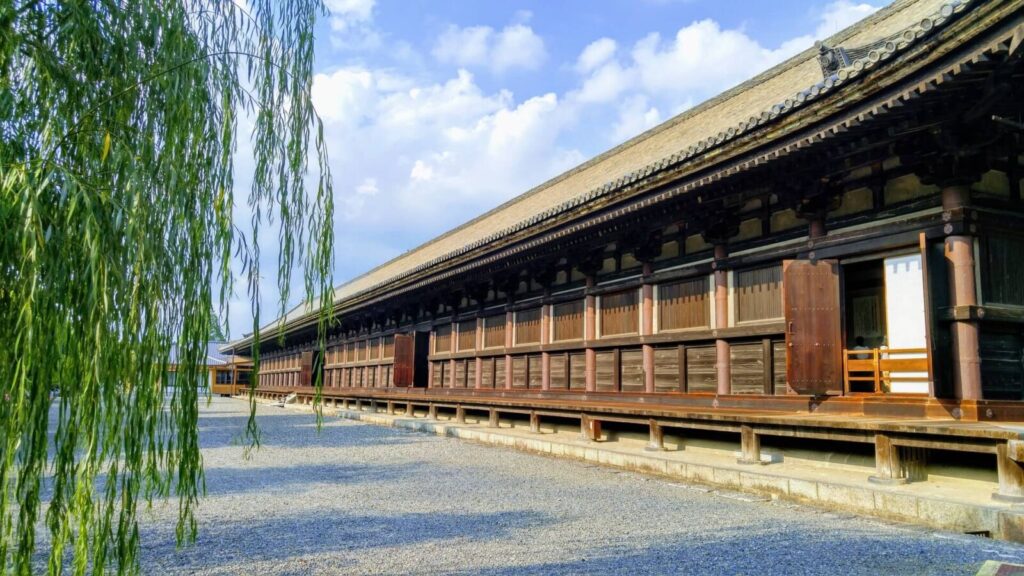
Sanjusangendo is famous for its long wooden hall housing 1,001 statues of Kannon, the goddess of mercy. The rows of statues create a powerful and unforgettable visual experience. The temple also has historical ties to archery competitions held along its length. From Shichijo Station: 10 min walk.
23 / RYOAN-JI TEMPLE / all year round
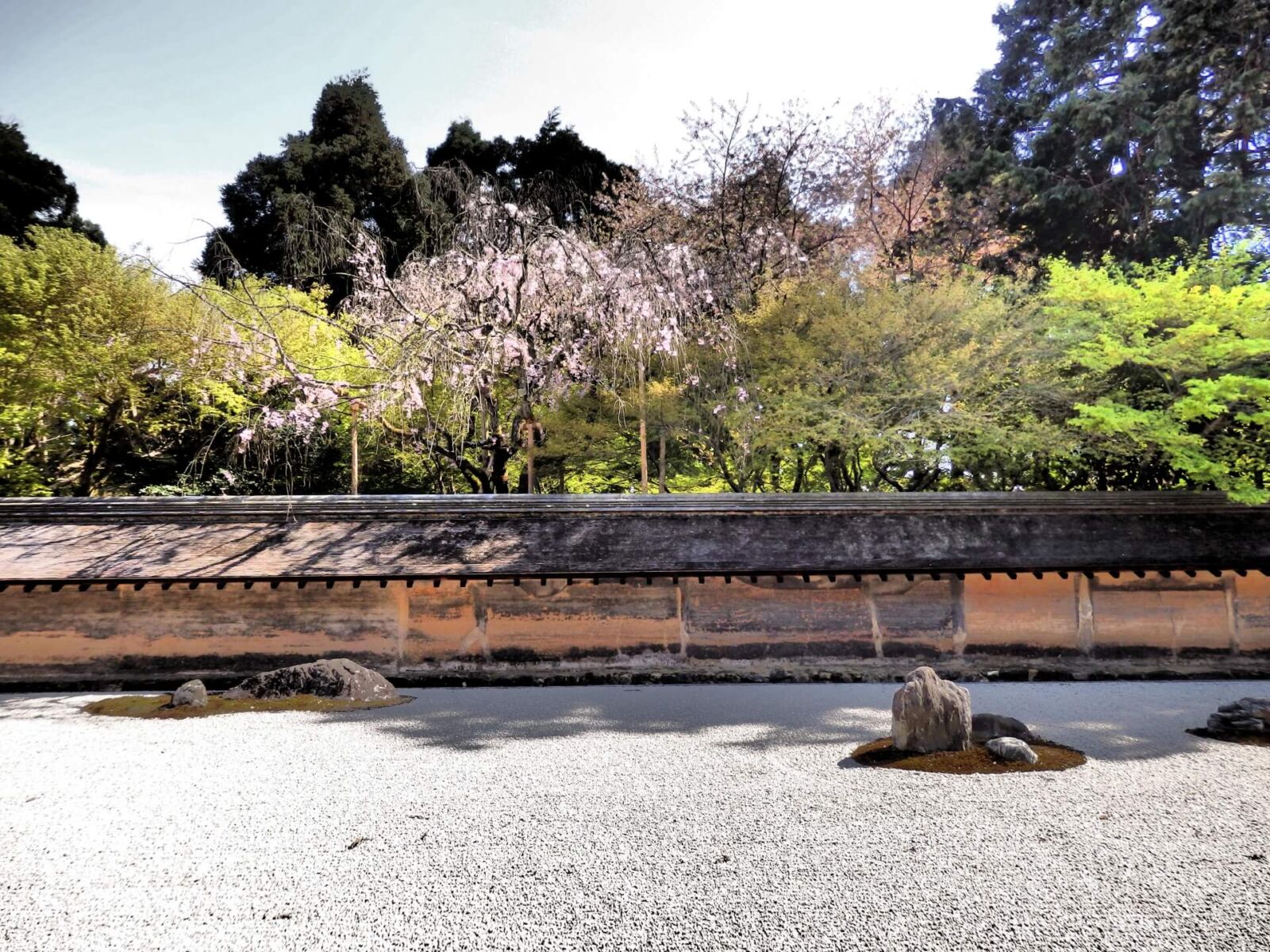
Ryoan-ji is home to Japan’s most famous Zen rock garden, consisting of carefully arranged stones set in white gravel. The minimalist design invites reflection and interpretation, with no single “correct” way to view it. The temple represents the essence of Zen simplicity and is often paired with nearby Kinkaku-ji. From Ryoanji-mae Bus Stop: 5 min walk.
See our tour below for a deeper experience.
24 / DAITOKU-JI TEMPLE COMPLEX / all year round
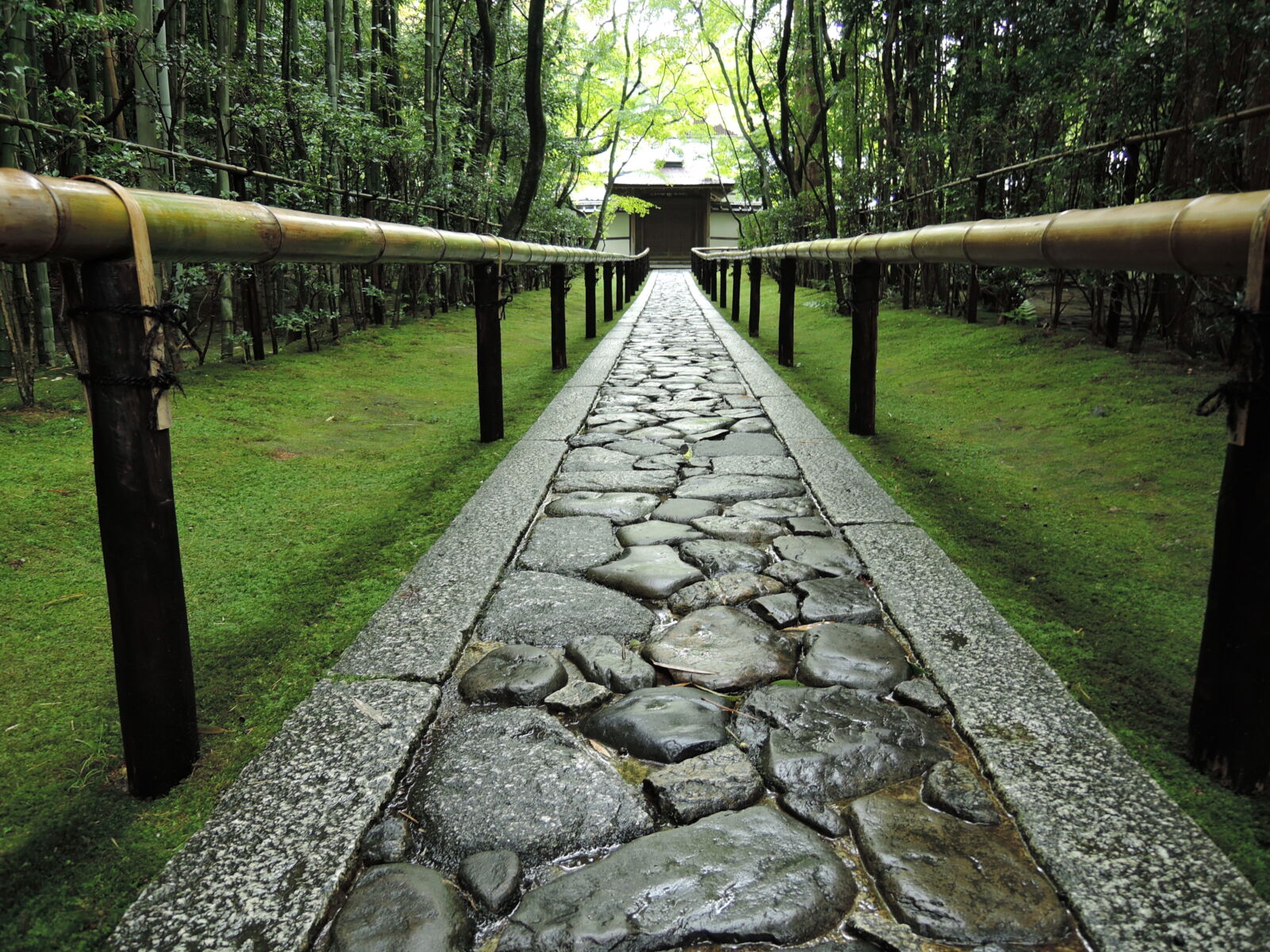
Daitoku-ji is a large Zen temple complex made up of several sub-temples, many of which feature beautiful gardens and tea culture history. It is less crowded than other major temples, offering a quieter and more immersive experience. The area is closely connected to the development of the Japanese tea ceremony. From Kitaoji Station: 15 min walk.
Explore this area with our guided tour below!
25 / KURAMA ONSEN / all year round
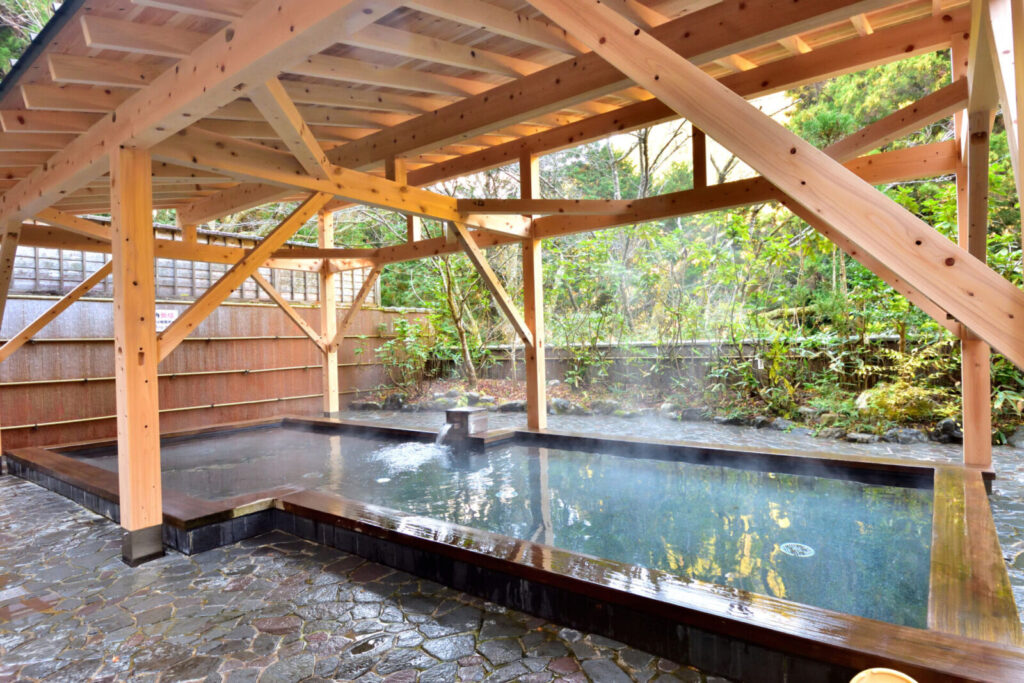
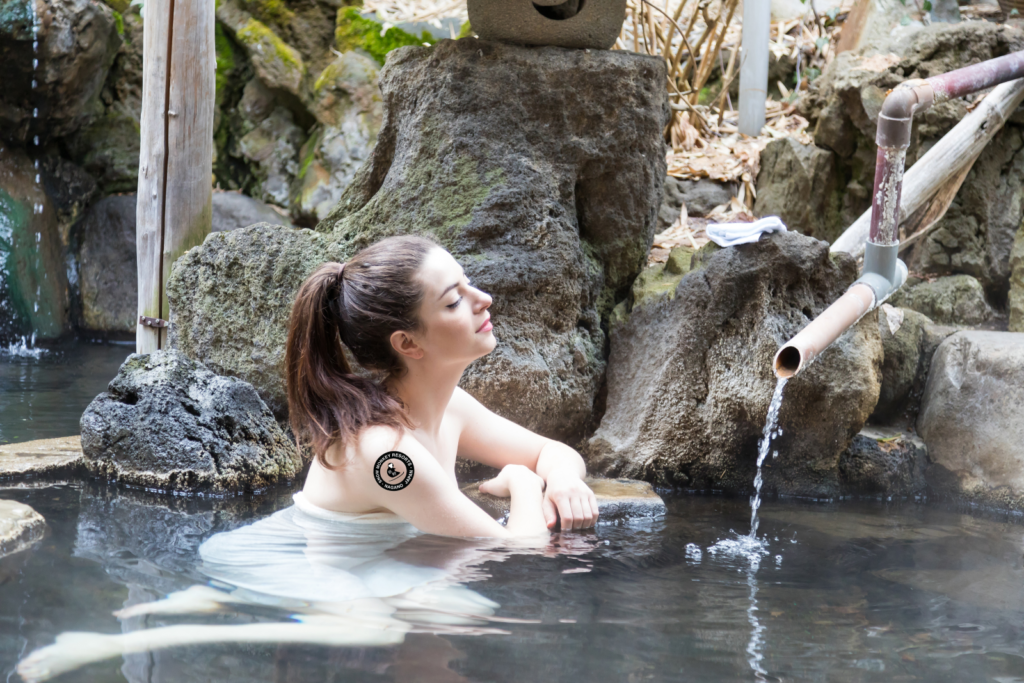
Located near the mountain village of Kurama, Kurama Onsen offers a relaxing hot spring experience surrounded by nature. Visitors can enjoy indoor and outdoor baths with scenic views, making it a great way to unwind after exploring the area. It pairs especially well with a visit to Kurama and Kibune. From Kurama Station: short shuttle or walk.
Check out our guided tour below!
Day Trips From Kyoto
1 / UJI / all year round
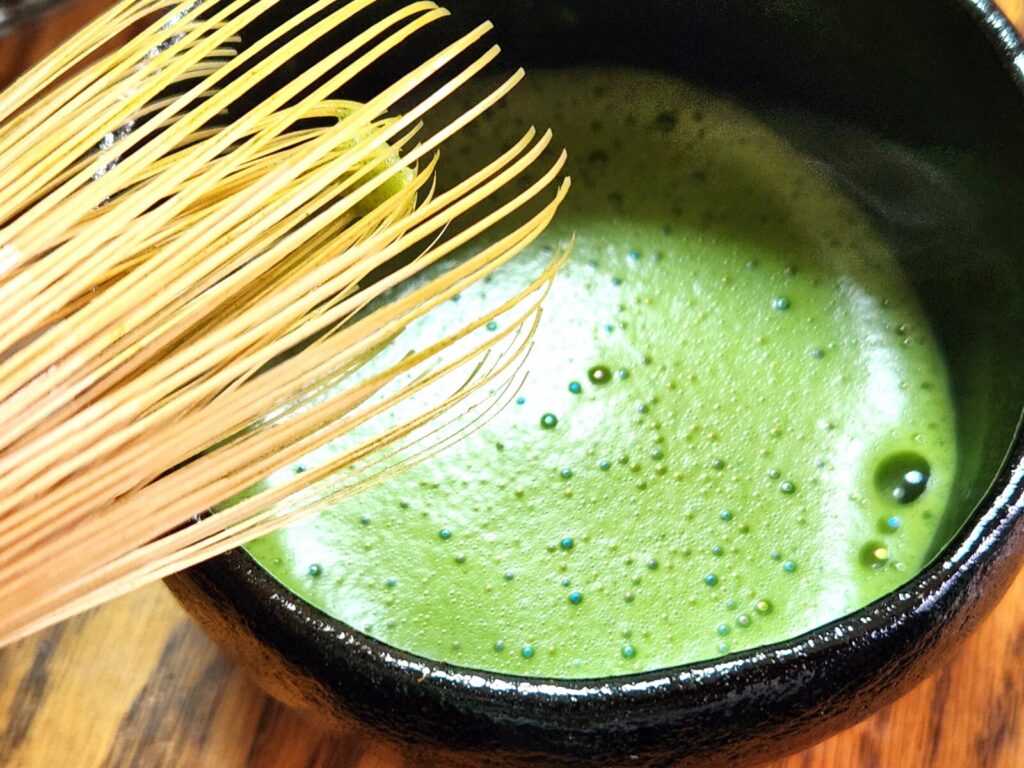
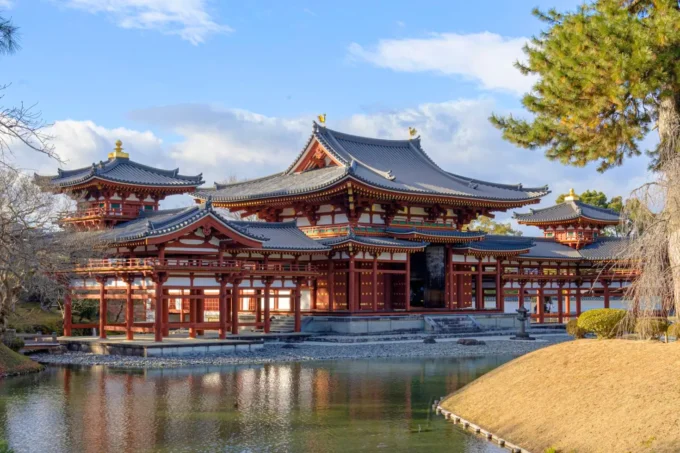
Located just south of Kyoto, Uji is famous for its high-quality green tea and historic atmosphere. The area is home to Byodo-in Temple, a UNESCO World Heritage Site featured on the 10-yen coin, as well as traditional tea houses serving locally produced matcha. The riverside setting and compact layout make it an easy and rewarding half-day trip. From Kyoto Station: 20–30 min.
Check out our guided tour below!
2 / NARA / all year round
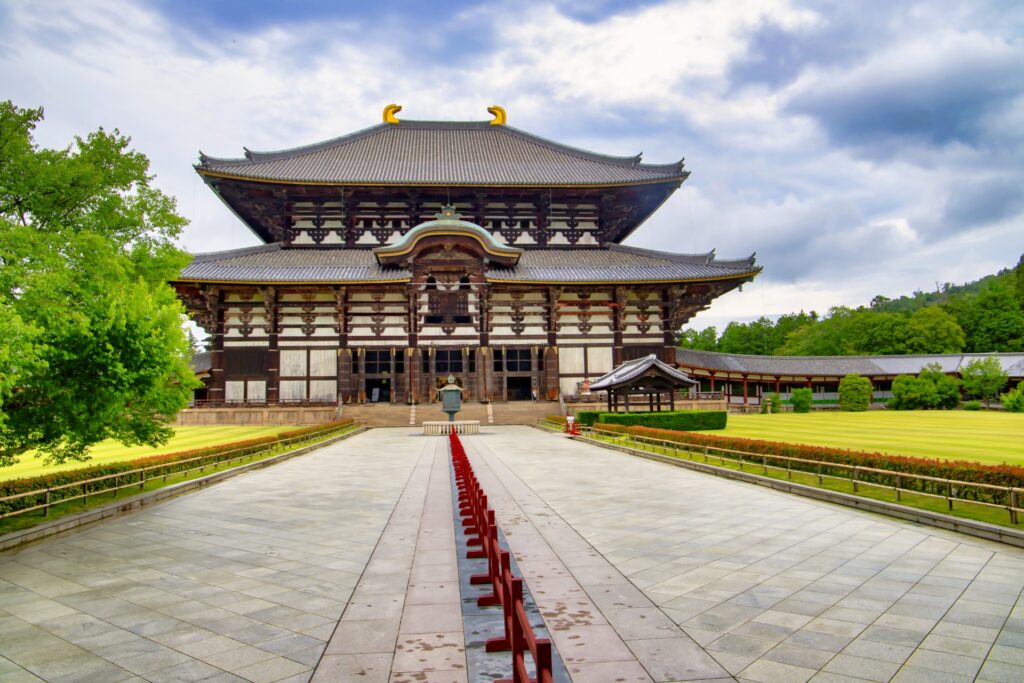
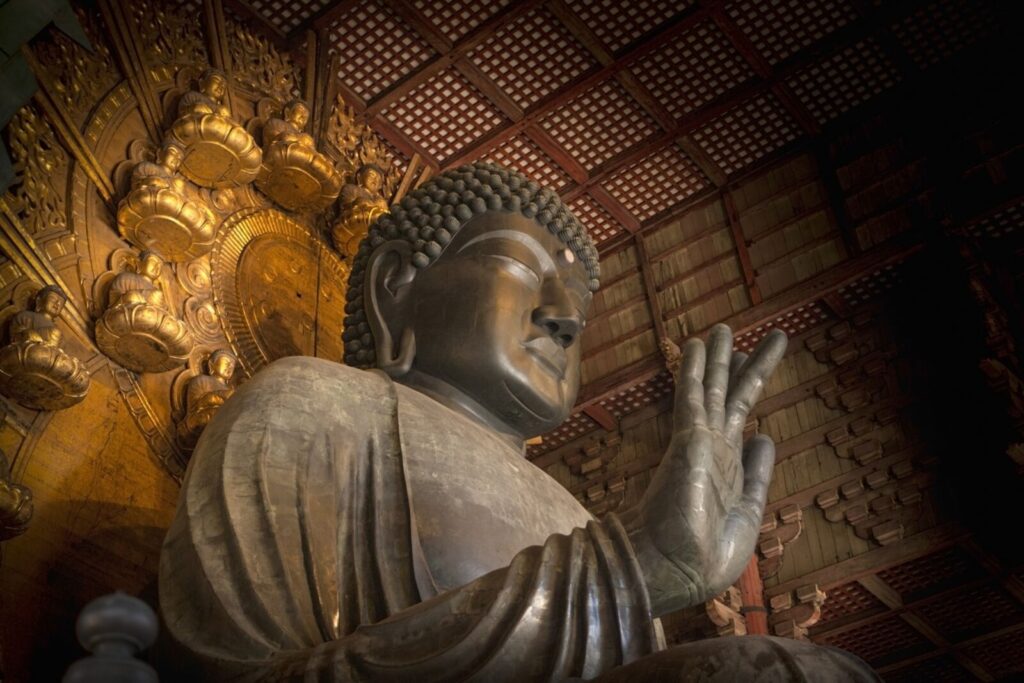
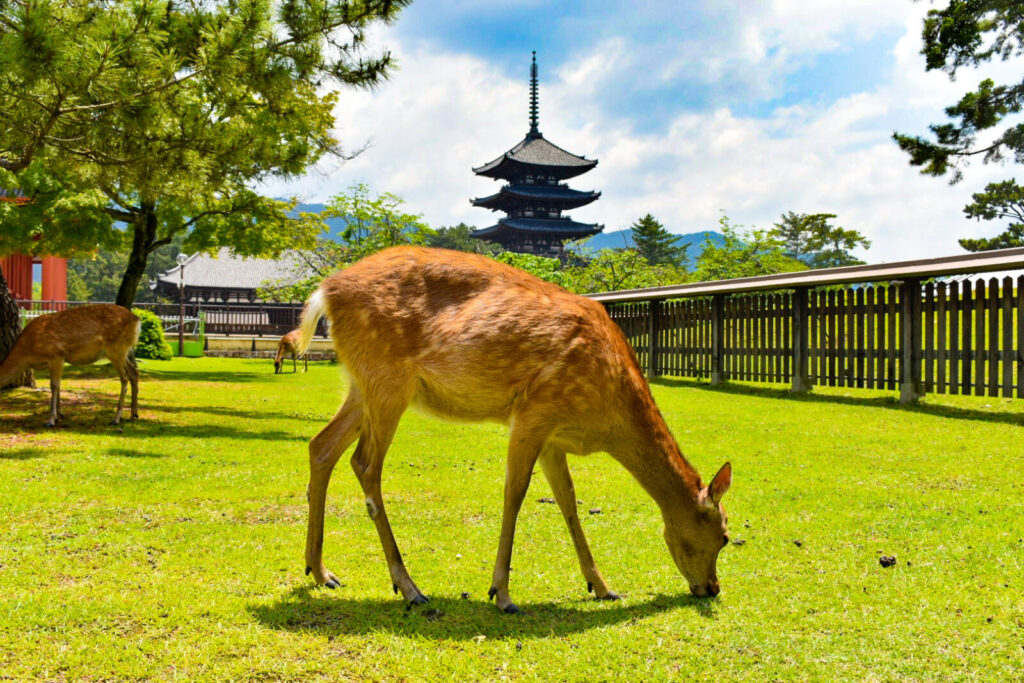
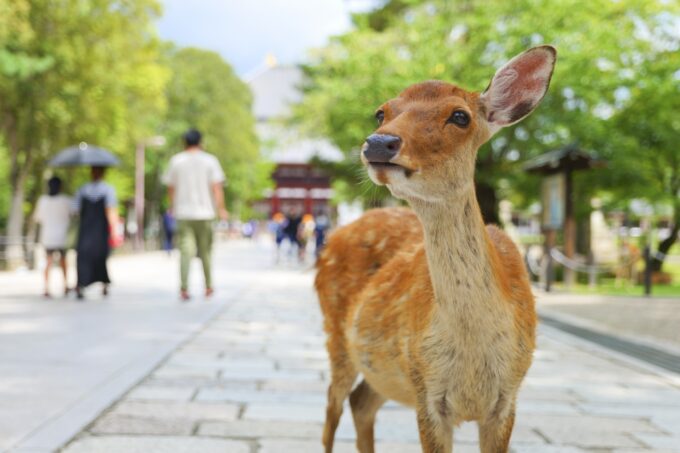
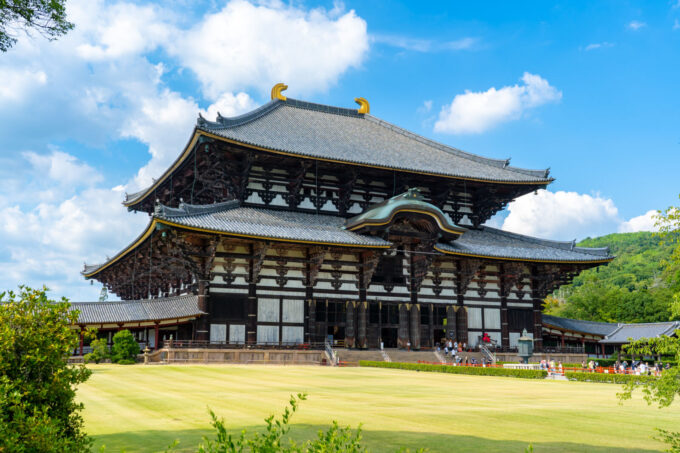
Japan’s first permanent capital, Nara offers some of the country’s oldest and most significant temples. Highlights include Todai-ji Temple and its Great Buddha, along with the famous free-roaming deer of Nara Park. It’s one of the most popular and accessible day trips from Kyoto. From Kyoto Station: 45–60 min.
Explore this area with our guided tour below!
3 / OSAKA / all year round
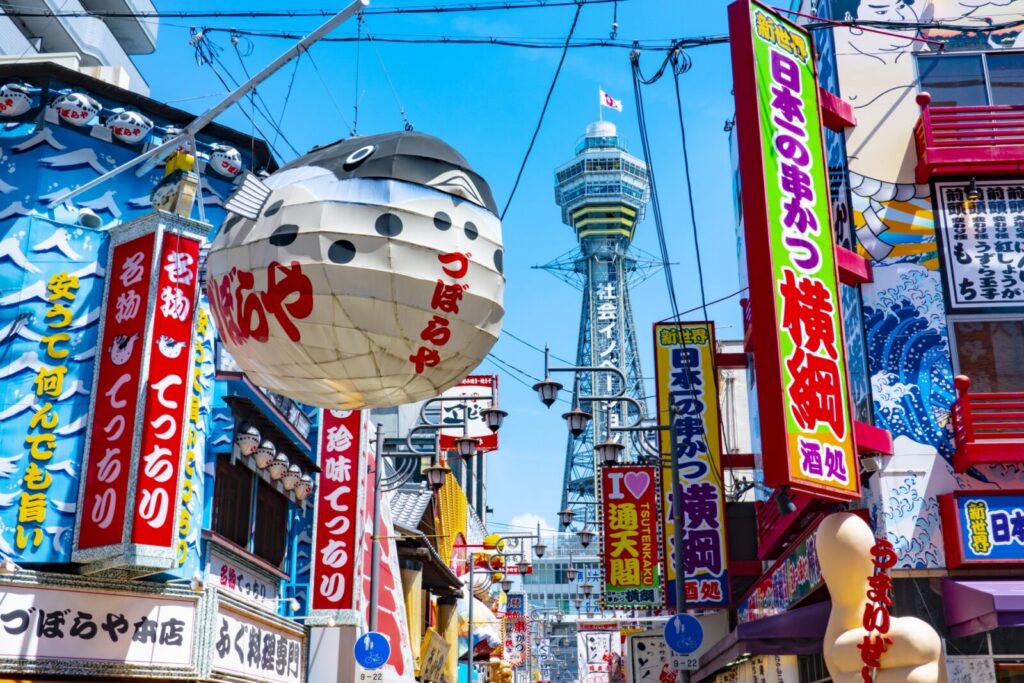
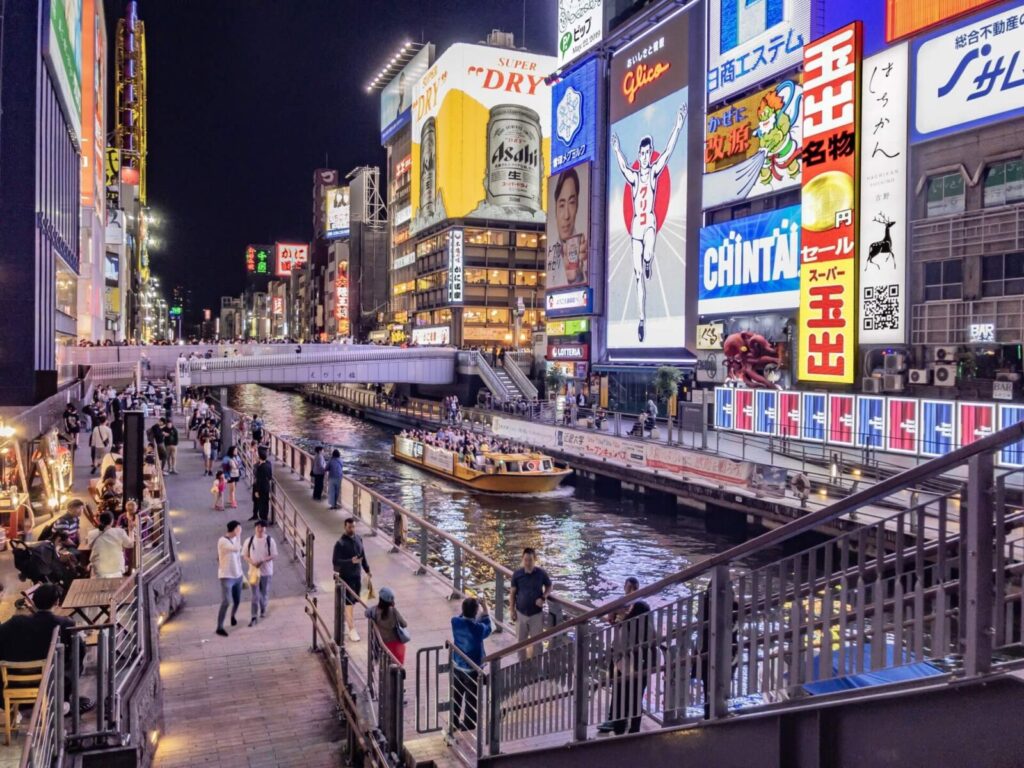
Just a short ride from Kyoto, Osaka offers a completely different atmosphere with its modern energy, street food culture, and vibrant nightlife. Areas like Dotonbori and Osaka Castle highlight the city’s personality. Perfect for travelers wanting variety in their itinerary. From Kyoto Station: 30–50 min.
See our tour below for a deeper experience.
4 / LAKE BIWA & SHIGA / all year round
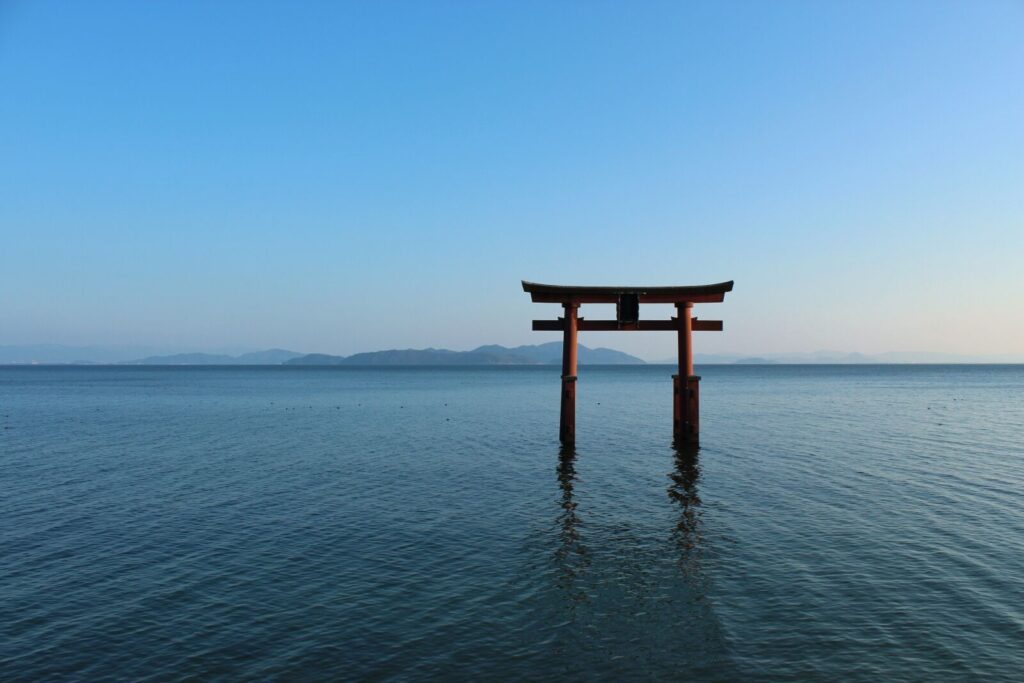
Just northeast of Kyoto, Lake Biwa is Japan’s largest freshwater lake and offers a refreshing escape from the city. The surrounding Shiga Prefecture features scenic views, historic towns, and cultural sites such as Hikone Castle. It’s an easy and versatile day trip combining nature and history. From Kyoto: 10–45 min depending on location.
Explore this area with our guided tour below!
5 / AMANOHASHIDATE & INE / all year round
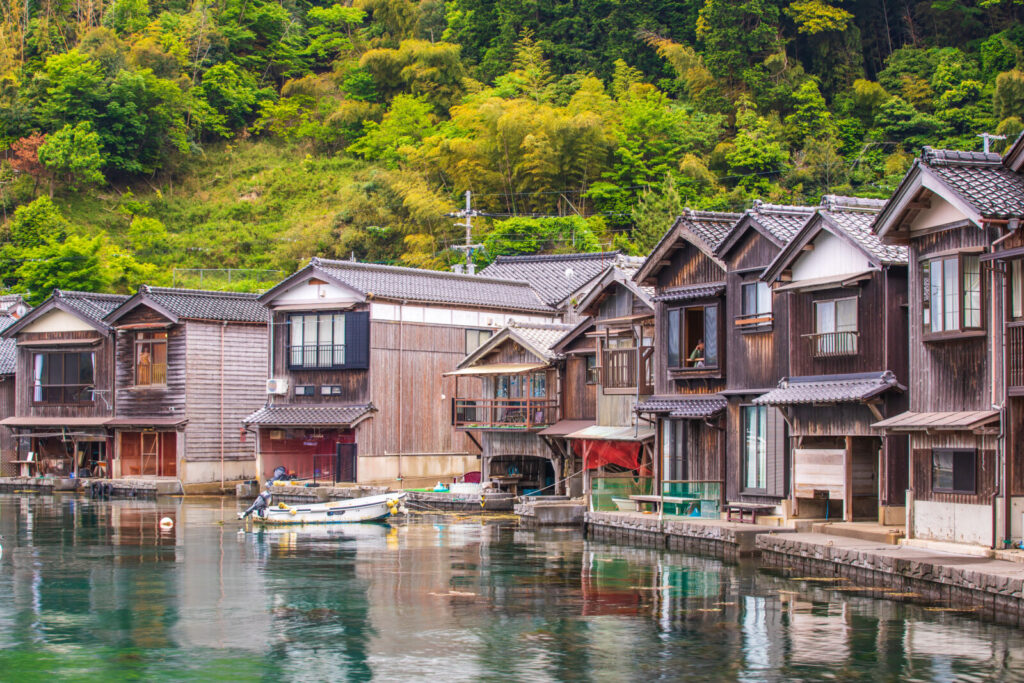
Located along Kyoto’s northern coast, Amanohashidate is considered one of Japan’s three most scenic views, featuring a pine-covered sandbar stretching across the bay. Nearby, Ine is known for its traditional “funaya” boathouses built directly over the water. This area offers a completely different side of Kyoto Prefecture. From Kyoto: approx. 2–2.5 hours.
Best Tours and Itineraries in and Around Kyoto
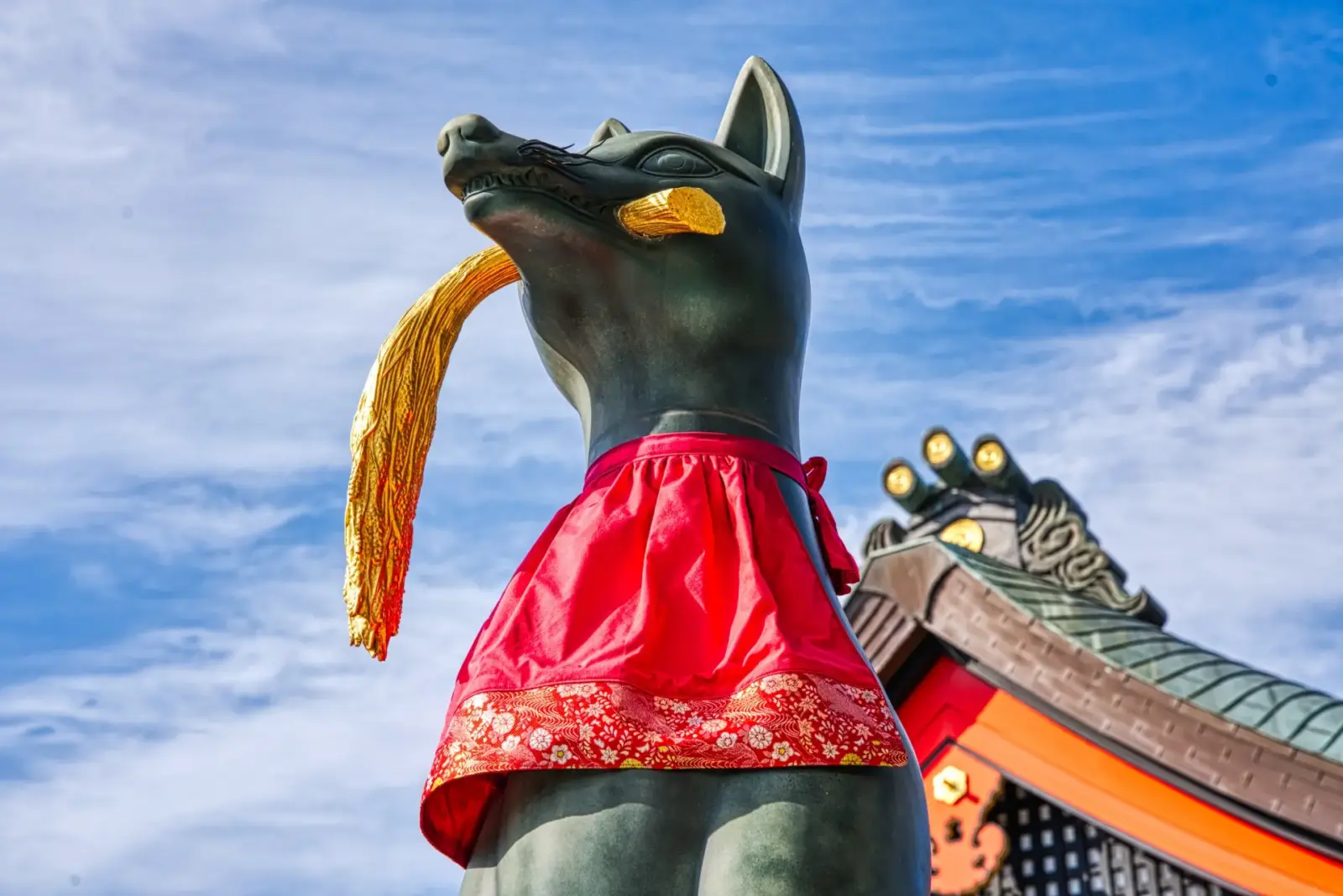
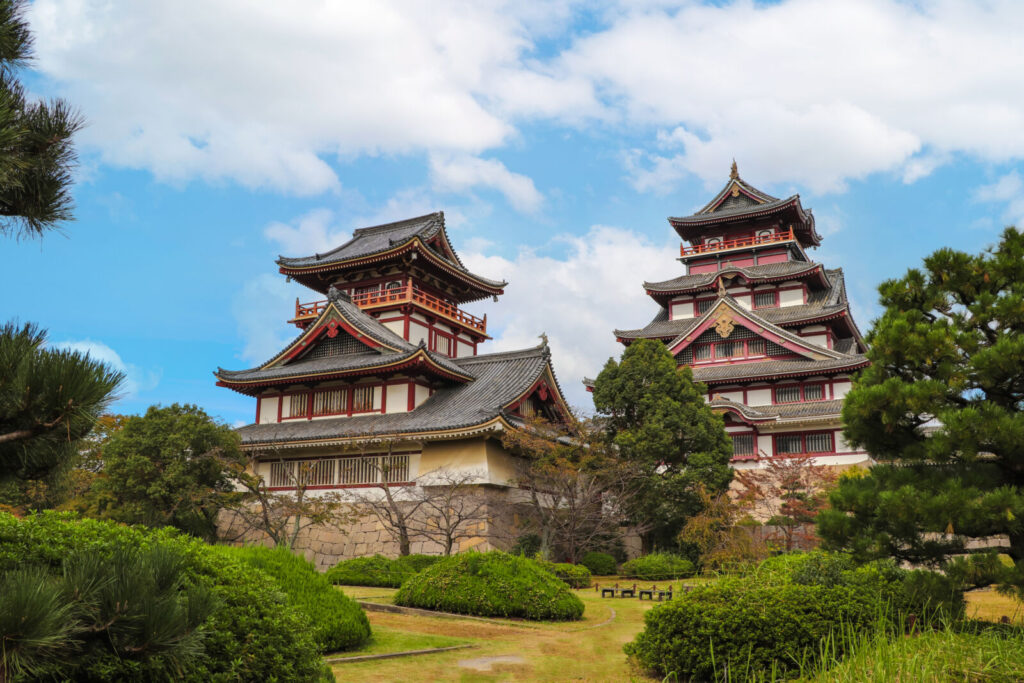
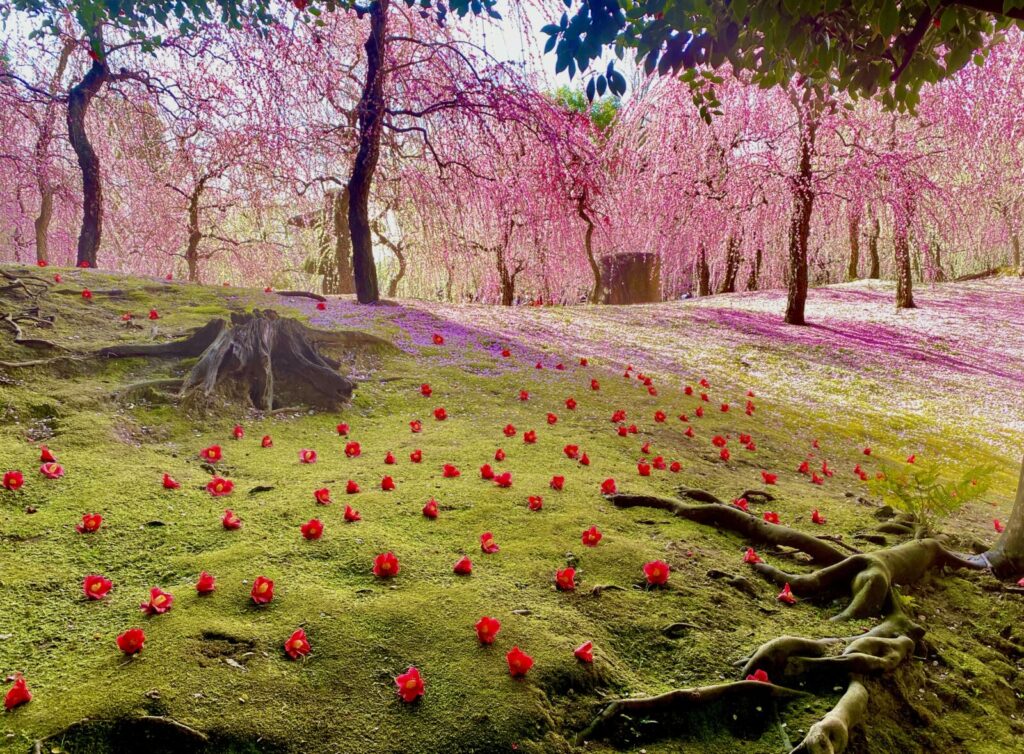
If you are looking for ideas for multi-day trips in the region around Kyoto or tours that you can join, please check out our Best Tours in Kyoto. While the city itself offers an incredible concentration of temples, shrines, and cultural districts, it can still be a challenge to connect everything into a smooth and efficient itinerary. Get a feel for Kyoto’s major highlights and then see how you can experience them all with ease.
From iconic sites such as Fushimi Inari Taisha and Kinkaku-ji to quieter, hidden areas tucked into the surrounding mountains, Kyoto offers something for every type of traveler. Whether you’re interested in history, traditional culture, food, or scenic landscapes, the city provides a rich and rewarding experience at every turn.
Where to Stay When Visiting Kyoto
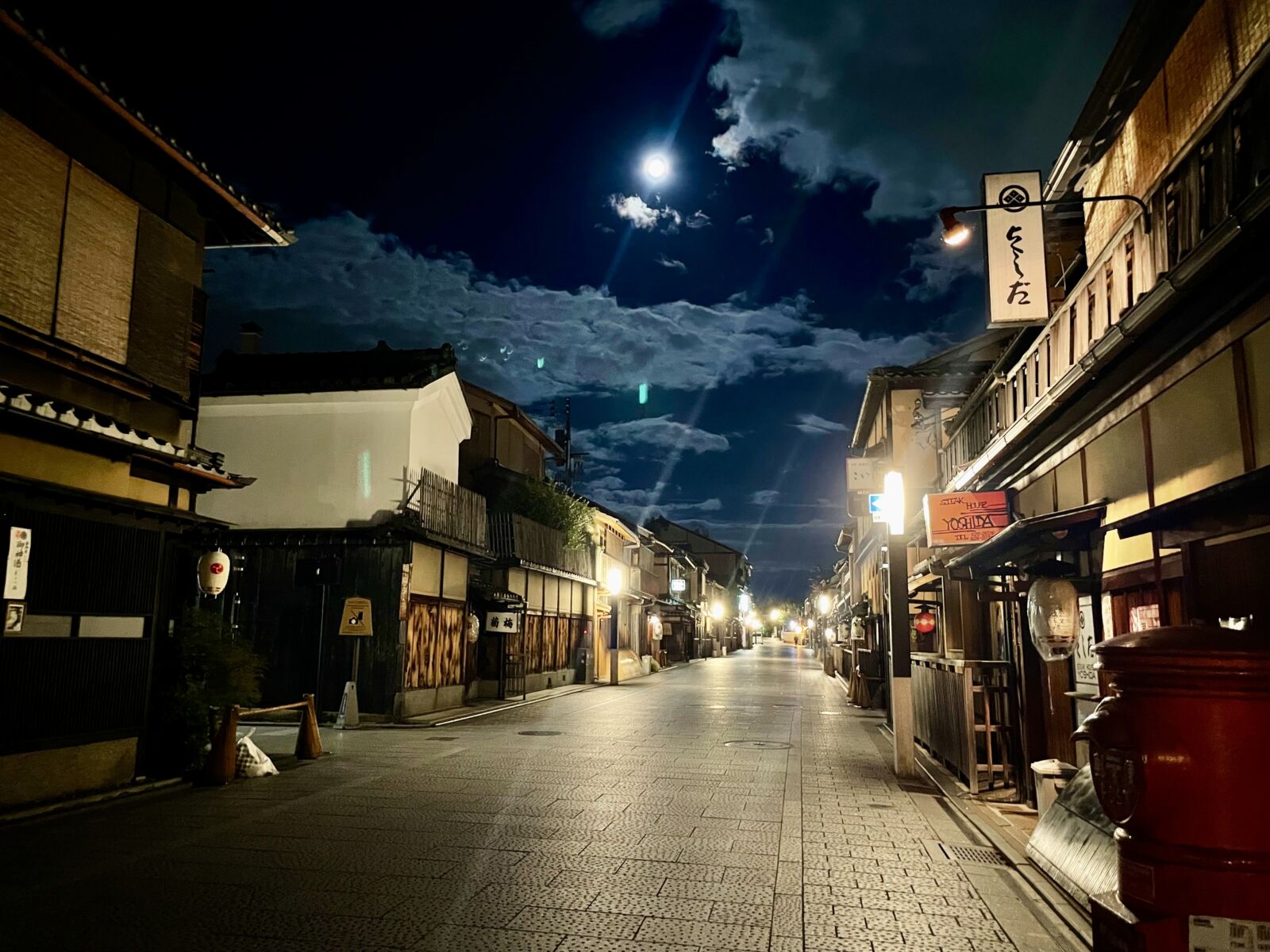
There is no shortage of accommodation in the city, ranging from high-end luxury hotels and modern mid-range options to budget-friendly stays, traditional ryokan, and unique boutique stays. A large number of hotels are clustered around major transport hubs such as Kyoto Station, offering convenience and easy access to the rest of the city. Meanwhile, areas like Gion and Higashiyama provide a more traditional atmosphere, with historic streets, temples, and classic Kyoto scenery right on your doorstep.
For a livelier stay, downtown areas such as Kawaramachi and Shijo offer excellent access to shopping, dining, and nightlife, while still being within easy reach of the city’s main attractions. Our ‘Best Places to Stay in Kyoto’ page includes everything you need to know, including specific accommodation listings, to help you find the perfect district or hotel for your stay.
How to get to Kyoto
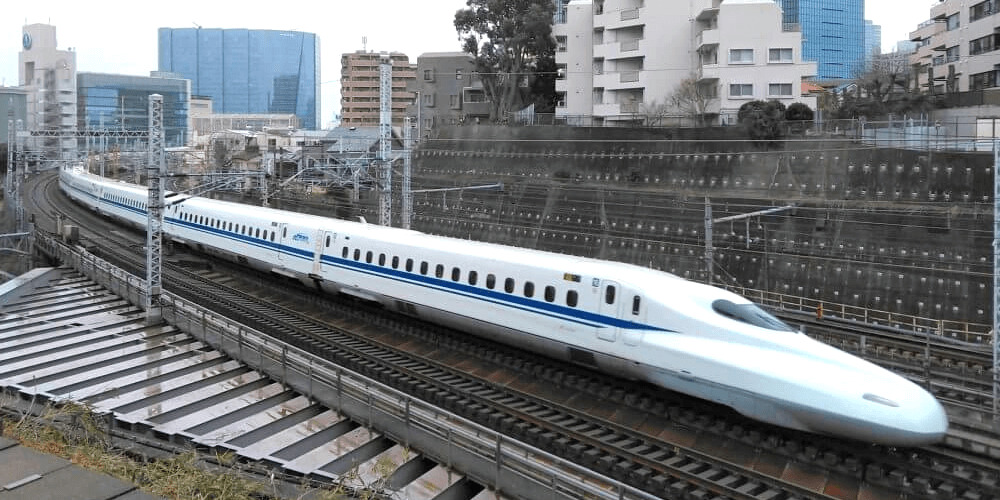
Kyoto Station is the primary gateway to both the city and the wider Kansai region. Easily accessible via the Shinkansen from major cities such as Tokyo, Nagoya, and Hiroshima, as well as rapid and limited express trains from nearby destinations like Osaka and Kobe, visitors can travel to and from Kyoto quickly and comfortably.
If you are arriving from abroad, you will most likely fly into Kansai International Airport, Itami Airport (also known as Osaka International Airport), or less commonly Kobe Airport. From these airports, Kyoto can be reached by a combination of express trains, airport transfers, or limousine buses.
For more detailed information on navigating transport options and reaching the city center, see our How to Get to Kyoto page.
Plan your Kyoto Trip with us!
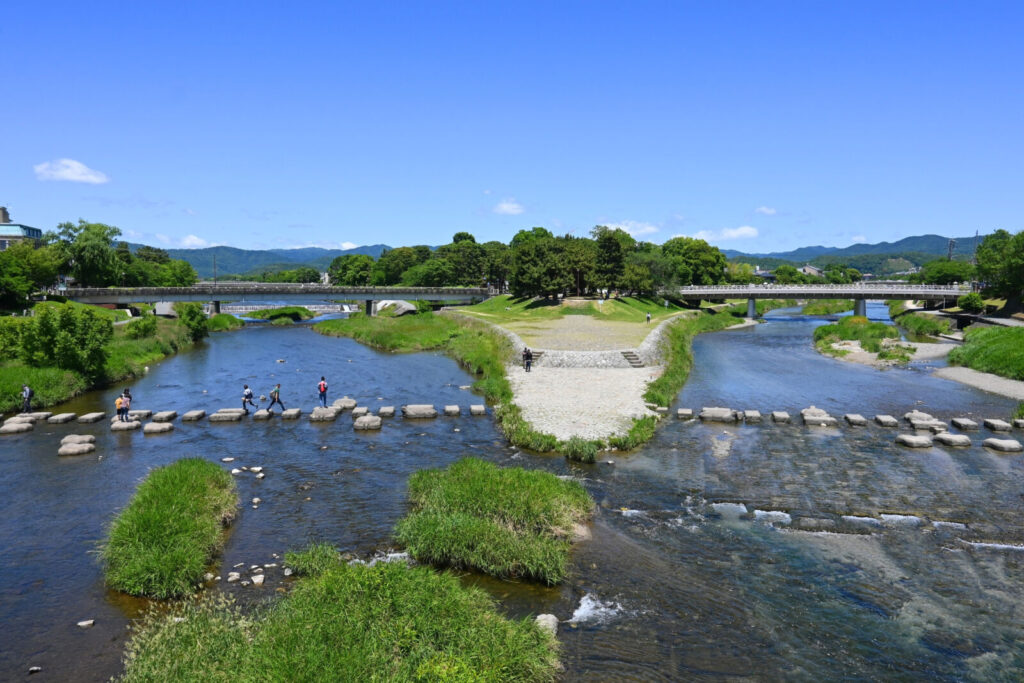
Start with our 7-Day Kansai Japan Highlights Itinerary, which combines Kyoto, Osaka, and Nara into a balanced first visit. For more ideas, check out page, Stay in Kyoto or Osaka? A Traveller's Guide to Choosing Your Base.
Looking to explore more deeply? Our Best Tours in Kyoto and Best Tours in Osaka highlight unique cultural experiences that go beyond the usual sights. For themed travel, you can also explore our Essential Guide to Geisha in Kyoto, Cherry Blossoms in Osaka, or discover local brewing traditions in our Top 10 Sake Breweries to Visit in Kansai.
Frequently Asked Questions (FAQ)
What is the best time to visit Kyoto?
The best time to visit Kyoto is during spring (late March to early April) for cherry blossoms and autumn (late October to November) for fall foliage. These seasons offer the most comfortable temperatures and some of the city’s most beautiful scenery. Summer can be hot and humid, while winter is quieter with fewer crowds.
How many days do you need in Kyoto?
Most travelers need at least 2 to 3 days to see Kyoto’s main highlights, including Fushimi Inari Taisha, Kinkaku-ji, and the Arashiyama area. If you want to explore more deeply or include nearby destinations, 4 to 5 days is ideal.
Is Kyoto worth visiting?
Yes—Kyoto is widely considered one of Japan’s most rewarding destinations. As the former imperial capital, it offers a unique concentration of temples, shrines, traditional districts, and cultural experiences that can’t be found anywhere else in the country.
What are the must-see attractions in Kyoto?
Some of the most iconic places include Fushimi Inari Taisha, Kiyomizu-dera, Kinkaku-ji, Gion, and Arashiyama. These highlights give a well-rounded introduction to the city’s history and culture.
What are the best hidden gems in Kyoto?
Beyond the famous sights, Kyoto is full of lesser-known spots that offer a deeper, more local experience. In Arashiyama, the unique stone statues of Otagi Nenbutsu-ji can be paired with a peaceful river experience—something we include in our Maiko boat tour.
For scenic views without the crowds, hiking up Mount Daimonji offers one of the best panoramas over the city, while quieter trails around Oiwa Shrine reveal a more hidden, spiritual side of Kyoto.
Even popular areas like Fushimi Inari Taisha have their secrets—venture beyond the main gates and you’ll find forest trails, small sub-shrines, and local sake culture that most visitors completely miss.
If you’re looking to experience these hidden sides of Kyoto, our guided tours are designed to take you beyond the typical routes and into places most travelers never see.
Book With Us! Kyoto's Best Tour and Charter Operator!
Awarded a 2022 TripAdvisor Travelers’ Choice Award for our 1-Day Snow Monkeys, Zenko-ji Temple & Sake Tour – recognised as one of the Top 10 Experiences in Japan – we have the local knowledge and experience to help you get the most out of your time in Nagano.
Got a question about visiting Osaka and Central Japan? Contact us at snowmonkeyresorts@machinovate.com and let’s get planning together!