





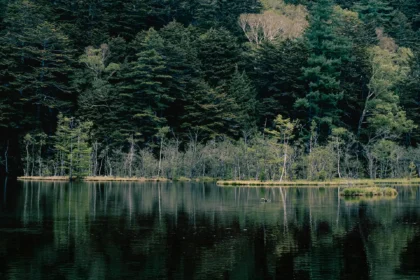
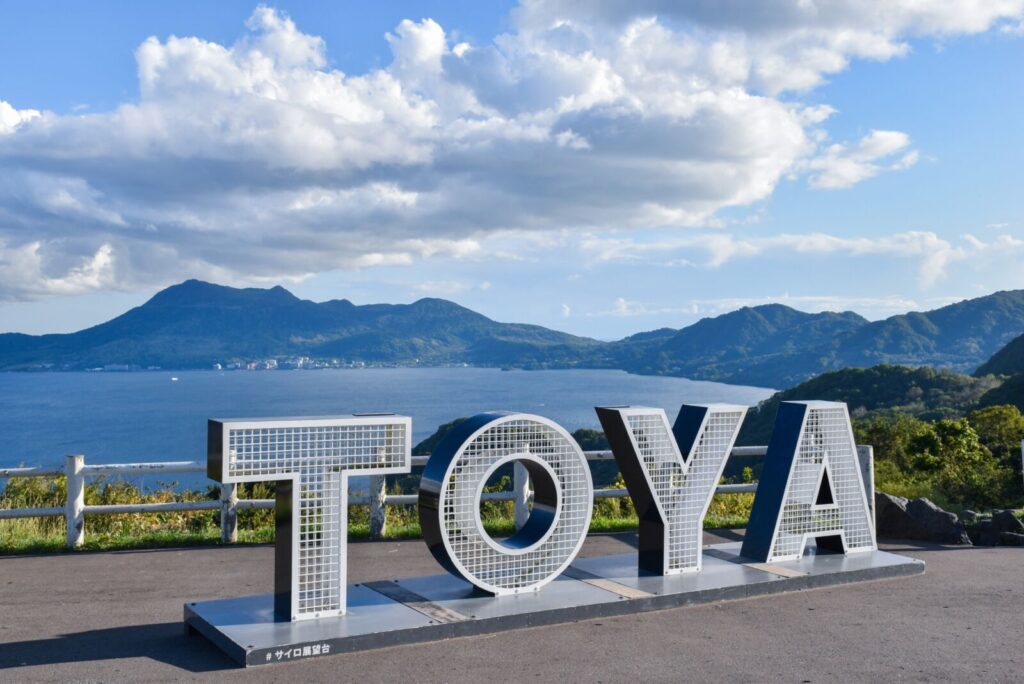
Lake Toya, nestled within Hokkaidō’s Shikotsu-Toya National Park, is a strikingly round caldera lake formed by ancient volcanic activity. Surrounded by dramatic mountains and an active volcano, Mount Usu, the lake is celebrated for its scenic beauty, central volcanic islands, and the unique geothermal features that keep its waters ice-free year-round.
What Makes Lake Toya So Unique
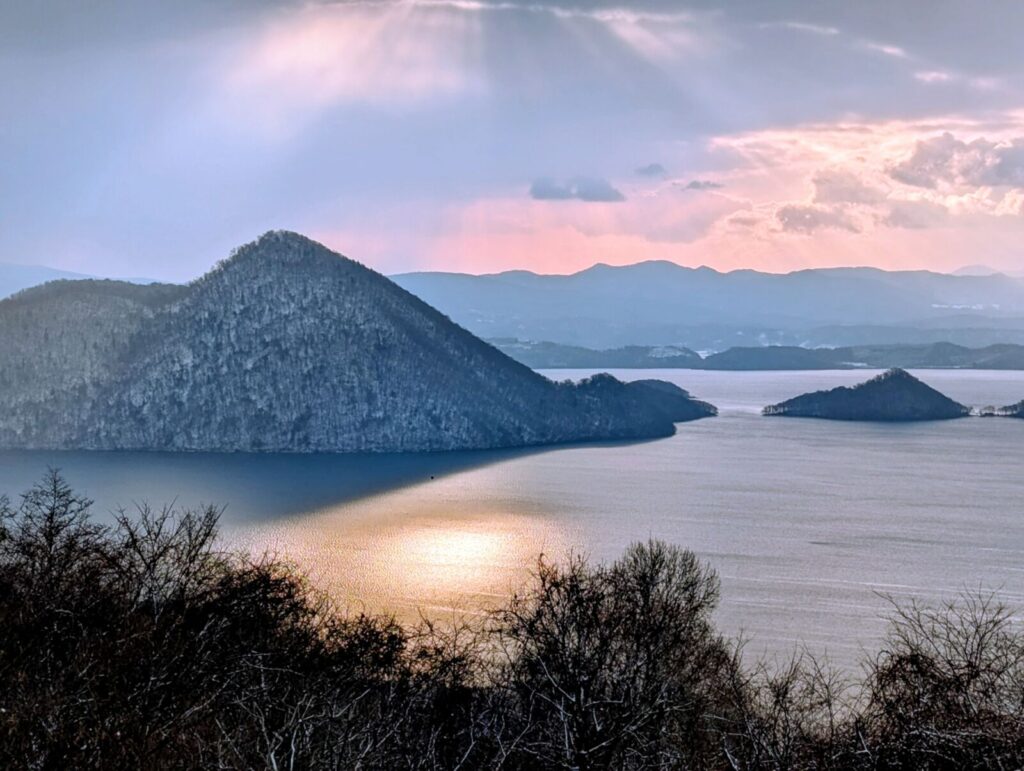
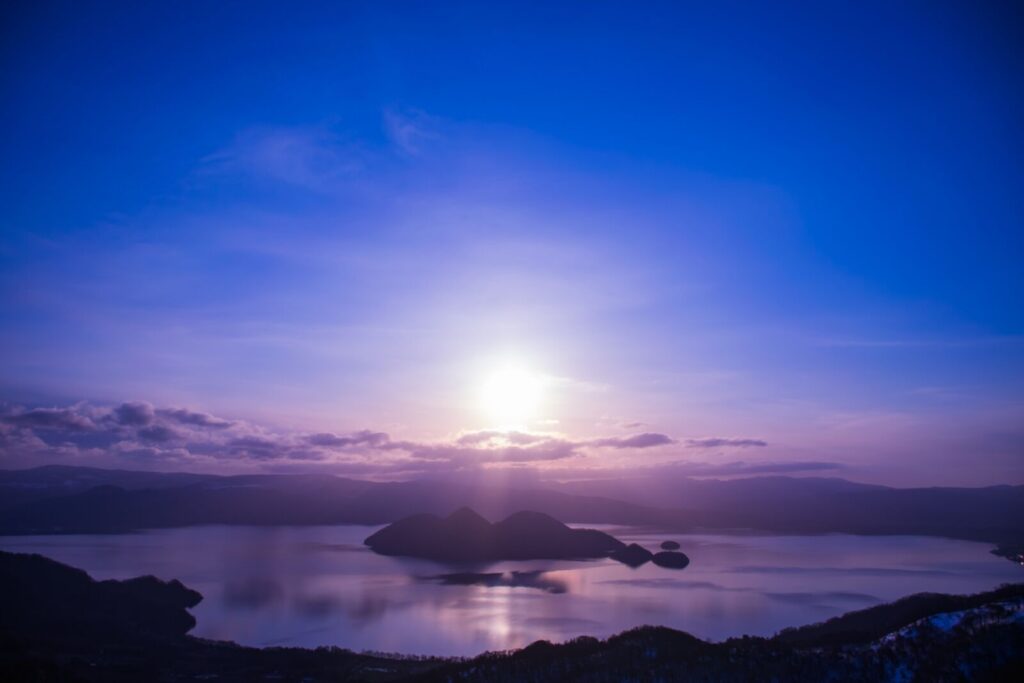
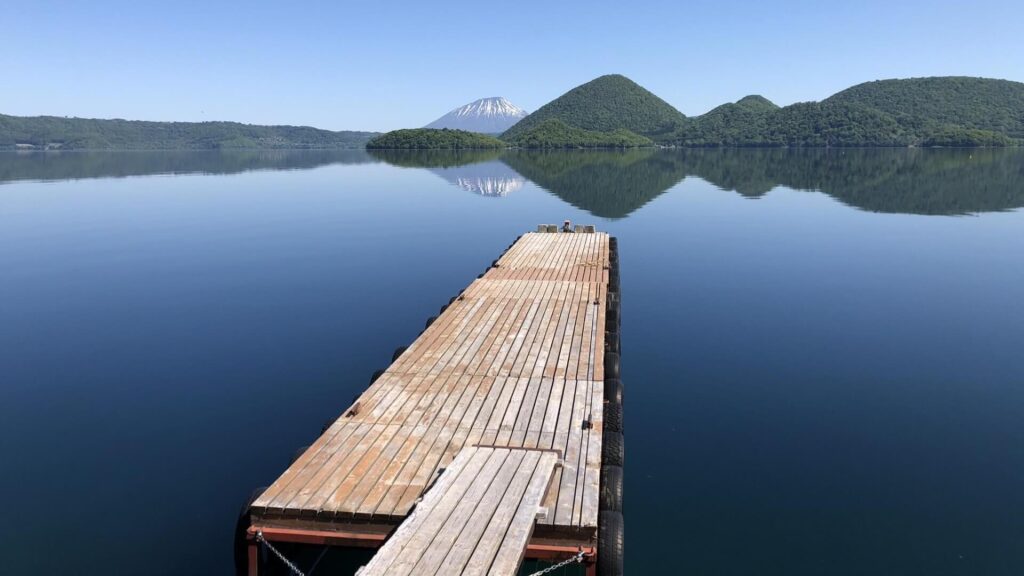
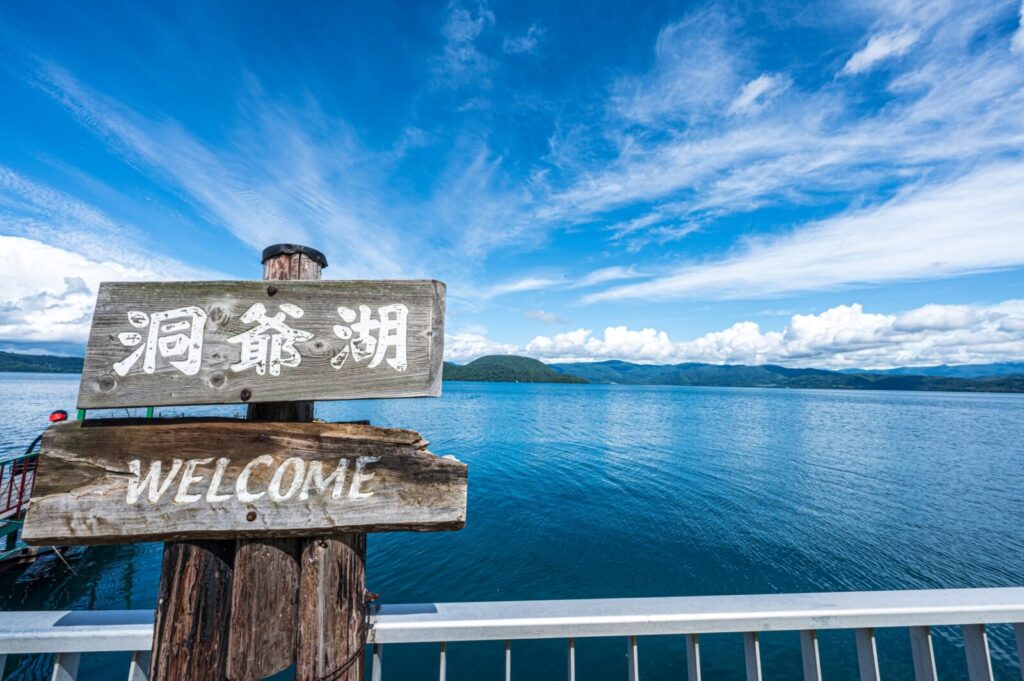
- Japan’s 9th largest lake by surface area.
- 11 km (east to west) and 9 km (north to south)
- Surface area about 70.7 km²
- Max Depth: 179.3 meters (587.9 ft) Average Depth: 117 meters
- Shoreline Length: 46 km
- Elevation: 84 meters (276 ft) above sea level
- the second most transparent lake and third largest caldera lake in Japan
Lake Toya was formed by a massive volcanic eruption around 110,000 years ago, resulting in a caldera (volcanic crater, formed by a major eruption leading to the collapse of the mouth of the volcano). The Usu Volcano (Mt. Usuzan) on the southern rim is still active and erupted as recently as 2000.
The lake sits in a near-perfect circular caldera, making it Japan’s 9th largest lake by surface area and the 3rd largest caldera lake in Japan. In the center of the lake are four uninhabited volcanic islands which are remnants of a lava dome that formed post-eruption about 50,000 years ago.
What to Do at Lake Toya
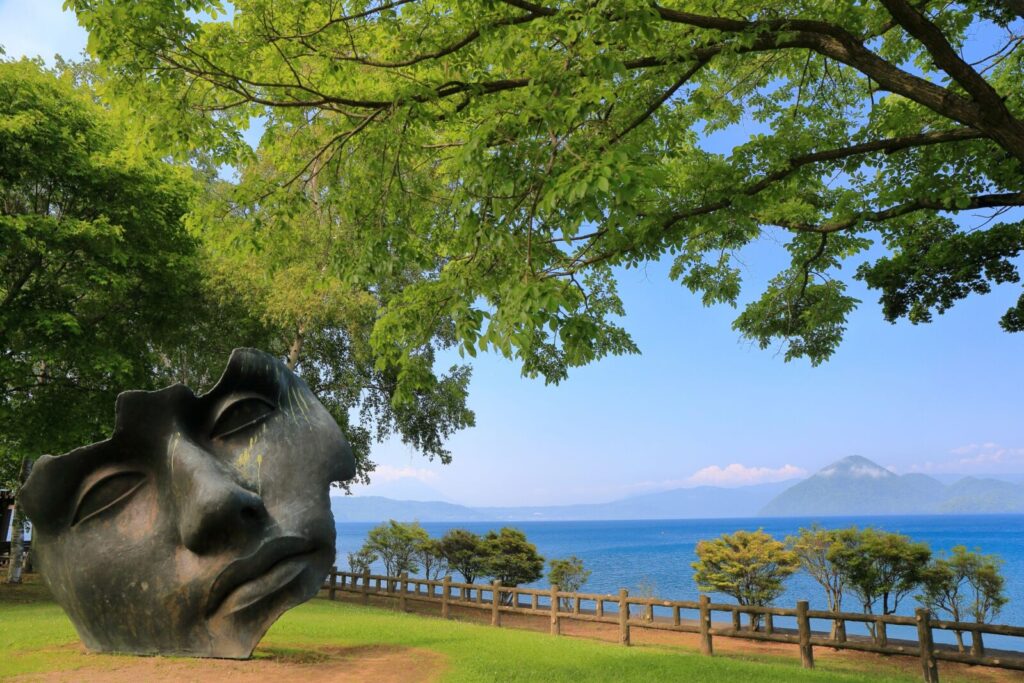
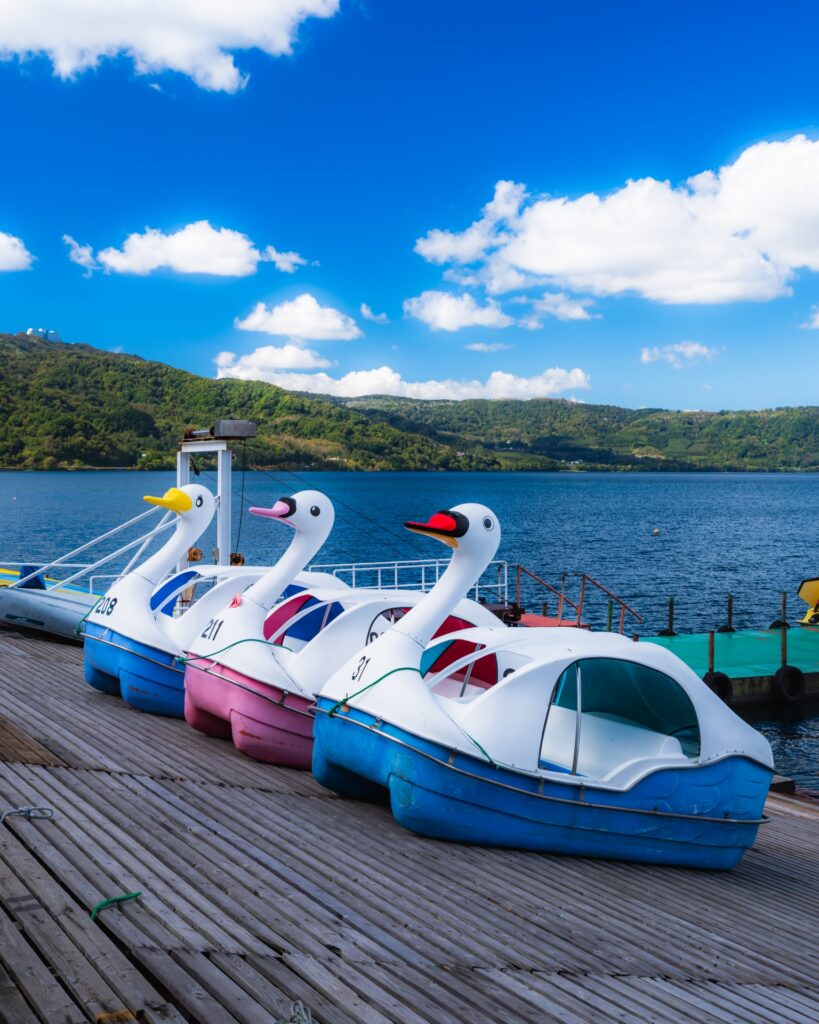
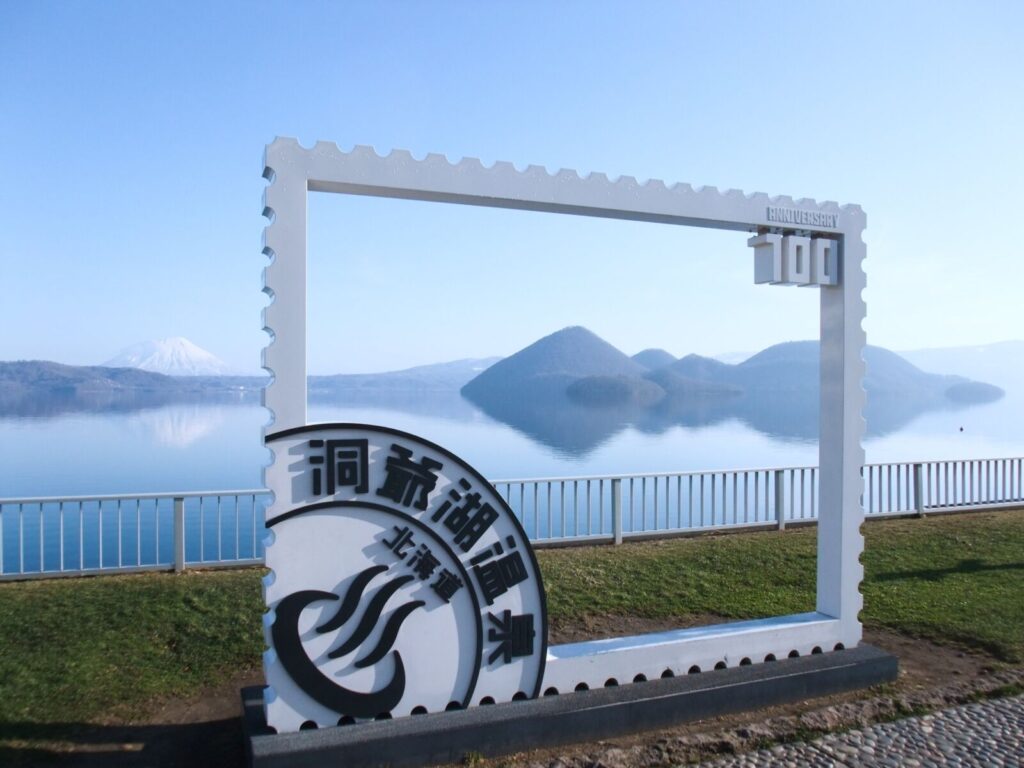
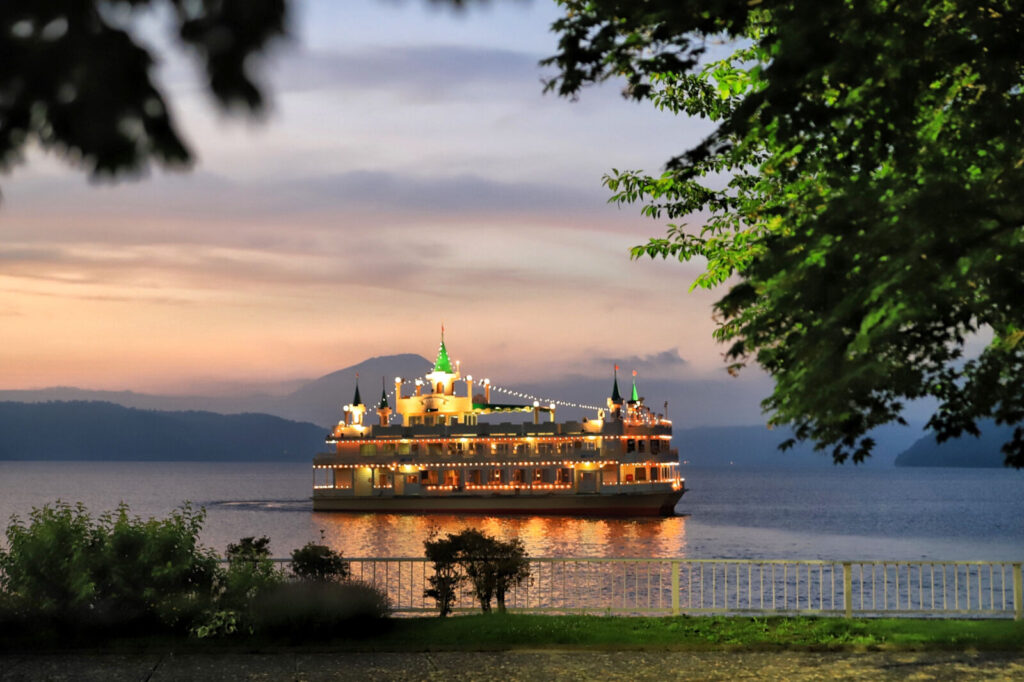
Lake Toya offers a wide range of activities, from relaxed lakeside walks to more active outdoor experiences.
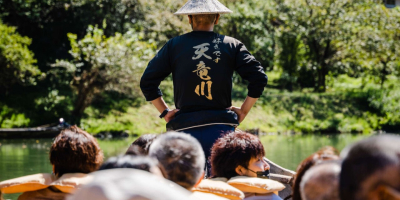
One of the most popular ways to experience the lake is by sightseeing cruise. Boats circle the lake and pass by Nakajima Island, offering views of the caldera from the water.
There are several accessible trails around the lake for walking or cycling. A full circuit of the lake covers roughly 40–50 km. Along the trails are lakeside promenades with sculpture installations. There are also multiple campgrounds around the lake during which are open during the warmer months, allowing visitors to stay close to nature with direct lake access.
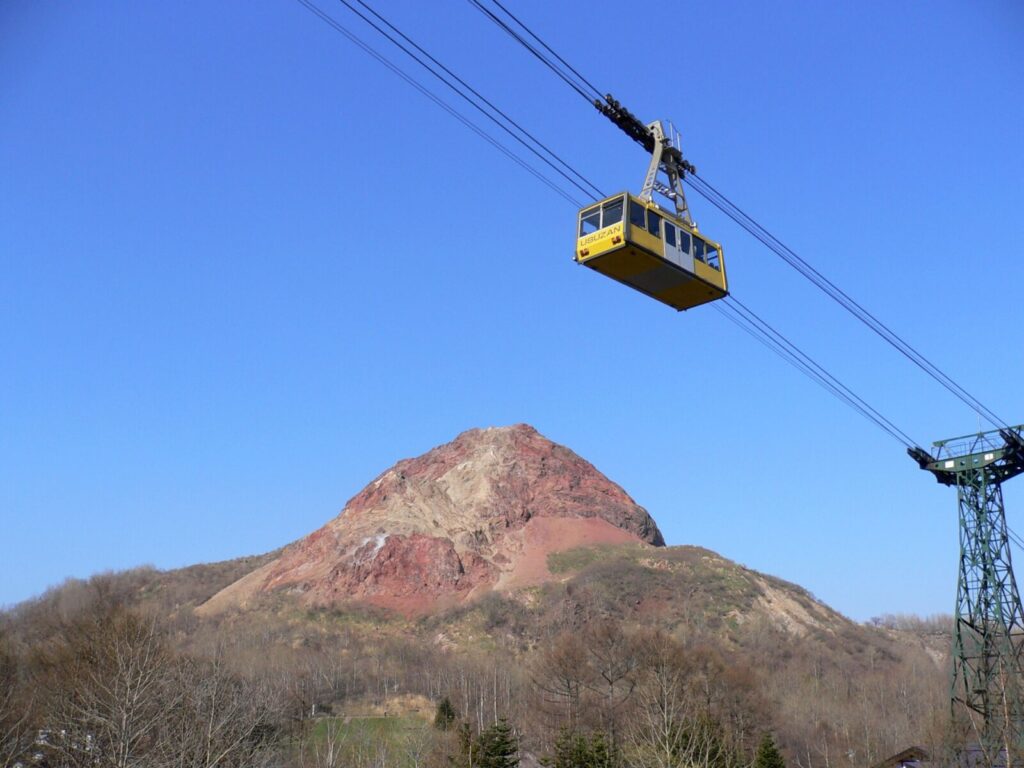
Nearby is the Mount Usu ropeway offering panoramic views over the lake and surrounding volcanic terrain and the Lake Toya Visitor Center and Volcano Science Museum explains the eruptions of Mount Usu and the formation of the lake, adding context to the surrounding landscape.
Touring Lake Toya
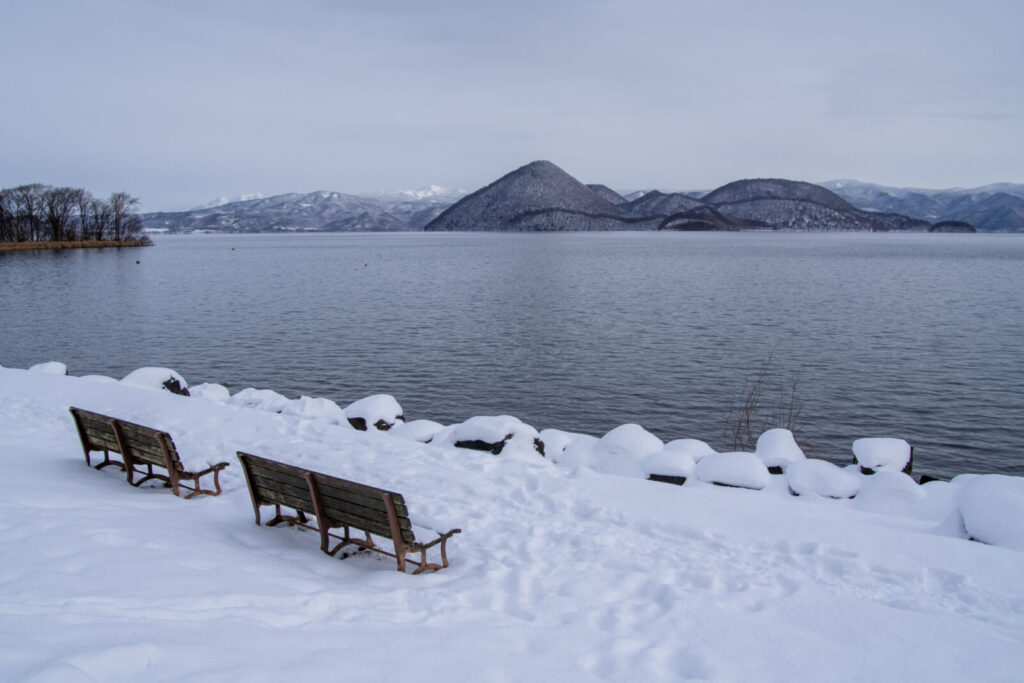
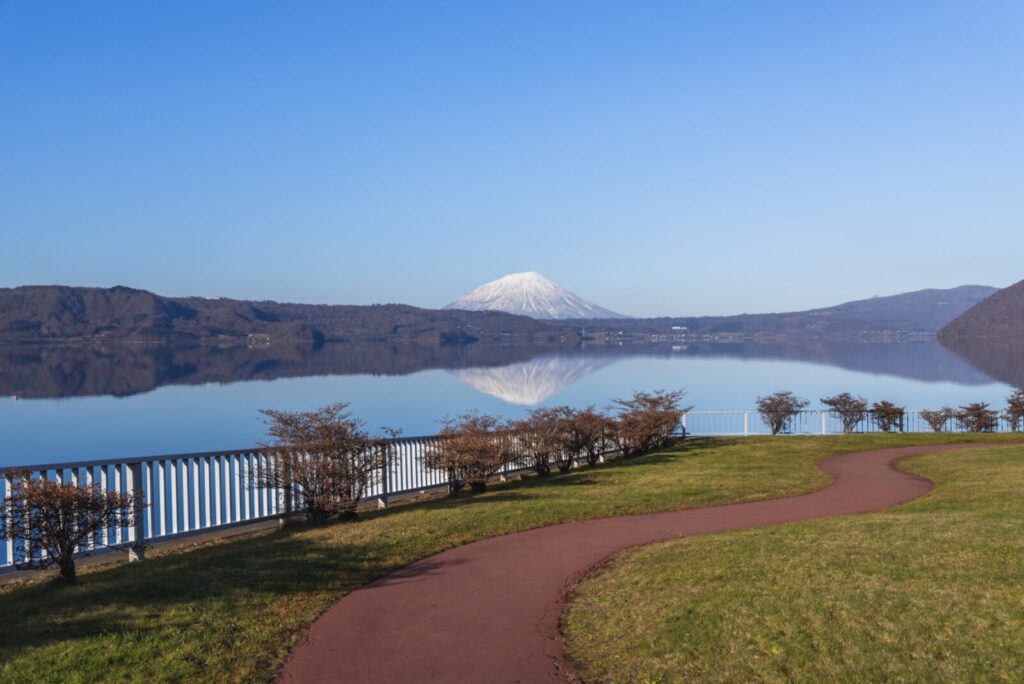
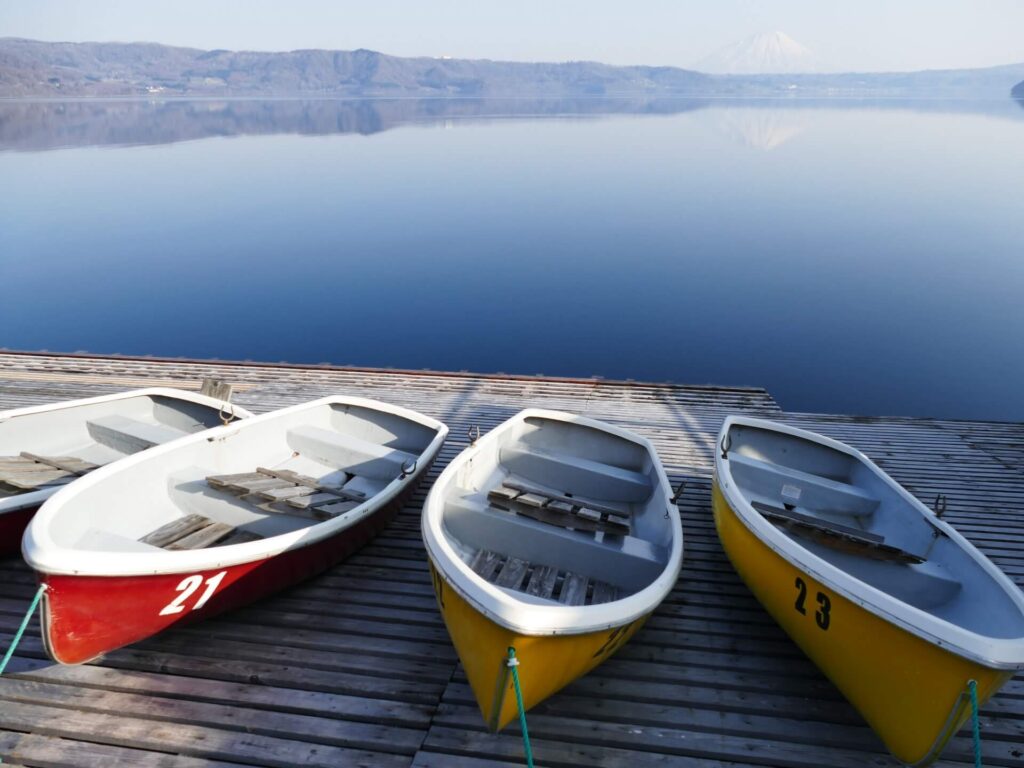
Lake Toya is well-suited for travelers looking to combine light outdoor activity with relaxation. The area can be explored in a single day, though an overnight stay allows time to experience the hot springs and slower pace of the region.
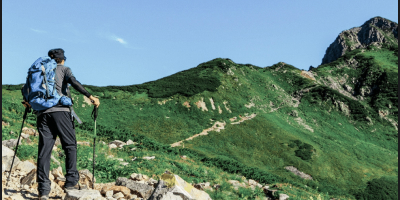
Boat cruises operate regularly across the lake, stopping at Nakajima Island. Walking paths along the lakeshore provide easy access to viewpoints, while hiking trails around Mount Usu offer more active exploration.
From late April to October, nightly fireworks are launched over the lake. These can be viewed from the lakeshore or from boats on the water.
Visitor Information:
Best Time to Visit: Year-round (summer for outdoor activities, winter for scenery and hot springs)
Admission: Free (fees apply for ropeway, cruises, and some facilities)
Highlights: Lake views, volcanic landscapes, hot springs
Access:
Lake Toya is accessible from Sapporo and Hakodate. From Sapporo, it takes around 2 hours by train to Toya Station, followed by a 20-minute bus ride to the lakeside. Direct highway buses are also available.
Frequently Asked Questions (FAQ)
What makes Lake Toya unique?
Lake Toya is one of the few lakes in Japan that never freezes, even during Hokkaido’s harsh winters. Its volcanic origins and ongoing geothermal activity also make it an important geological site.
Is Mount Usu still active?
Yes, Mount Usu is an active volcano that has erupted several times in the past century. It is closely monitored, and many areas are safely accessible to visitors.
How long should I spend at Lake Toya?
Most visitors spend one full day exploring the lake and nearby attractions. Staying overnight is recommended to enjoy the hot springs and evening atmosphere.
Can you visit Nakajima Island?
Yes, boats run regularly to Nakajima Island during the warmer months, offering access to walking trails and a small museum.
Is Lake Toya suitable in winter?
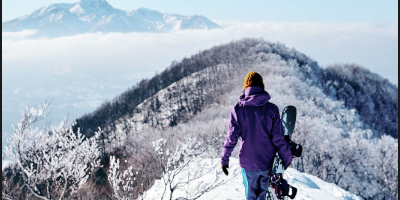
Yes. The lake remains unfrozen, and the surrounding snow-covered landscape creates a quiet and scenic winter destination, especially when combined with a stay in a lakeside onsen.