





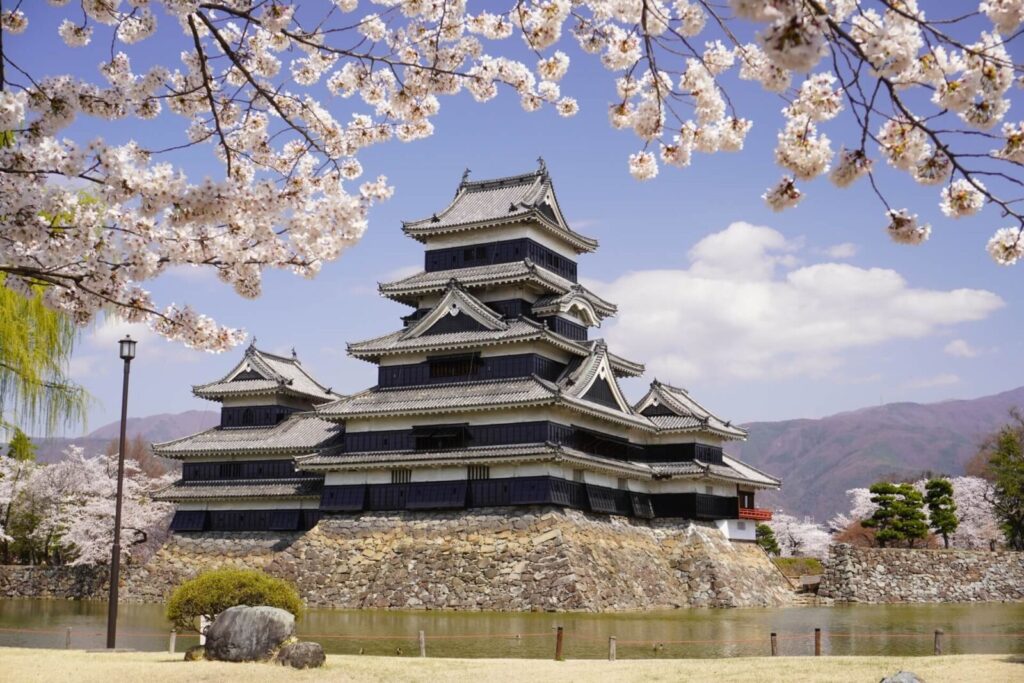
March marks the transition from winter to early spring in Matsumoto, bringing gradually milder temperatures and longer daylight hours. While mornings and evenings can still feel cool, daytime conditions are often comfortable for walking around the city and exploring its historic streets.
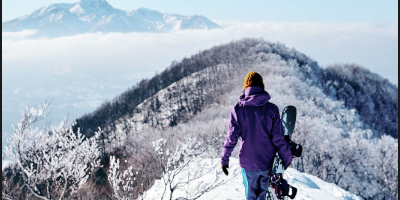
Although winter weather may linger early in the month, snowfall in the city becomes less frequent. The surrounding peaks of the Northern Japanese Alps often remain snow-covered, creating dramatic scenery that can be seen from many parts of Matsumoto.
With fewer visitors than the cherry blossom season in April, March provides a relaxed atmosphere for sightseeing. Visitors can explore Matsumoto Castle, traditional streets, and nearby historic towns while enjoying clear views of the surrounding mountains.
Weather in March
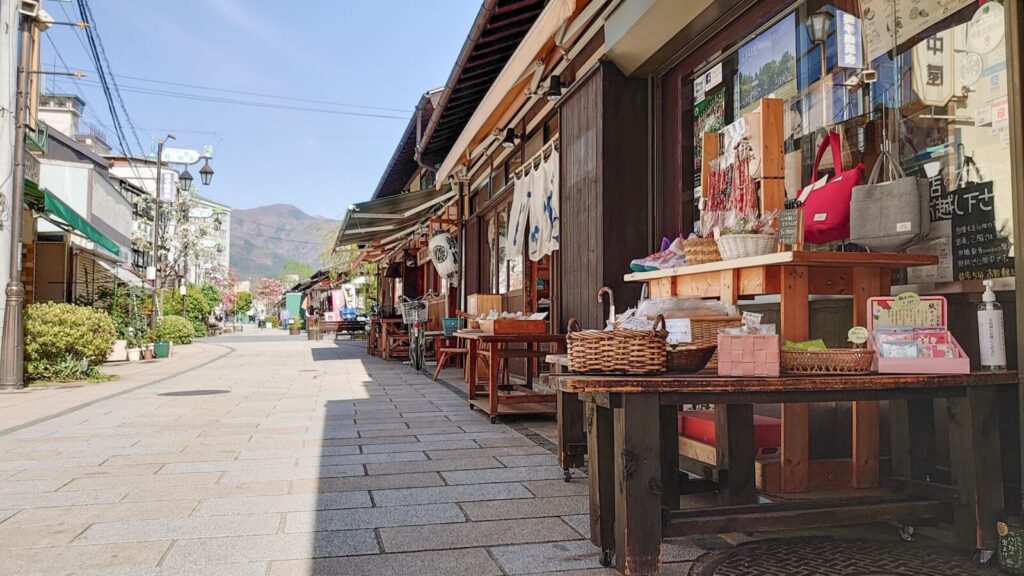
March marks the transition from winter to early spring in Matsumoto, with gradually rising temperatures and longer daylight hours. While mornings and evenings remain cool, daytime conditions are often comfortable for walking around the city.
Temperatures typically range between 3–12°C, with colder conditions early in the month. Snowfall becomes less frequent compared to mid-winter, although the surrounding peaks of the Northern Japanese Alps often remain snow-covered.
Clear days are common in March, offering excellent views of the nearby mountains and pleasant conditions for exploring the historic streets and attractions of the city.
Seasonal Highlights in March
Matsumoto Castle in Late Winter
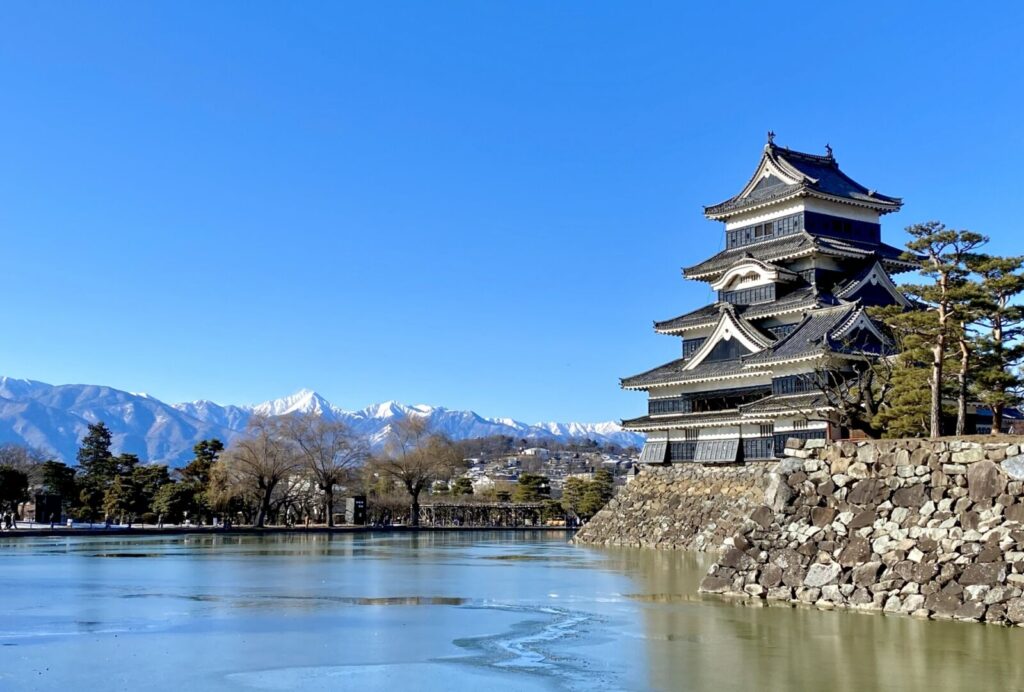
March is a great time to visit Matsumoto Castle, one of Japan’s most famous original castles. The castle’s distinctive black exterior contrasts beautifully with the surrounding scenery, particularly on clear days when the snow-covered peaks of the Northern Japanese Alps can be seen beyond the city.
Visitor numbers are generally lower than during the cherry blossom season in April, allowing guests to explore the castle grounds and surrounding park at a more relaxed pace.
Views of the Northern Japanese Alps
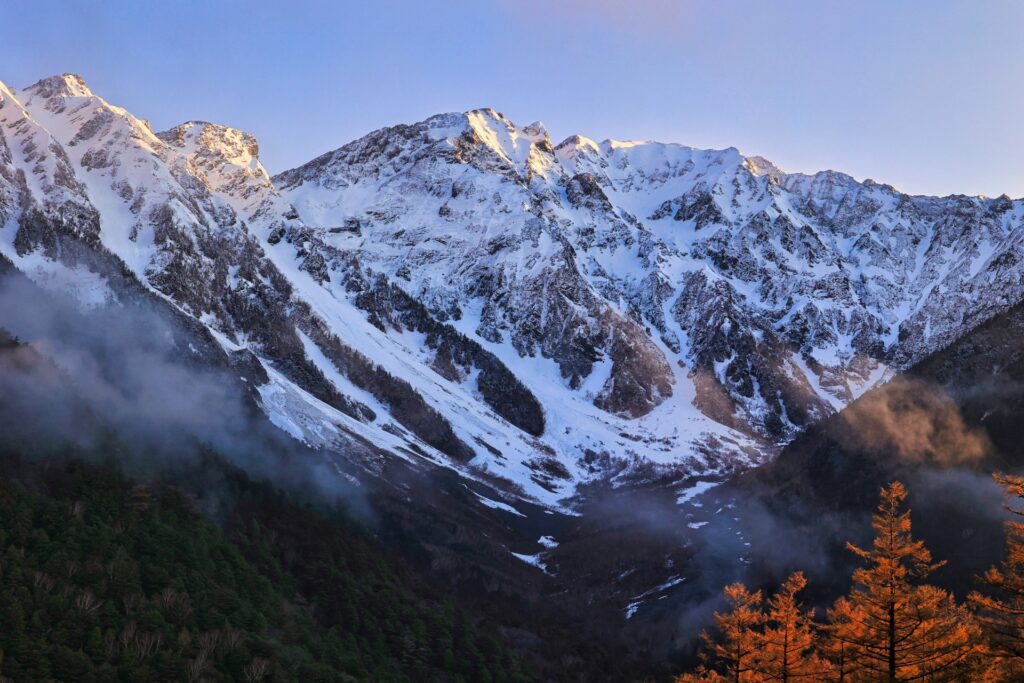
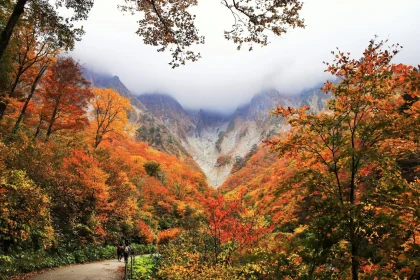
Matsumoto sits at the gateway to the Northern Japanese Alps, and March often offers clear views of the surrounding mountains. Snow remains visible on many of the higher peaks, creating dramatic scenery that can be seen from different parts of the city.
On particularly clear days, the mountain range provides a striking backdrop to Matsumoto’s historic streets and cultural sites.
Early Signs of Spring
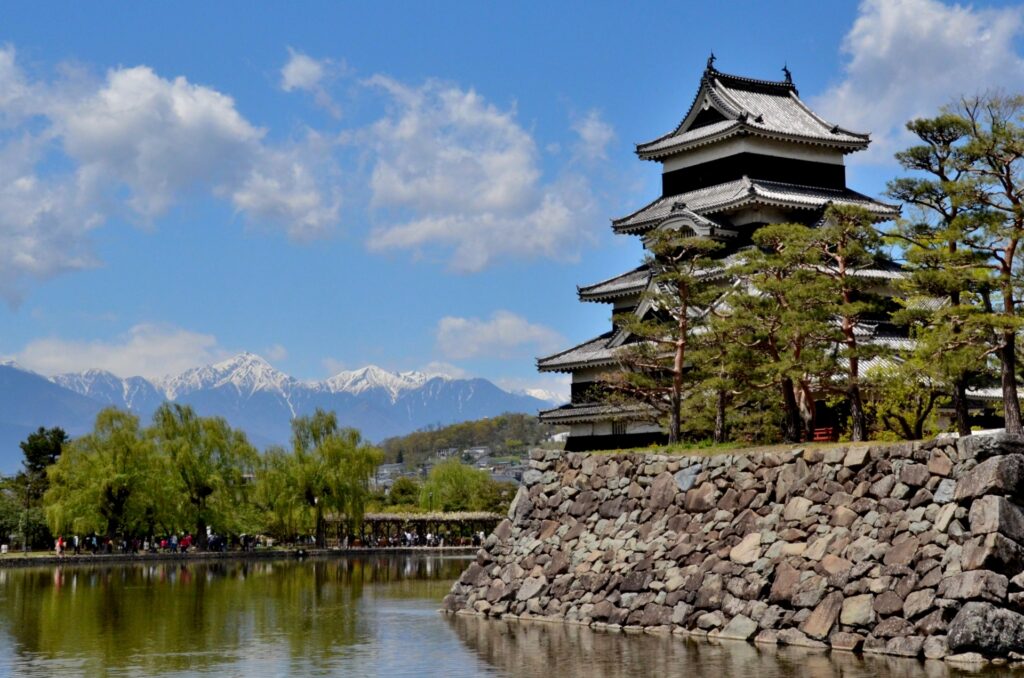
Although March still retains a late winter atmosphere, the first signs of spring gradually begin to appear across the city. Daylight hours increase and temperatures slowly become milder, making it a comfortable time to explore parks, riverside paths, and Matsumoto’s historic districts.
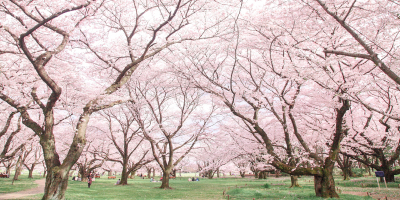
Cherry blossoms typically bloom in early April, but by late March visitors can already sense the seasonal transition as winter begins to give way to spring.
Featured Tours in March
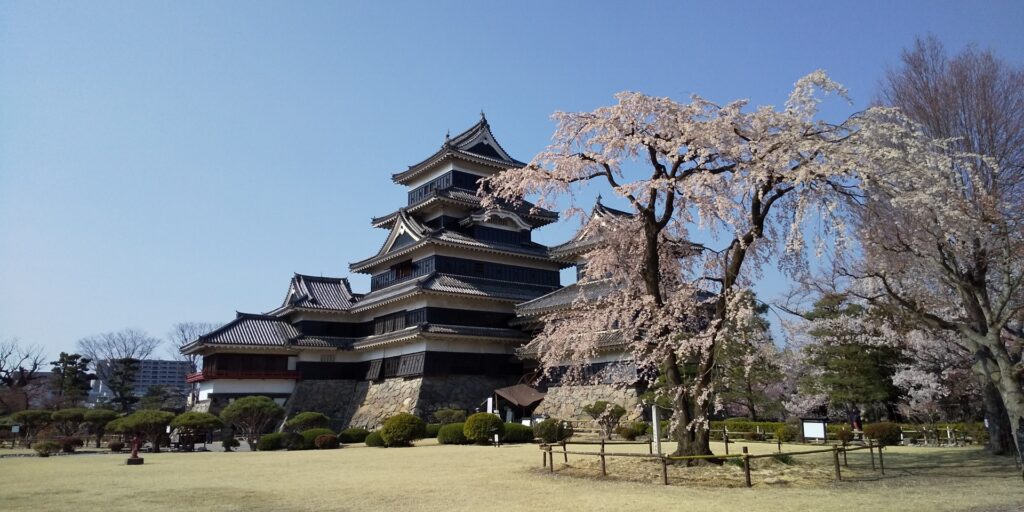
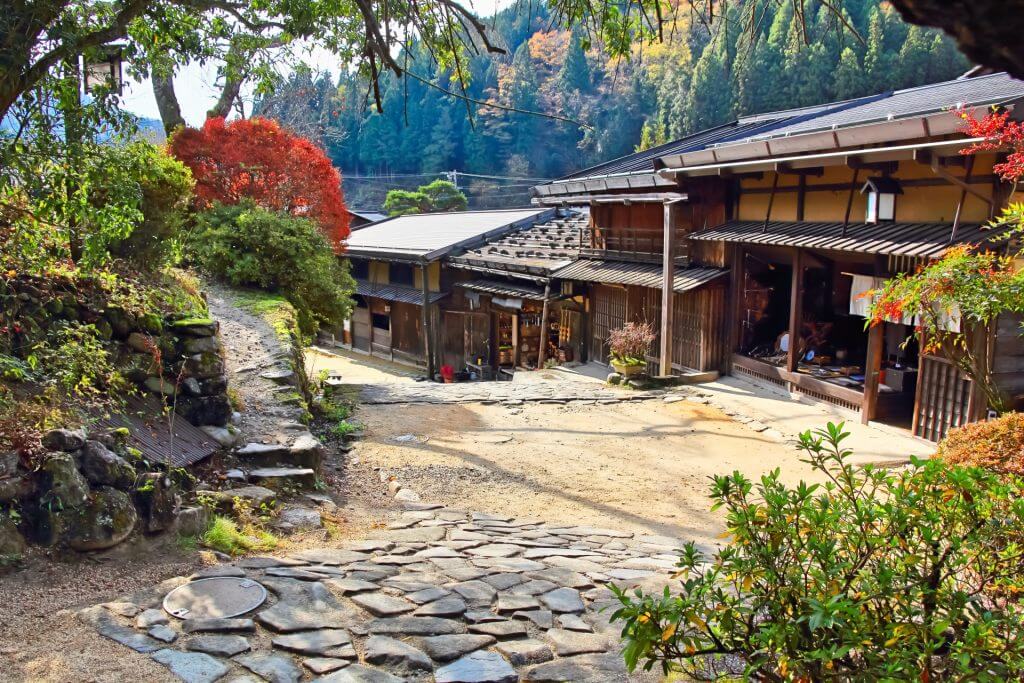
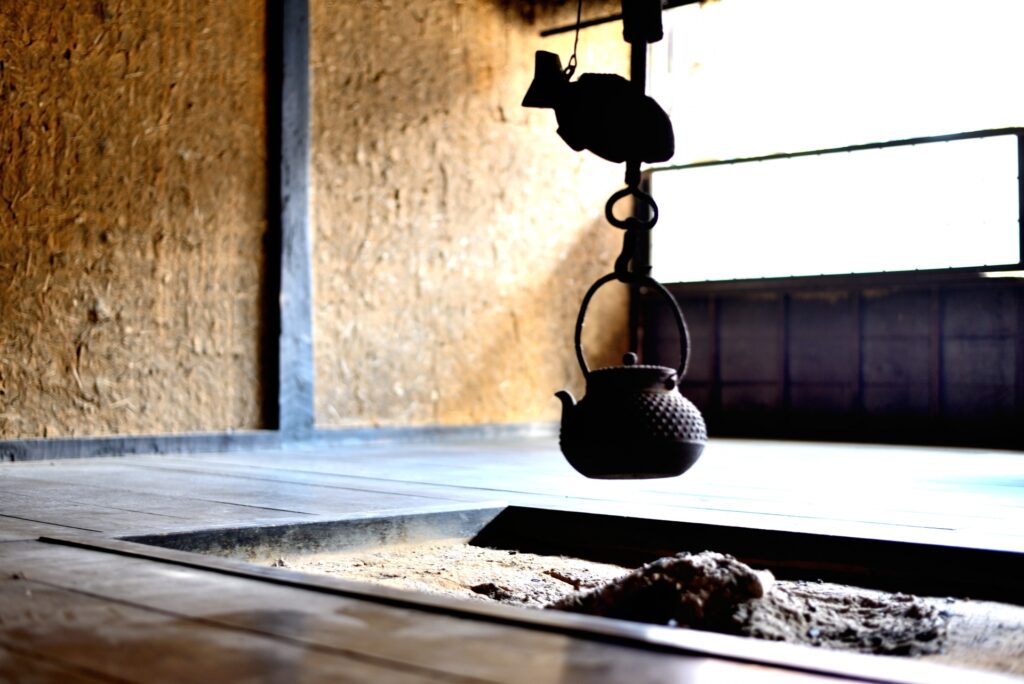
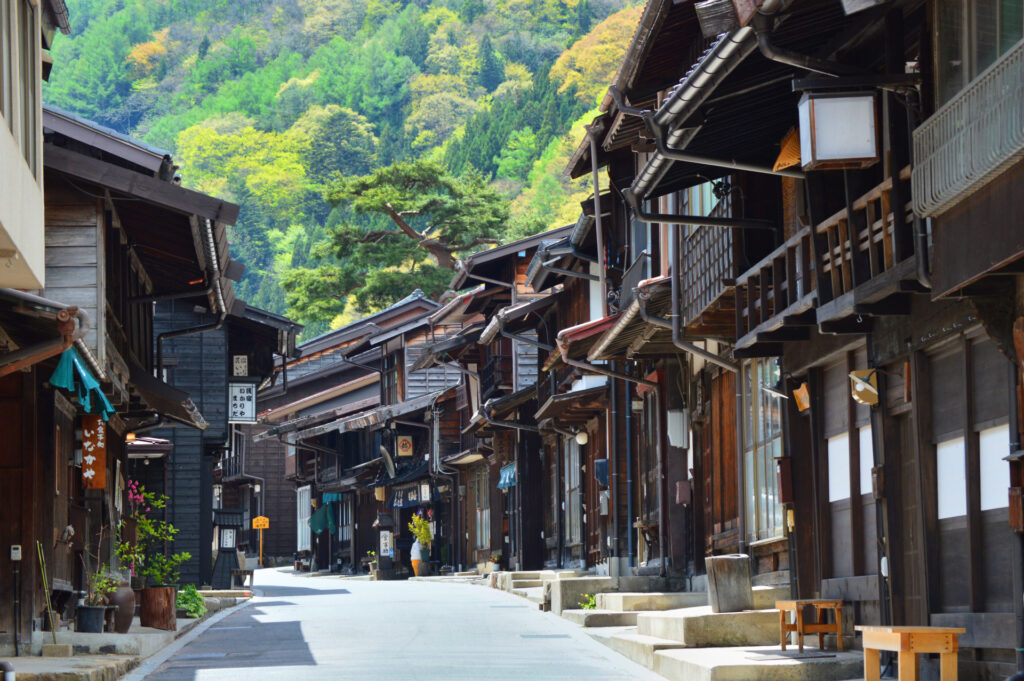
1-Day Tour from Nagano and Matsumoto: Experience Matsumoto Castle and Narai-juku
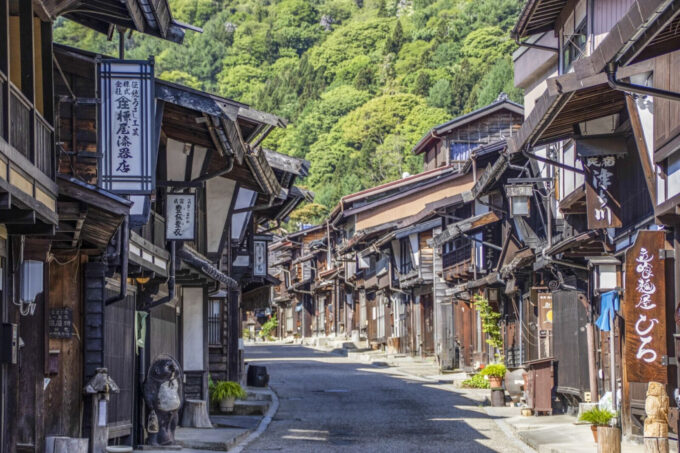
This tour combines two of the region’s most historic locations. Visitors explore Matsumoto Castle, one of Japan’s few remaining original castles, before travelling to Narai-juku, a beautifully preserved post town along the historic Nakasendo route.
Highlights:
- Explore the historic grounds of Matsumoto Castle
- Walk through Narai-juku, one of the best preserved Edo period post towns
- Experience traditional architecture and historic streets along the Nakasendo route
Popular
1-Day Tour from Nagano and Matsumoto: Experience Matsumoto Castle and Narai-juku
- Spots:
- NaganoMatsumotoKiso Valley
- Pick-up:
- Nagano CityMatsumoto
- Drop-off:
- Nagano CityMatsumoto
1-Day Tour from Nagano and Matsumoto: Step into the Past on the Nakasendo
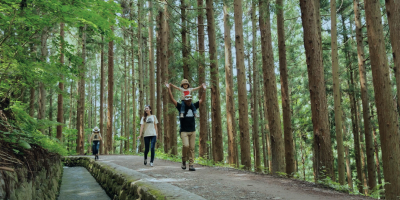
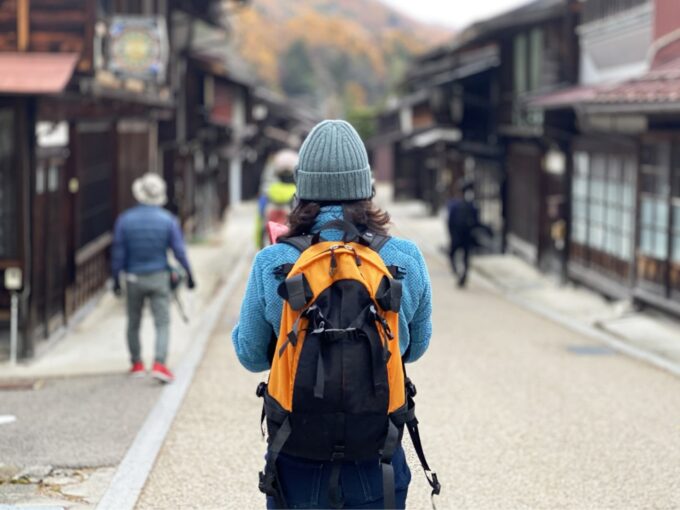
This tour focuses on one of Japan’s most historic travel routes, the Nakasendo. Visitors walk a preserved section of the trail while exploring traditional post towns that once served travellers moving between Kyoto and Edo..
Highlights:
- Walk along a preserved section of the historic Nakasendo Trail
- Visit traditional post towns that date back to the Edo period
- Experience rural mountain scenery and historic architecture
Popular
1-Day Tour from Nagano and Matsumoto: Step into the Past on the Nakasendo
- Spots:
- NaganoMatsumotoKiso Valley
- Pick-up:
- Nagano CityMatsumoto
- Drop-off:
- Nagano CityMatsumoto
1-Day Tour: Snow Monkeys, Zenkoji Temple & Sake in Nagano
Visitors staying in Matsumoto can easily access Nagano to visit the famous snow monkeys and the historic Zenko-ji Temple. March remains a good time to see the monkeys enjoying the hot springs before the warmer months arrive.
Highlights:
- Visit the famous snow monkeys of Jigokudani
- Explore Zenko-ji Temple, one of Japan’s most important Buddhist temples
- Enjoy a guided experience through Nagano’s historic and natural highlights

Best Selling
1-Day Tour: Snow Monkeys, Zenkoji Temple & Sake in Nagano
- Spots:
- NaganoSnow MonkeyHakuba
- Pick-up:
- Nagano CityHakuba
- Drop-off:
- Nagano CityHakuba
More Ways to Visit Matsumoto
Alongside our guided tours, we also offer charters and other travel options to Matsumoto. These are perfect for travellers who prefer private transport, customised itineraries, or more flexibility in planning their day. Whether you’re travelling as a family, a couple, or a group, charters provide comfort and convenience while still letting you experience the best of Matsumoto and surrounding region.
Travel Tips for March
- Dress for Cool Temperatures: March still retains a late winter atmosphere in Matsumoto. Mornings and evenings can feel quite cold, so wearing layers and bringing a warm jacket is recommended.
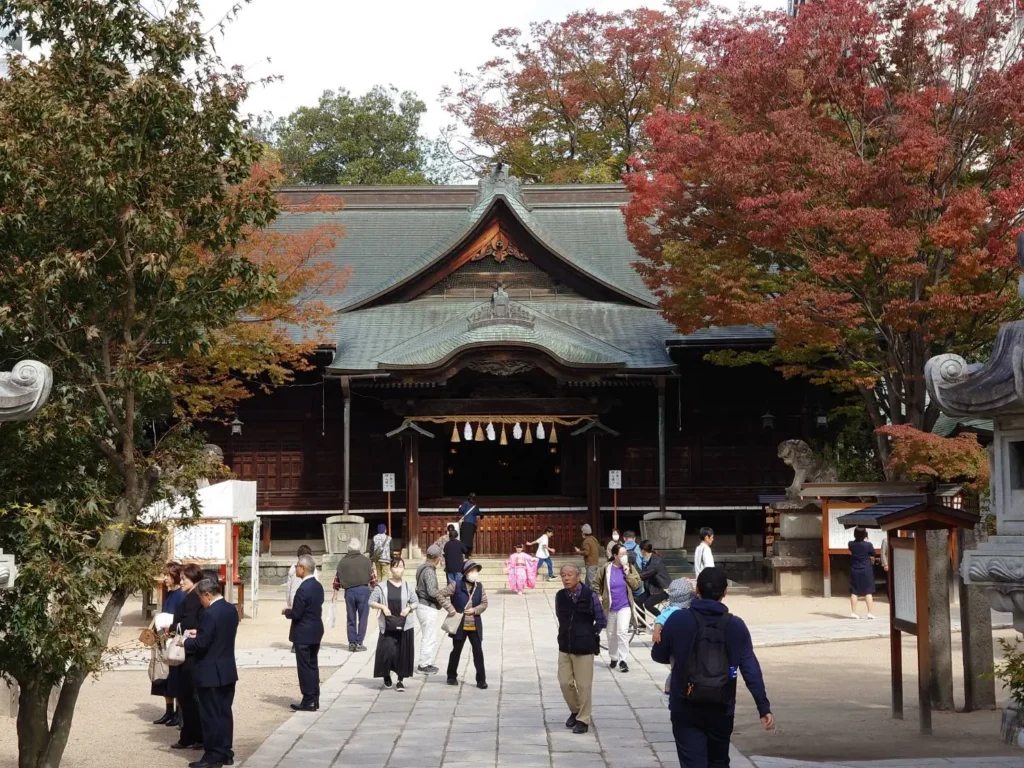
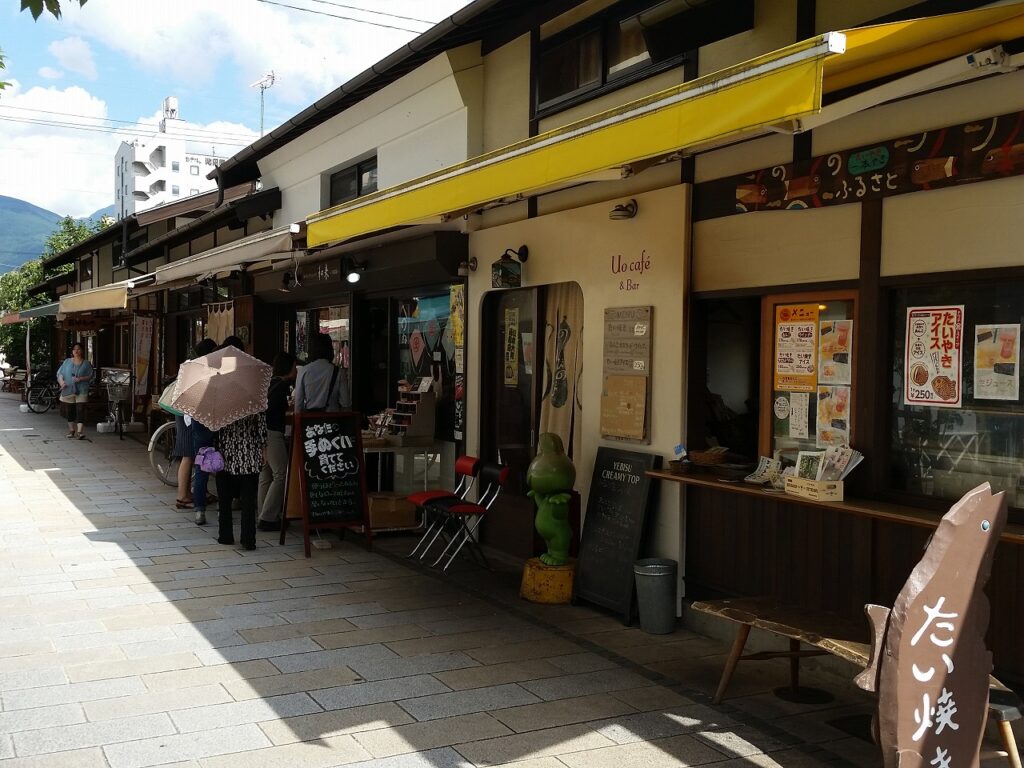
- Comfortable Walking Shoes: Matsumoto’s historic centre is easy to explore on foot. Comfortable walking shoes are helpful when visiting locations such as Matsumoto Castle, Nakamachi Street, and Nawate Street.
- Check Mountain Conditions: While Matsumoto itself rarely sees heavy snow in March, the surrounding Northern Japanese Alps remain snowy at higher elevations. Travellers planning to explore mountain areas should check local conditions before travelling.
- Enjoy Quieter Sightseeing: March is generally calmer than the cherry blossom season in April, allowing visitors to explore the city’s historic streets, museums, and castle grounds at a more relaxed pace.
Where to Stay in March
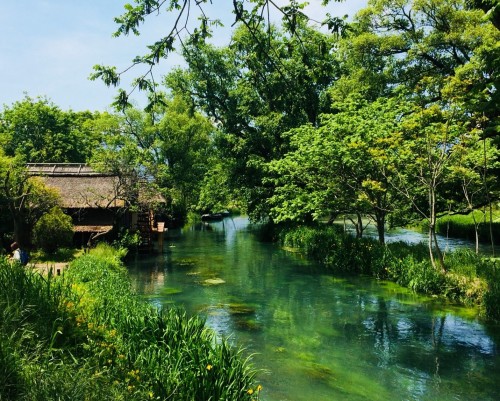
March offers comfortable conditions for exploring Matsumoto, and the city serves as a convenient base for discovering both historic landmarks and nearby mountain scenery. Many visitors choose to stay either in Matsumoto itself or in nearby Nagano, depending on their wider travel plans.
The Most Convenient Base - Staying in Matsumoto provides the easiest access to the city’s main attractions, including Matsumoto Castle, Nakamachi Street, and Nawate Street. The area around Matsumoto Station offers the widest range of accommodation, restaurants, and transport connections, making it a practical base for exploring the city and surrounding region.
A Regional Travel Hub - Nagano offers another convenient base for travellers exploring the wider region. The city provides excellent transport connections and access to attractions such as Zenko-ji Temple and the snow monkeys of Jigokudani. Visitors staying in Nagano can easily travel to Matsumoto by train for a day trip to explore the city and its historic castle.
Plan Your March Visit
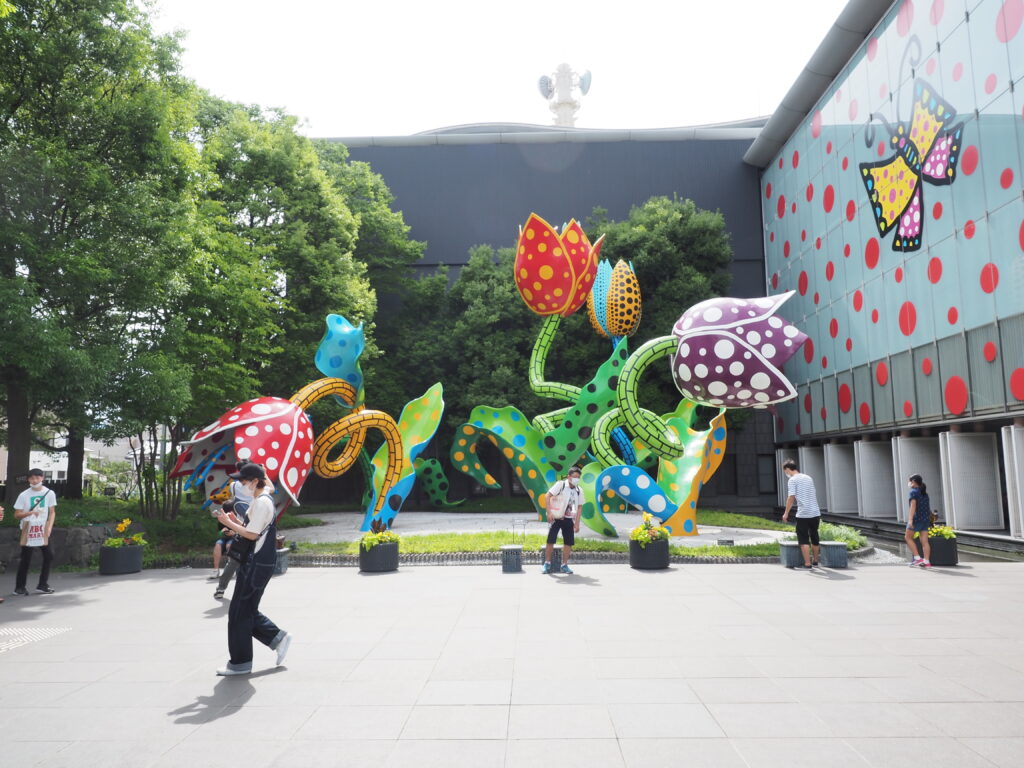
March offers a calm and practical time to explore Matsumoto as the city transitions from winter to early spring. Cooler temperatures remain, but clear days and improving conditions make it comfortable to walk through the city’s historic streets and visit major landmarks.
Matsumoto Castle remains the highlight for many visitors, while the surrounding mountains of the Northern Japanese Alps often retain snow on their peaks, creating dramatic scenery beyond the city skyline. With fewer crowds than the cherry blossom season in April, March allows travellers to explore Matsumoto at a relaxed pace.
Whether visiting as part of a wider trip through the Japanese Alps or using the city as a base for exploring nearby historic towns and mountain landscapes, Matsumoto offers a rewarding destination during this quieter period of the year.