


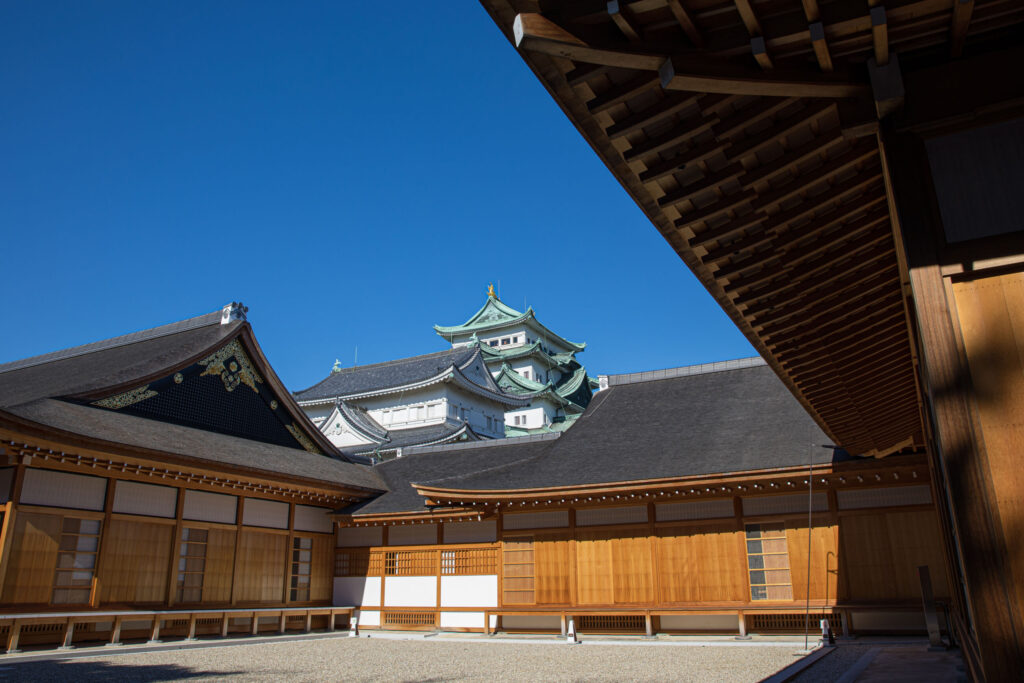
Japanese castles are famous for their towering keeps, massive stone walls, and impressive moats. But behind the defensive architecture, the real heart of a castle was often the palace complex, known as the “Goten”. These elegant buildings served as the administrative headquarters and private residence of the daimyo, where political decisions were made, guests were received, and everyday life unfolded.
While many castle palaces were destroyed during wars, fires, or the modernization of Japan, several remarkable examples still survive, or have been carefully reconstructed, allowing visitors to step inside the world of samurai governance.
In this article we will share with you the eight Japanese castles where you can still see Japanese palace architecture, offering a rare glimpse into the political and cultural life of samurai-era Japan.
1. Nijo Castle
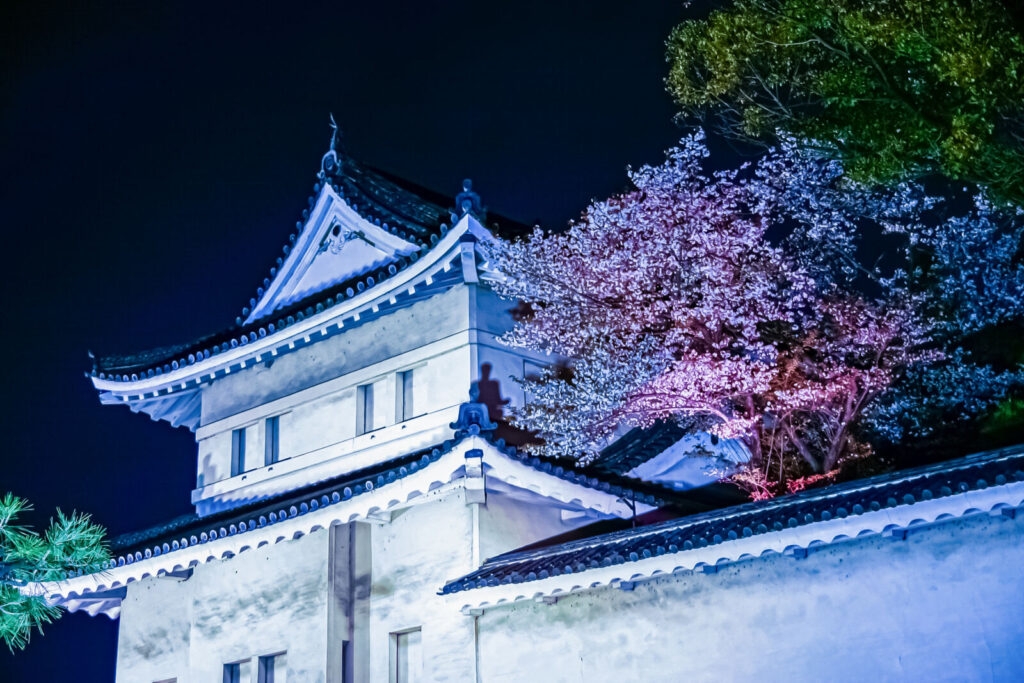
- Recommended for: Visitors interested in the political power and lavish lifestyle of the Tokugawa shogunate, as well as those wanting to see some of Japan’s most spectacular samurai-era palace interiors.
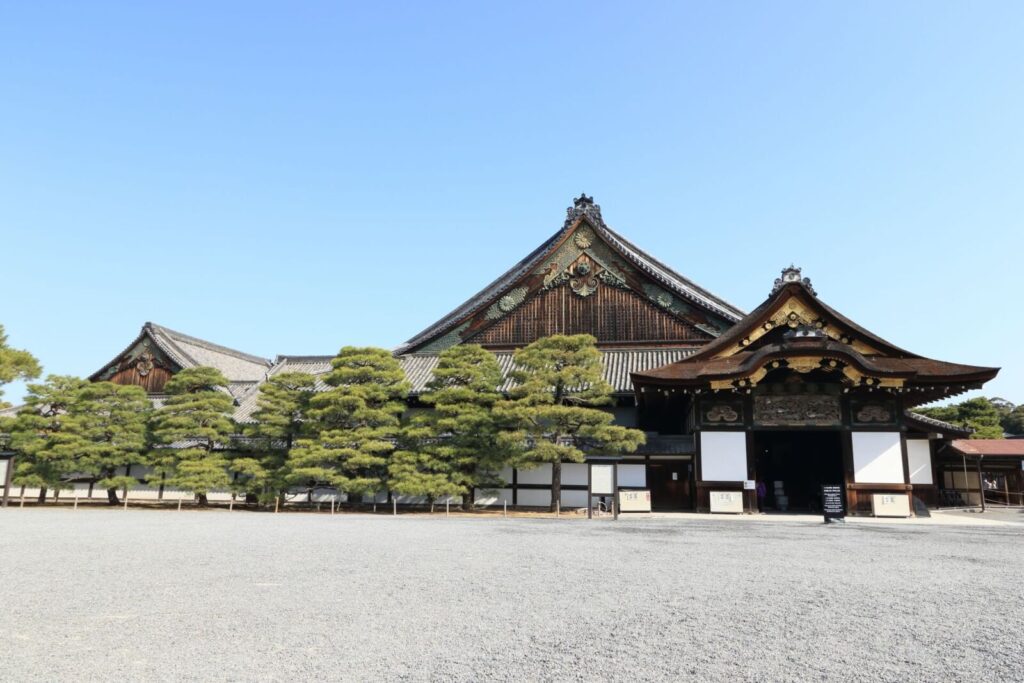
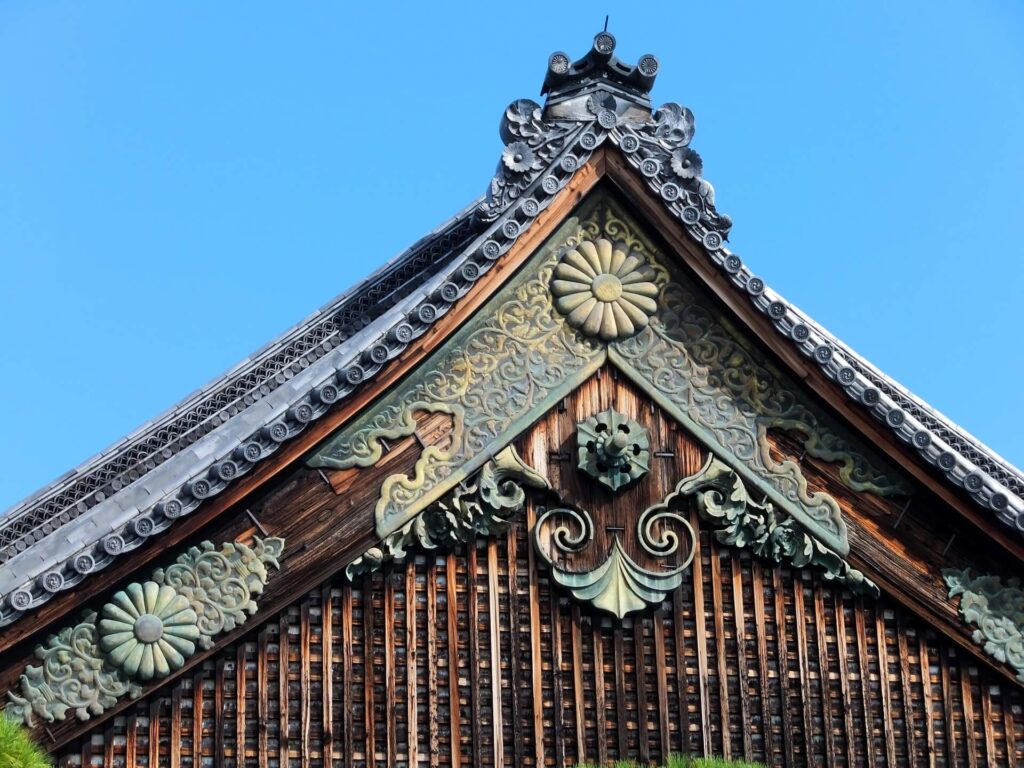
Few places reveal the power of the Tokugawa shogunate more clearly than Nijo Castle in Kyoto. Built in 1603 by Tokugawa Ieyasu, the castle served as the shogun’s residence when visiting the imperial capital.
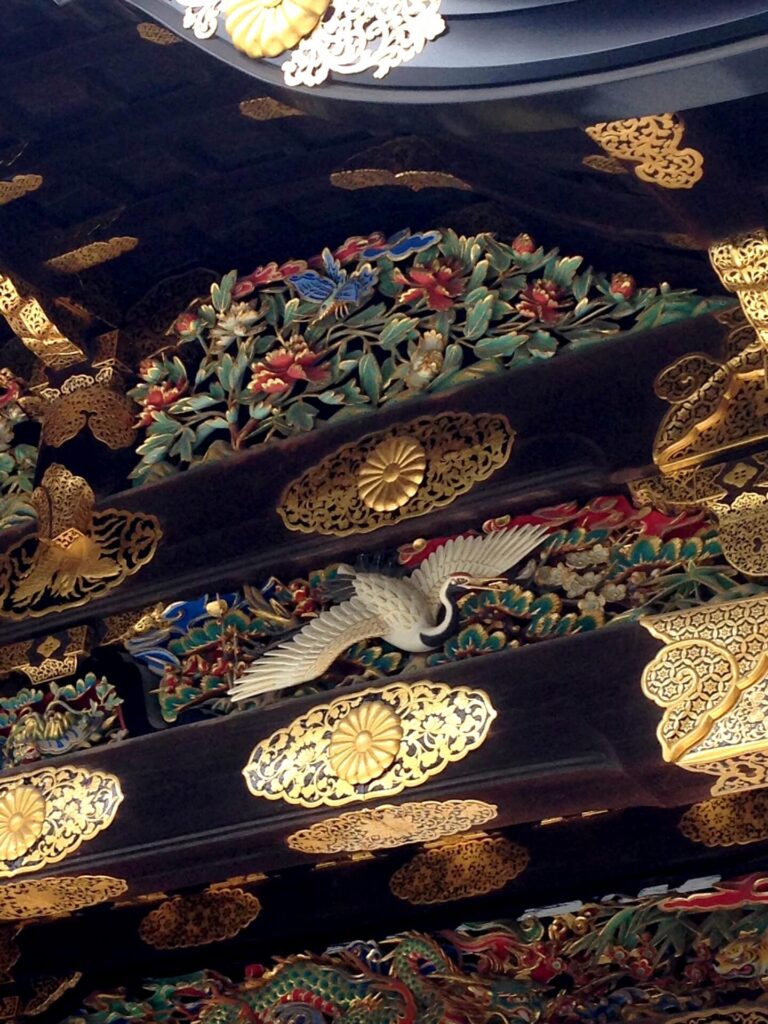
The highlight is the Ninomaru Palace. Inside, visitors walk through grand reception halls decorated with gold-leaf screens painted with tigers, pine trees, and seasonal landscapes. These lavish interiors were designed to impress visiting daimyo and demonstrate the authority of the shogunate.
The palace is also famous for its “nightingale floors.” These wooden floors chirp softly when stepped on, acting as a security system against intruders. Combined with ornate sliding doors and tatami-lined corridors, the palace perfectly captures the atmosphere of a powerful military government ruling from behind elegant walls.
Today, Nijo Castle is a UNESCO World Heritage Site, and its palace interiors remain among the most impressive surviving samurai residences in Japan.
2. Kakegawa Castle
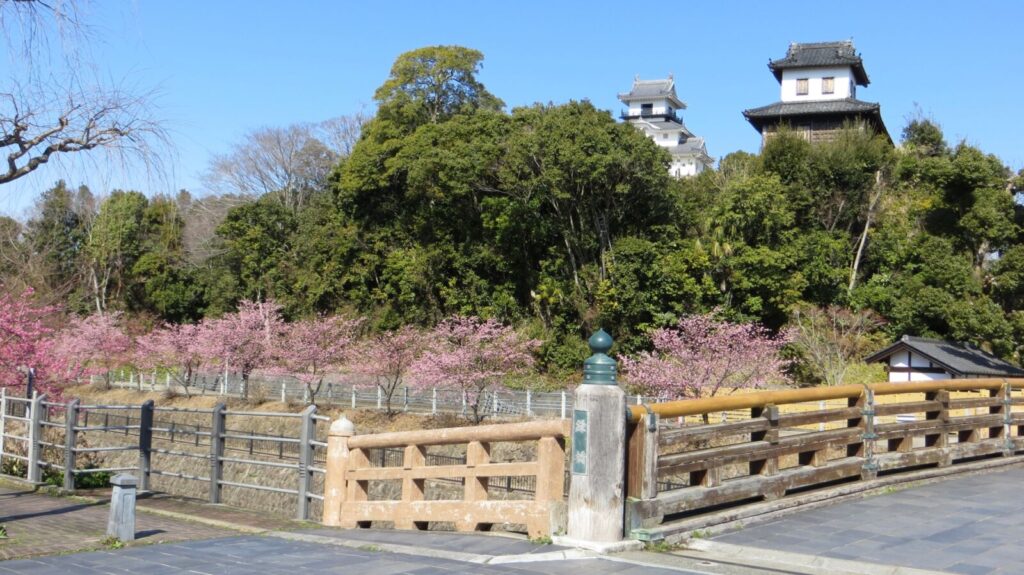
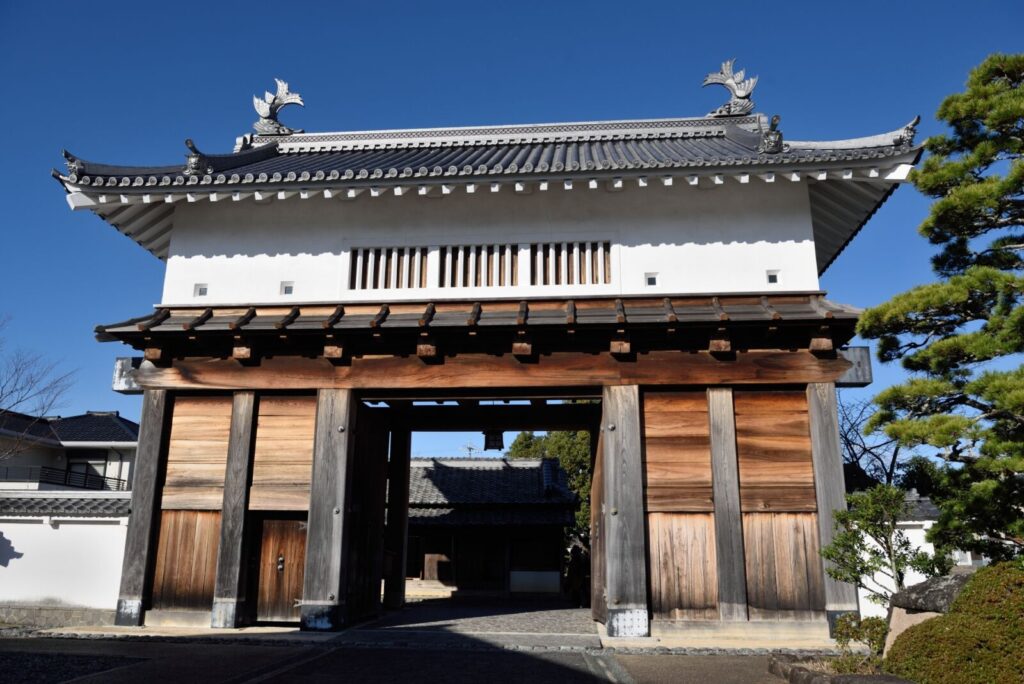
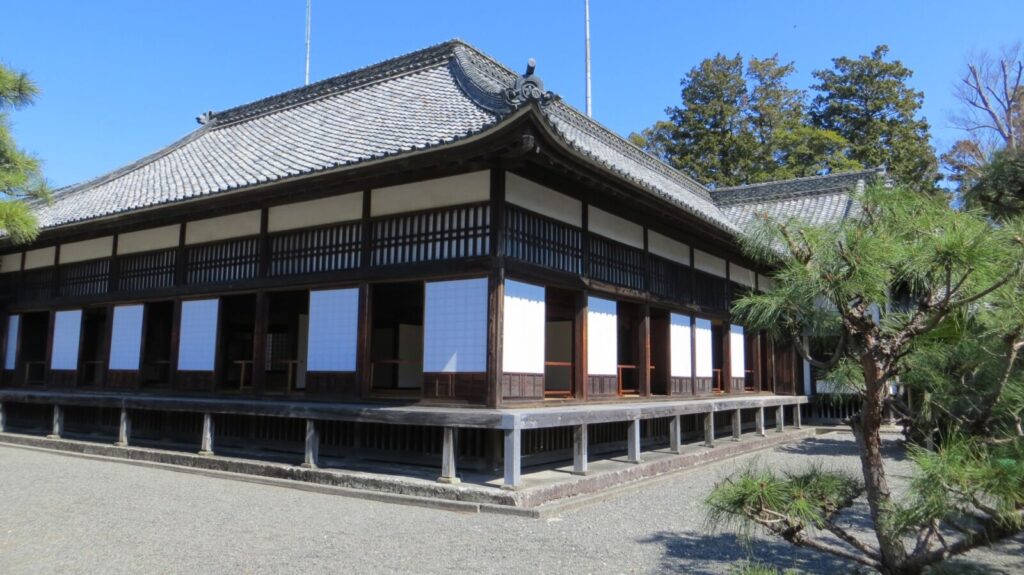
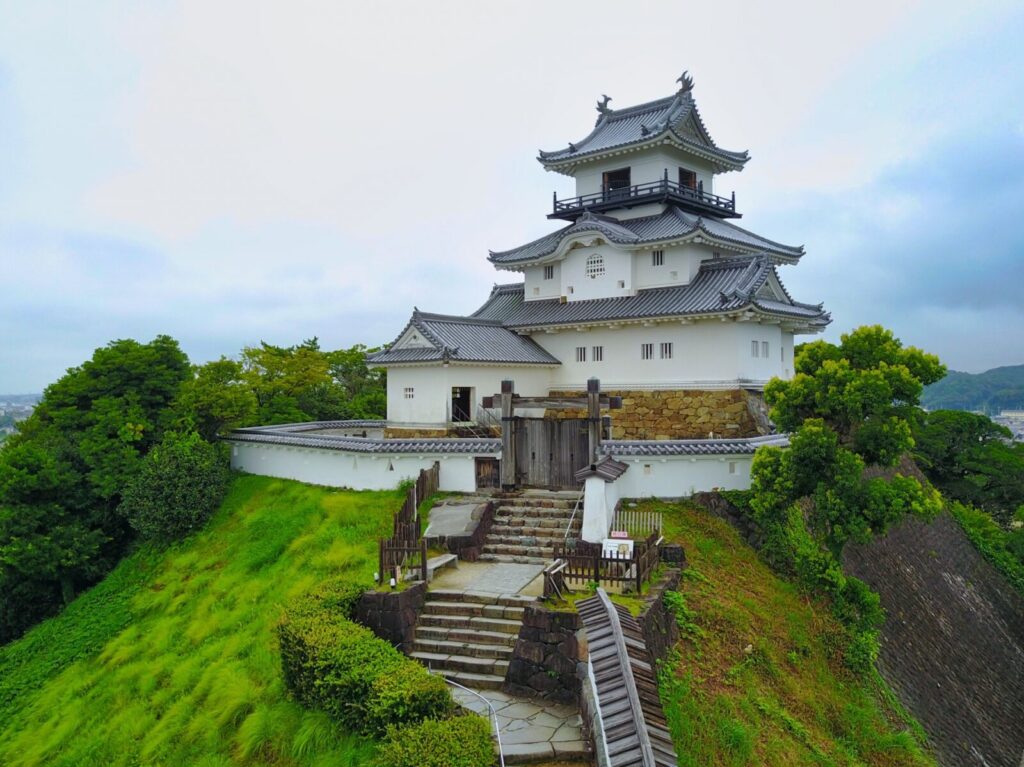
- Recommended for: Travelers curious about everyday administrative life inside a feudal castle, with rare access to preserved palace rooms where daimyo governed their domains.
Kakegawa Castle was built in 1513 by Imagawa Ujichika as a base for his invasion into a neighboring territory. The castle was destroyed and rebuilt several times during its history.
After the Ansei Tokai earthquake in 1861, the daimyo decided to rebuild the Ni-no-Maru Goten (palace) but not the castle’s keep. The palace was used after the Meiji Restoration as local government offices.
Inside the palace complex, visitors can explore tatami rooms that once served as official meeting spaces, waiting chambers, and living quarters. These rooms illustrate how feudal lords balanced political authority with everyday life, hosting retainers and conducting domain business within the same complex.
3. Kawagoe Castle
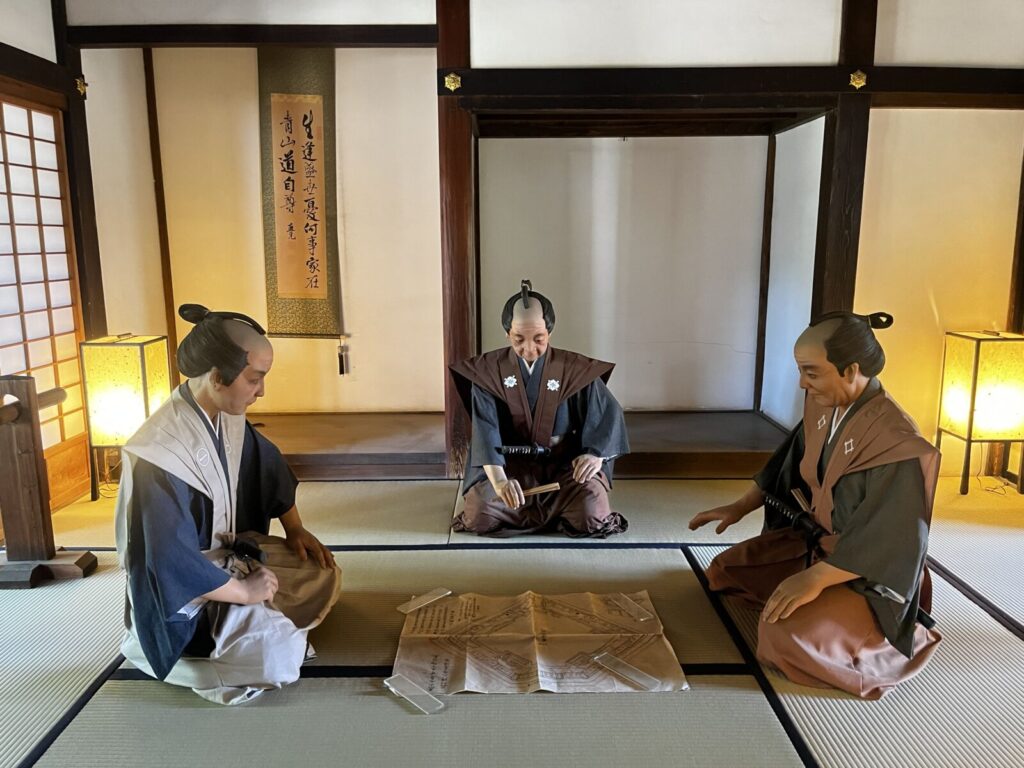
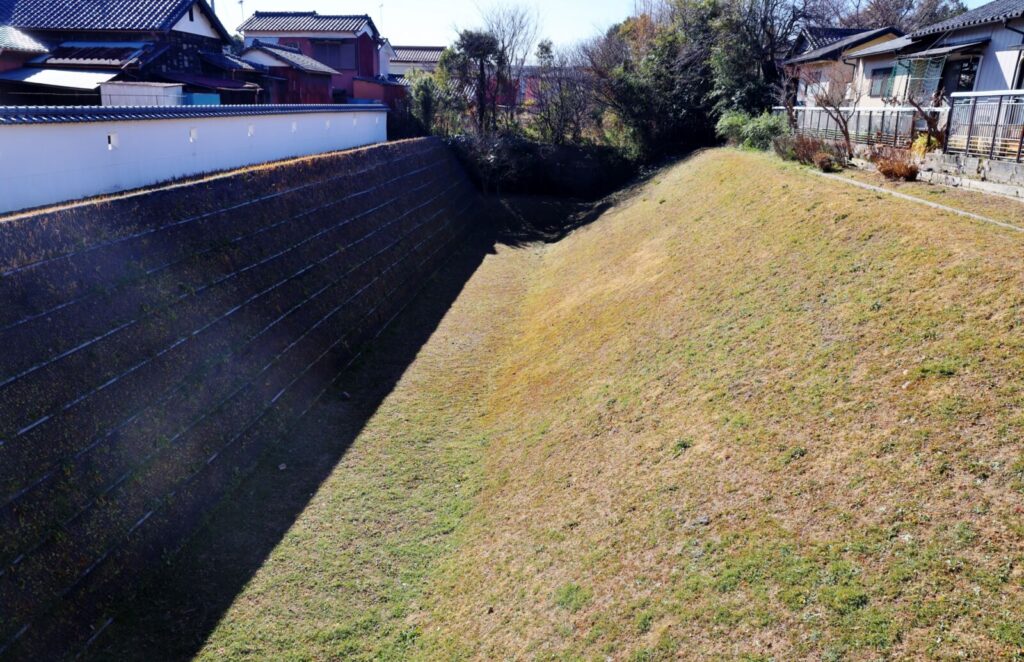
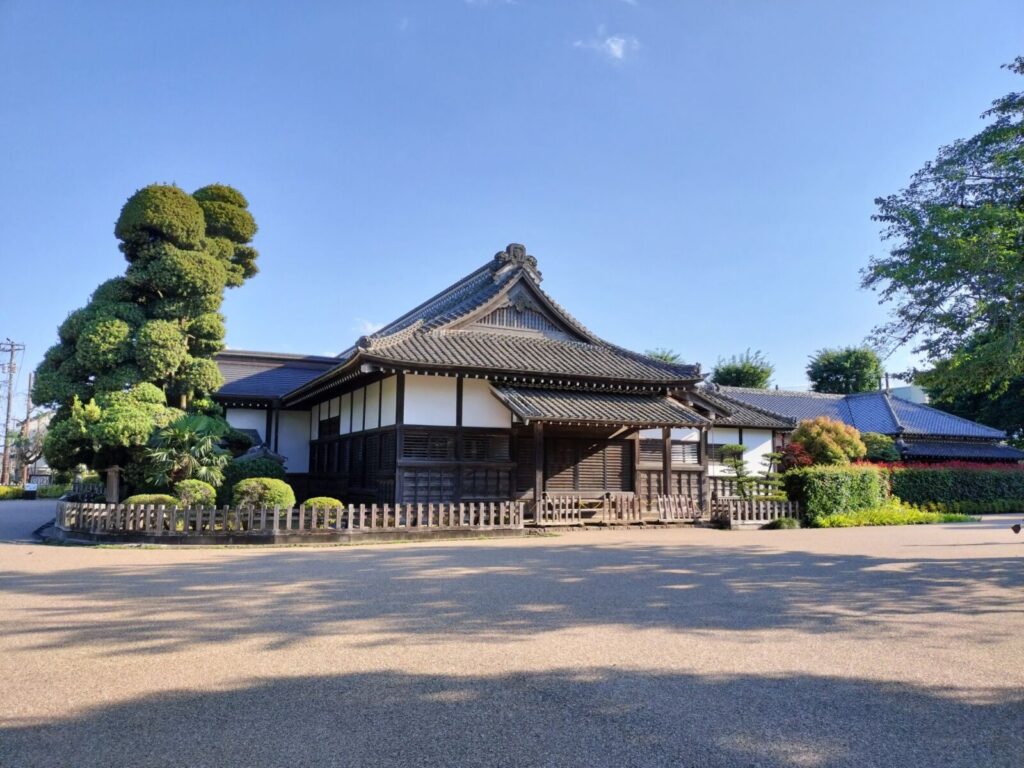
- Recommended for: Day-trippers from Tokyo who want to combine a rare surviving castle palace with the nostalgic streets of “Little Edo” in Kawagoe.
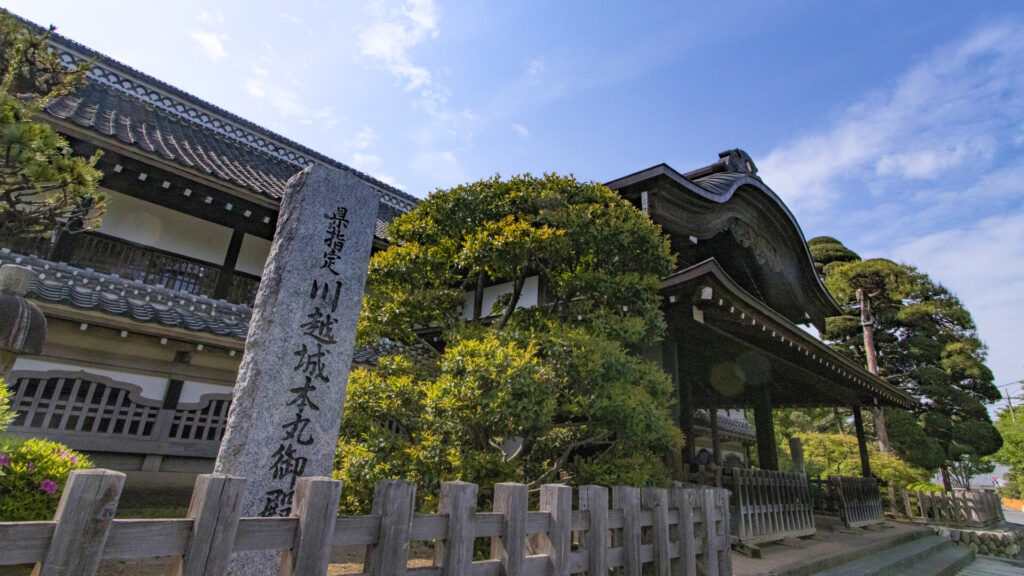
Kawagoe Castle is famous for its surviving Honmaru Palace, one of the only original castle palace buildings still standing in Japan.
Originally built in 1457 by Ota Michizane and his son Dokan, the castle played a strategic role in the Kanto region. It later became an important defensive stronghold protecting Edo during the Tokugawa era.
The surviving Honmaru Goten, constructed in 1848, includes the entrance hall, reception rooms, and the residence of the castle’s chief retainer. Walking through these spaces reveals how daimyo and senior samurai conducted official meetings and administered their domains.
Kawagoe itself prospered during the Edo period and became known as “Little Edo.” Today, visitors can explore both the palace and the town’s historic warehouse district, making it one of the most atmospheric historical destinations near Tokyo.

4. Kochi Castle
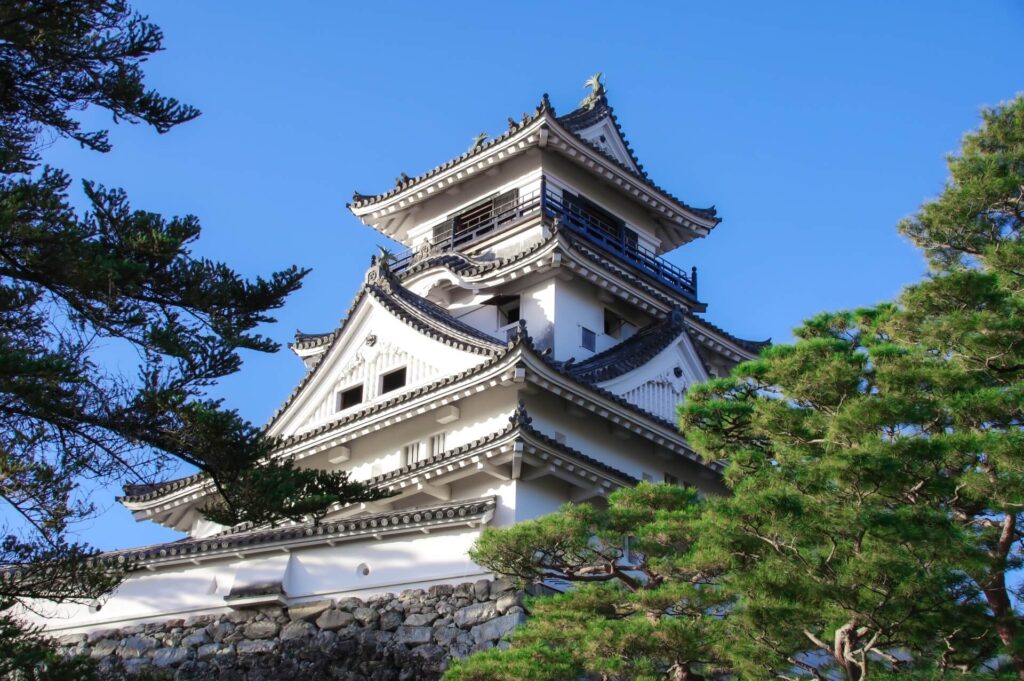
- Recommended for: History lovers who want to explore one of Japan’s most complete original castles, with numerous surviving structures that reveal how a castle functioned as both fortress and government center.
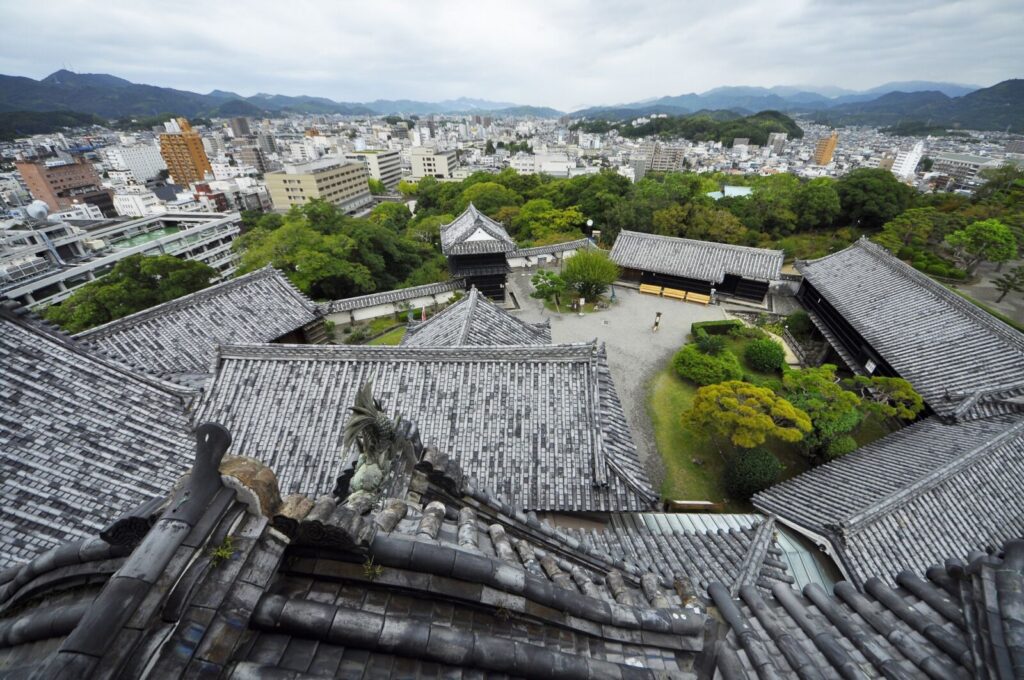
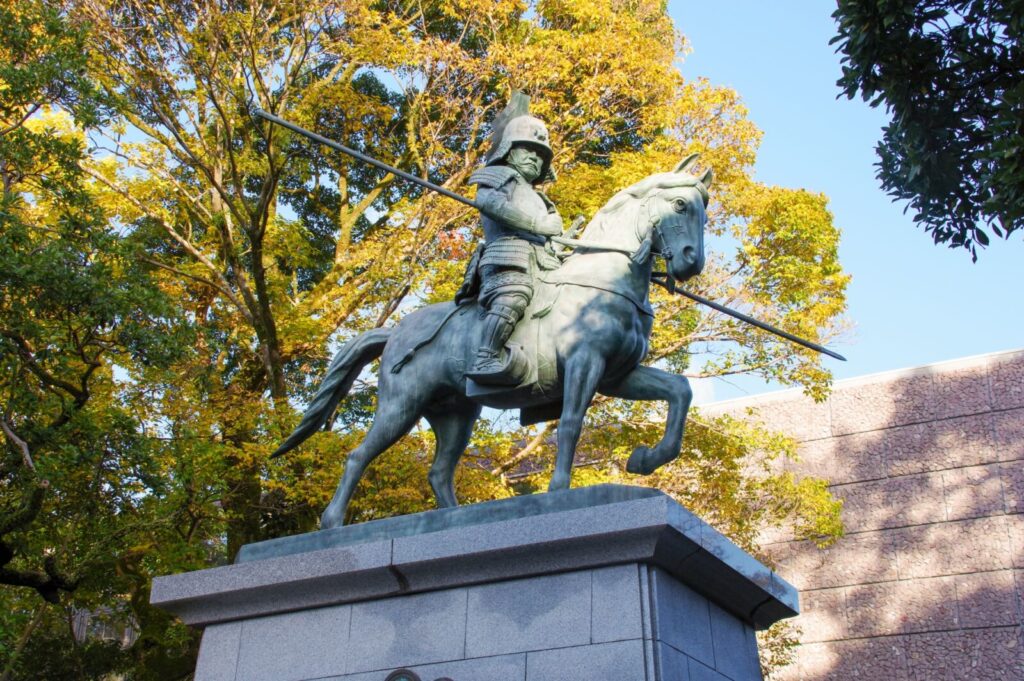
Kochi Castle is one of the most complete original castles remaining in Japan. Built in 1601 by Yamauchi Kazutoyo after the Battle of Sekigahara, it served as the seat of the Tosa Domain for over 250 years.
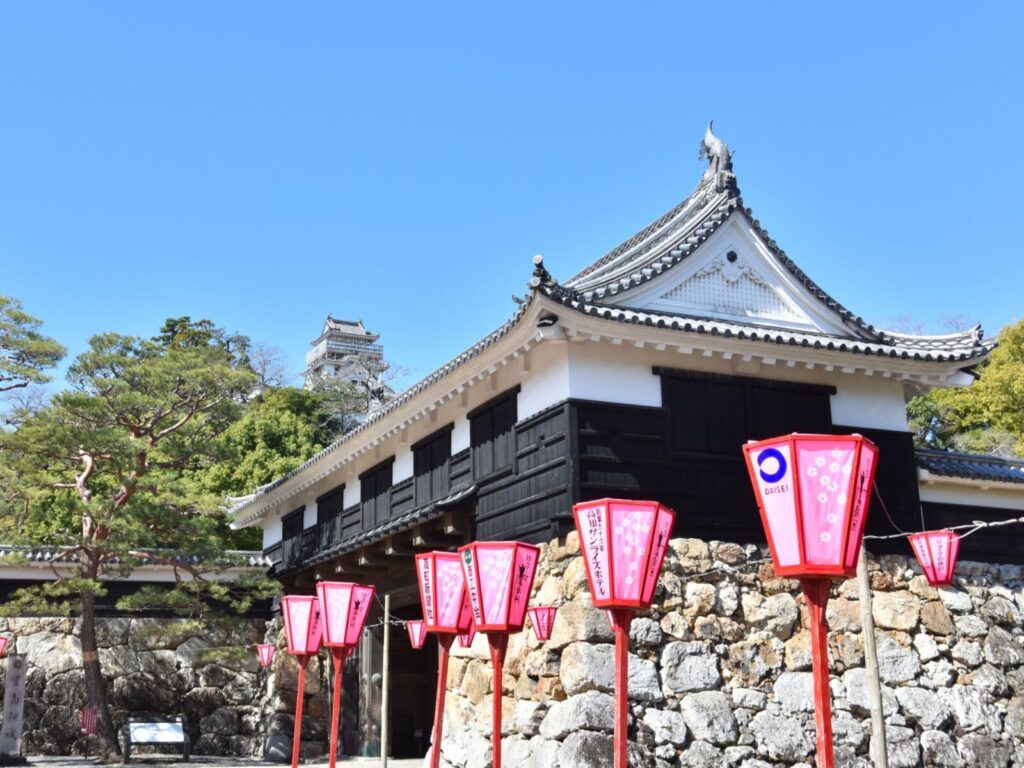
Unlike many castles where only the keep survives, Kochi retains a full set of historical buildings, including gates, turrets, and the main citadel.
Within the Honmaru area of the castle grounds stands a Shoin-style palace building, where the daimyo once lived and governed the domain. These rooms reflect the formal architecture of samurai residences, featuring sliding screens, tatami flooring, and elegant reception areas.
Because so many structures remain intact, Kochi Castle provides an unusually complete look at how a castle functioned as both a military fortress and a political center.
5. Nagoya Castle
- Recommended for: Visitors who want to see one of Japan’s grandest reconstructed castle palaces and experience the wealth and prestige of the powerful Tokugawa family.
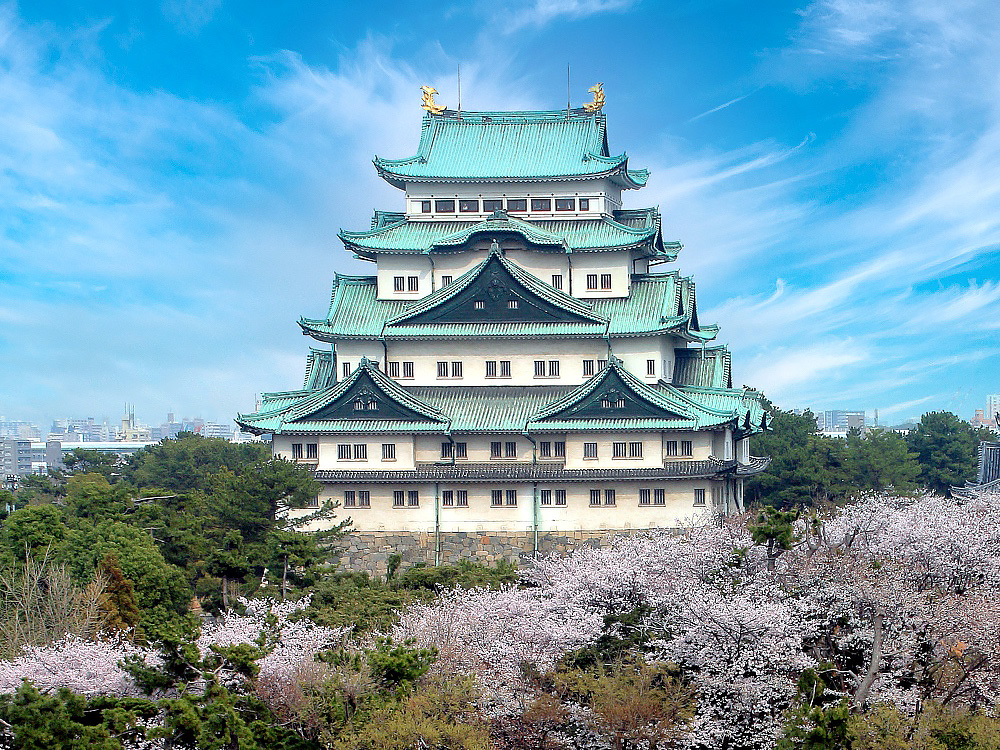
Nagoya Castle is one of Japan’s most famous castles, recognizable by the golden shachihoko ornaments that crown its keep.
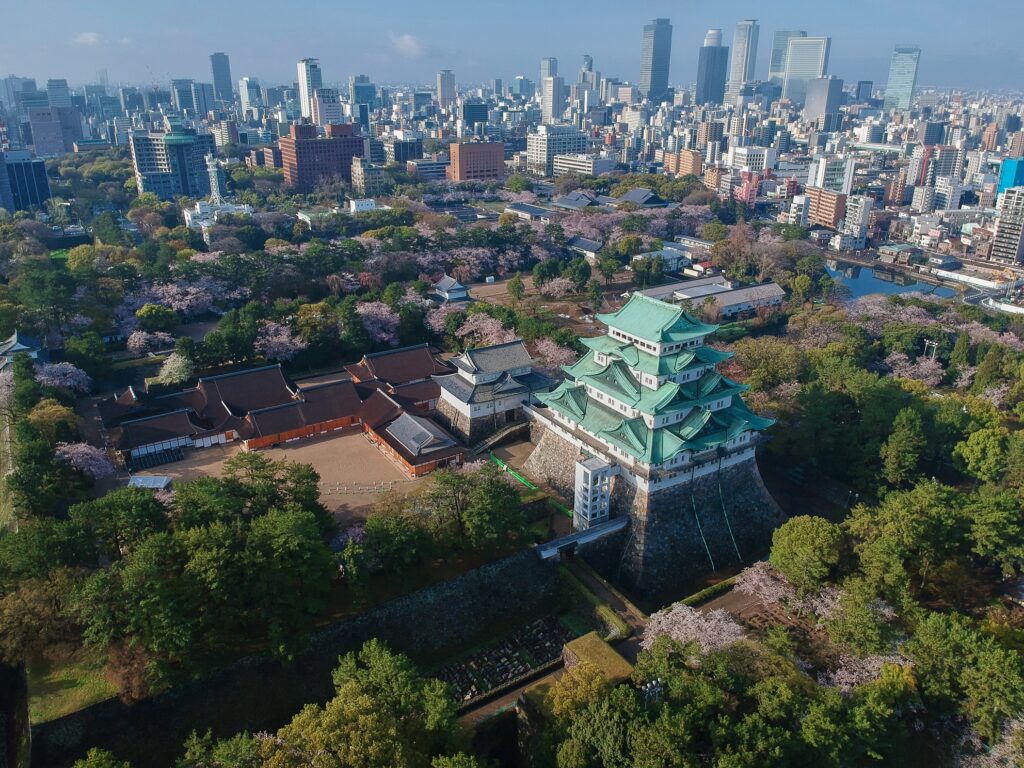
Originally constructed by Tokugawa Ieyasu in the early 1600’s, the castle served as the seat of the powerful Owari branch of the Tokugawa family. The palace complex was destroyed during World War II air raids, but extensive research and historic photographs allowed it to be rebuilt.
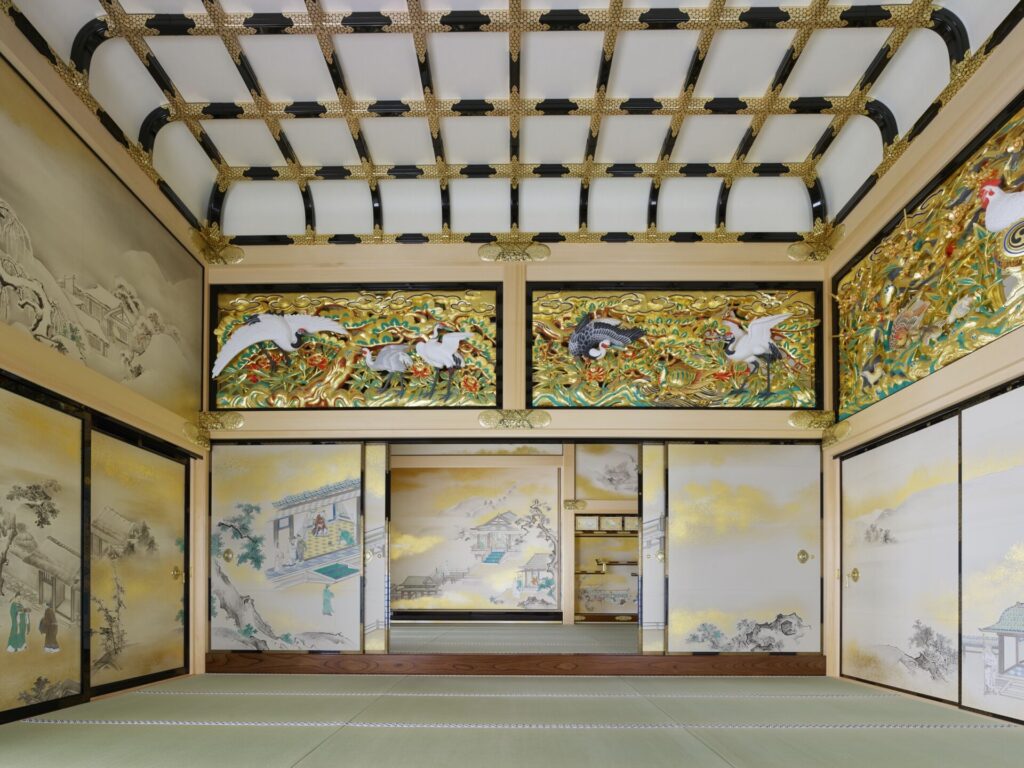
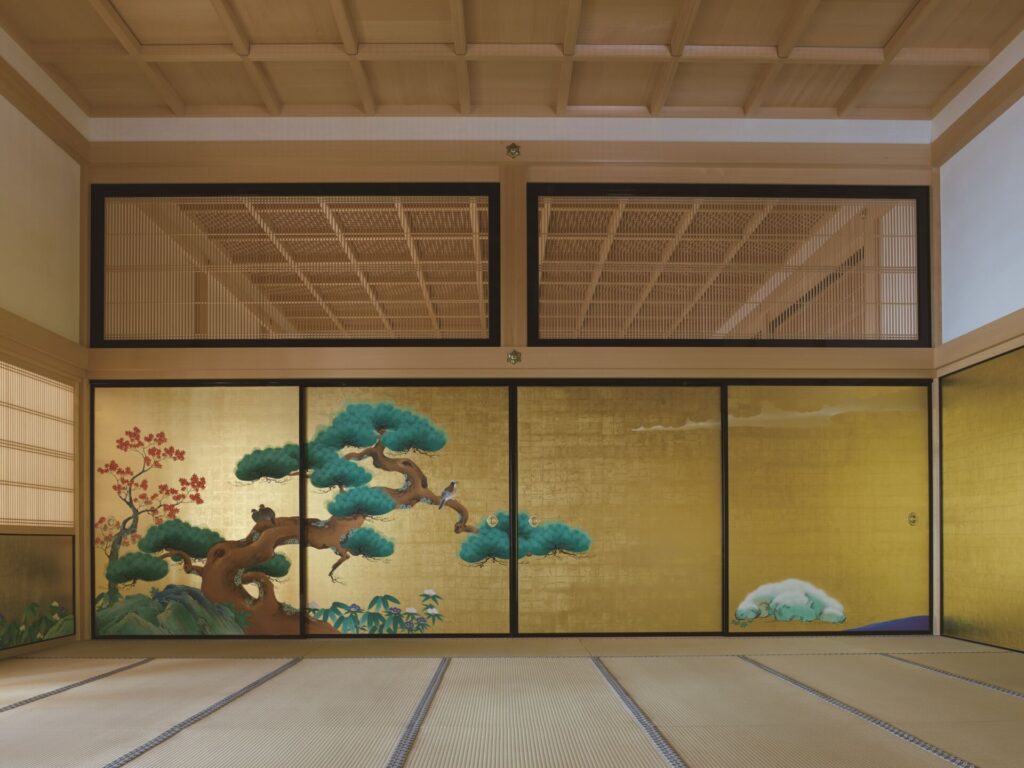
In 2018, the Honmaru Palace reconstruction was completed, restoring the building using traditional materials and craftsmanship.
Inside, visitors can admire elaborate painted screens, intricate woodwork, and large reception halls used for meetings between daimyo and shogunate officials. The palace reflects the immense wealth and prestige of the Tokugawa family, making it one of the most spectacular castle interiors in modern Japan.
6. Hikone Castle
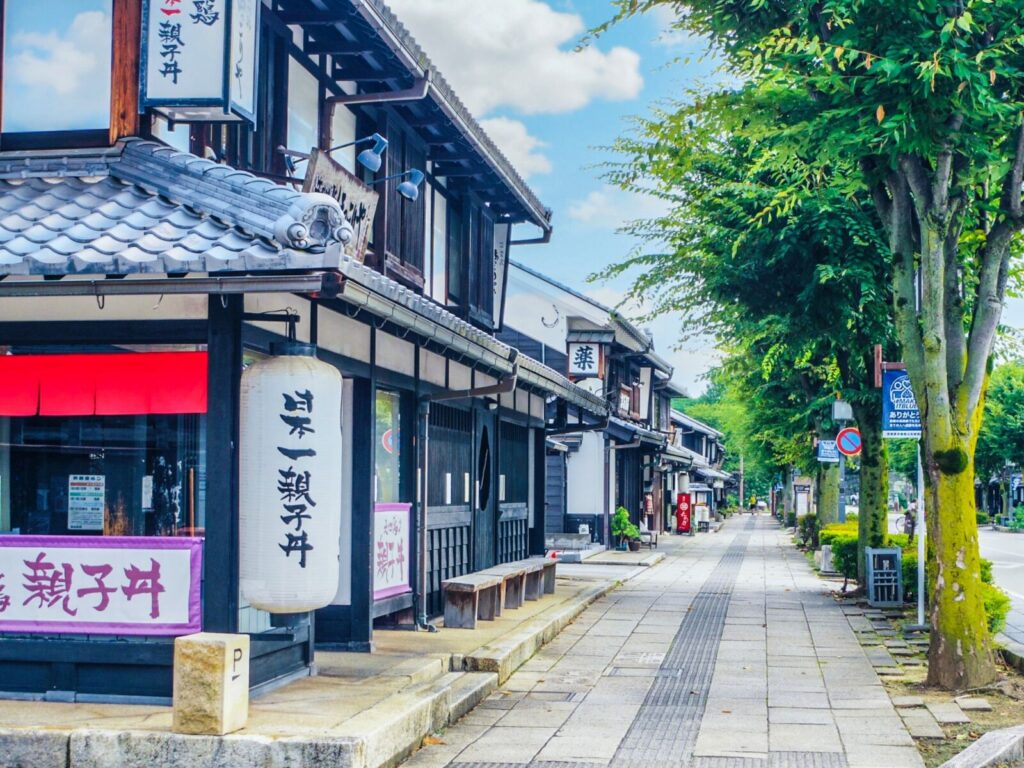
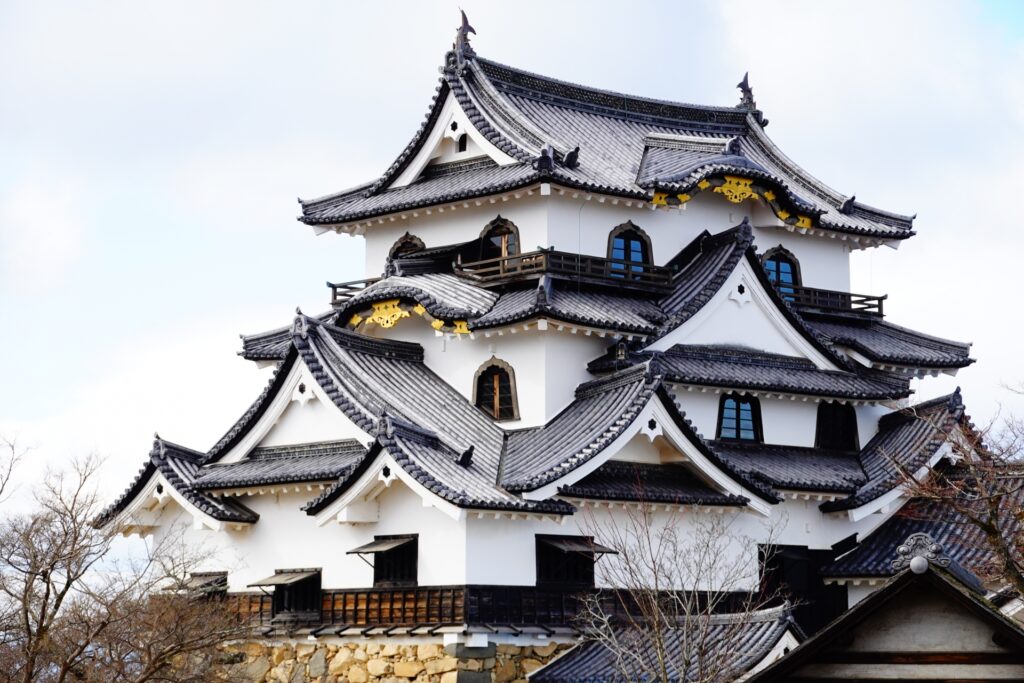
- Recommended for: Travelers looking for a well-preserved original castle complex with multiple highlights, including a National Treasure keep, traditional garden, and historic cultural buildings.
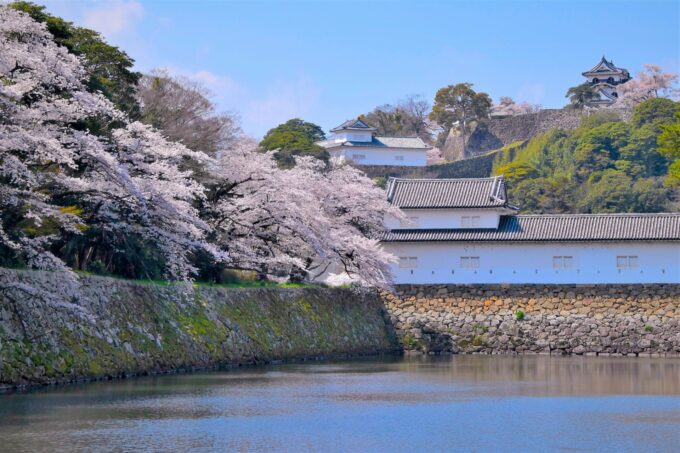
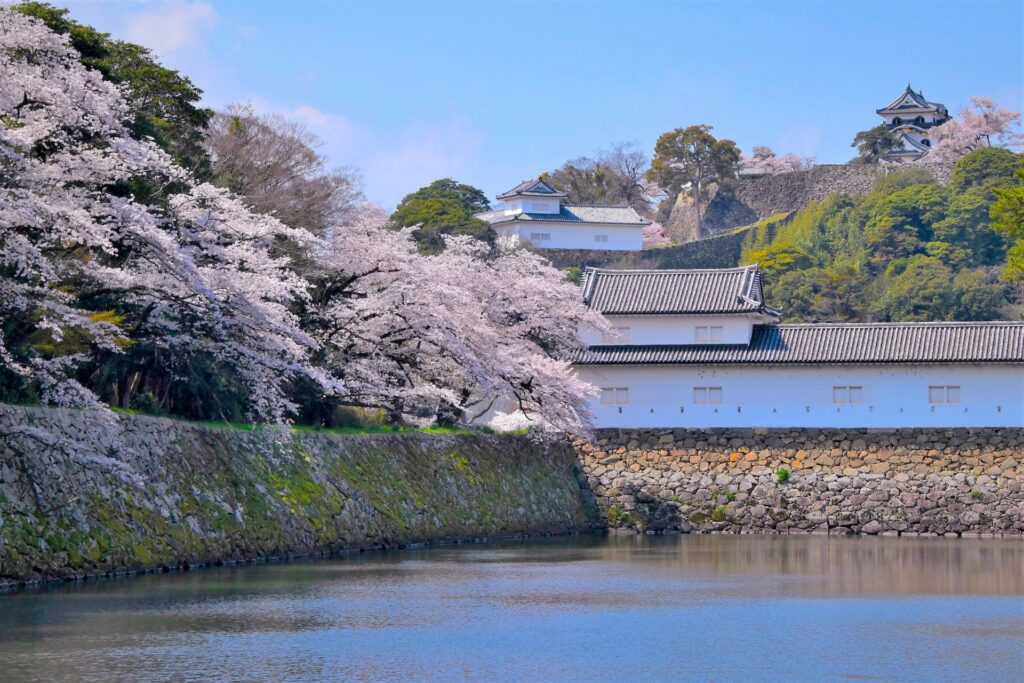
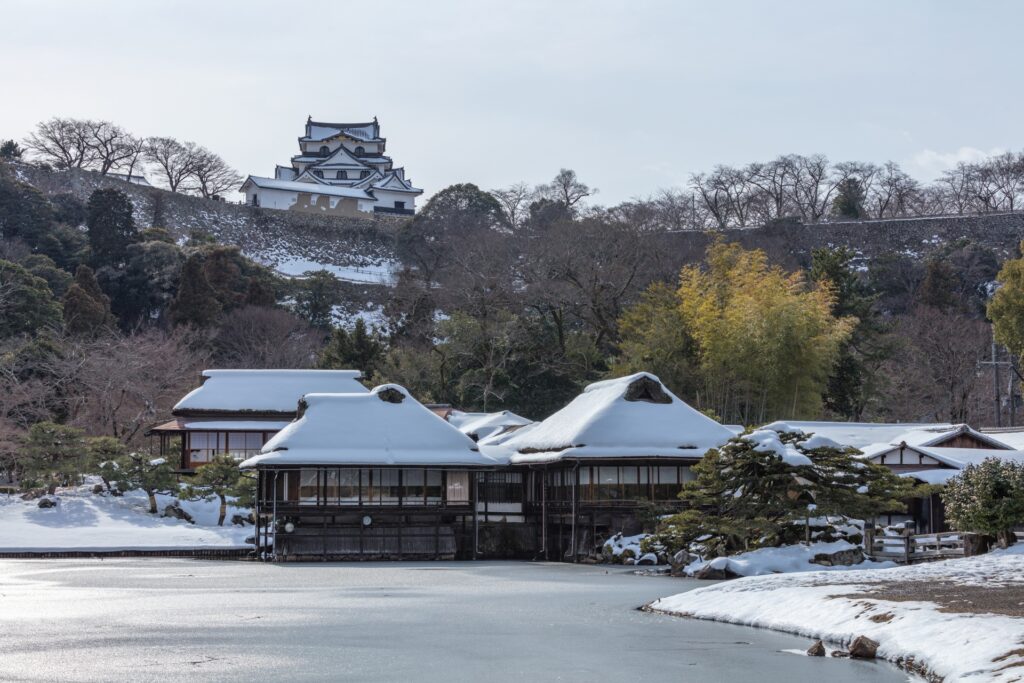
Hikone Castle, is one of only 5 castles in Japan with an original keep designated as a National Treasure.
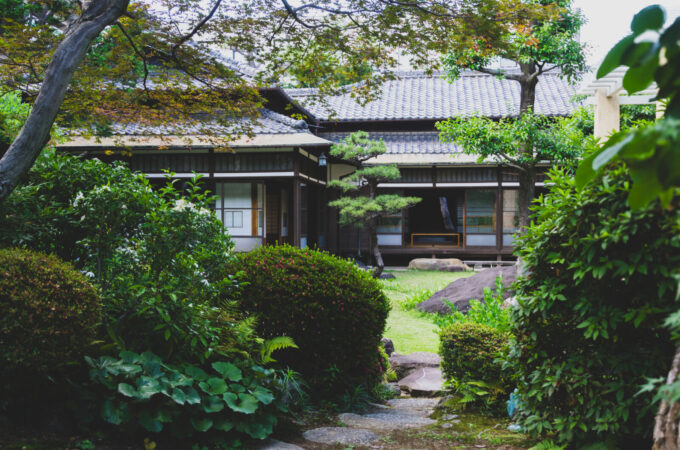
The castle was built by the Ii clan, one of the most powerful families serving the Tokugawa shogunate. Within the castle grounds stood the Omote Goten palace, where domain administration took place.
The palace was divided into two main areas, the Omote (public section), where officials worked and conducted government affairs and the Oku (private section), where the daimyo lived.
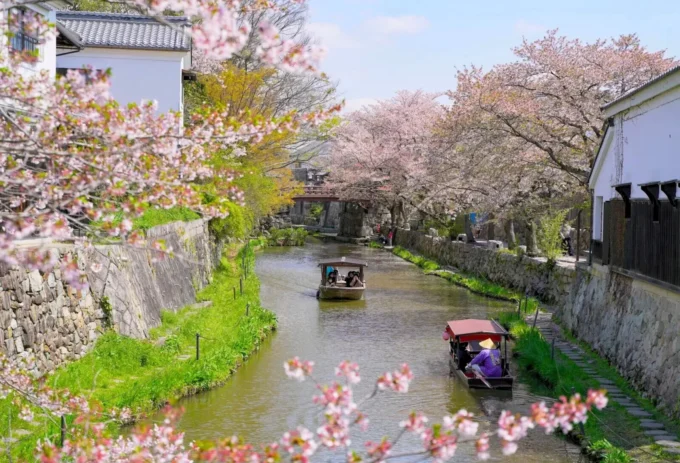
Hikone castle is unique in that it has the only surviving Noh stage and horse stables of the original remaining castles. It is one of the best castles in Japan for tourists due the large variety of things to see on the castle grounds including the National Treasure Hikone Castle tower, Japanese garden Genkyuen, history museum featuring the Ii family’s collection of musical instruments and household objects, and multiple moats surrounded by cherry blossoms.
7. Saga Castle
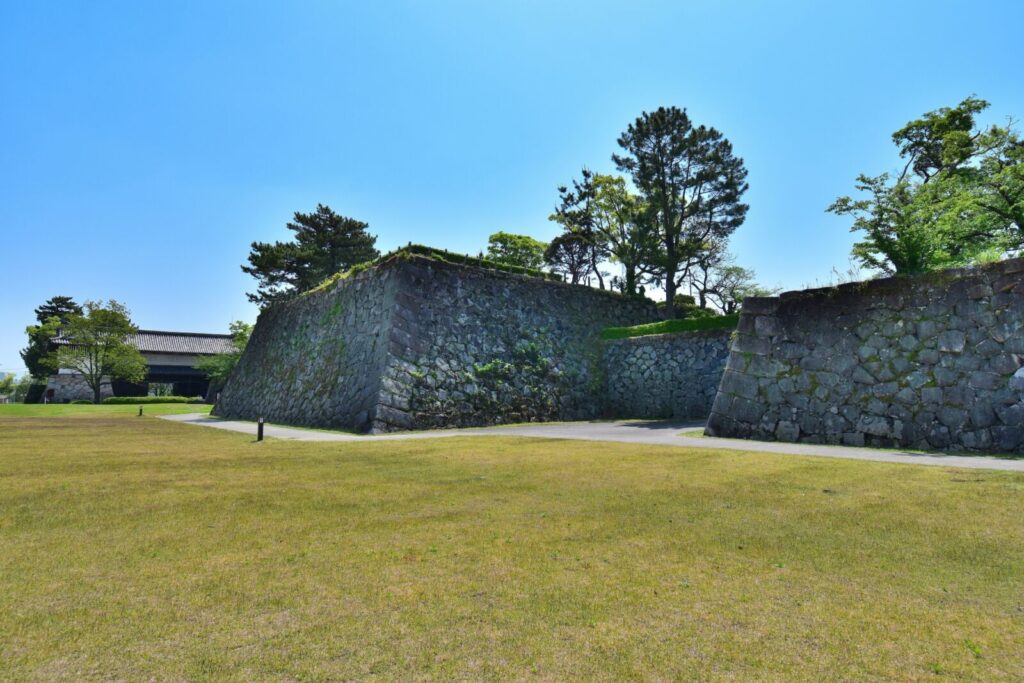
- Recommended for: Visitors interested in the final years of the samurai era and the political changes leading to the Meiji Restoration, showcased in Japan’s first reconstructed castle palace.
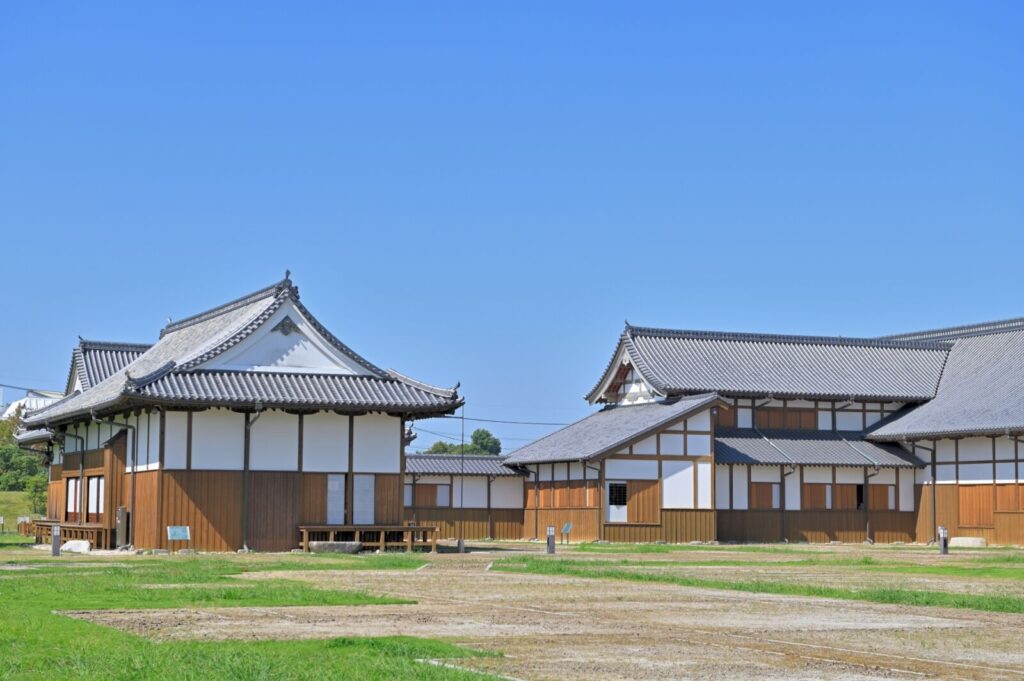
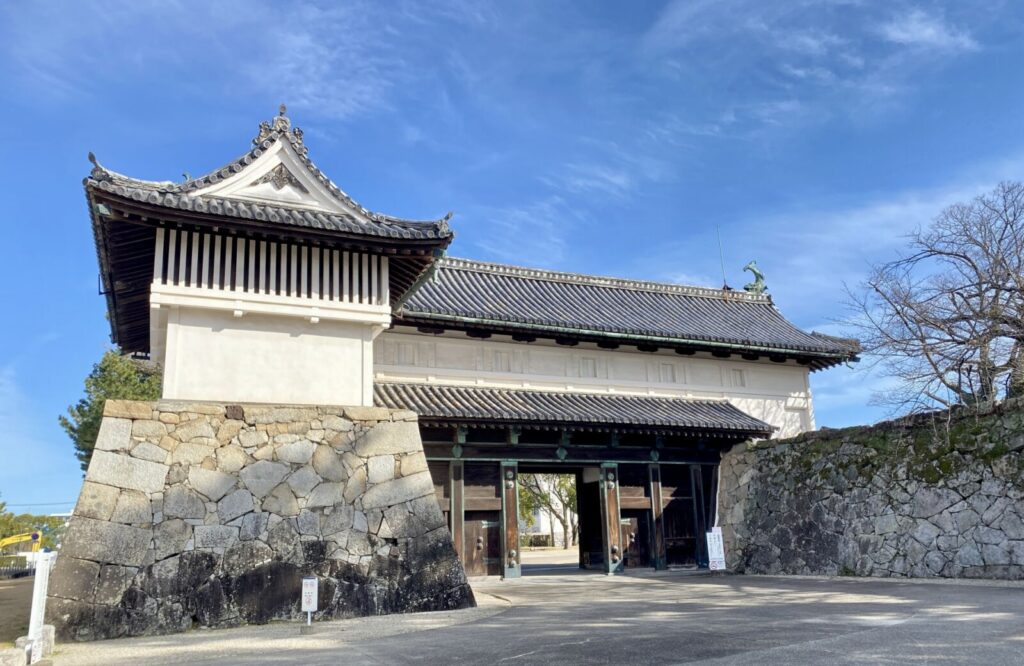
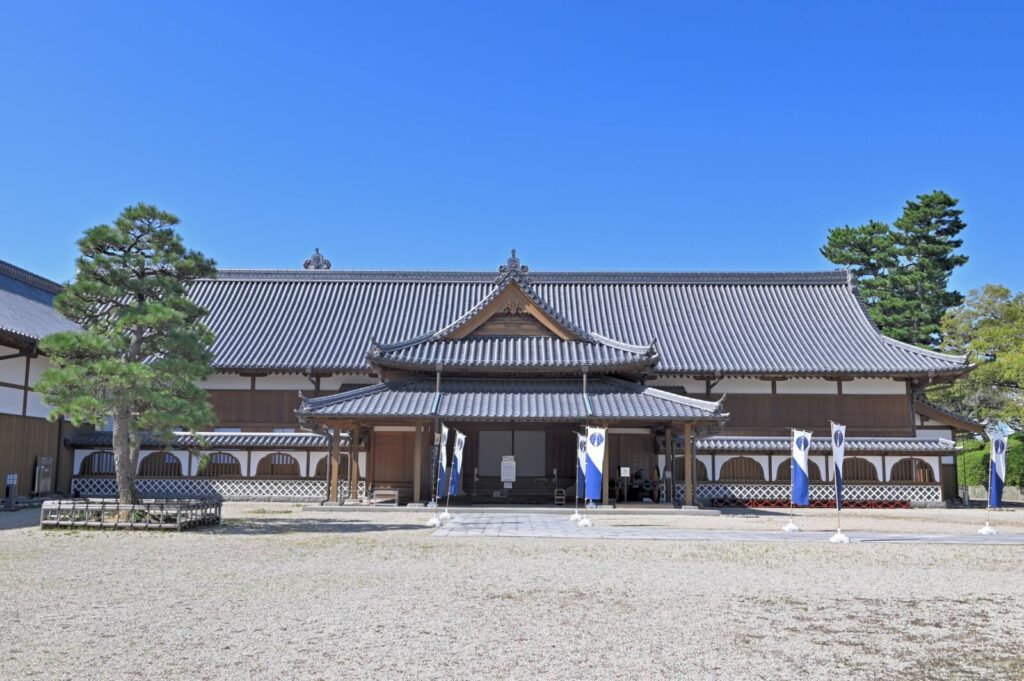
Saga Castle is notable for being the first castle in Japan where the Honmaru Palace was fully reconstructed.
The castle originated from Muranaka Castle, which dates back to the late 12th century. During the Edo period it became the headquarters of the powerful Nabeshima clan.
The restored Saga Castle Honmaru Palace, opened in 2004, is enormous. Visitors are greeted by a 45-meter tatami corridor and an impressive 320-tatami hall, creating one of the most spacious castle interiors in the country.
Today the palace houses the Saga Castle Honmaru History Museum, which focuses on the role of Saga Domain during the final years of the shogunate and the Meiji Restoration. Exhibits include historical artifacts, structural remains discovered during excavations, and insights into the reforms of Nabeshima Naomasa.
For travelers interested in the dramatic political changes of the 19th century, Saga Castle is a fascinating destination.
8. Kumamoto Castle
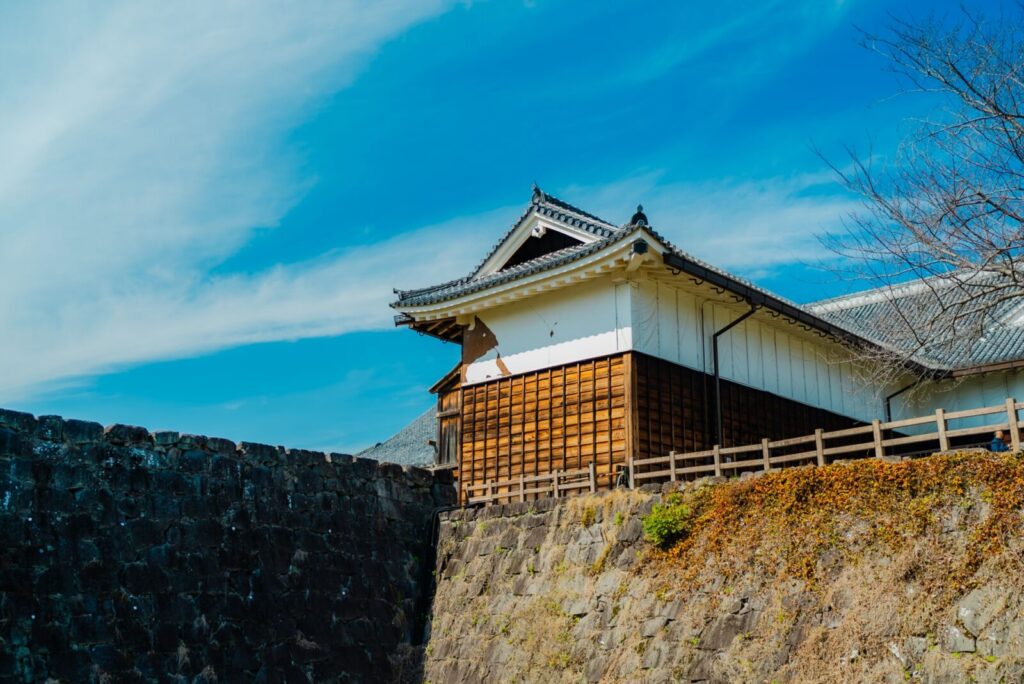
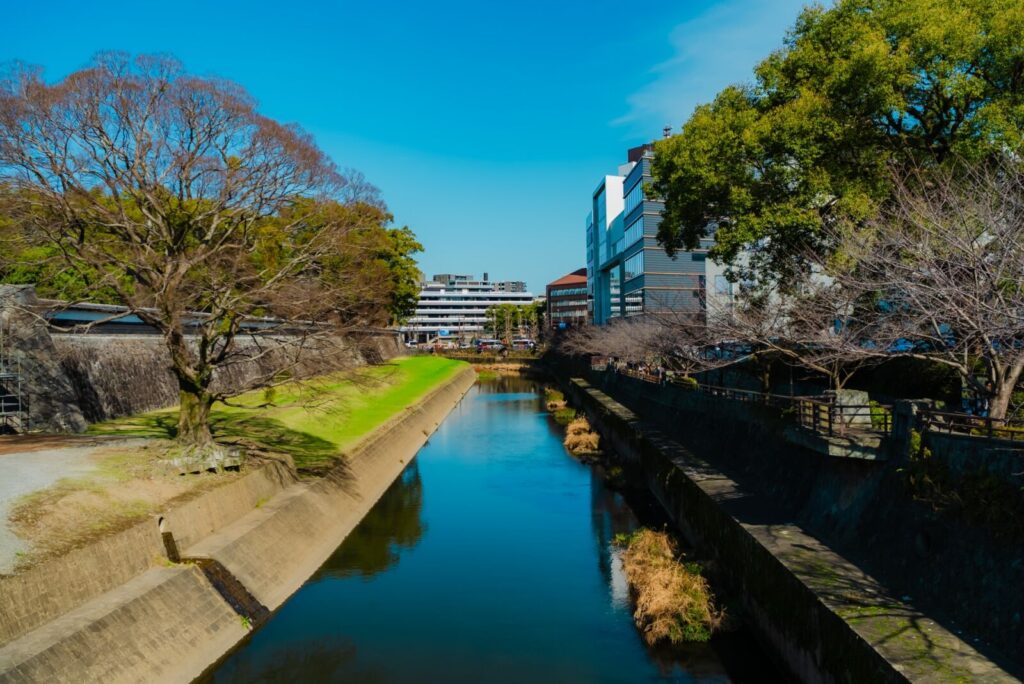
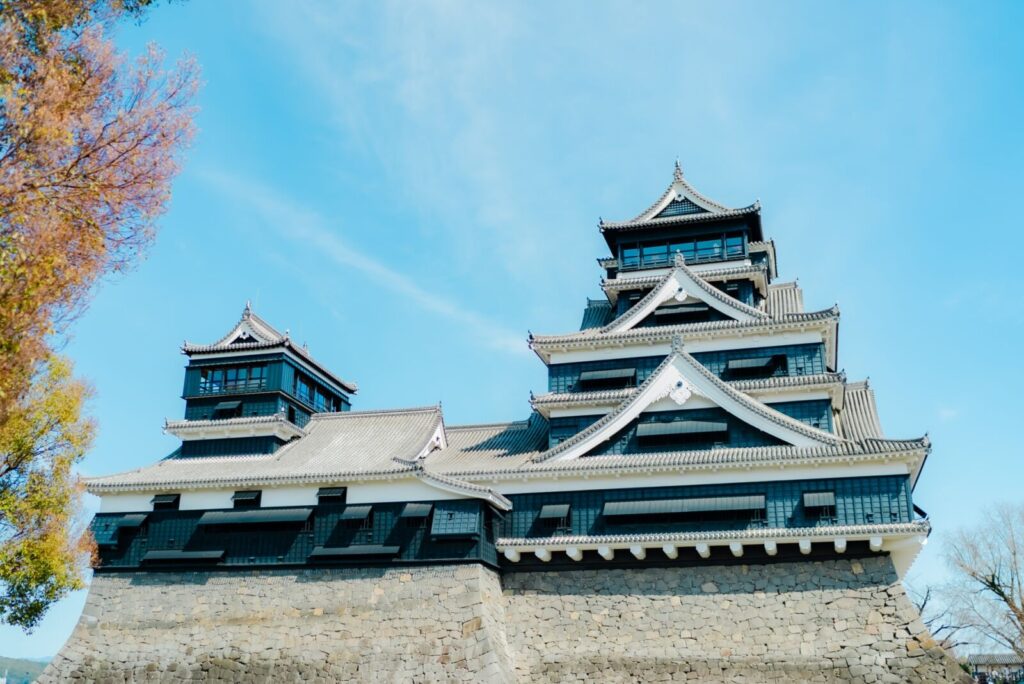
- Recommended for: Castle fans who want to see one of Japan’s most famous fortresses, known for its massive stone defenses and ongoing restoration after centuries of conflict and disaster.
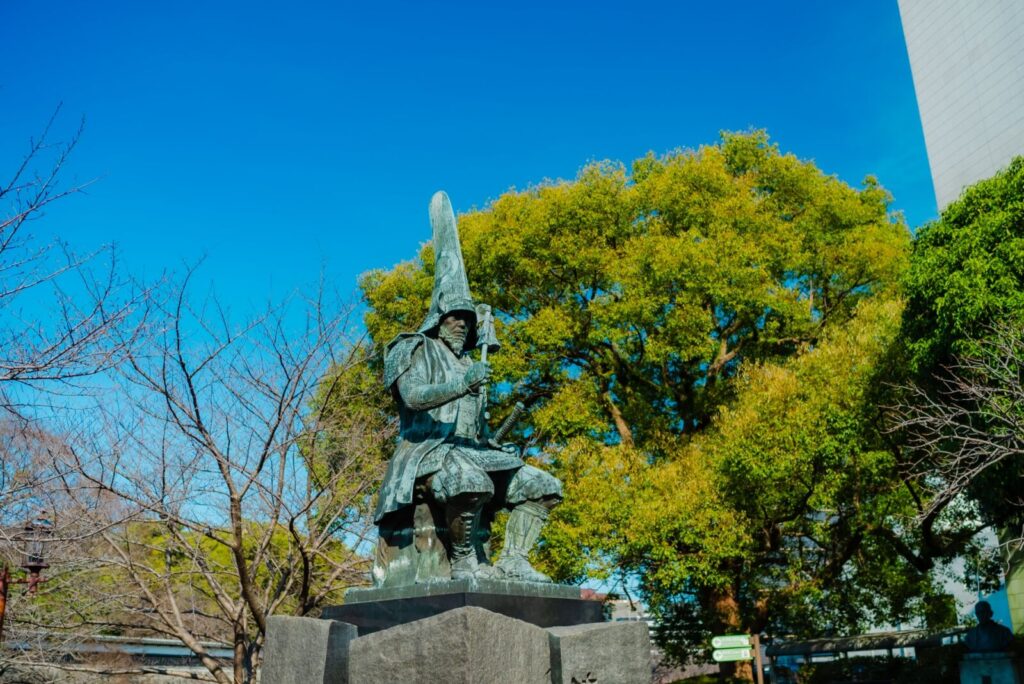
Often ranked among Japan’s greatest castles, Kumamoto Castle was built in 1607 by the legendary castle builder Kato Kiyomasa.
The fortress is famous for its towering stone walls known as “musha-gaeshi,” which curve outward to make climbing nearly impossible.
Although much of the castle was destroyed during the Satsuma Rebellion in 1877, large-scale restoration projects have revived many of its historic structures. In 2008, portions of the Honmaru Palace were reconstructed, including 25 rooms built in traditional samurai-style architecture.
Highlights include the lavish Shokun no Ma, one of the most prestigious reception rooms in the castle, and the mysterious Kuragari Tsuro, a stone-lined underground passage leading toward the palace.
Even today, restoration work continues as Kumamoto Castle gradually returns to its historic appearance.
FAQ
What is a Honmaru Goten?
The Honmaru Goten is the palace complex within a Japanese castle where the daimyo (feudal lord) lived and conducted official business, essentially a palace.
Unlike the defensive keep (tenshu), the palace was the administrative and residential center, often featuring tatami rooms, reception halls, and decorative screens. Some palaces also had cultural features like Noh stages or gardens.
Which castles in Japan still have original or reconstructed palaces?
- Nijo Castle (Kyoto) – Ninomaru Palace (original, 1624)
- Kakegawa Castle (Shizuoka) – Honmaru Palace (original, 1861)
- Kawagoe Castle (Saitama) – Honmaru Palace (original, 1848)
- Kochi Castle (Kochi) – Kaitokukan palace (original, 1749)
- Nagoya Castle (Aichi) – Honmaru Palace (rebuilt, 2018)
- Hikone Castle (Shiga) – Omote Goten (restored, 1980)
- Saga Castle (Saga) – Honmaru Palace (restored, 2004)
- Kumamoto Castle (Kumamoto) – Honmaru Palace (partially restored, 2008)
Are castle palaces open to the public?
Yes, most castles with palaces allow visitors to enter and explore rooms and corridors. Some, like Hikone Castle and Saga Castle, include museum exhibits detailing feudal life, while Kawagoe Castle and Nagoya Castle offer restored interiors for viewing.
We at Snow Monkey Resorts are proud to offer a variety of guided tours and day trips to these castles and palaces allowing visitors to learn more about the history of these impressive buildings.
Are castle palaces accessible for people with mobility issues?
Many palaces have steps and narrow corridors not suitable for wheelchairs. However, some, like Nagoya Castle, provide ramps or even elevators to certain areas. Please contact us if you have specific questions about any locations you wish to visit during your trip to Japan.
When is the best time to visit castles in Japan?
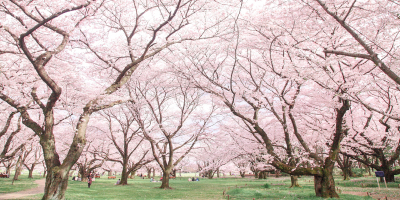
Spring (during cherry blossom season) and autumn (for the fall foliage) are particularly scenic, as gardens surrounding the palaces are often at their best. We recommend avoiding Japanese holidays and visiting on weekdays to avoid large crowds.