

As a major hub on the Tokaido Shinkansen Line from Tokyo and a central junction for regional networks connecting Kyoto, Nara, and Kobe, Osaka is exceptionally accessible and serves as the vibrant heartbeat of Western Japan. The city offers a high-energy contrast of towering skyscrapers and neon-lit canal paths against a backdrop of deep merchant history and world-class street food. On this page, we’ll provide all the details on Osaka’s premier attractions—from the grand Osaka Castle Park and the soaring Umeda Sky Building to the dazzling lights and endless eateries of the Dotonbori district. If you are searching for a comprehensive guide on what to see and do in Osaka, this list covers every essential experience!
Once the seat of Japan’s economic power during the Edo Period (1603-1868), Osaka was historically known as the ‘Kitchen of the Nation’ due to its role as the central distribution hub for rice and essential goods. Under the influence of the merchant class rather than the military elite, the city developed a pragmatic, high-energy culture that prioritized commerce, culinary excellence, and popular entertainment over stoic tradition. This mercantile wealth funded the creation of grand landmarks like Osaka Castle and the vibrant theater districts that eventually evolved into the neon-lit corridors of Namba and Dotonbori. Today, Osaka remains a powerhouse of modern innovation and world-class dining, while retaining a gritty, welcoming charm that sets it apart from other Japanese metropolises. From the massive transit hub of Umeda, it is an incredibly dynamic city to navigate, offering a seamless blend of historic shrines and futuristic urban landscapes.
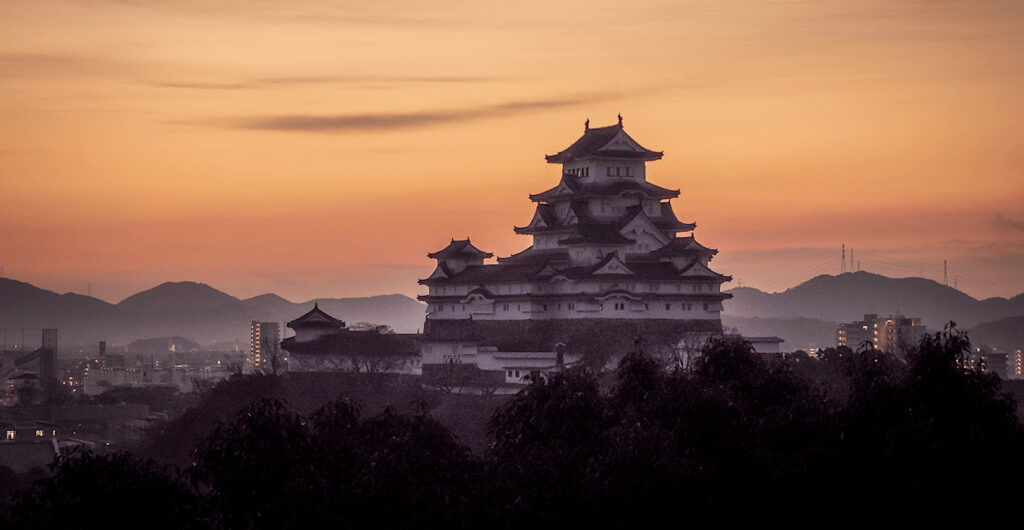
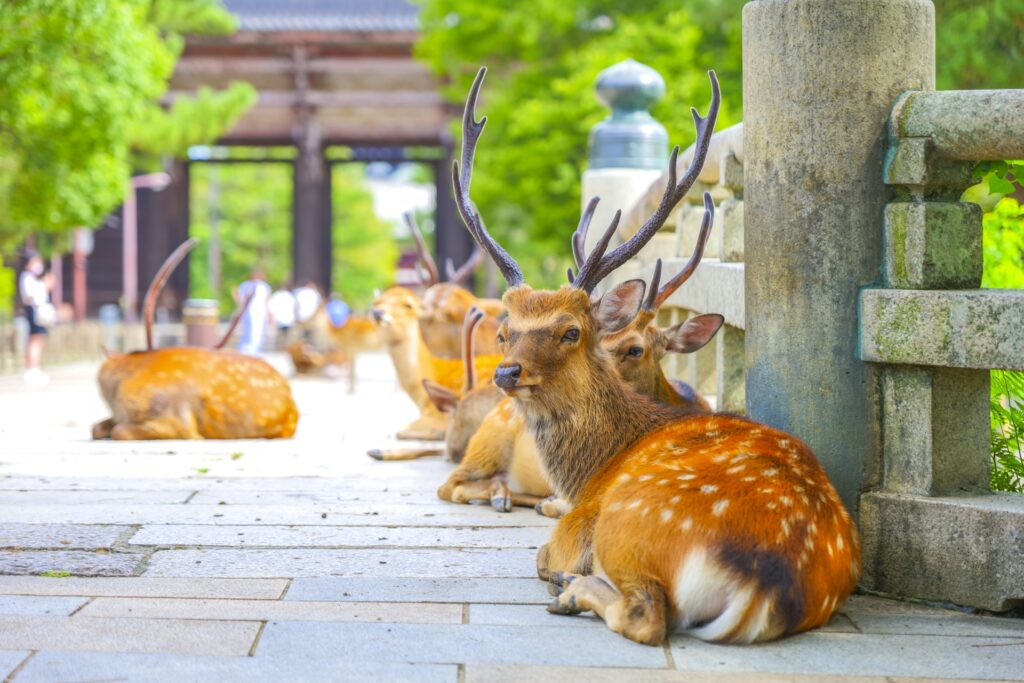
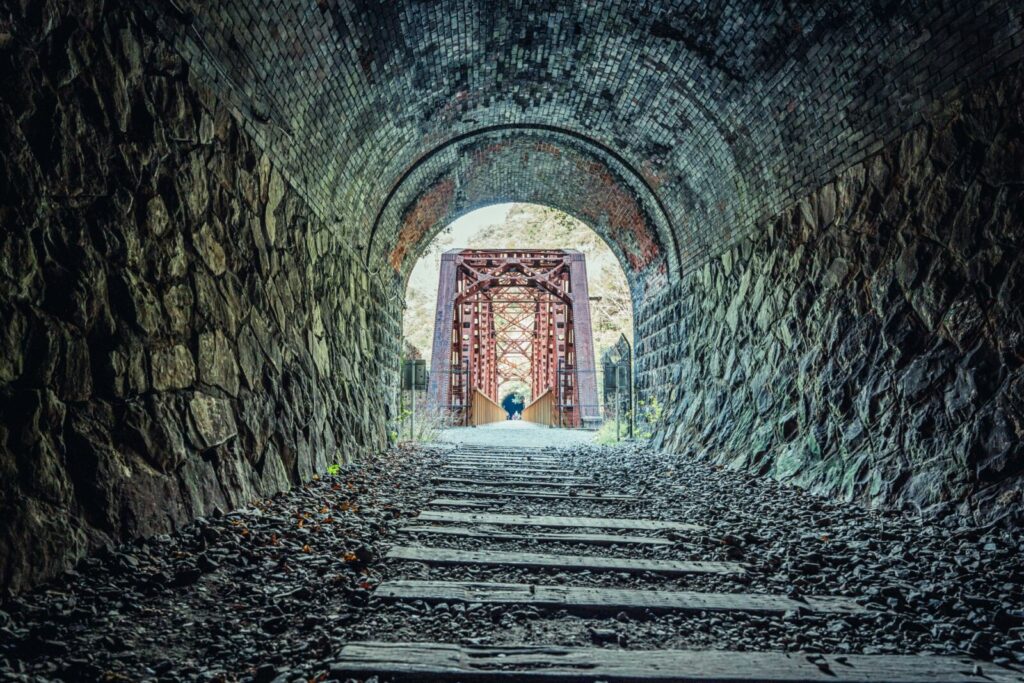
Outside of the city, the region is blessed with many outstanding destinations and attractions including the ancient temples of Kyoto, the bowing deer of Nara Park, the seaside charm of Kobe, and a little further afield the world-heritage Himeji Castle, the mystical mountain retreat of Koyasan, and the scenic hot springs of Arima, along with the white sands of Shirahama and the quiet trails of the Abandoned Takedao Railway!
Where is Osaka?
Osaka is the center of the Kansai region, a vibrant metropolis located on the scenic Osaka Bay in the heart of West Japan. As a premier transport hub, the city is easily accessible: the Tokaido Shinkansen from Tokyo in about two and a half hours, while the Sanyo Shinkansen provides a direct link to Hiroshima and Fukuoka. For those arriving from nearby Kyoto or Nara, a network of local and limited express lines makes getting into the city center a breeze.
Once there, visitors encounter a city that perfectly balances gritty neon charm with a deep historical soul. Known as "Japan's Kitchen," Osaka is world-renowned for its street food culture, Michelin-starred dining, and the high-energy atmosphere of districts like Dotonbori. It is an ideal destination for those who want to explore towering castles and ancient shrines by day, then dive into some of the country's best nightlife and shopping by night. Now more than ever, Osaka stands as an essential stop for any international traveler.
25 Best Things to do around Osaka
One of the most dynamic and multifaceted cities in Japan, Osaka is perfectly suited for a multi-day visit that blends high-energy urban attractions with deep historical roots and world-class culinary experiences. From its towering landmarks and neon-lit entertainment districts to its serene temples, specialized museums, and premier shopping, visitors often find themselves captivated by Osaka’s boisterous charm and wishing they had extra days to uncover all its hidden corners. The following guide to exploring Osaka begins within the city’s vibrant core before branching out to its unique residential wards and then onto significant regional highlights that make the city an ideal base for a broader exploration of the Kansai region. Let’s start with what is undoubtedly the city’s most iconic historical monument:
1 / OSAKA CASTLE / all year round
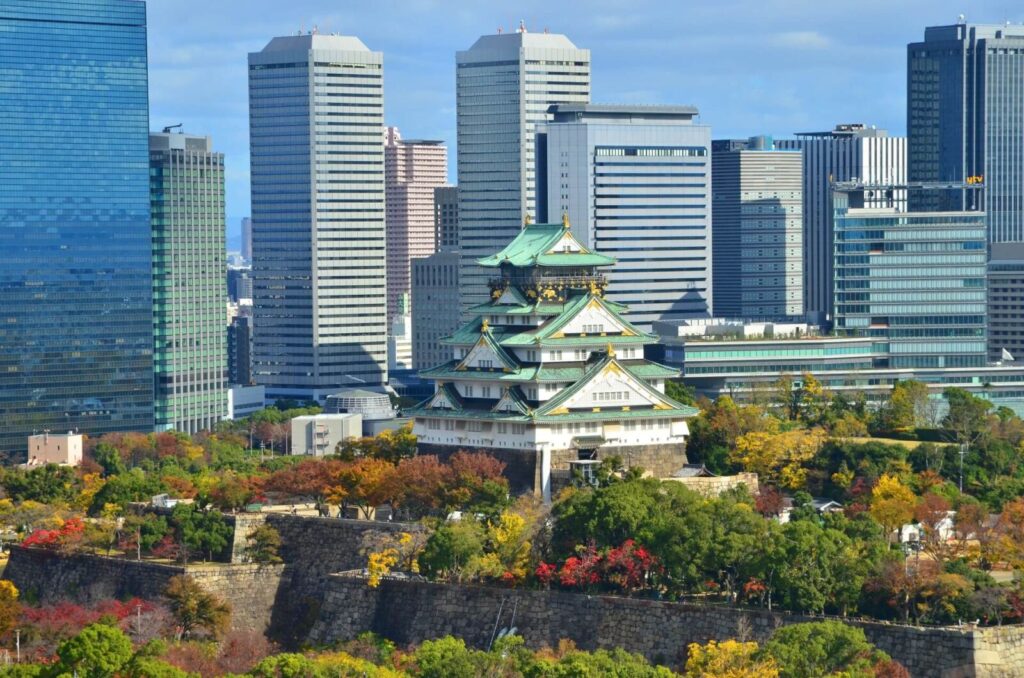
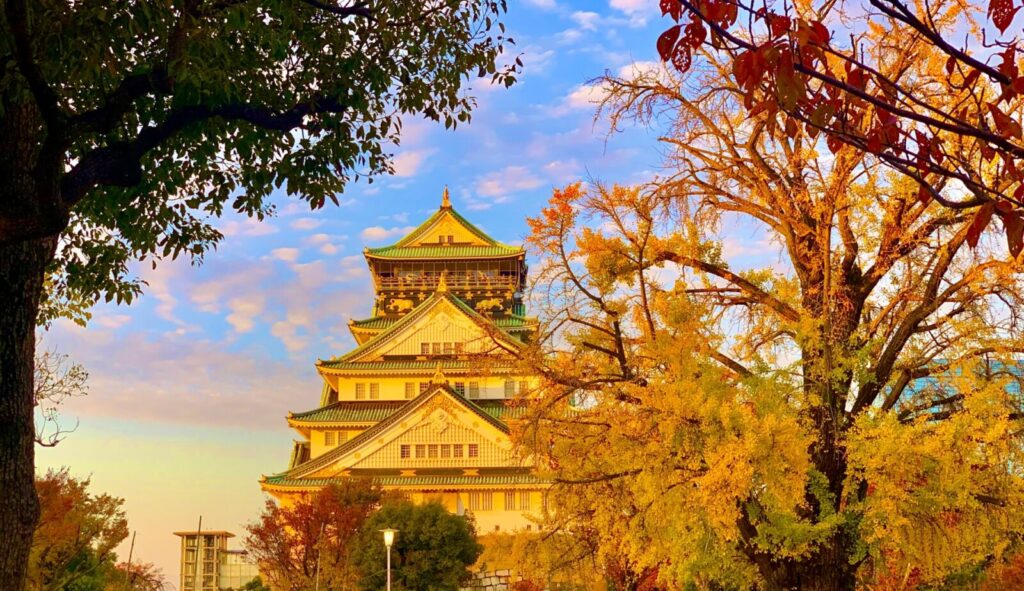
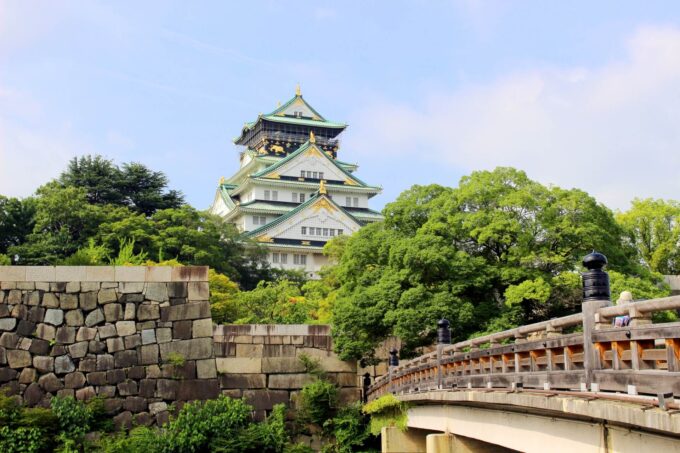
Originally constructed in 1583 by Toyotomi Hideyoshi, Osaka Castle served as a powerful symbol of Japan's unification and remains one of the country's most iconic historical landmarks. The current main tower is a meticulous 2031 reconstruction that houses a modern museum, blending centuries of samurai history with impressive views of the surrounding skyscrapers. The castle park is open year-round, though it is particularly spectacular during the spring when over 3,000 cherry trees bloom across the massive stone ramparts and moats. The tower is open daily from 09:00 to 17:00, with extended hours during certain holidays and seasonal events. Admission to the main tower is 1200 yen. From JR Osakajo-koen Station: 15 min walk.
We have a tour that not only stops at the castle but also visit Shitennoji Temple and Dotonbori. Check it out below!
2 / SHINSEKAI (TSUTENKAKU)/ all year round
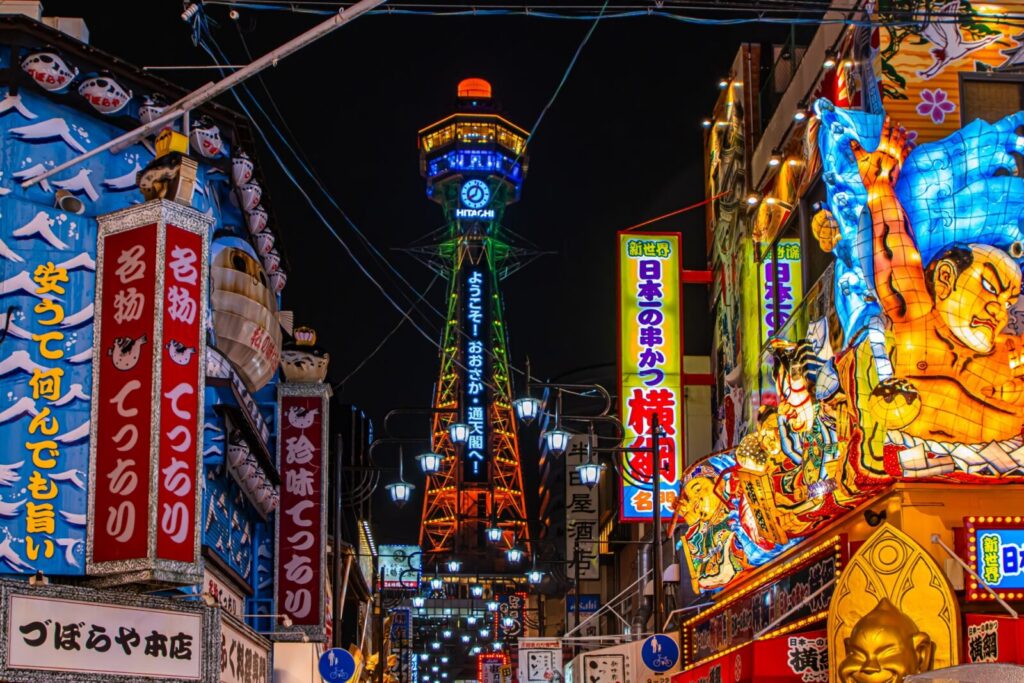
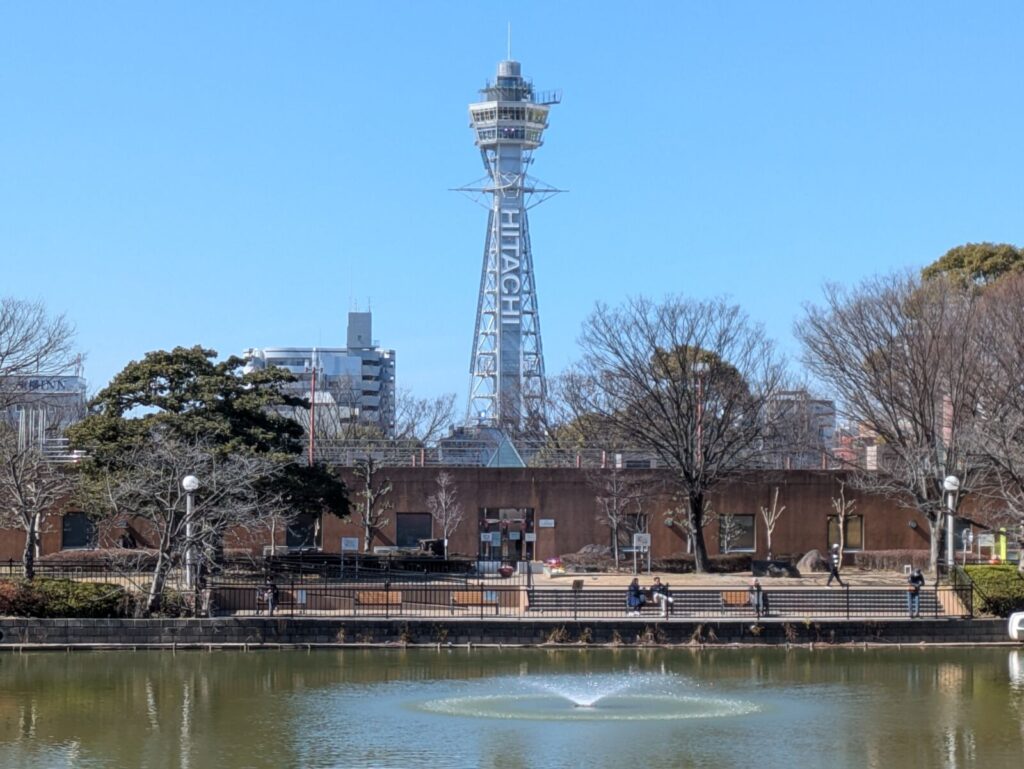
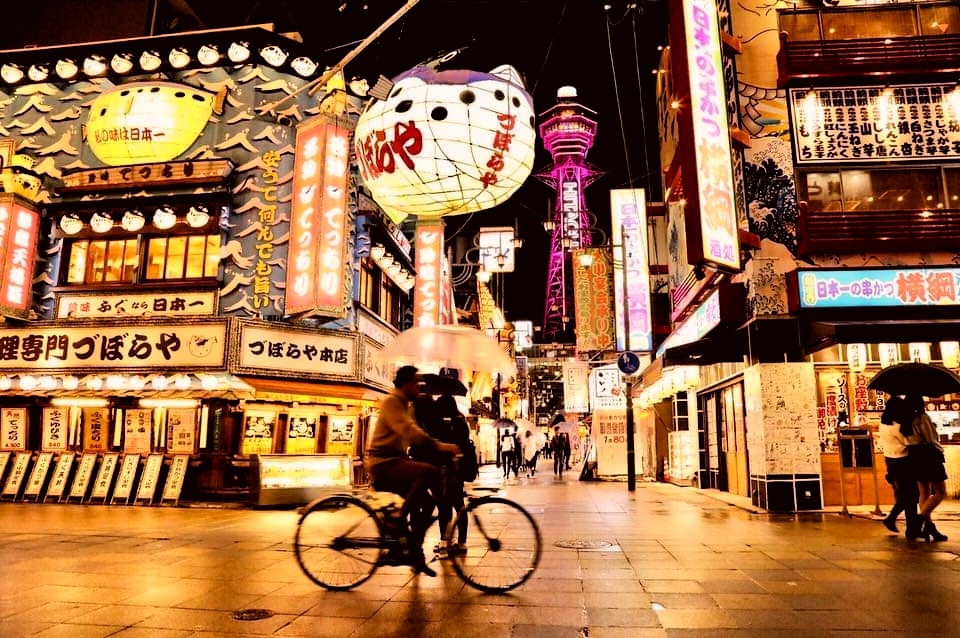
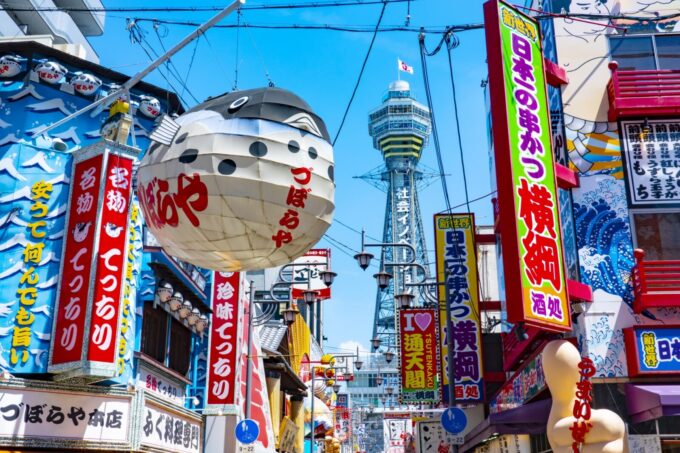
The vibrant district of Shinsekai is a nostalgia-filled neighborhood originally designed in 1912 to mimic the atmospheres of Paris and New York. At its center stands the iconic Tsutenkaku Tower, which offers panoramic views of the city and serves as a landmark for the surrounding streets packed with retro neon signs. The area is most famous for its lively kushikatsu restaurants, where you can enjoy Osaka's signature deep-fried skewers in a setting that feels like a colorful step back in time. From JR Shin-Imamiya Station: 10 min walk.
If you want to get a guided tour of not just the Shinsekai area during the day but also see Sumiyoshi Shrine and the Buddhist "Hell" temple, check out the tour below!
3 / DOTONBORI & NAMBA / all year round
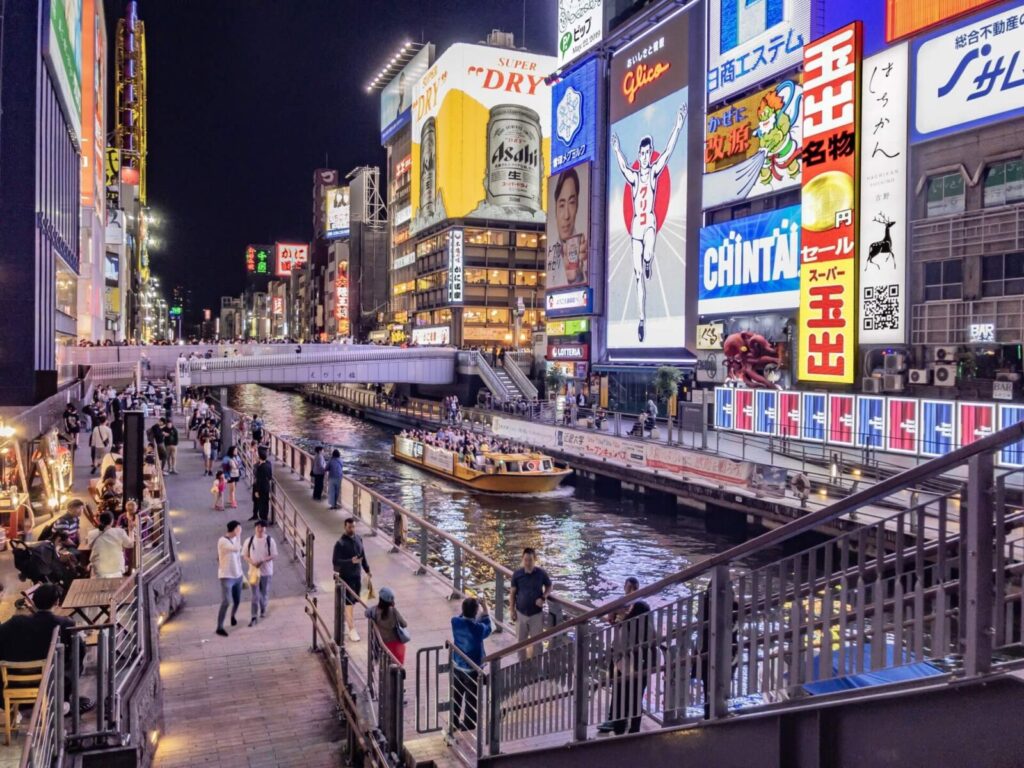
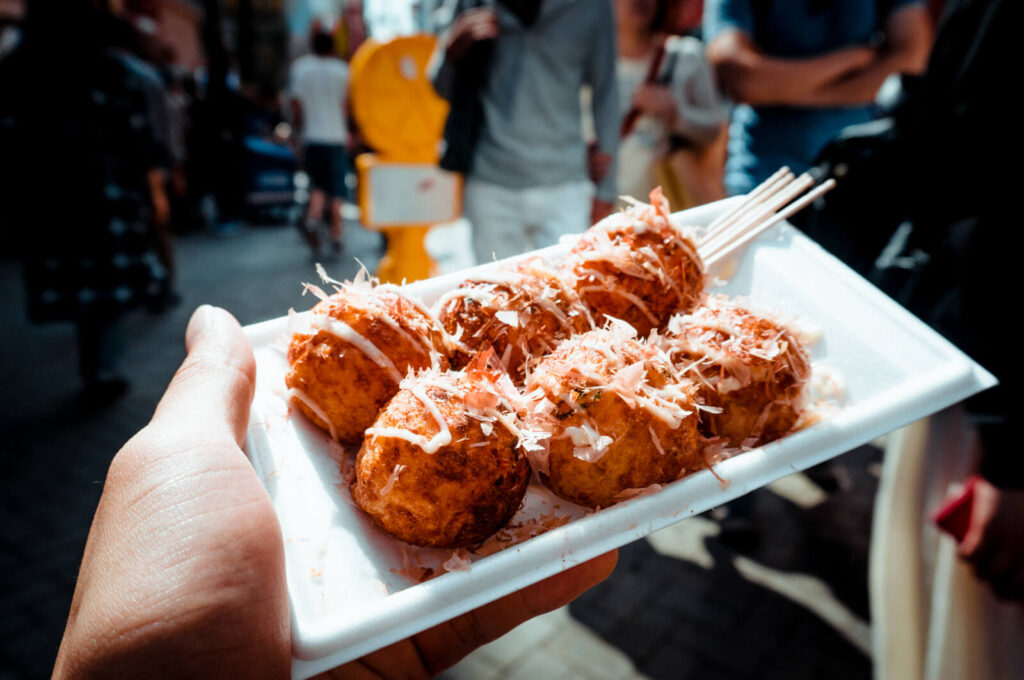
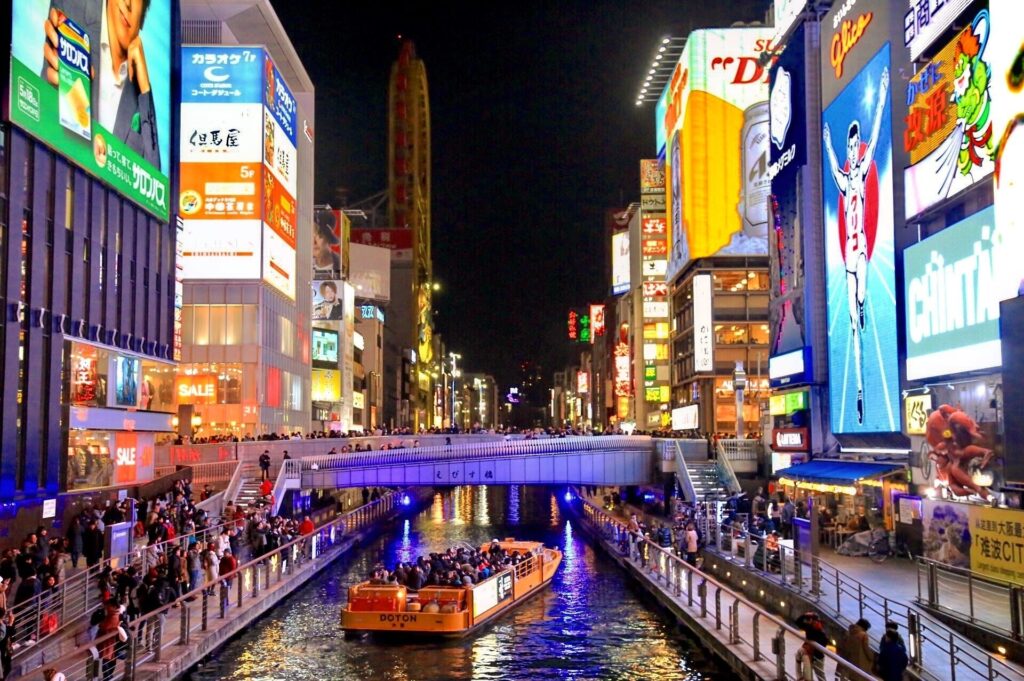
The district of Namba serves as Osaka’s primary entertainment hub, a high-energy area famous for its massive neon displays, theater culture, and endless shopping arcades. At its heart lies Dotonbori, a vibrant canal-side street where the iconic Glico Running Man sign and giant mechanical food displays create one of Japan's most photographed cityscapes. The area is a paradise for food lovers, with countless stalls and restaurants offering local specialties like takoyaki and okonomiyaki well into the night. From JR Namba or Midosuji Line Namba Station: 5 min walk.
If you want to see Dotonbori but also visit Osaka castle and try your hand at ukiyoe wood block printing, check out the tour below!
4 / SUMIYOSHI SHRINE / all year round
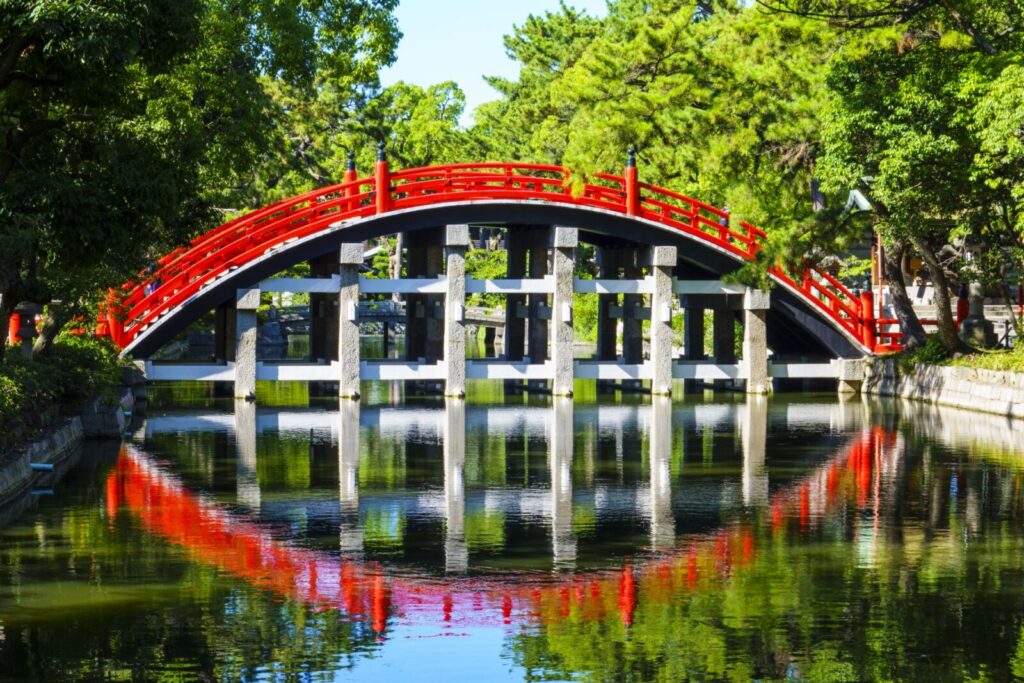
Sumiyoshi Taisha is one of Japan’s oldest and most prestigious shrines, founded in the 3rd century and famous for its unique "Sumiyoshi-zukuri" architectural style. The shrine’s most iconic feature is the Sorihashi Bridge, a steep, red-arched walkway that creates a stunning reflection in the pond and is said to purify visitors as they cross. Today, the peaceful grounds serve as a spiritual retreat from the city's bustle, particularly popular for New Year’s prayers and traditional festivals throughout the seasons. From Sumiyoshi-Taisha Station: 3 min walk.
If you want a good mix of the modern and the ancient the tour below goes to Sumiyoshi Shrine as well as Shinsekai, Korea Town and the Buddhist "Hell" temple!
5 / KATSUOJI TEMPLE / Best: October and November
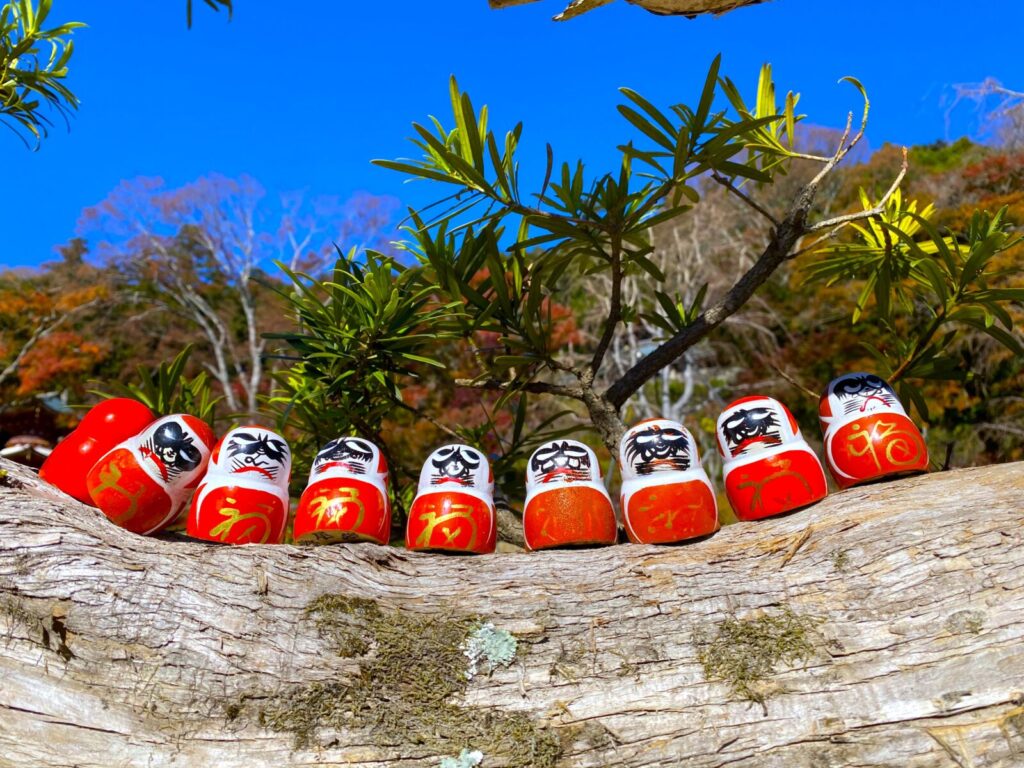
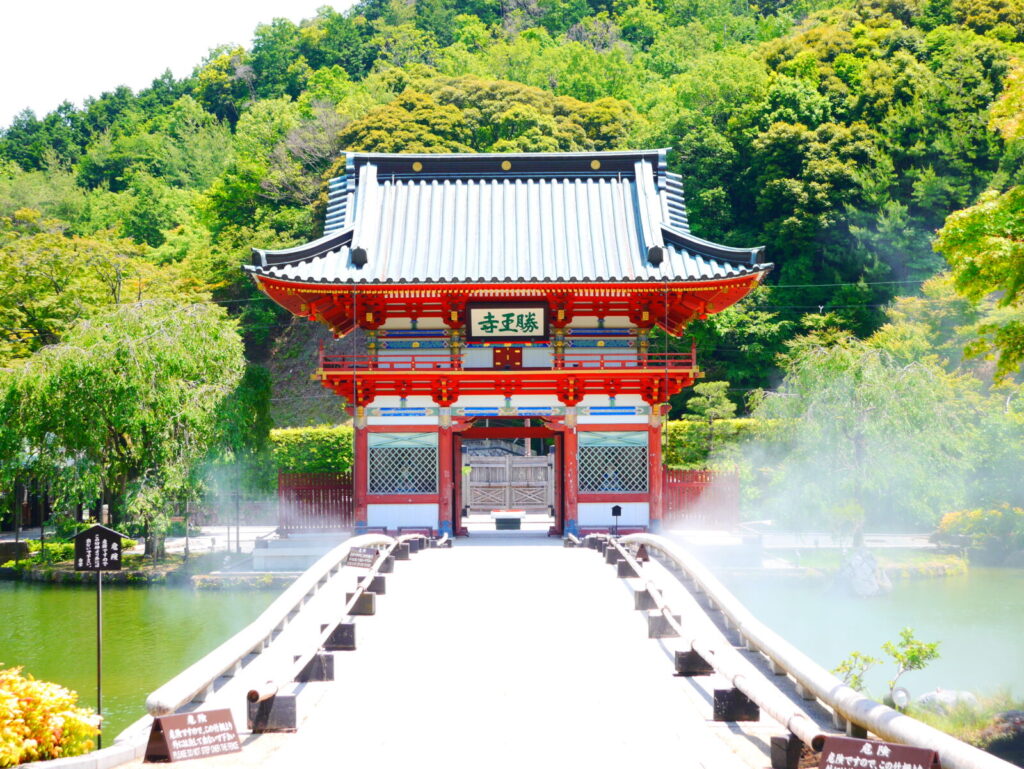
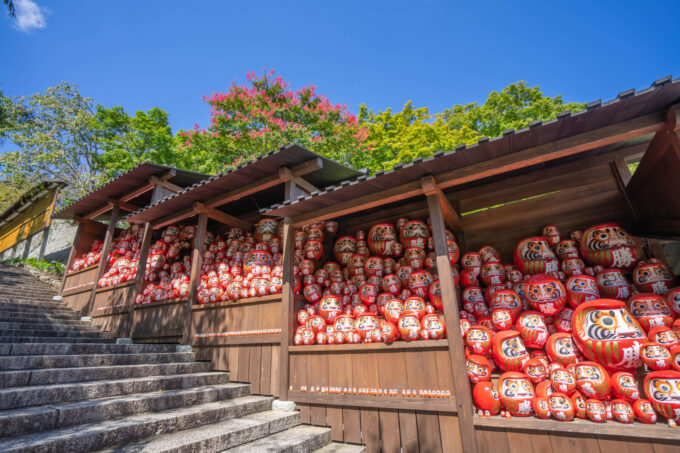
Katsuoji Temple is a mountainside sanctuary famous for its thousands of red daruma dolls, which represent the temple's long-standing reputation for granting success and victory. Visitors can wander through the expansive grounds to find these tiny figures tucked into every crevice, from stone walls to ancient altars, creating a unique and photogenic landscape. The temple is especially breathtaking during the autumn months when the surrounding forest turns vibrant shades of red and orange, perfectly complementing the colorful dolls. From Minoh-Kayano Station: 20 min bus ride.
For those looking to combine this unique temple with some beautiful nature check out the tour below. You'll not only go to Katsuoji Temple but also the famous Minoh Falls.
6 / TSURUHASHI & KOREA TOWN / all year round
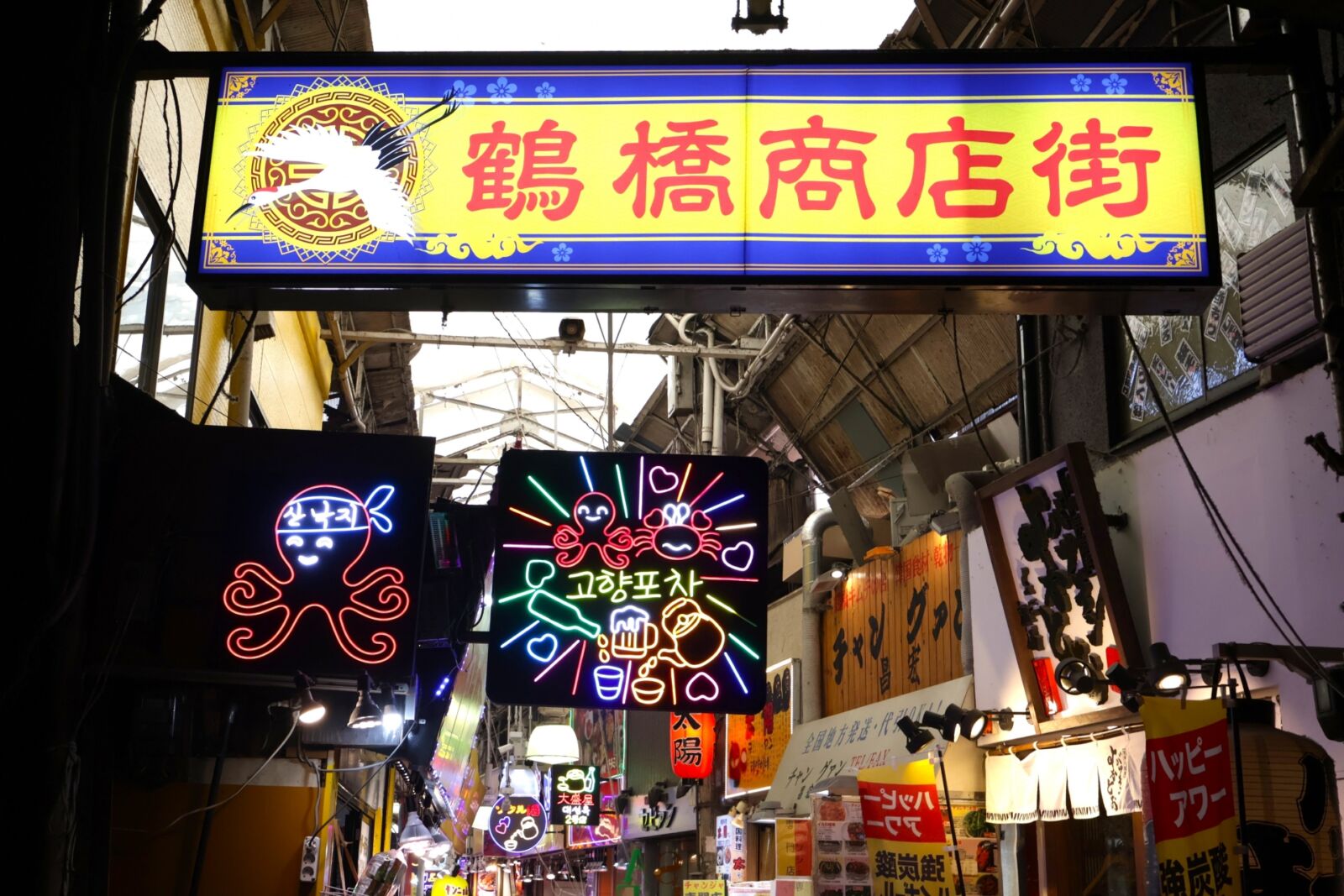
Tsuruhashi is Osaka’s historic gateway to Korean culture, a bustling neighborhood that grew around one of the city's busiest railway junctions and remains the heart of the local Zainichi Korean community. The area is famous for its labyrinthine market streets and "Yakiniku Alley," where the air is thick with the savory scent of Korean-style grilled meats from dozens of specialized restaurants.
Just a short walk away, the Ikuno Korea Town shopping street offers a vibrant array of traditional clothing, K-pop merchandise, and authentic street foods like spicy tteokbokki and freshly made kimchi. From JR Tsuruhashi Station: 1 min walk (to the market) or 15 min walk (to Korea Town).
Check a full day tour below that takes you to Sumiyoshi Taisha Shrine, Shinsekai, the Buddhist "Hell" Temple and, finally, Tsuruhashi!
7 / TENNOJI STATION AREA / all year round
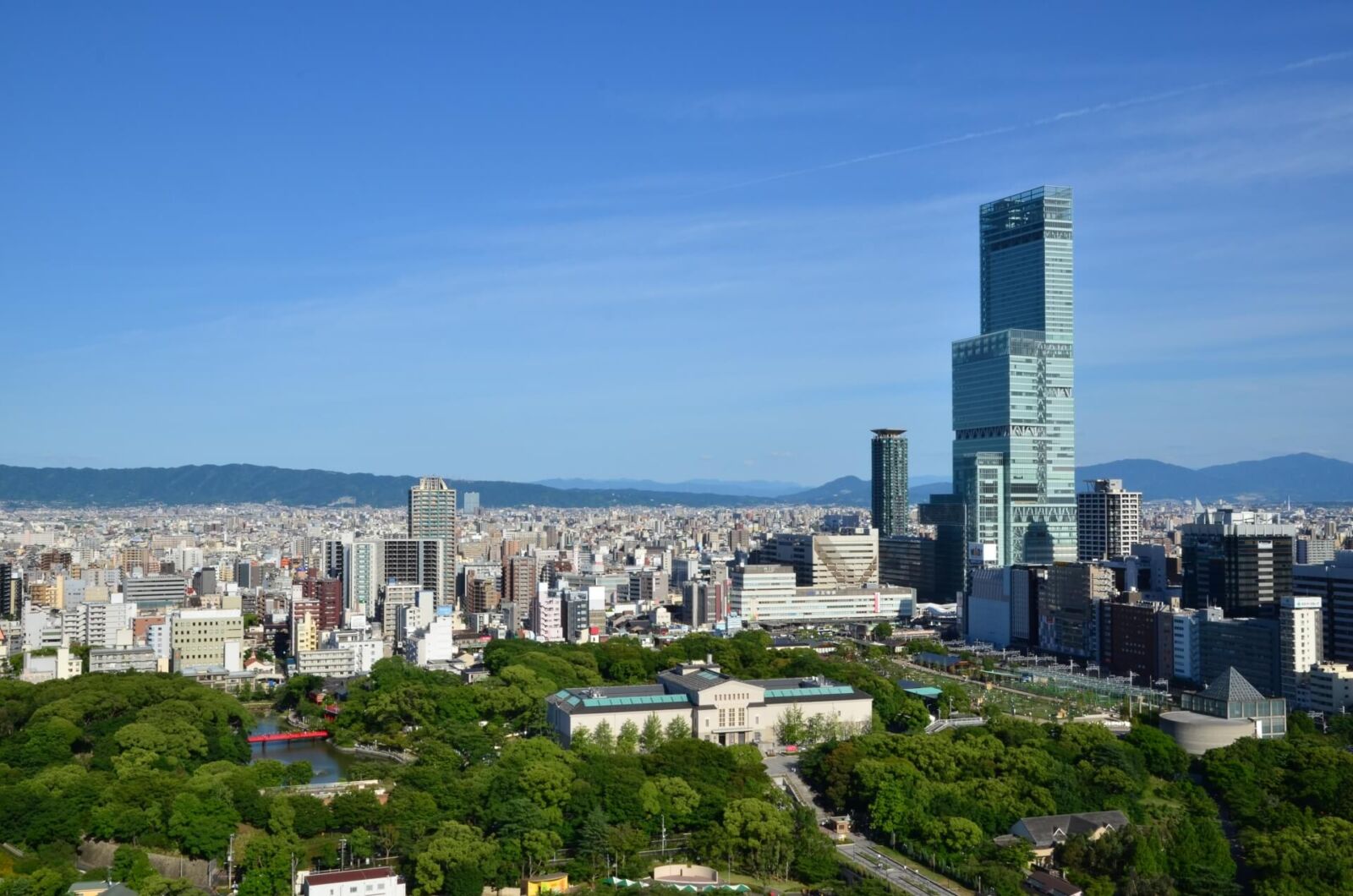
Tennoji is a dynamic district where Osaka's storied past meets its modern skyline, anchored by the massive Tennoji Station transport hub. The area is dominated by Abeno Harukas, Japan’s tallest skyscraper, which features a world-class observation deck, an extensive department store, and an art museum. Just across the street, you can escape the urban rush in Tennoji Park and the historic Shitennoji Temple, one of the oldest state-administered temples in the country.
We walk around the station area on the tour below, exploring the park nearby for a great view of Tsutenkaku Tower. The second tour starts from Kintetsu Abenobashi Station which is connected to Tennoji and heads to Yoshino in Nara for a full day in the mountains!
Small Group
Day Tour From Osaka: Nara-Yoshino's Mystical Mountains, Changing Seasons and Magical Past
8 / MINOH FALLS / Best: May to November
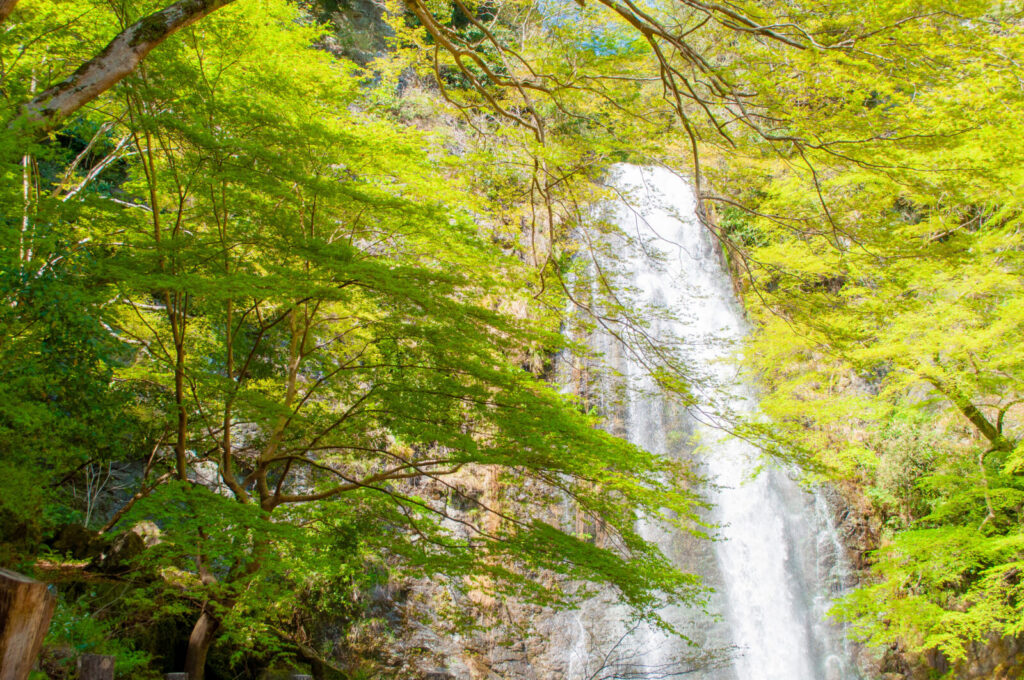
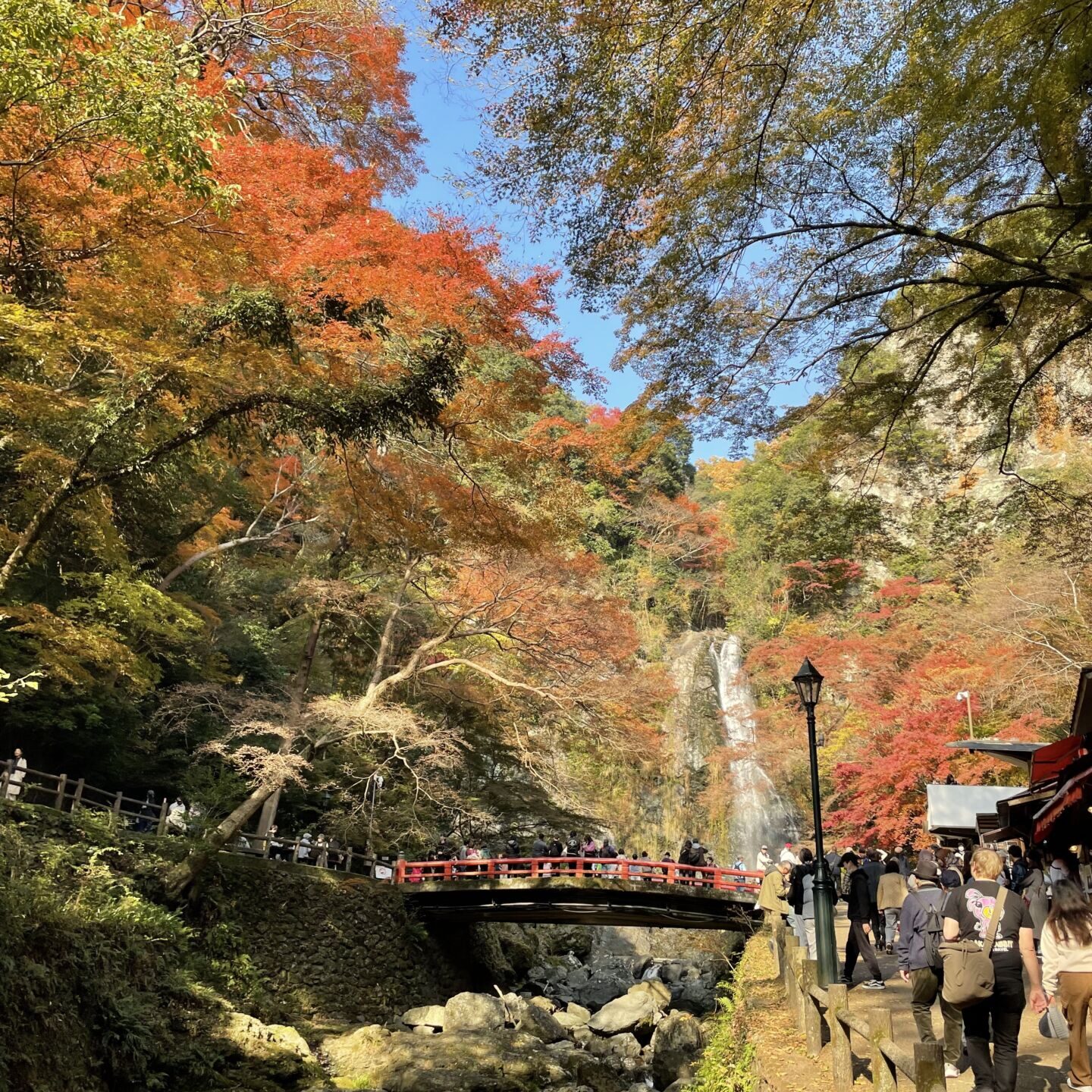
Minoh Falls is the centerpiece of a scenic quasi-national park located just north of the city, offering a peaceful natural escape reachable in less than thirty minutes from central Osaka. A paved three-kilometer trail known as the Takimichi leads visitors through a lush forested valley, following the river past traditional teahouses and small temples until it reaches the impressive thirty-three-meter waterfall. The park is most famous for its vibrant maple leaves in autumn and its unique local snack, "momiji tempura," which arereal maple leaves deep-fried in a sweet batter. From Hankyu Minoh Station: 45 min walk.
If you are looking for an escape to nature as well as visiting a daruma temple, join our tour below!
9 / UMEDA / all year round
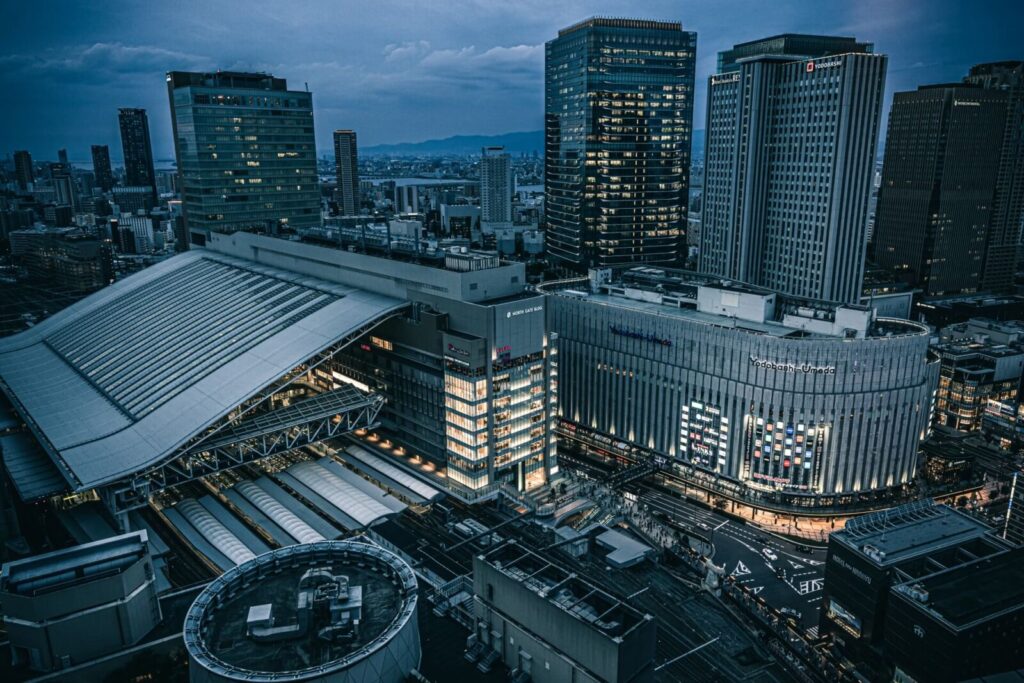
Umeda is Osaka’s primary northern gateway, a high-density district characterized by futuristic architecture and one of the world’s most extensive underground shopping networks. The area is anchored by the striking Grand Front Osaka complex and the Umeda Sky Building, where the "Floating Garden Observatory" provides 360-degree views of the sprawling city below. Beyond the skyscrapers, you can explore the narrow, atmospheric streets of nearby Nakazakicho, which feature charming cafes and vintage boutiques housed in pre-war buildings. From JR Osaka or Umeda Station: 1 min walk.
10 / UNIVERSAL STUDIOS JAPAN / all year round
Universal Studios Japan is a world-class theme park located in the Osaka Bay area, featuring immersive lands based on global franchises like Jurassic Park, Minions, and Harry Potter. The park’s newest highlight is Super Nintendo World, where visitors can step into a life-sized video game environment and experience the groundbreaking Mario Kart: Koopa's Challenge ride. With a mix of high-speed roller coasters and seasonal parades, it remains one of the most visited entertainment destinations in Asia for fans of all ages. From Universal-City Station: 5 min walk.
11 / OSAKA AQUARIUM / all year round
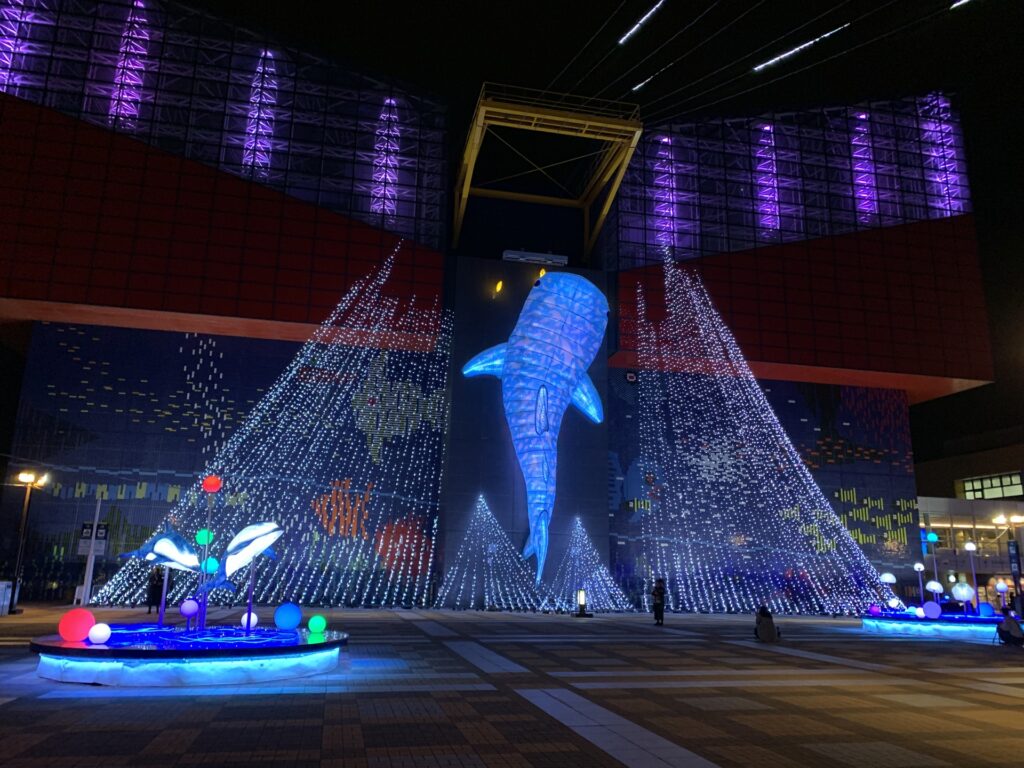
The Osaka Aquarium Kaiyukan is one of the world's largest public aquariums, renowned for its massive central tank that holds 5,400 tons of water and houses two majestic whale sharks. Visitors follow a spiral path that descends from the roof, mirroring a journey from the surface of the Pacific Rim down to the deep ocean floor across multiple diverse habitats. The facility also features an interactive zone where you can get up close to penguins and seals, making it a premier destination for marine life enthusiasts. From Osakako Station: 10 min walk.
12 / SHITENNOJI TEMPLE / all year round
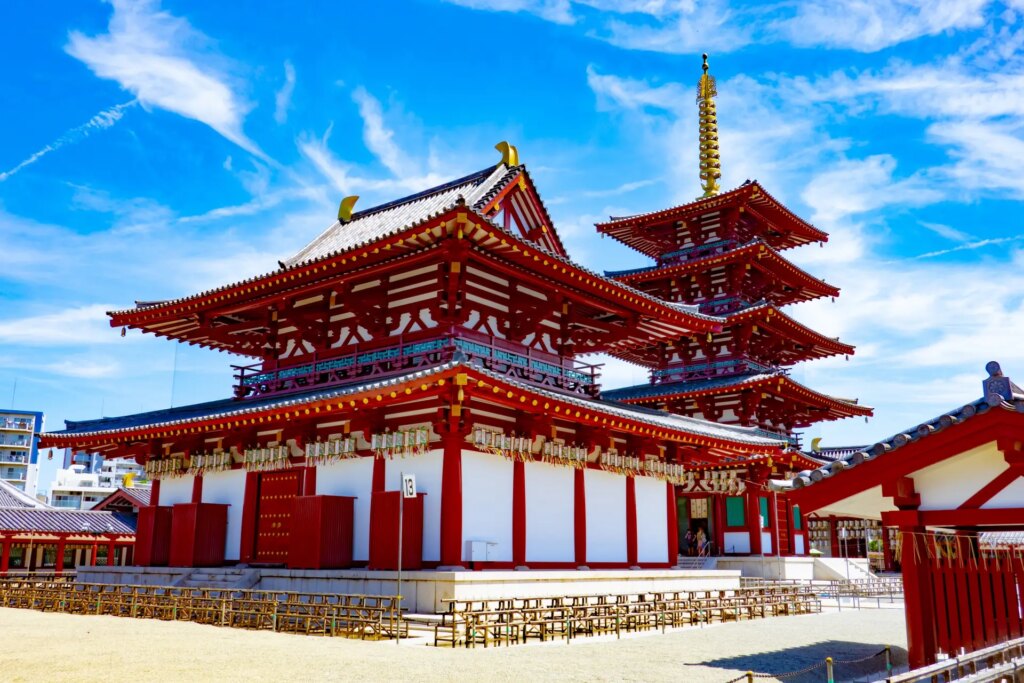
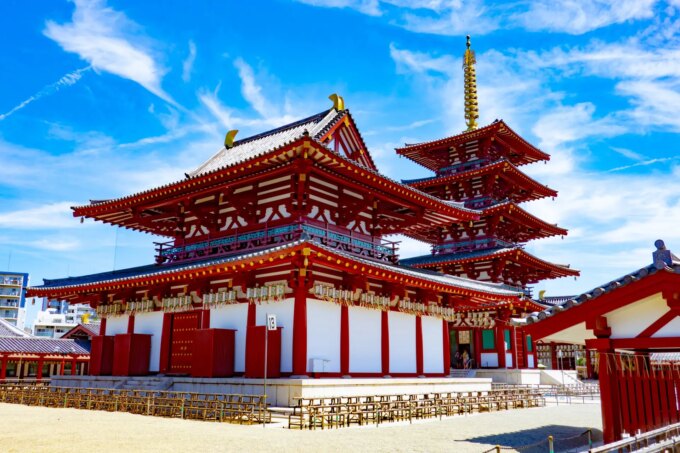
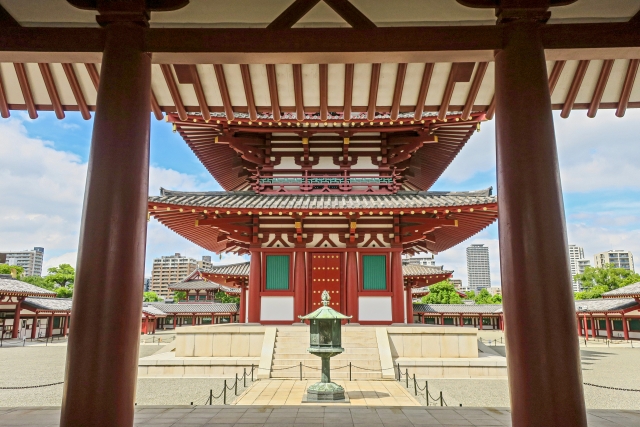
Shitennō-ji is one of Japan’s oldest officially administered temples, founded in 593 by Prince Shotoku to introduce Buddhism to the country. The temple features a classic layout with a towering five-story pagoda and a main hall surrounded by a tranquil pond known for its many turtles. While most of the buildings have been meticulously reconstructed over the centuries, the site remains a major spiritual center and hosts a popular flea market on the 21st and 22nd of every month. From Tennoji Station: 12 min walk.
If you are looking to swing by the temple as well as see some other landmarks such as Osaka Castle, the Kuromon Market and Dotonbori, check out the tour below.
13 / NIPPONBASHI DENDEN TOWN / all year round
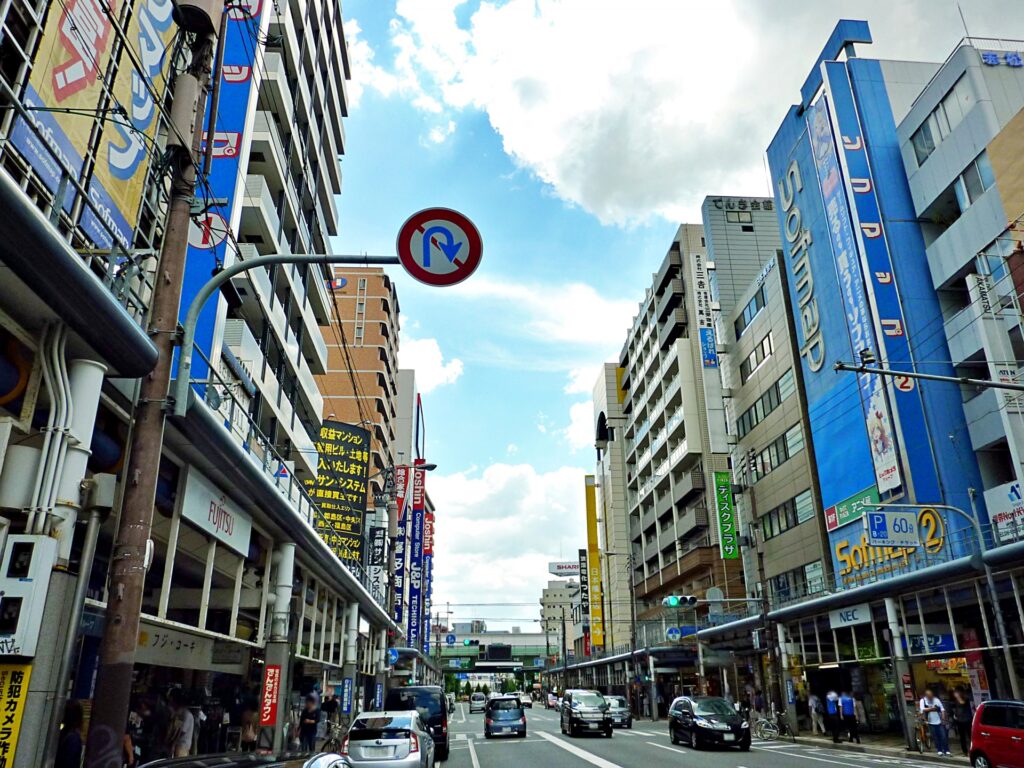
Nipponbashi Denden Town is Osaka’s premier destination for electronics, anime, and otaku culture, often compared to Tokyo’s Akihabara for its specialized hobby shops and retro gaming stores. The district is centered around Sakaisuji Avenue, where the streets are lined with retailers selling everything from rare collectible figures and model kits to computer components and DIY electronics. It is a vibrant area that captures the city's pop-culture energy and is famously home to the annual Nipponbashi Street Festa, one of Japan's largest cosplay events. From Ebisucho Station: 1 min walk.
14 / KYOBASHI & TEMMA / all year round
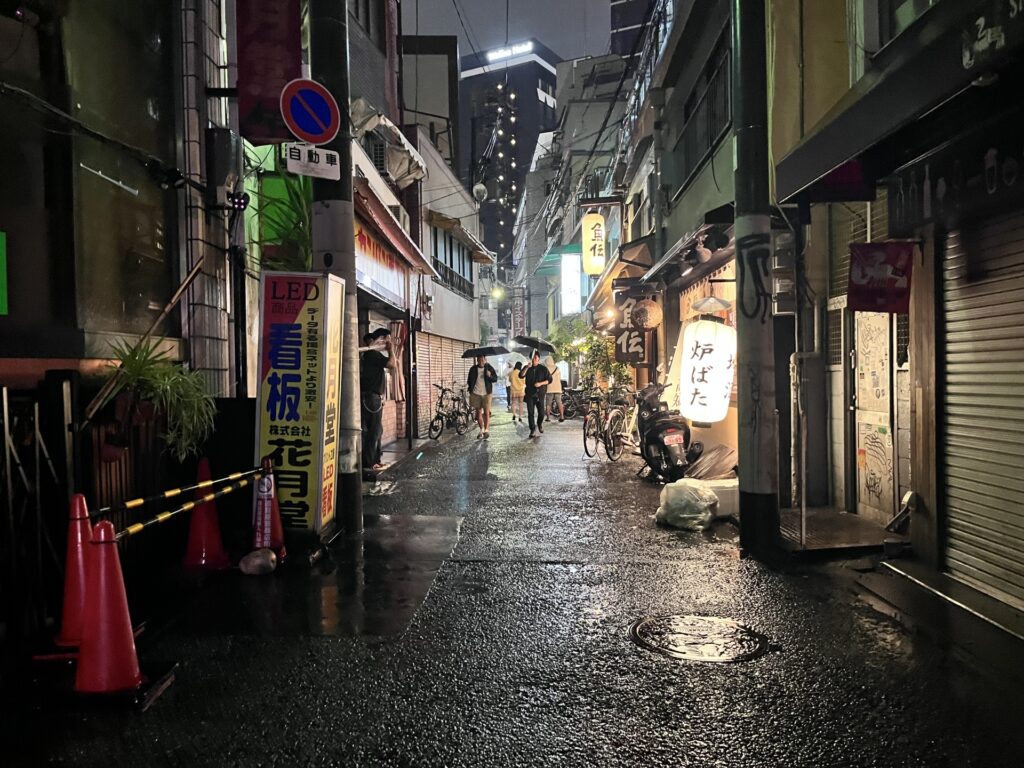
Kyobashi and Temma offer some of Osaka’s most authentic nightlife, characterized by a high density of affordable tachinomiya (standing bars) and a gritty, local atmosphere. In Kyobashi, the "Standing Drink Street" near the station is a favorite for local office workers seeking home-cooked snacks and cheap beer in a retro, Showa-era setting. Meanwhile, the Temma district features the vibrant "Lantern Street" (Chochin Dori), a maze of narrow alleys where you can hop between tiny, specialized eateries and craft beer spots tucked behind the city's longest shopping arcade.
15 / SENKOJI TEMPLE (HIRANO) / All year round
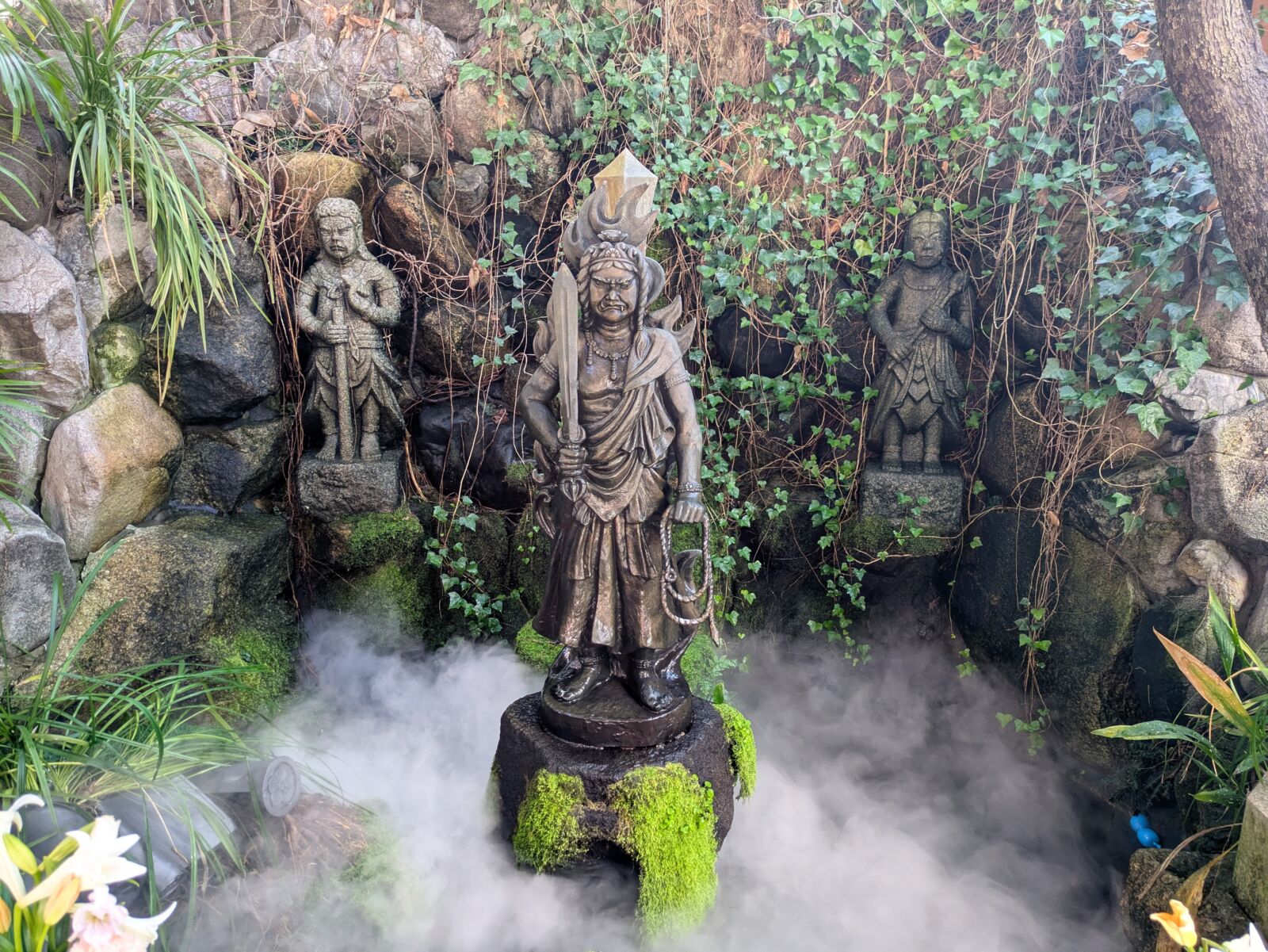
Senko-ji is a unique temple located in the historic Hirano district, famously known for its interactive and immersive depictions of the Buddhist afterlife. Visitors can experience a vivid journey through "Heaven and Hell," complete with a mirrored room that reveals one's fate and a subterranean chamber filled with statues of demons. The temple also houses a fascinating collection of miniature museums, including a dedicated tool museum and an "underwater" viewing spot for the temple pond.
The Hirano preserved district, once an autonomous moated city known as Hirano-go, is the oldest established town area in Osaka City. It is a fantastic place to explore for those interested in industrial heritage, as it is famous for its collection of "mini-museums" housed within traditional buildings, including the unique Katana Polishing Museum.
You can visit this unusual and not often visited area on our tour below!
16 / POKEMON CENTERS (UMEDA & SHINSAIBASHI) / all year round
Osaka features two primary official hubs for fans: the massive Pokémon Center Osaka
in the Umeda district and the specialty Pokémon Center Osaka DX
located in Shinsaibashi. The Umeda branch is known for its impressive life-sized Koraidon statue and extensive selection of plushies, while the Shinsaibashi DX location uniquely hosts the Pokémon Cafe Osaka Shinsaibashi where you can enjoy themed meals with advanced reservations. Both stores offer a wide array of region-exclusive merchandise, interactive displays, and dedicated spaces for the Pokémon Trading Card Game.
17 / WORLD EXPO 1970 SITE / best: March and April
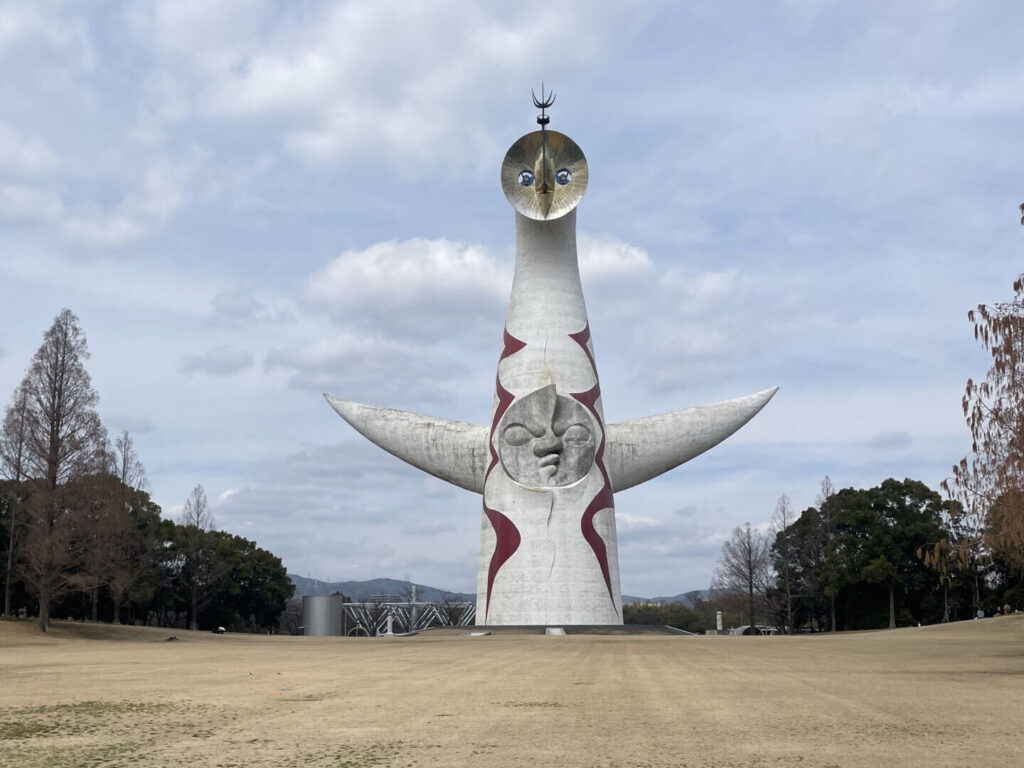
The Expo '70 Commemorative Park is a sprawling park built on the site of the first world's fair held in Asia, now serving as a major cultural and recreational landmark. Its most recognizable feature is the Tower of the Sun, a massive, surrealist sculpture designed by Taro Okamoto that has become a permanent symbol of the city. Today, the grounds offer a diverse mix of seasonal flower gardens, a large Japanese landscape garden, and various museums that preserve the futuristic spirit of the 1970 exposition. From Bampaku-kinen-koen Station: 5 min walk.
18 / KYOTO / Best: March-April and October-November
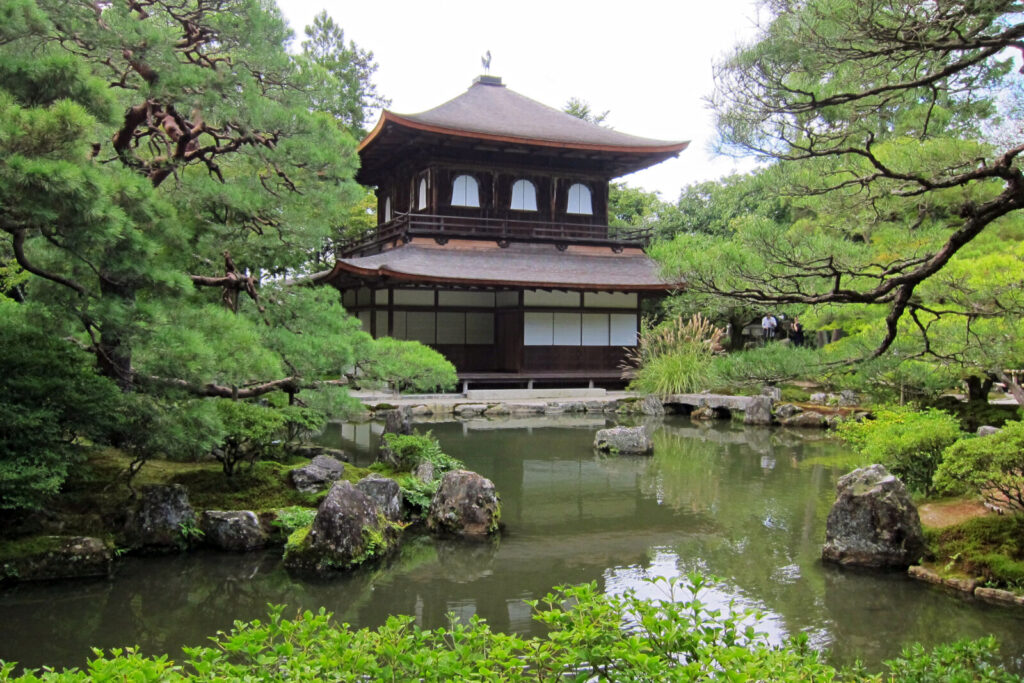
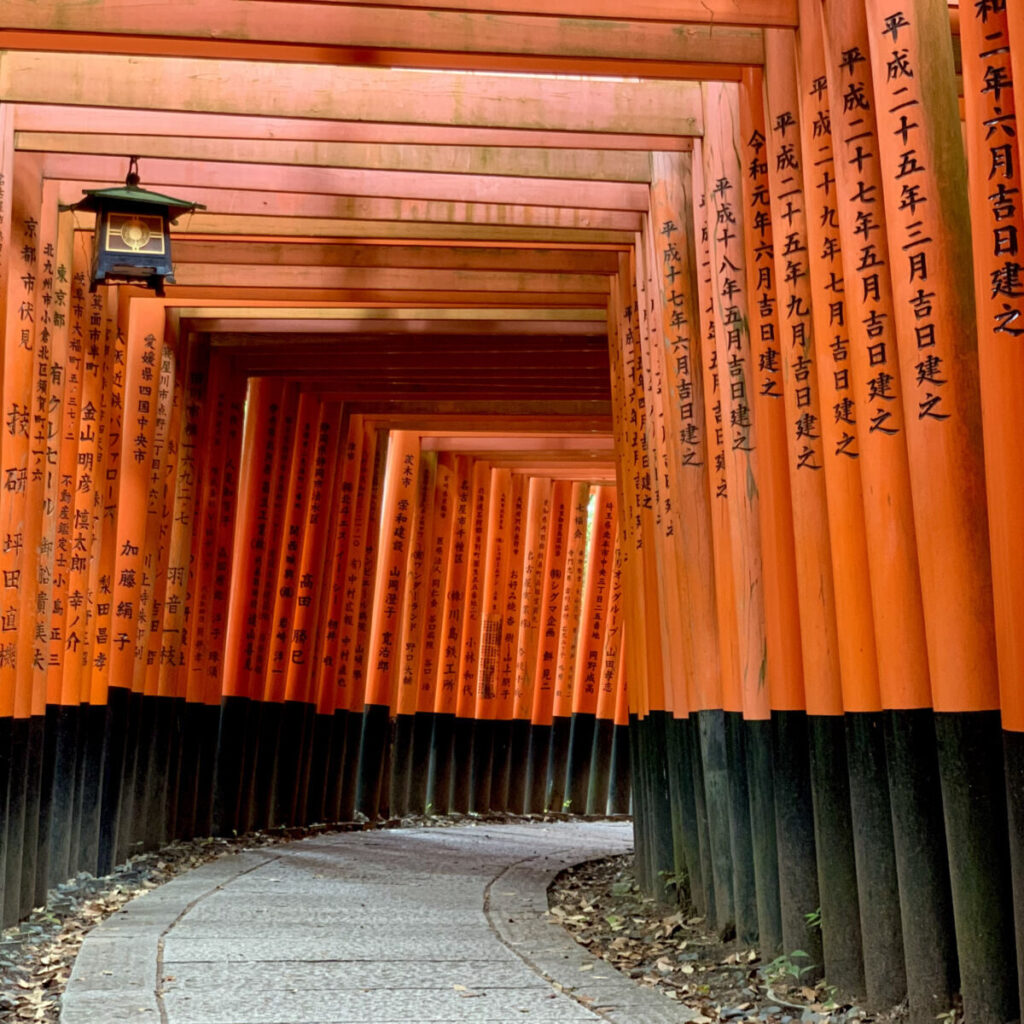
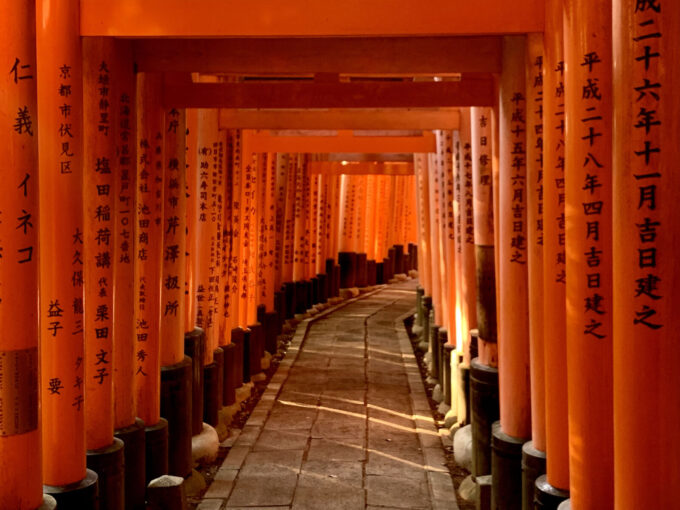
Kyoto is a city where ancient traditions remain deeply integrated into the landscape, offering a dense collection of UNESCO World Heritage sites and natural escapes. The iconic Fushimi Inari Taisha is world-famous for its thousands of vibrant vermilion torii gates that form a winding trail up the wooded Mount Inari.
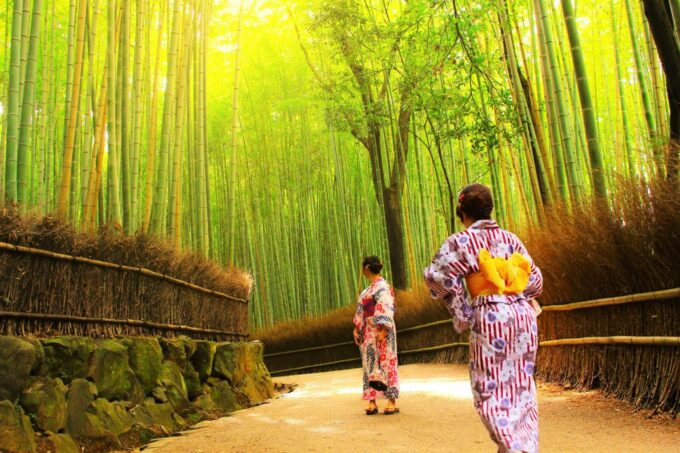
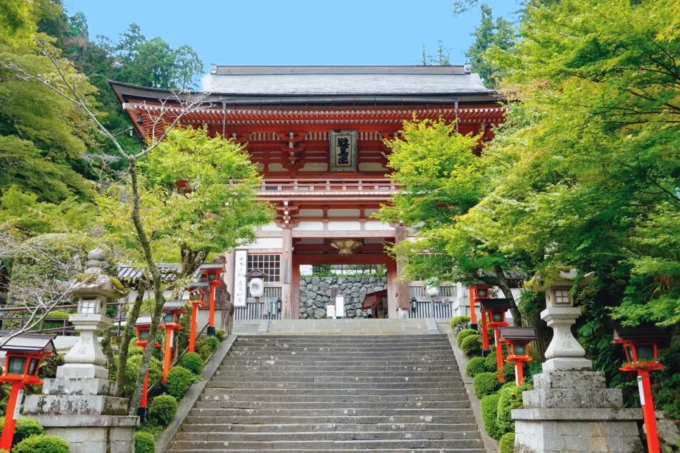
For those seeking a mountain retreat, Kurama-dera Temple provides a spiritual atmosphere with its steep forest paths, historic statues, and a celebrated connection to the natural energy of the surrounding cedar groves. Other must-see landmarks include the shimmering Kinkaku-ji (Golden Pavilion) and the historic streets of Gion, where traditional wooden machiya houses still line the narrow alleys.
Check out two of the many tours we have available in Kyoto! For others check out our Kyoto page.
19 / NARA CITY / all year round
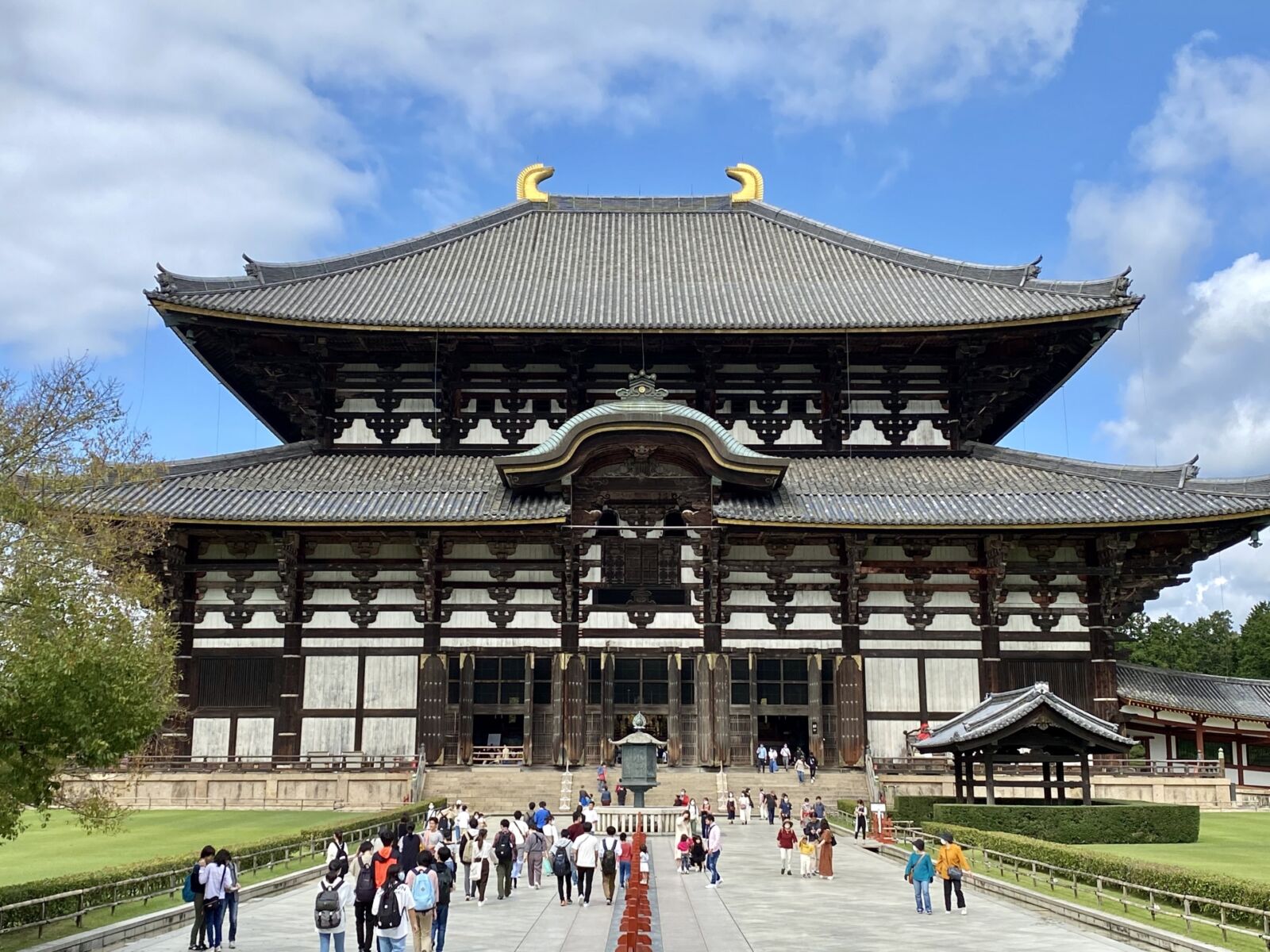
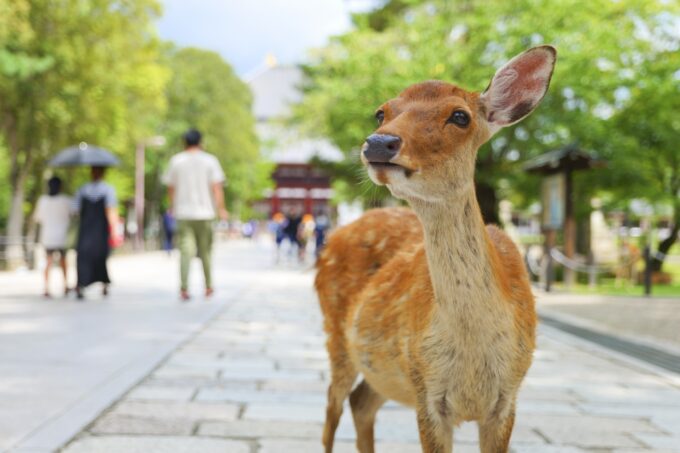
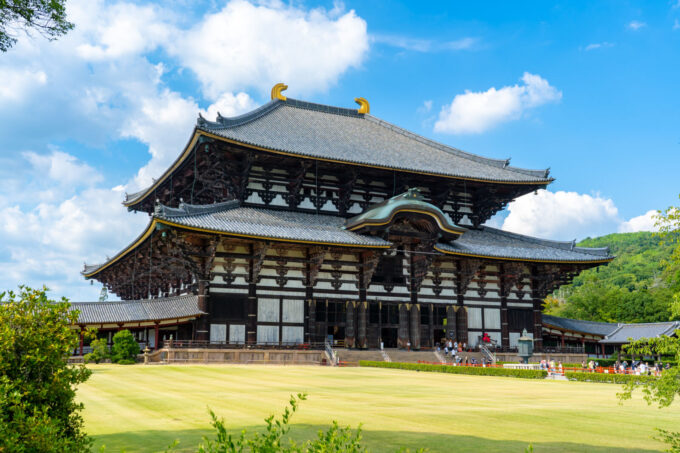
Nara serves as a living museum of Japan’s earliest history, famously home to hundreds of free-roaming deer that are considered sacred messengers of the gods. The city’s centerpiece is Todai-ji Temple, a massive wooden structure that houses one of the world's largest bronze Buddha statues. Nearby, the forest-shrouded Kasuga Taisha Shrine Click to open side panel for more information offers a peaceful atmosphere with thousands of stone and bronze lanterns leading the way through the ancient woods.
Join a tour below to get to know more about Japan's first permanent capital.
20 / YOSHINO / Best: March and April
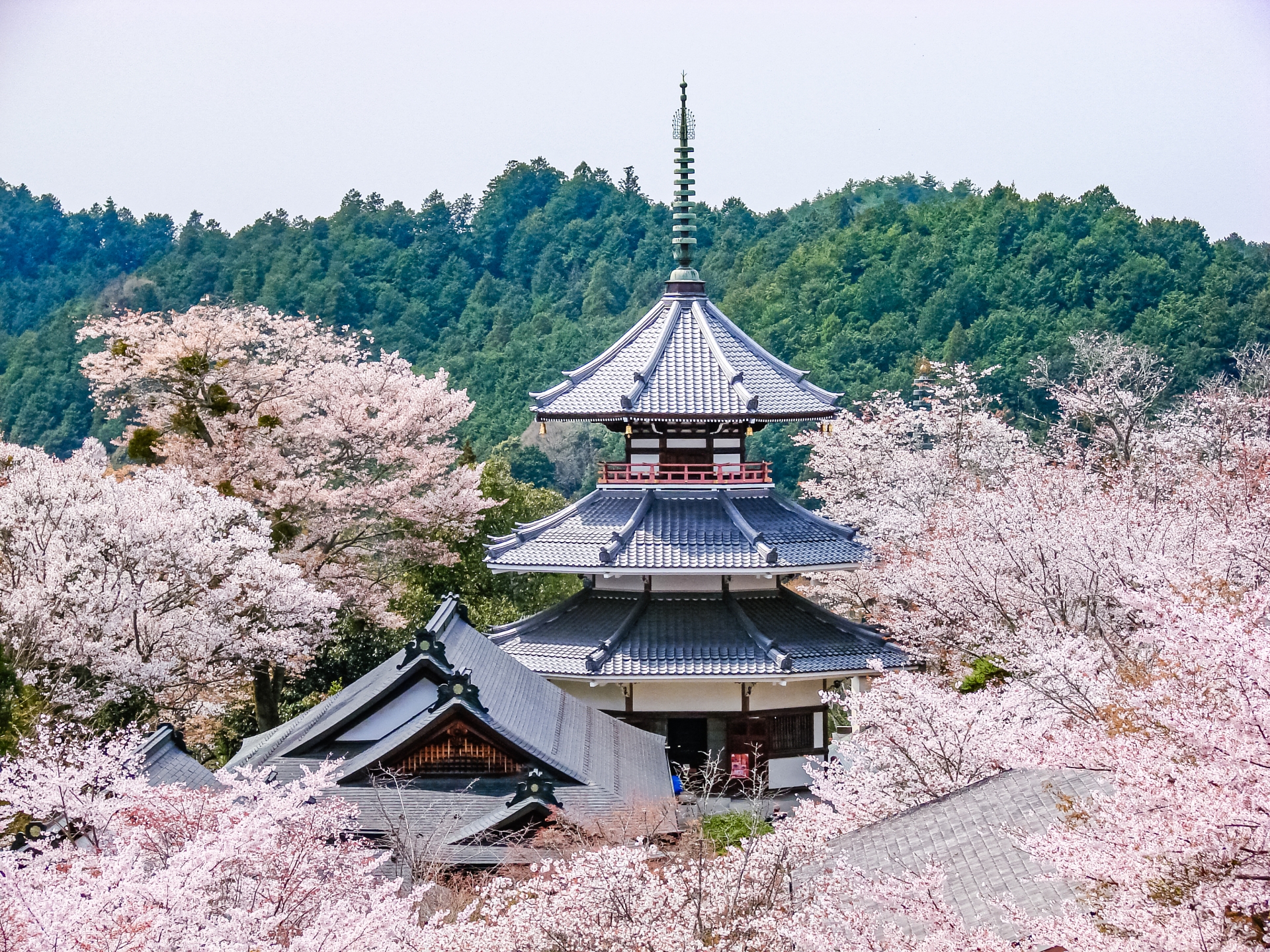
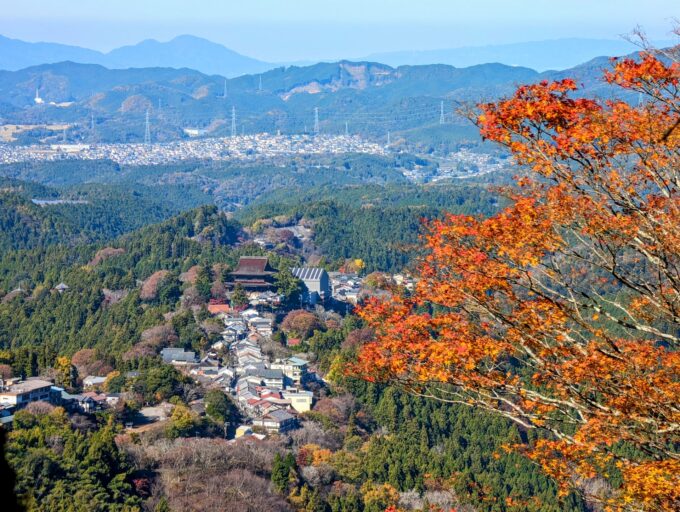
Yoshino is a legendary mountain destination in Nara Prefecture, renowned for its 30,000 cherry trees that transform the slopes into a sea of pink every spring. As a primary center for Shugendo mountain worship, the area is home to the magnificent Kinpusen-ji Temple, which features the second-largest wooden hall in Japan. Beyond its spiritual significance, the town offers a rich historical legacy as a former imperial refuge and is famous for local delicacies like kakinoha-zushi (sushi wrapped in persimmon leaves).
We have a guided tour of this mountain escape below. Check it out!
Small Group
Day Tour From Osaka: Nara-Yoshino's Mystical Mountains, Changing Seasons and Magical Past
21 / KOBE / all year round
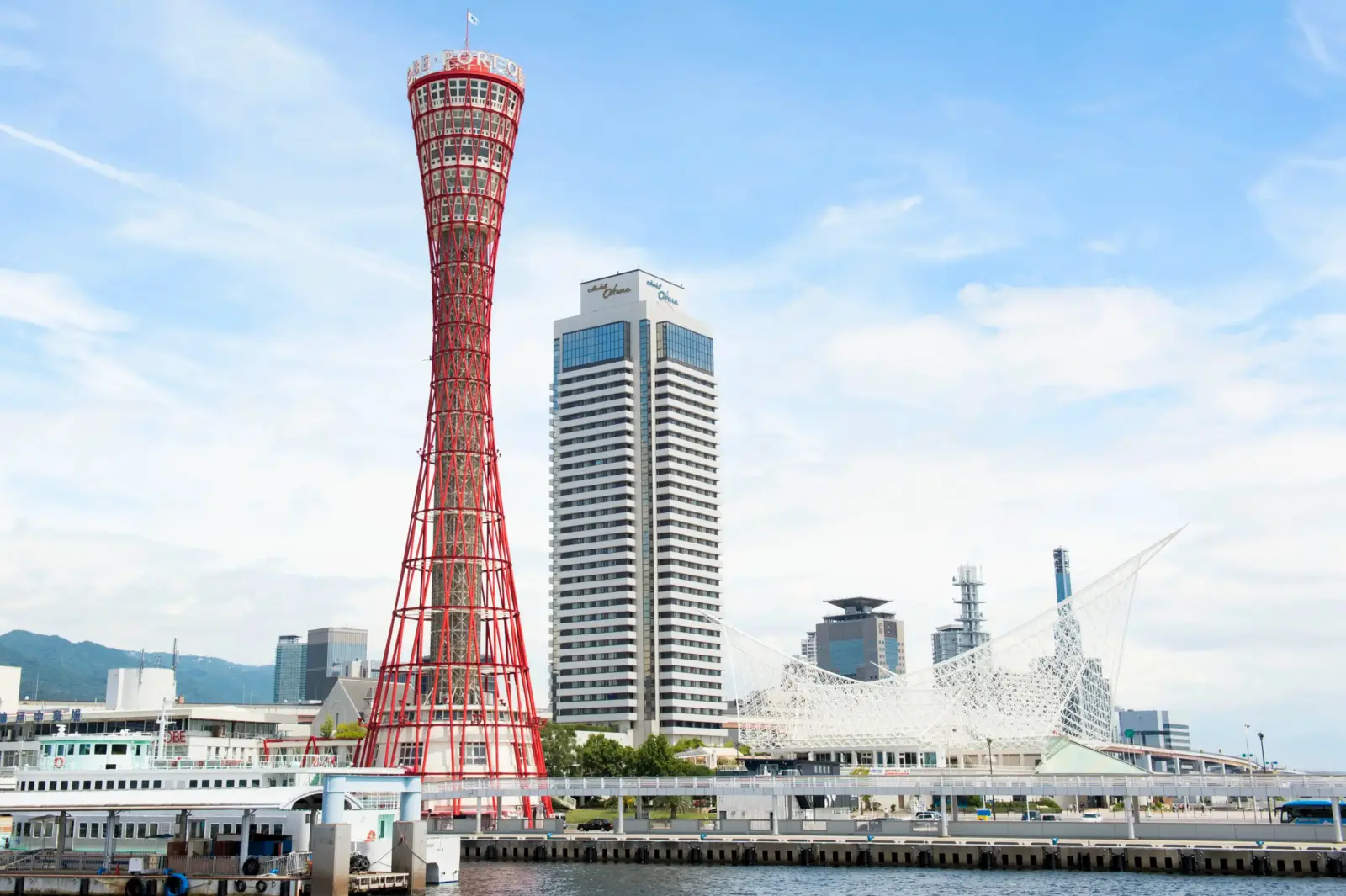
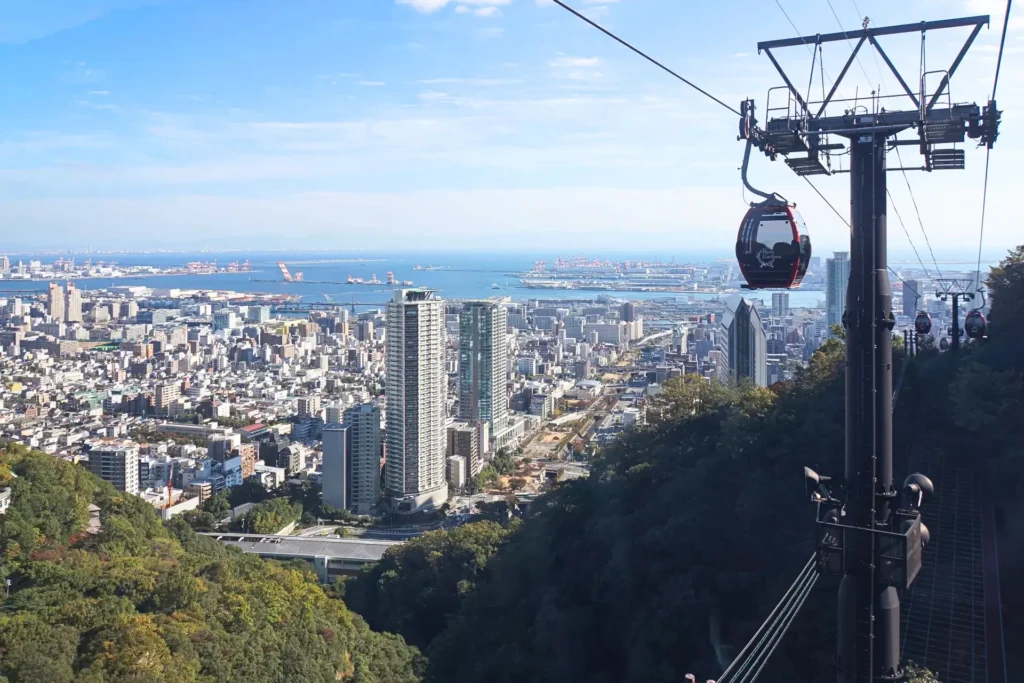
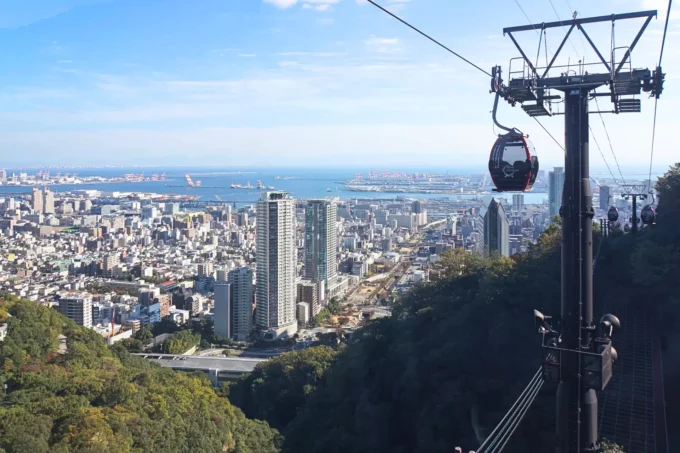
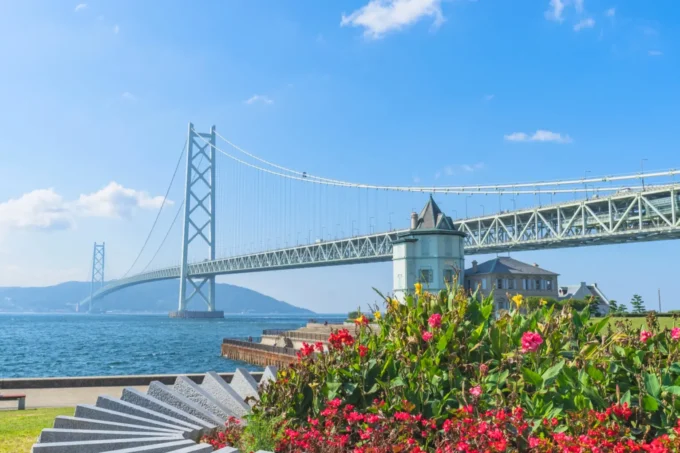
Kobe is a sophisticated port city nestled between the lush Mount Rokko range and the sea, famously known for its world-class Kobe beef and its historic role as one of the first Japanese ports opened to foreign trade. You can explore the Kitano district to see elegant 19th-century Western-style mansions or visit the vibrant Nankinmachi (Chinatown) for some of the region's best street food and festive atmosphere. The waterfront Meriken Park offers iconic views of the red Kobe Port Tower and houses a poignant memorial to the 1995 earthquake that significantly shaped the modern city.
The two tours below allow you to see different parts of Kobe. The first is the main areas near the center of the city while the second goes "beyond the mountains" to Arima Onsen.
22 / KOYASAN / Best: October and November
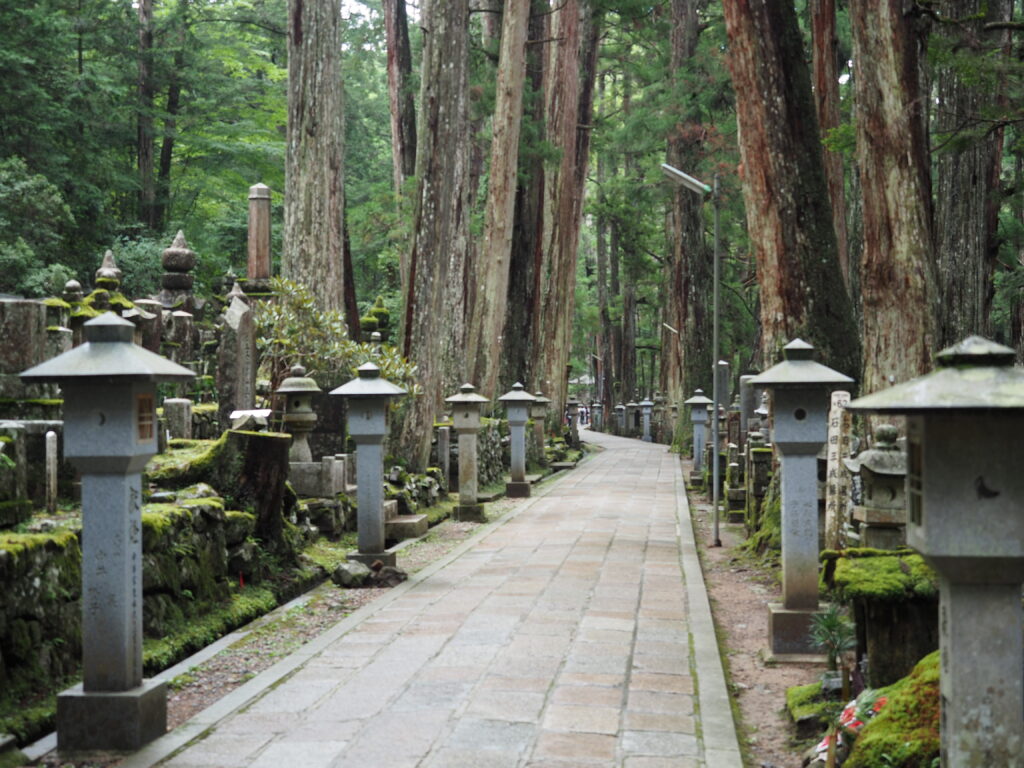
Koyasan is the secluded mountaintop headquarters of Shingon Buddhism, founded over 1,200 years ago by the monk Kobo Daishi and now designated as a UNESCO World Heritage site. The area is famous for Okunoin, Japan’s largest cemetery, where a two-kilometer path through ancient cedars leads to the mausoleum where Kobo Daishi is believed to remain in eternal meditation. Visitors can fully immerse themselves in the monastic lifestyle by staying overnight at one of the fifty temple lodgings (shukubo), where they can sample traditional vegetarian shojin ryori and participate in early morning prayer ceremonies.
23 / TAKEDAO ABANDONED RAILWAY / best: October and November
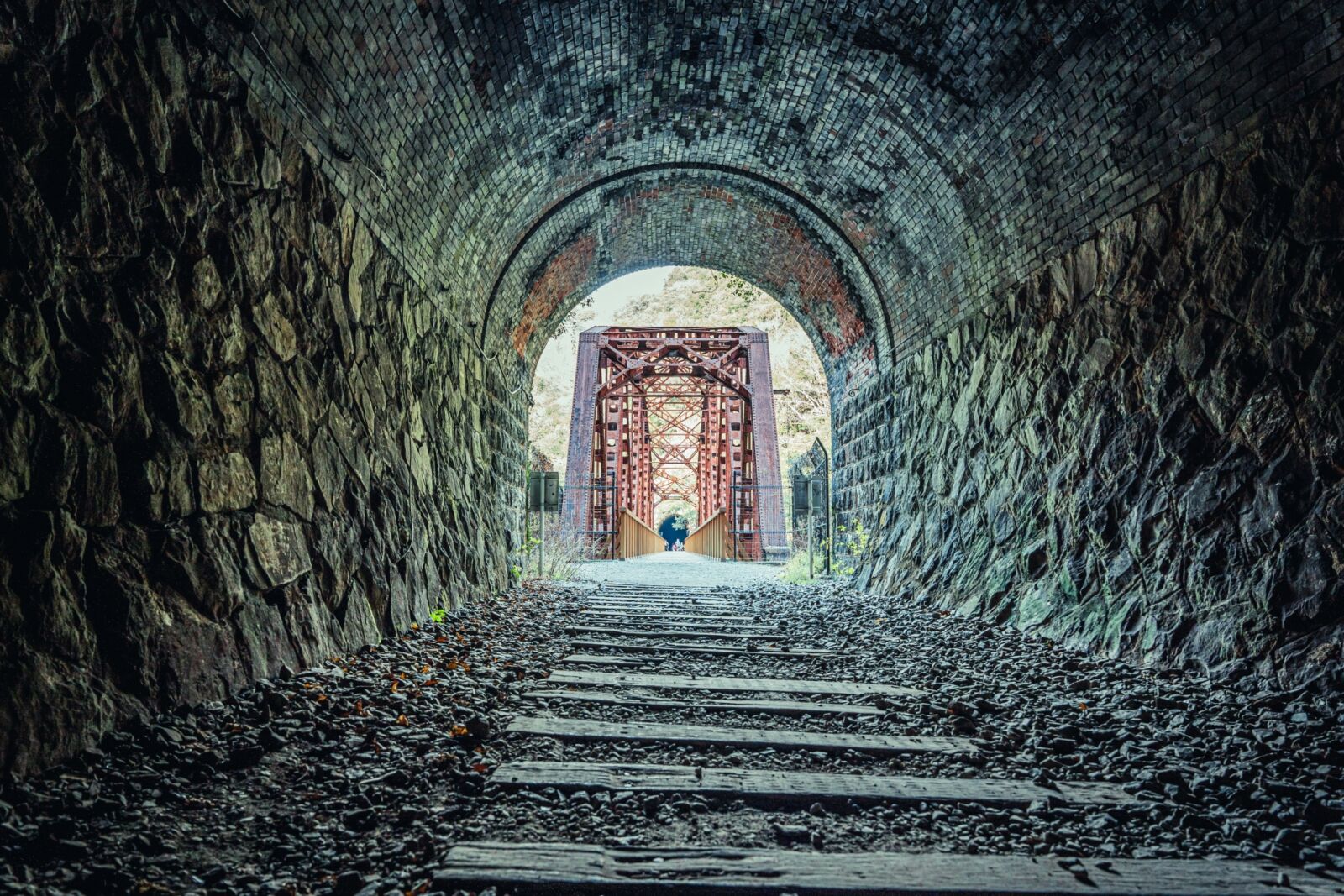
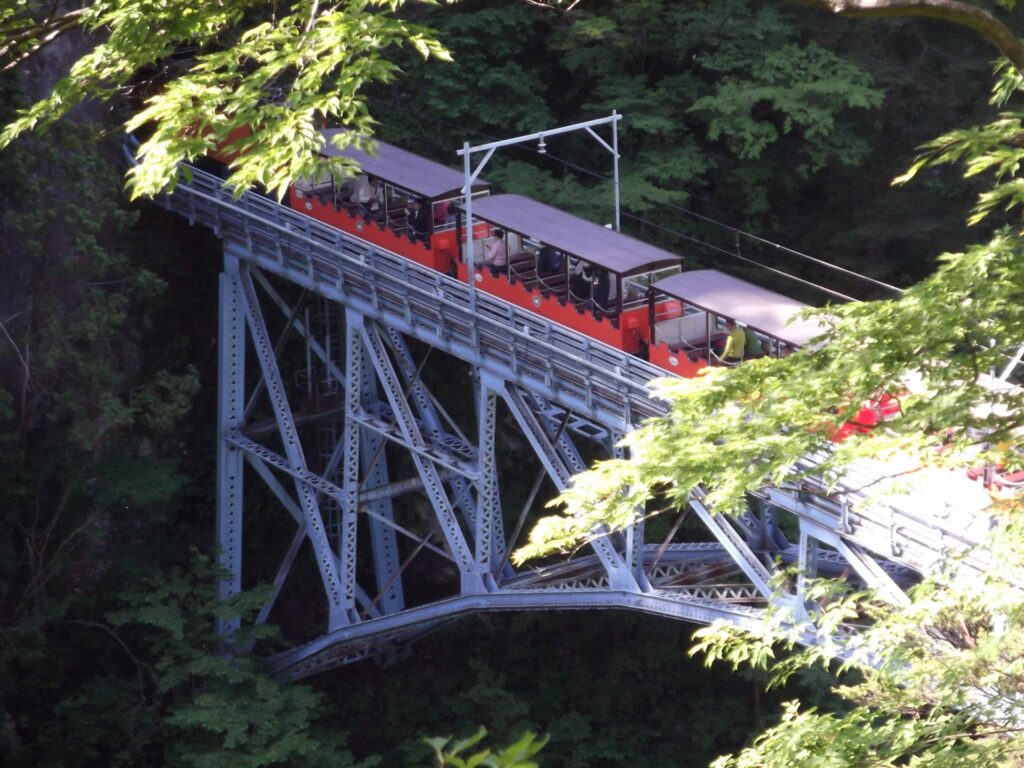
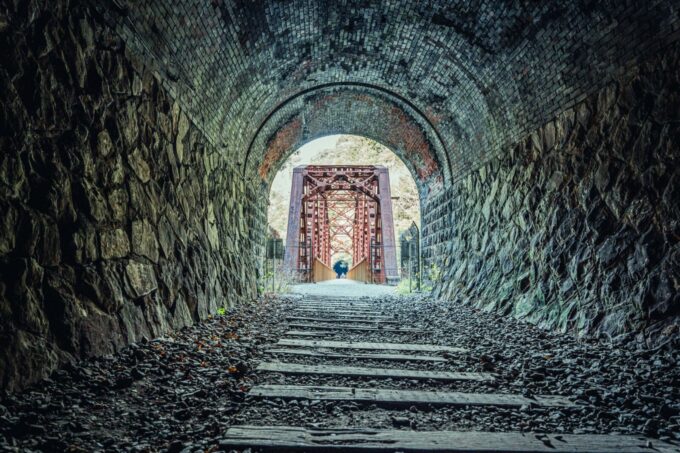
The Takedao Abandoned Railway is a popular 5-kilometer hiking trail through the Mukogawa Gorge that follows a decommissioned section of the old JR Fukuchiyama Line. The relatively flat course features six unlit brick tunnels and several rusted iron bridges, requiring hikers to bring a flashlight to navigate the pitch-black sections where the tracks and sleepers still remain.
Join one of guides to explore the railway as well as Nakayamadera Temple and an awesome view of Osaka with a torii gate. Check it out below!
24 / NAKAYAMADERA TEMPLE / all year round
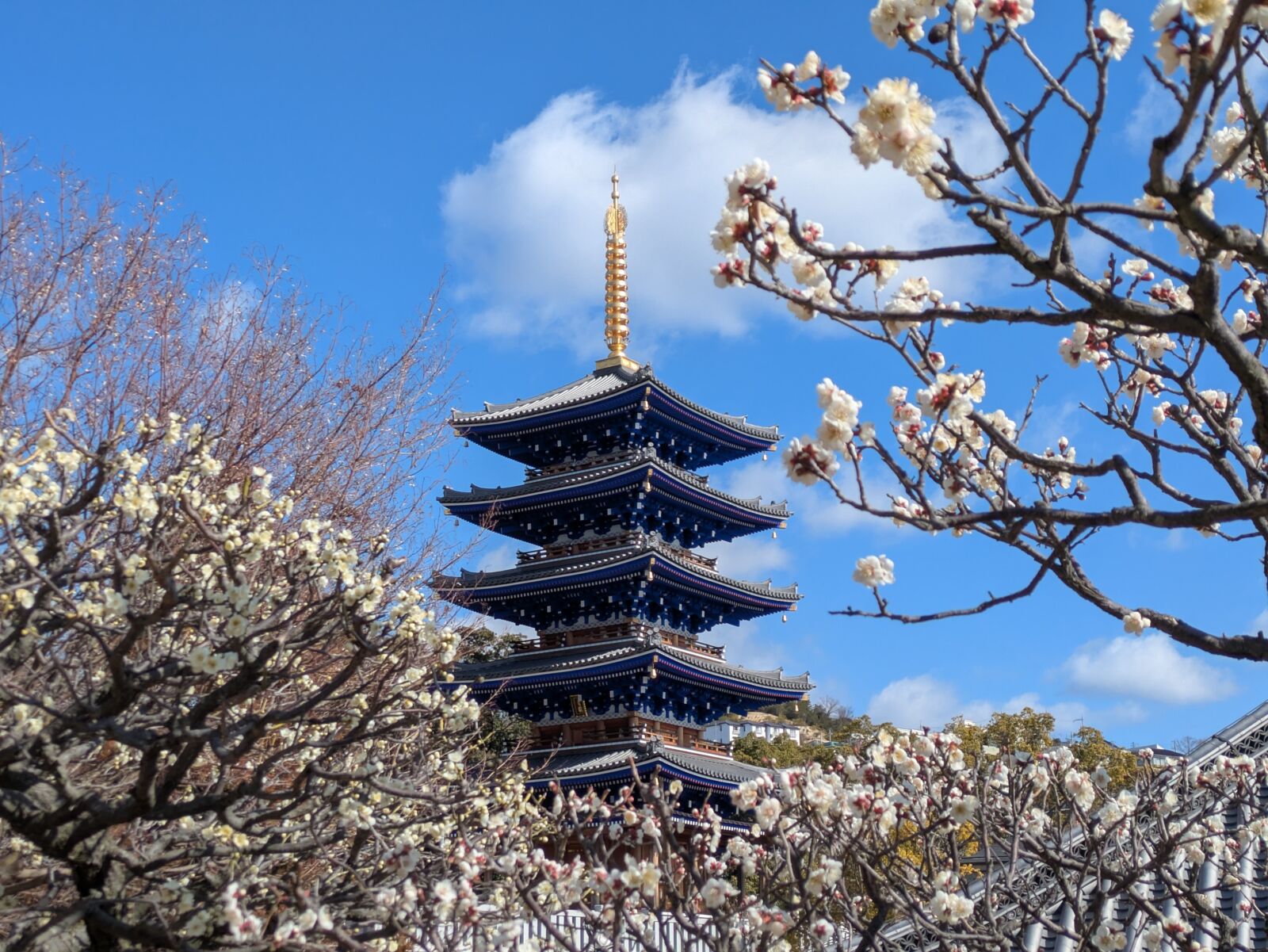
Nakayamadera is an ancient temple in Takarazuka founded by Prince Shotoku, famously known as a premier site for those praying for safe childbirth and the healthy growth of children. The expansive mountain complex is unique for its modern accessibility features like outdoor escalators and its striking five-story pagoda painted a brilliant, rare shade of blue.
Join one of guides to explore the temple as well as the Takedao Abandoned Railways and an awesome view of Osaka with a torii gate. Check it out below!
25 / WAKAYAMA CITY / all year round
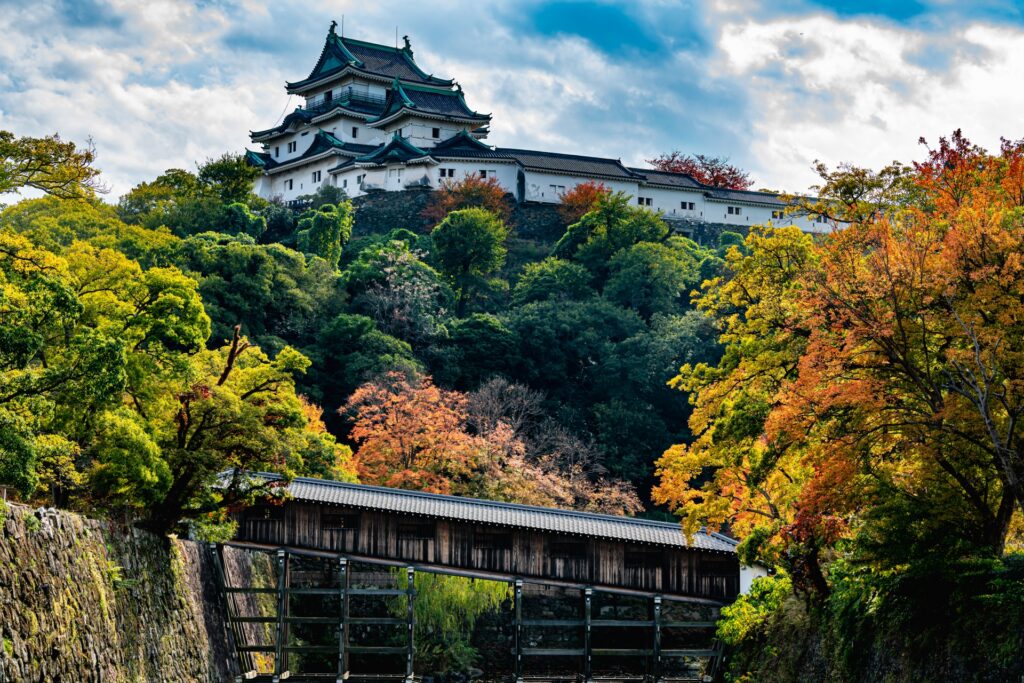
Wakayama City is a coastal capital famously anchored by the hilltop Wakayama Castle, a historic fortress surrounded by over 600 cherry blossom trees and a tranquil garden featuring a rare covered bridge. The city is equally renowned for its spiritual sites like Kimiidera Temple, where a steep climb up 231 steps rewards visitors with sweeping views of Wakaura Bay and a massive golden Kannon statue. For a modern taste of the region, Wakayama Marina City offers a Mediterranean-themed park and the Kuroshio Market, where you can witness daily tuna-filleting shows and enjoy local specialties like "tonkotsu-joyu" ramen.
Best Tours and Itineraries in and Around Osaka
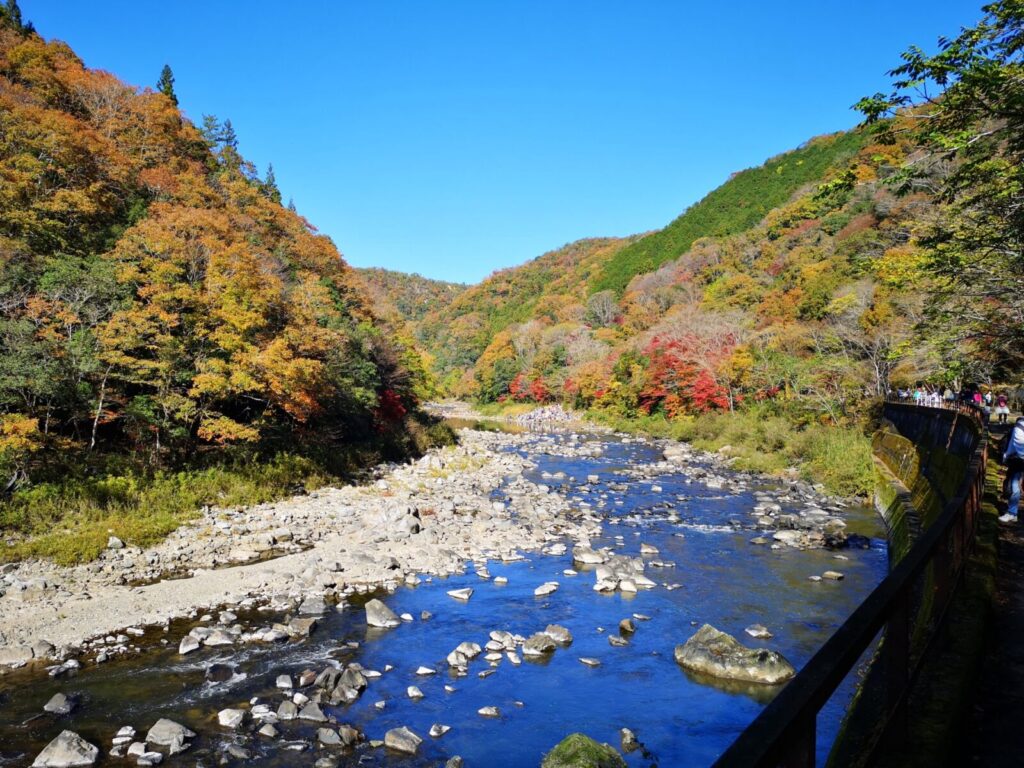
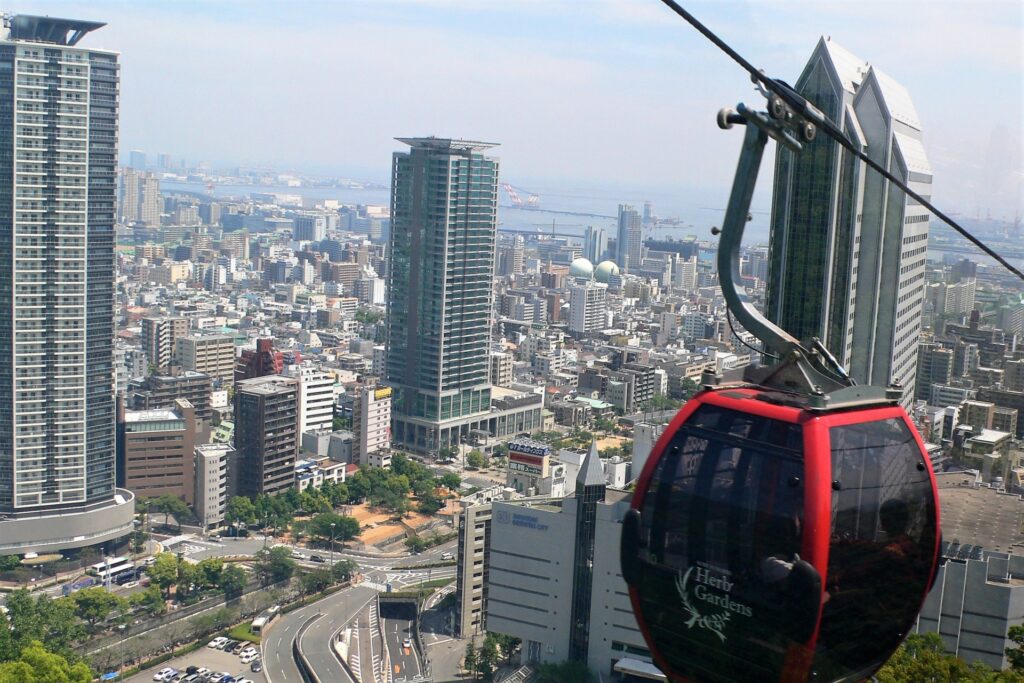
If you are looking for ideas for multi-day trips in the region around Osaka or tours that you can join, please check out our Best Tours in Osaka. There are many world-class cities and spiritual sites around the region, but it can be a challenge to connect them all seamlessly. Get a feel for each of the major attractions and then see how you can visit them all! The Kansai region boasts some of the most significant historical, cultural, and coastal sights in Japan. From the ancient, deer-filled parks of Nara to the sacred, misty peaks of Koyasan, there is an experience for every type of traveler.
Where to Stay When Visiting Osaka
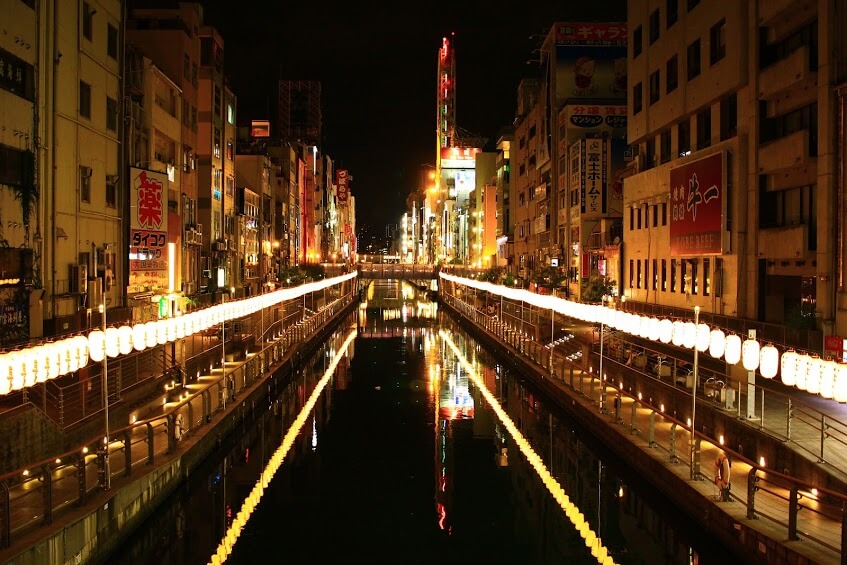
There is no shortage of accommodation in the city, ranging from high-end luxury hotels and modern mid-range options to budget-friendly stays, traditional ryokan, and unique capsule hotels. A vast number of hotels are clustered around the major hubs of Umeda in the north and Namba in the south, while the historic district around Tennoji and the atmospheric backstreets near Dotonbori offer a mix of excellent traditional guesthouses and local eateries. Our 'Best Places to Stay in Osaka' page includes everything you need to know, including specific accommodation listings, to help you find the perfect district or hotel for your stay.
How to get to Osaka
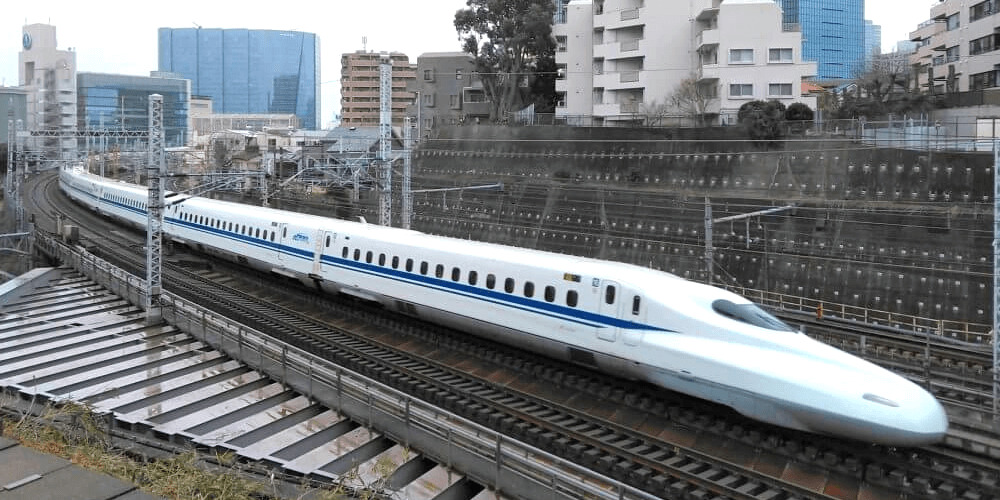
Shin-Osaka Station is the primary gateway to both the city and the wider Kansai and Western Japan regions. Readily accessible using Shinkansen services from Tokyo, Nagoya, and Hiroshima, as well as limited express trains from Kyoto and Kobe, visitors can move to and from Osaka quickly and in comfort. If you are coming from abroad you are most likely flying in form Kansai International Airport, Kobe Airport or maybe even Itami Airport(sometimes called Osaka Airport). For information on how to navigate the station and reach the city center, see our ‘How to Get to Osaka’ page.
Frequently Asked Questions (FAQ)
What is the weather like in Osaka during summer?
Osaka experiences intense, sweltering summers where average high temperatures from June to August reach 33°C (91.4°F). Due to the city's heavy humidity, the "feels like" temperature often climbs to a stifling 39°C (102.2°F), so staying hydrated is essential for a comfortable visit.
What is the weather like in Osaka during winter?
In winter, Osaka is generally crisp and sunny with average daytime highs around 10°C (50°F), though the wind-chill from the bay can make it feel much colder. While snowfall is rare and usually light, the temperatures frequently drop toward 0°C (32°F) at night, so wearing layers is highly recommended for evening sightseeing.
Is Osaka a good place to visit for families?
Osaka is an excellent choice for families, offering world-class entertainment like Universal Studios Japan alongside interactive attractions like the massive Kaiyukan Aquarium. The city's efficient transportation and abundance of kid-friendly museums and park spaces make it both convenient and engaging for travelers of all ages.
When is the best time to visit Osaka?
The best time to visit Osaka is during the spring from late March to mid-April for the cherry blossoms or in autumn from late October to November for the vibrant fall foliage. These seasons offer the most comfortable temperatures and clear skies, making it ideal for exploring the city's outdoor sights and lively street food scene.
What are the best "hidden gems" in Osaka?
For a taste of local life away from the neon lights, explore the stone-paved alleyways of Hozenji Yokocho, where tiny, traditional izakayas serve up grilled skewers and seasonal dishes in an atmosphere that feels frozen in time. To find nature in the city, head to Nakanoshima Park, a narrow island oasis nestled between two rivers that features a stunning rose garden and elegant historic architecture. Finally, seek out the quirky Senkoji Temple in the Hirano district, a "hidden" spiritual site where you can experience an interactive journey through a Buddhist interpretation of heaven and hell.