


For travelers who love history, few places in Japan offer the same density of castles as the region surrounding Nagoya.
Within a few hours from Nagoya Station you’ll find everything from National Treasure original keeps to atmospheric mountain ruins. In this article, we’ll provide you with our favorite castles for a great day trip from Nagoya.
Why Are There So Many Castles Around Nagoya?
Sitting at the heart of central Japan, Nagoya makes an ideal base for exploring the legacy of samurai warlords, historic landmarks, and the battlefields that shaped the country during the Sengoku and Edo periods.
The area surrounding Nagoya was once the political heartland of the warlords who unified Japan. Samurai warlords like Oda Nobunaga, Toyotomi Hideyoshi, and Tokugawa Ieyasu all rose to power in this region.
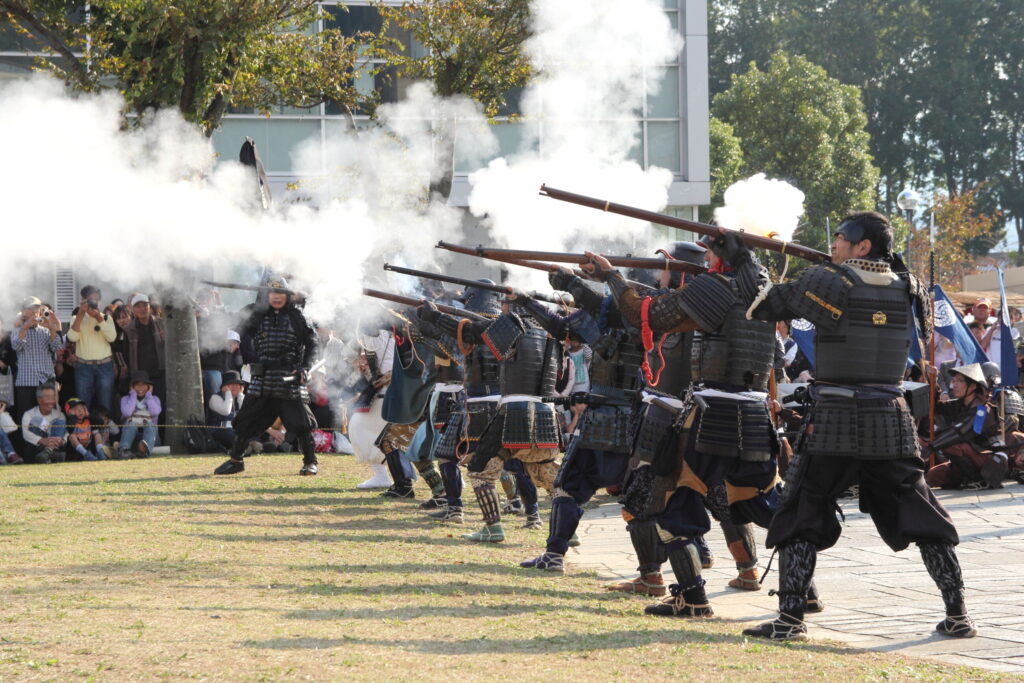
Their castles, whether still standing or surviving only as ruins, tell the story of their ambition, strategy, and all the drama that transpired during one of Japan’s most dramatic historical periods.
If you’re the type of traveler who enjoys exploring and visiting locations you learned about from samurai movies or history books, these castles will certainly offer you a rewarding day trip from Nagoya.
Best Castles to Visit Near Nagoya
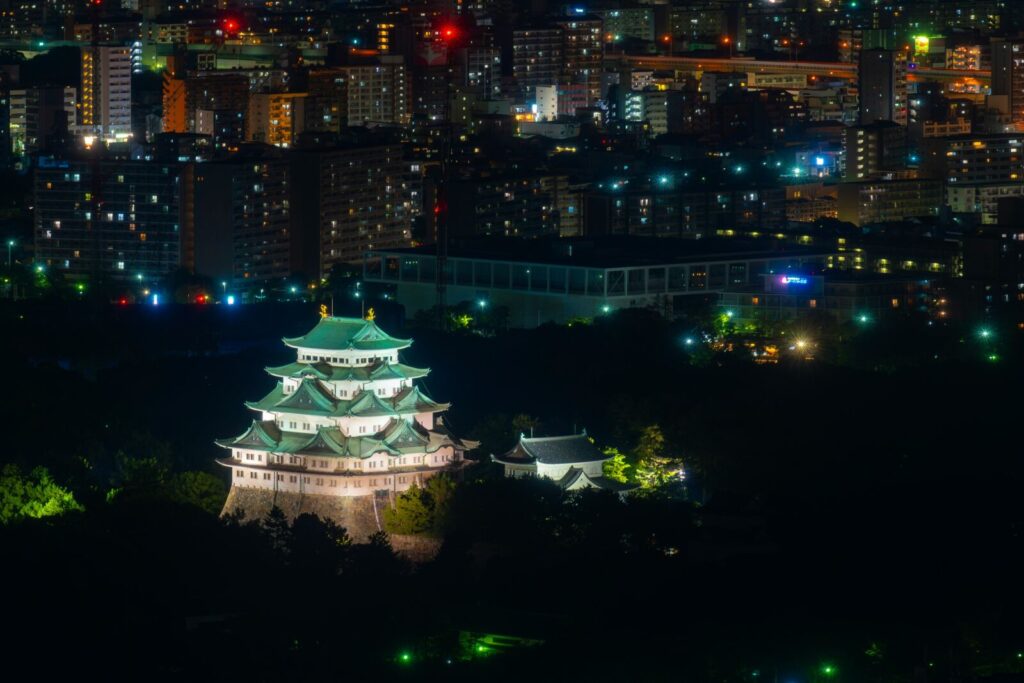
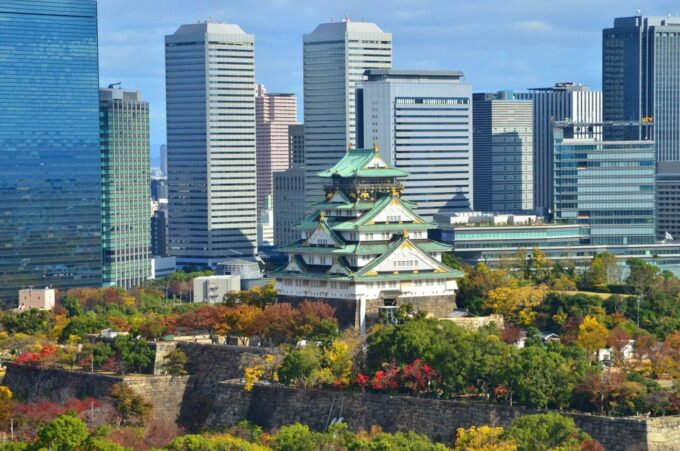
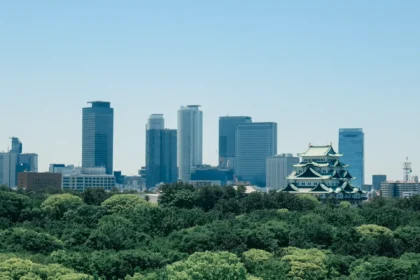
1. Nagoya Castle
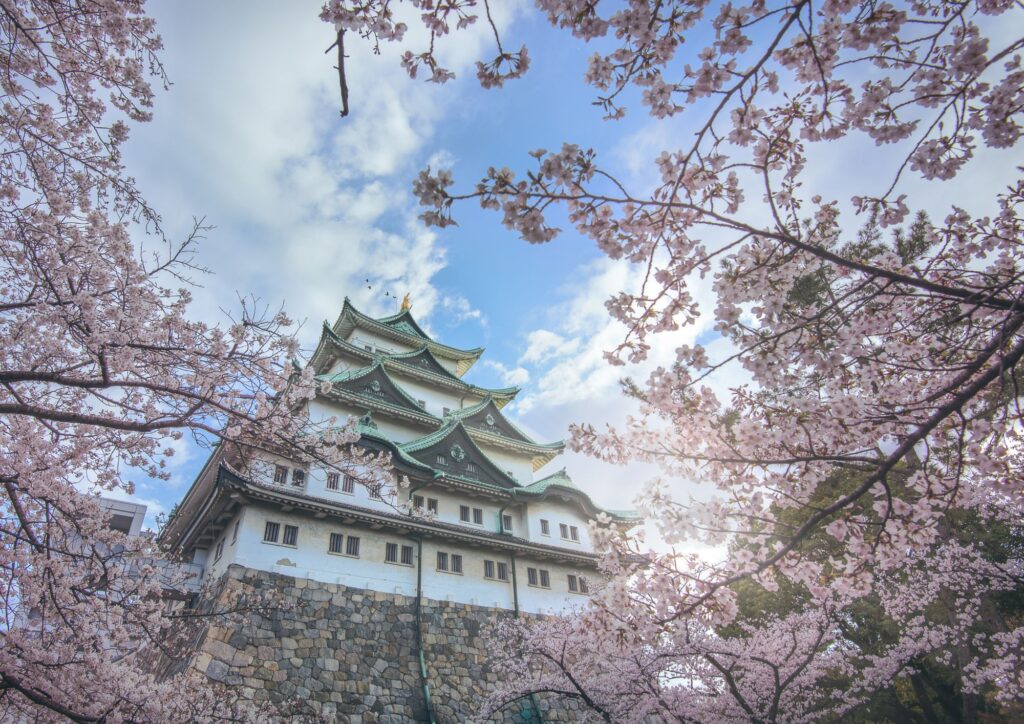

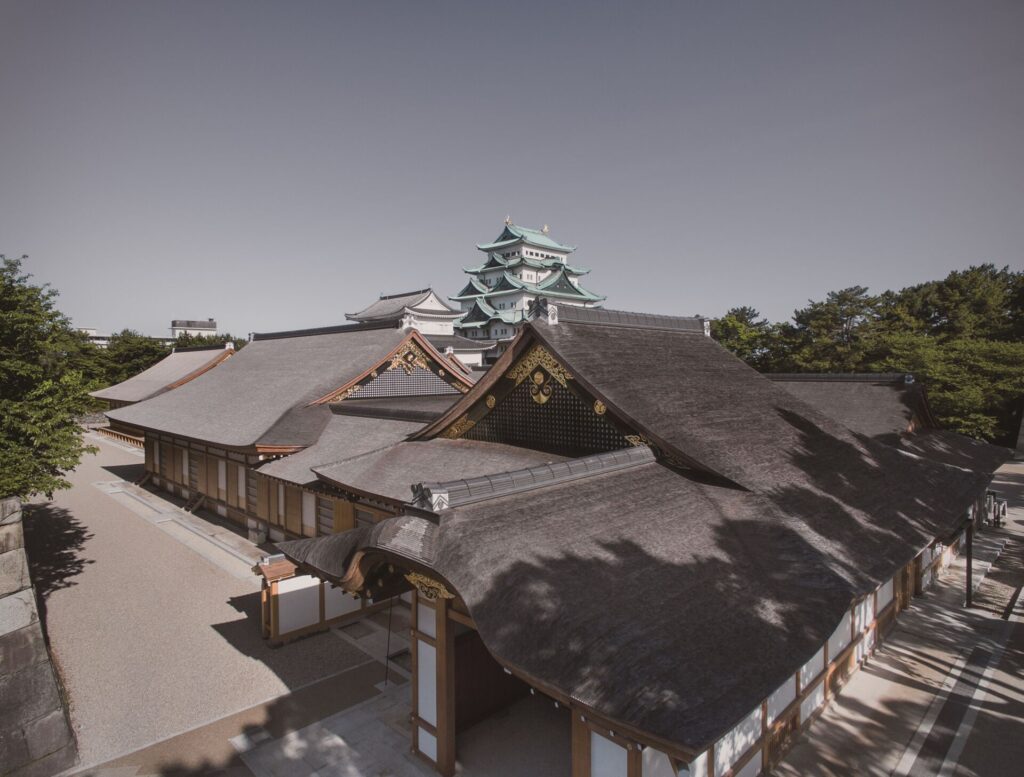
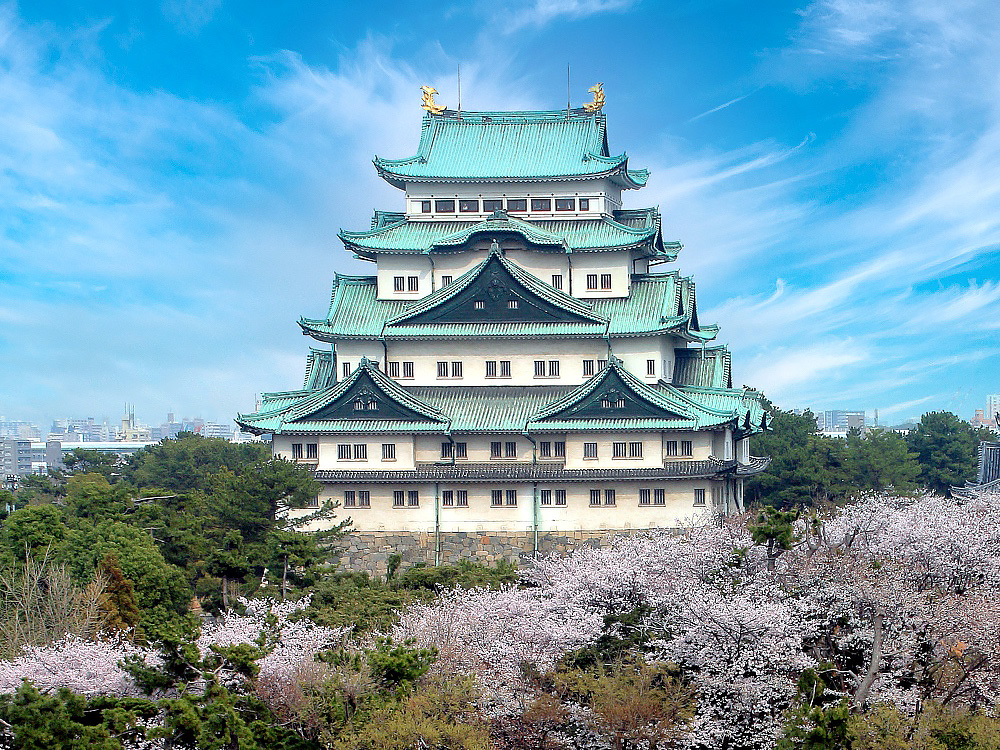
- Recommended for: First-time visitors to the region who want to see one of Japan’s most famous castles and its spectacular reconstructed Honmaru Palace.
Built in 1612 by Tokugawa Ieyasu, Nagoya Castle served as the seat of the powerful Owari branch of the Tokugawa family. Its strategic location helped control the vital corridor between Kyoto and Edo along the old Tokaido Road.
Though the original keep was destroyed during World War II, it was quickly rebuilt due to its historic and cultural significance.
The remaining castle grounds with its wide moats, imposing stone walls, and reconstructed gates give a strong sense of its former scale.
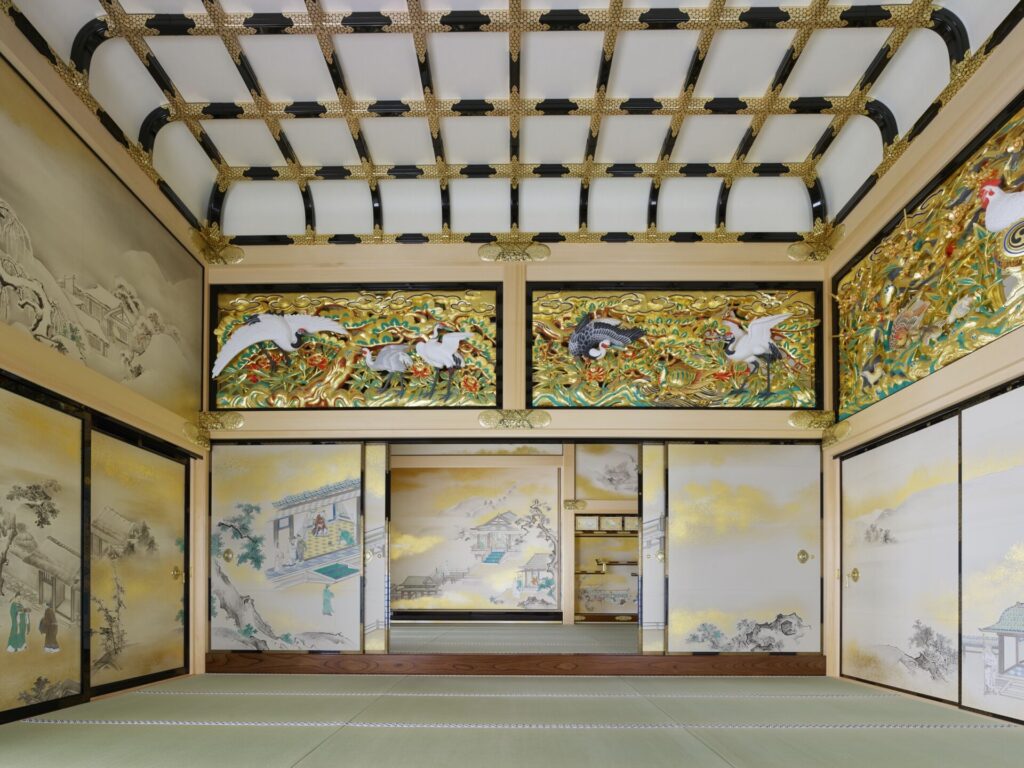
However, the most impressive thing about Nagoya Castle is the recently reconstructed Honmaru Palace. It is one of only 8 castles featuring palaces in Japan. The palace features meticulously recreated sliding doors painted with gold-leaf tigers and pine trees, an expression of Tokugawa authority and wealth.
The roof of the main keep is adorned with the famous kinshachi, the golden tiger-fish that symbolize Nagoya and were believed to protect the castle from fire.
Even if you plan to visit other castles on this list, Nagoya Castle provides the historical foundation for understanding the region.
Recommended Tour: Snow Monkey Resort's 1-Day Guided Garden Walk through Nagoya's Castle, Gardens, and Historic Estates will take you into several historical estates and private gardens of Nagoya's titans of industry. Marvel at the gilded artwork and golden screens in Honmaru Palace and sip tea while gazing at a garden designed for a daimyo as you are led by an experienced, English-speaking guide through Nagoya on this full-day tour.
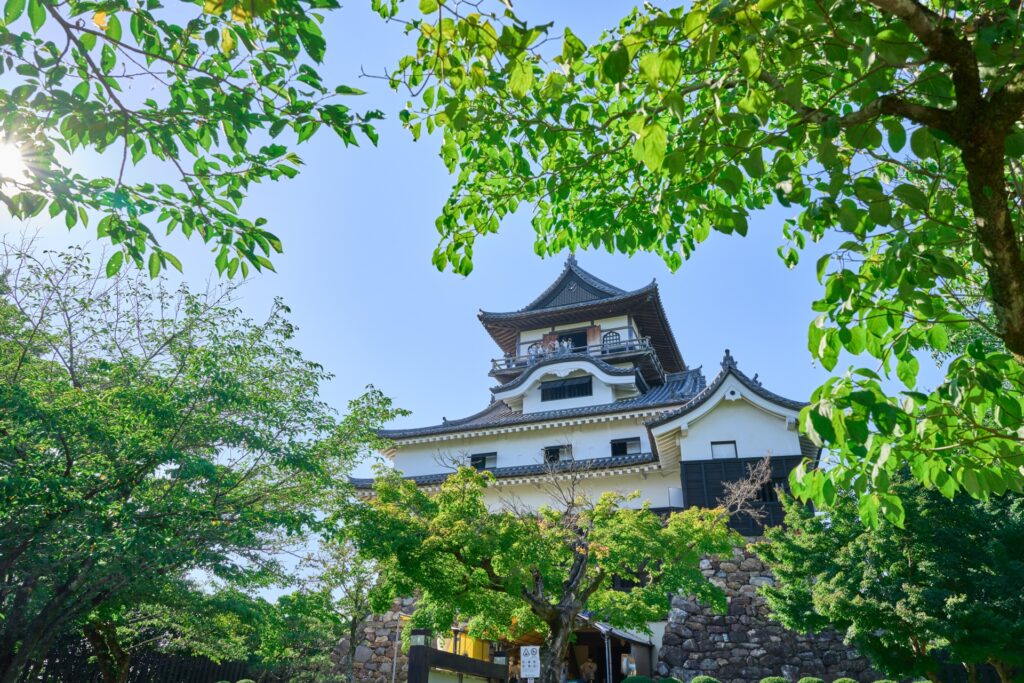
2. Inuyama Castle
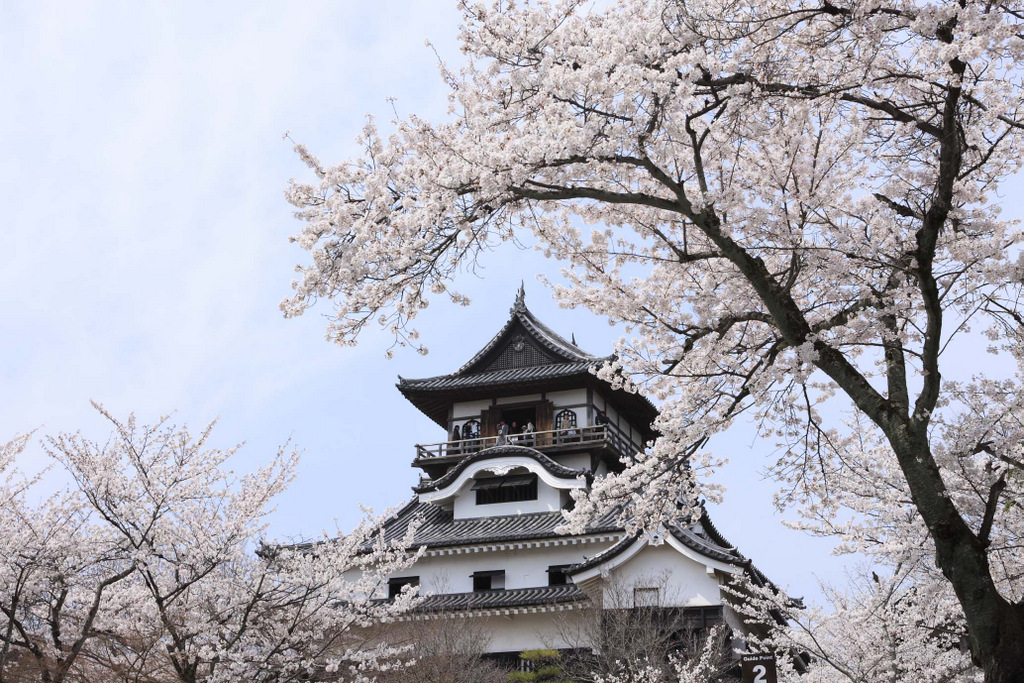
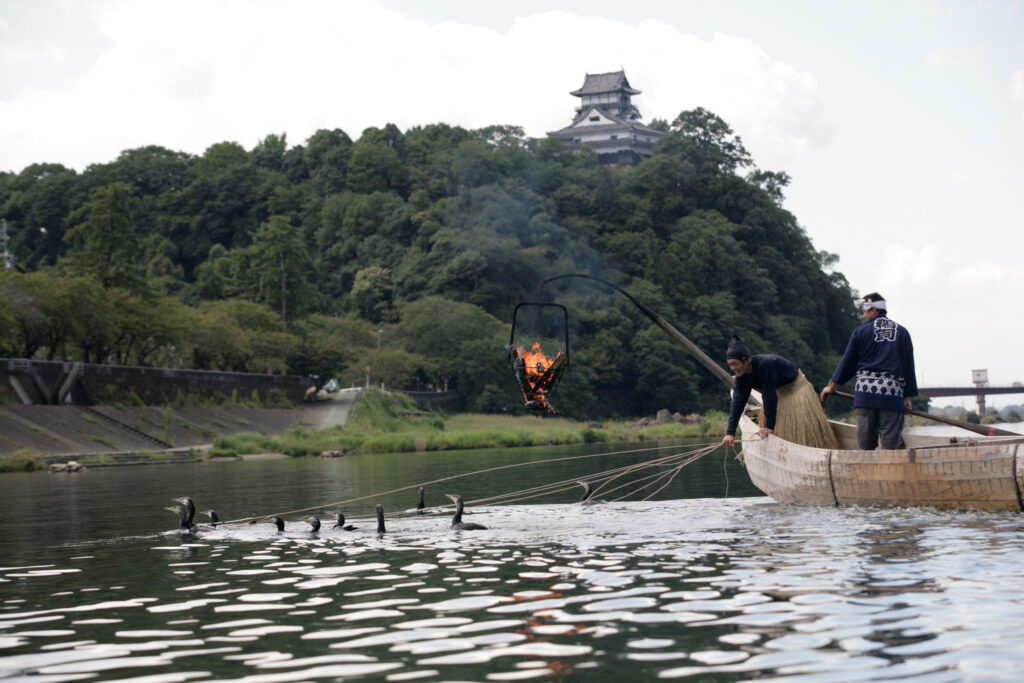
- Recommended for: Travelers seeking an authentic original castle keep paired with a charming historic castle town and scenic river views.
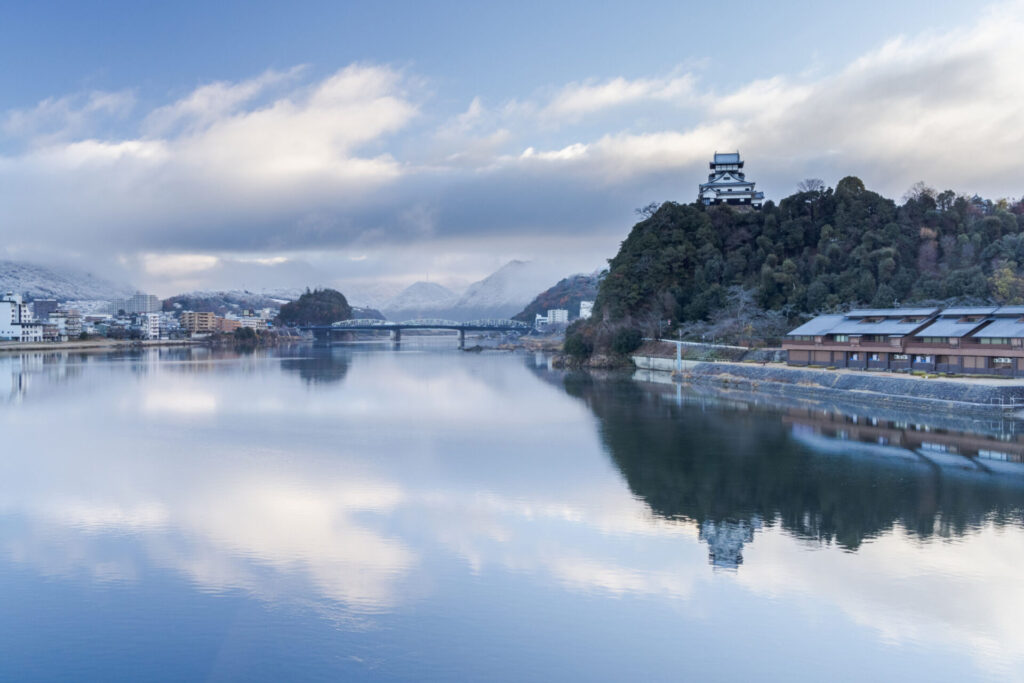
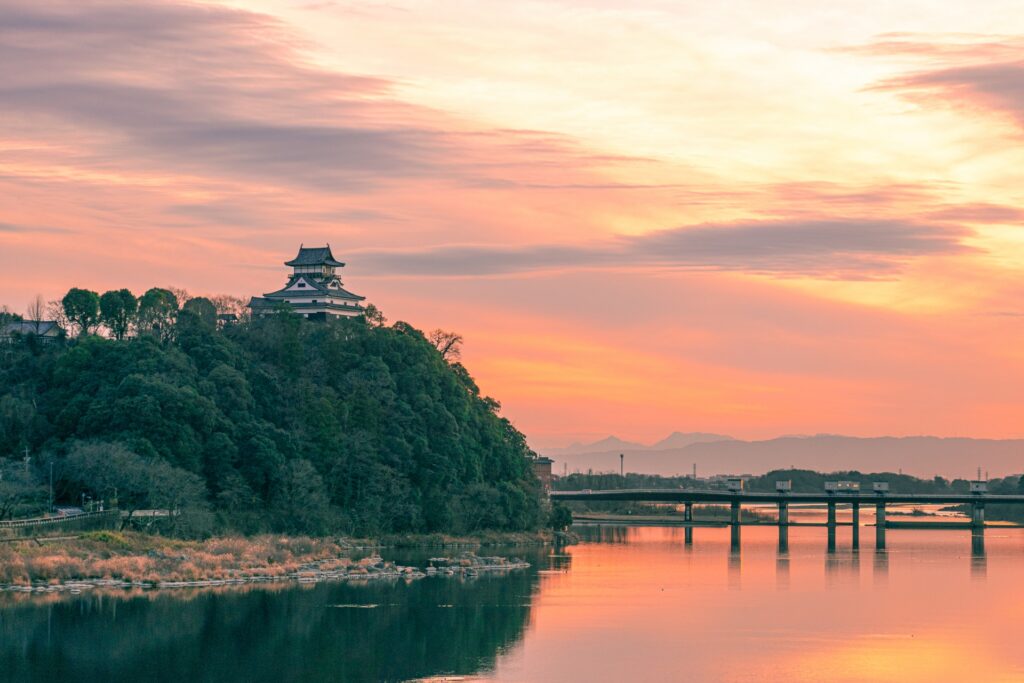
Just 30 minutes northeast of Nagoya lies one of Japan’s most precious historic structures.
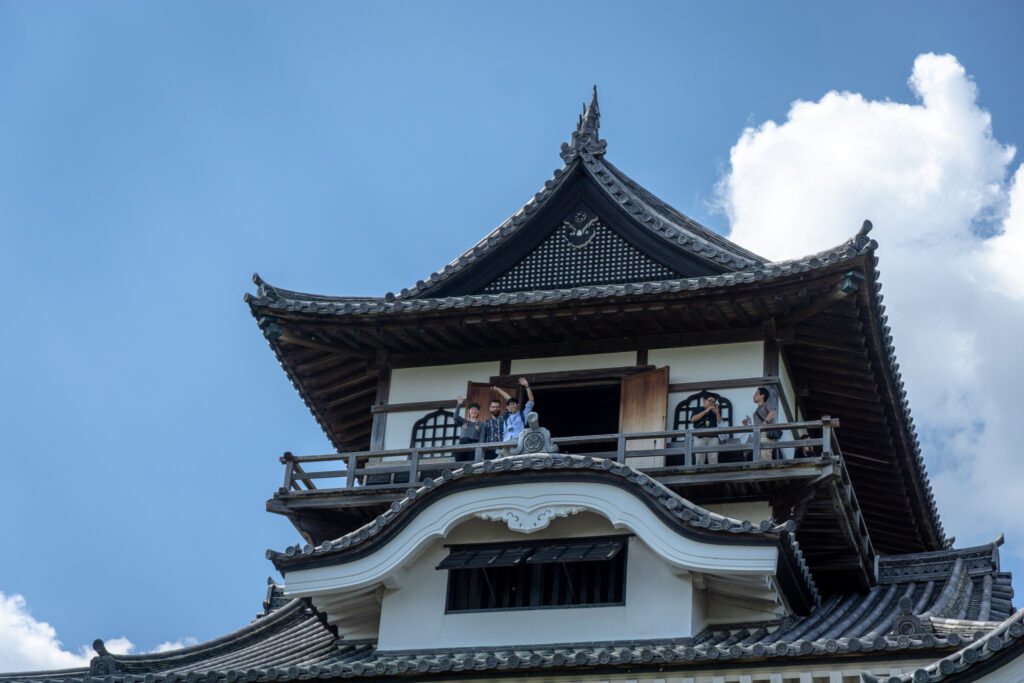
Inuyama Castle is one of the country’s twelve original surviving castle keeps, and is the oldest of them all dating back to 1537. At the top level, an exterior balcony wraps around the keep, offering panoramic views of the river valley and distant mountains.
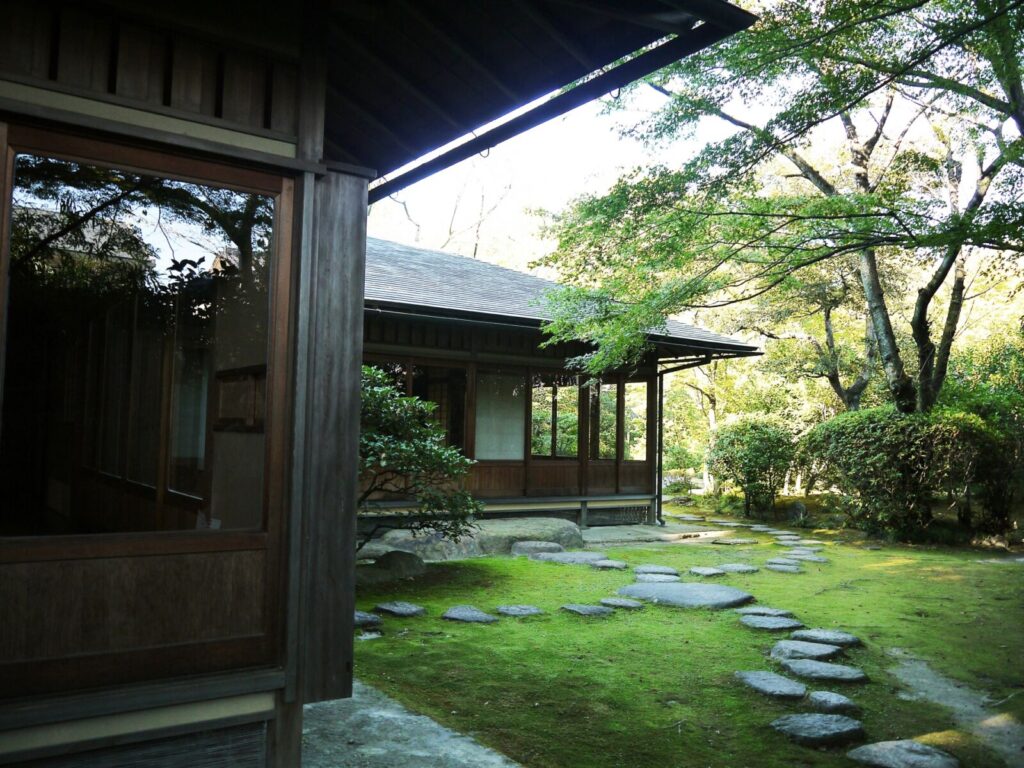
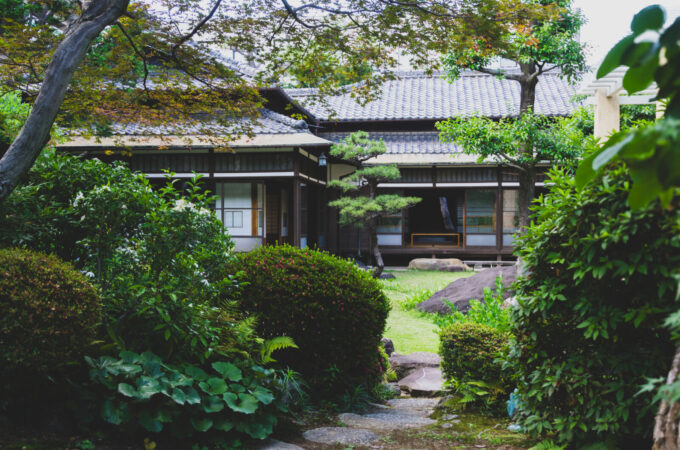
And nearby, the Japanese garden, Urakuen, houses one of the 3 national treasure tea houses in Japan, Jo-an.
For travelers seeking an authentic castle experience, Inuyama often becomes a favorite. The surrounding castle town is also beautifully preserved, filled with traditional shops, street food stalls, and small museums that make it easy to spend an entire day here.
Recommended Tour: Embark on a captivating tour from Nagoya to explore the oldest castle in Japan, a National Treasure teahouse, a "city of swords," and the charms of Central Japan on Snow Monkey Resort's Private Tour from Nagoya: Samurai Swords and Japan's Oldest Castle.
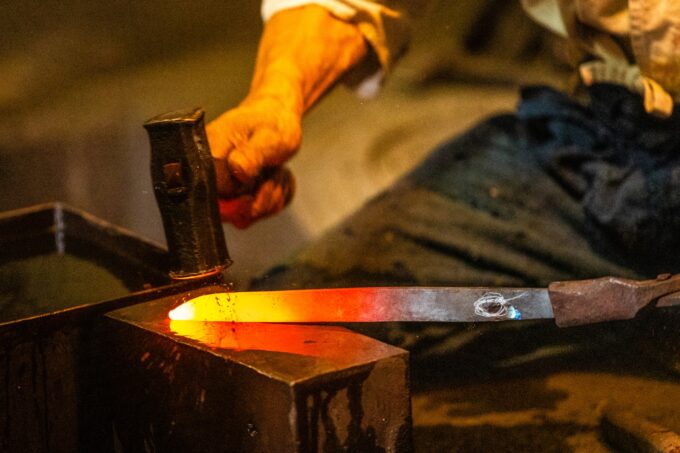
Learn about the craftsmanship involved in creating a samurai sword, meet a bladesmith and learn how to properly sharpen a kitchen knife, and stroll along the streets of Inuyama where you can indulge a wide array of street food under the shadow of Japan's oldest original castle.
3. Hikone Castle
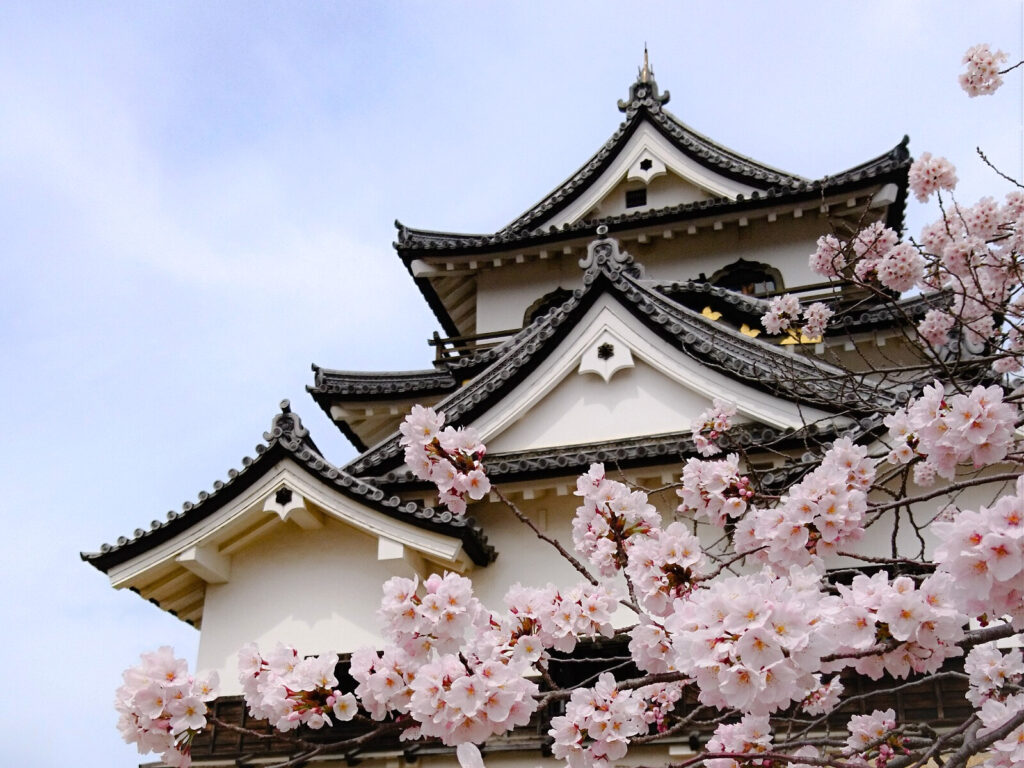
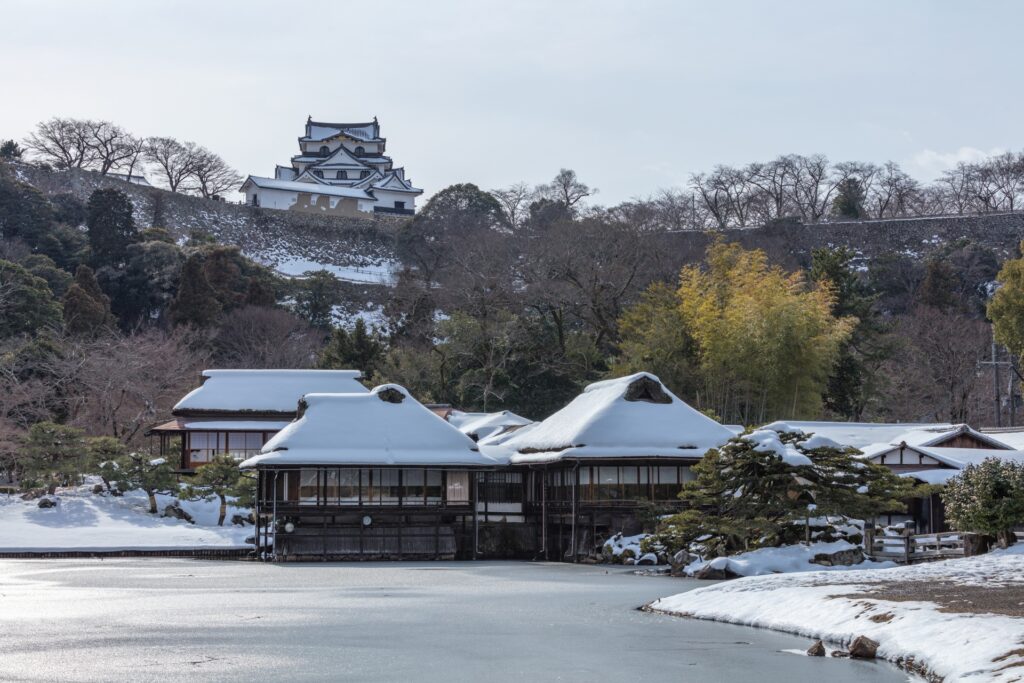
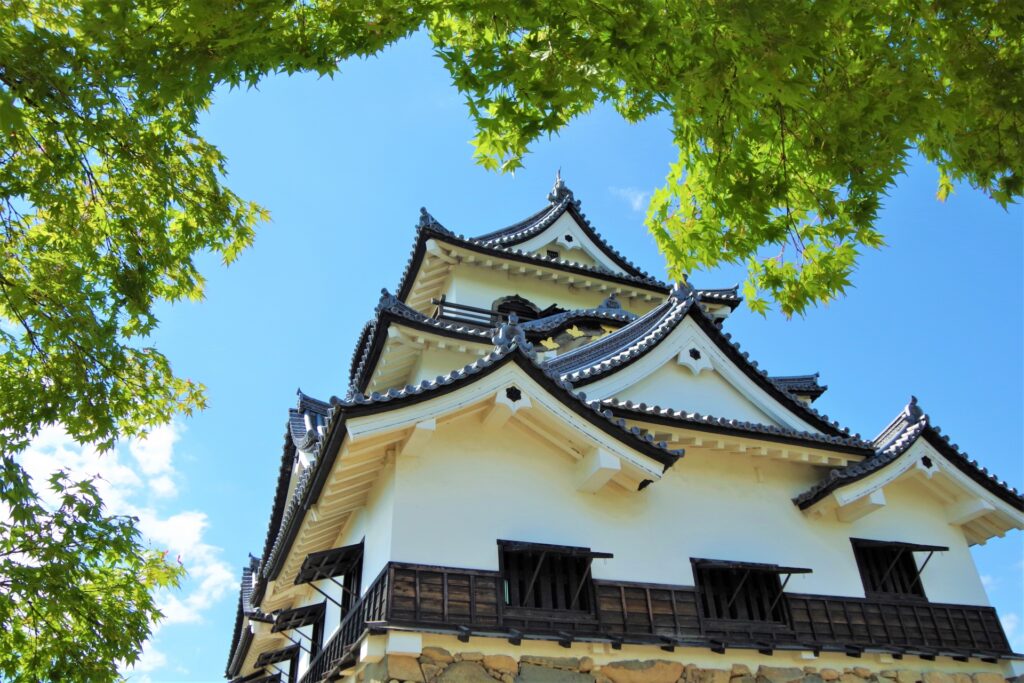
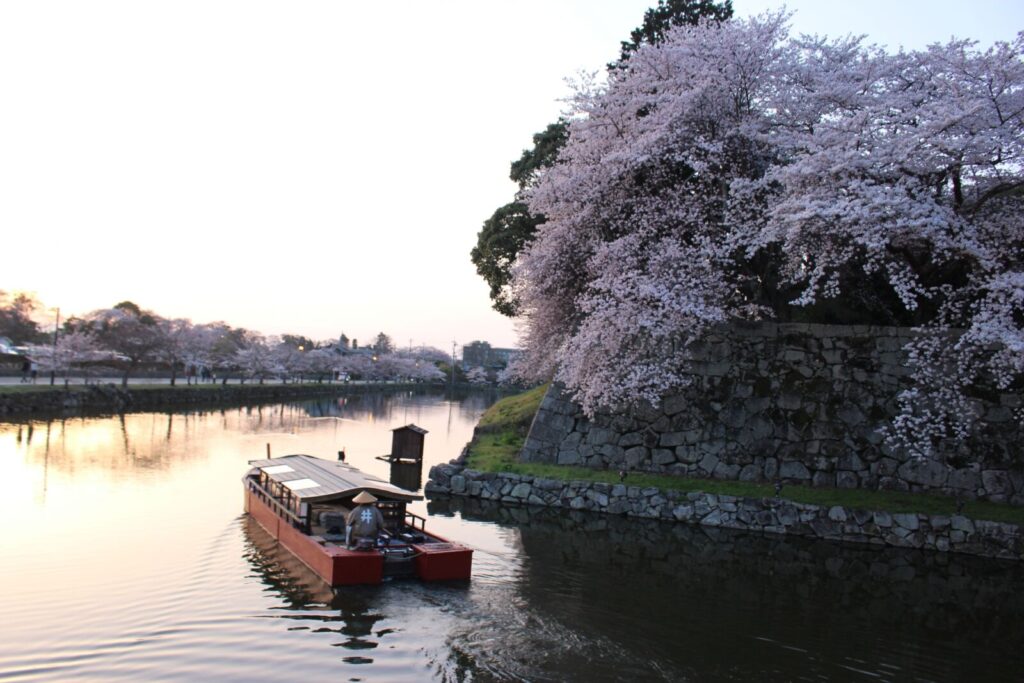
- Recommended for: Day-trippers who want to explore a beautifully preserved original castle complex alongside gardens, historic streets, and views of Lake Biwa.
Surprisingly closer than most travelers realize, Hikone Castle is one of the most rewarding day trips from Nagoya.
Located on the shores of Lake Biwa, this castle is another rare original keep, completed in 1622. The complex remains remarkably intact, including gates, turrets, and defensive corridors that give a real sense of how the fortress once functioned.
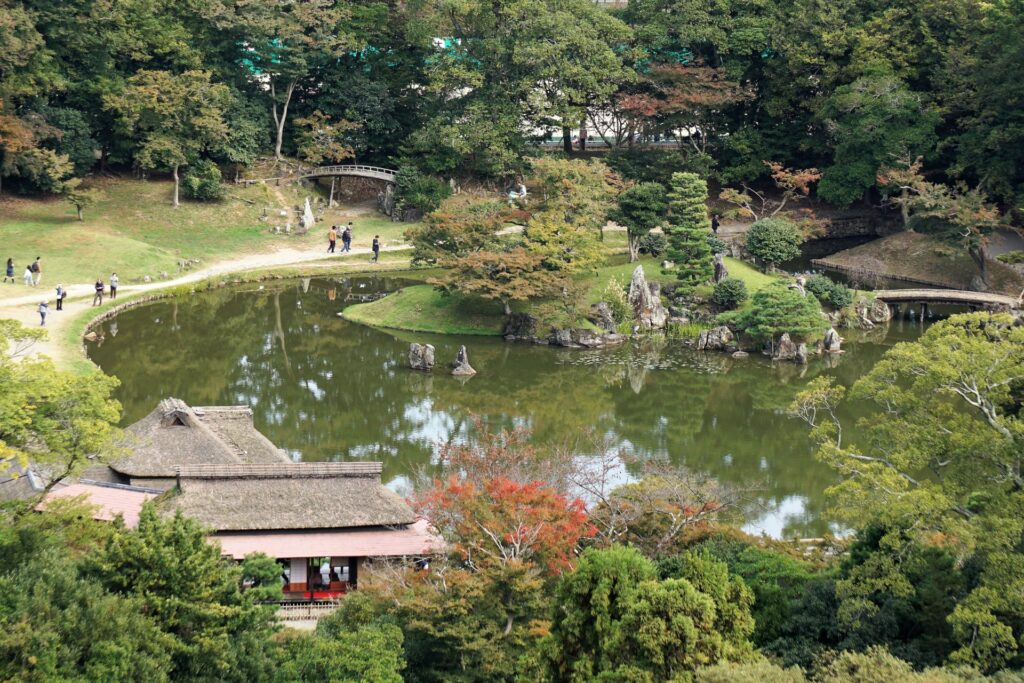
Inside the keep you’ll find beautifully preserved wooden interiors and small viewing windows once used by archers and gunners. Within the castle grounds, the Genkyuen Garden offers a peaceful contrast to the military fortress above.
The street leading up to Hikone Castle offers visitors plenty of options for shopping and food, including one of the top types of wagyu in Japan.
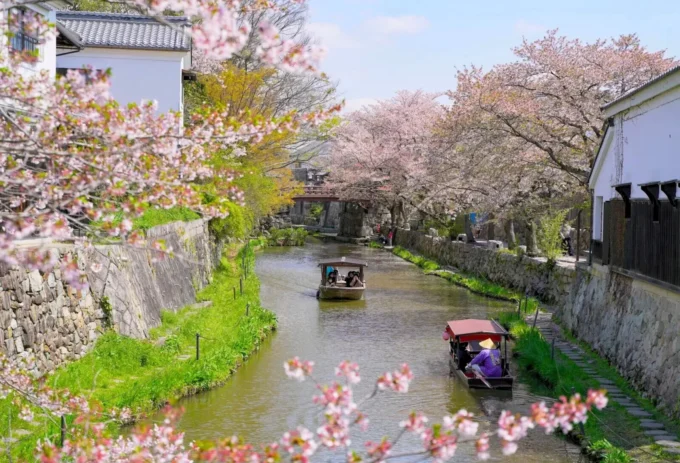
Recommended Tour: Snow Monkey Resort's 1-Day Tour from Nagoya: Castles and Canals in Hikone and Omi Hachiman will take you to two castle towns, Hikone, with one of the oldest castles in Japan, and Omi Hachiman, known for its charming canals. Taste Matcha, relax in peaceful gardens, and soak in the scenery as you are led by your experienced, English-speaking guide through this picturesque region of Japan.
4. Kiyosu Castle
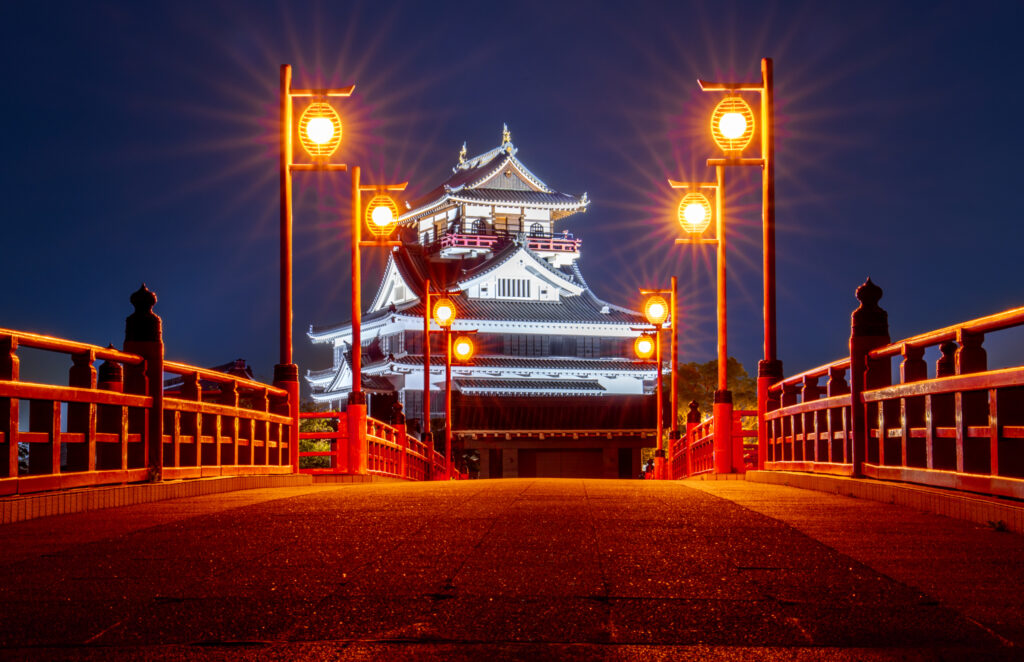
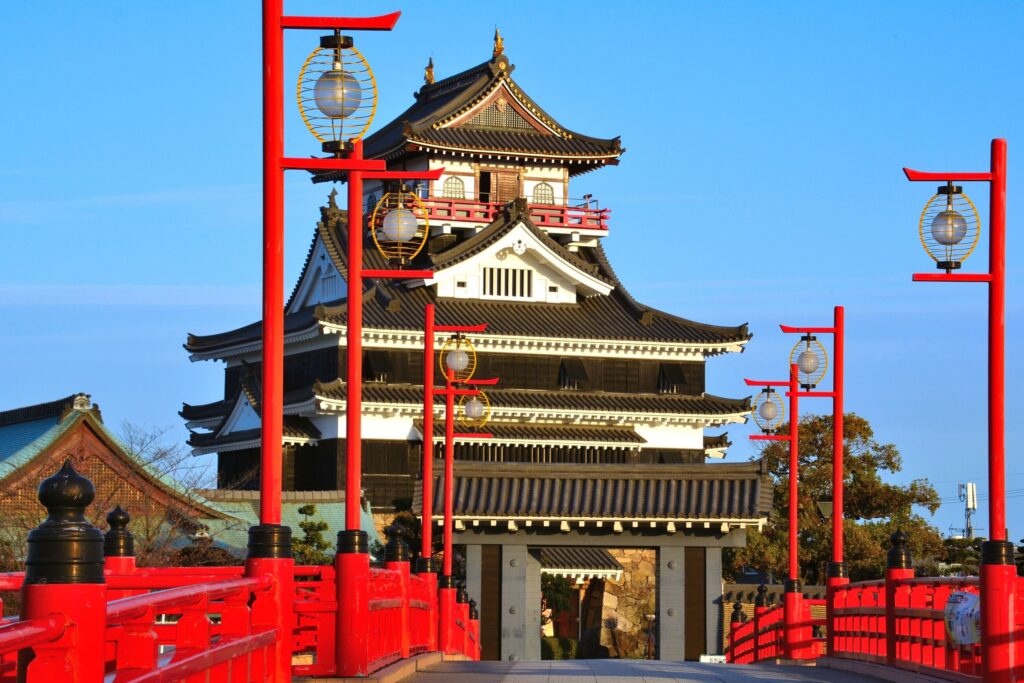
- Recommended for: History enthusiasts interested in the power struggles of the Sengoku period and the legacy of Oda Nobunaga.
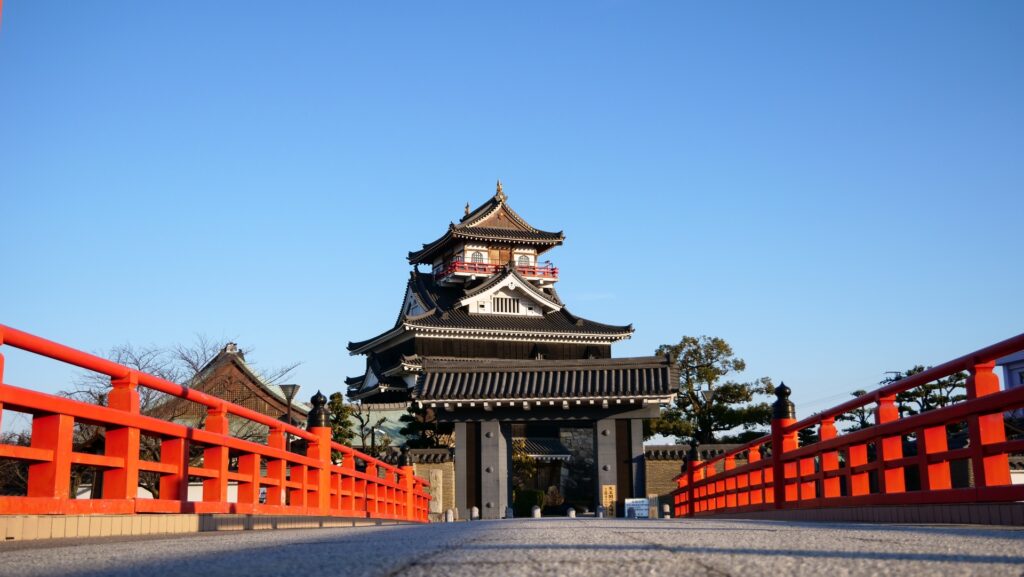
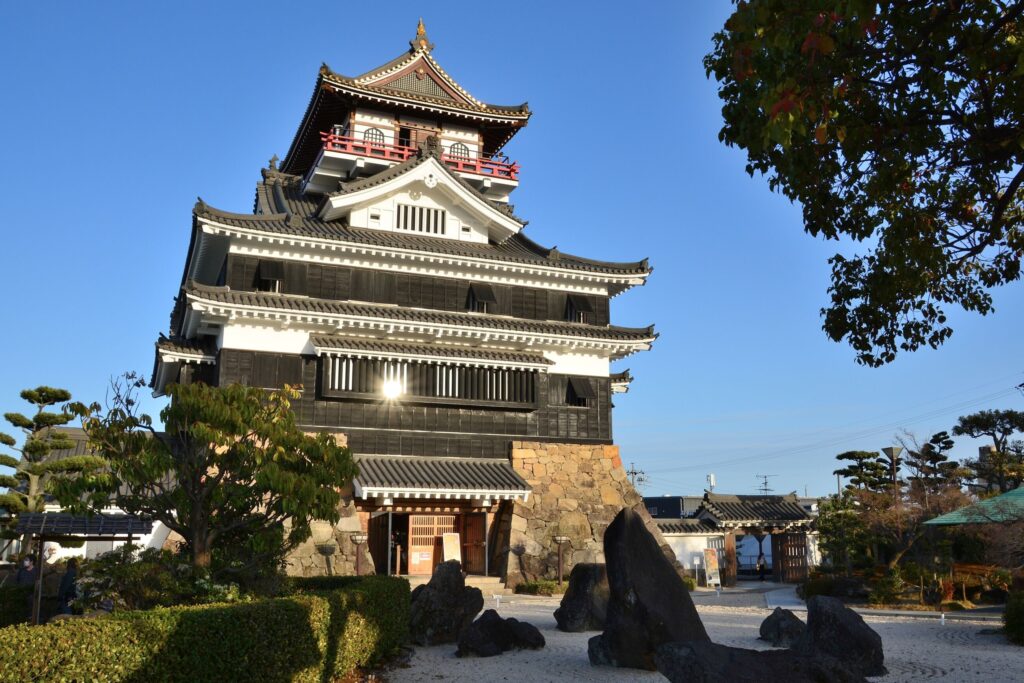
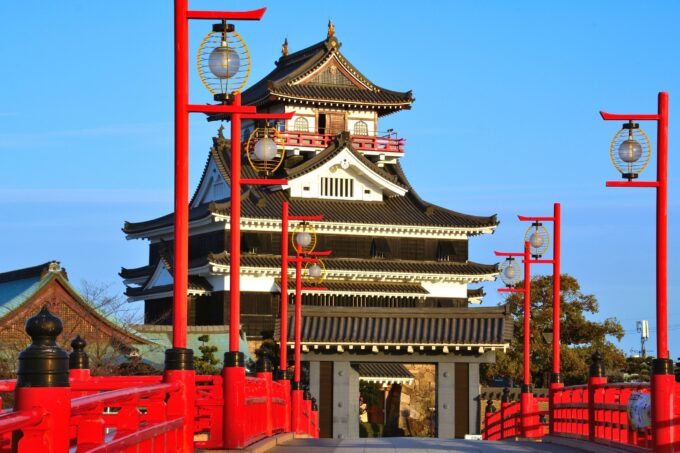
Kiyosu Castle played a pivotal role during the turbulent Sengoku period and is closely associated with Oda Nobunaga, the warlord who began the process of unifying Japan.
After Nobunaga’s assassination in 1582, his generals gathered here for the famous Kiyosu Conference, where they debated the future leadership of the Oda clan. The political maneuvering that occurred within these walls helped shape the course of Japanese history.
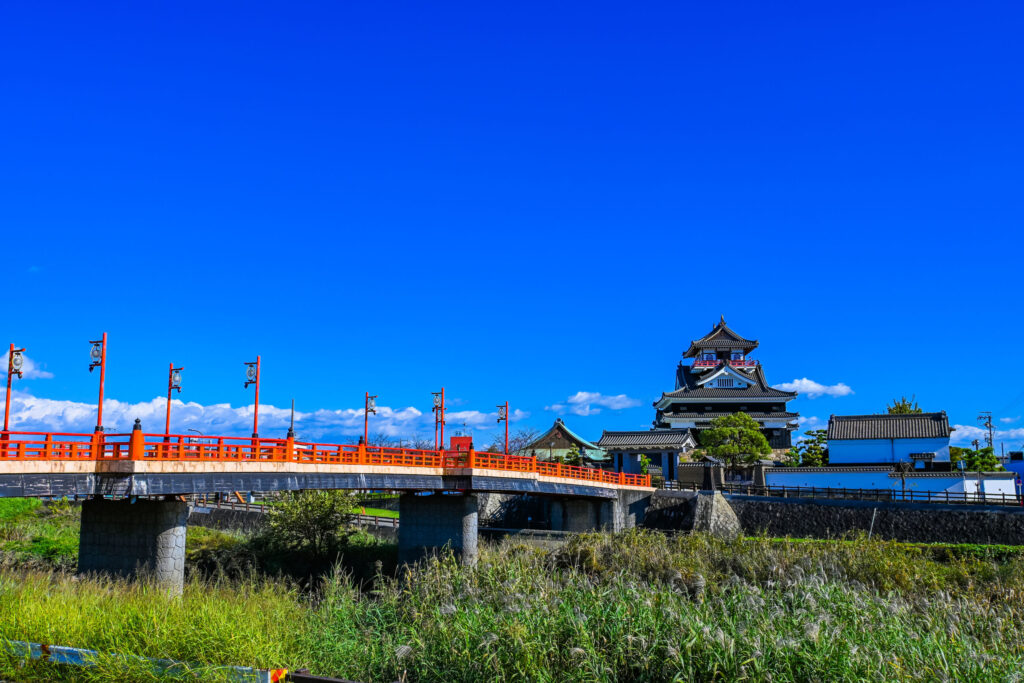
Today the reconstructed castle keep sits beside the old castle site across the river. The museum inside offers a clear introduction to Nobunaga’s rise to power and the significance of Kiyosu in the late 16th century.
For history fans, it’s a fascinating stop just a short train ride from Nagoya.
Recommended Tour: Snow Monkey Resort's 1-Day Tour from Nagoya: Shadows of a Shogun — Sekigahara Battlefield & Historic Castles is designed for travelers who want to understand the history and drama of Japan’s samurai past. You will explore how alliances were formed, how betrayals changed the course of history, and how power was ultimately secured.
Trace the full arc of Japan’s transformation from the warring state period to where the foundations of 260 years of Tokugawa rule were established on this one-day guided tour from Nagoya.
5. Gifu Castle
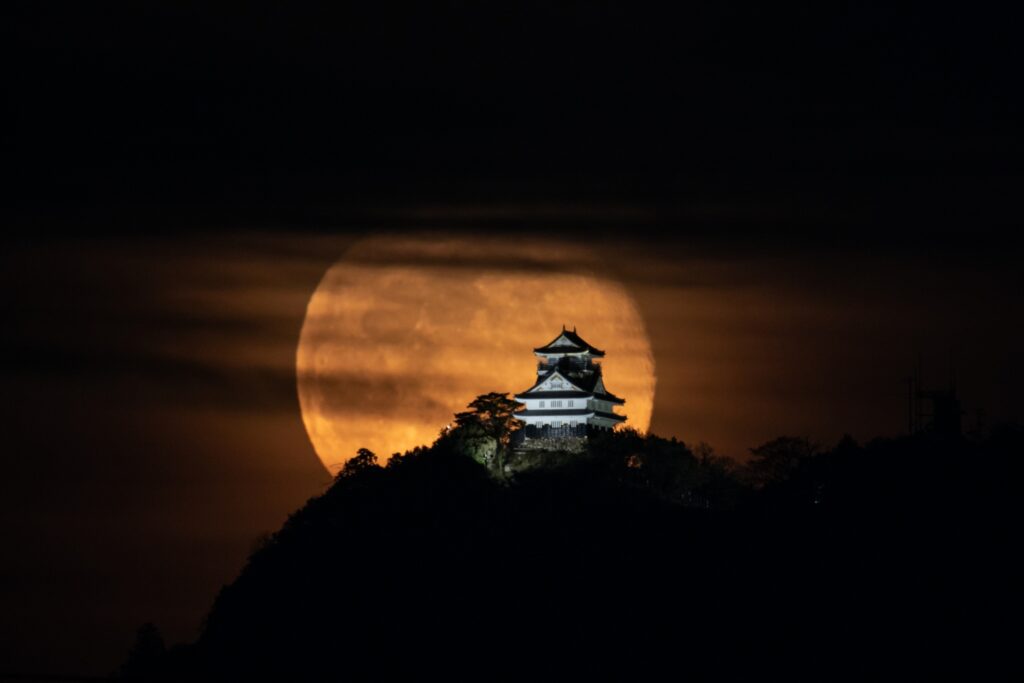
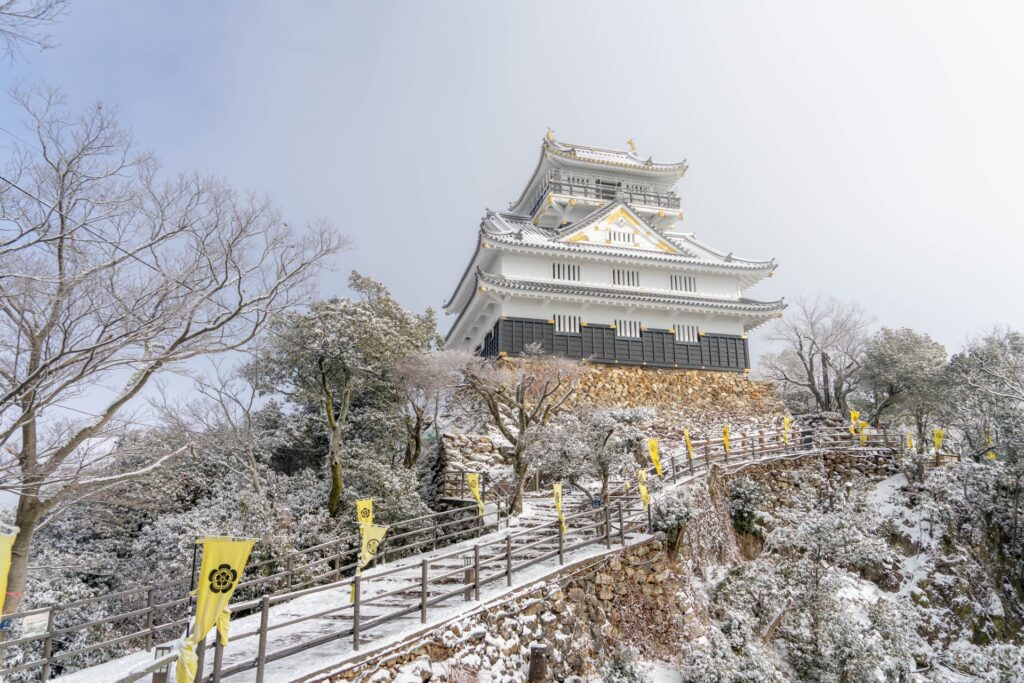
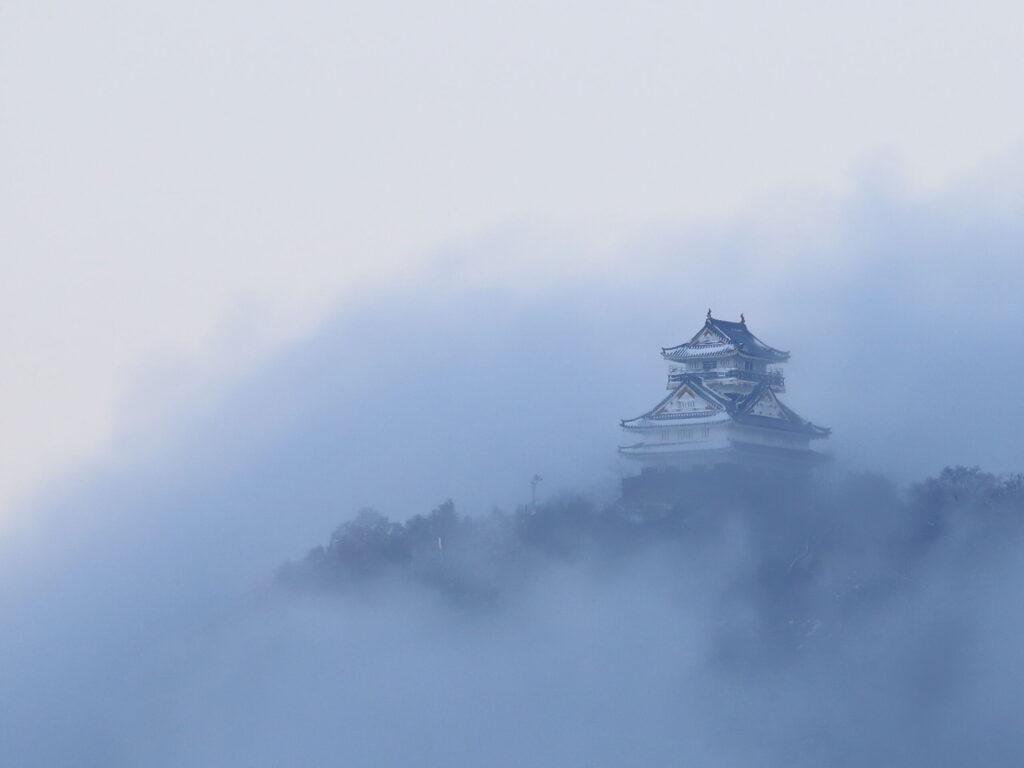
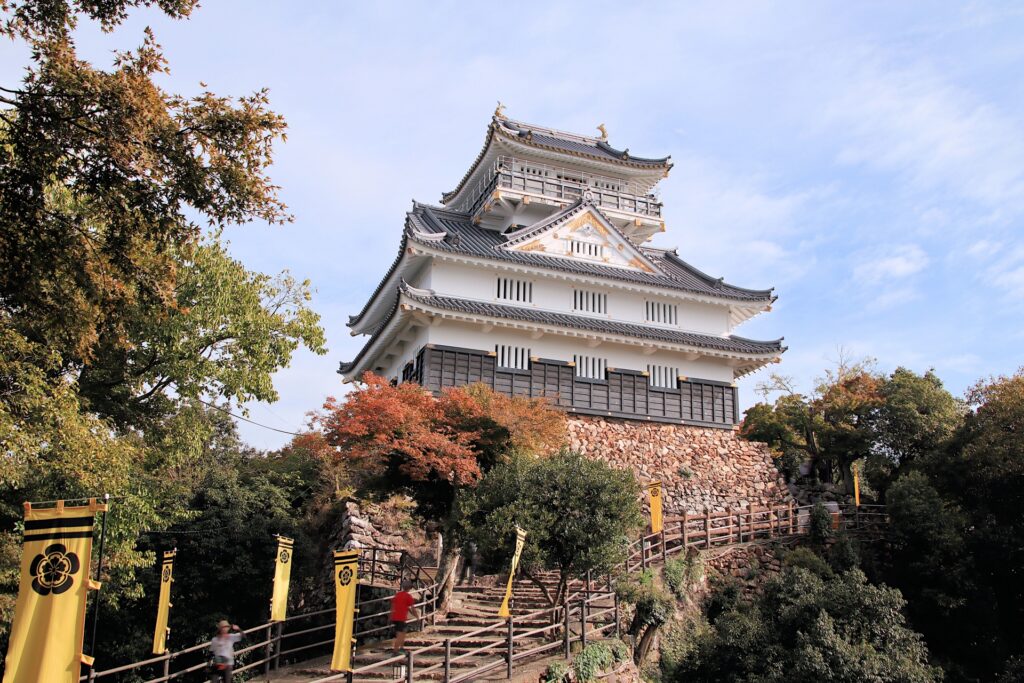
- Recommended for: Travelers who enjoy scenic viewpoints and short hikes, with dramatic mountaintop views over the Nagara River.
Perched dramatically atop Mount Kinka, Gifu Castle commands one of the most striking positions of any fortress in Japan.
This was another stronghold of Oda Nobunaga during his campaign to unify the country. From this mountaintop base he governed the region and entertained foreign visitors, including the Jesuit missionary Louis Frois.
Reaching the castle today involves either a steep hike or a scenic ropeway ride. Once at the summit, the reward is a sweeping view over the Nagara River and the city below.
Though the current structure is reconstructed, the location itself makes Gifu Castle an excellent option for a day trip from Nagoya, particularly for those looking for a hike with stunning views.
6. Azuchi Castle Ruins
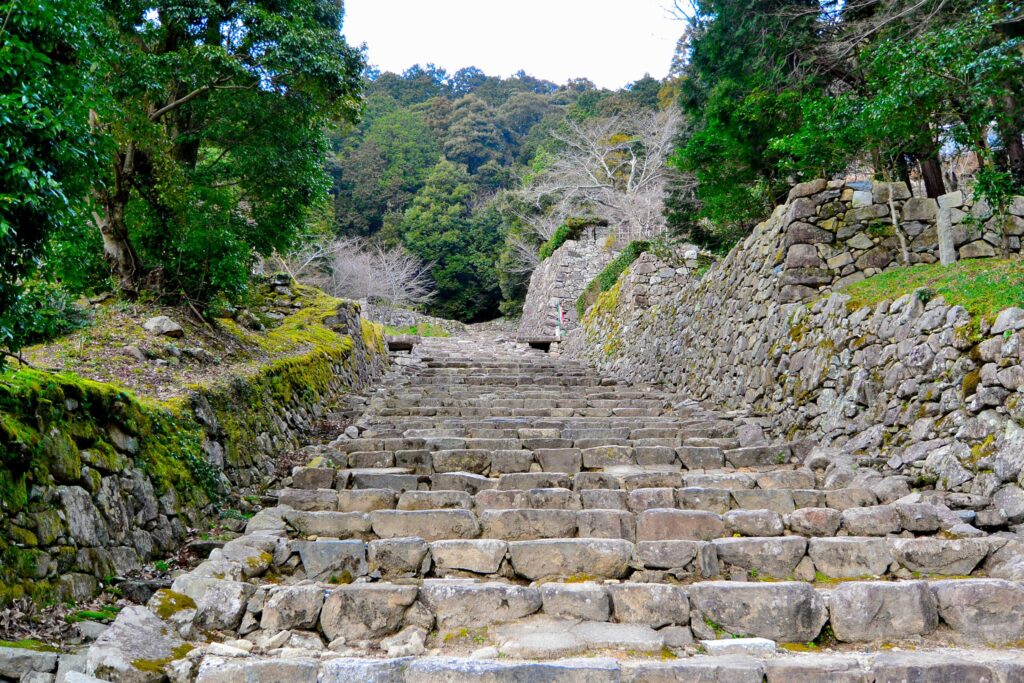
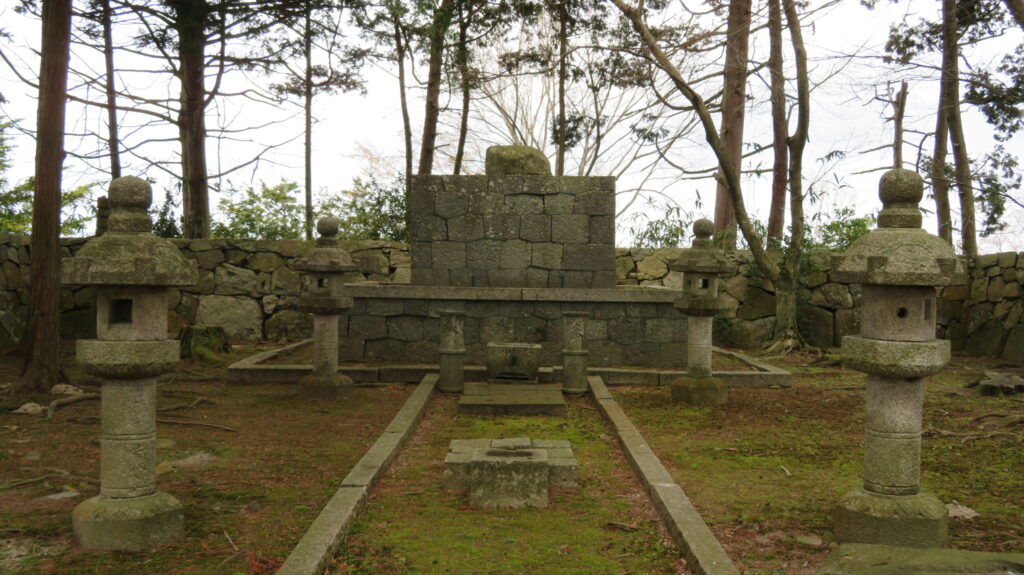
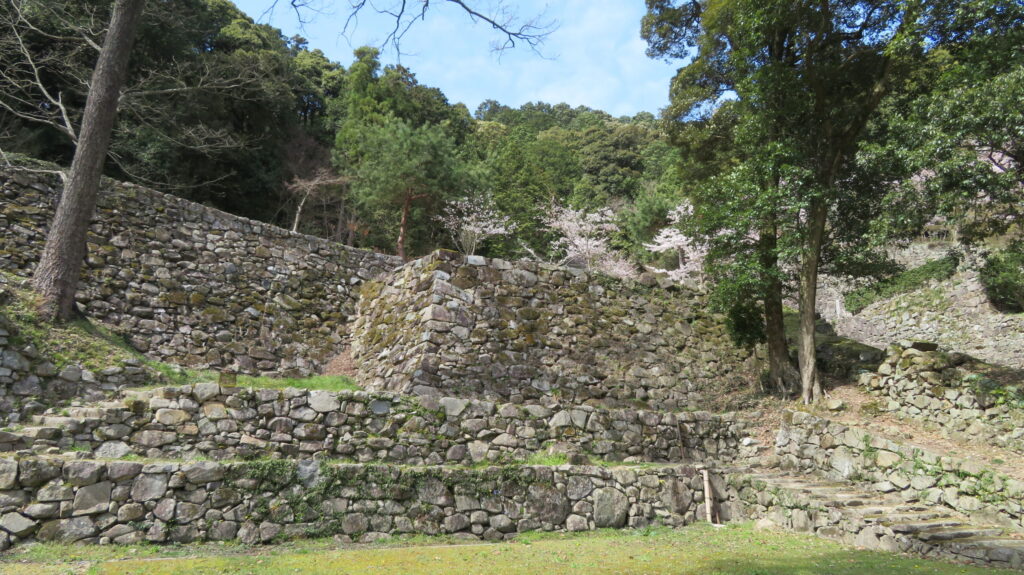
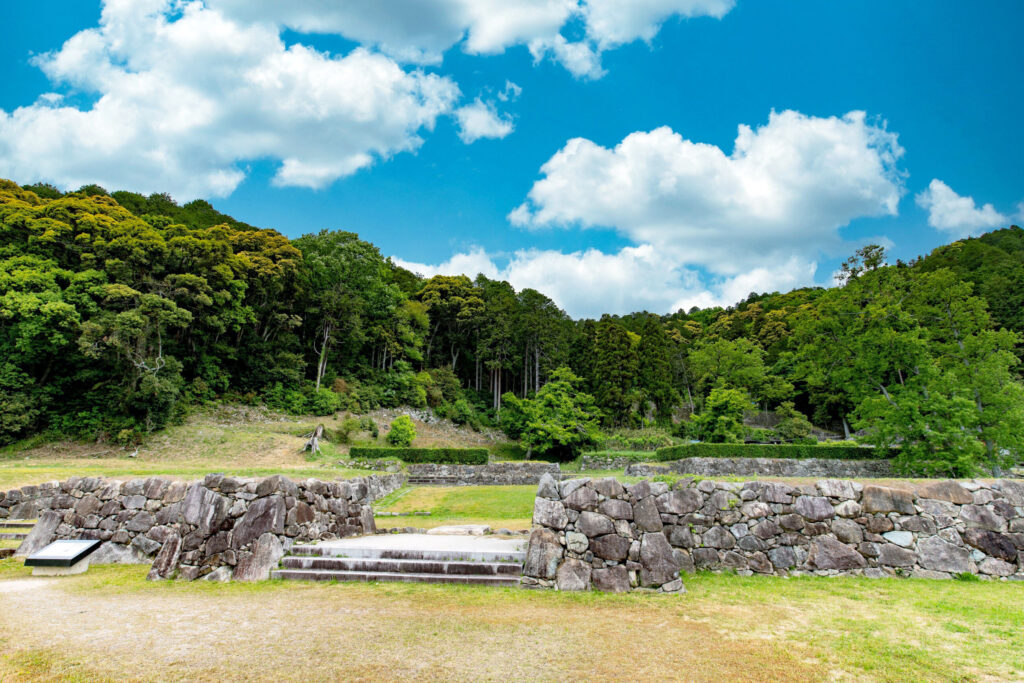
- Recommended for: Serious history lovers fascinated by the innovative castle architecture and legacy of Oda Nobunaga.
Built in the 1570s, Azuchi Castle was Oda Nobunaga’s crown jewel. The castle introduced bold architectural ideas that influenced castle construction throughout Japan. The original tower was said to have been seven stories tall and lavishly decorated with gold and vibrant artwork.
Sadly, the castle was destroyed shortly after Nobunaga’s death but the ruins remain, and a reconstruction of the castle’s keep offers visitors an idea of just how influential Nobunaga was.
Recommended Tour: Snow Monkey Resort's 1-Day Tour from Nagoya: Shadows of a Shogun — Sekigahara Battlefield & Historic Castles is designed for travelers who want to understand the history and drama of Japan’s samurai past. You will explore how alliances were formed, how betrayals changed the course of history, and how power was ultimately secured.
Trace the full arc of Japan’s transformation from the warring state period to where the foundations of 260 years of Tokugawa rule were established on this one-day guided tour from Nagoya.
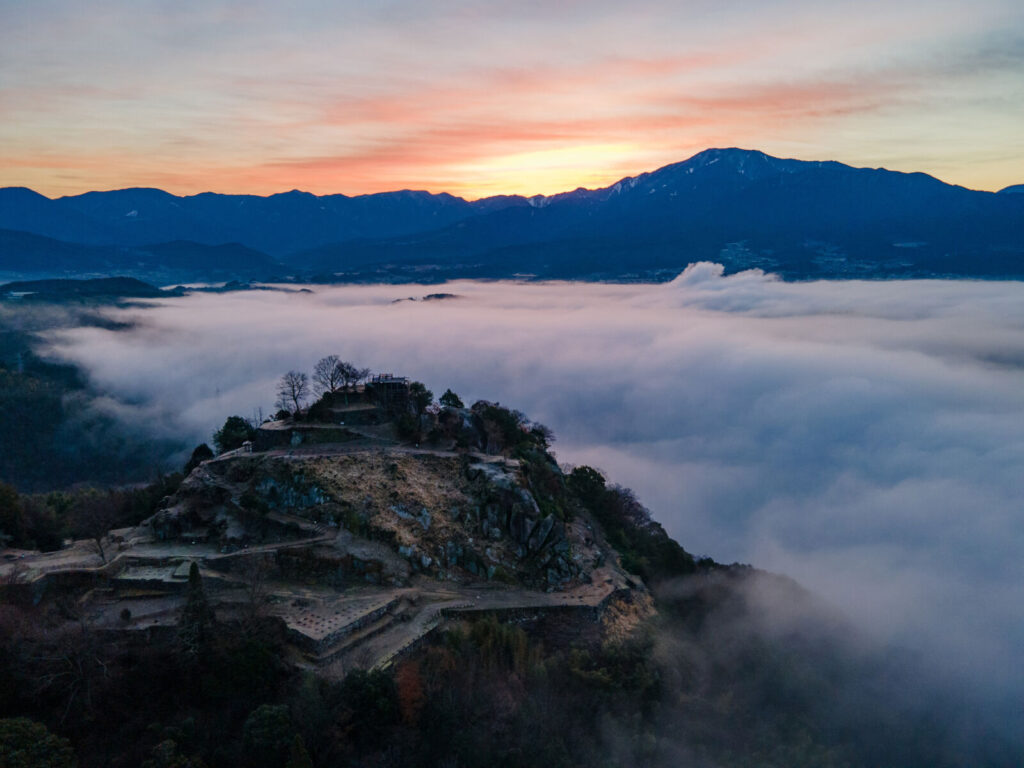
7. Naegi Castle Ruins
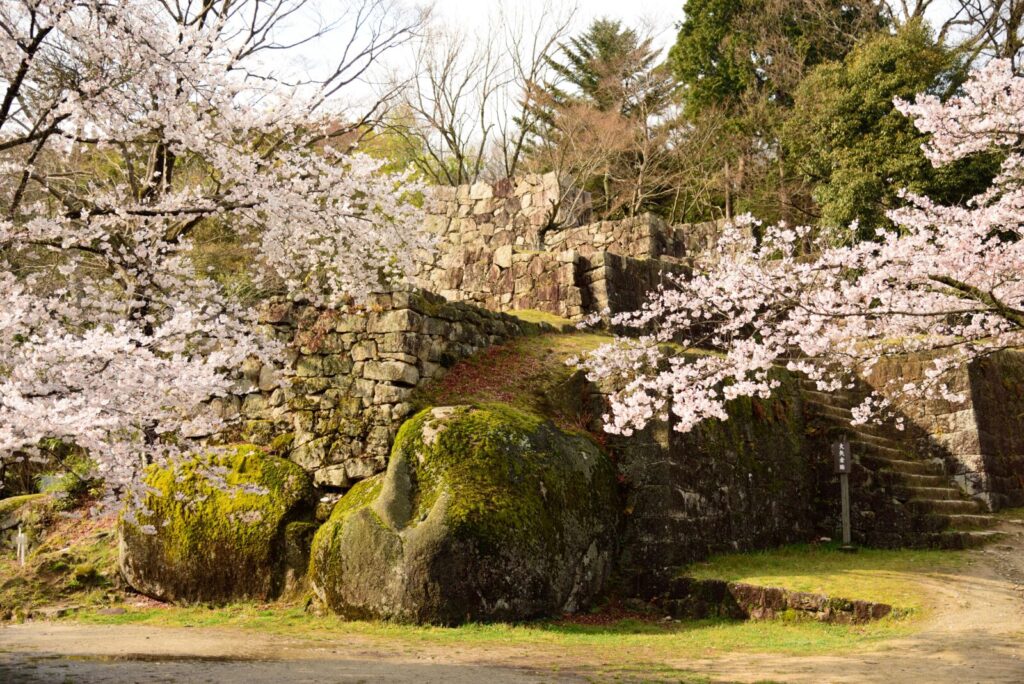
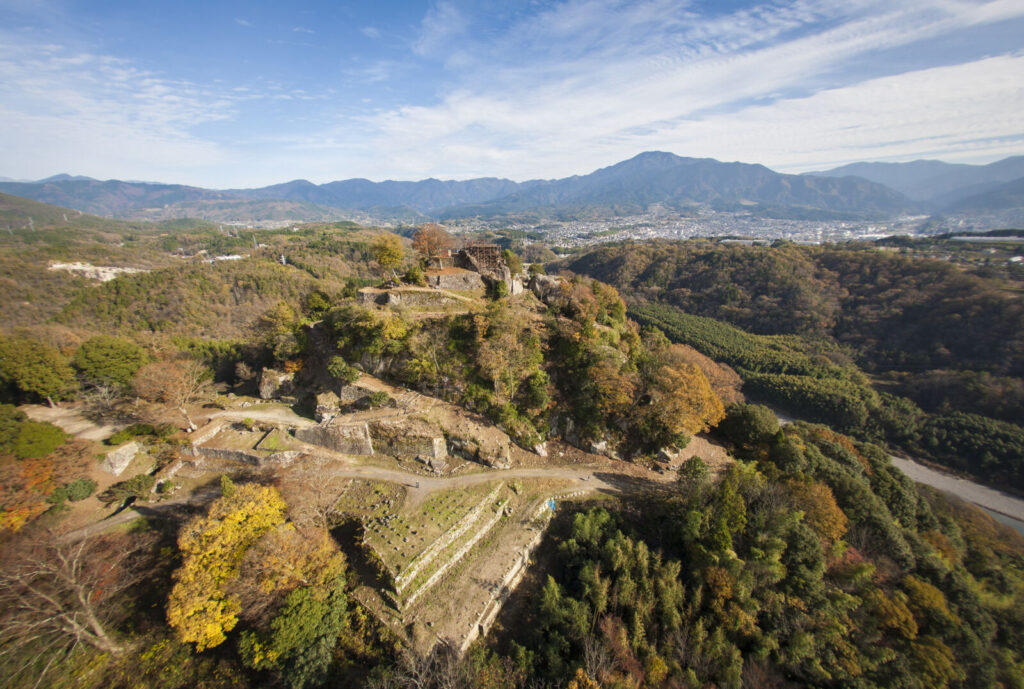
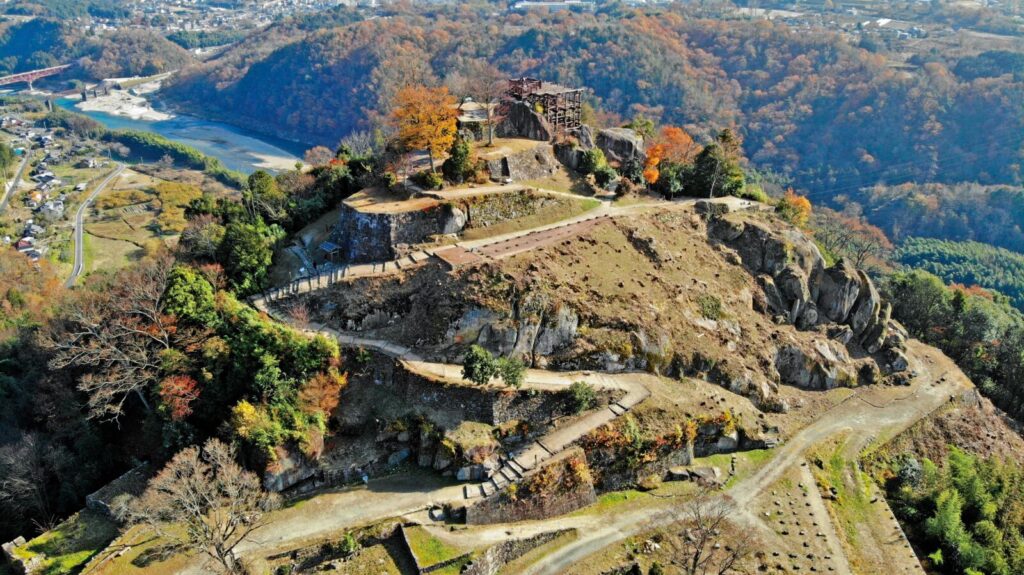
- Recommended for: Travelers seeking off-the-beaten-path castle ruins with dramatic stone formations and stunning seasonal views over the Kiso Valley.
For those who love atmospheric ruins, Naegi Castle is a hidden treasure.
Unlike many castles built with massive stone walls, Naegi incorporates the natural granite outcrops of the mountain into its defenses. Huge boulders formed part of the fortress itself, creating a dramatic and almost otherworldly landscape.
Wooden observation platforms now mark the former locations of towers, allowing visitors to visualize the structure that once stood here.
The view across the Kiso Valley is extraordinary, especially during autumn when the surrounding forests turn brilliant shades of red and gold.
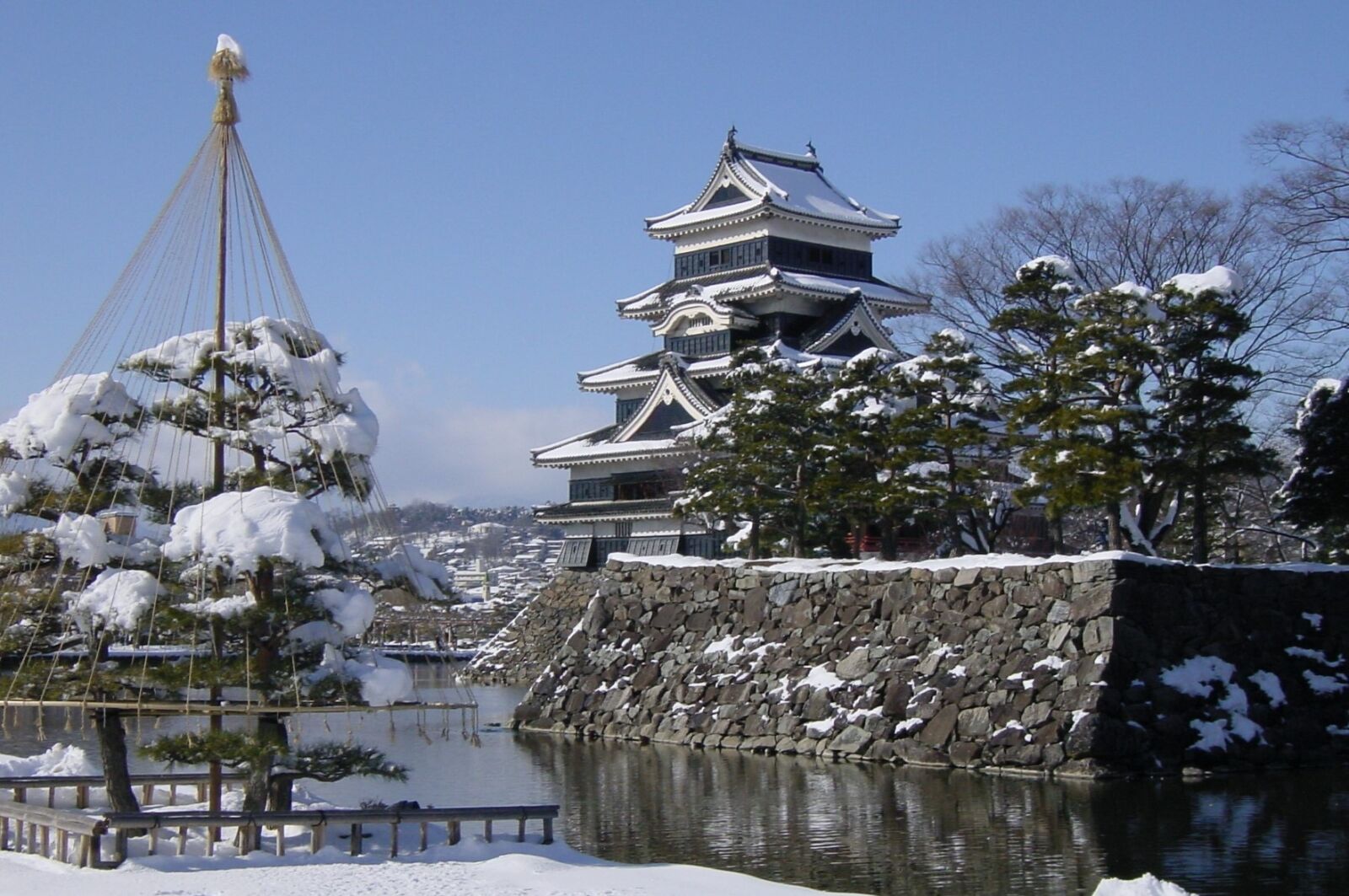
8. Gujo-Hachiman Castle
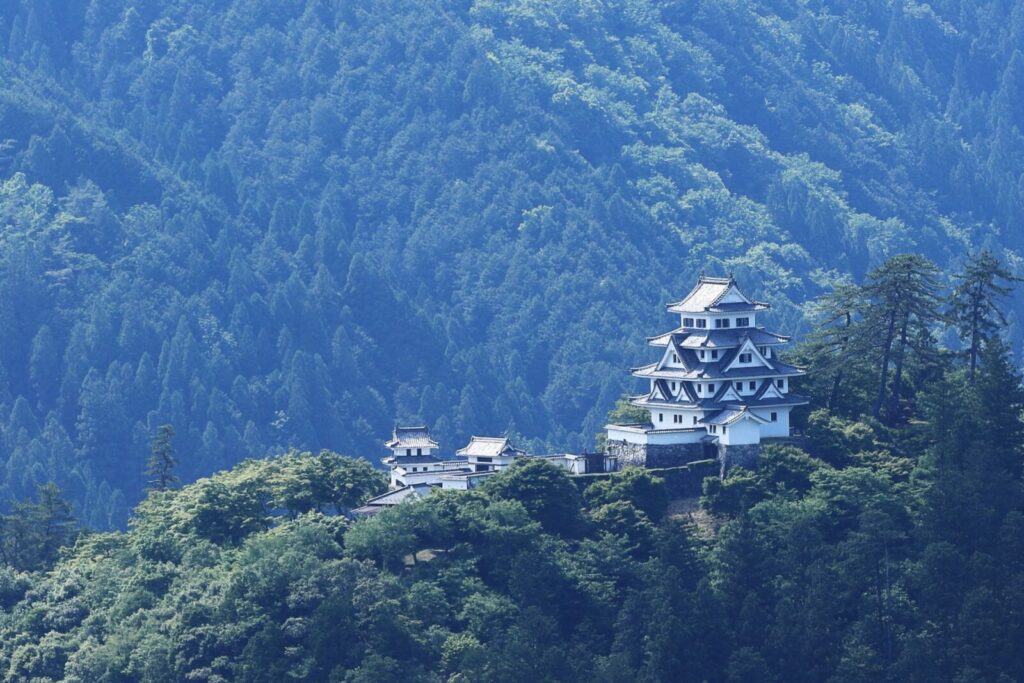
- Recommended for: Visitors looking for a picturesque mountain castle combined with the charming canals and culture of Gujo-Hachiman.
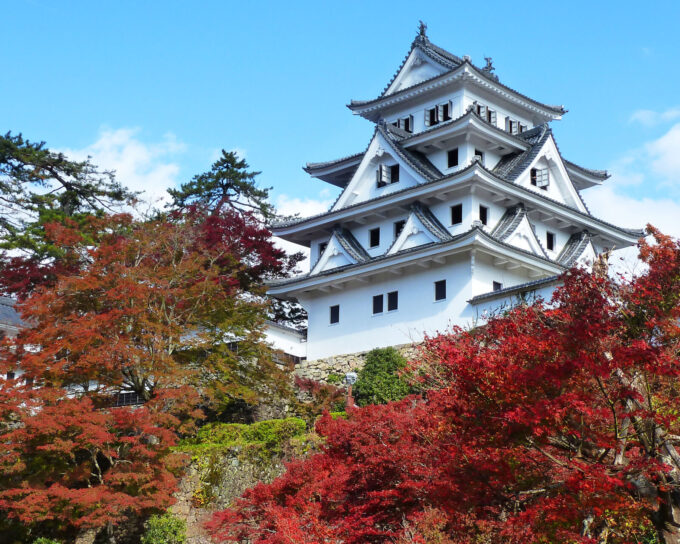
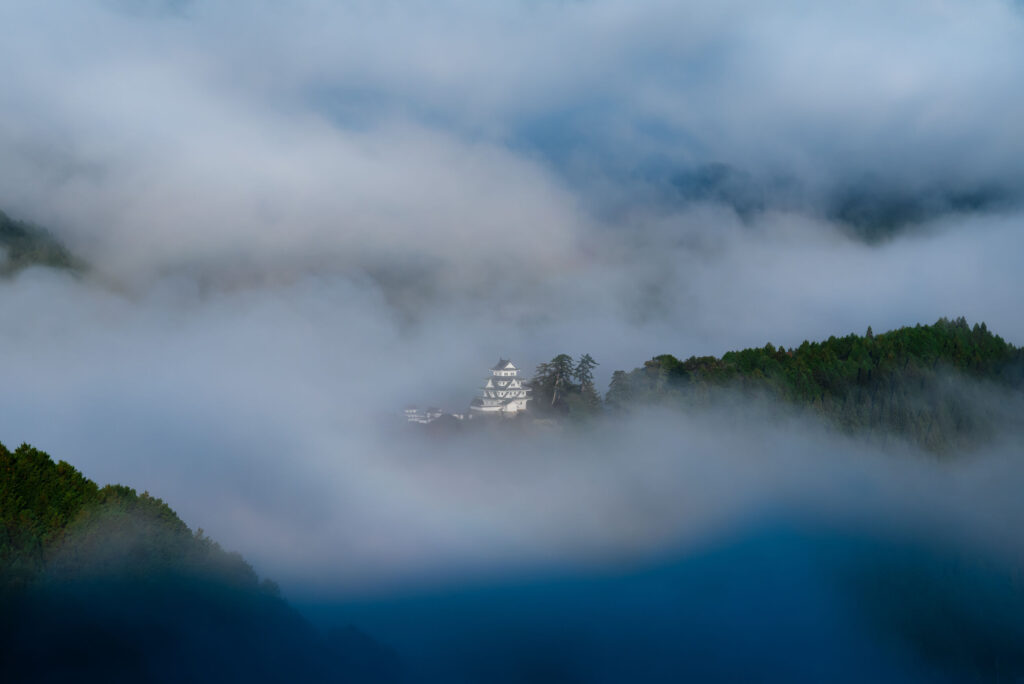
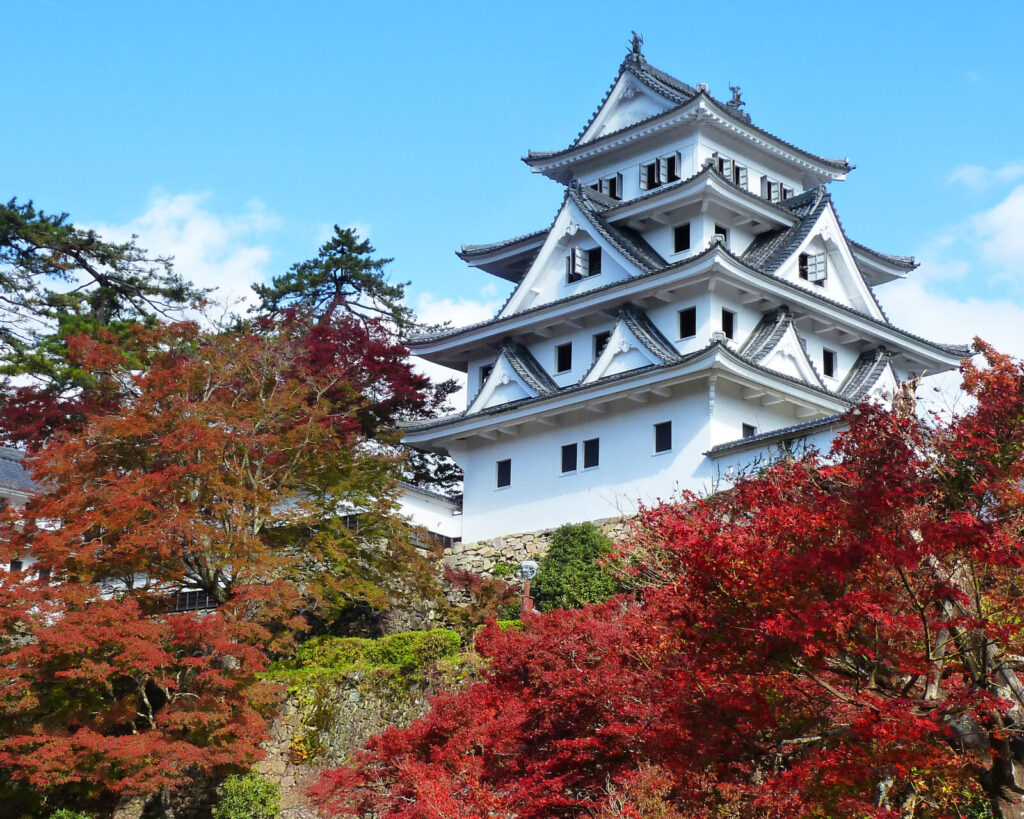
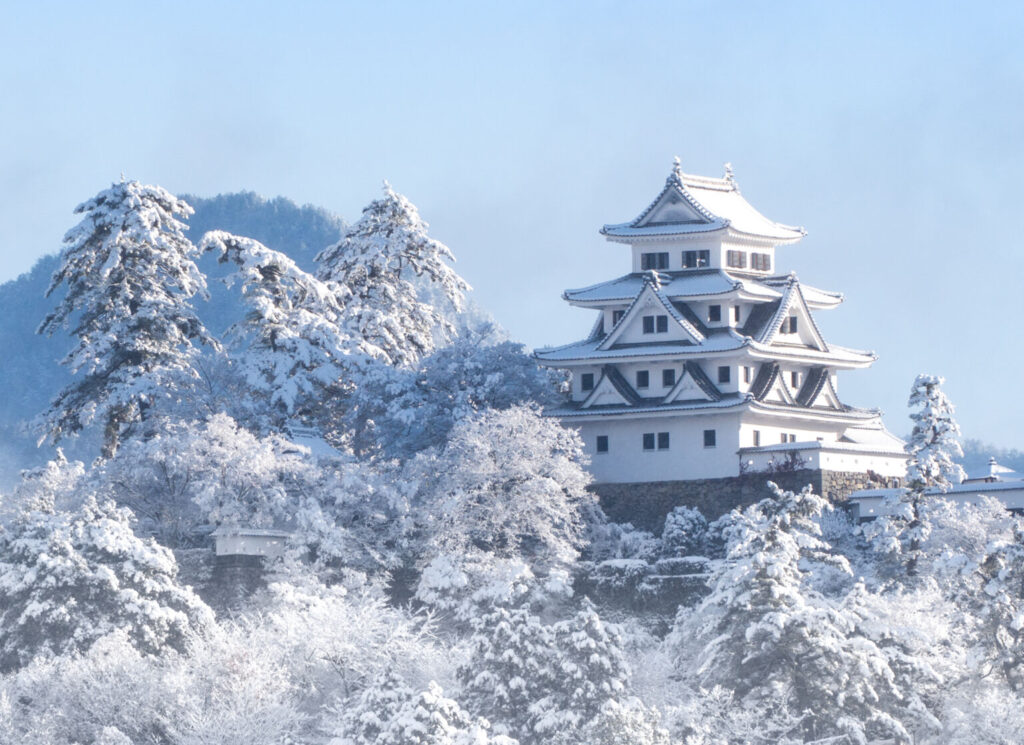
High above the charming town of Gujo-Hachiman, this castle appears almost like a storybook fortress.
Originally built in the 16th century, the current structure is a wooden reconstruction from the 1930s, one of Japan’s earliest efforts to revive historic castles.
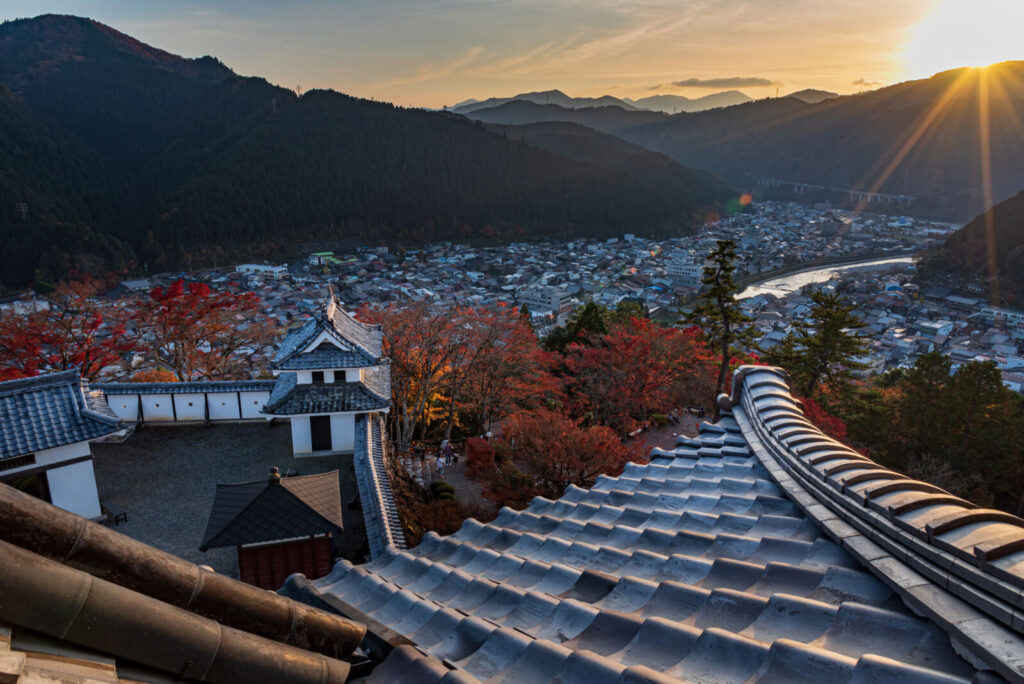
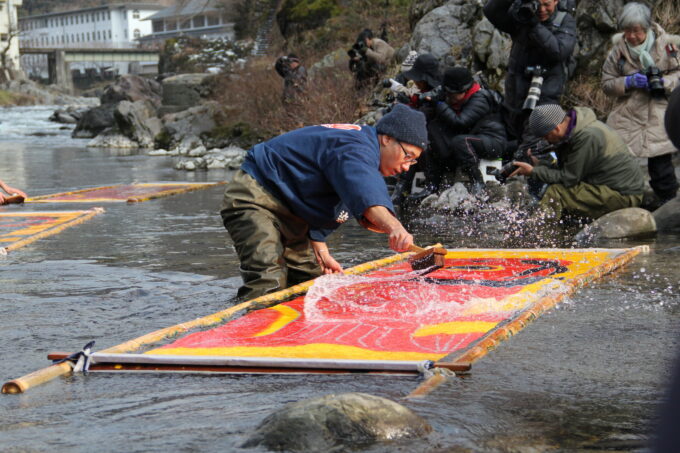
The road leading up to the castle winds through dense forest, and the view from the top is breathtaking. Below lies the grid of narrow streets and canals that define Gujo-Hachiman, a town famous for its pristine waterways, fake food sculptures, and summer dance festival.
Recommended Tour: Embark on a family-friendly journey on Snow Monkey Resort's
1-Day Tour from Nagoya: Gujo Hachiman – Gifu's "Little Kyoto" in the Mountains to Gujo Hachiman, a small-yet-picturesque mountain village nicknamed "Little Kyoto" where Japan’s exceptional craftsmanship and timeless traditions come alive.
9. Okazaki Castle
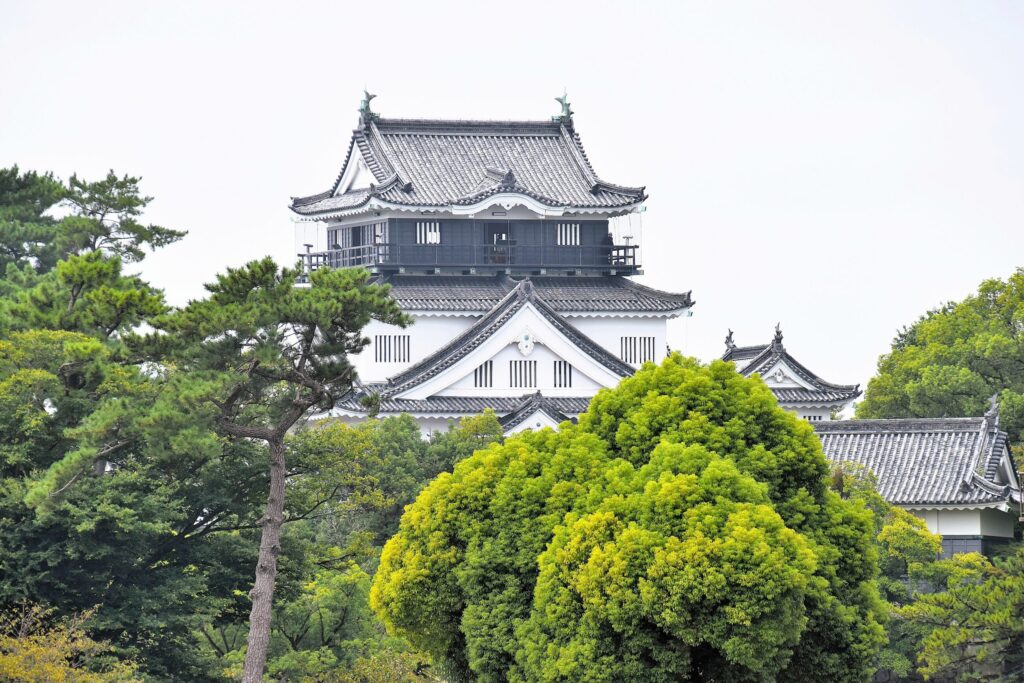
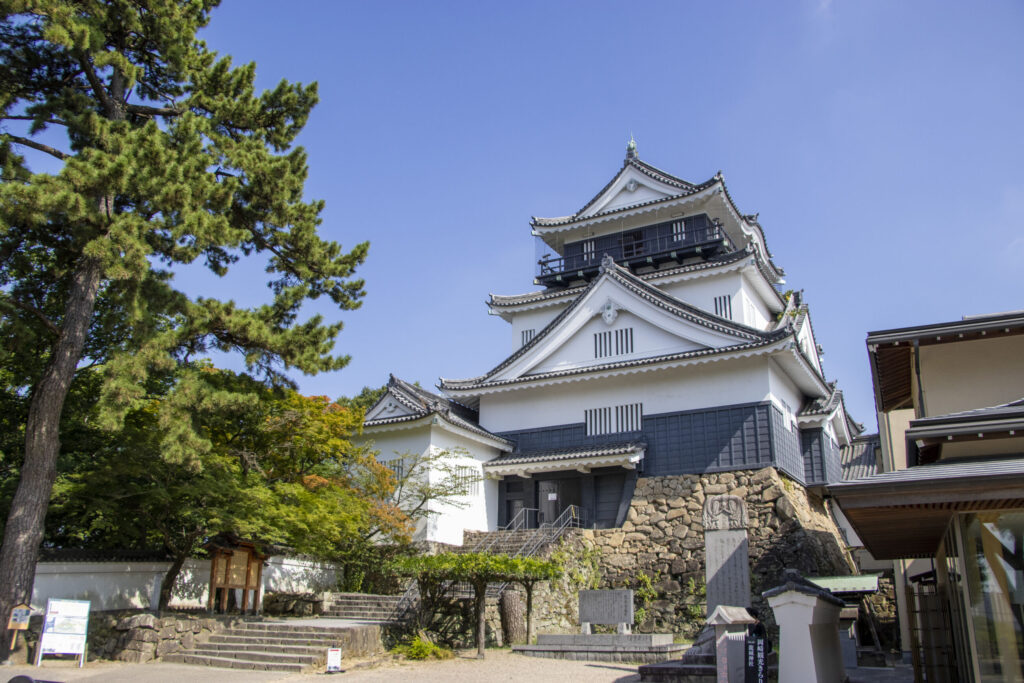
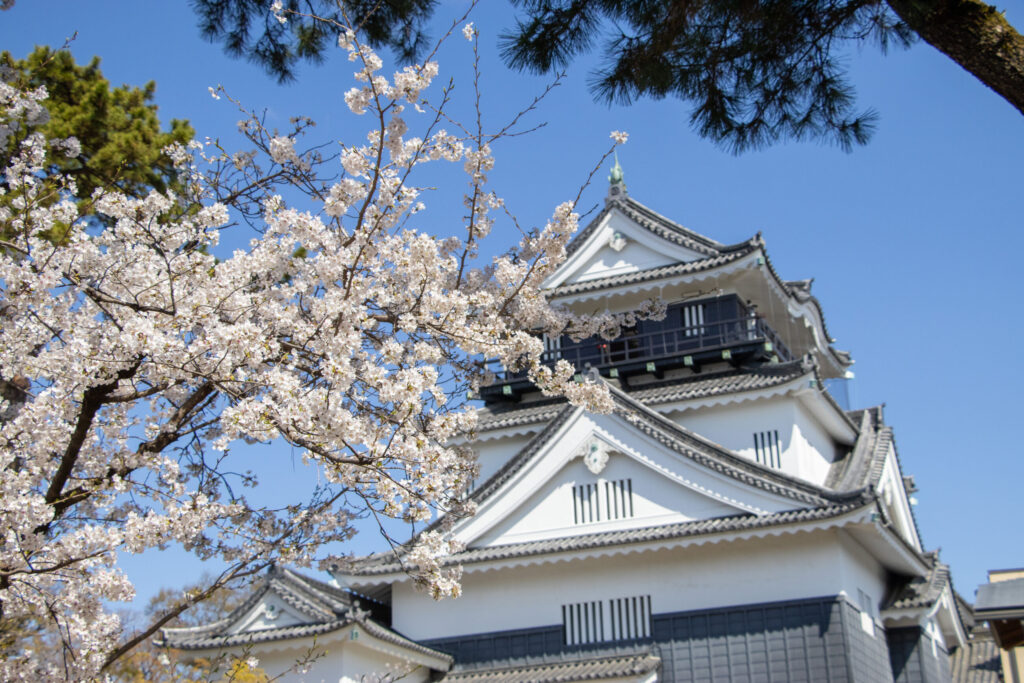
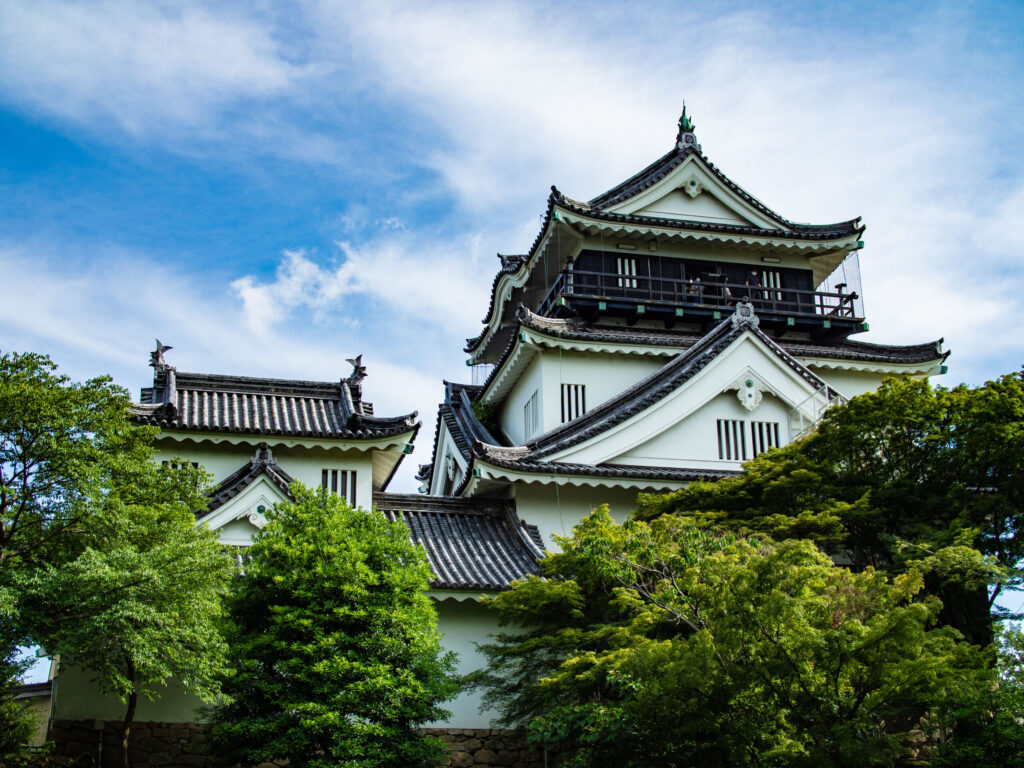
- Recommended for: Fans of samurai history who want to learn about the early life and rise to power of Tokugawa Ieyasu.
Okazaki Castle is best known as the birthplace of Tokugawa Ieyasu.
While the current keep is reconstructed, the castle grounds are expansive and historically significant. The surrounding park becomes especially beautiful during cherry blossom season, when hundreds of trees bloom around the moat.
Inside the castle museum, exhibits trace the life of Ieyasu, from his childhood as a political hostage to his eventual rise as shogun and founder of the Tokugawa shogunate.
For those interested in the human stories behind Japan’s castles, Okazaki offers an engaging glimpse into the early life of one of the country’s most influential figures.
10. Asuke Castle
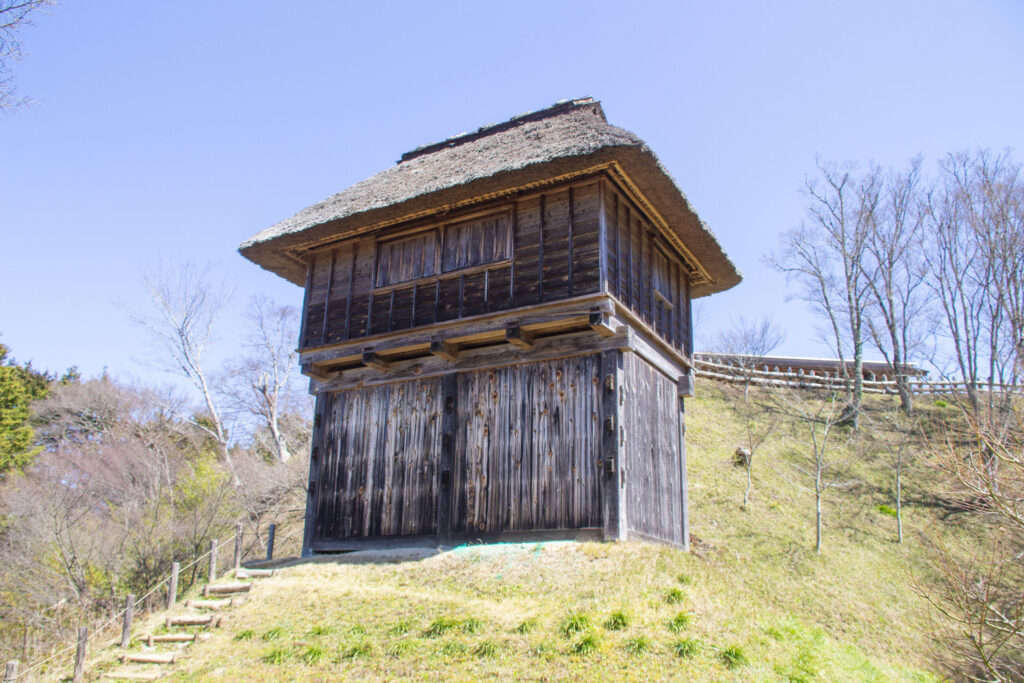
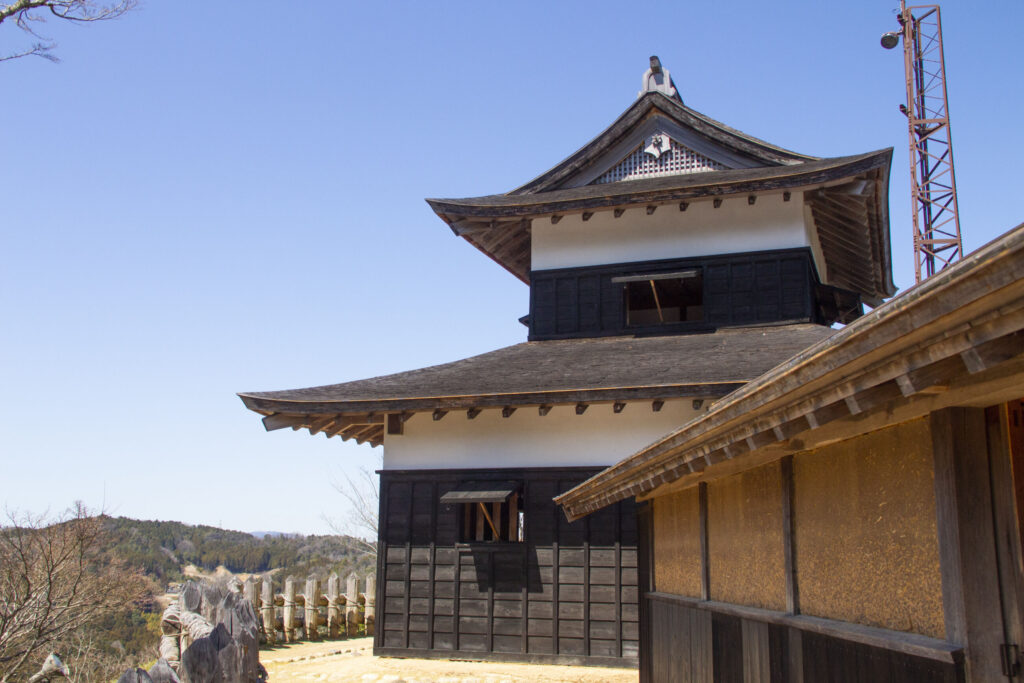
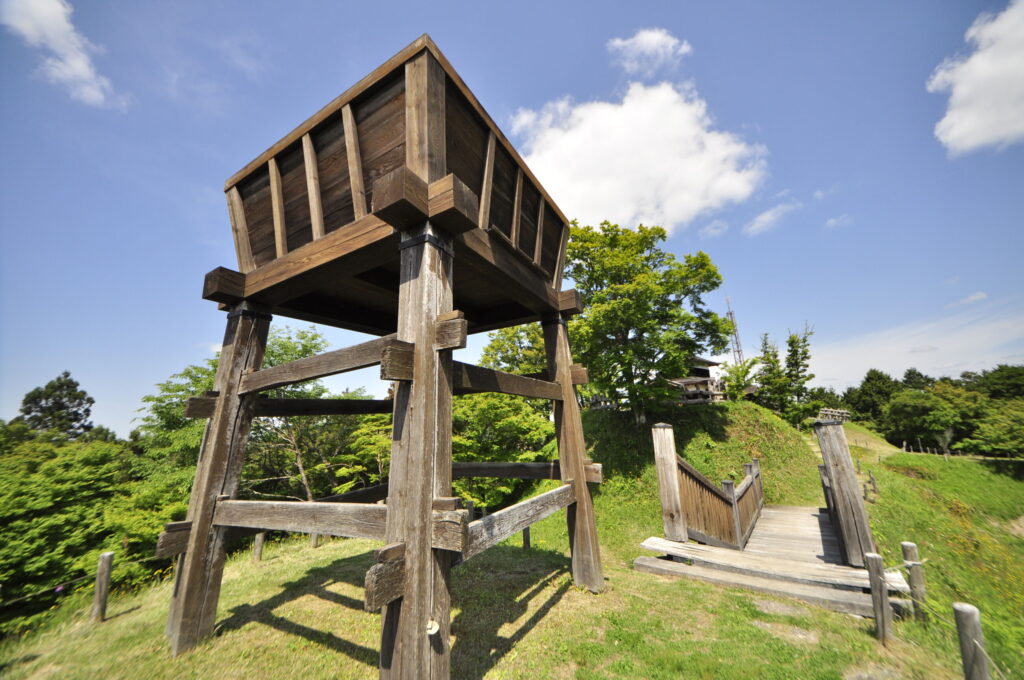
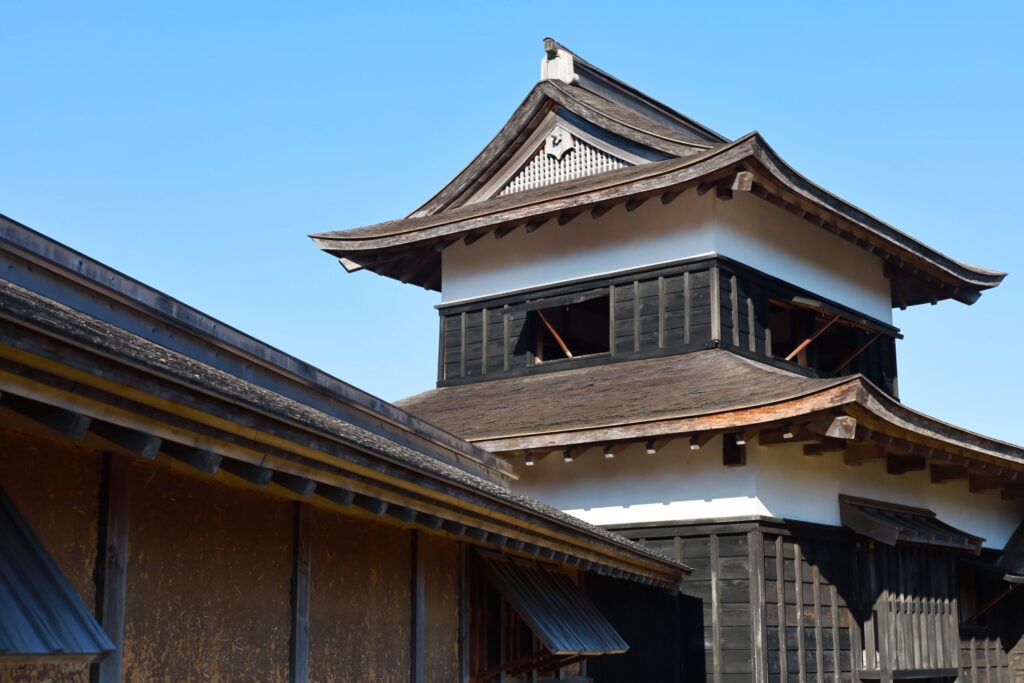
- Recommended for: Travelers interested in experiencing a reconstructed Sengoku-era mountain fortress alongside the seasonal beauty of Korankei Gorge.
Tucked away in the mountains northeast of Nagoya, Asuke Castle is one of the region’s most underrated historic sites.
Unlike many reconstructed castles displaying Edo-era architecture, Asuke has been carefully rebuilt to reflect the style and architecture of older Sengoku-era castles.
The small mountaintop complex provides insight into what a late 16th century fortress actually looked like before the grand stone castles of the Edo period became common.
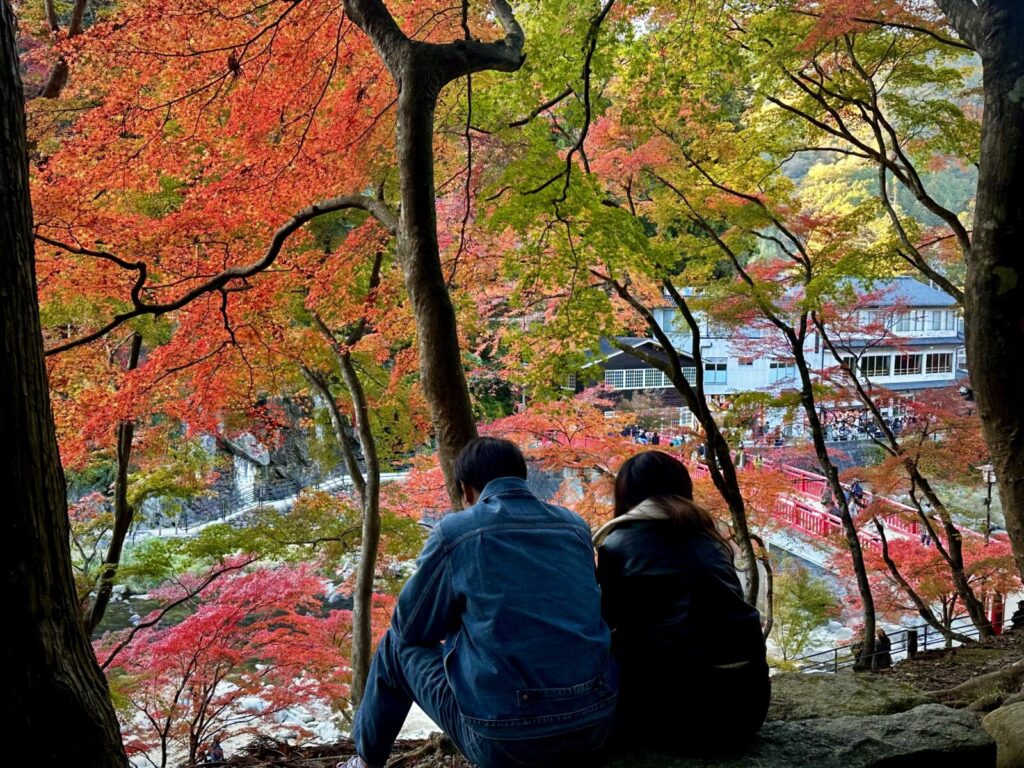
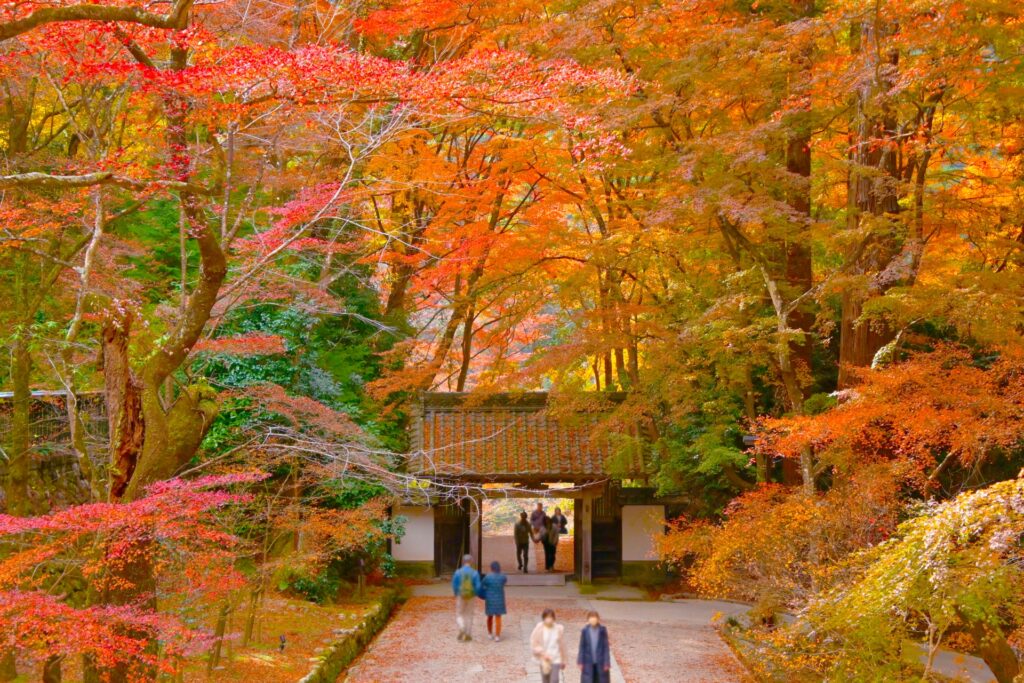
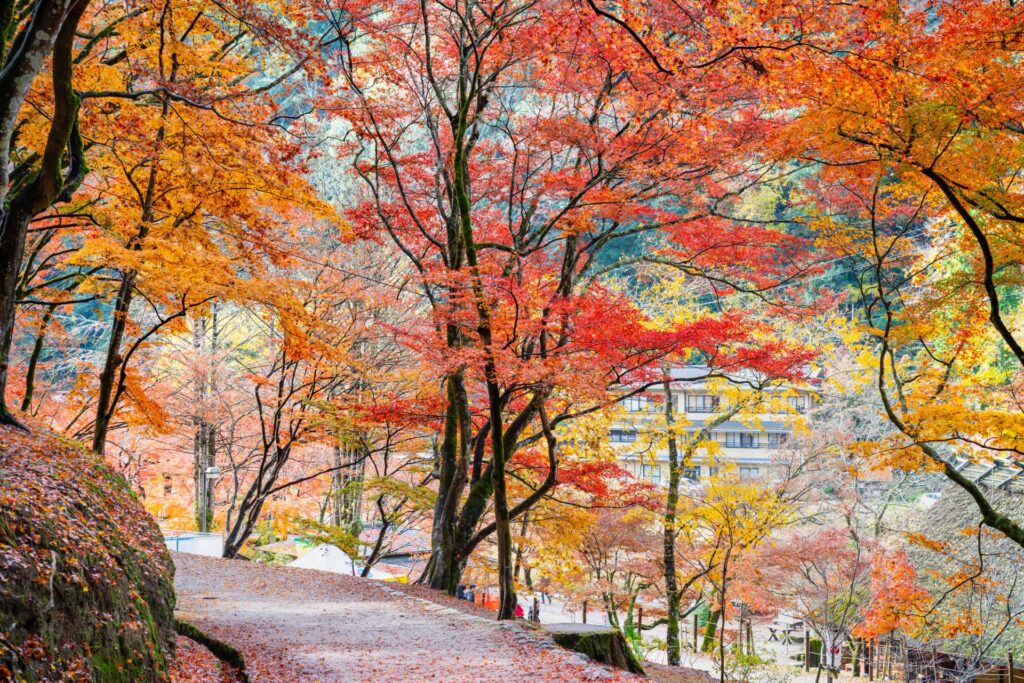
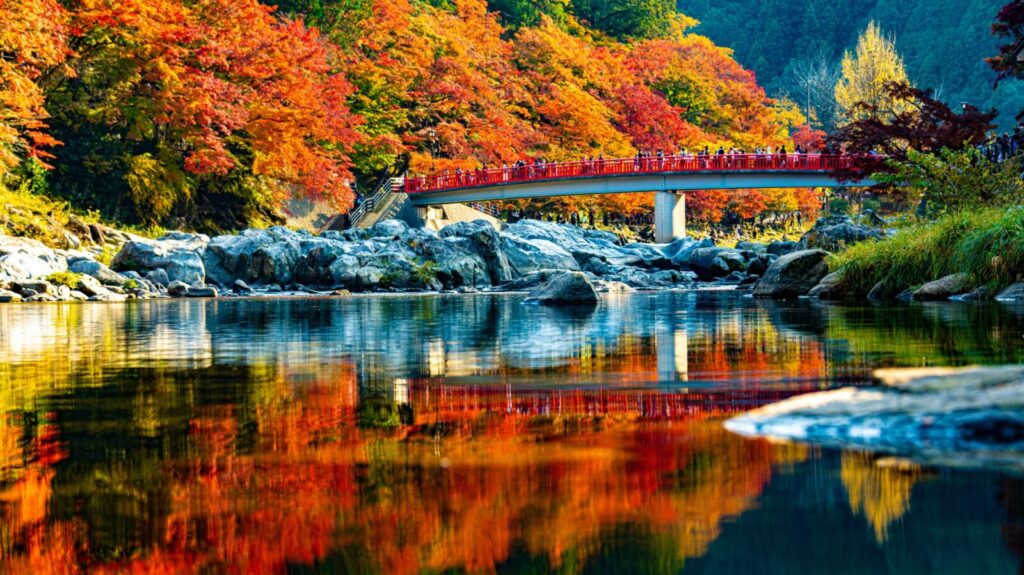
Nearby lies the beautifully preserved village of Korankei Gorge, famous for its spectacular autumn foliage. Combining the castle with a walk through the historic streets of Asuke creates a deeply rewarding day trip.
Recommended Tour: Snow Monkey Resort's 1-Day Tour from Nagoya: Korankei Gorge & Fox Shrines—A Photographer's Paradise is not only a photographer’s dream, taking you to some of Nagoya’s most photogenic spots, but also offers a perfect blend of nature, culture, and timeless beauty.
Travel to the iconic Toyokawa Inari Shrine and capture the serene beauty of its one thousand stone foxes. Marvel at the natural beauty of Korankei Gorge, one of Japan’s top spots for autumn foliage, where the vibrant colors of over 4,000 maple trees reflect off the tranquil waters. Explore Sanshu Asuke Yashiki Village, a picturesque open-air museum, where rural charms and traditional crafts await.

FAQ
Are there any guided tours of castles near Nagoya?
We at Snow Monkey Resorts are proud to offer a variety of guided tours and day trips to these castles and palaces allowing visitors to learn more about the history of these impressive buildings.
Are Japanese castles accessible for people with mobility issues?
Many Japanese castles have steps and narrow corridors not suitable for wheelchairs. However, some, like Nagoya Castle, provide ramps or even elevators to certain areas. Please contact us if you have specific questions about any locations you wish to visit during your trip to Japan.
When is the best time to visit castles in Japan?
Spring (during cherry blossom season) and autumn (for the fall foliage) are particularly scenic, as gardens surrounding the palaces are often at their best. We recommend avoiding Japanese holidays and visiting on weekdays to avoid large crowds.