Step into Kyoto as it begins to change pace. This afternoon-to-evening walking tour traces the city’s cultural heartbeat—from lively markets and Zen temples to lantern-lit streets where geiko and maiko still move between appointments. Designed around the city’s natural rhythm, the experience follows Kyoto as it shifts from daytime energy to evening elegance.
Beginning in the early afternoon, we move with intention through central Kyoto and into its historic entertainment quarters, arriving in the geisha districts precisely when they are most alive. The journey concludes in one of the Geisha districts where we can help guests find a place for a drink, dinner, or Karaoke! (Reservations not included). This is not simply a stroll through Gion—it is a carefully paced cultural experience, designed to show Kyoto in transition. For more information about Geisha and Maiko, please check out our page: The Essential Guide to Geiko, Maiko & Kyoto’s Geisha Traditions
Highlights
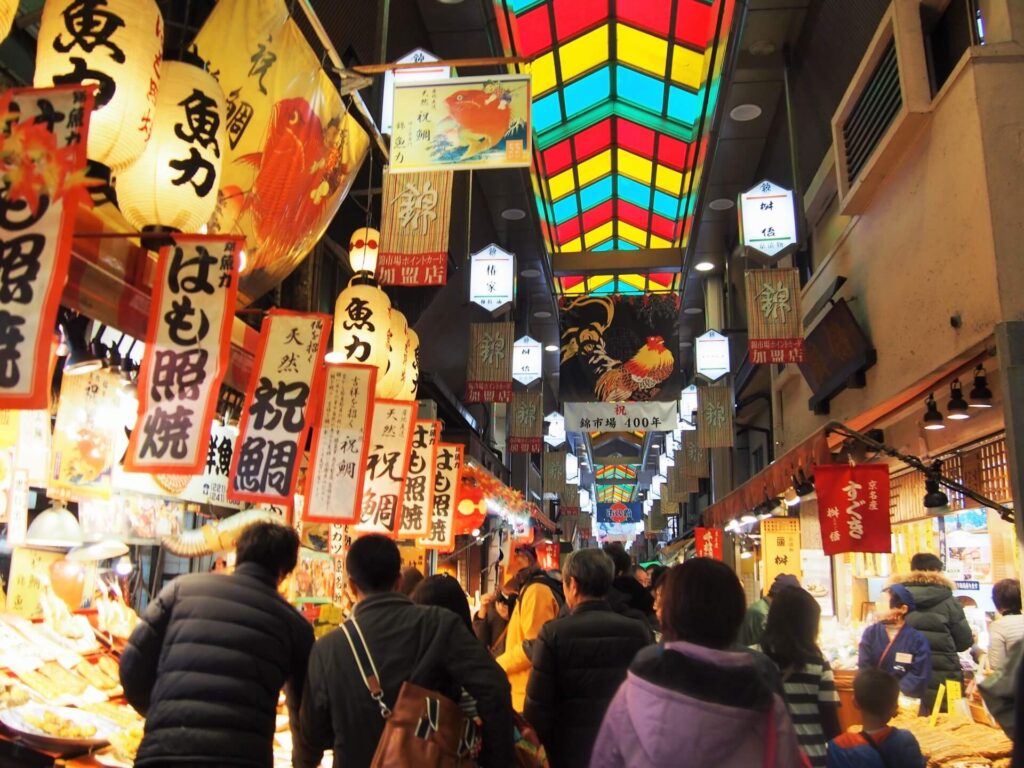
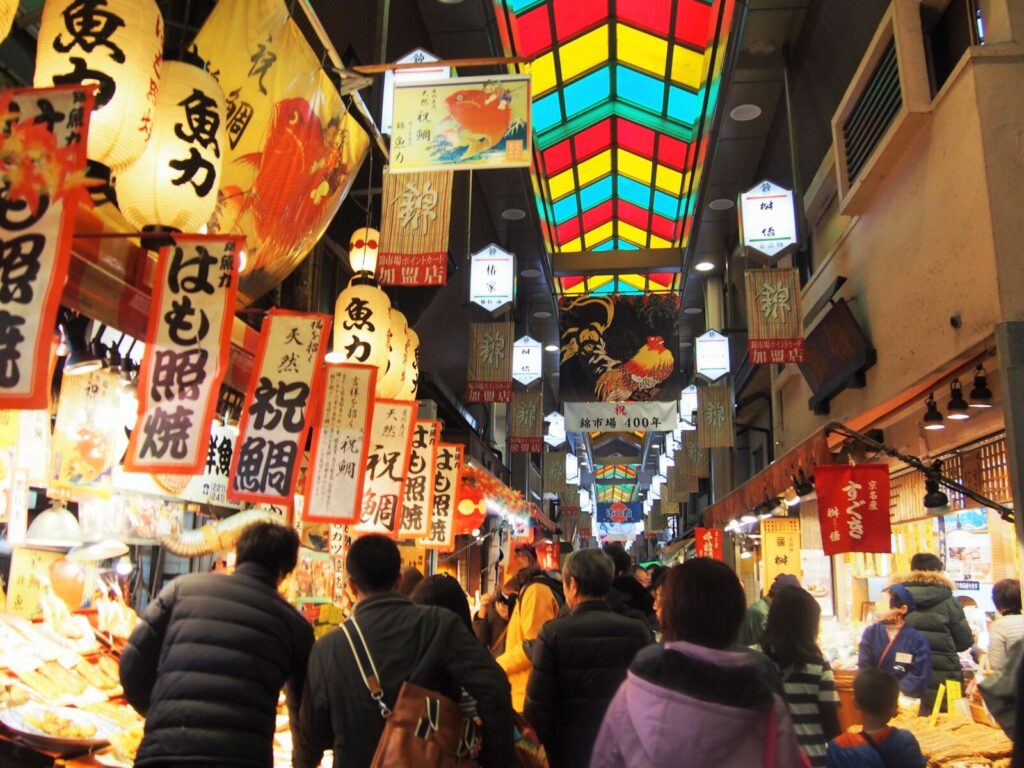
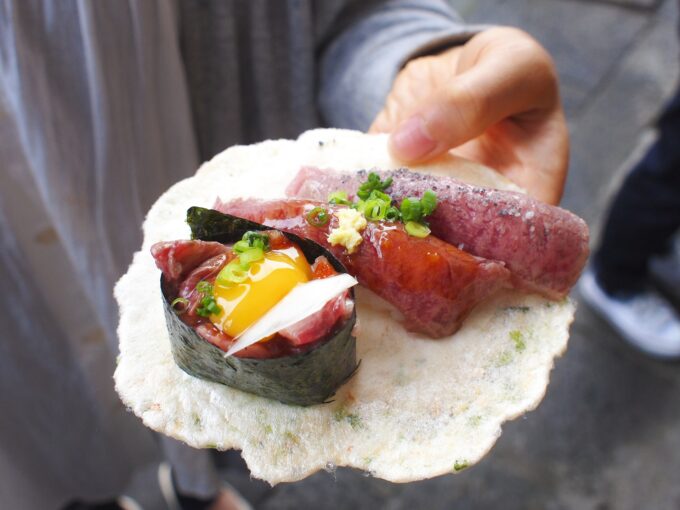
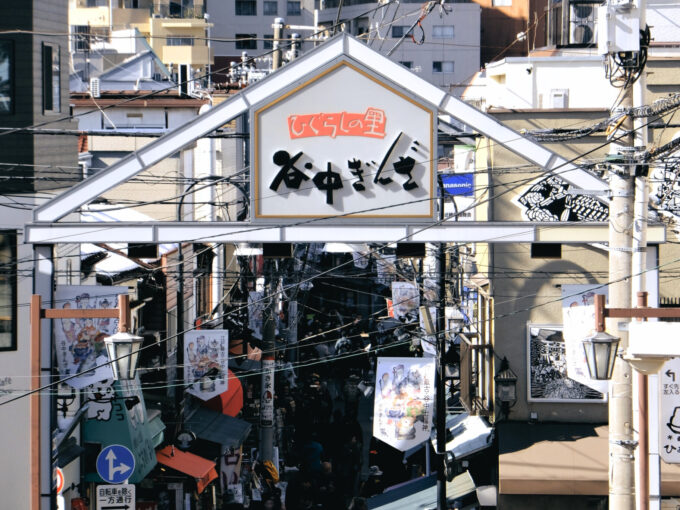
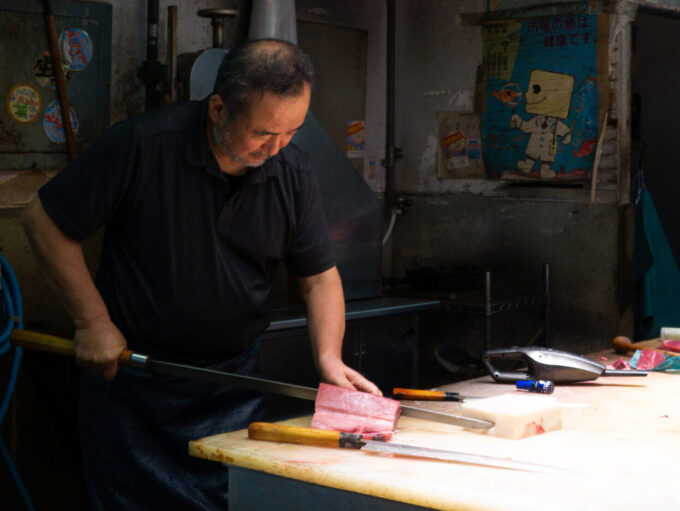
Nishiki Market – Kyoto’s Kitchen Sample seasonal specialties and discover how Kyoto’s food culture was built. (Food purchases are optional and not included.)
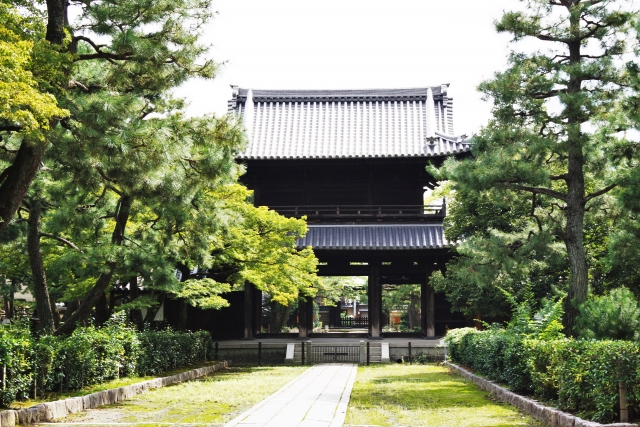
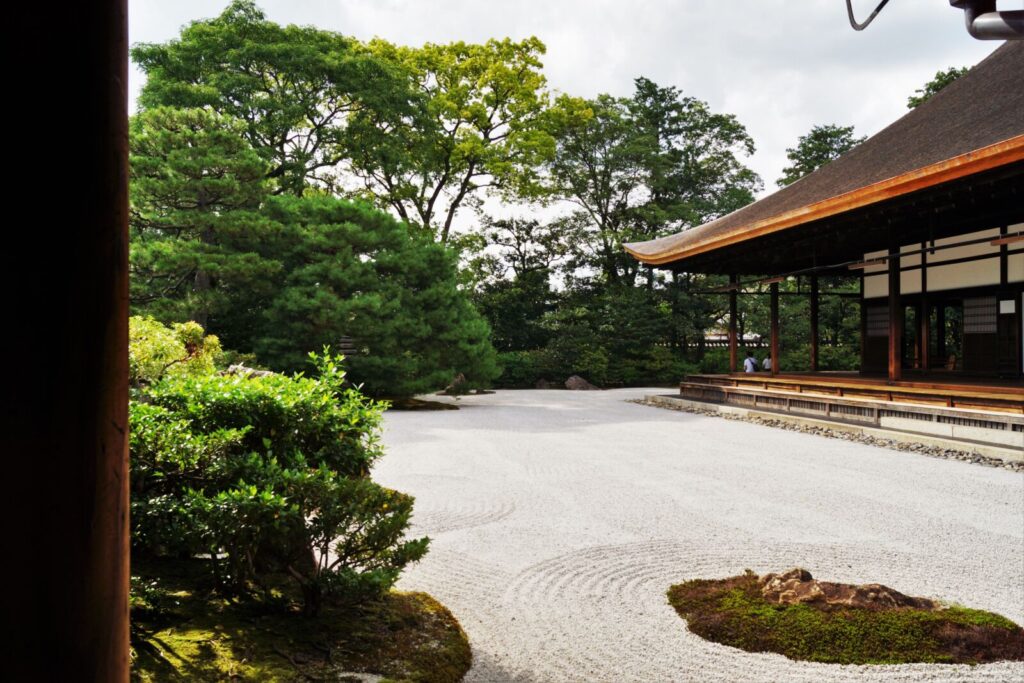
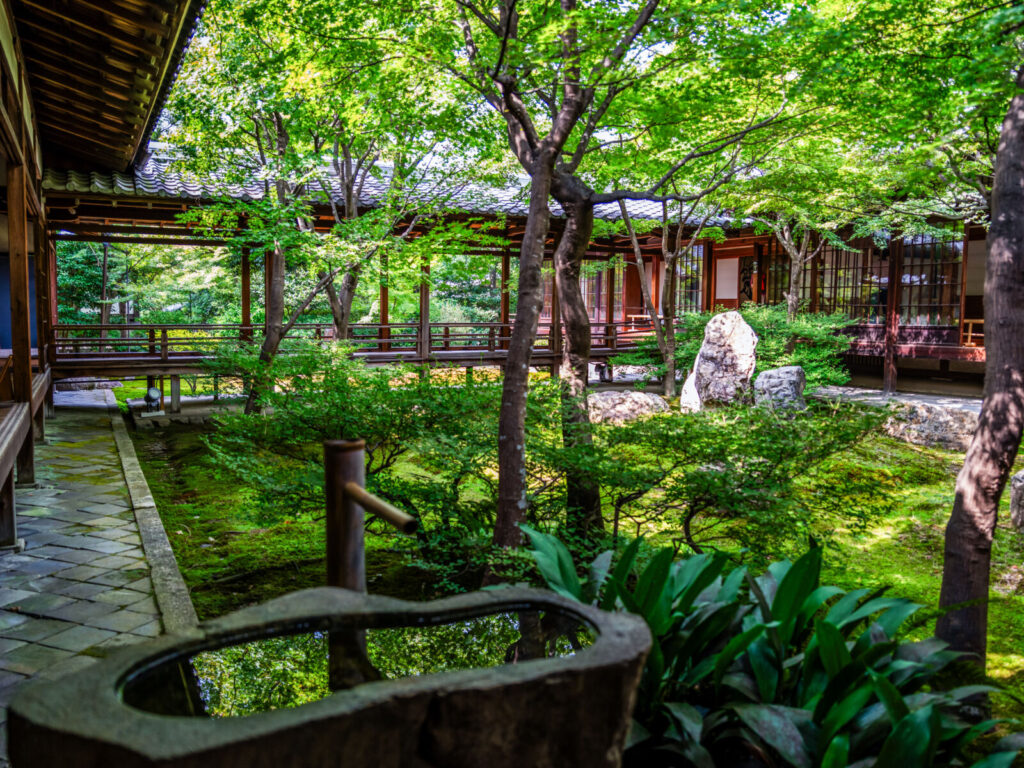
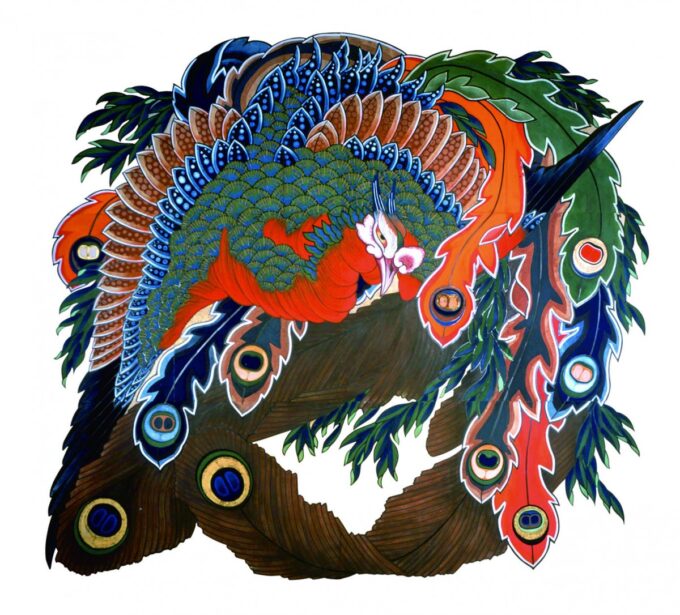
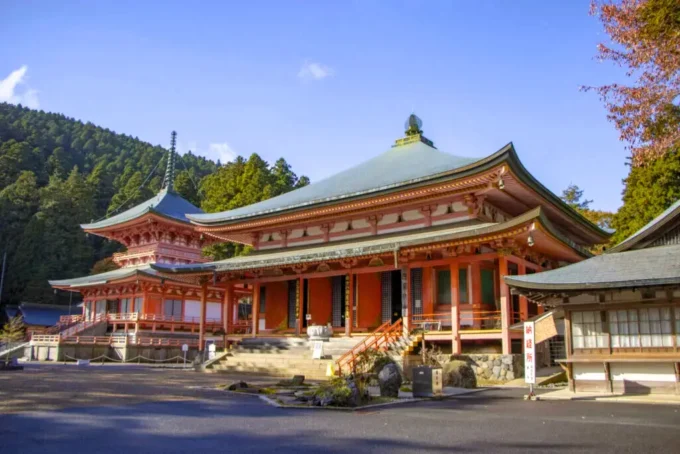
Kennin-ji Temple – Zen in the Heart of Gion Step inside Kyoto’s oldest Zen temple, known for its dramatic dragon ceiling and refined aesthetics.
Traditional Cultural Performance (Seasonal) Attend a curated stage performance introducing classical dance and music traditions that provide context for Kyoto’s entertainment districts. Please note: From March–May, performance schedules adjust due to the spring festival season (see Seasonal Notes below).
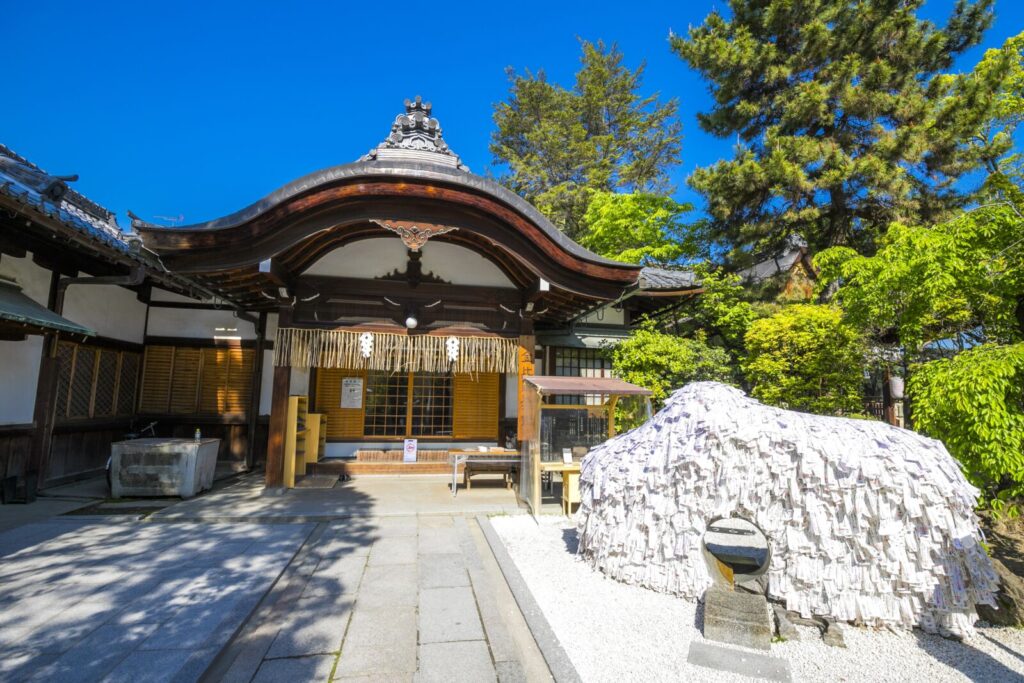
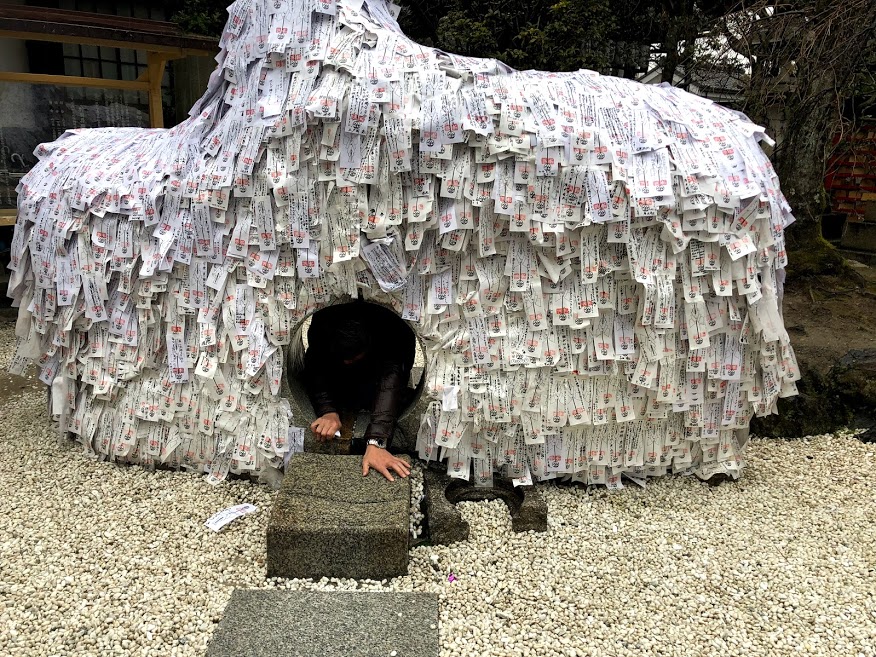
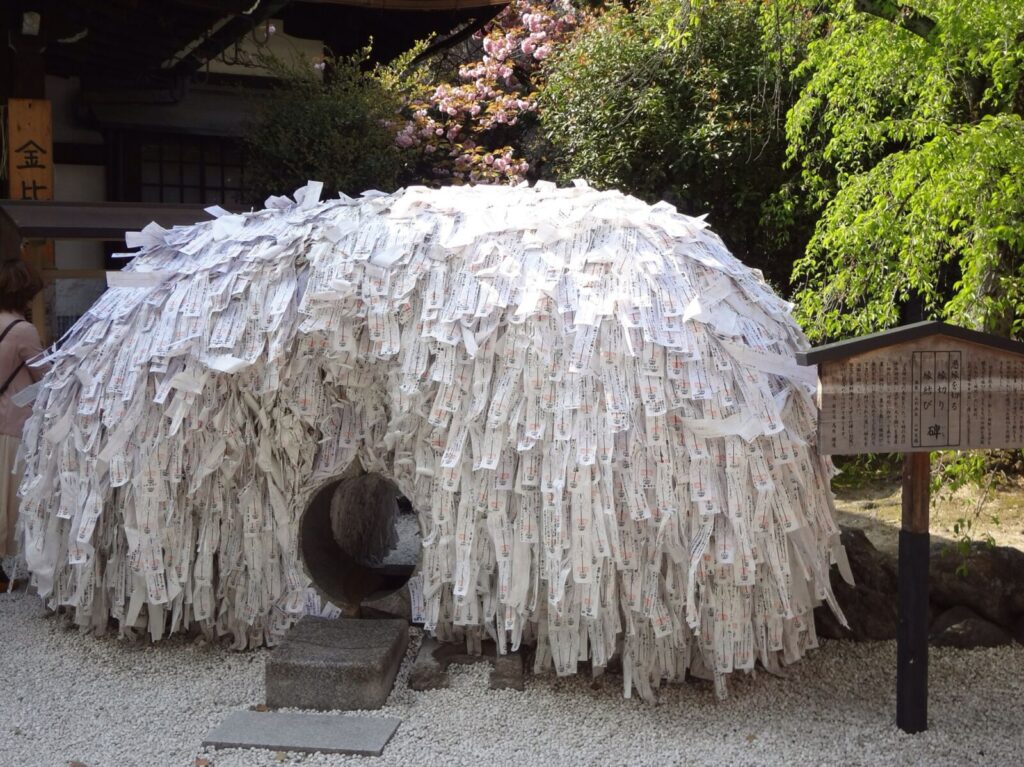
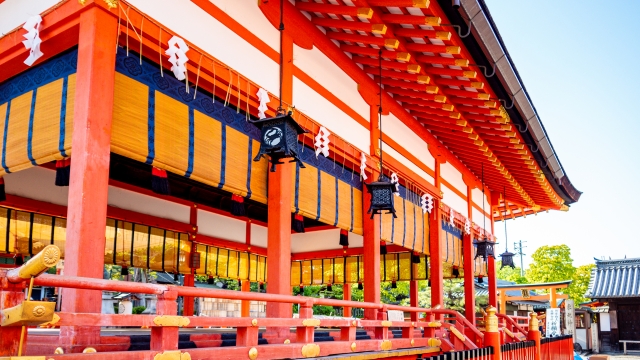
Yasui Konpiragū Shrine – Cut Bad Ties, Make Better Ones Experience one of Kyoto’s most unusual local rituals focused on severing negative relationships and welcoming better futures.
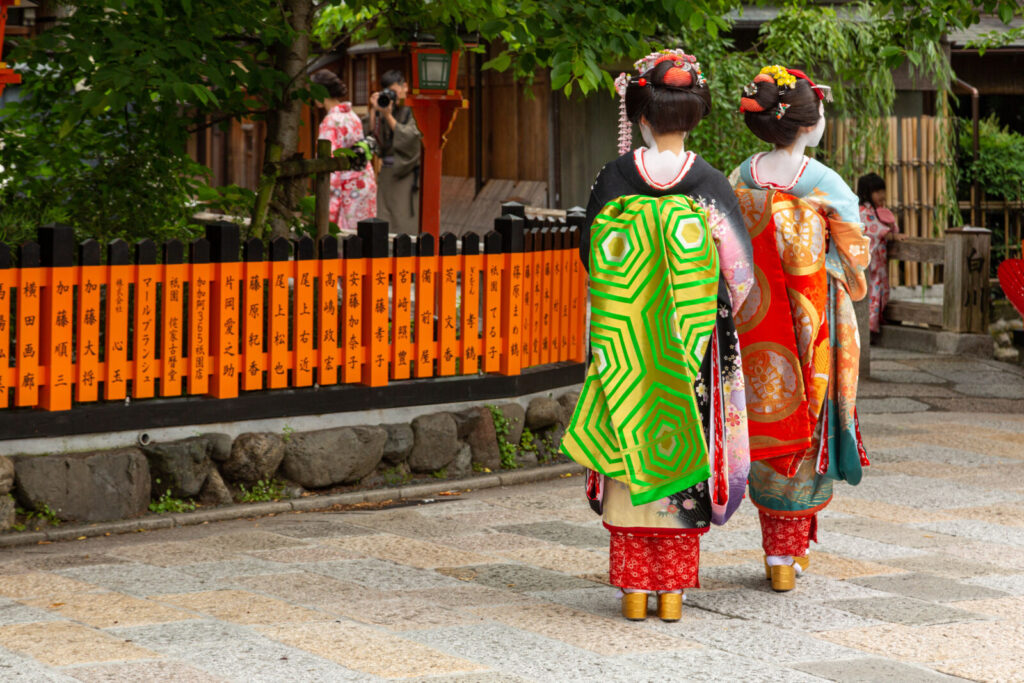
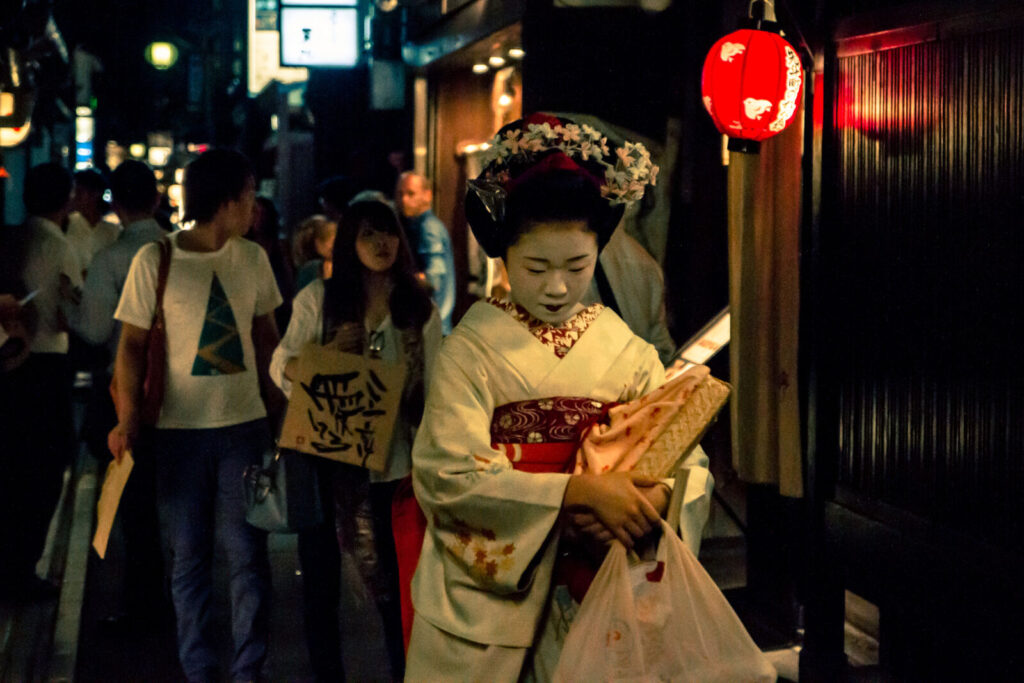
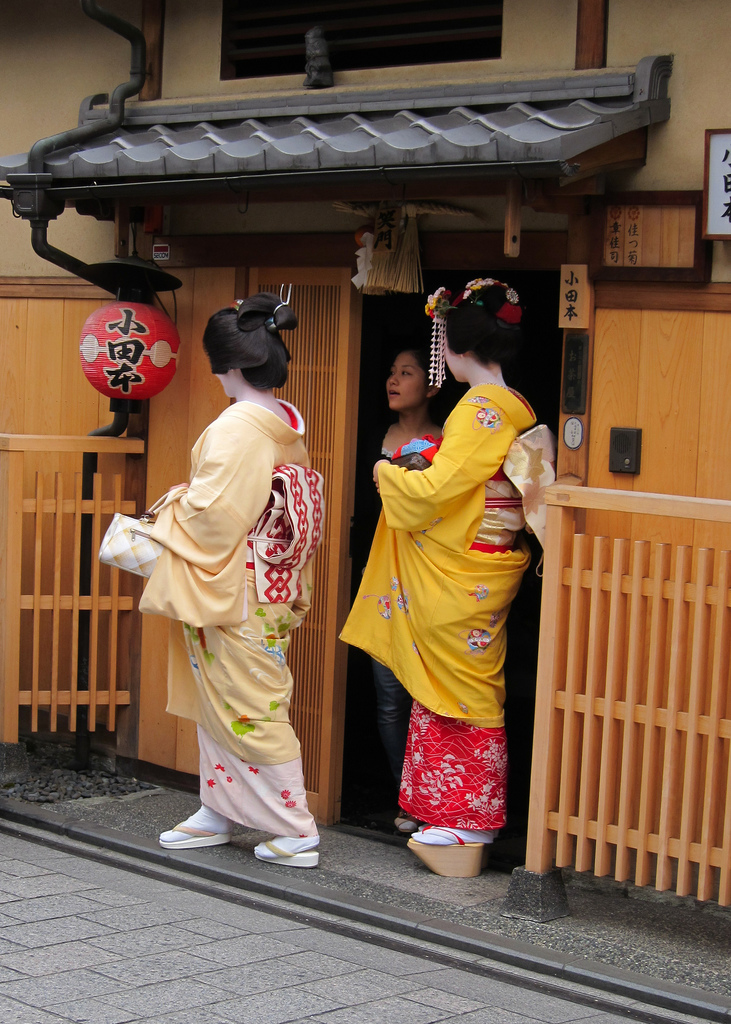
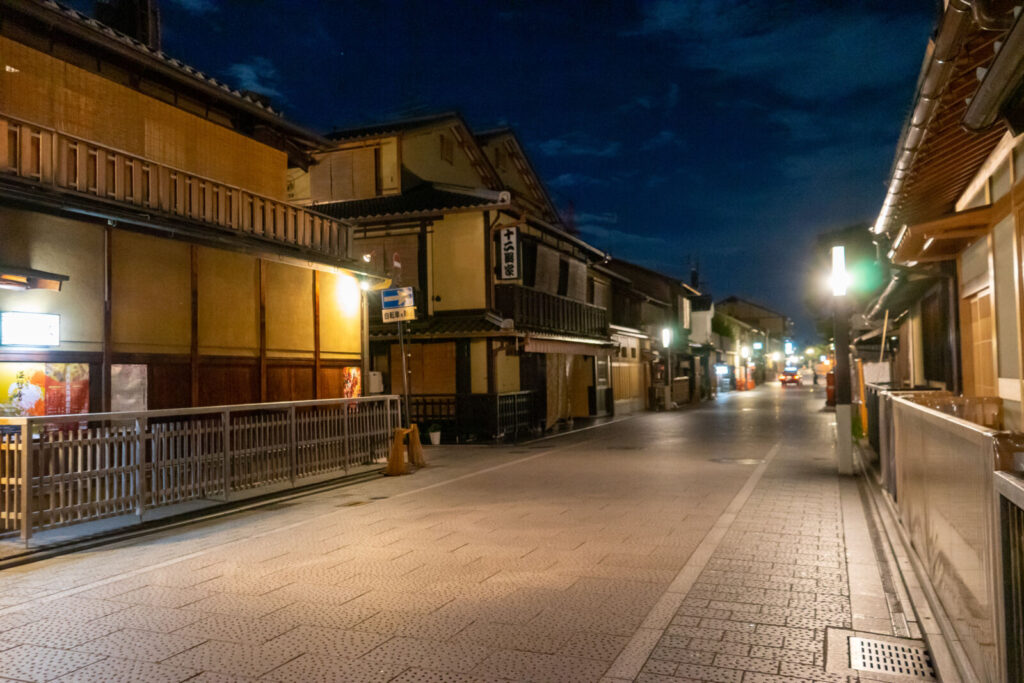
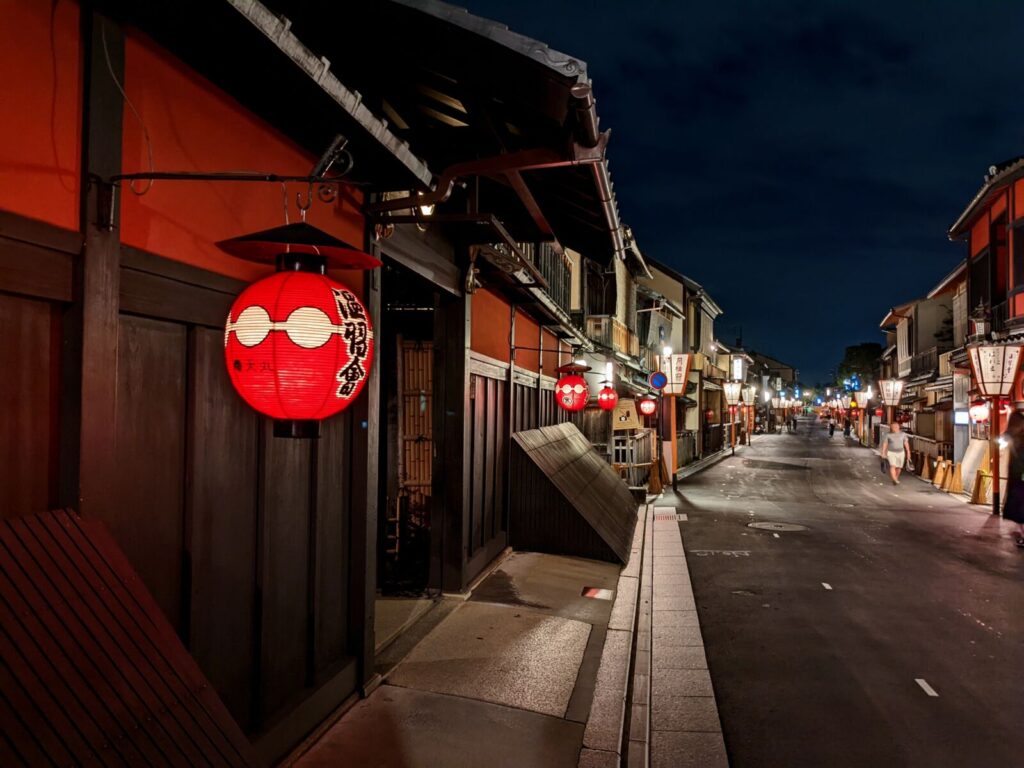
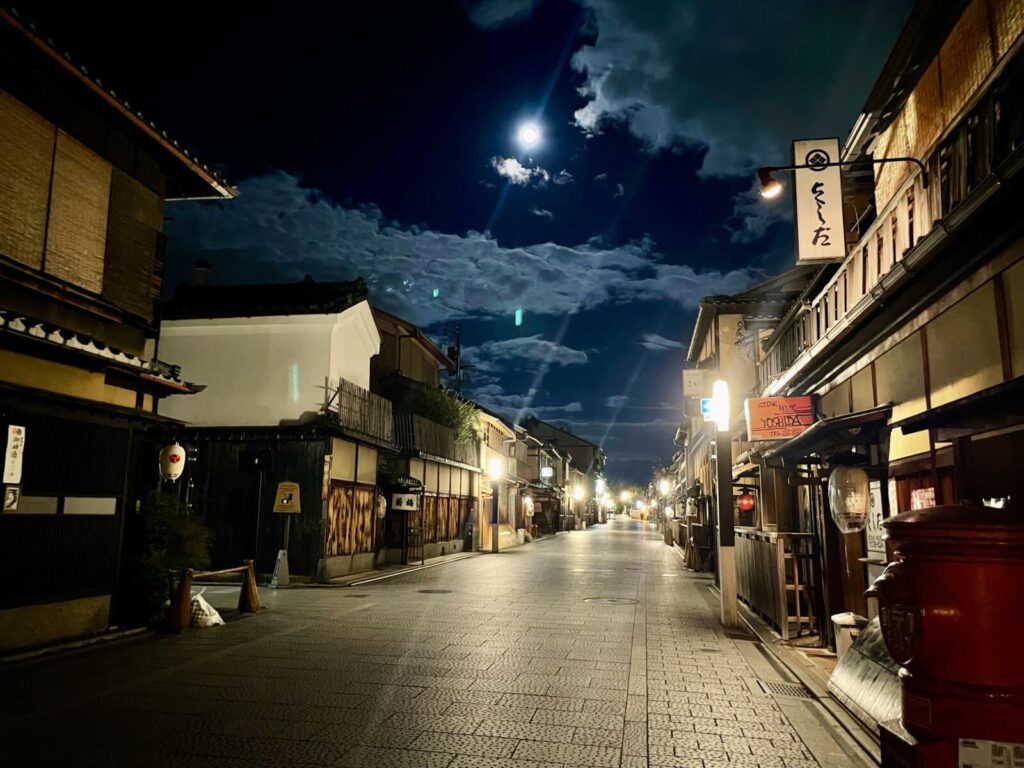
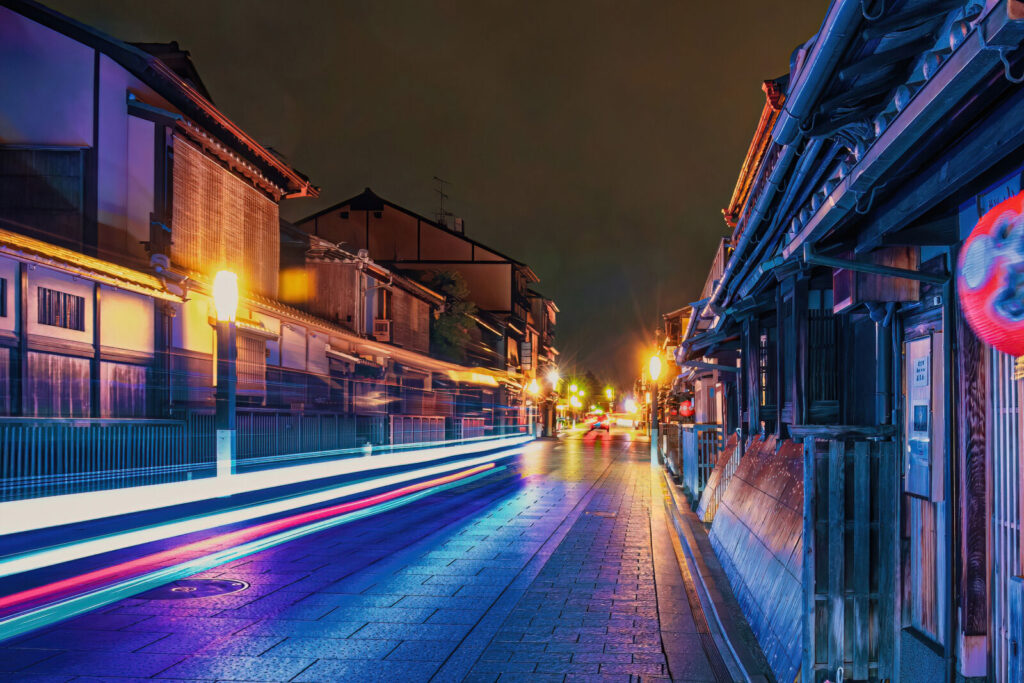
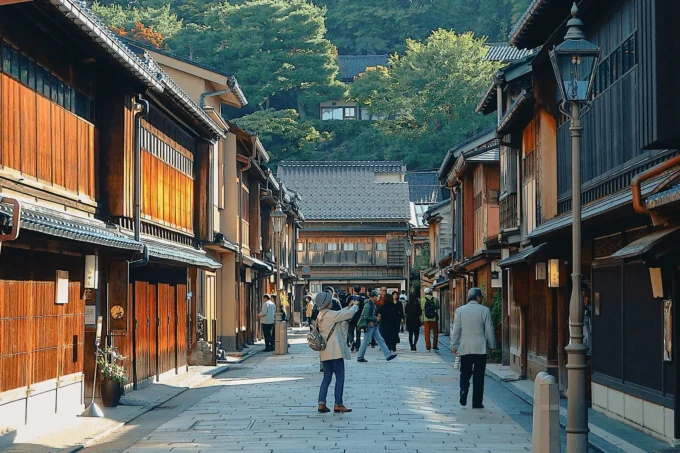
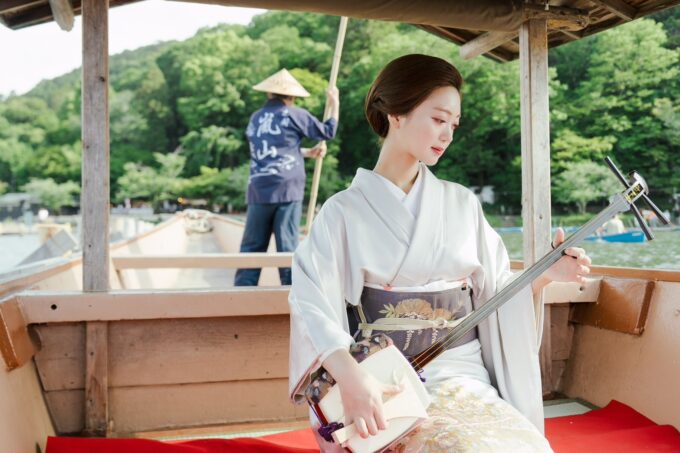
Geisha Districts Walk Kyoto’s historic entertainment quarters during active hours, with insight into geiko and maiko life—past and present.
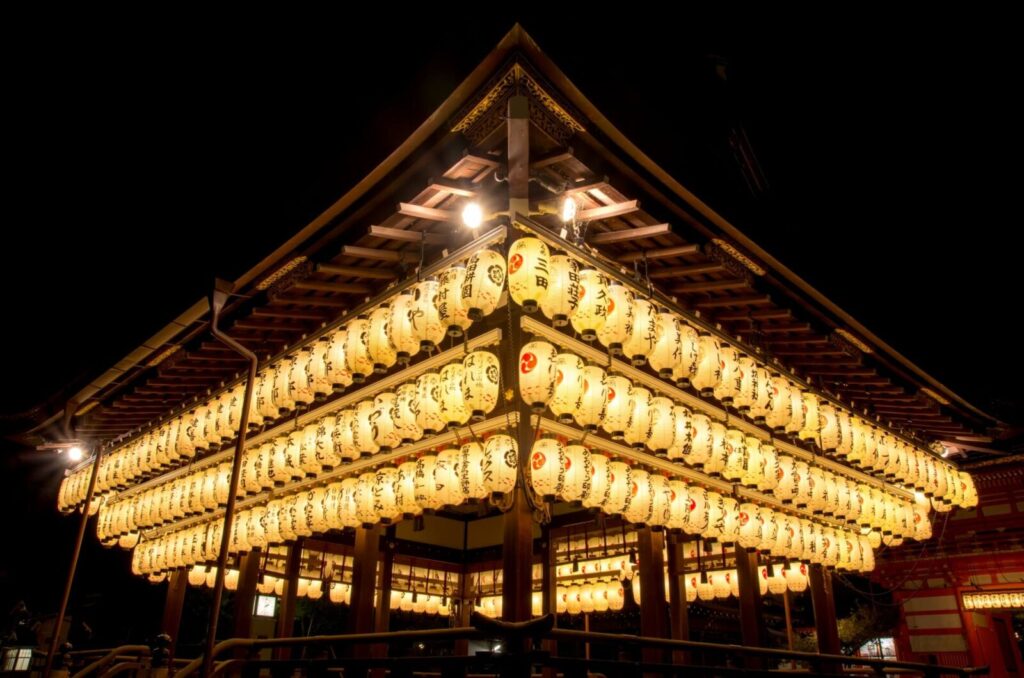
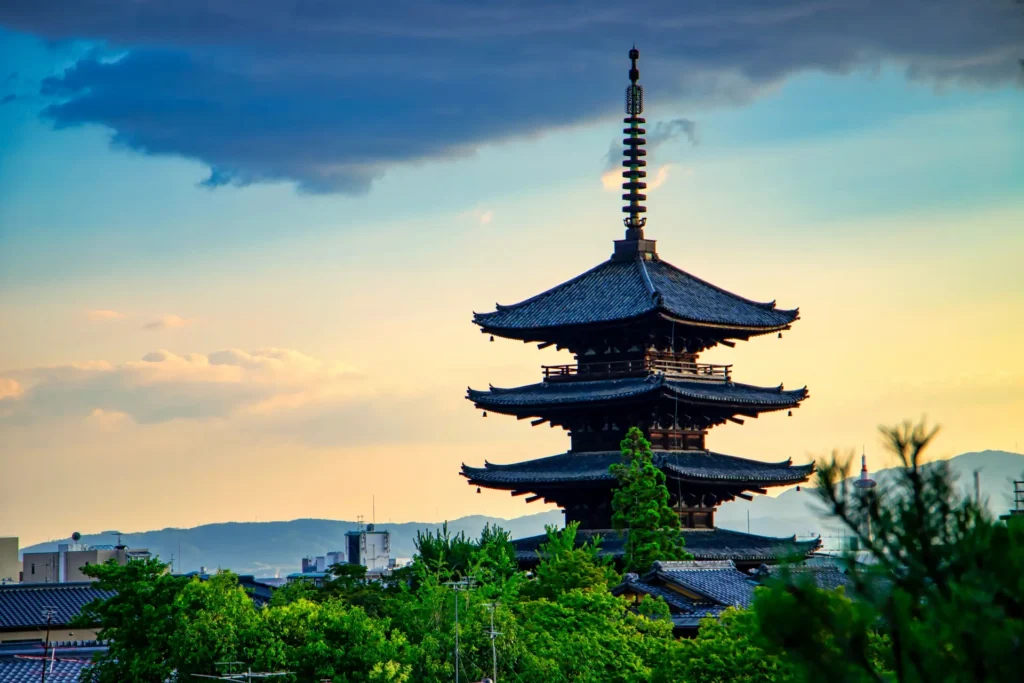
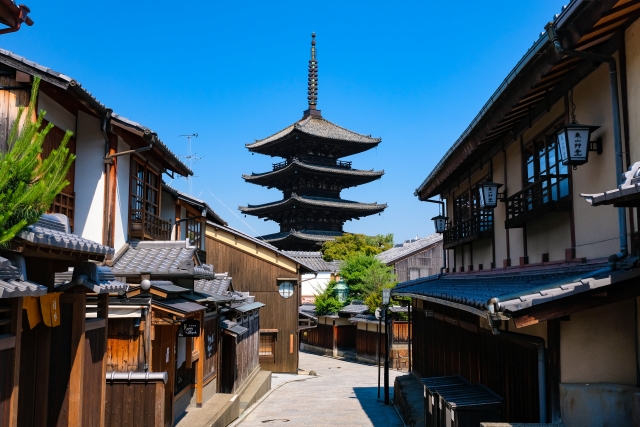
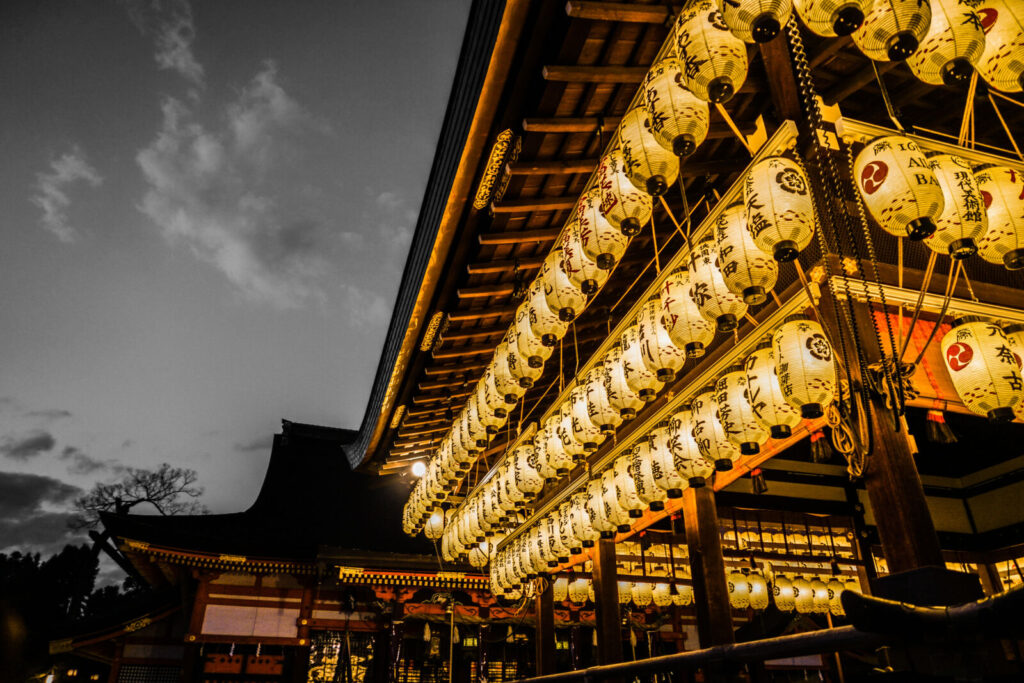
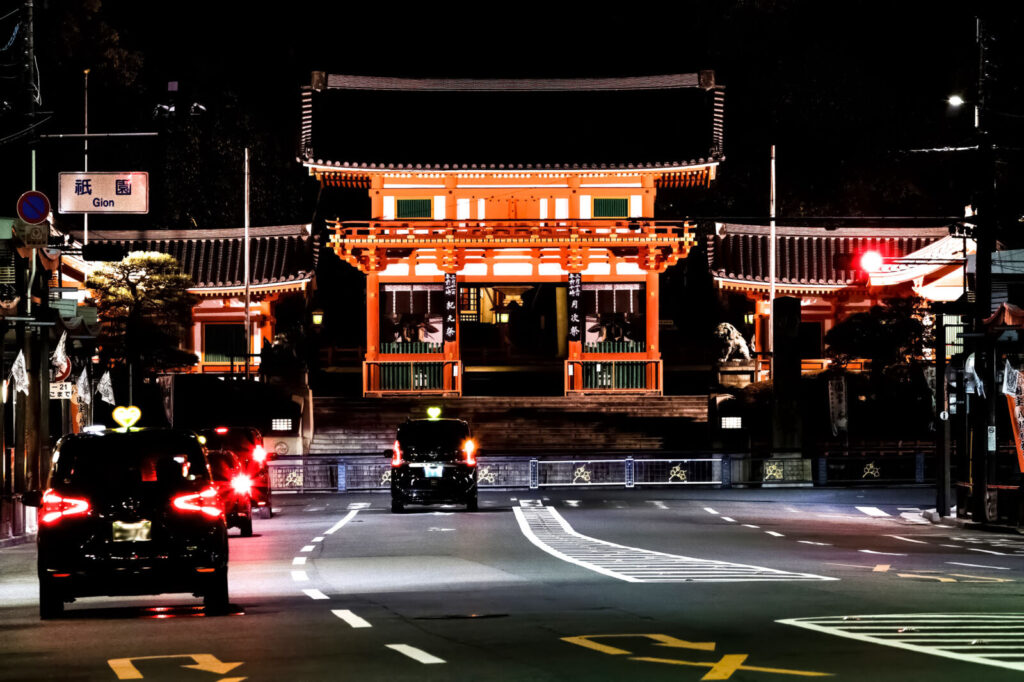
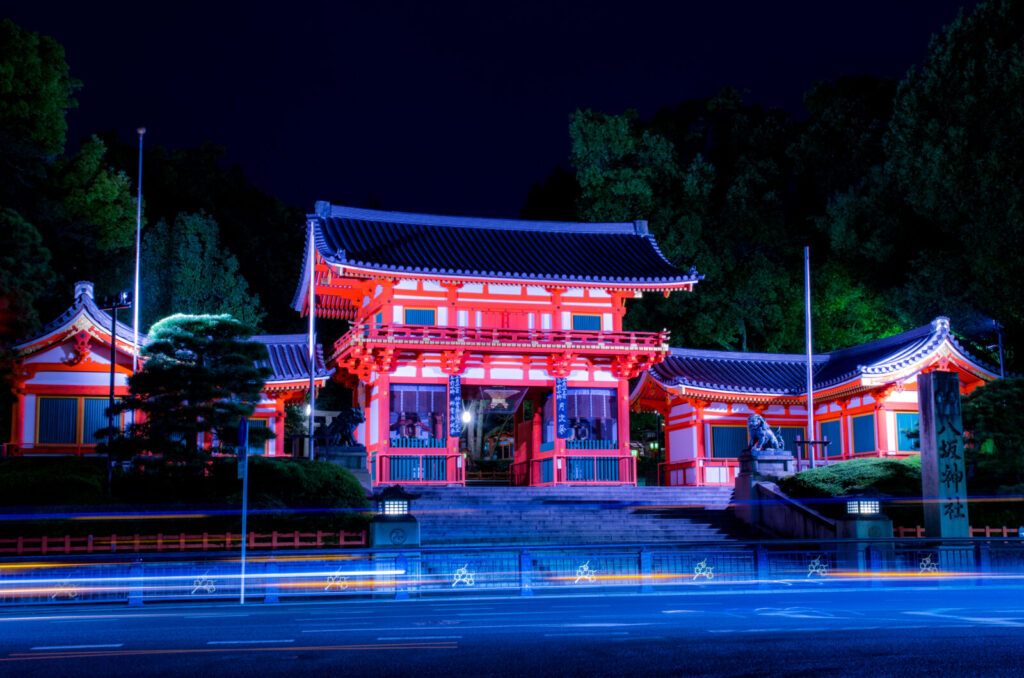
Yasaka Shrine & Pagoda at Dusk See Kyoto transition into evening as lanterns glow and the Yasaka Pagoda rises against the fading light.s.
Good to Know Before You Book
Duration: Approximately 6 hours (afternoon → evening)
Distance & Difficulty: 4–5 km (2.5–3 miles), mostly flat city walking
Pace: Relaxed with rest breaks
Best For: Travelers seeking depth, atmosphere, and a full cultural arc rather than a quick walk-through
Description
We begin at Karasuma Station in the early afternoon, when Kyoto’s streets are still lively and informal. Our first stop is Nishiki Market, where the city’s culinary traditions are on full display. As we sample and explore, we discuss how Kyoto’s cuisine developed around seasonality, religious practice, and the needs of an imperial capital—grounding the day in everyday culture before moving into more symbolic spaces.
From the market, we walk to Kennin-ji, Kyoto’s oldest Zen temple. Set just steps from historic entertainment quarters, Kennin-ji offers a quiet counterpoint to the surrounding streets. Through a selective visit, we explore Zen ideas of discipline, restraint, and impermanence, and how these philosophies subtly influenced aesthetics, behavior, and performance culture in Kyoto.
In the late afternoon, we attend a traditional cultural performance (seasonal availability), offering structured insight into classical dance and music before entering the geisha districts themselves. Rather than spectacle, this serves as context—allowing guests to better understand refinement, symbolism, and movement.
At Yasui Konpiragū Shrine, we encounter a deeply personal side of local belief. Visitors pass through a stone believed to sever harmful ties and strengthen beneficial ones—a ritual that reflects Kyoto’s blend of spirituality, folklore, and practical hope. It is an intimate moment that resonates with locals and visitors alike.
As the afternoon progresses, the city subtly changes—shops close, streets soften, and the focus shifts from commerce to culture.
By late afternoon, we arrive in Miyagawachō, one of Kyoto’s active geisha districts, timed intentionally for real movement rather than empty streets. We discuss the daily rhythms of geiko and maiko life, the rules of the hanamachi, and how these communities function today—not as relics, but as living cultural institutions.
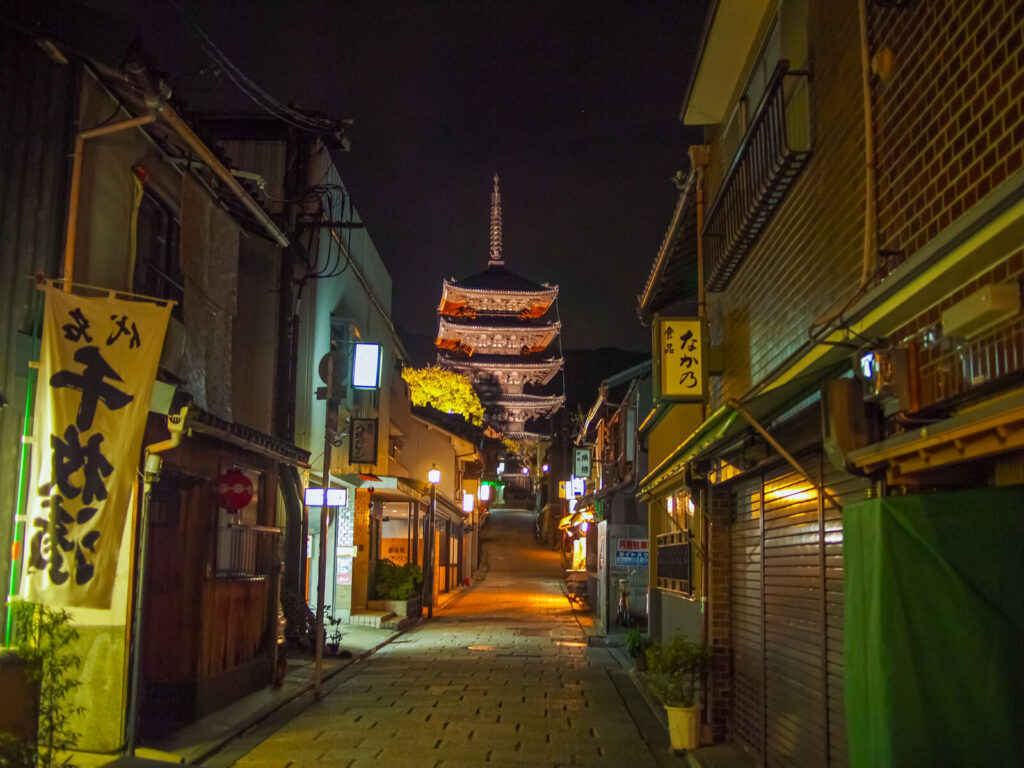
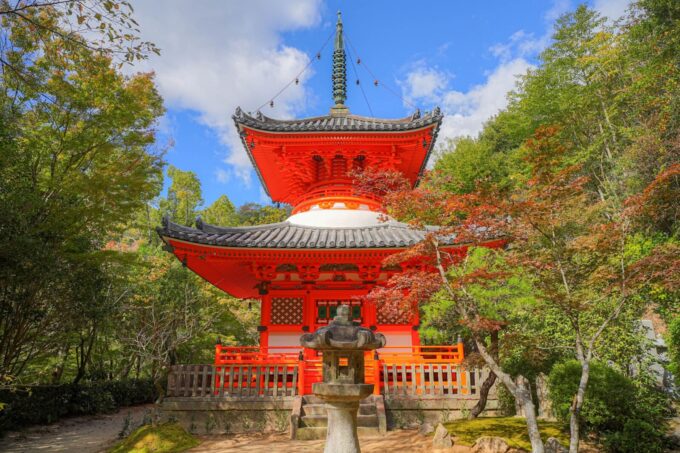
As daylight softens, we pass through Yasaka-dōri to Hōkan-ji Pagoda, one of Kyoto’s most photographed scenes, before entering Yasaka Shrine during lantern hour. The illuminated grounds mark a turning point: the city slows, voices soften, and the atmosphere shifts.
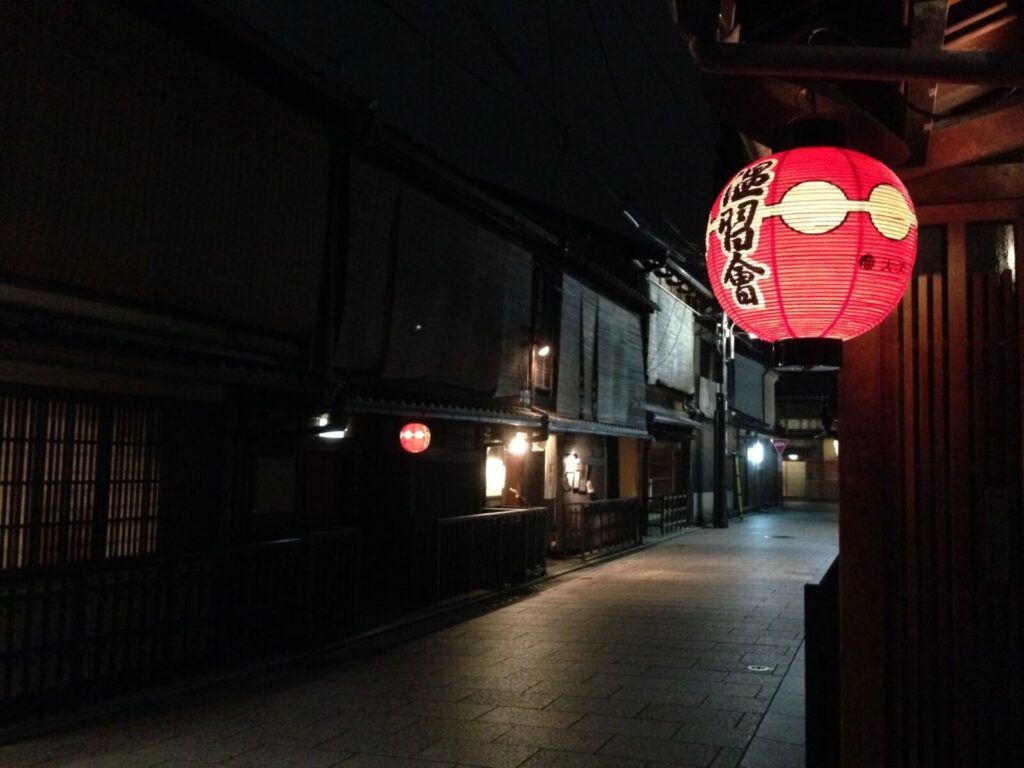
Our walk continues through Gion Kobu and Gion Higashi, comparing the character, scale, and customs of each district. Rather than chasing sightings, we focus on understanding—architecture, etiquette, and the realities behind the image of geisha culture.
The experience concludes at approximately in Gion, when the district is at its most atmospheric. Guests are free to continue their evening with dinner or drinks nearby, and your guide will gladly provide thoughtful recommendations.
This tour is designed as a full arc—an experience of Kyoto in transition, where food, belief, and tradition gradually give way to lantern light and evening culture. It is not a checklist, but a story told in real time.
Itinerary
12:00
Meet your guide near Gion-Shijō Station and begin the afternoon as Kyoto is still lively and informal. An introduction to the day’s flow and what to expect as the city transitions toward evening.
Explore Kyoto’s historic food market, sampling local specialties and learning how seasonality, preservation, and regional taste have shaped the city’s cuisine for centuries. A lively and flavorful introduction to everyday Kyoto culture.
Visit Kyoto’s oldest Zen temple, quietly situated beside historic entertainment districts. Learn how Zen aesthetics—discipline, restraint, and impermanence—influenced Kyoto’s arts, performance culture, and visual design.
Discover Yasui Konpiragu, a deeply local shrine known for rituals of cutting negative ties and forming better futures. Explore how belief, folklore, and personal hopes intersect in Kyoto’s everyday spiritual life.
Walk through backstreets and traditional neighborhoods as the afternoon slows. Along the way, your guide provides context on Kyoto’s urban layout and the subtle shift from commercial streets to cultural districts.
Arrive at Miyagawacho geisha district during active hours as geiko and maiko begin moving between engagements. Learn about the structure of the hanamachi, daily routines, and how geisha culture functions today as a living tradition.
Stroll one of Kyoto’s most atmospheric streets, ending with a photo stop at the Yasaka Pagoda. As daylight softens, this area marks the visual transition from afternoon to evening.
Walk through Kyoto’s most famous geisha districts, comparing their character, scale, and customs. Learn what distinguishes each district and what life is like behind the scenes.
The tour concludes in one of Kyoto’s historic entertainment districts. Your guide will assist with directions back to your accommodation or the nearest station and can offer suggestions for local dining, drinks, or karaoke if you wish to continue your evening.Please note that recommendations are provided as guidance only and reservations are not included.
Guided cultural interpretation throughout the afternoon and evening
Entrance fees
Not Included
Food tastings at Nishiki Market
Personal purchases and souvenirs
Hotel pickup/drop-off
Other Information
Accessibility: Flat city walking, but not wheelchair accessible due to narrow streets and standing venues.
Clothing: Comfortable walking shoes recommended. Dress respectfully for temple and shrine visits.
Cash/Card: Small purchases may require cash.
Etiquette: Photography guidelines and geisha etiquette will be explained during the tour.
Responsible Travel
This tour prioritizes respect over spectacle. We move at a measured pace, avoid disruption, and emphasize understanding over photography. By timing our visits carefully, we reduce pressure on residential streets while supporting local businesses and cultural spaces.
Disclaimer
The times listed in the itinerary are for reference only and the actual tour may vary depending on actual conditions such as weather and trains.
This is a walking tour that takes you outdoors for hours. We recommend wearing comfortable shoes and clothing. Please bring sunshade and rain protection if necessary.
If you feel uncomfortable during the tour, please let us know. We will do our best to help you.
This tour includes free time. We will make sure you know when and where to meet again. If you get lost or forget your meeting point, please call us immediately.
Tour Availability Disclaimer
All listed events, activities, and experiences are subject to availability. Please note that while certain tour options may appear bookable through our platforms, this does not guarantee that every experience can be carried out as scheduled in the tour itinerary. Many activities require direct confirmation with our partner venues, and availability may vary based on the date and other factors. Should any part of your ordered itinerary require adjustment or deviation from the original schedule, or if a specific experience is unavailable, we will contact you promptly to discuss suitable alternatives or amendments.
FAQs
How long is the tour?
This is a full afternoon-to-evening experience, lasting approximately 7 hours. The pacing is relaxed, with food, cultural stops, and an indoor finale—designed to feel immersive rather than exhausting.
Is this a typical geisha walking tour?
No.
Most geisha tours last 2–3 hours, focus on a single district, and begin in the evening. This tour is designed as a progression, beginning in the afternoon and unfolding naturally into the evening, combining food culture, temples, shrines, and multiple geisha districts for deeper context.
Will we see geiko or maiko?
Possibly—but this tour is not a chase.
We time our visit to active hours in working geisha districts, increasing the chance of seeing geiko or maiko moving between engagements. However, sightings are never guaranteed, and the focus is on understanding the culture, not pursuing photographs.
Why does the tour start so early if geisha are active in the evening?
Because geisha culture does not exist in isolation.
Starting in the afternoon allows us to explore the food, religious spaces, and neighborhoods that shaped Kyoto’s entertainment districts. By the time we reach the geisha quarters, guests understand why they exist—not just what they look like.
How much walking is involved?
The tour covers approximately 4–5 km (2.5–3 miles) on mostly flat city streets. The pace is unhurried, with regular stops. Comfortable walking shoes are strongly recommended.
Is this tour suitable for children?
This tour is best suited for older teens and adults. While the content is respectful and cultural, the length, evening finish, and sake-focused finale make it less ideal for young children.
Does the tour enter private geisha houses or ochaya?
No.
Access to ochaya is by invitation only and not open to the public. This tour focuses on public streets, temples, shrines, and licensed venues, with accurate explanations of what is—and is not—accessible.
How is this tour different from cheaper options?
Lower-priced tours typically:Last 2–3 hoursCover a single districtMove quickly with limited contextEnd outdoorsThis experience offers:A full cultural arc from afternoon to eveningMultiple districts and perspectivesA calm indoor conclusion, not a rushed street endingIt is positioned as an experience, not a checklist.
What should I wear?
Comfortable walking shoes and neat, respectful clothing. Layers are recommended, especially in cooler months. Temples and shrines require modest attire (covered shoulders and knees are appreciated).
Can I take photos?
Yes, with guidance.
Photography rules vary by location and district, and some areas restrict photography entirely. Your guide will explain where photos are appropriate and where they are not, particularly in geisha neighborhoods.
Where does the tour end?
The tour concludes indoors, at a standing sake bar housed in a former okiya, around 19:00. From there, your guide can assist with directions or evening recommendations.
Is this tour physically demanding?
No strenuous activity is involved, but guests should be comfortable walking and standing for extended periods. There are no steep hills or stairs.
What happens if it rains?
The tour runs in most weather conditions. Routes and timing may be adjusted slightly to maintain comfort and safety while preserving the overall experience.
Is this tour right for me?
This tour is ideal if you: Prefer depth over speed. Want cultural context, not just photos. Enjoy food, conversation, and atmosphere. Appreciate a slower, intentional pace. If you’re looking for a quick, budget geisha walk, this may not be the right fit—and that’s okay.
(Travel Agency License No: Nagano 2-562)
Snow Monkey Resorts Tours
2159 Kurita, Nagano City, Nagano, 380-0921 Japan
Tel: (+81)26-219-6272
Member of All Nippon Travel Agents Association
Travel Service Supervisor: Azusa Fukuhara