





Related Tours
Best Selling
(Day Tour)
1-Day Tour: Snow Monkeys, Zenkoji Temple & Sake in Nagano
- Spots:
- NaganoSnow MonkeyHakuba
- Pick-up:
- Nagano CityHakuba
- Drop-off:
- Nagano CityHakuba
¥21,800
Best Selling
(Day Tour)
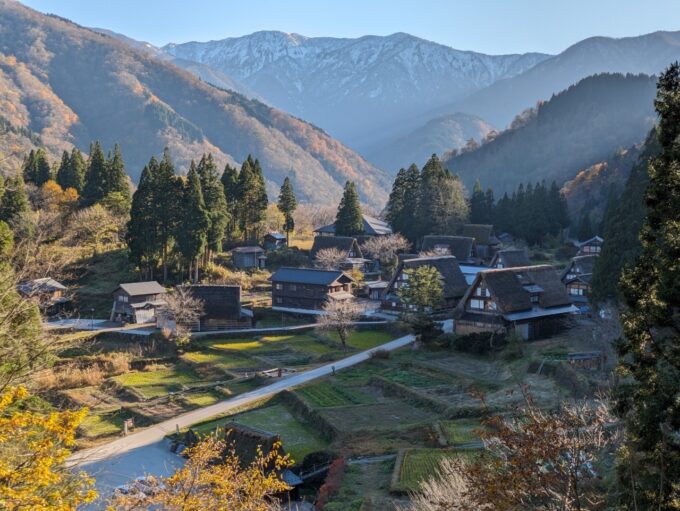
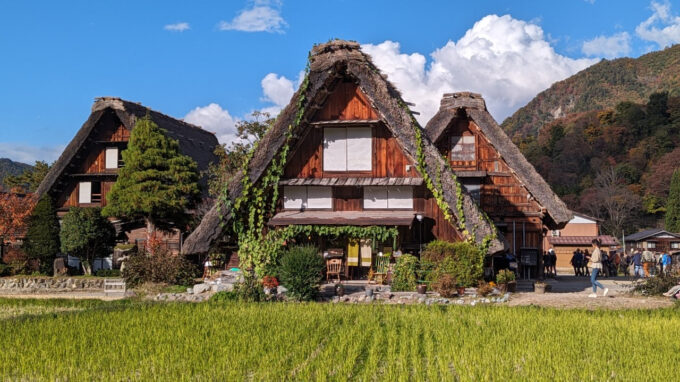
1 Day Tour from Kanazawa: Shirakawa-go, Gokayama and Wood Carving Village
- Spots:
- KanazawaShirakawago
- Pick-up:
- Kanazawa
- Drop-off:
- KanazawaTakayama
¥28,000 / 30,400
Best Selling
(Day Tour)
1-Day Tour from Takayama: Explore Scenic Old Japan in Takayama and Shirakawa-go
- Spots:
- TakayamaShirakawago
- Pick-up:
- Takayama
- Drop-off:
- KanazawaTakayama
¥24,500 / 27,000
Best Selling
¥21,000
Best Selling
(Day Tour)
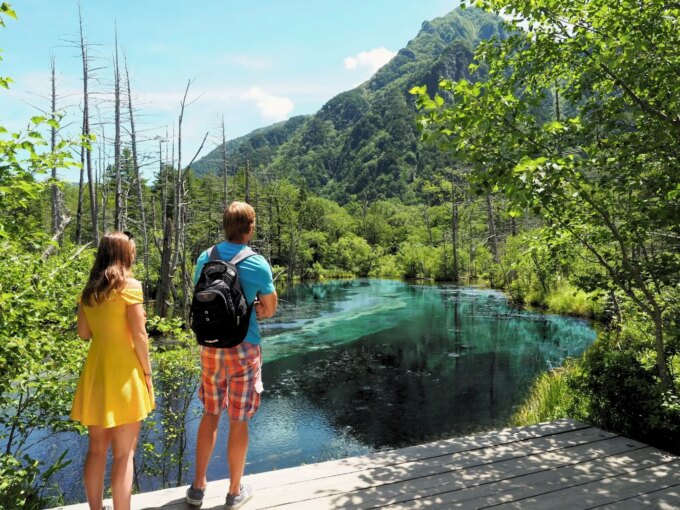
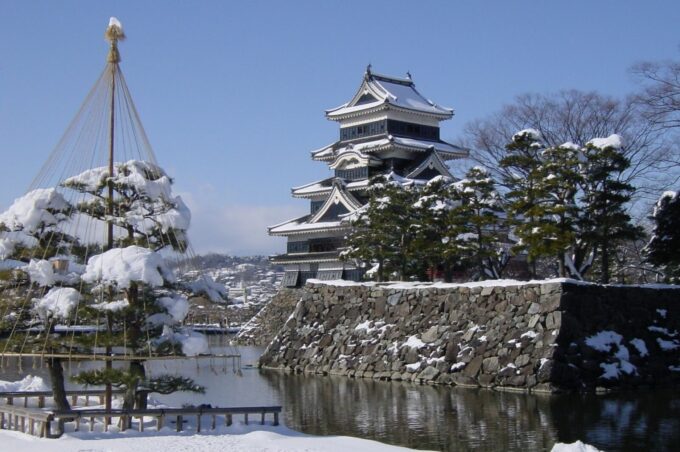
1-Day Tour from Nagano and Matsumoto: Kamikochi & Matsumoto Castle
- Spots:
- NaganoMatsumotoKamikochi
- Pick-up:
- Nagano CityMatsumoto
- Drop-off:
- Nagano CityMatsumoto
¥28,000
Popular
(Day Tour)
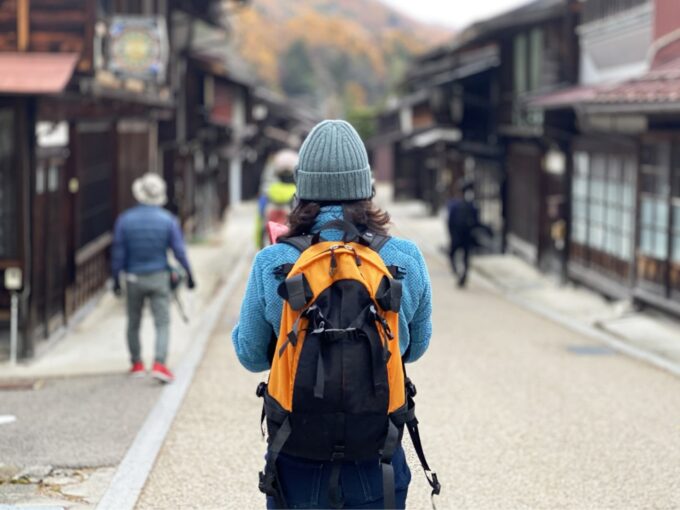
1-Day Tour from Nagano and Matsumoto: Step into the Past on the Nakasendo
- Spots:
- NaganoMatsumotoKiso Valley
- Pick-up:
- Nagano CityMatsumoto
- Drop-off:
- Nagano CityMatsumoto
¥29,400
Popular
(Day Tour)
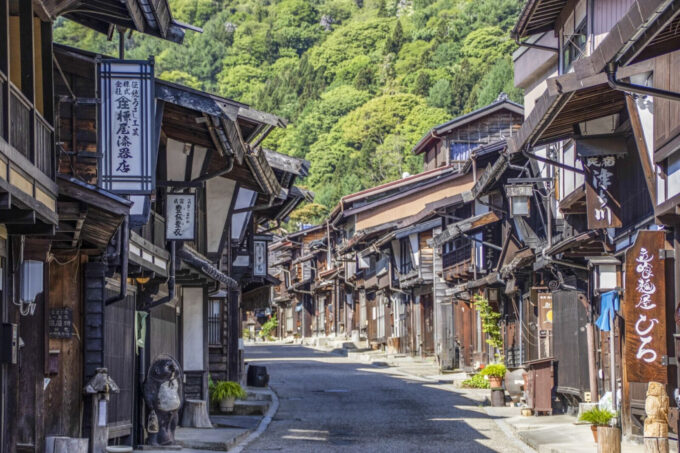
1-Day Tour from Nagano and Matsumoto: Experience Matsumoto Castle and Narai-juku
- Spots:
- NaganoMatsumotoKiso Valley
- Pick-up:
- Nagano CityMatsumoto
- Drop-off:
- Nagano CityMatsumoto
¥28,000
Seasonal Special
(Day Tour, Event Tour)
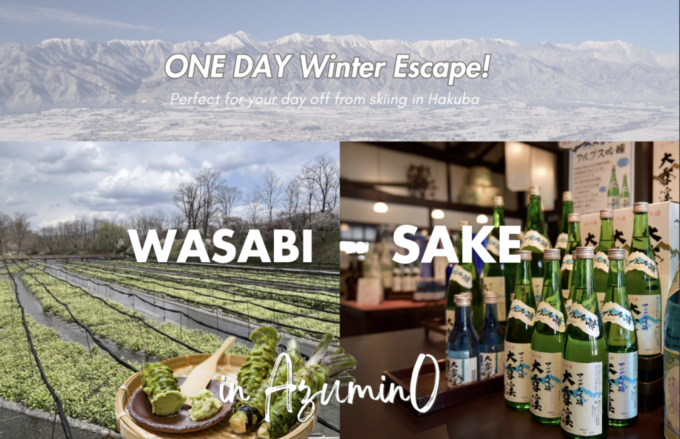
1-Day Tour from Hakuba: Your Perfect Rest Day featuring Azumino Wasabi, Sake & Wine
¥17,800
Popular
(Private Tour)
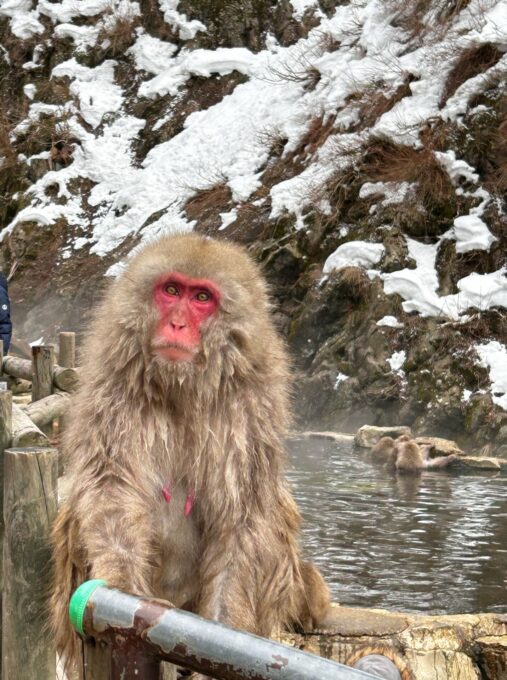
[START FROM NAGANO CITY] Private Snow Monkey Tour
- Spots:
- NaganoSnow Monkey
- Pick-up:
- Nagano City
- Drop-off:
- Nagano CityHakubaNozawa OnsenShiga KogenMadaraoMyoko
¥134,200 ~ / group
Recommended
(Day Tour)
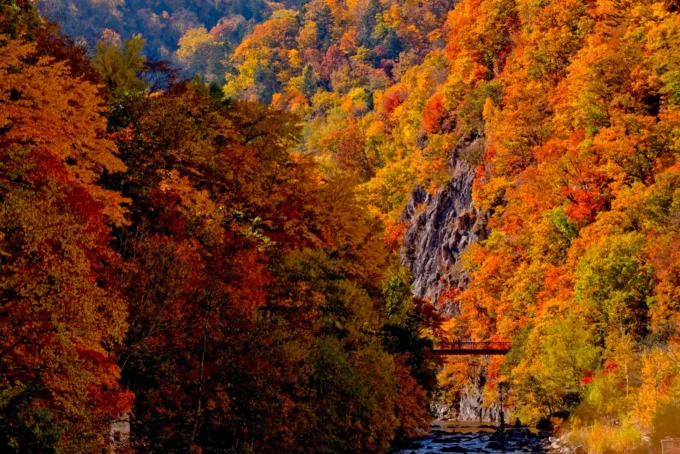
1-Day Tour from Sapporo: Learn of The Indigenous Ainu people of Hokkaido & Jozankei walking tour
¥26,400

Recommended
¥27,800 / 29,800
Recommended
(Day Tour)
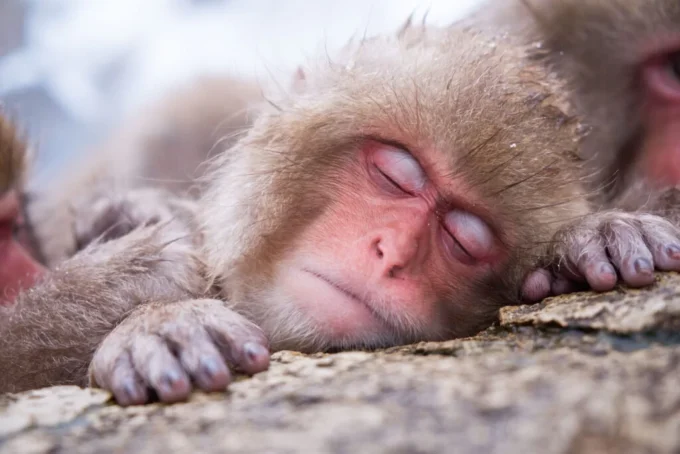
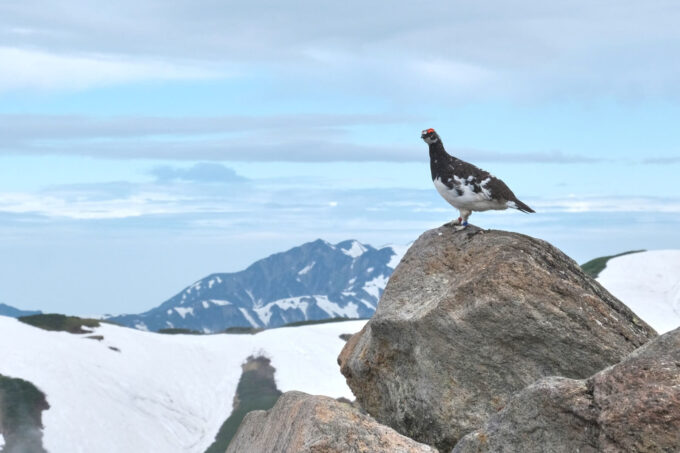
(Winter Only) 1-Day Tour From Nozawa Onsen: Snow Monkeys, Zenkoji Temple & Sake
- Spots:
- NaganoSnow MonkeyNozawa Onsen
- Pick-up:
- Nozawa Onsen
- Drop-off:
- Nagano CityNozawa Onsen
¥21,800
Recommended
¥33,000

Small Group
(Multi-day Tour)
2-Day Snow Monkey Tour: Nagano To Takayama via Matsumoto
- Spots:
- NaganoSnow MonkeyTakayamaMatsumoto
- Pick-up:
- Nagano City
- Drop-off:
- Takayama
¥98,000
Recommended
(Multi-day Tour)
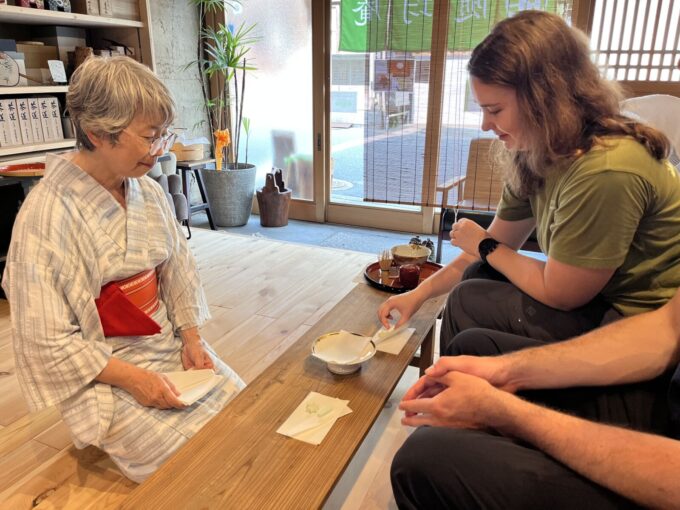
Tea Ceremony and Zenkoji Experience Tour with 'Shukubo' Temple Lodging Stay
- Spots:
- Nagano
- Pick-up:
- Nagano City
- Drop-off:
- Nagano City
¥39,800
Recommended
(Day Tour)
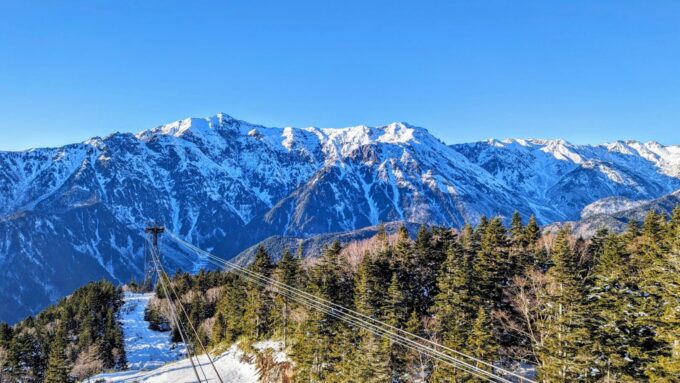
1-Day Tour from Takayama: Hida's Hidden Gems - Hida Folk Village, Limestone Caves and the Shinhotaka Ropeway
- Spots:
- TakayamaShinhotaka
- Pick-up:
- Takayama
- Drop-off:
- Takayama
¥33,900
Recommended
(Multi-day Tour)
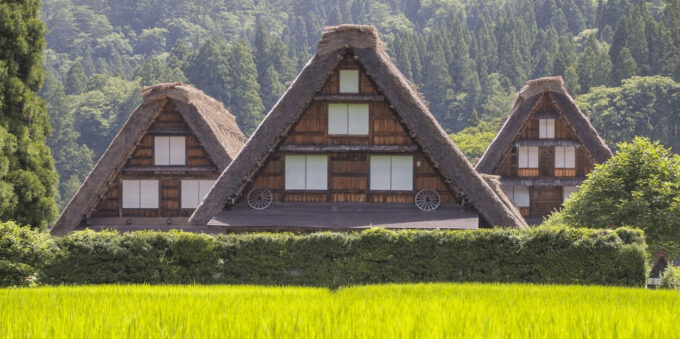
(Green Season) 4-Day Tour from Nagano to Kanazawa: The Ultimate Central Japan Tour
- Spots:
- NaganoSnow MonkeyKanazawaTakayamaMatsumotoShirakawagoKamikochi
- Pick-up:
- Nagano City
- Drop-off:
- Kanazawa
¥109,000
Recommended
(Day Tour)
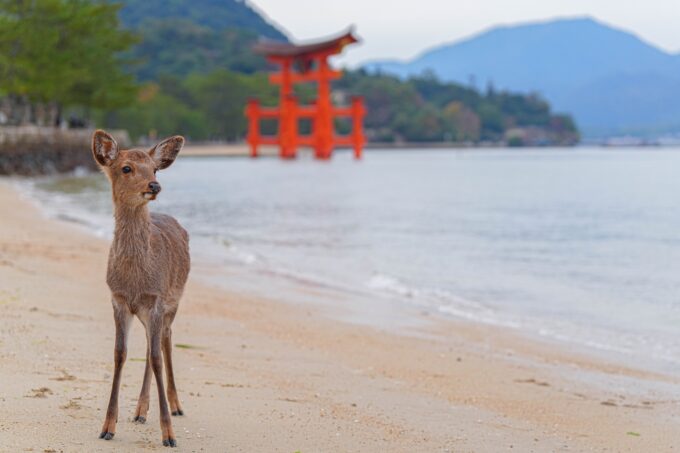
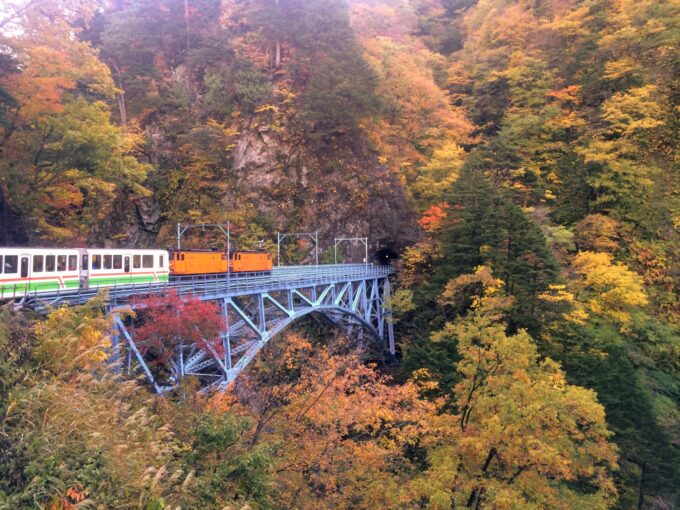
1 Day Tour from Kanazawa: Kurobe Gorge and Unazuki Onsen
- Spots:
- KanazawaKurobe Gorge
- Pick-up:
- Kanazawa
- Drop-off:
- Kanazawa
¥28,000
Recommended
(Day Tour)
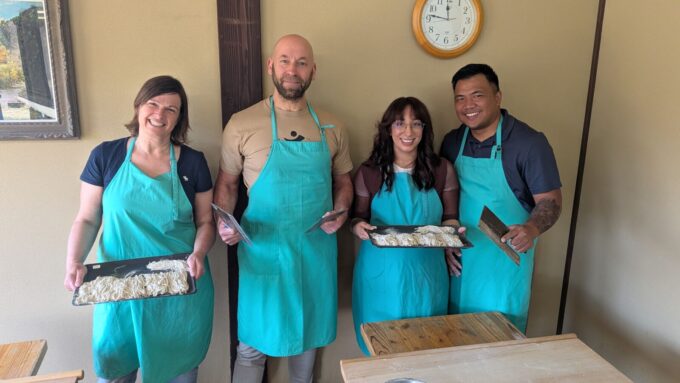
1-Day Togakushi Tour: Hands-on Soba, Ninja Secrets & Ancient Shrines
- Spots:
- NaganoTogakushi
- Pick-up:
- Nagano City
- Drop-off:
- Nagano City
¥23,300
Recommended
¥31,000 / 22,300
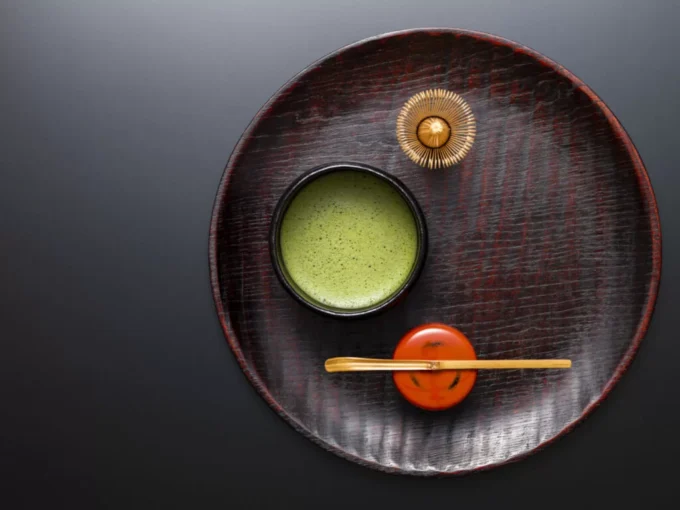
Recommended
(Day Tour)
Half-Day Zenkoji Tour with Tea Ceremony
- Spots:
- Nagano
- Pick-up:
- Nagano City
- Drop-off:
- Nagano City
¥19,400
Recommended
(Day Tour)
1-Day Tour from Nagoya: Hida Takayama and World Heritage Site Shirakawa-go
- Spots:
- NagoyaTakayamaShirakawago
- Pick-up:
- Nagoya
- Drop-off:
- Nagoya
¥29,300
Recommended
¥22,900 ~ / person
Recommended
(Private Tour)
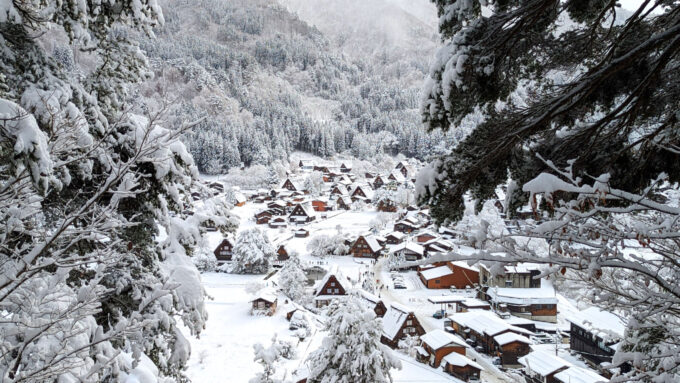
[START FROM TAKAYAMA] Private Takayama & Shirakawa-go Tour
- Spots:
- TakayamaShirakawago
- Pick-up:
- Takayama
- Drop-off:
- KanazawaTakayama
¥187,100 ~ / group
Recommended
(Day Tour)
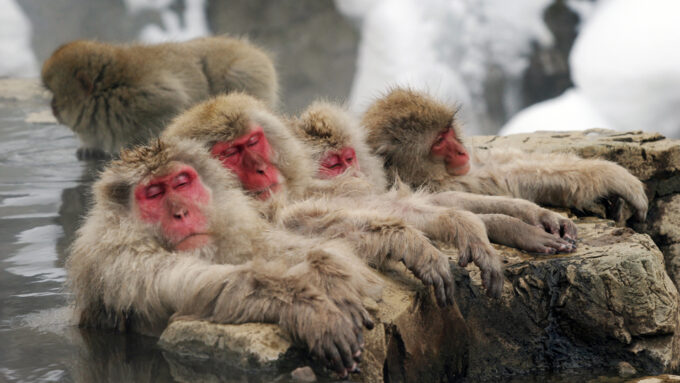
(Winter Only) 1-Day Tour From Myoko & Madarao: Snow Monkeys, Zenkoji Temple & Sake
- Spots:
- NaganoSnow MonkeyMyokoMadarao
- Pick-up:
- MadaraoMyoko
- Drop-off:
- Nagano CityMadaraoMyoko
¥21,800
Small Group
¥26,400
Recommended
¥29,800
Small Group
¥17,100
Small Group
¥24,500
Small Group
¥26,400
Small Group
(Day Tour)
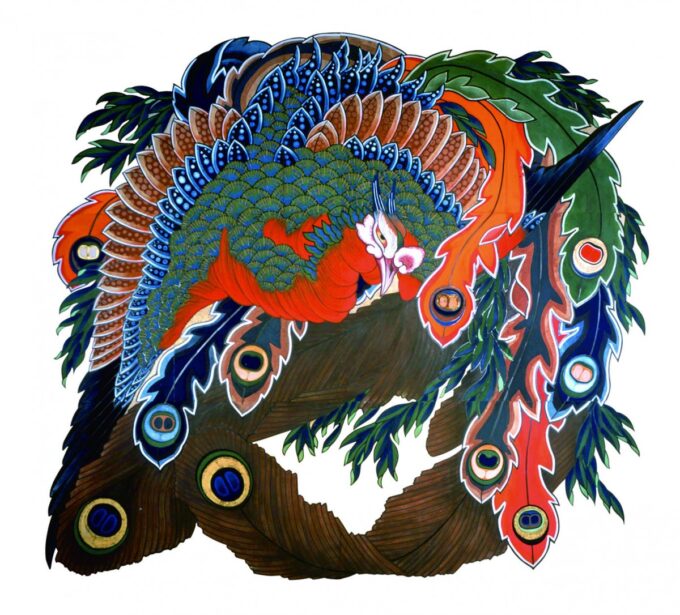
1-Day Historic Obuse & Hokusai: Japan's 'Mad Man of Art' Tour
- Spots:
- Nagano
- Pick-up:
- Nagano CityObuse
- Drop-off:
- Nagano CityObuse
¥23,300
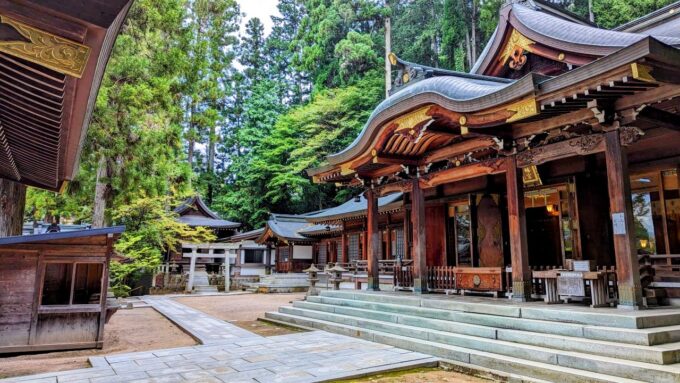
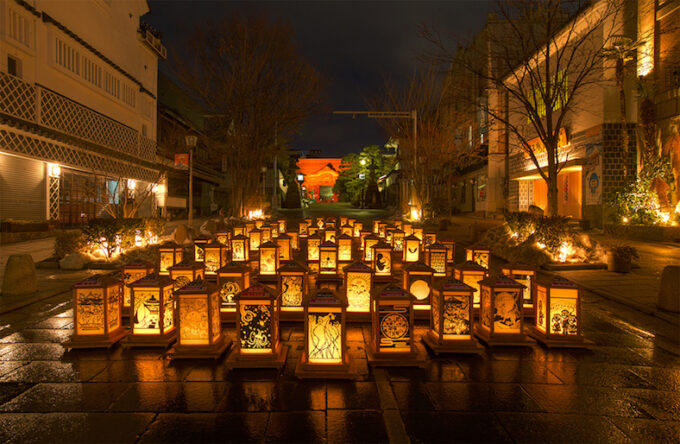
Seasonal Special
(Day Tour, Event Tour)
1-Day Tour: Snow Monkeys & Zenkoji Tomyo Lantern Festival
- Spots:
- NaganoSnow MonkeyHakuba
- Pick-up:
- Nagano CityHakuba
- Drop-off:
- Nagano CityHakuba
¥23,300
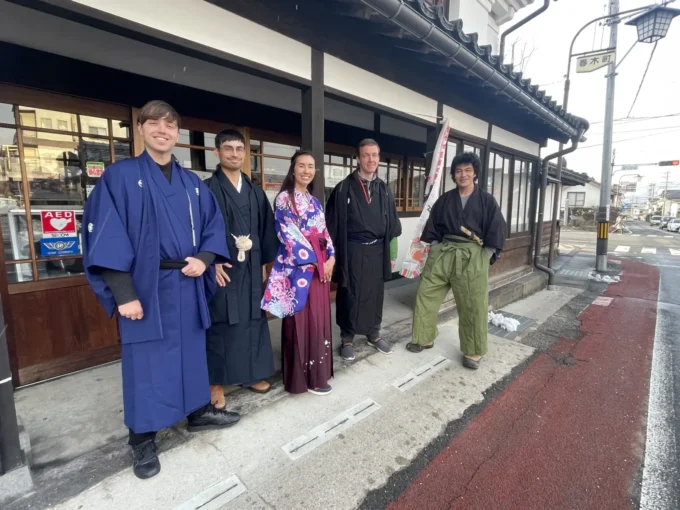
Special Offer
(Private Tour)
Explore Suzaka’s Historic Warehouse District: 1-Day Cultural Walk with Kimono, Miso & Local Cuisine
- Spots:
- Nagano
- Pick-up:
- Nagano City
- Drop-off:
- Nagano City
¥40,000~/group→¥22,800~/group
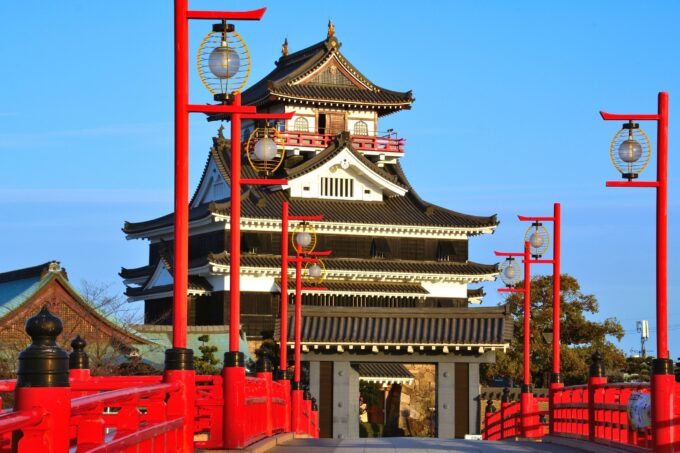
New Tour
¥28,000
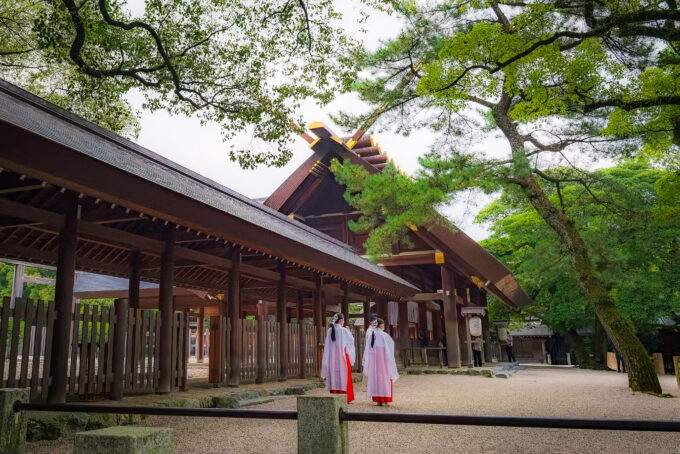
New Tour
¥24,900
Special Offer
(Private Tour, Multi-day Tour)
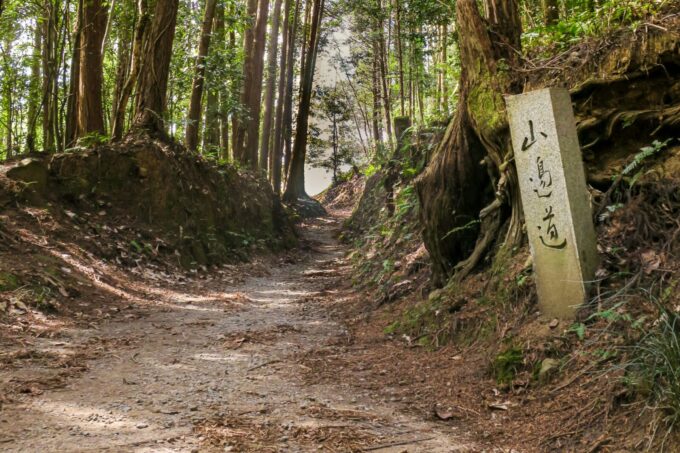
Start from Nagano: Explore Japan’s Historic ‘Shortcut’ Mountain Trail – 2-Day Private Tour
- Spots:
- Nagano
- Pick-up:
- Nagano City
- Drop-off:
- Nagano City
¥93,000~/group→¥70,000~/group
Small Group
¥28,000
Small Group
¥22,300
Small Group
(Day Tour, Event Tour)
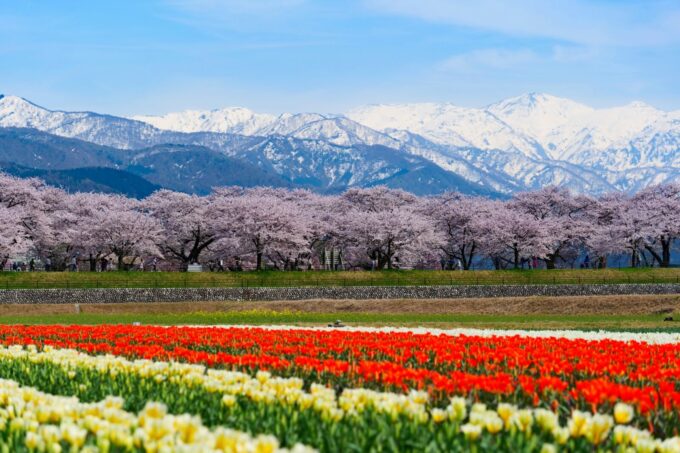
[Spring Only] Day Tour from Kanazawa and Toyama: The Spring Quartet of Flowers and Mountain Cherry Blossoms
¥25,800 / 23,800
Small Group
¥29,800
Small Group
¥22,300
Small Group
¥29,300
Small Group
(Day Tour)
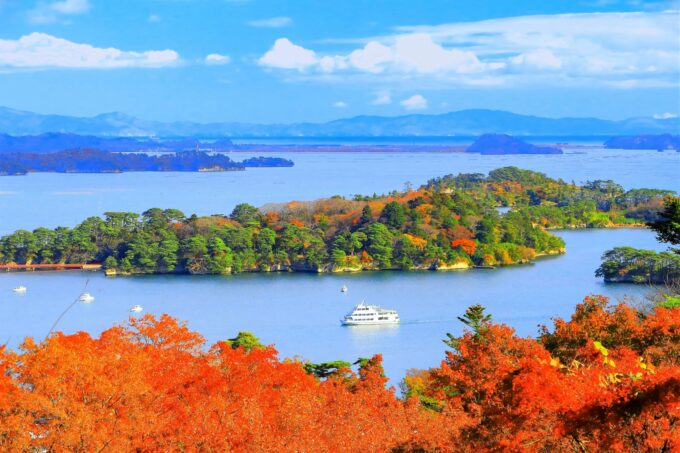
1-Day Tour from Sendai: Matsushima Bay — Highlights from One of Japan’s Three Most Scenic Views
- Spots:
- Matsushima
- Pick-up:
- Sendai
- Drop-off:
- Sendai
¥26,400
Small Group
¥31,800
Small Group
¥23,800
Small Group
¥40,100
Small Group
(Day Tour)
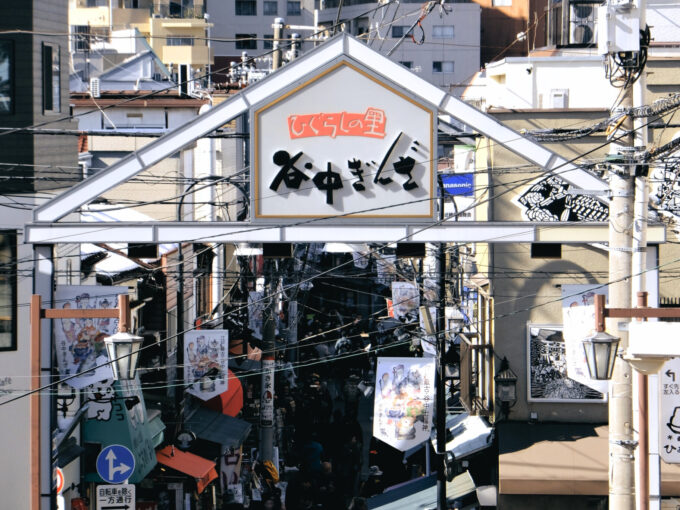
Walking Tour in Yanaka, Nezu and Sendagi : Experience Tea Ceremony and ’Yanesen’ Old Tokyo
¥21,000
Small Group
¥23,800
Small Group
¥29,200
Small Group
¥23,800
Small Group
¥24,800


Small Group
¥19,800

Small Group
¥30,000
Small Group
¥24,800
Small Group
¥21,000
New Tour
¥17,100
Small Group
(Day Tour)
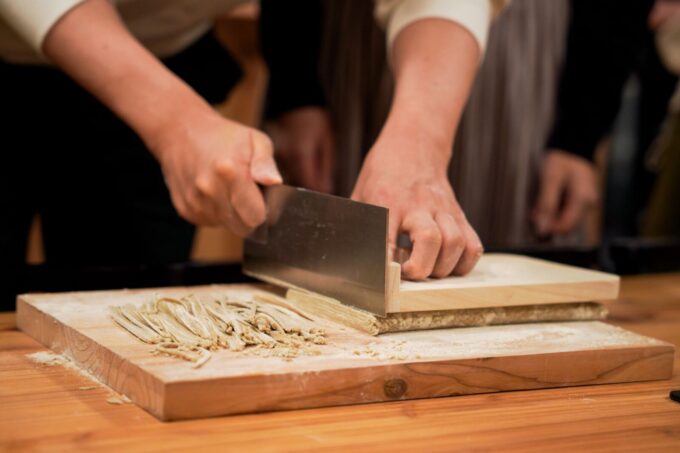
1-Day Tour from Nagoya: Soba Cooking Class & Nakasendo Traditions
- Spots:
- NagoyaKiso Valley
- Pick-up:
- Nagoya
- Drop-off:
- Nagoya
¥29,300
Small Group
¥23,300
Small Group
¥24,500
Small Group
¥19,800
Small Group
¥26,400
Small Group
¥26,400
Small Group
(Day Tour)
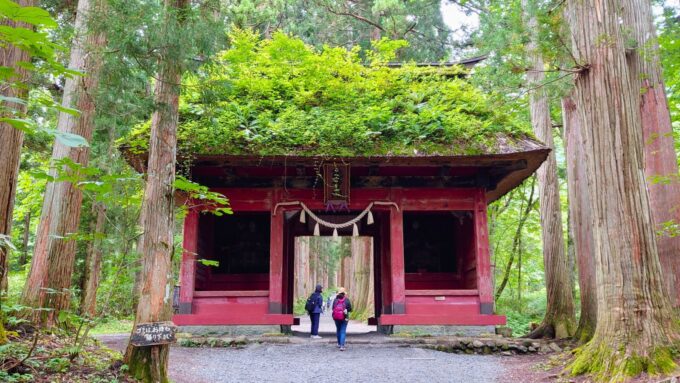
1-Day Tour: Snow Monkey Park & Togakushi Shrine in Nagano
- Spots:
- NaganoSnow MonkeyTogakushi
- Pick-up:
- Nagano City
- Drop-off:
- Nagano City
¥21,800

New Tour
(Private Tour)
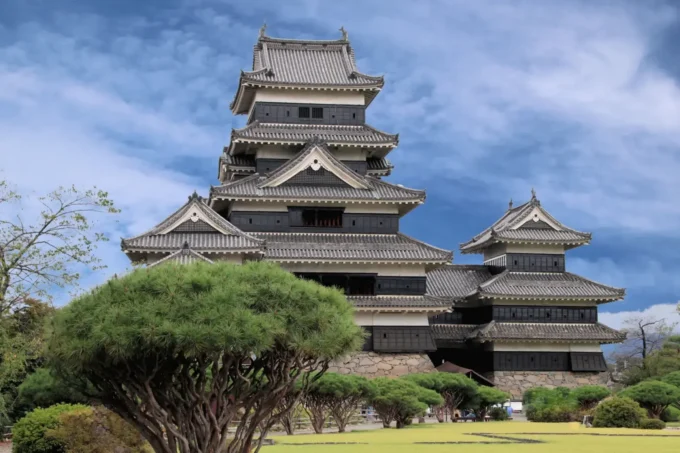
[PRIVATE] 1-Day Tour of Narai-juku and Matsumoto Castle from Nagano, Matsumoto, or Ski Resorts
¥179,000 ~ / group
Small Group
¥23,800
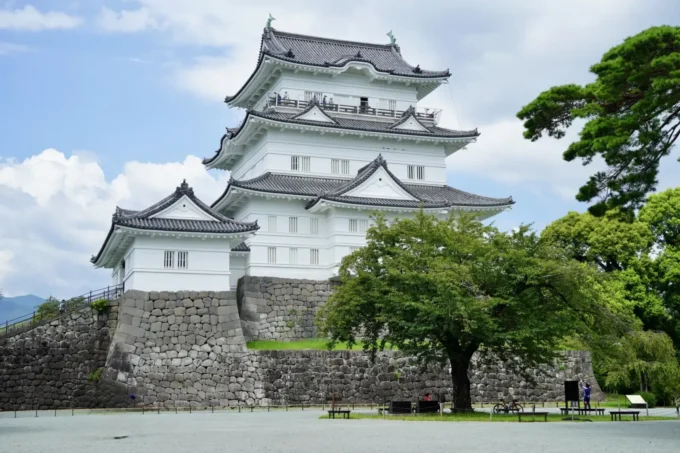
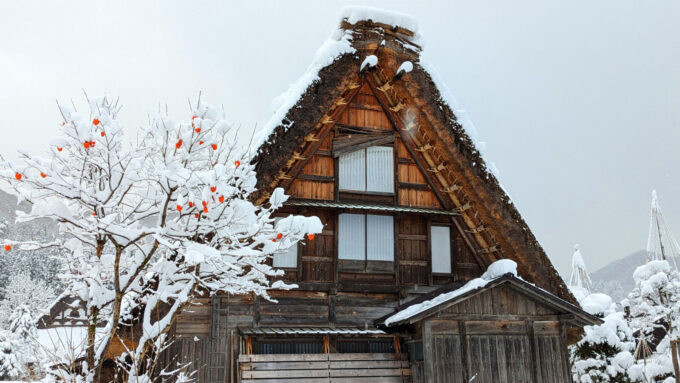

Special Offer
(Multi-day Tour, Event Tour)
2-Day Tour: 'Shimotsuki' Winter Festival, Traditional Food & Sake Experience
- Spots:
- NagoyaKiso Valley
- Pick-up:
- NagoyaKiso Valley
- Drop-off:
- NagoyaKiso Valley
¥85,000→¥68,000
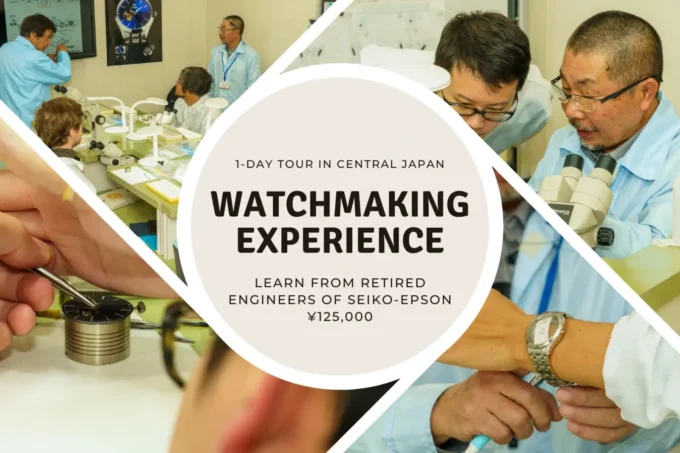
Special Offer
(Day Tour)
1-day Luxury Watchmaking Experience Tour
- Spots:
- NaganoMatsumoto
- Pick-up:
- Nagano CityMatsumoto
- Drop-off:
- Nagano CityMatsumoto
¥175,000→¥125,000
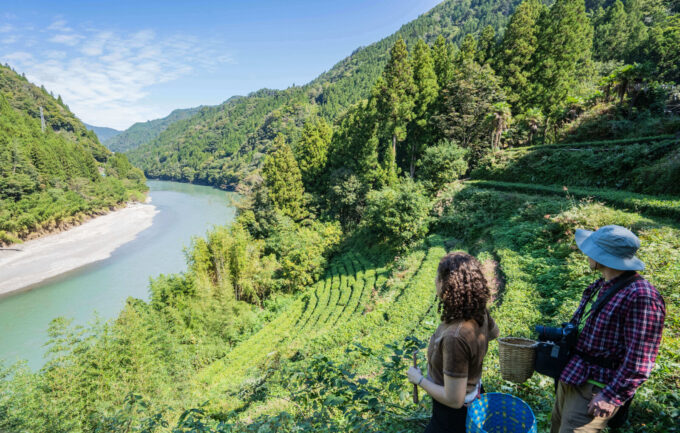
Special Offer
¥50,000 ~
New Tour
(Private Tour)
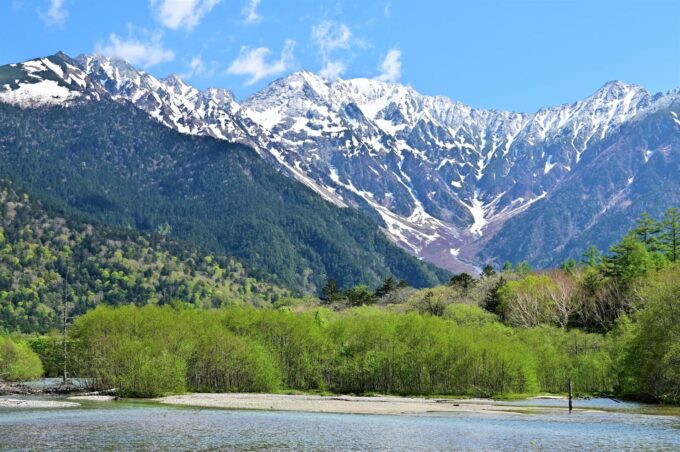
[START FROM NAGANO/MATSUMOTO] Private Kamikochi Tour
- Spots:
- NaganoMatsumotoKamikochi
- Pick-up:
- Nagano CityMatsumoto
- Drop-off:
- Nagano CityMatsumoto
¥172,100 ~ / group

New Tour
(Private Tour)
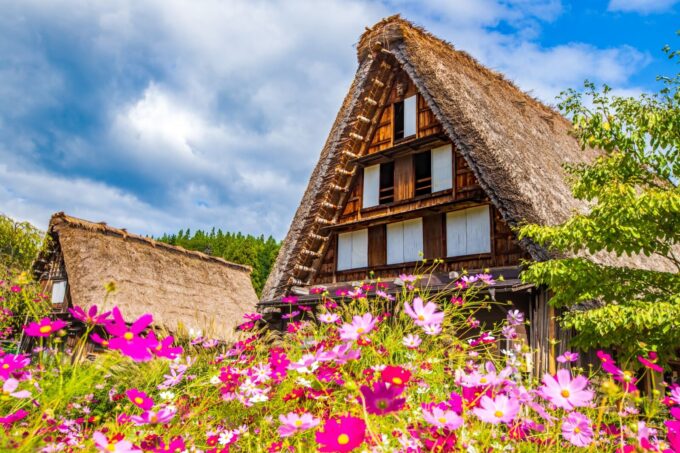
[FROM NAGOYA] Takayama & Shirakawa-go Private Tour
- Spots:
- NagoyaTakayamaShirakawago
- Pick-up:
- Nagoya
- Drop-off:
- Nagoya
¥300,200 ~ / group
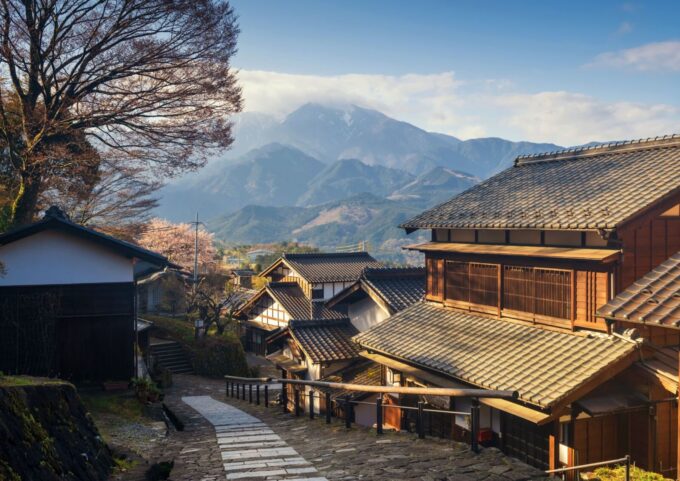
New Tour
(Private Tour)
[FROM NAGOYA] Nakasendo Trail and Post Towns Private Hike
- Spots:
- NagoyaKiso Valley
- Pick-up:
- Nagoya
- Drop-off:
- Nagoya
¥25,800 ~ / person
New Tour
¥22,800
New Tour
¥20,800
New Tour
¥19,800

New Tour
¥93,000 ~ / group
New Tour
¥29,800
New Tour
¥19,800
New Tour
(Private Tour)
Samurai Life in a Castle Town: Private Matsushiro Experience Tour
- Spots:
- Nagano
- Pick-up:
- Nagano City
- Drop-off:
- Nagano City
¥122,800 ~ / group
New Tour
(Day Tour)
(Summer Only) 1-Day Tour from Nagoya: Hidden Gems of the Kiso Valley and the Nakasendo Road
- Spots:
- NagoyaKiso Valley
- Pick-up:
- Nagoya
- Drop-off:
- NagoyaKiso Valley
¥29,300
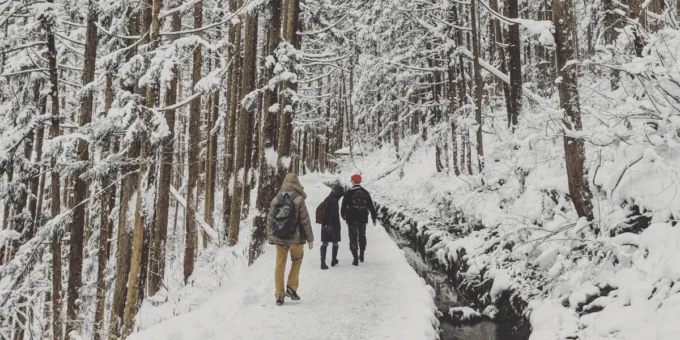
New Tour
(Private Tour, Multi-day Tour)
2-Day Snow Monkeys & Snow Fun Winter Tour inc. Luxury Onsen Hotel
- Spots:
- NaganoSnow MonkeyShiga Kogen
- Pick-up:
- Nagano CityHakuba
- Drop-off:
- Nagano City
¥65,000 ~

New Tour
(Multi-day Tour)
2-Day Snow Monkeys & Nagano Cultural Tour inc. Luxury Onsen Hotel
- Spots:
- NaganoSnow Monkey
- Pick-up:
- Nagano CityHakuba
- Drop-off:
- Nagano City
¥70,000 ~
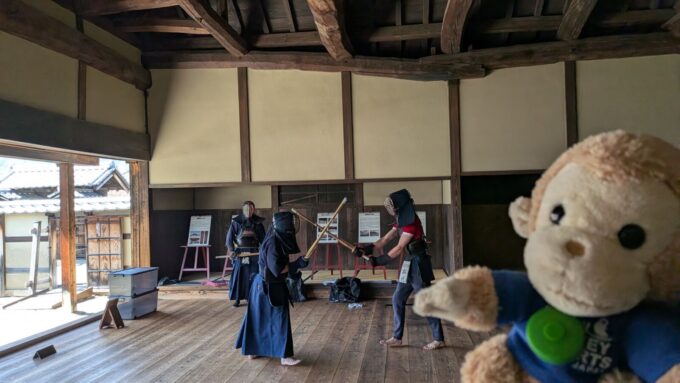
New Tour
(Private Tour, Multi-day Tour)
2-Day Tour: Snow Monkeys, Samurai Experience & Zenkoji 'Shukubo' Stay
- Spots:
- NaganoSnow Monkey
- Pick-up:
- Nagano City
- Drop-off:
- Nagano City
¥48,000 ~
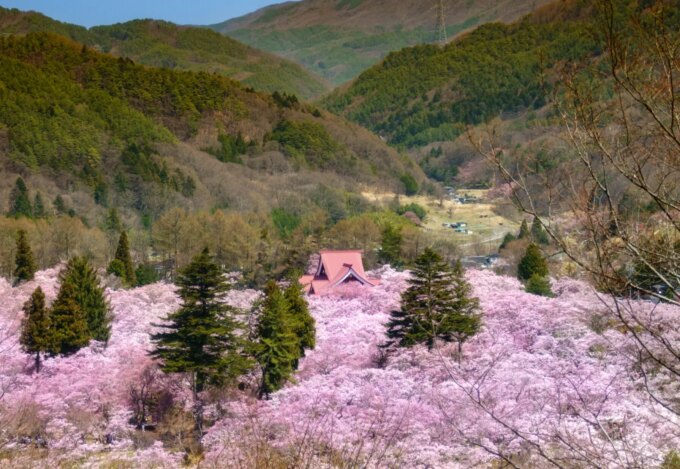
Special Offer
(Private Tour)
(Spring Only) Private 1-Day Tour: Cherry Blossoms of Takato Castle Park
- Spots:
- NaganoMatsumoto
- Pick-up:
- Nagano CityMatsumoto
- Drop-off:
- Nagano CityMatsumoto
¥188,100 ~ / group
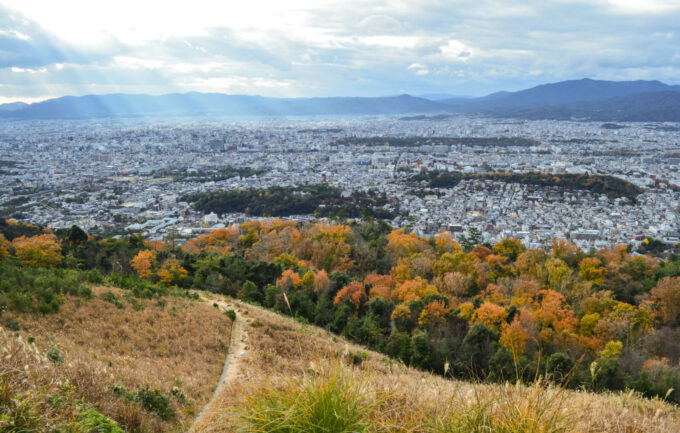
New Tour
¥23,800
New Tour
¥13,400
New Tour
¥13,400
New Tour
(Day Tour)
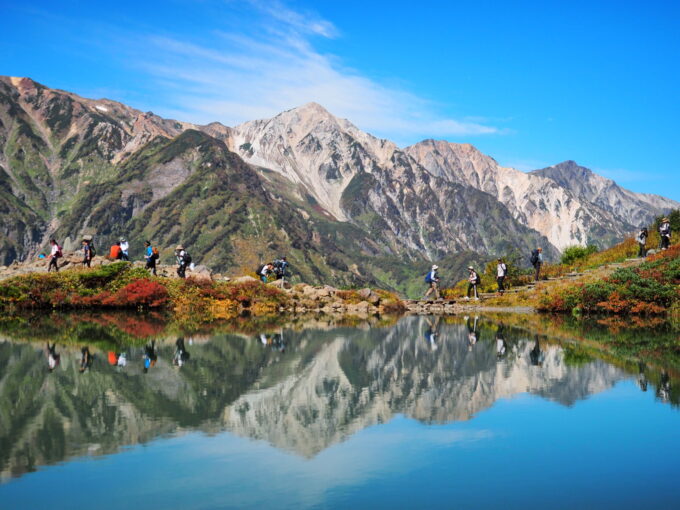
1-Day Tour from Nagano: Hiking to Happo-ike Pond & Hot Springs in Hakuba Valley
- Spots:
- Hakuba
- Pick-up:
- Nagano City
- Drop-off:
- Nagano City
¥23,800
New Tour
¥70,000
Small Group
¥25,800
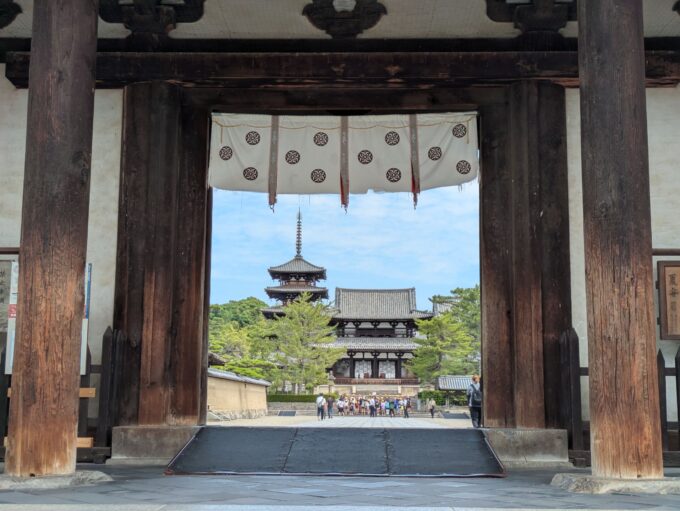
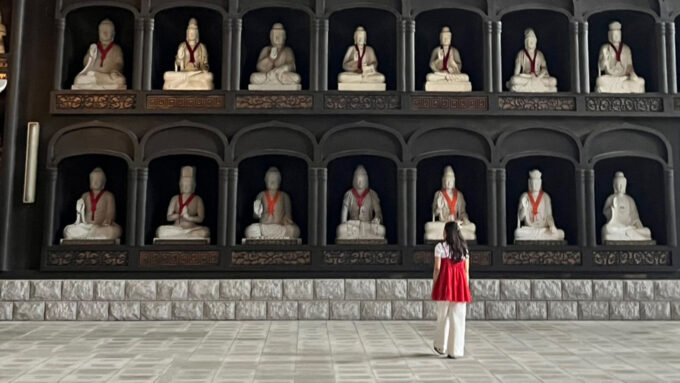
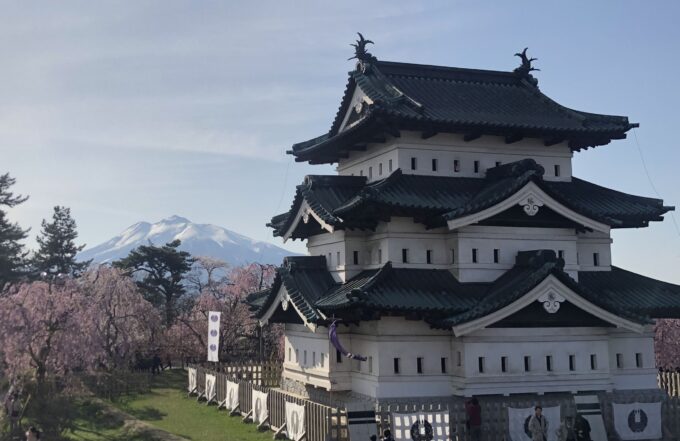
New Tour
(Day Tour)
1-Day Tour From Shin-Aomori: Hirosaki Castle & Cultural Highlights
- Spots:
- Pick-up:
- Shin-Aomori
- Drop-off:
¥23,800
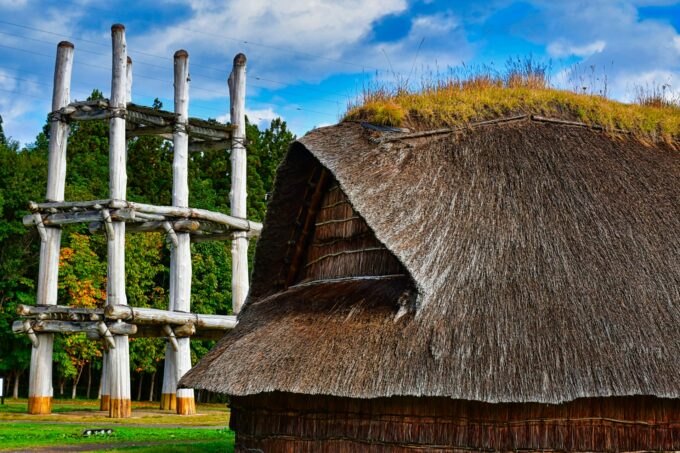
New Tour
(Day Tour)
1-Day Tour From Shin-Aomori: Jomon Village & Nebuta Museum Highlights of Aomori
- Spots:
- Pick-up:
- Shin-Aomori
- Drop-off:
¥23,800
New Tour
(Day Tour)
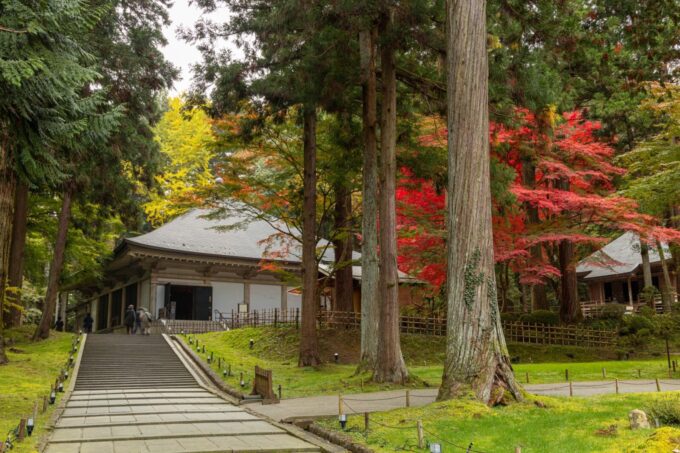
1-Day Tour from Ichinoseki: Temple Highlights of World Heritage Site Hiraizumi
- Spots:
- Pick-up:
- Ichinoseki
- Drop-off:
¥21,800
New Tour
¥25,000
Recommended / New Tour
¥20,000