








Across Japan, ramen is deeply tied to place. Mention Sapporo, Hakata, or Takayama, and a specific style of ramen immediately comes to mind. Yet despite being one of Japan’s largest and most food-loving cities, Nagoya, seems to be missing something: a ramen dish officially named after the city itself.
So why is there no such thing as “Nagoya ramen”?
The answer lies in Nagoya’s unique food culture and in a dish that most visitors don’t initially associate with the city at all. While it may not carry Nagoya’s name, Taiwan Ramen is “Nagoya Ramen” and holds a significant place in the city’s history, palate, and everyday dining habits.
A Brief History of Noodles in Nagoya
One of the most widely accepted explanations as to why there is no ramen named after Nagoya is that Nagoya fell in love with different noodles first.
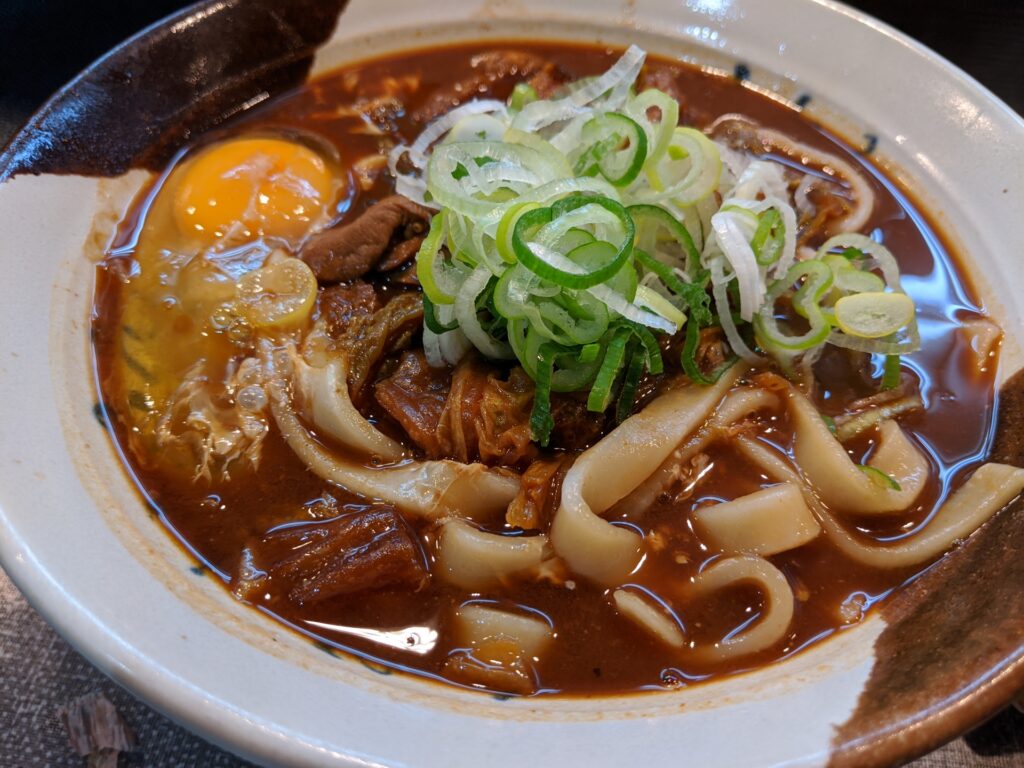
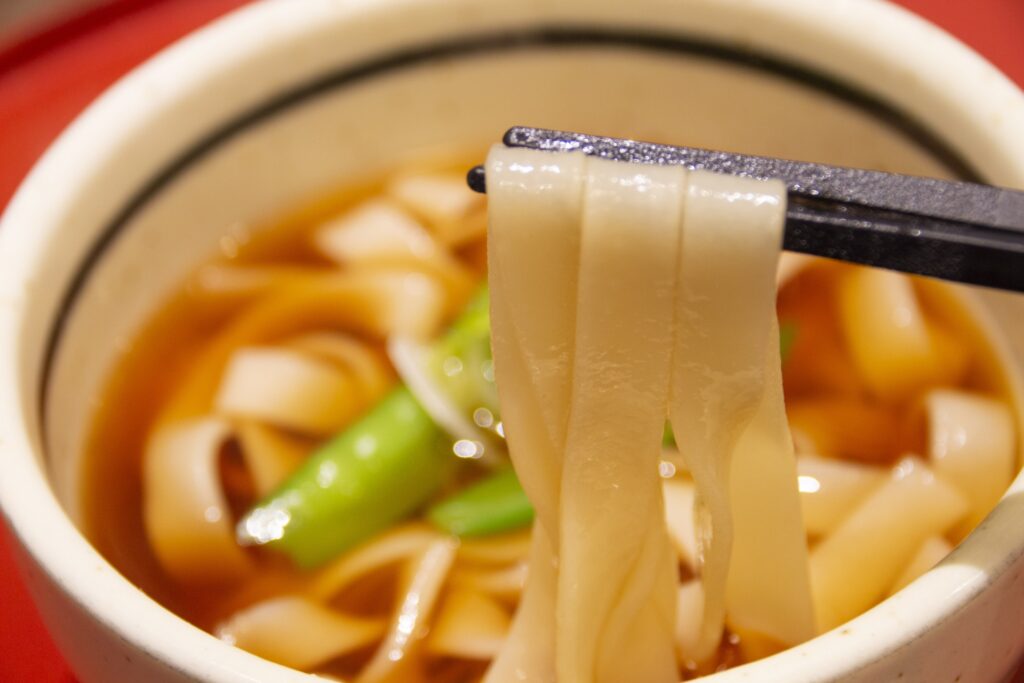
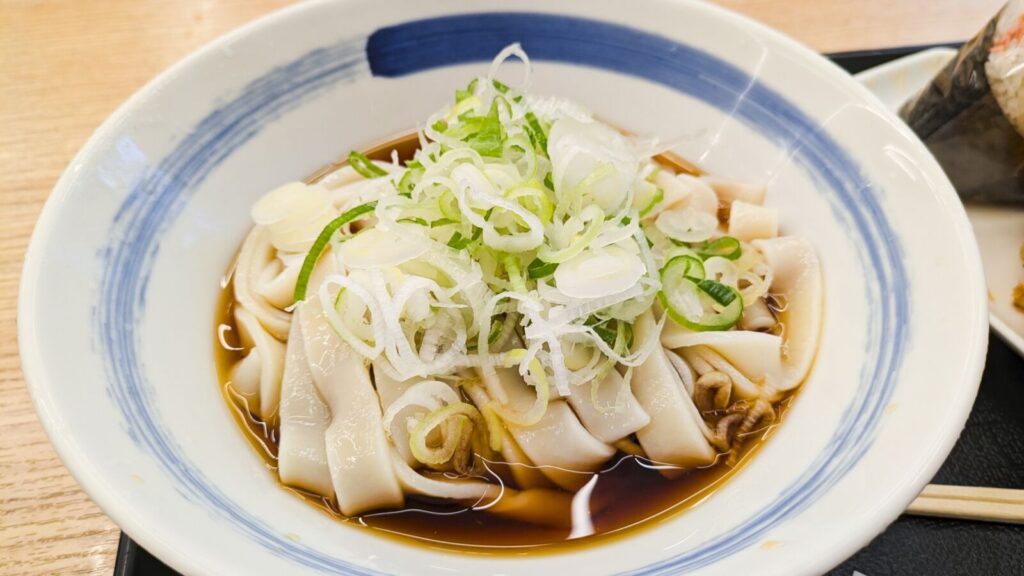
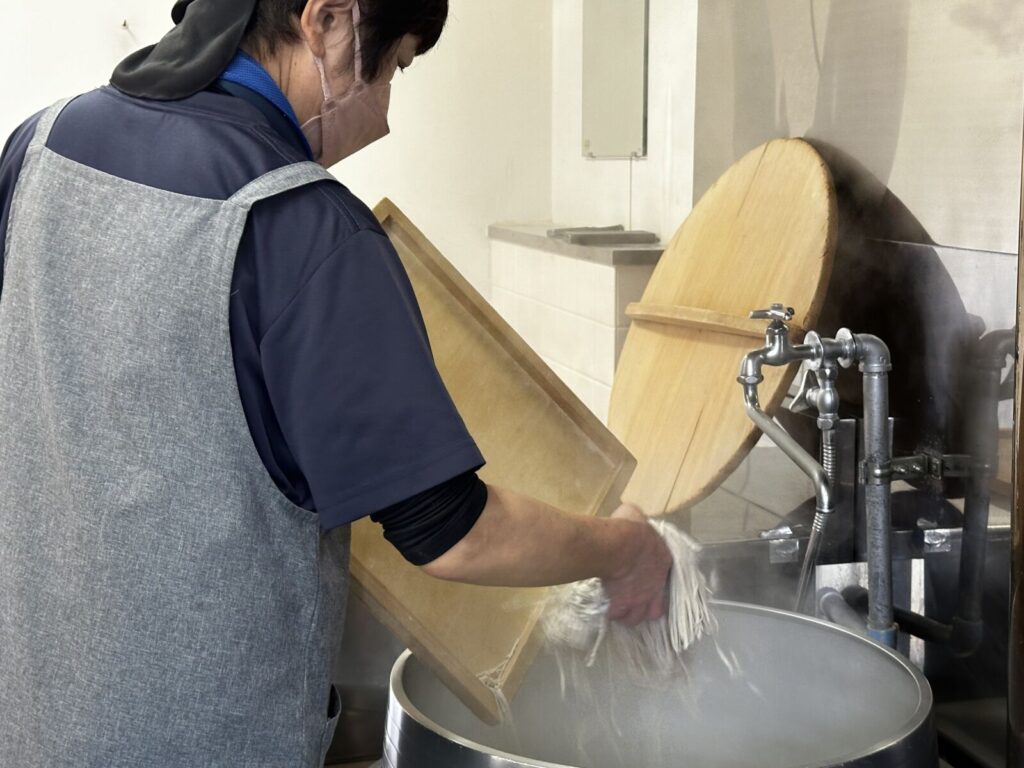
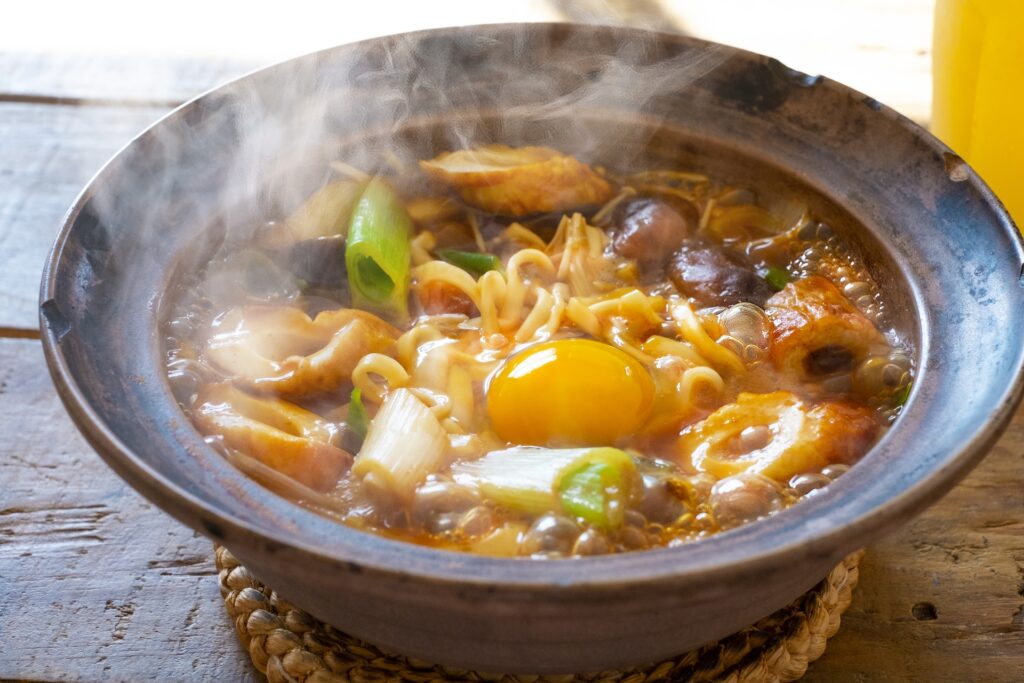
Long before ramen became a national obsession, Nagoya had already established its own noodle culture centered around udon. Dishes like misonikomi udon, simmered in rich Hatcho miso, and kishimen, wide flat noodles served in a light but umami-packed broth, have long been everyday staples for local households.
These dishes have defined what “noodles” meant in Nagoya since the Edo era.
But today, Nagoya and Aichi prefecture have more ramen shops per capita than udon shops. And a large portion of the ramen consumed in the city is Taiwan Ramen. So how did Taiwan Ramen become the de facto ramen of Nagoya?
The Founding of Taiwan Ramen
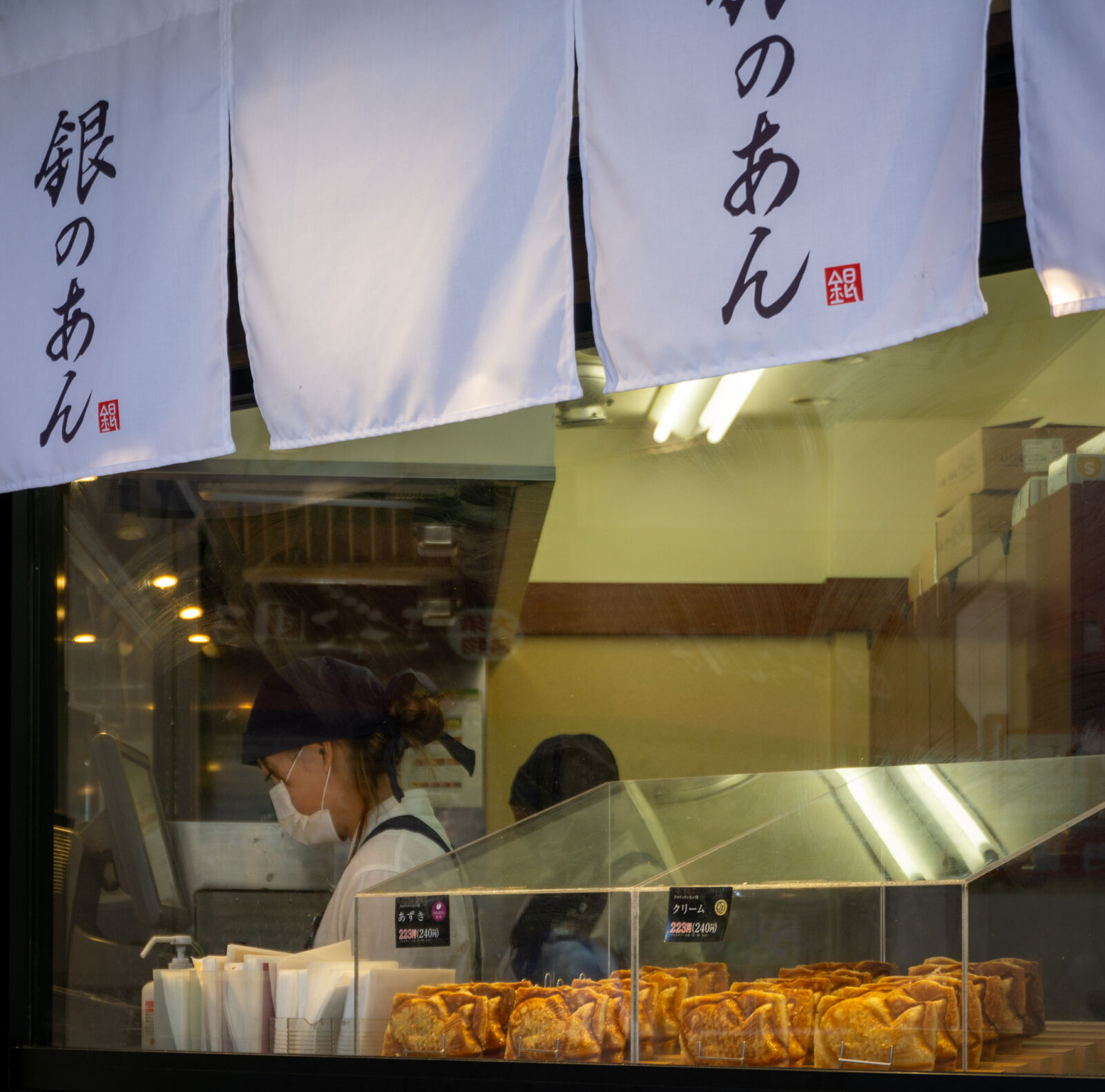
The story of Taiwan Ramen begins in Imaike, a lively neighborhood east of central Nagoya, at a restaurant called Ajisen.
Ajisen was founded by the Kou family, who settled in Nagoya after World War II. Originally intending to move to Tokyo, the family got off the train in Nagoya due to the mother’s poor health and decided to start a new life there instead.
The family’s restaurant served familiar Chinese dishes and whatever they could to get by. The son, Kuo Ming-You, eventually decided to give up on attending university and took over the family restaurant slowly incorporating more Taiwanese influences from home.
Around 1970, Kuo Ming-You traveled to Taiwan and encountered danzi noodles, a light, aromatic dish from Tainan topped with minced meat. Wanting to recreate the flavor in Japan, but limited by available ingredients and local preferences, he began experimenting.
What emerged was a spicy noodle dish unlike anything in Taiwan—or Japan for that matter.
The name “Taiwan Ramen” was chosen casually, simply because it was created by Kuo Ming-You, a Taiwanese chef—though he had never lived in Taiwan.
How Taiwan Ramen Grew in Popularity
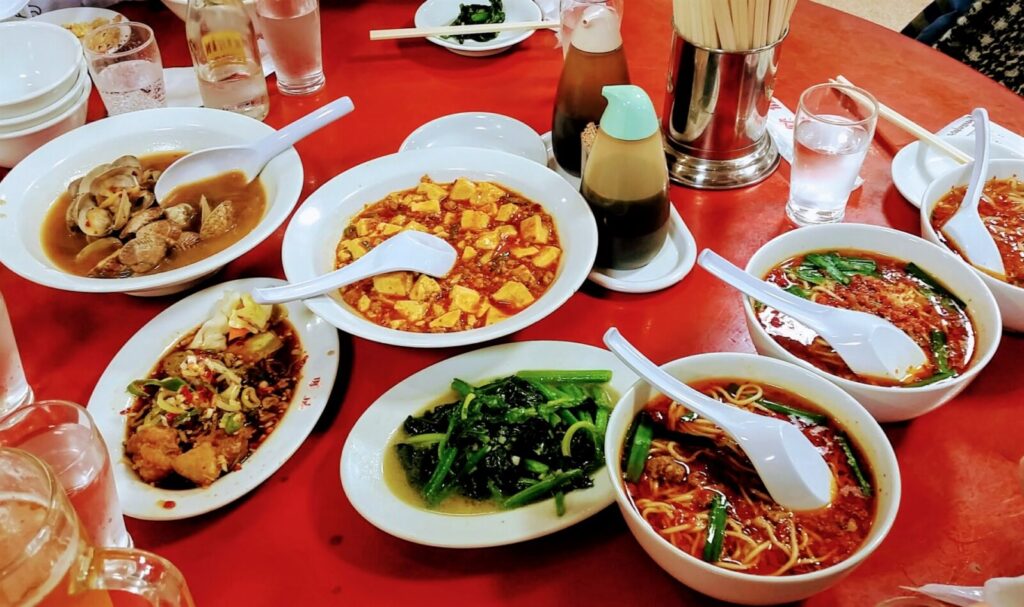
Ajisen stayed open late, becoming a gathering place for students, taxi drivers, office workers, and nightlife employees—people who needed a hot, satisfying meal after long hours. Taiwan Ramen’s reputation grew organically, carried by late-night conversations and repeat visits.
During the spicy food boom of the late 1980s, the dish exploded in popularity. During this time, spicy food became extremely popular as the idea that it promoted stamina and weight loss circulated. Chefs trained at Ajisen went on to open their own restaurants, and Taiwan Ramen began appearing on menus across the city.
Today, the dish is most closely associated with Misen, a group of restaurants opened independently by the five children of the founders of Ajisen. While they share a common origin and core menu, each Misen location reflects the personality of the sibling who runs it, with subtle differences in seasoning and balance.

What Is Taiwan Ramen?
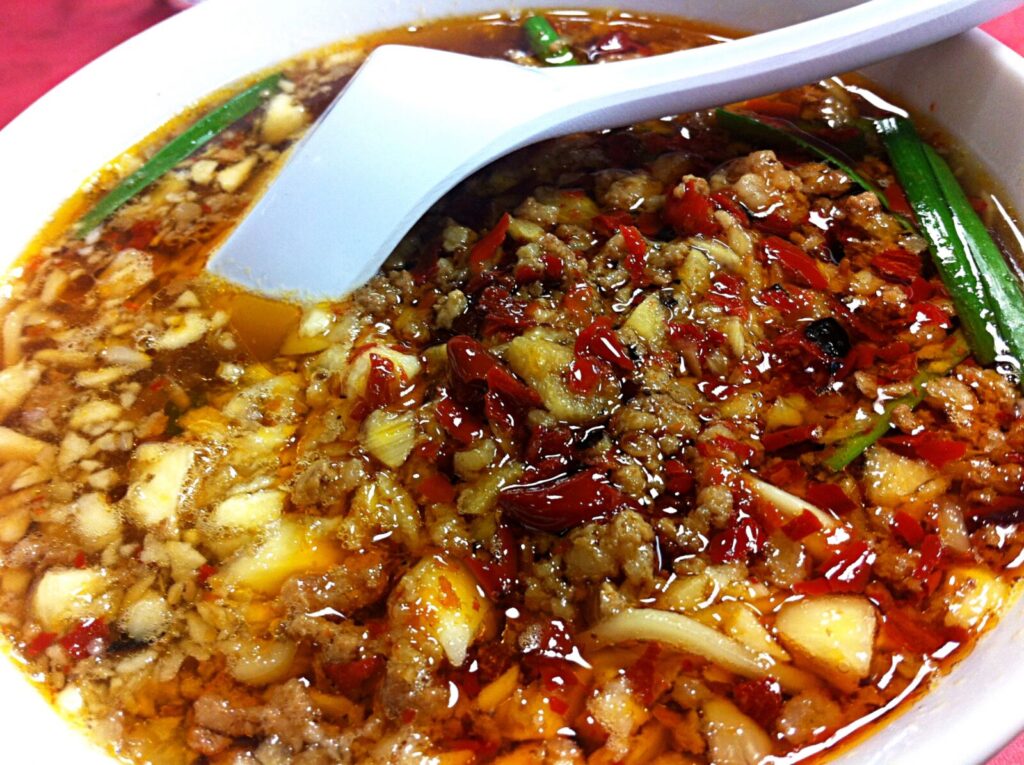
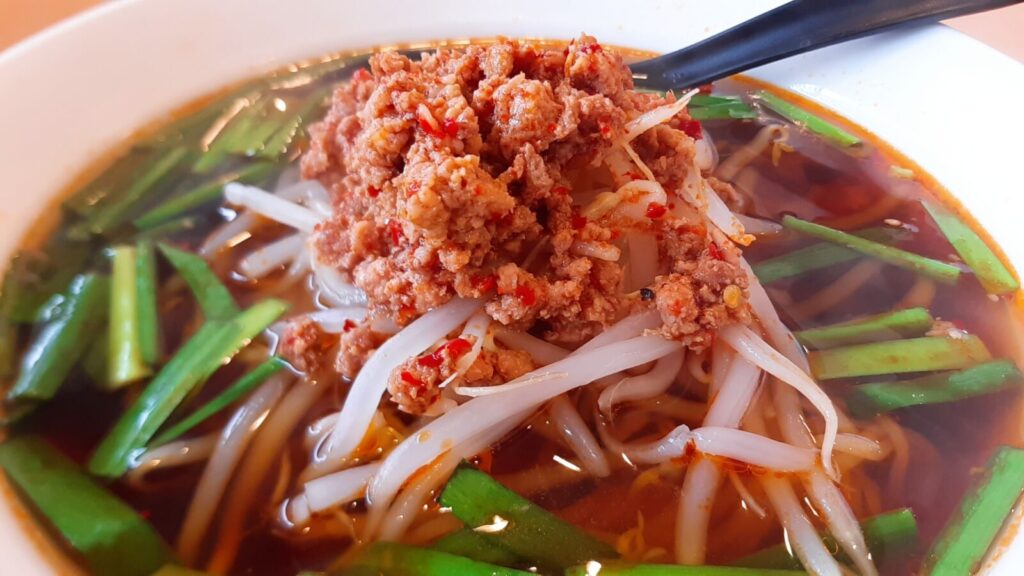
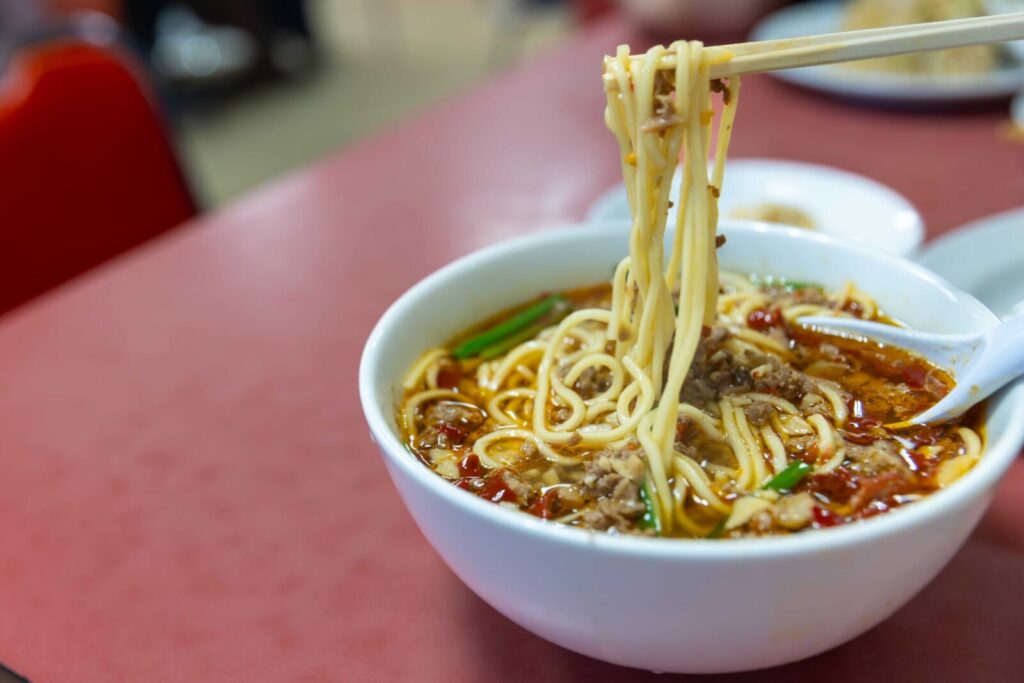
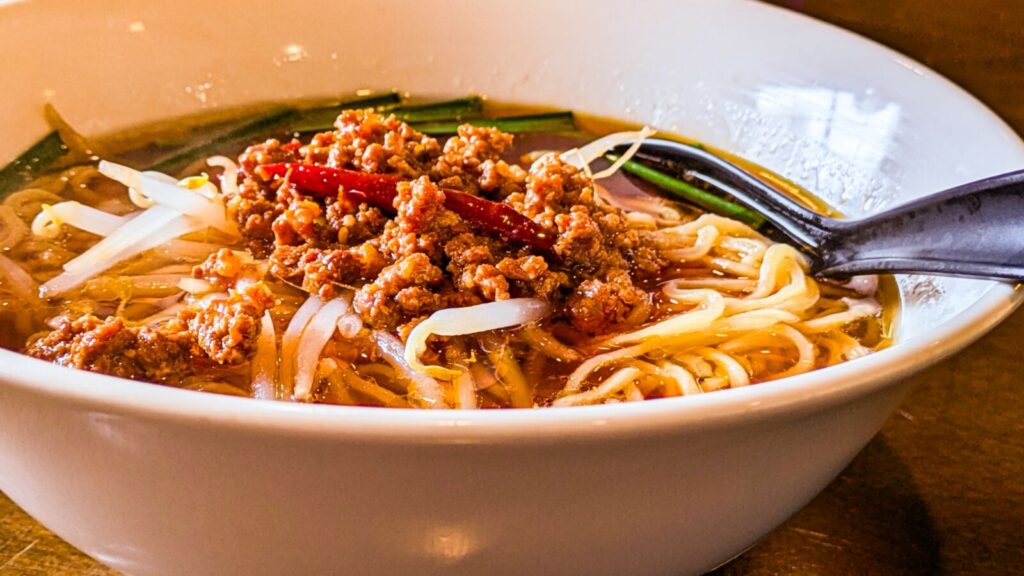
Taiwan ramen is a spicy version of the Taiwanese dish, danzi noodles. The ramen is topped with spicy minced pork stir-fried with chili peppers and garlic, as well as chives and bean sprouts. The broth is chicken based.
The reason Taiwan Ramen contains chili peppers even though danzi noodles do not (and it's not a popular ingredient in Japan) is because at the time when Kuo Ming-You invented it, there was a large Korean population in his neighborhood in Nagoya, so he thought they might appreciate the extra spice.
Despite its name, this dish does not exist in Taiwan. There are Taiwanese noodles that inspired it—but Taiwan Ramen itself is a Nagoya original.
Why Is Taiwan Ramen Considered Nagoya Cuisine?
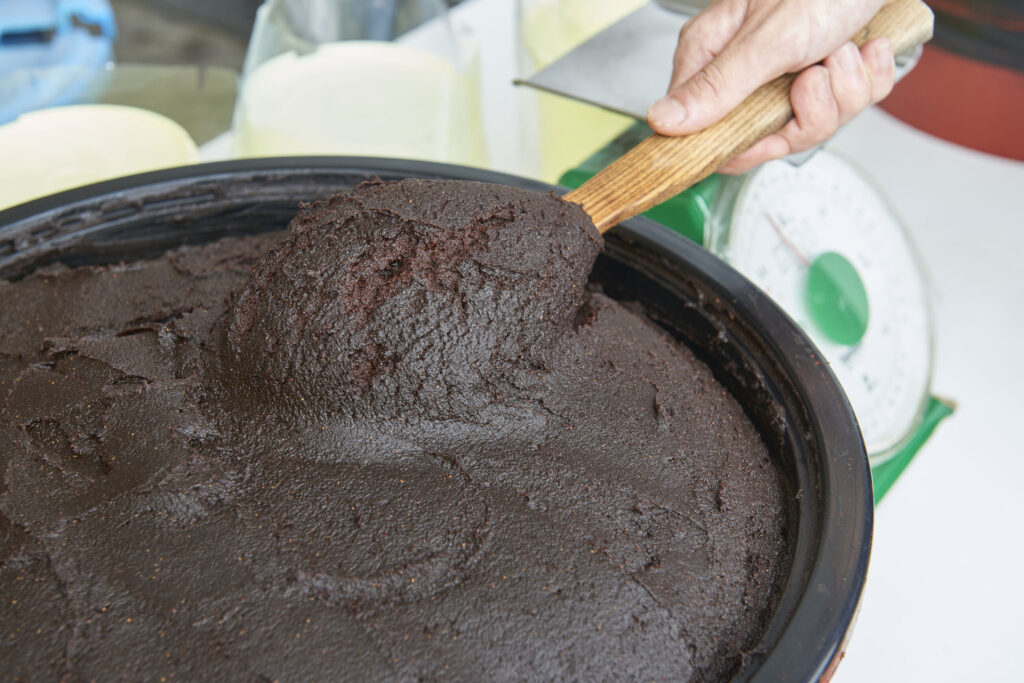
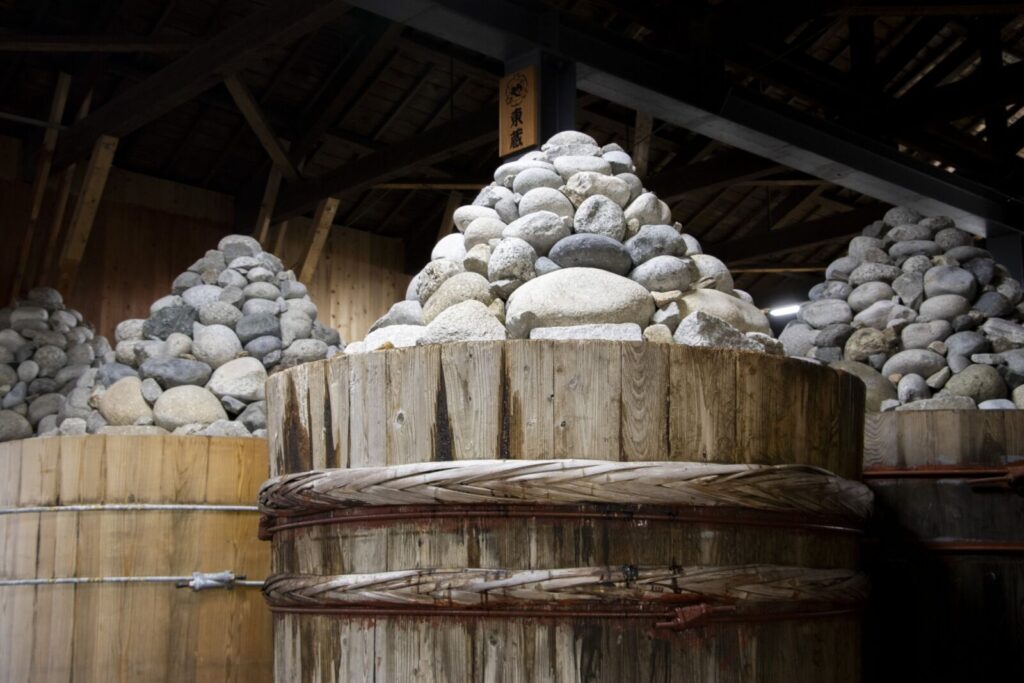
Taiwan Ramen may have Taiwanese roots, but its flavor profile fits Nagoya perfectly.
Nagoya cuisine is known for bold seasoning and deep umami flavor. Hatcho miso and richly seasoned stews are everyday flavors here. So as Nagoyans are used to strong tastes and aren’t shy about intensity, the bold flavor of Taiwan Ramen is embraced by the city.
In fact, today it’s estimated that over half of Nagoya’s ramen shops serve Taiwan Ramen, and many national chains, including Momofuku Ando’s Niisen, even create Nagoya-exclusive versions of the dish.
Where to Eat Taiwan Ramen in Nagoya

For travelers eager to try Taiwan Ramen firsthand, there are plenty of great restaurants to enjoy it.
Misen (味仙 今池本店)
The birthplace of Taiwan Ramen. A visit here feels like stepping into the origin story itself.
Shachirin (名古屋辛麺 鯱輪)
For those who crave spice, Shachirin delivers. With carefully blended chili peppers and a rich, emulsified broth, it showcases just how far Nagoya’s love of heat can go, while still keeping flavor front and center.
Ramen Hasegawa Sakae (らーめん はせ川)
A local favorite for salary-men and students alike, this shop features a wide selection of ramen perfect for groups with picky eaters. Their low prices and variety of side dishes makes it a restaurant that is easy to come back to again and again.

Want to Learn More About Nagoya’s Food Culture?
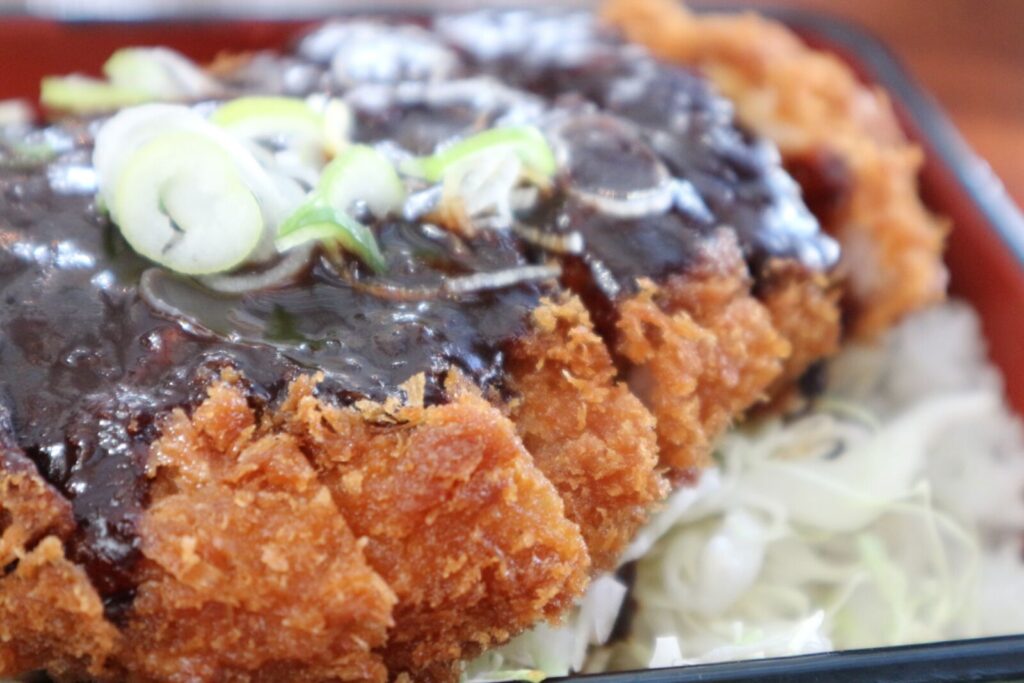
Nagoya’s cuisine reflects its history, people, and its preference for bold, honest flavors. Understanding dishes like Taiwan Ramen offers a deeper appreciation of the city itself.
Recommended Tour: Snow Monkey Resort's 1-Day Tour: Nagoya's Highlights and Small Bites will not only give you a taste of the wonderful flavors of the region and introduce you to some of the most notable landmarks in the city (including Nagoya Castle, Sakae, and Osu shopping district), but will also provide you with the confidence to go out and try more "Nagoya Meshi" on your own.