
This guide highlights what to expect from the weather, must-see seasonal attractions, and the best foods to enjoy during your visit.
Weather in January
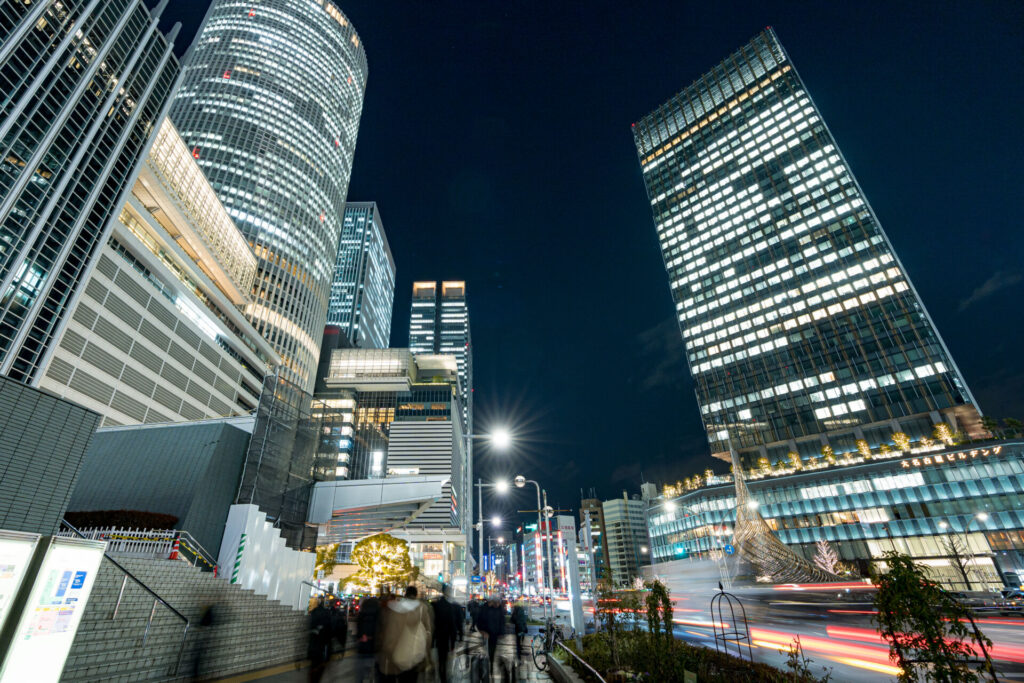
Winter truly takes hold of Nagoya and the surrounding regions in January. It is the coldest month of the year with snow covering the mountains surrounding the city.
Daytime highs in Nagoya city in January average around 5°C to 13°C (47°F - 41°F), with the nighttime temperatures dropping to around 1°C to -2°C (34°F - 28°F). The days are primarily cloudy but not particularly rainy (only about a 20% chance of rain) or snowy (only about a 1% chance of snow) in the Nagoya city area.
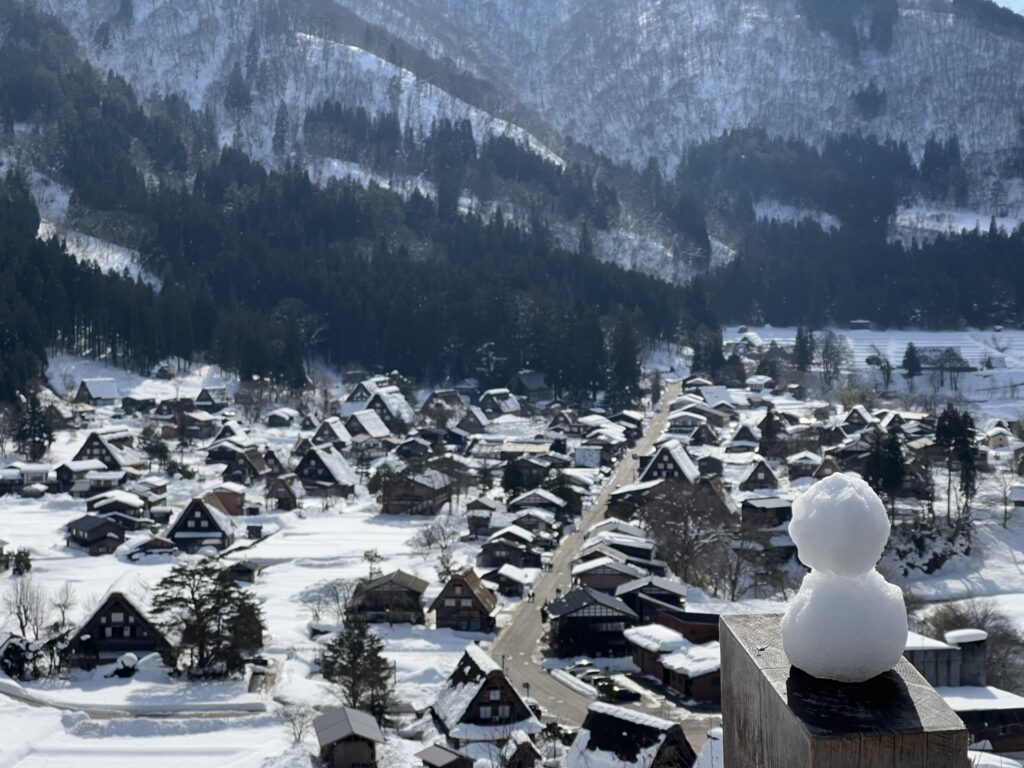
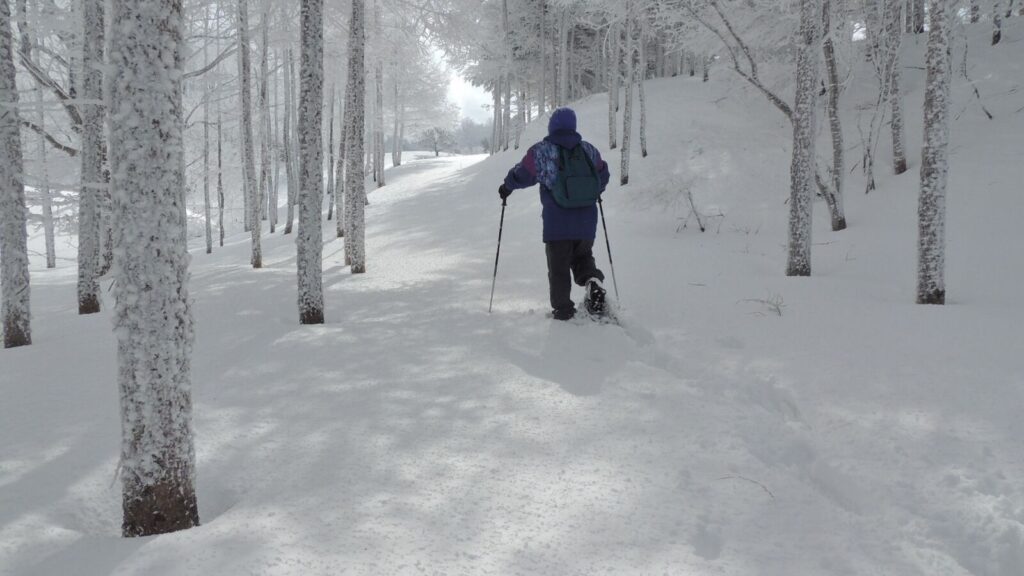
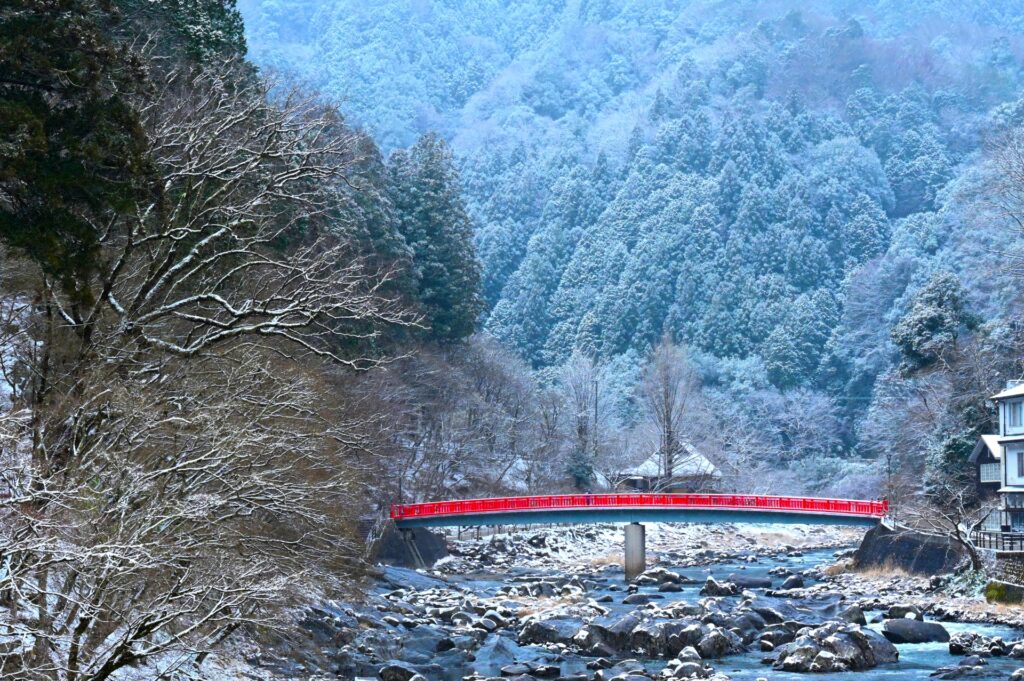
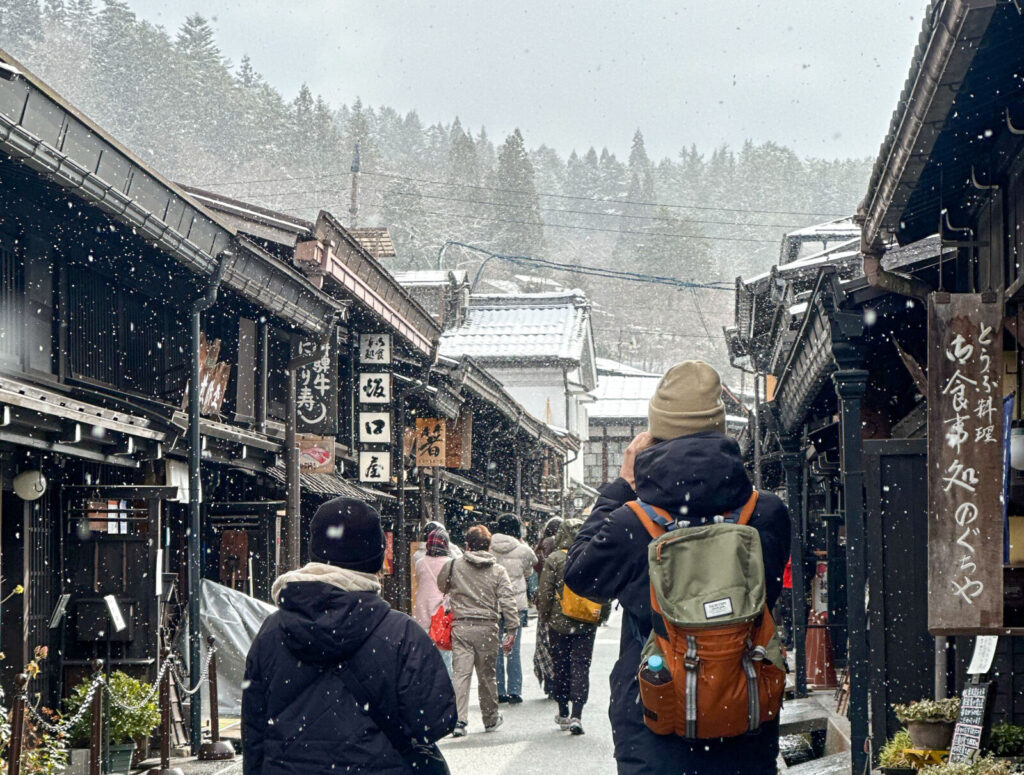
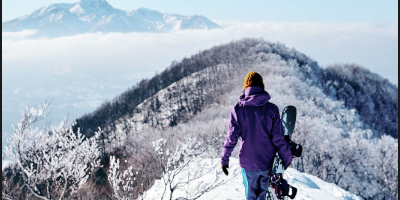
The weather changes dramatically in the mountainous regions surrounding Nagoya including Takayama, Shirakawago, Mt. Gozaisho, and the many ski slopes in Gifu. In these areas, daily highs range from 2°C to -1°C (35°F - 31°F) with chances of snowfall at roughly 20%.
We recommend anyone visiting Nagoya and the surrounding region in January to pack warm layers of clothing including winter jackets, hats, and gloves. If you are planning to spend the day outdoors in the mountains or visit Shirakawago, we also recommend winter boots with good treads. Additionally, the outdoor air in January is very dry, so we recommend bringing (our purchasing) plenty of lotions and moisturizers.
Seasonal Highlights in January
New Year’s Celebrations

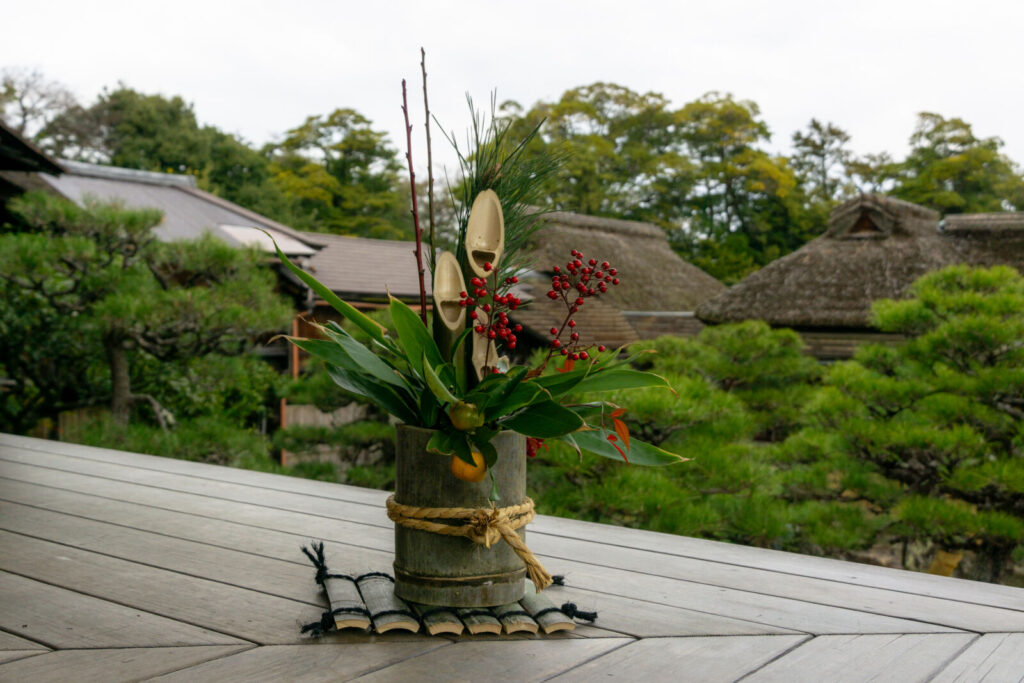
Celebrating New Year's in Nagoya, like most of Japan, typically involves visiting famous shrines and temples like Atsuta Shrine and Osu Kannon for hatsumōde, where you can enjoy limited-edition goshuin stamps and food stalls.
It is also popular to stay up and watch the first sunrise of the year. So observation towers like Mirai Tower and Midland Square's Sky Promenade typically offer special admission on the first.
Winter Seasonal Foods
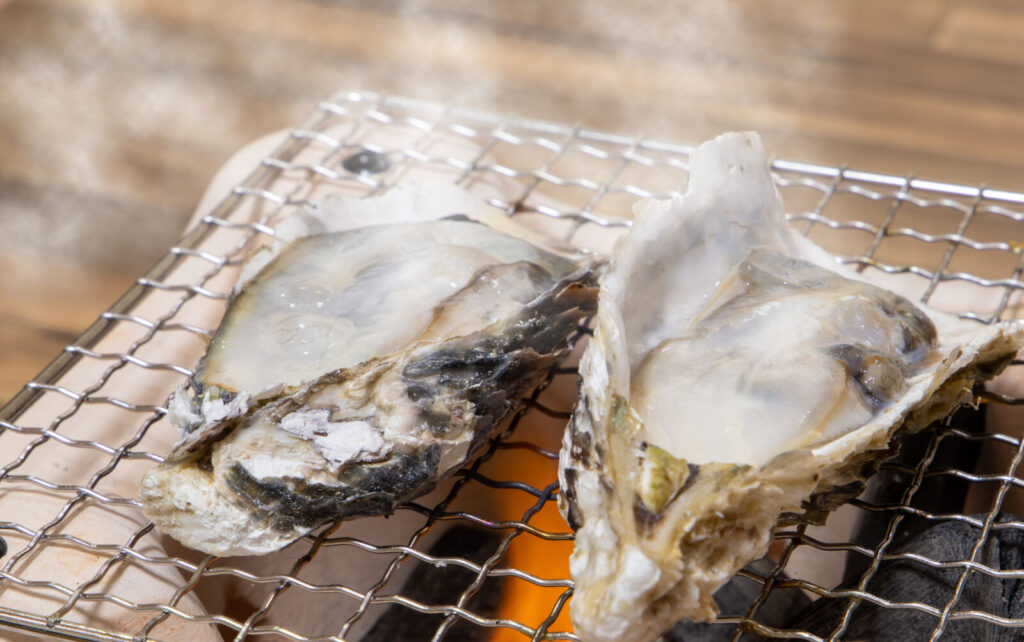
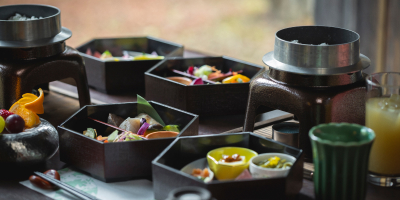
The foods that are in season in January around Nagoya include daikon radish, green onion, spinach, Chinese cabbage, broccoli, yellowtail, and oysters.
Oysters in particular are a must-try dish if visiting the area in winter. The nutrient-rich seawater flowing in from Ise Bay and the calm waters of the bay create an ideal environment for oyster farming. Oysters from Ise are said to be extra plump and lack the typical ocean smell due to the climate they are raised in.
While you can find many oyster restaurants in Nagoya city itself, we recommend taking a trip down to Ise and sampling them right where they are farmed.
Seasonal Blooms
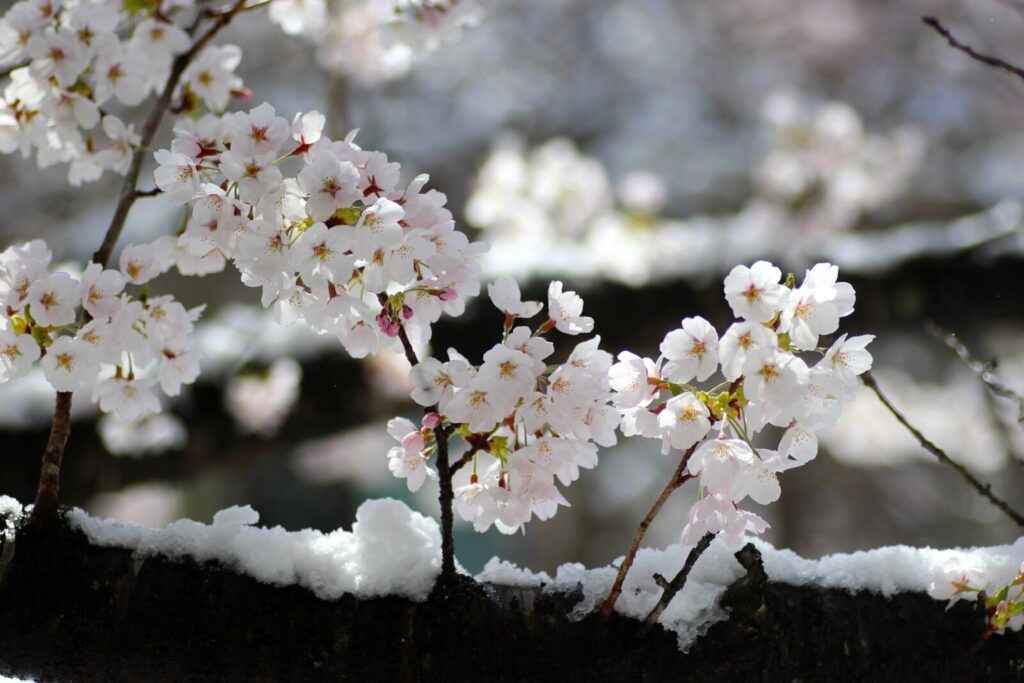
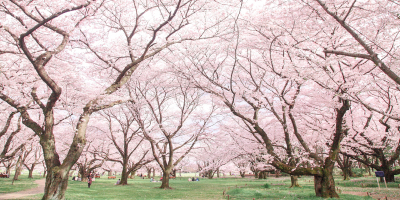
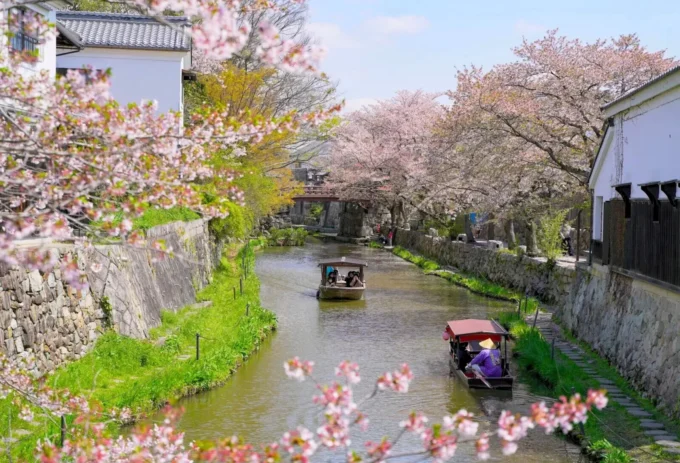
Niki-zakura “Two-season Cherry Blossoms” (November - January)
These special types of blossoms at Hikone Castle bloom twice a year and are undeterred by the cold.
Winter Peonies (January - mid-February)
January is when the winter peonies are in bloom. At Tokugawa Garden in Nagoya, the 20 varieties of winter peonies are surrounded by straw, protecting the plants from the frost and cold winds.
Festivals and Events in January

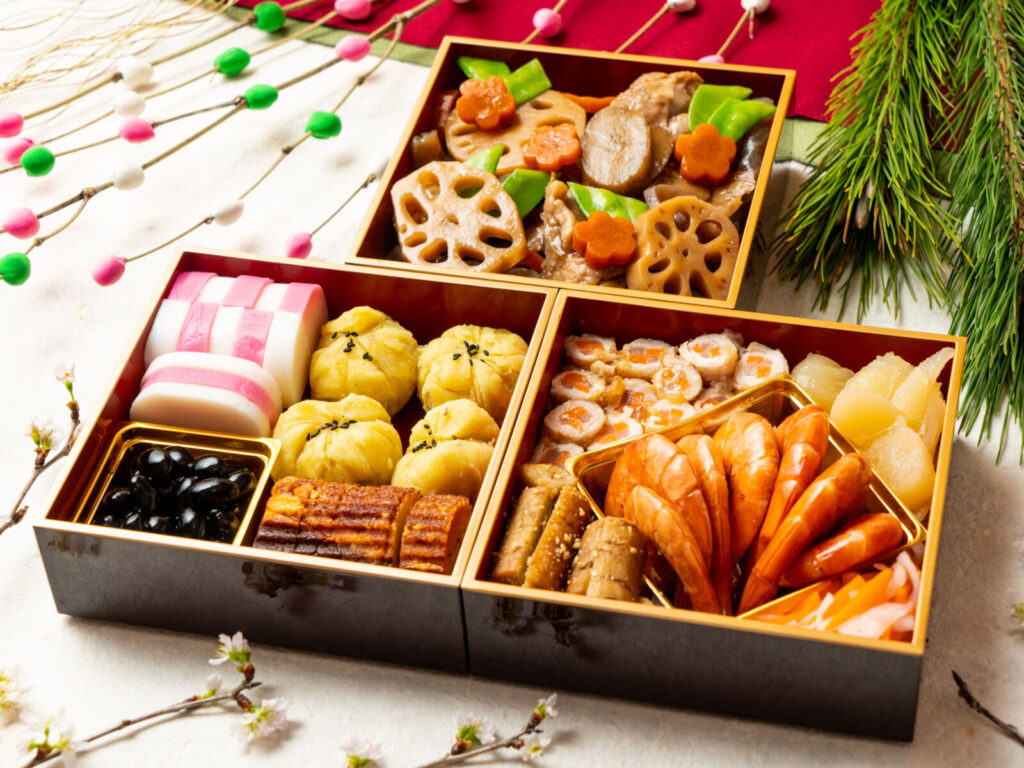
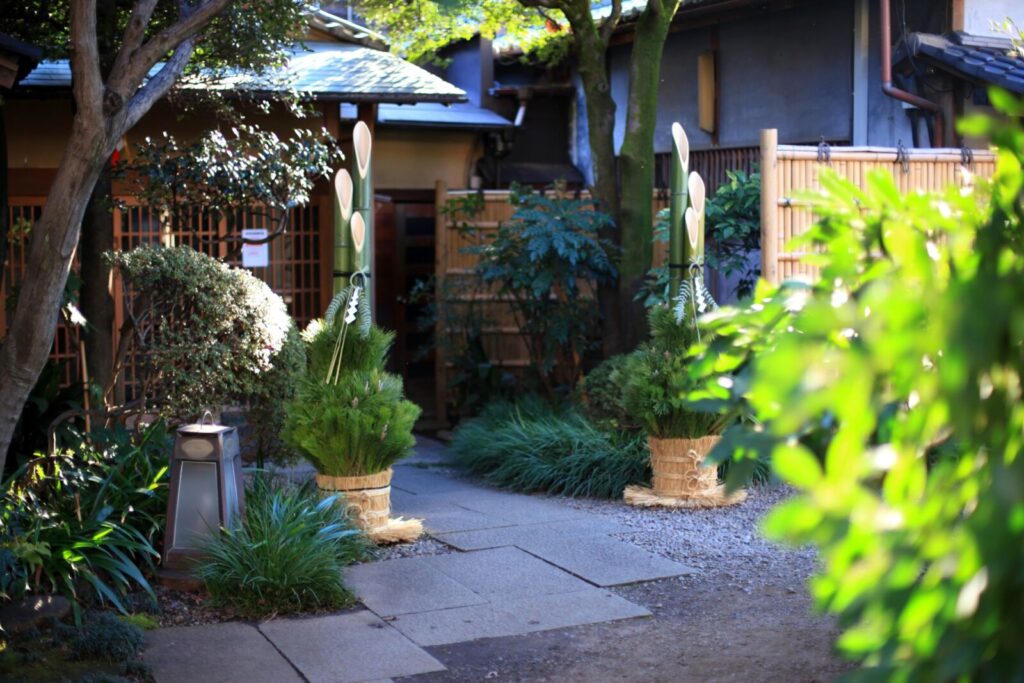
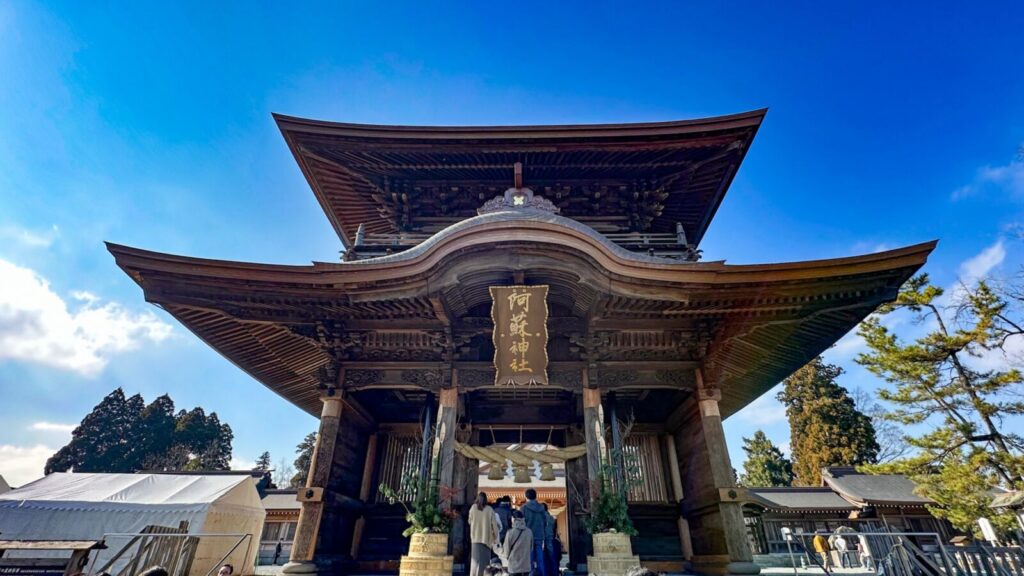
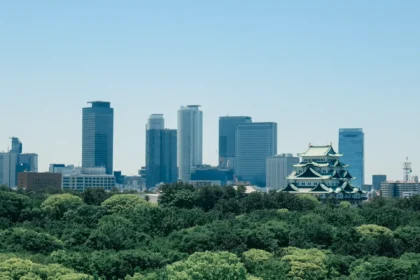
In January, Nagoya and the greater Tokai region host a variety of New Year–related festivals and seasonal events, including shrine rituals such as hatsumode and luck-bringing ceremonies, as well as winter celebrations at major landmarks like Nagoya Castle. The month also features food and drink events, cultural performances, and special museum exhibitions, offering a blend of traditional customs and contemporary entertainment. Together, these events make January a lively yet distinctly seasonal time to experience the region’s culture.
Nagoya Castle’s Winter Festival
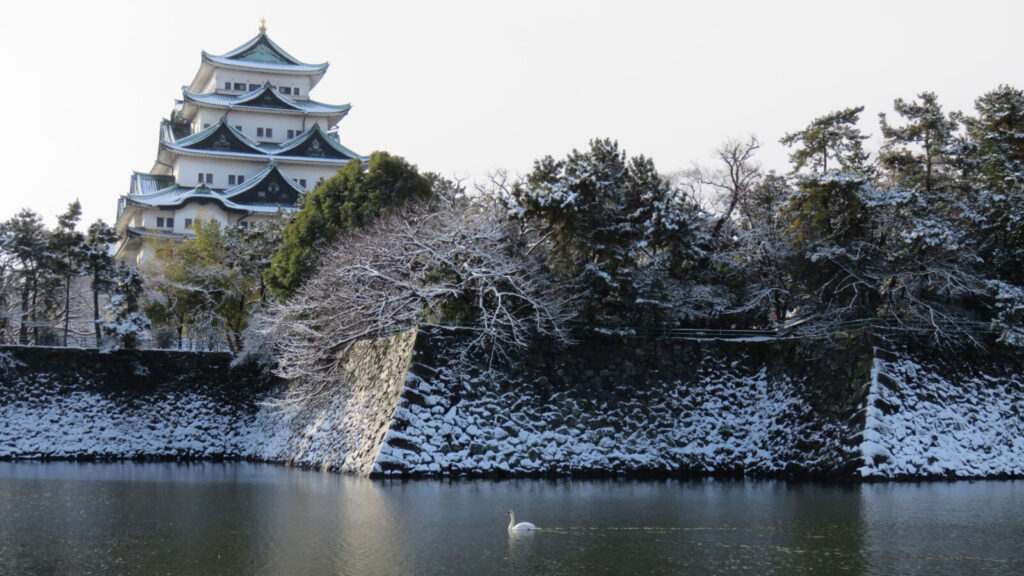
- January 1, 2026 (Thursday) - January 12 (Monday)
- 9:00 to 16:30
- Nagoya City Small and Medium Enterprise Promotion Center, 1st floor, Fukiage Hall 2-6-3 Fukiage, Chikusa Ward, Nagoya City, 464-0856
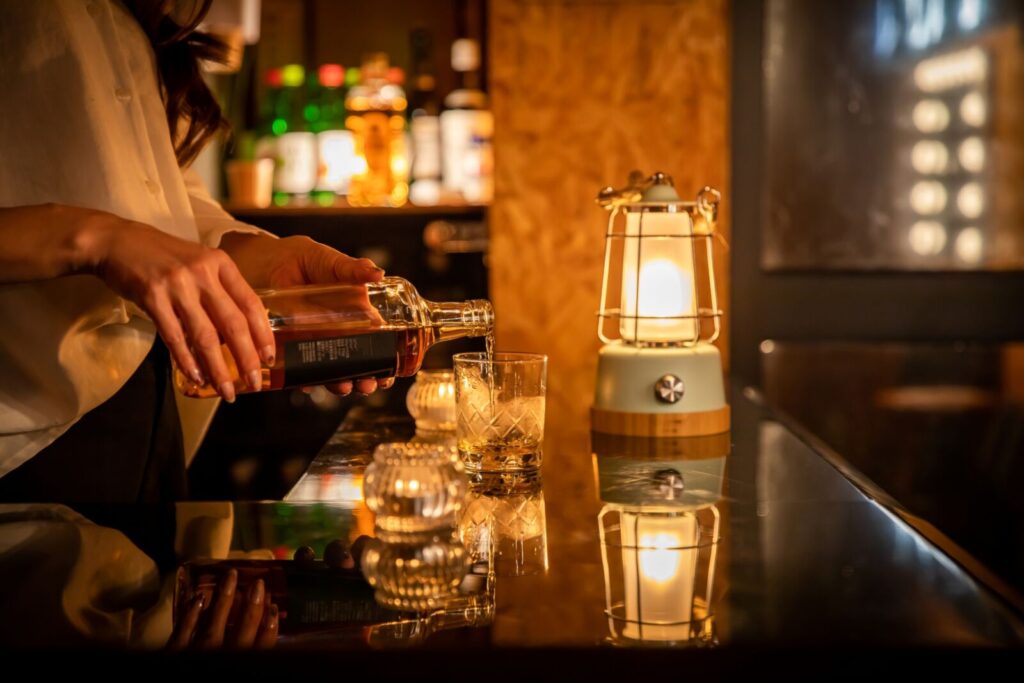
A festival run by whiskey lovers for whiskey lovers. The festival features some of Japan’s finest whiskey makers with tastings, original goods, and exclusive bottles for attendees.
New Year’s Tea Ceremony at Shirotori Garden
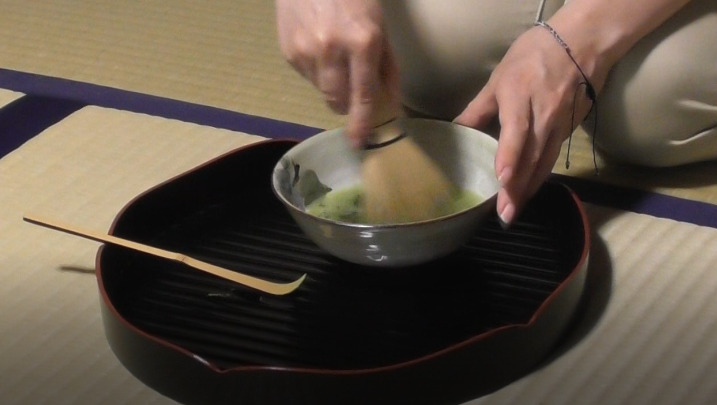
- January 10, 2026 (Saturday) - January 12 (Monday)
- 10:00 to 15:15
- 2-5 Atsuta Nishimachi, Atsuta Ward, Nagoya, Aichi 456-0036
A special tea ceremony event also featuring paper flowers and a unique gallery exhibit.
Gifu Light Story
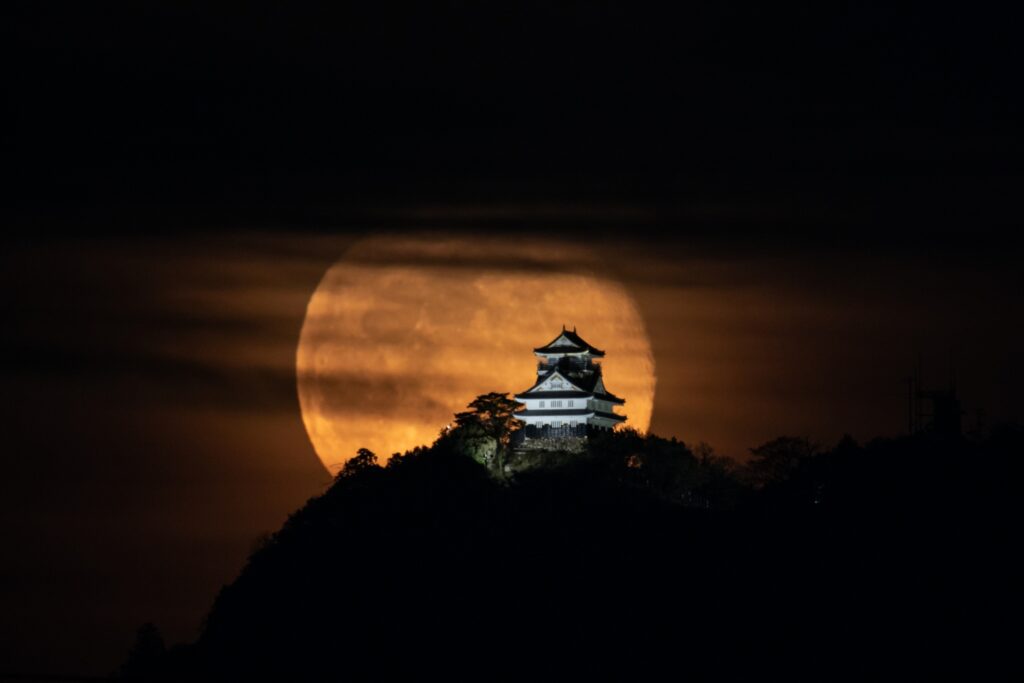
- January 17, 2026 (Saturday) - February 1 (Sunday)
- 17:30 to 21:00 (last entry 20:30)
- 1 Chome-地内 Omiyacho, Gifu, 500-8003
The park beneath Gifu Castle is illuminated with paper lanterns, glowing Japanese umbrellas, and projection mapping. Food trucks are also set up around the park.
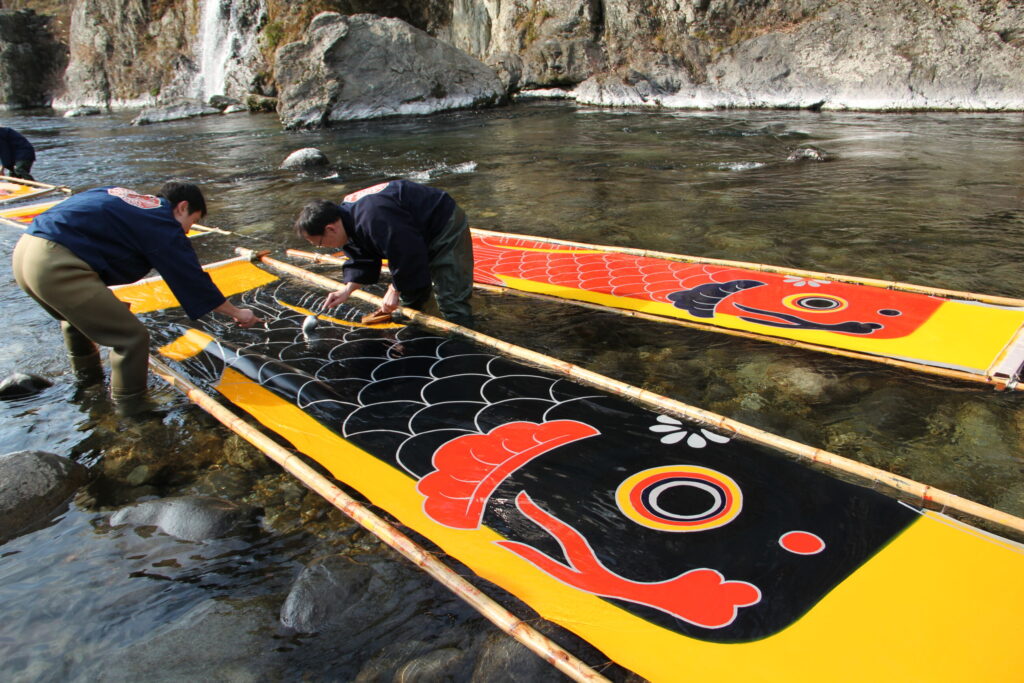
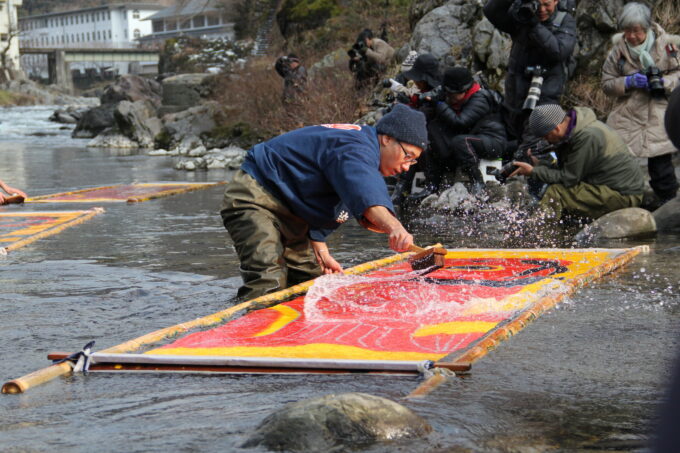
Gujo-Hachiman Kanzarashi (Carp Banner Painting)
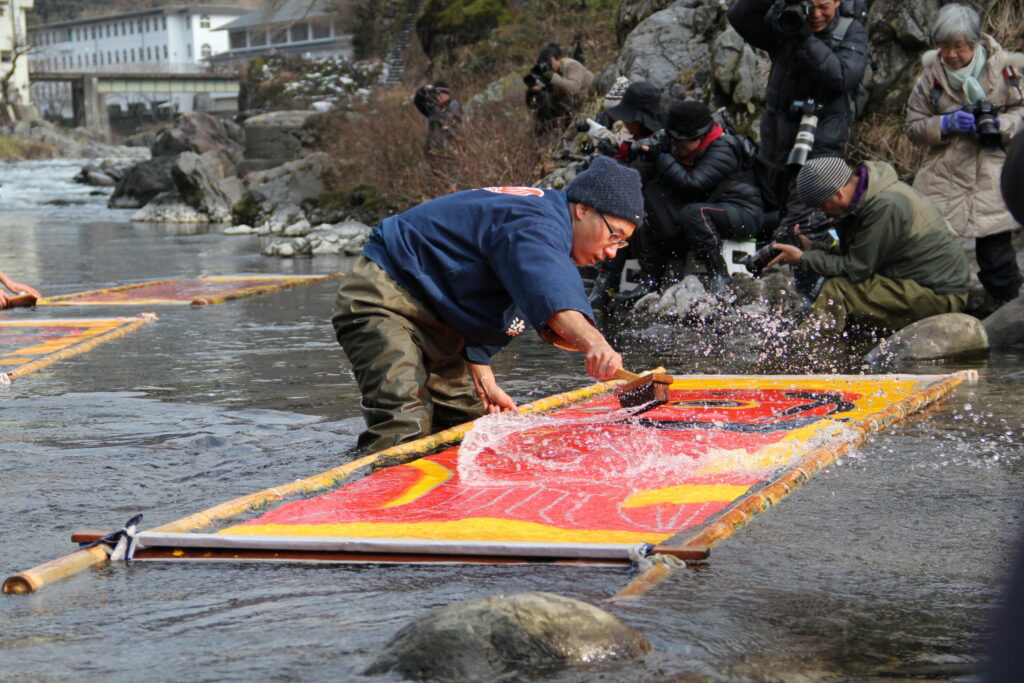
- January 20, 2026 (Tuesday) & February 5, 2026 (Sunday)
- 13:00 - 14:00 on January 20 and 10:00 - 11:00 on February 5
- In the Yoshida River where it meets the Kodara River (near Sogi Spring)
Kanazarashi is an essential part of the carp banner making process in which the banners are washed in the freezing cold rivers of Gujo-Hachiman on the coldest days of the year. It is said that this step is essential to bringing out the bright colors the banners are famous for.
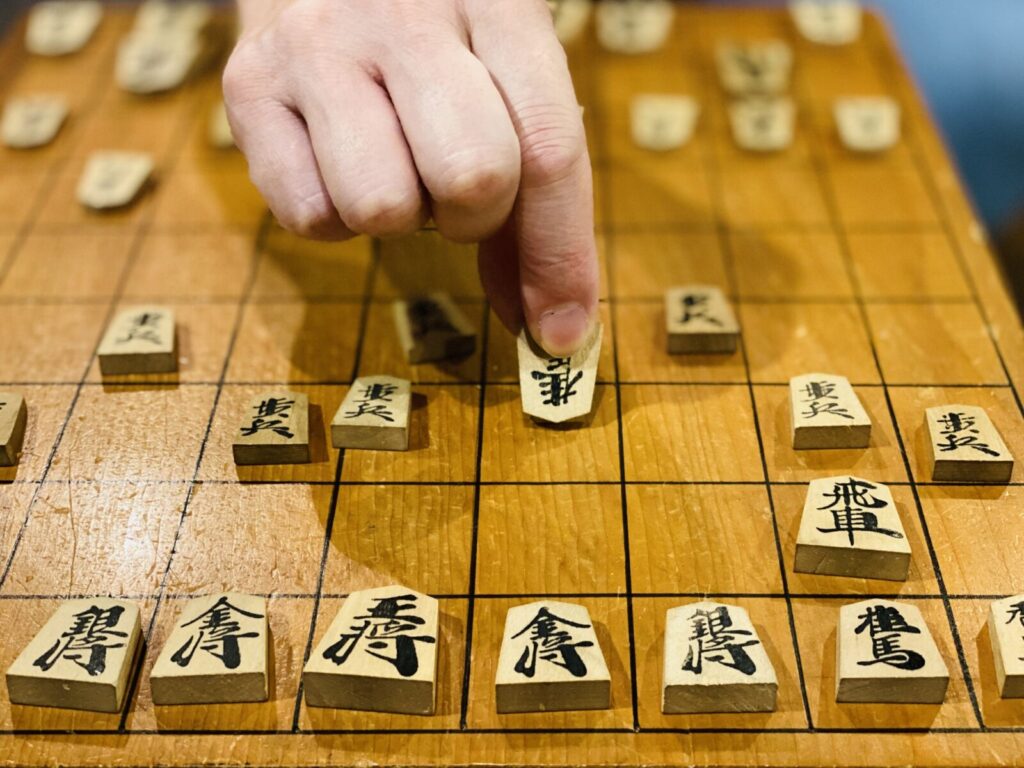
Nagoya Tsurumai International Shogi Class
- January 24, 2026 (Saturday)
- 9:30 - 11:30
- Okaya Nagoya Hall (1-1-3 Tsurumai, Showa-ku, Nagoya-shi, Aichi)
Learn how to play shogi from a basic level. The instructors will teach you how to move the pieces and some strategy tips. The class is appropriate for all ages and nationalities. (Reservation required)
Whiskey Lovers Nagoya 2026
- January 25, 2026 (Sunday)
- 1-1 Honmaru, Naka Ward, Nagoya, Aichi 460-0031
Various events featuring Edo period reenactors, performances, food stalls, and workshops will be held throughout the festival. There will also be a ducky Daruma doll giveaway on January 1st. But perhaps the most special event is the Yagyu Shinkage-yu martial arts demonstration on January 12th, when swordsmen demonstrate the techniques invented by the first head of the Owari Tokugawa clan, Tokugawa Yoshinao, for the public.
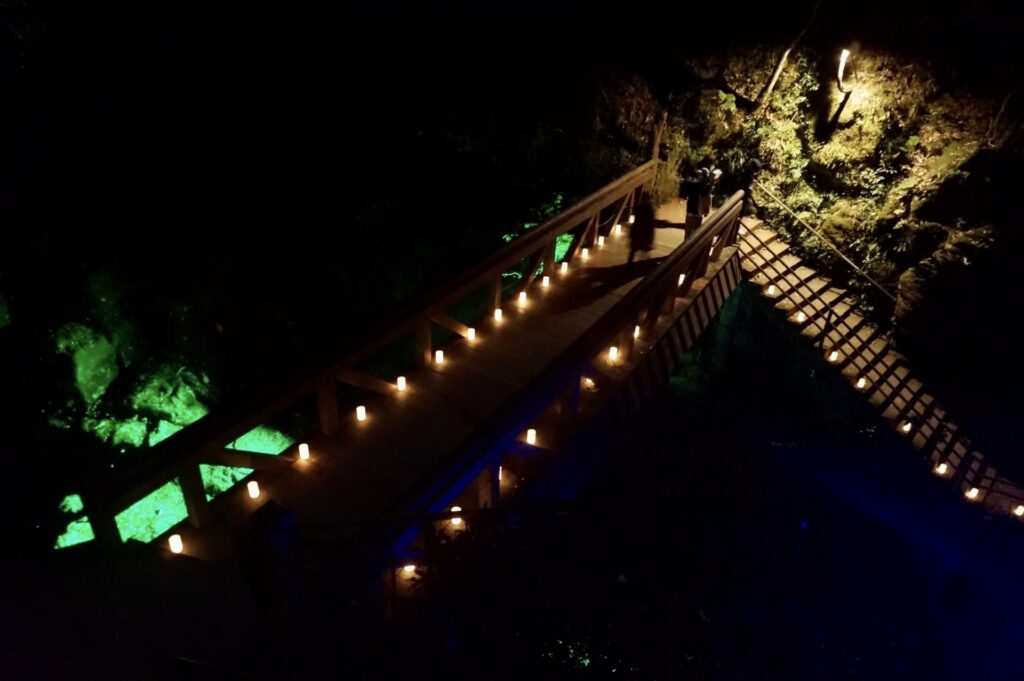
Akame 48 Waterfalls Illuminations
- October 26th (Sun) - January 25 (Sun), 2025
- 09:40~21:00
- Akame 48 Waterfalls
This autumn/winter-only event illuminates the valley and waterfalls with over 2,000 bamboo lanterns.
Featured Tours in December
Enjoy a Day in the Snow in the Japan Alps
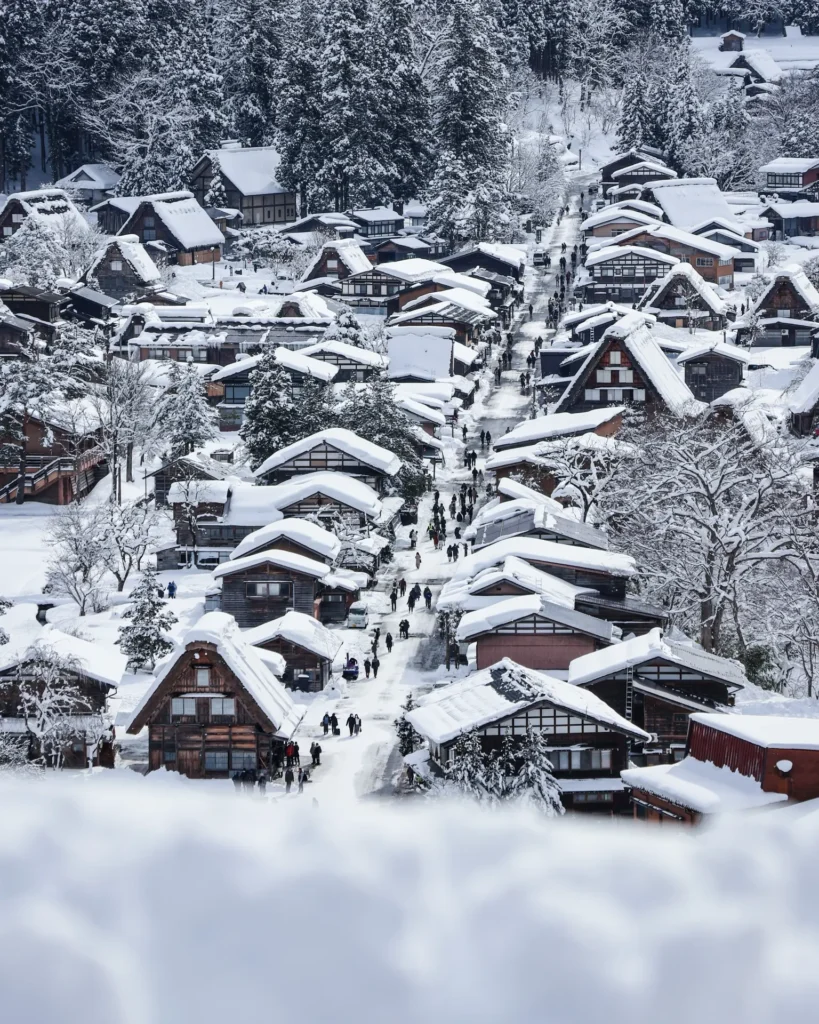
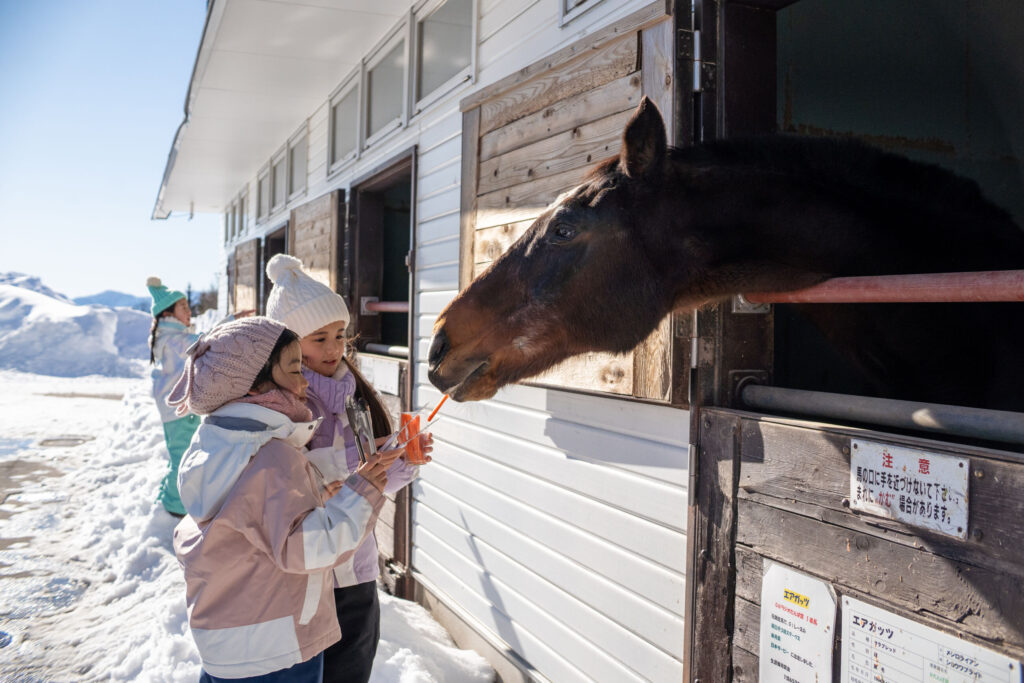
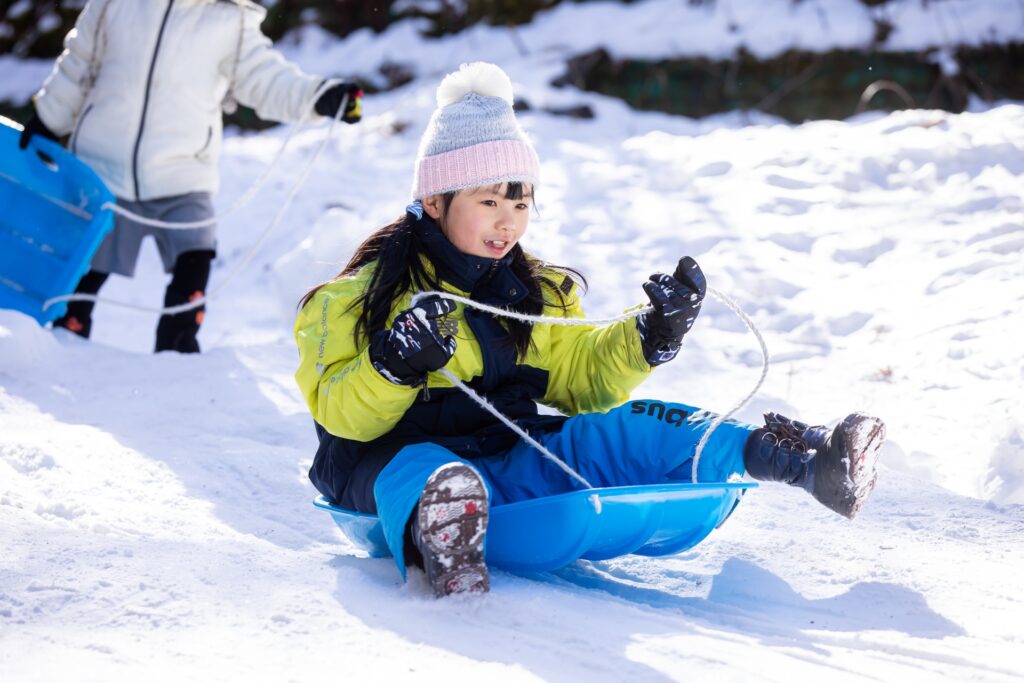
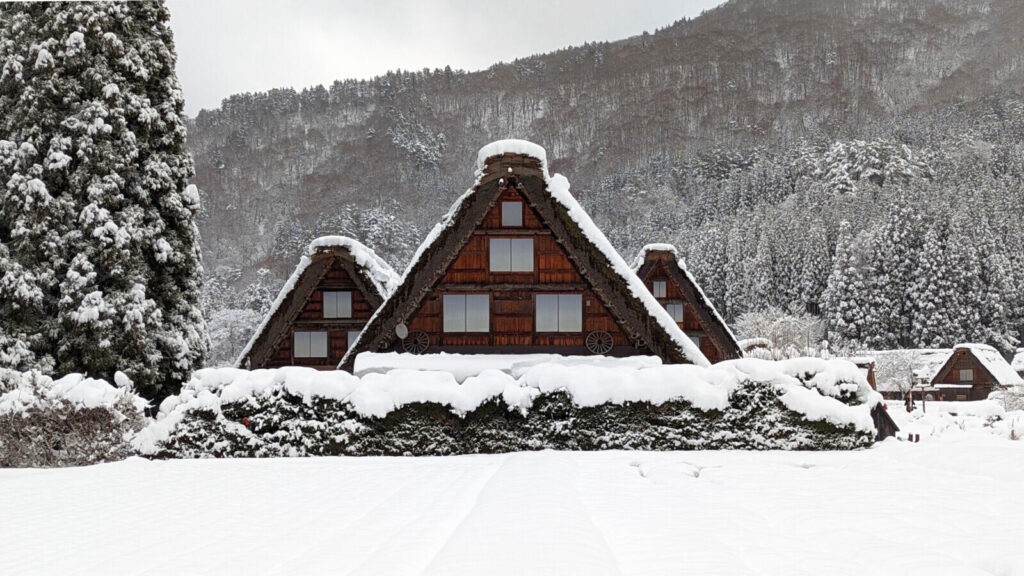
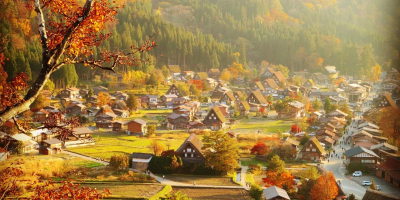
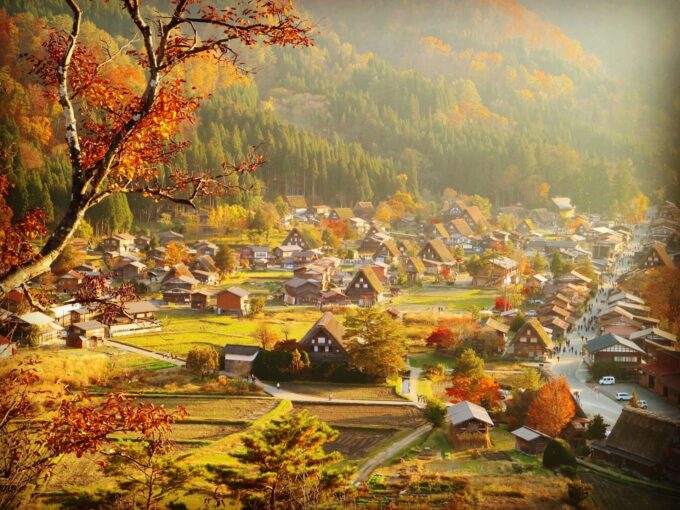
Visiting Shirakawa-go and the Japan Alps in January offers a rare opportunity to see the region at its most dramatic and beautiful during the height of winter. The thatched gassho-zukuri farmhouses of Shirakawa-go are often covered in deep snow, creating a striking landscape that highlights the area’s traditional architecture and World Heritage status.
In the Hida highlands and Japan Alps, January brings pristine snow, crisp mountain air, and breathtaking alpine views that showcase the natural beauty of the region. The winter season also allows visitors to enjoy quiet villages, seasonal local cuisine, and nearby hot springs, making the experience both visually stunning and relaxing (unless you're in a snowball fight that is).
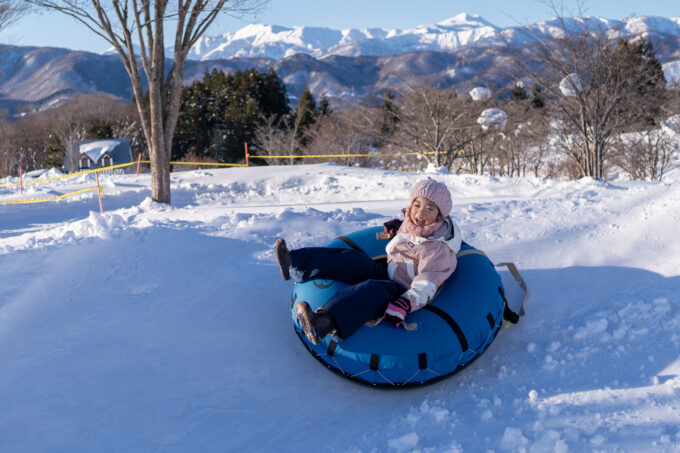
Recommended Tour: Spend the day enjoying the wintery-snowy atmosphere on a day trip from Nagoya which combines a visit to the famous thatched roof village, Shirakawago, with a morning of fun in the snow of the Japan Alps! Snow Monkey Resorts' (Winter Only) 1-Day Tour from Nagoya: Snow Day in the Japan Alps & Shirakawago brings you to the Japan Alps where you can enjoy sledding or playing in a field of Japan's famous powder snow, and step inside the historic houses of Shirakawago. This tour is the perfect fit for families or groups looking for a balance of winter fun and idilic locations.
New Tour
(Winter Only) 1-Day Tour from Nagoya: Snow Day in the Japan Alps & Shirakawago
- Spots:
- NagoyaShirakawago
- Pick-up:
- Nagoya
- Drop-off:
- Nagoya
Visit the Winter Wonderland of Shirakawago & Takayama
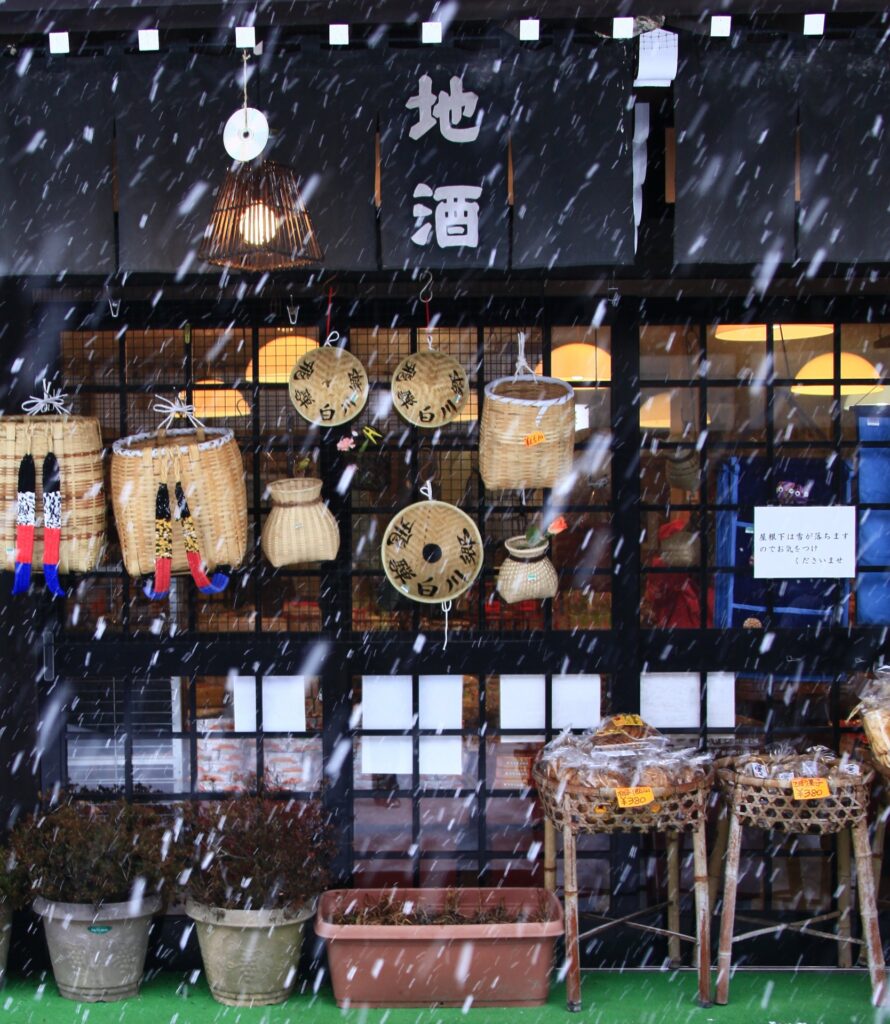
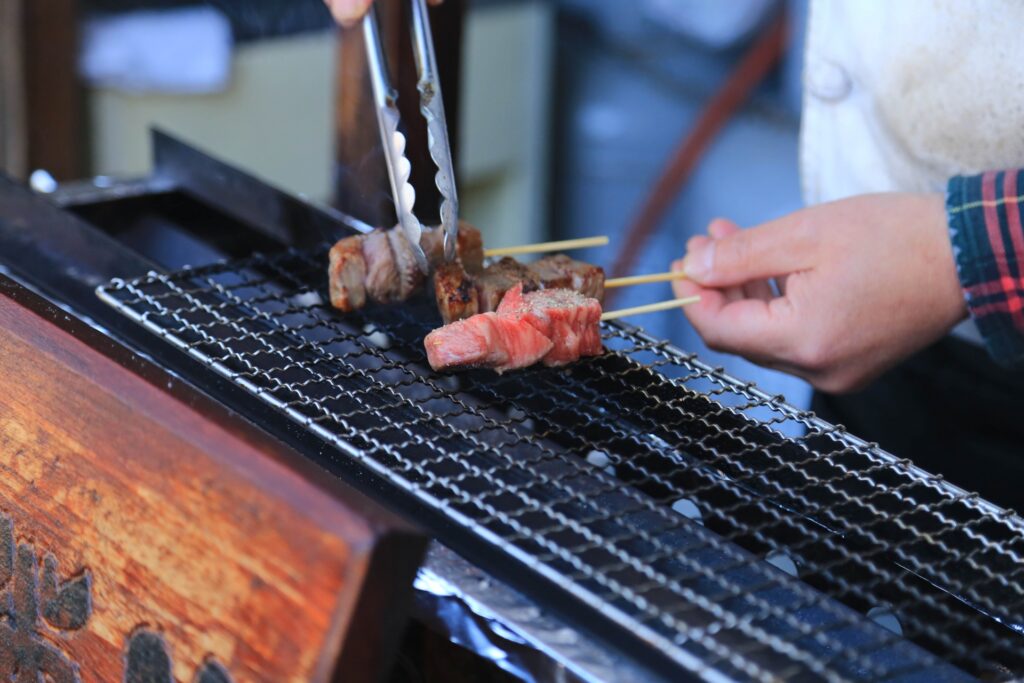
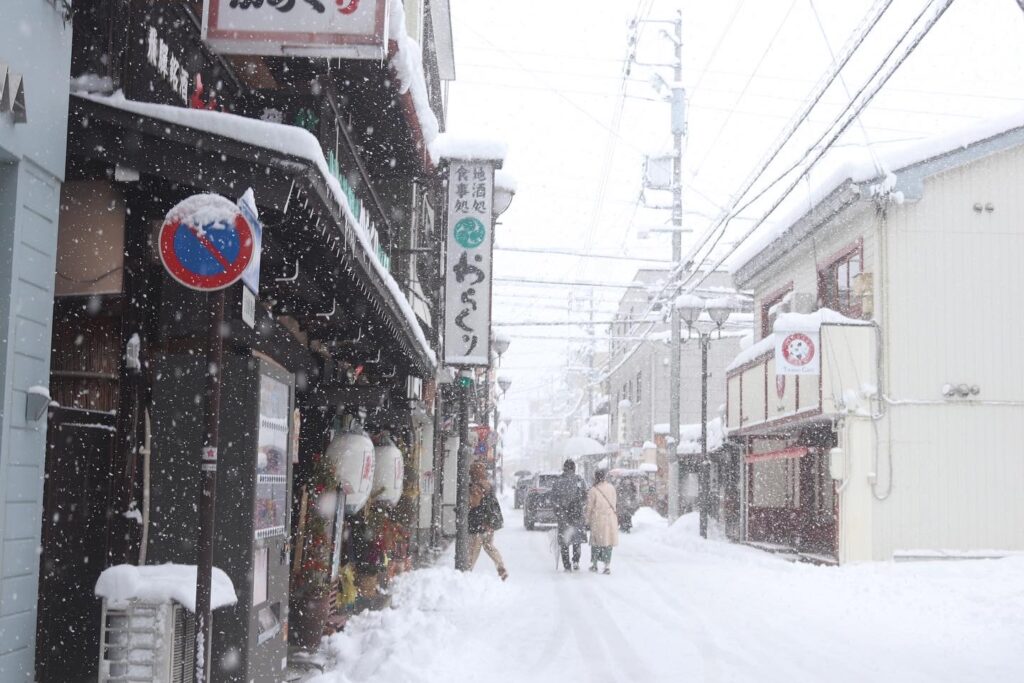
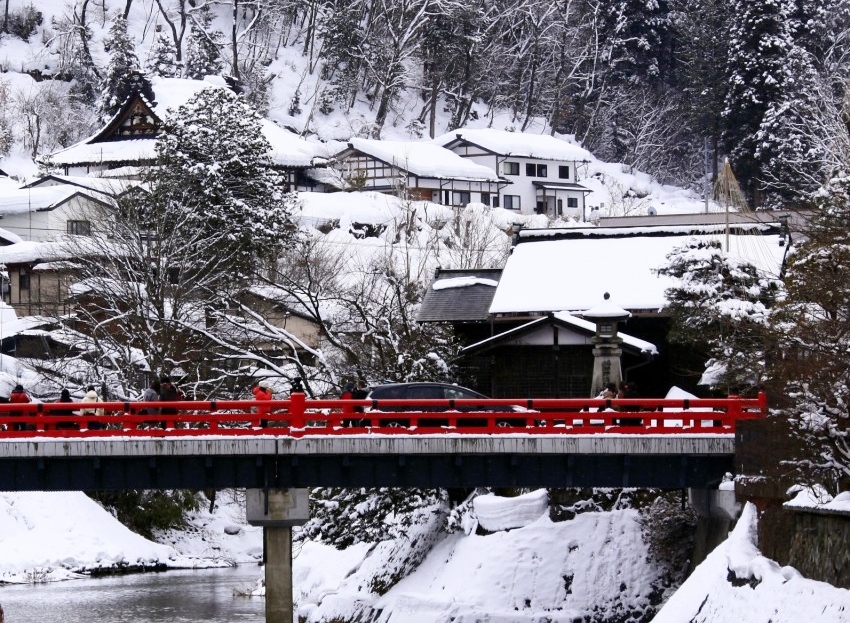
Winter truly enhances the charm of old town Takayama, where wooden merchant houses, sake breweries, and morning markets feel quieter and more authentic without large crowds. January is also an ideal time to enjoy regional winter cuisine and warm sake, as well as to fill your camera role with snow covered scenery.
Recommended Tour: Savor the views of the Japanese countryside as you are led by an experienced, English-speaking guide on Snow Monkey Resort's 1-Day Tour from Nagoya: Hida Takayama and World Heritage Site Shirakawa-go. This tour takes you into the famed thatched-roof houses of UNESCO World Heritage site Shirakawa-go as your guide shares the history (and dramas) of Edo-era life in this remote mountain village.
Recommended
1-Day Tour from Nagoya: Hida Takayama and World Heritage Site Shirakawa-go
- Spots:
- NagoyaTakayamaShirakawago
- Pick-up:
- Nagoya
- Drop-off:
- Nagoya
Discover the Charms of a Small Mountain Village
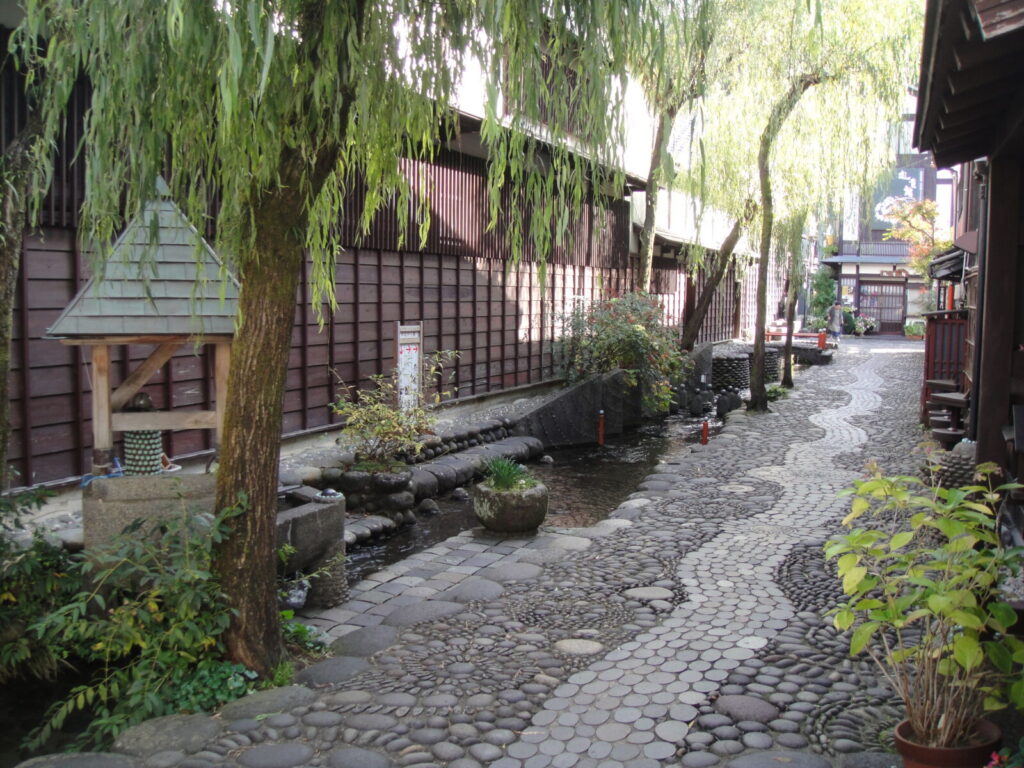
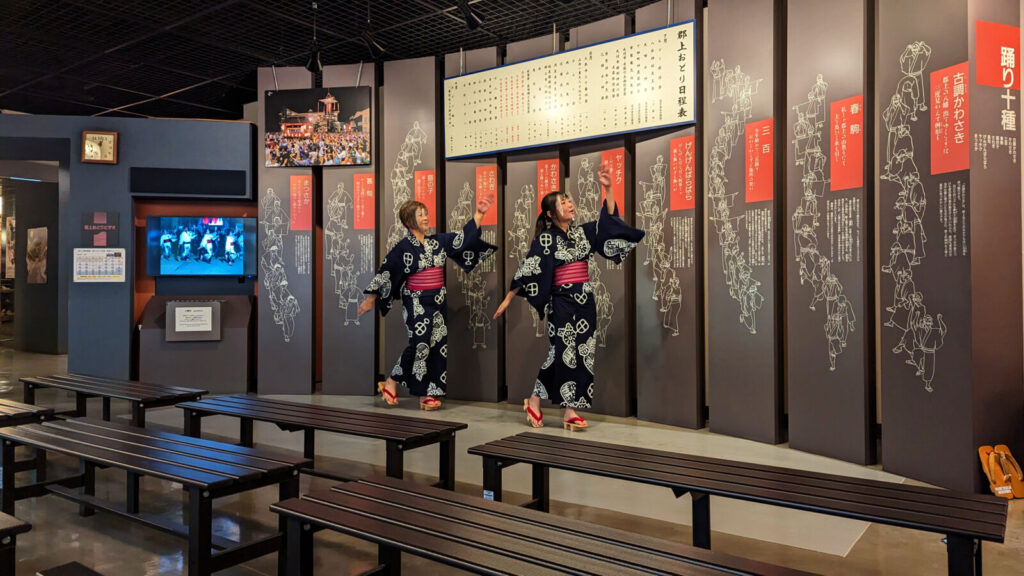
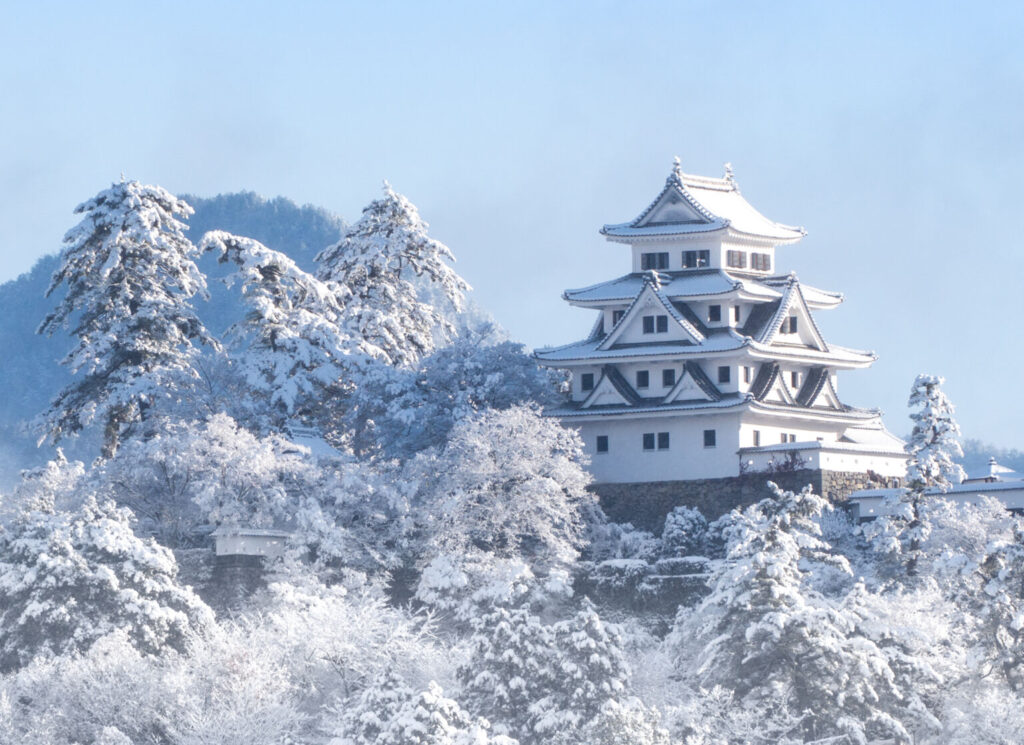
Visiting Gujo Hachiman in January offers a chance to experience the town in its most peaceful and authentic winter atmosphere. The historic streets, canals, and traditional wooden buildings are often lightly dusted with snow, creating a quiet and picturesque scenery that feels far removed from crowded tourist seasons.
January is also an excellent time to enjoy local winter foods and warm dishes, as well as to relax in nearby hot springs after a cold day of sightseeing. With fewer visitors, travelers can explore Gujo Hachiman Castle, stroll through the old town, and interact with locals at a slower, more personal pace, making the visit feel especially intimate and memorable.
Recommended Tour: Embark on a family-friendly journey on Snow Monkey Resort's
1-Day Tour from Nagoya: Gujo Hachiman – Gifu's "Little Kyoto" in the Mountains to Gujo Hachiman, a small-yet-picturesque mountain village nicknamed "Little Kyoto" where Japan’s exceptional craftsmanship and timeless traditions come alive.
Plan Your December Visit
Ready to discover Nagoya in December? Explore our seasonal tours and charters to experience the best the region has to offer.