
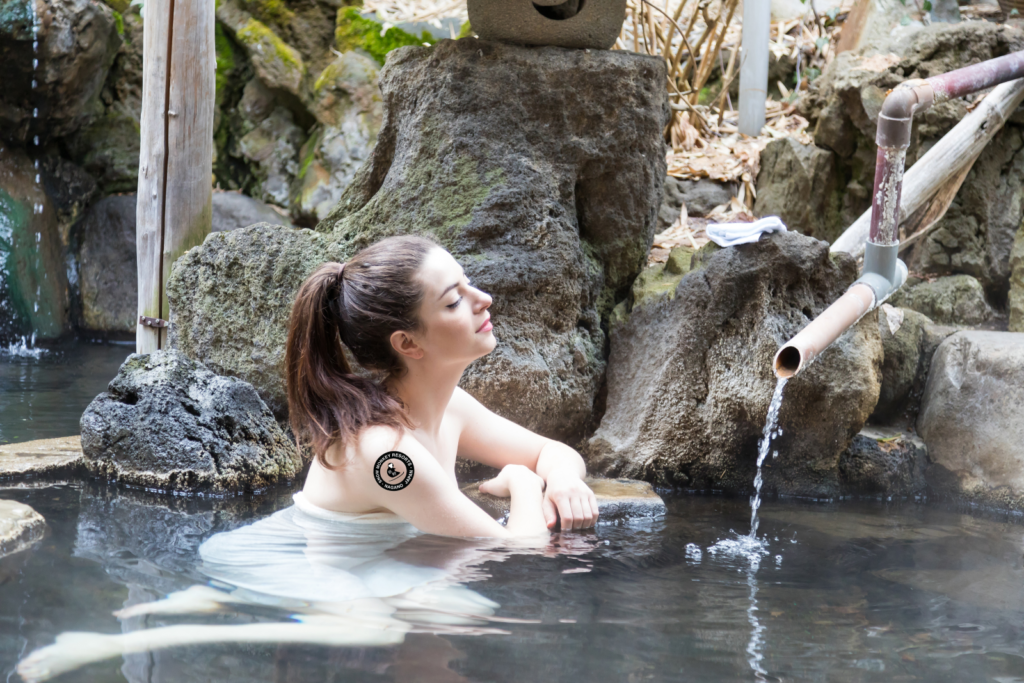
Kansai is one of Japan’s most manageable regions for travelers with tattoos, if you know where to go and what to expect. While tattoo rules still vary by facility, Kansai offers a strong mix of neighborhood sento (public baths) that are tattoo-tolerant, onsen and ryokan with private baths, and even entire onsen towns where tattoos are openly welcomed.
This guide focuses on bathing facilities across Kansai that are known to accept tattooed guests — either explicitly, through long-standing local practice, or via private/reservable baths. Policies can change, so we always recommend confirming before you visit, but every place listed here has been chosen carefully.
Whether you’re traveling solo, as a couple, or with family, this page will help you enjoy Japan’s bathing culture without unnecessary stress.
Important note: Signage is notoriously unclear when it comes to tattoos and onsen. While we have done our best to verify the places on this list, we recommend checking yourself before booking an expensive onsen, as onsen can and frequently do change their policies.
Where is Kansai?
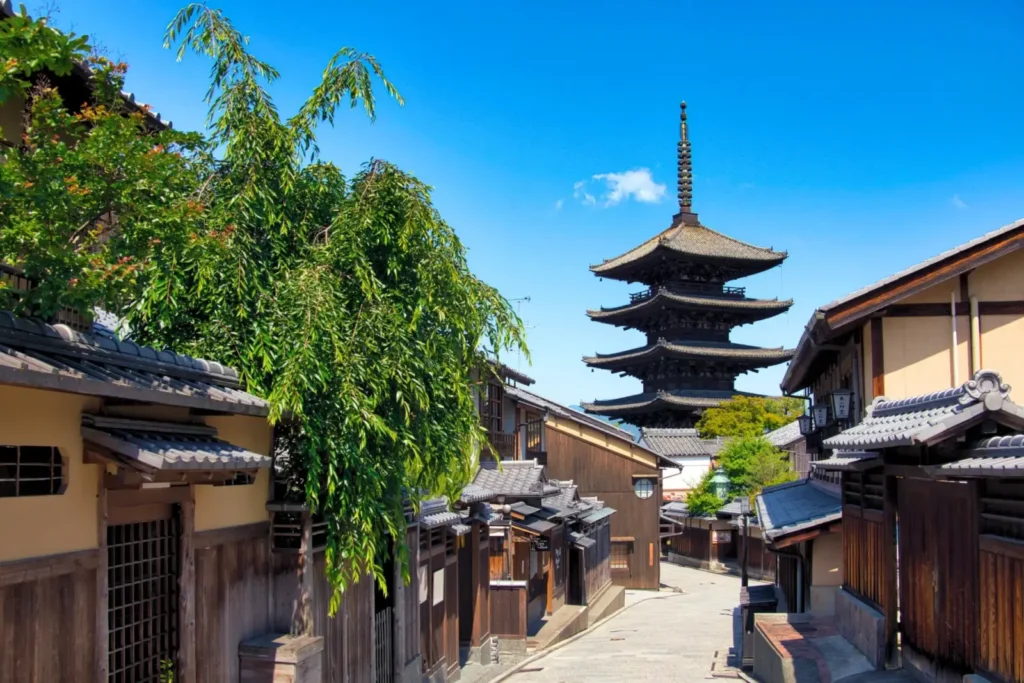
The Kansai region lies in west-central Japan and is often considered the cultural heart of the country. Long before Tokyo rose to prominence, Kansai was Japan’s political, religious, and commercial center — a legacy that still shapes daily life, traditions, and bathing culture today.
Administratively, Kansai is made up of several prefectures, most notably:
- Kyoto Prefecture
- Osaka Prefecture
- Nara Prefecture
- Hyōgo Prefecture (home to Kobe, Arima Onsen and Kinosaki Onsen)
- Shiga, Wakayama, and Mie Prefectures
Within these prefectures are some of Japan’s most famous cities and onsen towns, including Kyoto, Osaka, Nara, Kobe, and Kinosaki Onsen. While bathing customs and tattoo policies vary by location, Kansai as a whole offers more options for tattooed travelers than many other regions — if you know where to look.
Tattoo-Friendly Onsen & Baths by City and Region
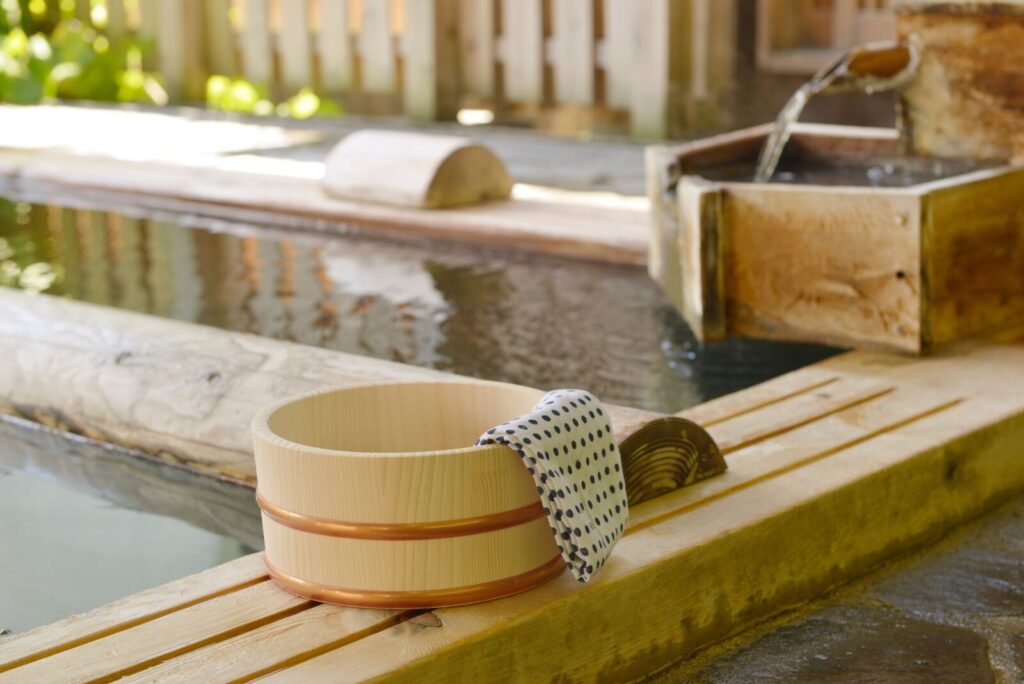
Kyoto: Tattoo-Friendly Sento & Onsen
Kyoto’s bathing culture is deeply local and centered around neighborhood sento rather than resort-style onsen. While many famous ryokan and tourist-facing baths still restrict tattoos, residential bathhouses—especially outside the city center—are often more relaxed, affordable, and welcoming.
Tattoo-friendly options in Kyoto tend to reward travelers willing to step off the main sightseeing routes and bathe like locals.
Best for: Cultural travelers who value authenticity and don’t mind venturing into residential neighborhoods.
Explore our Tattoo-Friendly Onsen & Baths in Kyoto guide for the best options.
Osaka: Public Baths & Neighborhood Favorites
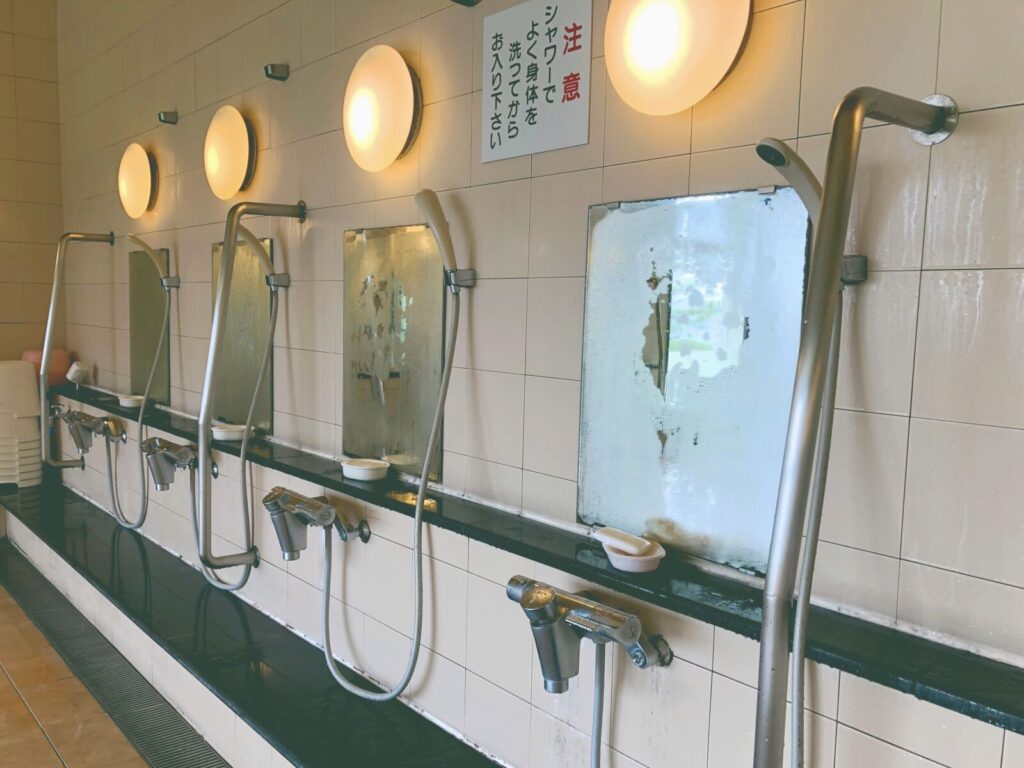
Osaka is one of Kansai’s most bath-friendly cities, with a huge concentration of sento ranging from old-school neighborhood baths to modern wellness facilities. While many large “super sento” still restrict tattoos, Osaka also has some of the region’s most tattoo-tolerant local bathhouses.
Bathing here is casual, social, and deeply woven into everyday life—much like the city itself.
Best for: First-time visitors, solo travelers, and anyone who wants plenty of tattoo-friendly choices.
Explore our Tattoo-Friendly Onsen & Sento in Osaka guide for the best options. Coming soon
Nara: Quiet Baths & Ryokan Options
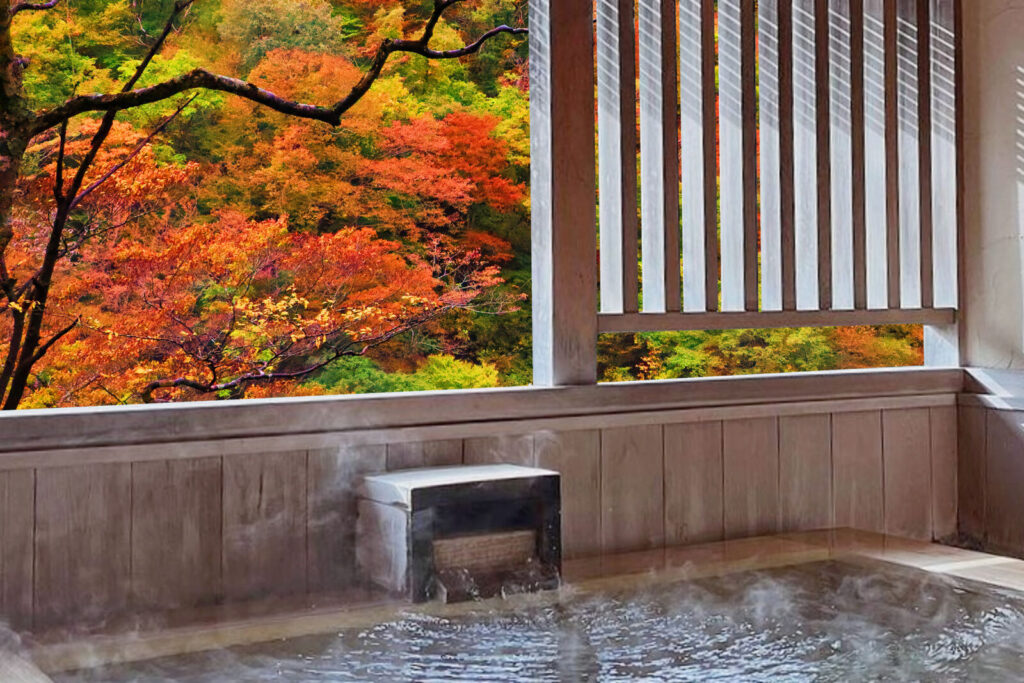
Nara has fewer bathhouses than Kyoto or Osaka, but the atmosphere is noticeably calmer. Tattoo-friendly bathing here is often found in small local sento or ryokan with private or reservable baths, rather than large public facilities.
Bathing in Nara pairs well with a slower travel pace and early evenings.
Best for: Travelers seeking a quiet, low-key bathing experience or private bath options.
Explore our Tattoo-Friendly Baths in Nara guide for the best options. Coming soon
Hyōgo Prefecture: Kobe, Arima & Kinosaki Onsen
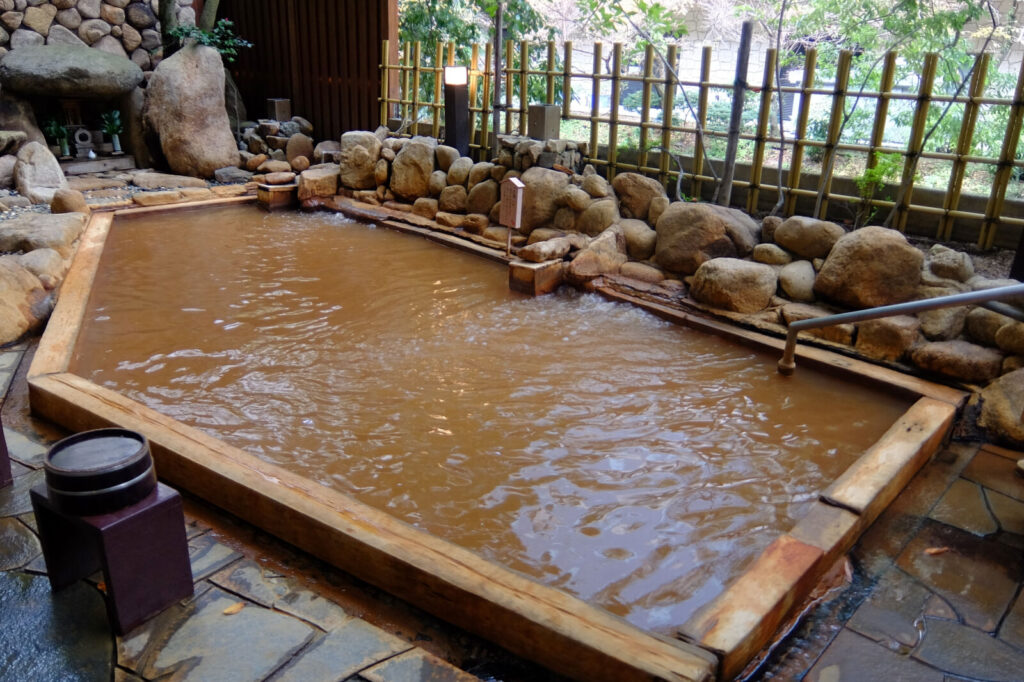
Hyōgo Prefecture offers Kansai’s widest range of bathing experiences, from urban sento in Kobe to some of Japan’s most famous onsen towns.
Kobe itself has relaxed, local bathhouses, while nearby Arima Onsen is one of Japan’s oldest hot spring towns, where tattoo acceptance varies but private baths are common. Further north, Kinosaki Onsen stands out as one of Japan’s most tattoo-friendly onsen towns, where tattoos are openly accepted at public bathhouses.
Best for: Travelers who want variety—city baths, historic onsen, and tattoo-friendly onsen towns in one region.
Explore our Tattoo-Friendly Onsen & Baths in Hyōgo (Kobe and Arima Onsen) guide for the best options. Coming soon
Wakayama: Sacred Mountains & Hot Spring Retreats
Wakayama Prefecture is home to spiritual landscapes like Mount Kōya and coastal onsen areas known for quiet, retreat-style bathing. Tattoo-friendly options tend to be limited to private baths or select onsen catering to overnight guests, but the setting is among Kansai’s most atmospheric.
Best for: Slow travel, spiritual retreats, and travelers prioritizing private baths.
A detailed Tattoo-Friendly Onsen & Baths in Wakayama guide is coming soon.
Shiga: Lake Biwa & Local Bath Culture
Shiga Prefecture surrounds Lake Biwa, Japan’s largest freshwater lake, and has a modest but local-focused bathing culture. Tattoo-friendly options are fewer but tend to be rooted in everyday sento rather than large tourist facilities.
Best for: Travelers exploring lesser-visited areas around Kyoto and Lake Biwa.
A detailed Tattoo-Friendly Onsen & Baths in Shiga guide is coming soon.
Mie: Ise, Coastlines & Traditional Onsen
Mie Prefecture is best known for Ise Grand Shrine and its coastal landscapes. Bathing here often centers on ryokan and onsen towns, where tattoo acceptance varies and private baths are usually the safest option.
Best for: Cultural travelers visiting Ise or coastal regions who prefer ryokan stays.
A detailed Tattoo-Friendly Onsen & Baths in Mie guide is coming soon.
Why is it such a hassle finding an onsen that accepts tattoos?
For tattooed visitors to Japan, it may come as quite a shock that people, particularly the older generations, are much less accepting of tattoos. While tattoos have become much more commonplace in Western countries (research shows around 32% of Americans have tattoos, while 34% of 25-34 year olds in the UK are sporting them), Japanese culture has moved far more slowly in comparison.
Until the Meiji Restoration (1868), tattoos were used to mark criminals. The tattoo often had some relation to the crime committed and were reserved for the most severe punishments. In 1872, they were outright banned - just having one made you a criminal. Over time, they were adopted by counter-cultures rebelling against societal norms.
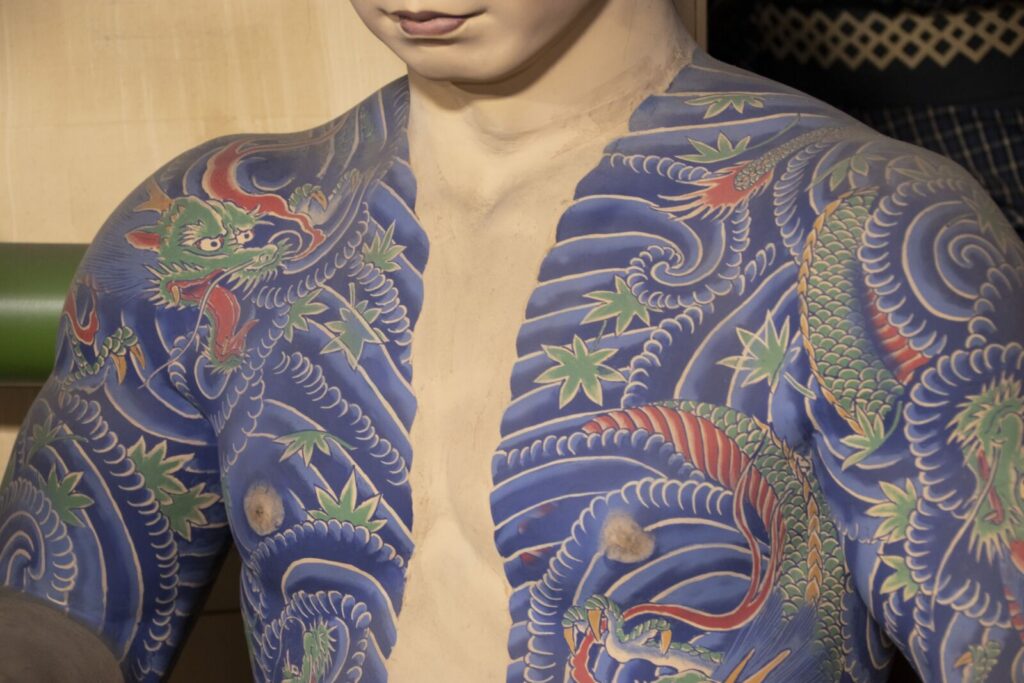
Later, tattoos became heavily associated with the yakuza, organised crime groups. Members of the yakuza often cover their whole bodies - except their hands, feet and above the neck - in tattoos. In the post-war period, many young men whose fathers had died in the war joined the yakuza. Businesses feared retaliation if they were perceived to be discriminating against the gangs, so chose instead to outright ban anybody with tattoos.
While this stigma has faded from virtually all other areas of business in Japan, it has persisted in bathing culture. You may also run into trouble at some of the following places:
- Beaches
- Gyms
- Pools
If you have only small tattoos, it may be much easier for you to simply wear long sleeves, or cover them with a plaster or band-aid. However, as the number of foreign tourists increases every year, coupled with an increasingly-large part of Japanese society interested in the self-expression tattooing allows, the artform is becoming much more socially acceptable in Japan.
What's the difference between an Onsen and a Sento?
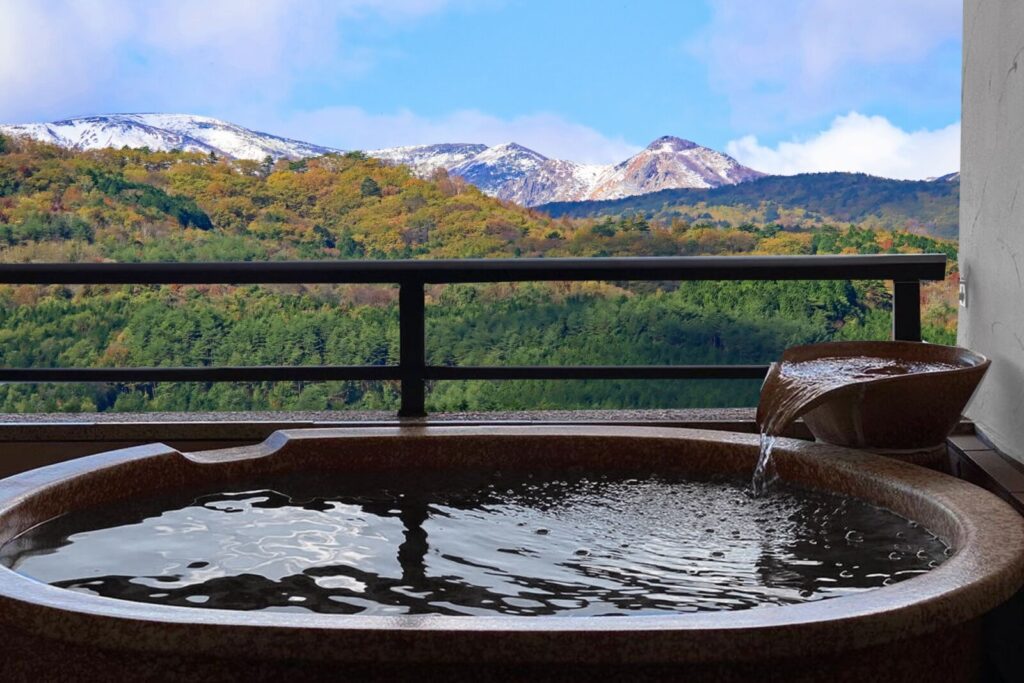
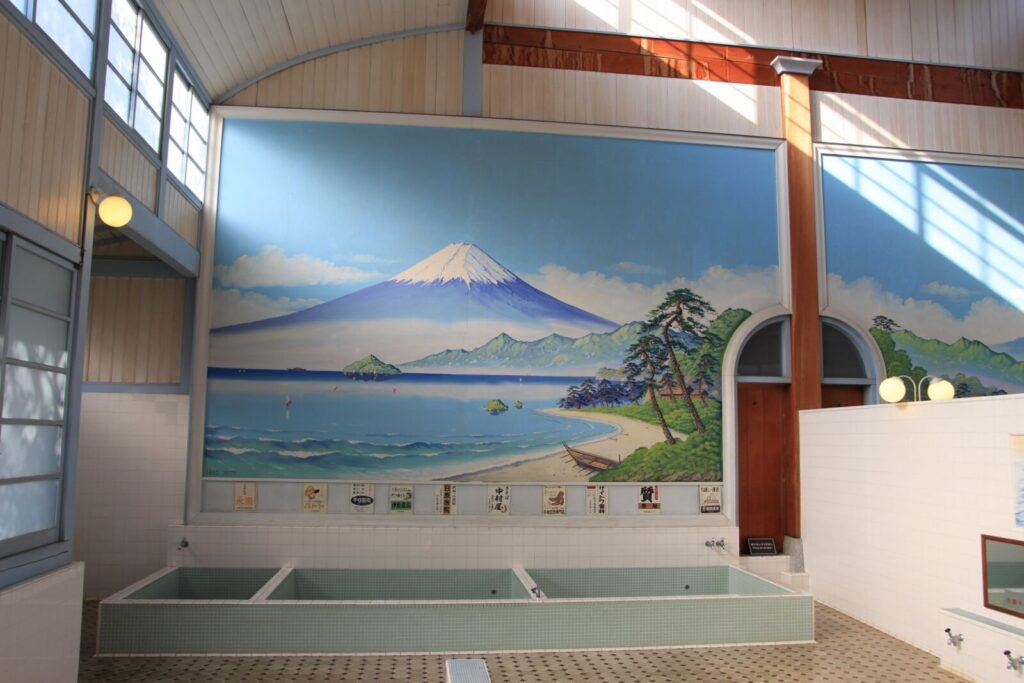
It's easy even for Japanese people to get mixed up between what's an onsen and what is a sento. Typically, onsen use natural mineral-rich spring water in their baths. Sento, on the other hand, use heated tap water that is usually drawn from a hot spring and re-heated. Sento may artificially "craft" their water by adding minerals to it.
Sento are also generally much cheaper as their prices are regulated by the local governments, while onsen are private businesses or a collective of businesses charging as much as they like. Ryokan, traditional Japanese inns, usually fit this latter category.
Because onsen draw directly from the hot spring itself, they are usually in more rural locations. Kansai does, though, have several onsen. There are also some facilities on this list that are listed as sento on google maps but have specific baths that use water from the onsen and others that draw from sento.
You may also stumble upon something called a "Super Sento" which are larger sento facilities that often have restaurants, saunas, massage parlours and other amenities. They are usually not tattoo-friendly.
Why Japan Has Sento & Onsen
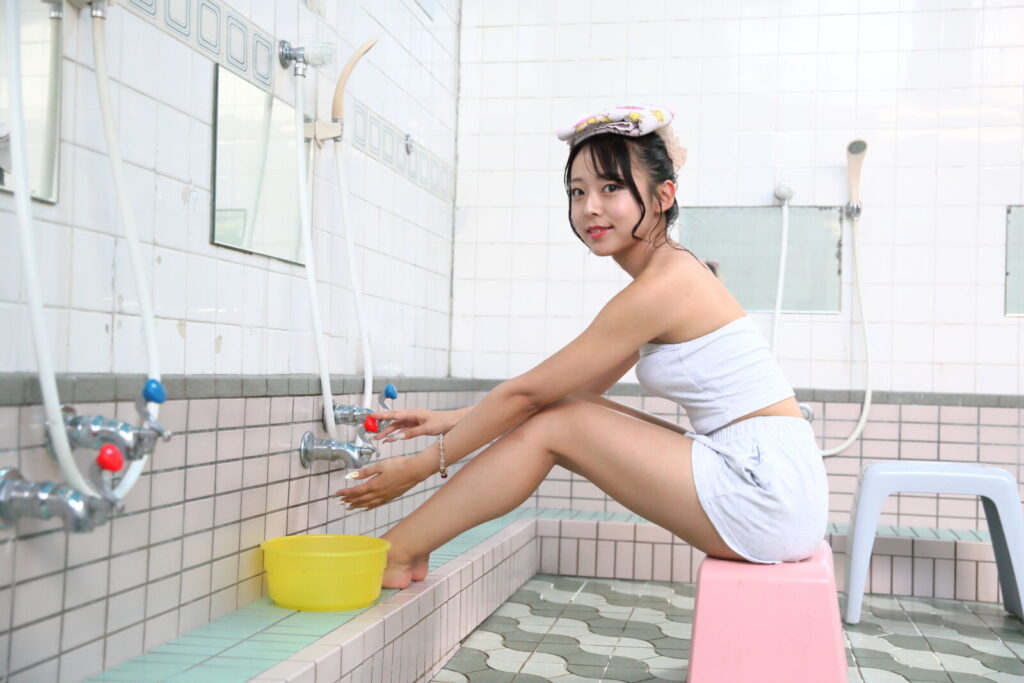
Japan’s bathing culture developed naturally from its landscape and its cities. Sitting on the Pacific Ring of Fire, the country has long had easy access to hot water through natural springs. In rural areas, this led to the rise of onsen, while in growing cities, heated public bathhouses—sento—became the practical solution for everyday life.
During the Edo period (1603–1868), most homes did not have private baths. Heating water required open flames in tightly packed wooden neighborhoods, making it expensive and dangerous. The answer was the neighborhood bathhouse: one furnace, many users. By the late Edo period, cities like Edo (modern Tokyo) had thousands of sento, functioning as essential social infrastructure rather than luxury amenities.
Inside a sento, everyone bathed together. Status disappeared at the door—samurai, merchants, craftsmen, and children all shared the same space and the same water. These baths became places for casual conversation, local news, and community bonding, shaping a uniquely Japanese sense of social equality.
Even after World War II, when homes gradually gained private baths, sento endured. They offered something a bathtub could not: larger and hotter baths, a shared atmosphere, and a deeper sense of relaxation. Modern sento have evolved to include electric baths, medicinal waters, saunas, cold plunges, and striking contemporary design—part nostalgia, part wellness culture.
Today, sento and onsen remain woven into daily life. They provide routine in a high-stress society, human connection without obligation, and a moment of quiet reset. You soak, you unplug, and for a while, nothing else matters.
Onsens and Public Baths Etiquette
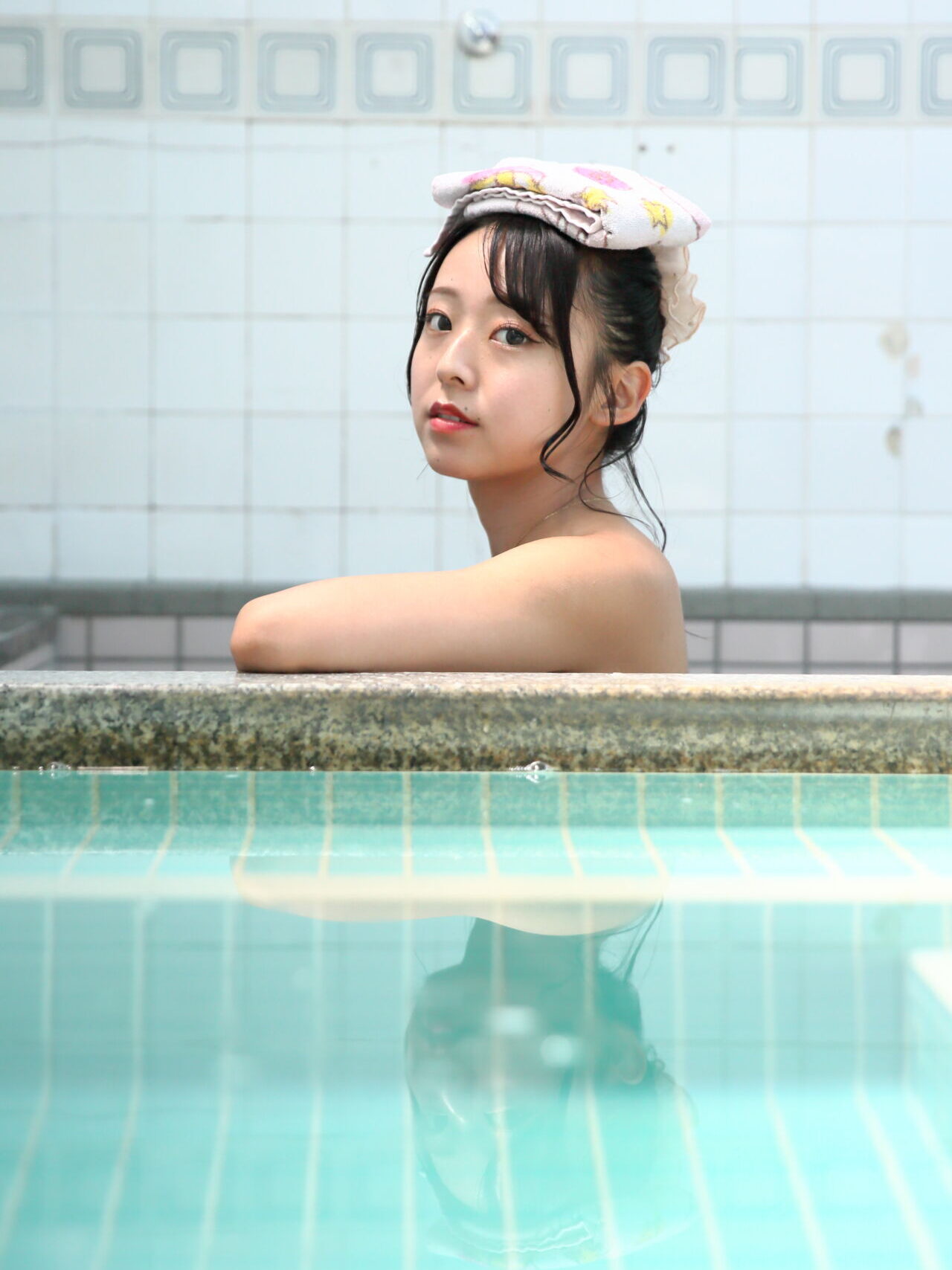
When visiting tattoo-friendly onsen (hot springs) and sento (public bathhouses) in Kyoto, it’s essential to follow proper bathing etiquette. These rules help keep the baths clean, quiet, and comfortable for everyone. While tattoo-friendly facilities are welcoming, they are often especially strict about manners, so always follow posted rules at each location. For more information check out our Onsen Ettiquette page
Before Entering the Baths
- Undress completely in the changing room. Swimwear is not allowed.
- Remove makeup before bathing.
- Tie up long hair so it does not touch the water.
- Wash your body thoroughly at the shower stations before entering the bath.
- Rinse off all soap and shampoo completely before stepping into the bath.
- Shower while seated, not standing.
Inside the Bathing Area
- Do not wash your body in the communal baths — washing is done only at the shower area.
- Do not submerge your head in the bath.
- Do not let towels or hair enter the water.
- Do not swim, splash, or play in the baths.
- Keep your voice low and avoid loud conversations — onsen are quiet spaces.
- Do not reserve or occupy spaces unnecessarily.
- Be considerate of others and avoid staring.
Towels & Movement
- Bring a small towel into the bathing area.
- Dry off before returning to the changing room to keep floors dry.
Prohibited Behavior
- No cell phone use in changing rooms or bathing areas.
- No photography, even in private or family baths unless explicitly permitted.
- Do not bring electronics into the bathing area.
If You Feel Uncomfortable
Public bathing is new for many visitors. If another guest makes you uncomfortable or behaves inappropriately, inform staff immediately — they are there to help.
Final Tip
Each onsen or sento may have facility-specific rules, so always check posted signs or ask staff if you’re unsure. Following these guidelines ensures a respectful, relaxing experience — and helps keep tattoo-friendly baths open to everyone.
Planning Your Kansai Trip?
If you’re still shaping your itinerary, start with our 7-Day Kansai Japan Highlights Itinerary, which combines Kyoto, Osaka, and Nara into a balanced first visit. For inspiration and practical tips, see our 40 Things to Do in Kyoto, Nara, and Osaka, including seasonal ideas and neighborhood recommendations.
Looking to go deeper? Our Best Tours in Kyoto page highlights cultural experiences that go beyond the usual sights. If you’re deciding where to base yourself, our guide on staying in Osaka or Kyoto breaks down the pros and cons of each.
For themed travel, don’t miss our Essential Guide to Geisha in Kyoto, or explore Kansai’s brewing heritage with our Top 10 Sake Breweries to Visit in Kansai. Finally, for help making restaurant reservations in Kyoto, check out our Guide on Making Reservations in Kyoto
Frequently Asked Questions (FAQ)
What should I bring with me when I go to an onsen or sento?
Generally, you should bring a towel, soaps and a change of underwear when you visit an onsen. As most Japanese people bathe in the evening, many choose to change into pyjamas or evening wear. If you plan to do the same, make sure to bring anything that you need. Some facilities have hair dryers, although they often cost a small fee to use.
Are there any rules or etiquette I should know before visiting an onsen?
Yes, onsen etiquette can be very strict. Tattoo-friendly onsen are often more strict than usual to compensate for being more "lenient" on other rules. Here are some important things to remember when visiting an onsen:
- Do undress fully and wash your body thoroughly before getting into the water. The shower area in front of the public baths are for this purpose.
- Do rinse off all soap and shampoo before you get in the water, too.
- Don't take pictures inside the onsen. Even if it is a private or family room, the operator may ask you to refrain from taking pictures.
- Don't let your hair or towel into the water to keep it as clean as possible.
- Don't swim in the baths.
- If there are other people in the bathing area, do be as considerate as possible. Onsen are usually quiet places.
- While many foreigners are unused to public bathing culture, be mindful that it is considered rude to stare. If another guest is making you uncomfortable, do report it to staff.
Some places on this list mention needing stickers, plasters or band-aids to use the baths. Why?
Due to the increasing numbers of foreigners visiting Japan and the slow changes in societal standards, some places are becoming more accepting towards tattoos. Some onsen will only allow tattoos that can be covered by band-aid like stickers.
If you have larger tattoos that cannot be covered, such as a sleeve or full back piece, staff may turn you away.
I have a skin condition. Is it safe to use an onsen?
Onsen are usually perceived to have visible medicinal benefits. However, that may not be the case for you. Consult with your doctor before visiting Japan if you have any concerns about being able to use onsen.
Why does it matter if I have tattoos when I'm obviously not Japanese?
It's understandable to be frustrated at something like this. Most Japanese people would agree quite quickly that you are probably not a member of the yakuza or other gangs. However, the rules are the rules and Japan is not a country famed for its flexibility.
Am I really missing out if I don't visit an onsen while in Japan?
That's hard to say, really, and depends largely on you. Onsen definitely are not the be-all-end-all of attractions in Japan. While onsen is definitely a popular thing among Japanese people, there are plenty who rarely, if ever, go.
We always recommend trying something at least once, then once again if you're still unsure. If onsen aren't for you, luckily Japan has plenty of things to see and do. From nature walks and city strolls, to museums, art galleries, ancient temples, pristine beaches and some absolutely mind-blowing food, Japan is certainly far more than just onsen.
Are onsen and sento separated by gender?
Yes. Almost all onsen and sento are separated by gender, with clearly marked entrances for men and women. Mixed-gender baths (konyoku) do exist, but they are rare and usually found in rural areas.
Children are generally allowed to bathe with a parent of either gender until a certain age, which varies by facility.
If you’re uncomfortable with gender-separated bathing, look for private baths (kashikiri) or family baths, which can often be reserved in advance.